
Brigitte Bardot, French Screen Legend and Style Icon, Dies at 91. Story by RUNWAY MAGAZINE. Photo Courtesy: GettyImages.
Brigitte Bardot is dead at 91, and with her disappears not merely a French actress, but one of the rare figures who altered the mechanics of fame itself. Long before celebrity became a managed industry, Bardot was already its most volatile prototype: uncontrolled, instinctive, impossible to contain.
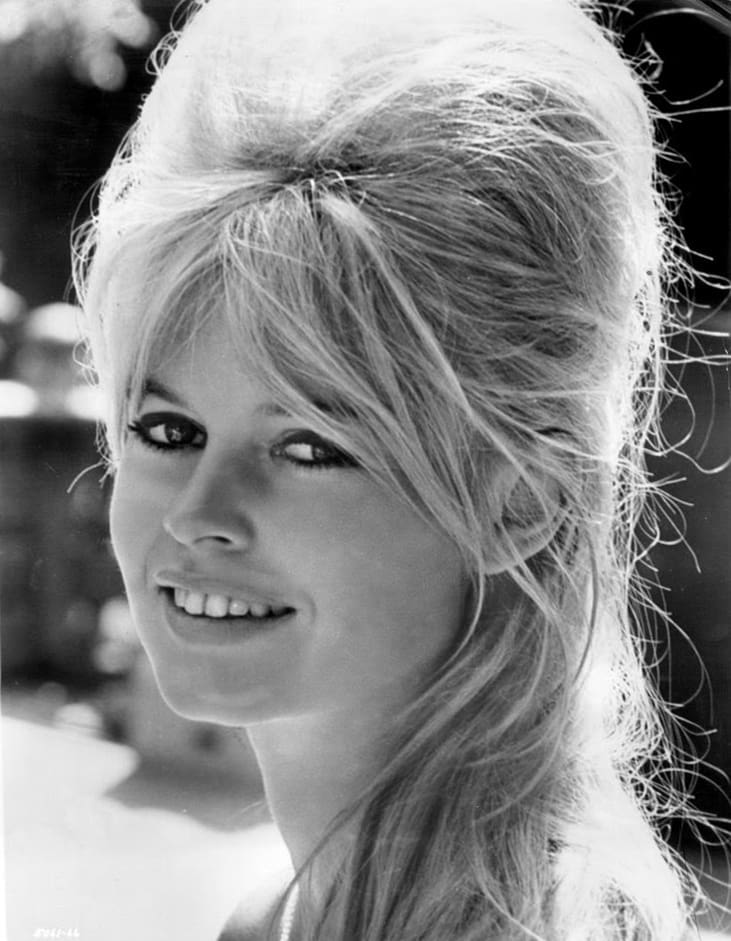
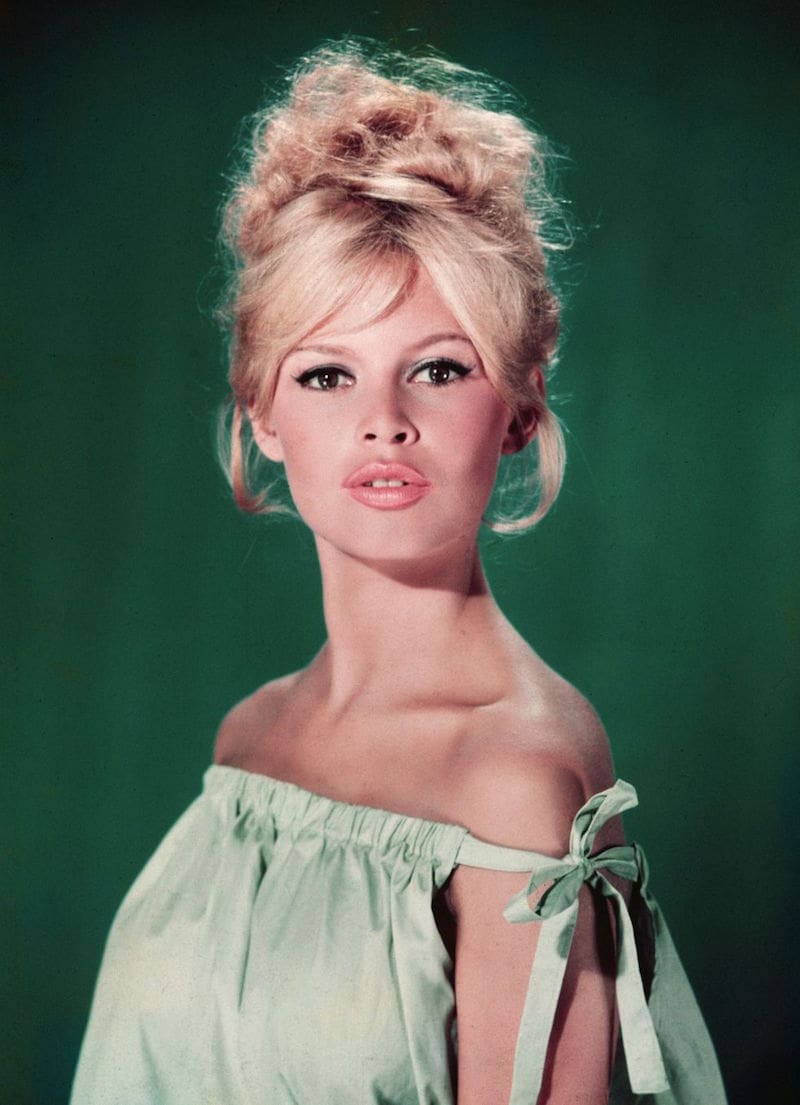
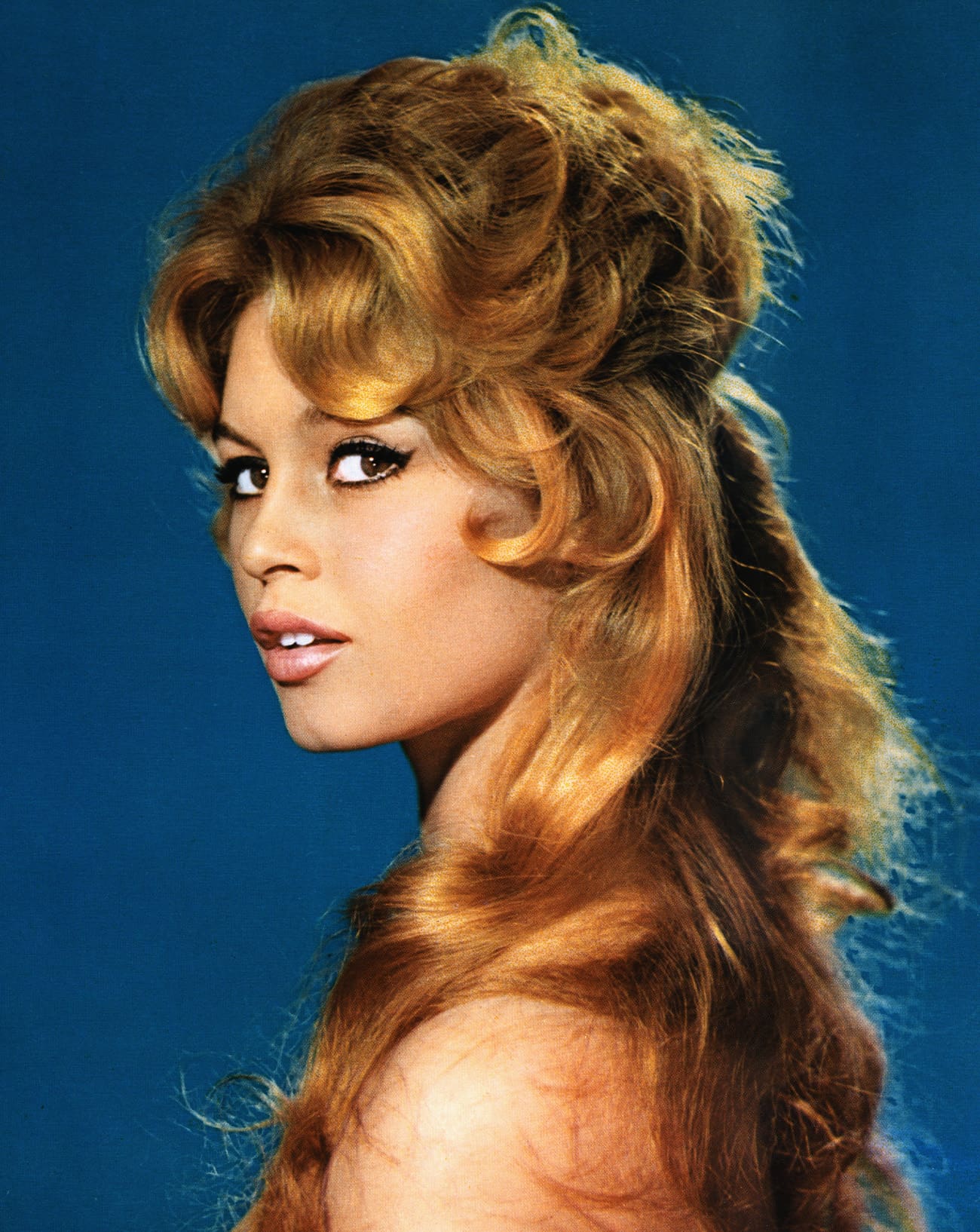
She did not act seduction; she embodied it without strategy. The smoky eyes, the unstudied pout, the barefoot insouciance were not styling decisions but consequences. Bardot appeared on screen as if cinema had accidentally caught a woman being herself — a dangerous illusion in the rigid moral architecture of post-war Europe. In And God Created Woman, she did not shock by excess, but by absence of apology. Desire was no longer coded or punished. It simply existed.
This was the true rupture. Bardot became the first global female icon whose power did not rely on refinement, intellect, or tragic destiny, but on a radical form of presence. She belonged to no narrative of redemption. She did not evolve for the audience. The world adjusted around her instead.
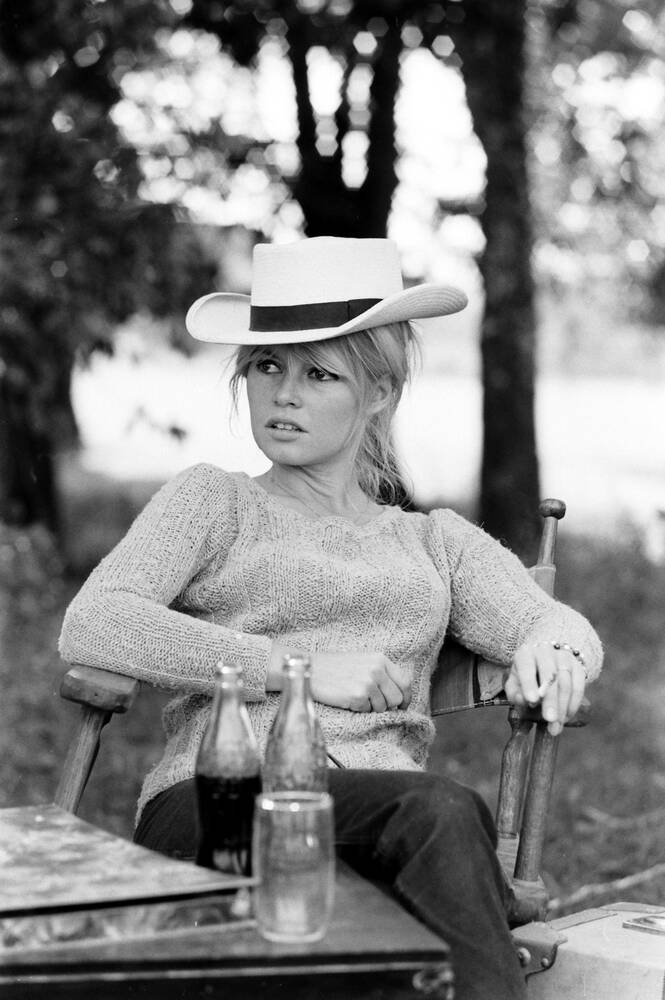
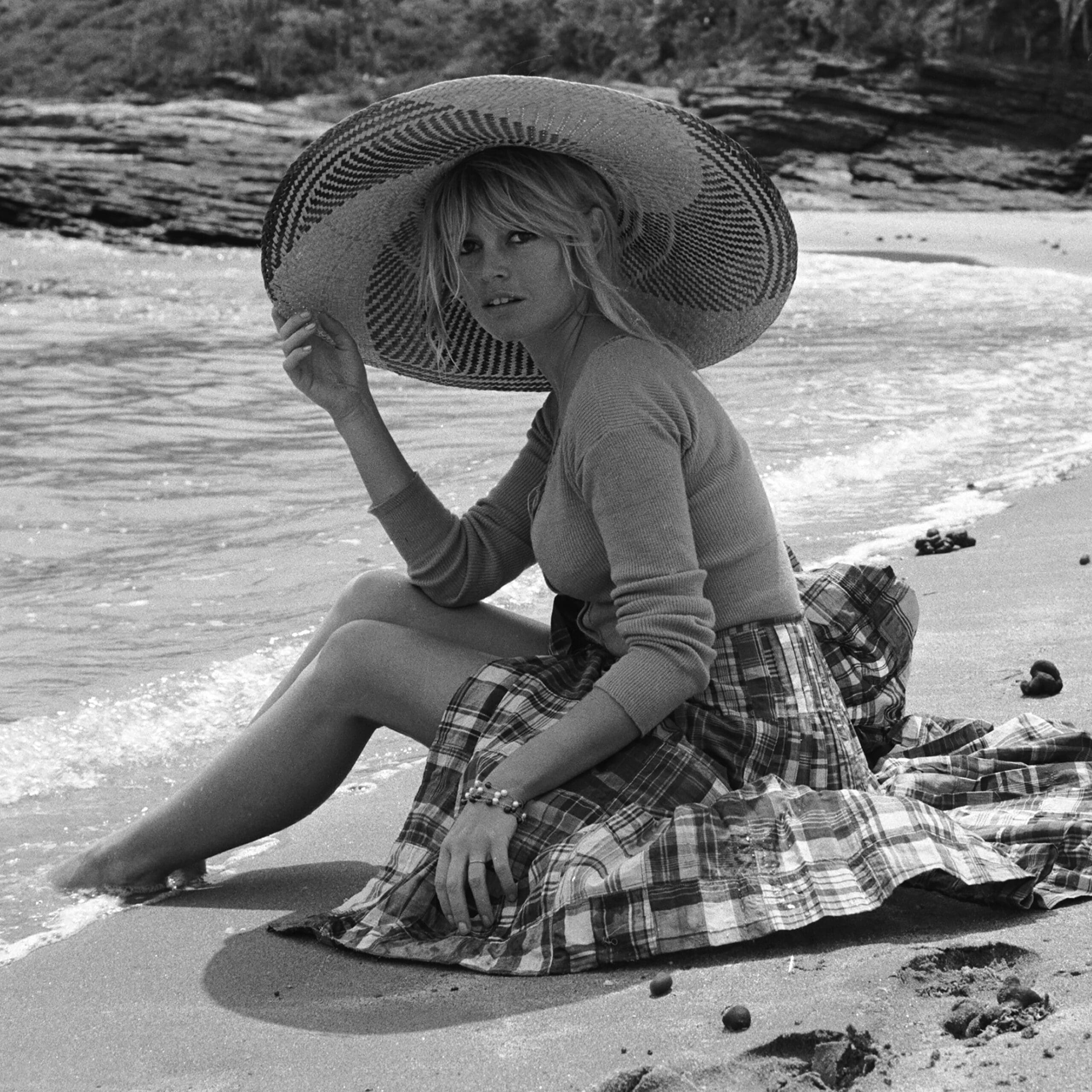
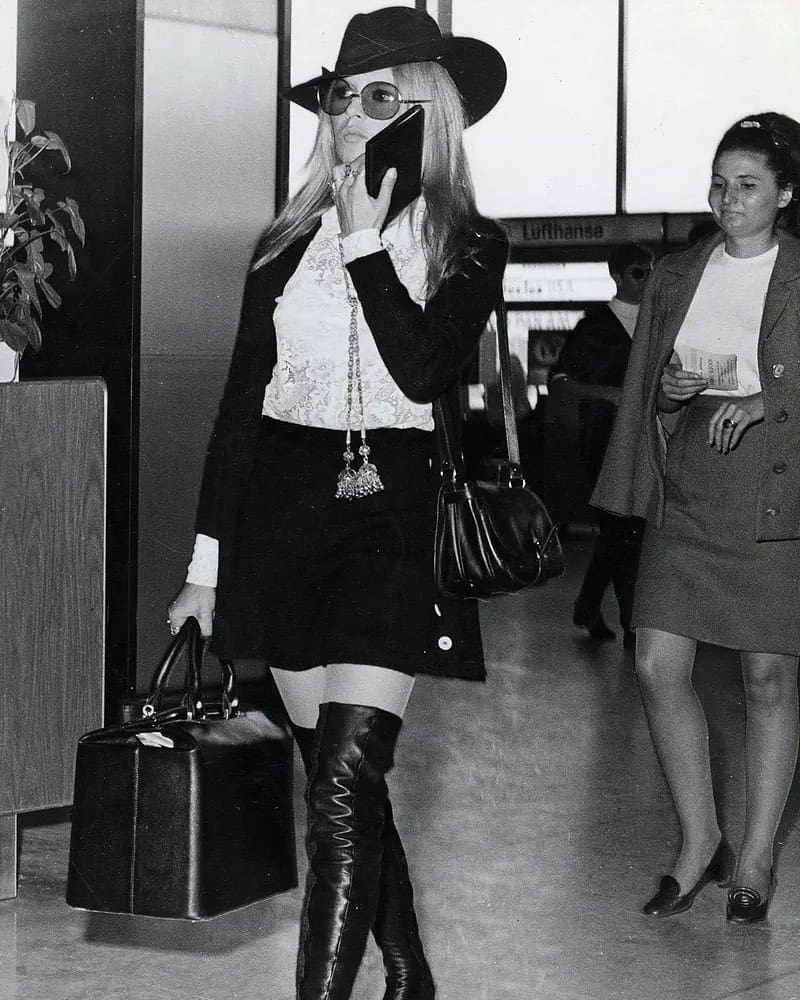
Fashion followed, inevitably. Hair loosened. Shoulders were exposed without ceremony. The body stopped pretending to be decorative and became expressive. Bardot’s style was not aspirational in the traditional sense; it was contagious. Women did not want to be dressed like her — they wanted to be ungoverned like her.
By the 1960s, she had become a symbol of the Swinging era not because she represented it, but because she prefigured it. Freedom, youth, erotic autonomy, boredom with authority — all were already present in her image before they acquired political language. She was less muse than signal.
And then, in a move still misunderstood, she left.
At 39, at the height of global recognition, Bardot walked away from cinema entirely. No farewell tour. No myth-building. Just refusal. In doing so, she committed perhaps her most radical act: rejecting the public’s ownership of her image.
What followed was not retreat, but redirection. Bardot reinvented herself as an animal rights activist with the same uncompromising intensity that had defined her screen presence. The Brigitte Bardot Foundation became a vehicle for relentless advocacy, often uncomfortable, often confrontational, never ornamental. She did not soften with age. She did not dilute her convictions for applause.
Her later years were controversial, abrasive, frequently at odds with contemporary moral consensus. Bardot never learned the language of caution, nor did she seek absolution. That, too, was consistent. She lived without filters long before the term became fashionable, and she paid the price publicly.
History will not remember Brigitte Bardot as a perfect figure. It will remember her as a disruptive one.
She was not an actress who became a symbol. She was a symbol who briefly used cinema as a medium — then discarded it when it no longer served her truth.
In an era obsessed with visibility, Bardot understood something essential: freedom is not being seen everywhere. It is knowing when to disappear.
And that, perhaps, is why she remains impossible to replace.
