
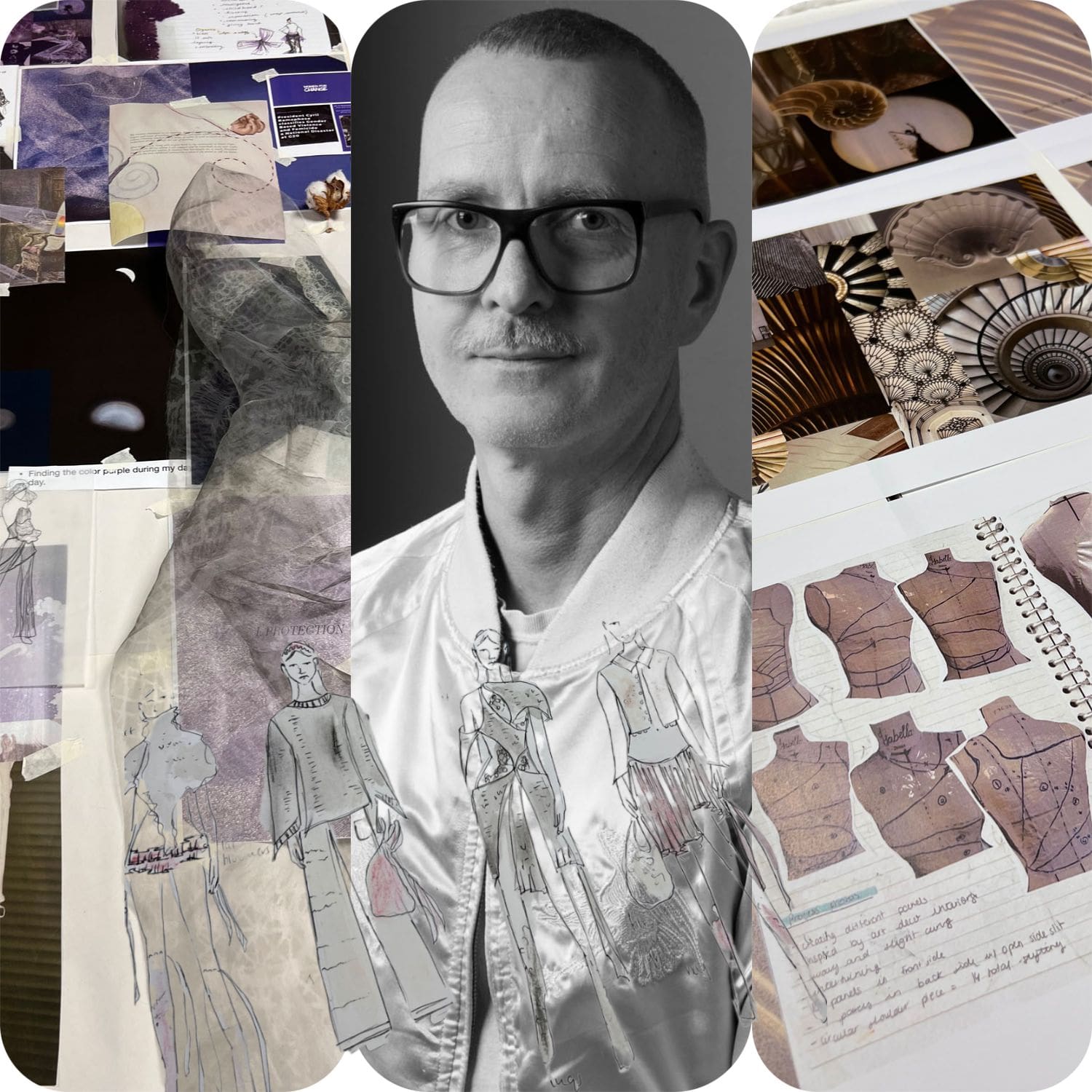
De-Signing Fashion at PCA by Lucas Maethger, Chair of the new MA. Intervew by RUNWAY MAGAZINE. Photo Courtesy: Paris College of Art.
Fashion has reached its breaking point. Layoffs, burnout, extractive production cycles, and mountains of waste — nearly 92 million tons of textile waste each year, as noted in the press release — have exposed an industry unable to sustain the pace it demands from those who feed it. Yet while the system fractures, fashion education too often continues to train students for structures already collapsing under their own weight.
Into this moment of reckoning steps the Paris College of Art, introducing what it calls the world’s first MA in Critical Fashion Practices. Rather than preparing students to reproduce the failures of a hyper-accelerated industry, the program proposes something far more urgent: the dismantling of fashion’s dominant systems and the reimagining of what this field should be responsible for now.
Built on the principle of “de-sign” — the strategic unmaking of entrenched models — this Master’s program positions education not as a feeder for the industry, but as the starting point for cultural and structural transformation. In other words: if fashion is to change, its pedagogy must change first.
To understand this shift and the ambitions behind it, editor of RUNWAY speaks with Lucas Maethger, Chair of the new MA, about accountability, sustainability beyond greenwashing, and the radical rethinking required to move fashion into its next era.
Interview
You describe fashion as a system in crisis. From your perspective, what is the single most urgent systemic failure that education must confront first?
– The crisis we’re feeling is the speed at which the fashion industry is moving. There’s this constant push to give consumers more and more, just so they can keep up with the newest trends, and whatever it takes is done to drive spending. This is contributing to overconsumption and increasing pollution in all its forms. The digital era we live in is only intensifying this process and speeding consumption up even further.
When we talk about “responsibility” in fashion today, who has failed most profoundly — designers, corporations, educators, or cultural institutions?
– I believe that corporations have a very big responsibility to take. The way we are running our business today are oriented towards extreme profit and less focusing on long term responsible growth. Looking on how often Creative Directors are changed in the fashion powerhouse just to keep up with the next social media communication is not responsible. I started my studies in the late 90ties at the Royal Academy of Fine Arts in Antwerp where the Antwerp 6 had this stunning magic, this has been lost in the last years doe to constant change.
Why do you believe previous academic models have actively contributed to the industry’s collapse rather than mitigating it?
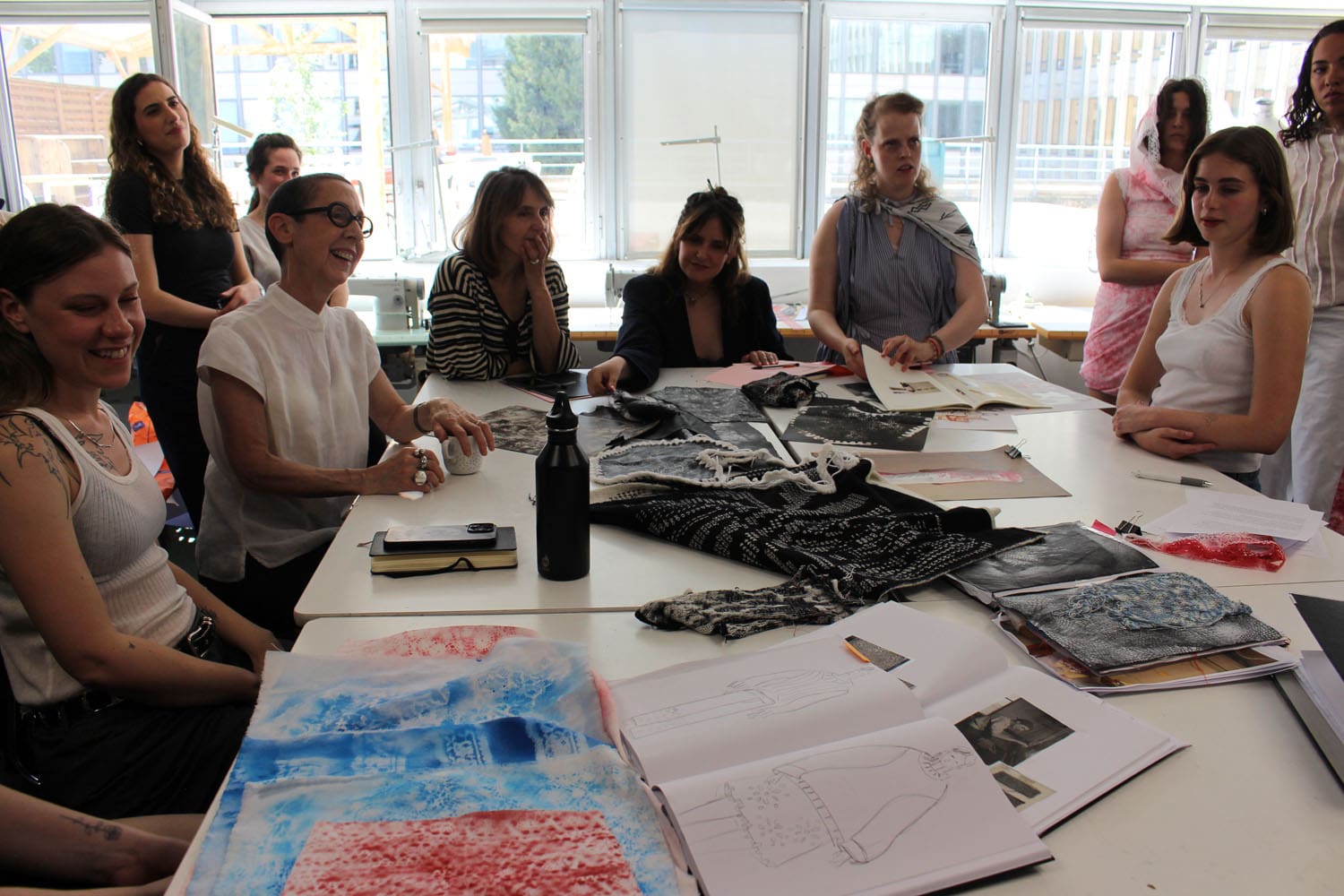
– Academic models are often based on pleasing the industry and shaping young designers to execute its needs. I myself have worked in education for more than 15 years across multiple institutions in France, the USA, and Germany, and I see that students are often trained to follow, execute, and fulfill the requirements set by professors rather than critically analyse and question the process.
I believe there is a strong need to question the decisions students make and to help them find meaningful answers. Why do students study fashion? What do they want to contribute, and how do they want to do it?
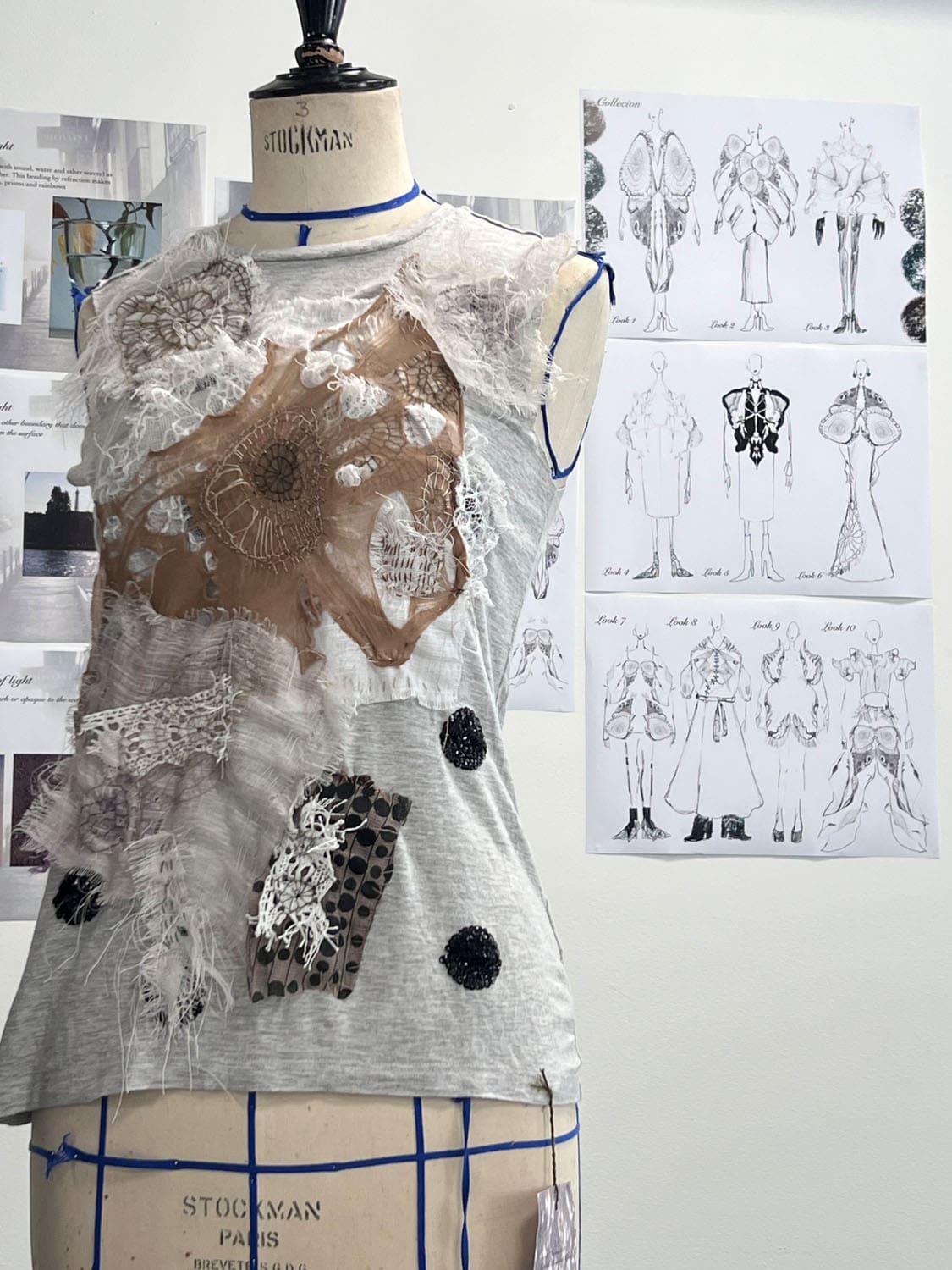
Your MA is built on the idea of ‘de-sign’ — the unmaking of dominant systems. What exactly needs to be dismantled first: production cycles, aesthetic ideologies, economic dependencies, or the myth of the creative genius?
– Based on my experience in the fashion industry — working as Head of Design for Calvin Klein Jeans, as well as spending more than three years in fast fashion groups — I see the need to unmake the existing system first. This affects not only production cycles and economic dependencies, but also the broader question of what fashion means today and what it stands for.
Fashion should be more than a rapidly shifting hype or trend; it should serve as an example of purposeful design. As designers, we look toward the future — we create what comes next. That’s why it’s so important to unmake dominant systems first, in order to develop a more innovative and purposeful future.

Is ‘de-sign’ a temporary intervention, or do you envision it becoming a new paradigm for fashion practice globally?
– ‘De-sign’ should be a continuous global practice, integrated into the design process and shaping our consciousness. Today, the industry faces challenges that can find new solutions and opportunities through ‘de-signing.’ In ten years, we will encounter different issues, and ‘de-signing’ — the act of unmaking — can help uncover new answers. Through ‘de-sign,’ we disrupt and unmake existing systems so we can examine challenges more deeply and develop better, more appropriate solutions.
You emphasize rejecting greenwashing. What, in your view, are the most pervasive misconceptions students still inherit about sustainability?
– Students today often don’t take sustainability very seriously, largely because the industry itself doesn’t set a strong example. While sustainability is frequently discussed and mentioned in education, in reality, neither companies nor students consistently practice it.
This starts with choices like the use of synthetic fibers and the intentionality behind design. For example, students sometimes label deadstock fabric as “sustainable,” but in practice, much more could be done to make it truly meaningful. Students may generate many ideas, but we need action, not just concepts. Global warming is real, and urgent action is required — and that begins with conscious, responsible decisions by students.
Can you define what authentic sustainability looks like in practice, not in marketing language, but in actual operational terms?
– In practice, we must make not only economic decisions but also sustainable ones — and these are often more costly. We examine which materials are used, how the fabric is dyed, and where and how the garments are manufactured, to name just a few aspects.
Sustainability extends beyond the supply chain. It also raises the fundamental question of whether a garment is truly needed by the consumer and whether it serves a meaningful purpose in their lives.
Fashion schools traditionally prepare students for the industry. Your program prepares them to critique it. How has the industry responded to the idea that education should question — not serve — its demands?
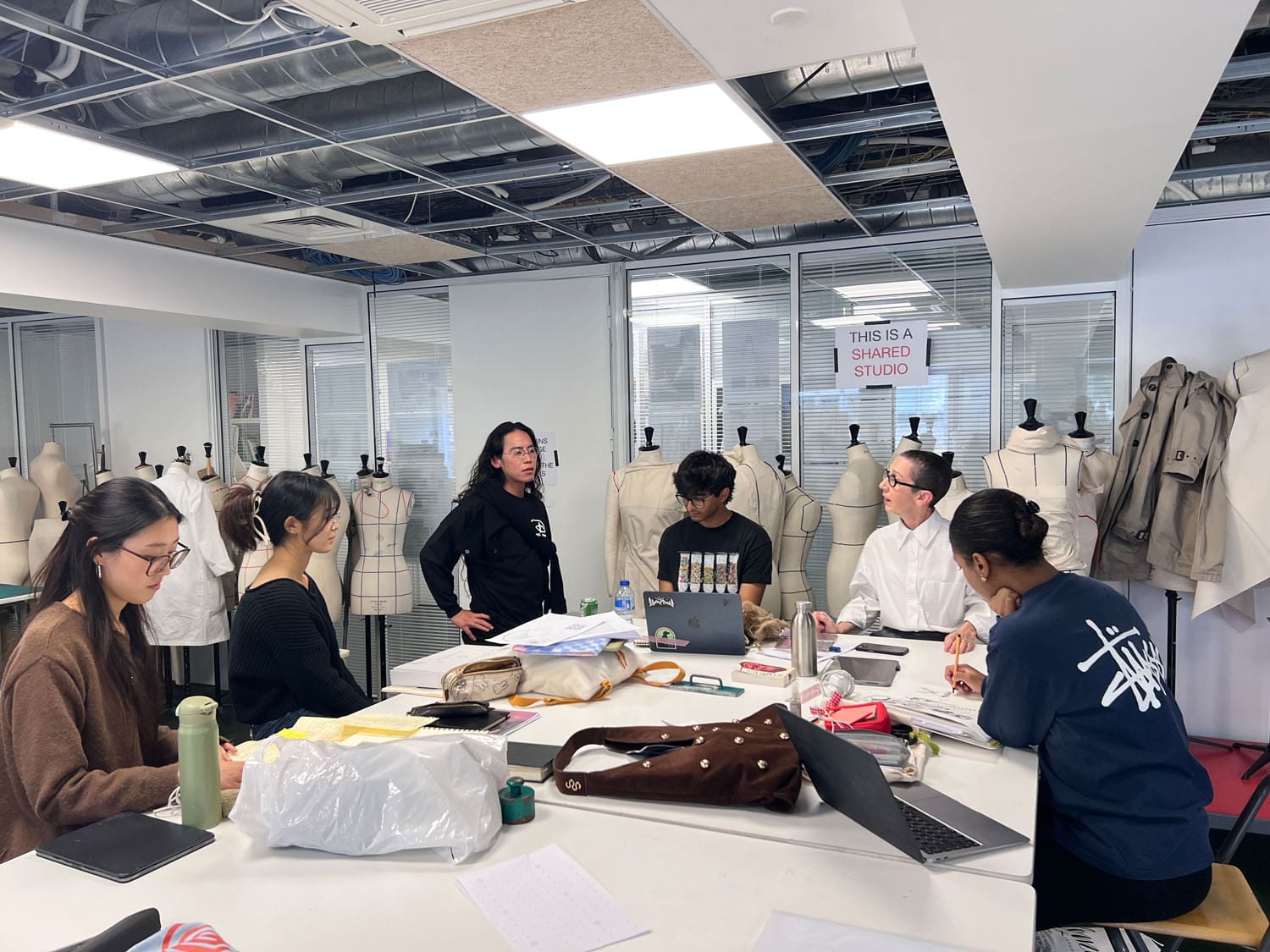
– Yes, that’s correct — we do not prepare students to simply serve the industry, but to critique it. This approach helps young designers become innovators and change-makers. Practicing critique allows students to understand challenges deeply, rather than just on the surface, which is increasingly needed in the industry.
Being critical doesn’t mean rejecting the industry; it means developing an awareness that equips students to engage more thoughtfully with its demands. Many roles in the industry today require critical thinking and solutions-oriented awareness, and this kind of education prepares students to excel in those positions.
Is there resistance from legacy houses or corporations who may feel threatened by graduates trained to disrupt, not obey?
– Based on my experience, including working with one of the Antwerp Six, Dirk Bikkembergs, I truly believe that disrupting the design process is actually beneficial for legacy houses, and they don’t feel threatened. Disruption doesn’t mean a lack of respect; it means transforming an industry or system in meaningful ways, often through new ideas or technologies. From this perspective, fashion houses and corporations tend to genuinely appreciate graduates who bring fresh approaches to both practice and design.
Do you believe that fashion education has been complicit in sustaining exploitative or extractive systems? If so, how?
– Yes, fashion education has been complicit in sustaining exploitative systems to some extent. Many schools sell a “fashion dream” to young creatives, rather than exposing them to the reality of the industry. This is where the cycle of exploitation begins.
Our new MA in Critical Fashion Practices takes a different approach — it is a program that is honest about the realities of the industry, offering students not a dream, but preparation and awareness to engage with the industry responsibly.
You mention graduates may build alternative systems entirely outside traditional fashion. What might those systems look like?
– Students will create alternative systems that can take many forms, depending on their research focus and intentions. This could involve exploring innovative materials, collaborating with startups, rethinking distribution methods, or even co-creating fashion with end consumers — challenging notions of ownership and questioning the existing capitalist system.
Other possibilities include building more responsible supply chains, producing on demand to avoid overproduction, or making garments as close as possible to the consumer — thinking globally but acting locally. These new systems can be small in scale but have a huge impact. The sky is the limit. However, to develop these alternatives, it’s essential first to critically examine the existing traditional system.
Which future fashion roles do you believe should no longer exist — and which new ones must be invented?
– I’m not here to take away jobs from fashion professionals or say certain roles should disappear. Rather, I would love to reimagine new roles. I see a disconnection between engineering and designing — these two fields should be more closely connected. Perhaps we could invent new roles, like “creative engineers,” that bridge design and technical innovation.
Your program examines fashion’s ties to capitalism, colonial histories, and identity. Which of these power structures is most resistant to change — and why?
– All three are deeply resistant to change, and they are strongly interconnected — each supports the others and cannot exist in isolation. I was born in Karl-Marx-Stadt under a communist regime in the former German Democratic Republic, so I experienced the opposite of capitalism firsthand. Today, we are all accustomed to these power structures and often remain in our comfort zones.
However, the global situation calls for us to challenge these structures and explore alternatives. Stepping out of comfort zones requires effort, and very few in the fashion industry are willing to do it. In the Western world, we are taught that our way defines “real fashion,” often ignoring the creativity and strong cultural identities from other parts of the world. This, in itself, is a form of colonialism.
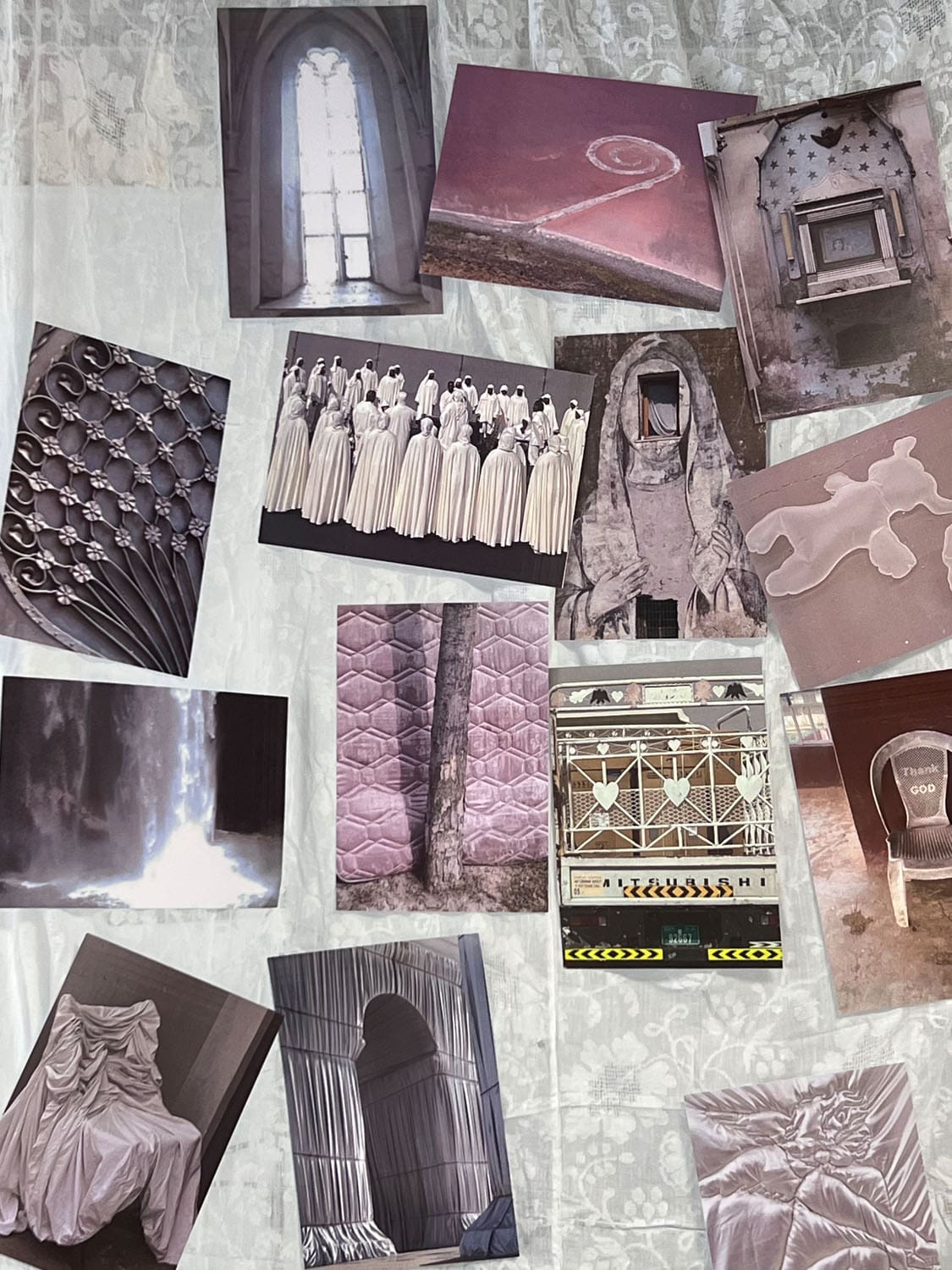
We need to de-sign our Western perspective and look for inspiration in how fashion is created elsewhere. By celebrating the diverse identities, cultures, and aesthetics across the globe, we can begin to disrupt and reimagine the power structures that dominate fashion today.
How do you equip students to confront institutions that are historically unmovable?
– That is a difficult question — if institutions have historically been unmovable, how do we begin to shift them now? The way I prepare my students is by teaching them to resist and to continuously challenge these companies, laying the groundwork for future change. Creating demand on the consumer side can directly drive transformation, but it is a long process that requires persistence and strategic action.
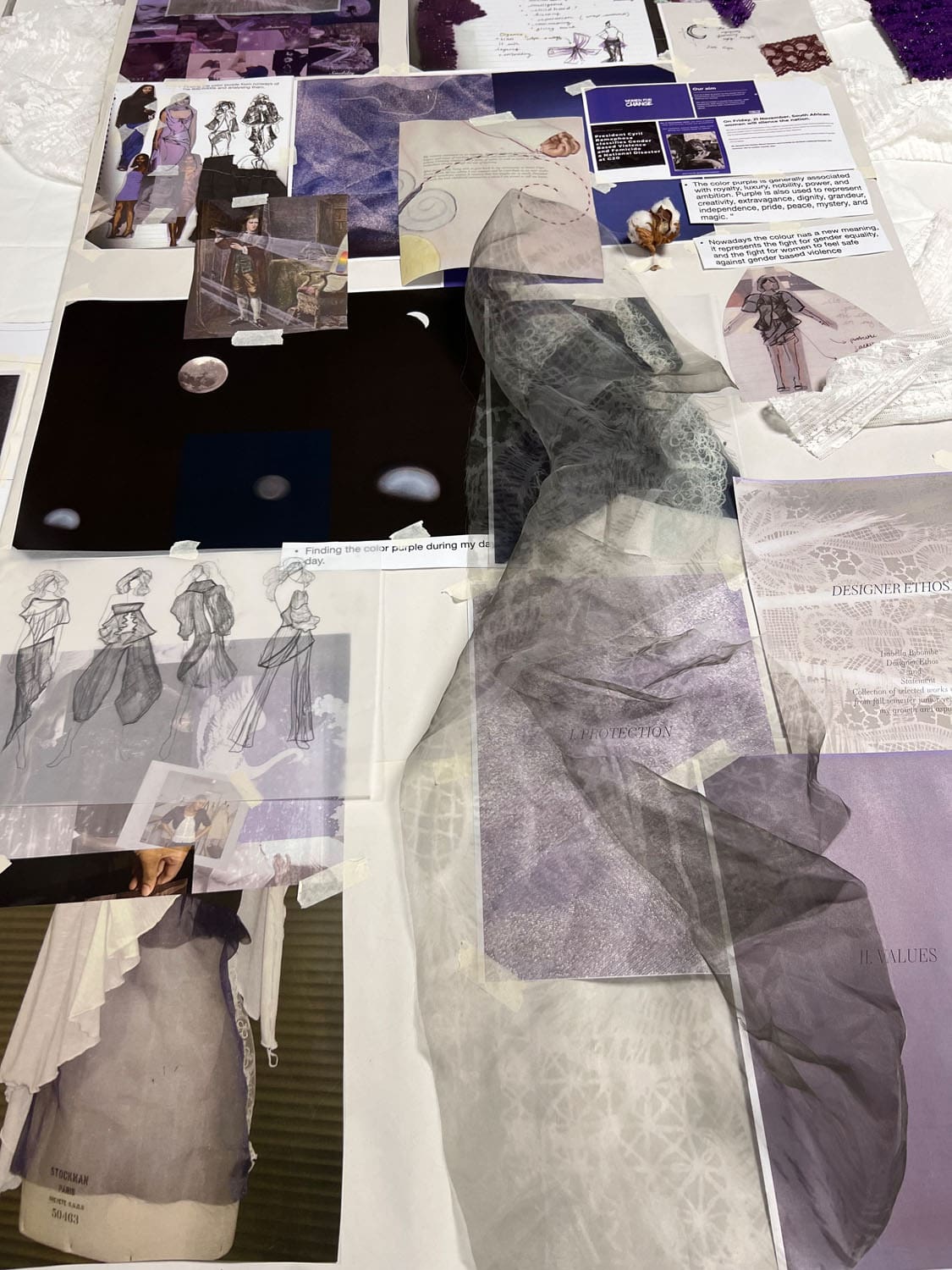
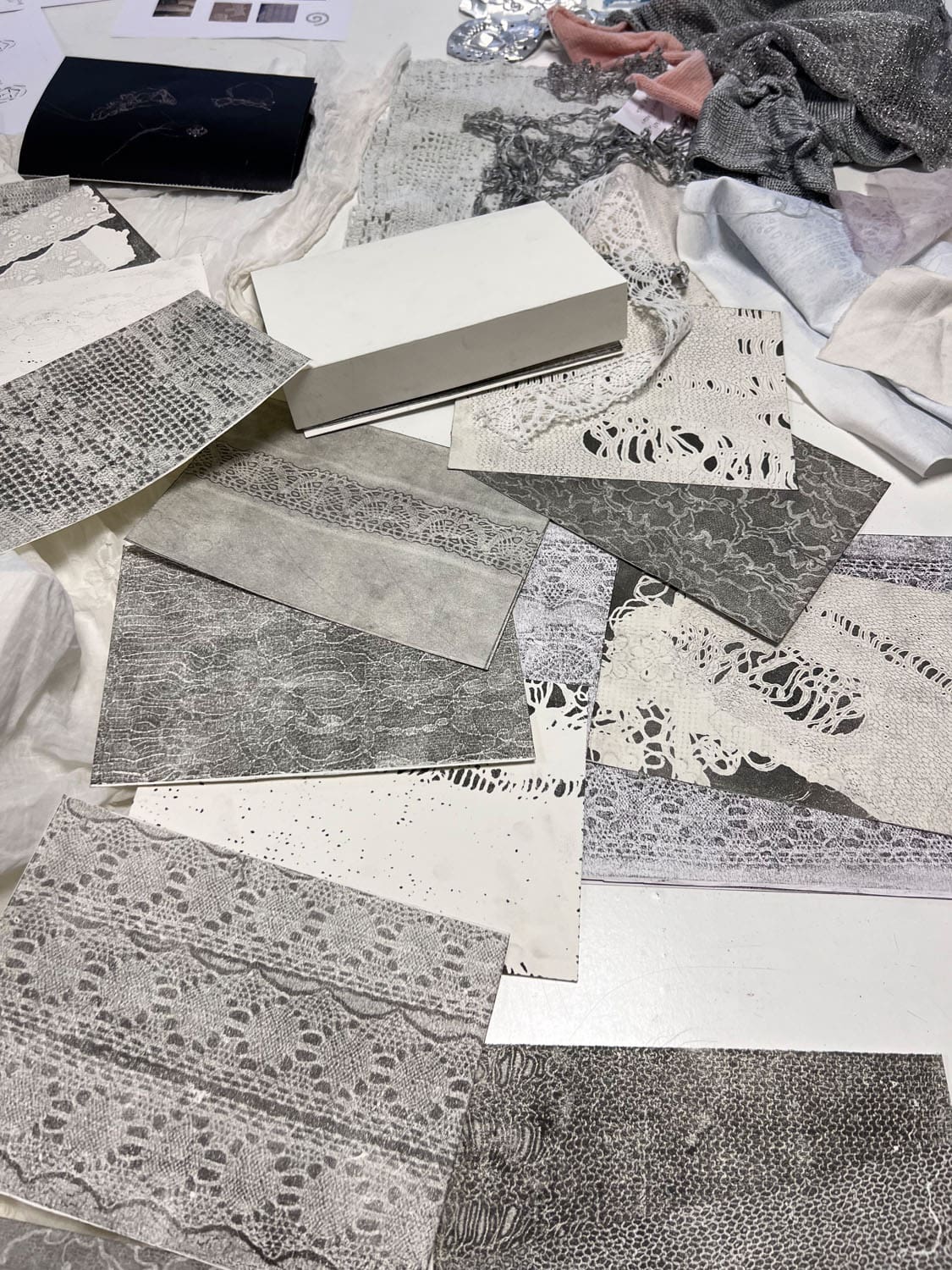
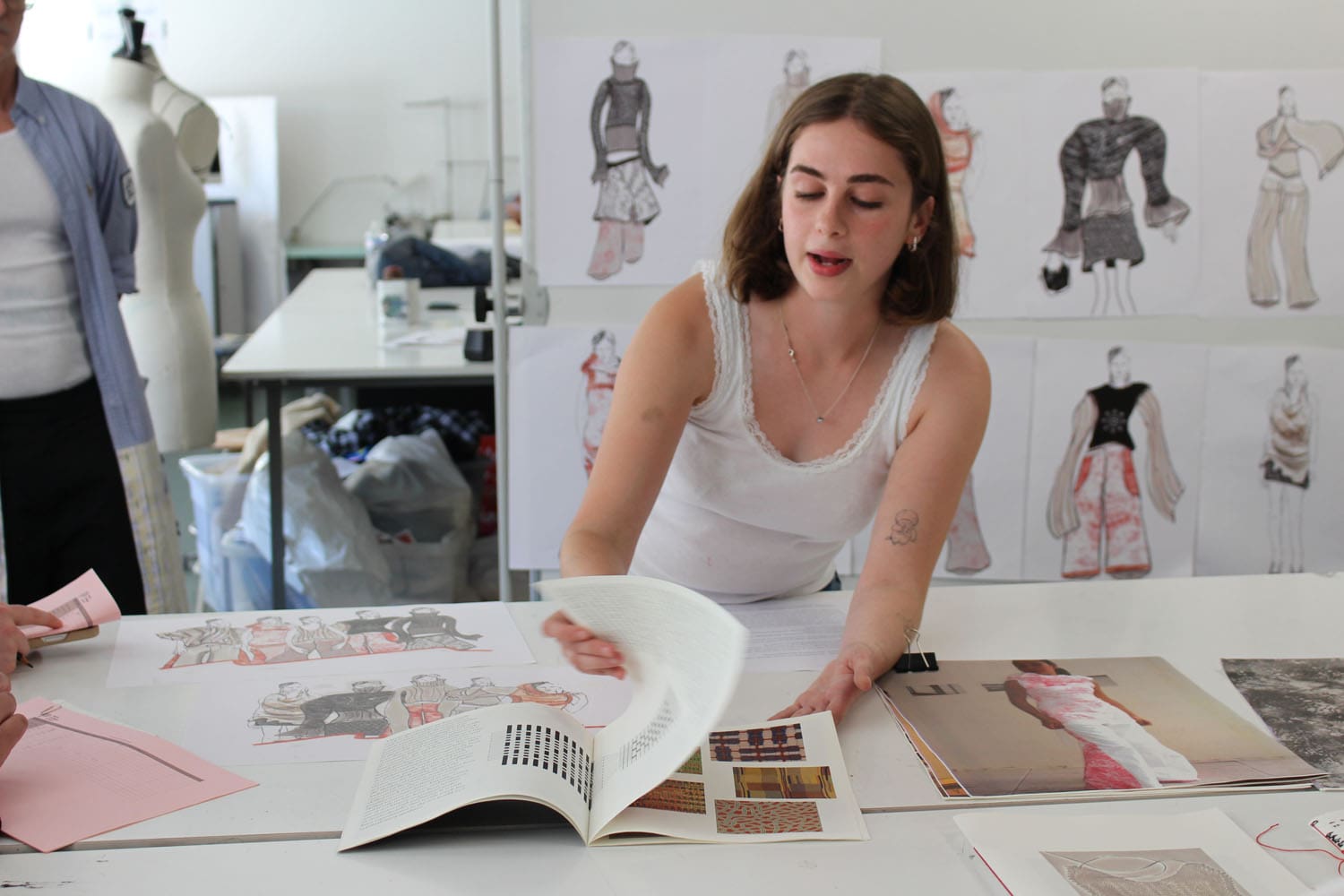
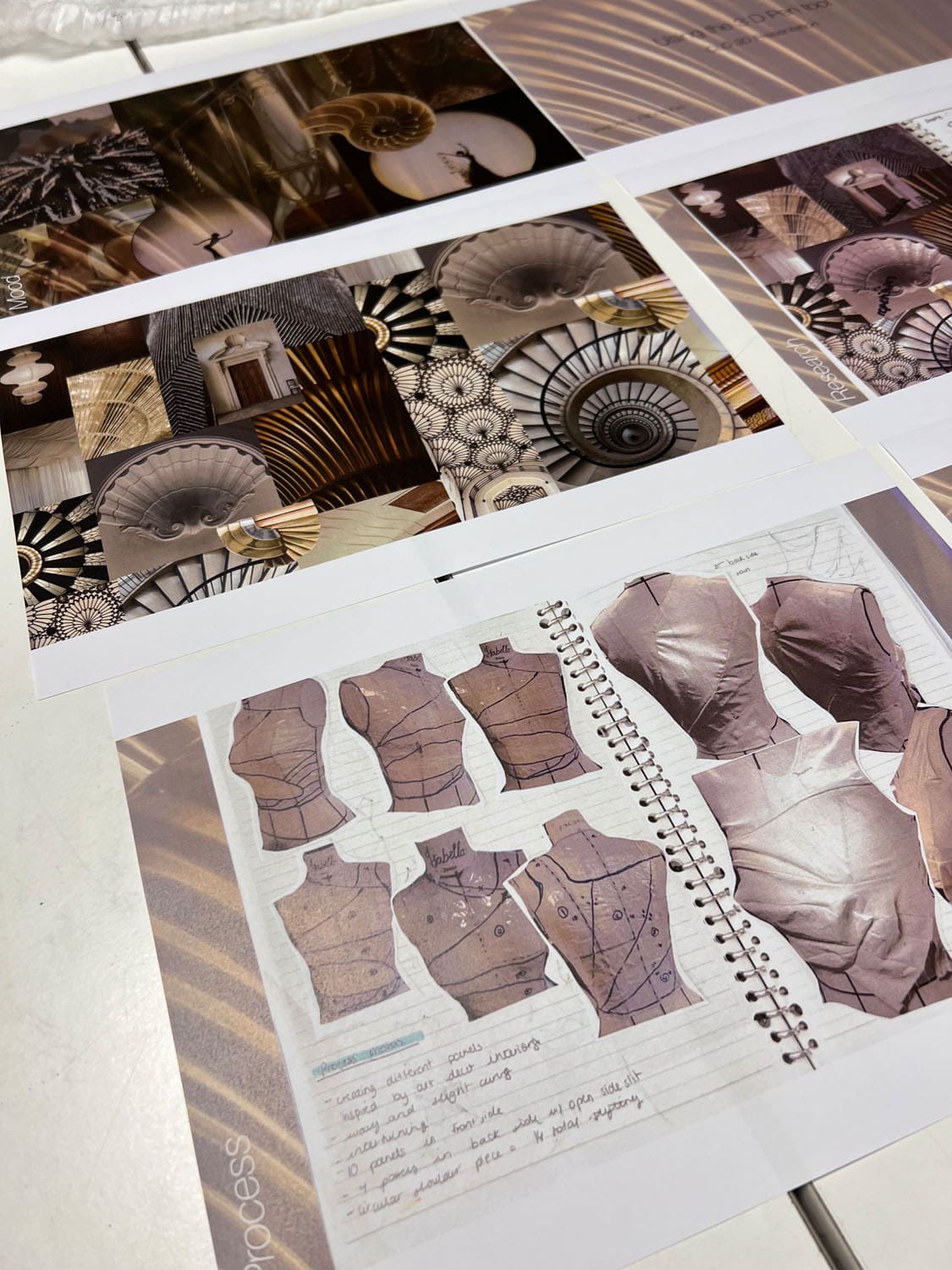
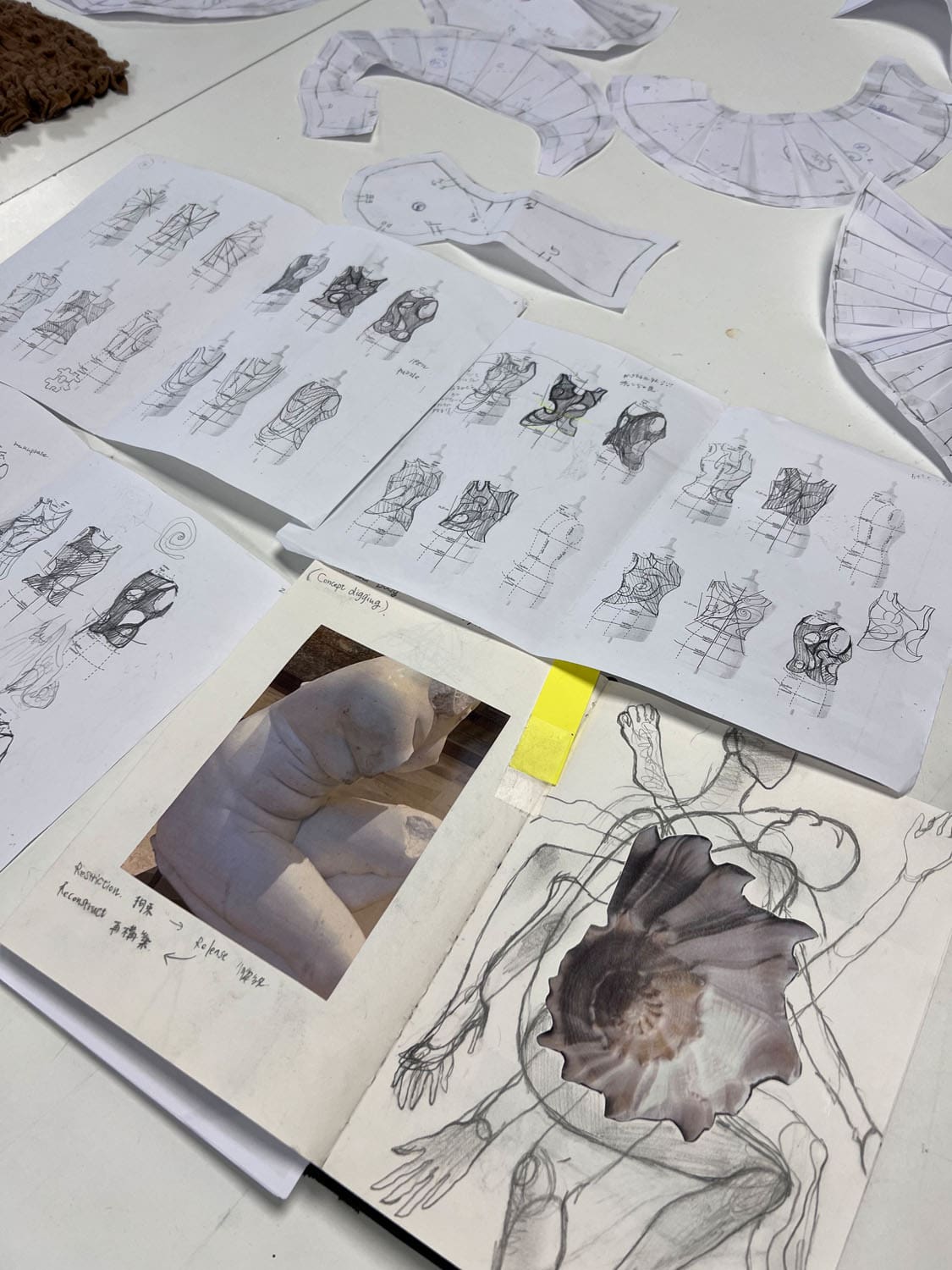
Creative burnout is endemic in fashion. Is the problem psychological, structural, or ethical?
– Creative burnout in fashion has a strong structural component. As I mentioned before, the extreme speed of the industry directly contributes to this crisis. ‘De-signing’ also stands for slow design — taking the time to create work in strong, ethical, and responsible environments. By fostering a more collective approach and caring for one another, we can help prevent personal instability and reduce burnout.
Can an MA program genuinely shield emerging designers from repeating the same cycles of exhaustion the industry is built upon?
– This is a concern we all share, and I’m afraid an MA program cannot fully shield emerging designers from repeating these cycles. However, we can cultivate awareness, helping young creatives to slow down, work thoughtfully, and nurture their creativity with passion.
If this program succeeds, how will the industry look in 10 years? And conversely, what does the future look like if education continues unchanged?
– I wish I could truly look into the future! I’ve loved fashion and the magic it held ever since I entered this world in 2003, graduating from the prestigious Antwerp Academy in Belgium. I believe in the positive potential of humanity, and I am confident this program will succeed. In ten years, I hope to see more companies taking real care of resources and developing a more circular fashion system. Waste and overproduction should be significantly reduced, and supply chains should become more respectful toward workers and all contributors to fashion.
Imagining the future of fashion with an unchanged educational approach feels almost impossible. Like global warming, we don’t have the luxury of inaction — change is necessary. My love for fashion drives me to be an active change-maker, rather than passively watching the industry decline.
Do you believe fashion as we know it today should survive — or is it time to build something completely different?
– Well, what exactly do we mean by “fashion”? Are we talking about fast fashion brands like Temu or Shine from China? Or the LVMH group? Or perhaps smaller, more responsible labels? The industry is incredibly diverse, so it’s difficult to group all collaborators and participants together.
I believe there are young, underground designers who should absolutely survive and be given the opportunity to grow. Should we implement more laws at the national and European level to prevent resource abuse? Yes. So, we should preserve some aspects of fashion as we know it, but we should also explore building something entirely new. How that will look depends on the innovative minds of the next generation.
Launching a disruptive program in Paris — the global epicenter of luxury — is a statement. How does the weight of Parisian tradition shape or challenge your mission?
– Yes, it is a statement, and I’m very proud to have the opportunity to launch it here at Paris College of Art. Students can experience Parisian traditions firsthand, conduct case studies, analyze business models, and reflect creatively. In many ways, this environment supports the program rather than challenges it.
Paris offers both the century-old craftsmanship that defines luxury fashion and innovative technology hubs that we can explore and use in personal and provocative ways. Learning from these incredible specialists and combining traditional skills with new approaches is highly valuable for the program.
Do you see Paris as part of the problem, part of the solution, or both?
– I’m not sure we can pin this challenge to a single city. Yes, Paris is home to major luxury groups and, like New York, London, or Tokyo, has both positive and negative aspects. I don’t see Paris as strictly part of the problem or the solution — the question is more complex than that.
As the conversation with Lucas Maethger makes clear, the question facing fashion today is no longer how to produce faster or innovate stylistically, but how to redesign the very conditions under which fashion operates. The MA in Critical Fashion Practices does not promise new trends or seasonal spectacles; it proposes new ways of thinking, making, organizing, and ultimately taking responsibility for the cultural and environmental footprint of the field.
Conclusion
What emerges from this conversation is not simply the outline of a new academic program, but a philosophical repositioning of fashion itself. Through Lucas Maethger’s lens, the crisis facing the industry is not a temporary misalignment but the consequence of a system that has outrun its own logic — accelerating production, exhausting creative labor, and normalizing extractive practices until collapse became inevitable. His proposition of de-sign challenges the very foundations on which contemporary fashion has been built: its speed, its hierarchies, its dependence on perpetual novelty, and its entrenched allegiance to Western capitalist narratives.
Across the interview, one idea recurs with clarity: fashion cannot meaningfully transform until it first unlearns. Unmaking is not destruction but methodology — a way to expose the assumptions, power structures, and inherited habits that have shaped the last half-century of global fashion. In this framework, sustainability is no longer a marketing posture but a series of difficult operational choices; education is not a pipeline to industry expectations but a site of resistance and re-imagination; and creativity becomes a responsibility, not a commodity.
The MA in Critical Fashion Practices positions itself at this intersection of critique and construction. It does not promise to protect students from the structural pressures of the world they will enter, nor does it pretend that education alone can rectify the failures of the system. Instead, it cultivates a new kind of designer — one capable of seeing fashion not only as a market, but as a cultural force with ethical, environmental, and political implications. If its ambitions succeed, the next generation will not simply fill existing roles; they will redefine them, invent new ones, and reshape the infrastructures that support fashion from the ground up.
In ten years, the measure of this program will not be trends produced or collections launched, but the degree to which its graduates have altered the conditions of fashion’s future — slowing it where necessary, confronting its blind spots, diversifying its perspectives, and insisting on meaning where the industry has permitted only momentum. Should education continue unchanged, fashion risks becoming a relic of its own excesses; but through critical practice, it may yet evolve into a system worthy of its cultural power.
The task ahead is neither modest nor uncomplicated. But as this dialogue reveals, the process of de-sign — questioning, unmaking, and rebuilding — offers a path forward. Fashion’s next chapter, if it is to exist at all, will depend on designers who are not only makers of garments, but architects of new possibilities.
