
Jean Barthet and Sophia Loren – A Hatmaker’s Legacy, Reimagined. Story by RUNWAY MAGAZINE. Photo Courtesy: Barthet Paris.
Some relationships in fashion history leave a mark. Others define an era. The one between milliner Jean Barthet and cinema icon Sophia Loren did both.
The Godfather of Silhouette
Jean Barthet was never a celebrity designer. He was something more dangerous: a silhouette-maker. With a needle, a curve, a brim, he didn’t just frame the face — he sculpted personas. Born in 1920, Barthet rose through the ranks of Parisian couture to become the undisputed Prince des Modistes, dressing Grace Kelly, Jackie Kennedy, Brigitte Bardot, and later, Lady Gaga and Michael Jackson. But it was Sophia Loren who became his true emblem.
Theirs was not a transactional relationship. It evolved into a profound creative dialogue — and a family tie. Jean Barthet became godfather to Loren’s children, a gesture that says more than a thousand archived sketches ever could.
Their collaboration defined her image: fiercely feminine, unshakably elegant, and always, always in control. The turban, the capeline, the veil — Barthet didn’t design for Sophia Loren. He designed with her.



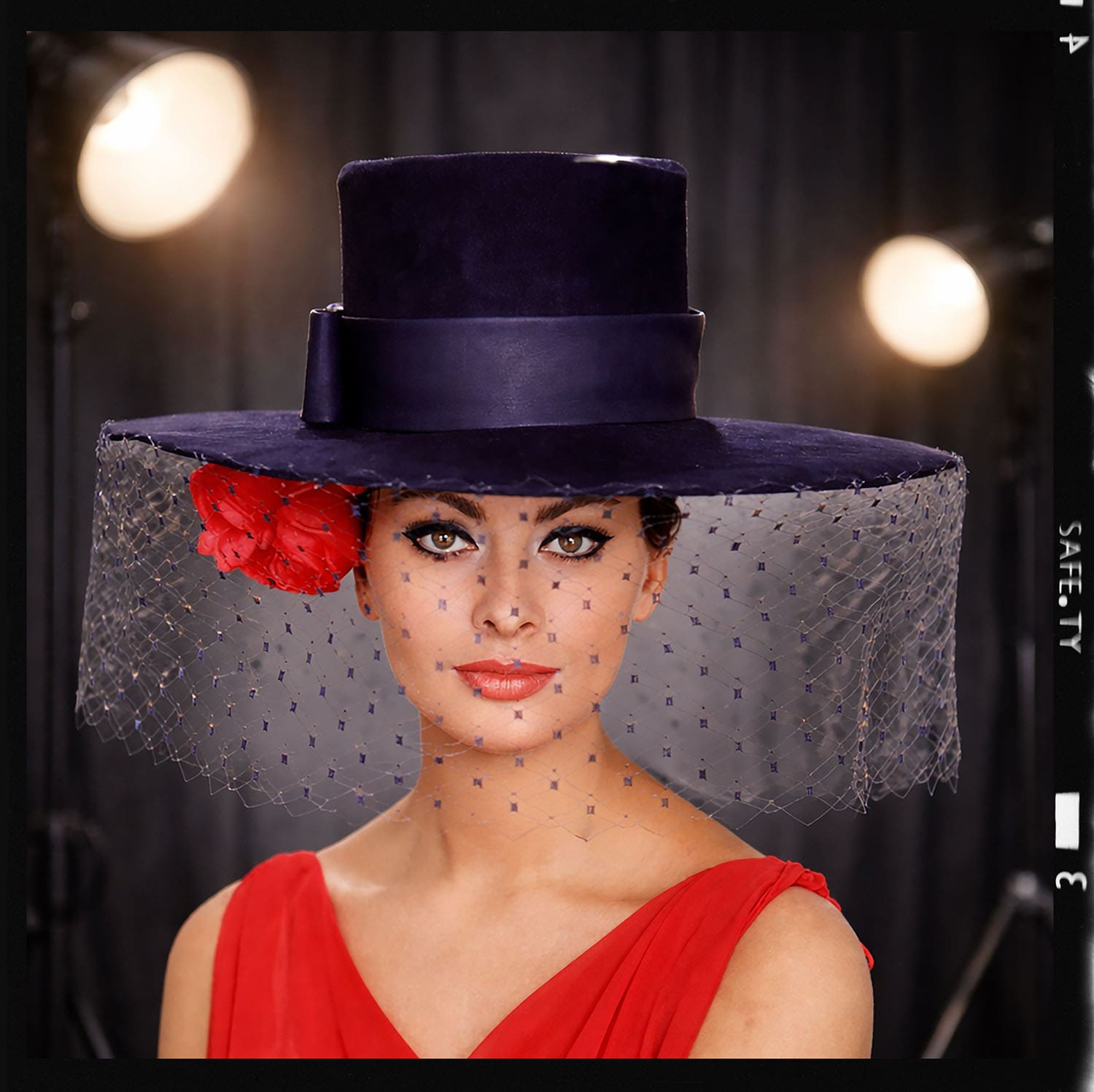

Sophia Loren: The Face He Framed, The Woman He Trusted
The story of Barthet and Loren is not merely one of client and creator. It is one of mutual invention. Over the course of decades, Barthet crafted some of Loren’s most unforgettable headpieces — turbans, veils, dramatic brims — pieces that didn’t decorate her persona but defined it.
Loren became, in many ways, the living canvas of Barthet’s vision: fiercely feminine, dangerously elegant, and always one step ahead of fashion.
But behind the glamour was something rarer — trust. Their relationship went far beyond fittings and premieres. Jean Barthet became the godfather of Sophia Loren’s children. This was not collaboration; it was kinship.
The intimacy between them reflects a bygone era in fashion — when creativity was based on relationships, not reach; when image-making came from shared sensibility, not brand strategy.
Loren’s image was not constructed. It was conjured — by light, by lens, and yes, by Barthet’s hands.

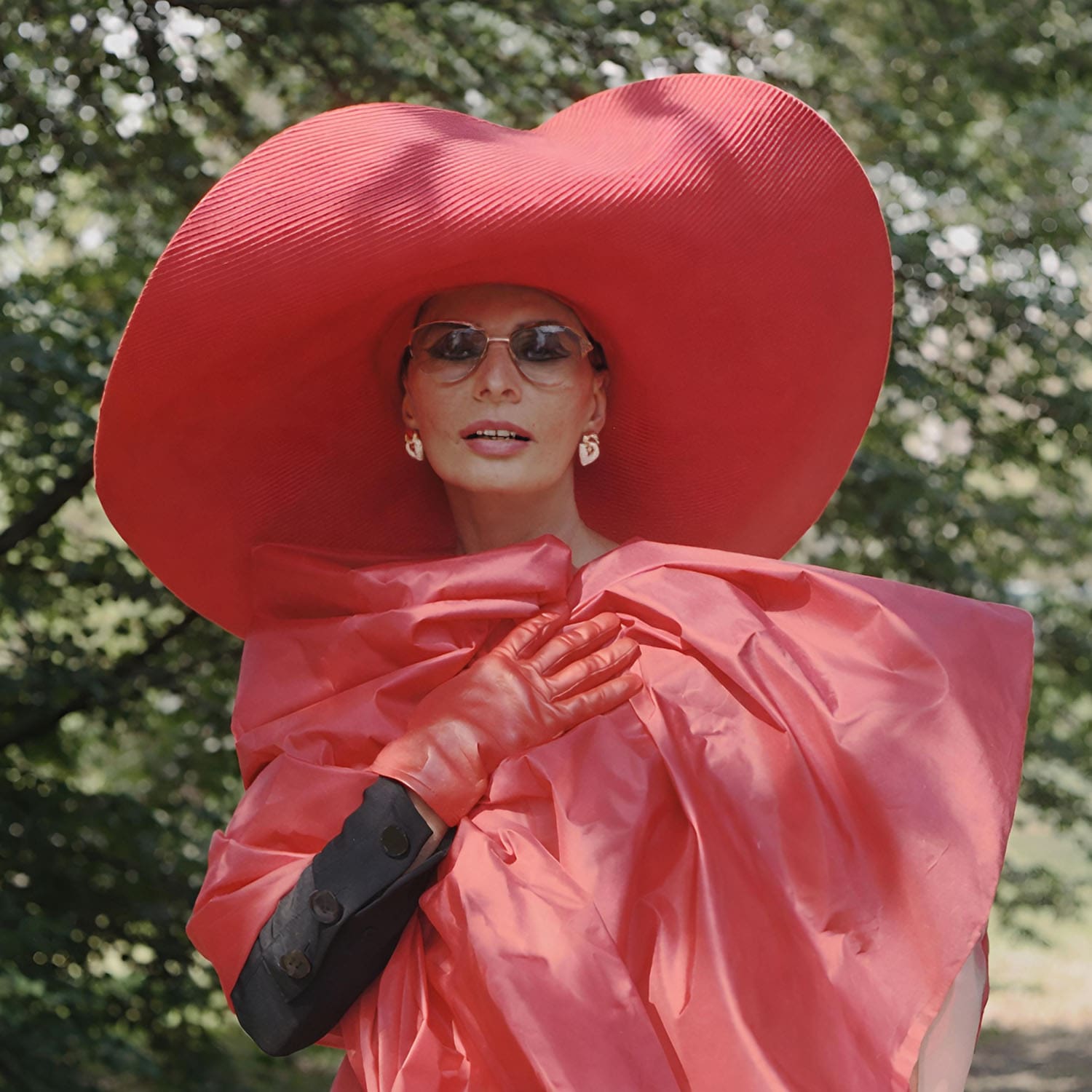
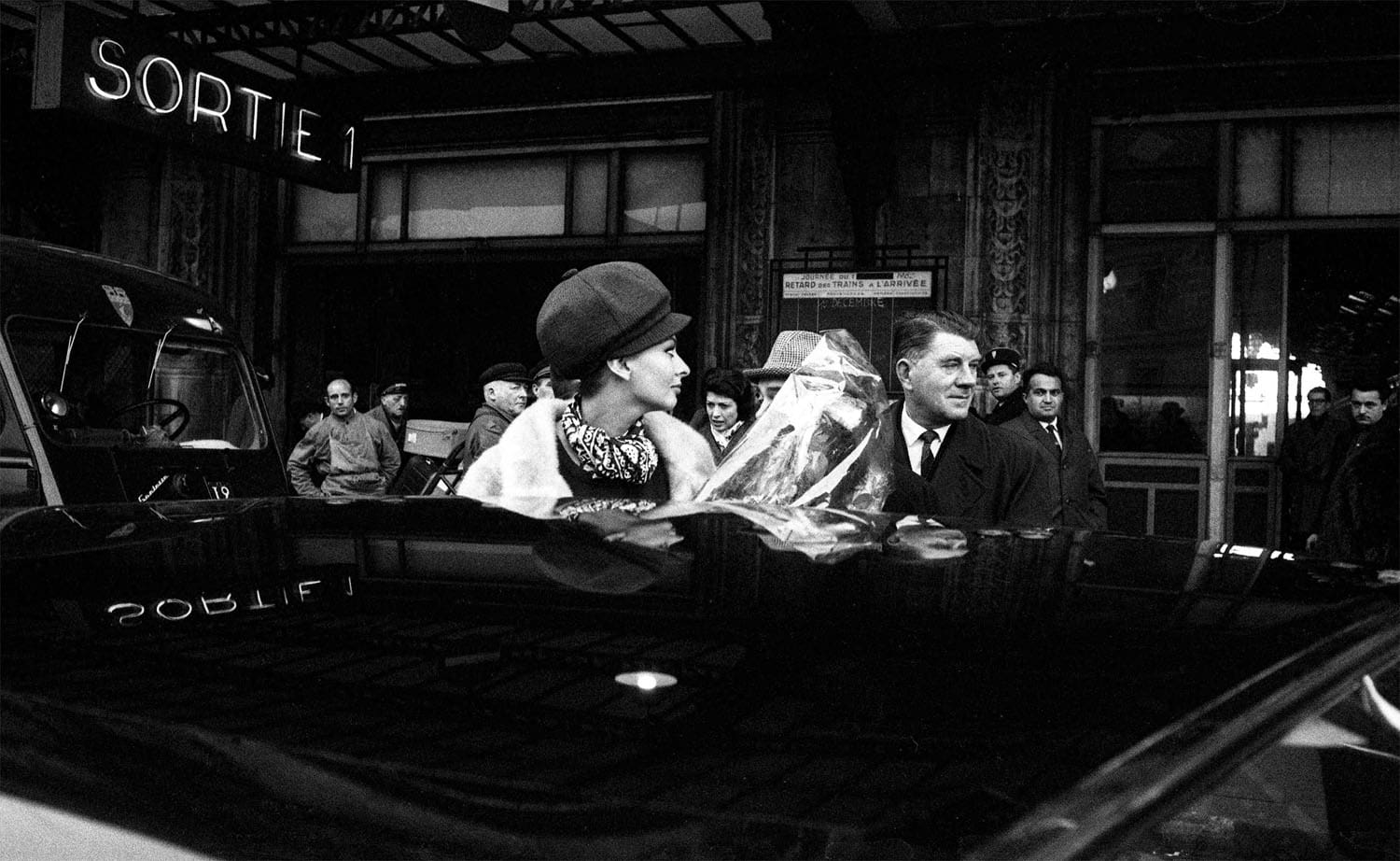


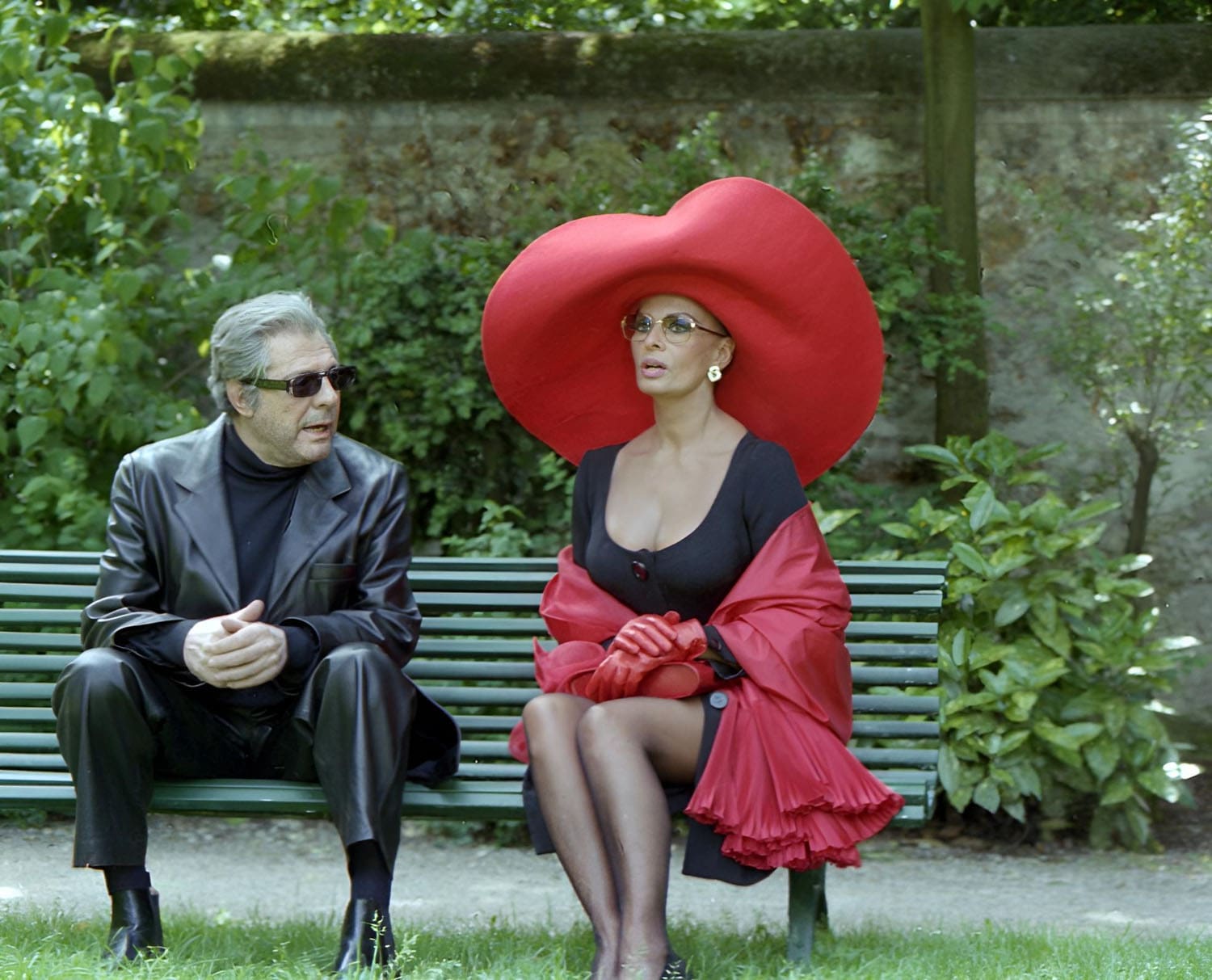
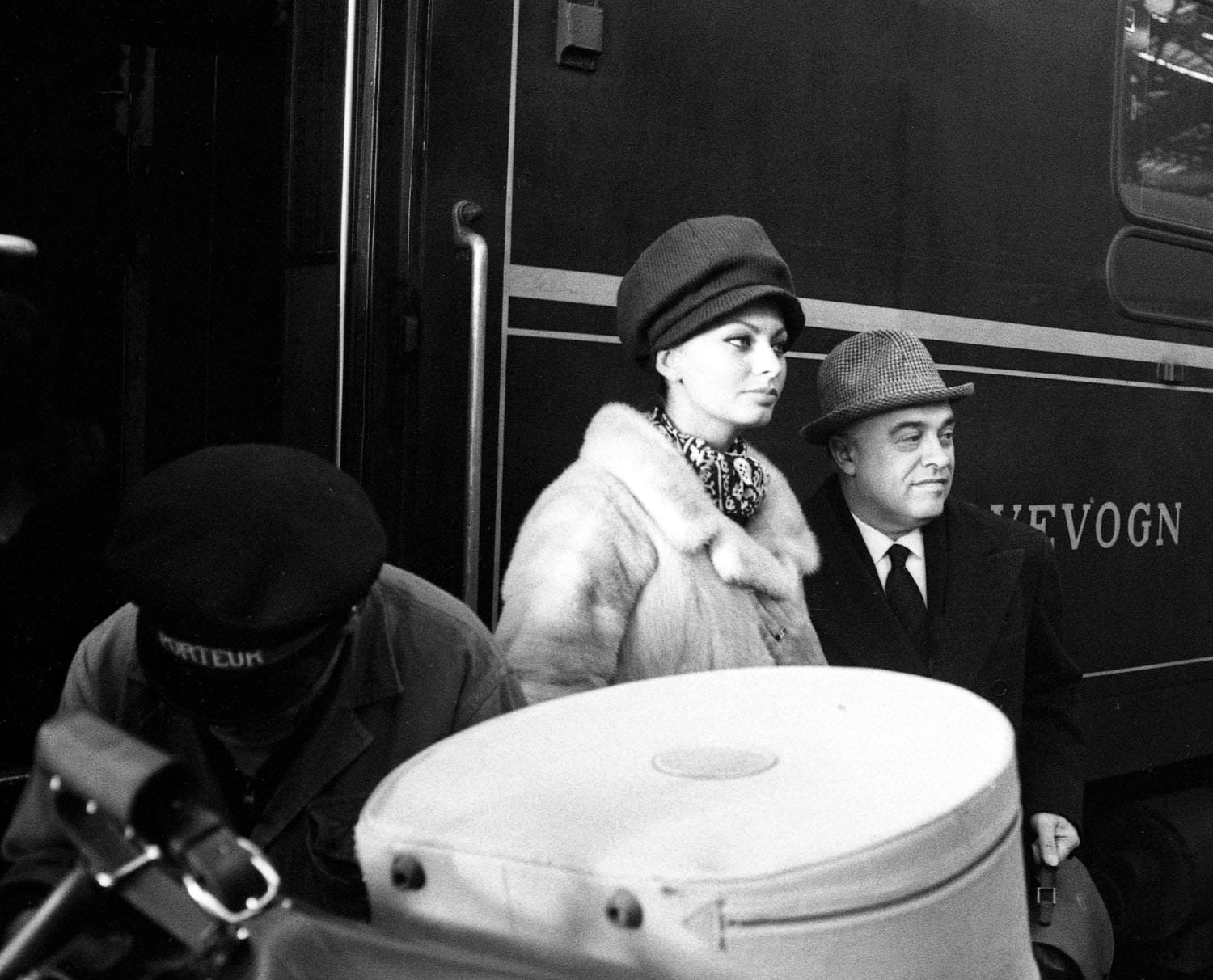
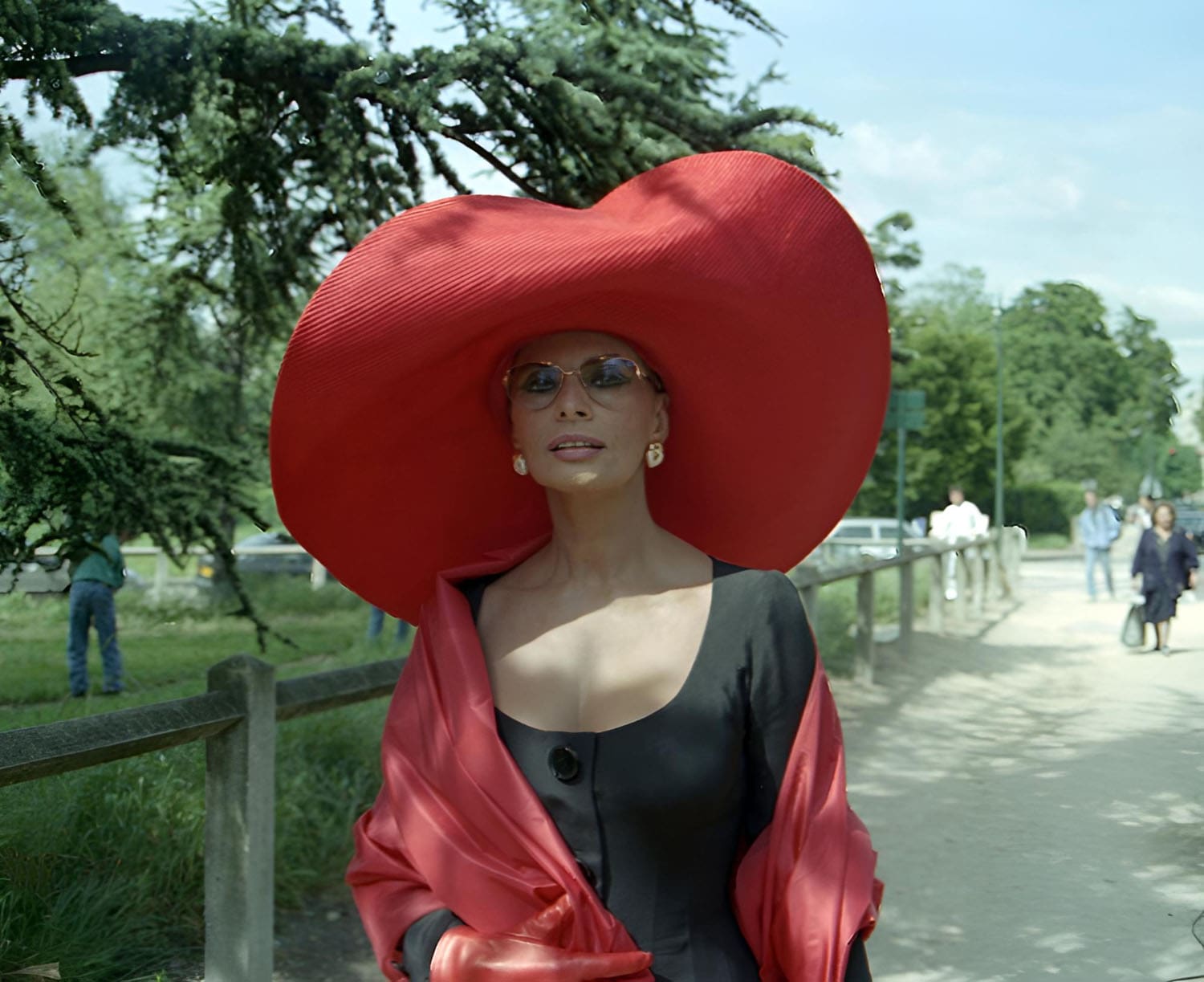

Fashion as Intimacy, Not Industry
What made Barthet exceptional wasn’t just talent — it was loyalty. His atelier was a sanctuary, not a showroom. His work with Loren became the gold standard of creative trust: a conversation between two legends, unfiltered by trend or commercial compromise.
In an era where fashion is often loud and hollow, the Barthet–Loren alliance whispers something else entirely — the quiet authority of enduring beauty.
The Rebirth of Barthet Paris
Today, Barthet Paris is not a licensed archive. It is a living atelier.
Under the direction of Alexandre Barthet, son of Jean, the house continues — not in repetition, but in reinvention. With a background in sculpture and a commitment to millinery as an art form, Alexandre brings forward his father’s codes with bold architectural reinterpretations.
His work has already made headlines: in 2014, Alexandre created the hats worn by Nicole Kidman in Grace of Monaco, rekindling the house’s bond with cinema. Upcoming projects include bespoke collaborations with haute couture maisons and a September 2025 collection composed entirely of made-to-measure creations — one-of-a-kind pieces for an international clientele.
This is not product. It’s process. The house’s ethos remains intact: no mass production, no compromise.
The chapeau is not accessory. It is language.
Elegance as Resistance
In a market addicted to speed, Jean Barthet’s legacy feels revolutionary.
He believed a hat should speak before the wearer does. That a silhouette should suggest something permanent — grace, humor, danger — in a world obsessed with the ephemeral.
Barthet Paris, today, is not a revival brand. It is a refusal to forget what elegance once meant. It stands for a rare breed of luxury: deeply human, fiercely crafted, quietly radical.
The relationship between Jean Barthet and Sophia Loren endures not just in archives, but in form — the soft slope of a brim, the veil that both reveals and hides, the turban worn like a crown.
These were not fashion statements. These were declarations.
And now, under Alexandre’s hands, the conversation continues.
