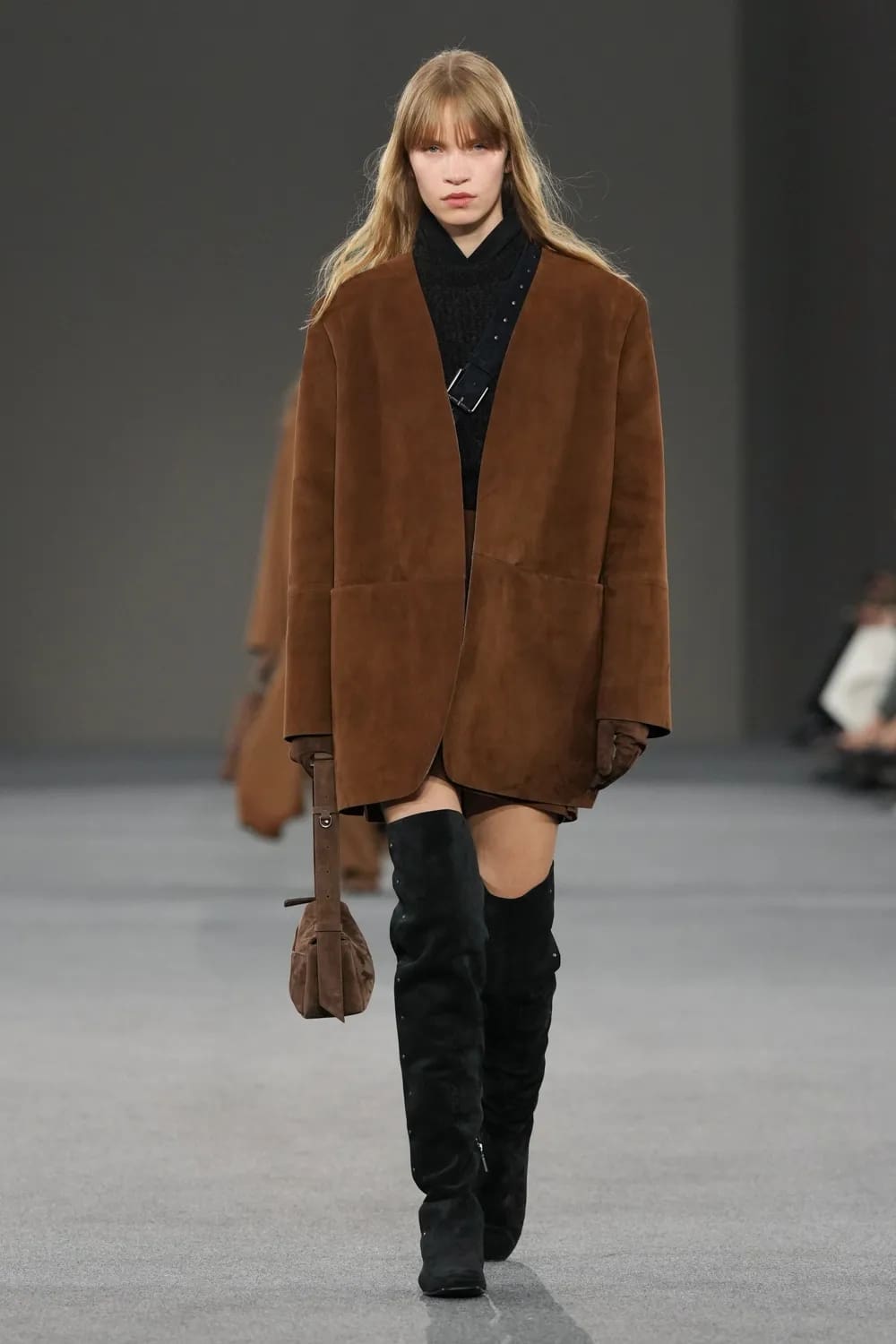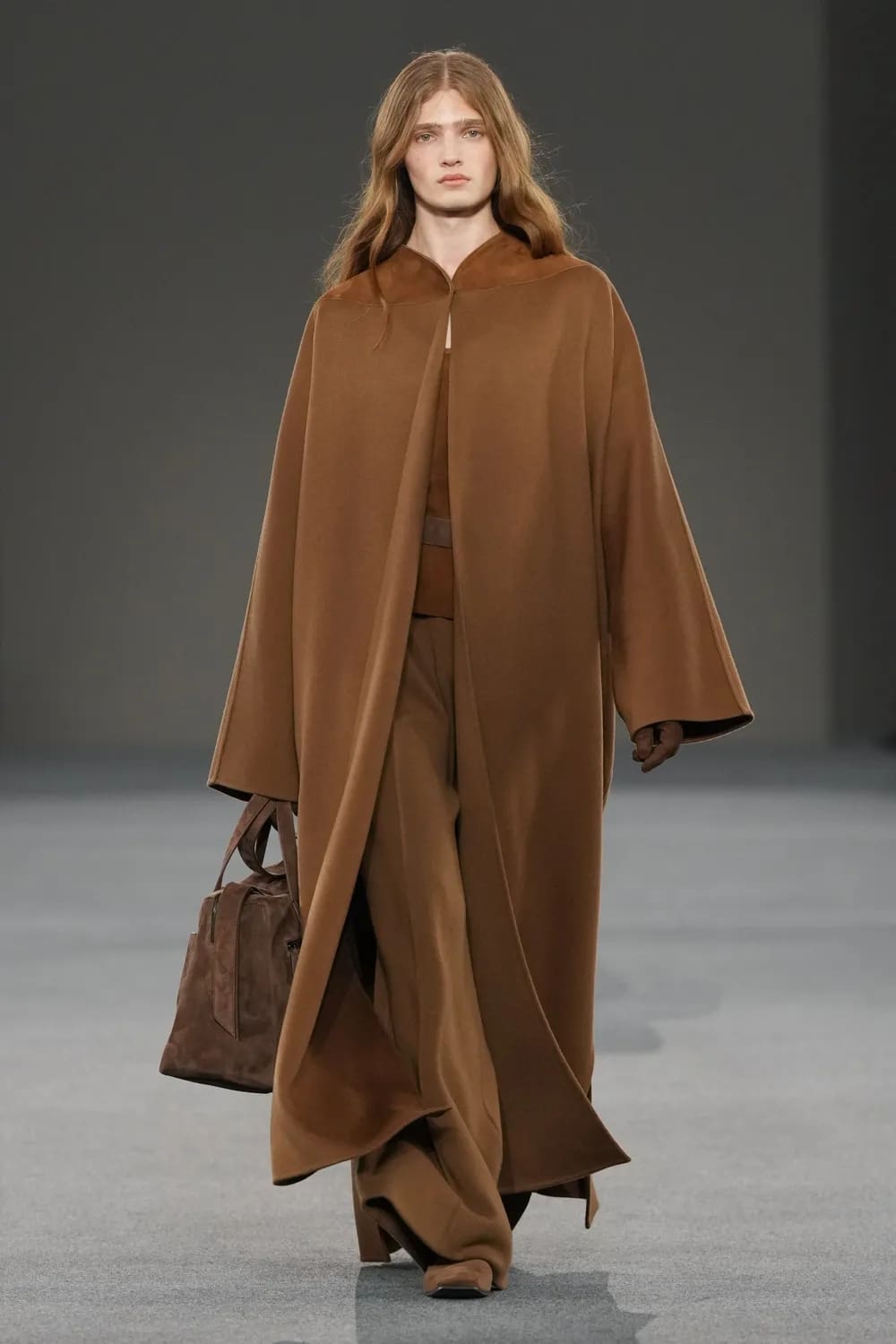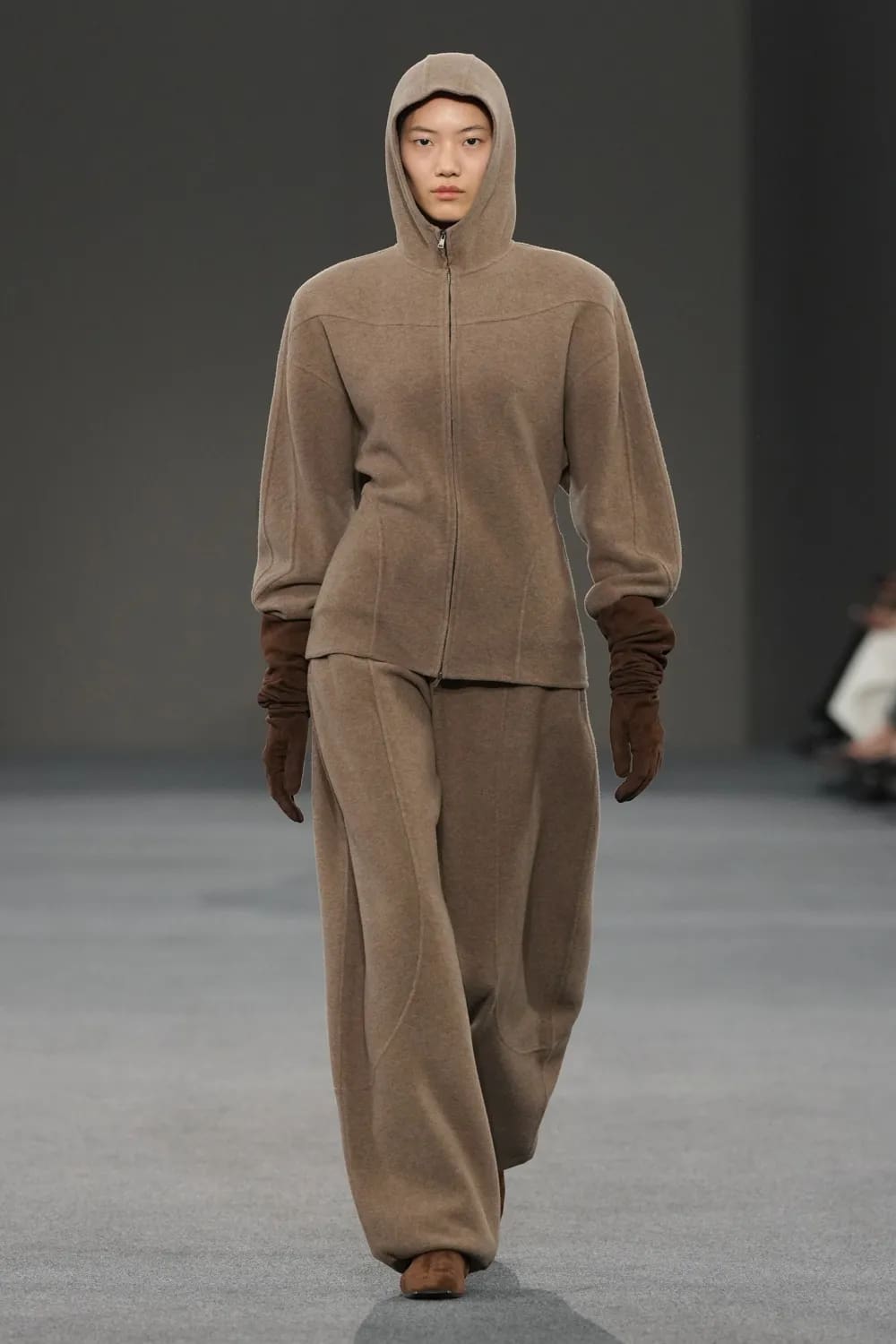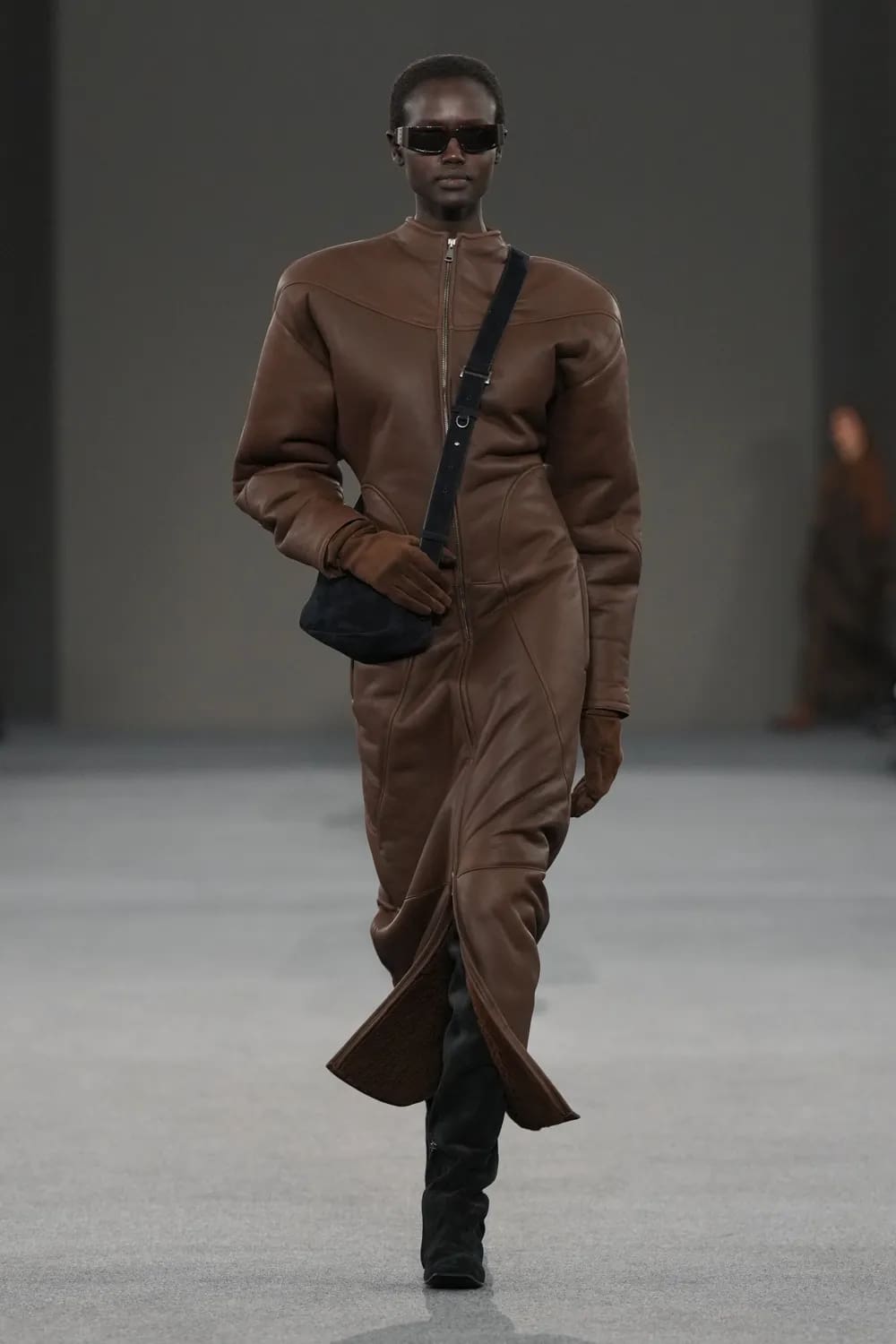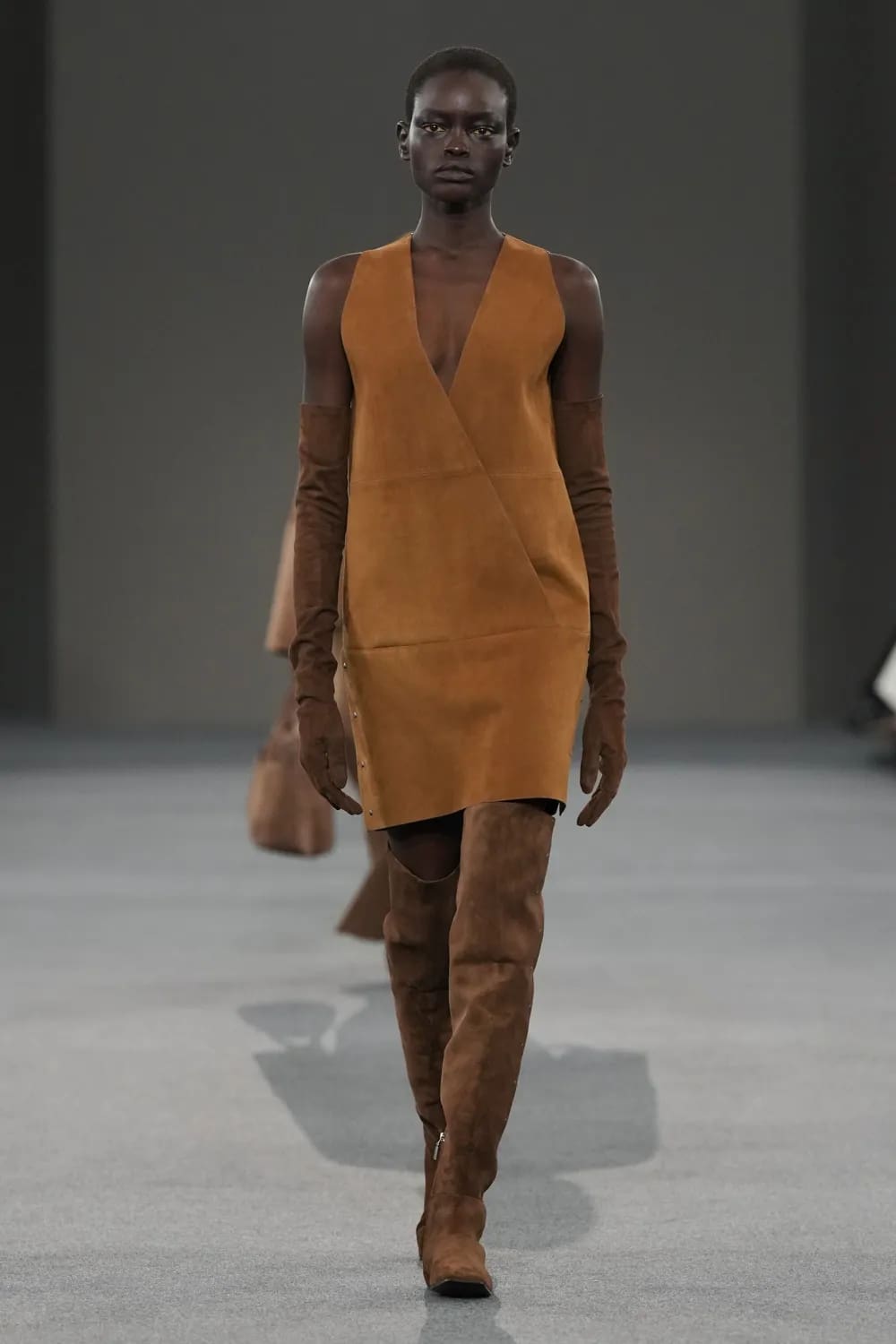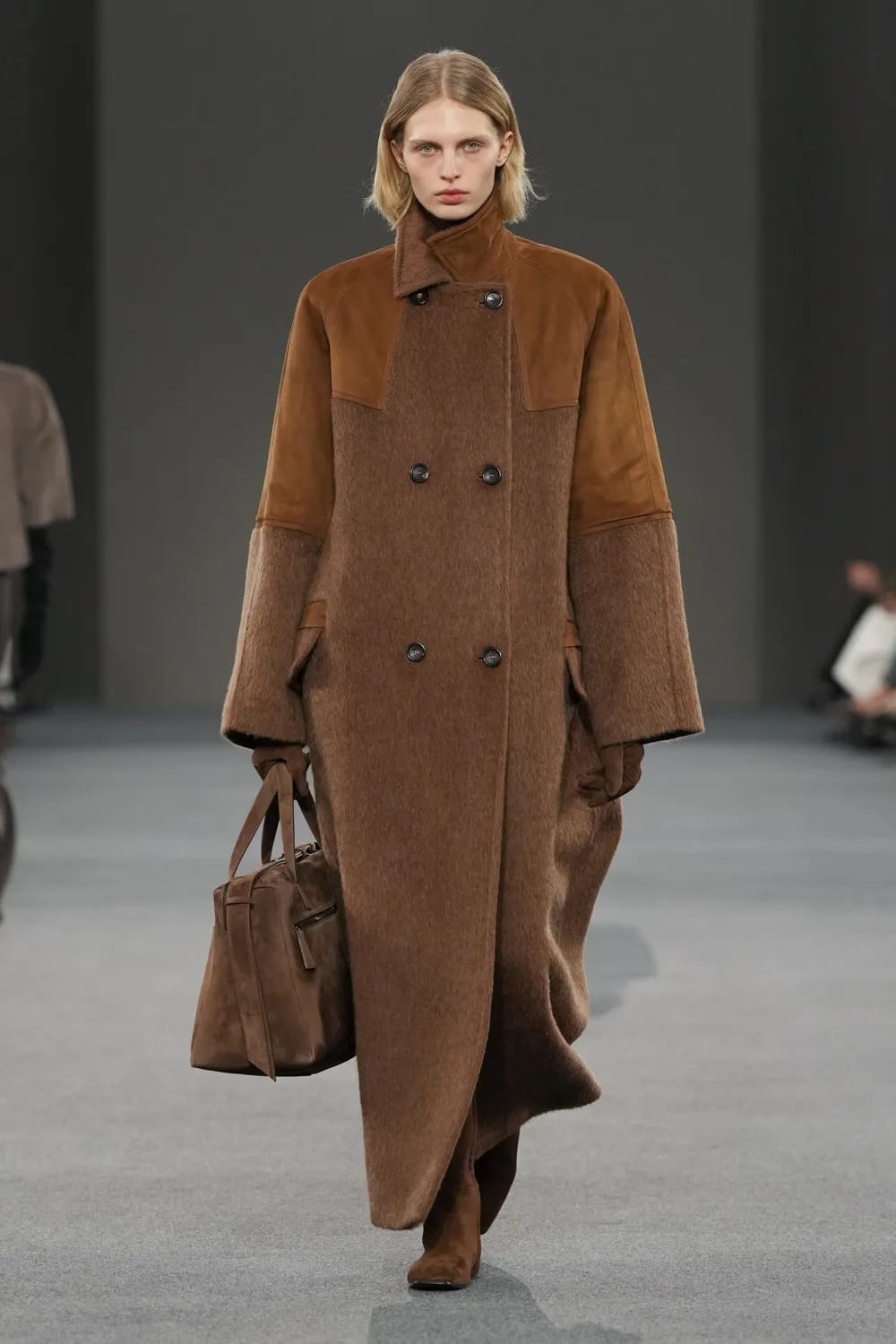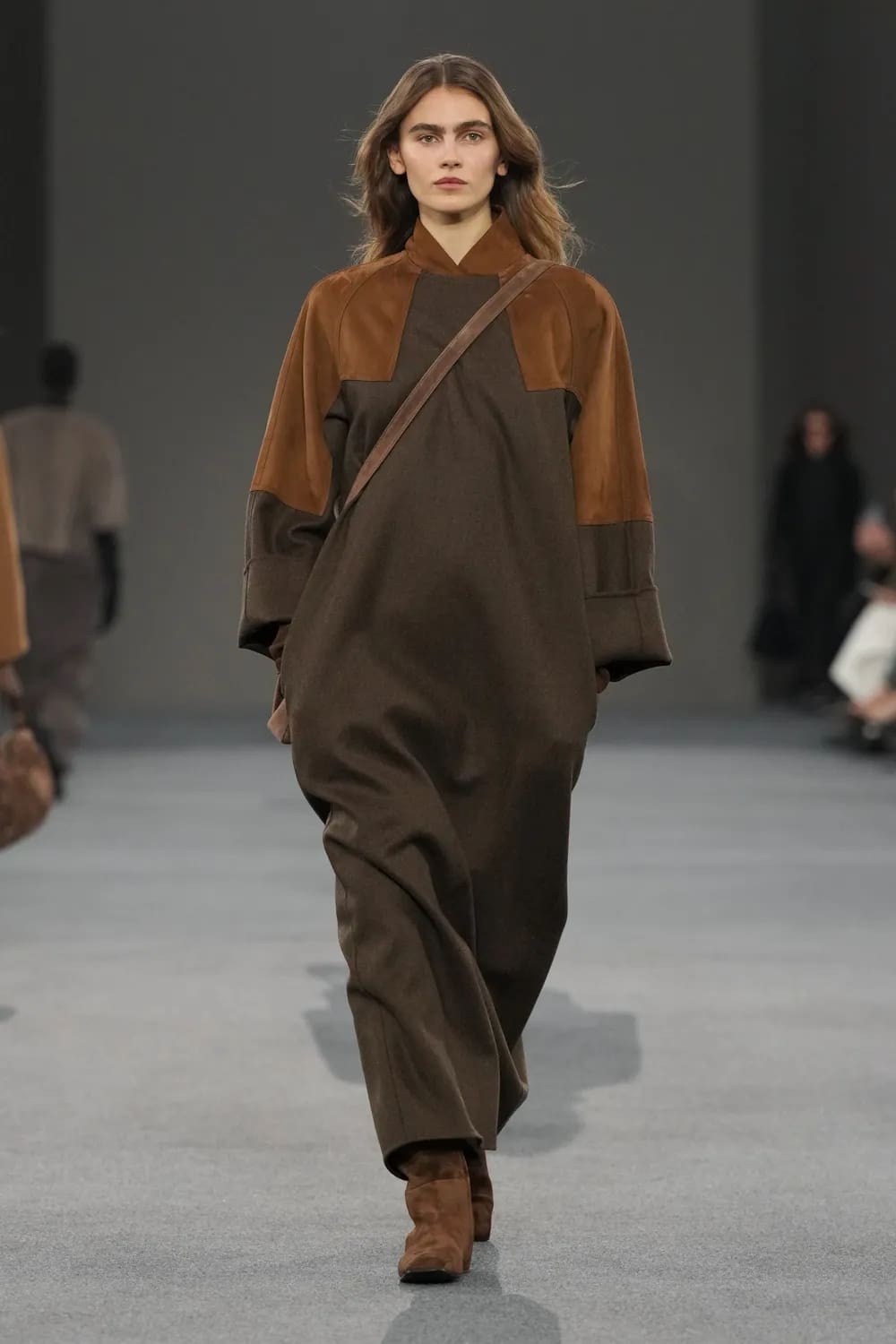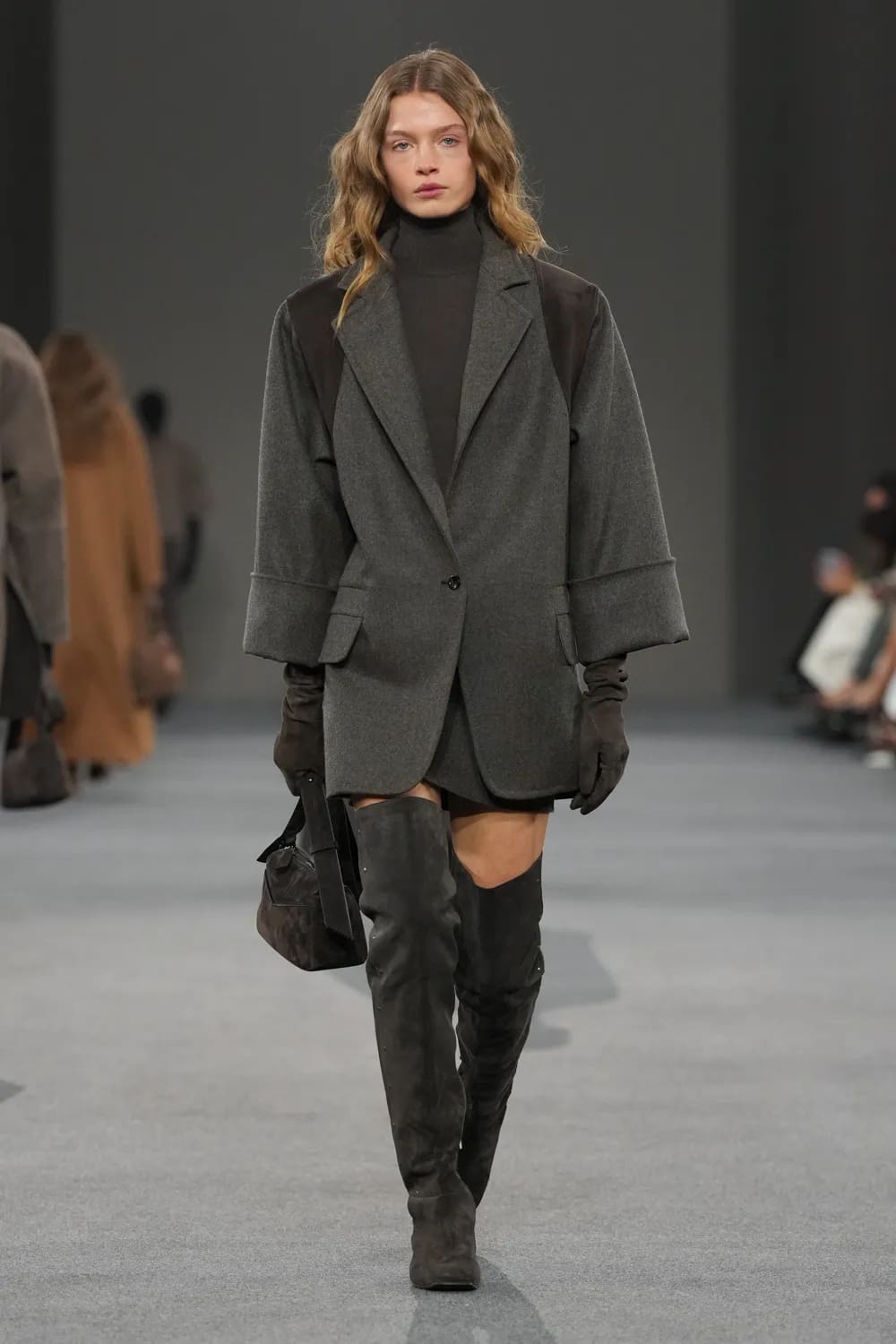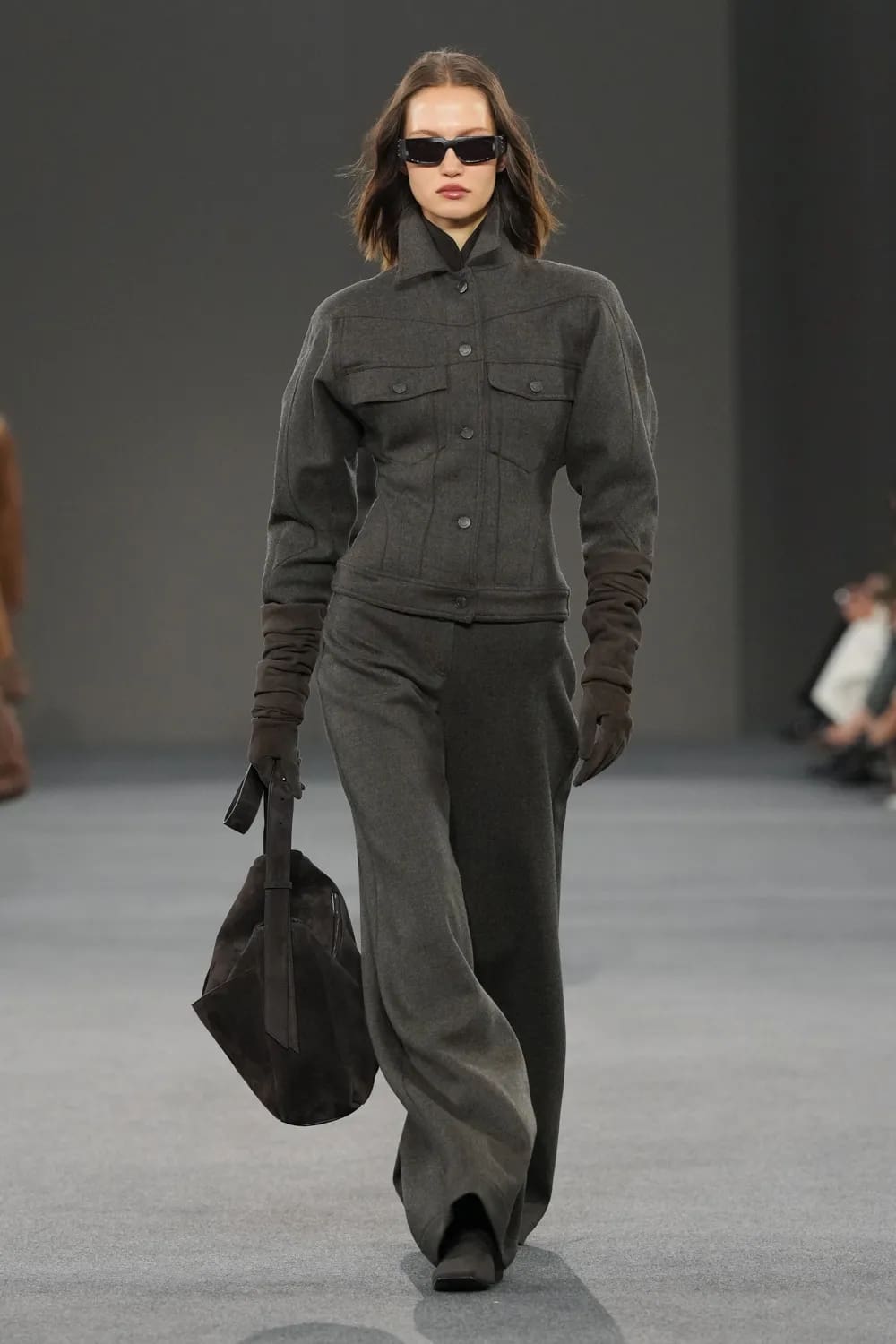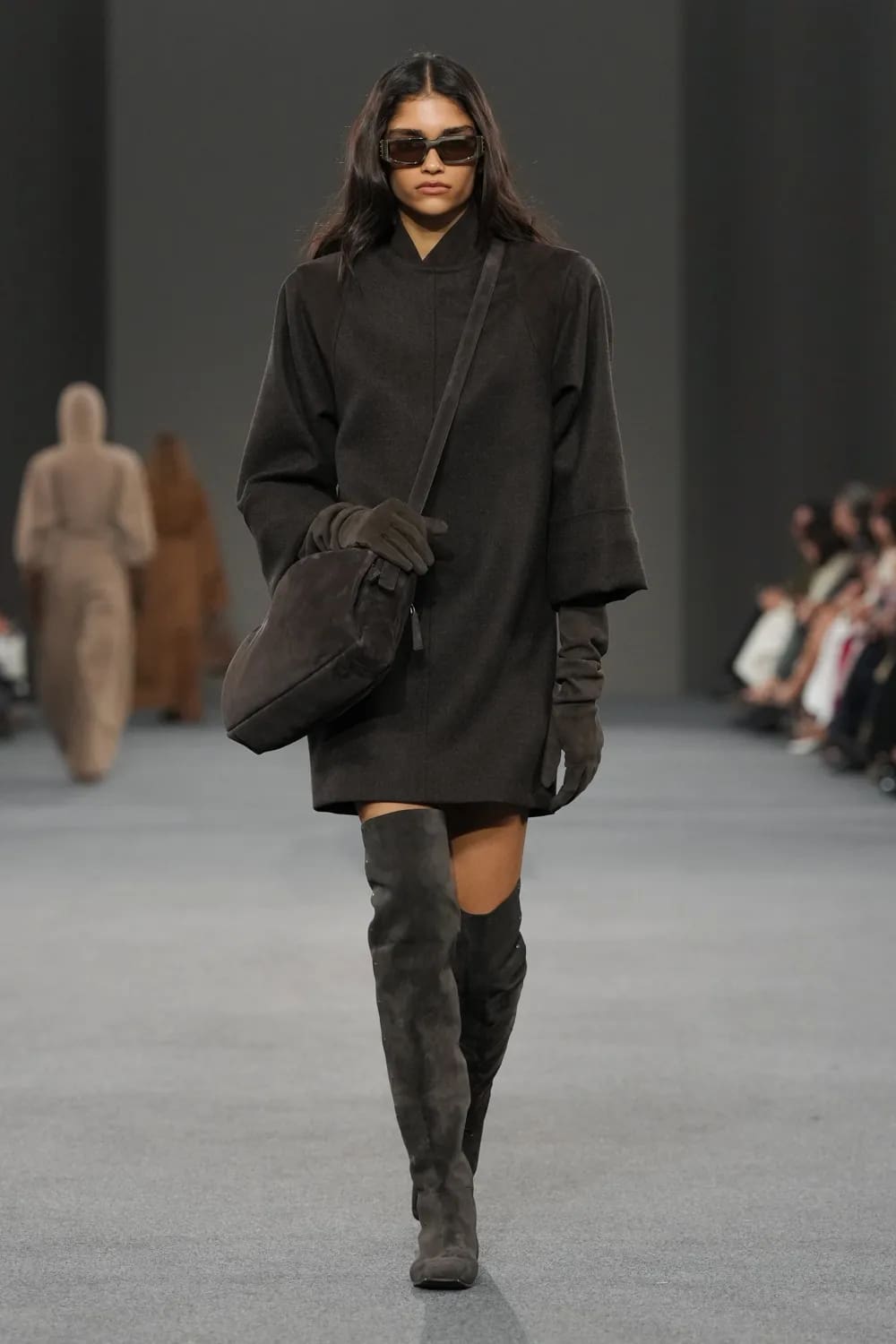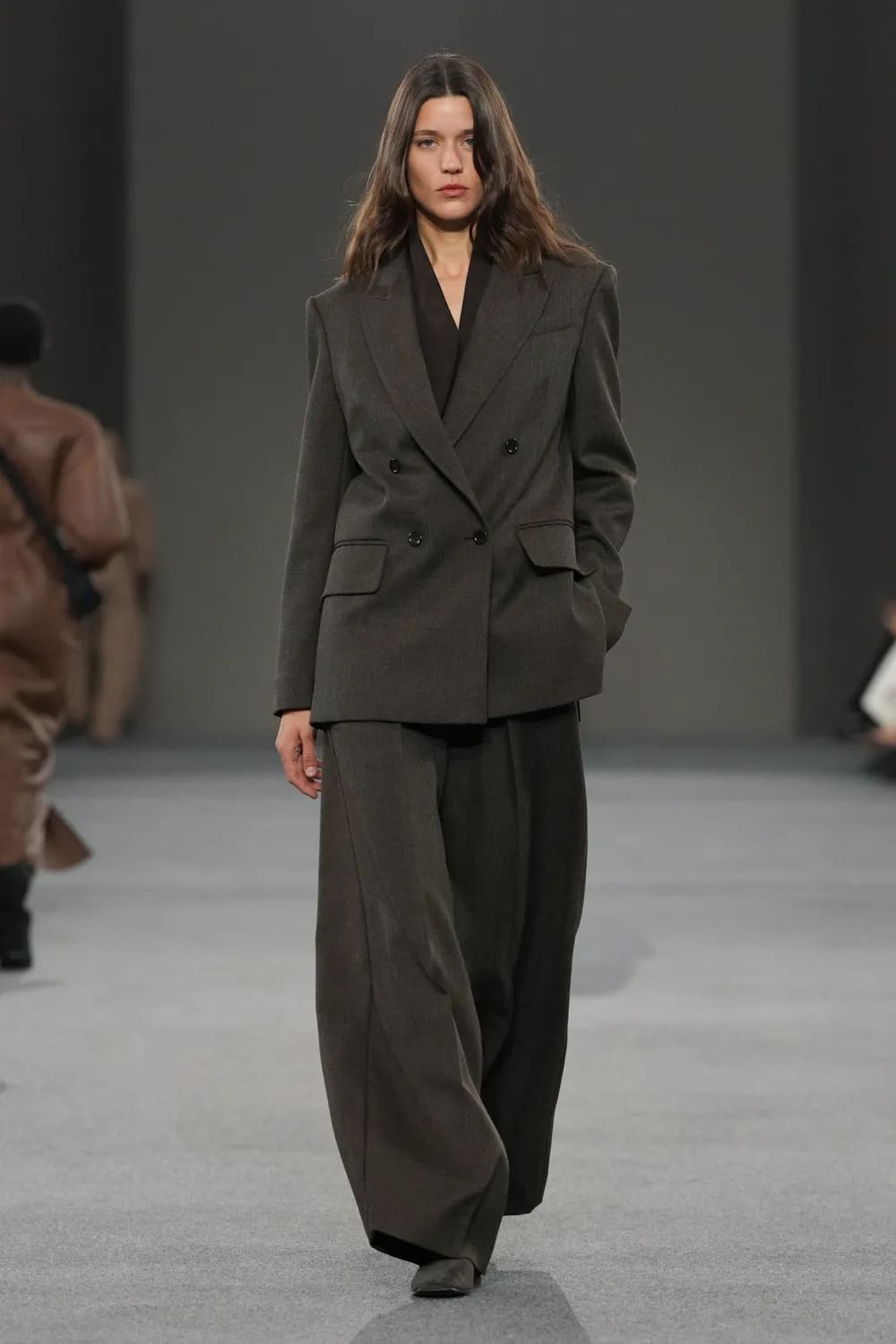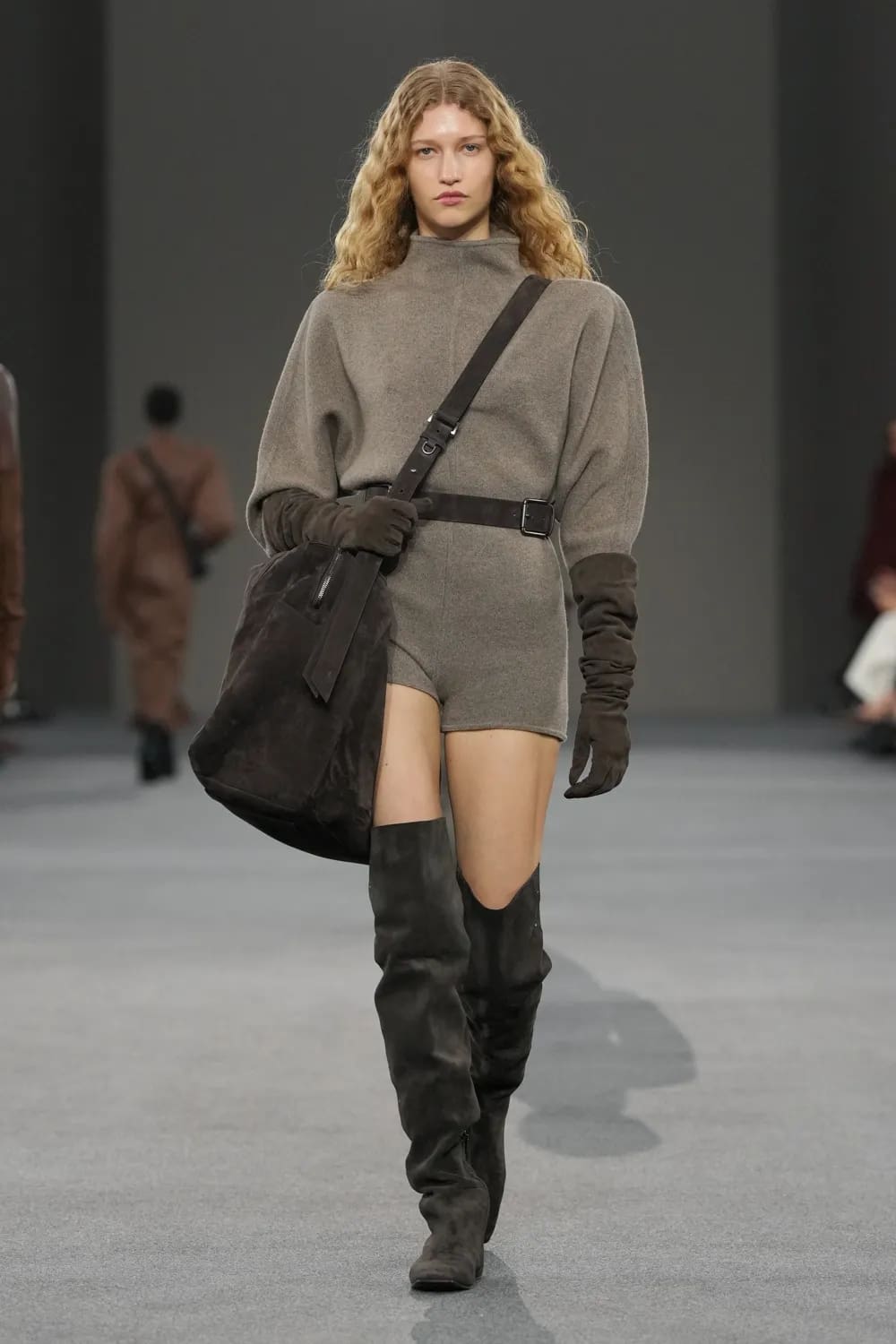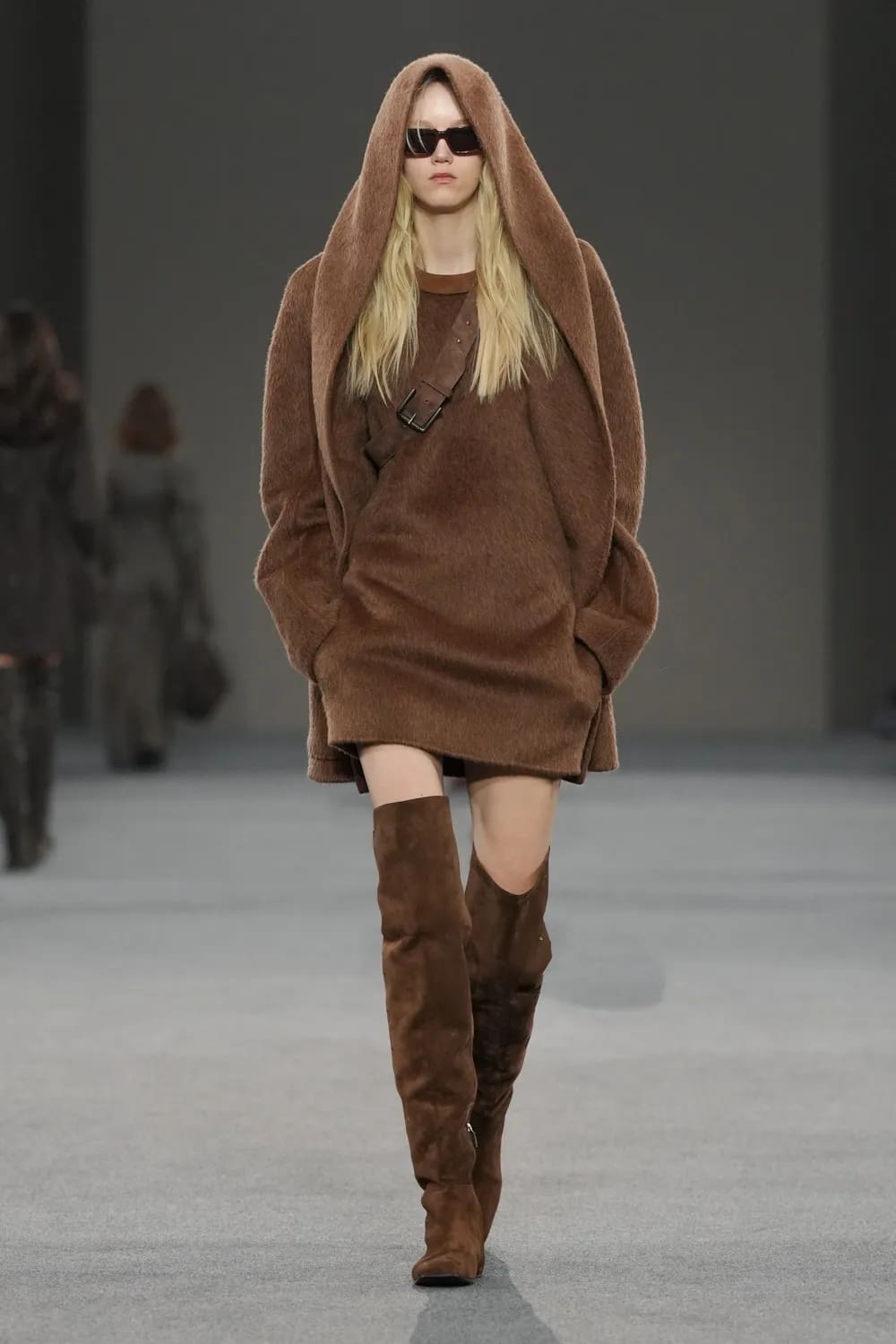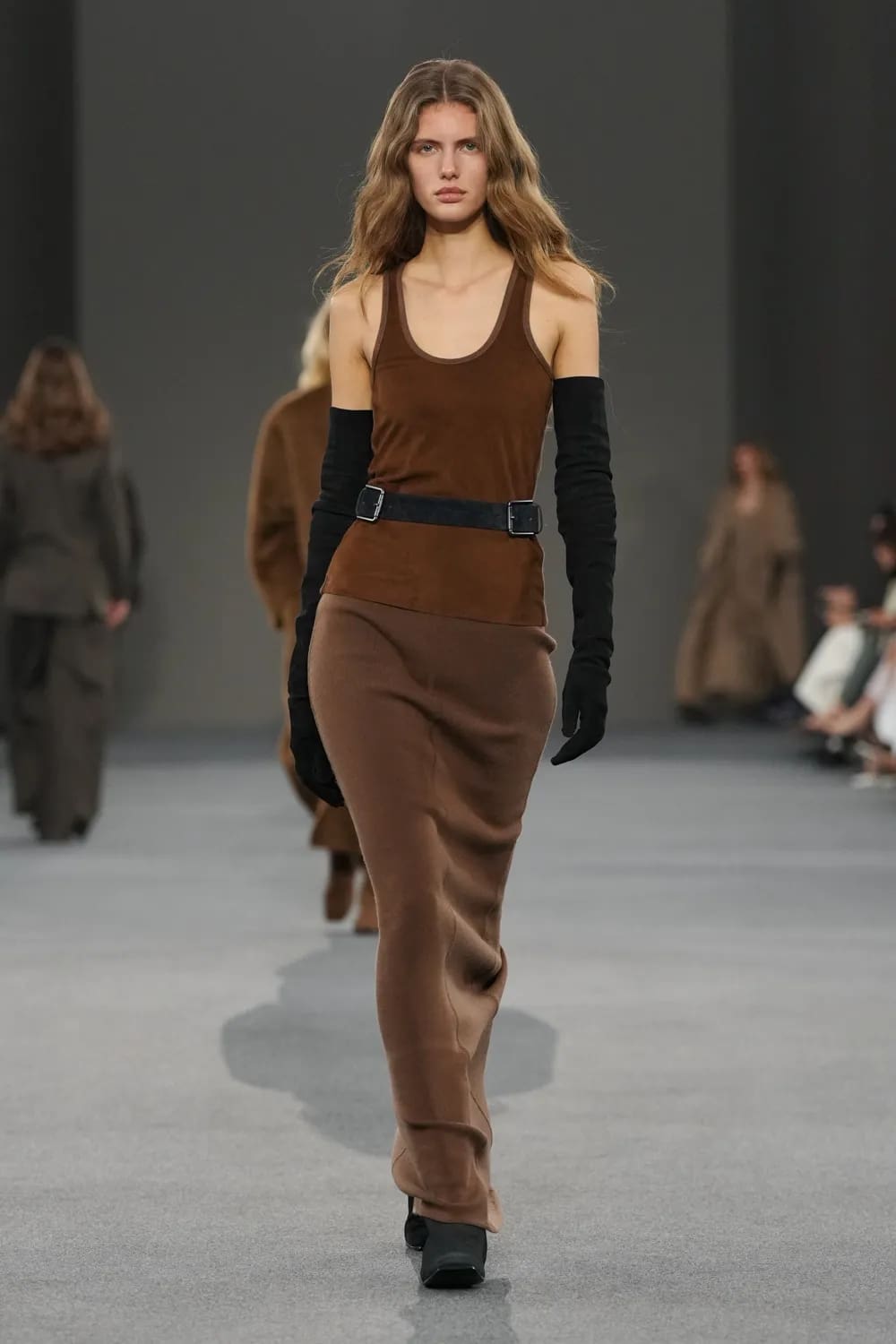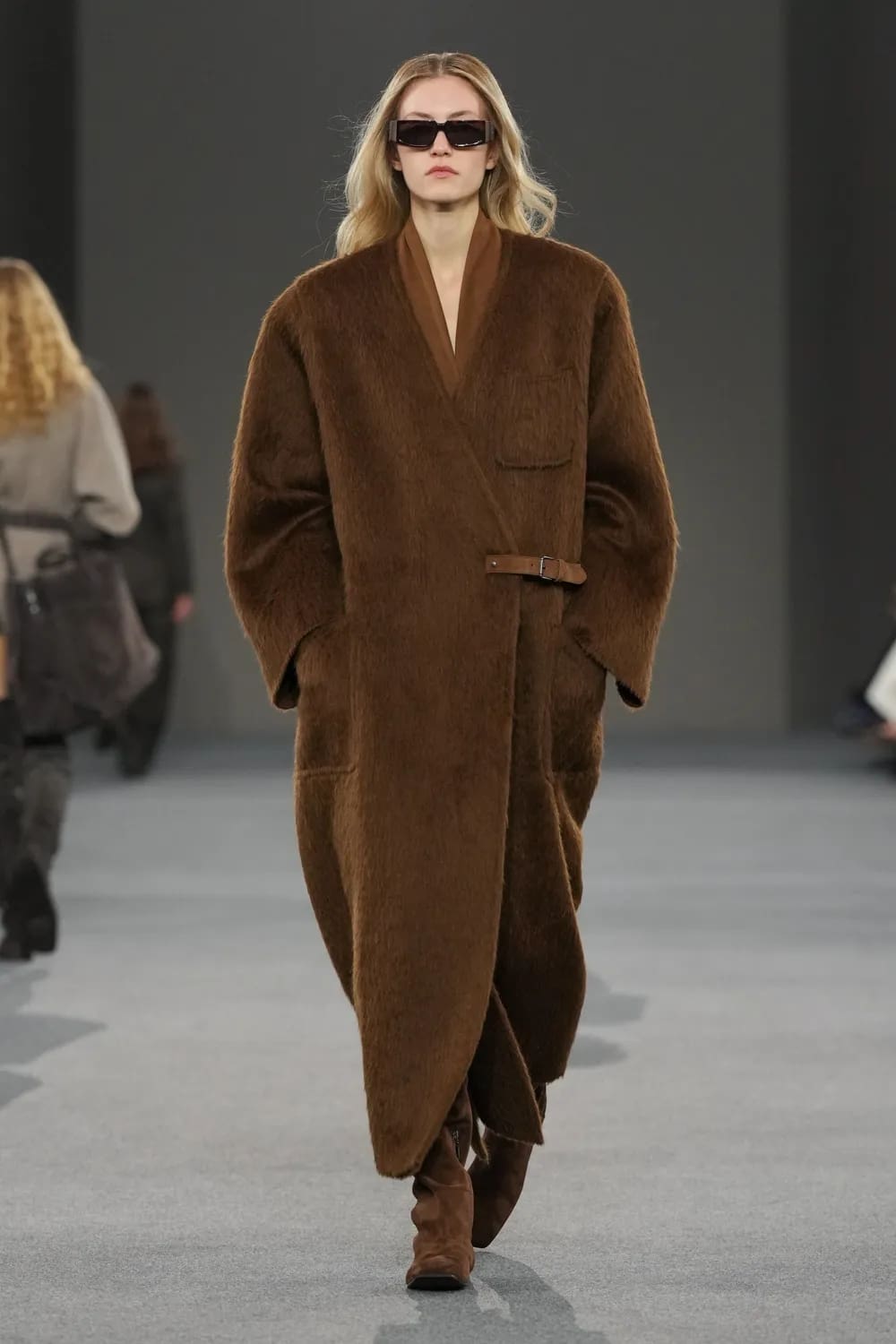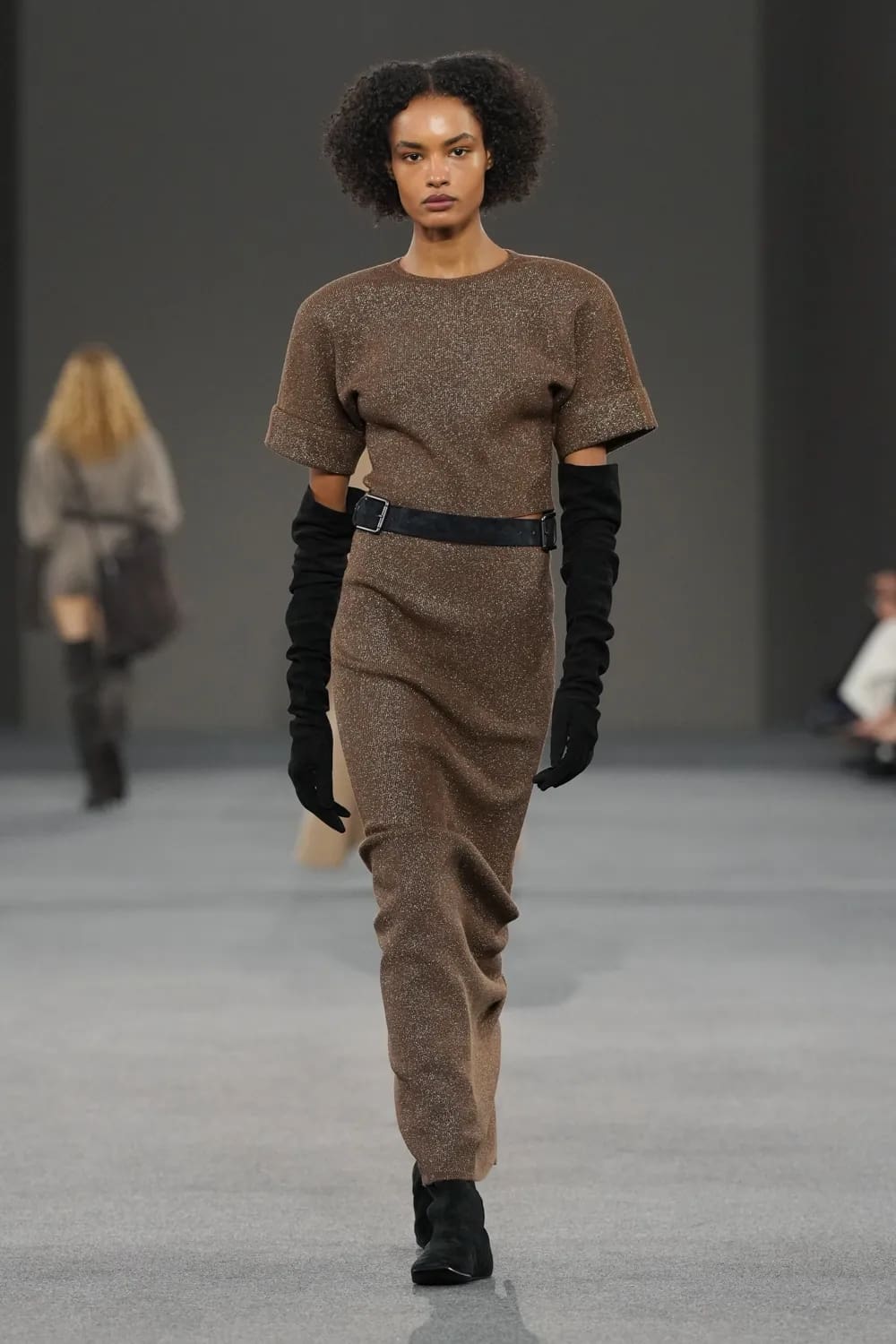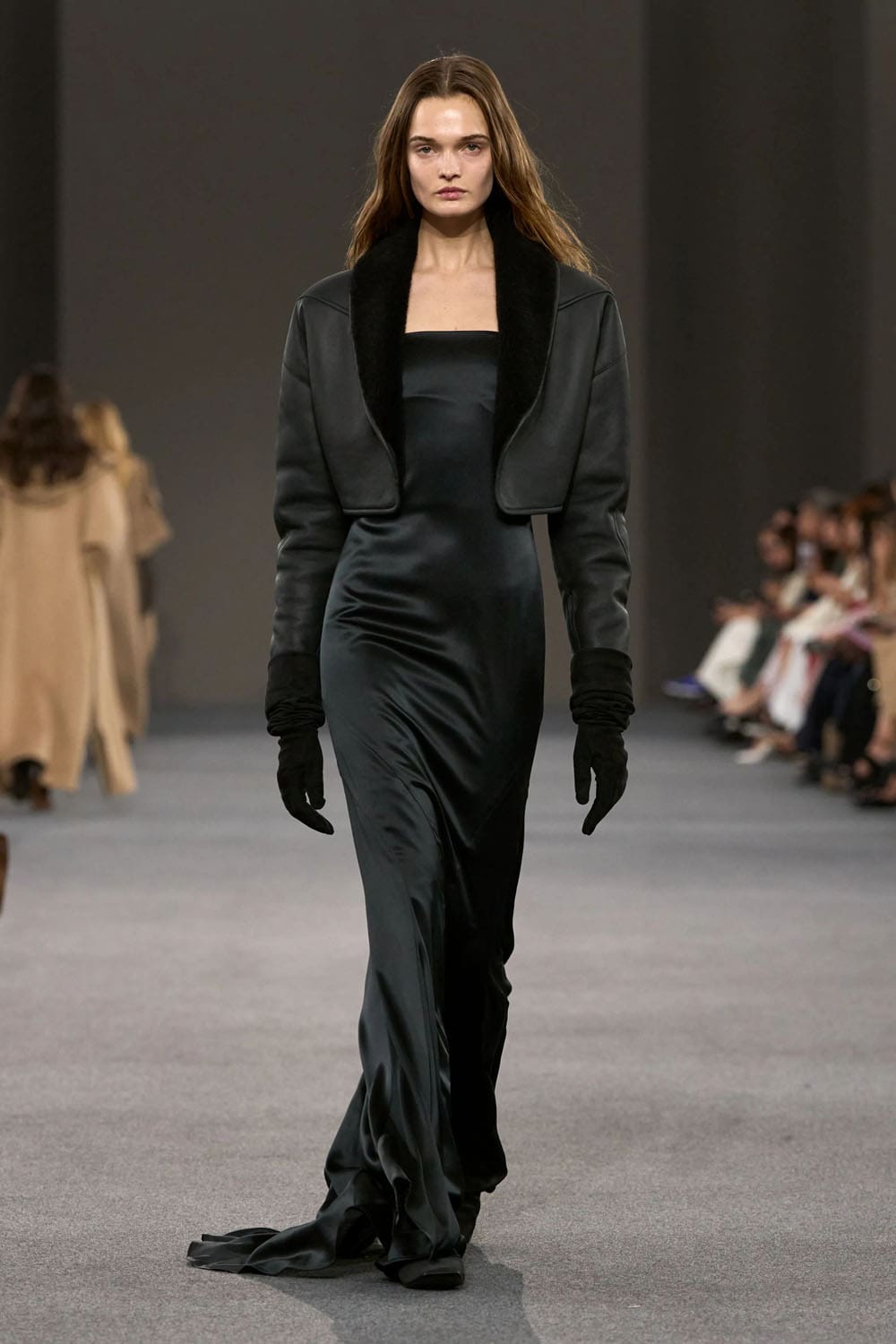
Max Mara Fall Winter 2026-2027 “Ian Griffiths and the Ascension of the Modern Matilde”. Story by Runway Magazine. Photo Courtesy: Max Mara.
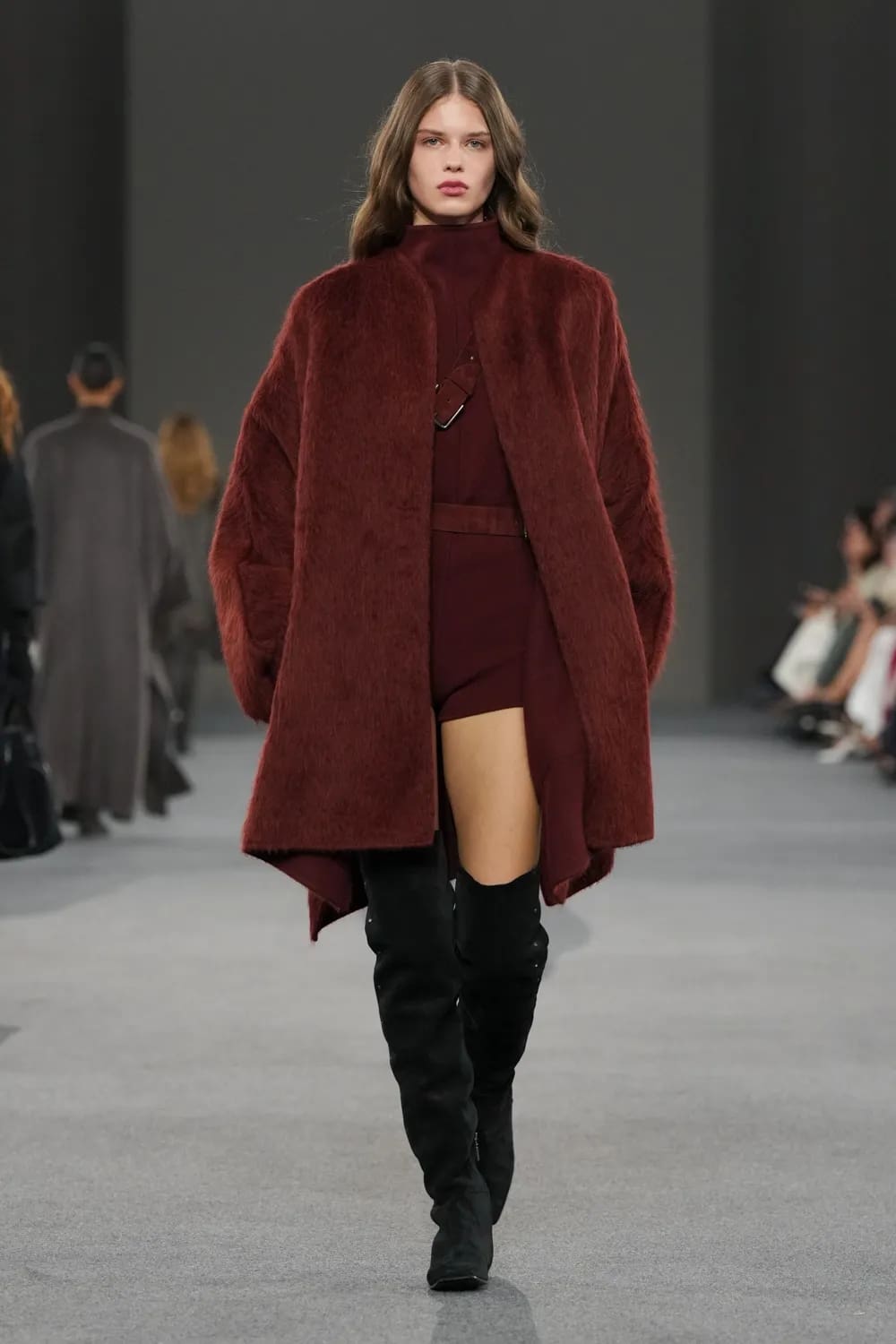
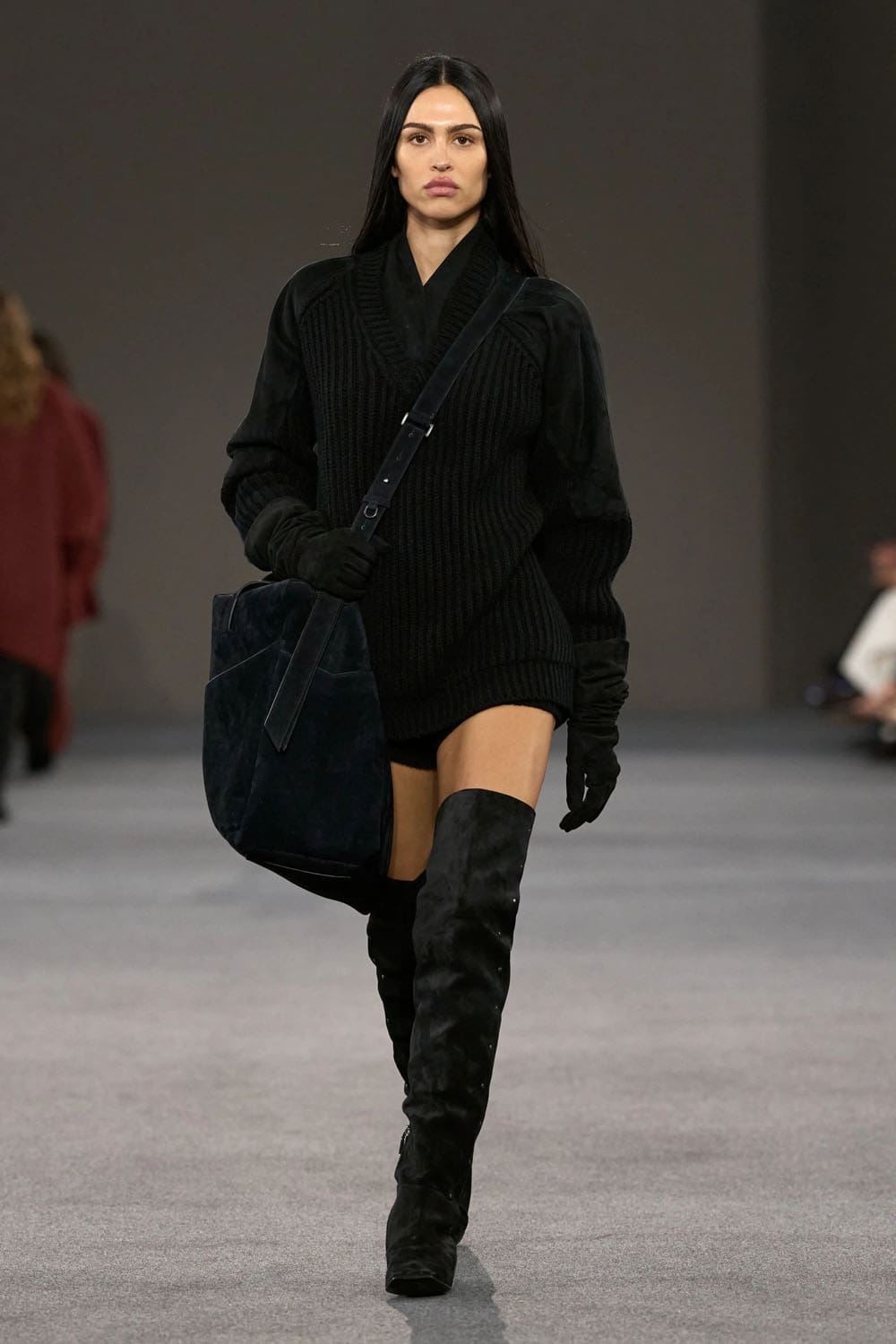
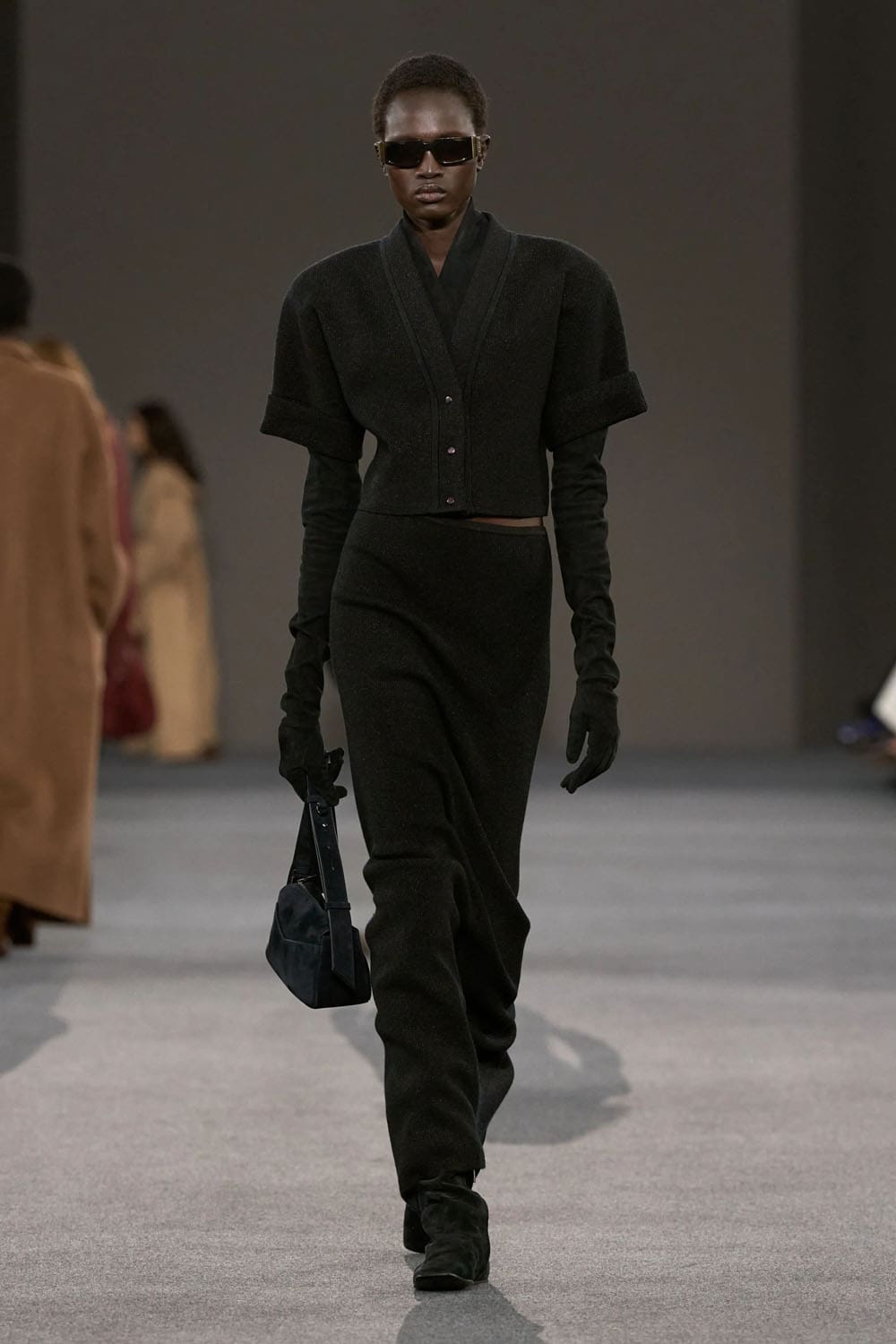
Max Mara’s Fall Winter 2026–2027 collection does not “reference” history — it resurrects power. Ian Griffiths reaches for Matilde di Canossa, the medieval sovereign whose strategic mind shaped empires from her fortresses above Emilia. She becomes the spirit of the collection: a woman who commands not by spectacle, but by structure. And if Matilde once brokered peace between emperors and popes, her contemporary counterpart negotiates mergers, rewrites board policy, and signs the checks.
This is not romantic historicism; it is institutional elegance sharpened to executive authority.
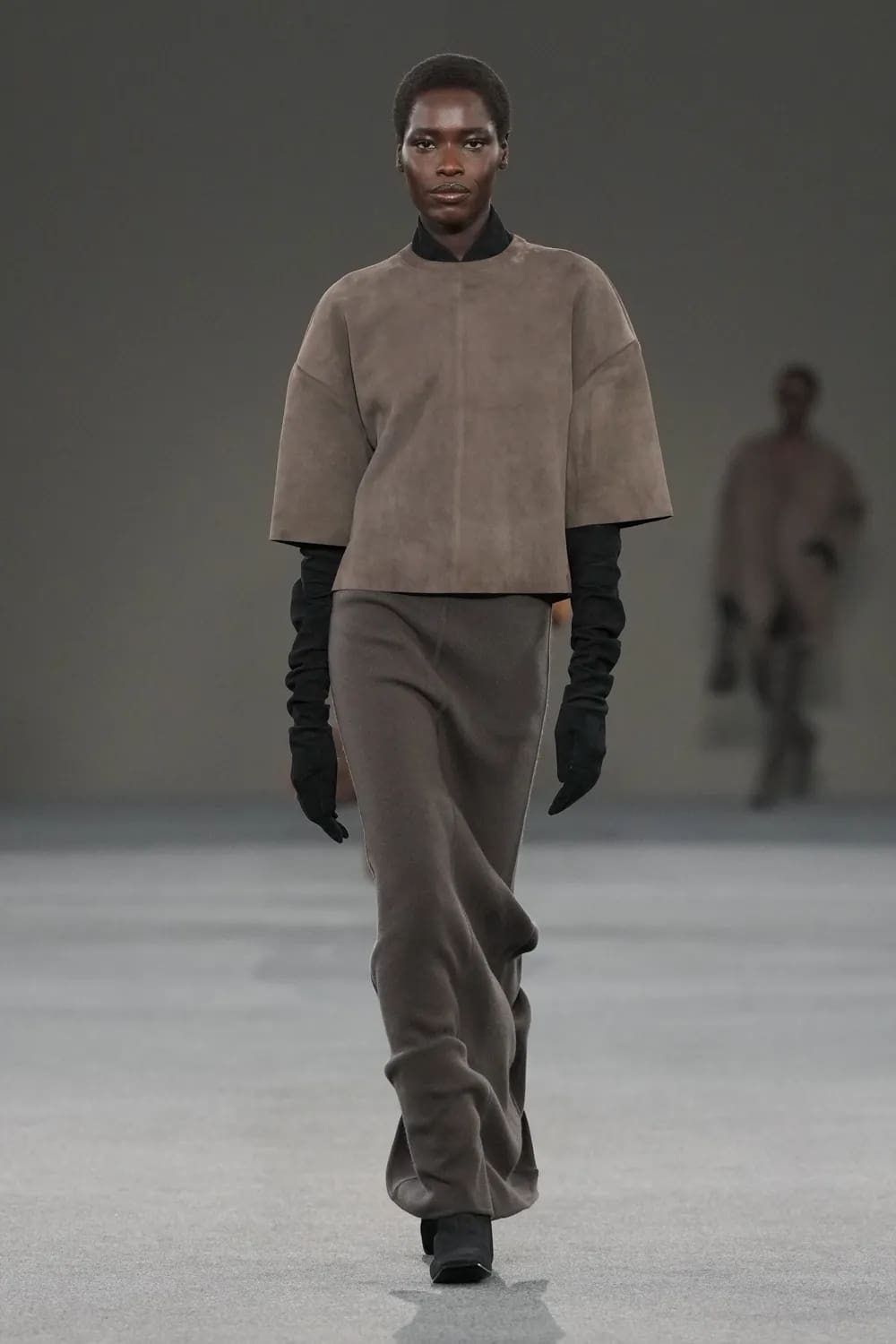
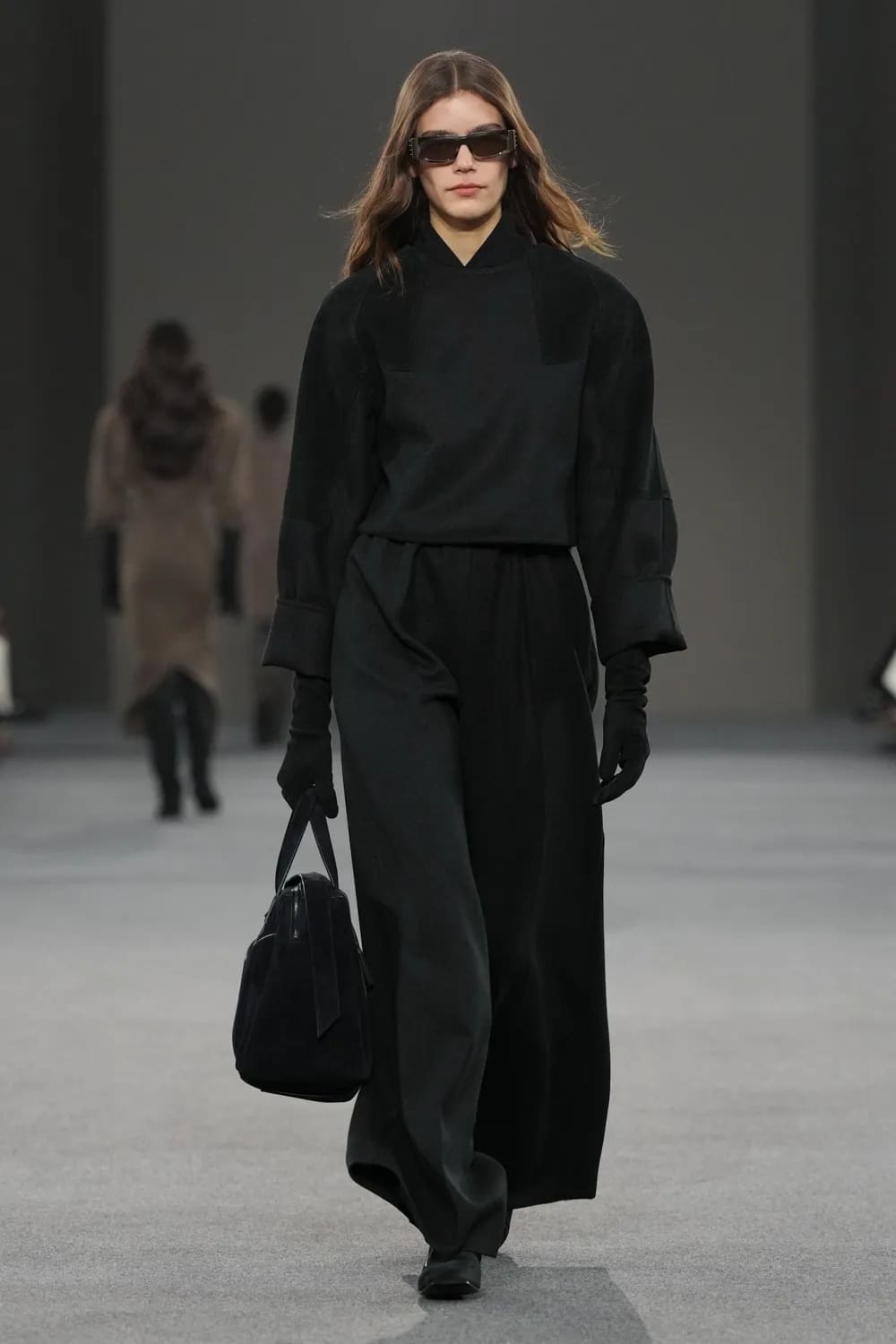
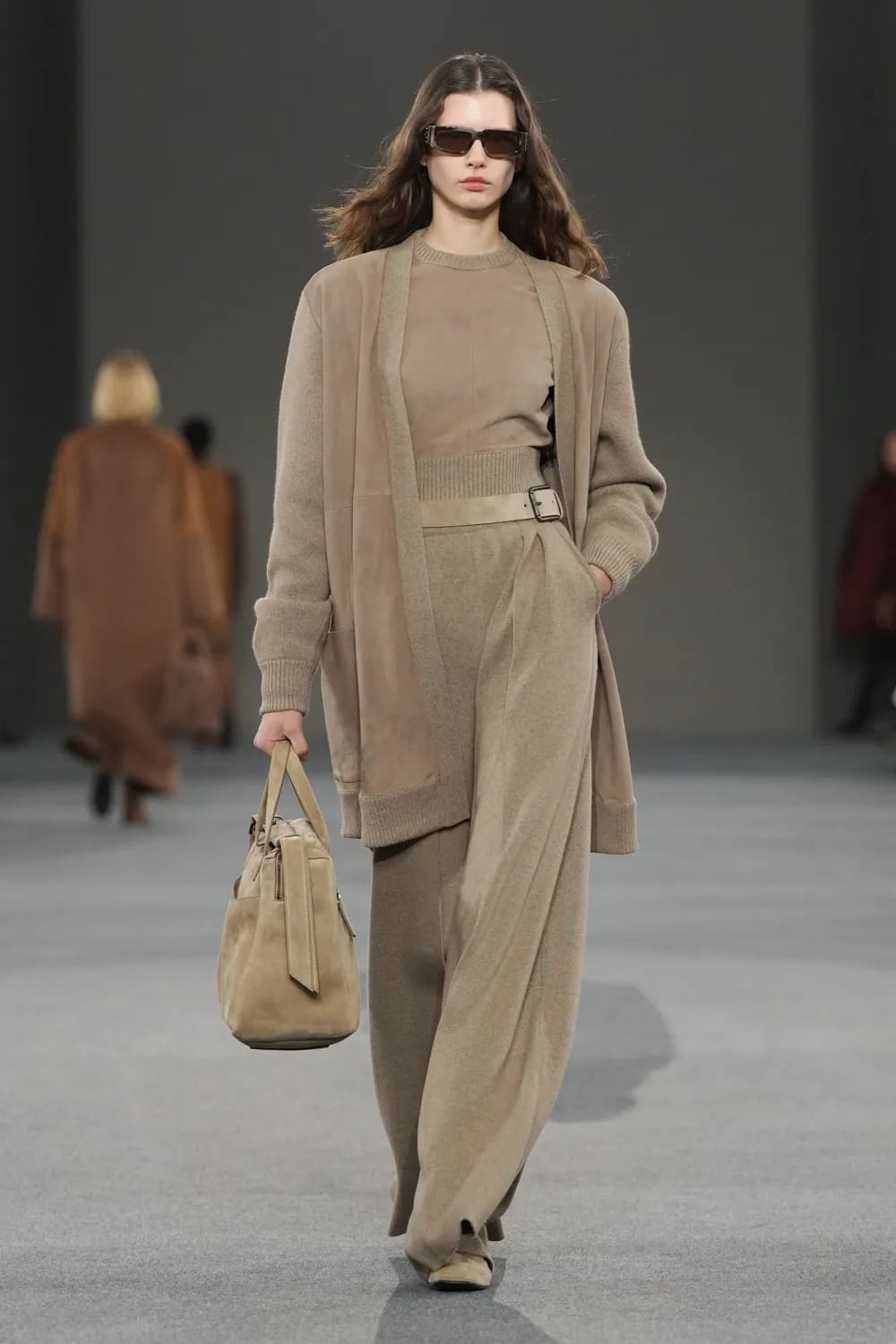
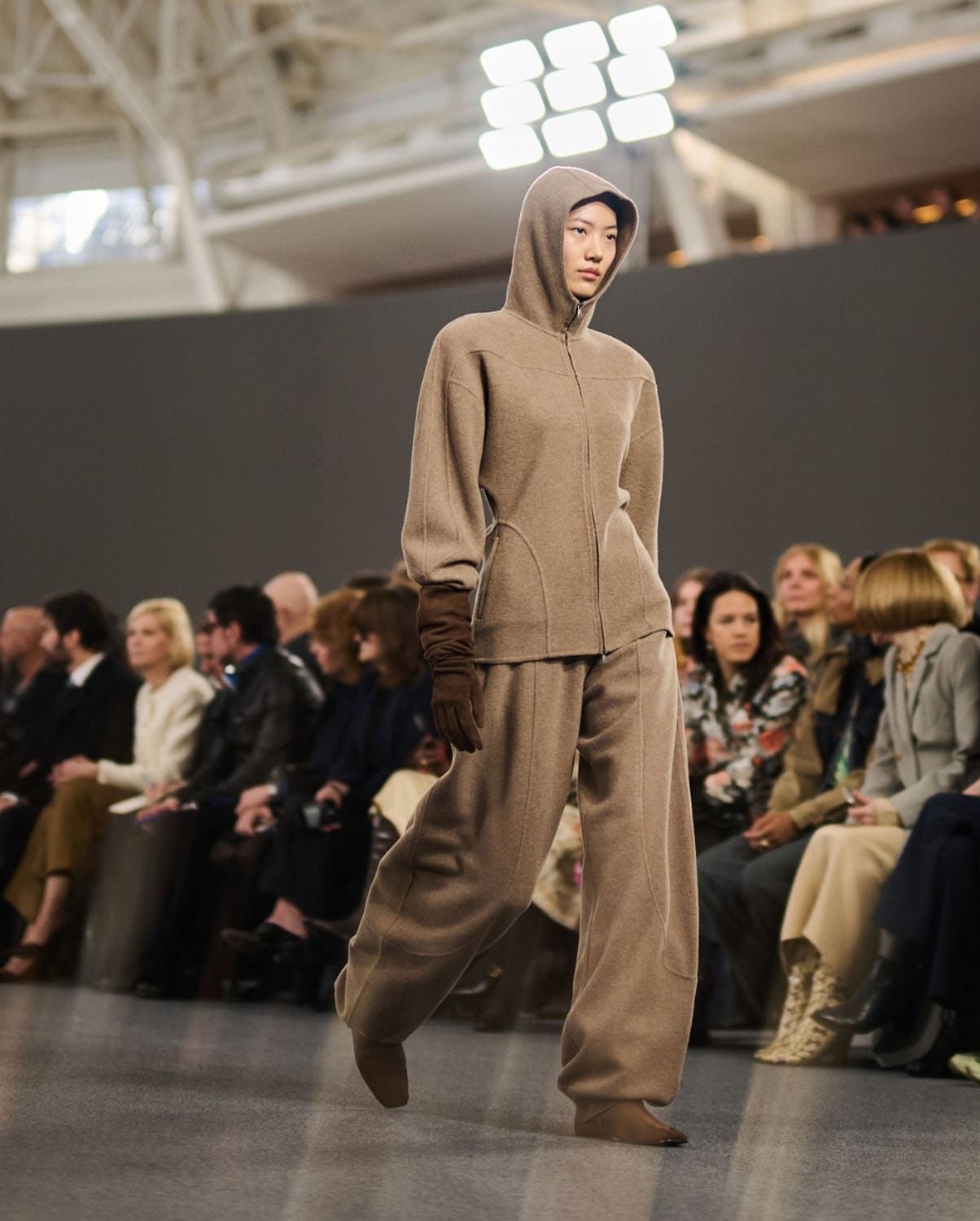
The opening notes are deliberately austere. A sculptural taupe ensemble sets the tone: a clean, minimal suede top hovering over long, fluid trousers. The lines are severe but not punishing, the message unmistakable — power begins with clarity. What looks monastic from afar reveals itself as modern armor: supple, movable, lethal in its restraint.
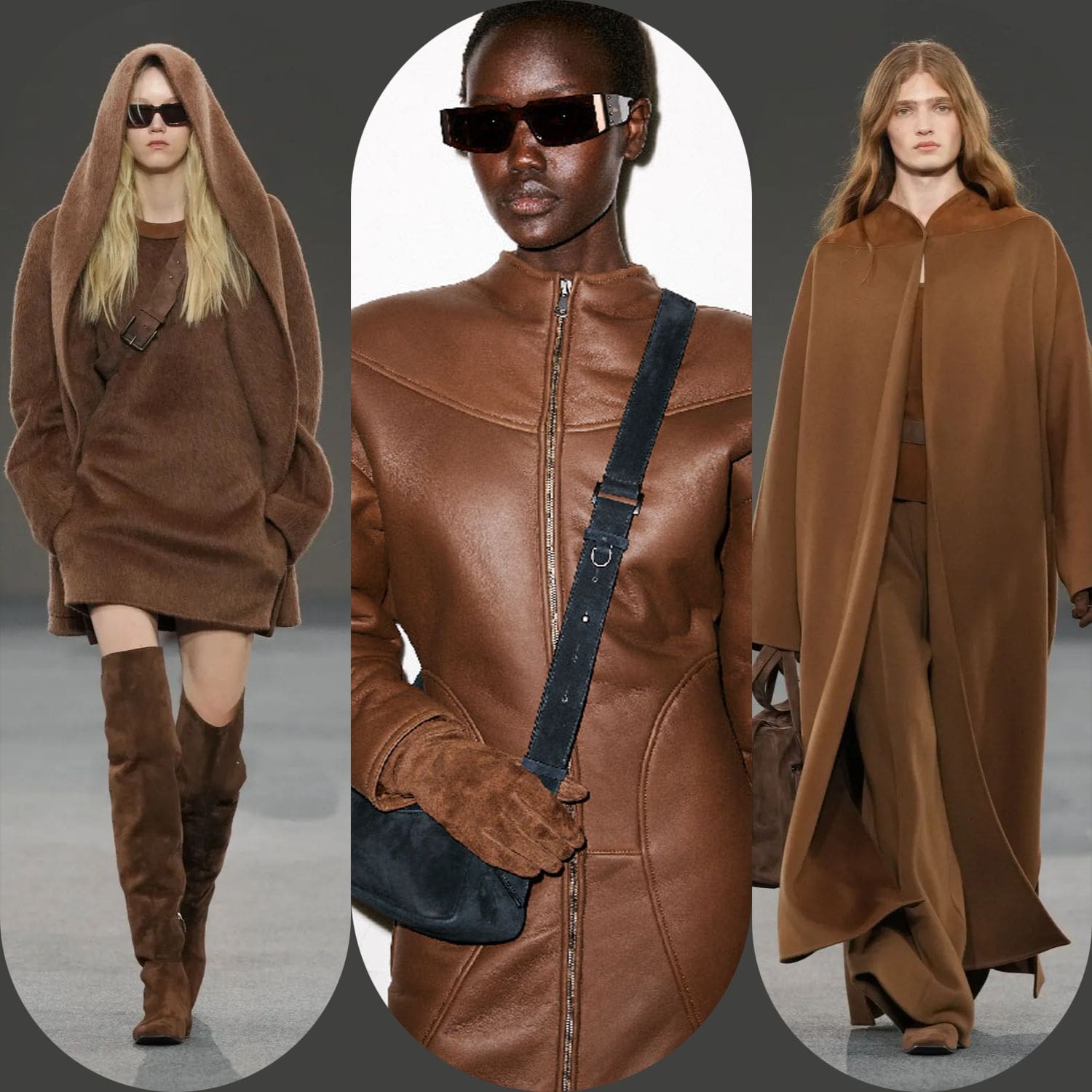
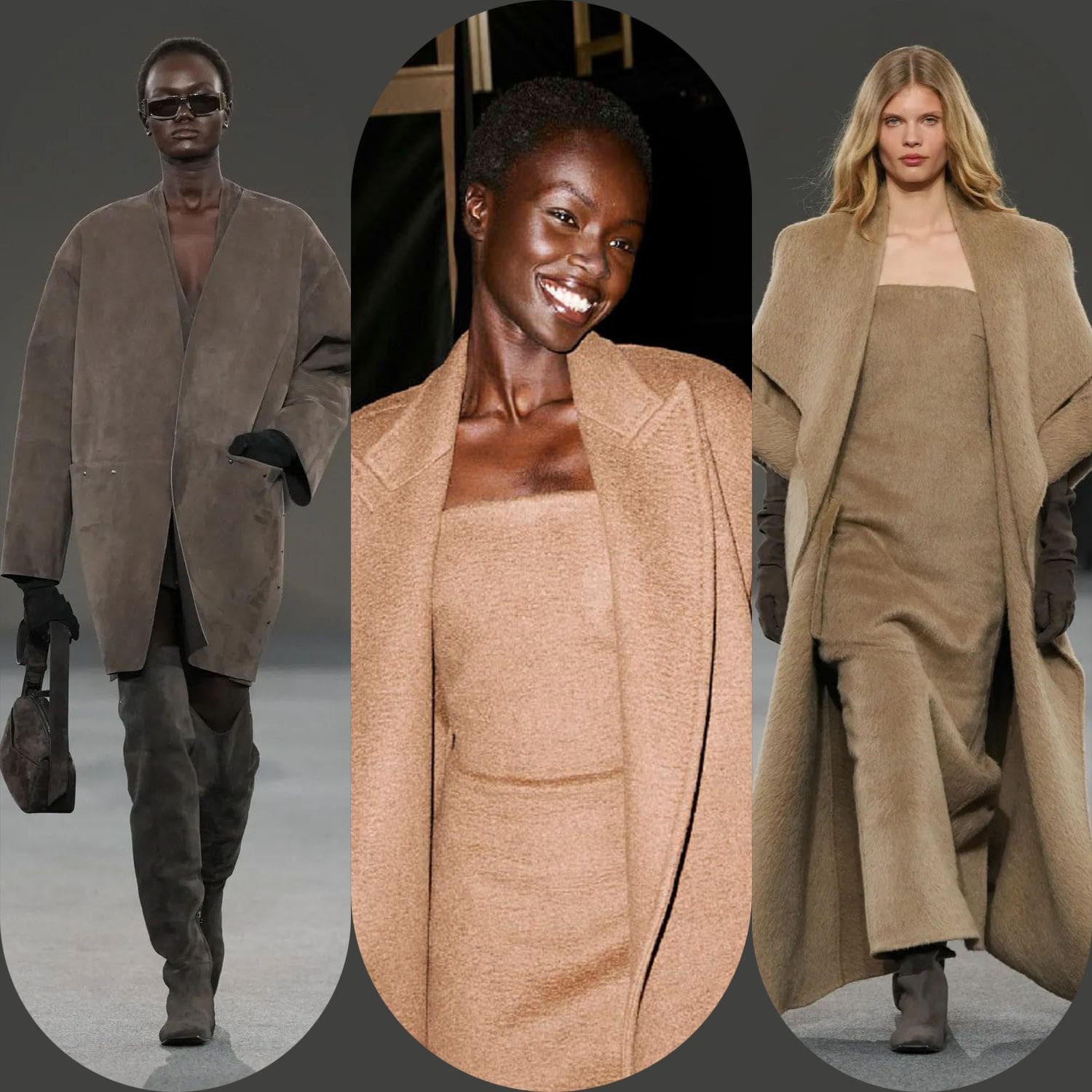
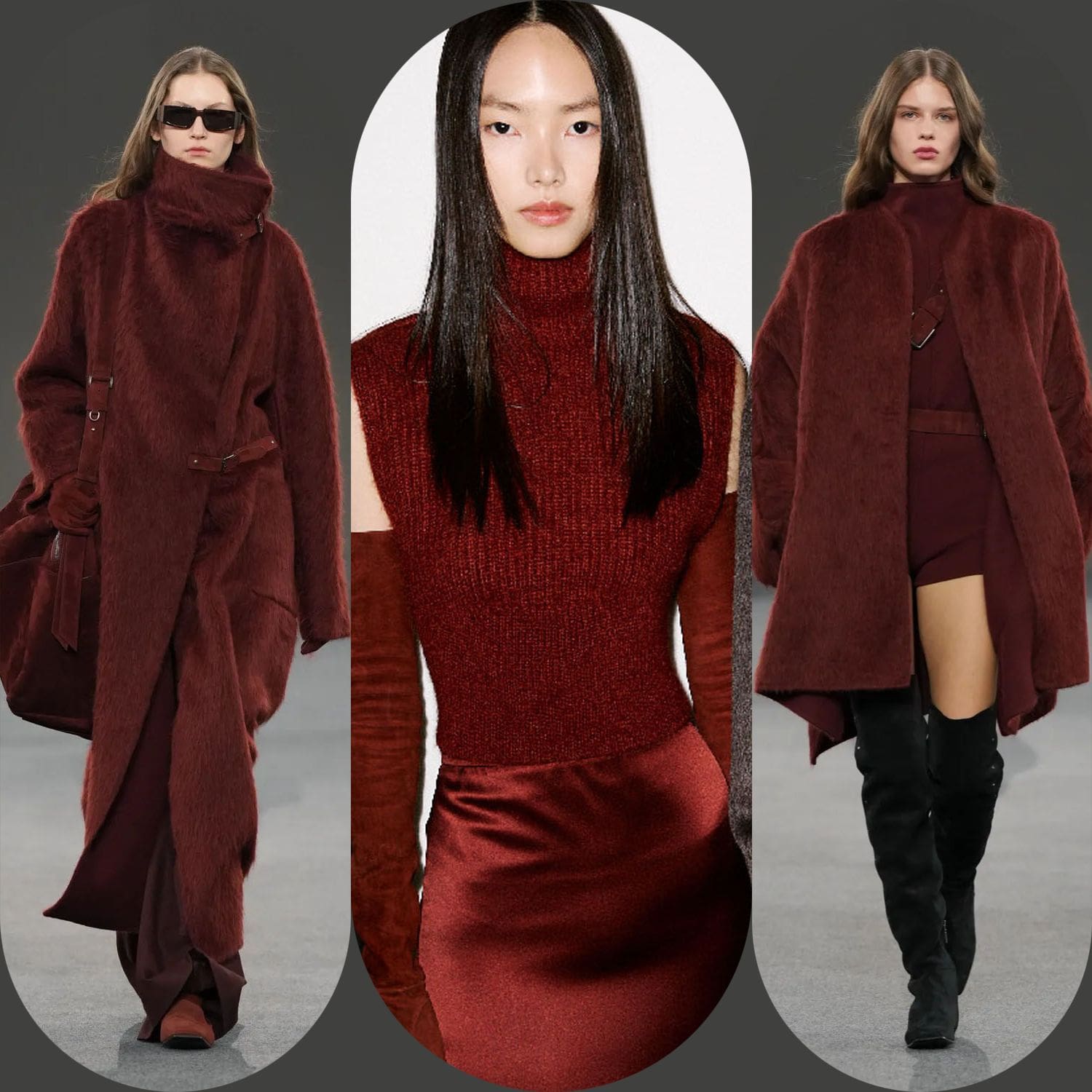
See All Max Mara Fall Winter 2026-2027 Details / Backstage
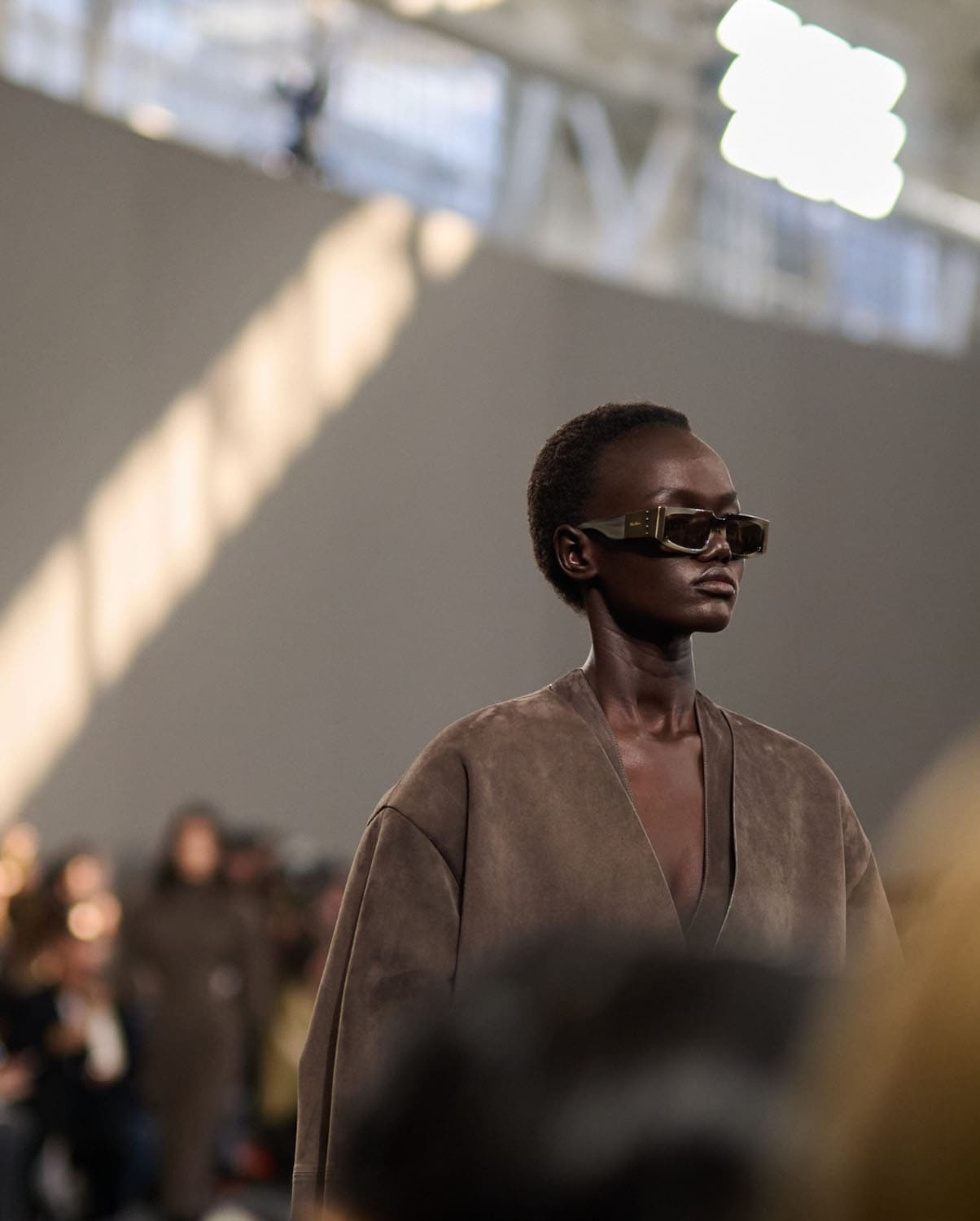
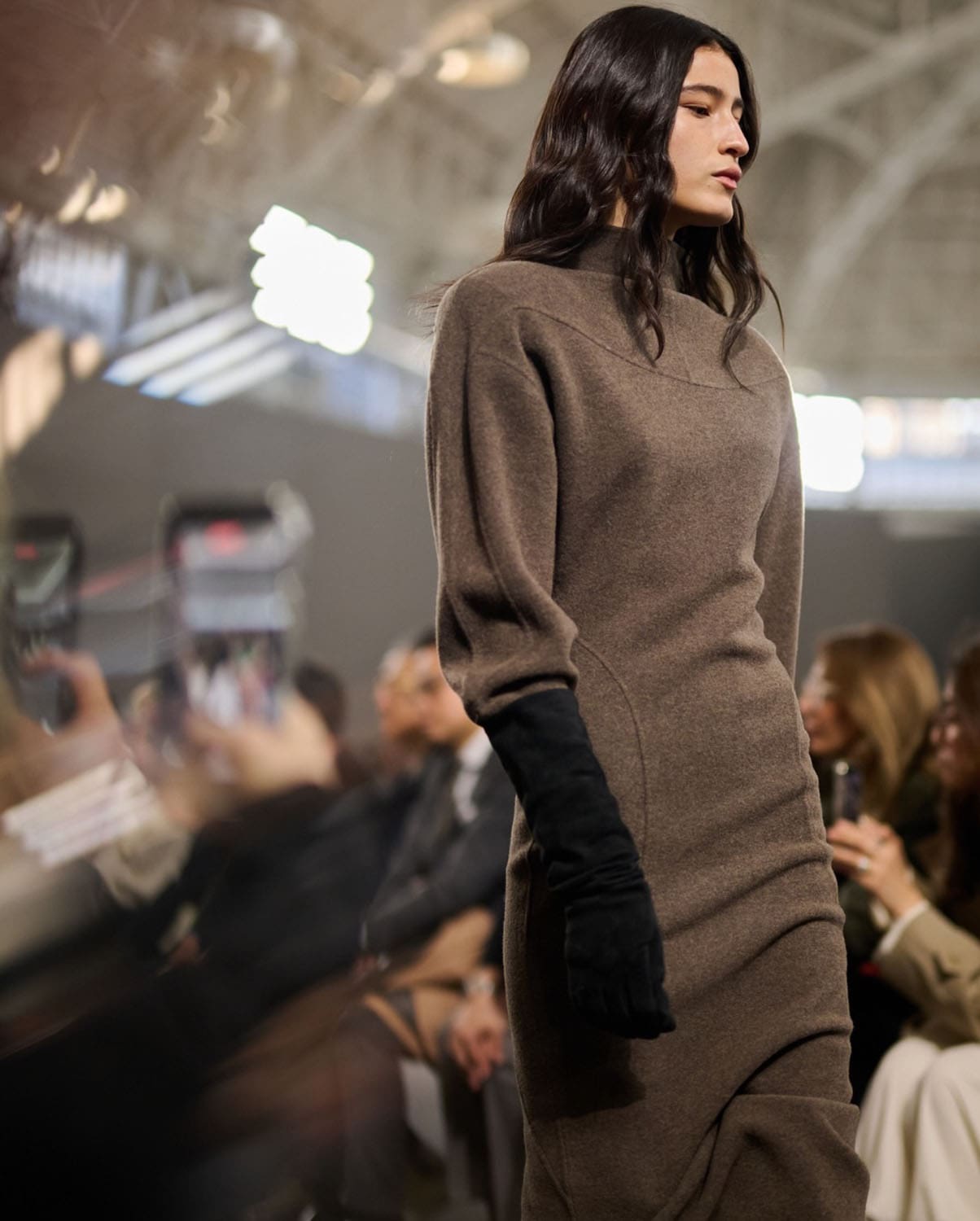
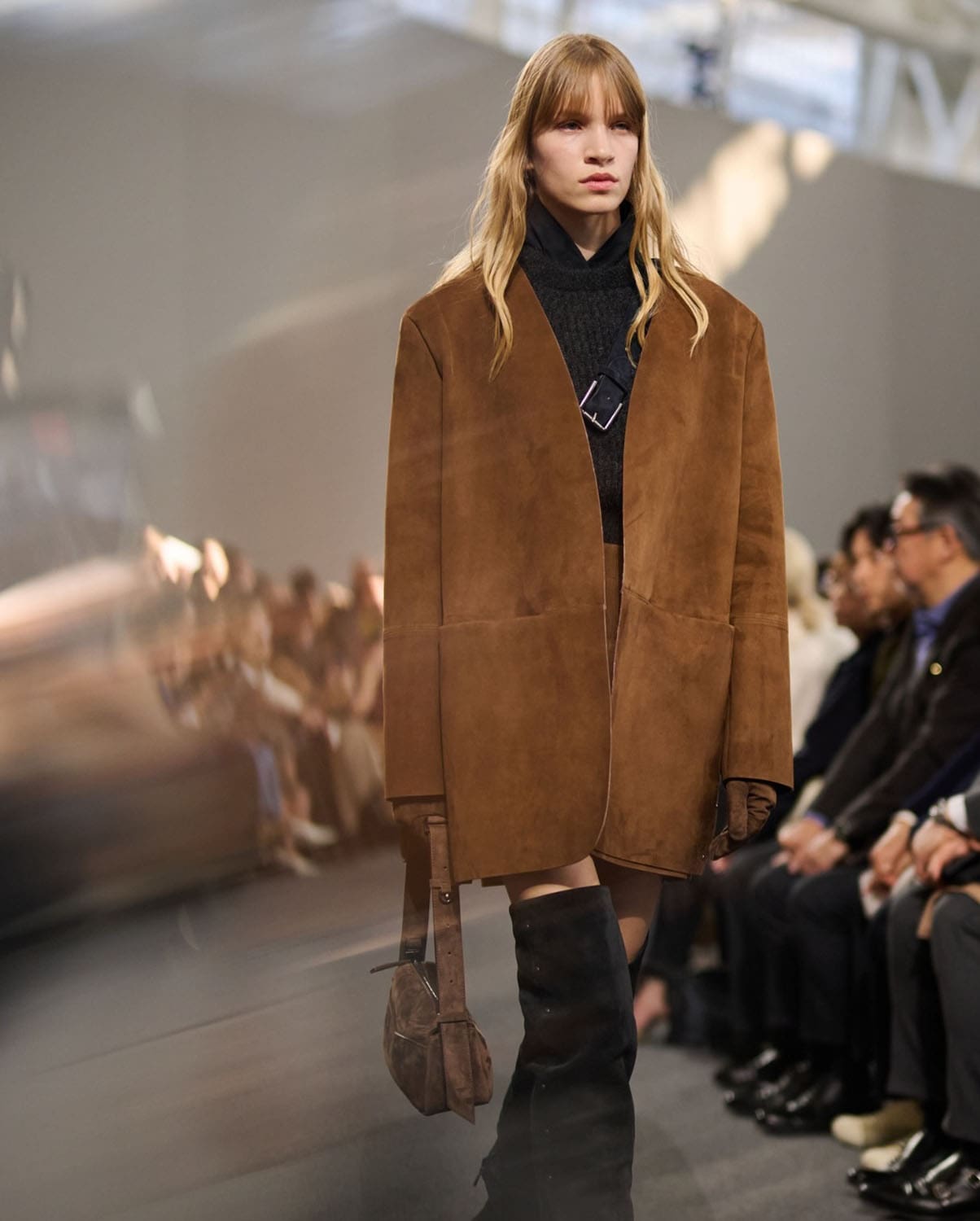
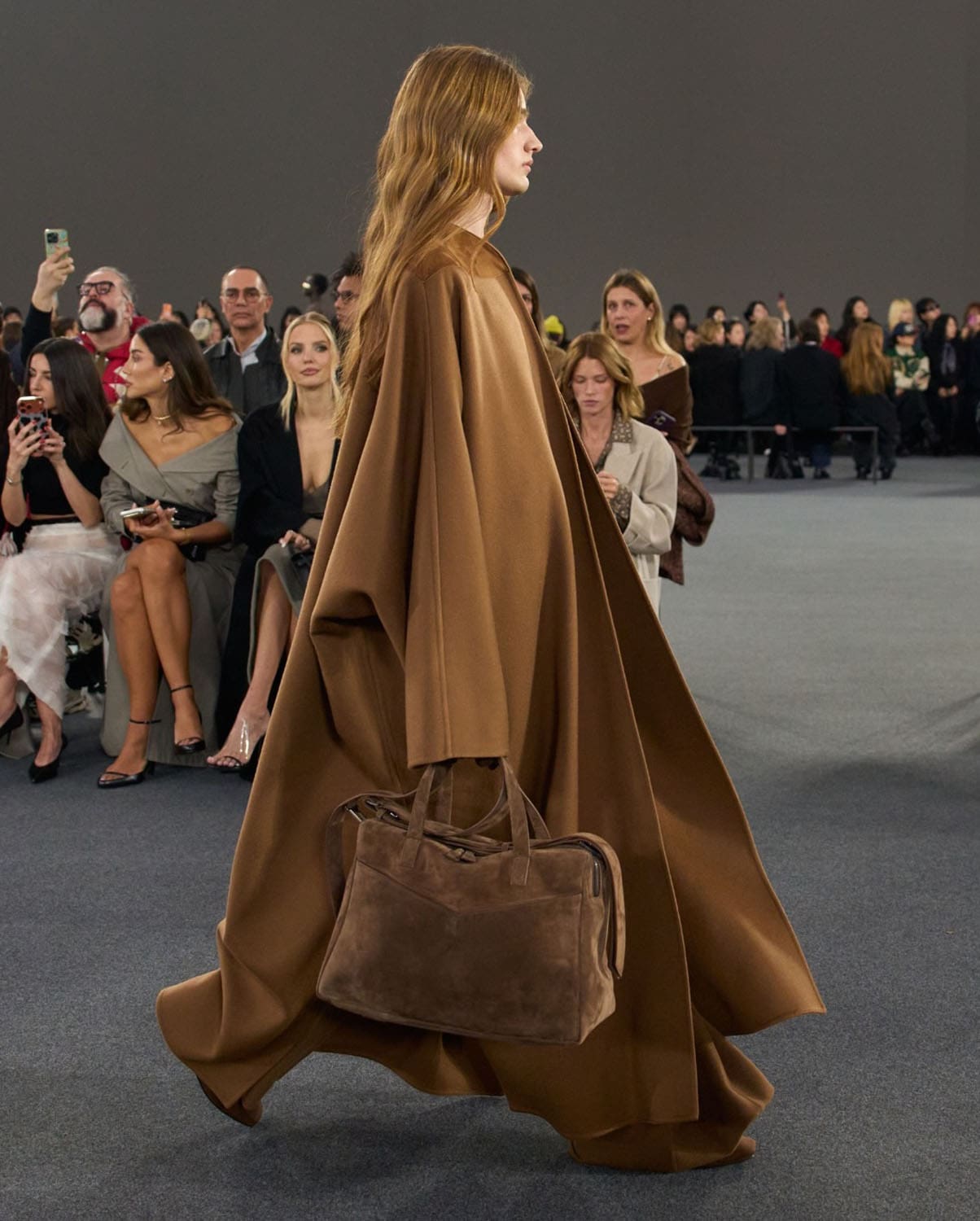
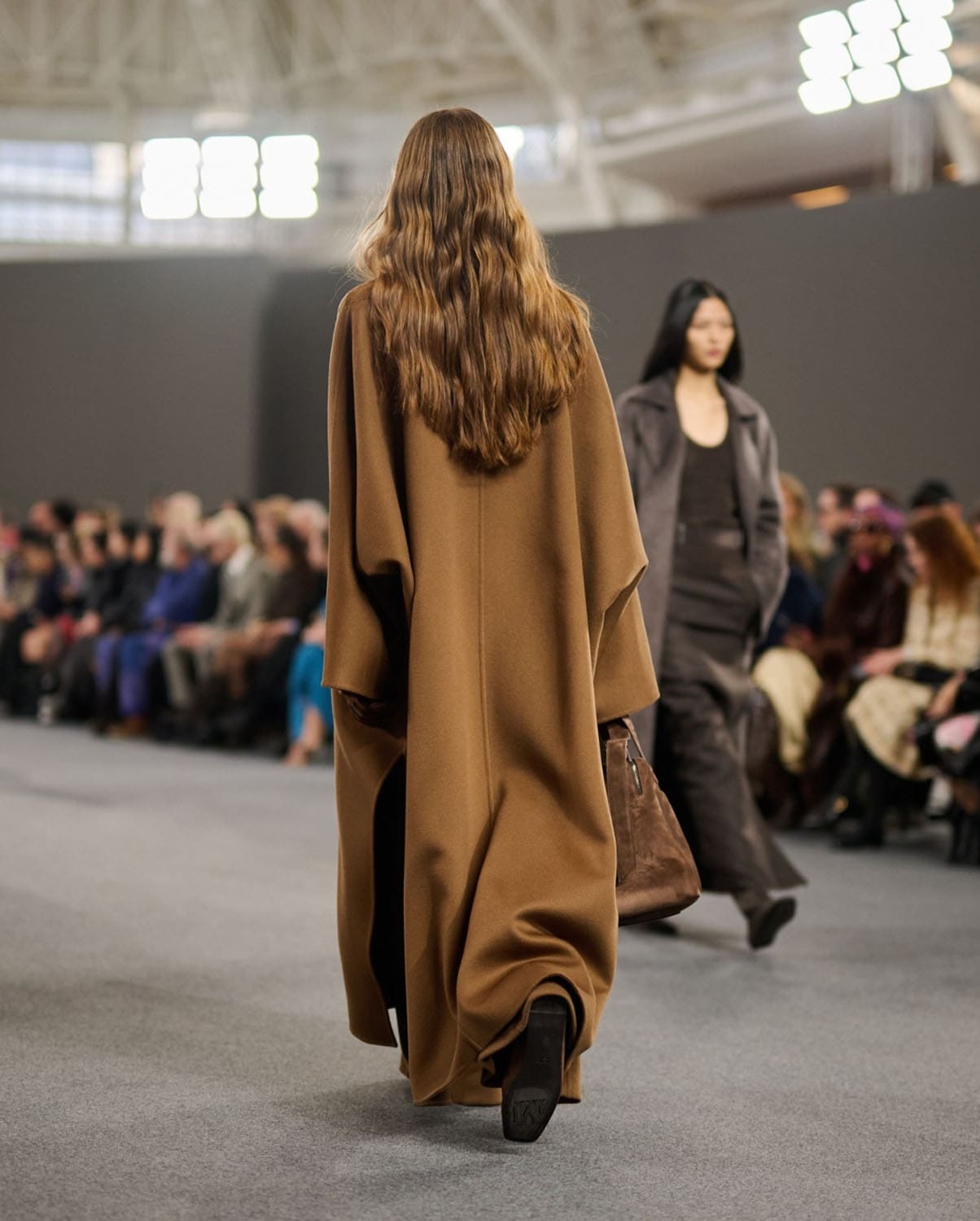
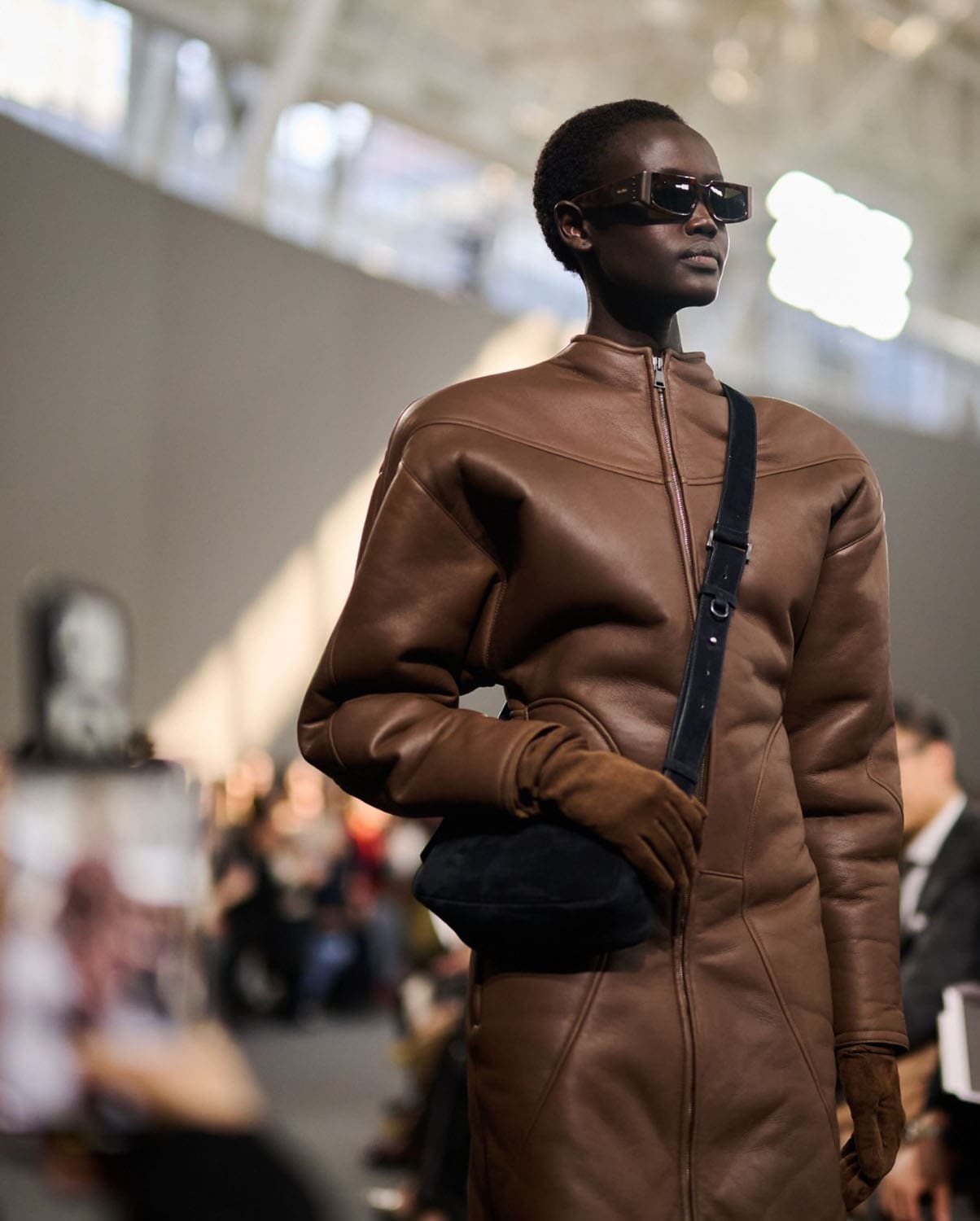
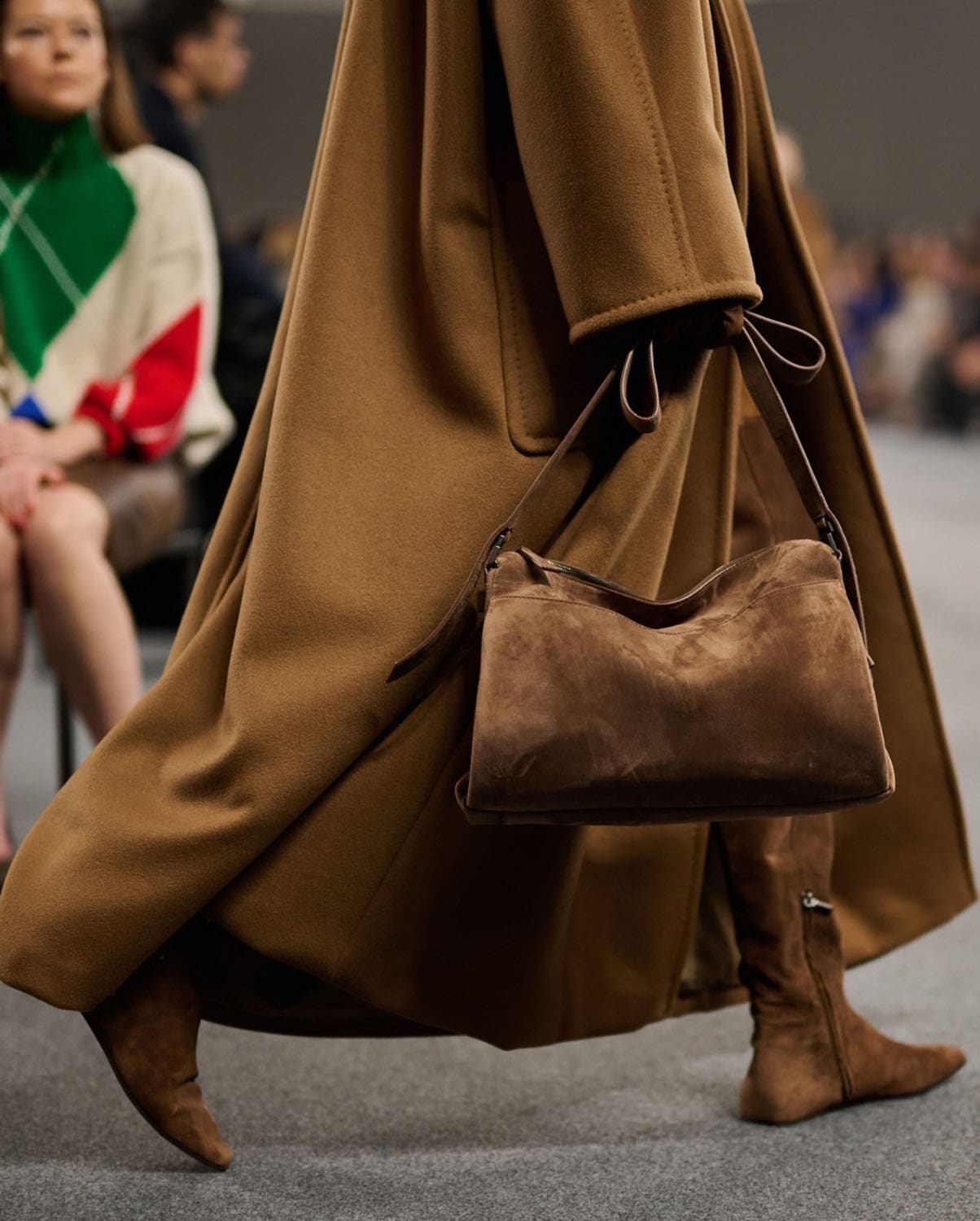
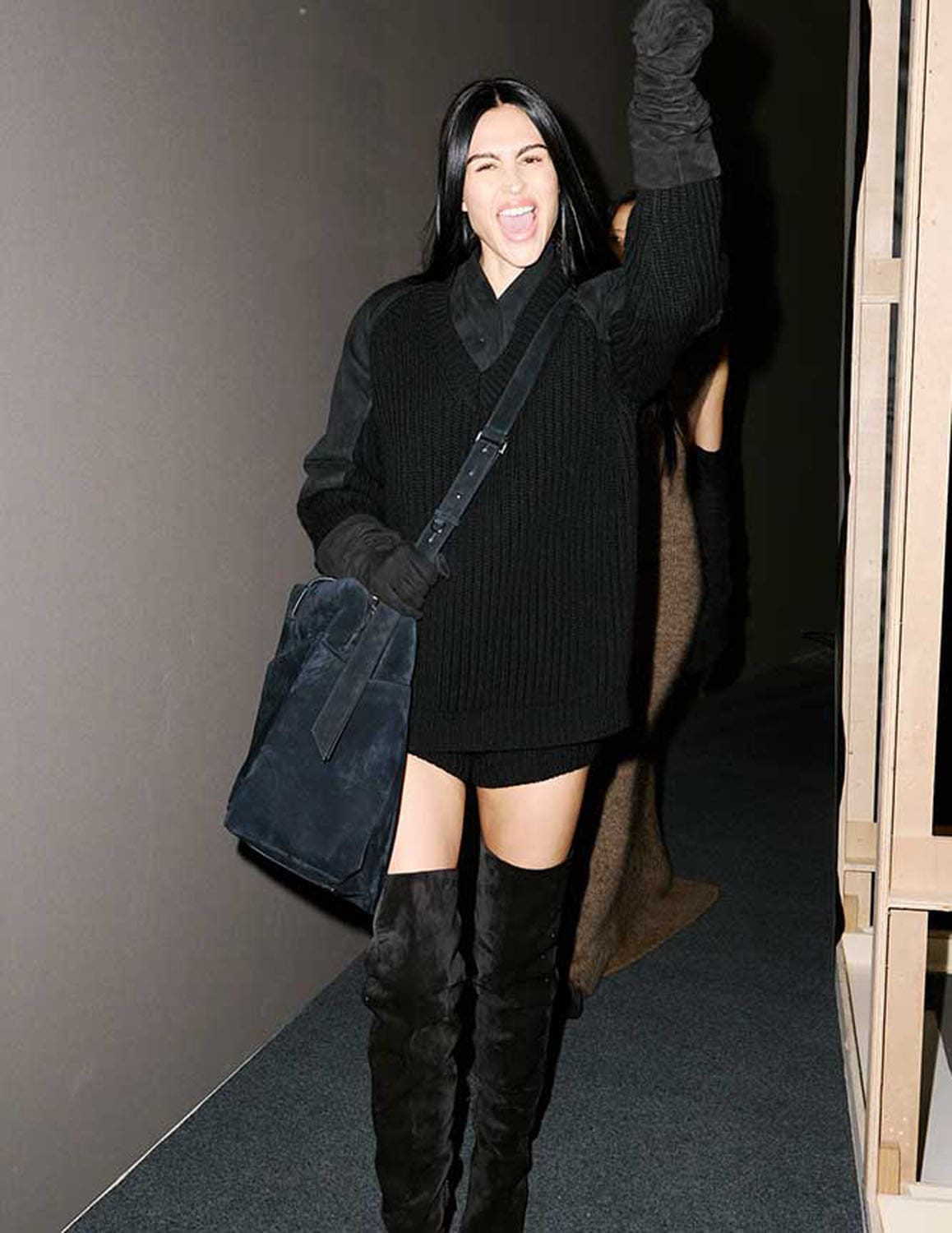
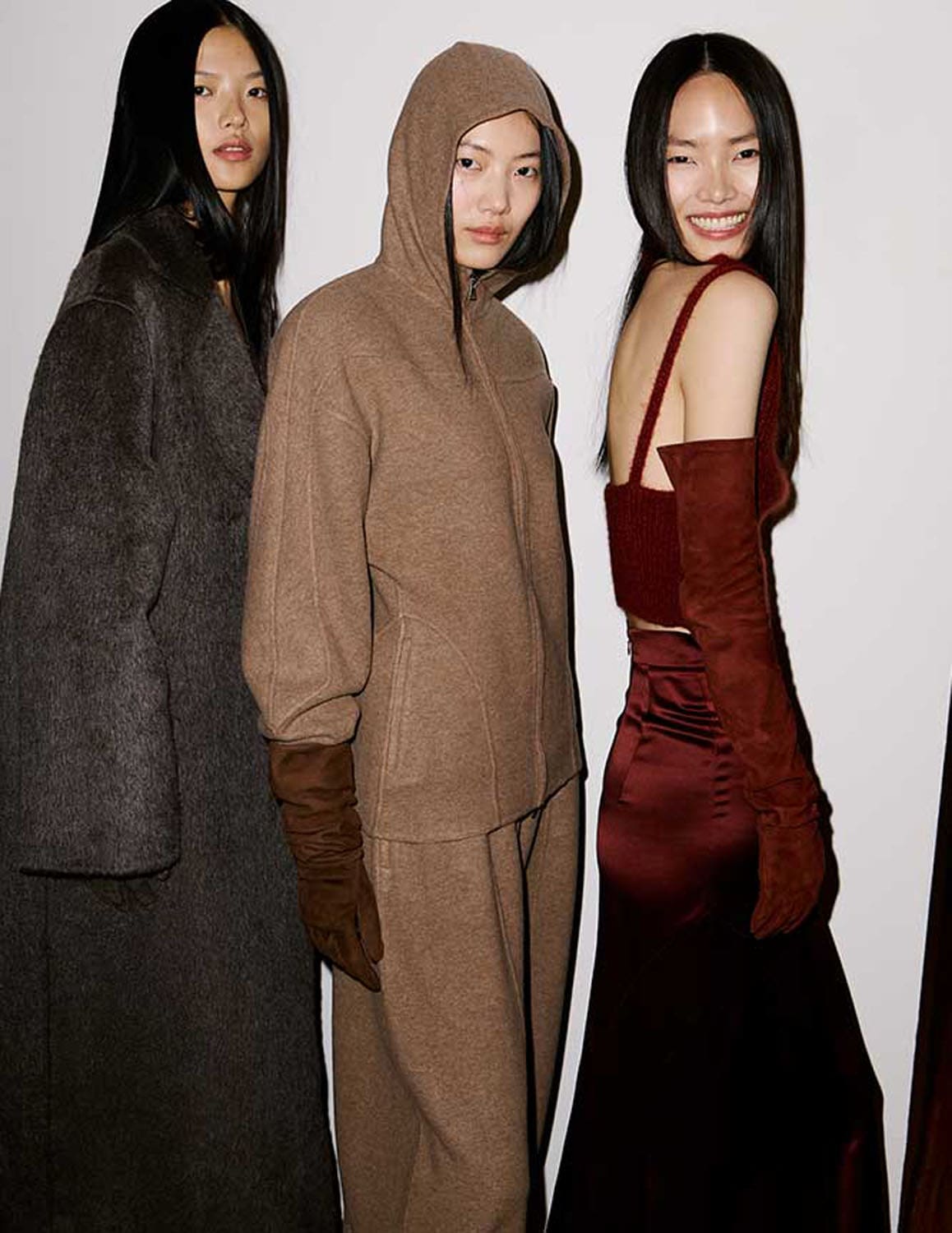
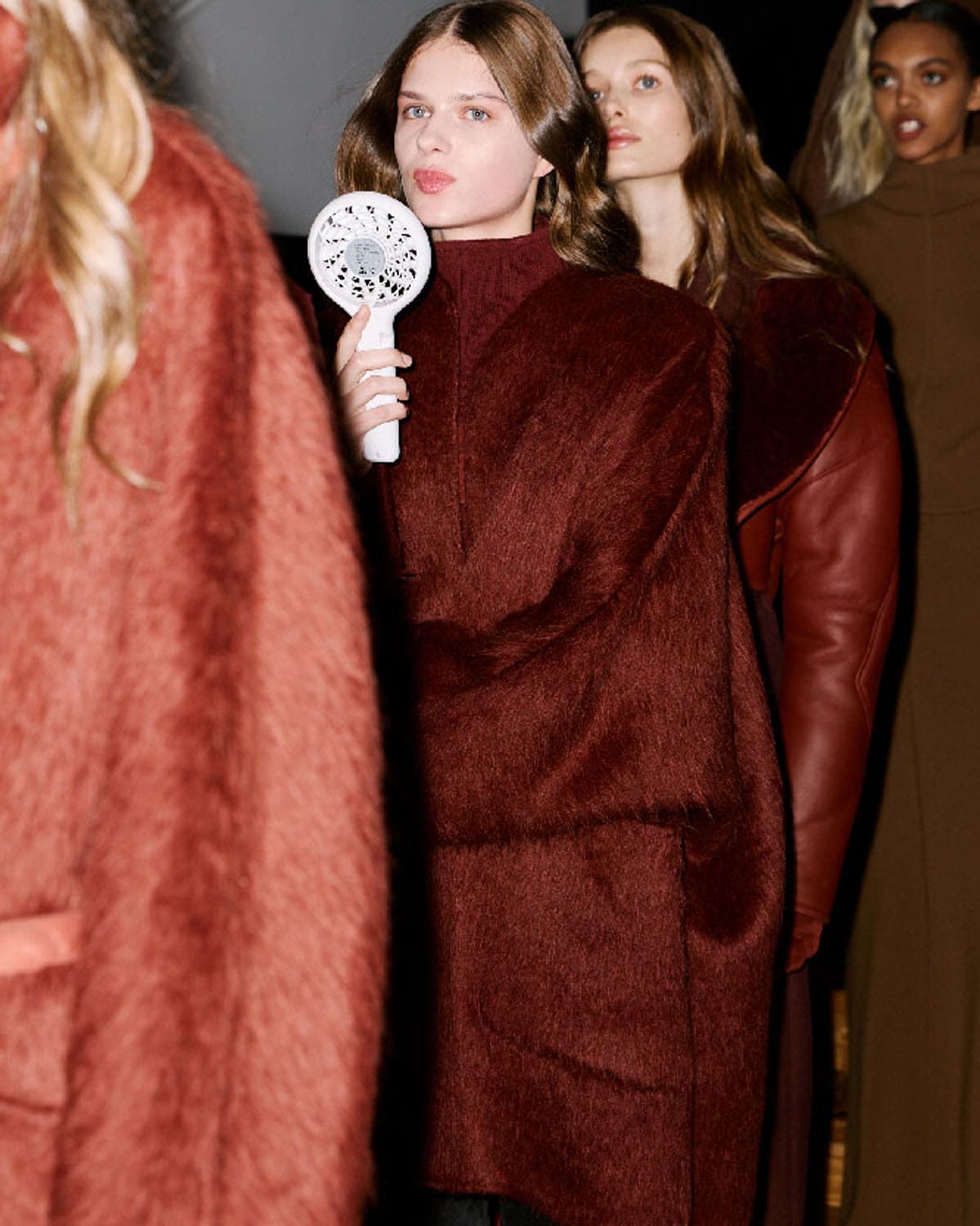
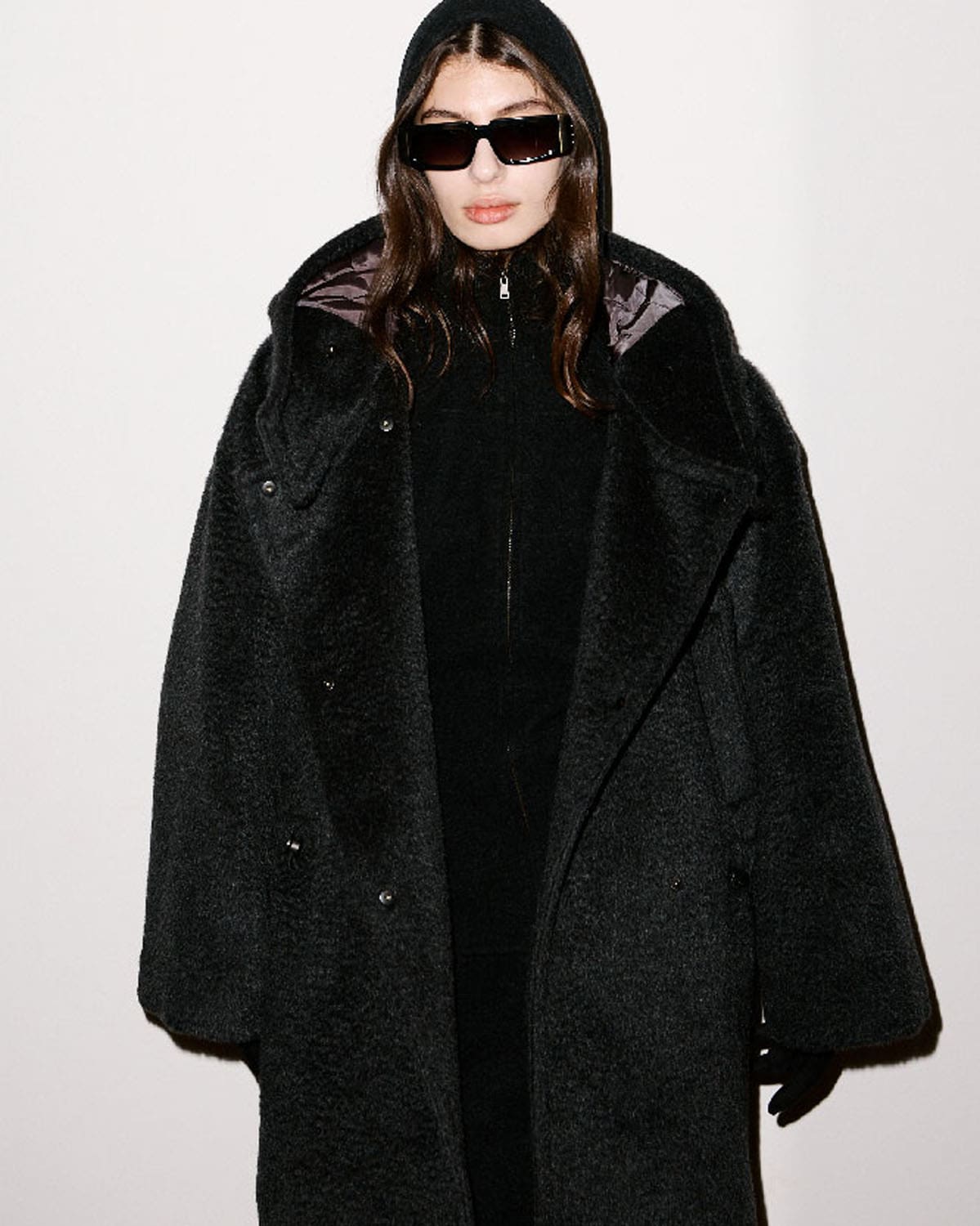
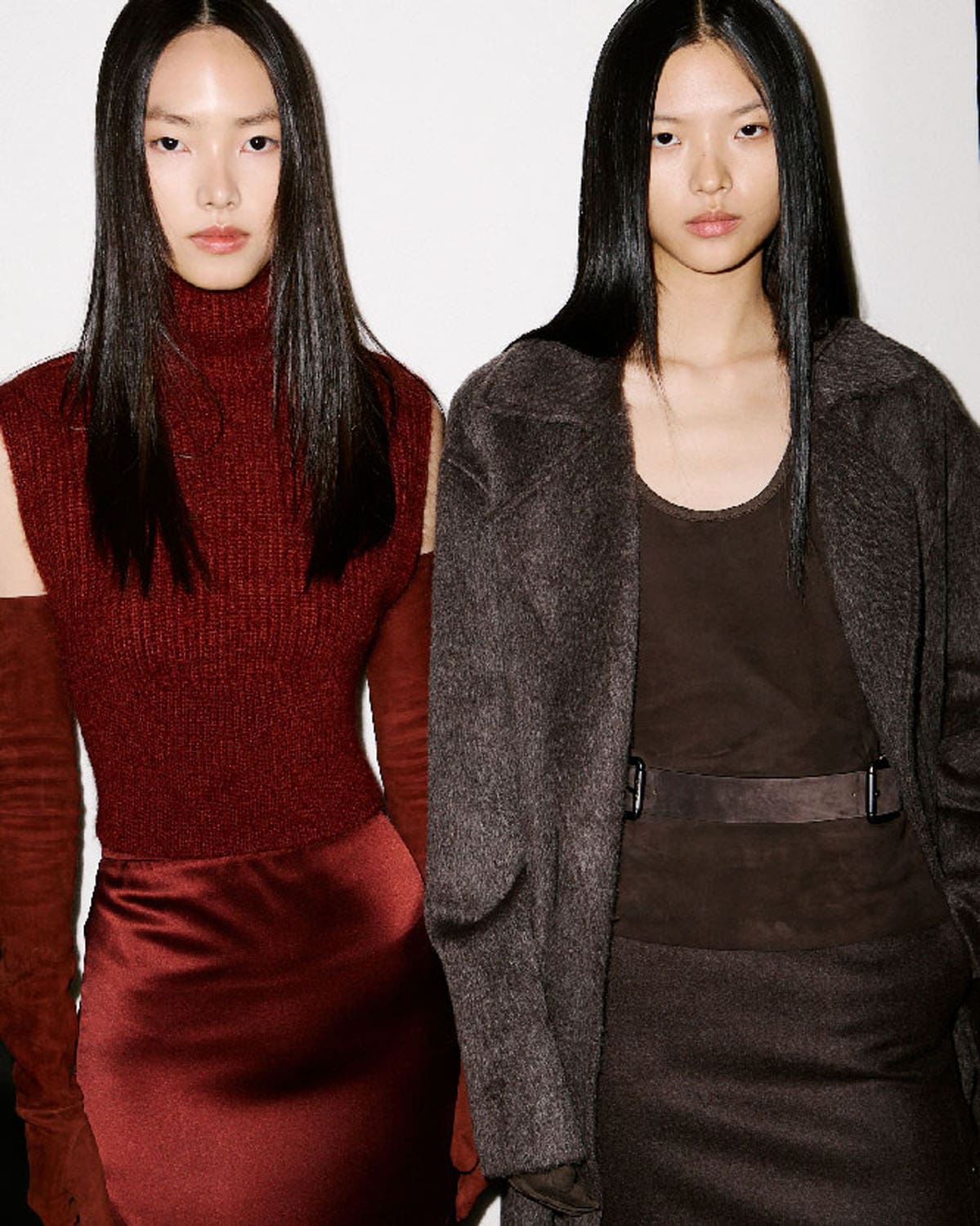
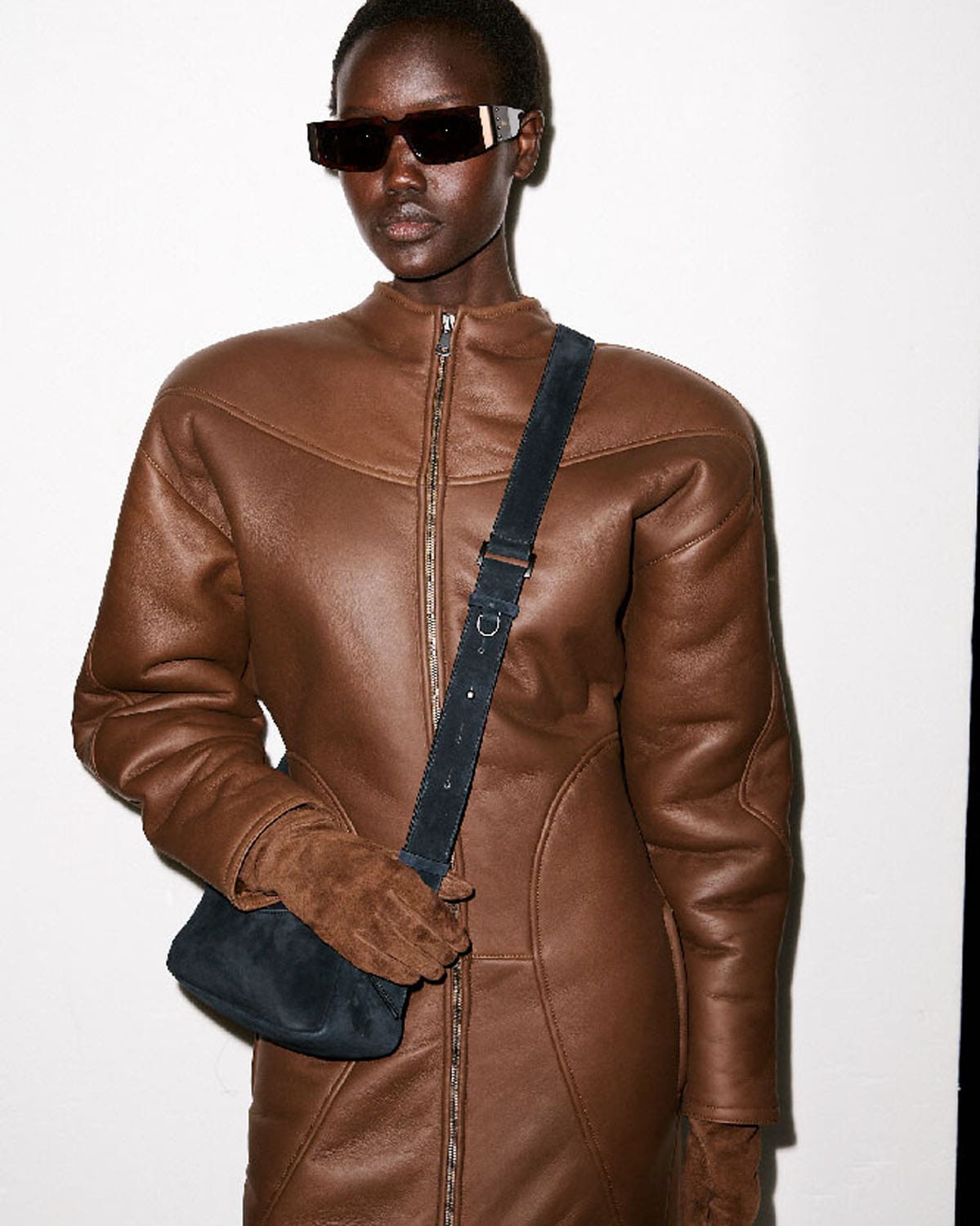
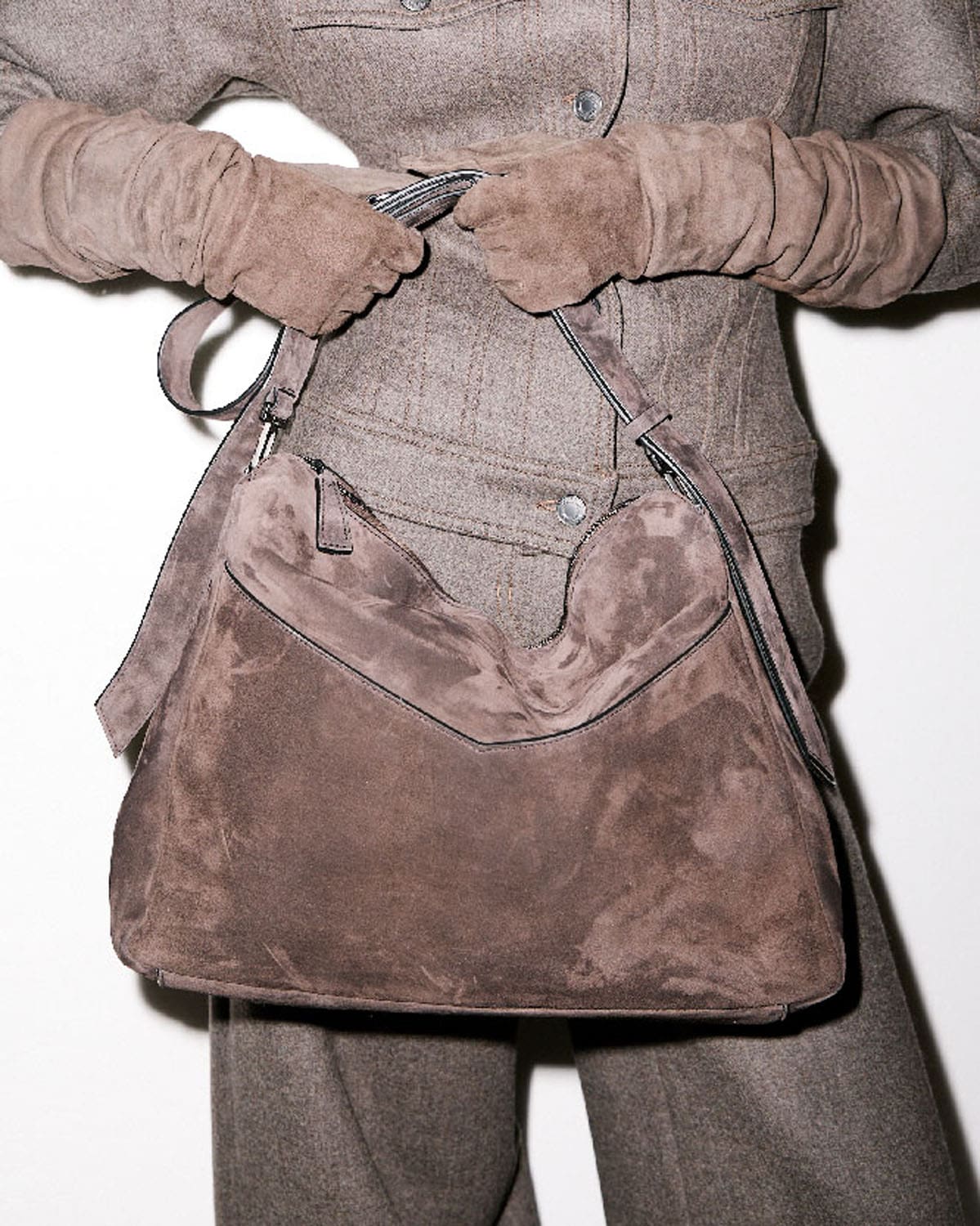
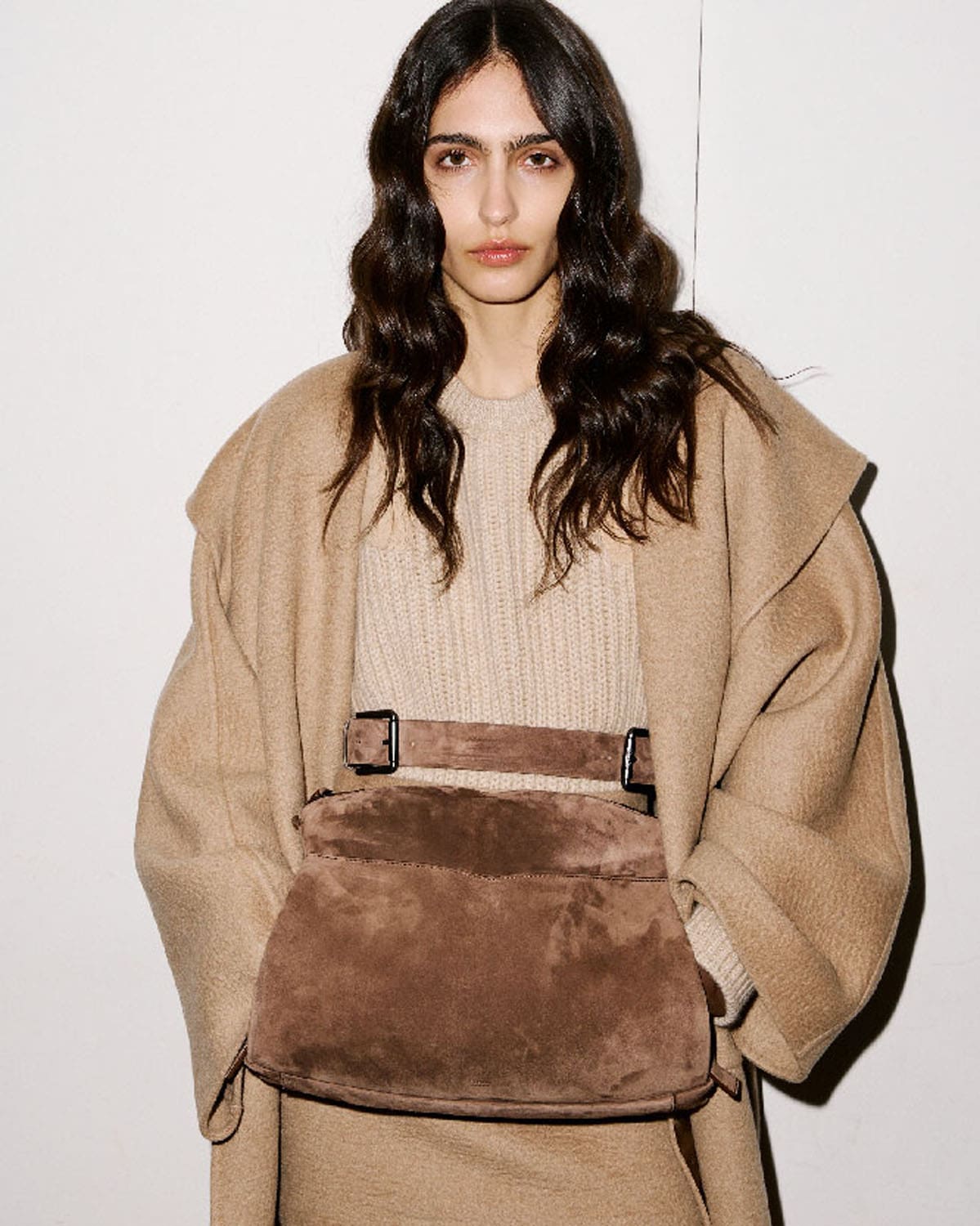
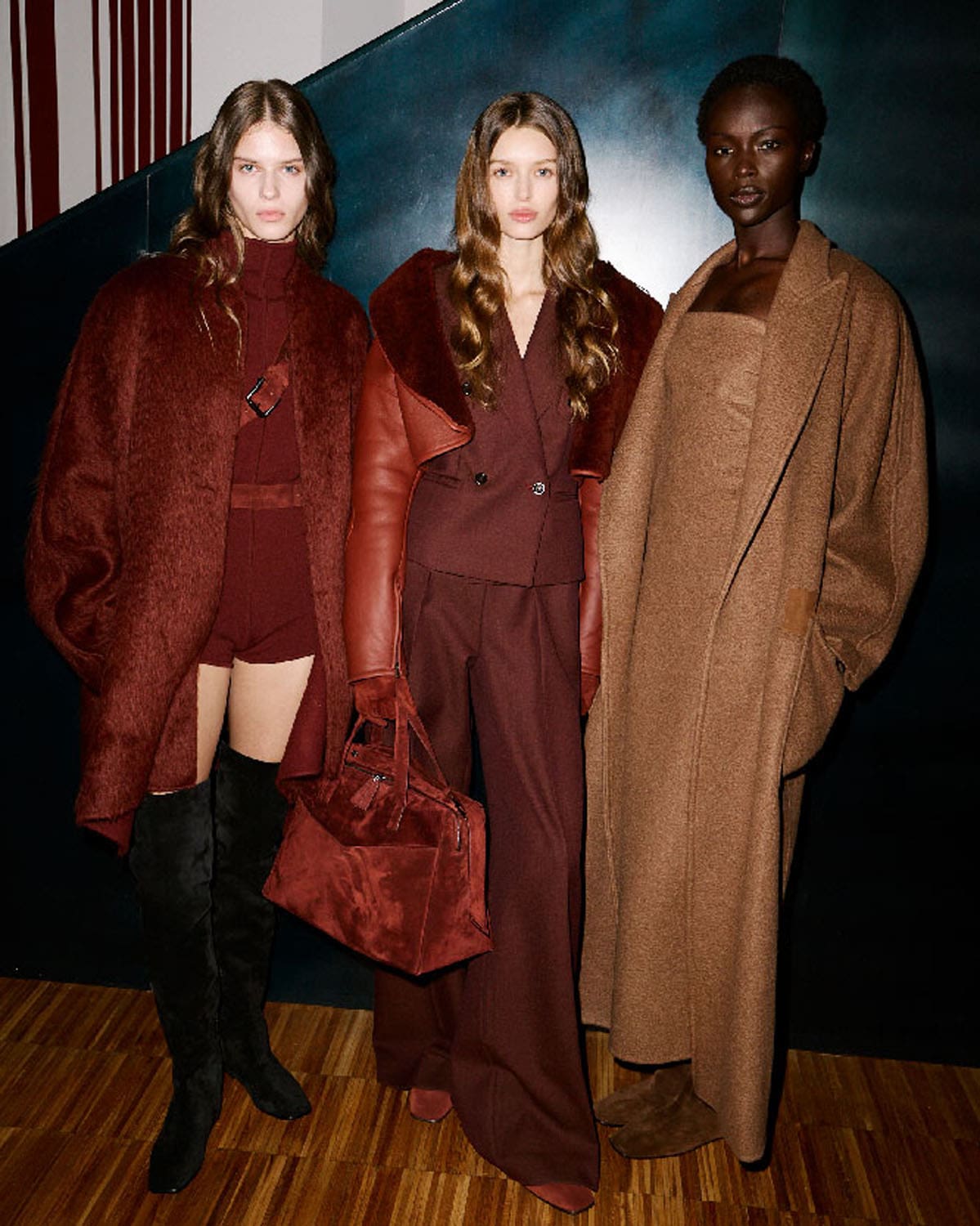
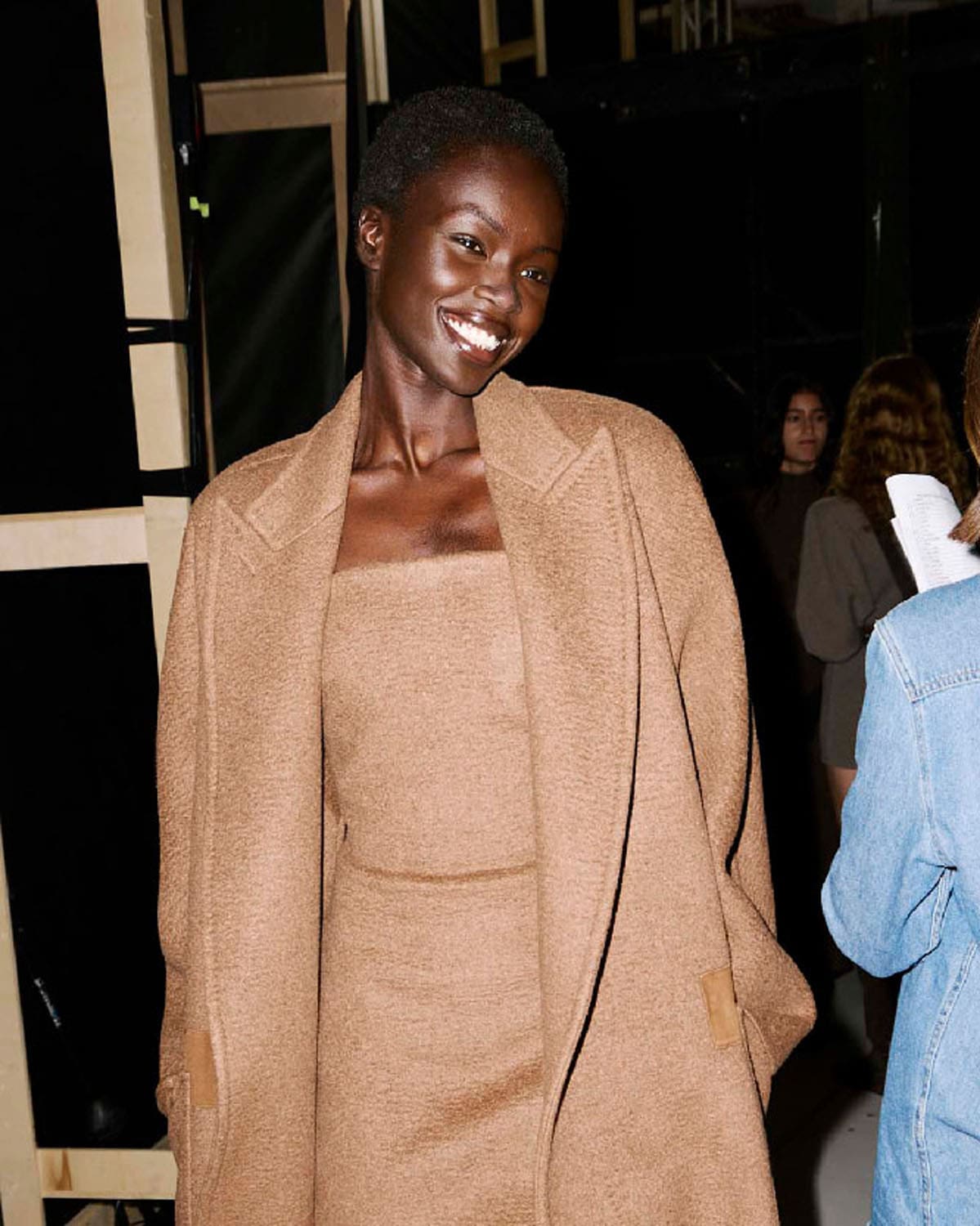
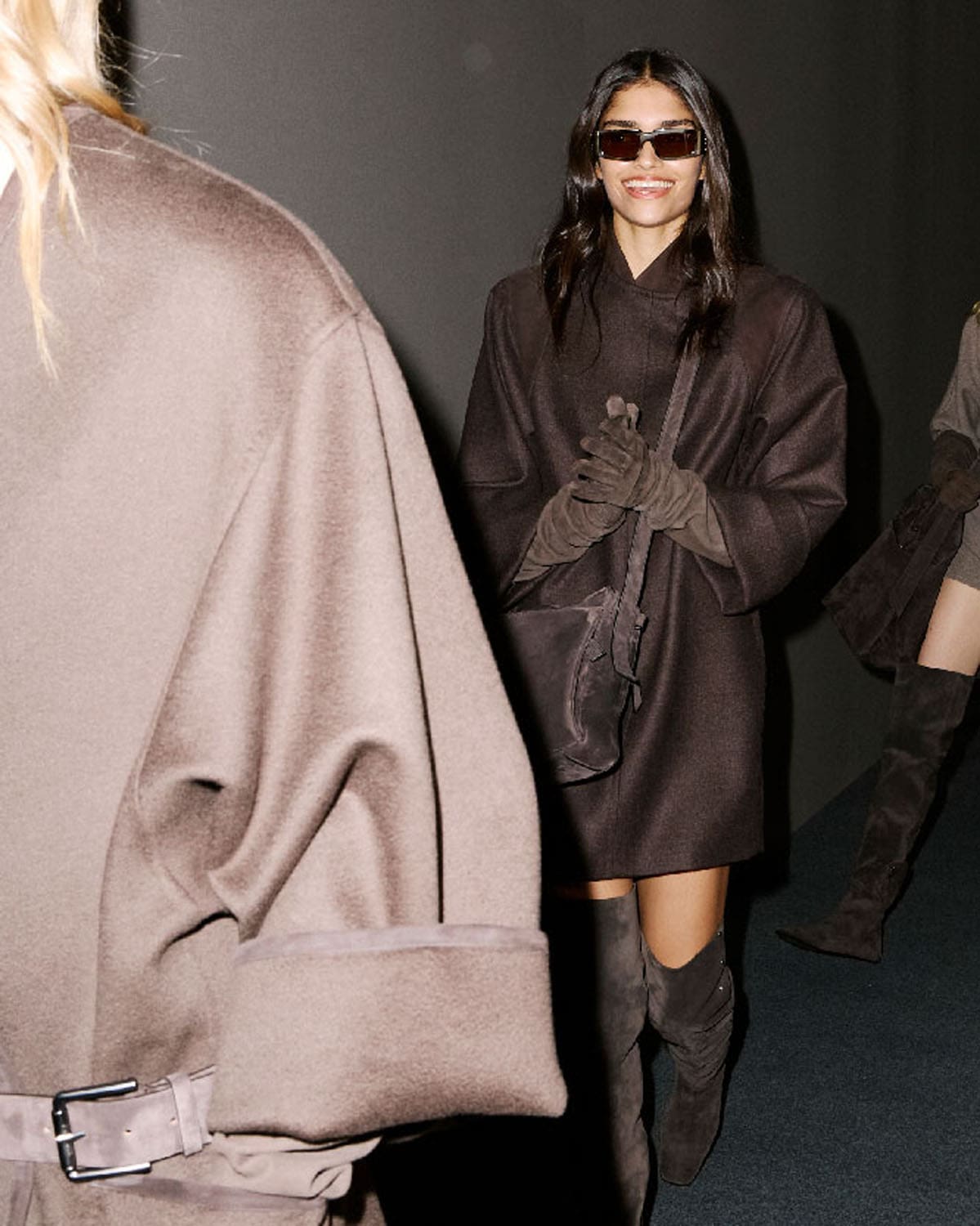
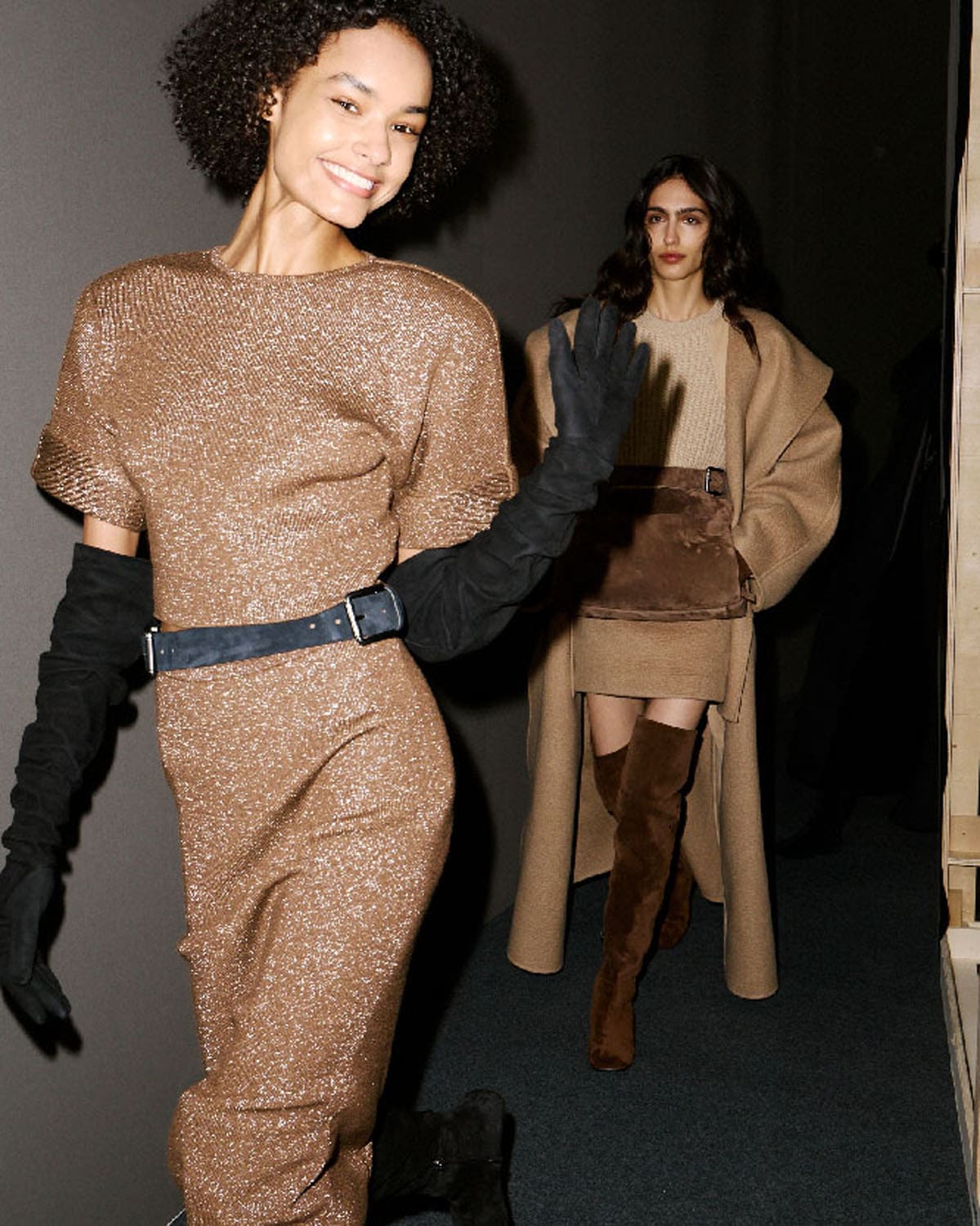
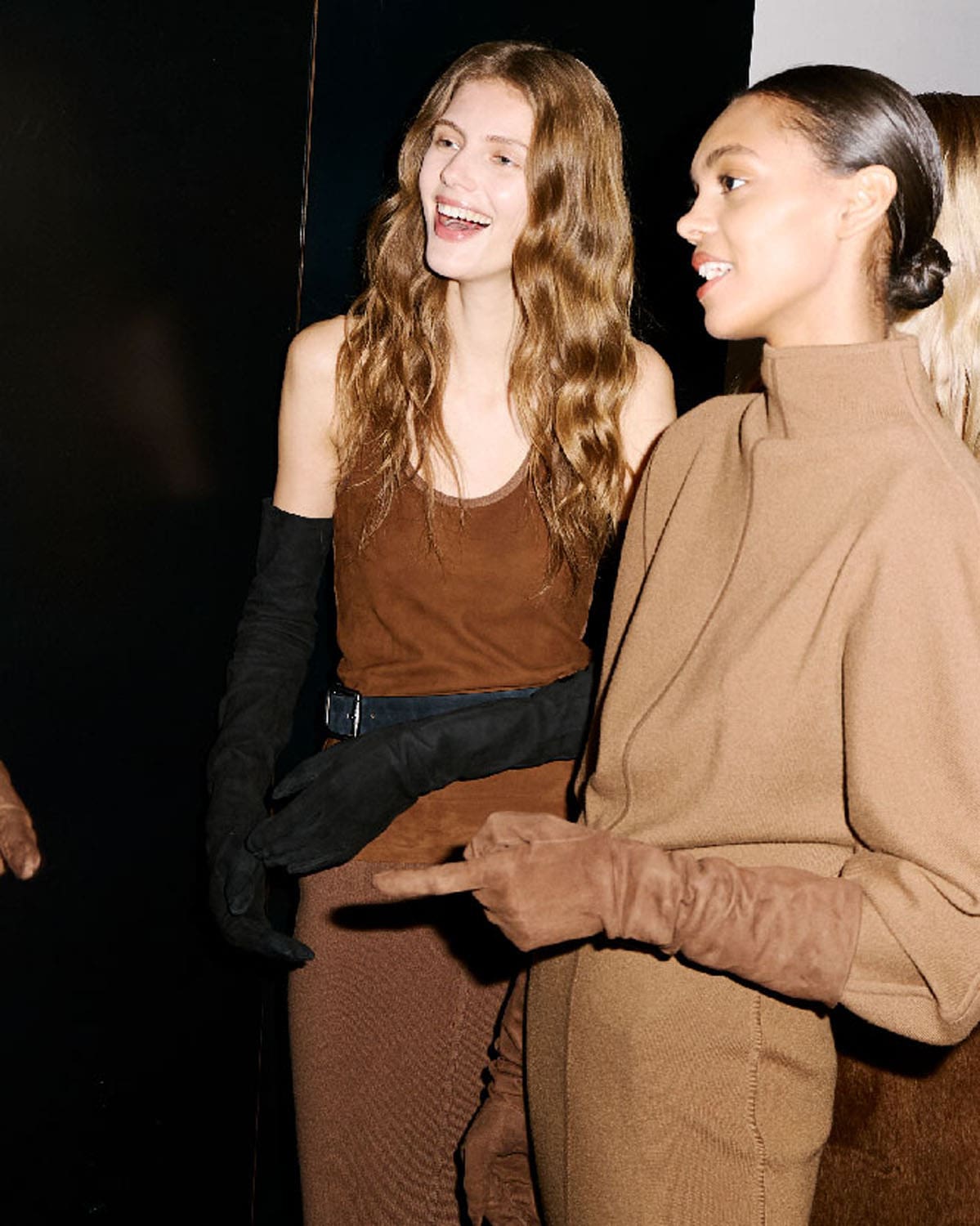
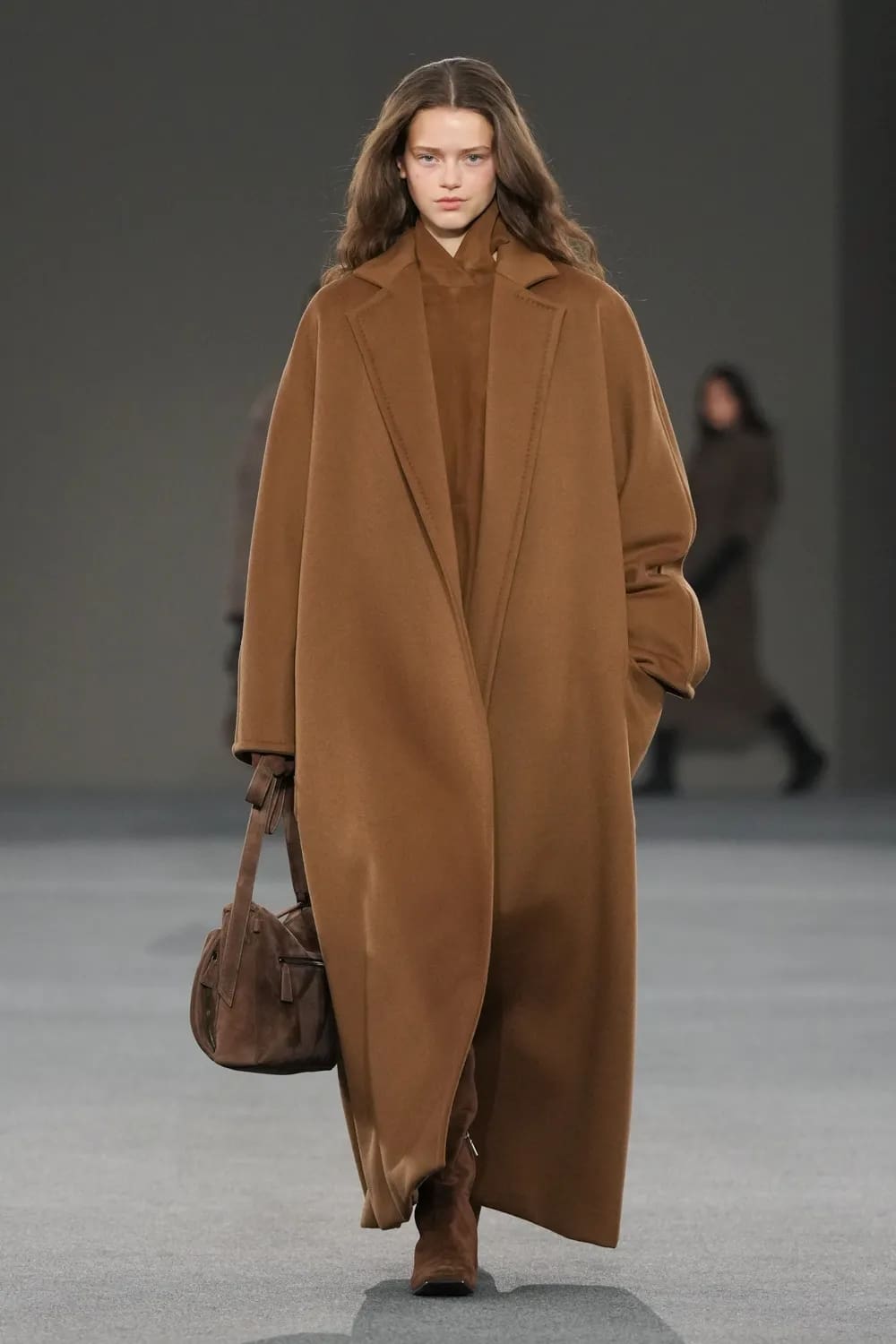
Max Mara then shifts into its signature chromatic codes, the camel spectrum unfolding in long, enveloping coats that practically glide across the runway. One coat in a saturated tobacco tone, paired with matching shirt and trousers, embodies the house’s procession of fabric mastery. Nothing shouts; everything asserts.
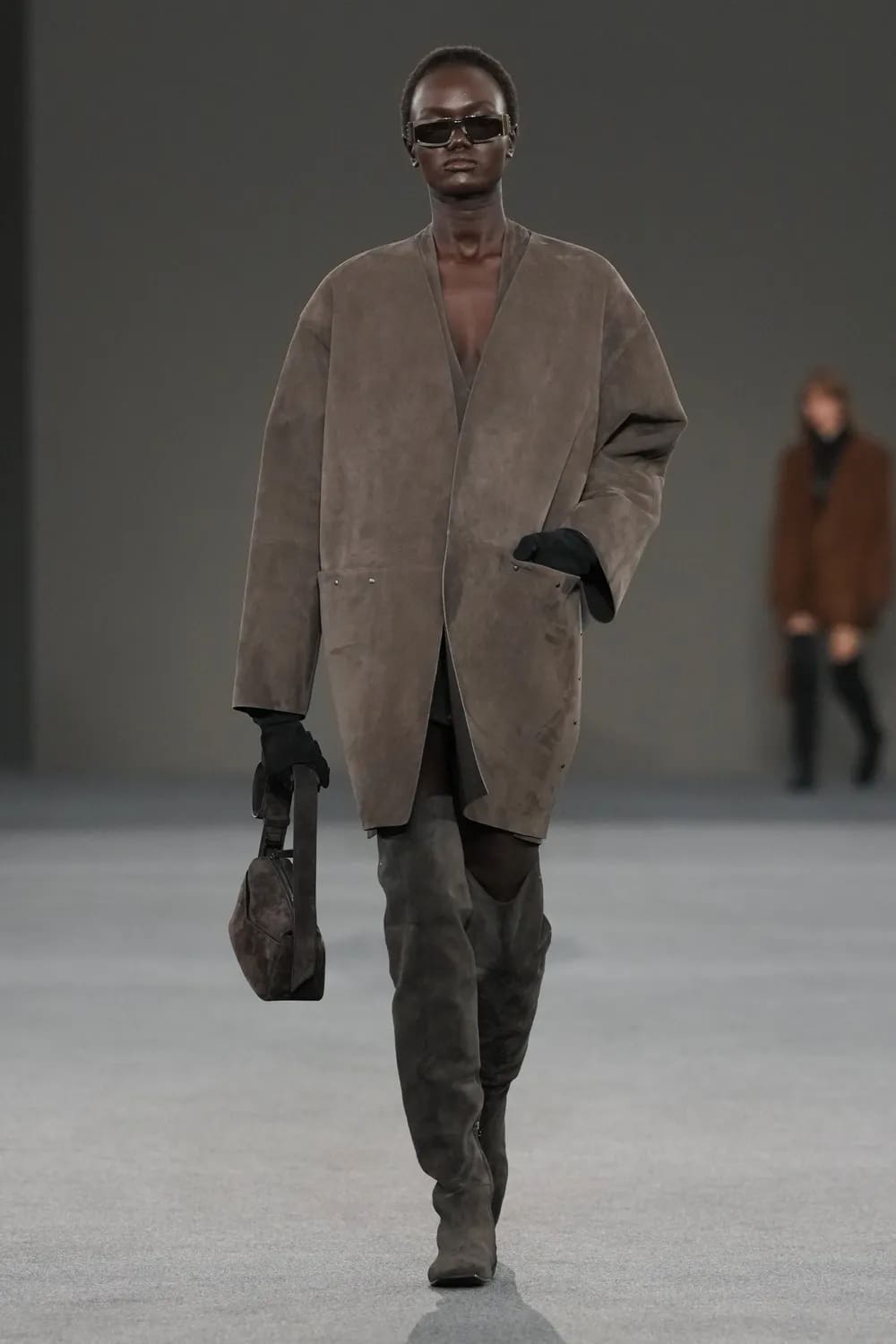
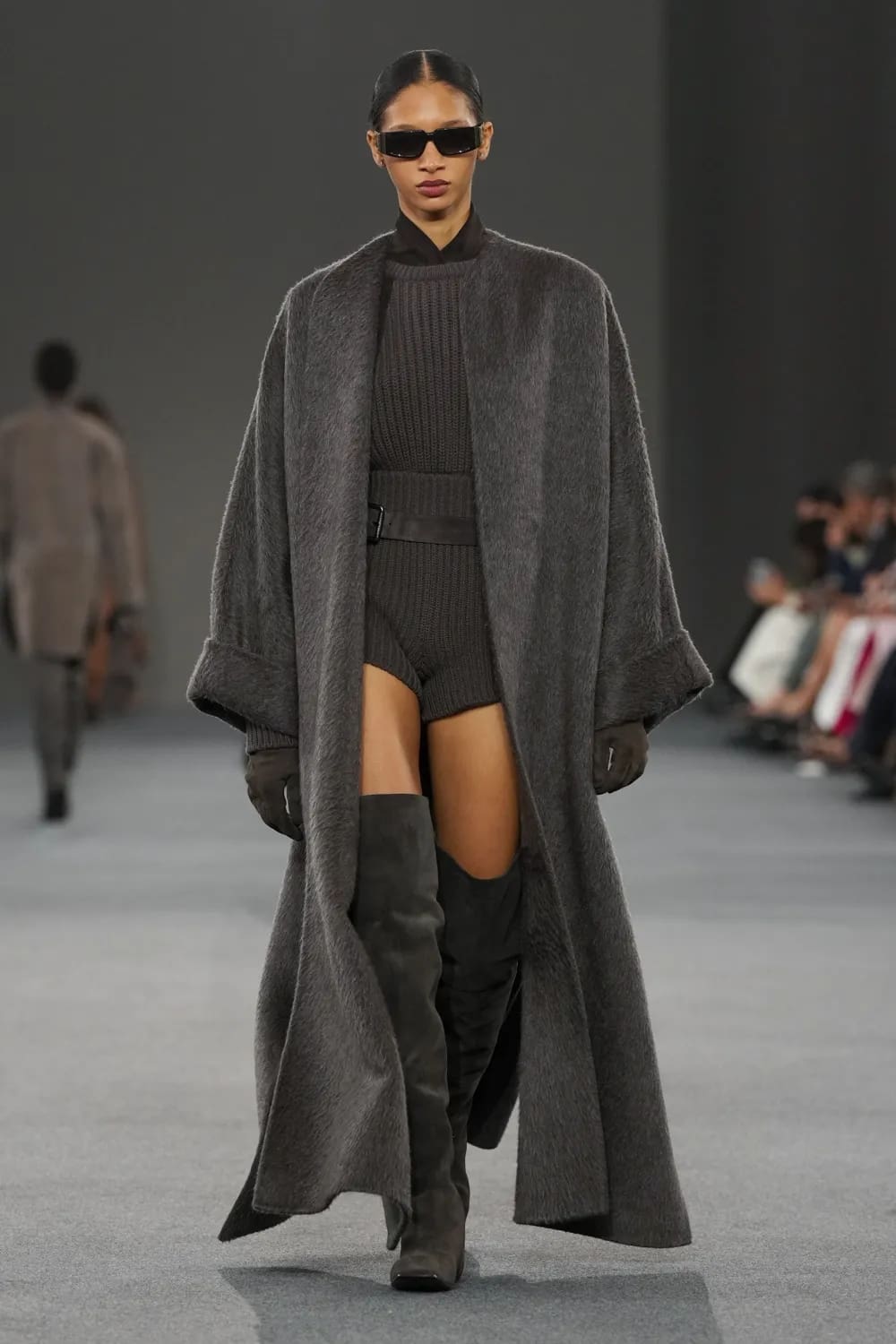
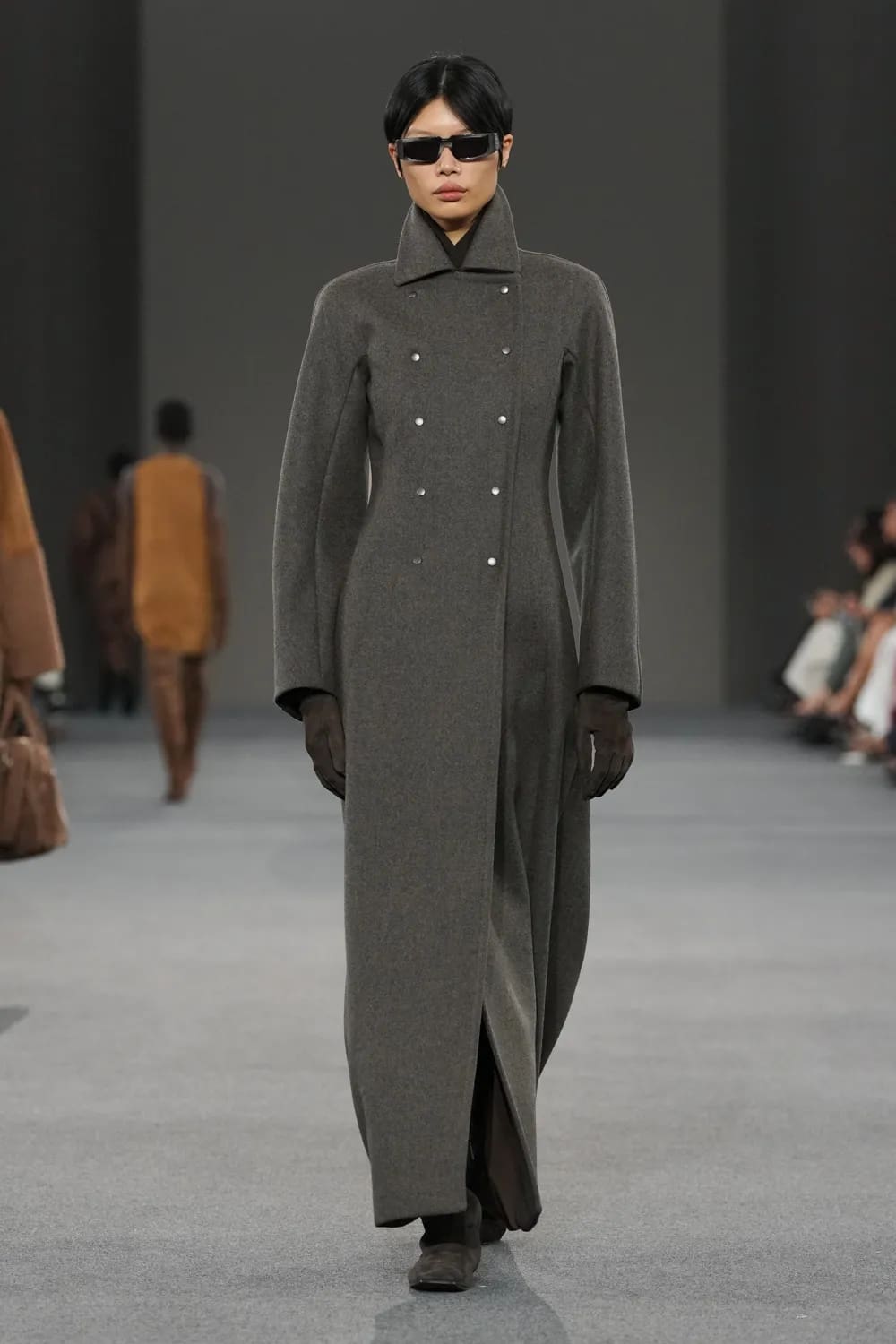
Equally monumental is a deep grey suede coat, cut with the looseness of a robe yet carrying the authority of outerwear engineered for a woman who signs off on structural budgets. The tall boots extending from beneath it lengthen the silhouette into something quietly intimidating — the kind of outfit that enters the room and instantly recalibrates the hierarchy.
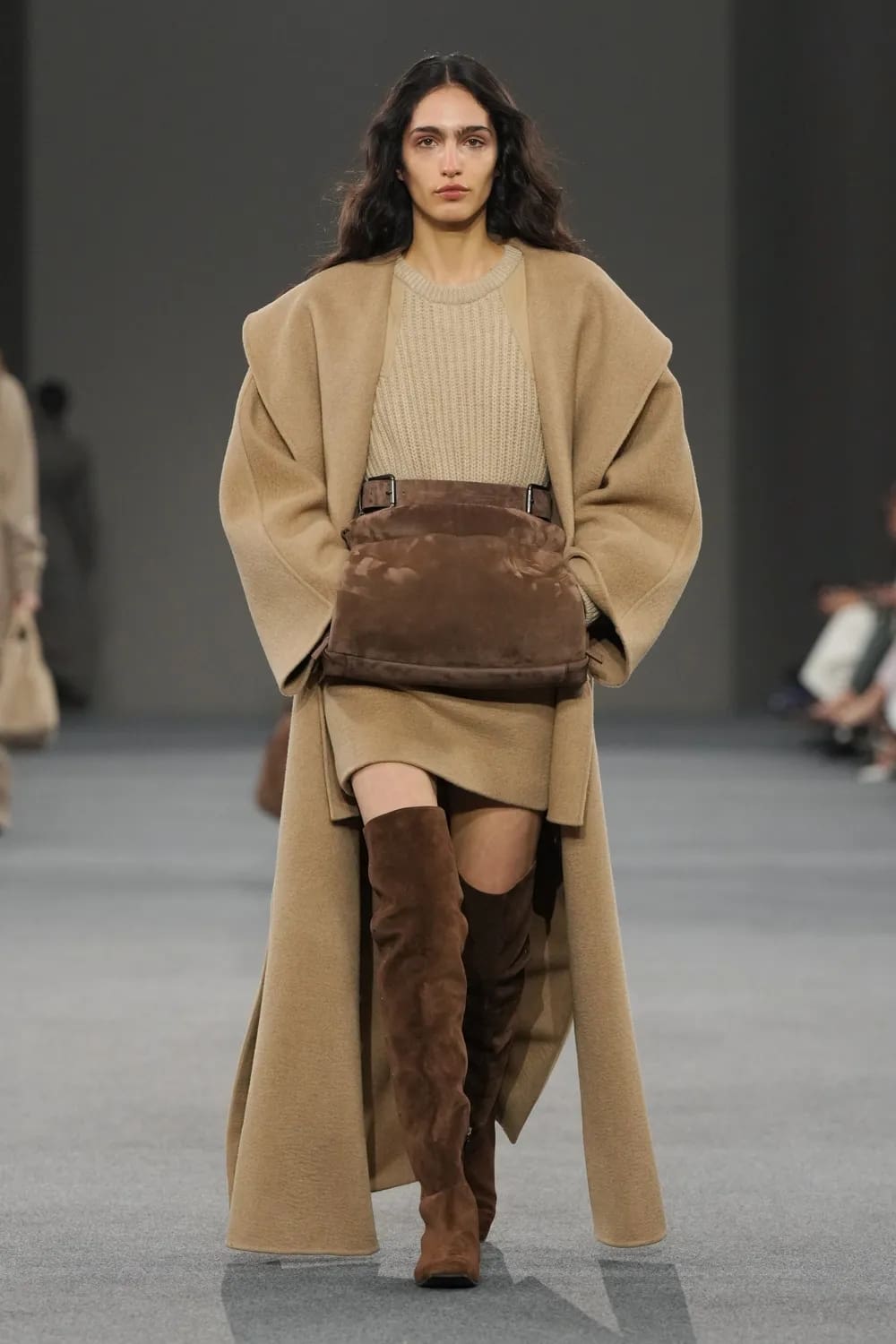
Griffiths continues his architectural sweep with a sweeping camel cape-coat hybrid. The garment drapes like a medieval cloak but is engineered with urban precision, its volumes hovering rather than drowning. When paired with wide trousers, the effect is that of a modern regent striding through concrete corridors instead of stone halls.
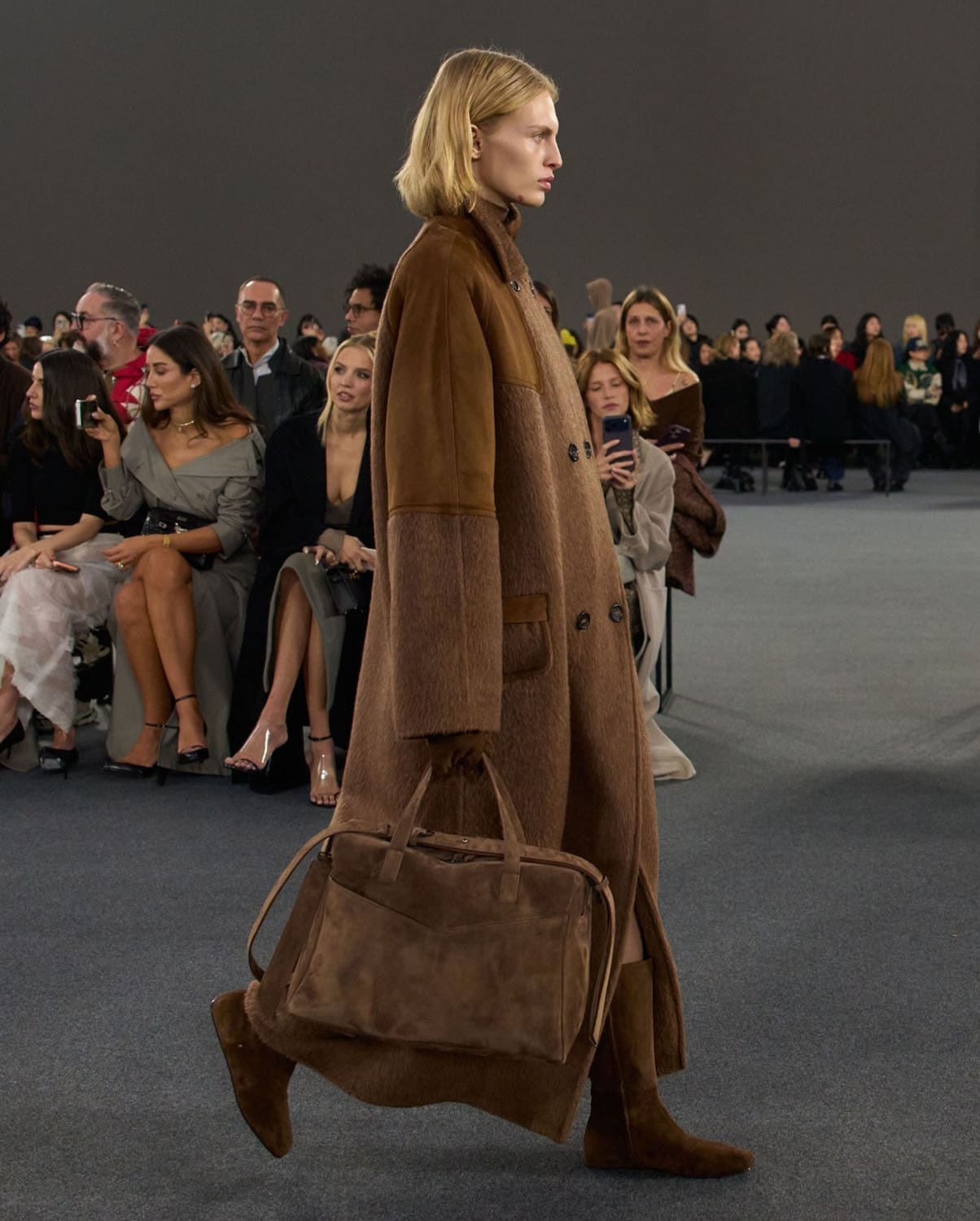
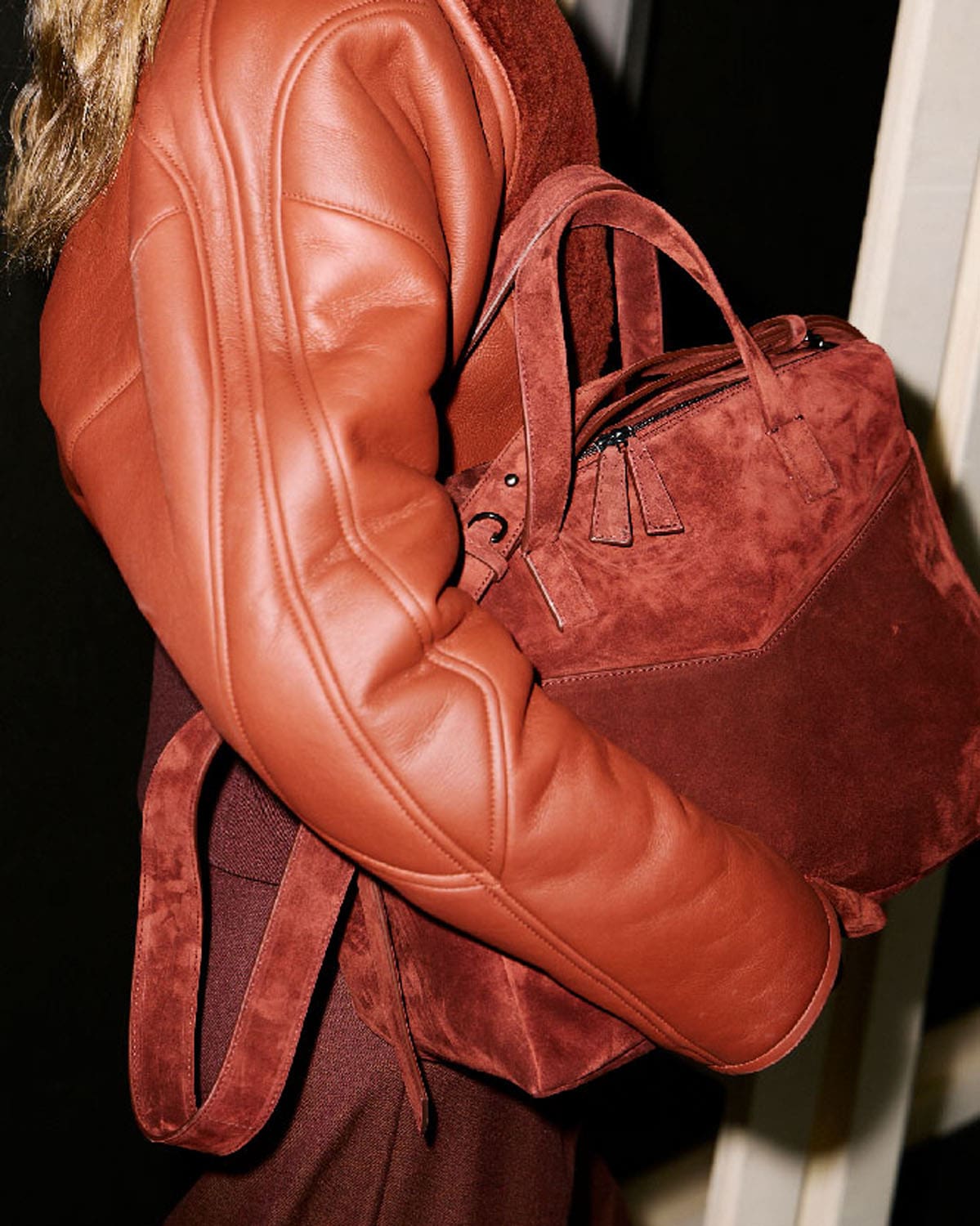
Texture becomes a language of dominance. A double-breasted coat in layered camel hair and nubuck transforms Max Mara’s textile archive into a tactical instrument. It speaks to heritage, yes, but also to the idea that protection — thermal, symbolic, hierarchical — is a luxury only the powerful afford.
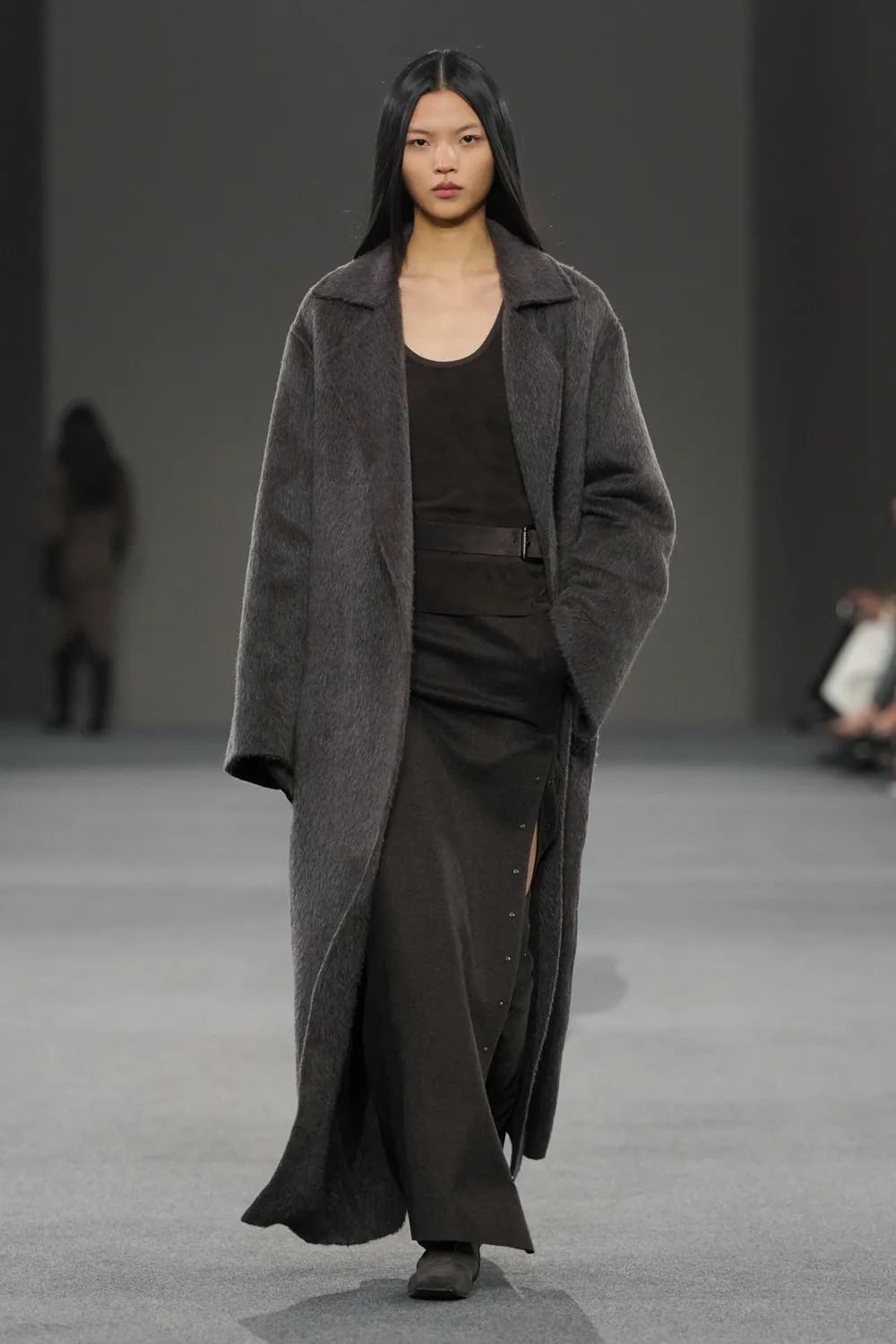
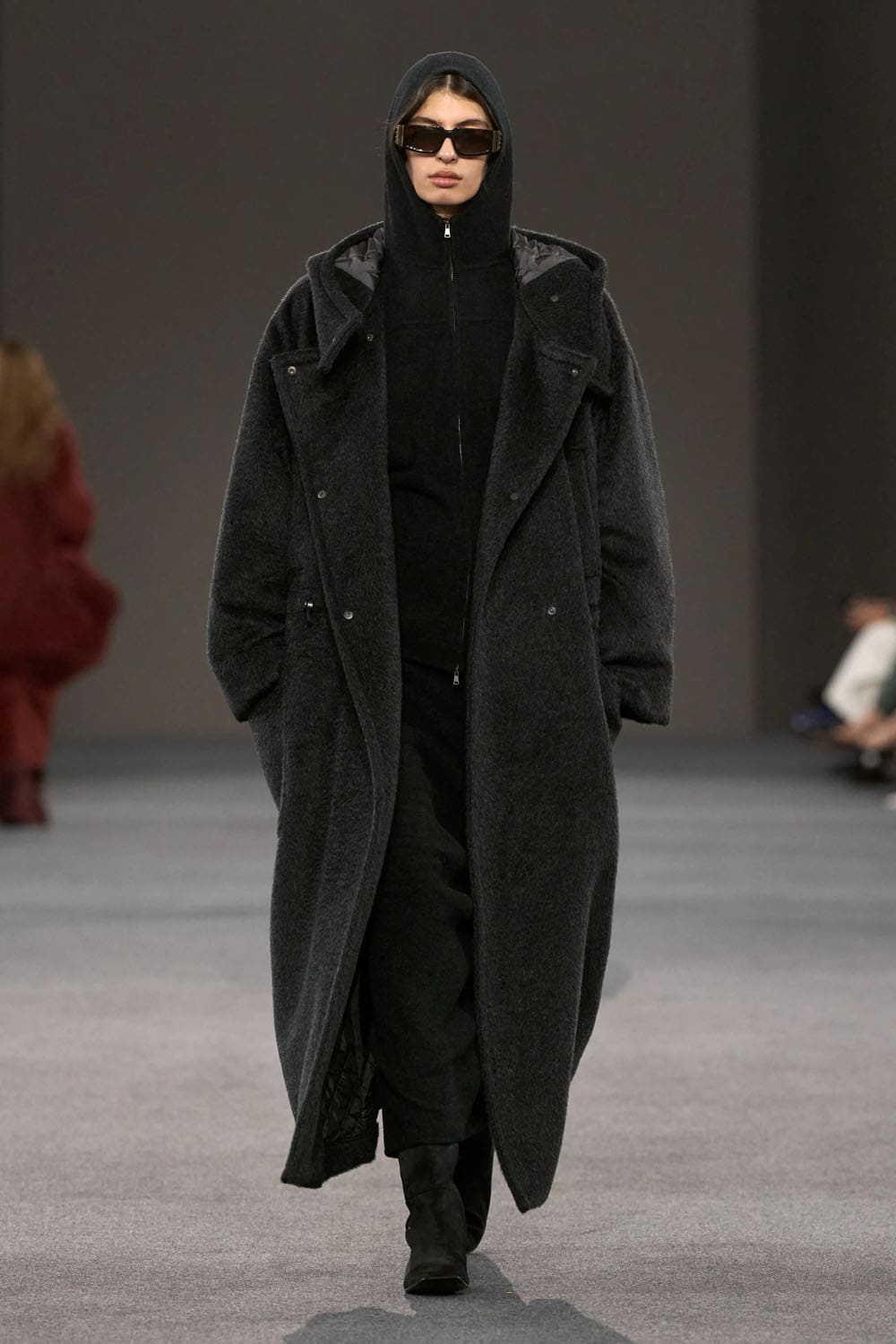
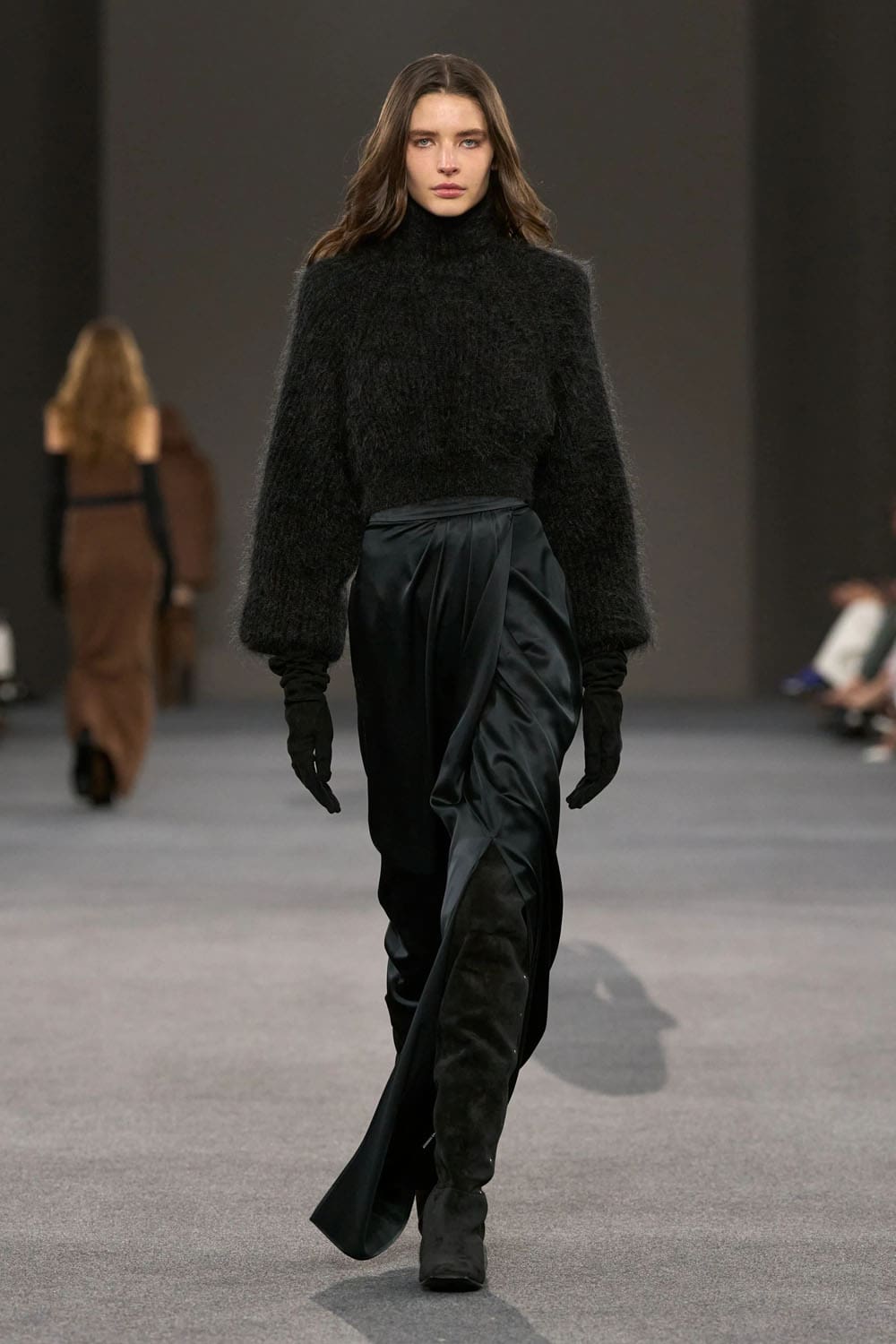
Then there is the dark, elongated knit paired with a floor-length overcoat — a monochrome suite that collapses the distance between warrior and CEO. Its minimalism is sophisticated, its proportions quietly daring. The boots extend the narrative: these are not shoes, they are command extensions.
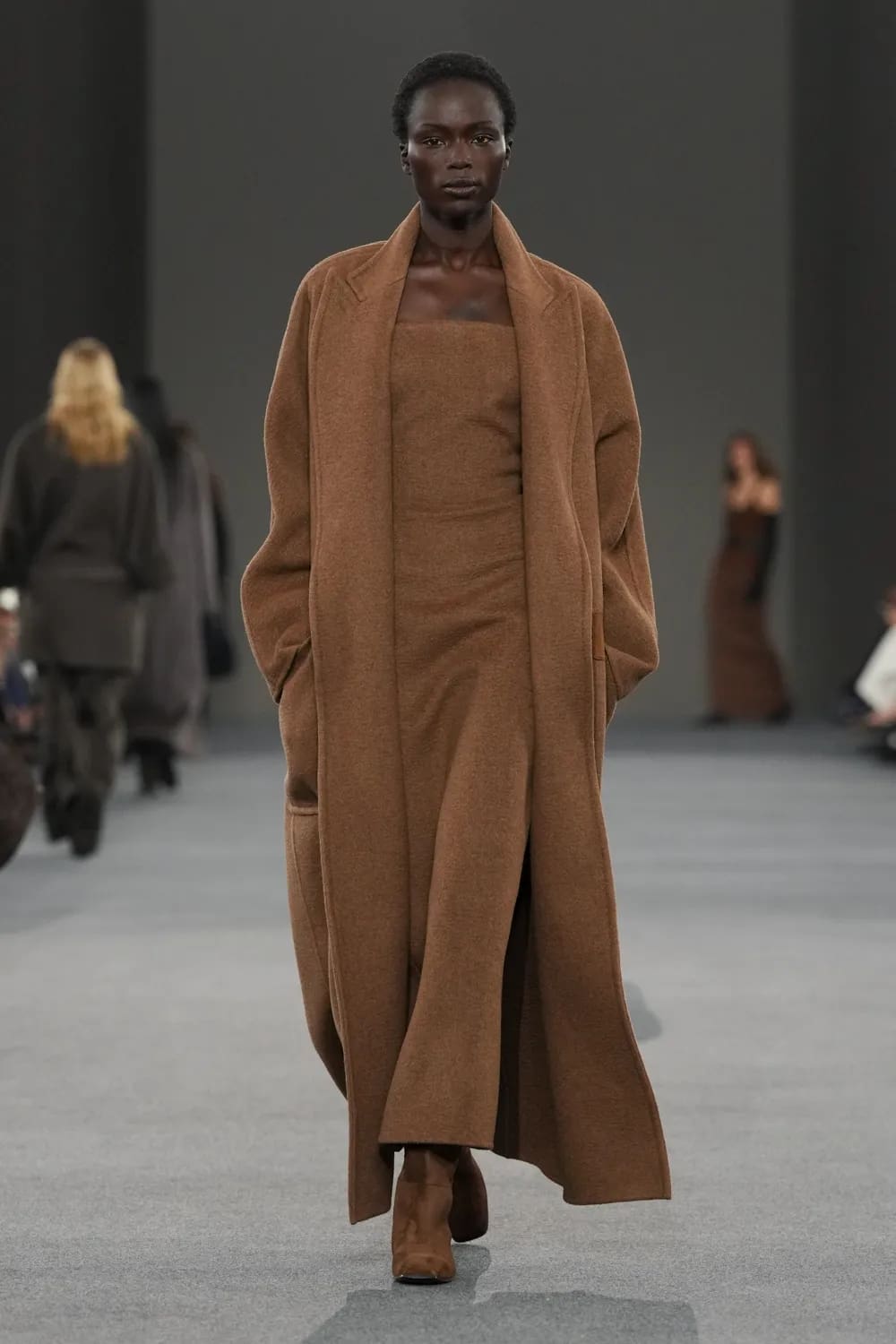
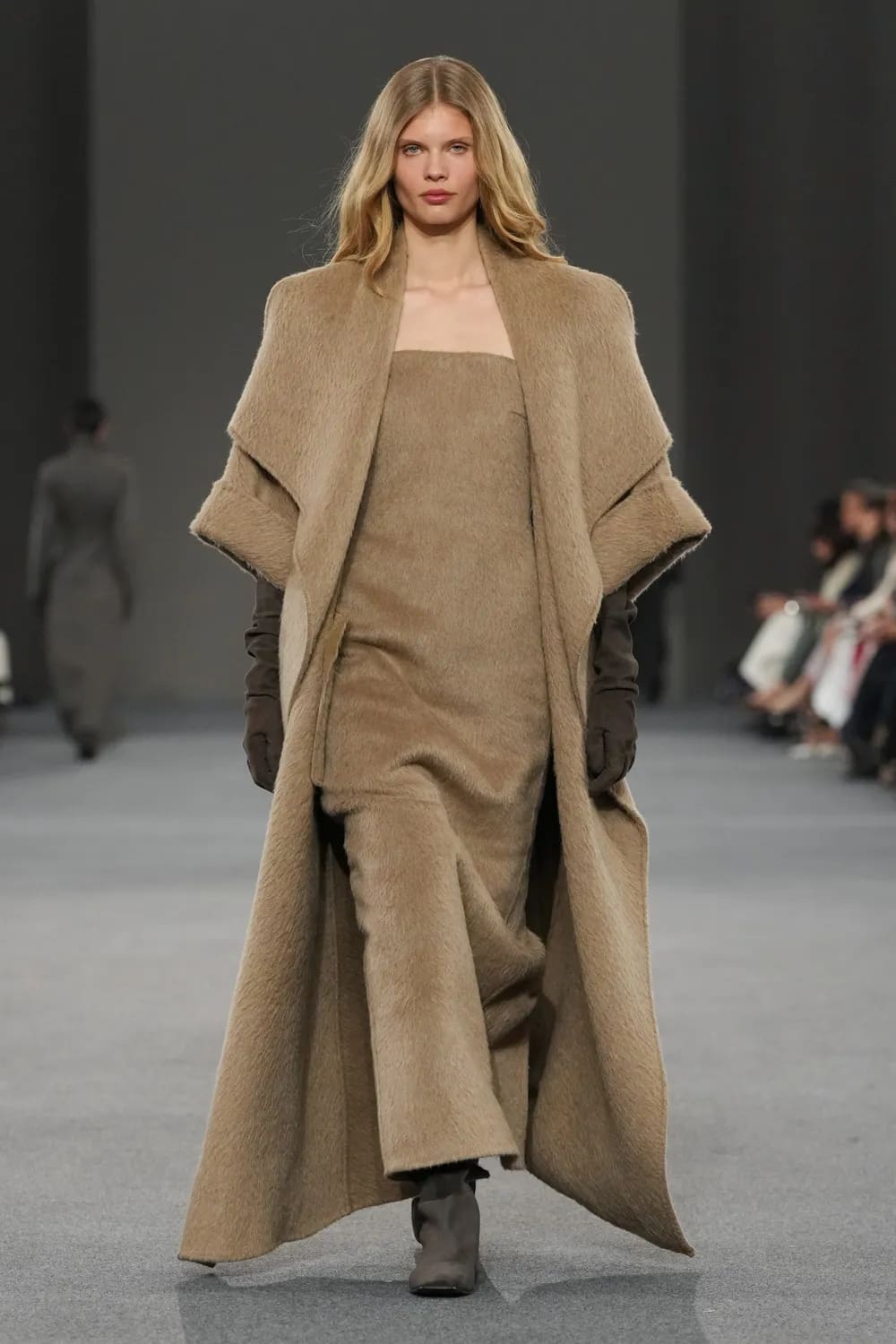
Camel appears again, this time distilled into a column dress and an overcoat draped so perfectly it feels almost ceremonial. Like a royal procession stripped of ornament, it is the clearest representation of Griffiths’ thesis: power can be soft in texture yet immovable in intention.
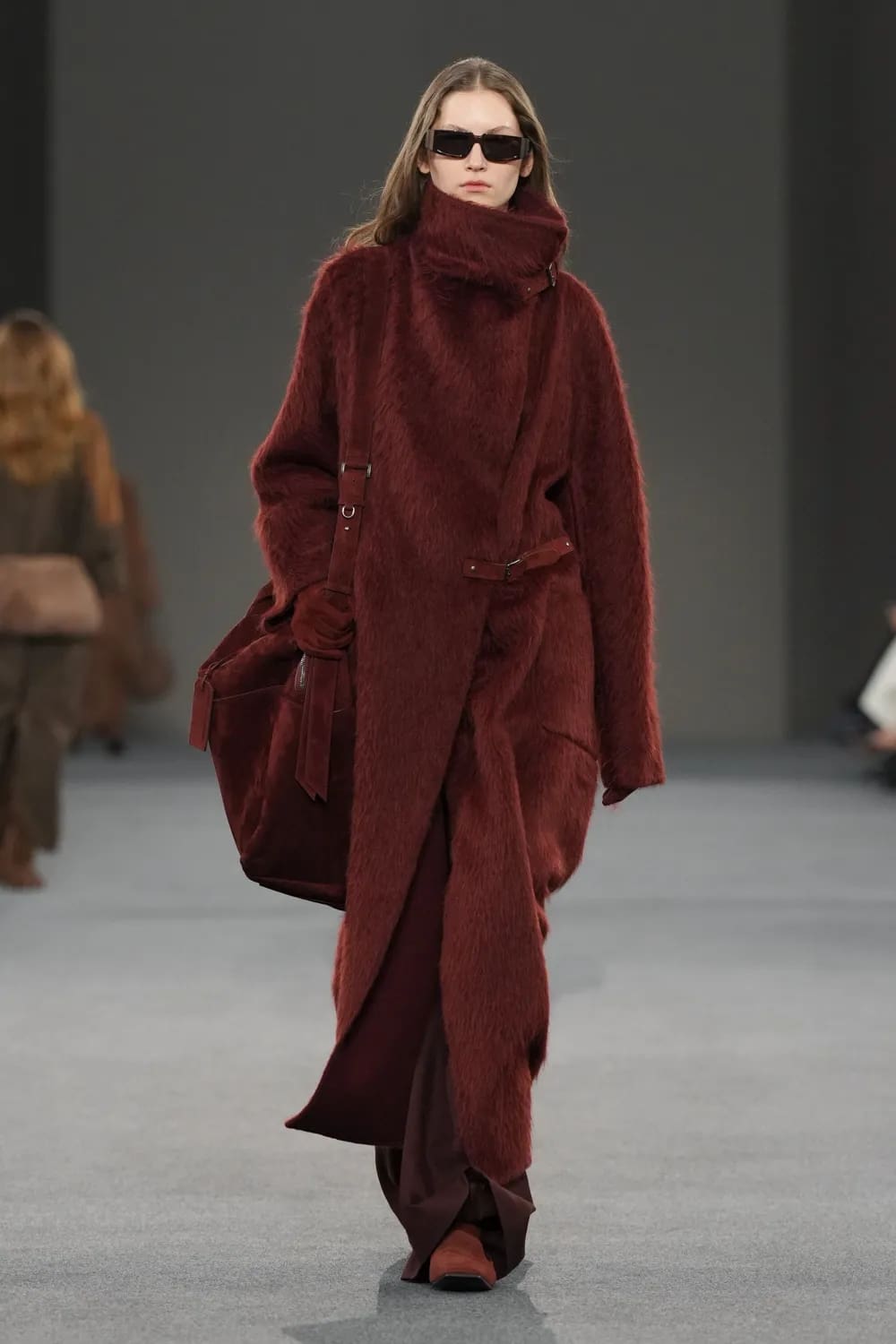
A lighter camel variation introduces a tactile wildness — long pile surfaces that recall medieval pelts but executed with the smooth discipline of Italian craft. This is not costume; this is a reinterpretation of sovereignty through material science.
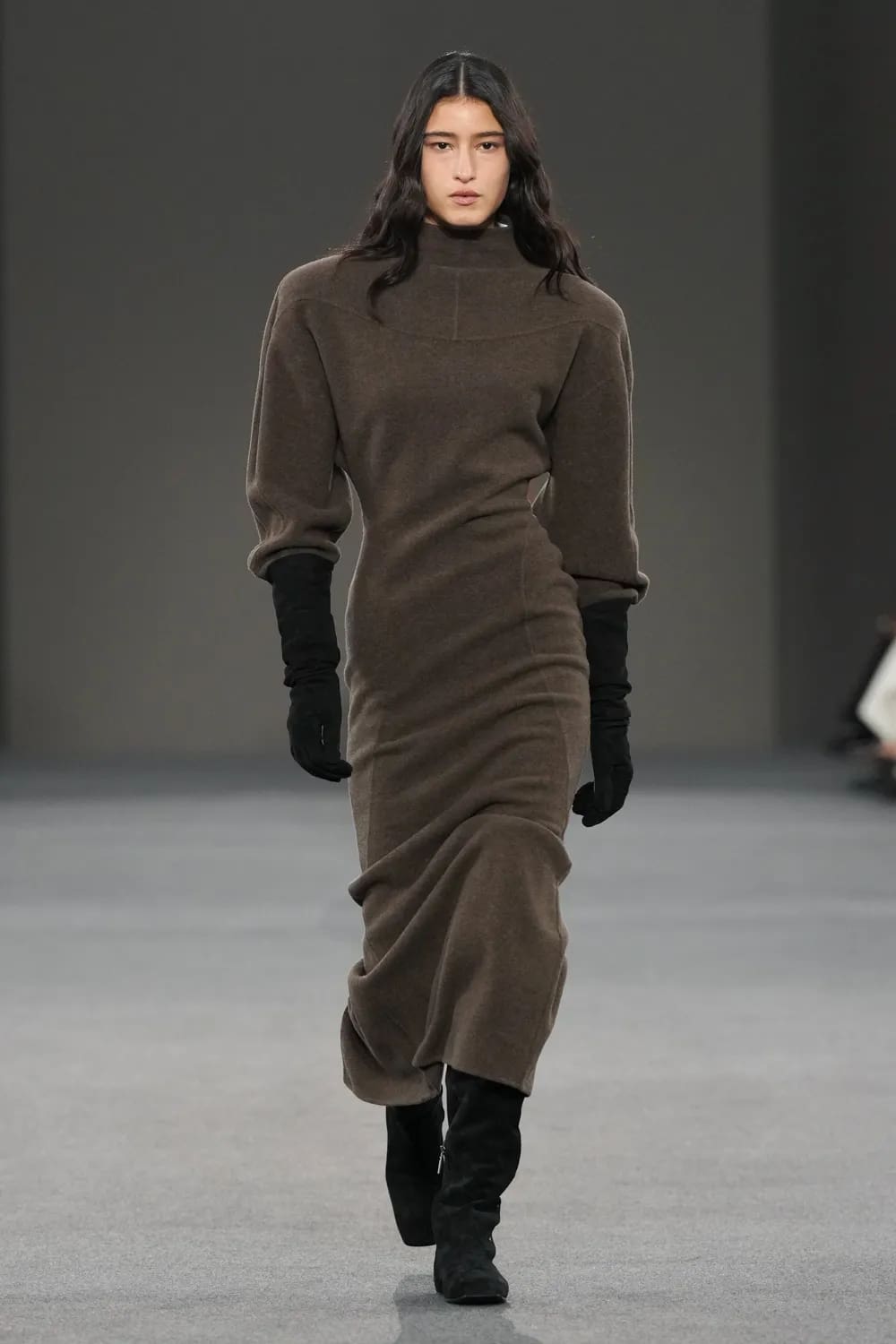
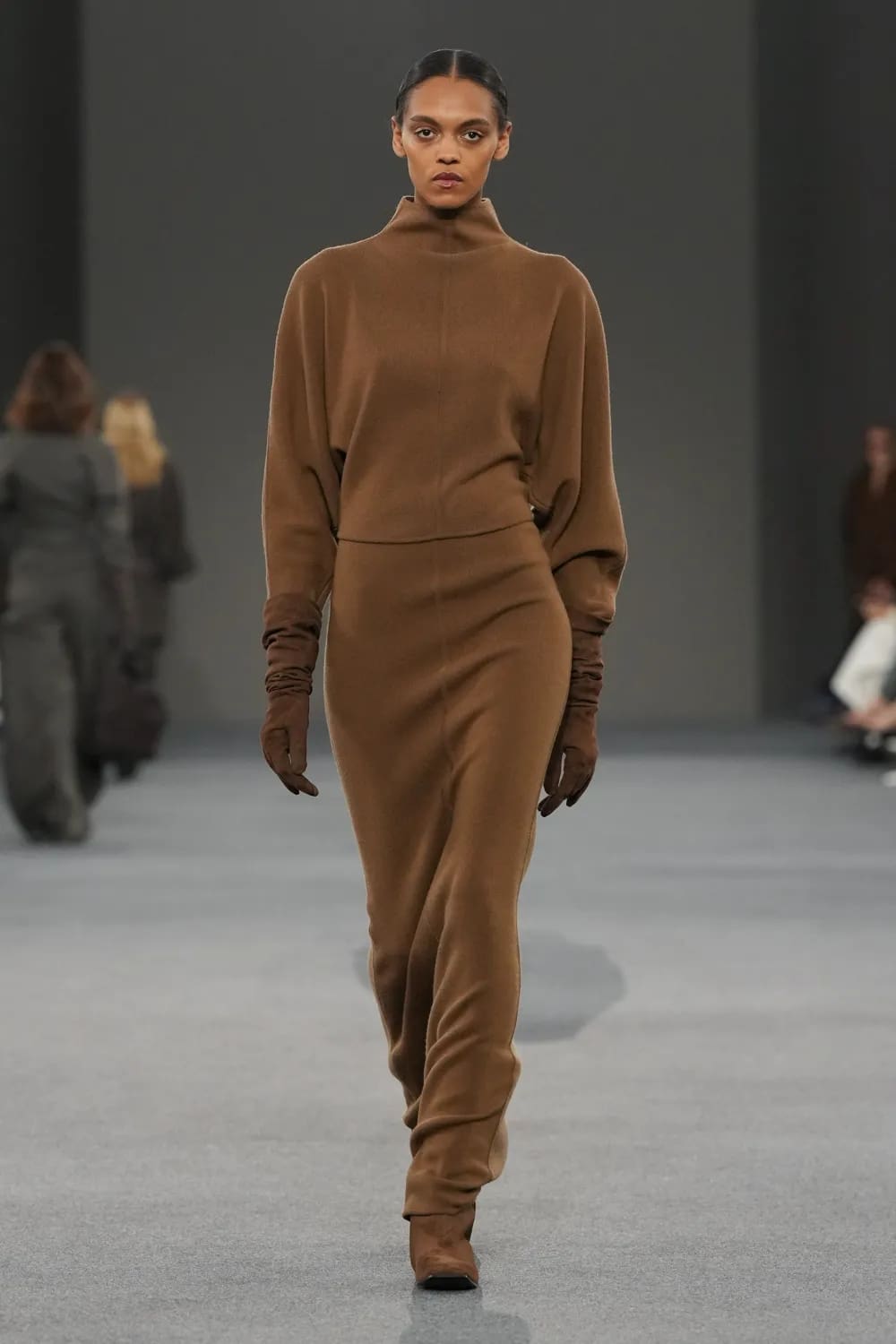
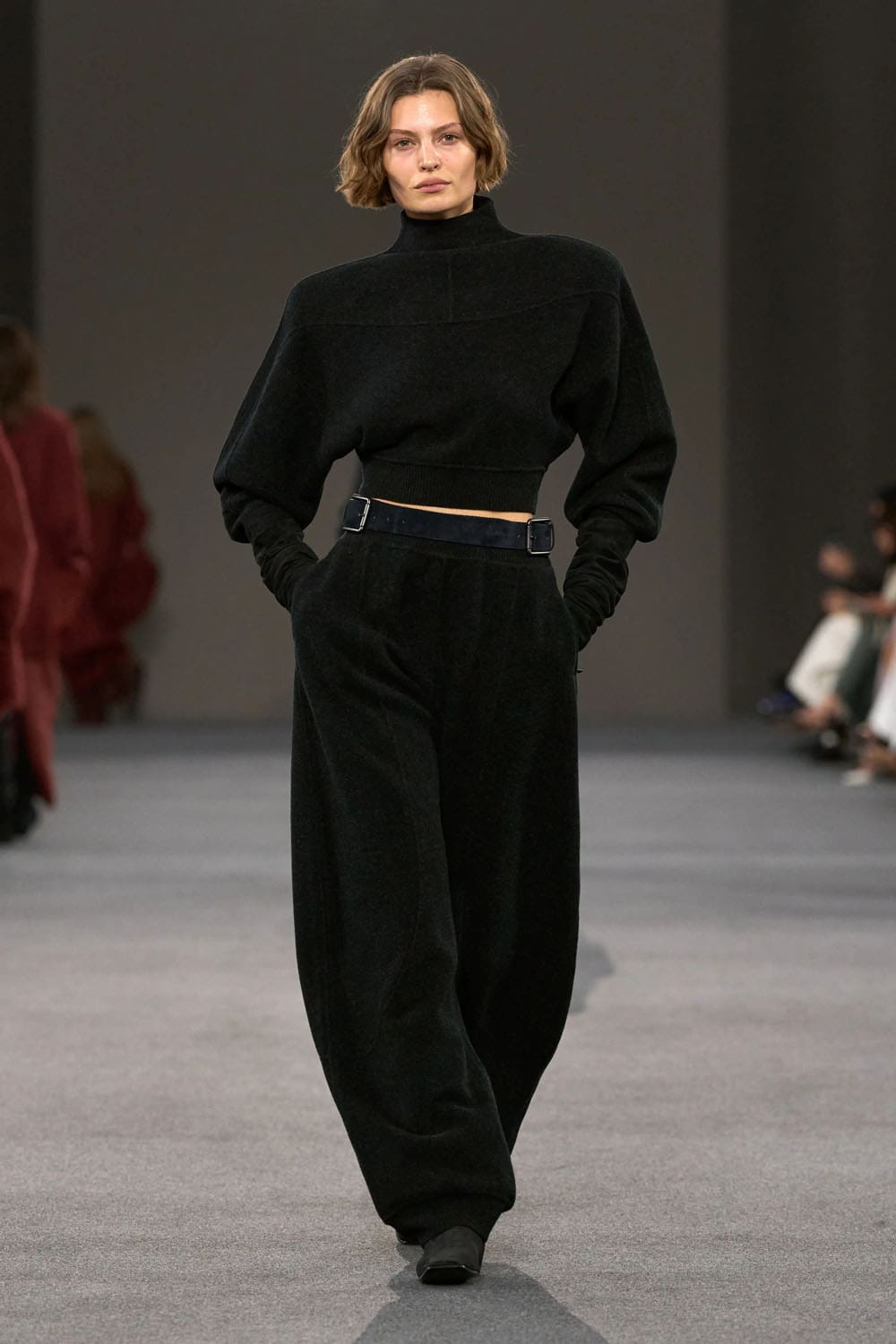
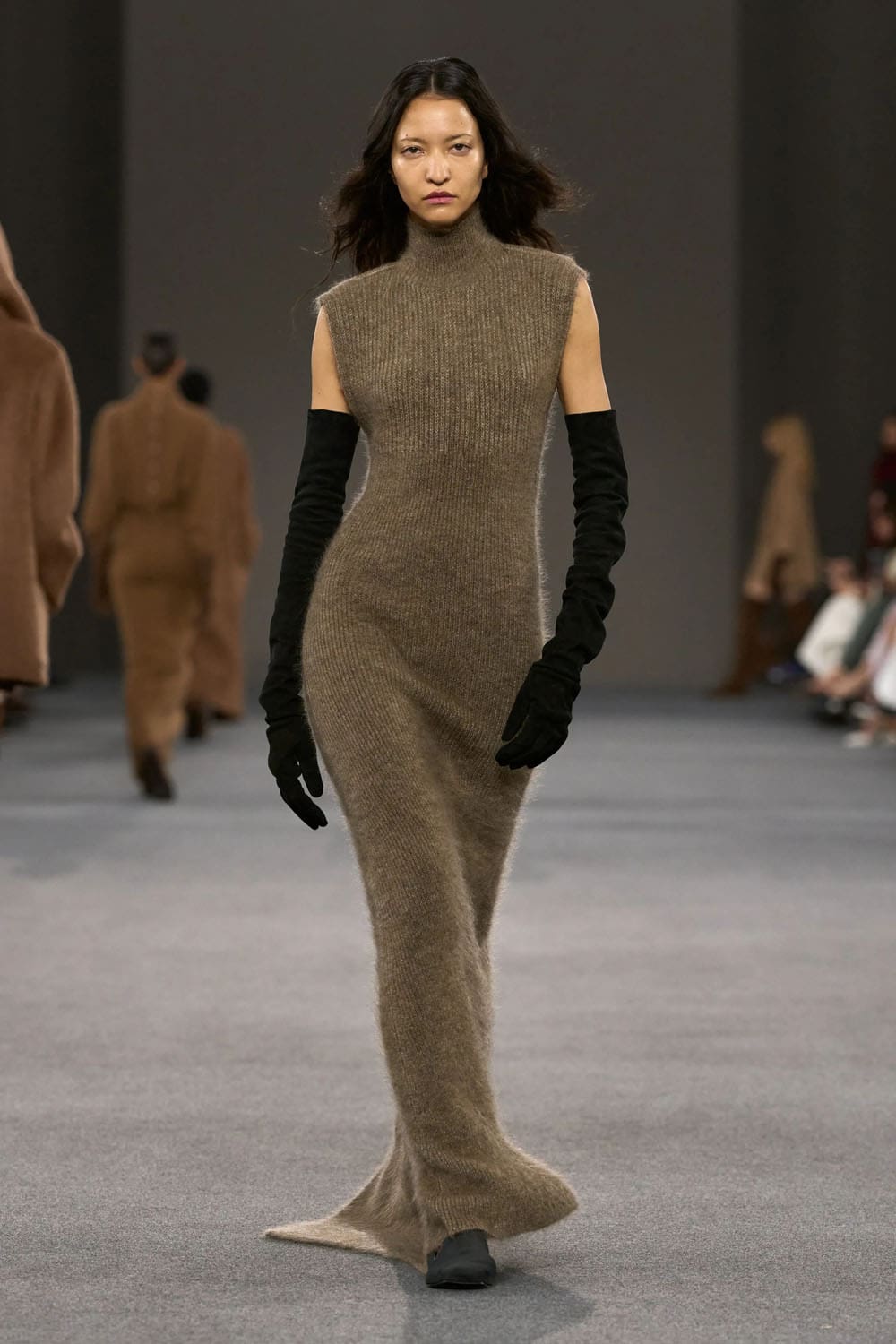
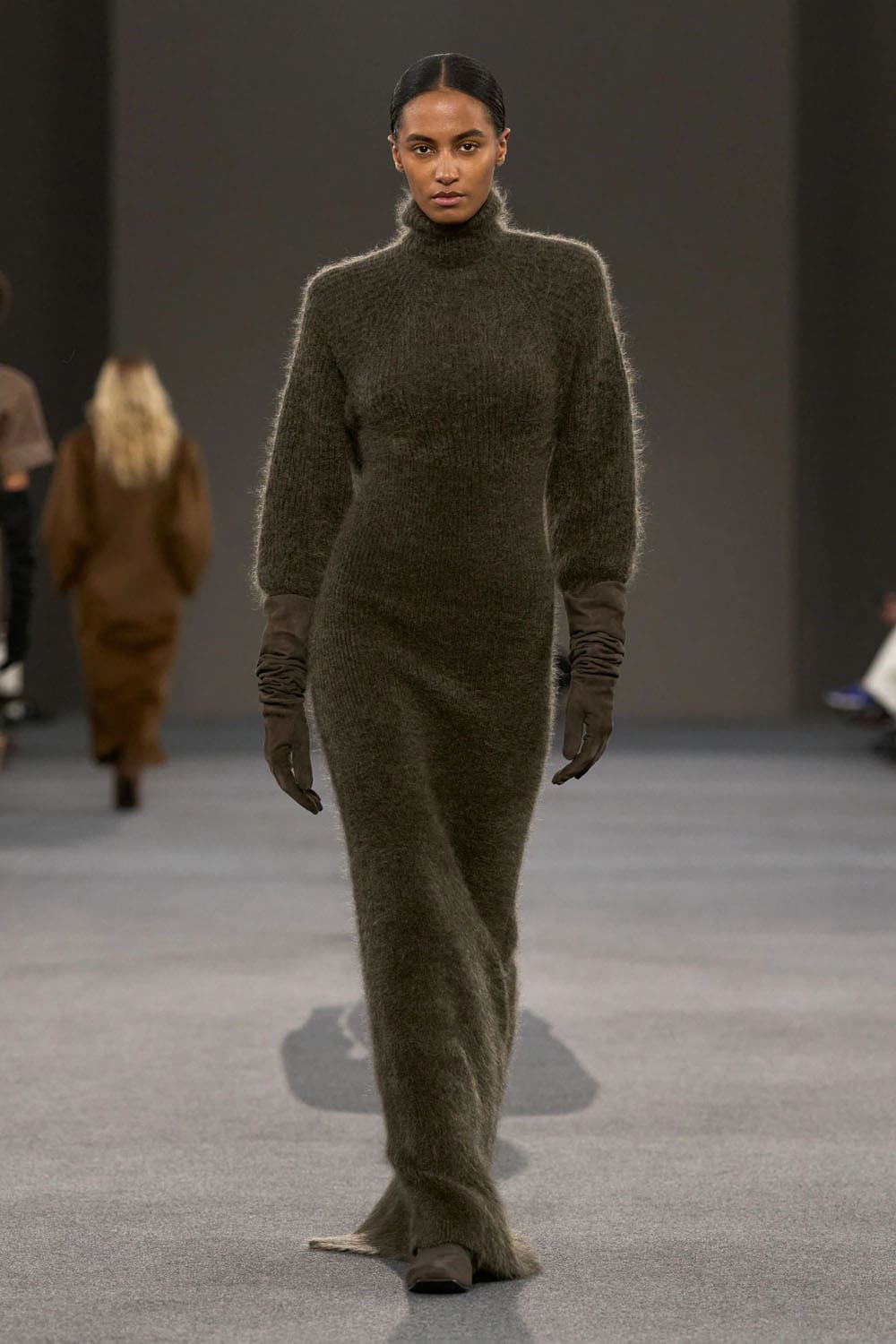
The knit evening column that follows adds another layer: softness engineered into strength. A high turtleneck, elongated sleeves, and a silhouette that lengthens with predatory grace. It is one of the collection’s most articulate arguments for modern romanticism: sensuality without submission.
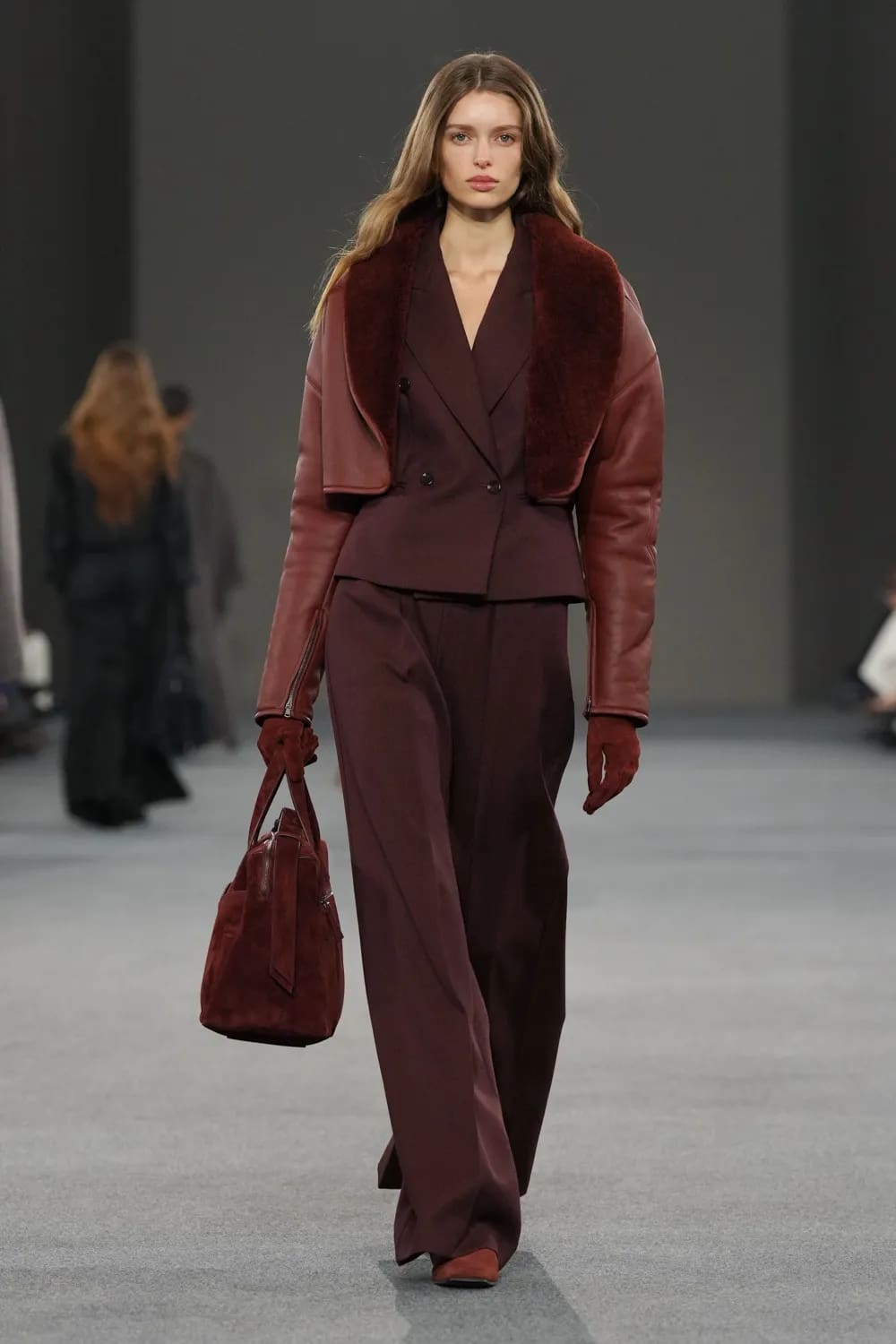
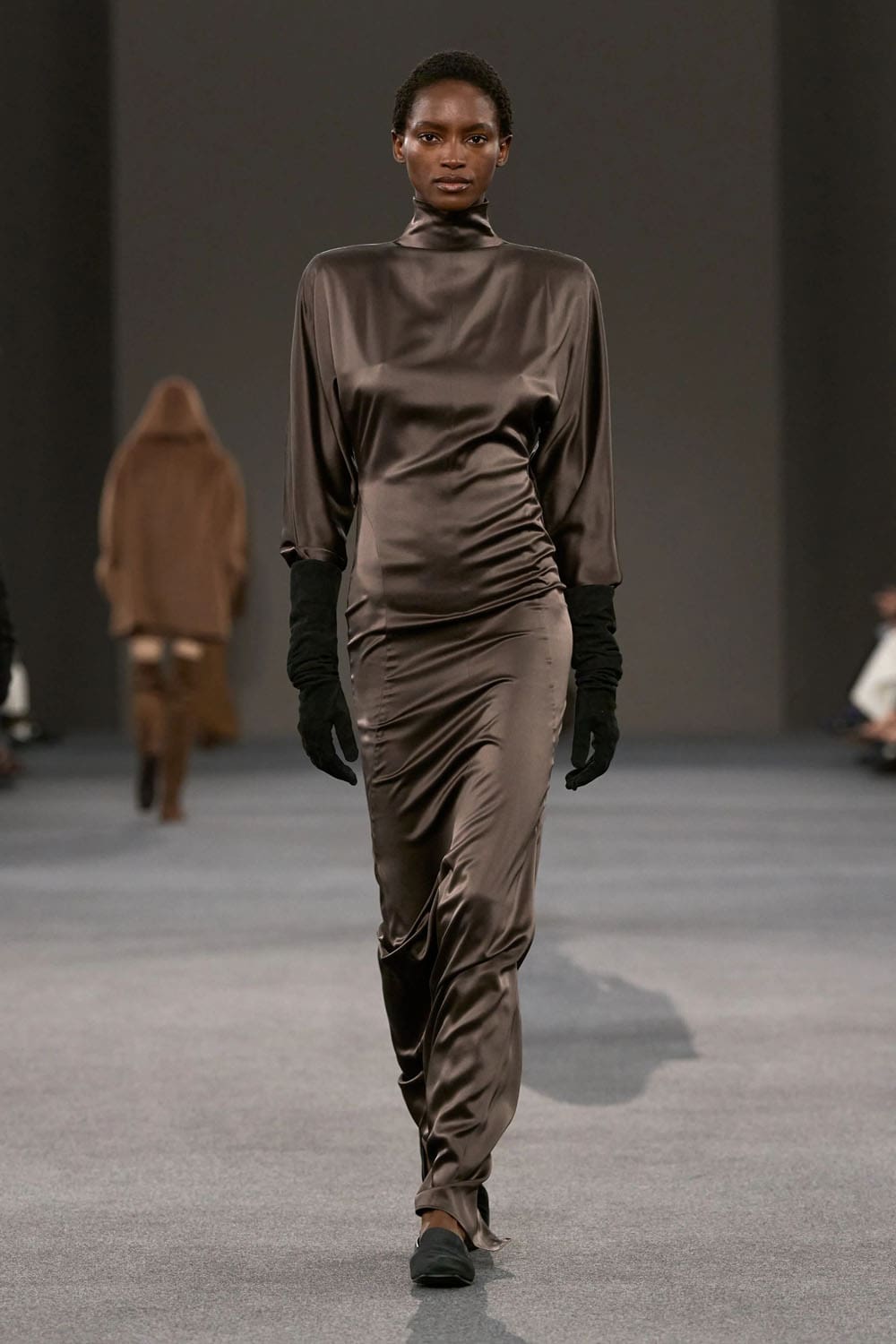
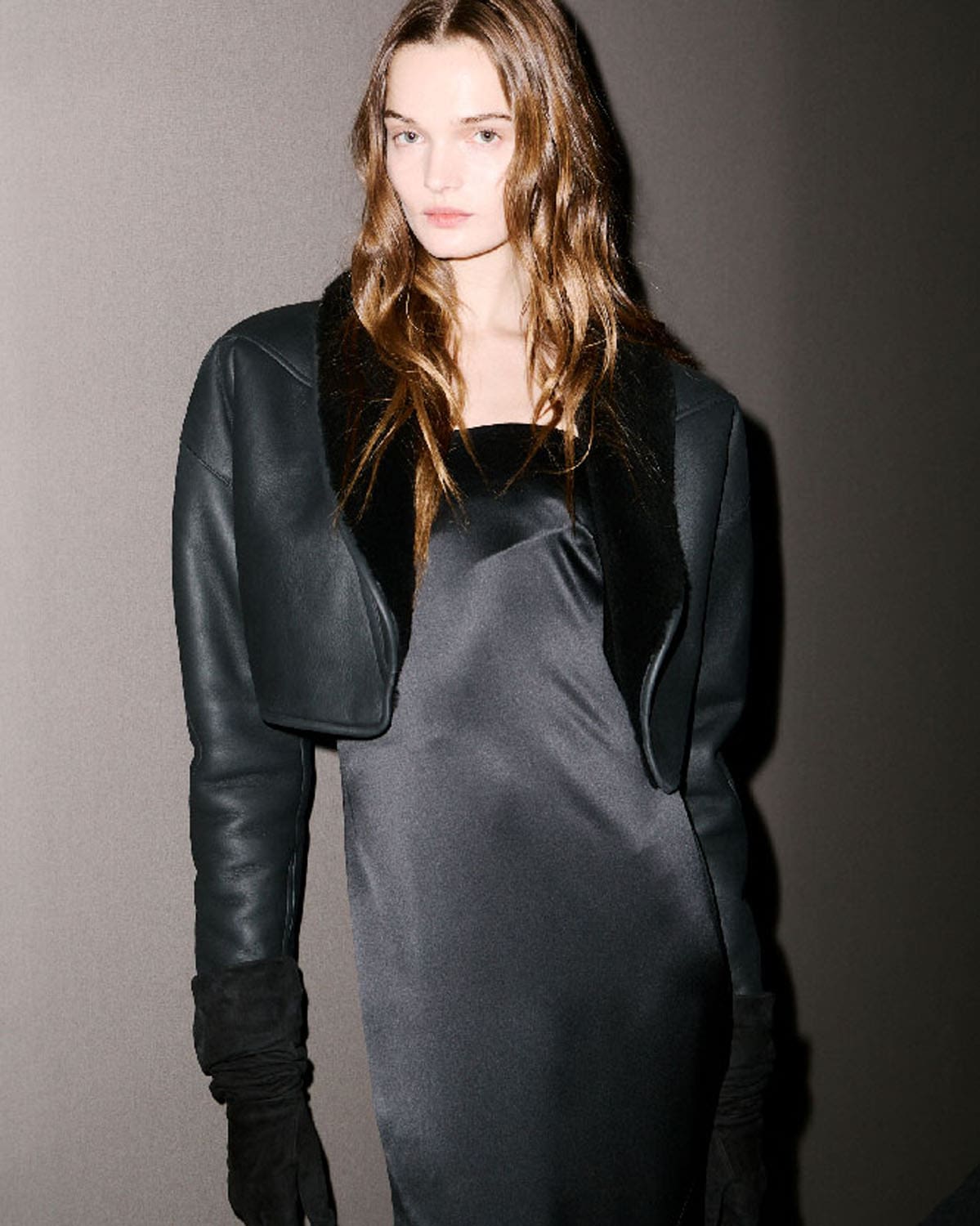
Griffiths closes on an unexpected crescendo: the severity of a black satin gown anchored by a cropped jacket with a sleek shearling collar. The tension between fluidity and structure creates a nocturnal authority — the kind of eveningwear worn by someone who dismisses a board meeting at six and a diplomatic dinner at eight.
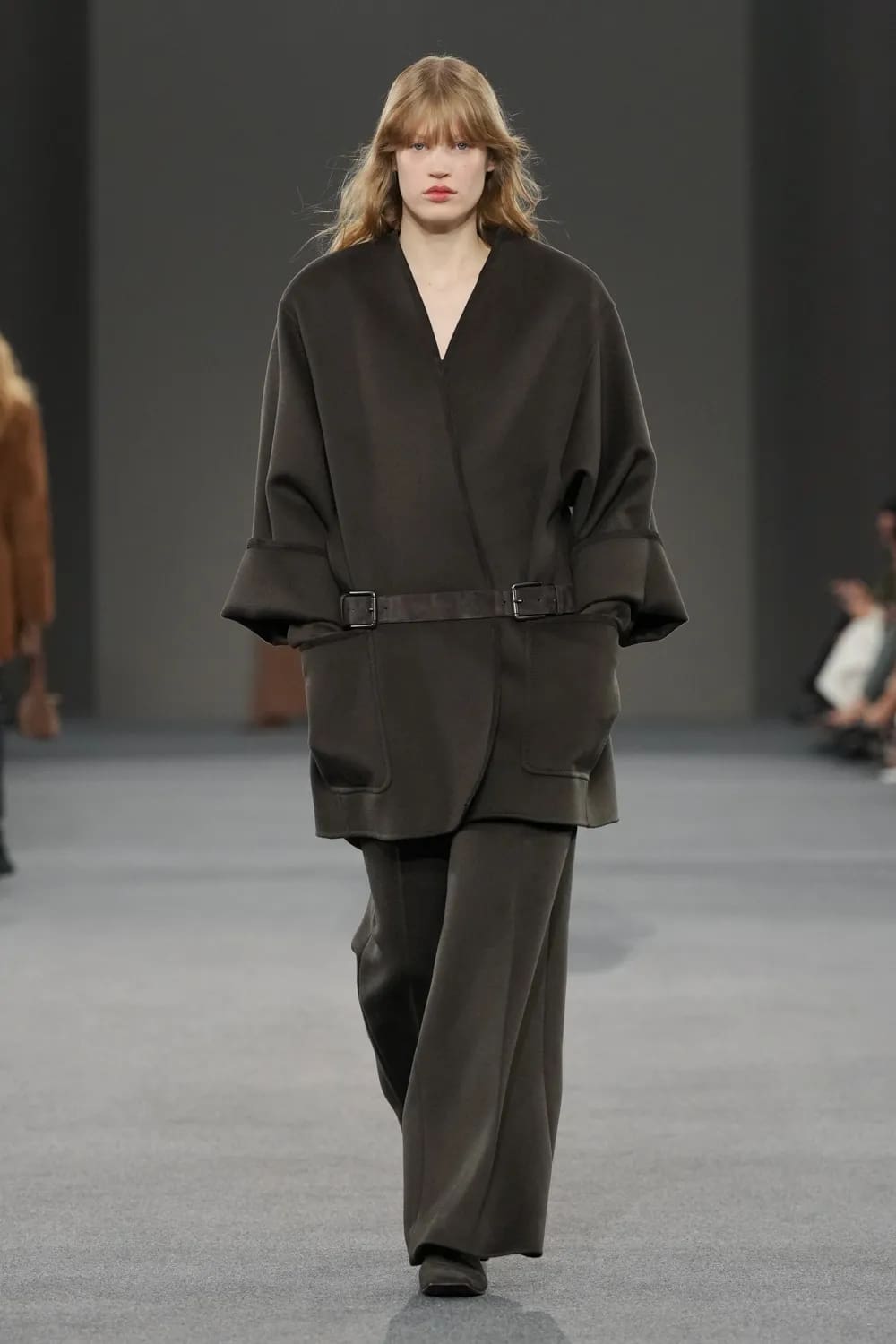
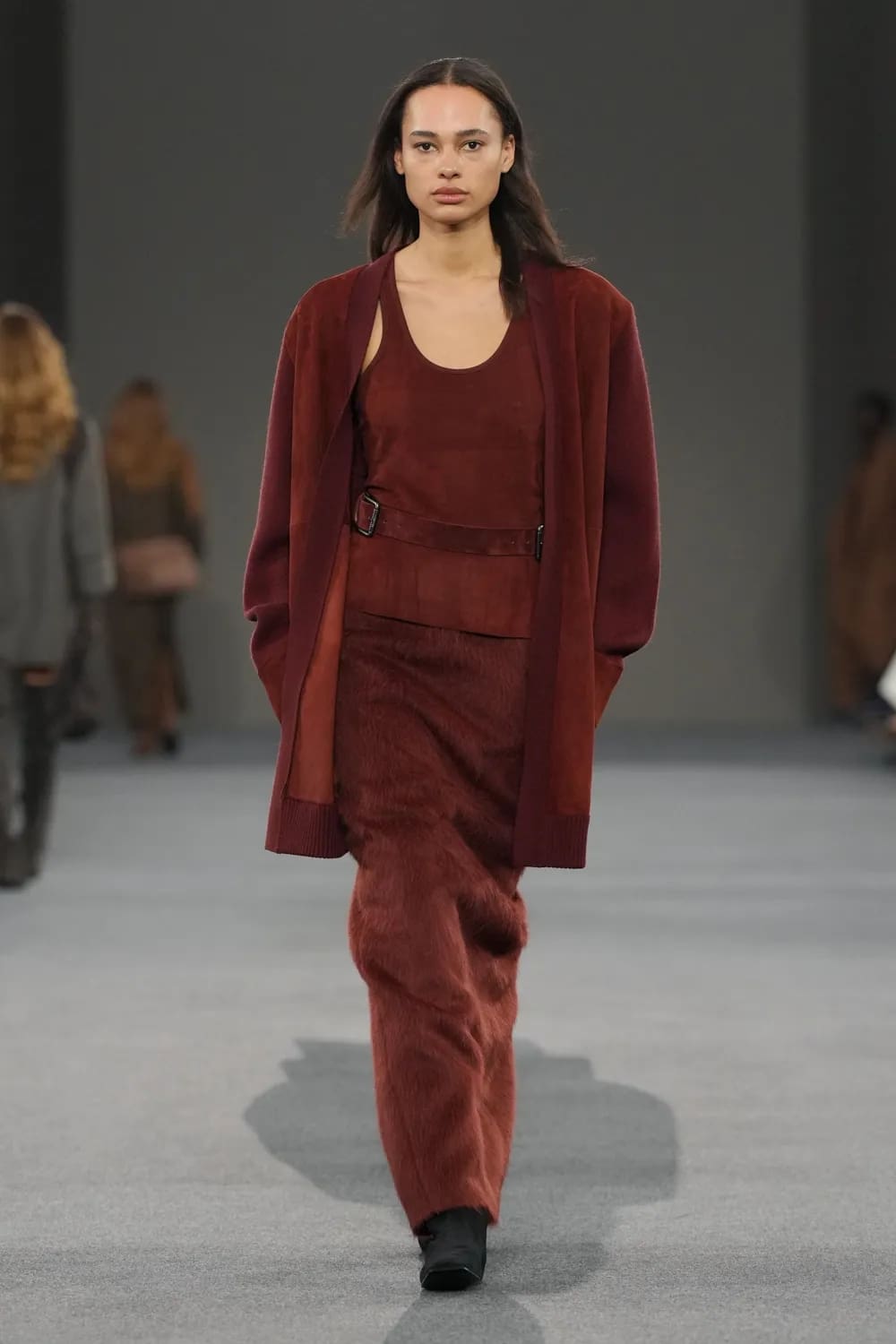
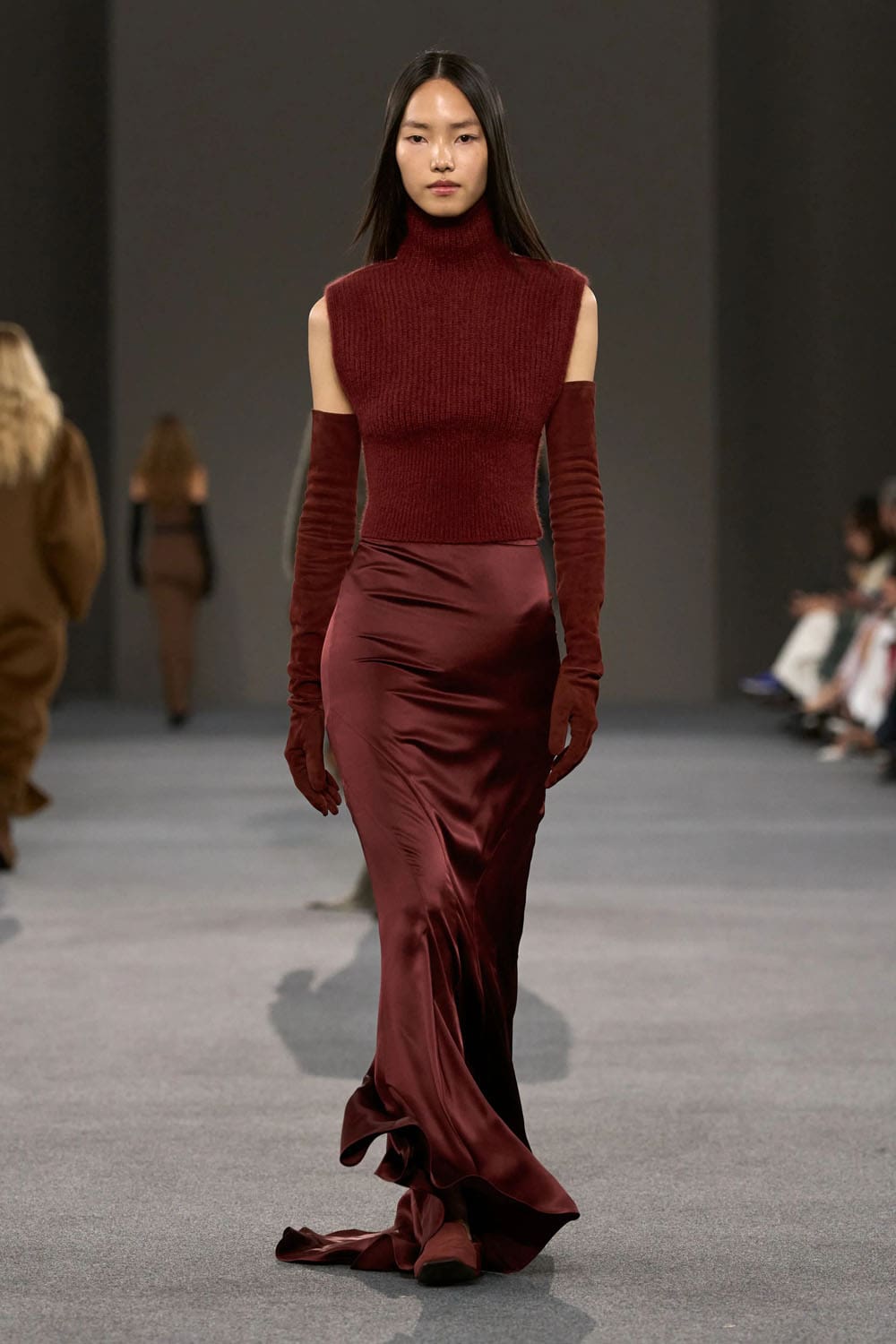
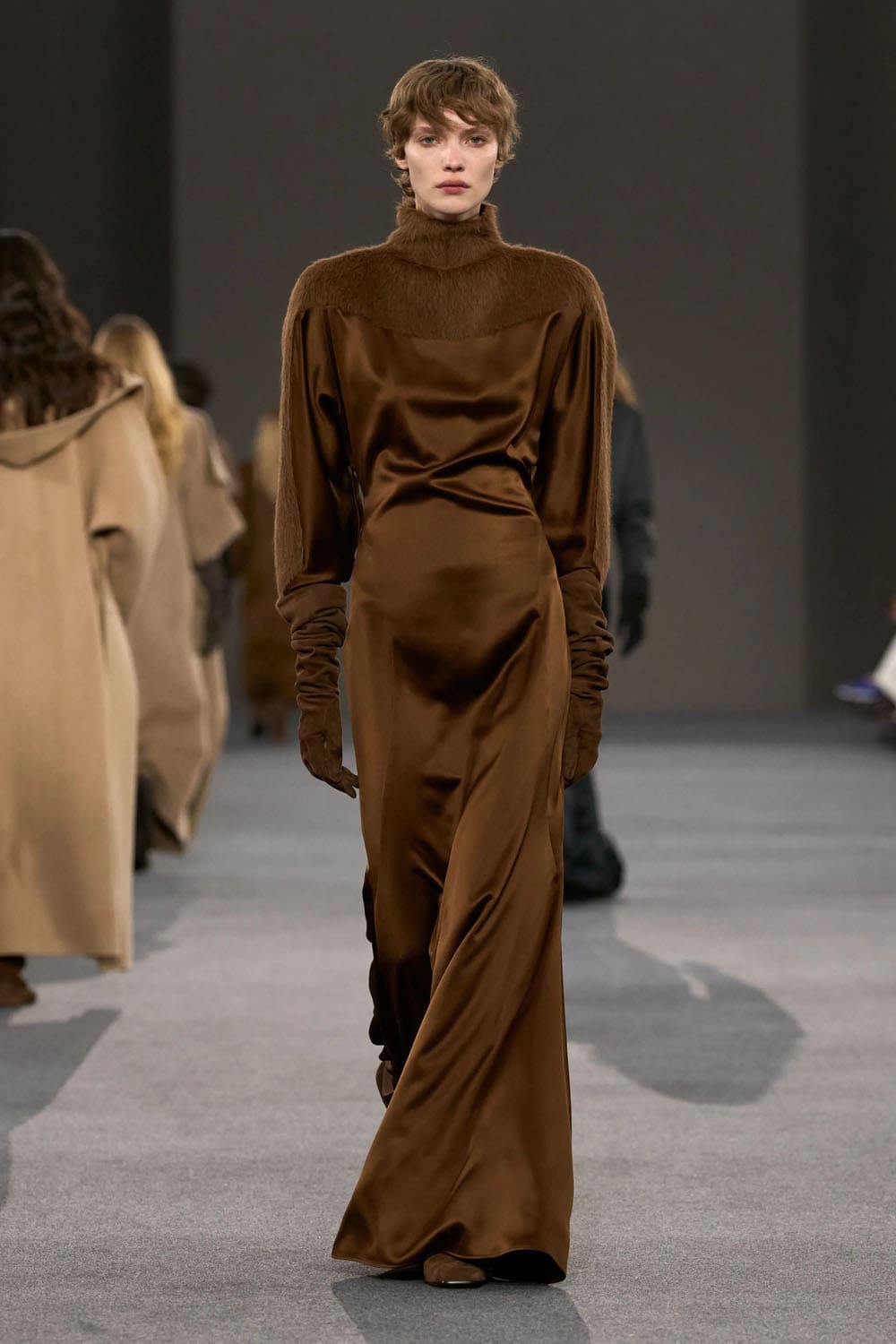
Throughout, the palette remains disciplined — greys, taupes, camels, blacks — not for minimalism’s sake, but to place all emphasis on architecture, movement, and the innate force of the wearer. Fabrics are the real protagonists: camel hair, cashmere, alpaca, mohair, double-face wools that glow under the light like forged metals softened by age.
Griffiths doesn’t design clothes for Matilde di Canossa. He designs for the women who inherited her throne.
Max Mara Fall Winter 2026–2027 is a study in sovereignty — not symbolic, but operative. This is a wardrobe for women who govern their world with precision, silence, and absolute, unshakeable authority.
See All Looks Max Mara Fall 2026