
White Color 2026 Analyses – Pantone Cloud Dancer by Guillaumette Duplaix, Editor of RUNWAY MAGAZINE. Photos: Pantone / Runway Magazine.
“White sounds like silence, like nothing before the beginning.”
— Vasily Kandinsky

WHITE
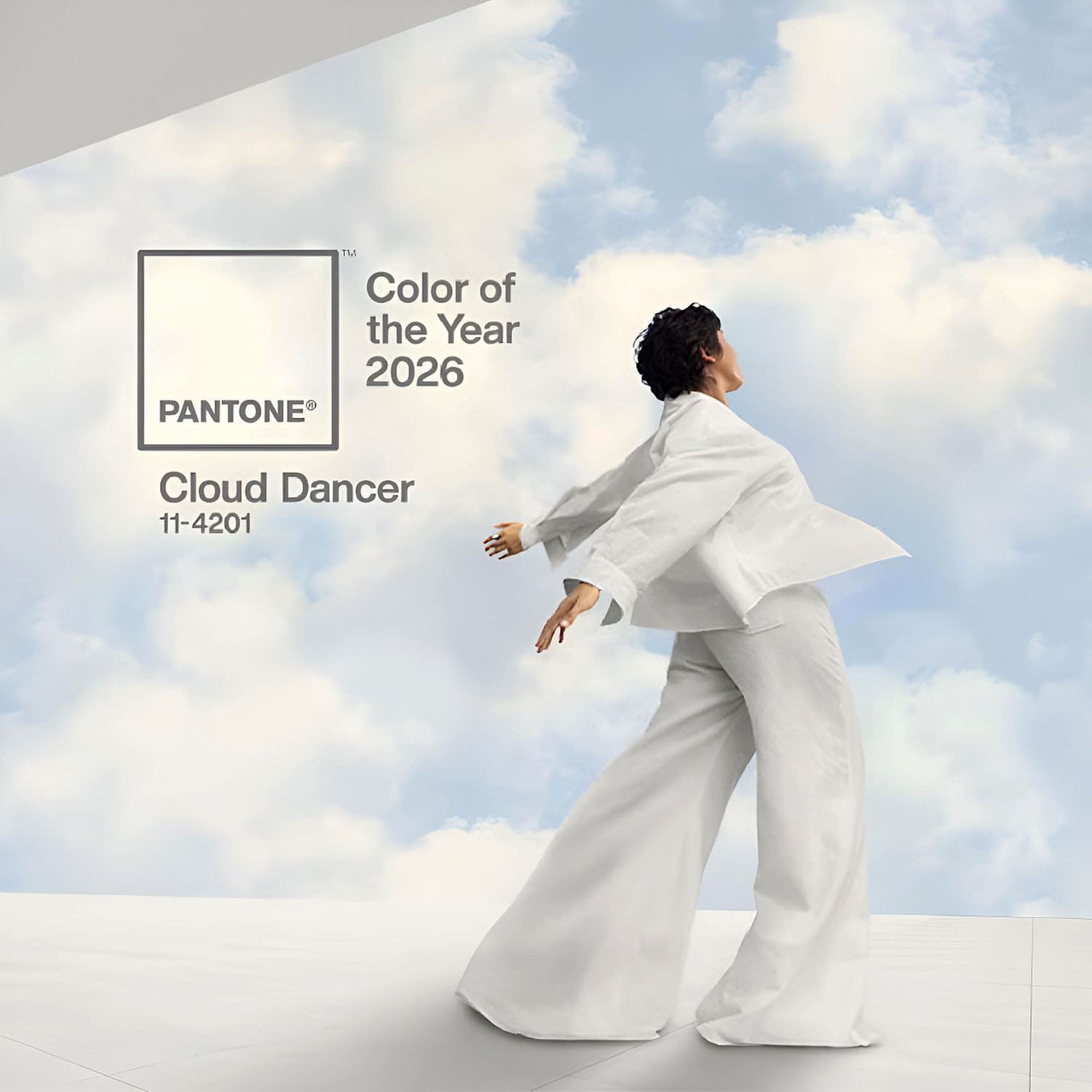
“The High Authority of color,” PANTONE, has spoken:
the Color of 2026 will be PANTONE 11-4201 Cloud Dancer.
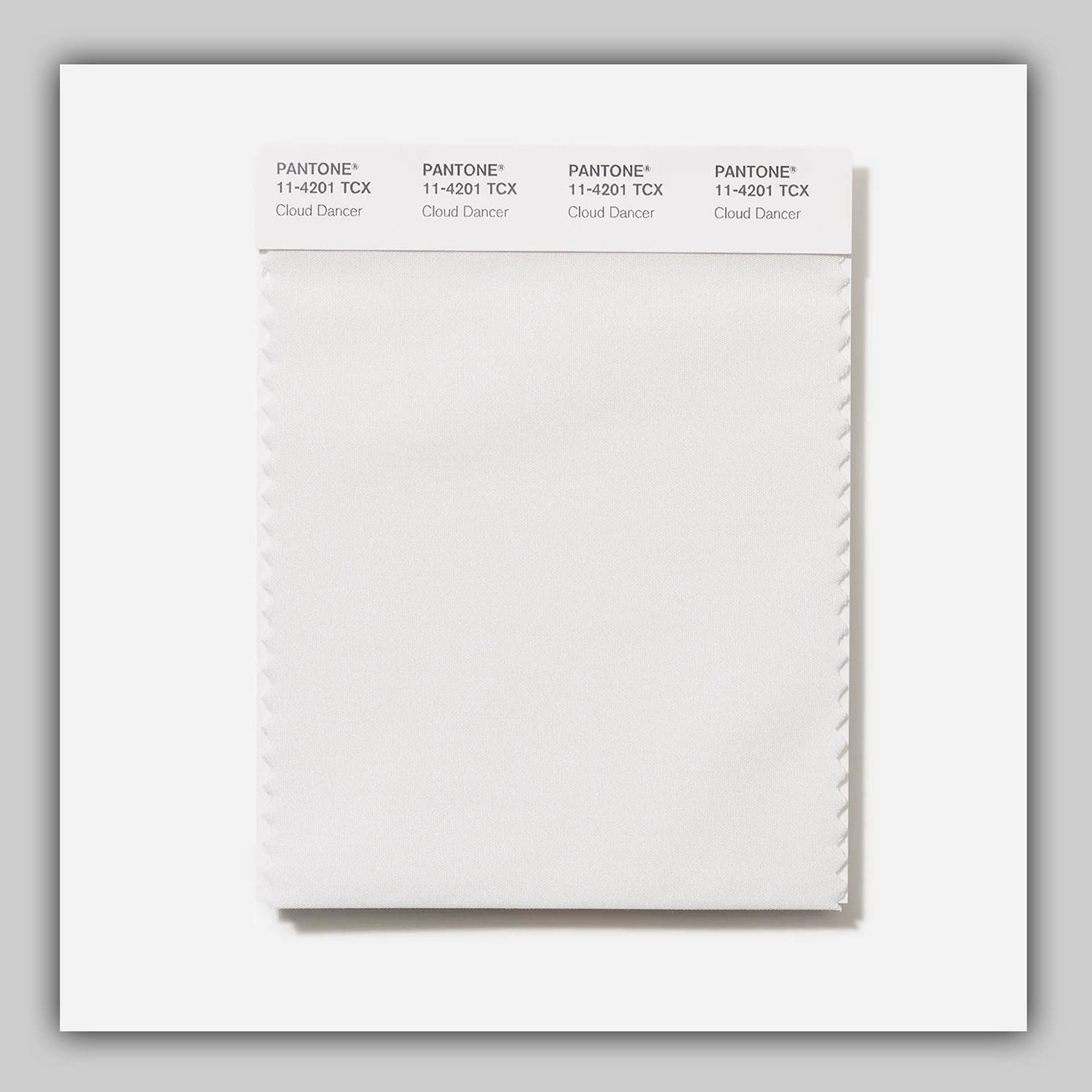
The choice is surprising, given that white has no longer been considered a color since Isaac Newton excluded black and white from the spectrum of colors.
PANTONE
Pantone justifies its choice in light of today’s oppressive climate through an extremely detailed description of emotions, feelings, and states of mind. What stands out above all is an impressive number of commercial collaborations. In particular, Pantone states that it will “offer the free field of expression represented by Cloud Dancer by inspiring and highlighting artists within the creative community.”
An intriguing choice from Pantone, which claims to rely on a global team of color specialists to select the shade of each year, drawing from a wide range of influences, including film and television, art, fashion and design trends, emerging technologies and materials, as well as social media and major upcoming sporting events.
All of this is presented with great seriousness. As for their team of color experts, one primarily recalls Leatrice Eiseman, an essential color authority, who offered a particularly fine quotation regarding the choice of white 2026.
Regarding the spectrum of fashion-related social media trends in particular, it is surprising to note that as early as September, certain media outlets were already publishing articles about white, asserting its supremacy. I do not recall ever encountering “soothsayers” in fashion—but why not? Perhaps all of this was “whispered into Pantone’s ear” by so-called influential figures in fashion, design, and related fields, in order to create attractive marketing operations… without considering for a single moment that this choice carries heavy consequences if white is not mastered in its use.

Interpretation of WHITE
Since antiquity, white has been associated with the sacred and with purity. In many ancient cultures, notably in Egypt and Rome, white was a color reserved for priests—those who embodied a form of divinity or a connection to the spiritual world.
But white also brings us back to a time when color itself was considered a threat.
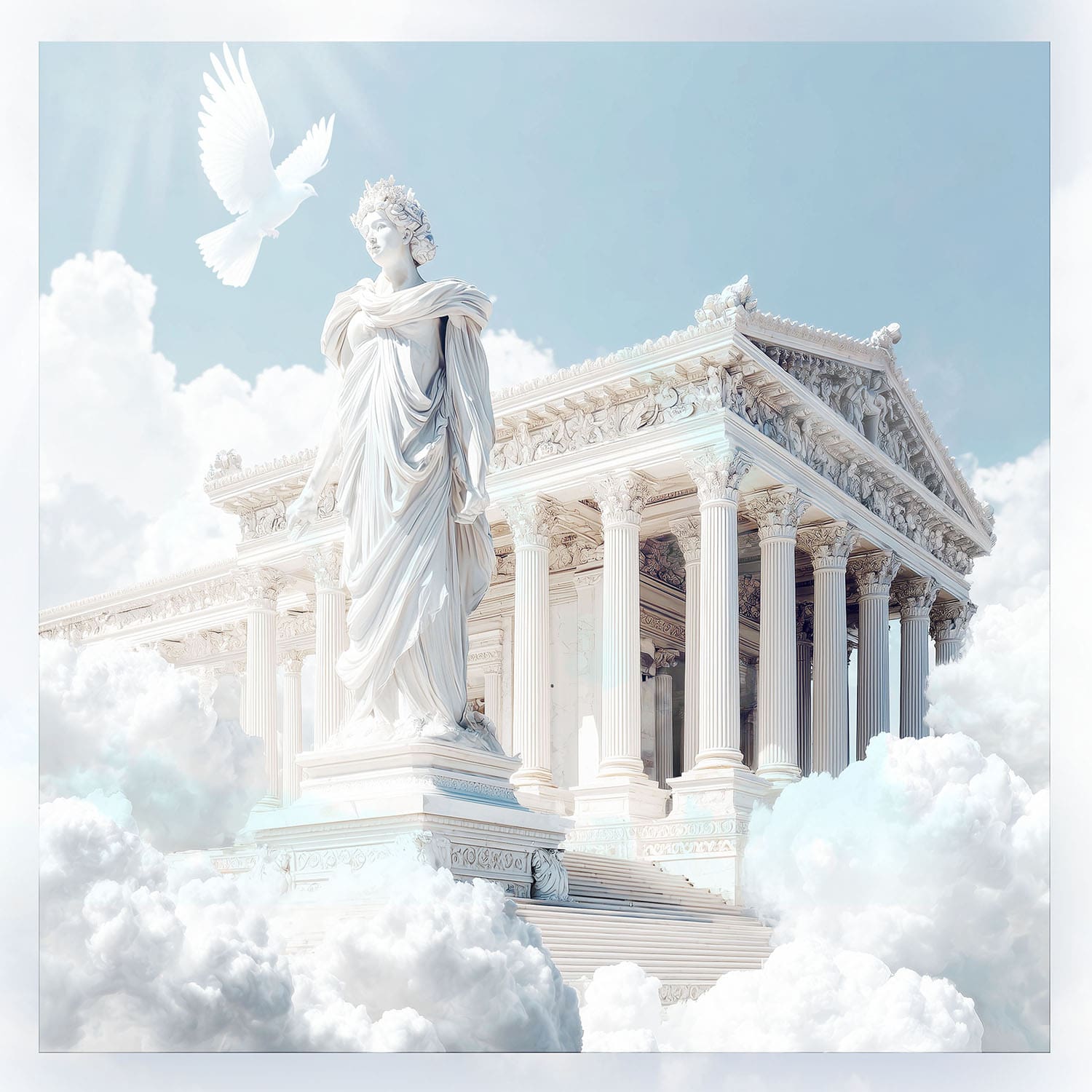
The fear of perversion or contamination by color has existed since antiquity. We seek security, and white appears to represent stability. Color is thus excluded from the “higher considerations of the mind,” even seen as a threat to all cultures. For certain ways of thinking, color characterizes a lower form of nature. Through its purity, white has given rise to extreme behaviors directed against color.
Worse still, choosing white as a color amounts to promoting CHROMOPHOBIA, the irrational and persistent fear of colors.

Do you think of perfection or purity when you think of white? White is neither a color, nor positive, nor perfect—except when it is carried by a pure energy, by joy.
In that case, white conveys emotion, warmth, and a sense of balance and serenity.
Symbolism of WHITE
The difficulty in using white lies elsewhere: in the symbolism of a country, a civilization, and its history.
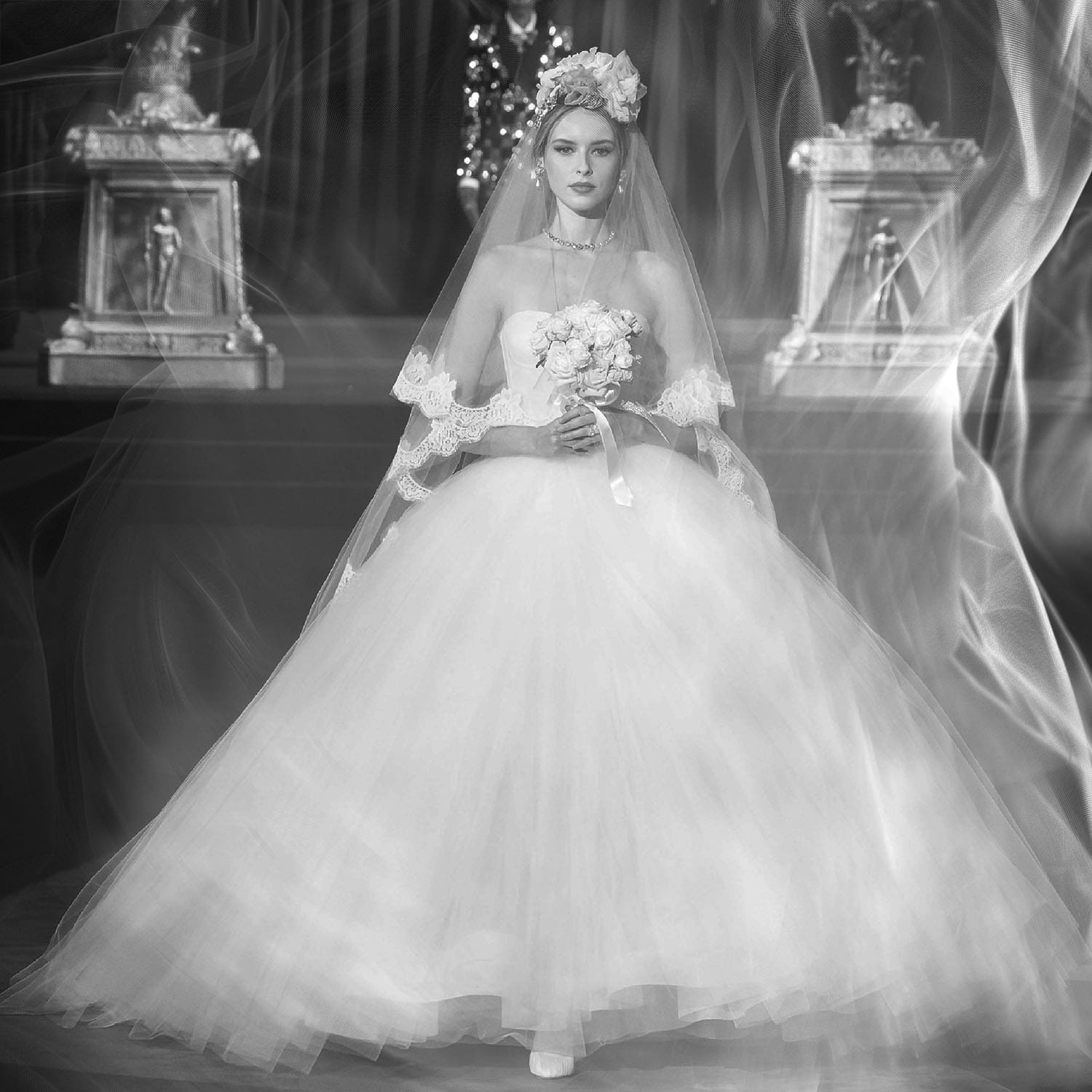
In Western countries, white is a color that symbolizes light and purity, so in Europe or the United States it involves relatively little risk.
BUT imagine having to create a communication project for Asian or African countries. In certain regions of Asia, notably in China, white represents death.
In Africa, white is associated with death and mourning. African white masks represent death.
WHITE must therefore be used with very precise cultural awareness.
Symbolism of WHITE in history
We observe clear contradictions: WHITE is defined by what it is not. From a positive point of view, white is light; yet “light exists only through fire, whose symbol is red.” Opposed to darkness, white signifies good; but opposed to red, it signifies absence and the pallor of death.
In the ternary chromatic system (white–red–black) of ancient Eastern, Biblical, and Greco-Roman cultures, white represents the colorless. Thus, white is opposed to black and red—associated respectively with soot, excrement, and blood—and white became the sign of purity, chastity, and innocence.
Several examples

When you mention money laundering, the interpretation of white loses its original quality.
A blank in a text stands in opposition to any written part (whatever the color of the medium). A blank cheque is an order issued in blank, bearing the seal of authority but no text, so that the agent who receives it is endowed with all the powers of that authority, approved in whatever he may deem useful to fill in. “To be given carte blanche” has exactly the same meaning: the authority grants a person a letter of orders left blank, without instructions.
A blank vote expresses neither wish nor preference. Blank verse respects meter without rhyme. A blank cartridge, a mock examination, or a white marriage have no consequence in their actions.
White is also associated with “loss”: old age, death, anxiety, a sign of terror, and so on.
I invite you to read this excerpt from Herman Melville, Moby-Dick (1851), Chapter 42, “The Whiteness of the Whale”:
“It is this elusive quality which, when the thought of whiteness is separated from the world of pleasant meanings and attached to an object terrible in itself, carries that terror to its utmost intensity. Consider the white bear of the poles and the white shark of the tropics: whence comes the transcendent horror they inspire, if not from the smooth and flocculent whiteness of their coats? This sinister whiteness—this is what gives their mute voracity so repellent a character of gentleness, which repels more than it frightens. Likewise, the tiger with cruel fangs and armorial coat does not shake courage as much as the bear or the shark shrouded in white.”

Symbols have the particularity of being able to designate both a thing and its opposite.
In color symbolism, white in particular is ambiguous.
REPRODUCTION OF WHITE
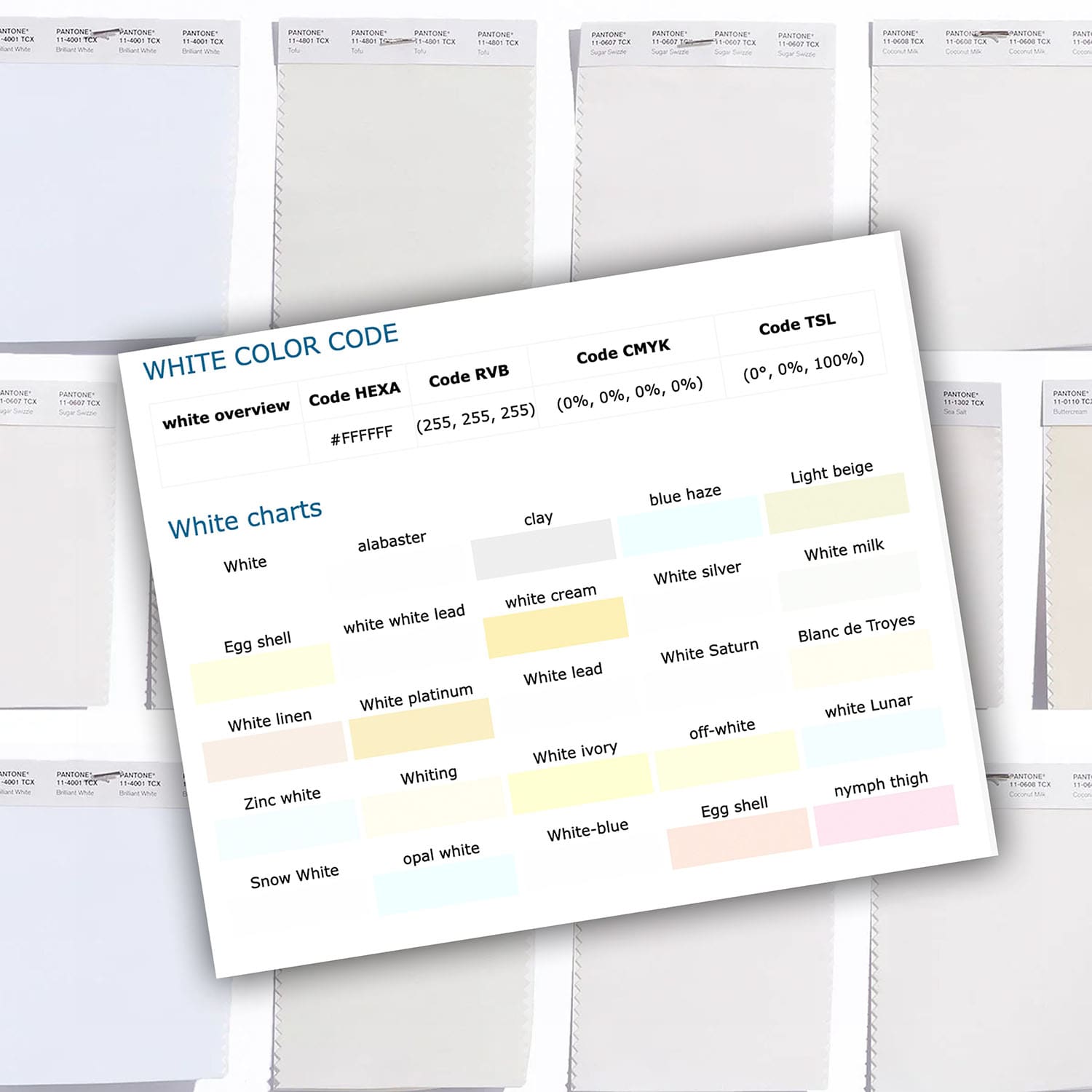
White is a chromatic field characterized by an impression of strong luminosity, without any dominant hue.
WHITE
Hexadecimal triplet: #FFFFFF
RGB: 255, 255, 255
HSL: 0, 0, 100
LAB: 100, 0, 0
CMYK: 0, 0, 0, 0

Fashion & WHITE
Fashion designers have always used white in their collections, whether as accessories or as key pieces. However, the designer who demonstrated the greatest genius and mastery of white (and black) was Coco CHANEL.
Coco CHANEL
“Women think of all colors except the absence of color. I said that black has it all. White too. They possess an absolute beauty. It is perfect harmony. Dress women in white or black for a ball and you will see only them.”
— Coco Chanel
Coco CHANEL mastered black and white perfectly—and, above all, their impact. She described white as “a candid innocence” in 1929, a difficult period during the Great Depression, and brought white back into fashion.
Chanel’s all-white Spring collection in 1933 was a resounding success. Her use of touches of white in her creations dates back to 1913. She used white to create the same impression of purity as the nuns’ collars at Aubazine. The color white was intimately linked to her past: “remembering that her sheets were always simple white cotton, Chanel nostalgically recalled the white sheets and petticoats that the servants washed at her aunts’ home; everything was impeccably clean.”
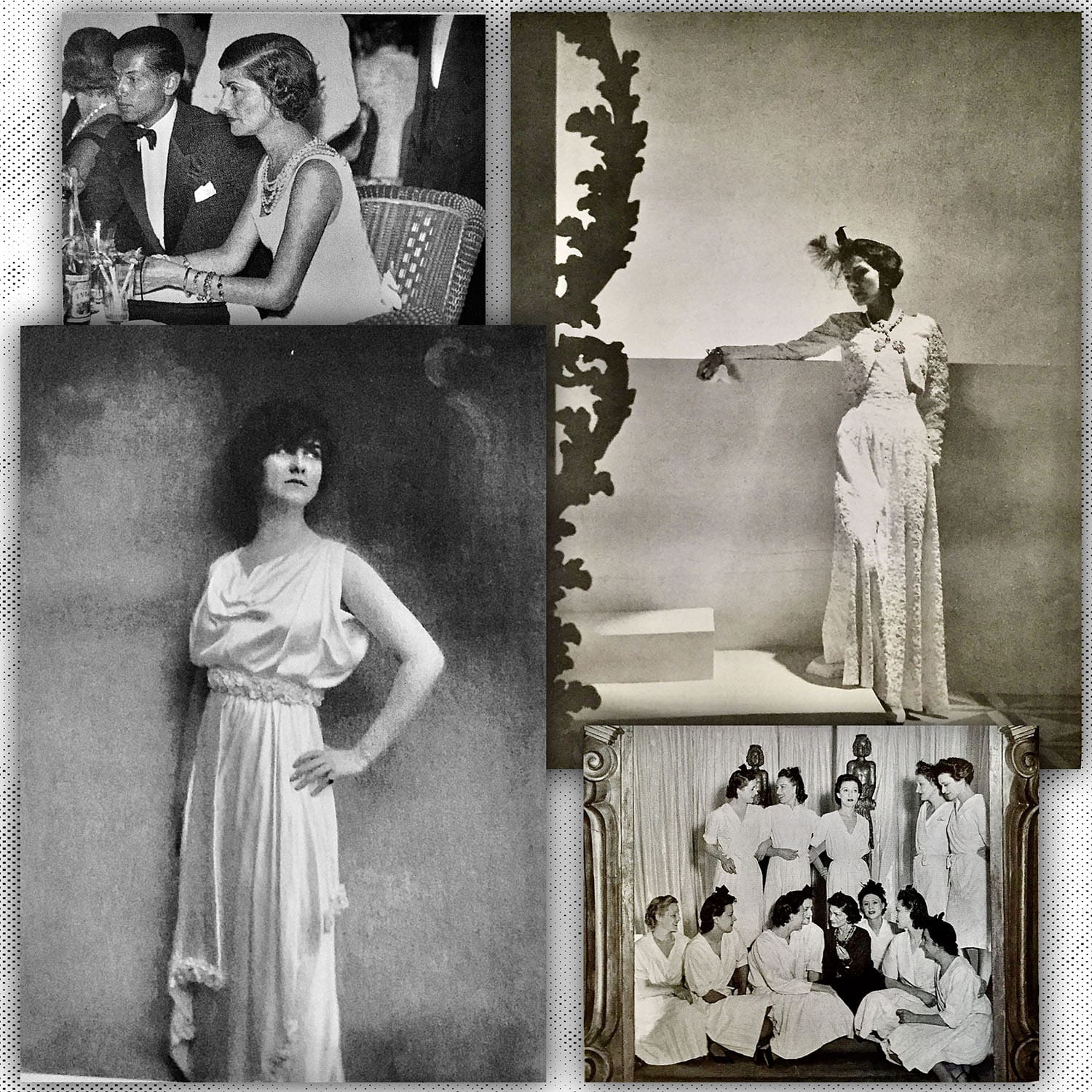
In “monochrome” fashion, white established itself alongside its extreme and ideal counterpart, black, at a time when economic recession did not allow for the spontaneous introduction of color.

In the mid-1960s, Courrèges introduced iconic creations composed of simple patchworks of black bands and white planes.
Conclusion
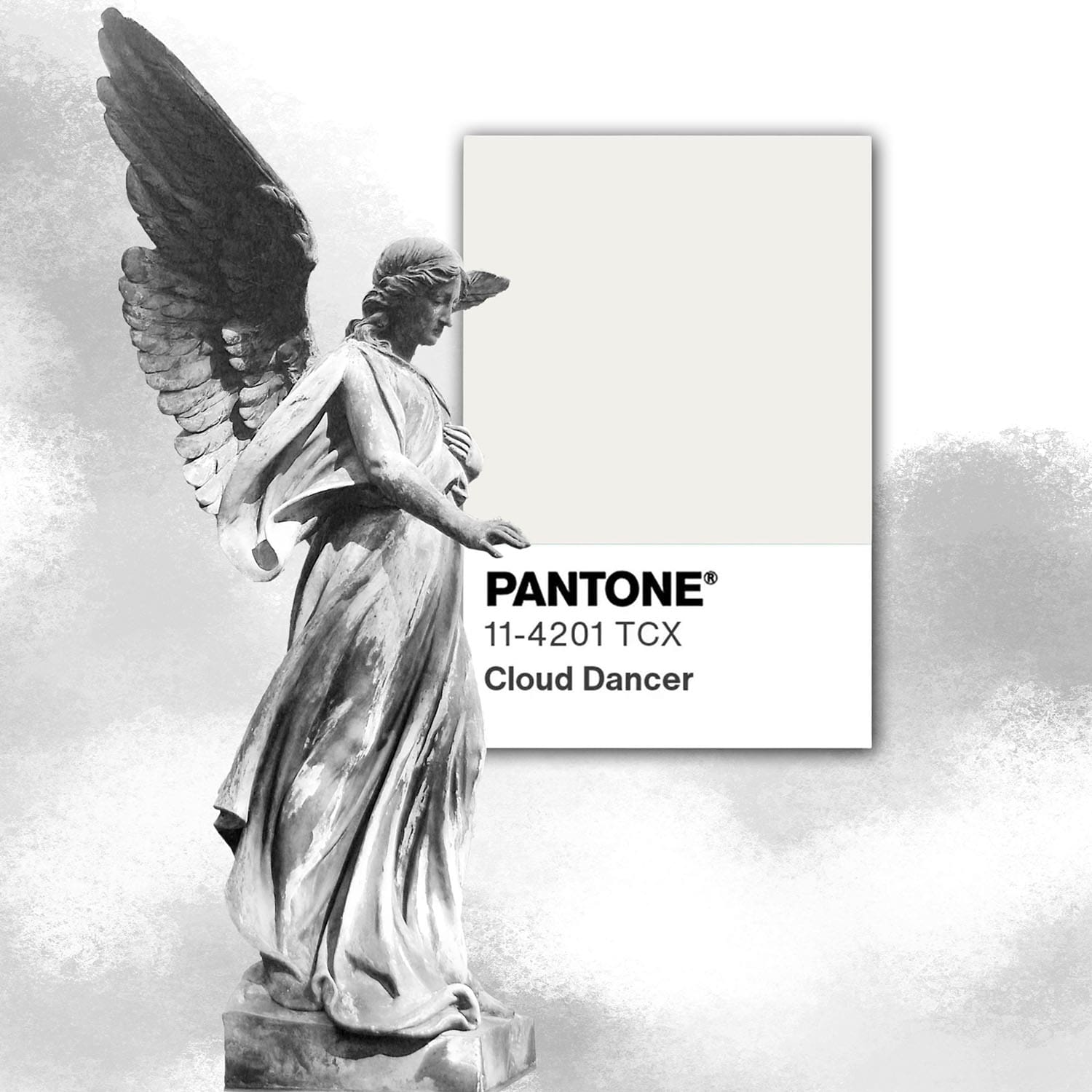
According to Pantone:
“Like a blank canvas, Cloud Dancer symbolizes our desire for a fresh start. By shedding outdated patterns of thought, we open the way to new approaches. Cloud Dancer soothes the mind, encouraging deep relaxation and intense focus that allow the mind to wander and creativity to flourish, thus opening the path to innovation….”
Choosing white as the color of 2026 marks the beginning of a historical loop, with a promise of calm, serenity, and the like. But on what basis? A blank page and the addition of color? None of the interpretations or phobias surrounding white are addressed—nor its origins, nor its history.
Stephen Colbert, American comedian, political commentator, and television host, in his recent monologue mentioned:
“Of course folks are already looking ahead to next year because today Pantone revealed its 2026 color of the year. Ooh, what is it? Is it a zesty yellow, a creamy blue, or a sultry green with a checkered past, and a secret family two towns over? Prepare your eyeballs everybody ’cause here it is — white. Really? You know you’ve given up when someone asks what’s your favorite color, and your answer is ‘Pizza Napkin’. Now technically, technically folks, Pantone says the color is ‘Cloud Dancer’. No! ‘Cloud Dancer’ is the name of a toy unicorn or what your aunt insists you call her after she went to Burning Man.”
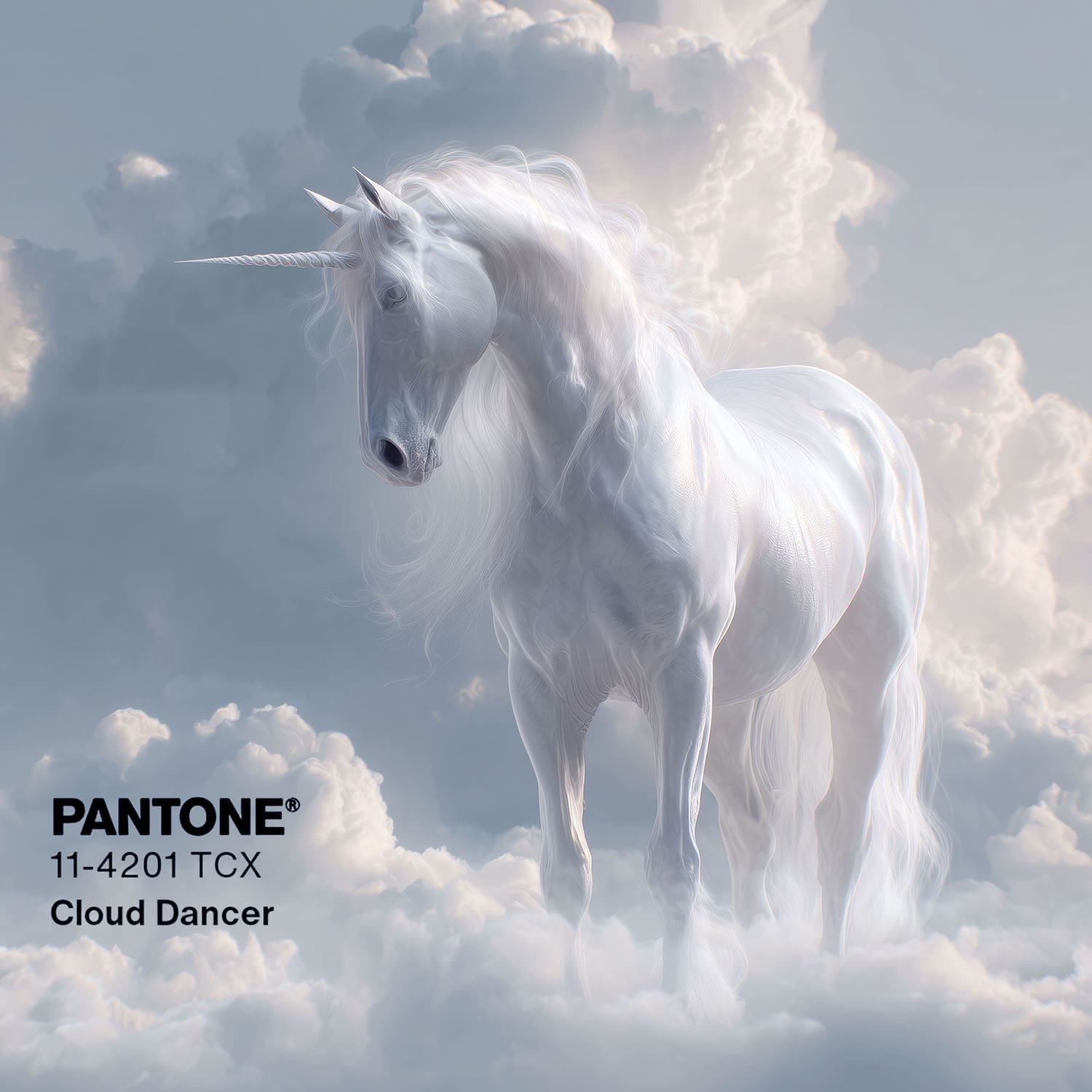
I am not certain that white will bring a new form of communicative expression, given how complex this hue is to master. Only educated and informed professionals will know how to use white with precision—and in that case, their creations will be remembered in 2026 and beyond. And after all… everyone does what they want, don’t they?
