
A Slice of Dior, or Let Them Eat Cake “The Marie Antoinette Fall-Off”. Story by Eleonora de Gray, Editor-in-Chief of RUNWAY MAGAZINE. Photo / Video Courtesy: Dior.
When the Frosting of High-end Retail Masks the Mass-market Reality of the Runway
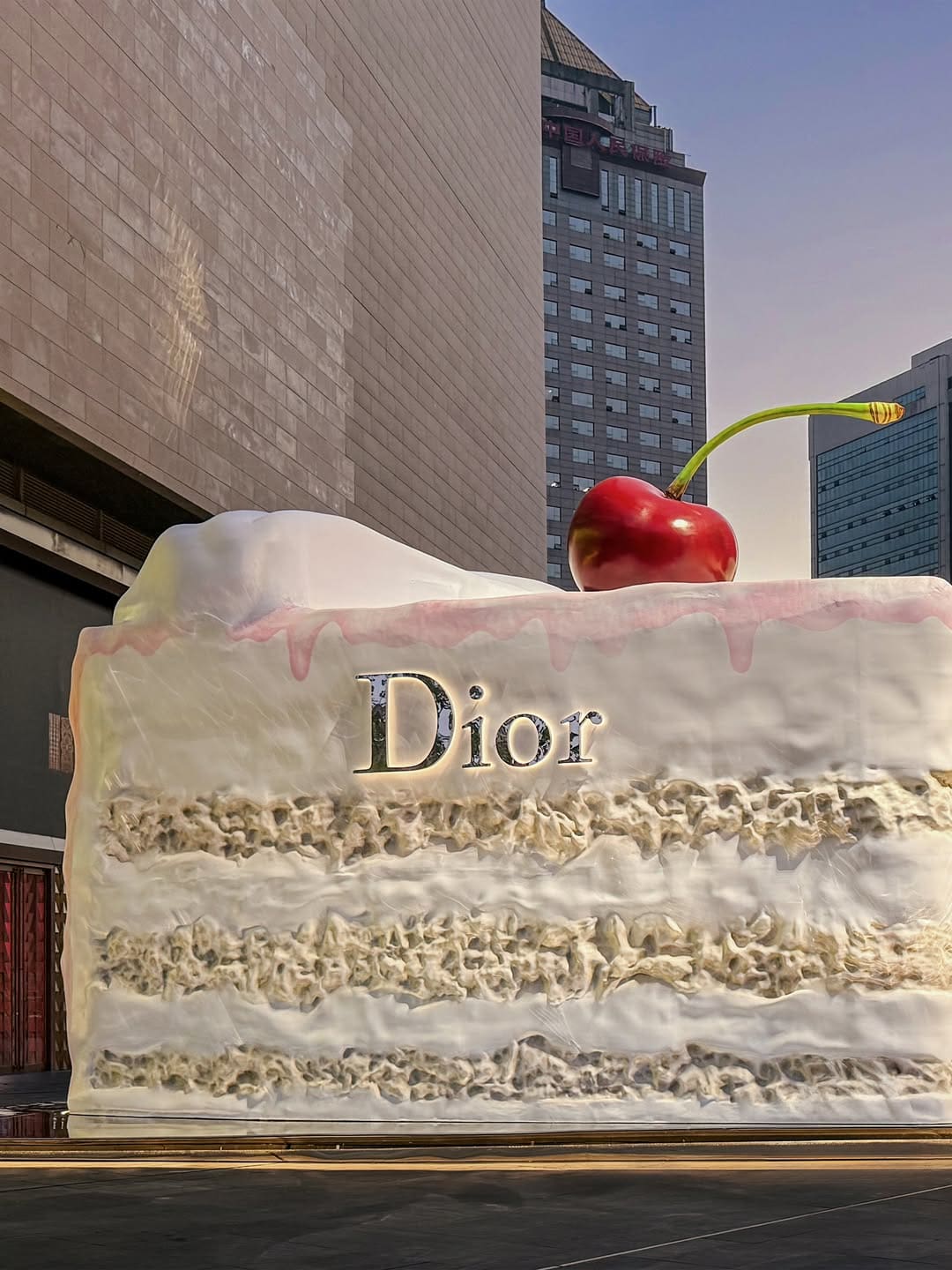
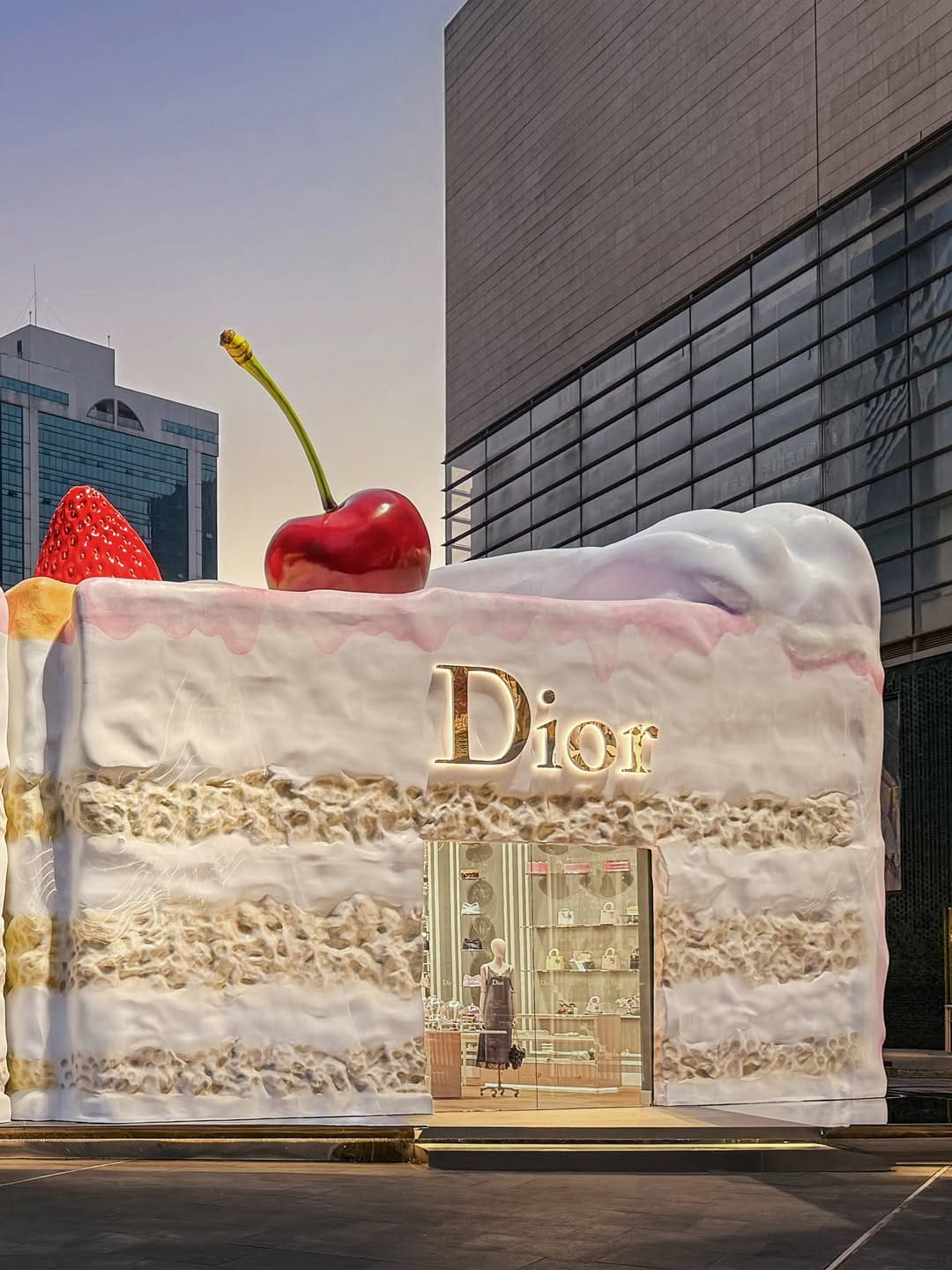
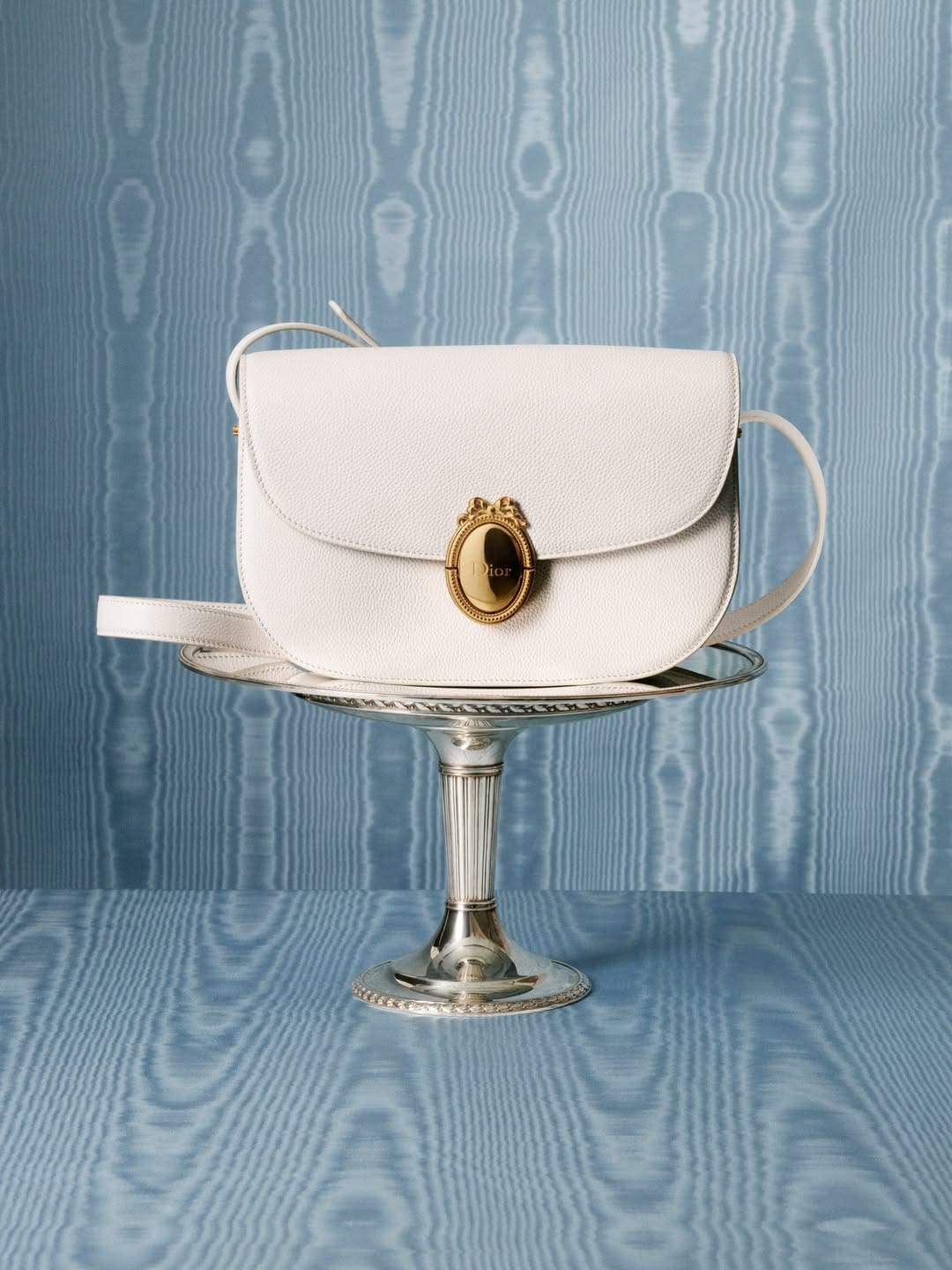
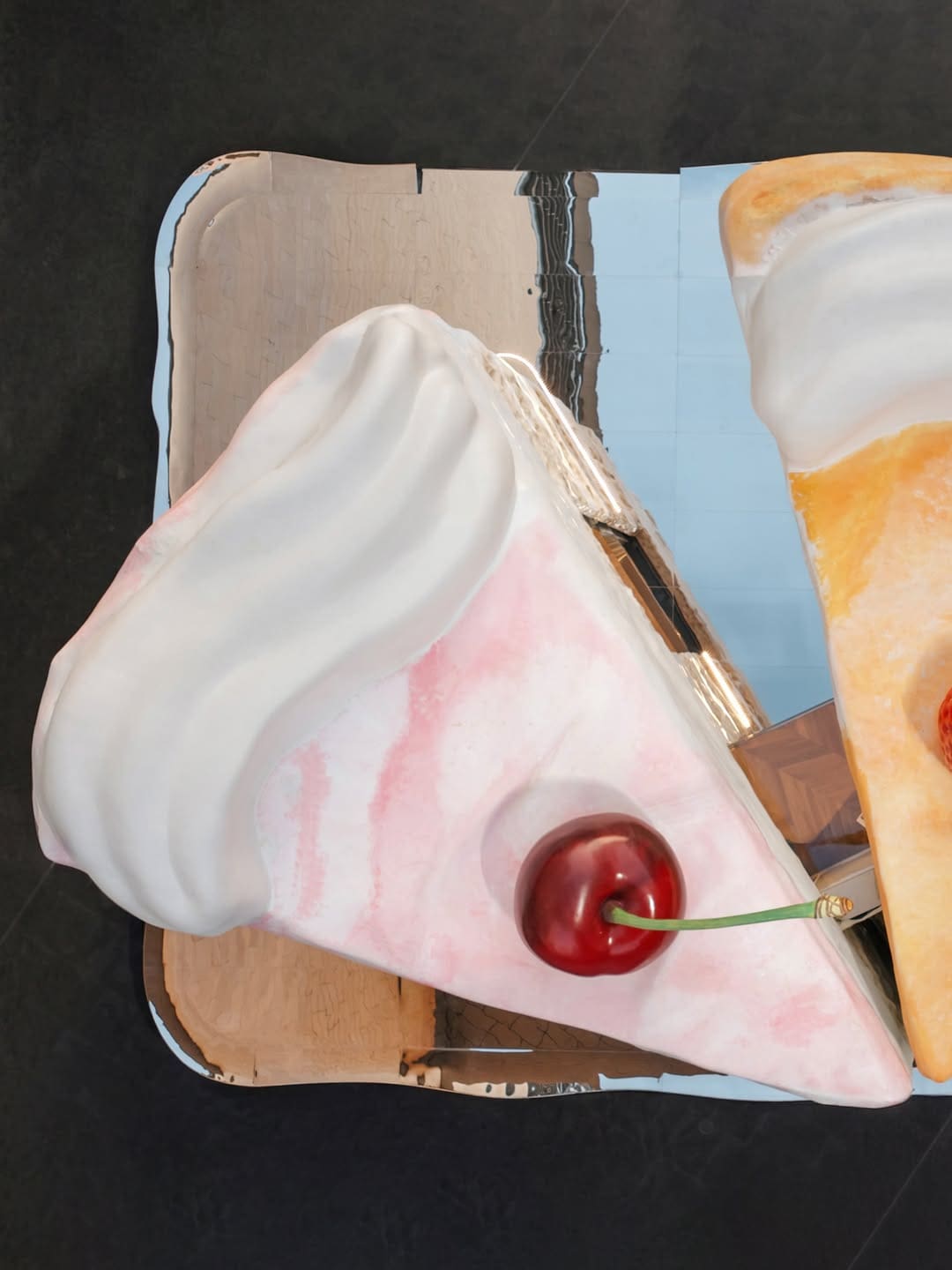
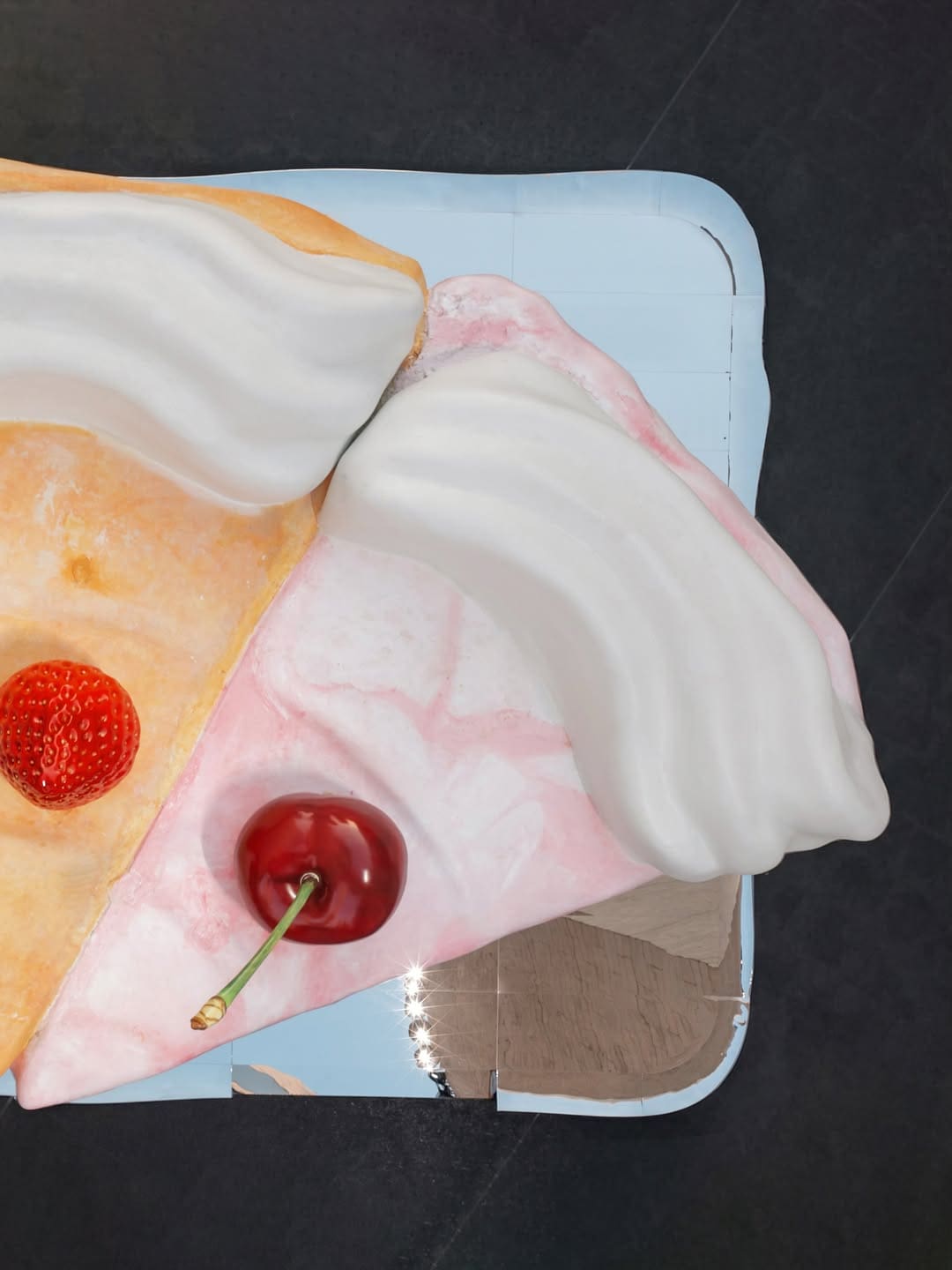
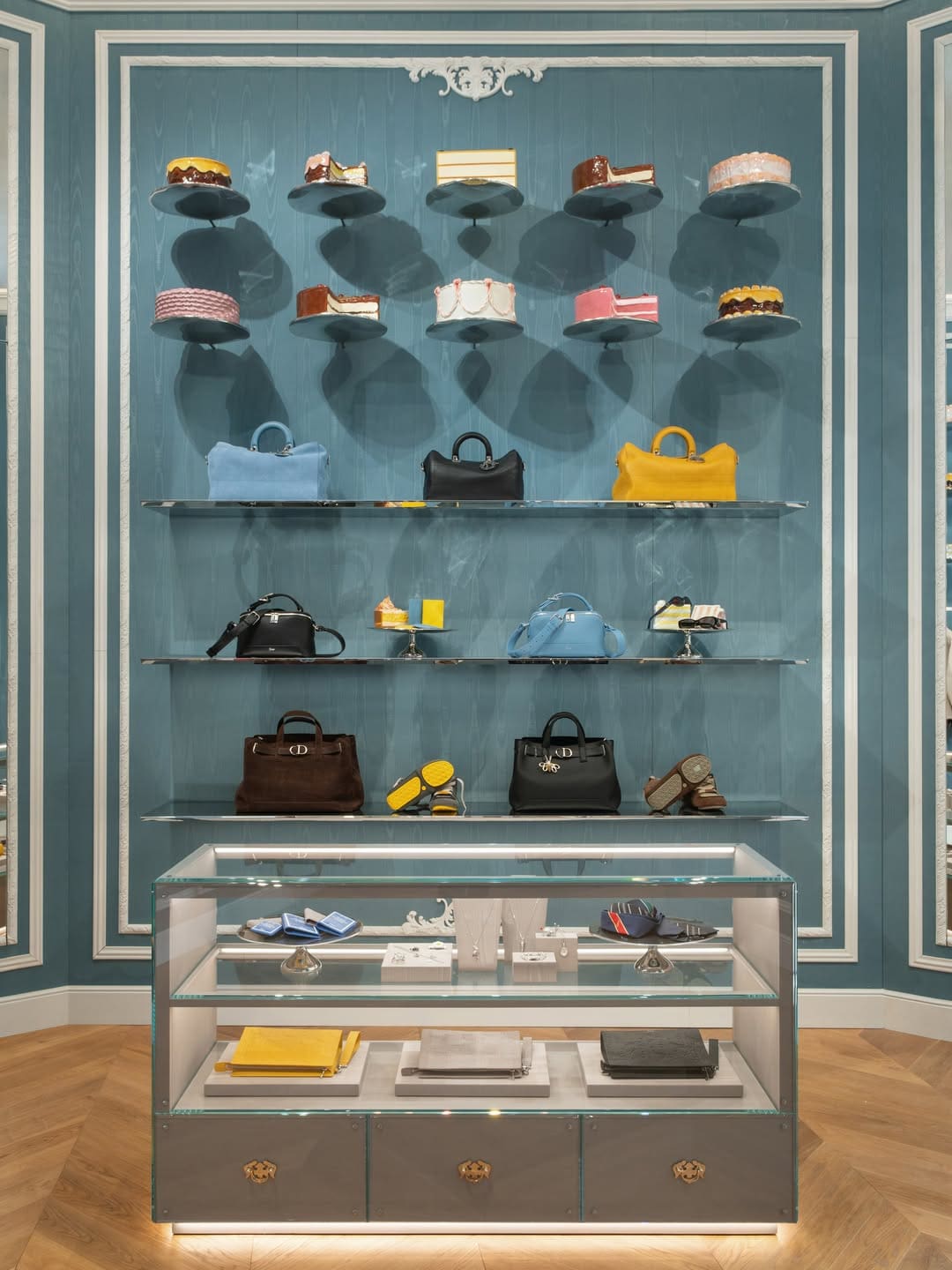
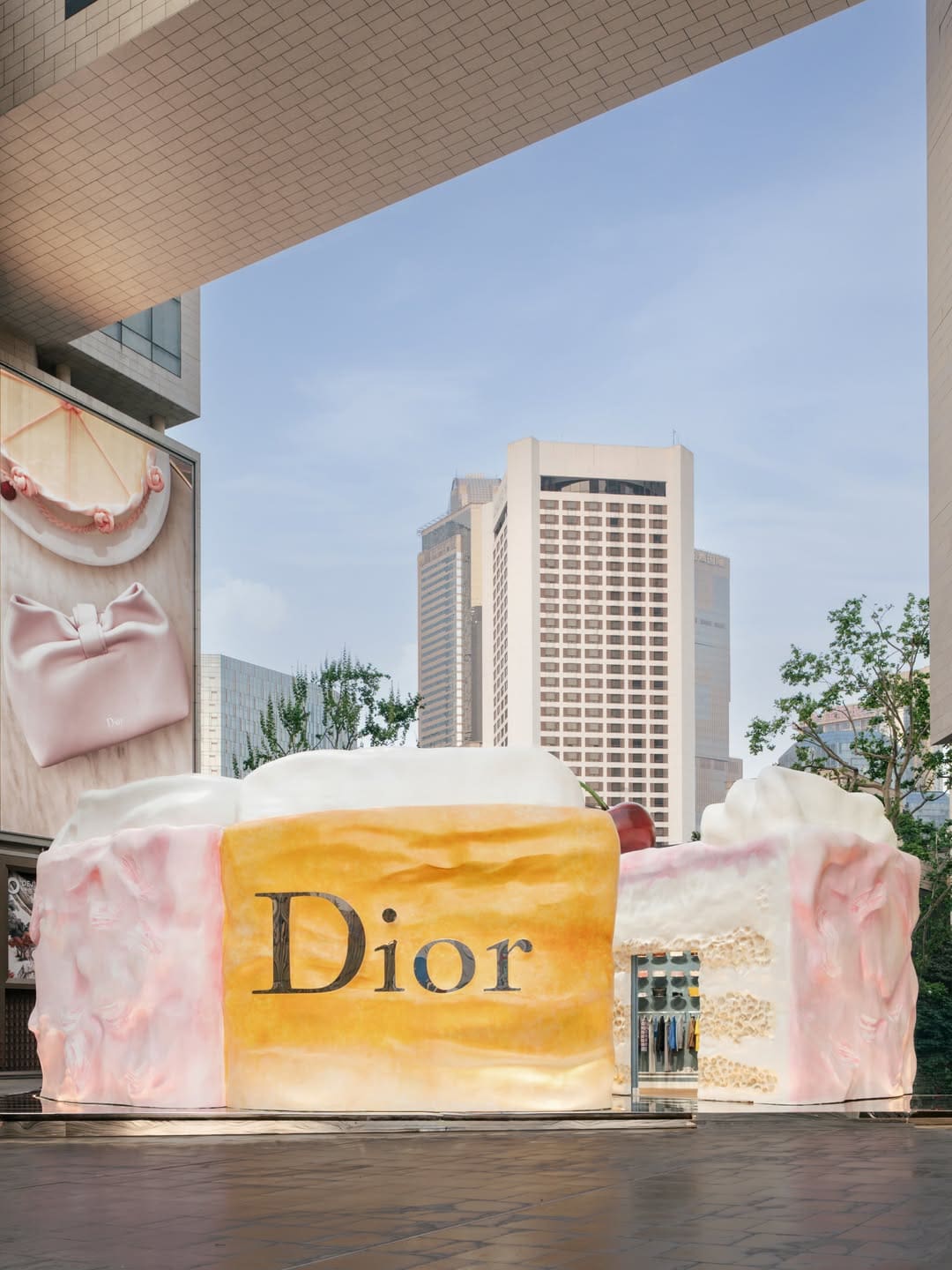
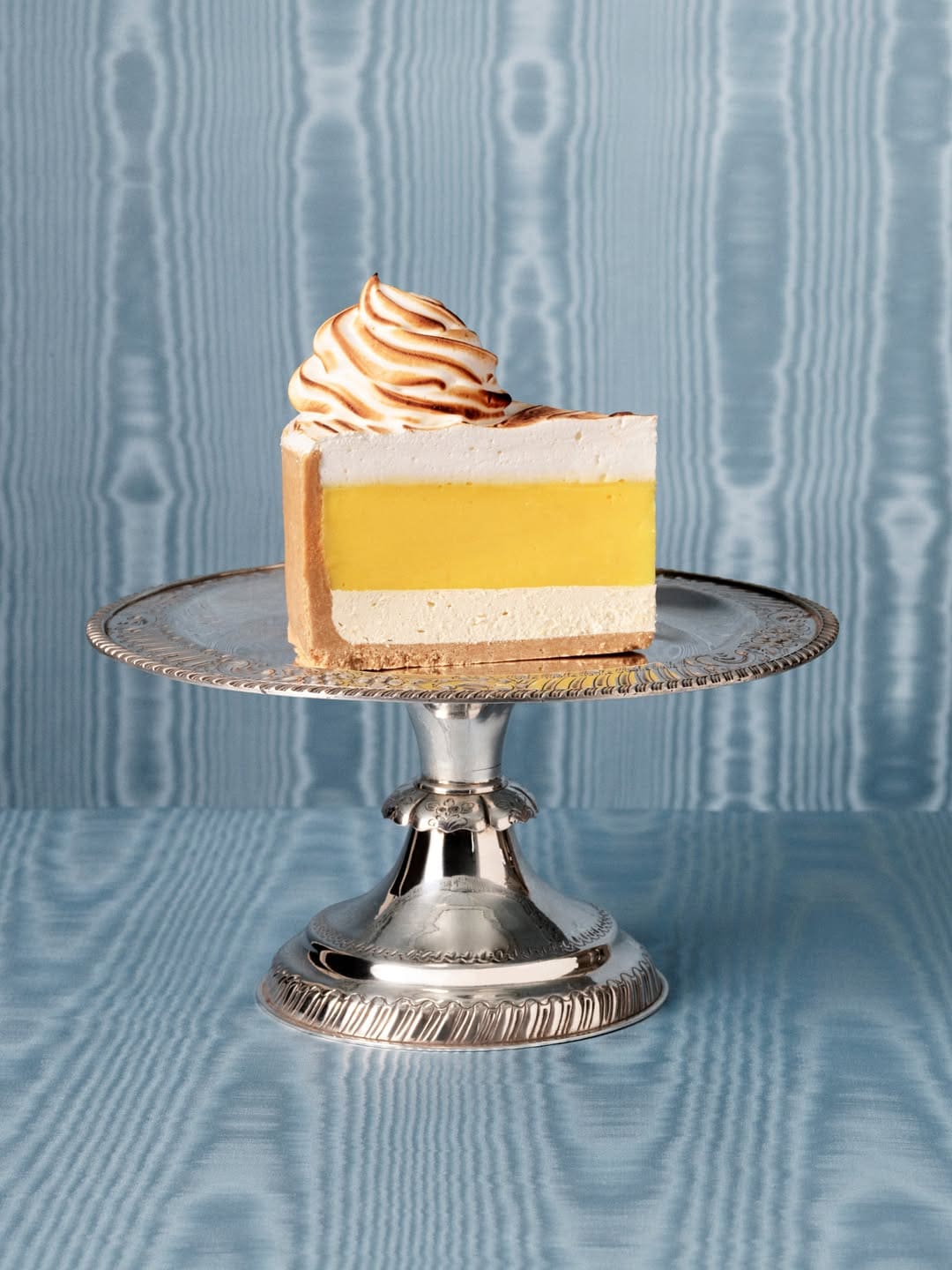
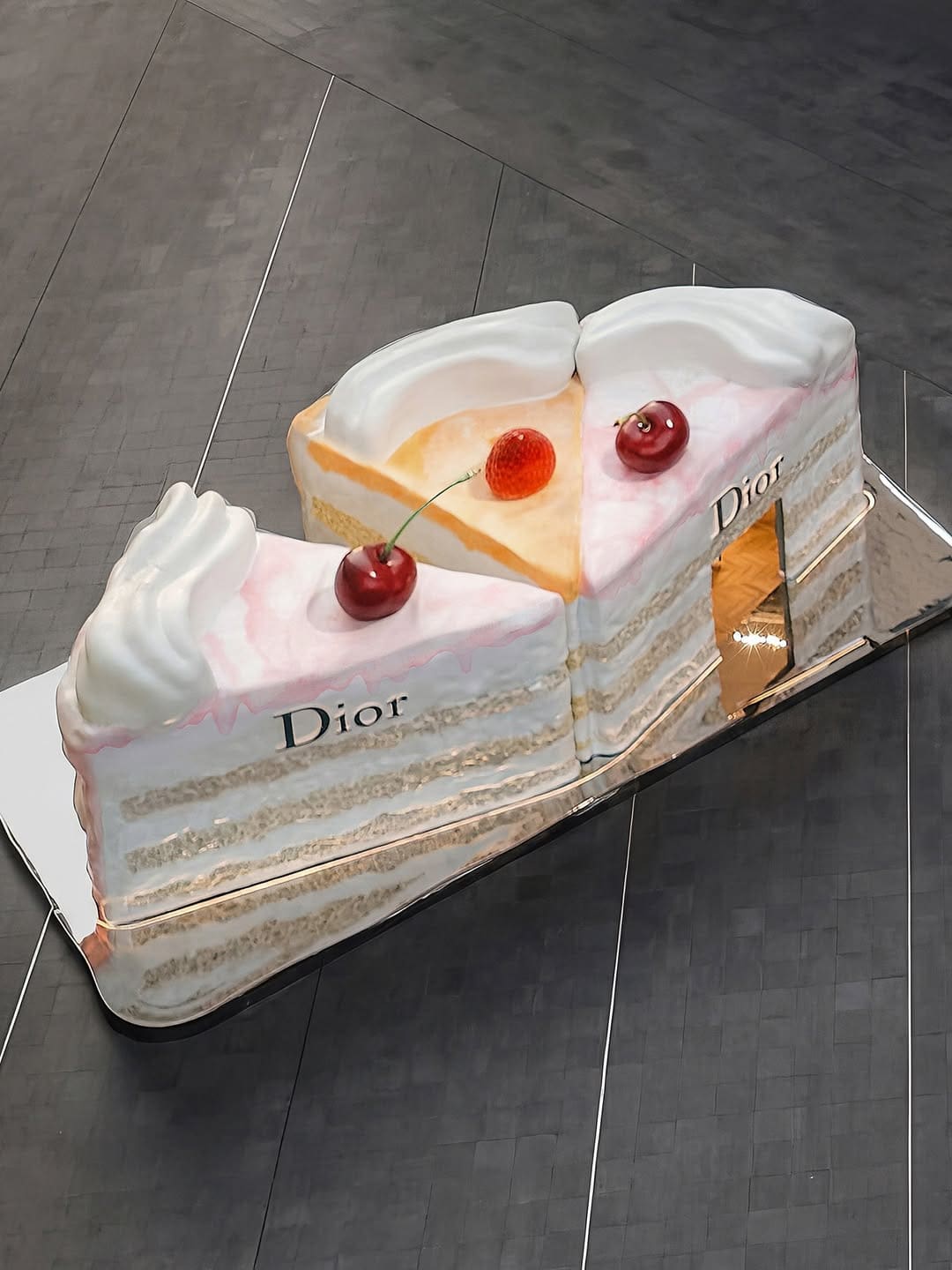
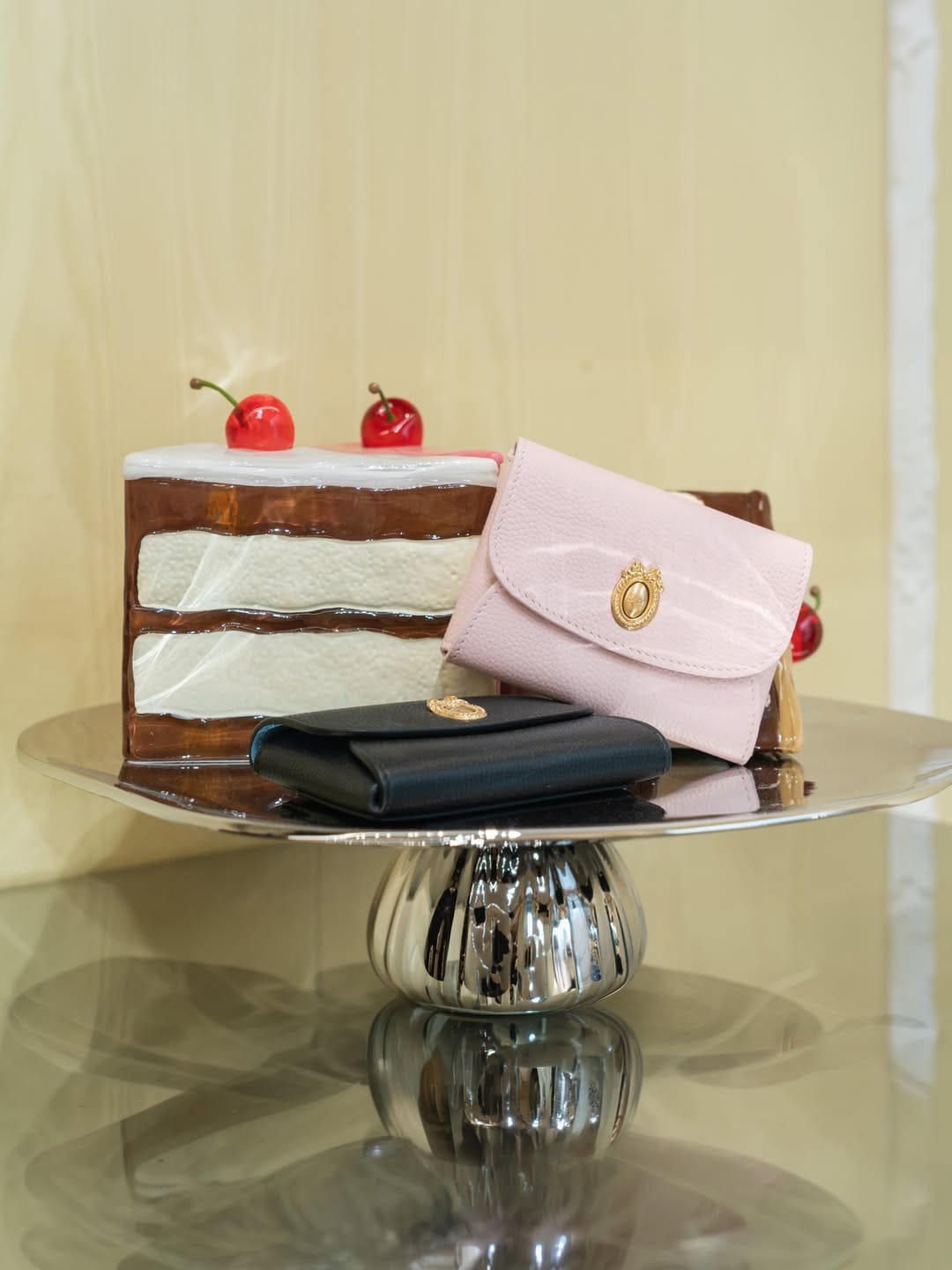
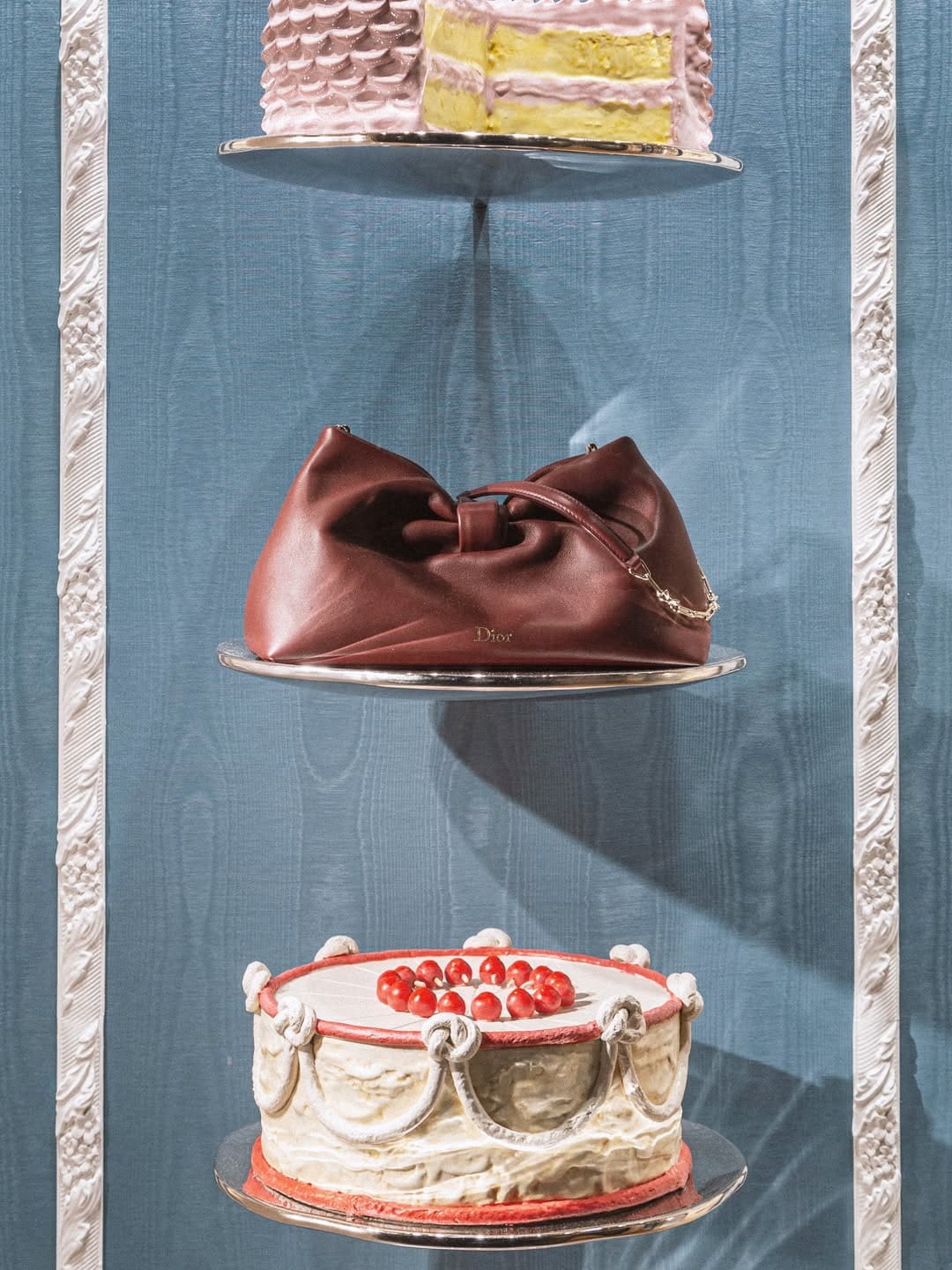
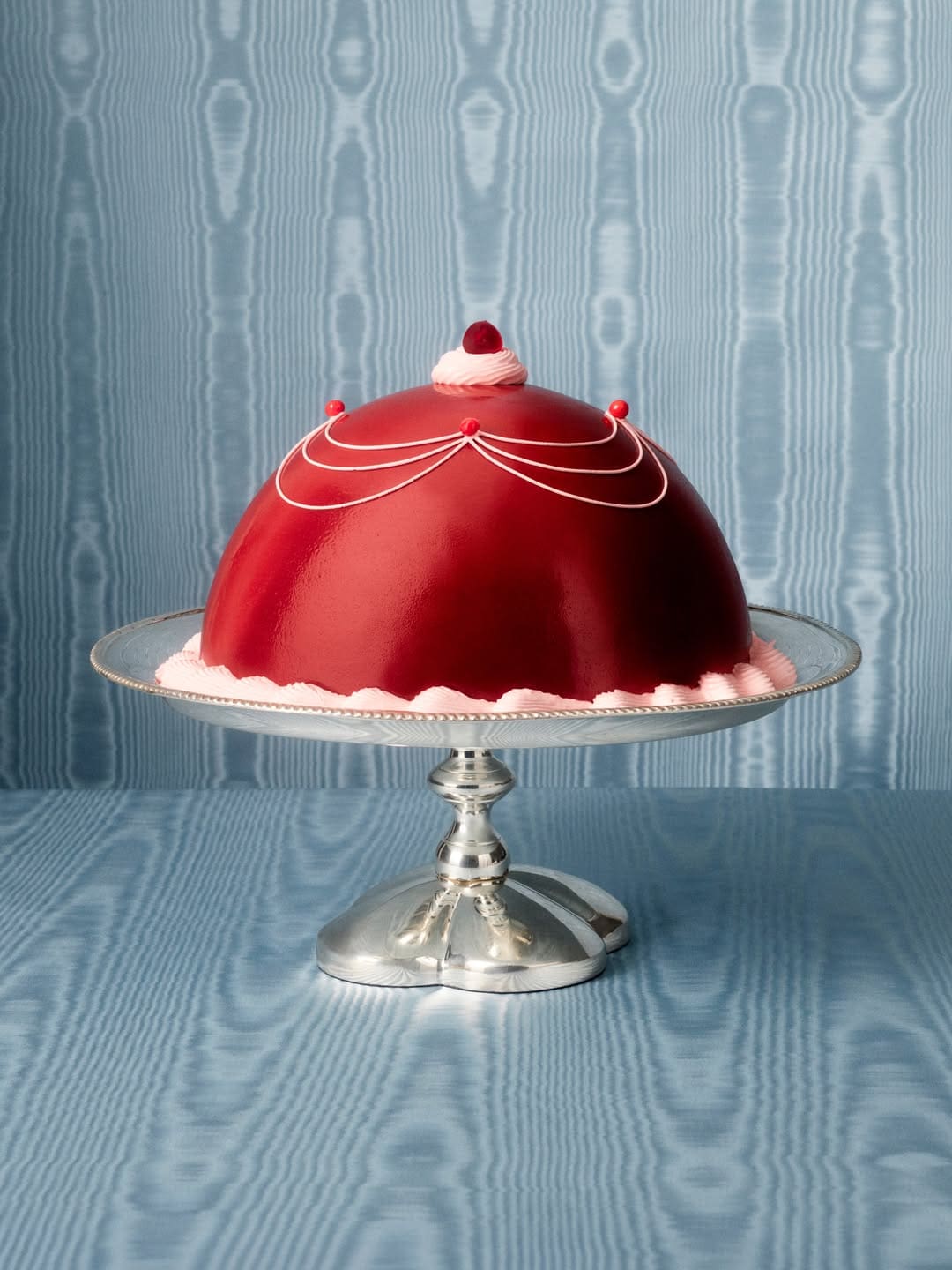
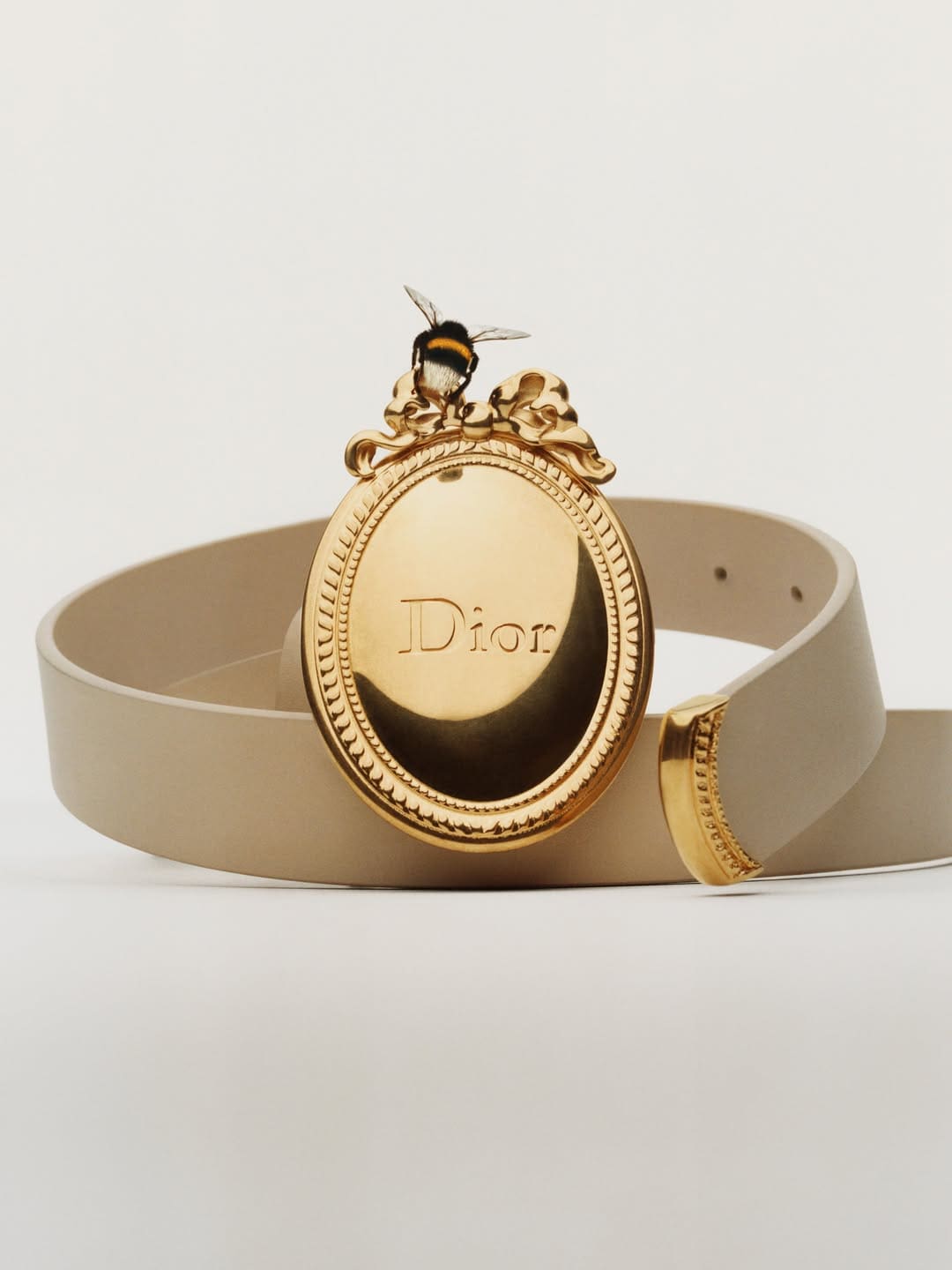
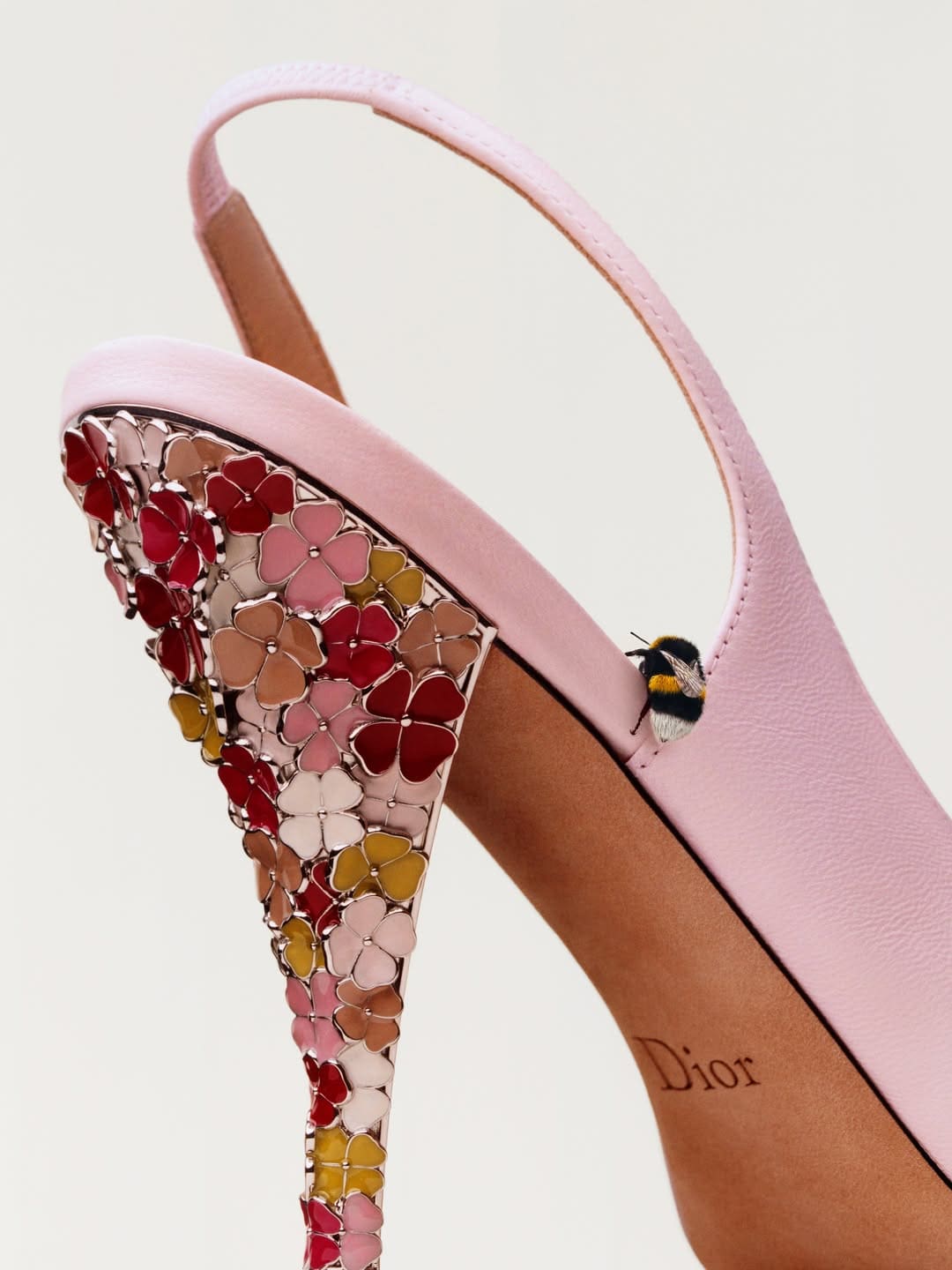
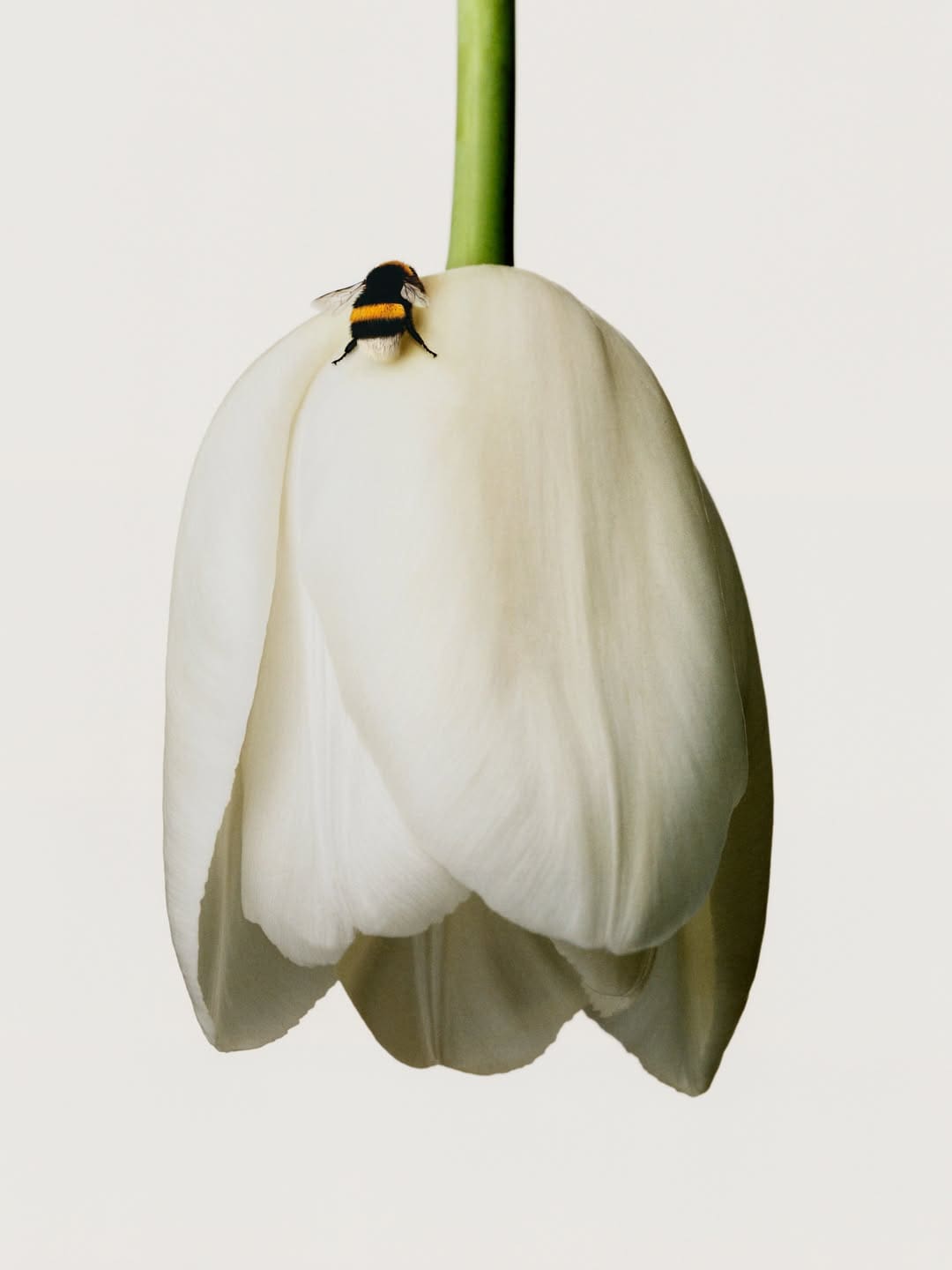
Fall 2026 has officially arrived in stores, and Christian Dior Couture is serving dessert. Quite literally. The house has touched down in front of the Deji Plaza in Nanjing, China, unveiling a pop-up space that attempts to redefine the future of physical retail. It is a surreal, cake-inspired installation where oversized fruit elements collide with Versailles-style detailing.
It is, undeniably, very classy and extremely cute. But beneath this pristine Marie Antoinette aesthetic lies a spectacular paradox that defines the house’s current era.
The Illusion of Immersion
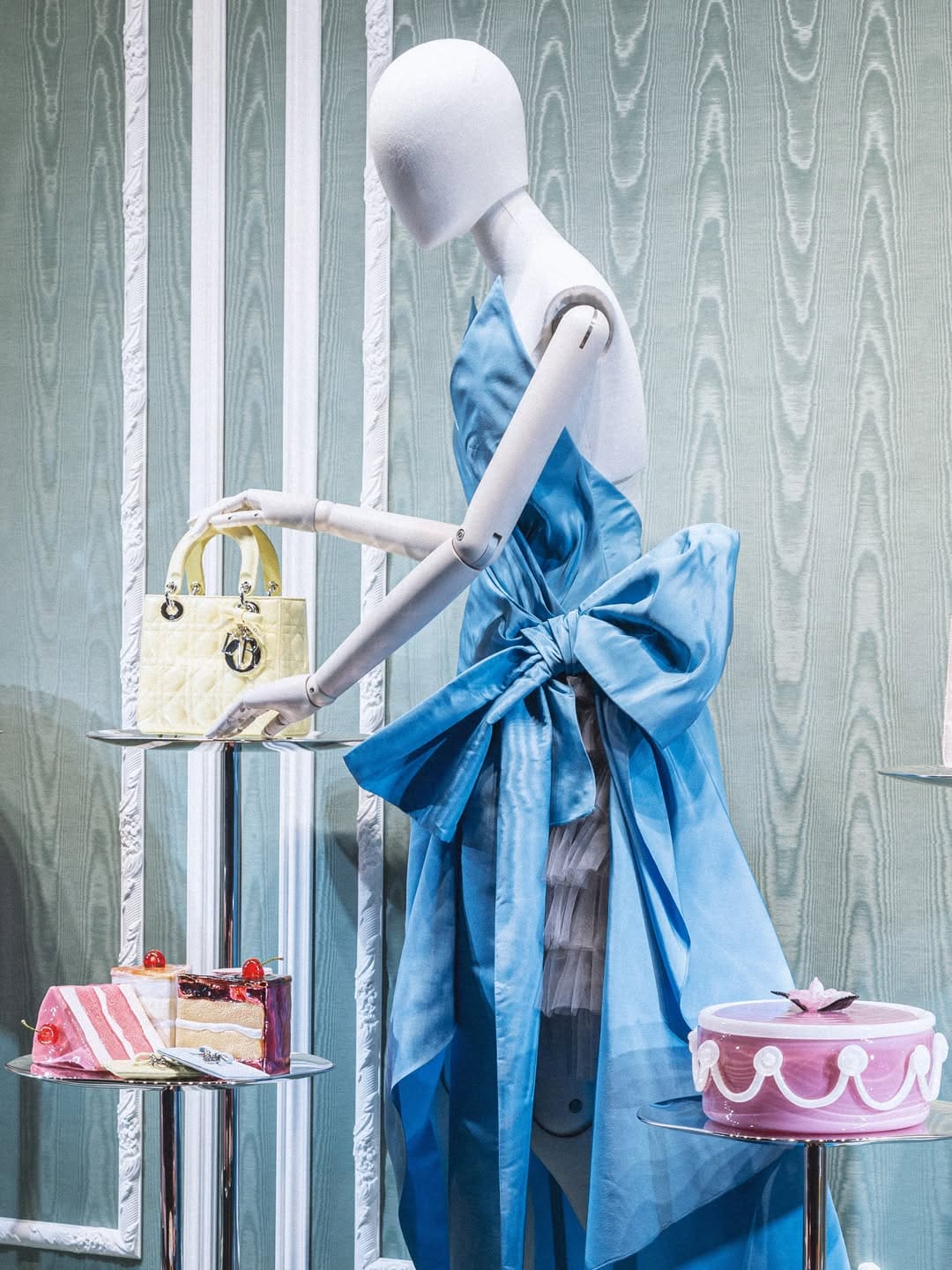
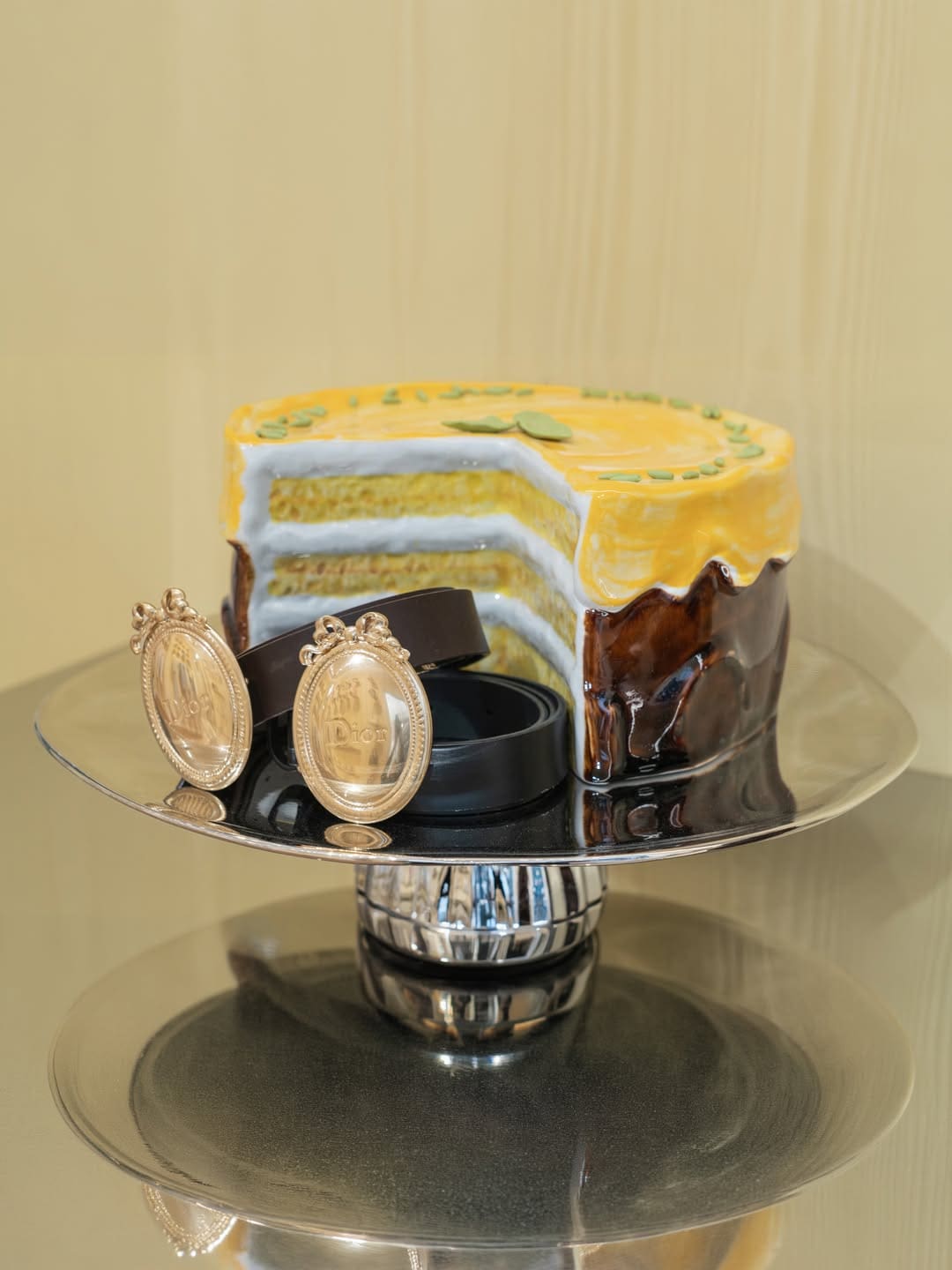
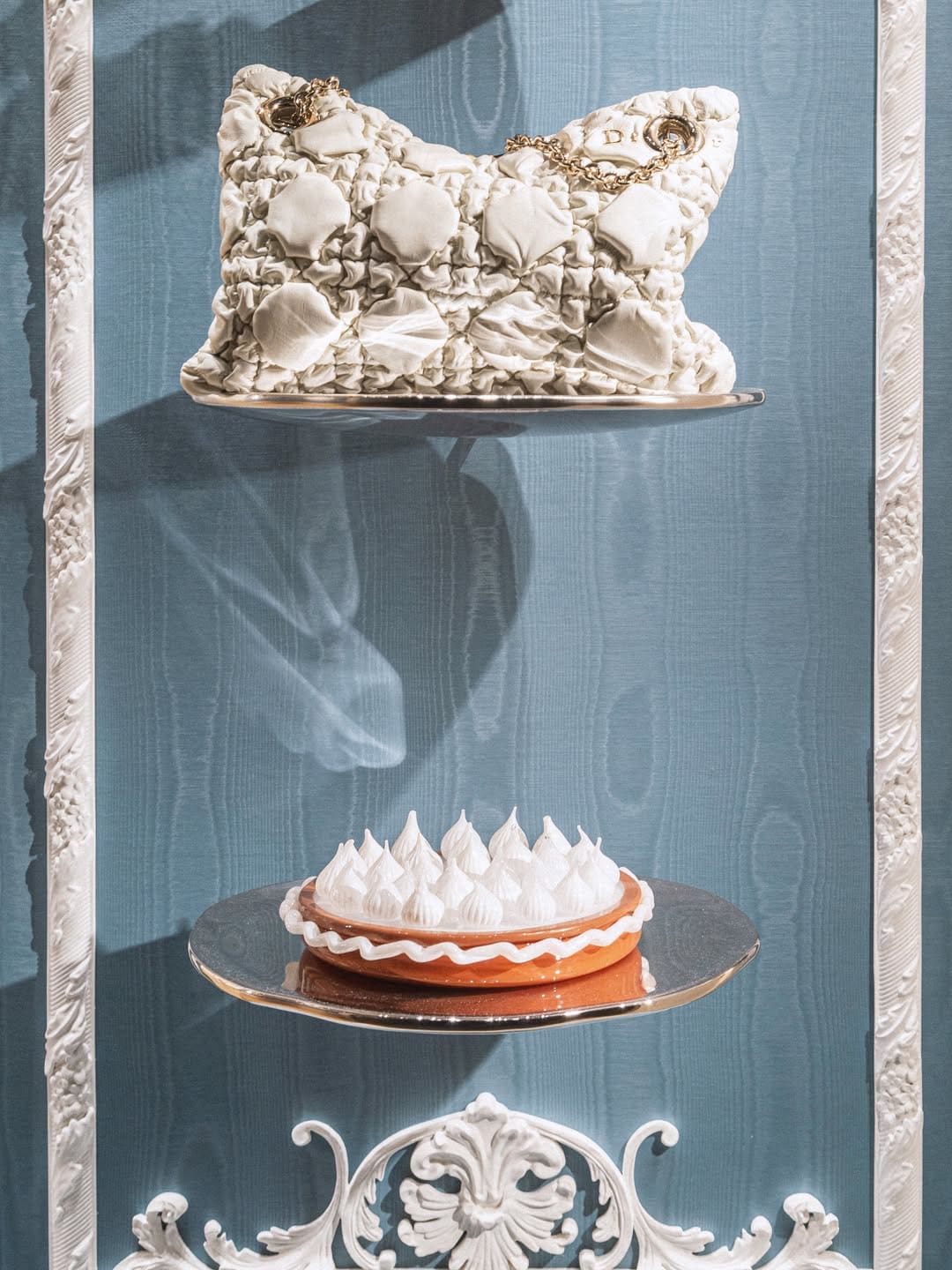
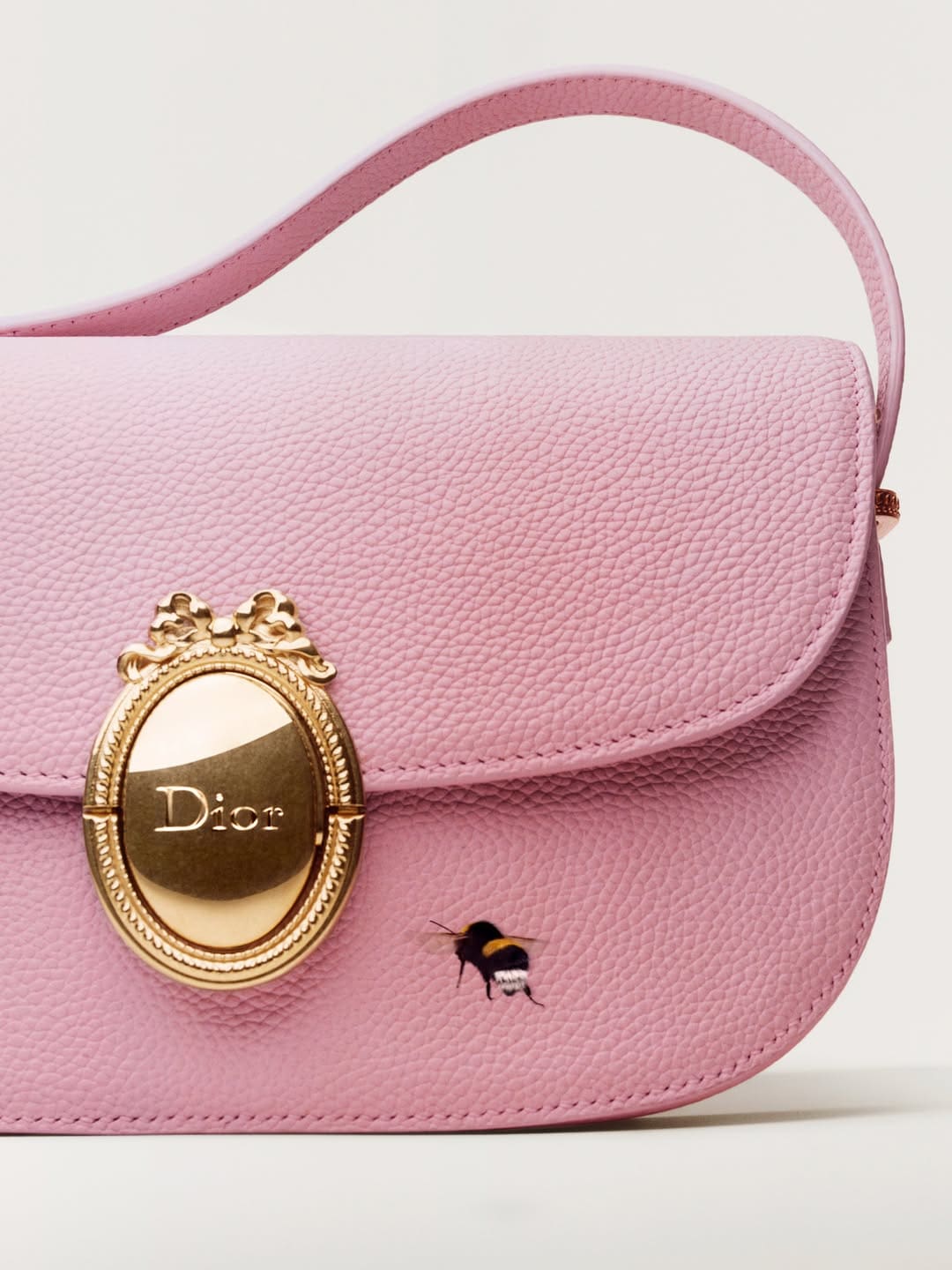
Dior’s Nanjing pop-up is a masterclass in story-first retail. Rather than utilizing traditional, straightforward displays, key pieces like the Diorly, the Lady Dior, and the Ribbon sneakers are embedded within a sugar-coated narrative. The brand is balancing fantasy with heritage craftsmanship—or at least the illusion of it.
The objective here is clear: shift the focus from the product to the experience. By prioritizing immersion and emotional connection, Dior turns the physical space itself into the campaign. It is a brilliant, dazzling sleight of hand. Let them eat cake, indeed.
The Mass-Market Reality
Once the sugar rush of the Deji Plaza installation wears off, we are forced to look at the actual garments. This is where the Marie Antoinette fantasy sharply falls off, revealing a giant incoherence in the house’s current leadership.
The aesthetic of the pop-up corresponds to Christian Dior to some extent, but it operates in total dissonance with the reality proposed by the house’s new creative director, Jonathan Anderson. Anderson bets heavily on a hyper-modern style, ostensibly drawing his interpretations from contemporary art and modern postures. Yet, the final translation on the rack tells a vastly different, decidedly less luxurious story.
We are witnessing a brand that immerses its clients in the highest end of luxury environments, only to sell them garments that belong in a shopping mall.
The Price Tag Paradox
The most vital—and frankly, baffling—part of this new era is not just that Anderson is stylizing pieces drawn from a mass-market sensibility. It is that the garments themselves are practically indistinguishable from fast fashion.
Place a new Dior Fall cardigan next to a piece from H&M or any other mid-tier retailer, and it is impossible to see the difference in design, cut, or innovation. The only distinguishing feature between the two is the exorbitant price tag dangling from the Dior collar.
A Giant Incoherence
This leaves the luxury consumer with a fascinating, albeit insulting, dilemma. On one hand, Dior is constructing ultra-luxury environments, baking monumental, beautifully crafted cakes to draw the eye. On the other hand, the clothing itself champions an ultra-modern, pedestrian, mass-market style.
One has to wonder if all that lavish, Versailles-inspired staging is simply a distraction technique. When a house completely loses its grip on elevated garment design, perhaps the only solution left is to build a giant cake and hope no one notices that the clothes themselves are completely stale.
