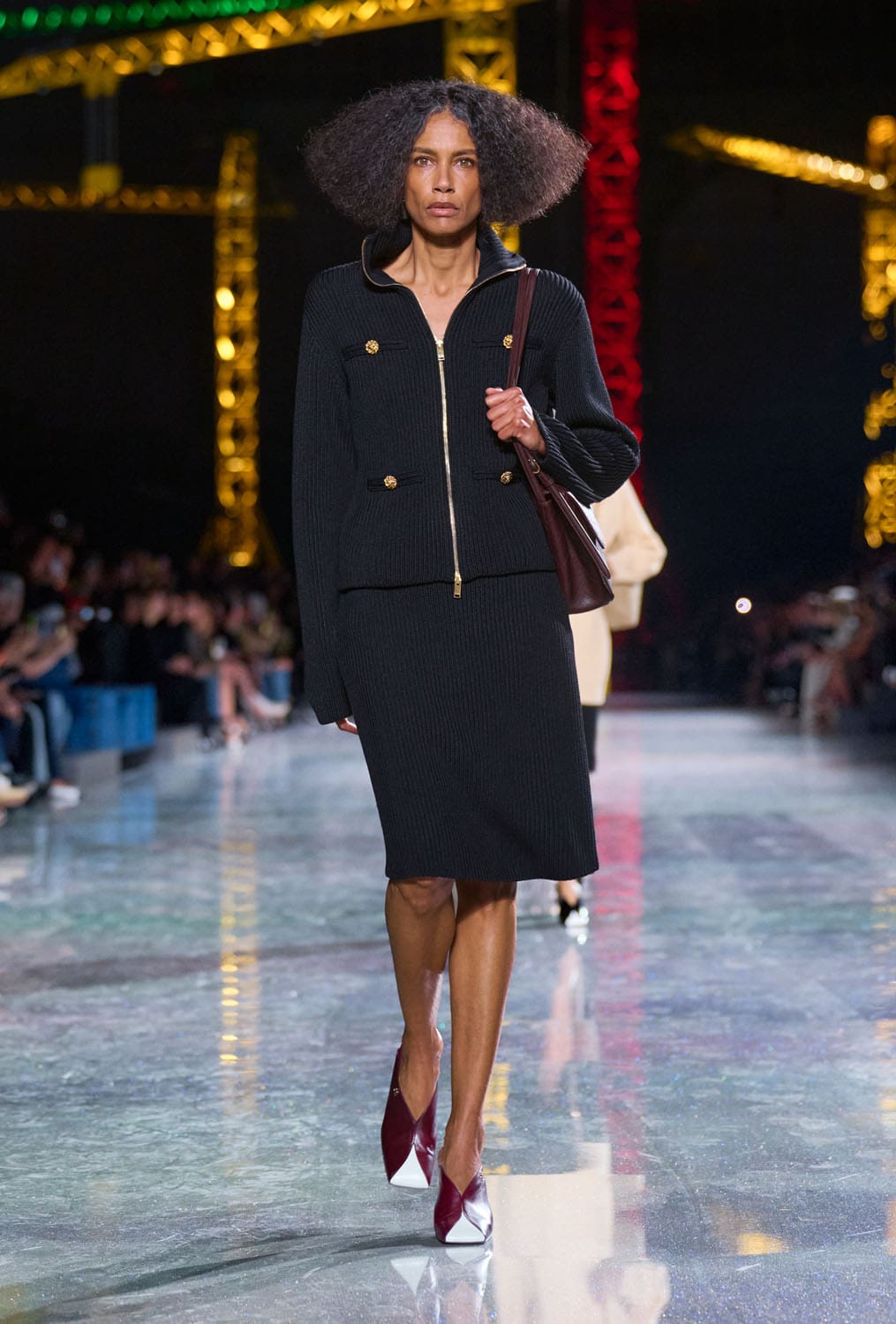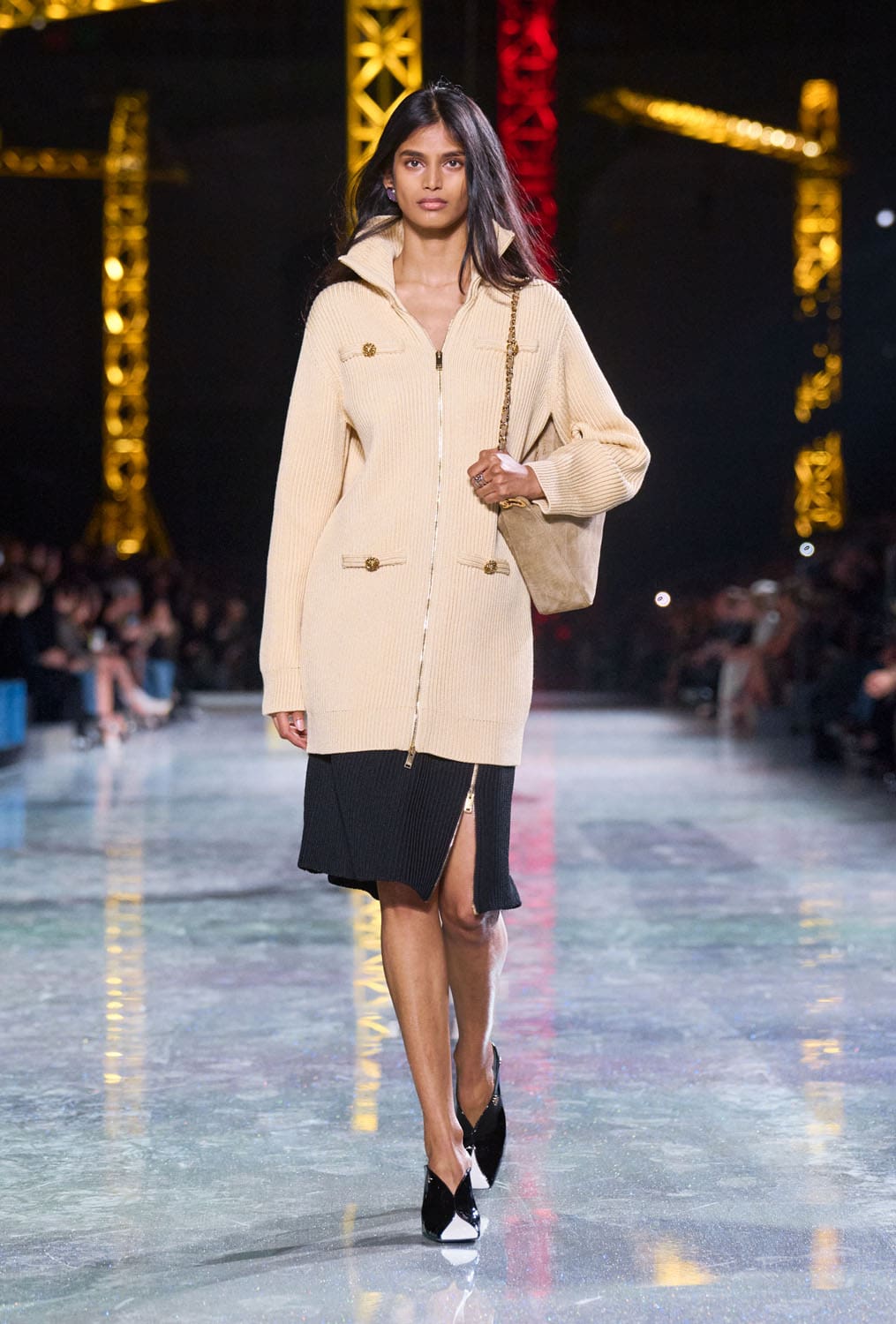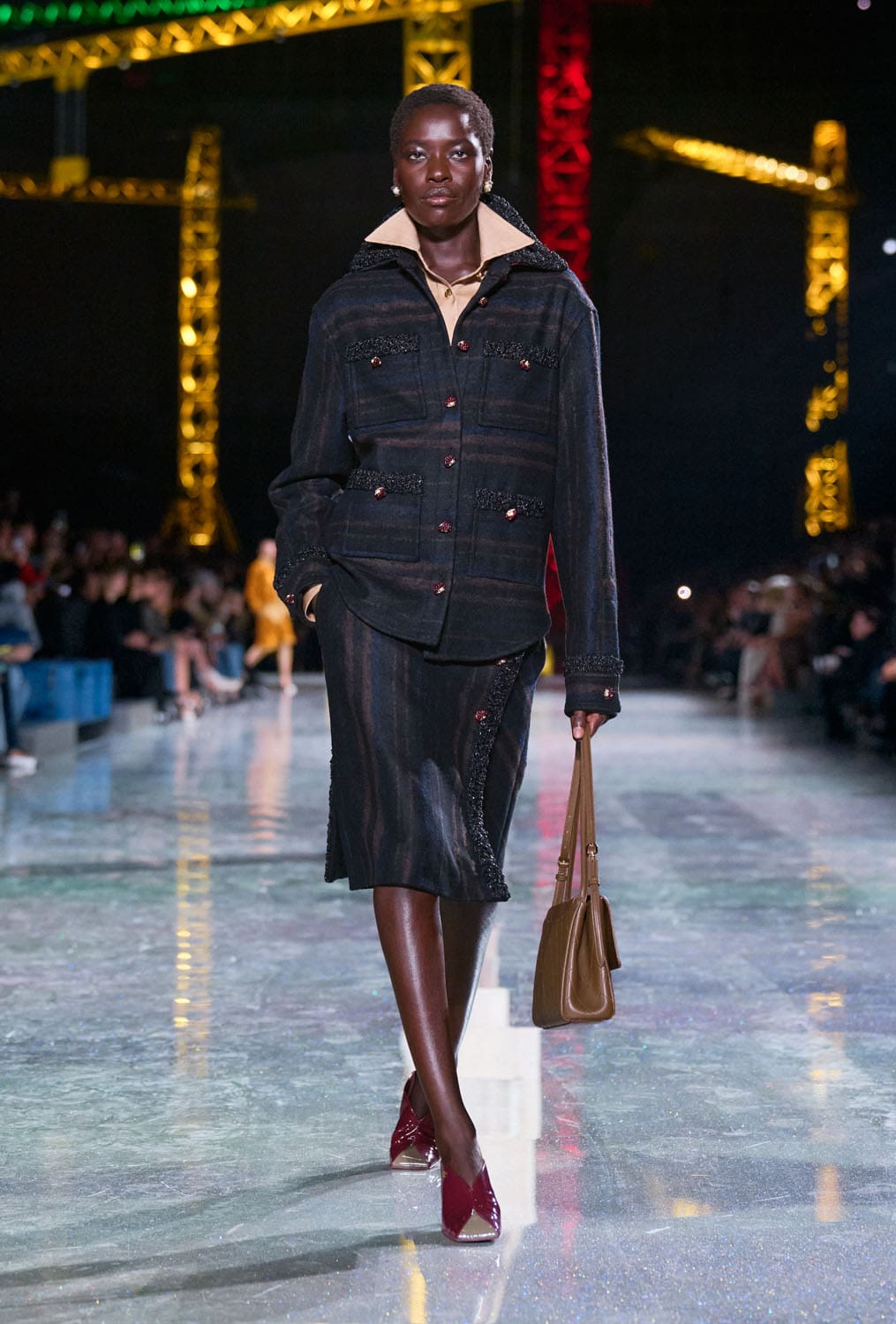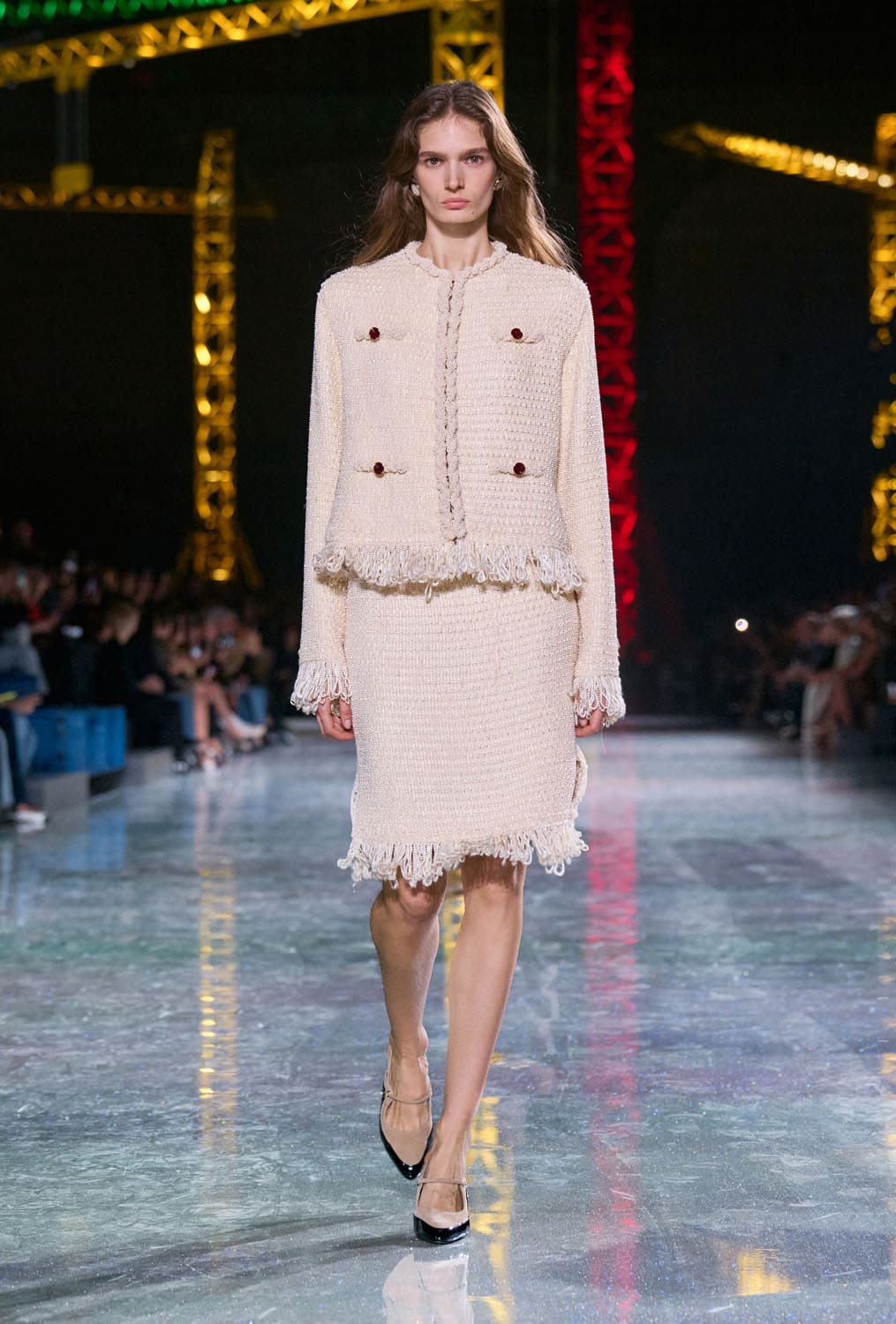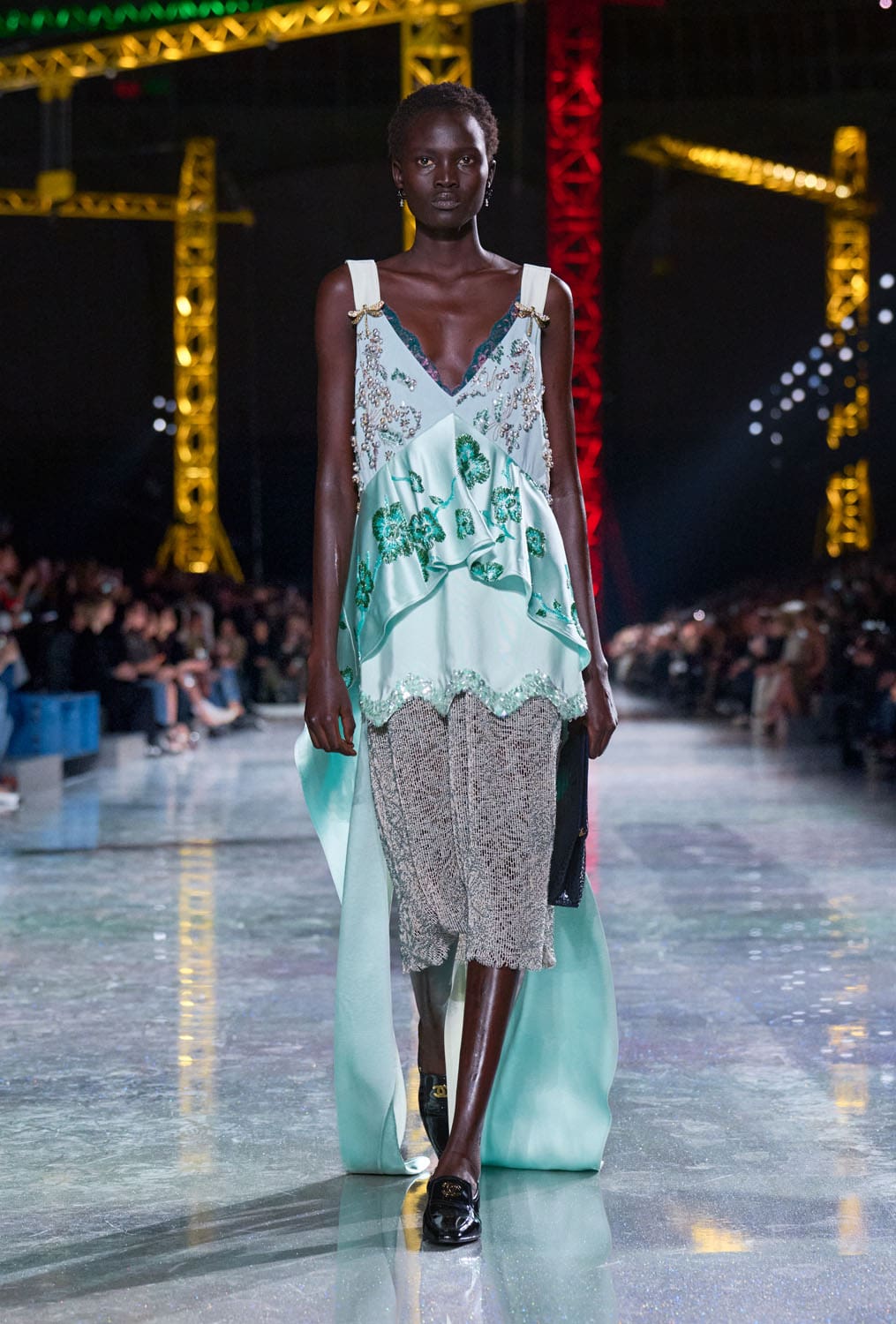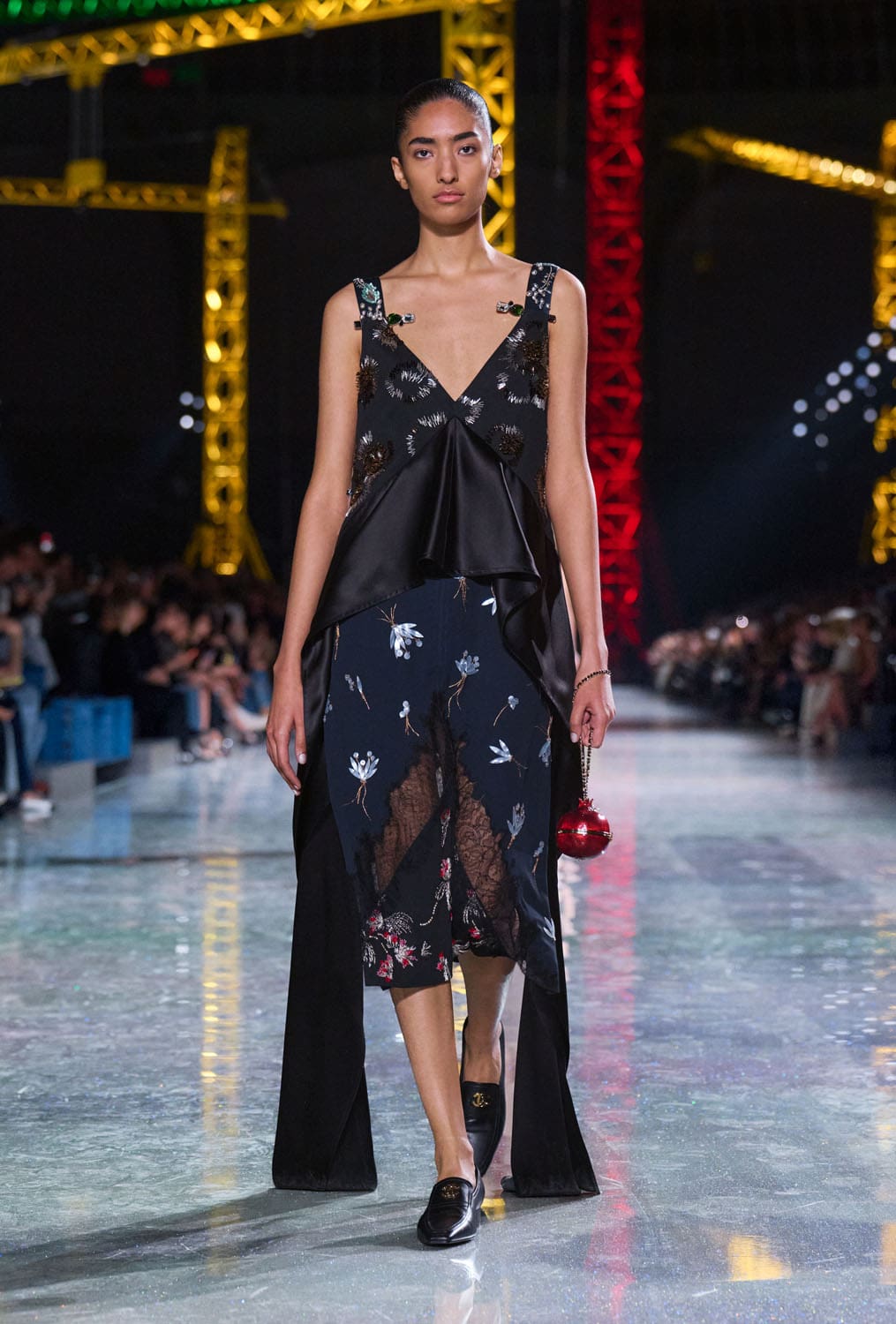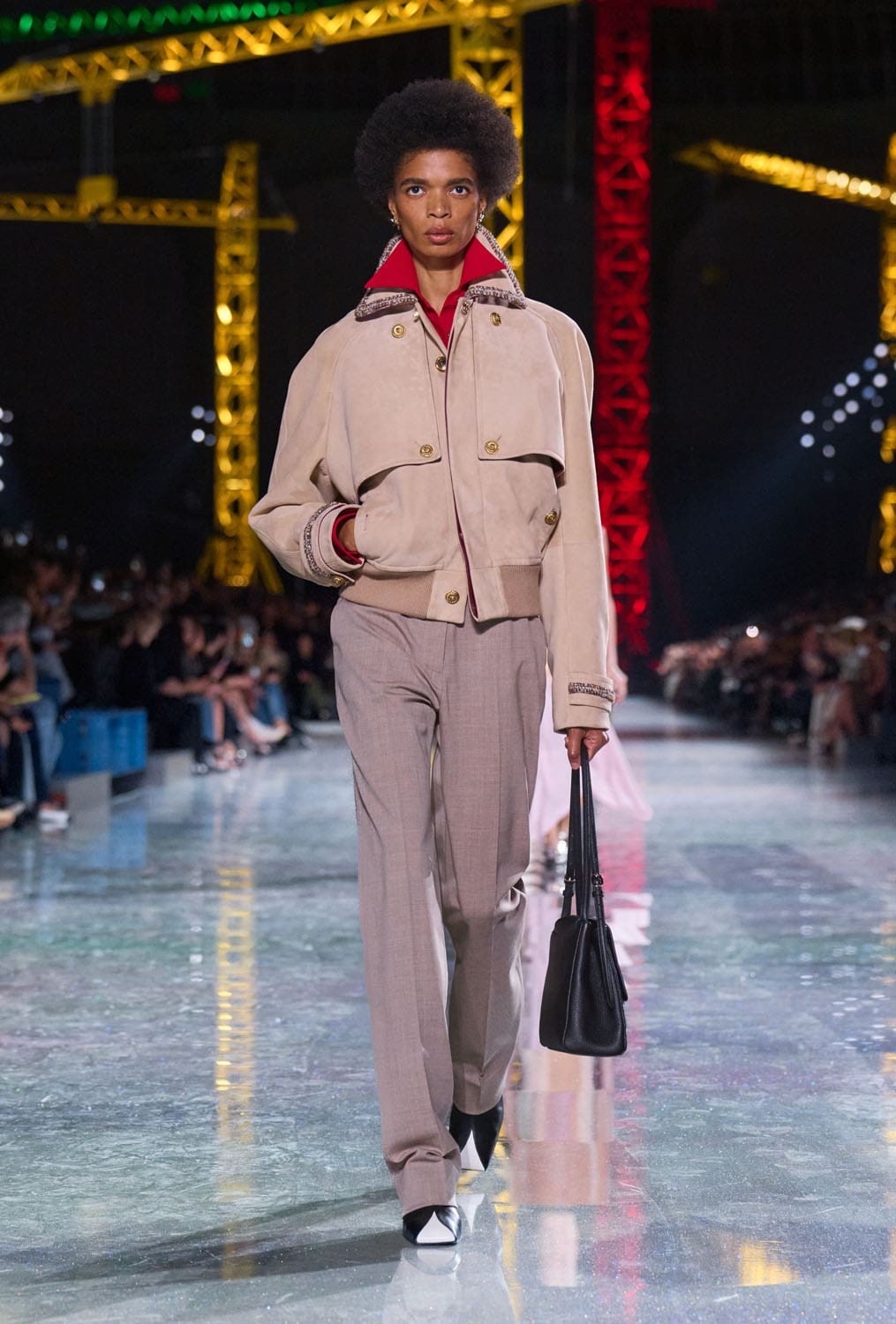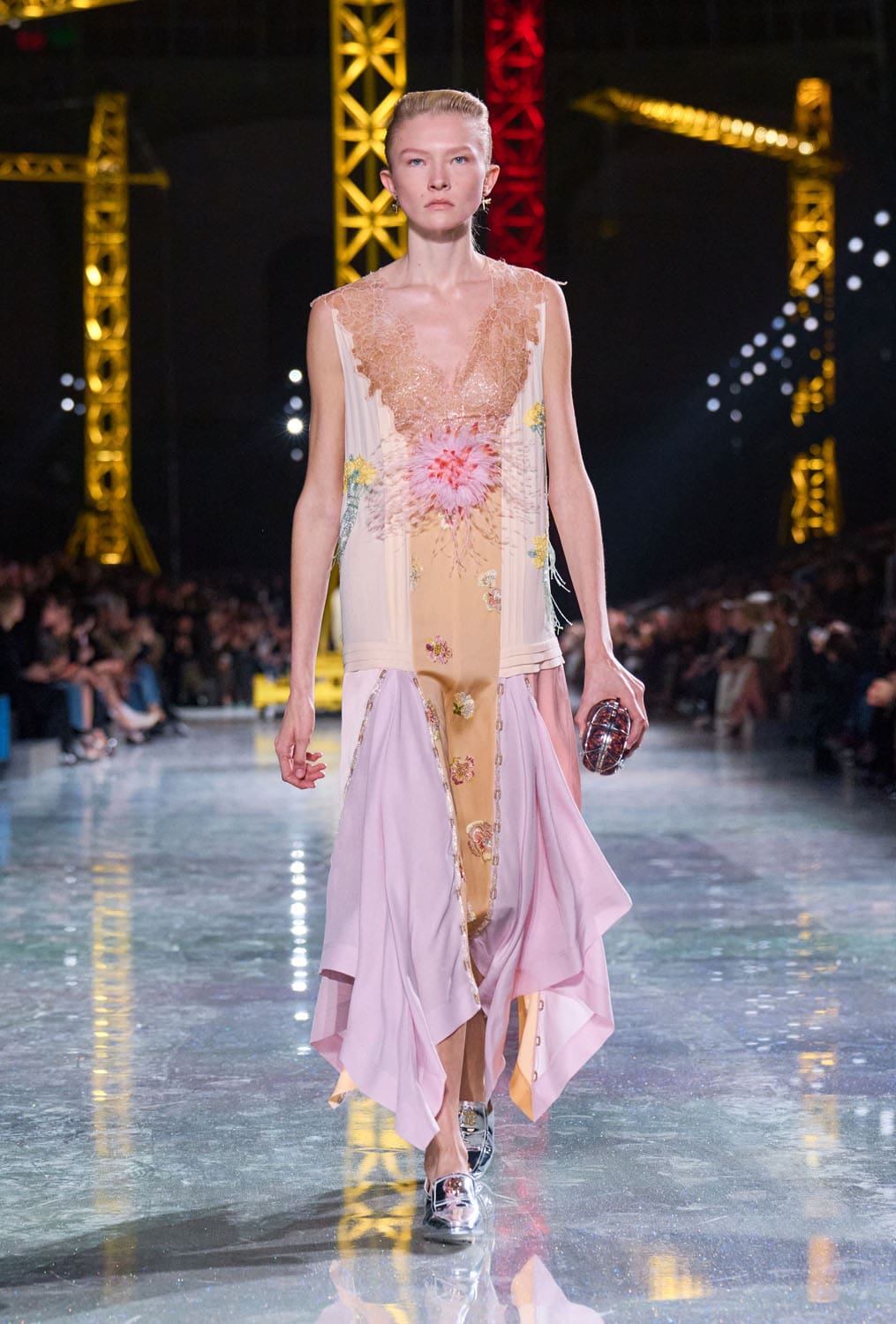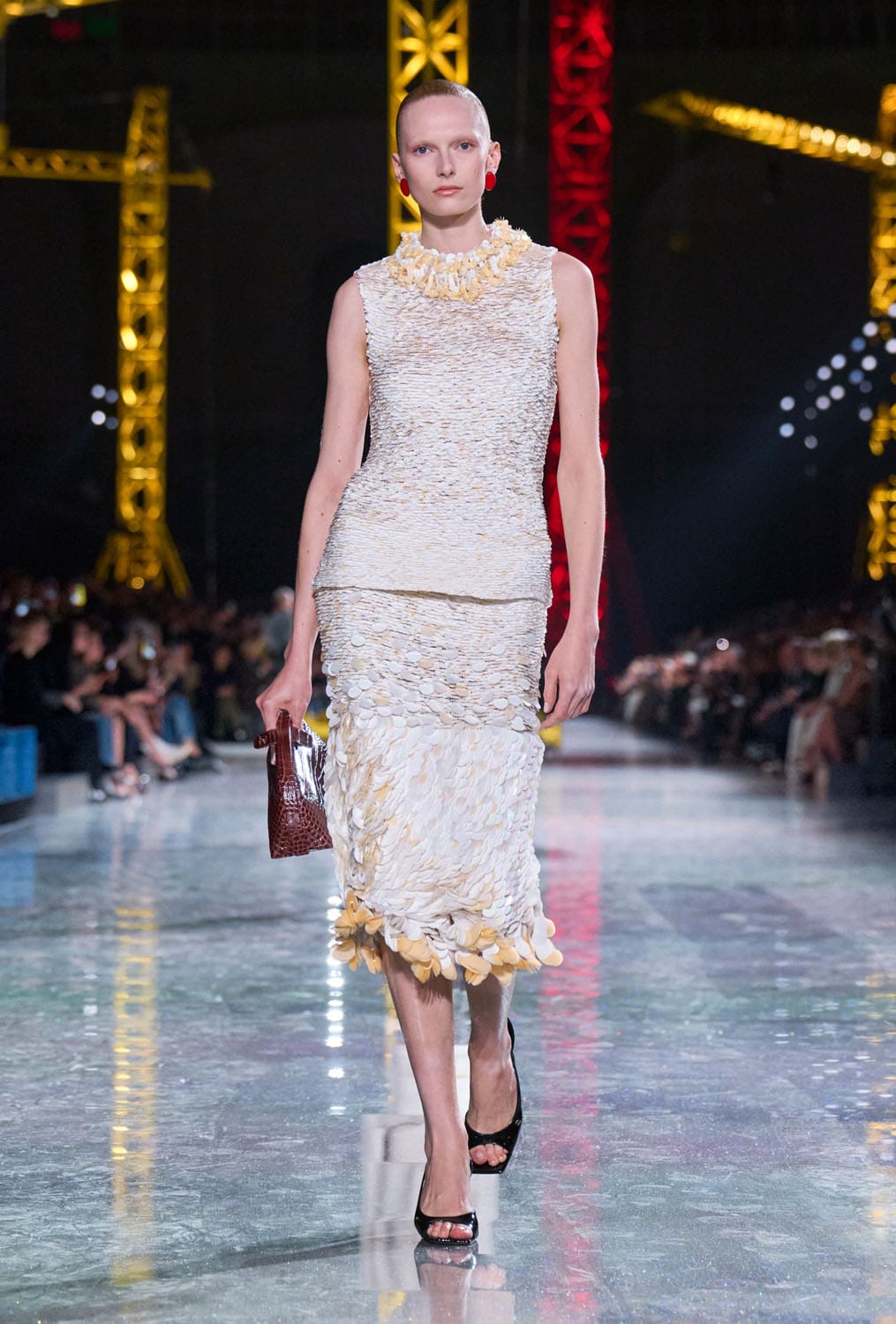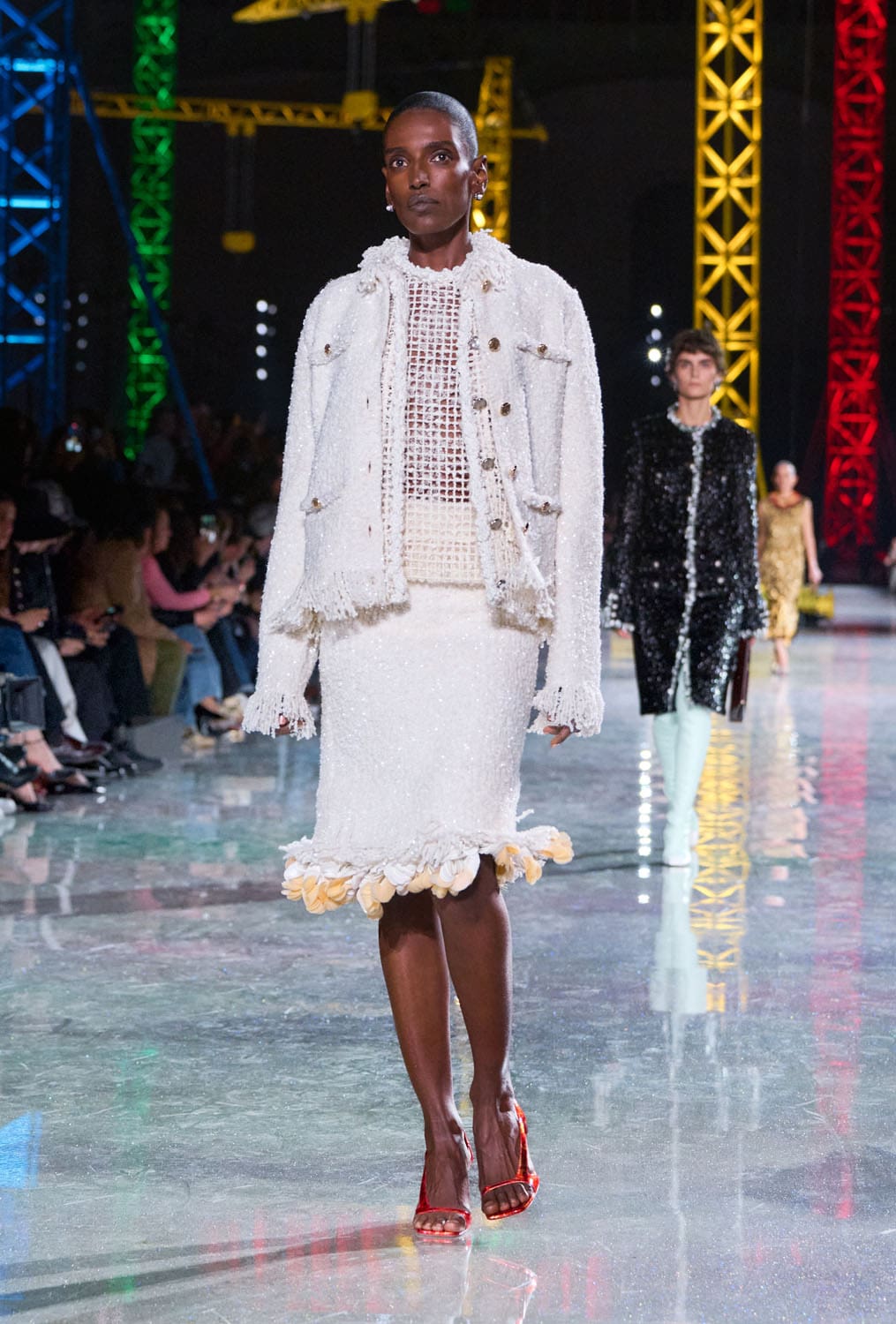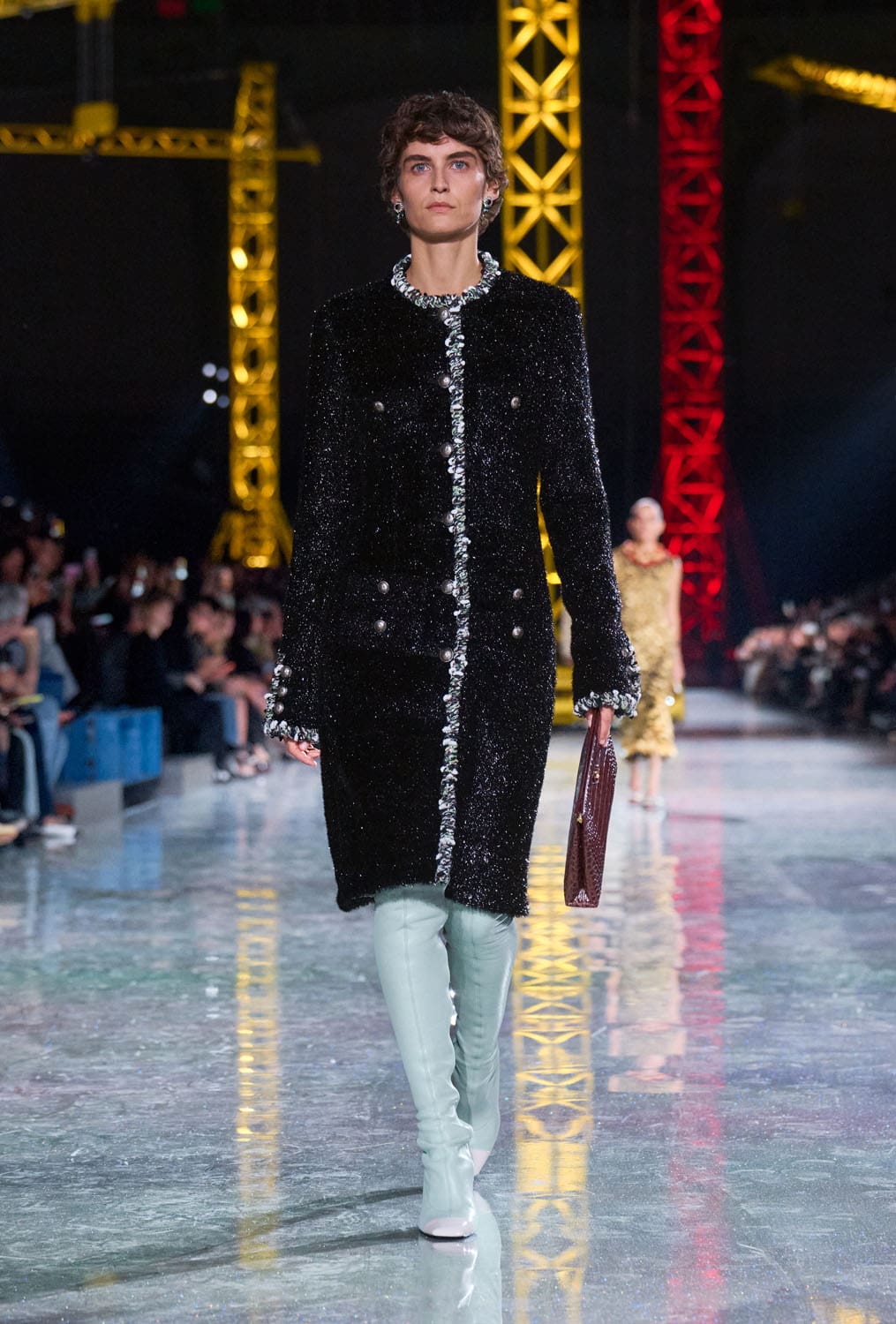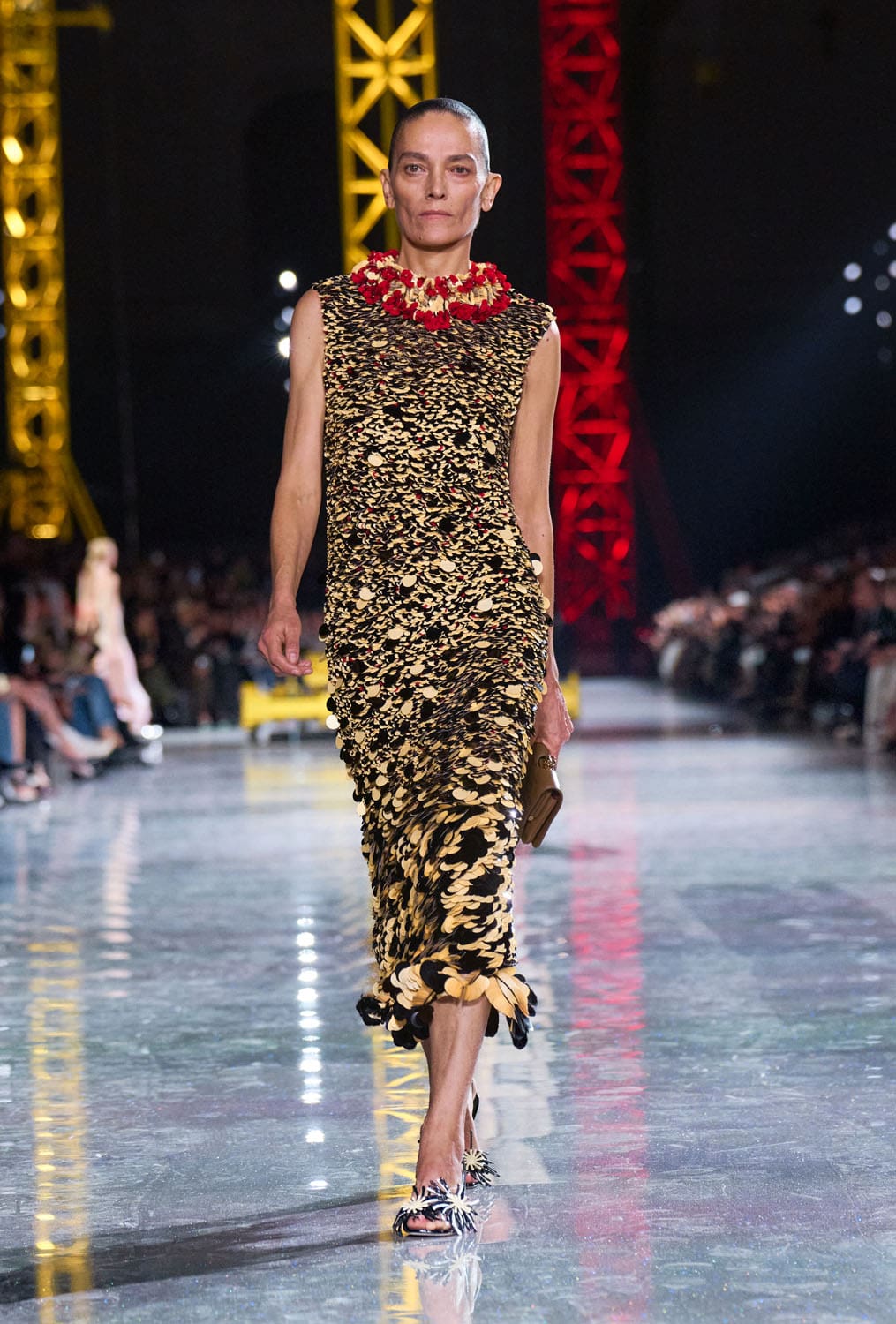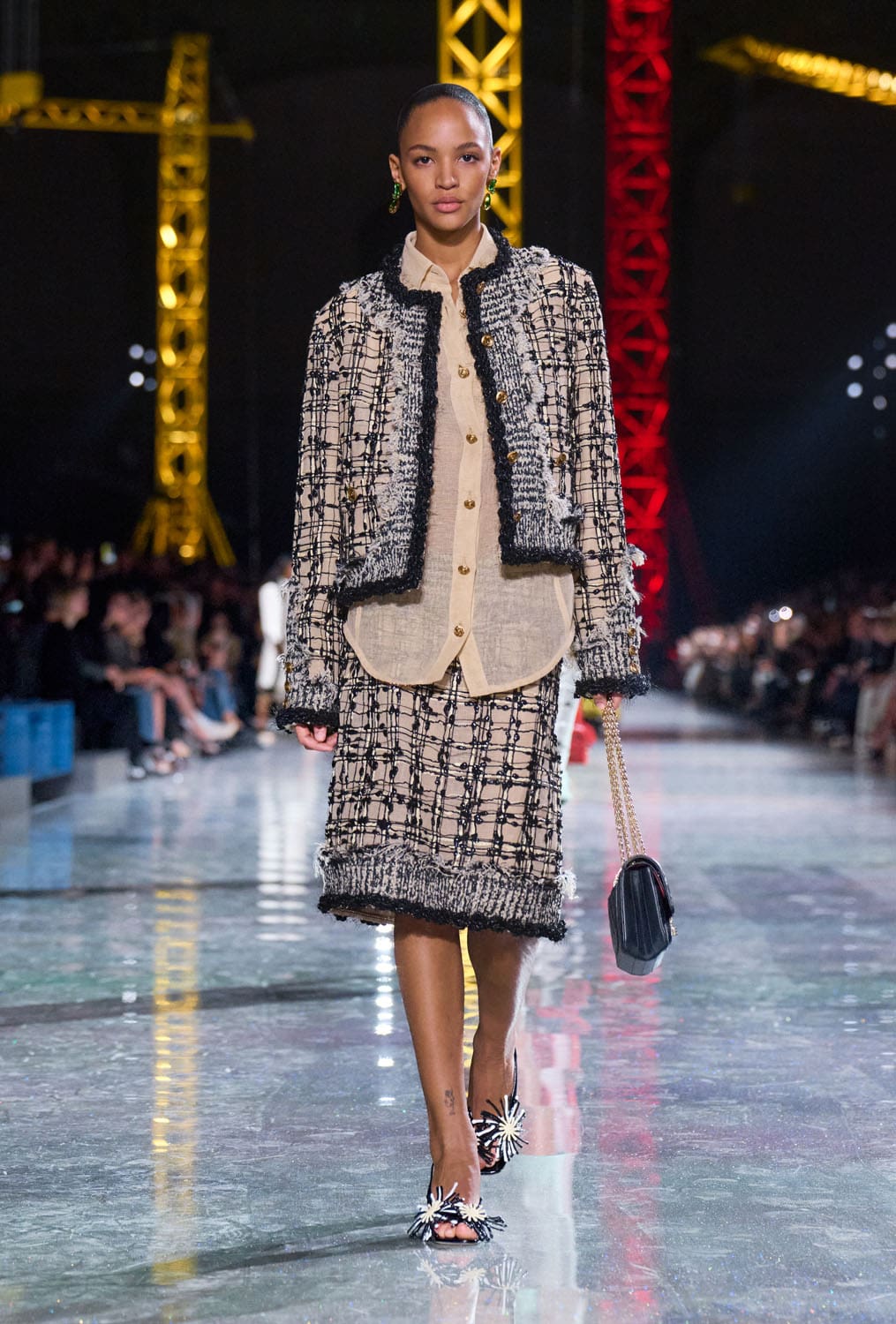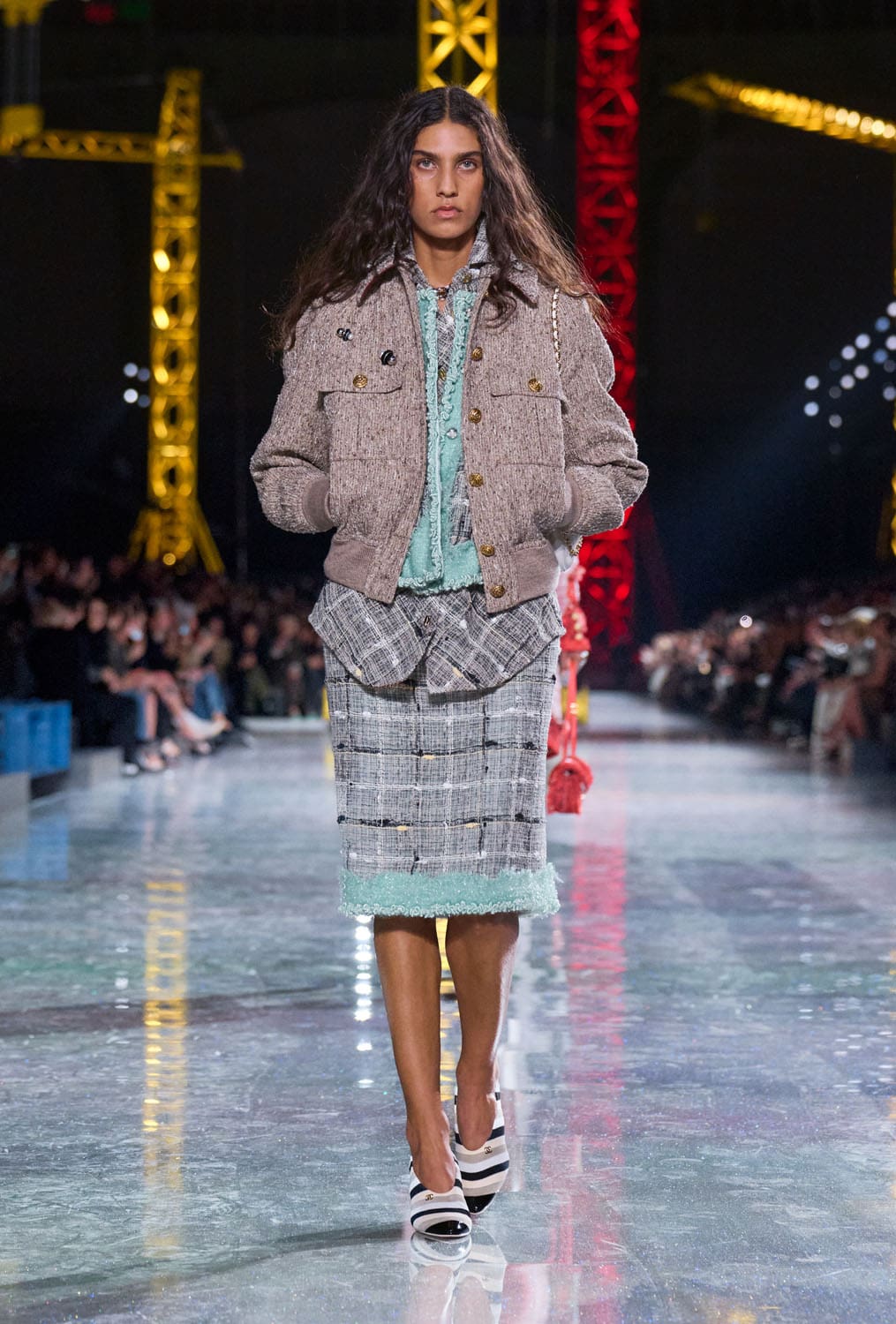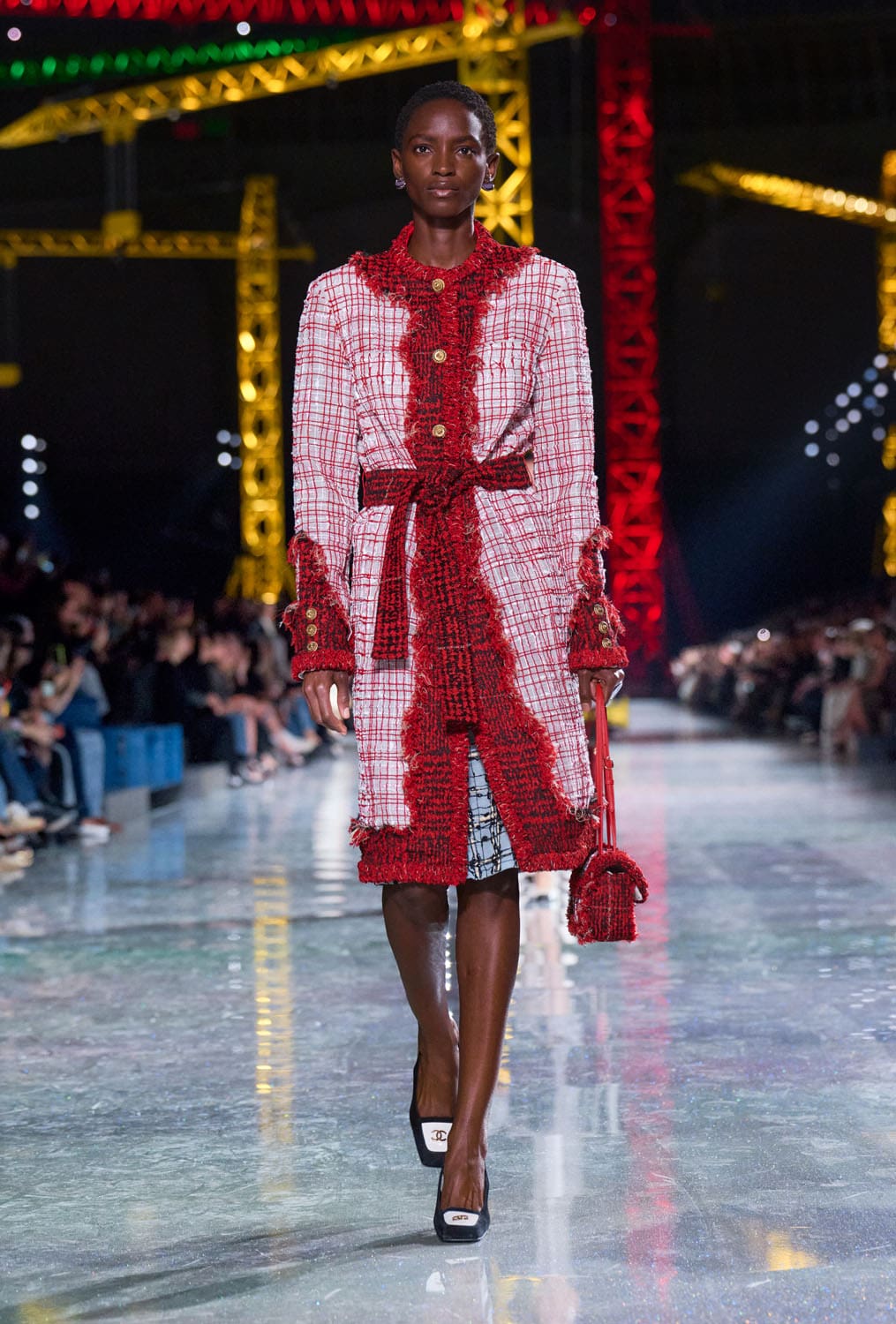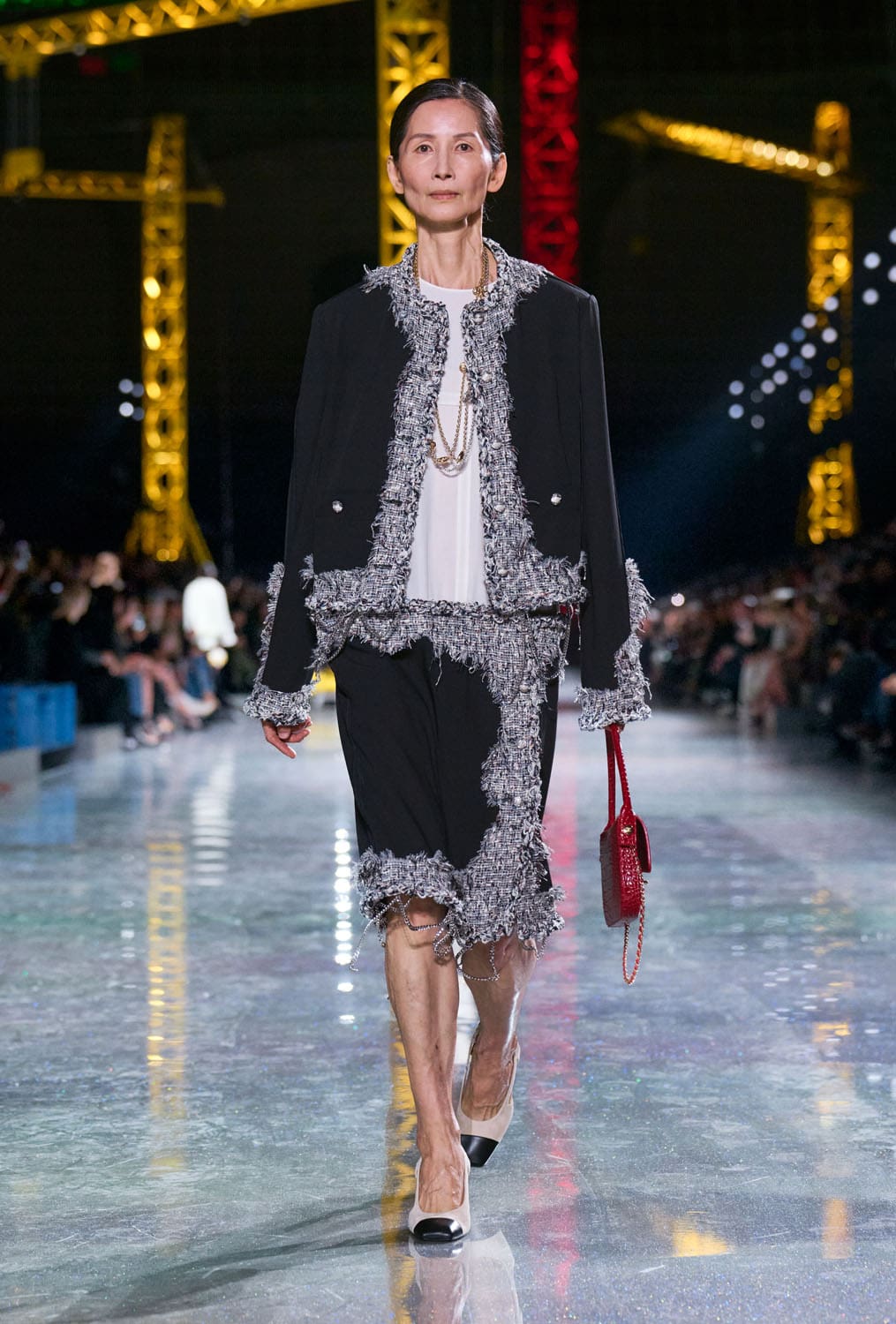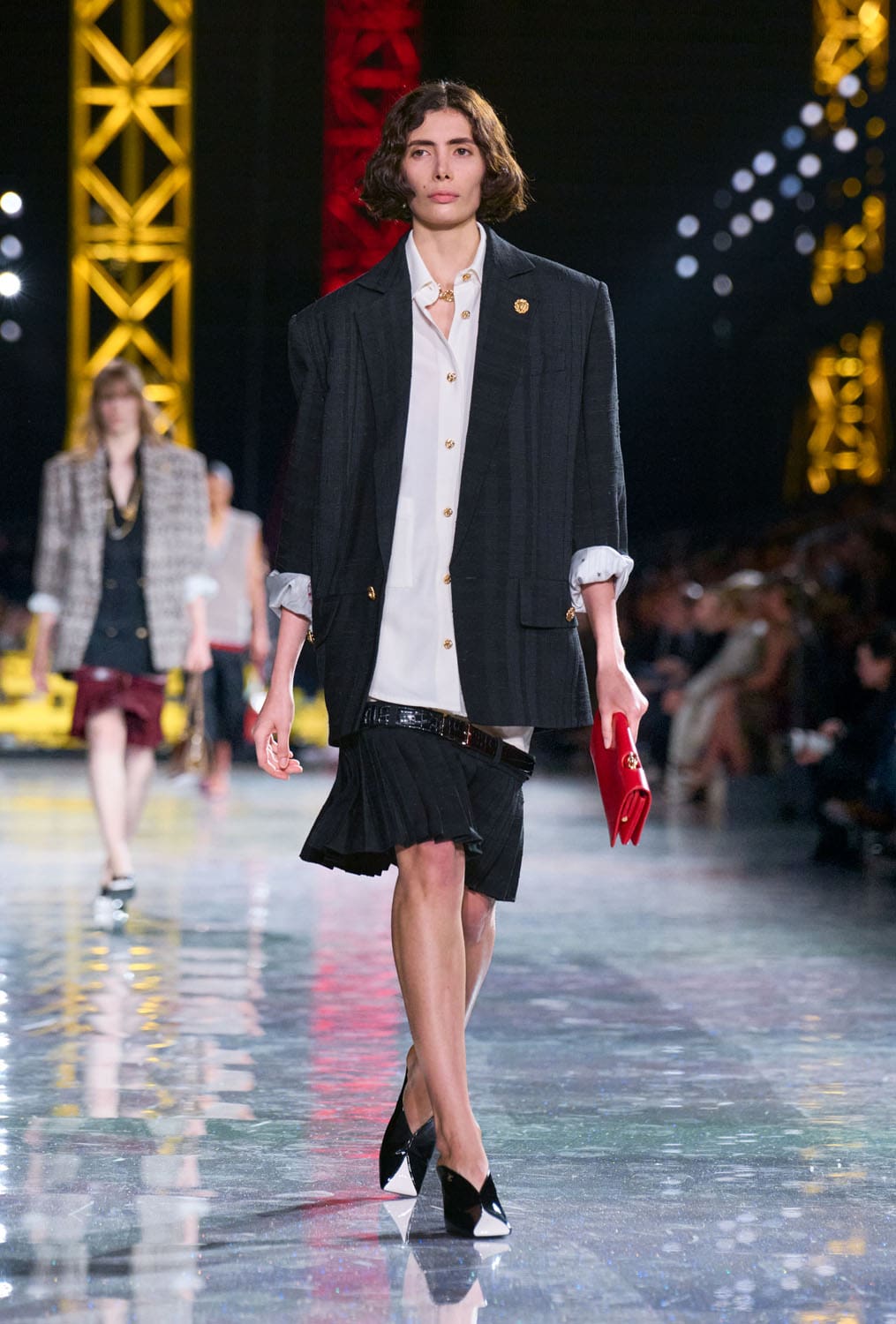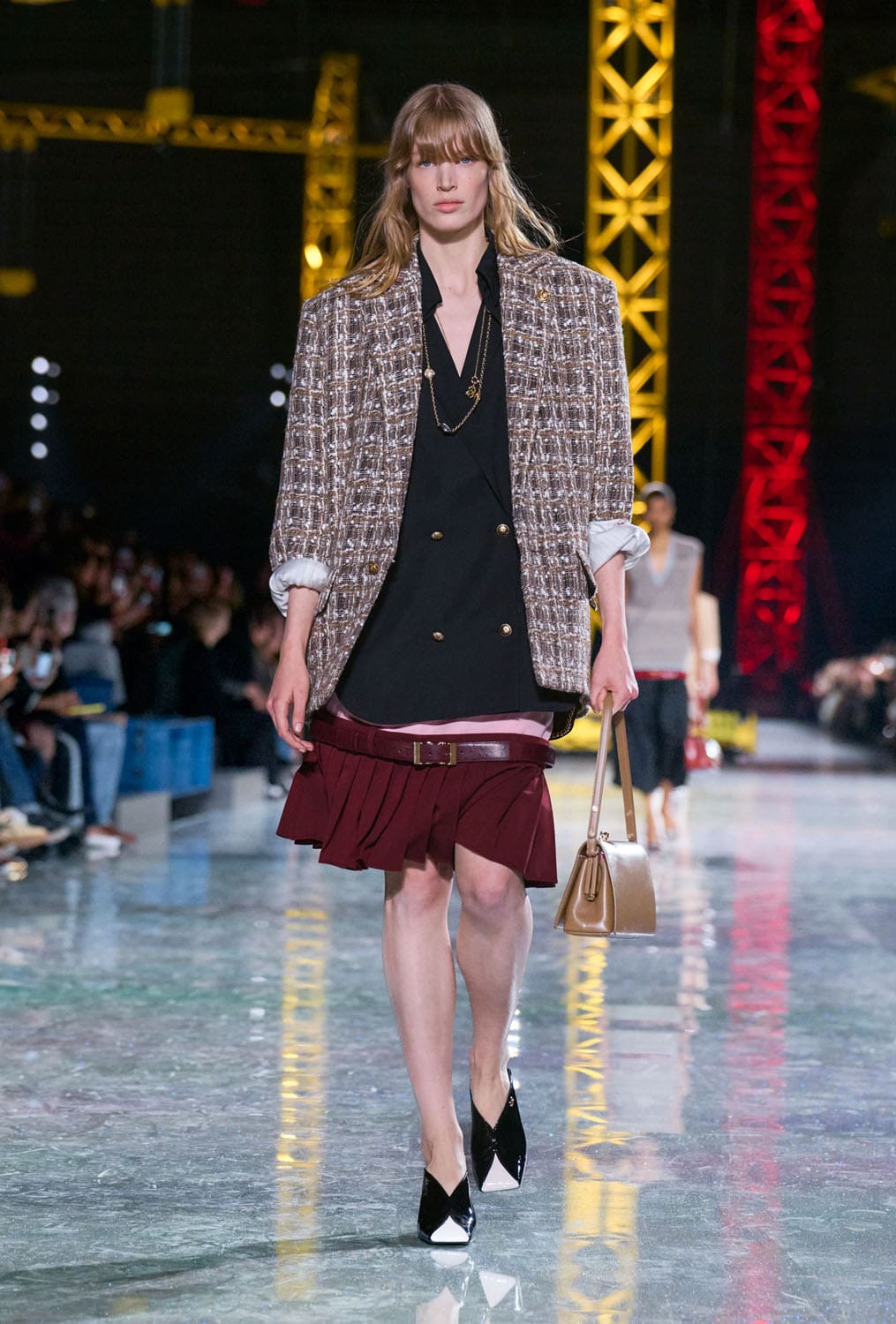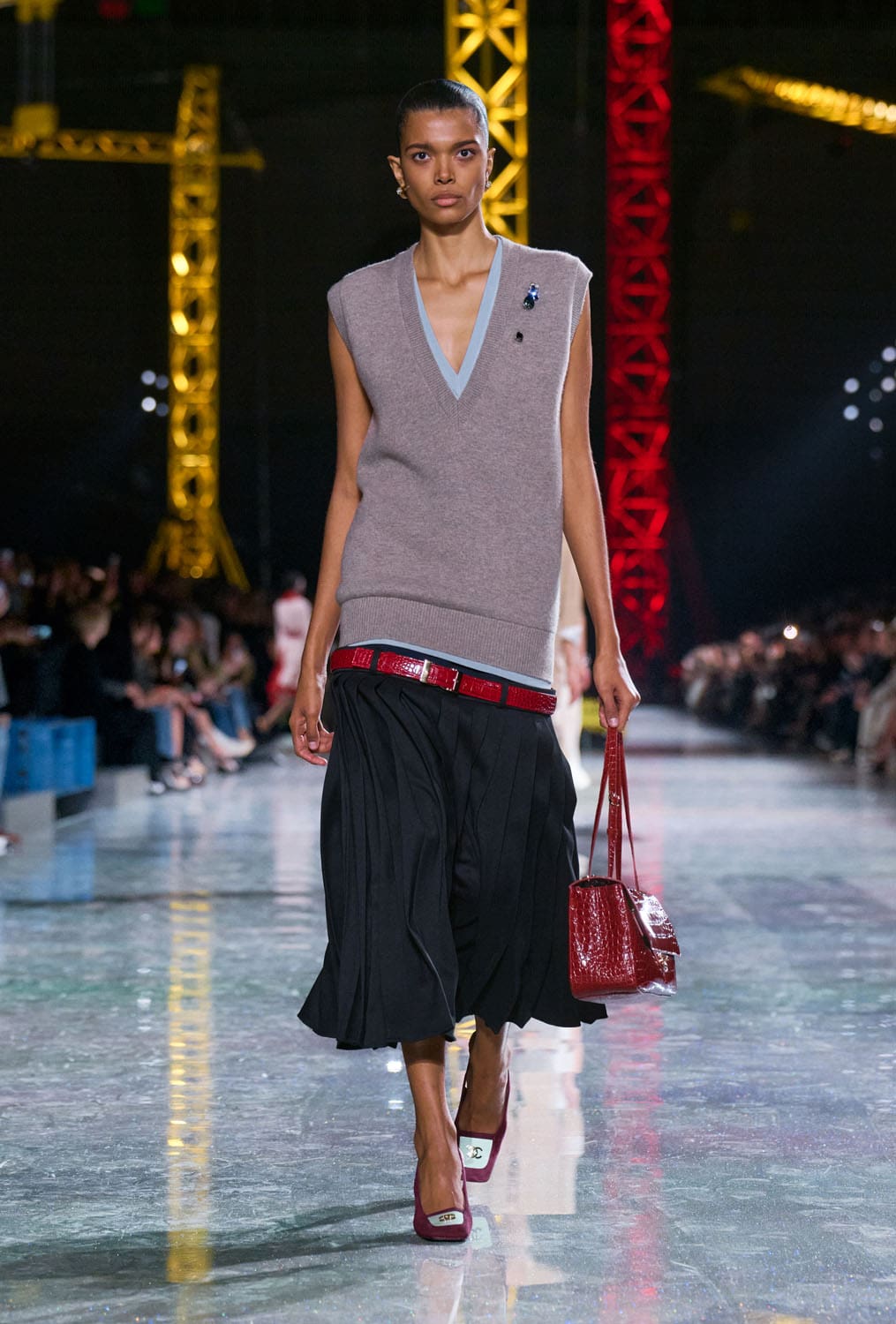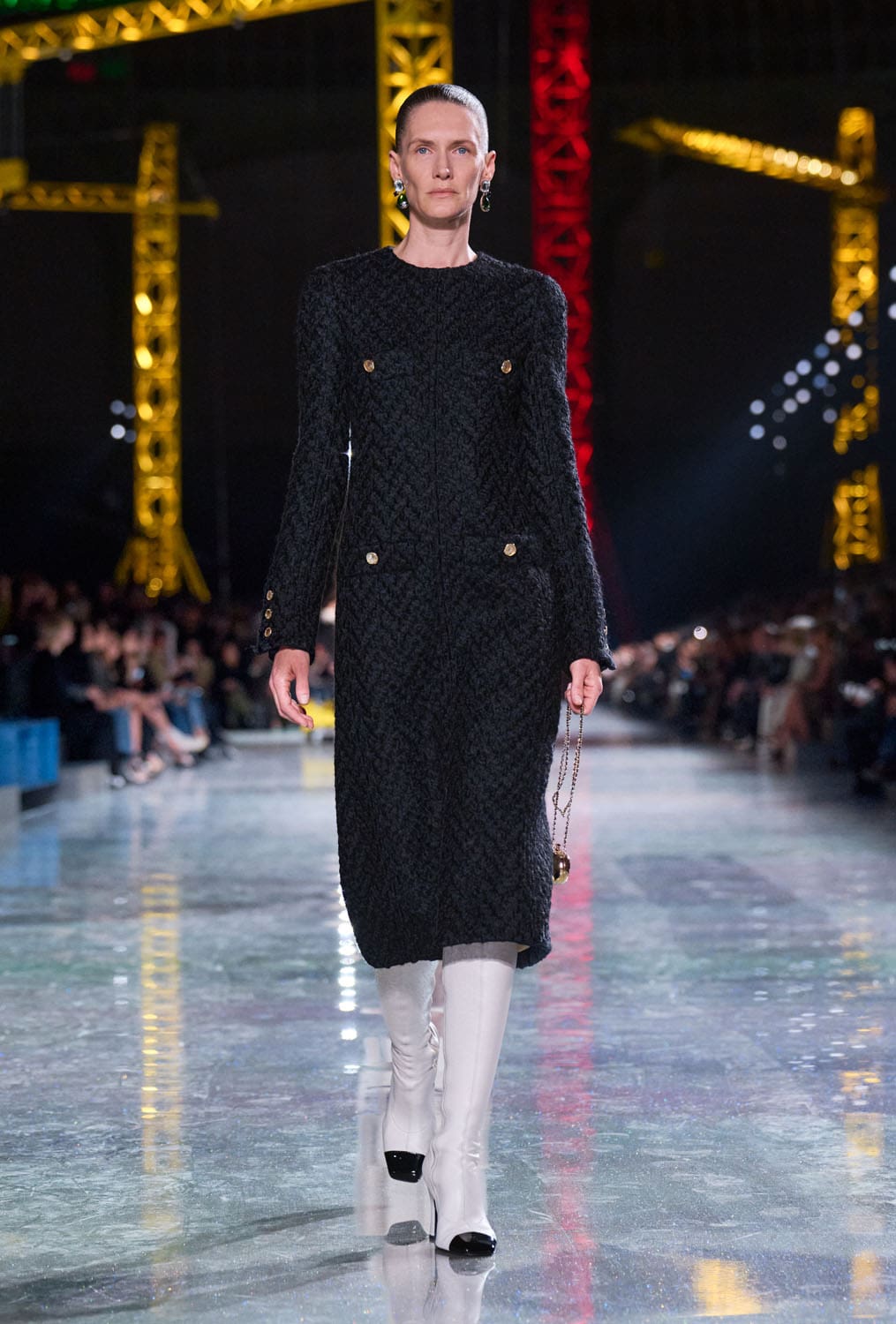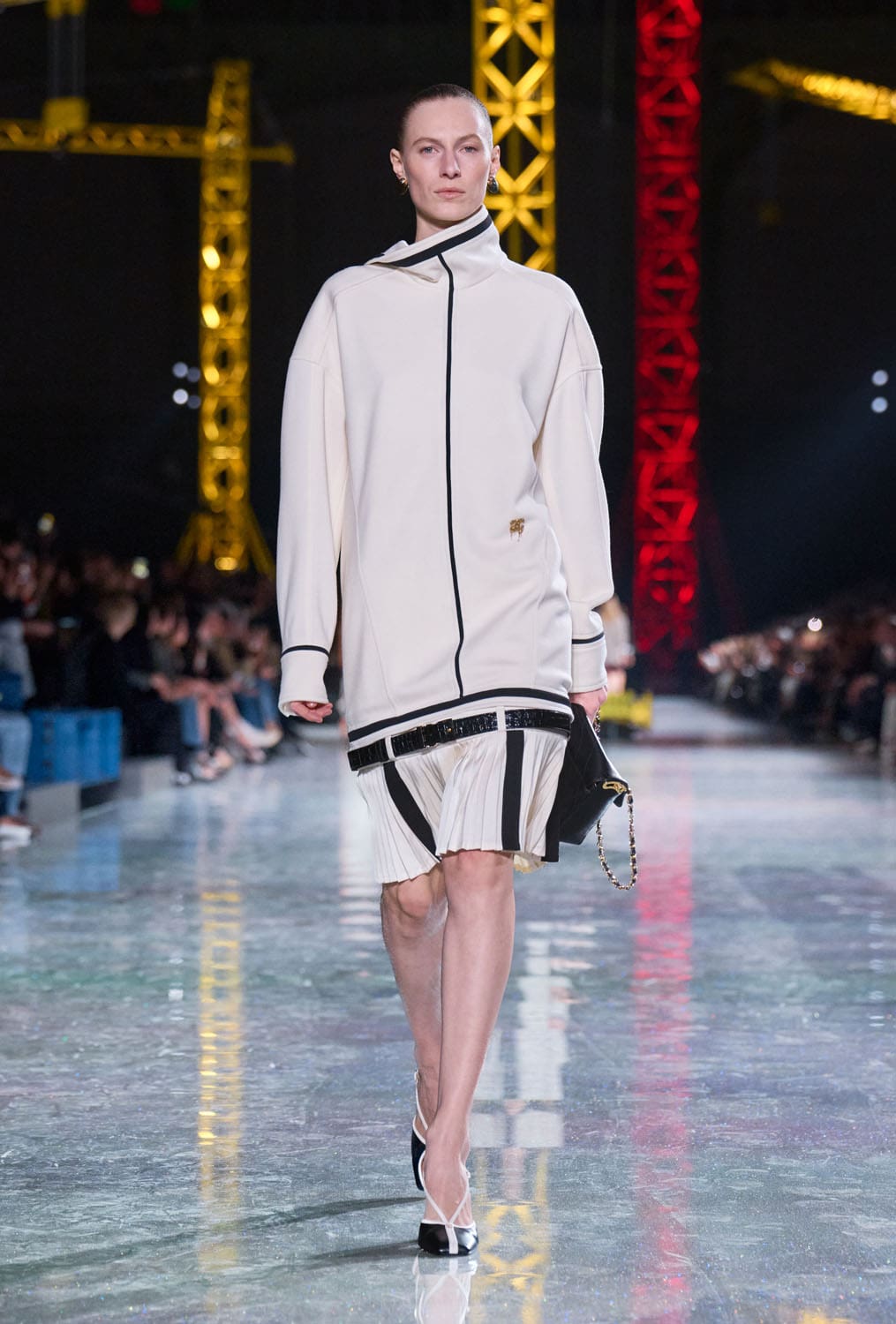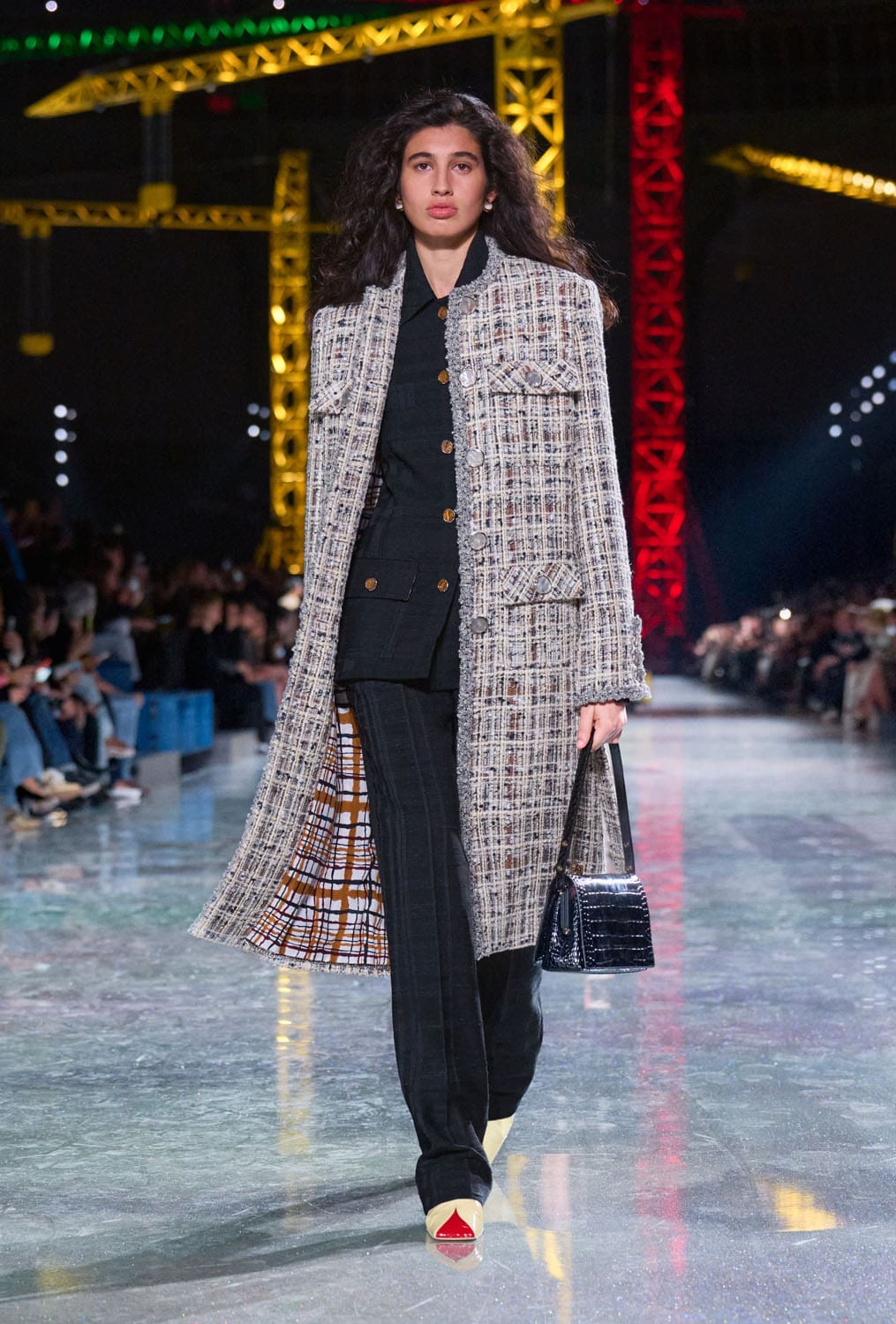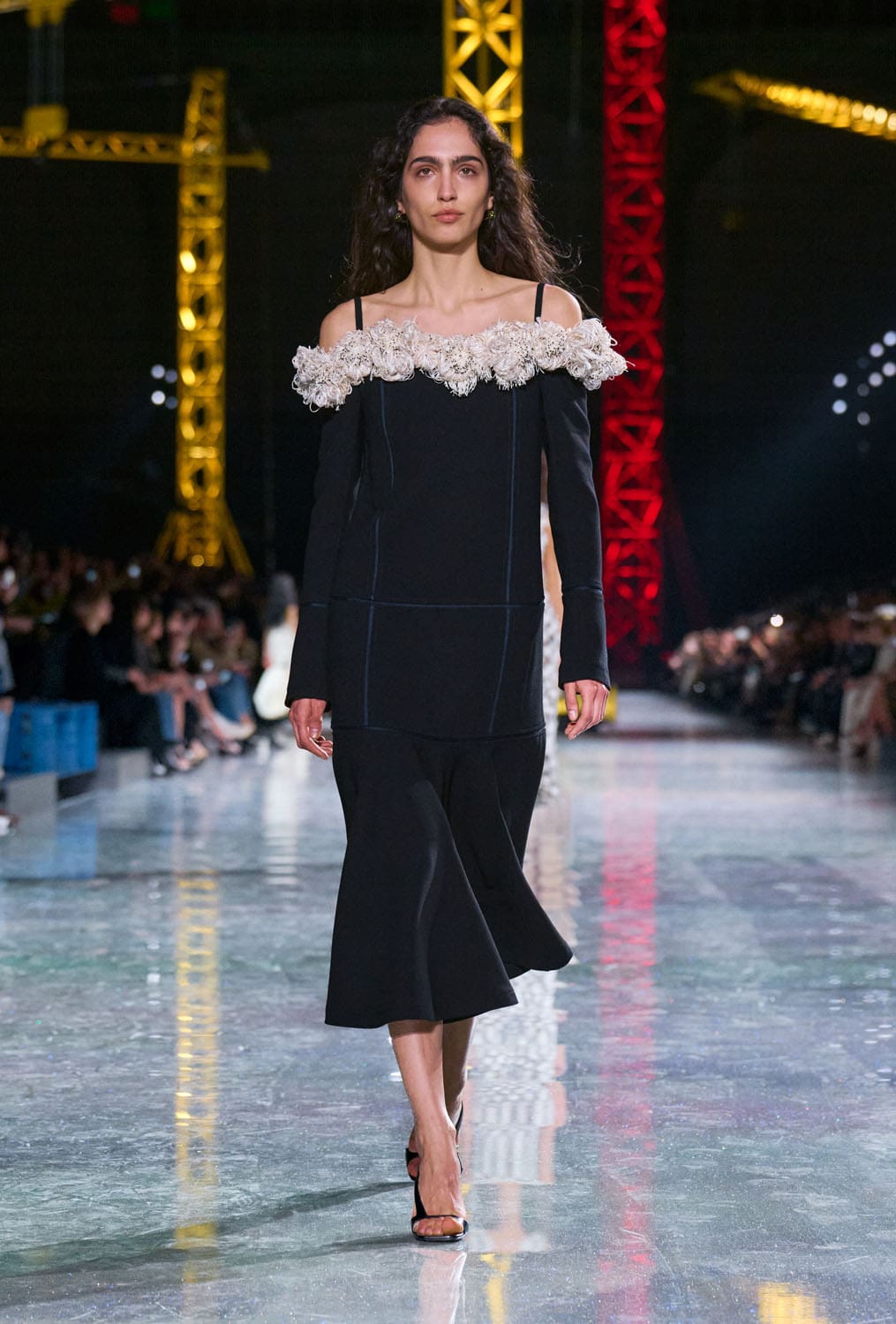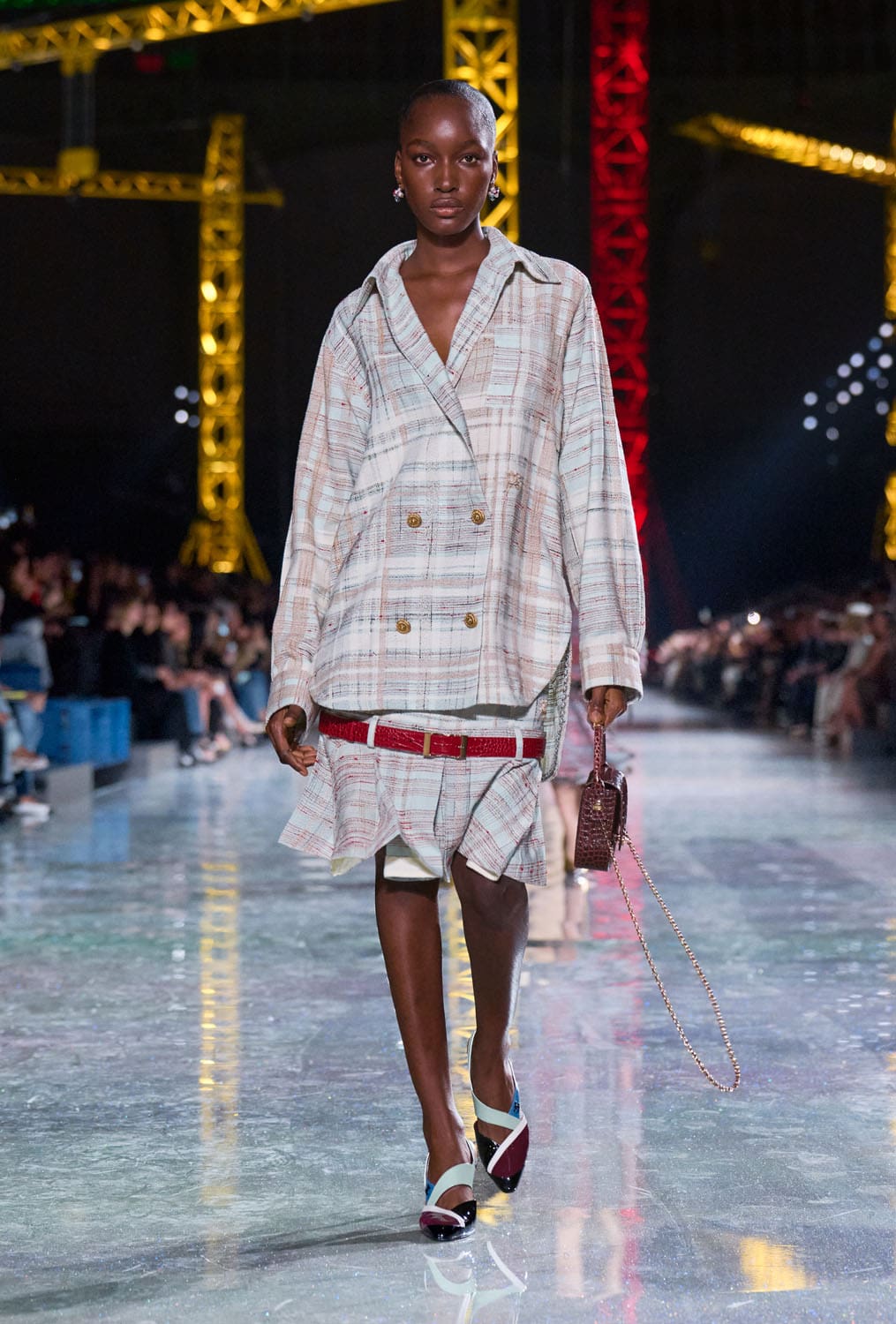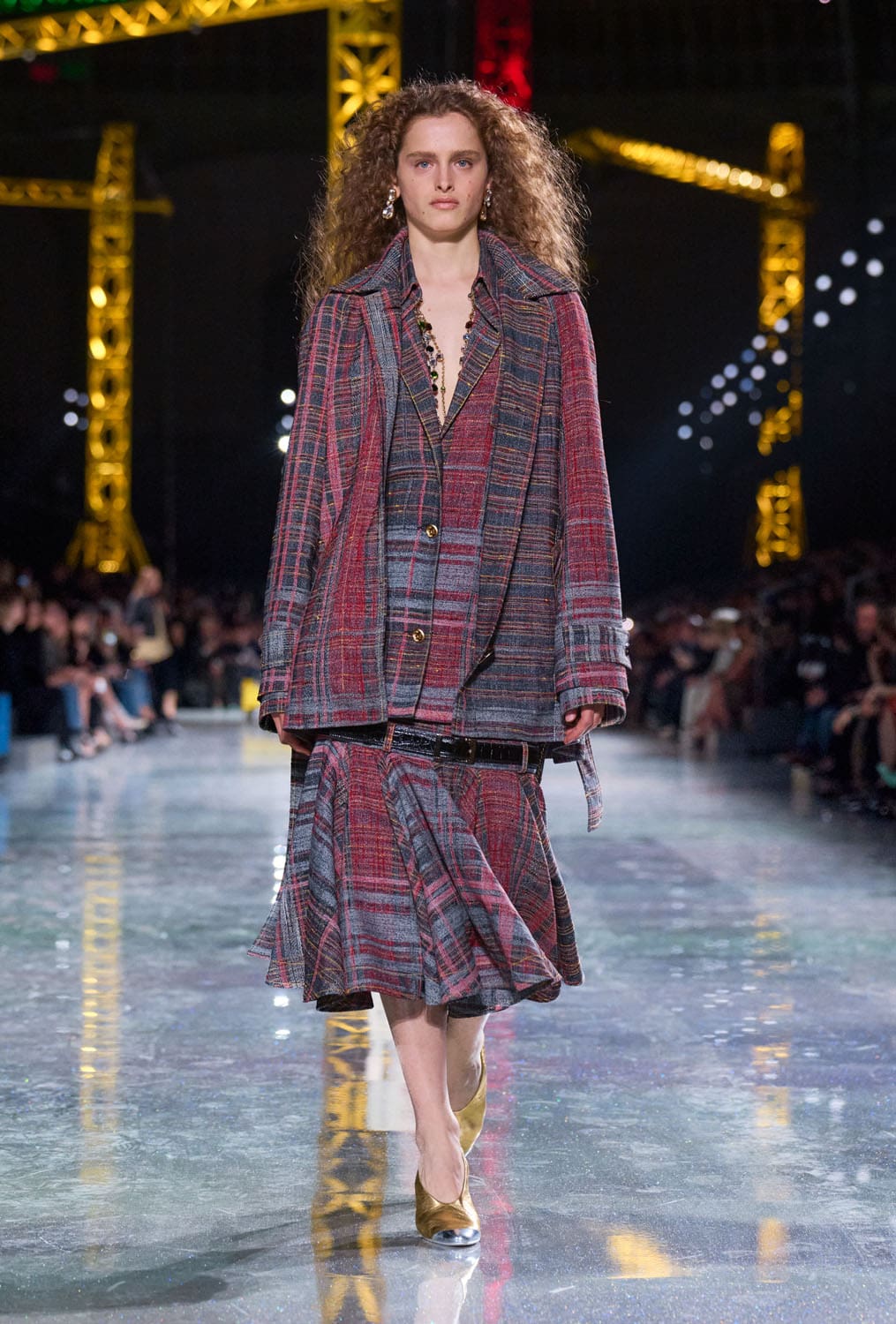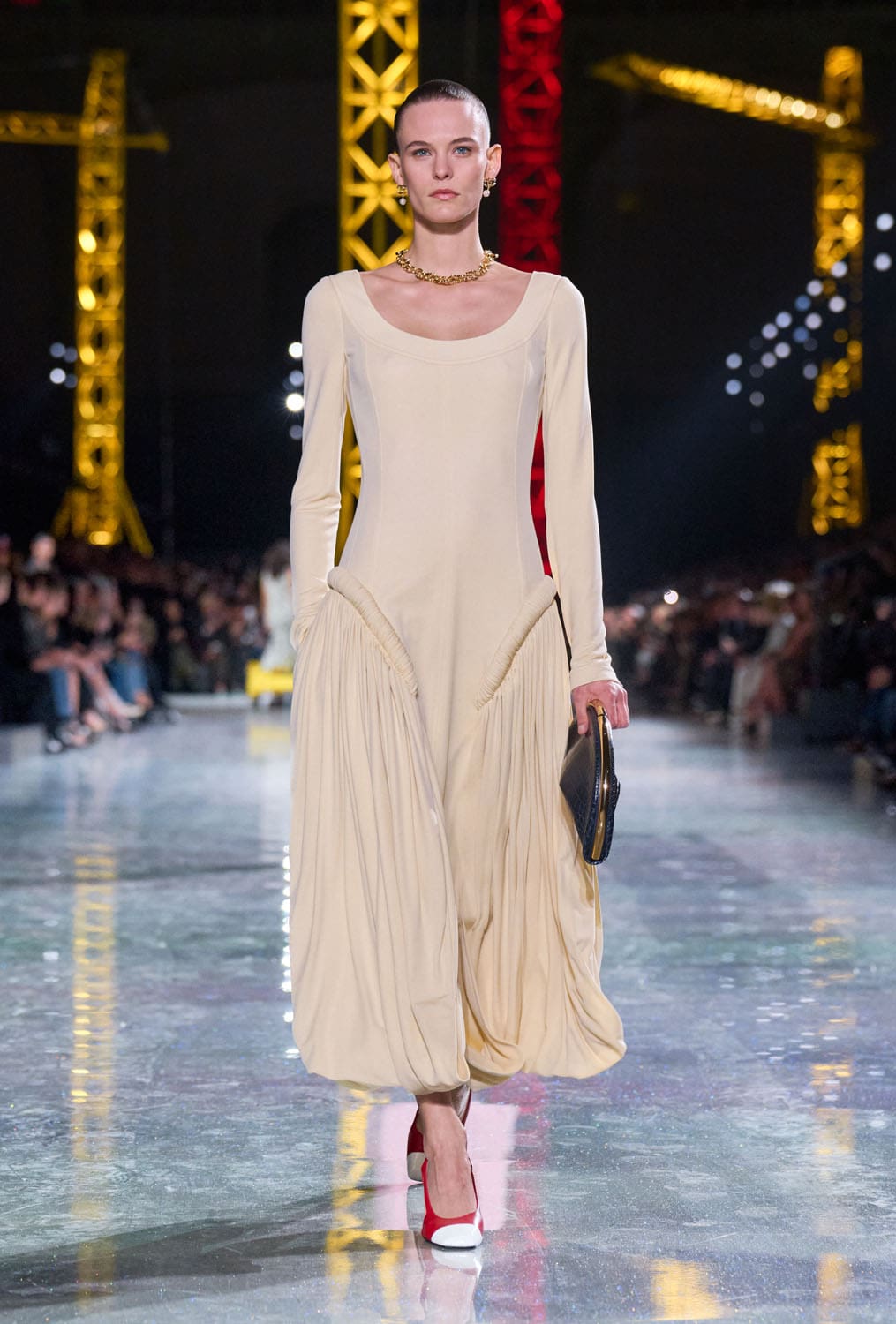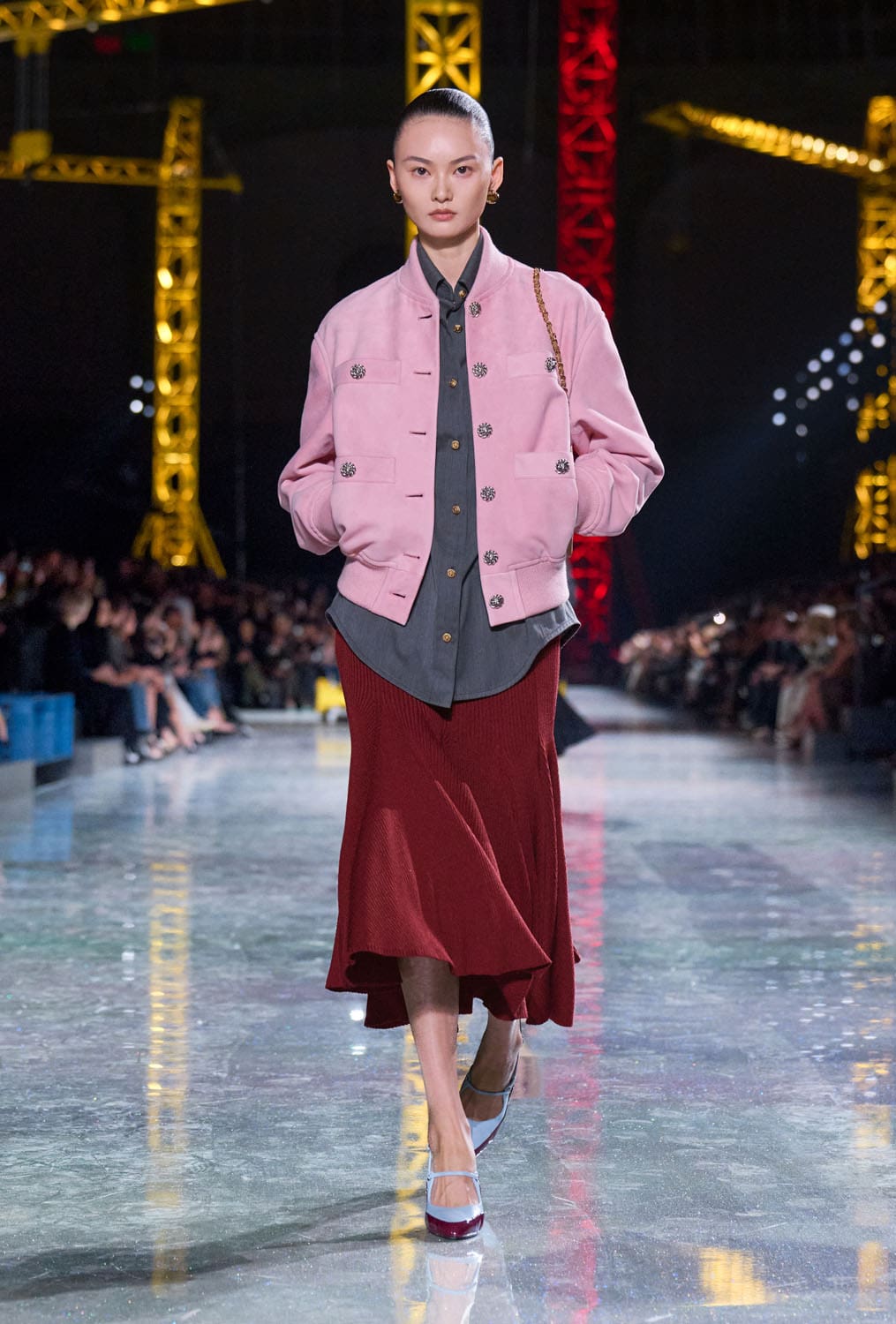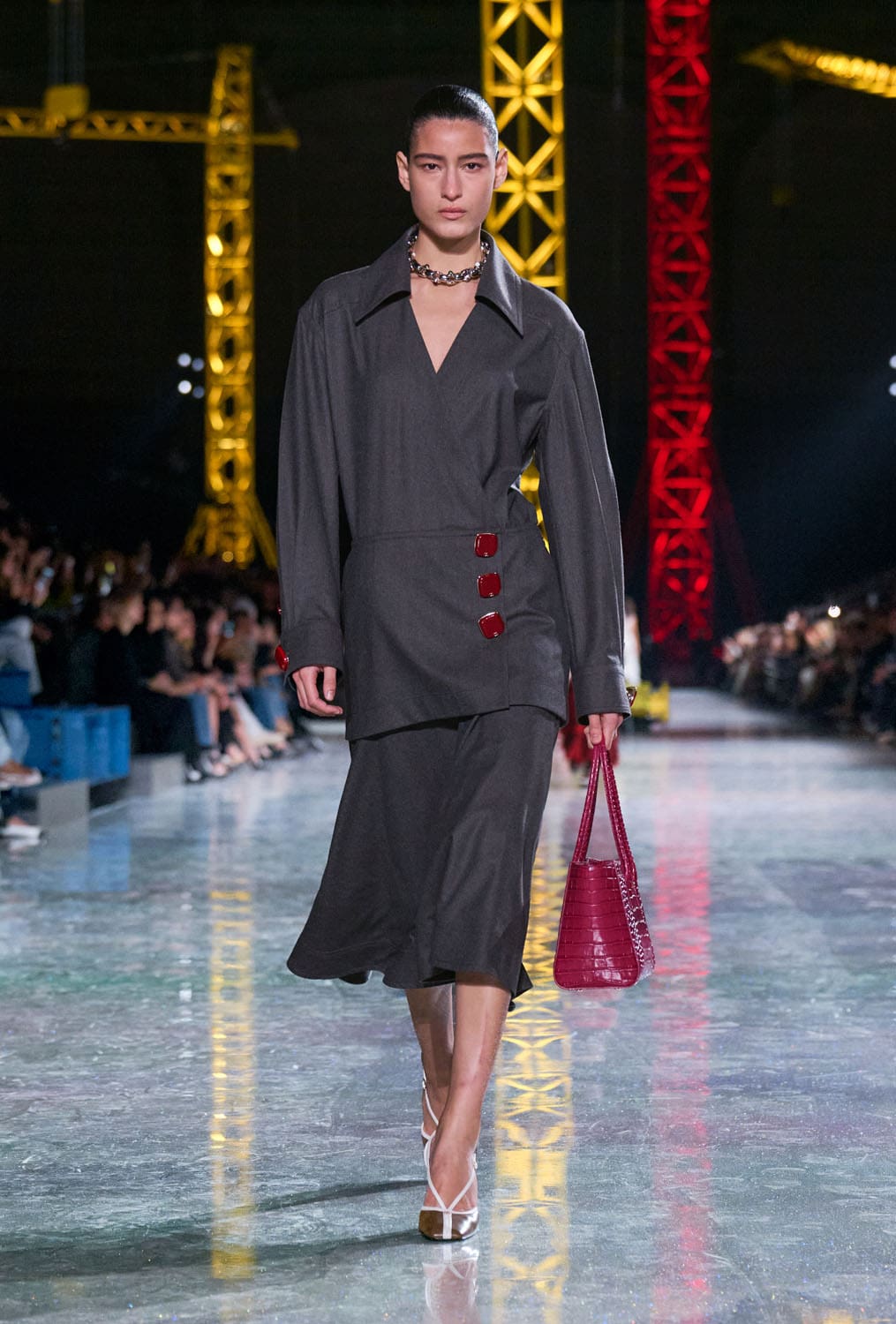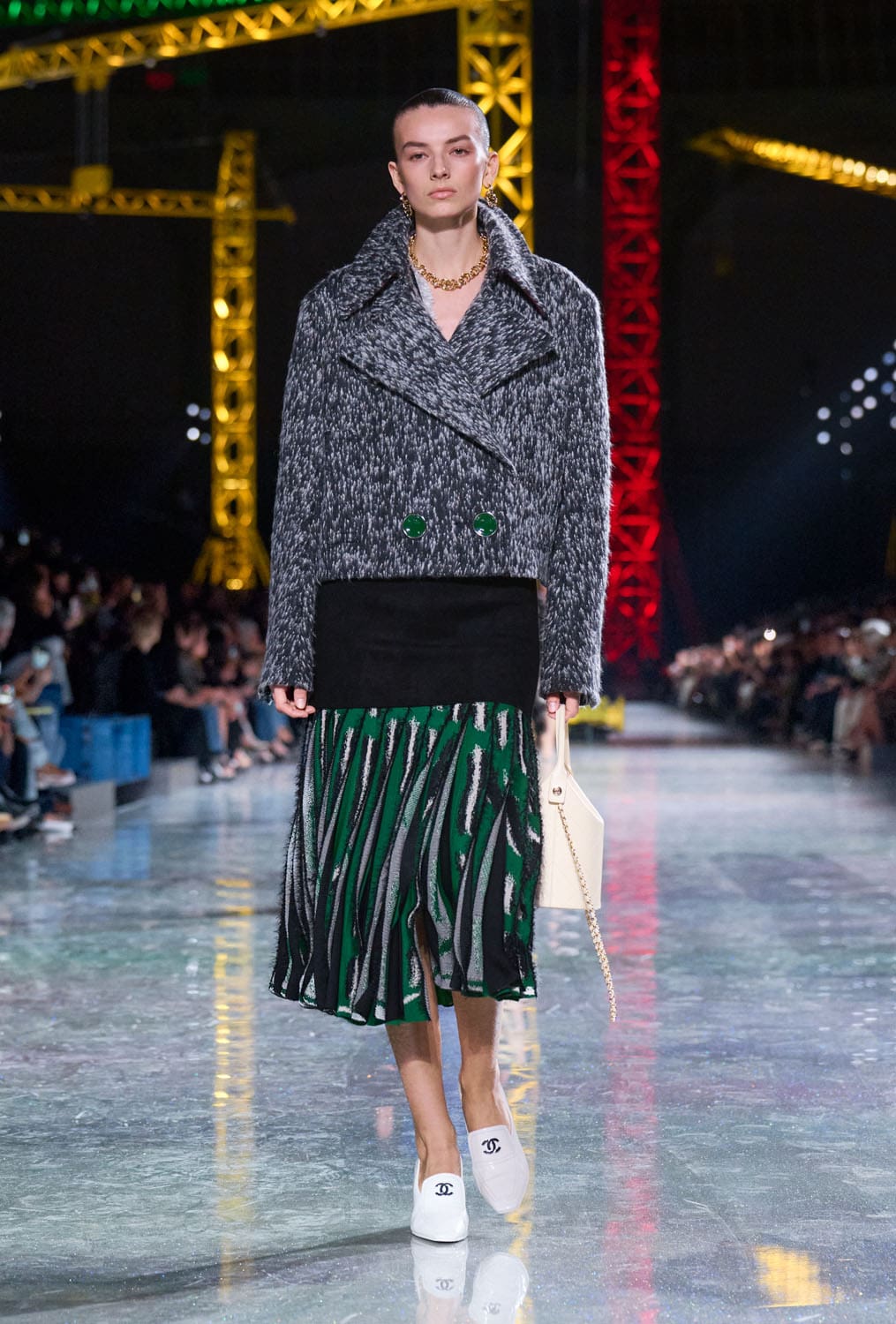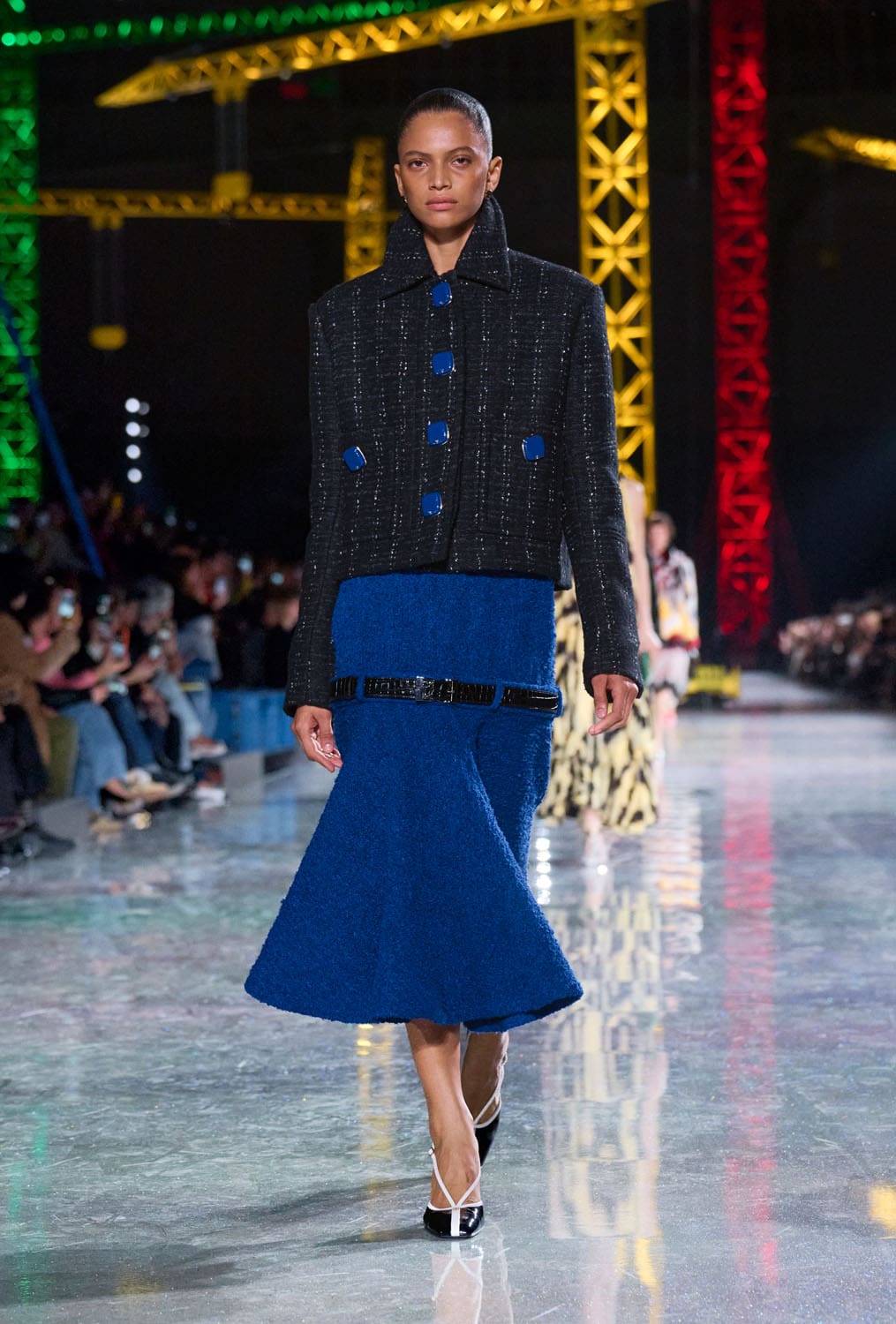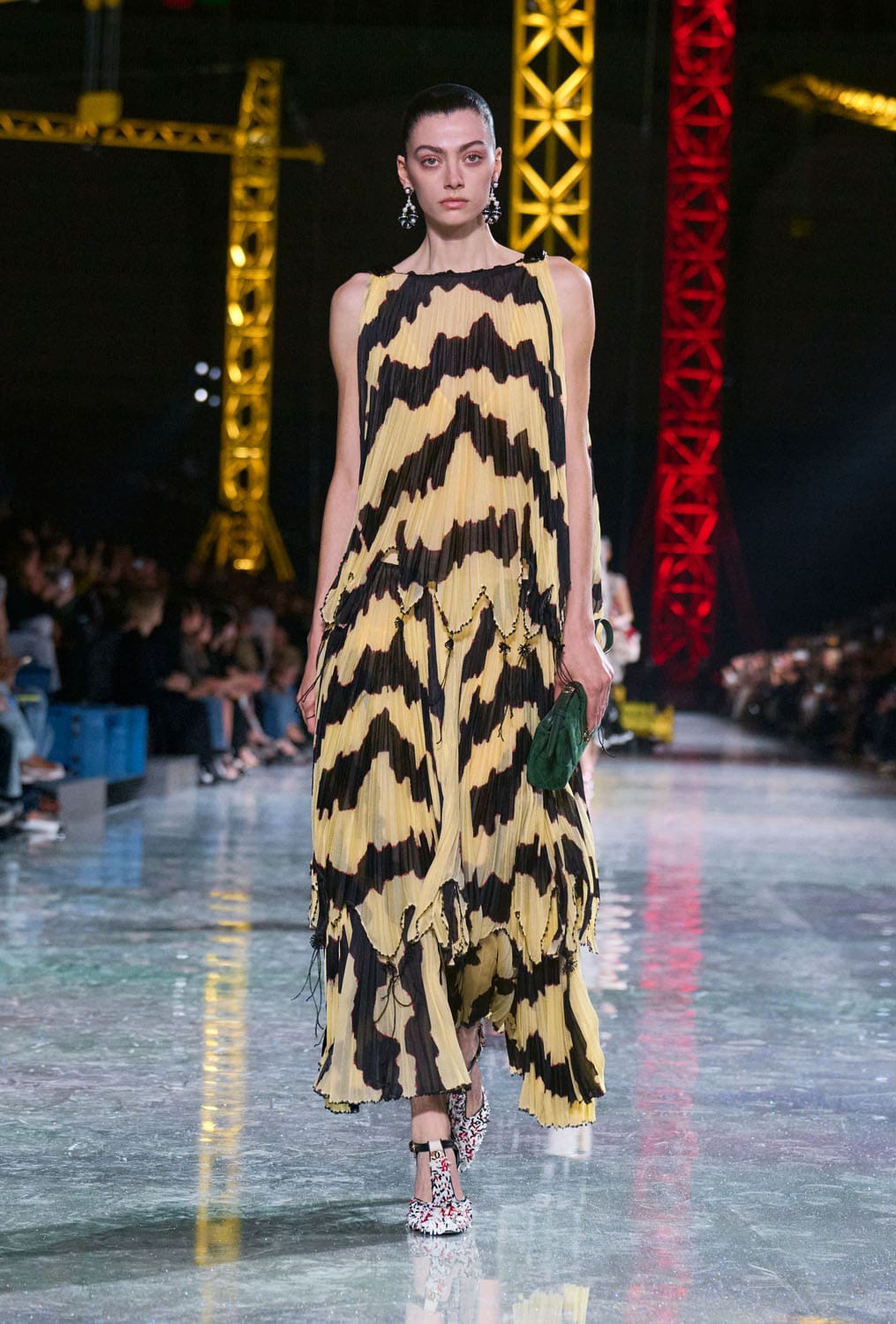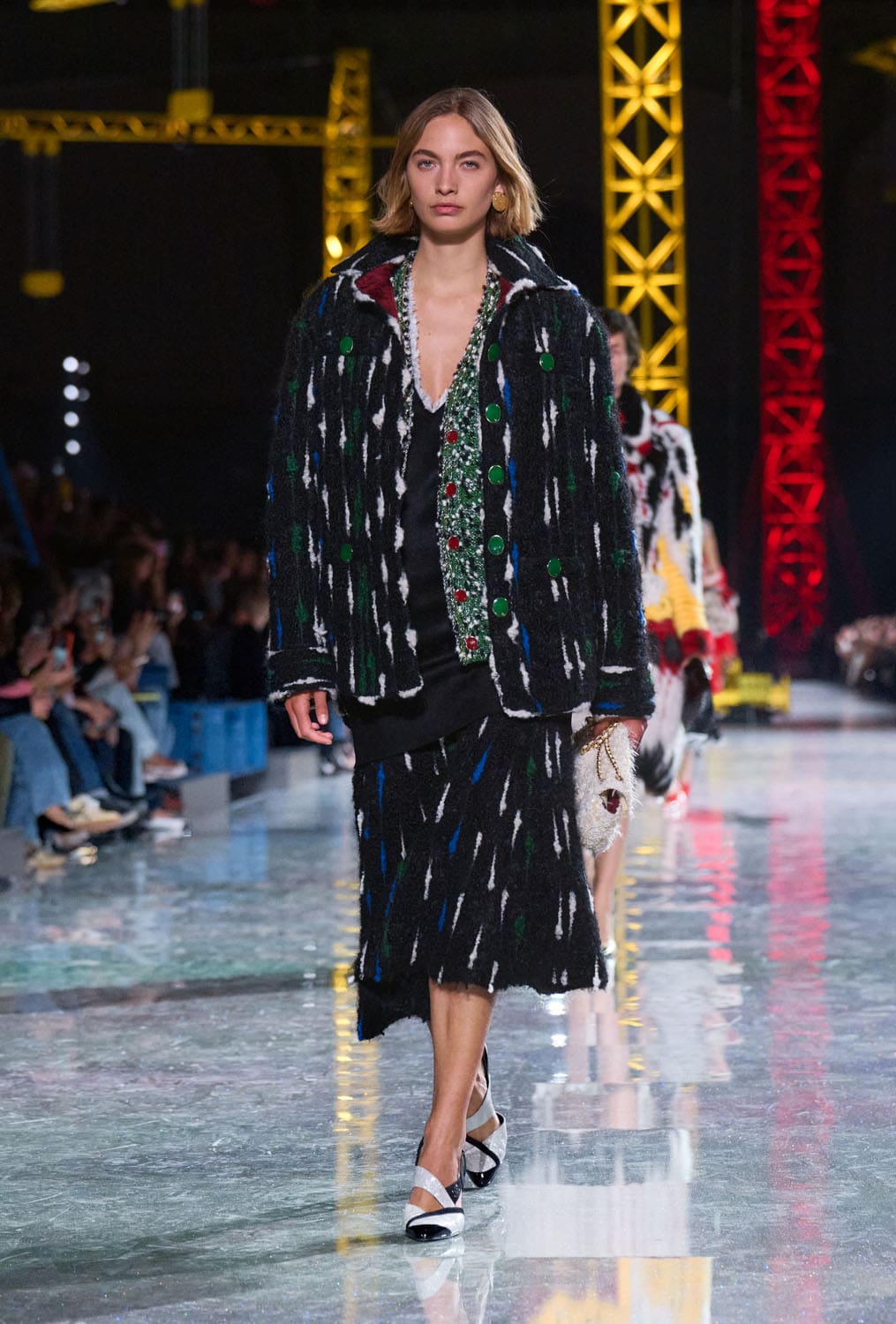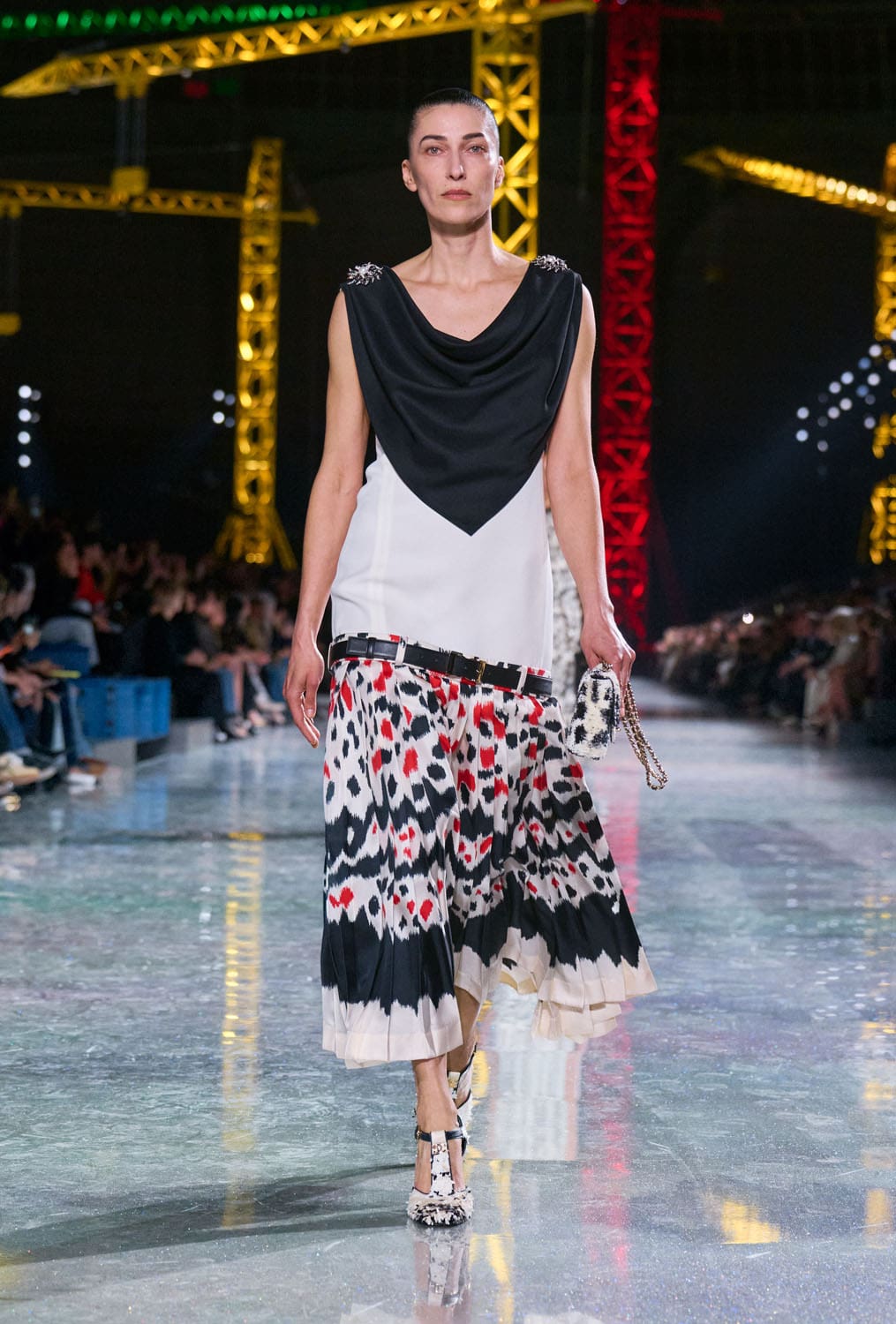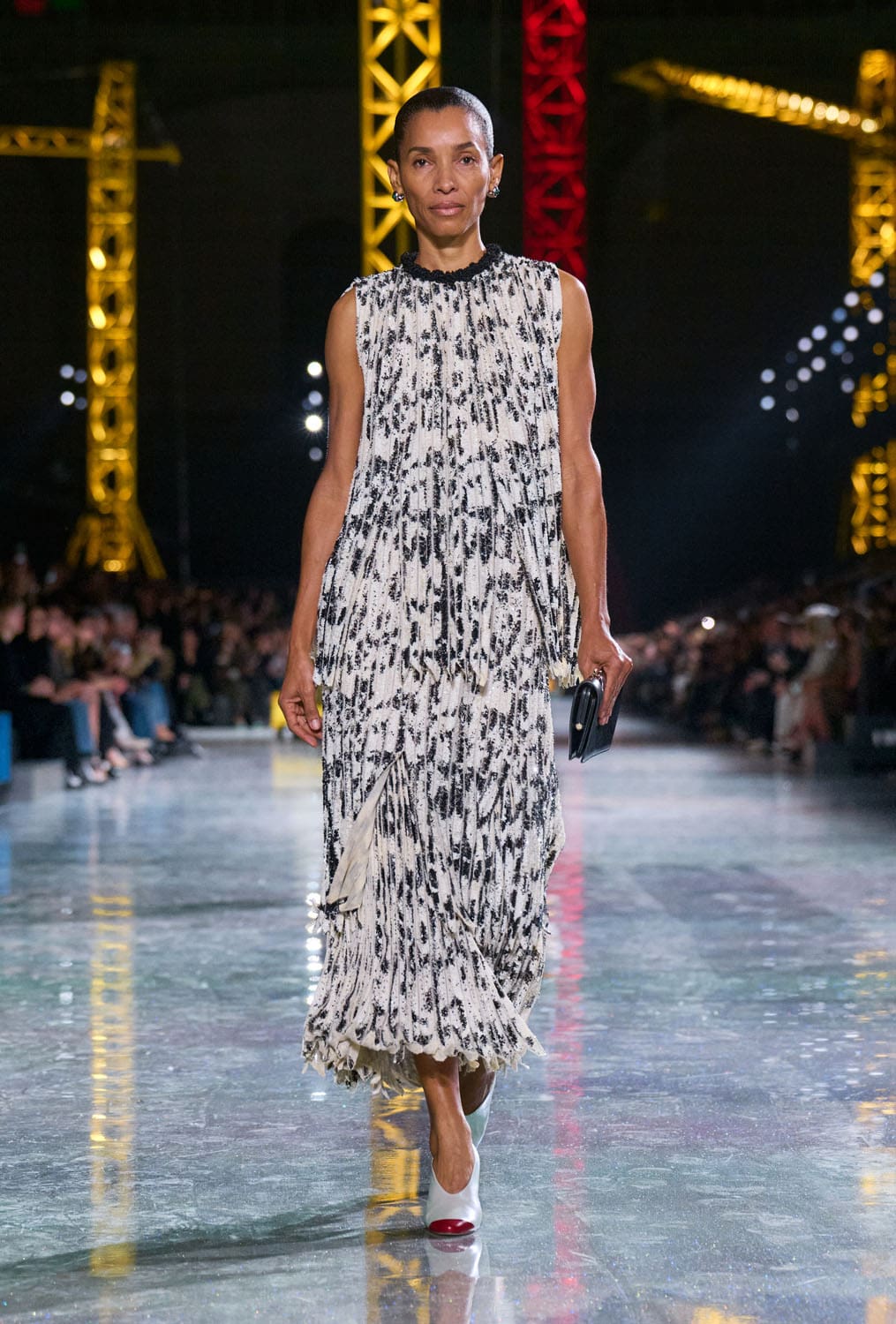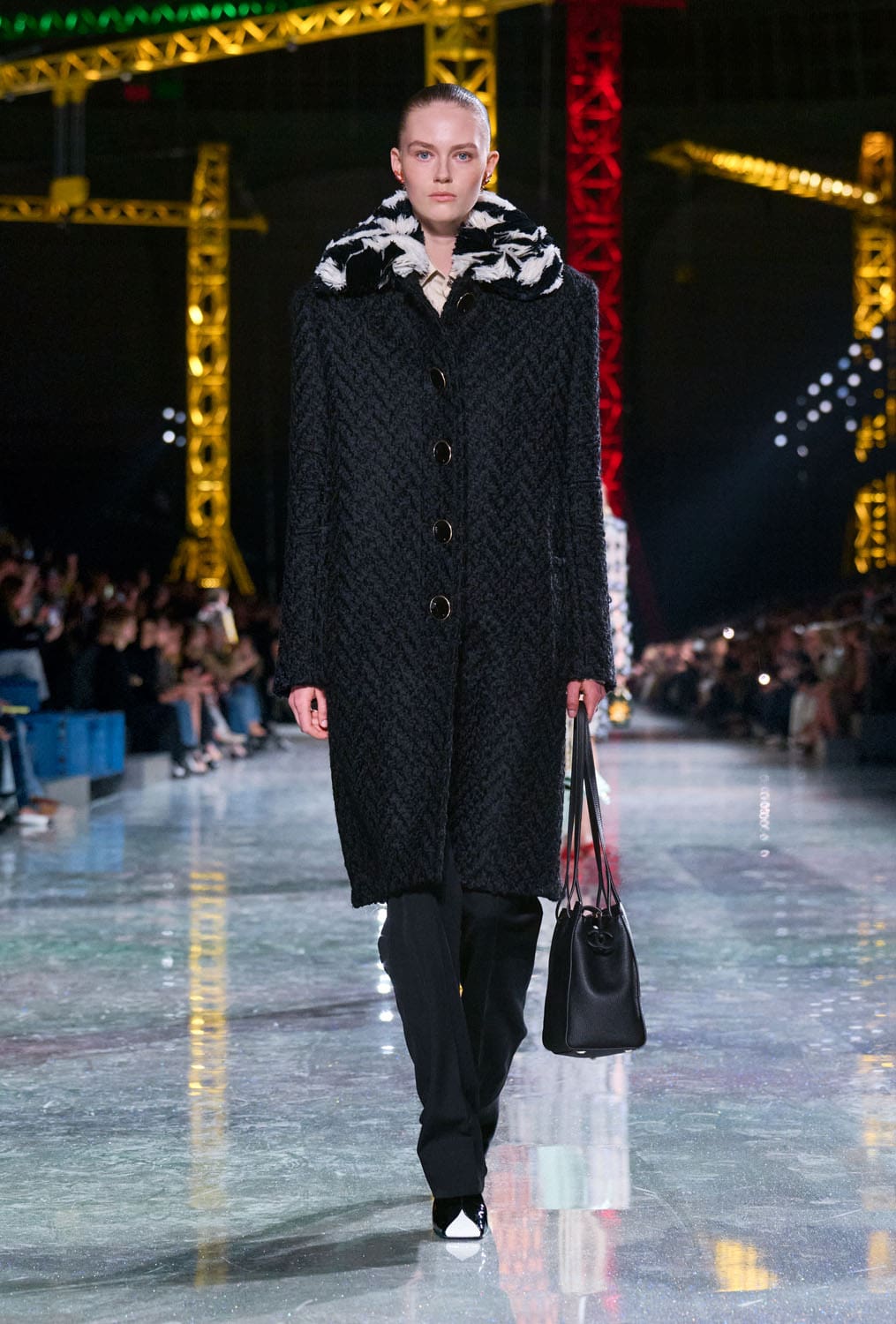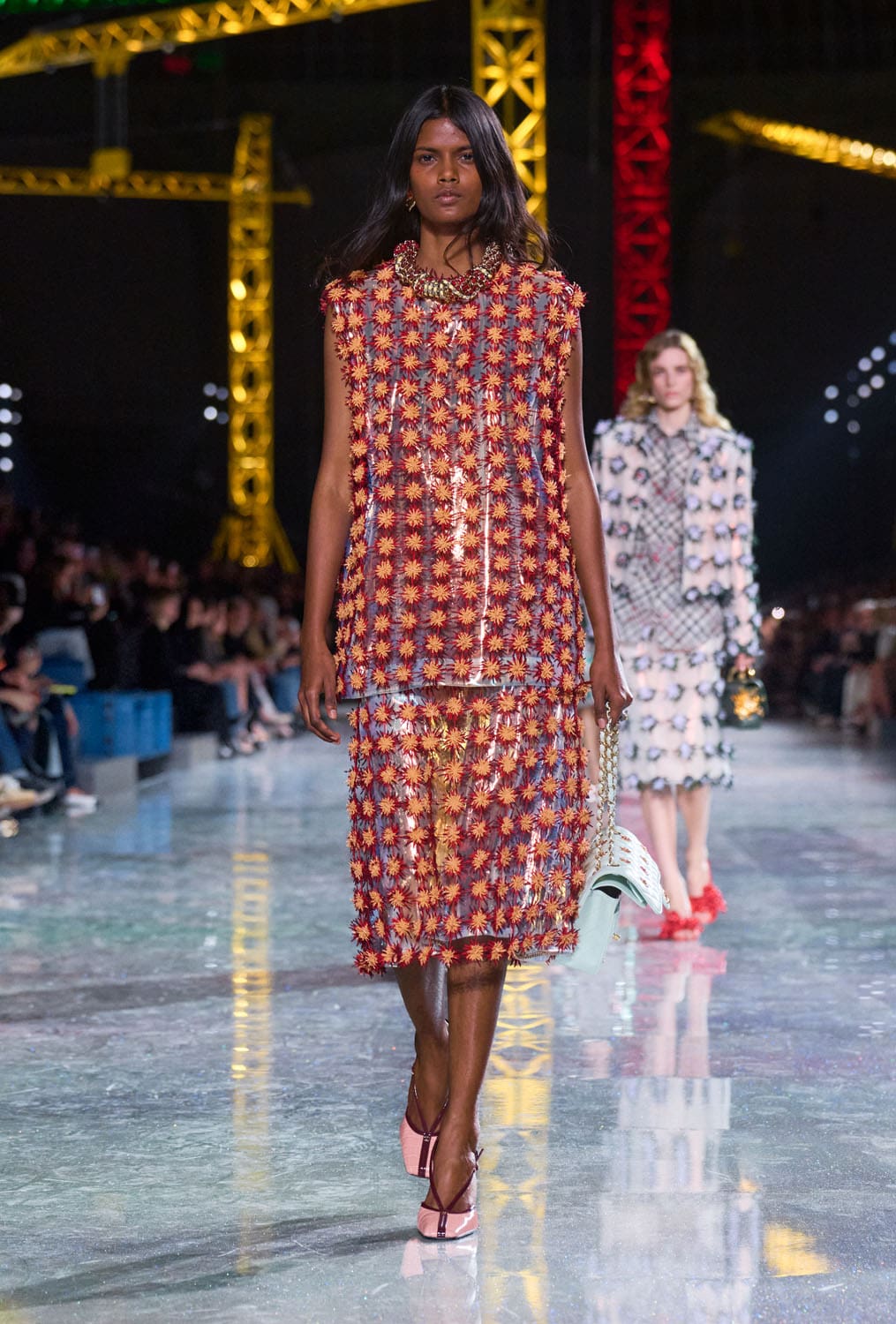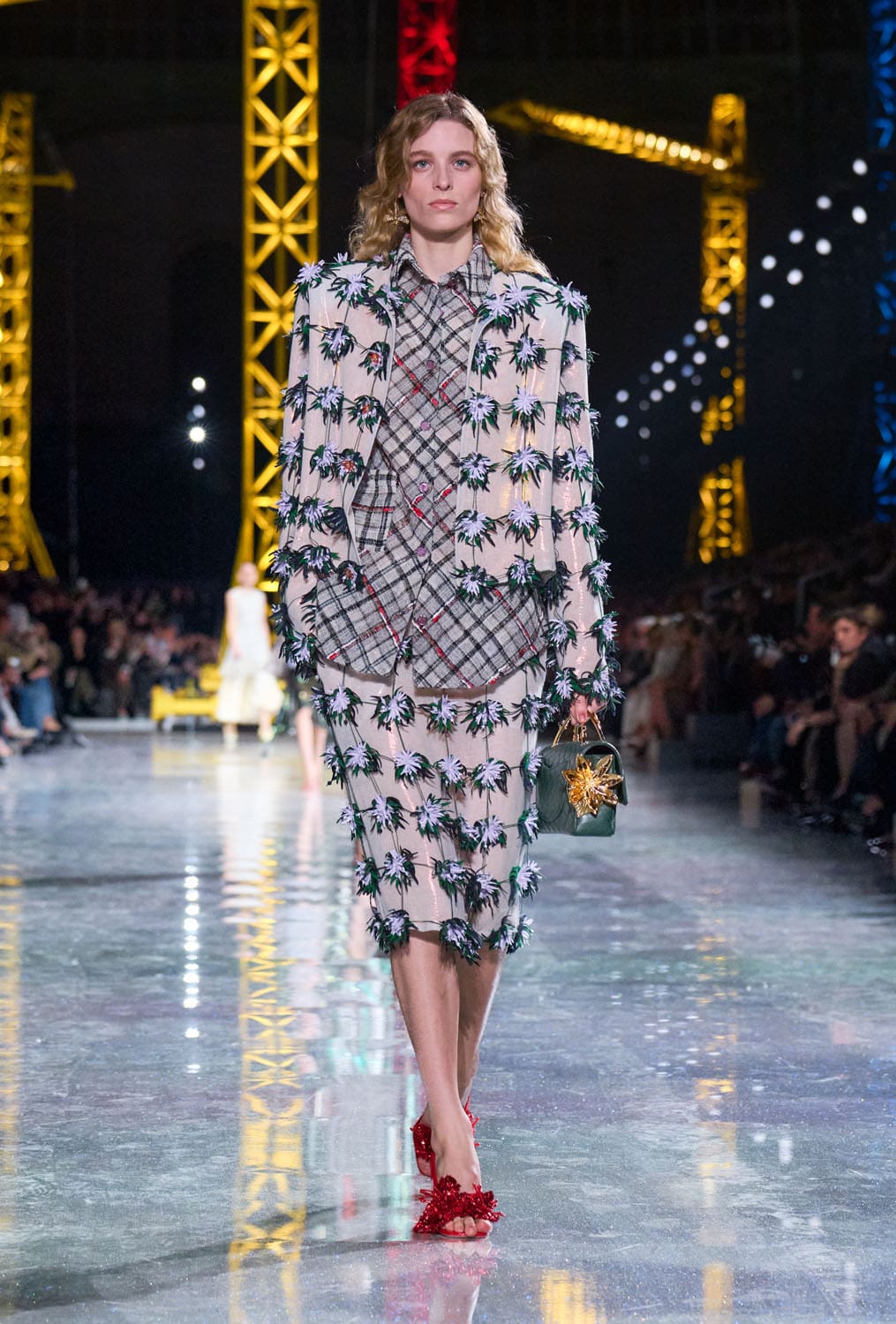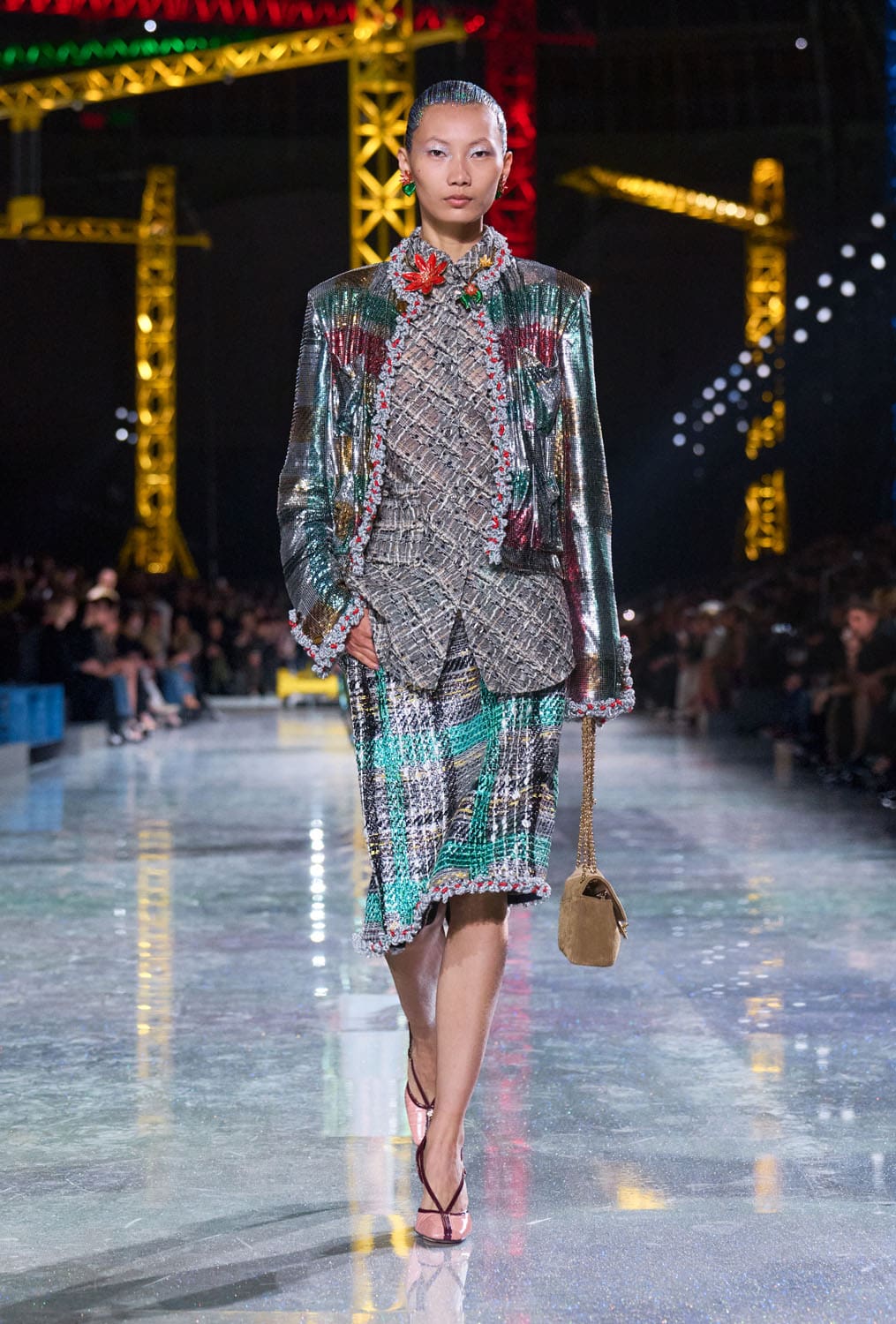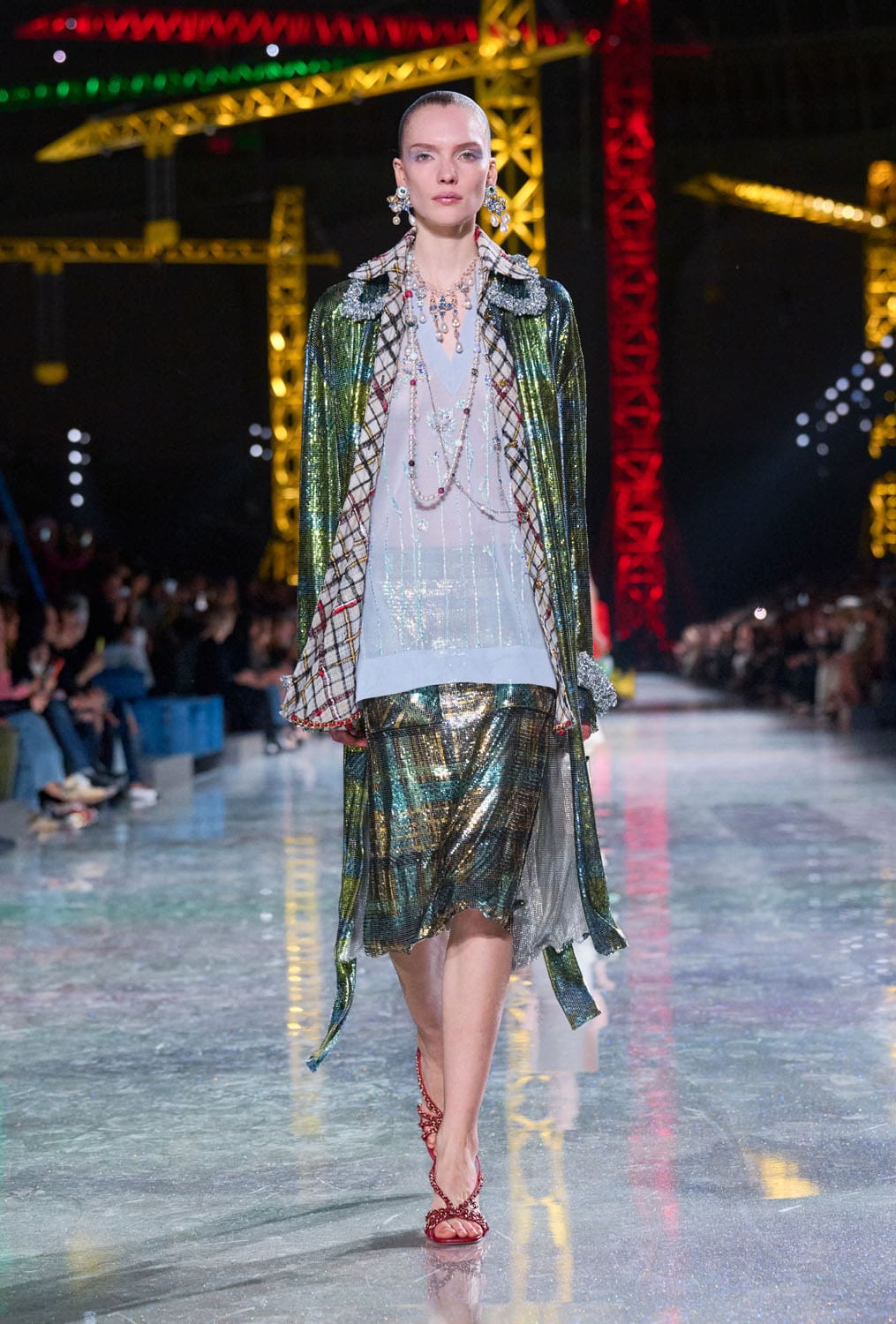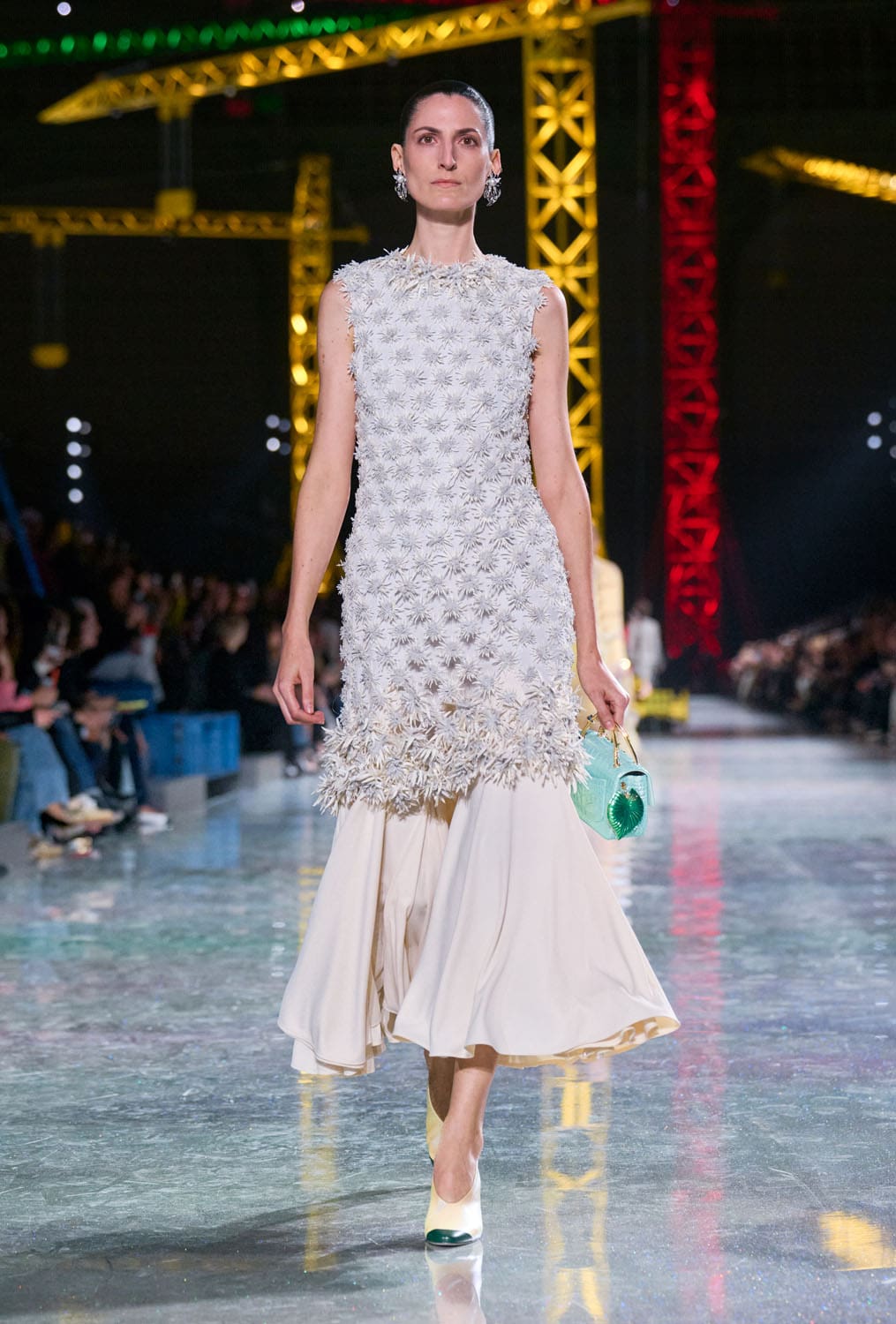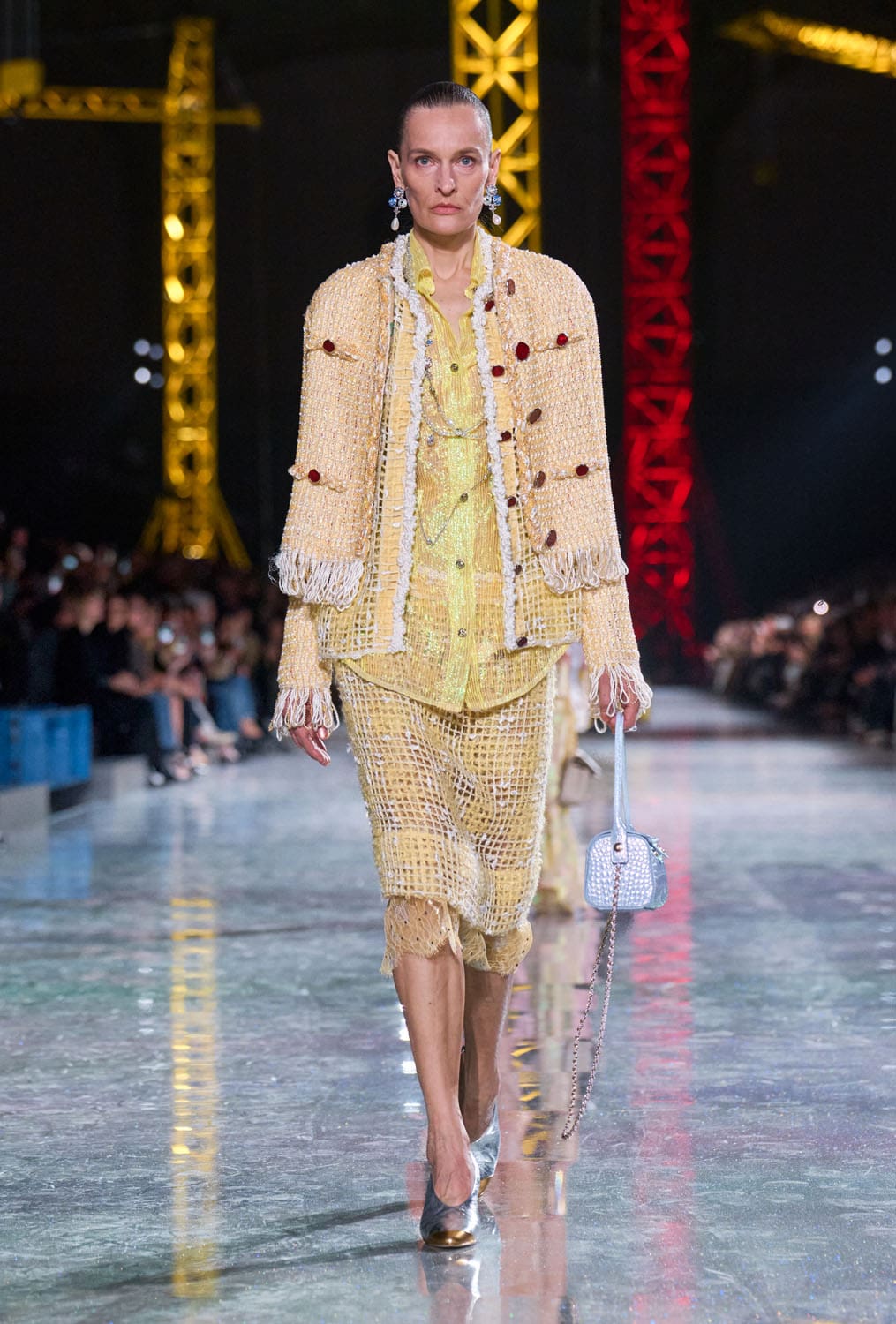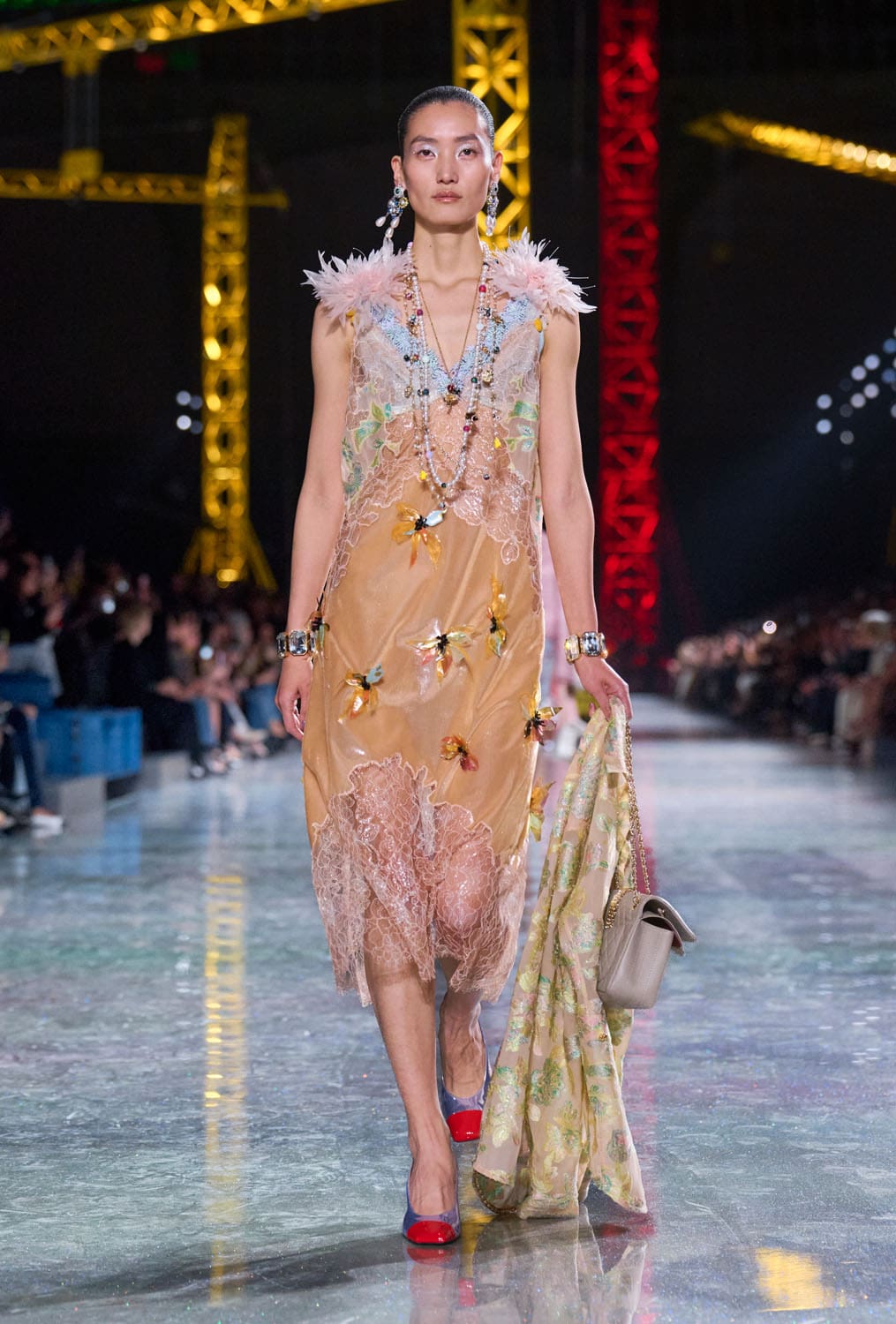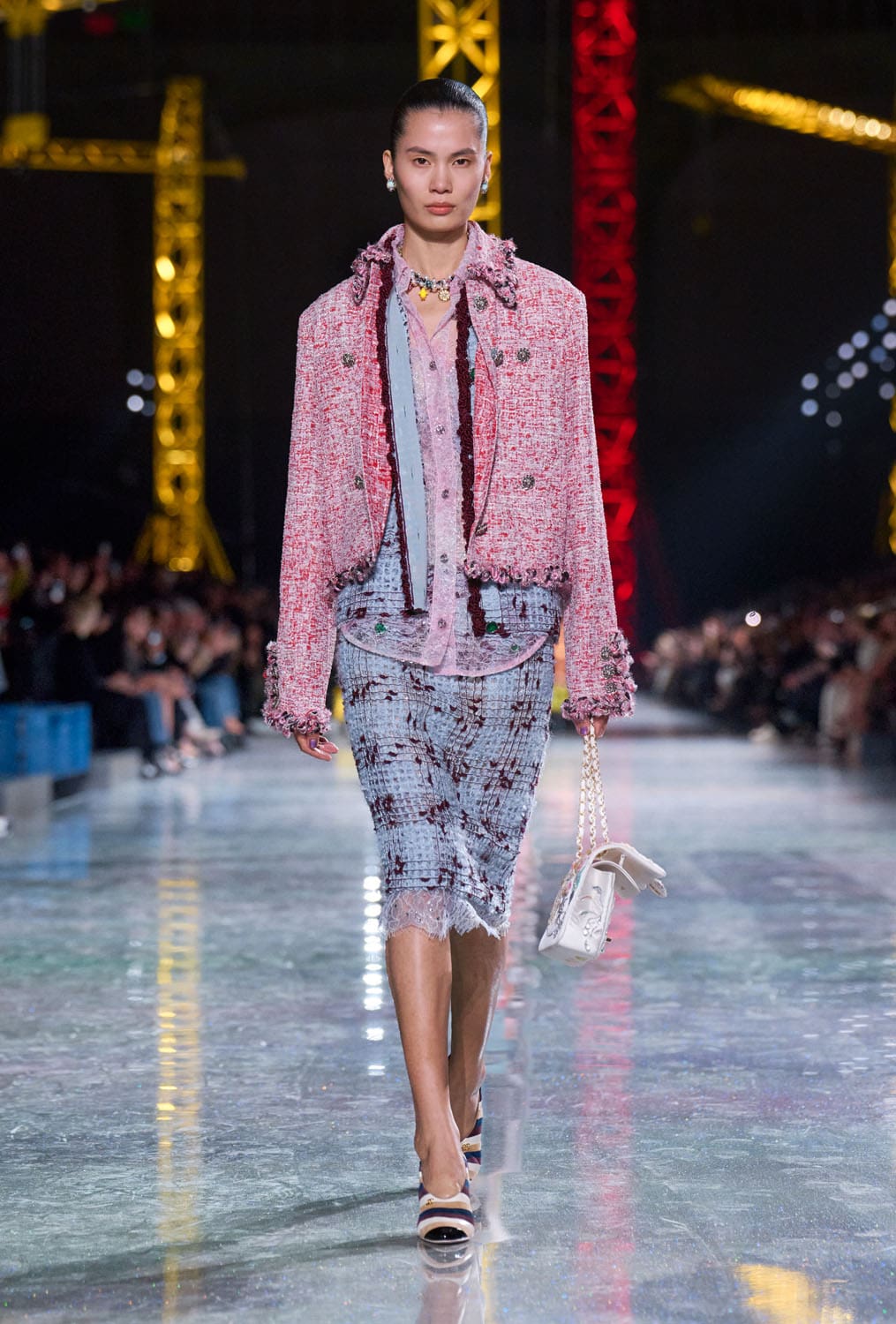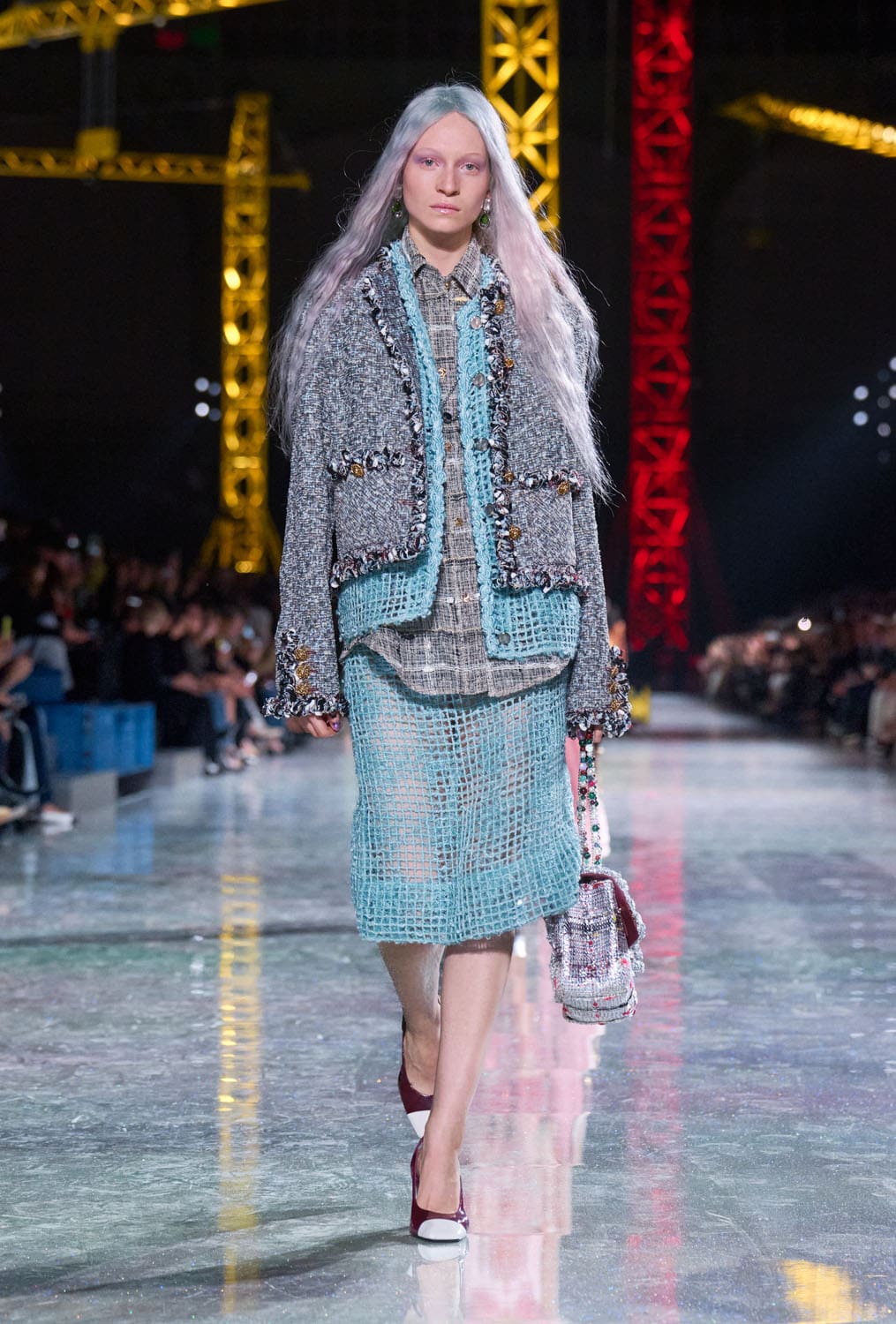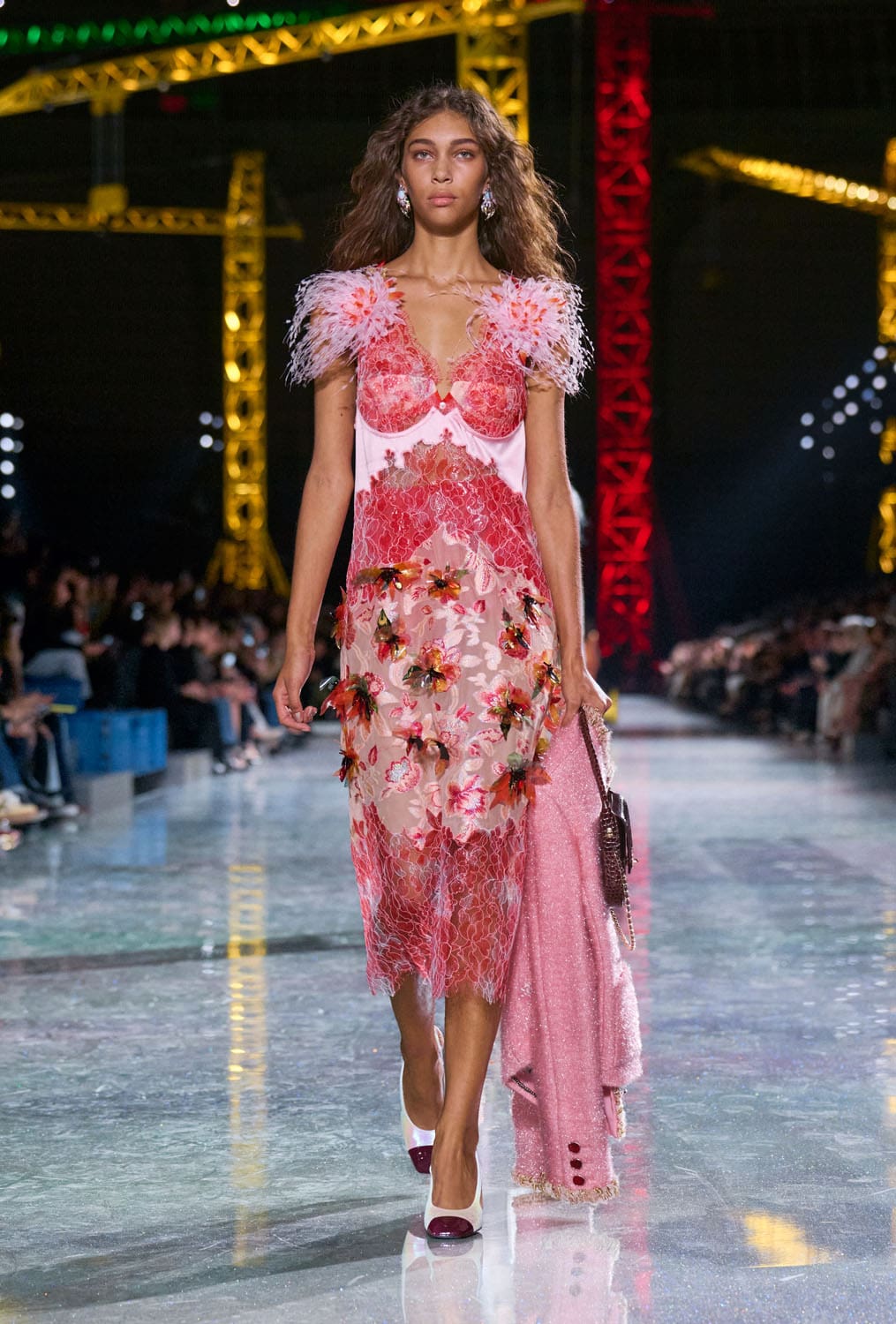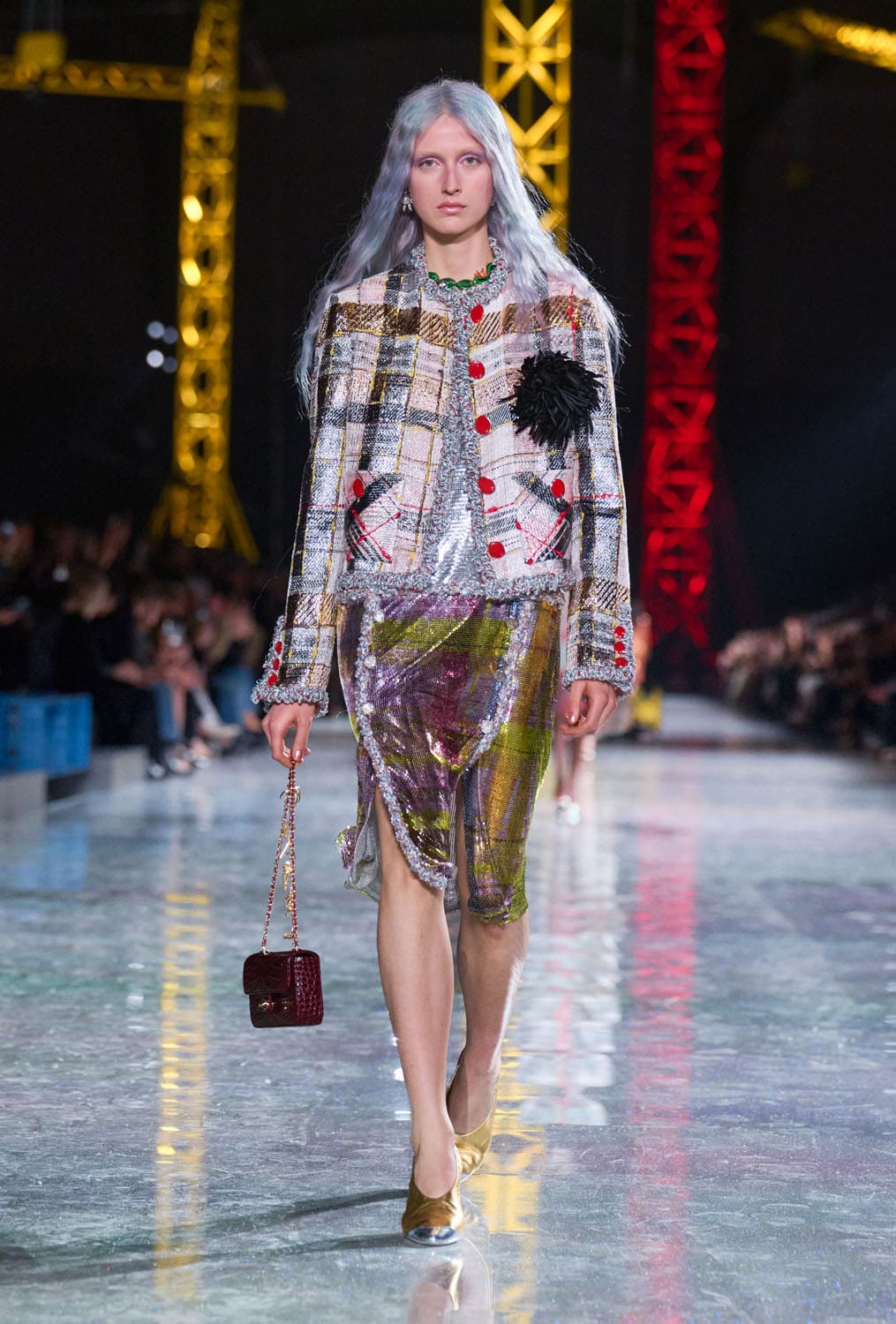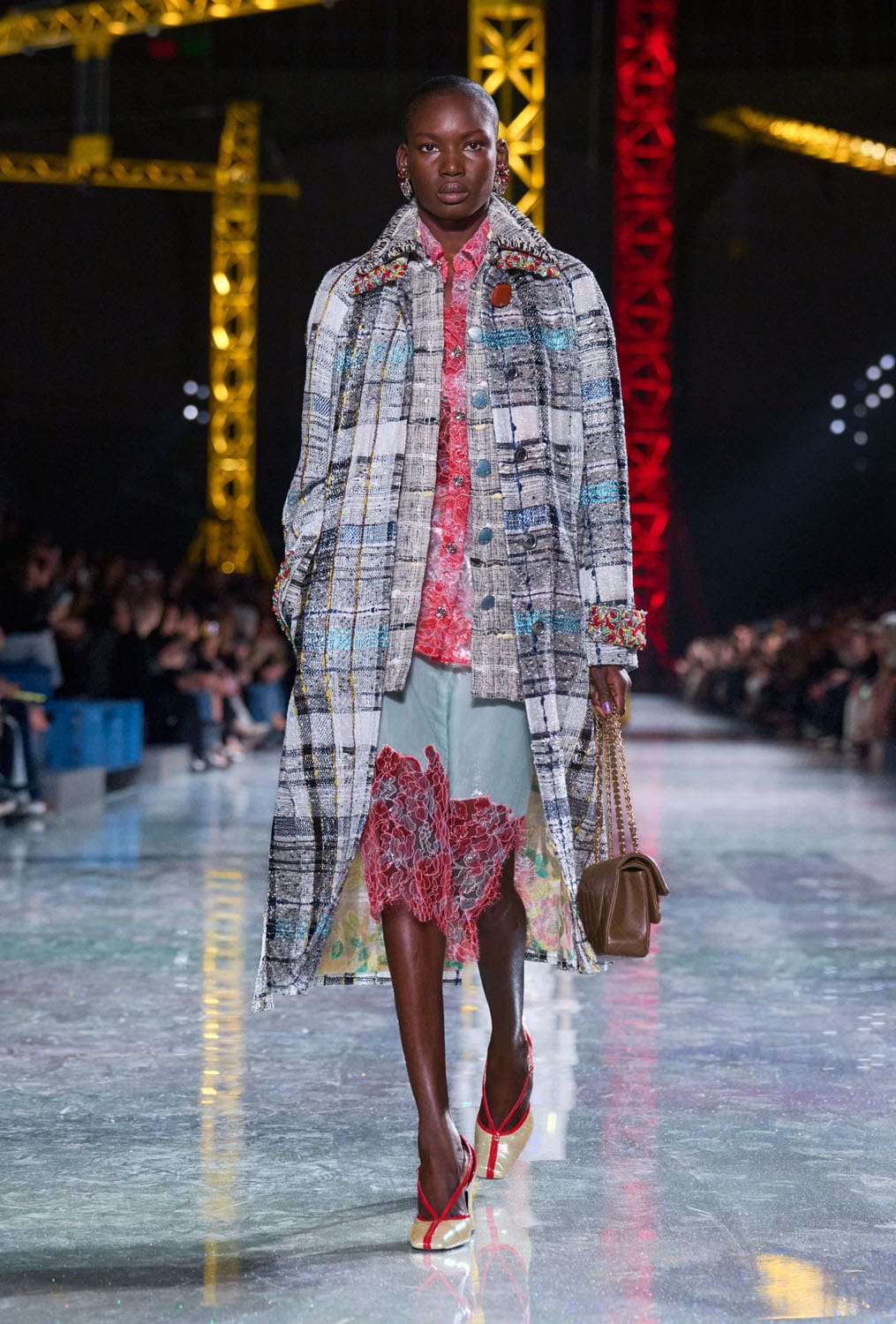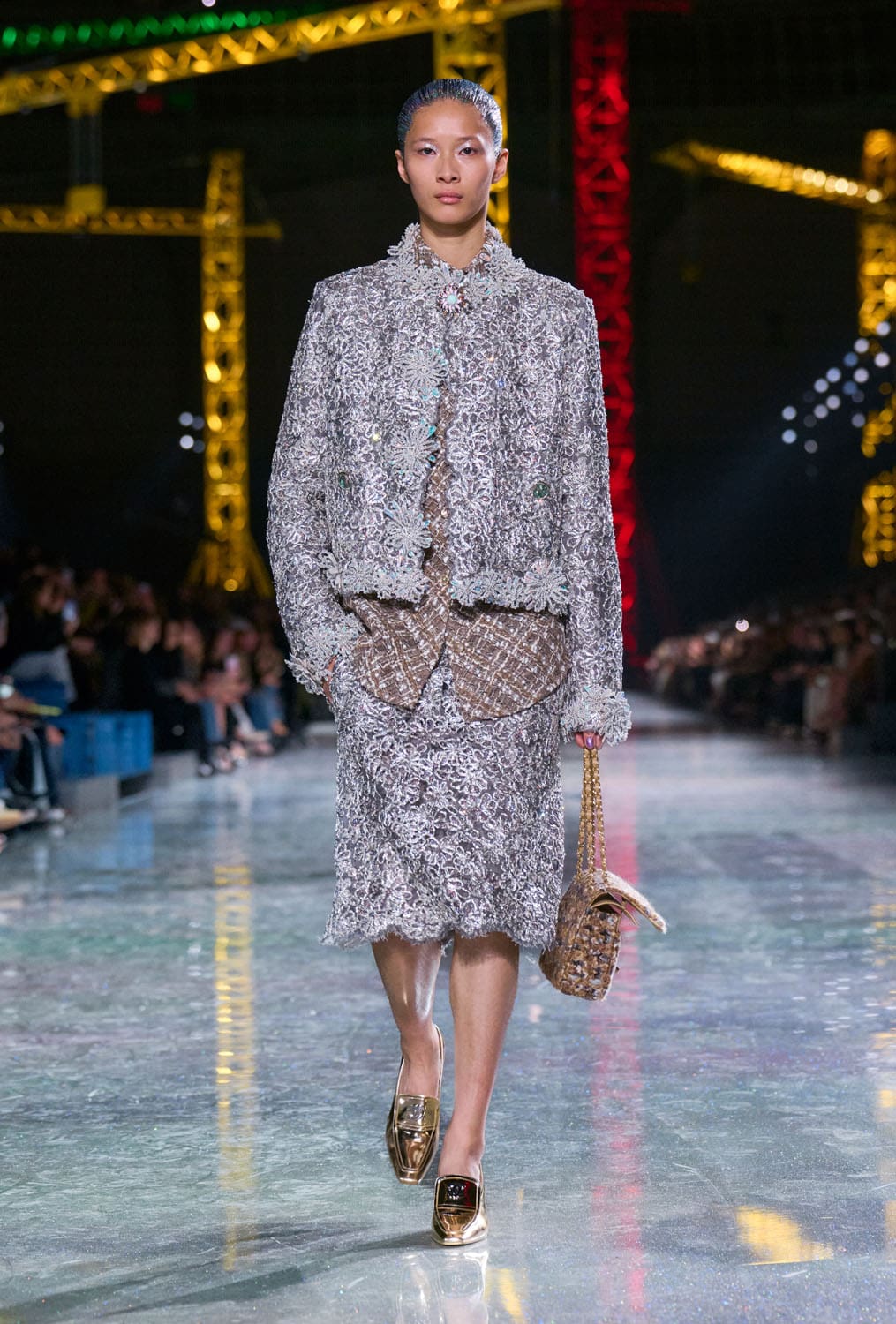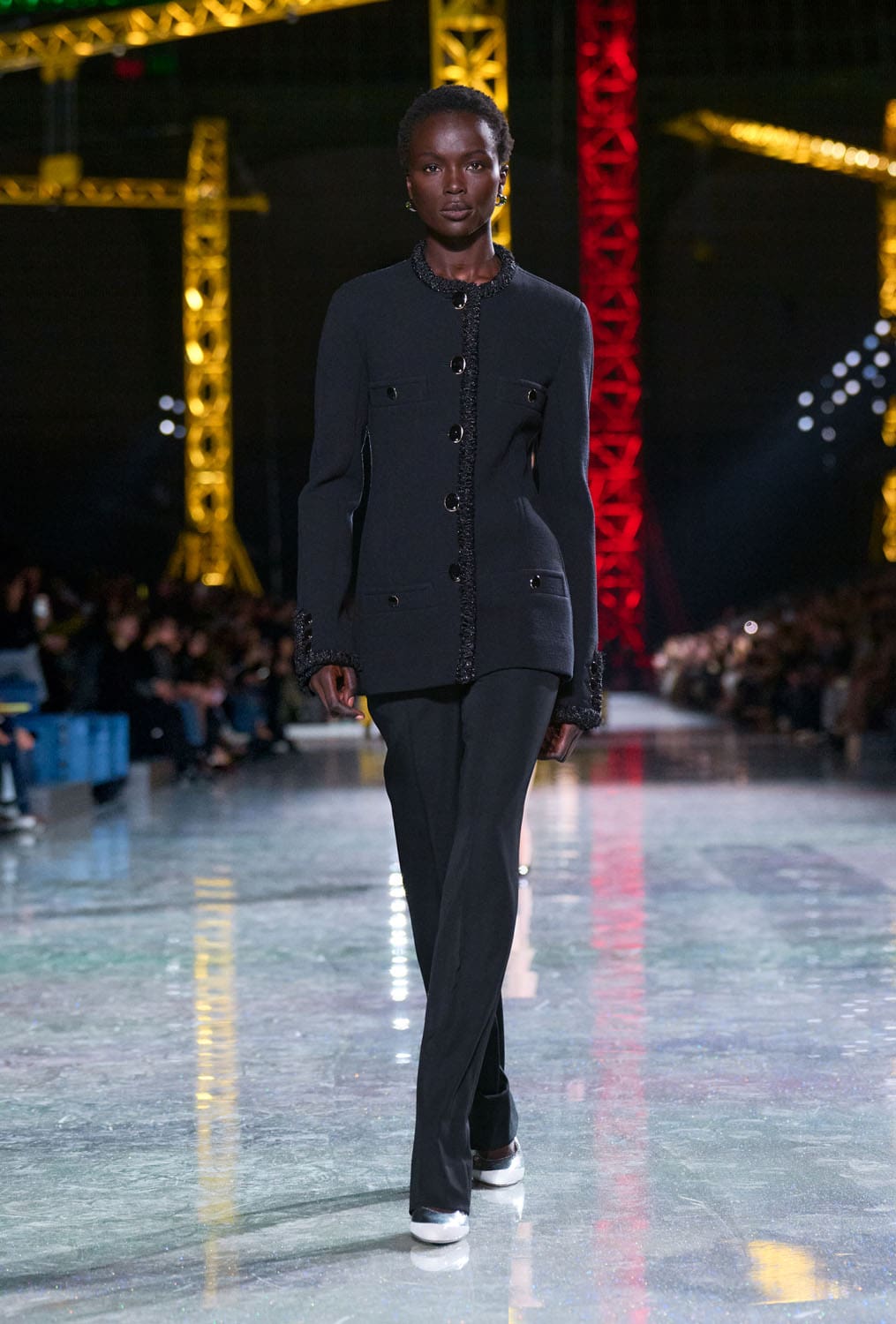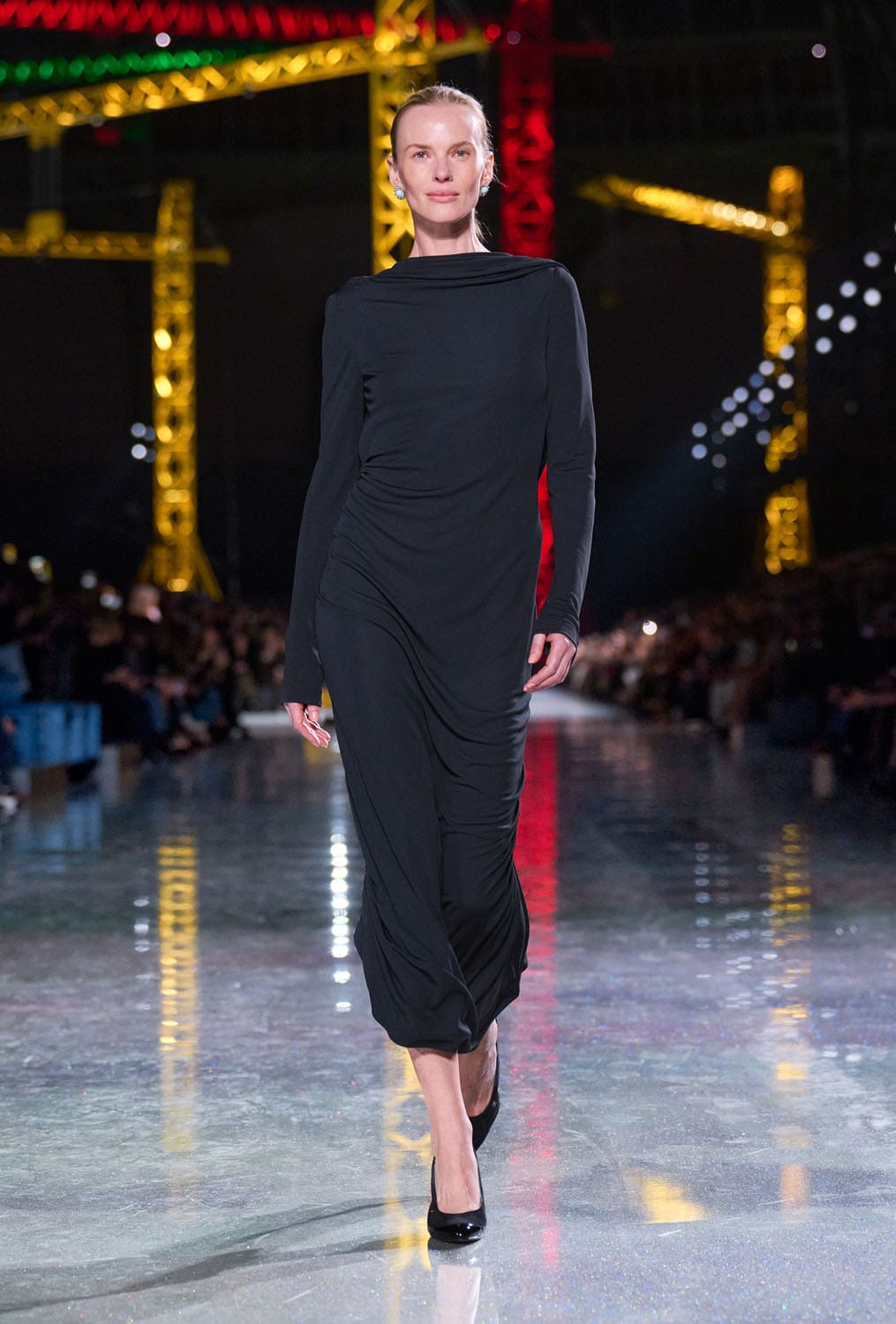
CHANEL Fall Winter 2026 “La Conversation” by Matthieu Blazy. Story by Eleonora de Gray, Editor-in-Chief of RUNWAY MAGAZINE. Photo Courtesy: Chanel.
“Fashion is both caterpillar and butterfly. Be a caterpillar by day and a butterfly by night. There is nothing more comfortable than a caterpillar and nothing more made for love than a butterfly. We need dresses that crawl and dresses that fly. The butterfly doesn’t go to the market, and the caterpillar doesn’t go to the ball.”
Gabrielle Chanel
“Chanel is a paradox. Chanel is function, Chanel is fiction. Chanel is sensible, Chanel is seductive. Chanel is day, Chanel is night. It represents the freedom to choose between the caterpillar and the butterfly whenever you want. I wish to create a canvas for women to be unapologetically who they are and who they want to be.”
Matthieu Blazy
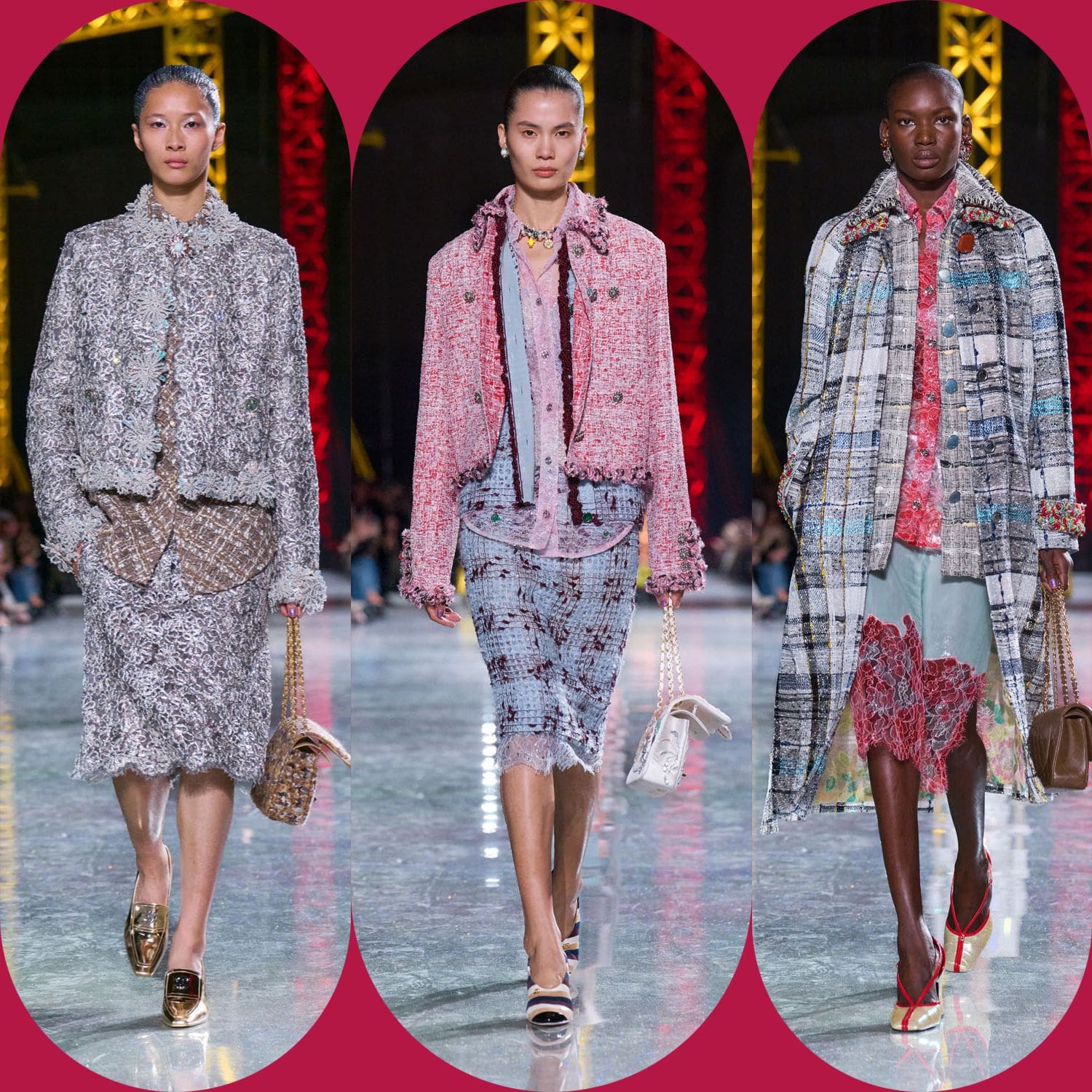
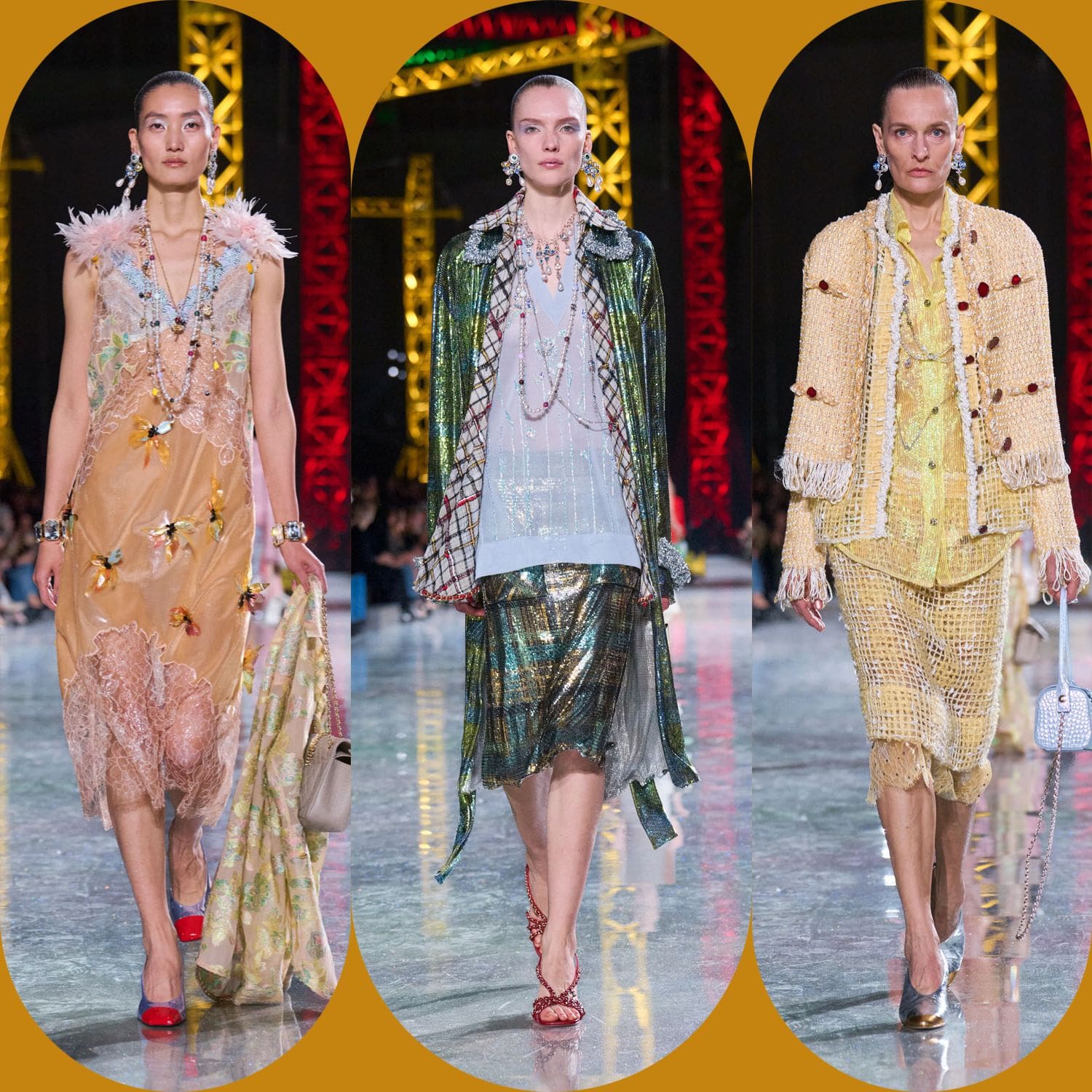
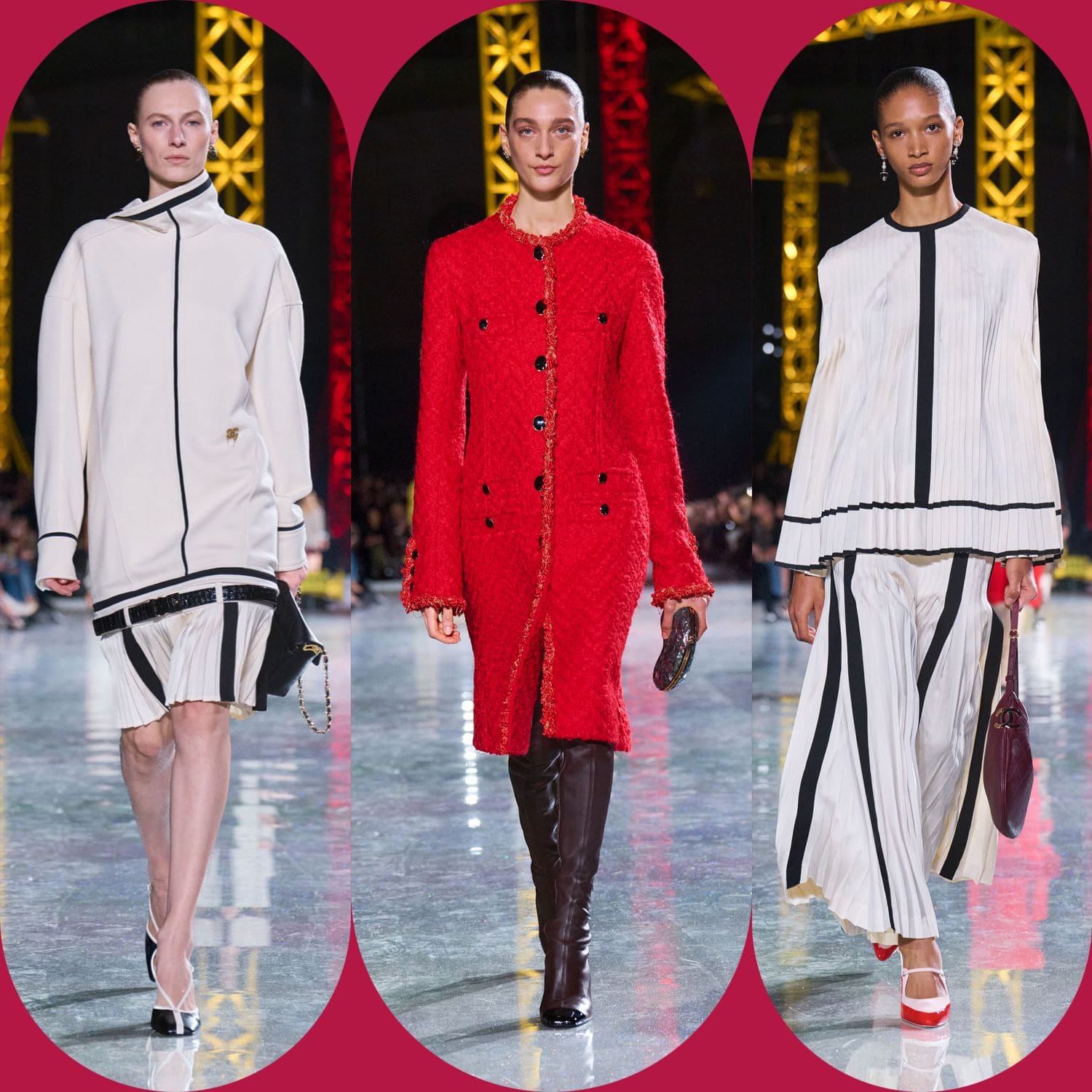
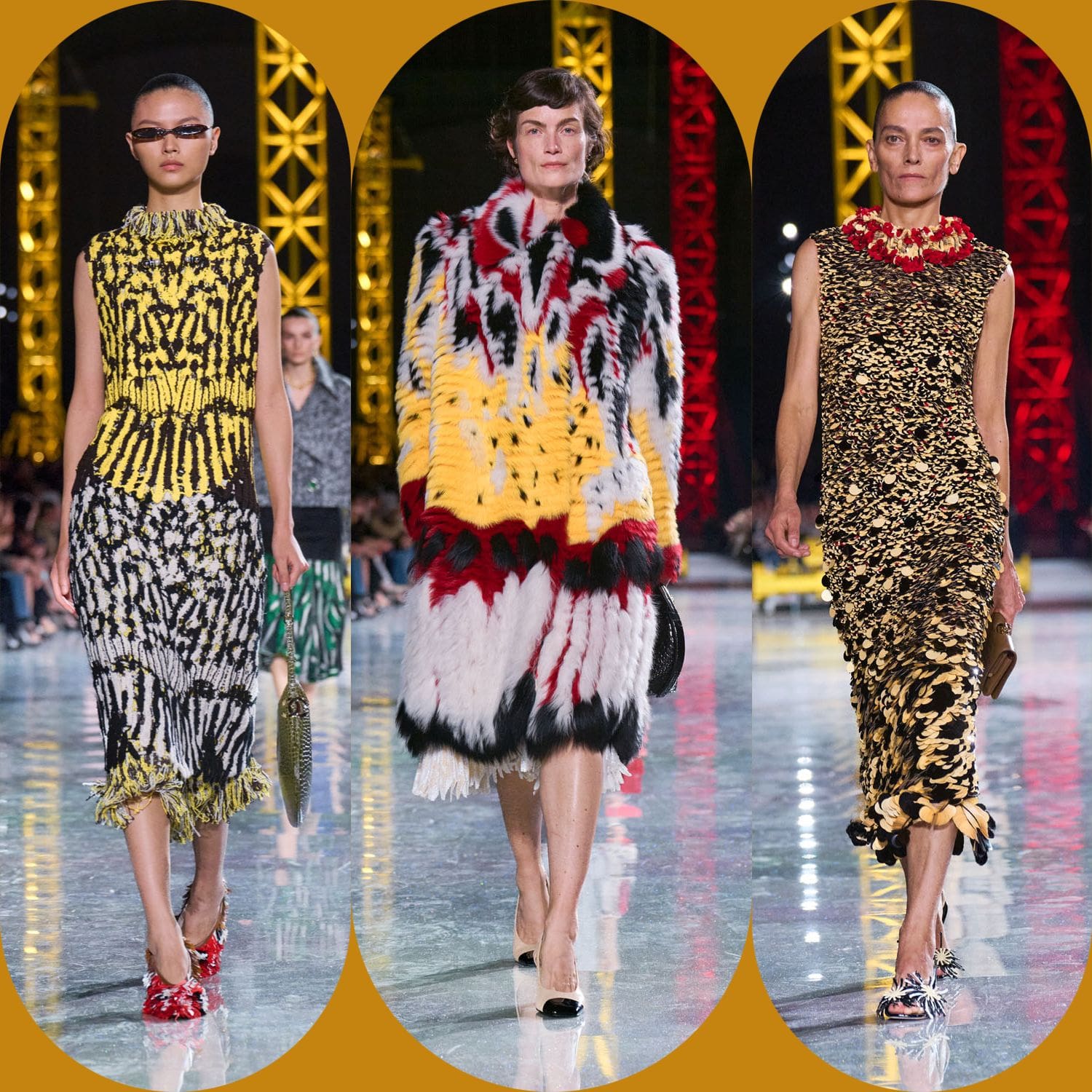
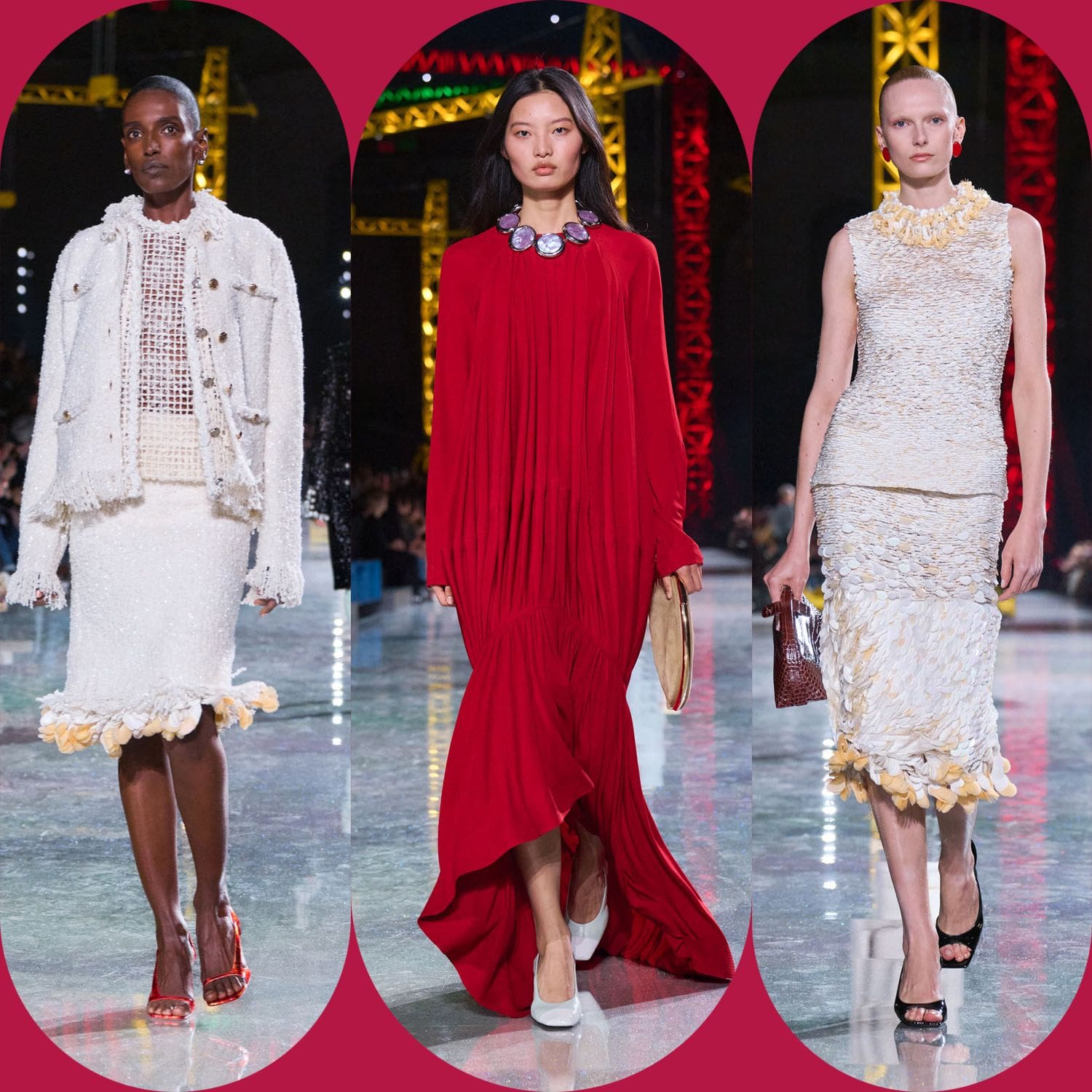
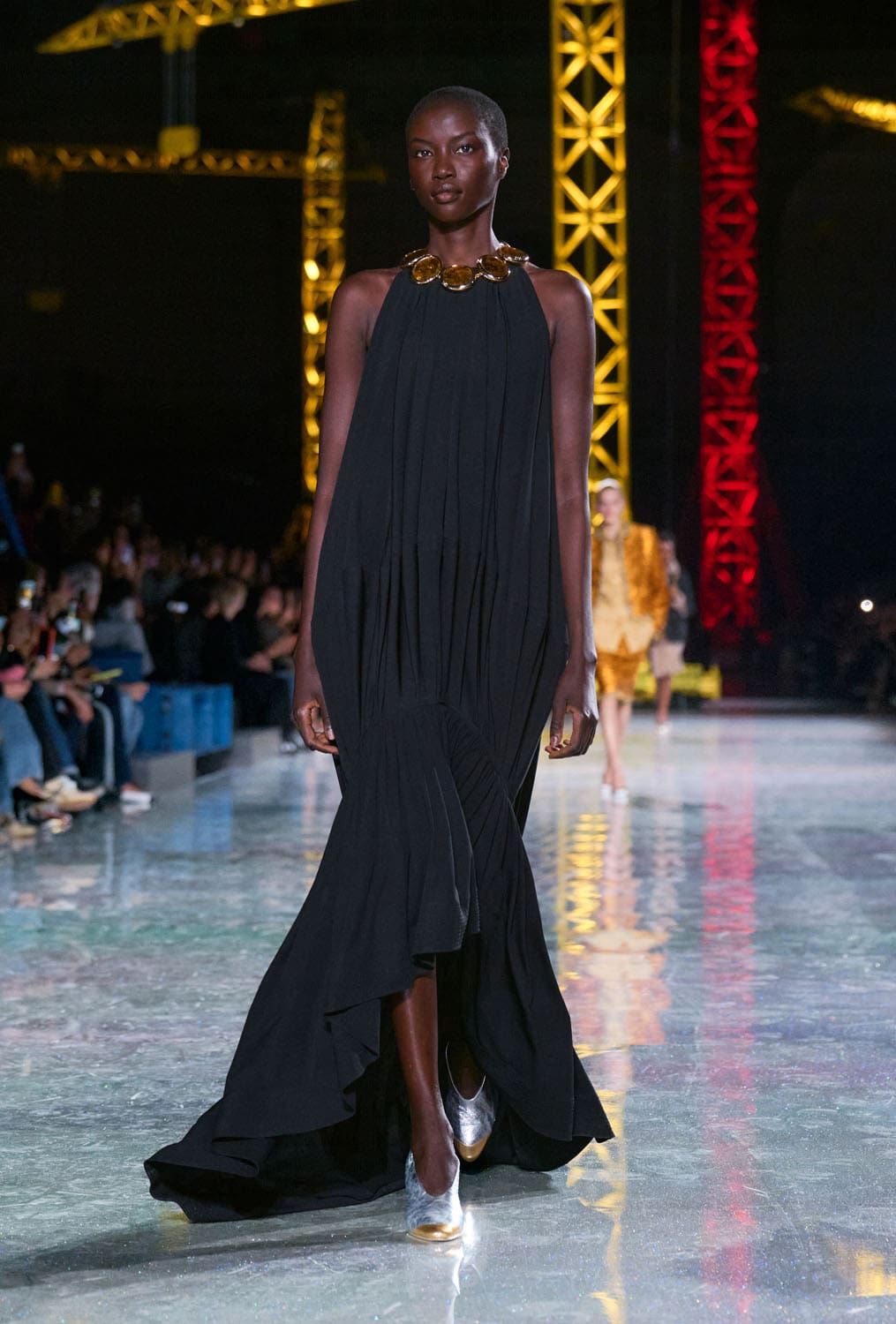
The show opens like a declaration: Matthieu Blazy is determined to make Chanel speak louder, brighter, faster. But Chanel is not a house that naturally shouts. Chanel seduces through calibration, proportion, quiet intelligence. So when Blazy’s “conversation” with Gabrielle Chanel accelerates into a full-volume monologue, the tension becomes unmistakable.
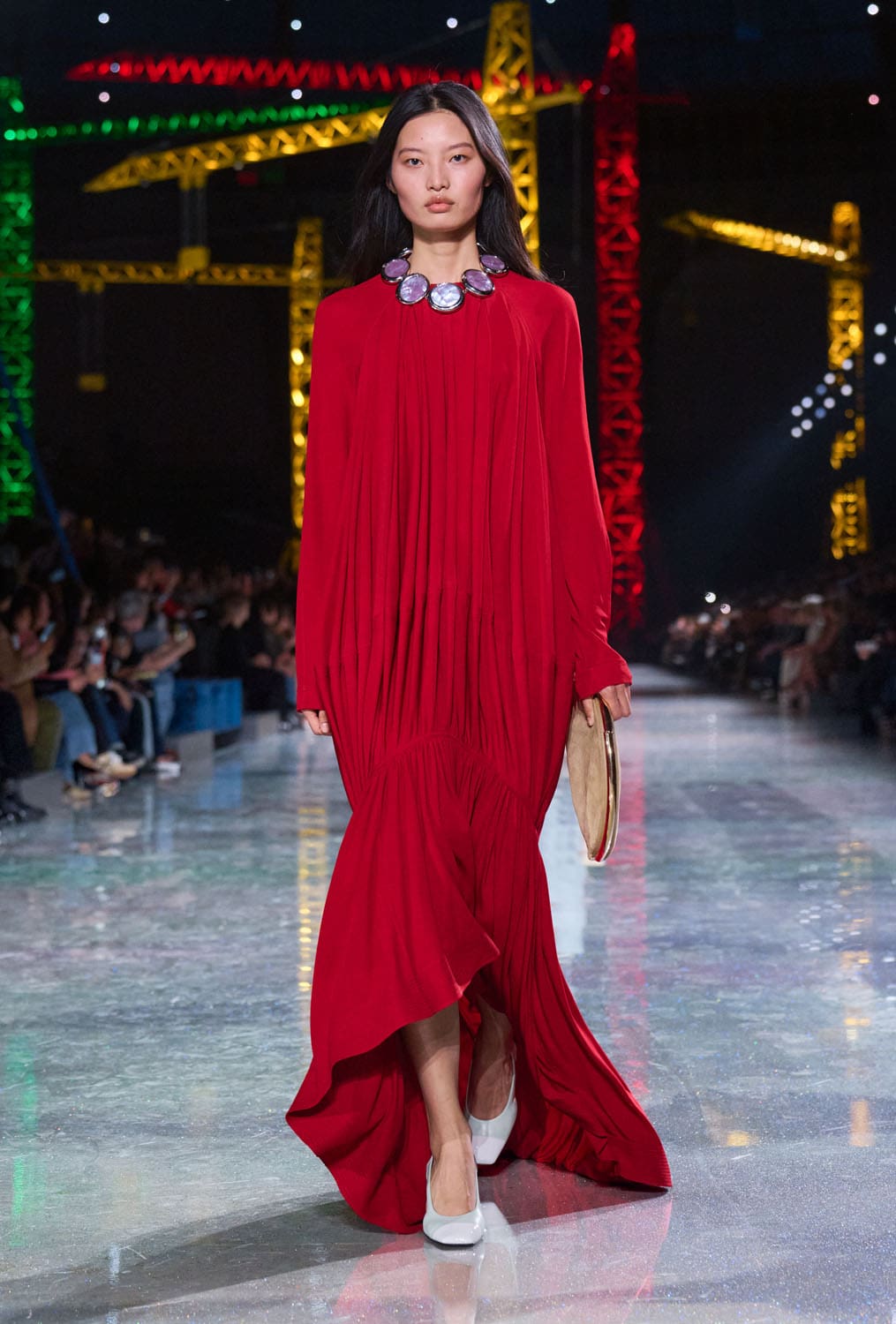
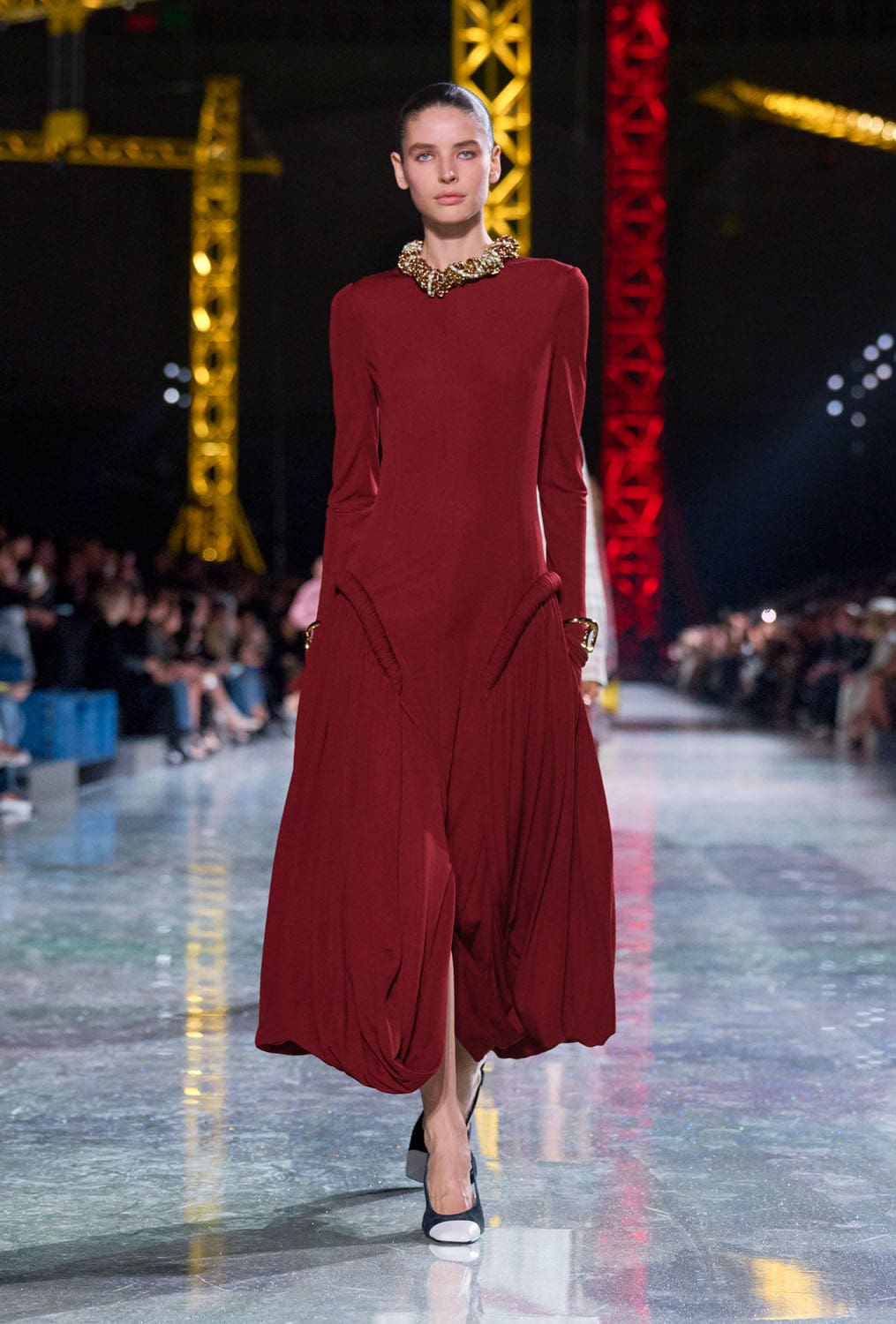
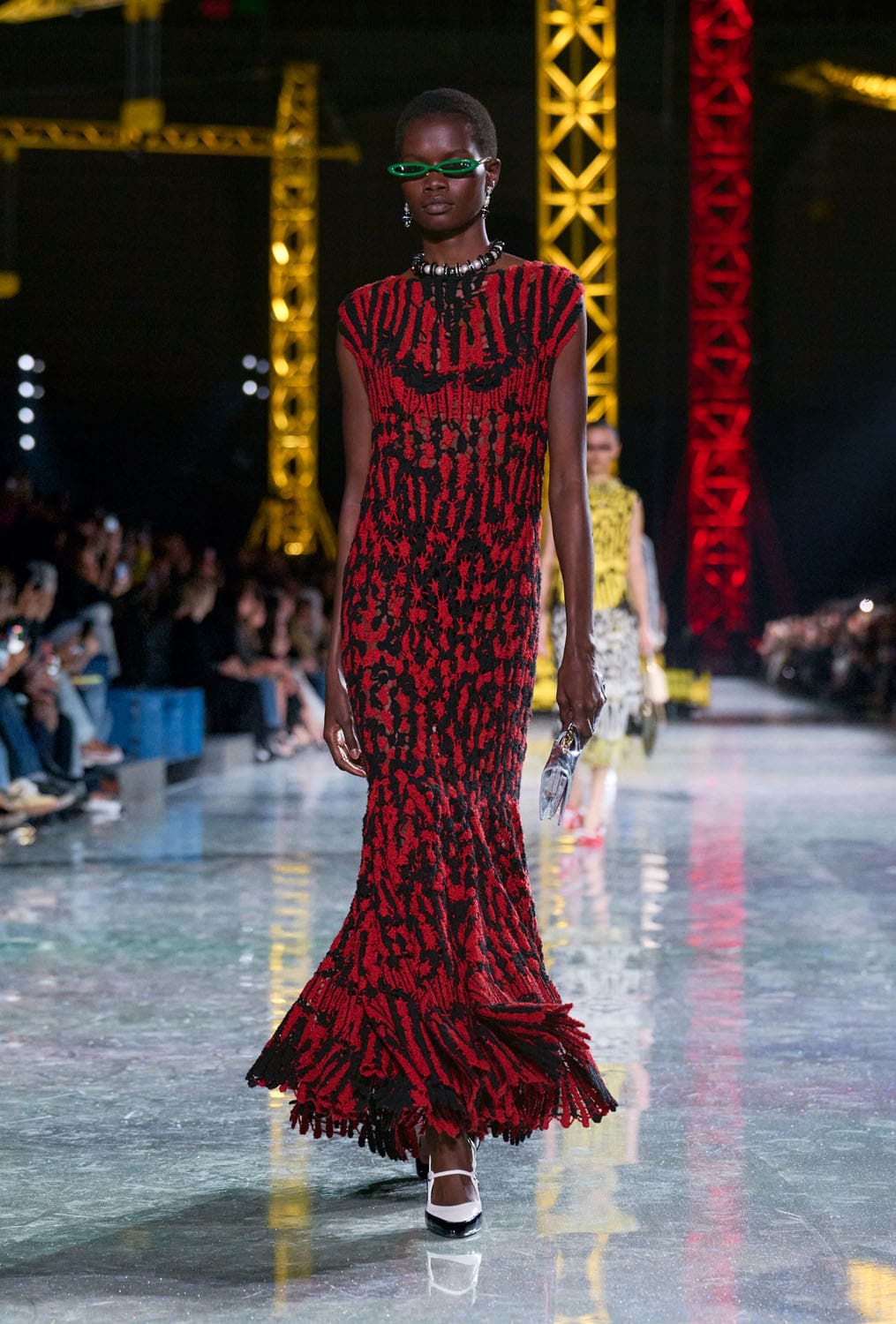
The press release frames this as a dialogue between “caterpillar and butterfly,” between function and fiction. But on the runway, those metaphors crystallize into something far more literal — and far more chaotic. A red, pleated, floor-sweeping dress moves heavily despite its intention of fluidity, its oversized, iridescent necklace fighting for attention, already signaling the central issue: too many layers of idea, color, and ornament competing for primacy. The look wants to be poetic; it lands closer to theatrical.
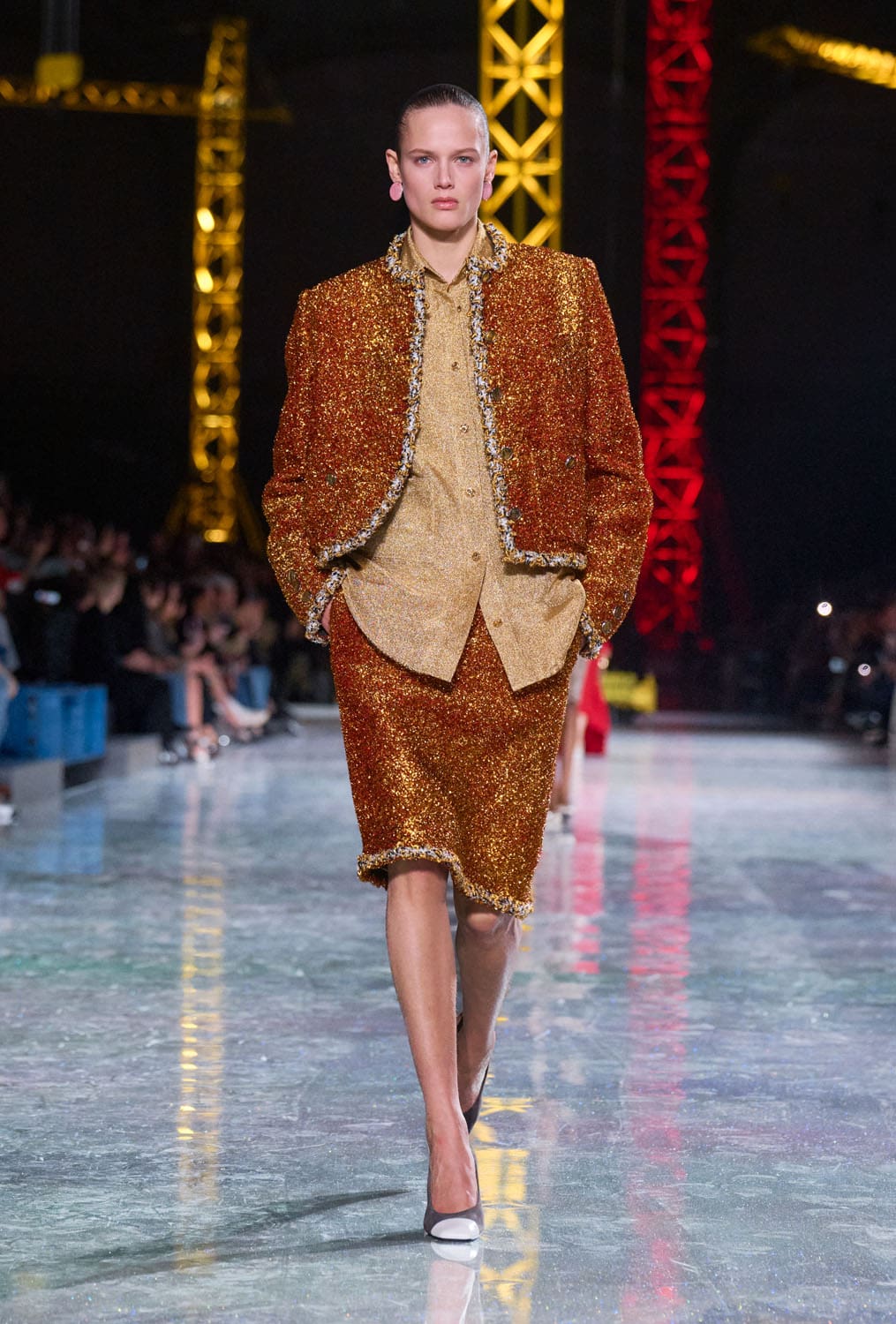
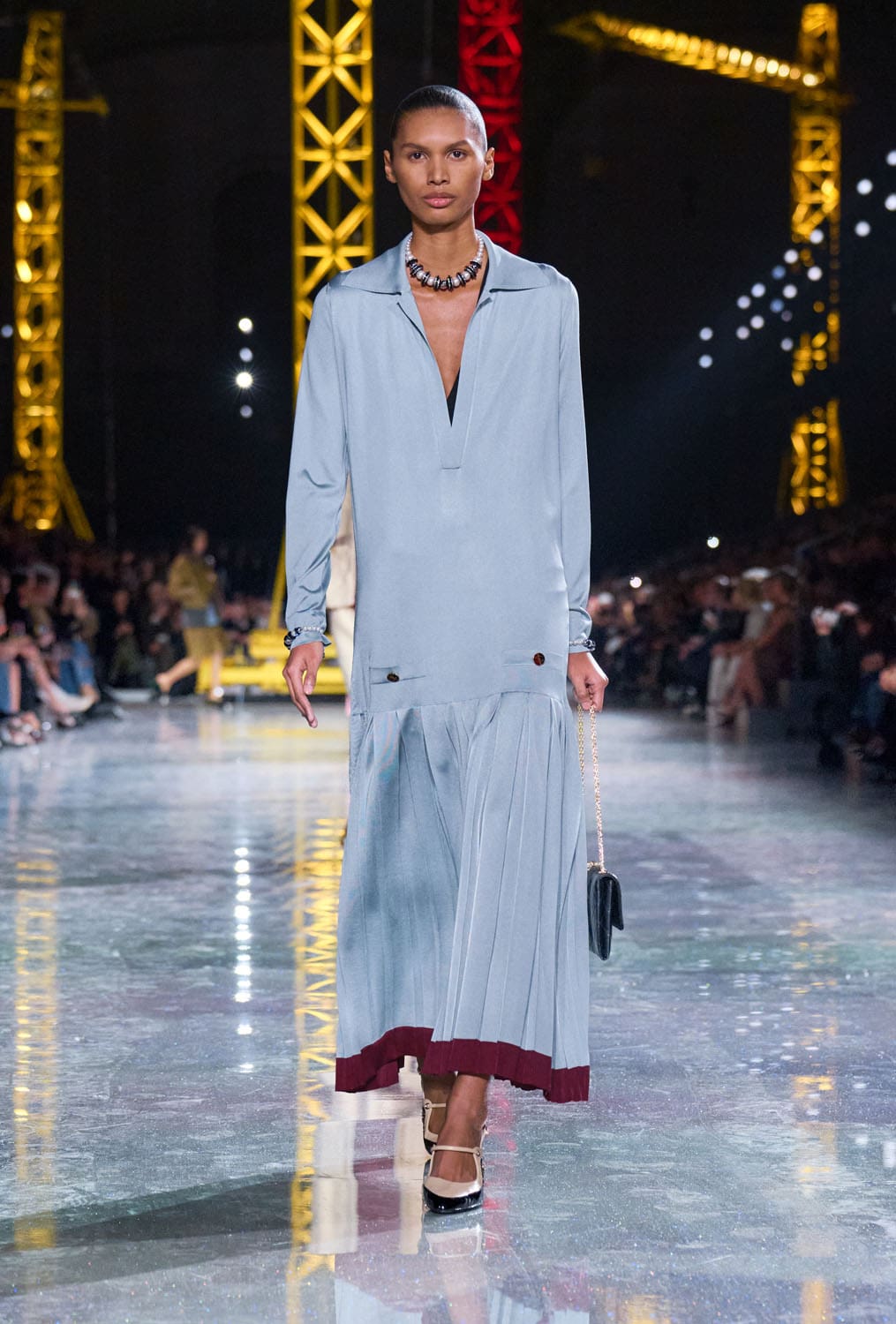
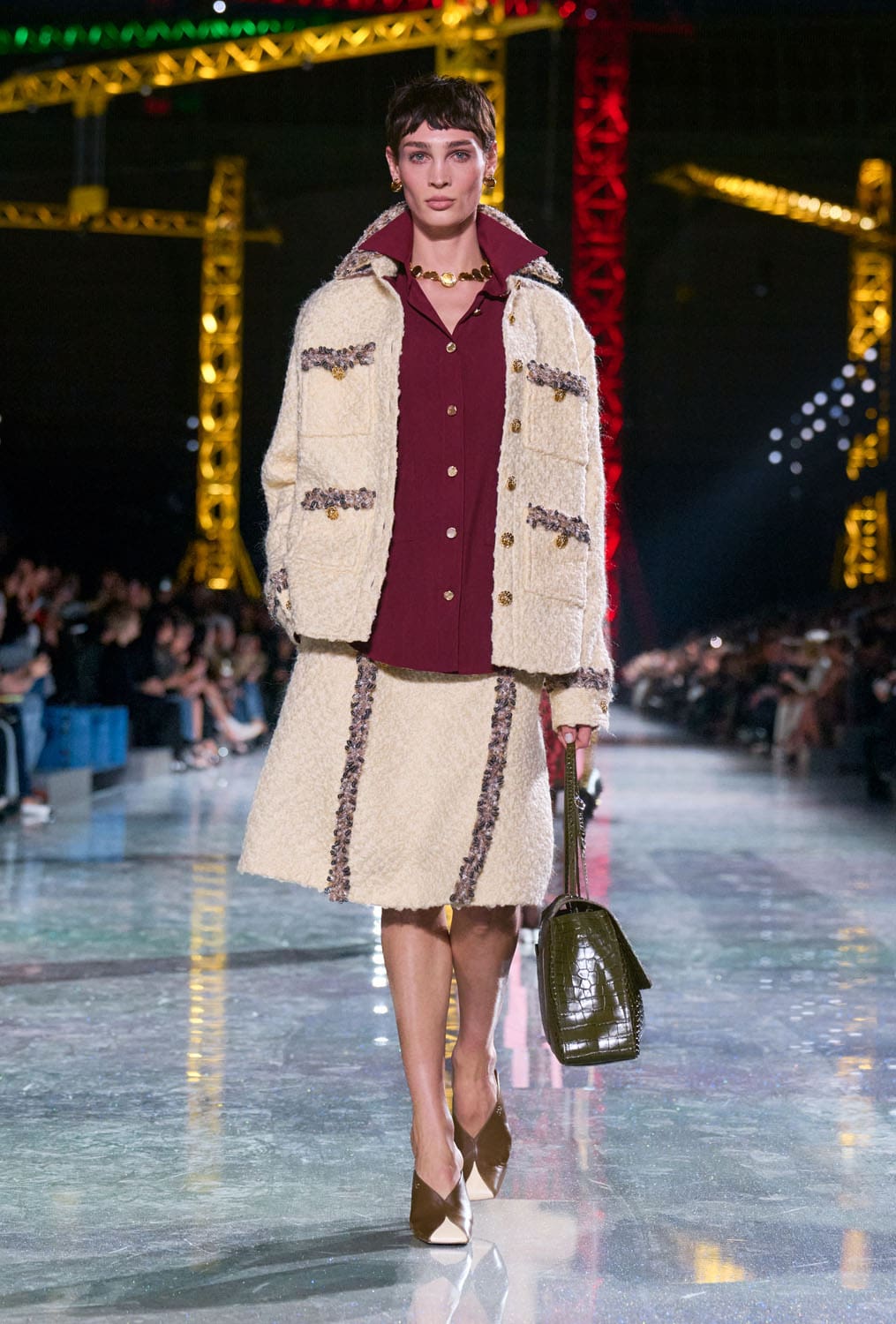
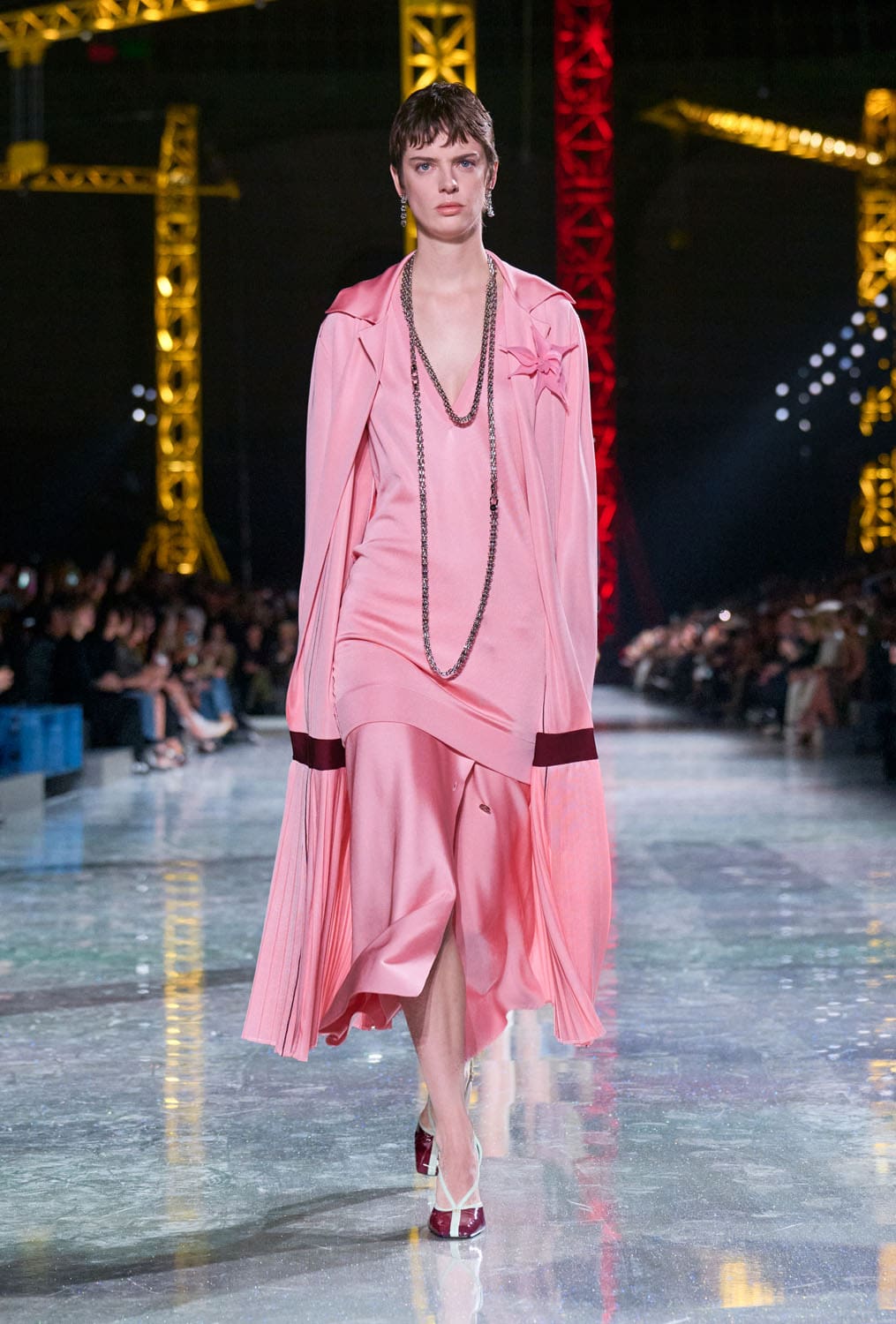
A boucle jacket and skirt in cream, trimmed with taupe sequins and paired with a burgundy blouse, tries to re-anchor the house codes — but again, there is stacking, layering, embellishing to the point where the clarity of the silhouette is compromised. Chanel’s tweed is meant to speak with authority; here it is nearly drowned in decoration. The pale-pink jersey dress layered under a matching coat, both pleated and trimmed with unexpected maroon bars, continues this narrative of excess. It is not vulgar, but it approaches a visual noise that Parisiennes instinctively resist. Chanel’s sophistication must breathe; these looks inhale shallowly.
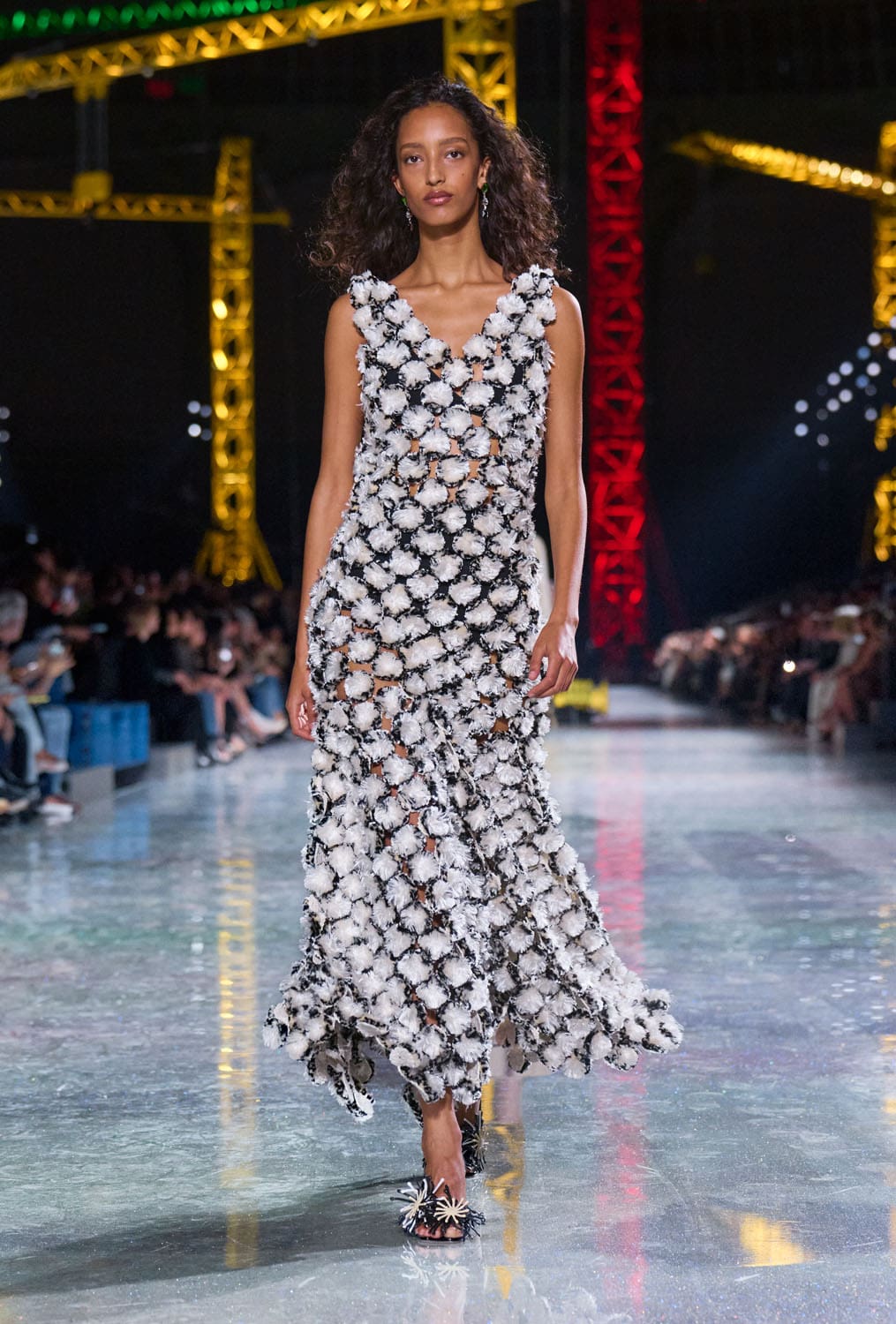
Then comes the slip-like dress in cream, yellow, and lilac, its lace bodice and panelled skirt embellished with blooming appliqués. It recalls the “papillon de nuit” concept — metamorphosis, nocturnal iridescence — but the multiplicity of textures reads less as transformation and more as indecision. Similarly, the black-and-gold clustered dress with a red floral neckline is tactile and intricate, yet its density overwhelms the wearer. The garment becomes the event, rather than elevating the woman — a reversal of the Chanel philosophy.
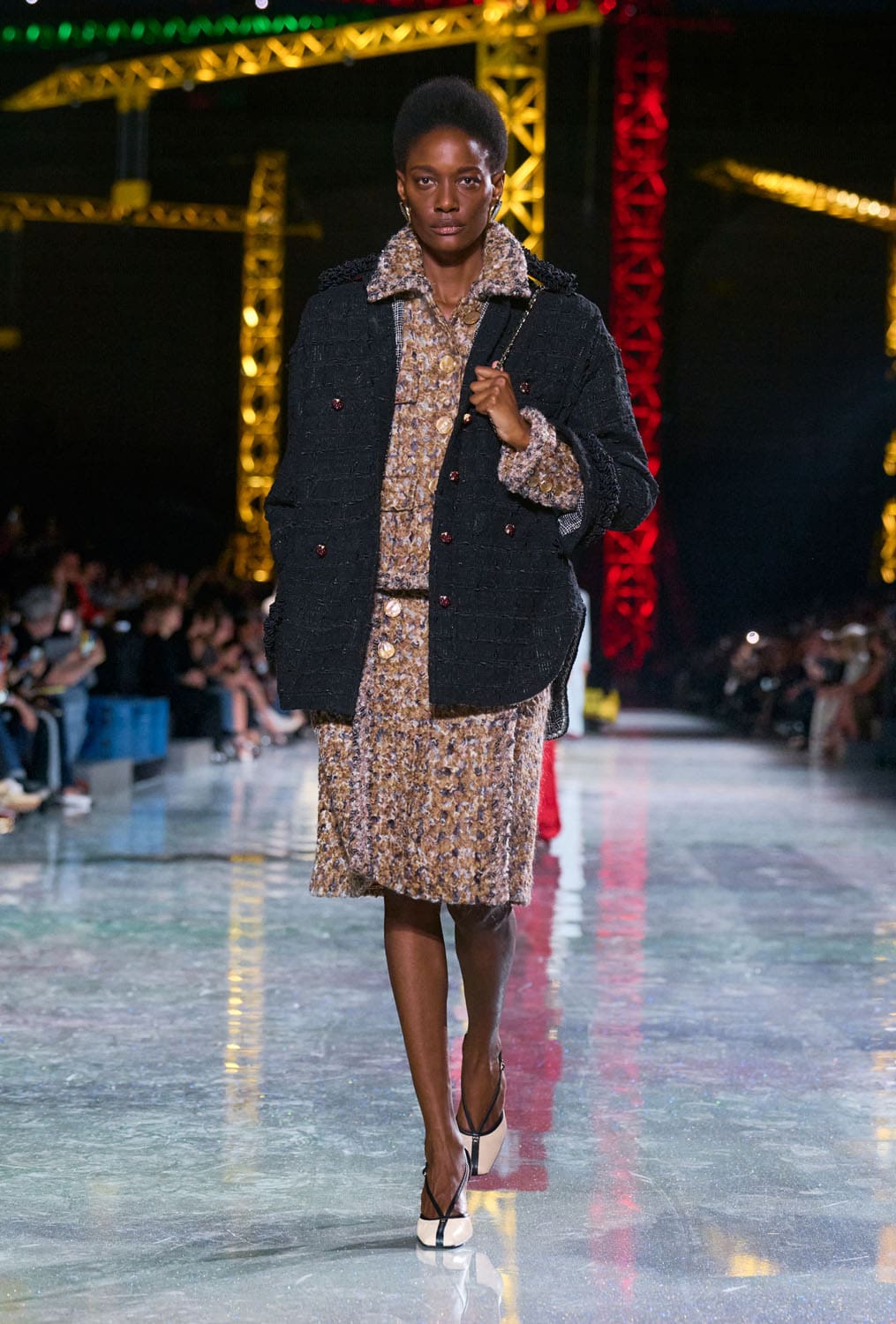
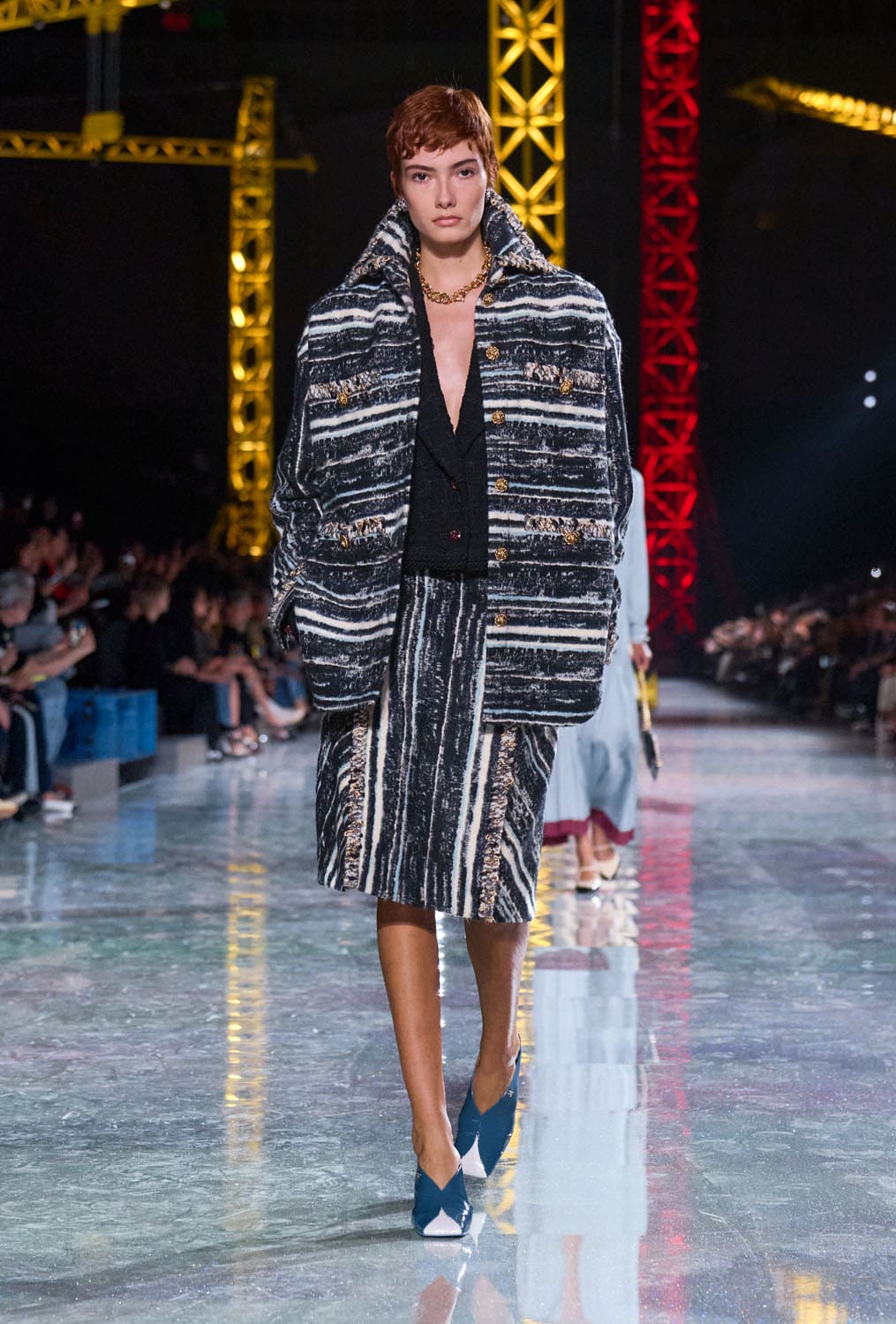
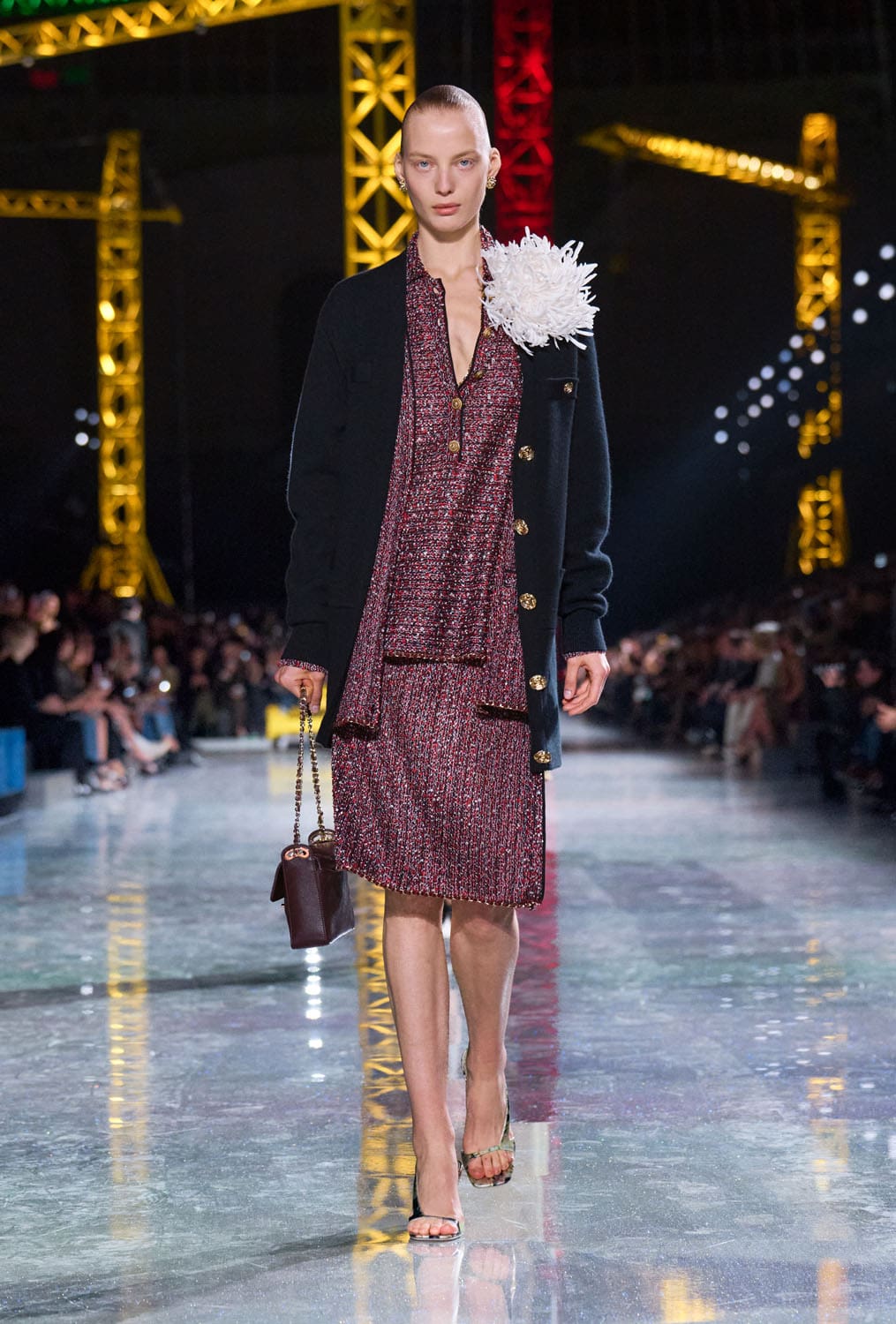
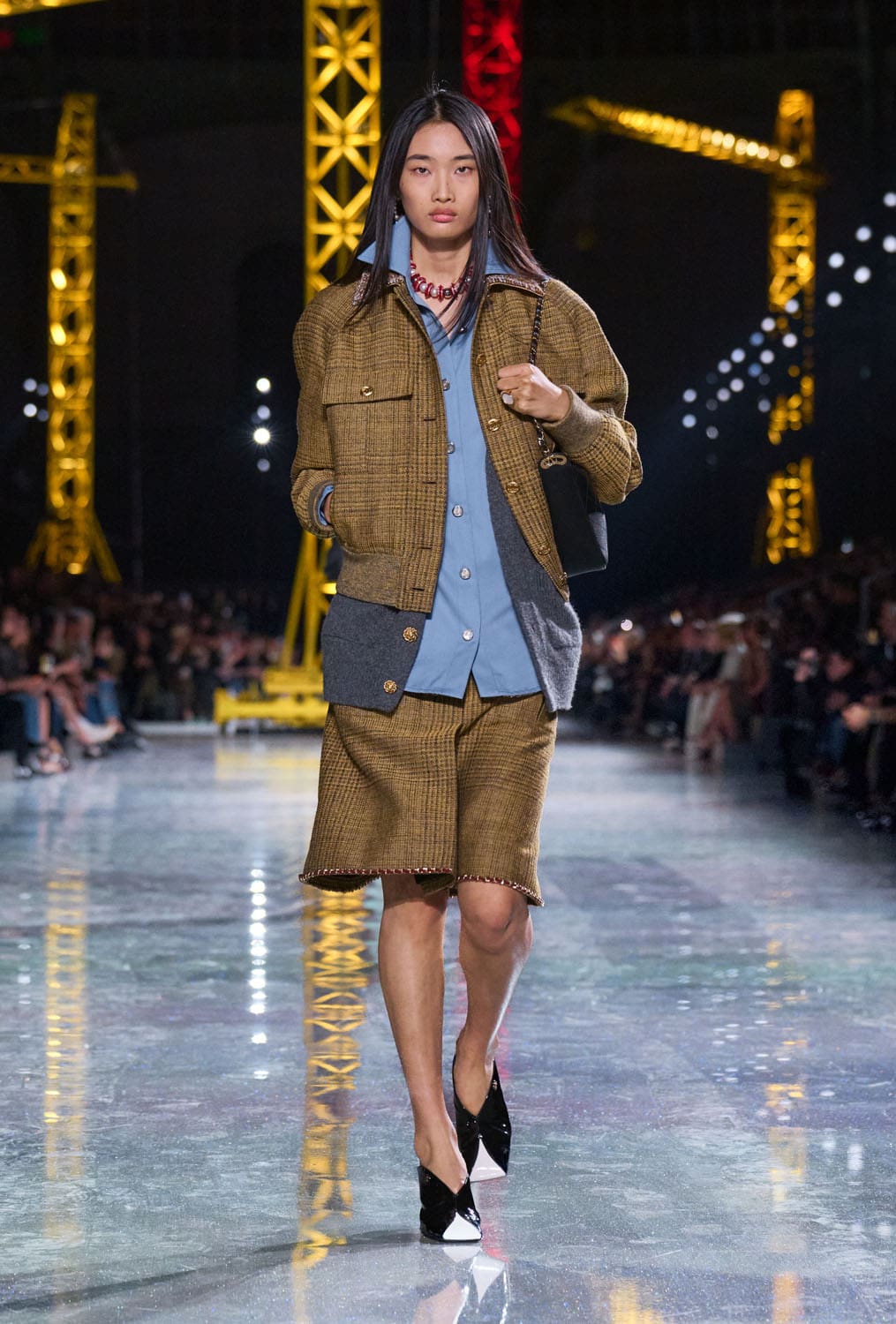
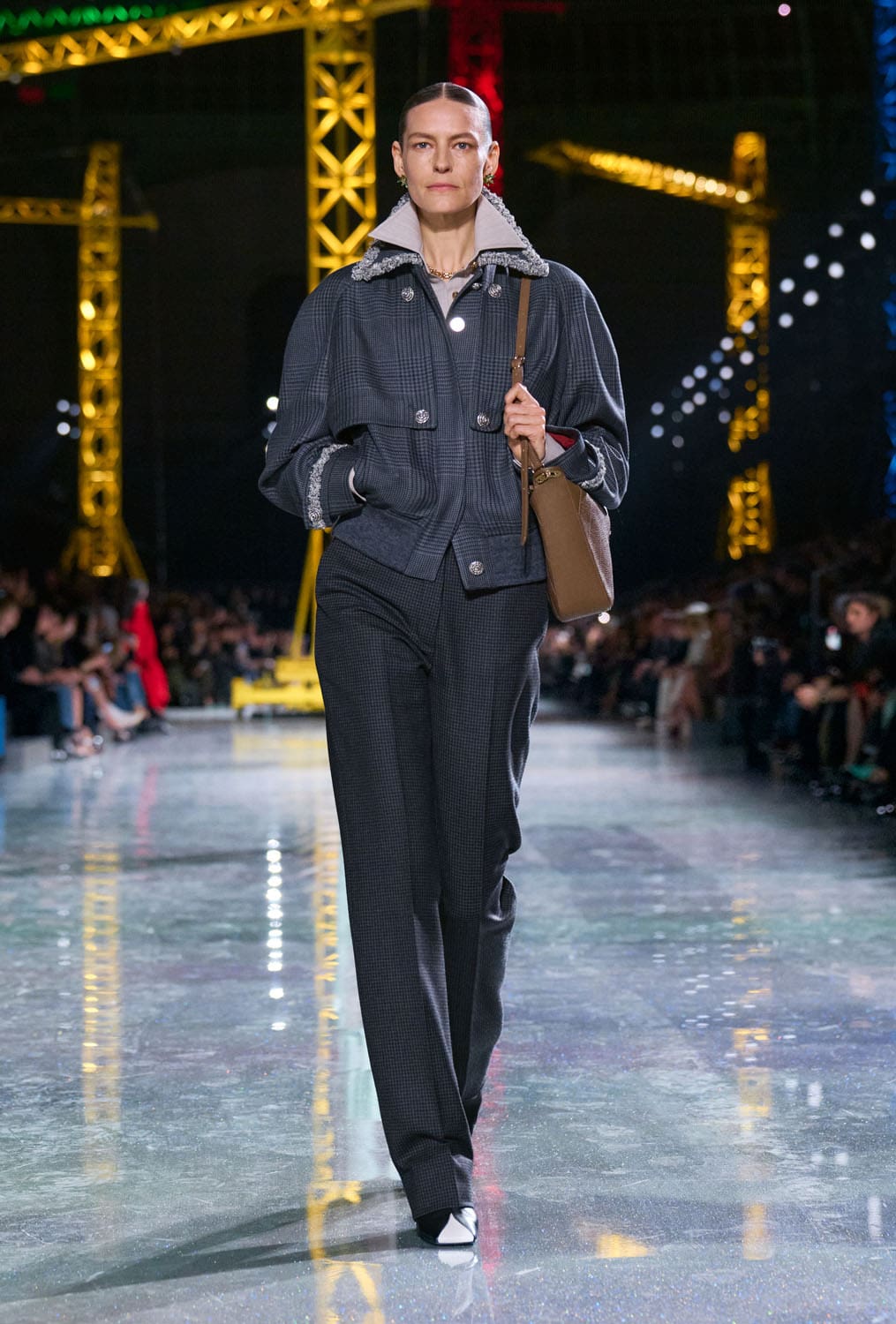
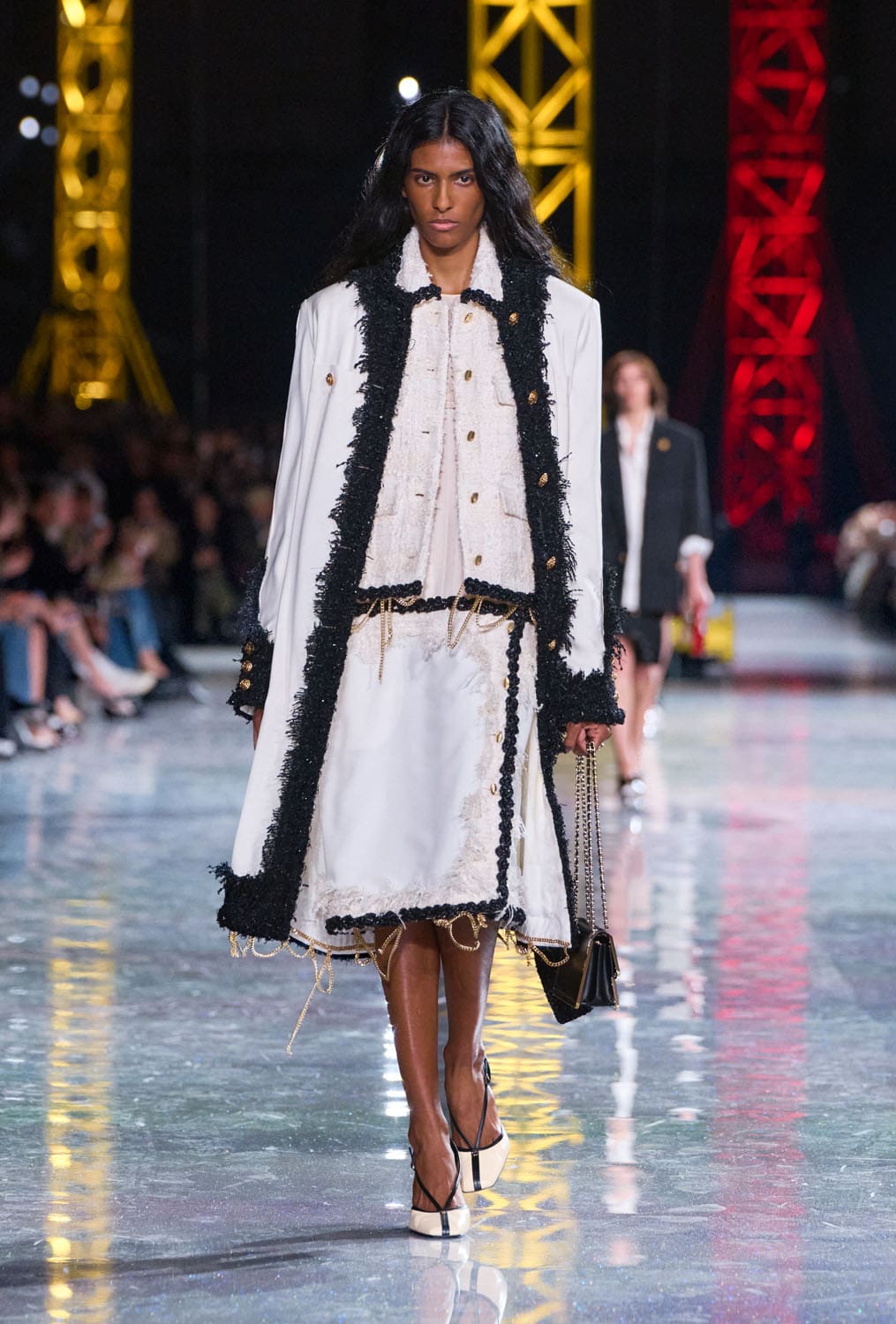
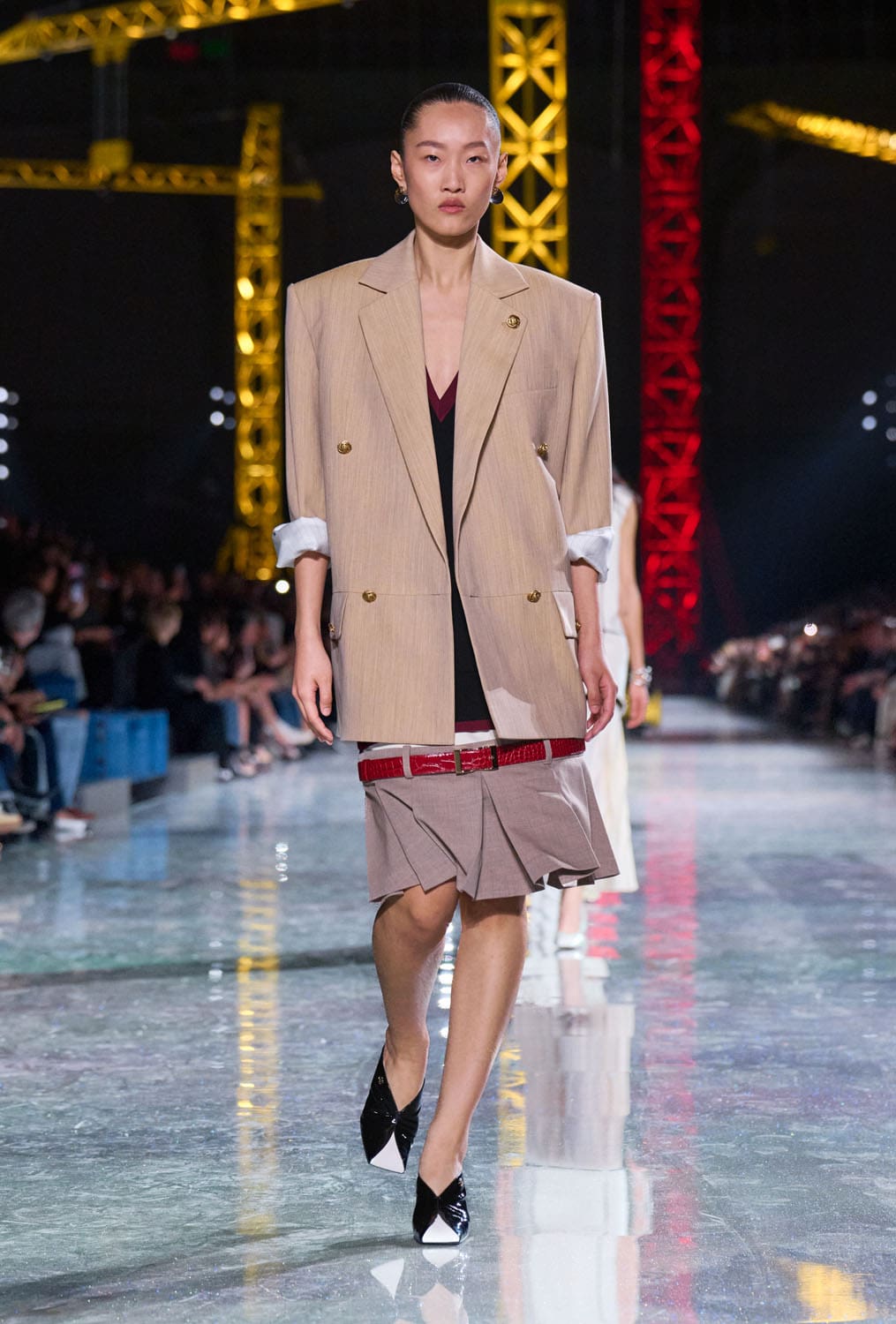
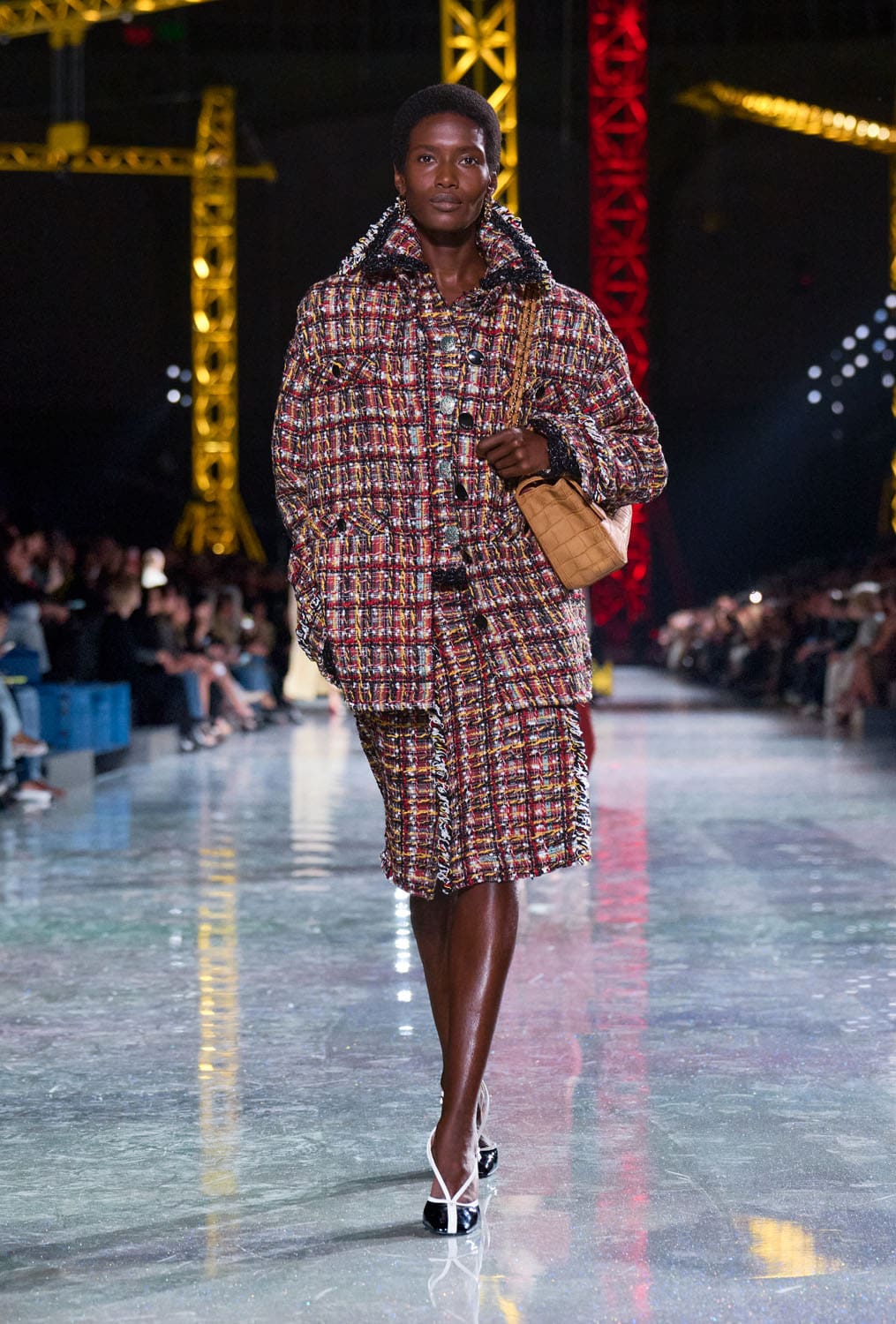
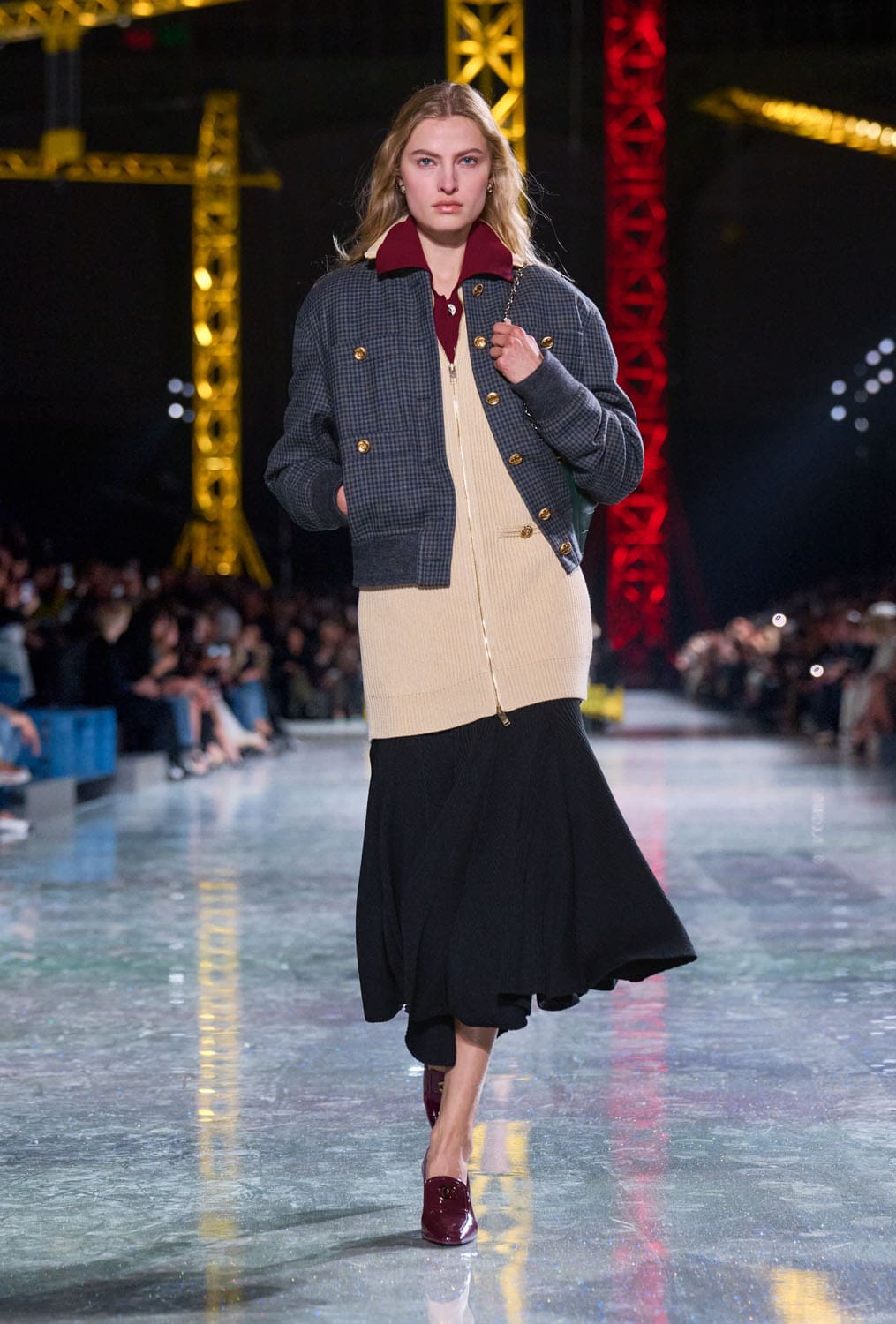
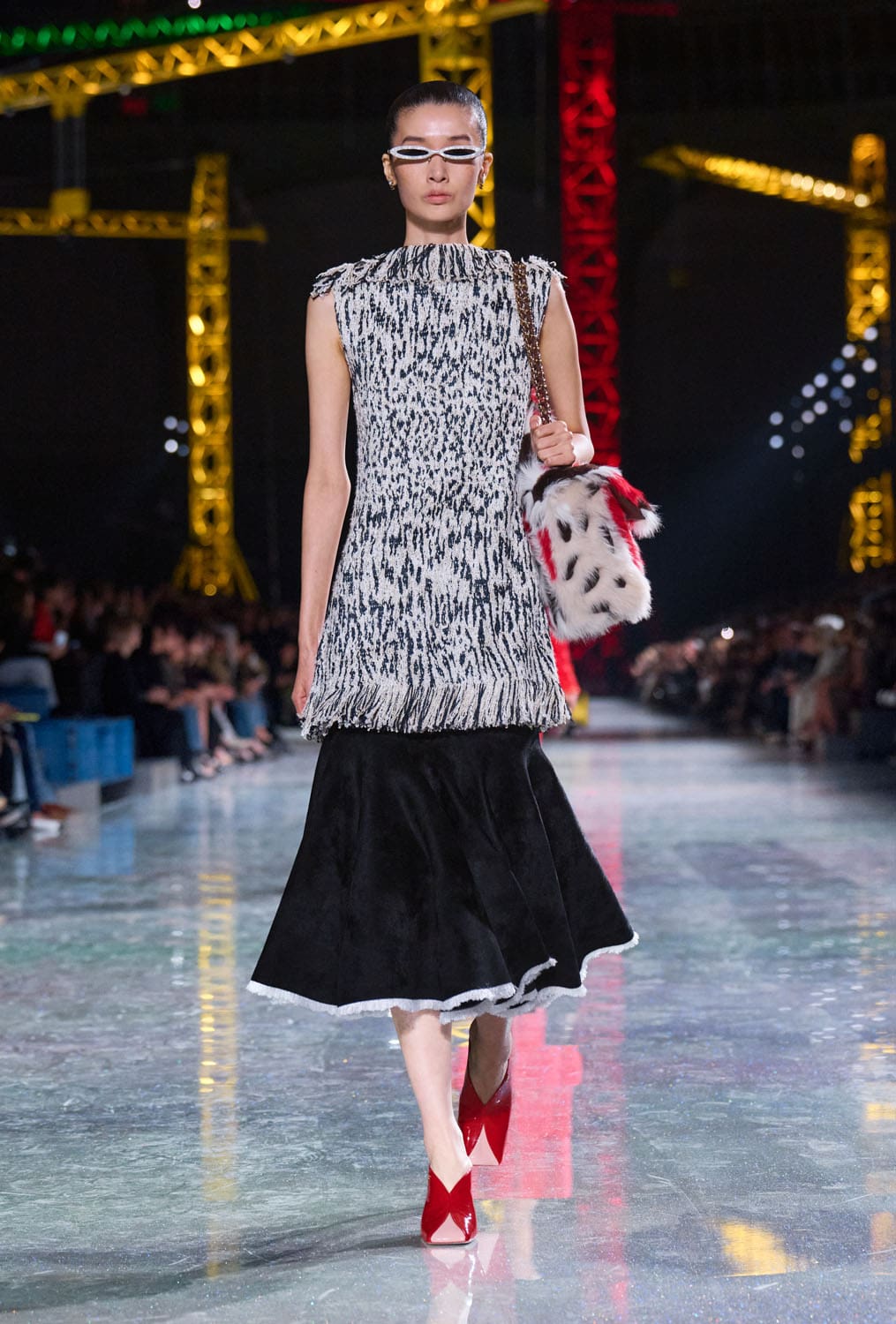
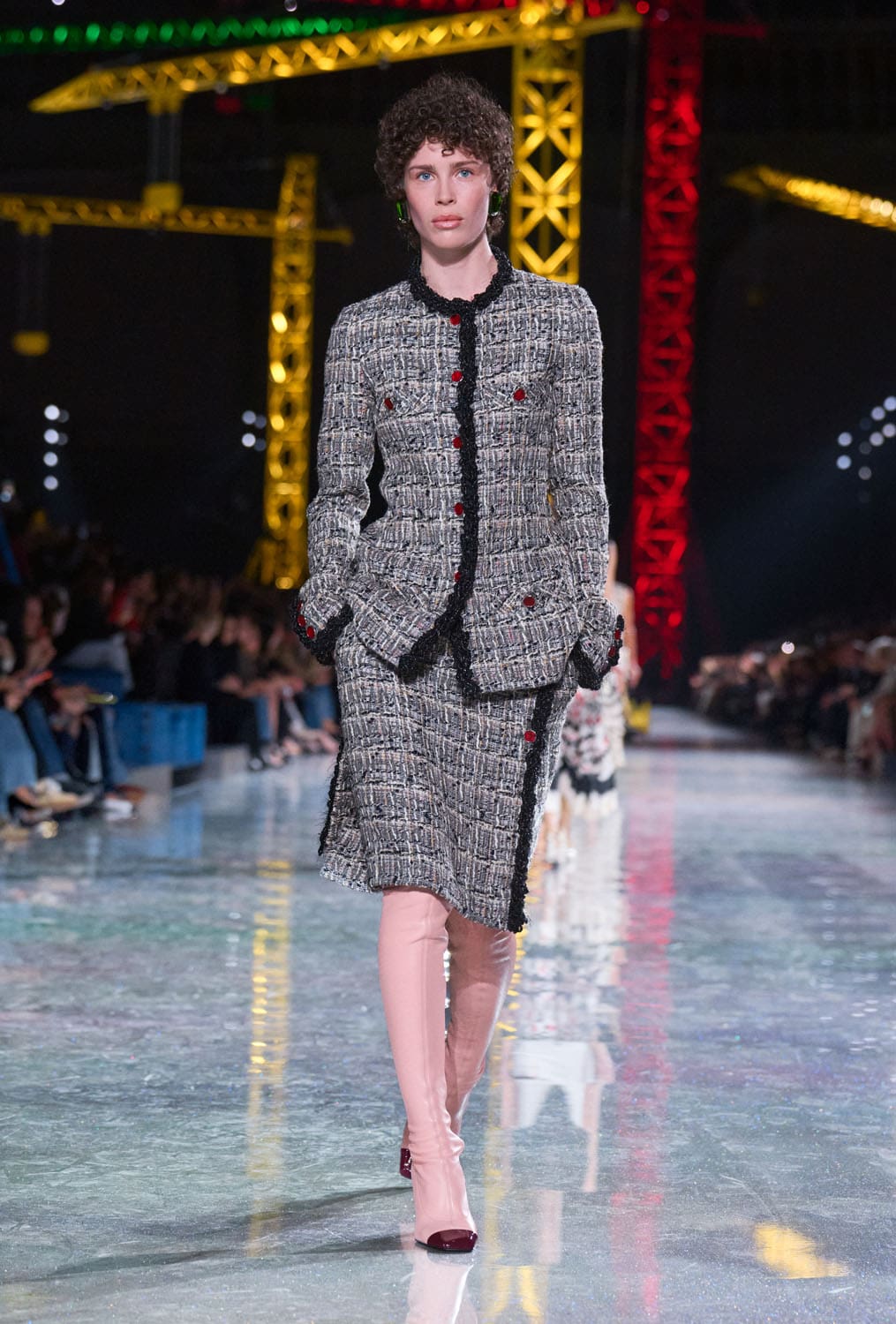
When Blazy turns to tweed tailoring, the intended heart of the collection, the conflict becomes even clearer. A model strides out in a mint-trimmed, grey tweed skirt layered over yet another tweed piece, under yet another jacket, beneath a boucle bomber. Chanel wanted a street-ready suit, but the layering crosses into costume. Parisian chic is rooted in subtraction; here, addition reigns. The red-and-white coat with woolly fringed trimming is exuberant, but the motif borders on aggressive, almost loud for loudness’ sake. The subsequent white look with black, shaggy edges and hanging threads feels similarly overwrought, impressive in craft yet unrefined in message.
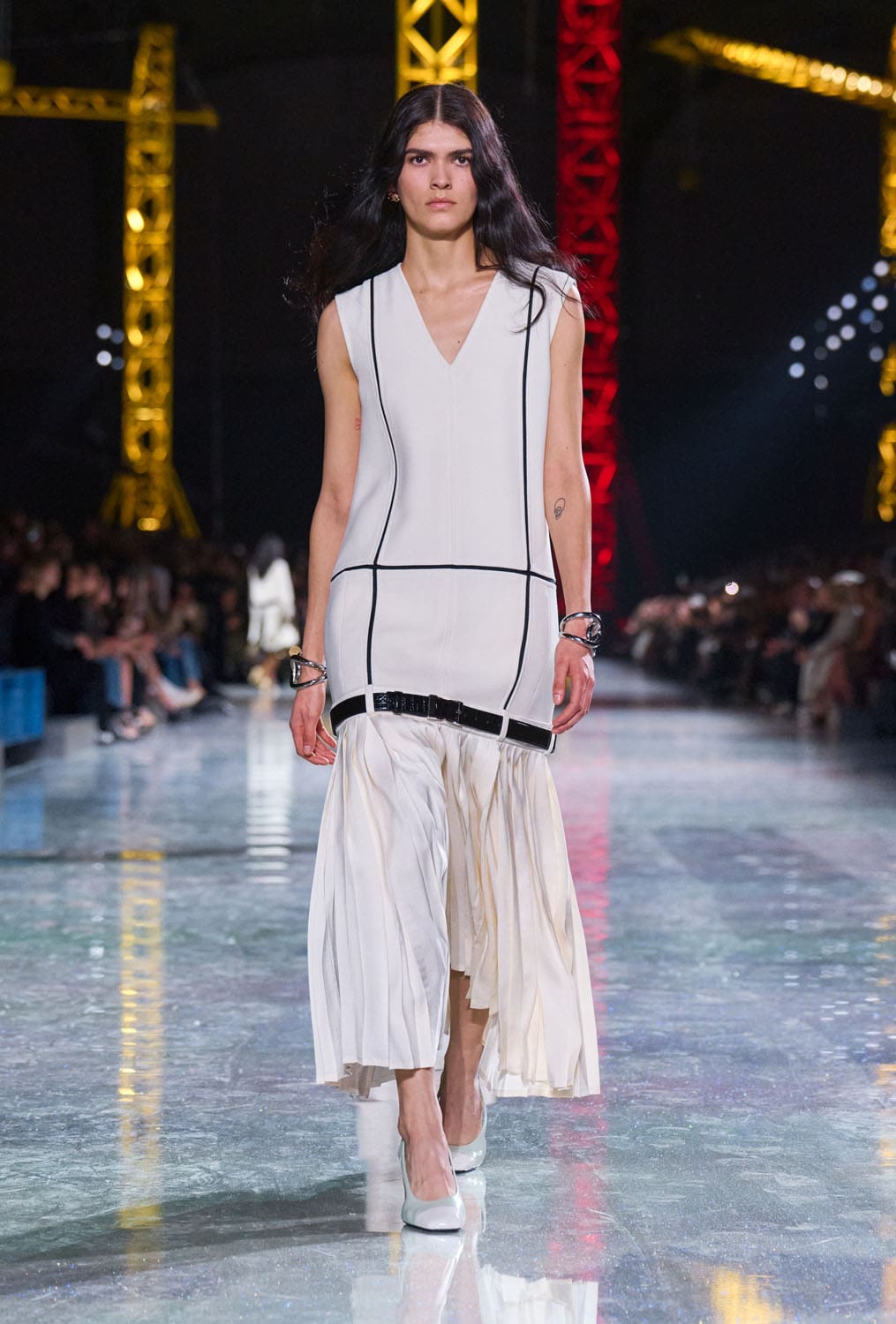
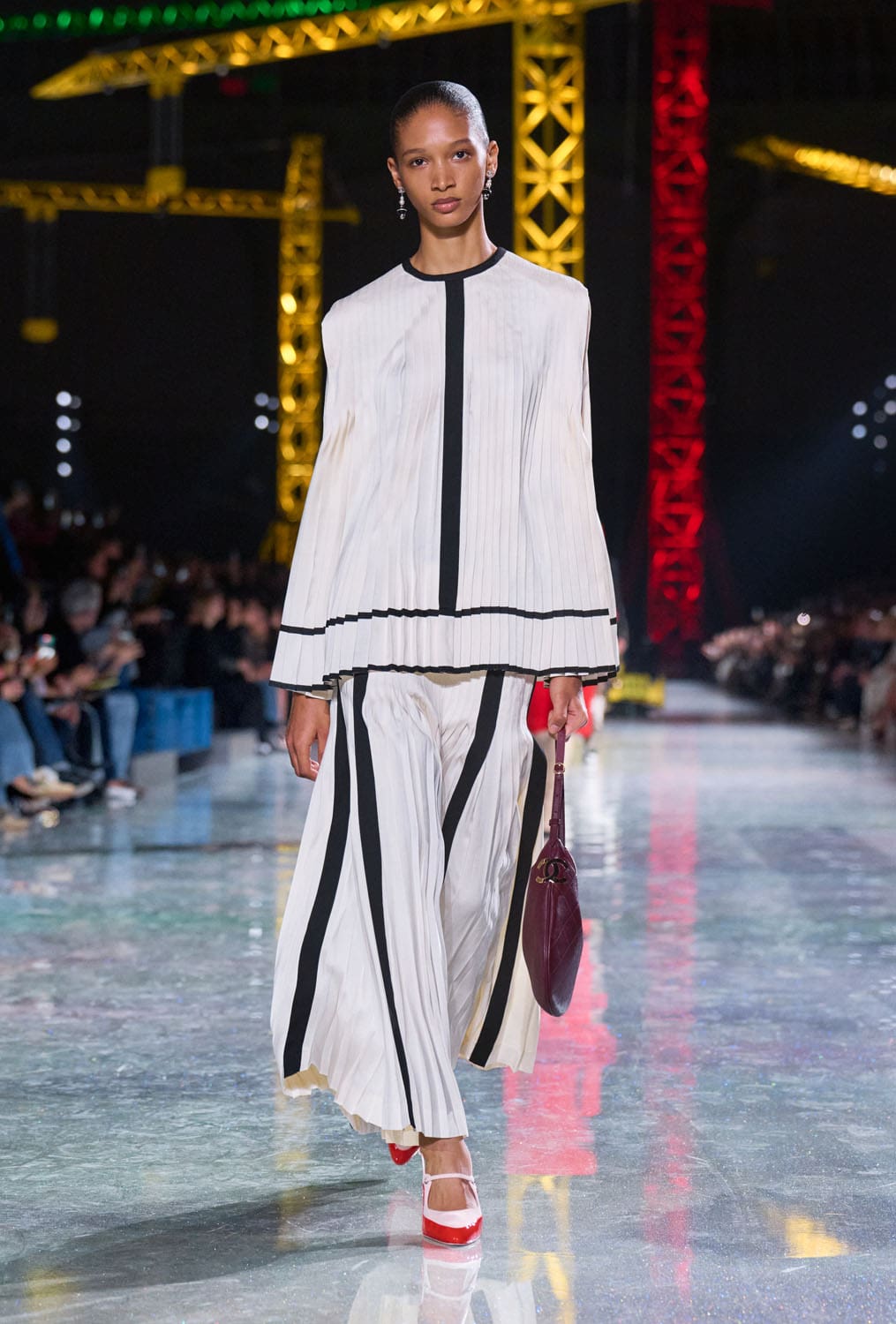
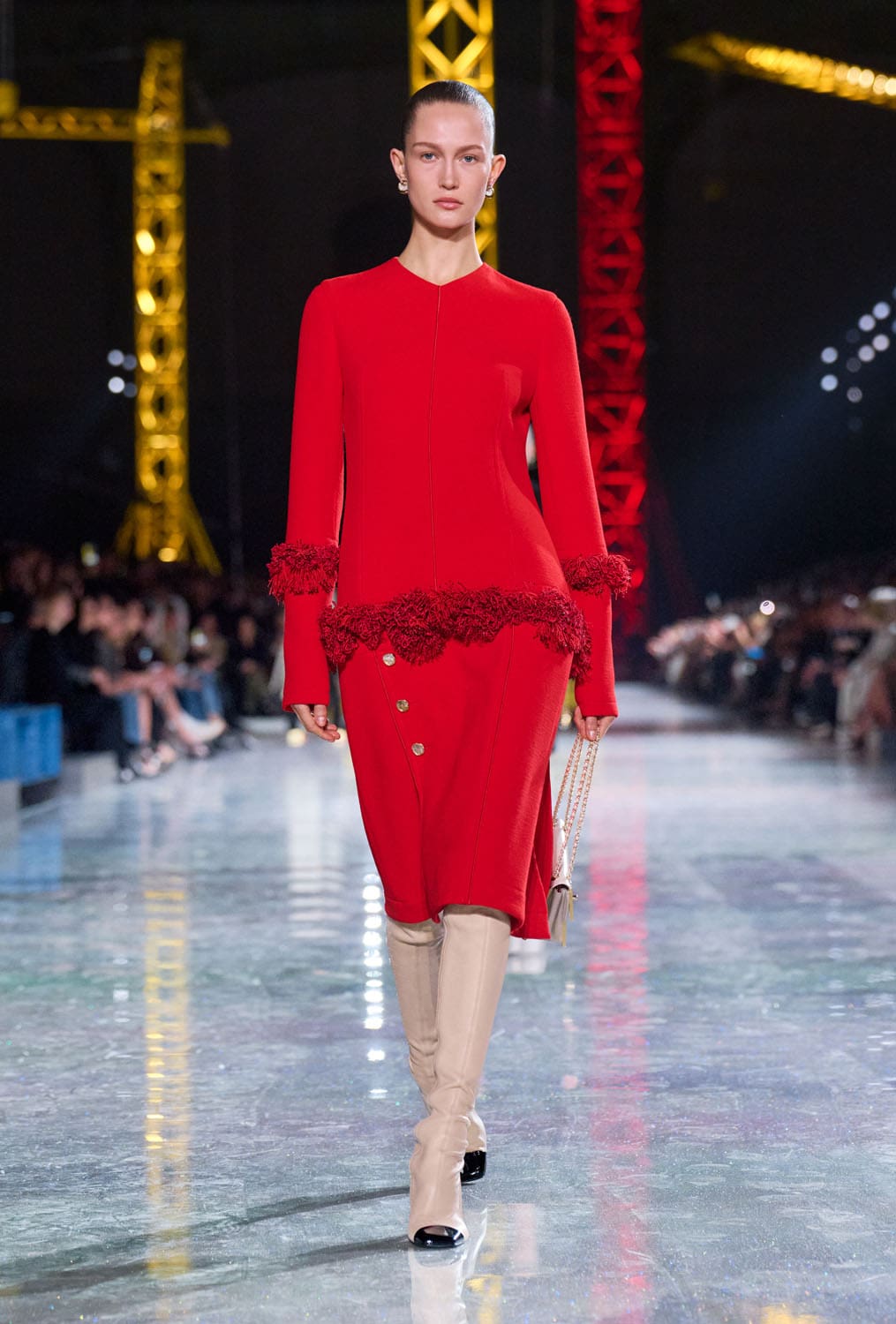
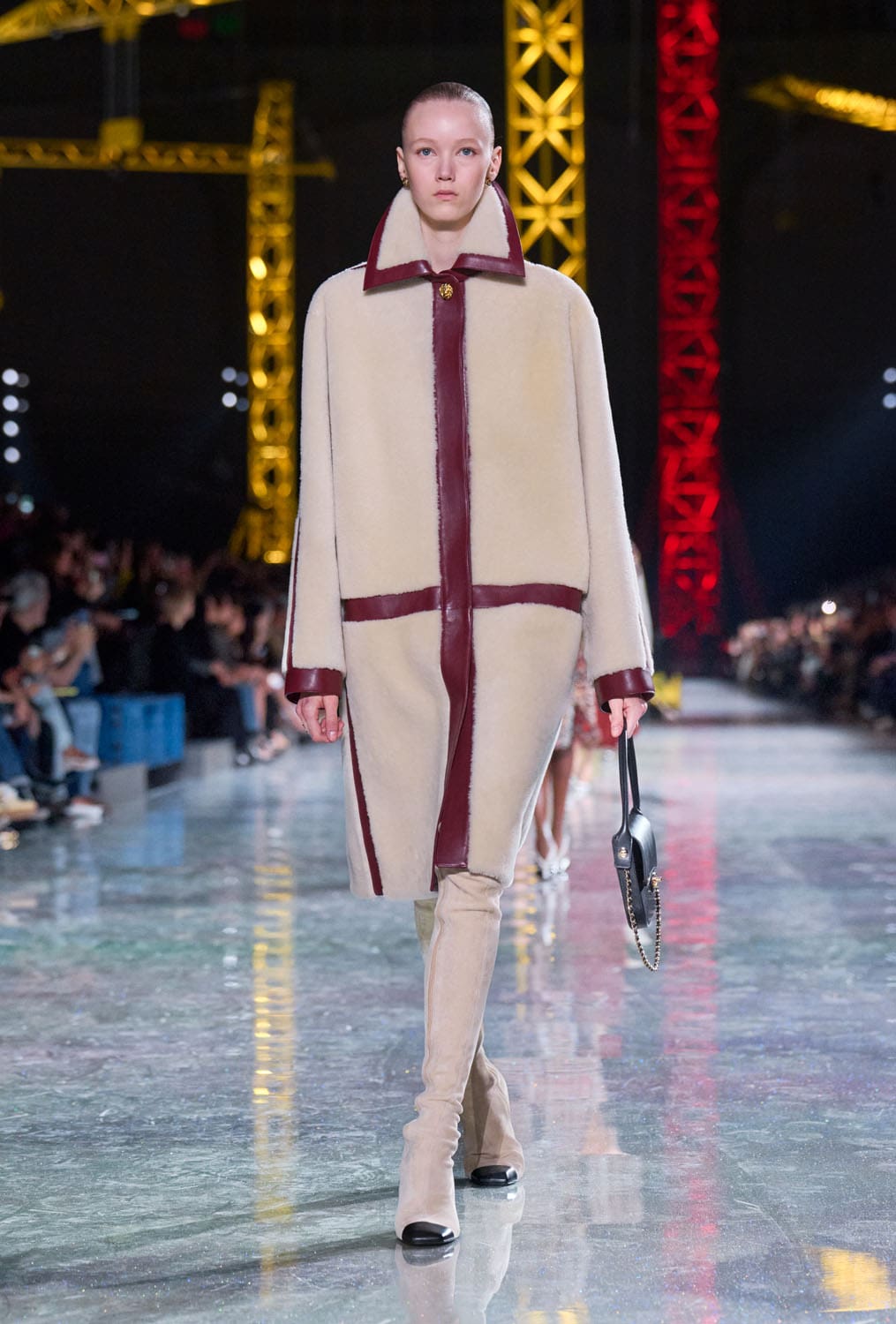
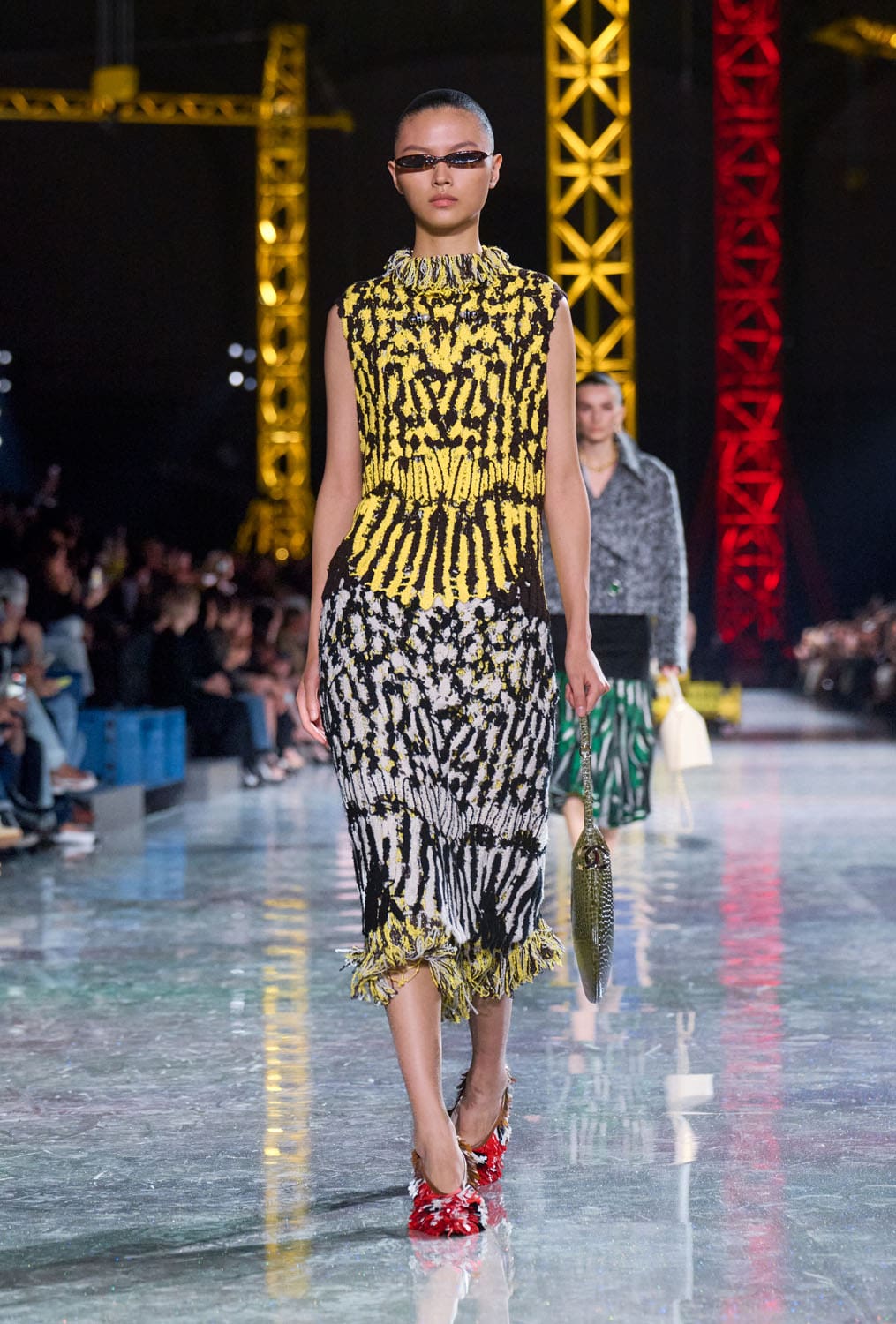
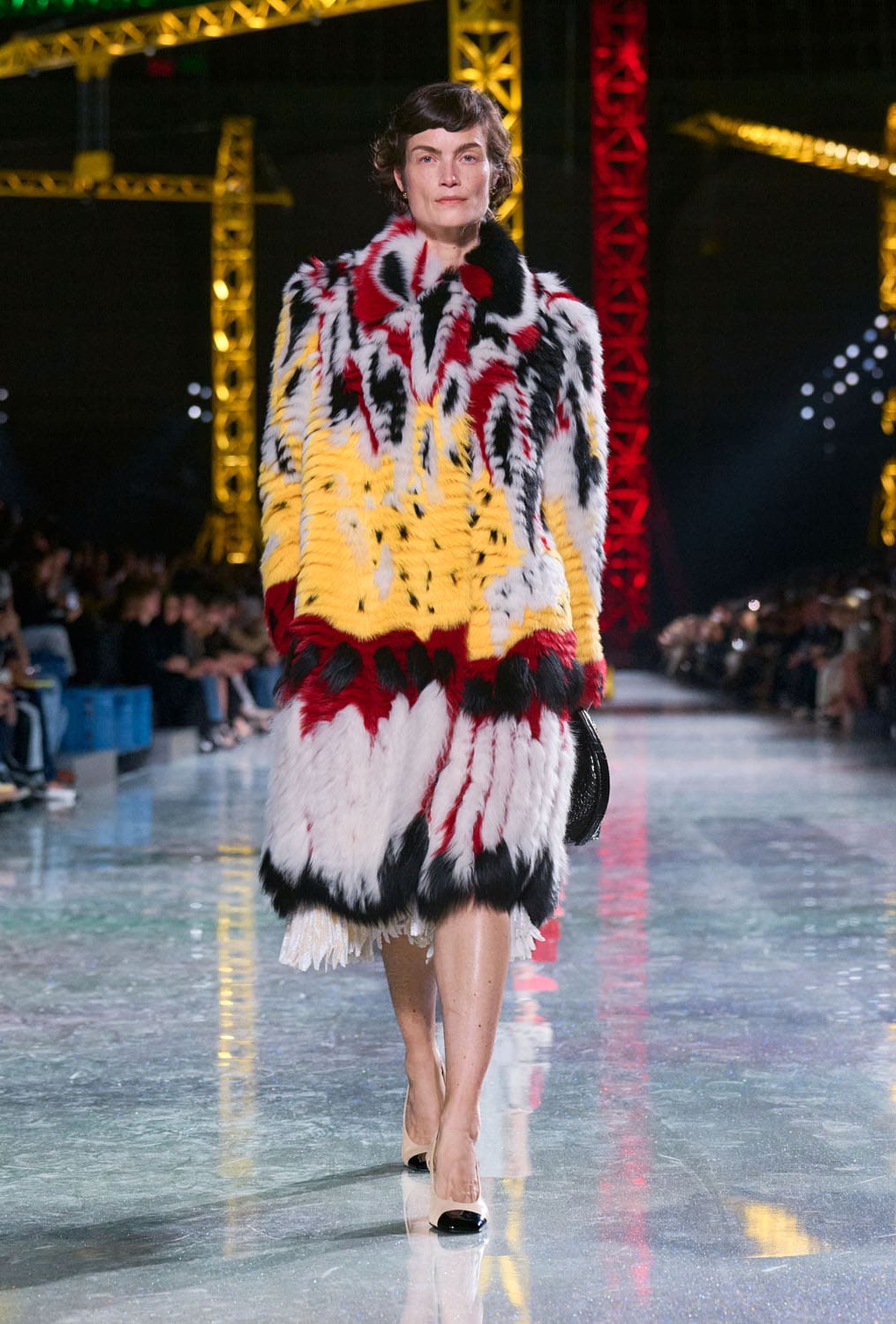
A moment of restraint appears in the white pleated ensemble edged in black. It is crisp, architectural, and finally allows the eye to rest. But it is an exception rather than a direction. Blazy returns quickly to intensity: a red dress with clustered appliqué cuffs and hem, immediately followed by explosive knit patterns in yellow and black, and a fur coat in red, white, black, and canary — a pièce that fully embodies the “too loud” critique. Chanel does not need to shout to be seen. These garments nearly scream.
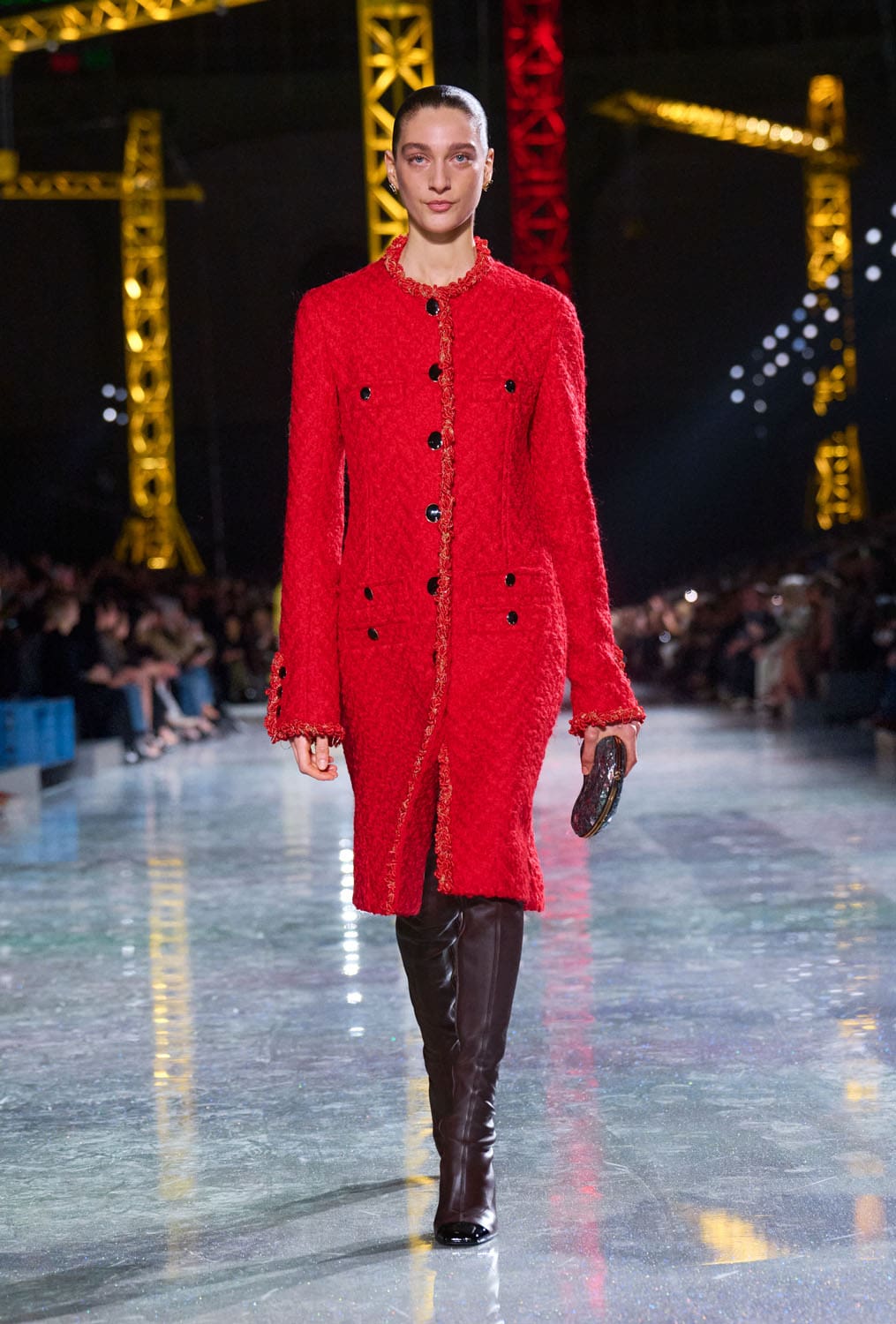
Traditionalists will appreciate the red boucle coat with black buttons — finally, a clean line, a confident silhouette. Yet even that is followed by a metallic tweed ensemble shimmering in green and silver, trimmed with floral appliqués and layered over more tweed. The palette is vibrant to the point of distraction. And the finale sequence — feather-shouldered lace, glittering coats layered over embroidered skirts, pomegranate-toned accessories — feels like a chase scene toward spectacle. Not toward style.
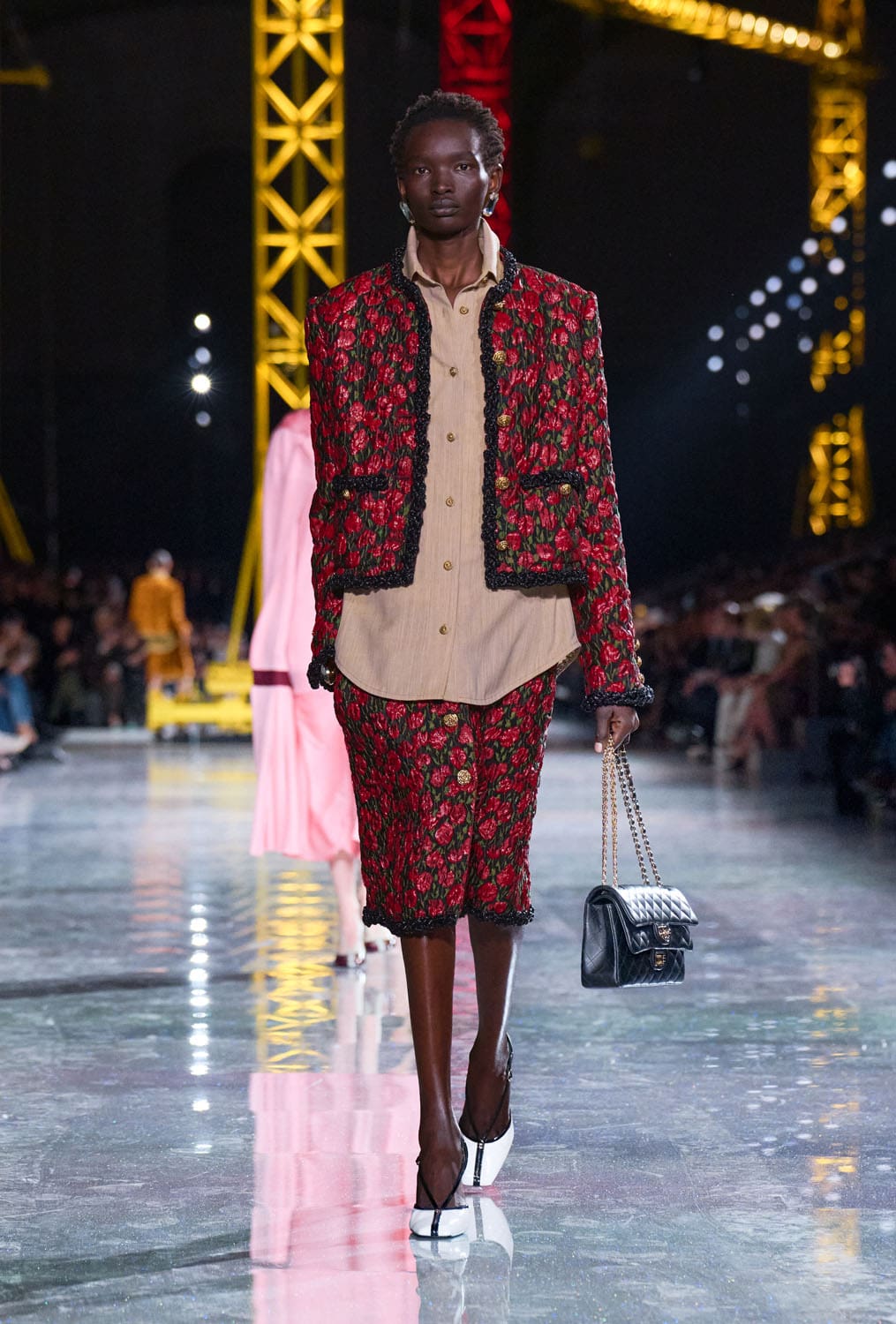
The press release describes Chanel as paradox: sensible and seductive, day and night. And in fairness, Blazy understands the duality intellectually. But the execution leans too heavily into maximalism at a house built on calibrated freedom. Chanel’s paradox is a whisper, not a collision. The Fall Winter 2026 runway flirts with vulgarity not because the clothes lack craft — they are impeccably made — but because the layering, embellishment, and color saturation obscure elegance instead of amplifying it.
This may indeed be a conversation. But Matthieu spoke too loudly, too quickly, too colorfully. Chanel women do not fear expression — but they refuse to be drowned in it. The line between exuberance and excess is thin, and here, Chanel very nearly crossed it.
See All Looks CHANEL Fall Winter 2026