
Fragonard 100 years of the House “The Architecture of Scent and Desire: Inside Maison Fragonard’s Centenary at the Monnaie de Paris”. Story by Eleonora de Gray, Editor-in-Chief of RUNWAY MAGAZINE. Photo Courtesy: Fragonard.
For the first time in its hundred-year history, the storied Grasse perfumery brings its private vaults of paintings, precious flacons, and eighteenth-century couture across the Seine—directly opposite the Louvre apartments where Jean-Honoré Fragonard once lived and painted.
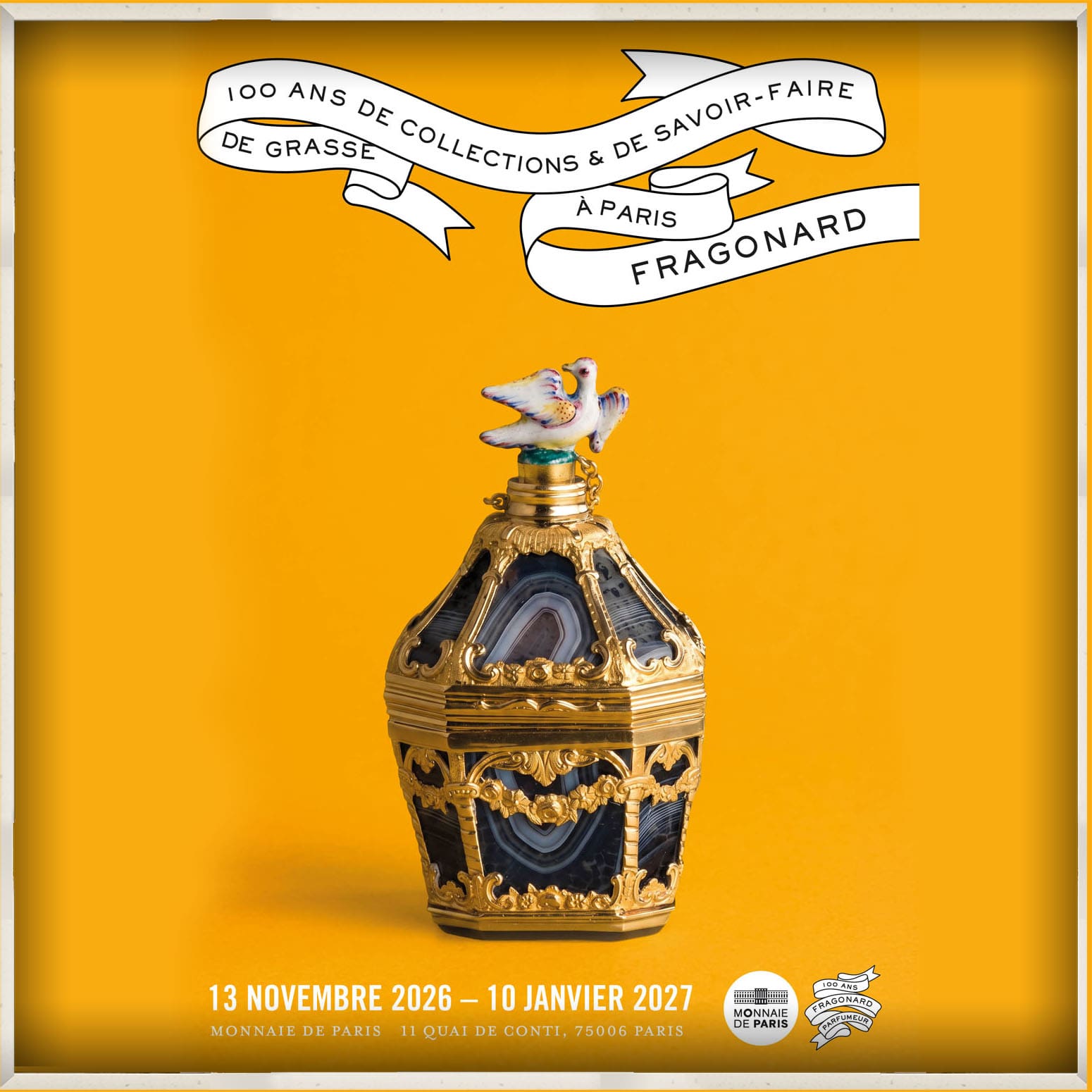
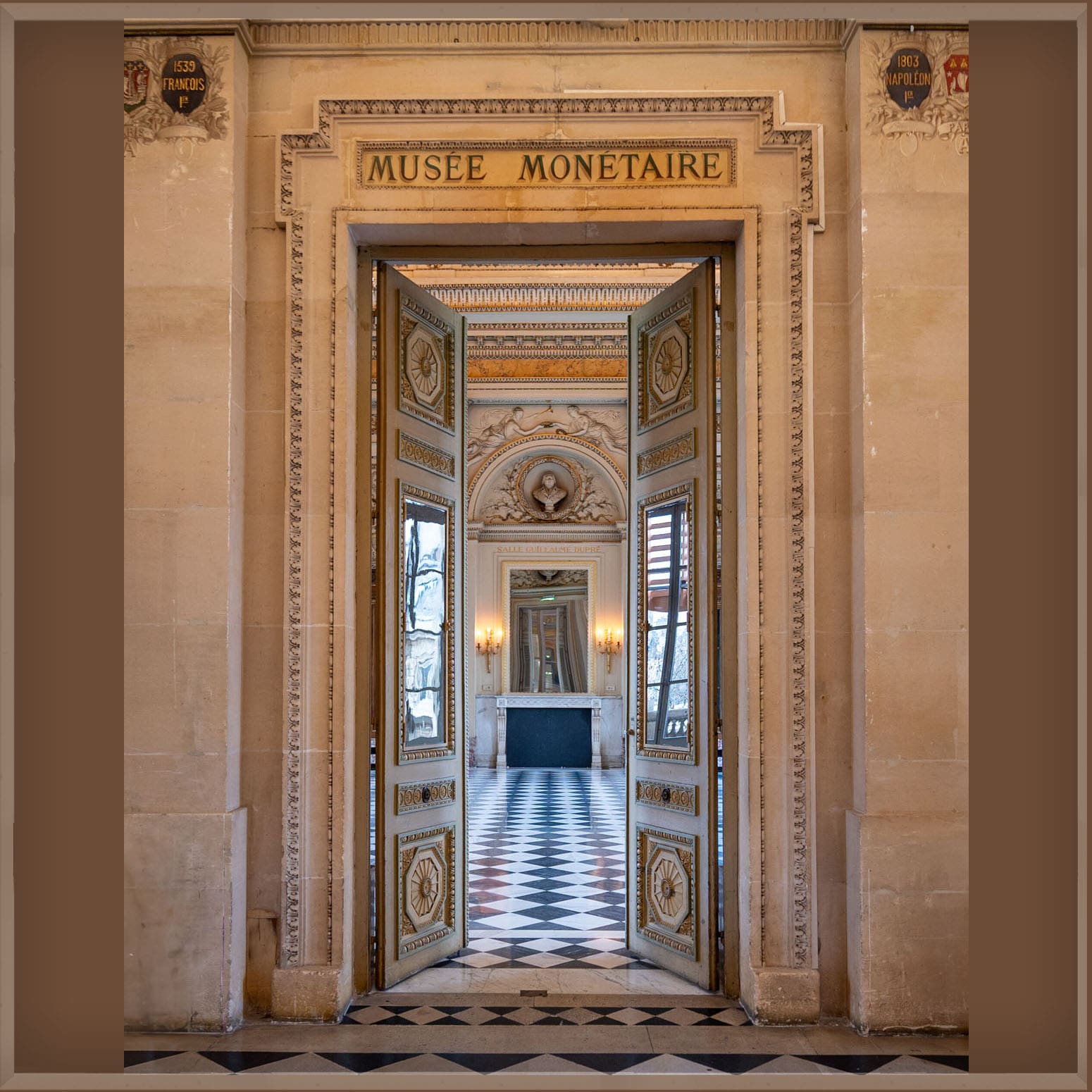
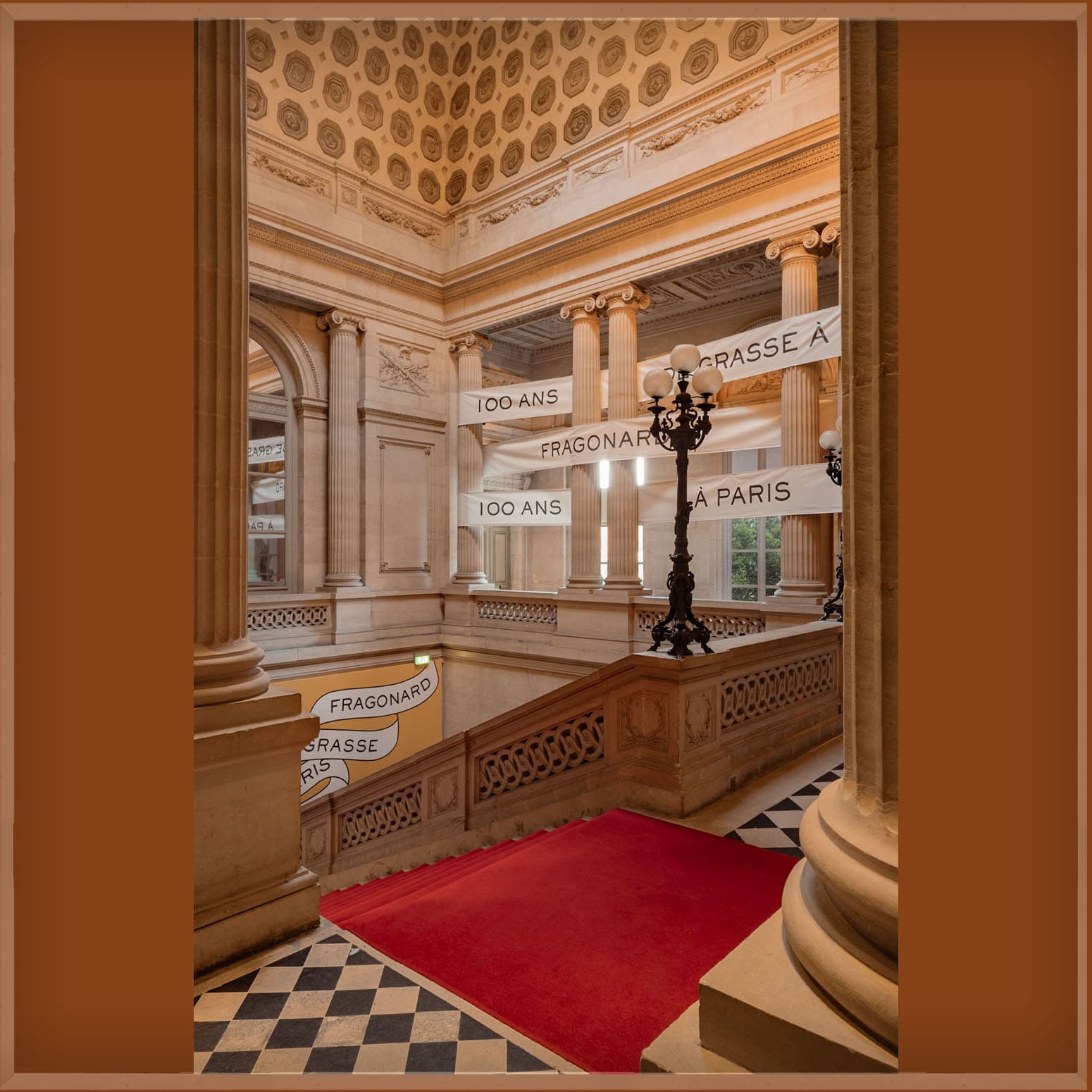
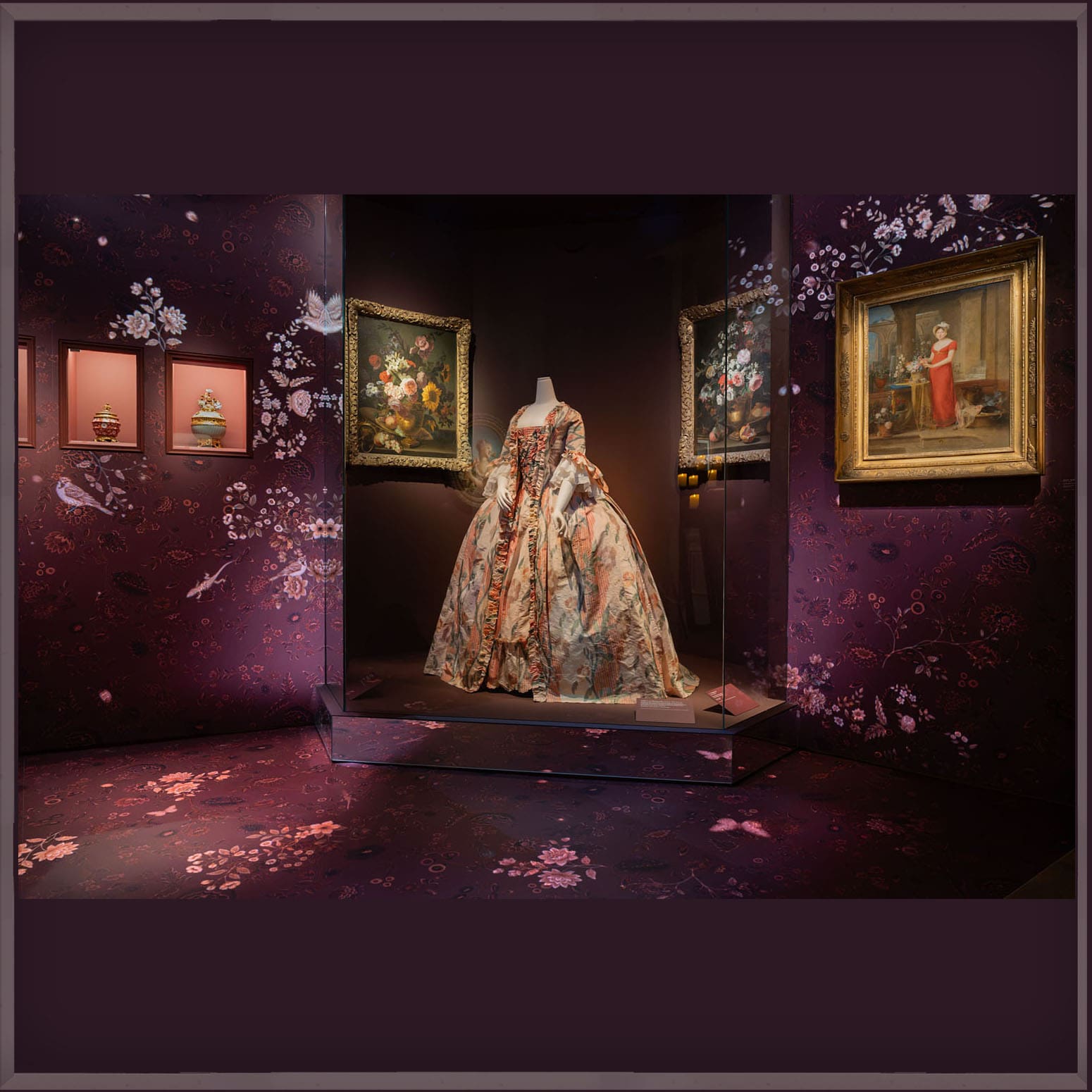
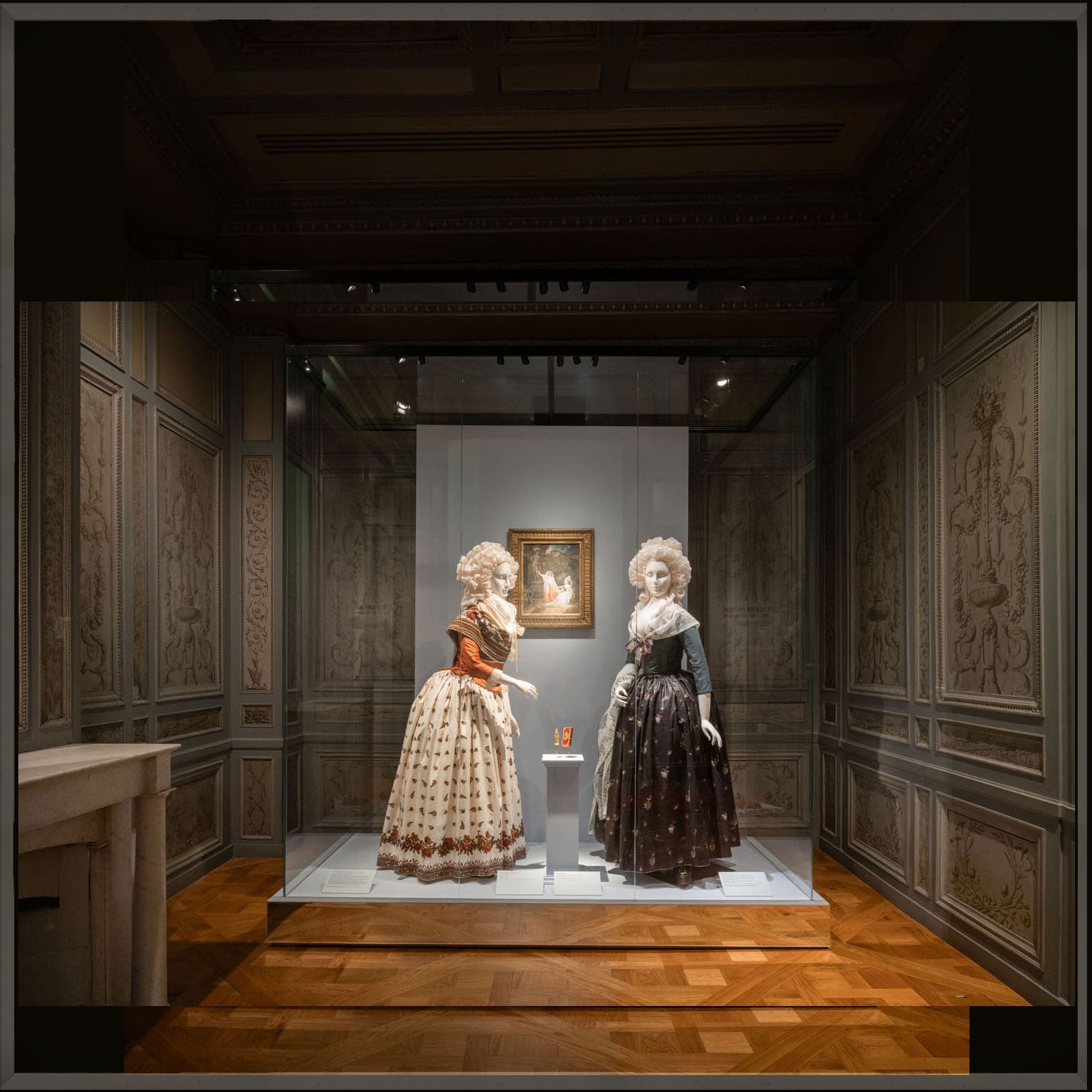
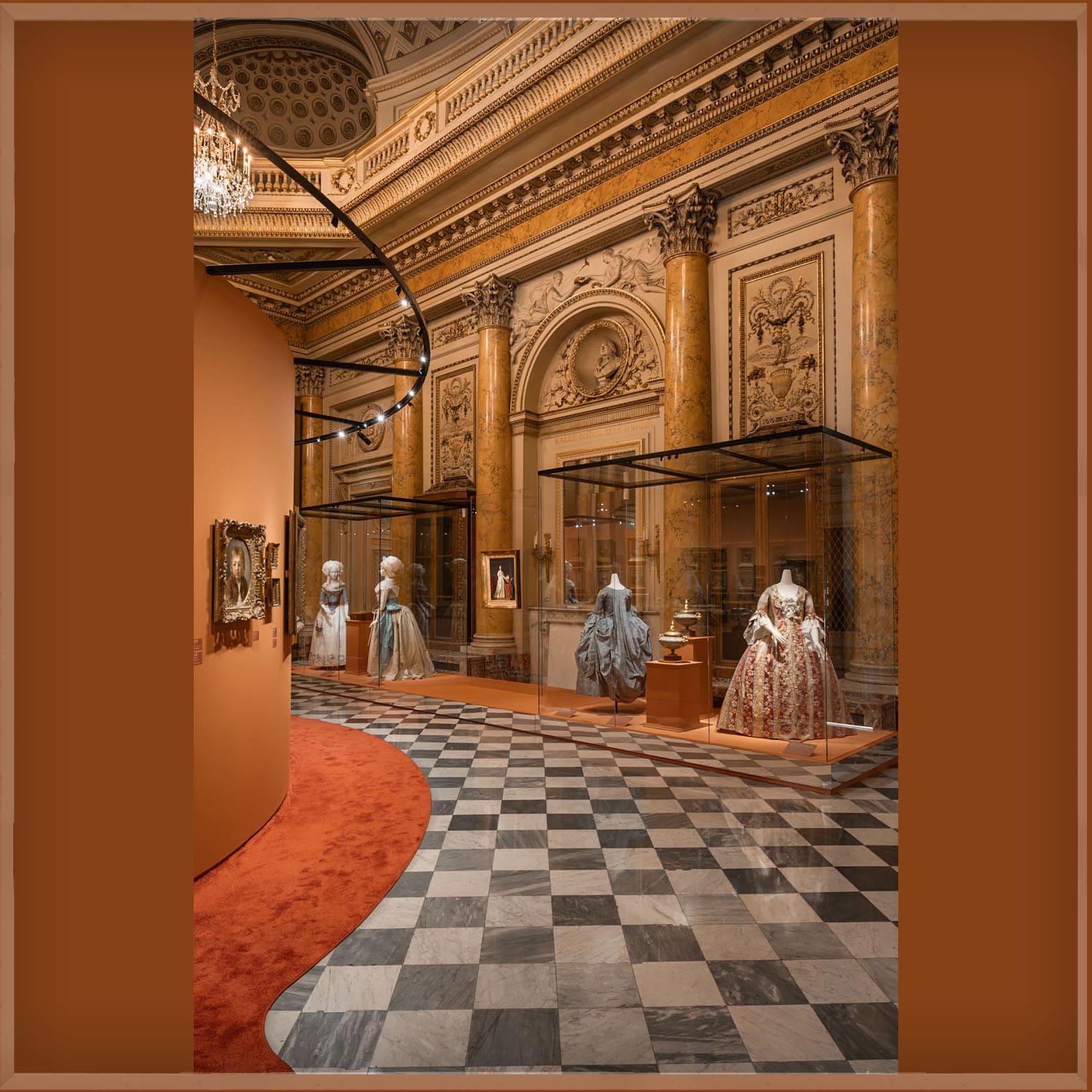
Between November 13, 2026, and January 10, 2027, the neoclassical salons of the Monnaie de Paris host an unusual homecoming. Across the river stands the old Louvre, where the painter Jean-Honoré Fragonard kept his studio-apartment in the late eighteenth century. Just a few cable lengths away on the Left Bank, roughly 270 paintings, drawings, porcelain scent bottles, silver nécessaires, and historic garments have been assembled under one roof for Fragonard: 100 Years of Collections and Savoir-Faire. Never before have the Fragonard canvases preserved in Grasse left their Provençal walls. Never before has the house united all three pillars of its heritage—fine art, perfumery vessels, and period dress—in a single exhibition.
Curated by Françoise Costa alongside museum curator Philippe Costamagna, cultural director Charlotte Urbain, and costume historian Clément Trouche, with theatrical scenography by Nathalie Crinière and bespoke scent installations by Givaudan master perfumer Daniela Andrier, the show refuses the polite distance of a conventional retrospective. You do not just look at the eighteenth century here. You inhale it.
A Double Star Born in Grasse
Every enduring luxury house begins with an act of cultural intuition. On February 27, 1926, Eugène Fuchs founded his perfumery in Grasse—already the world capital of fragrance—and named it after the town’s most famous native son, Jean-Honoré Fragonard. Born in Grasse in 1732 to a father who worked as a glover-perfumer trading with Paris, the painter embodied the exact bridge Fuchs wanted to build: Provençal raw material meeting Parisian artistic refinement. Even the factory itself, at 20 Boulevard Fragonard on the edge of the old town, carries the palimpsest of earlier workshops—Mottet, Muraour, Cresp-Martinenq—and remains the sole historic perfume manufactory in old Grasse whose production ateliers still operate today.
What turned a regional perfumery into a cultural institution, however, was four generations of obsessive, scholarly collecting. Eugène’s grandson, Jean-François Costa, began buying antique French silverware and perfumery objects in the late 1950s, guided through international museums by his uncle Georges Fuchs. Following his own father’s acquisition of a first Fragonard canvas, Jean-François assembled an encyclopedic trove of eighteenth-century paintings and decorative arts, eventually donating his Grasse school paintings to the company and opening the Musée Jean-Honoré Fragonard inside the Hôtel de Villeneuve in 2011.
Beside him stood his wife, Hélène, whose lifelong devotion to regional dress began in her youth dancing farandoles with the Cannes folkloric group L’Académie provençale. She spent decades tracking down rare indienne gowns, quilted petticoats, and silver belt chatelaines across southern France. In 1997, her daughters—Anne, Agnès, and Françoise Costa—inaugurated the Musée Provençal du Costume et du Bijou in Grasse’s Hôtel de Clapier-Cabris, a mansion built on land purchased in 1732 and later leased to perfumer Jacques Fargeon, brother of Marie-Antoinette’s official perfumer. Now steering the house as its fourth generation for twenty-five years, the three sisters oversee seven museums across Grasse, Paris, and Arles—including the Museum of Fashion and Costume opened in Arles in July 2025 inside the Studio KO–restored Hôtel Bouchaud de Bussy—while cultivating two perfume-plant farms around Grasse to anchor their archives in living soil.
A Life Built on Light and Devotion
Lazy art history loves a scandal. For generations, commentators have projected cheap libertine clichés onto Jean-Honoré Fragonard, mistaking the radiant freedom of his brushwork for bedroom mischief. Look closely at the canvases themselves, and that caricature collapses. Fragonard did not paint cheap eroticism; he painted light. And at the absolute center of his universe—illuminated with an almost ethereal, angelic reverence—stood his wife, Marie-Anne Gérard, and their children.
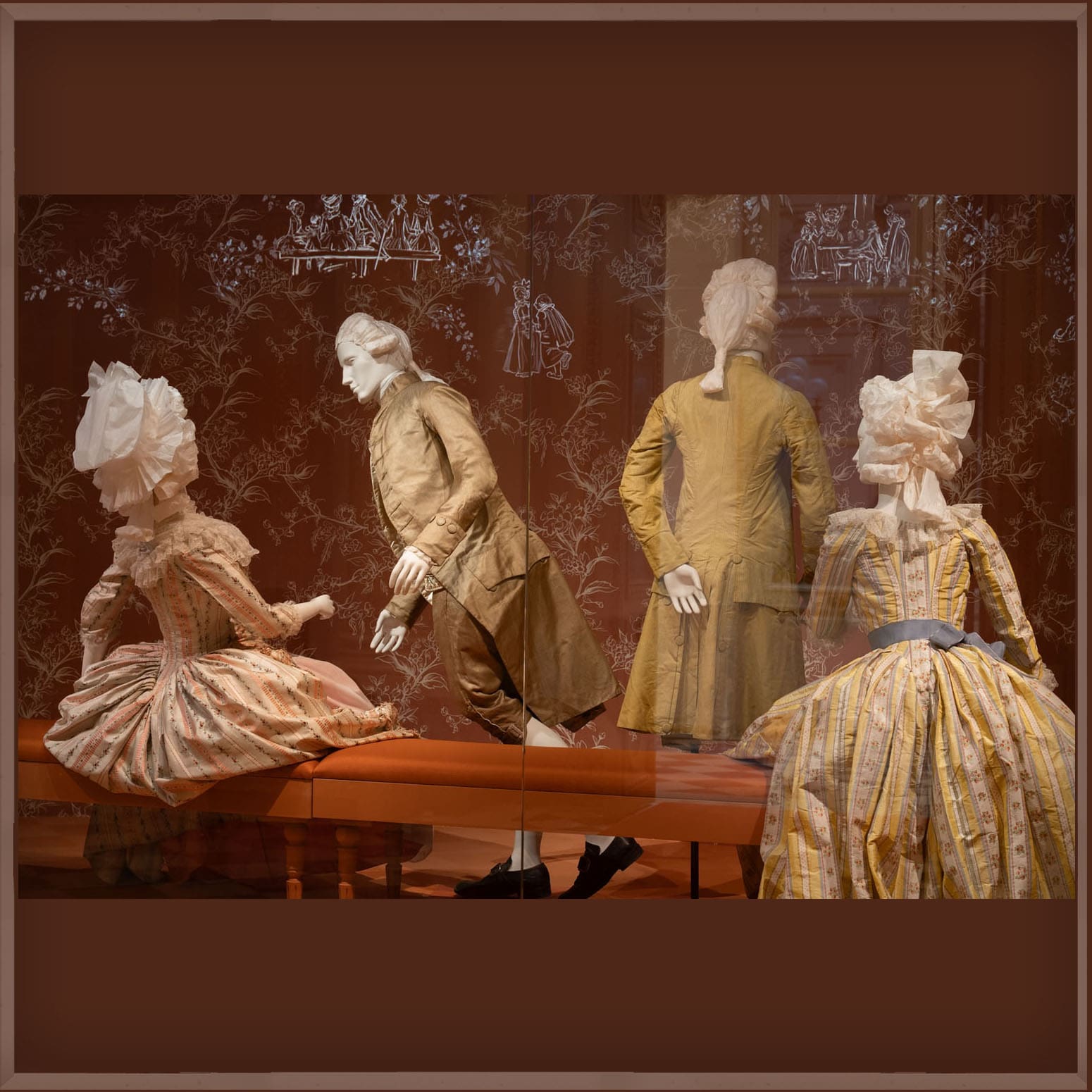
The exhibition’s opening room settles the matter immediately. In 2013, the Costa sisters acquired six previously unpublished pencil sketches in which the artist caricatures himself under the nickname “Frago”. Seated on a theater bench near the Palais-Royal at half past eight, he leans in to whisper a quiet confidence to his wife, flanked by their children Rosalie and Alexandre-Évariste, a family friend, and his sister-in-law Marguerite Gérard. Recreated in full period dress at the Monnaie de Paris, this intimate comic strip captures a man sustained by Provençal humor and fierce domestic devotion.
Where his rival Jean-Baptiste Greuze let a bitter, status-obsessed marriage poison his career, Fragonard built his life on loyalty. When he married fellow Grasse miniaturist Marie-Anne Gérard in 1769, she brought no dowry—he chose deep affection and shared Provençal roots over fortune. Six years later, Marie-Anne’s younger sister Marguerite moved into their Louvre studio-apartment, becoming Fragonard’s pupil, four-handed collaborator, and an accomplished portraitist in her own right. Even in September 1789, both Gérard sisters walked together to Versailles among eleven female artists to donate their personal jewelry to the National Assembly.
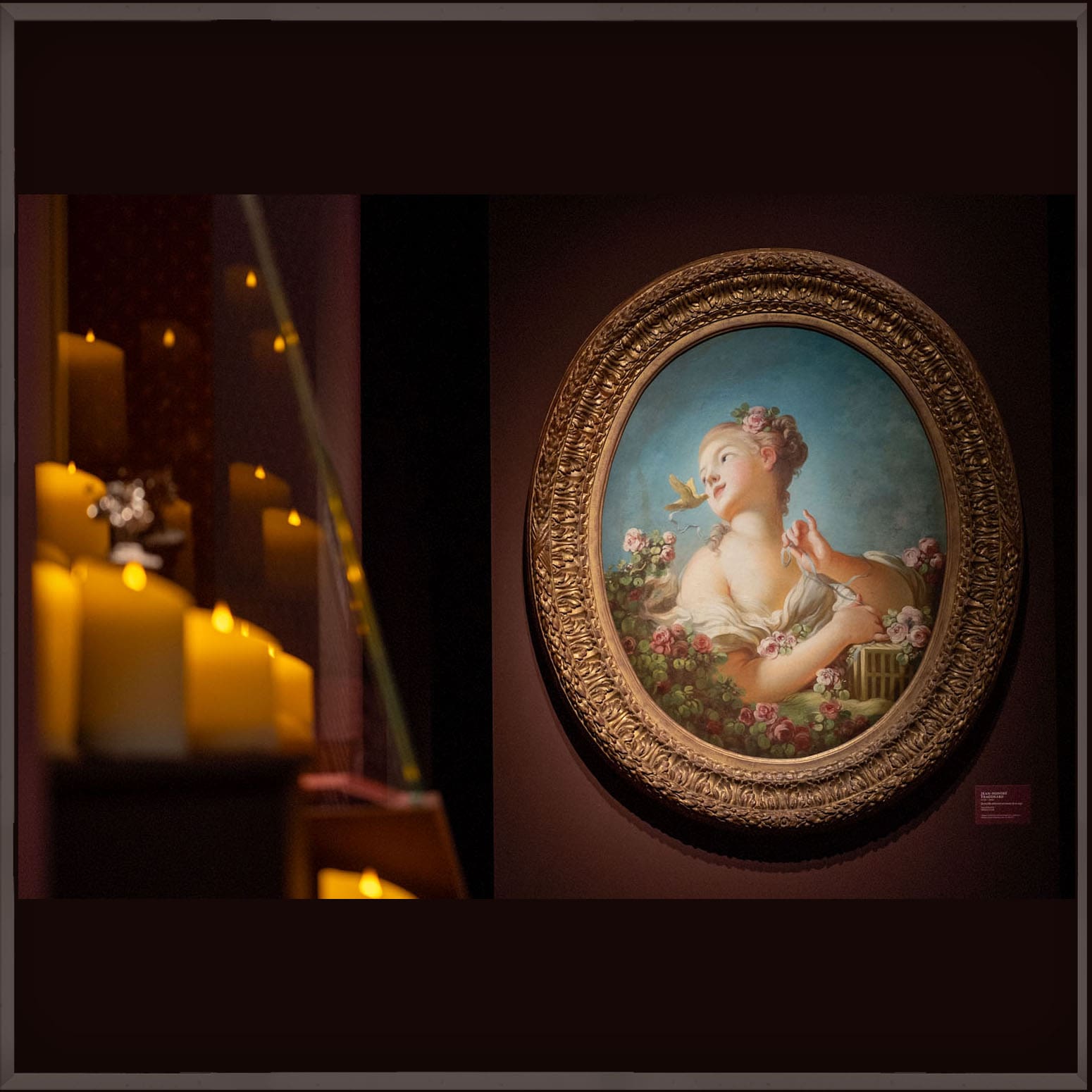
That same distortion once clouded Young Girl Releasing a Bird from Its Cage. Twentieth-century scholars lazily misidentified the sitter as actress Marie-Catherine Colombe to invent a backstage romance. In truth, Fragonard was dialoguing with northern European masters—capturing tenderness, luminous grace, and fragile innocence poised at the edge of flight.
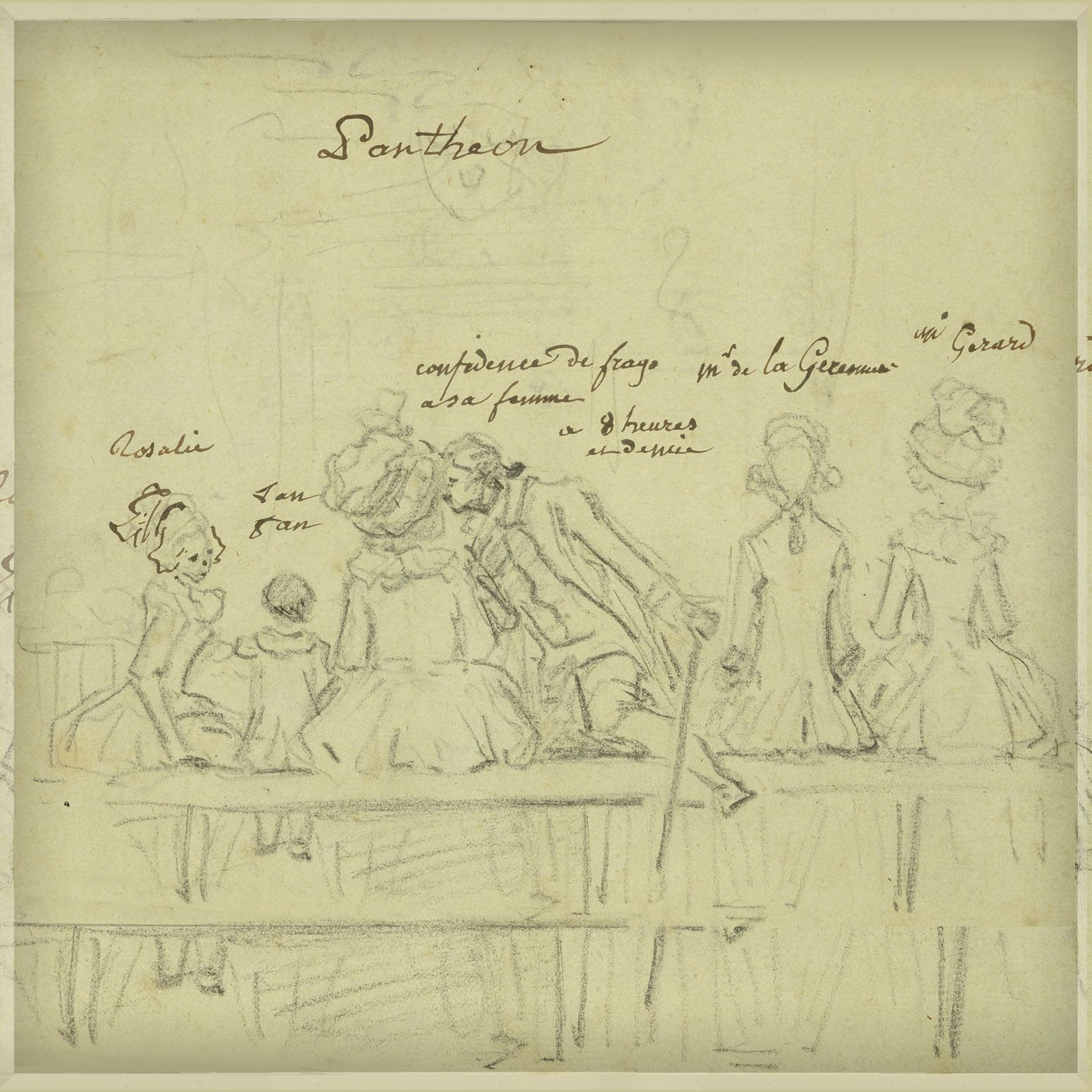
Fragonard and His Family at the Theater, c. 1785
Black chalk and brown ink on paper, 16.9 x 21 cm
Grasse, Musée Jean-Honoré Fragonard – Hélène and Jean-François Costa Collection, inv. DES.181
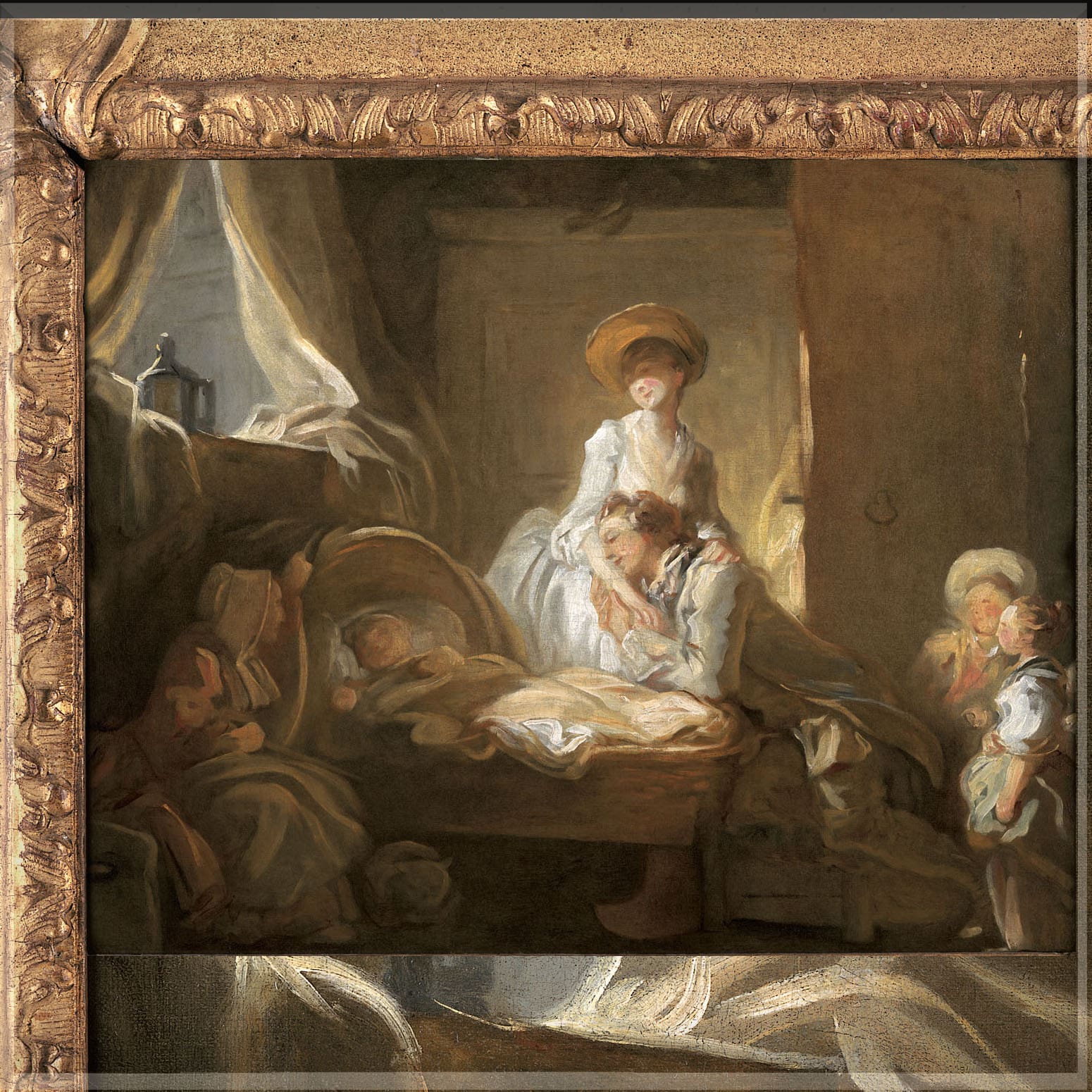
Sarah and Philip Contemplating Their Child in a Cradle (formerly known as *The Visit to the Wet Nurse*), c. 1768
Oil on canvas, 65 x 80 cm
Grasse, Musée Jean-Honoré Fragonard – Hélène and Jean-François Costa Collection, inv. PEI.051
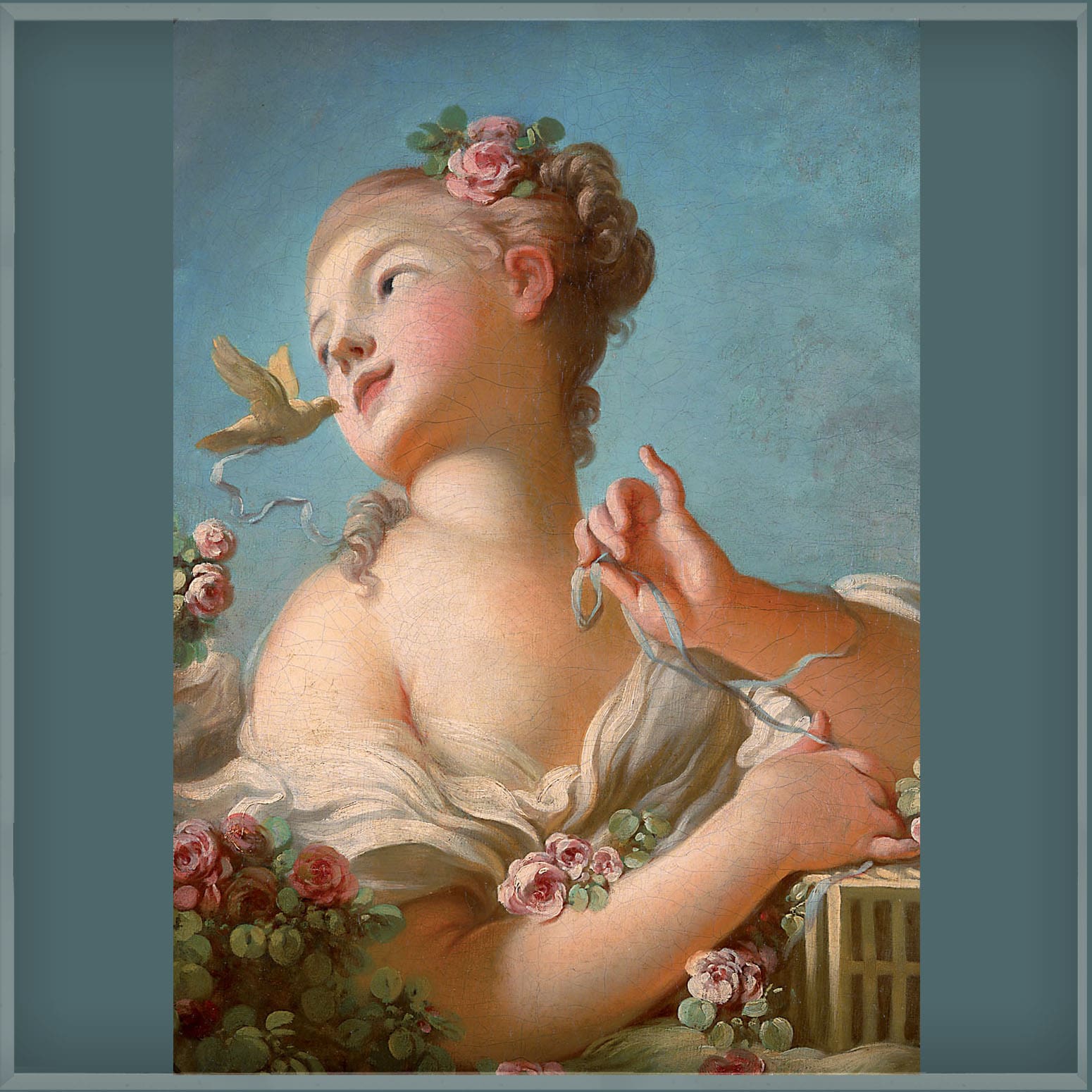
Young Girl Freeing a Bird from Its Cage, c. 1770–1772
Oil on canvas, 80 x 64 cm
Grasse, Musée Jean-Honoré Fragonard – Hélène and Jean-François Costa Collection, inv. PEI.055
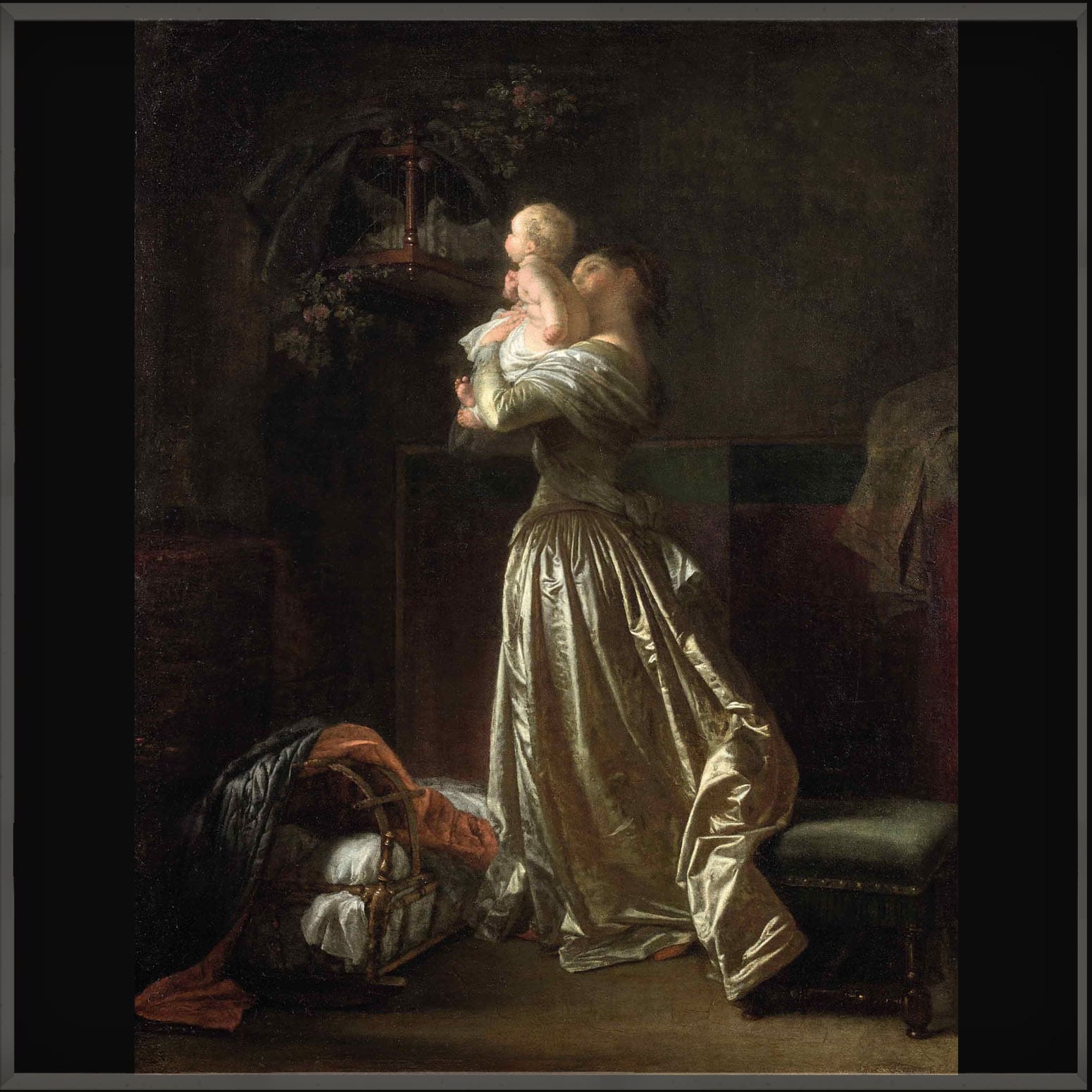
The Cherished Bird, c. 1785
Oil on canvas, 60 x 46 cm
Grasse, Musée Jean-Honoré Fragonard – Hélène and Jean-François Costa Collection, inv. PEI.107
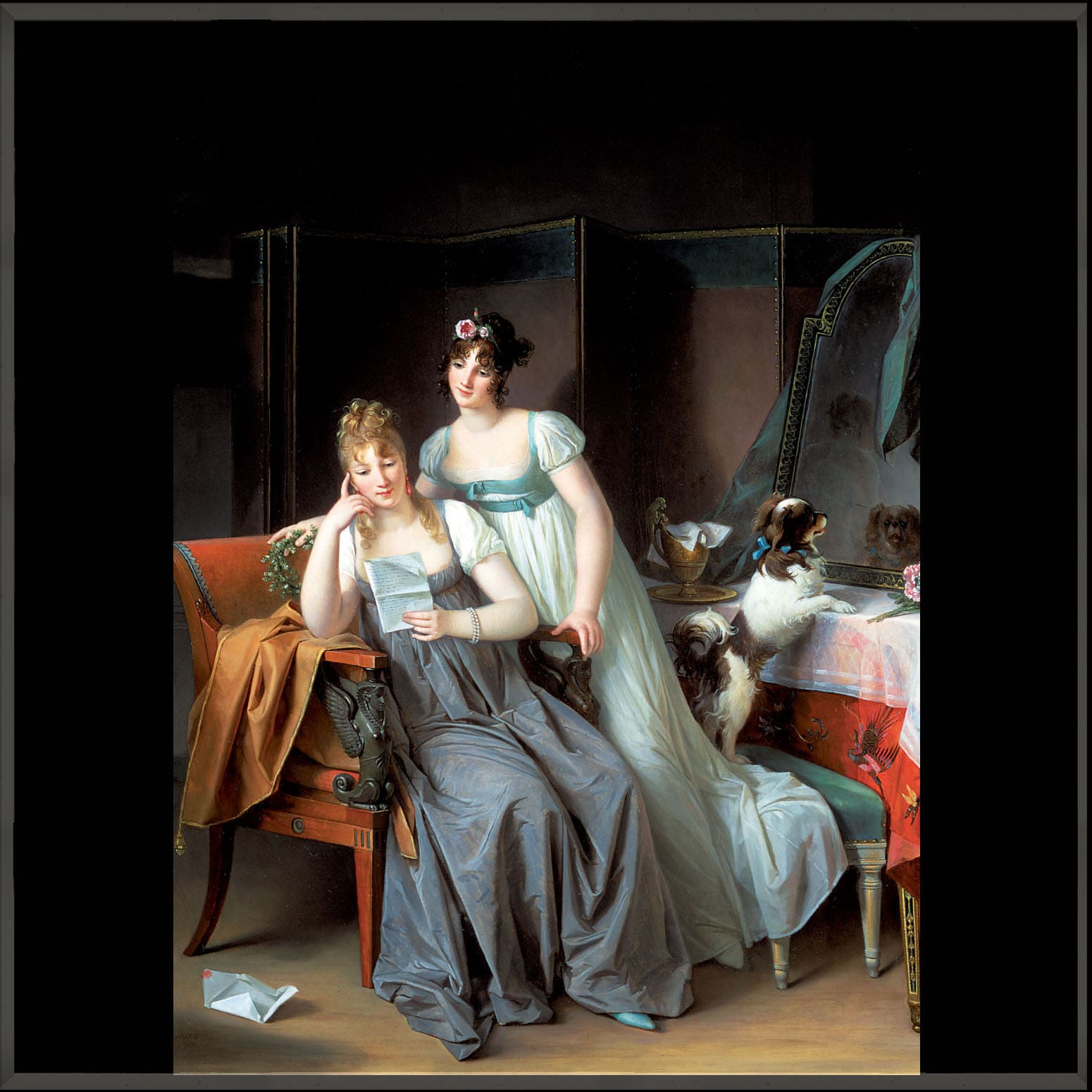
The Good News, Salon of 1804
Oil on panel, 61.9 x 52.4 cm
Grasse, Jean-Honoré Fragonard Museum – Hélène and Jean-François Costa Collection, inv. PEI.068
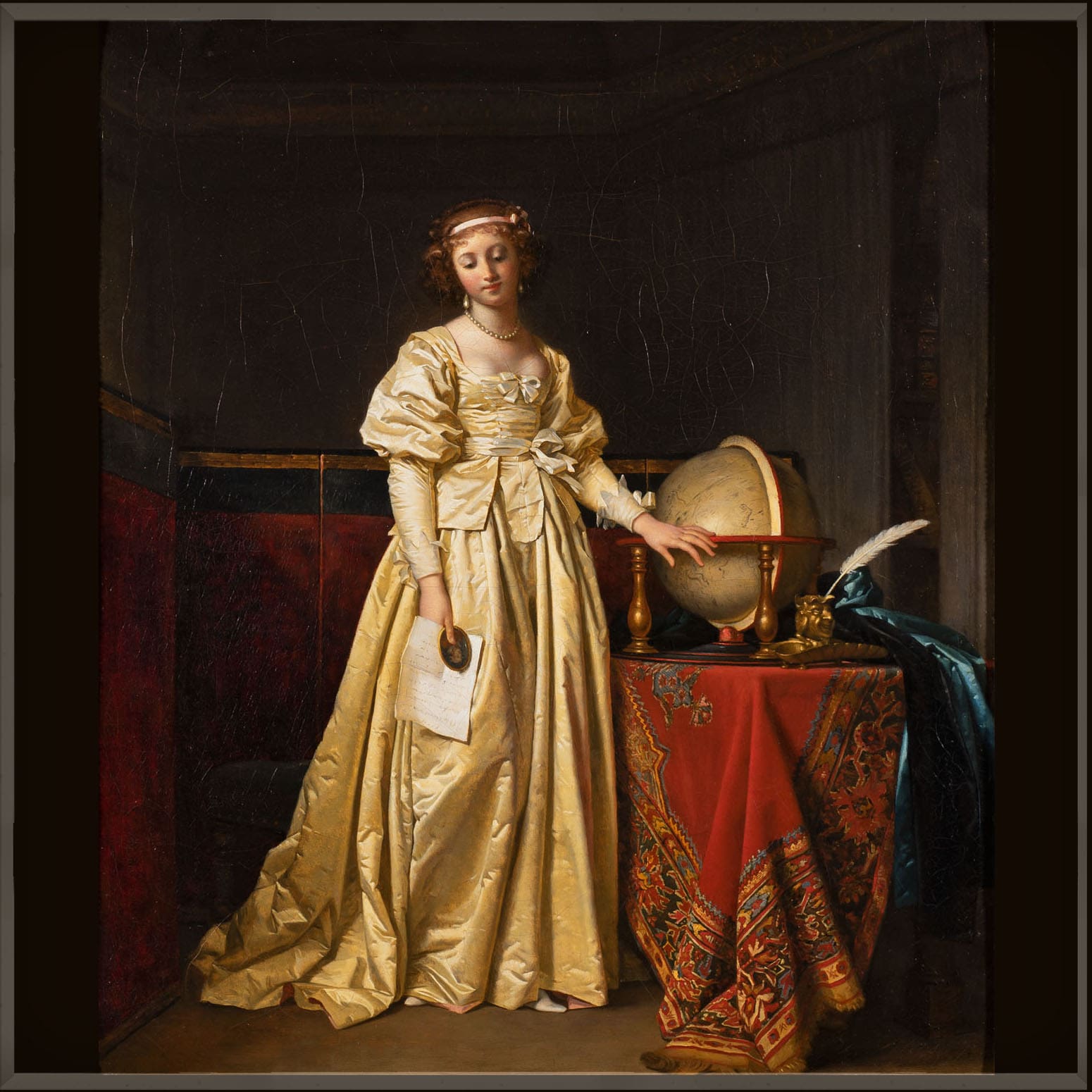
The Hope of Return, c. 1788–1789
Oil on canvas, 55.2 x 45.6 cm
Grasse, Jean-Honoré Fragonard Museum – Hélène and Jean-François Costa Collection, inv. PEI.169
When Philosophy Learned to Smell
To understand why perfume and painting merged so completely during Fragonard’s lifetime, look to the philosophers. The Enlightenment rescued the sense of smell from centuries of intellectual disdain. Étienne Bonnot de Condillac argued that if you could awaken a marble statue one sense at a time, a single fragrance would suffice to spark memory, judgment, and consciousness. Claude Adrien Helvétius reduced cognition to three words—juger est sentir, to judge is to feel—while Denis Diderot crowned olfaction the most voluptuous of senses and Rousseau named it the sense of imagination.
Public taste shifted accordingly. Heavy animal notes of musk and civet, favored at Louis XIV’s court, retreated before crisp floral waters and spices made accessible through maritime trade and the daring botanical smuggling of Pierre Poivre, who lost an arm to a British cannonball before stealing clove and nutmeg seedlings from guarded Dutch plantations in 1753 to cultivate them on Isle de France. Meanwhile, Aqua Admirabilis—Eau de Cologne—swept across Europe; aristocrats rubbed it onto their temples, dripped it onto sugar cubes, and commissioned French variations such as Eau Sensuelle and Eau Céleste.
Paradoxically, this explosion of fragrance flourished alongside a deep medical fear of water. Renaissance physicians like Ambroise Paré had warned that warm baths opened skin pores to lethal, plague-carrying air. Louis XIV bathed only twice in his marble Versailles tub, relying instead on “dry hygiene”: changing crisp white linen shirts several times a day to absorb bodily humors, then saturating everything in scent. Fragrance lived on accessories rather than bare skin—kidskin gloves layered between beds of jasmine and tuberose for eight days by master gantiers-parfumeurs, hollow gold pomanders, silver vinaigrettes shaped like snails or rock-crystal legs shod in gold to cure fainting spells, and lightweight boxes molded from bitter Grasse bergamot rinds. Only in the final third of the century—pushed by Rousseau’s cult of nature and Austrian-born Queen Marie-Antoinette, who bathed almost daily in a flannel-lined tub while dictating letters—did scented bathing return to fashion.
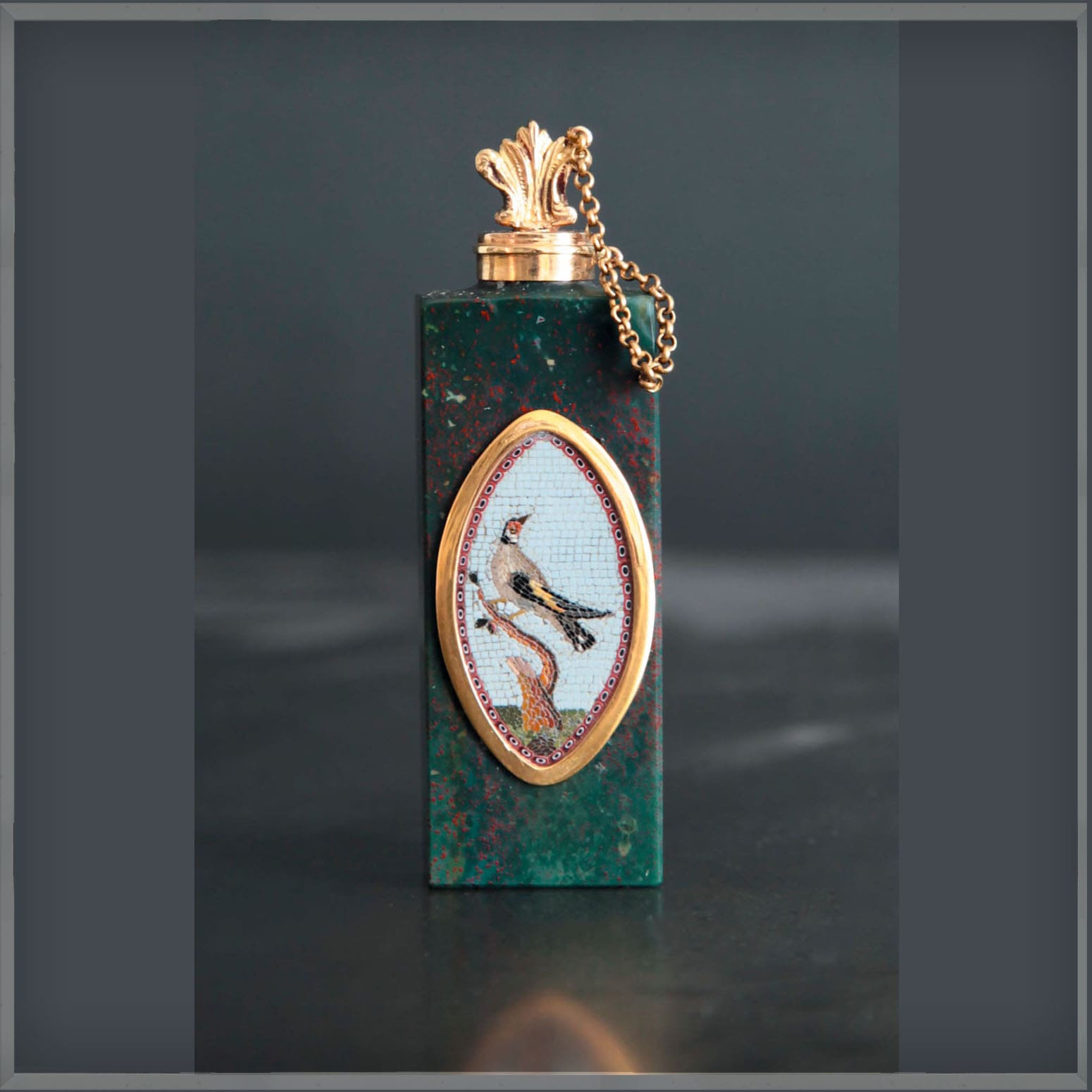
Bloodstone, micro-mosaic, gold
Paris, Perfume Museums – Fragonard Parfumeur collections
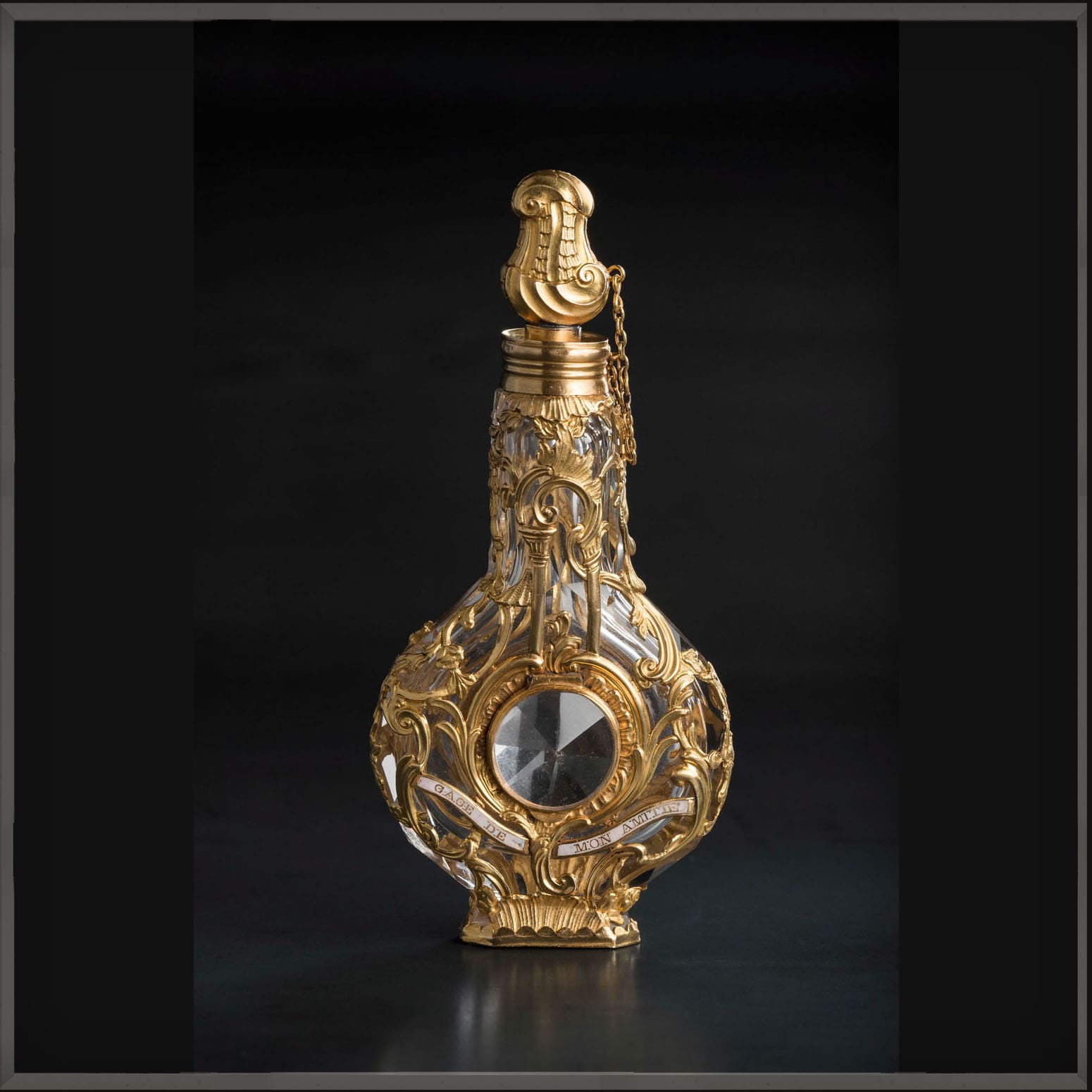
Crystal, gold
Paris, Perfume Museums – Fragonard Parfumeur collections
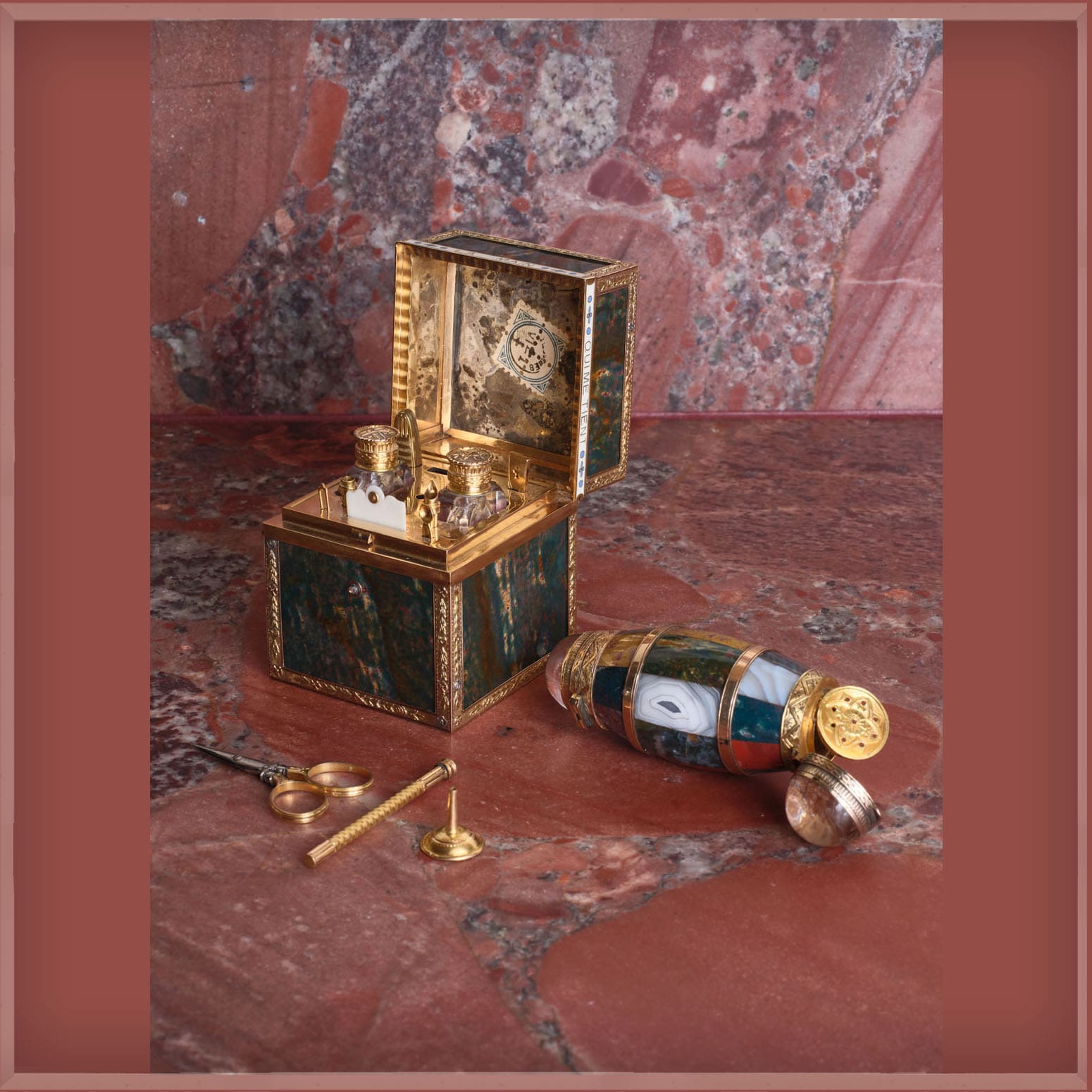
Pocket etui with the motto “I love the hand that holds me,” late 18th century
Gold, bloodstone, crystal, ivory
Grasse, Perfume Museum
Vinaigrette (scent bottle), Germany, 18th century
Hardstones, gold
Grasse, Perfume Museum – Fragonard Parfumeur
Pocket Love Notes and Painted Cotton
Step up to an eighteenth-century table de toilette, and you witness the birth of modern personal branding. Morning dressing was a semi-public salon where women received guests en négligé, surrounded by silver ewers, Sèvres porcelain rouge pots, and patch boxes holding black taffeta mouches whose placement near an eye or lip signaled passion or mischief. Scent bottles functioned as coded direct messages. Enameled flacons and gold-mounted carnelian nécessaires whispered “Je suis votre captif” (“I am your captive”), asserted early female agency with “J’aime mon choix” (“I love my choice”), or issued a sharp ultimatum: “Qui me néglige, me perd” (“Who neglects me, loses me”). Marie-Antoinette even concealed two scent vials inside a faux morocco-bound prayer book titled Pensée Chrétienne.
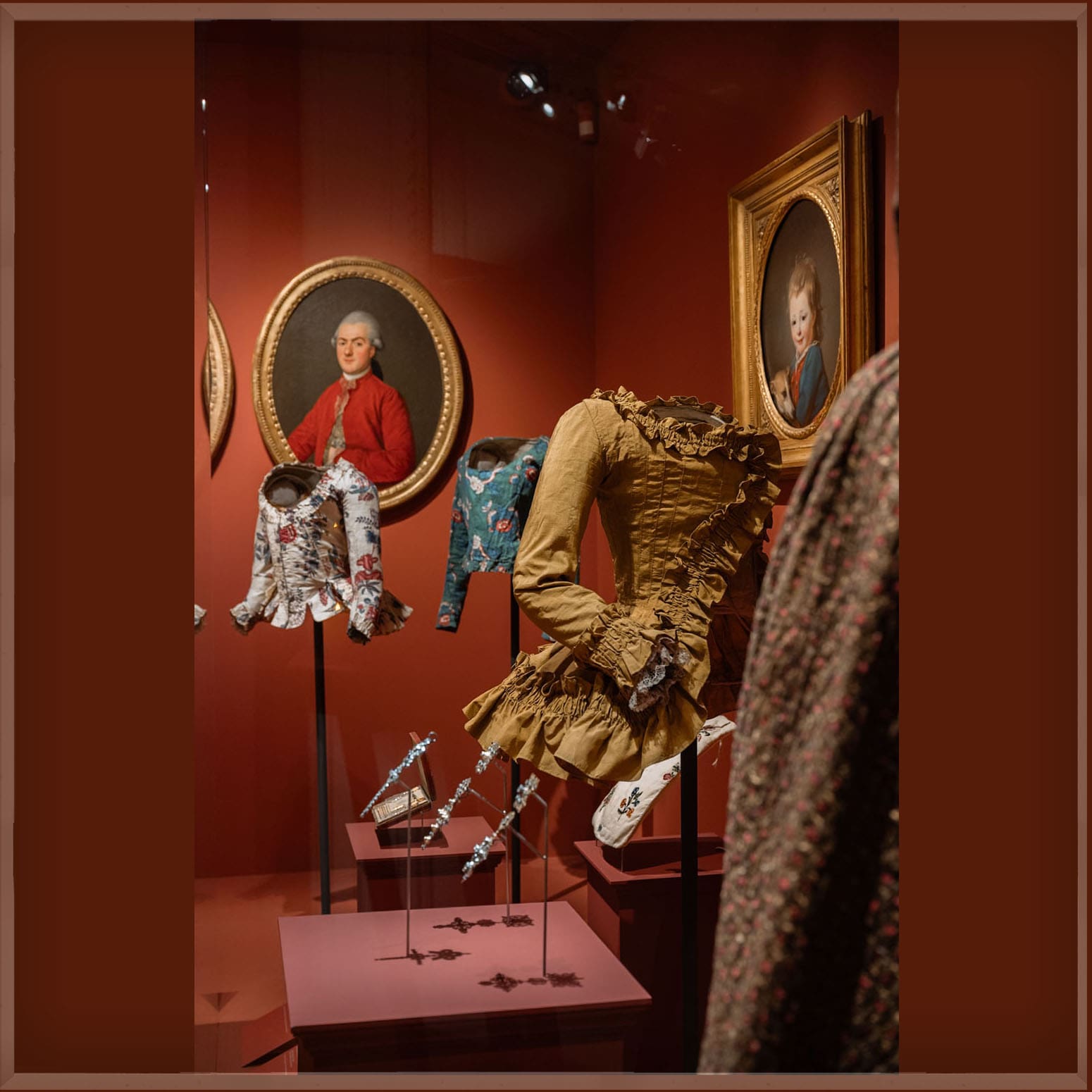
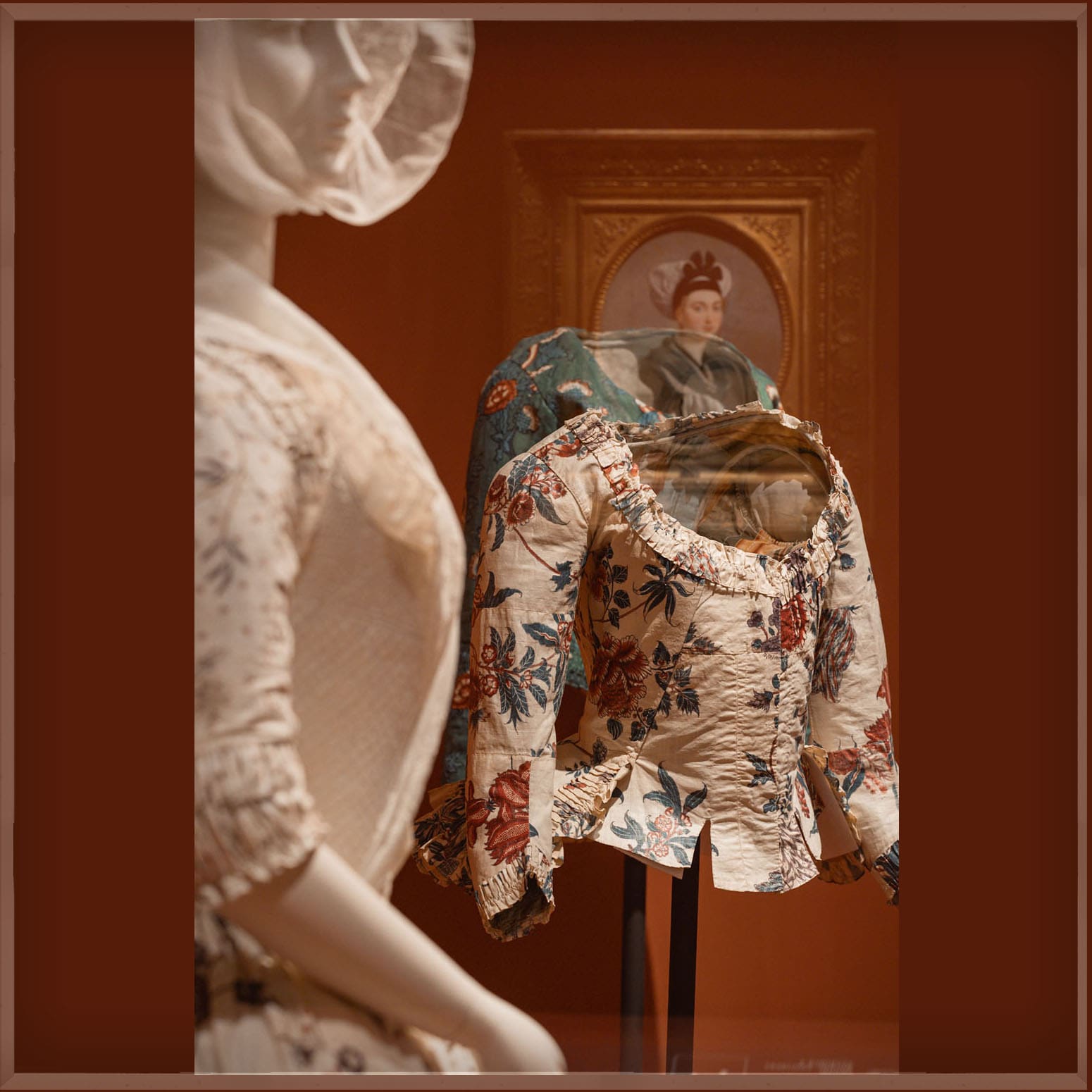
Dress underwent a parallel liberation. Rigid court silhouettes gave way to indiennes—glazed, block-printed cottons imported from India and perfected in Marseille, Mulhouse, and Christophe-Philippe Oberkampf’s royal manufactory at Jouy-en-Josas. Draped into caracos, négligés, and robes chemises patterned with botanical garlands, these breathable textiles let women move freely through gardens and parks, turning Enlightenment botany into wearable manifesto.
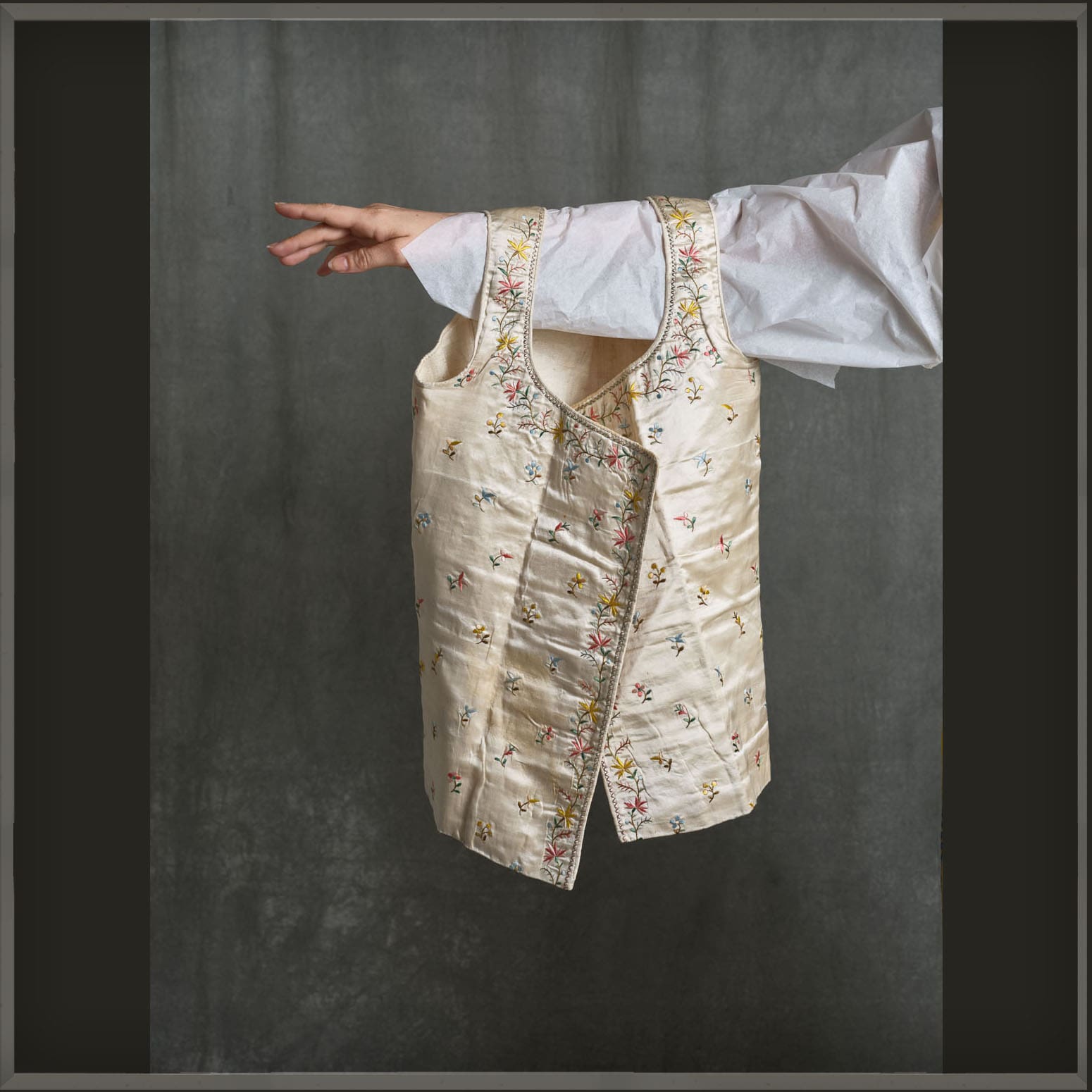
Silk satin, polychrome silk threads, and linen fabric
Grasse and Arles, Costume Museums – Fragonard Parfumeur collections, inv. COS.FP.995
© Fanny Terno
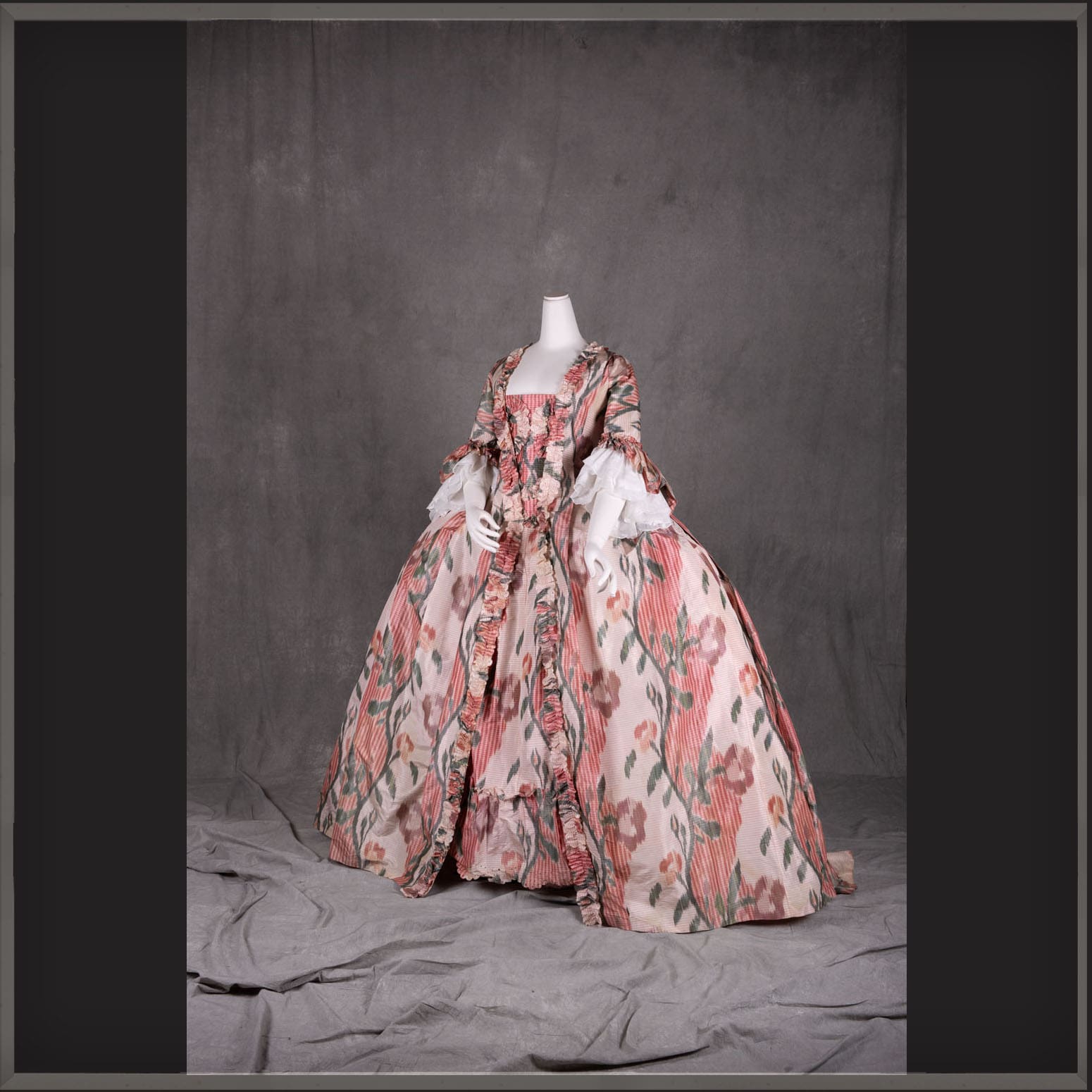
*Robe à la française* (gown), petticoat, and matching stomacher
Silk taffeta *chiné* (warp-printed) with large-scale floral motifs and ribbons, c. 1740
Cuff ruffles (*engageantes*), embroidered cotton muslin
Provenance: Formerly in the collection of the de Monistrol family
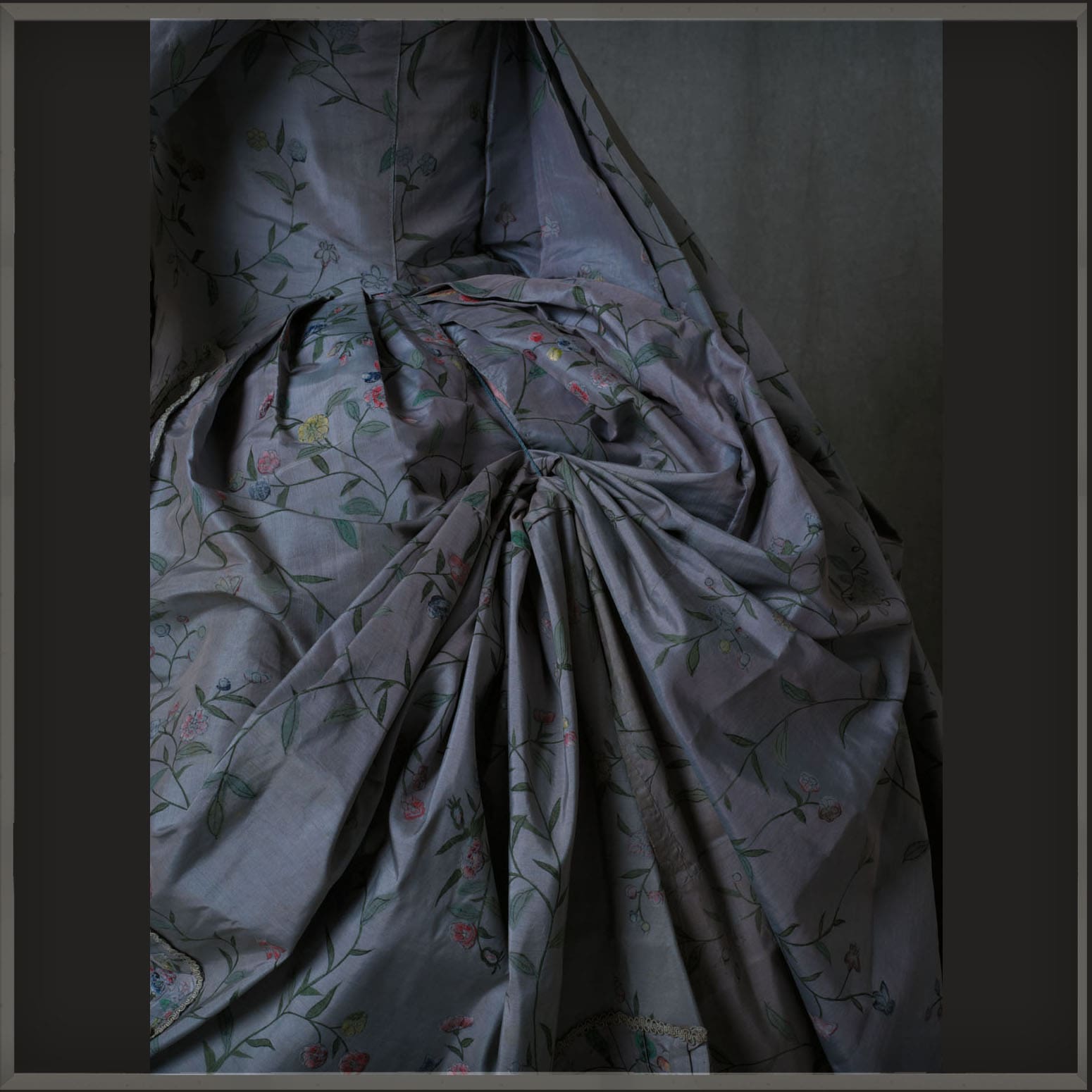
Silk taffeta, hand-painted in China with a design of large, multi-colored floral branches
© Fanny Terno
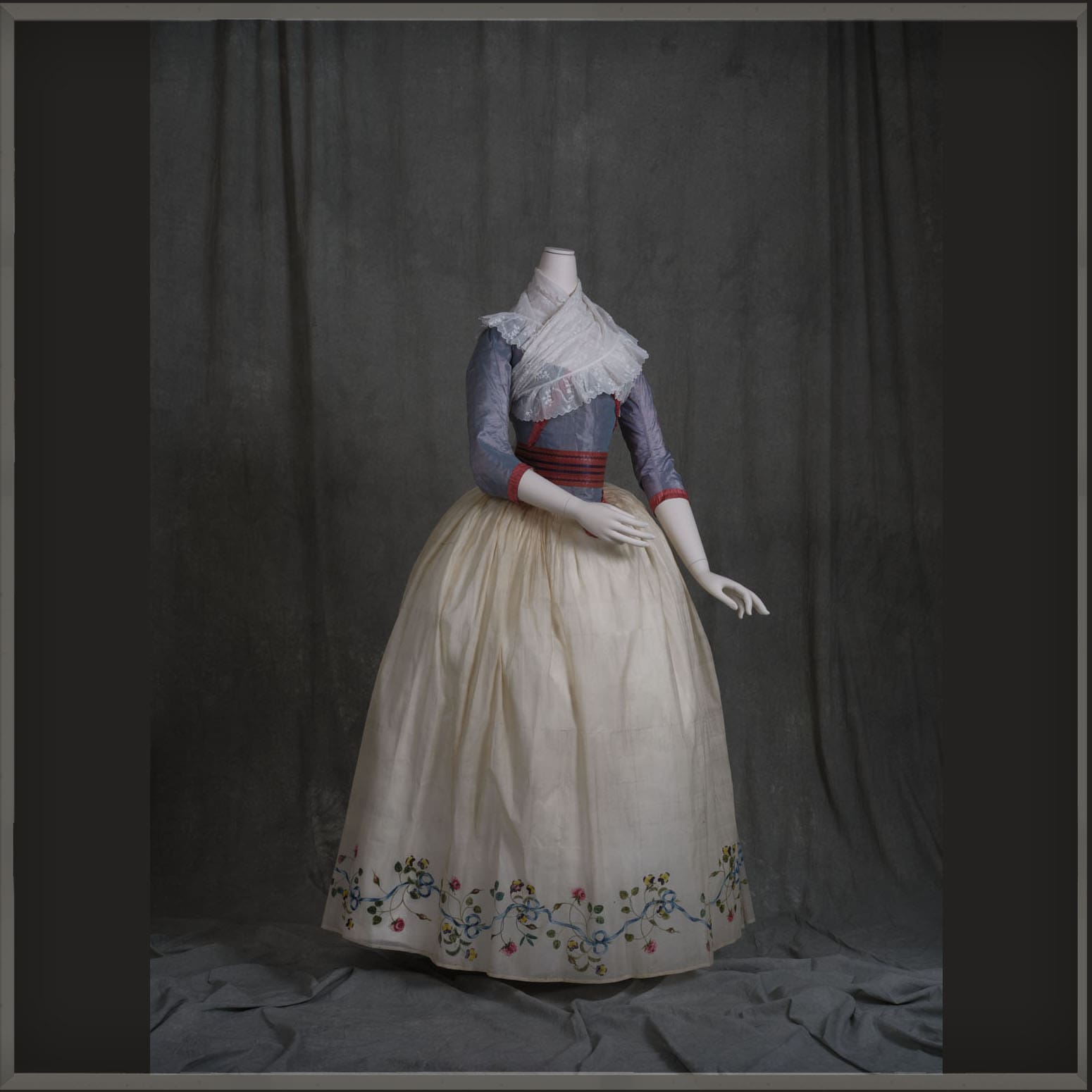
Bodice (known as a *caraco*), made of blue and pink iridescent silk taffeta, with pleated pink/orange silk ribbons; linen lining
Chemise, cotton fabric
Skirt, made of a plant-fiber fabric, hand-painted with a garland of flowers and multicolored ribbons
Waist ribbon with floral decoration, silk
Grasse and Arles, Costume Museums – Fragonard Parfumeur collection
© Fanny Terno
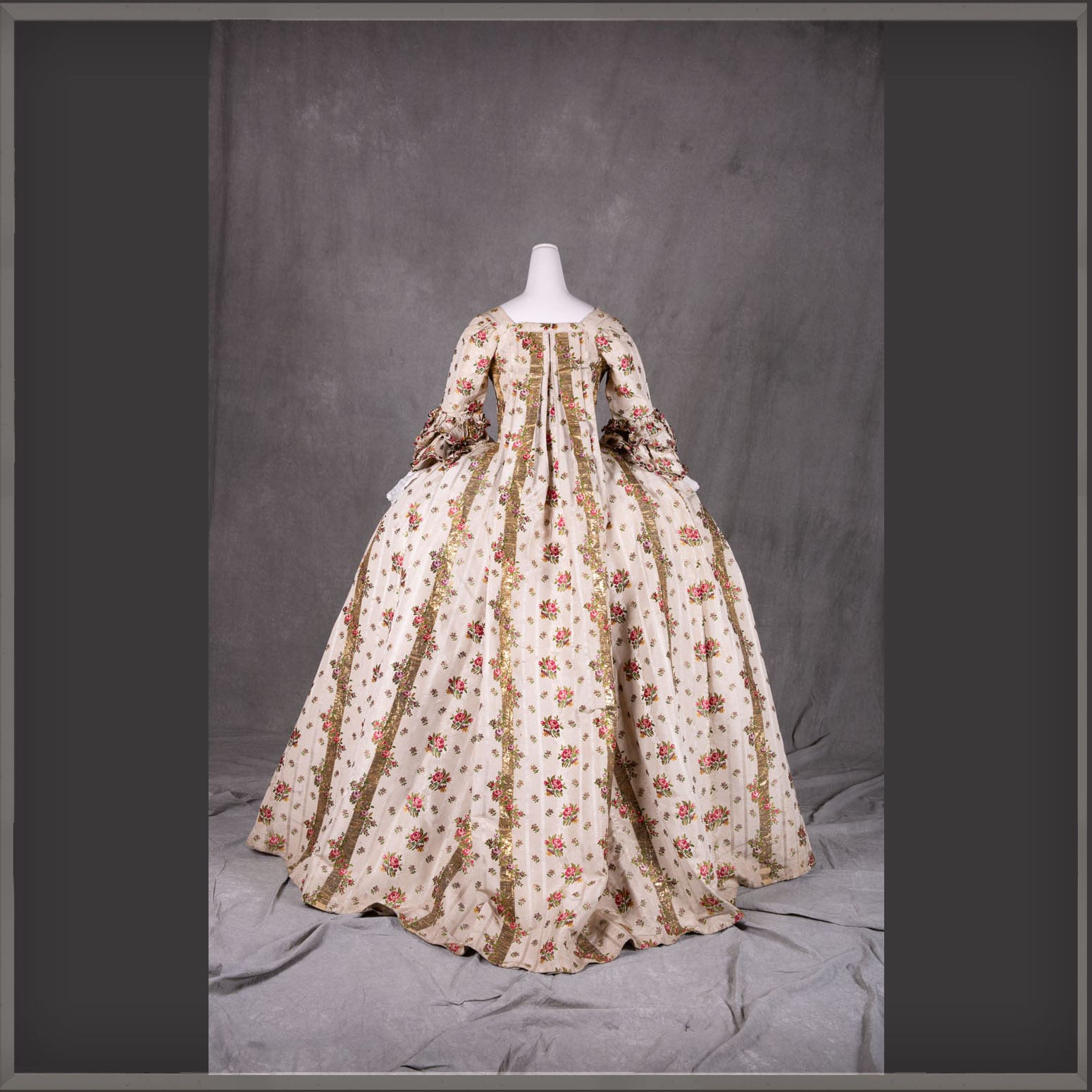
Matching *manteau* (gown), *jupon* (petticoat), and *pièce d’estomac* (stomacher)
Silk, patterned and brocaded with trailing garlands and scattered polychrome floral motifs; stripes brocaded with gilt metallic threads
Trim in the style known as *sourcils de hannetons* (“cockchafer eyebrows”), made of silk, cotton, and silk chenille
Cuff ruffles (*manchettes*) of embroidered cotton muslin
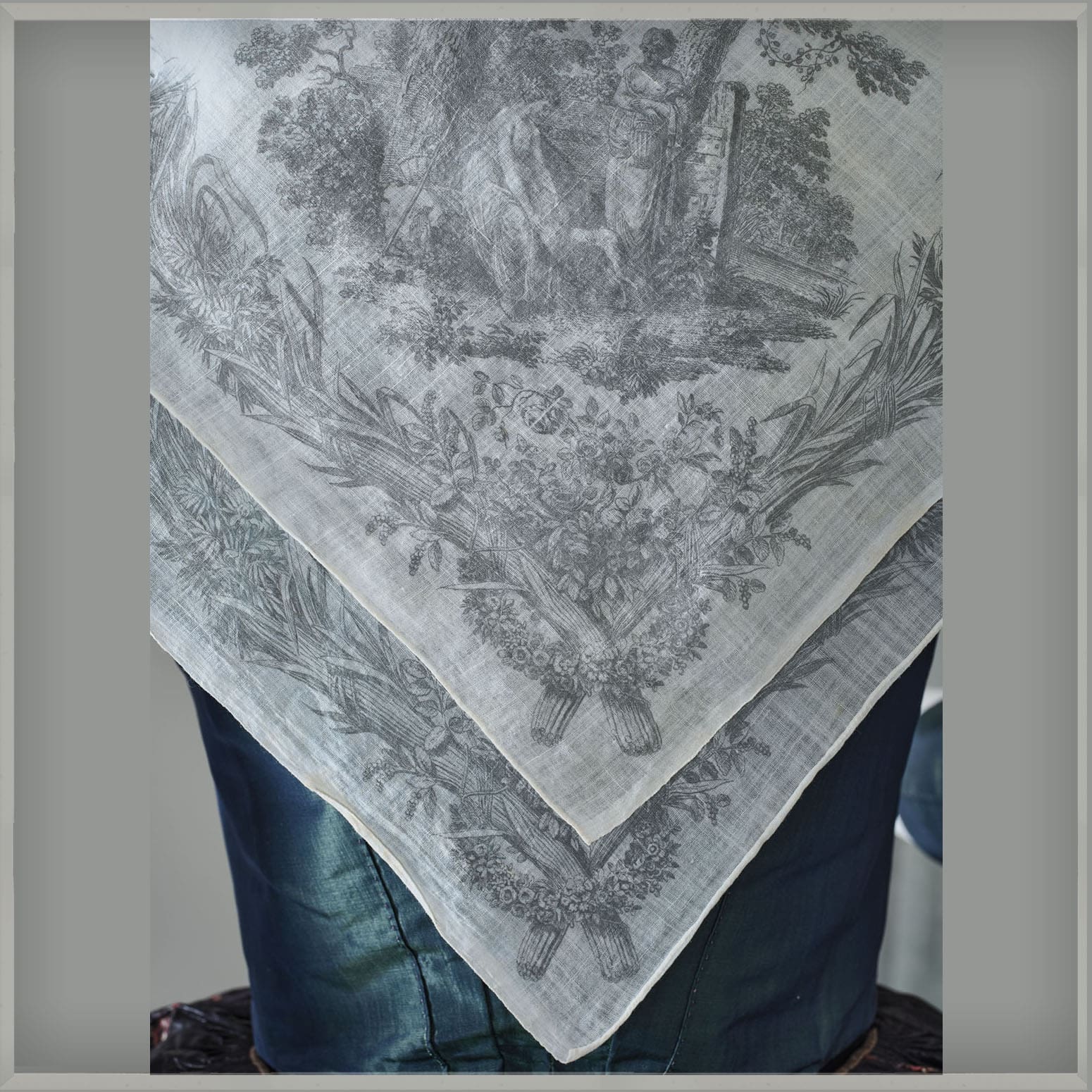
Cotton muslin, copperplate-printed with a border featuring pastoral and neoclassical scenes
Grasse and Arles, Costume Museums – Fragonard Parfumeur collections
© Fanny Terno
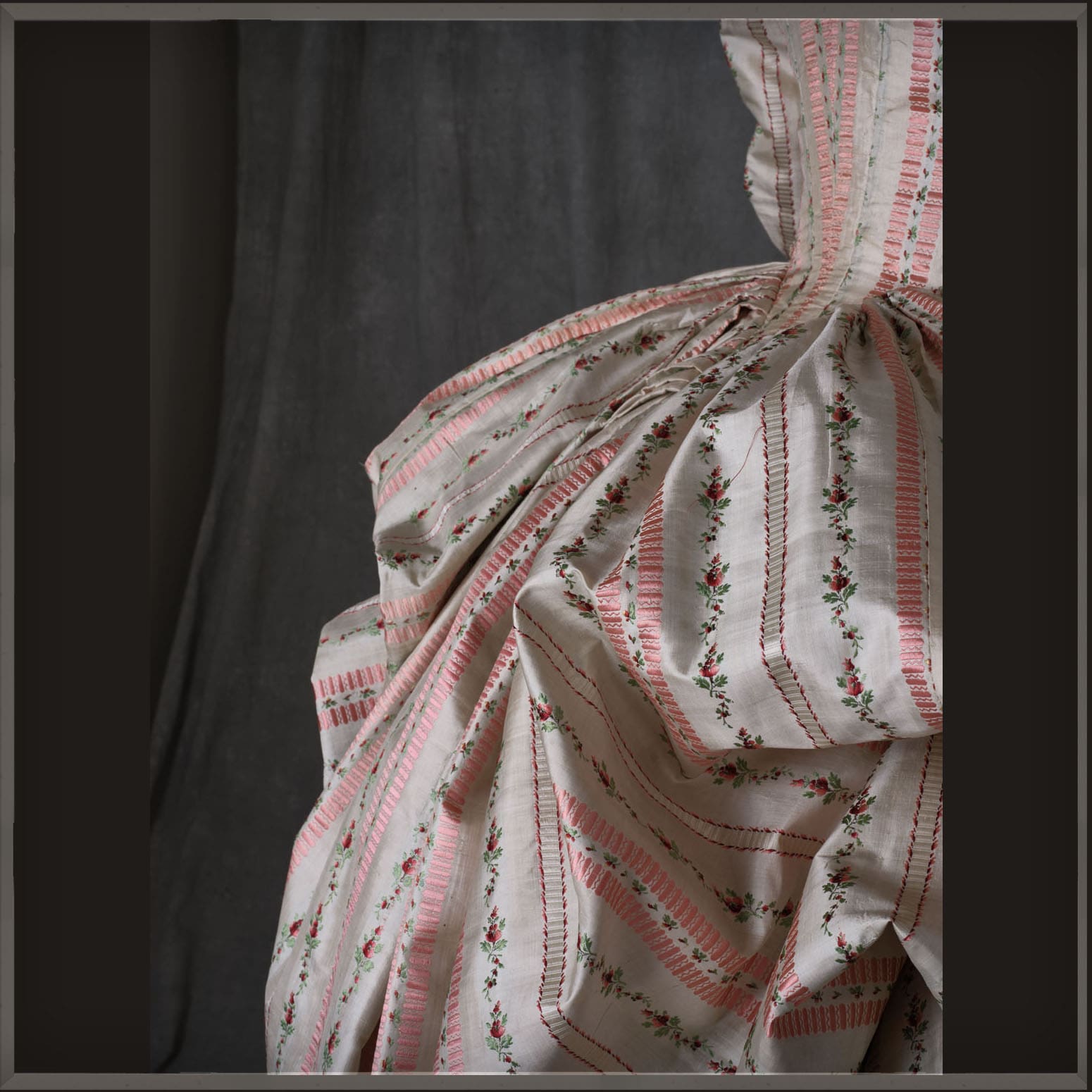
Beige *pékiné* silk—known as “Mexican” silk—featuring woven pink stripes and garlands of multicolored flowers
Grasse and Arles, Costume Museums – Fragonard Parfumeur collections
© Fanny Terno
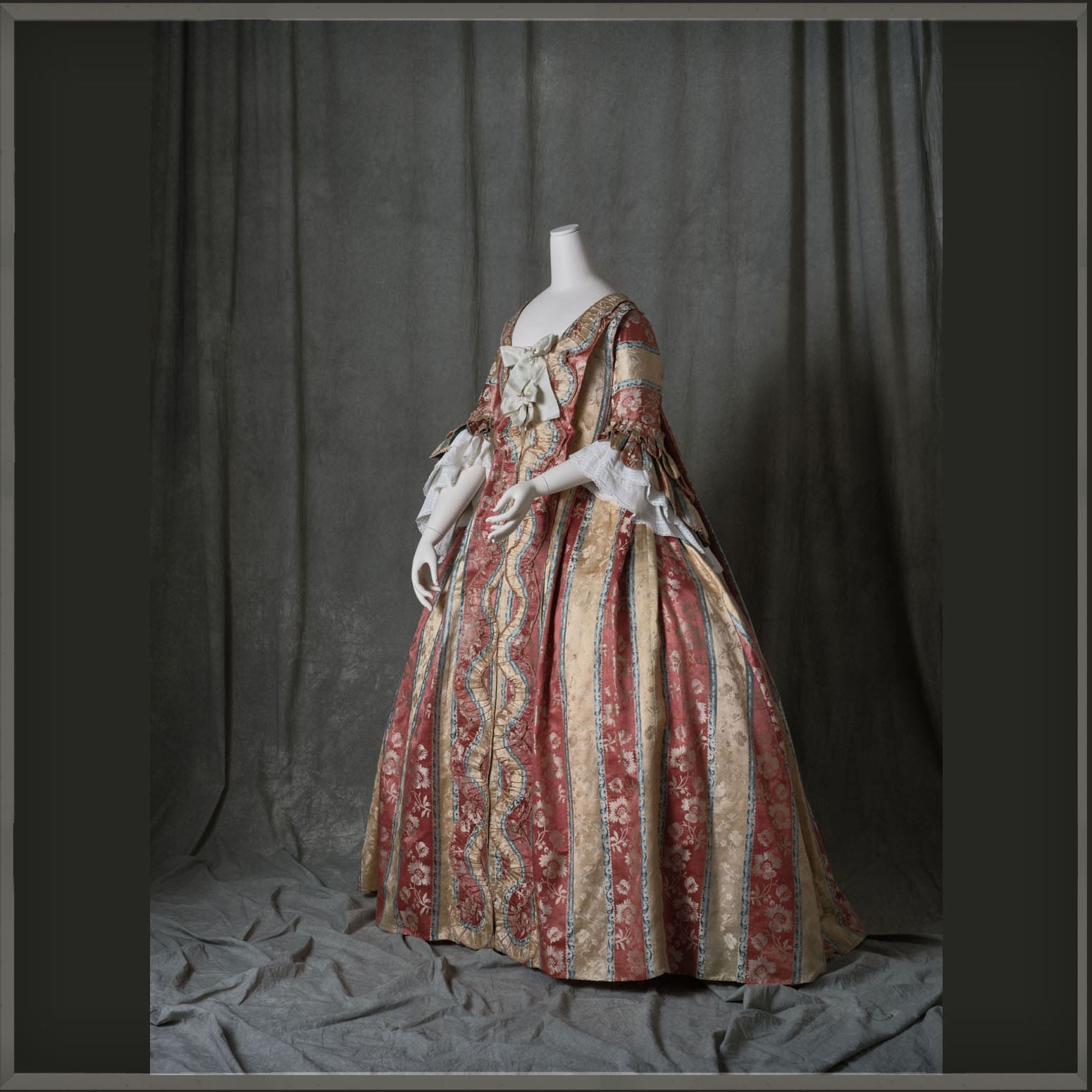
Matching *manteau de robe* (overgown) and petticoat
Shaded, satiny silk damask featuring stripes adorned with floral garlands; matching *falbalas* (ruffled trim) arranged in a “river” (flowing, undulating) pattern; lined with silk taffeta
Grasse and Arles, Costume Museums – Fragonard Parfumeur collections
© Fanny Terno
Derived from the *robe battante* (loose-fitting gown), the *robe volante* (“flying” gown) takes its name from the wide, characteristic pleats that fall from the shoulders to the floor, designed to drape fluidly over the petticoat. Originating within the private sphere of aristocratic interiors, it served as the precursor to the *robe à la française*—a style more closely fitted to the waist over a boned bodice, yet still distinguished by the presence of those same large, flat pleats at the back.
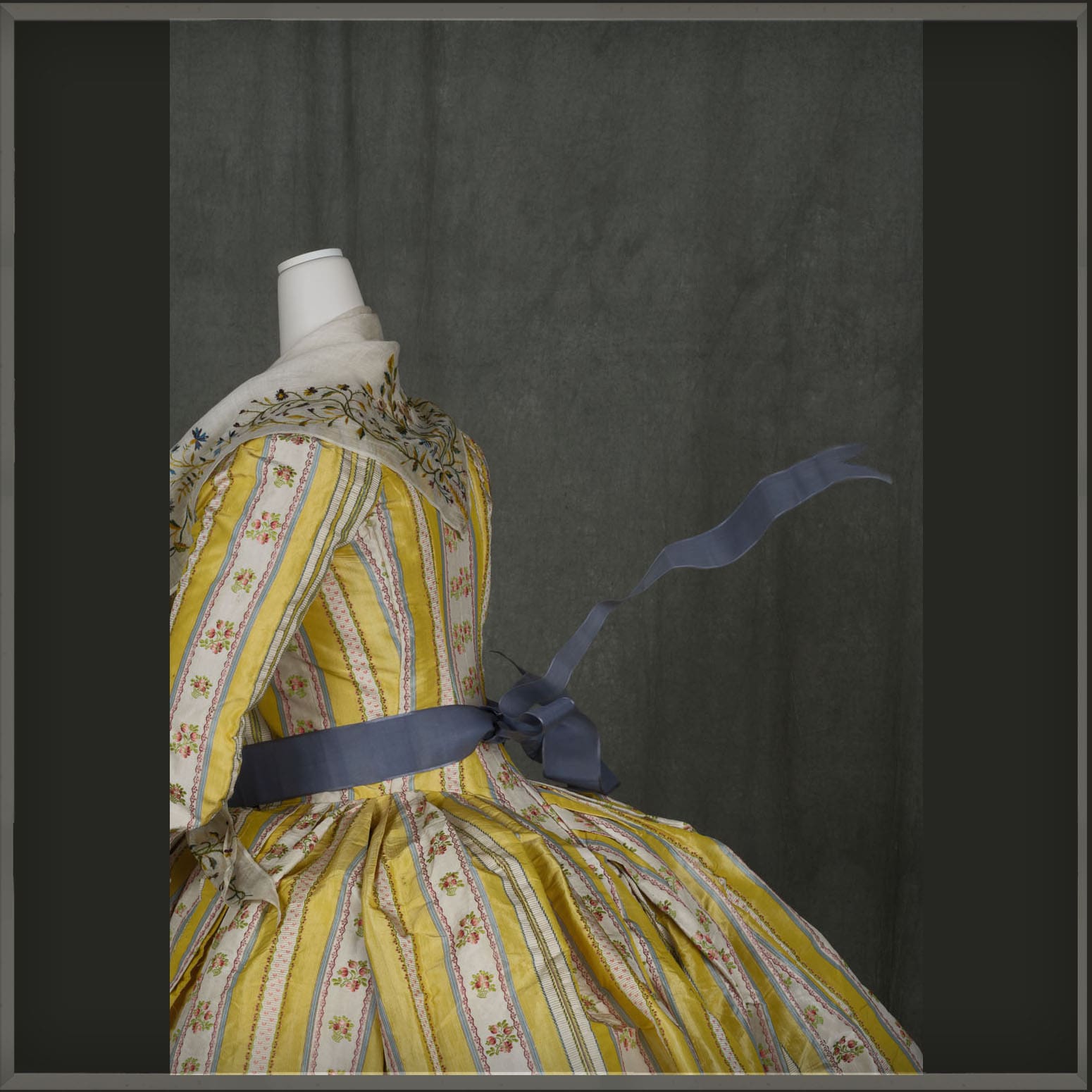
Yellow *pékiné* (striped) silk—known as “mexicaine”—featuring polychrome floral stripes on a white ground
Lined with linen and yellow silk fabric
Musées du Costume, Grasse and Arles – Fragonard Parfumeur collections
© Fanny Terno
“Inspired by traditional Mexican attire, the ‘mexicaine’ is a silk fabric adorned with trailing, thread-like strips created through the use of an extra warp and warp floats. A specialty of the city of Saint-Étienne, this fabric was developed to compete with the ‘pompadour’—which was striped and less colorful—by targeting a younger clientele.”
Elisabeth Hardouin-Fugier, Bernard Berthod, and Martine Chavent-Fusaro, *Les étoffes : dictionnaire historique* (Fabrics: A Historical Dictionary), 1994.
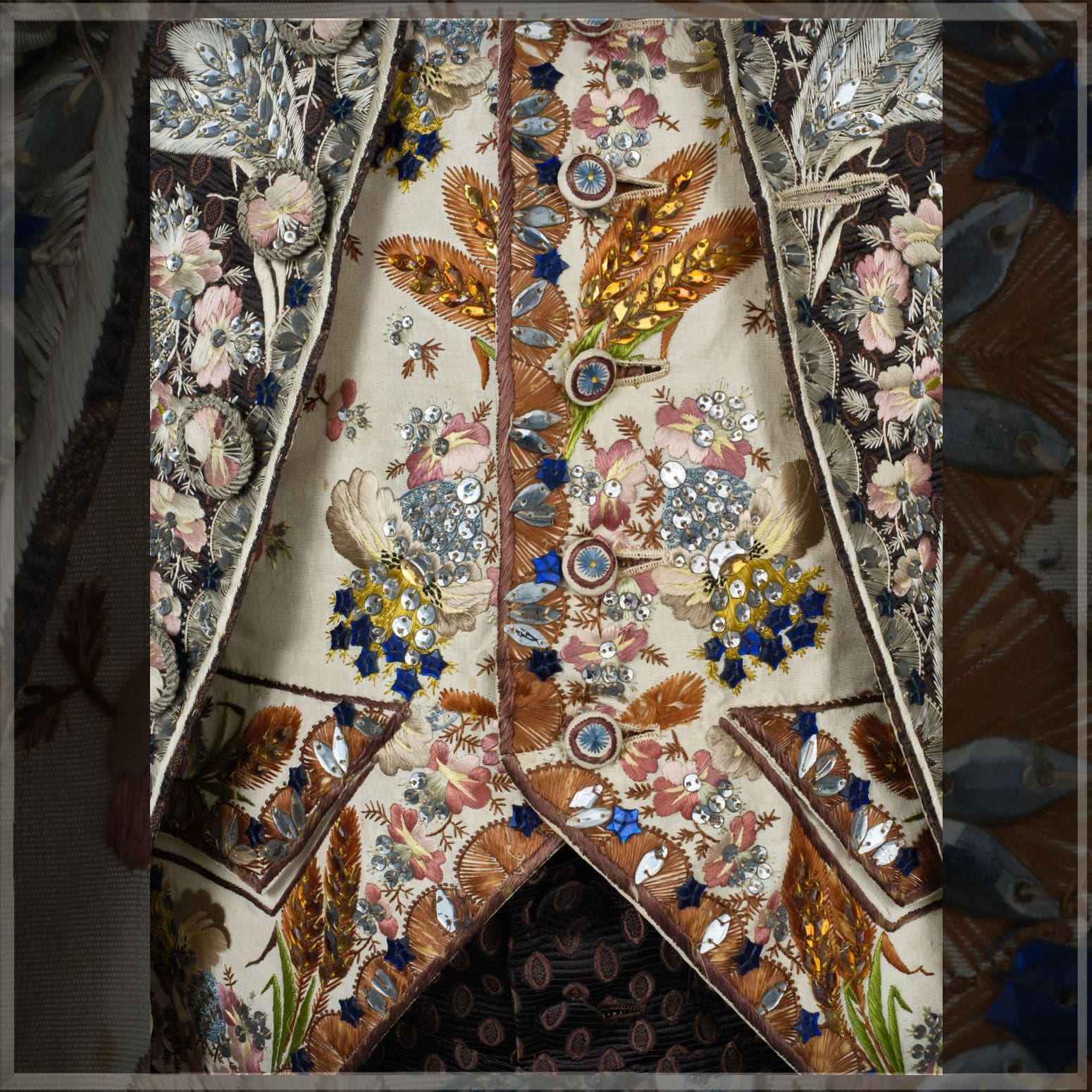
Figured silk featuring a brown “partridge-eye” (œil de perdrix) pattern set against black grooved lines; embroidered with polychrome silk floral motifs, sequins, blue stones, spangles, and star-shaped metallic foils (clinquants)
Provenance: France, Walsh de Serrant family
Grasse and Arles, Costume Museums – Fragonard Parfumeur collections
© Fanny Terno
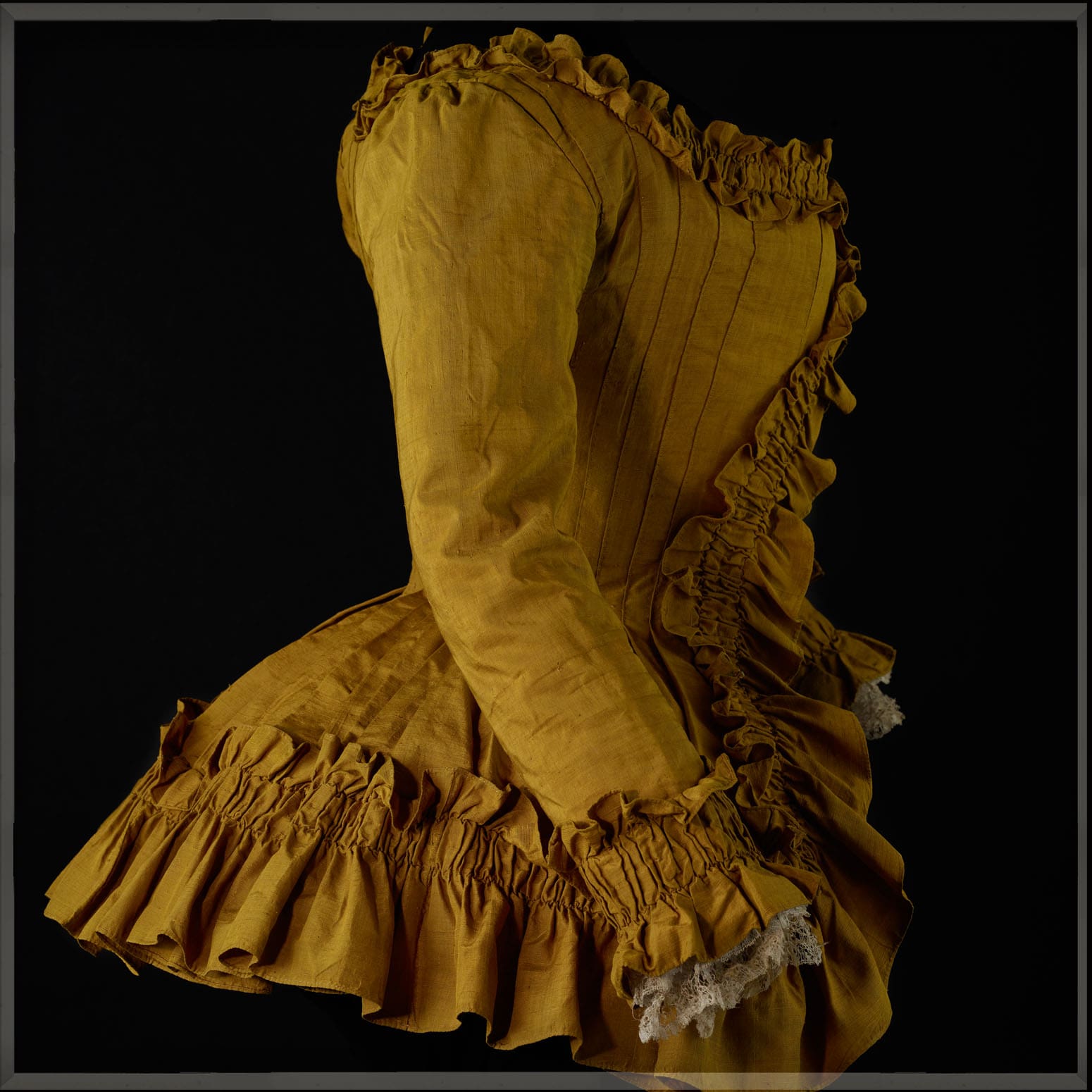
Silk, with a linen lining
Provenance: France (Vaucluse), Gaudin de Lanciers–d’Anselme family
Grasse and Arles, Costume Museums – Fragonard Parfumeur collections
© François Deladerrière
A *casaquin* is a type of bodice with sleeves that are more or less fitted; it is worn with a skirt and varies in length. The term is thought to derive from the masculine *casaque*—a mid-length outer garment typically worn over a suit of armor.
Why a Century of Scent Still Speaks to the Now
For a younger generation raised on niche fragrance culture, gender-fluid aesthetics, and slow artisanal transparency, the eighteenth century feels startlingly contemporary. Perfumery and floral ornament back then carried no rigid gender boundary; men and women alike wore powdered hair, floral waters, and jeweled scent boxes.
At the Monnaie de Paris, perfumer Daniela Andrier has reconstructed historic accords inspired by Simon Barbe’s 1699 manual Le Parfumeur royal, letting visitors experience ancient potpourris and scented vinegars firsthand. Yet the exhibition offers a refreshingly candid truth: three hundred years of shifting soil chemistry, extraction methods, and air quality mean no modern nose can ever smell the exact atmosphere of 1780. What survives is the human gesture behind it. Across a century of stewardship, Maison Fragonard proves that heritage is never a static monument under glass—it is an ongoing conversation between memory, craft, and living senses.
