
Pedro Pascal New CHANEL Ambassador. Story by Kate Granger, Editor of RUNWAY MAGAZINE. Photo Courtesy: CHANEL.
The Way of the Camellia: Pedro Pascal Joins the House of Chanel
When Coco Chanel famously said, “Fashion fades, only style remains the same,” she likely didn’t envision a galactic bounty hunter in her front row. Yet, here we are. In a move that manages to be both shocking and entirely logical, Pedro Pascal—the internet’s collective “Daddy” and the most charming man in any galaxy—has been named the new House Ambassador for Chanel.
From Orphans to Icons: A Shared Heritage
There is a poetic irony in this pairing. Gabrielle “Coco” Chanel began her life in an orphanage in Saumur, carving out a legendary empire through sheer grit and a refusal to follow the rules of the Belle Époque. She liberated women from corsets, gave us the Little Black Dress, and turned a simple quilted bag into a global symbol of defiance and elegance.
Fast forward to the present, and we have Pedro Pascal. Whether he’s navigating a post-apocalyptic wasteland in The Last of Us or protecting “The Child” in The Mandalorian, Pedro specializes in characters who find humanity in the harshest conditions. Like Coco, he didn’t have a straight path to the top; he spent decades as a jobbing actor, quietly honing a craft that eventually made him unavoidable.
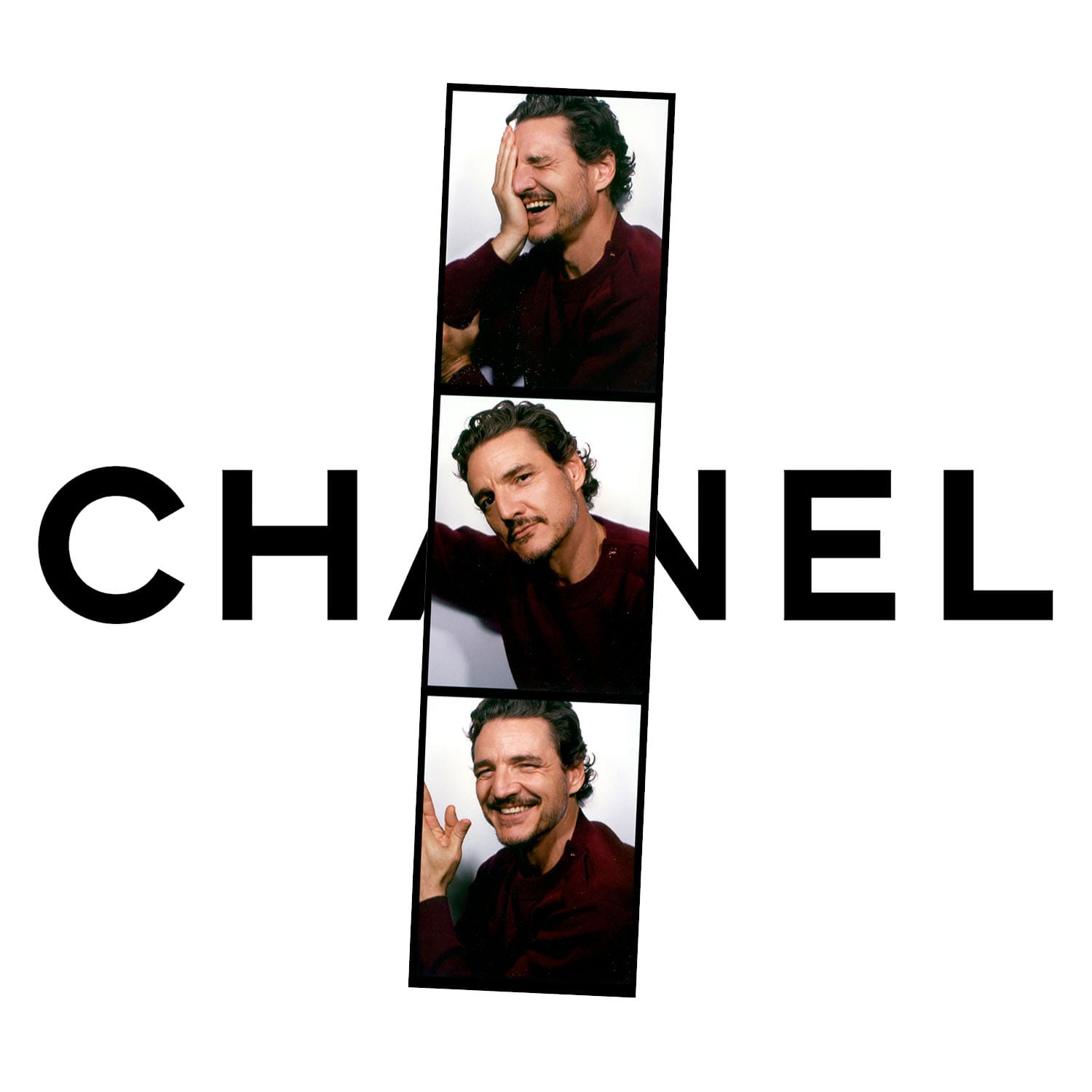
The Mandalorian Meets the Grand Palais
The announcement follows the debut of Matthieu Blazy, who recently took the creative reins at the House. After years of speculation about Chanel’s post-Lagerfeld identity, Blazy’s vision seems to be one of “warm elegance”—a perfect fit for Pascal’s brand of rugged, approachable charisma.
For the Mandalorian fans among us, there is something deeply satisfying about seeing the man who spent seasons hidden behind a Beskar helmet finally being celebrated for his face—specifically, a face that looks just as good in a Chanel tuxedo at the 98th Academy Awards as it does covered in space-dust.
The Subversion of Allure
Why Pedro? Because Chanel has never been about the clothes, but the allure—that intangible friction between history and the immediate present. By bringing Pascal into the fold, the House isn’t just picking a “face”; it’s weaponizing a specific type of cultural capital.
Pascal possesses a rare, relaxed gravitas that strips the pretension from high fashion. He makes a bespoke Chanel silhouette look less like a costume and more like a second skin, bridging the gap between the rigid heritage of the tweed-and-pearl era and a masculinity that is actually, for once, interesting. In a luxury landscape that often feels sterile and surgically detached, choosing a man defined by warmth and a sharp, self-deprecating wit is a calculated move toward relevance.
It appears “The Way” and the Rue Cambon have finally converged. It’s a union of two empires built on distinct codes—one of Beskar, the other of silk—proving that even the most iron-clad traditions are at their best when they’re being reinvented by someone who doesn’t take the armor too seriously.
