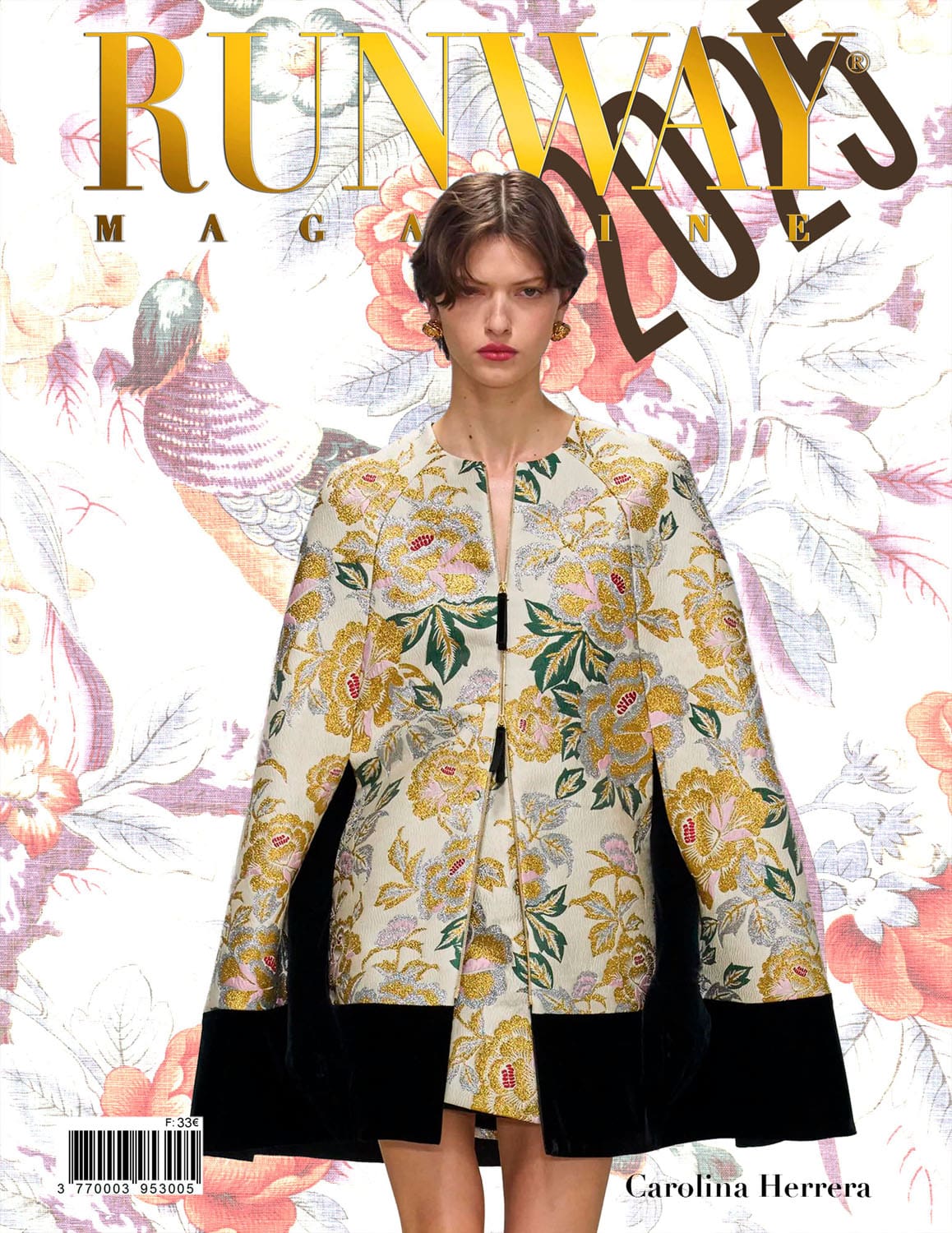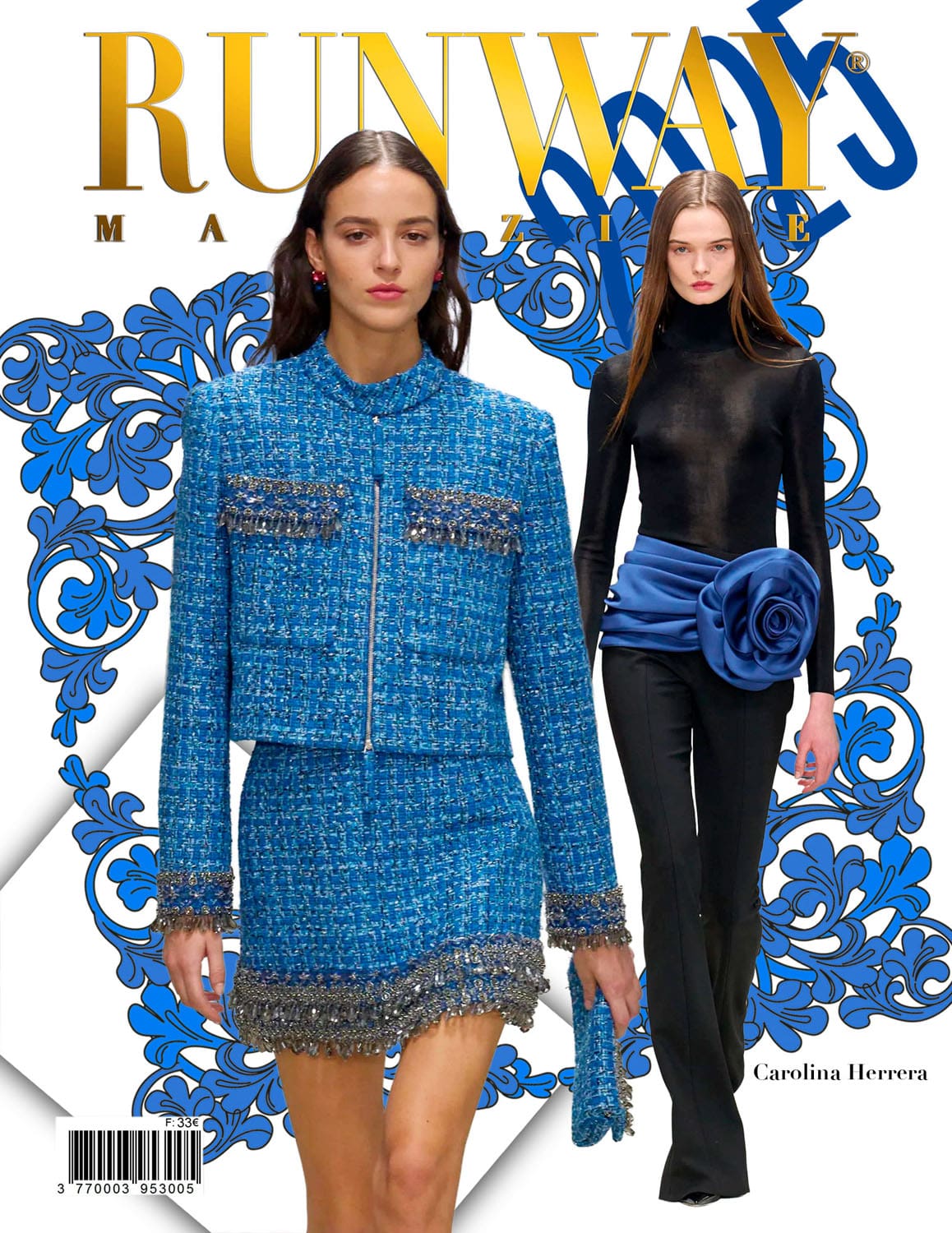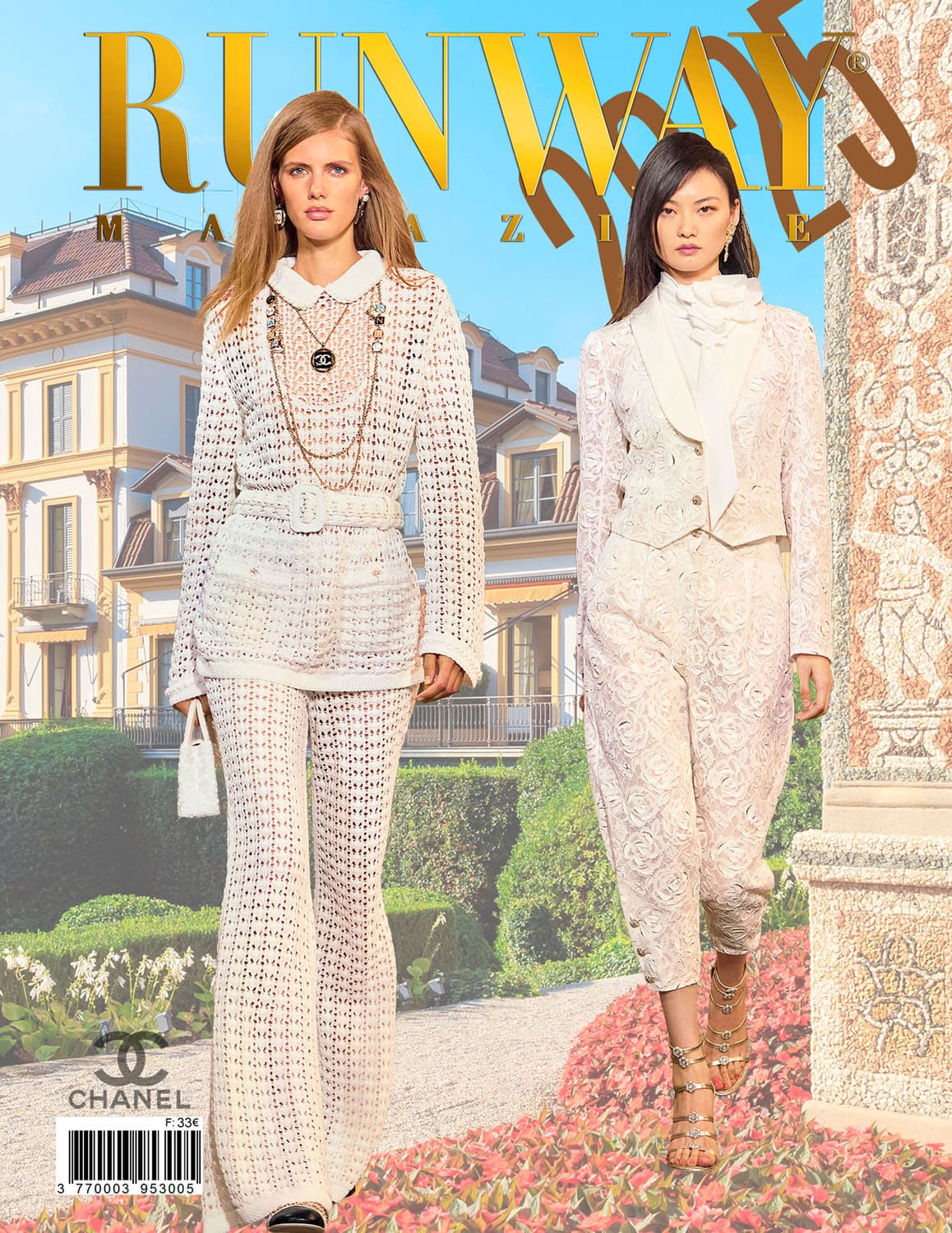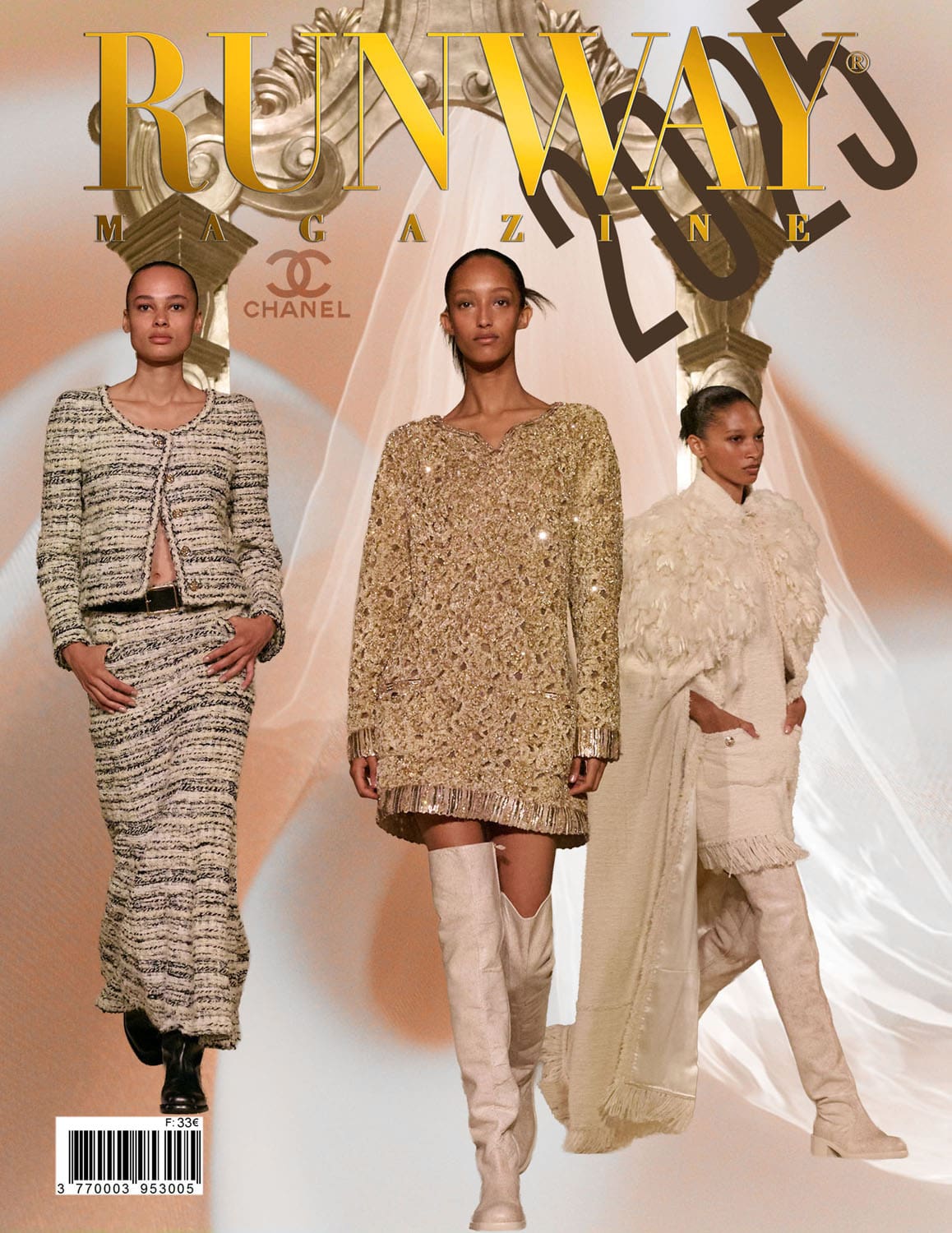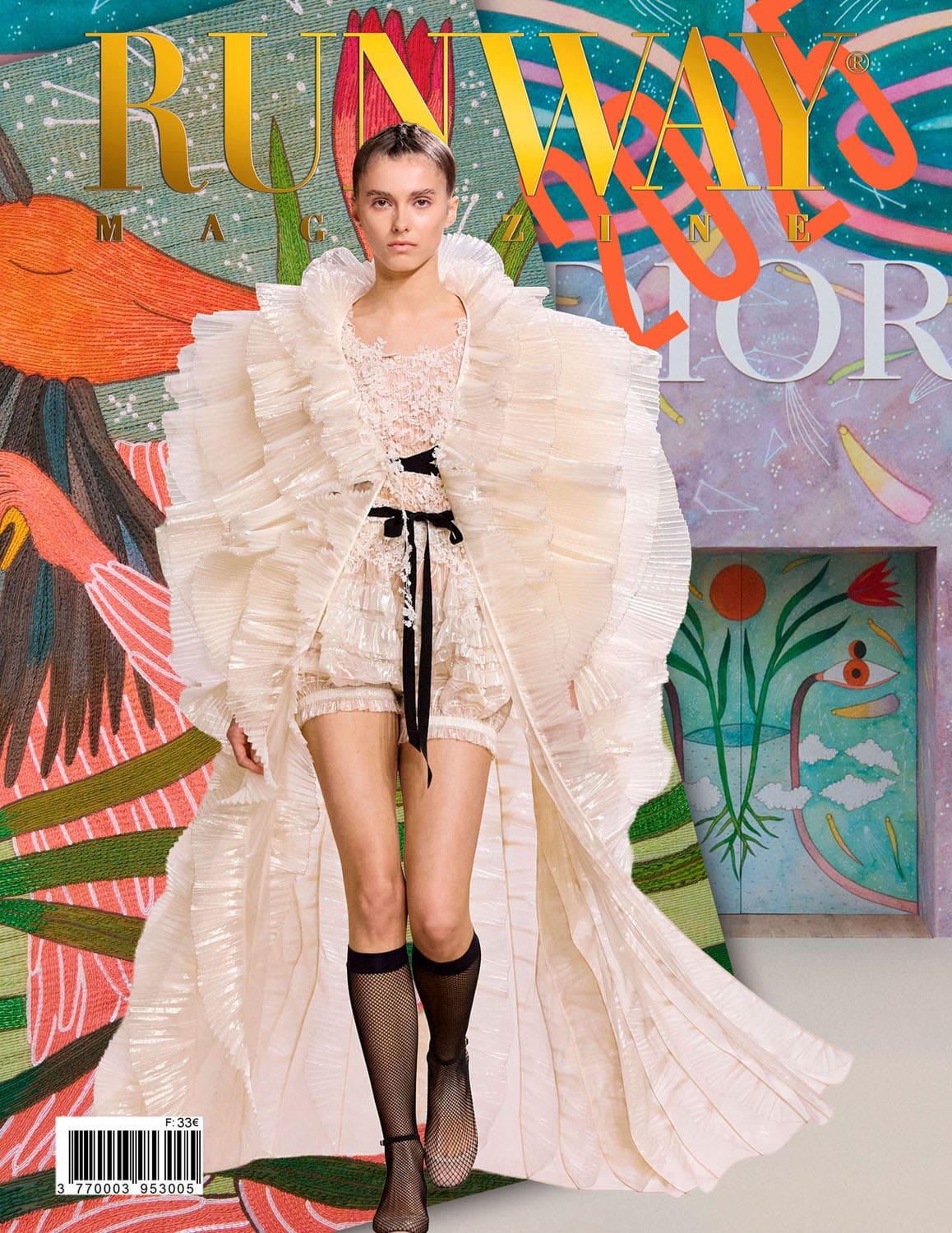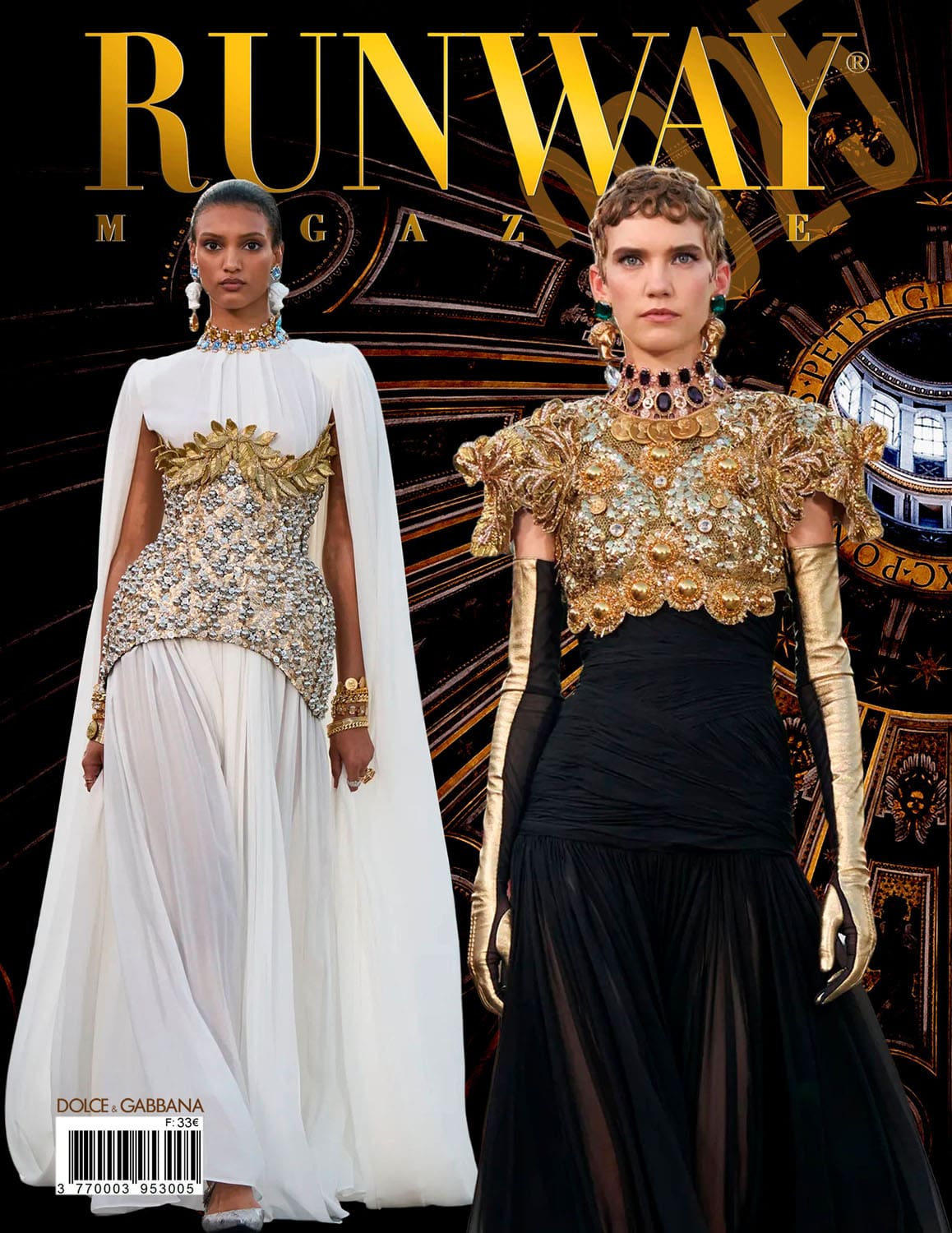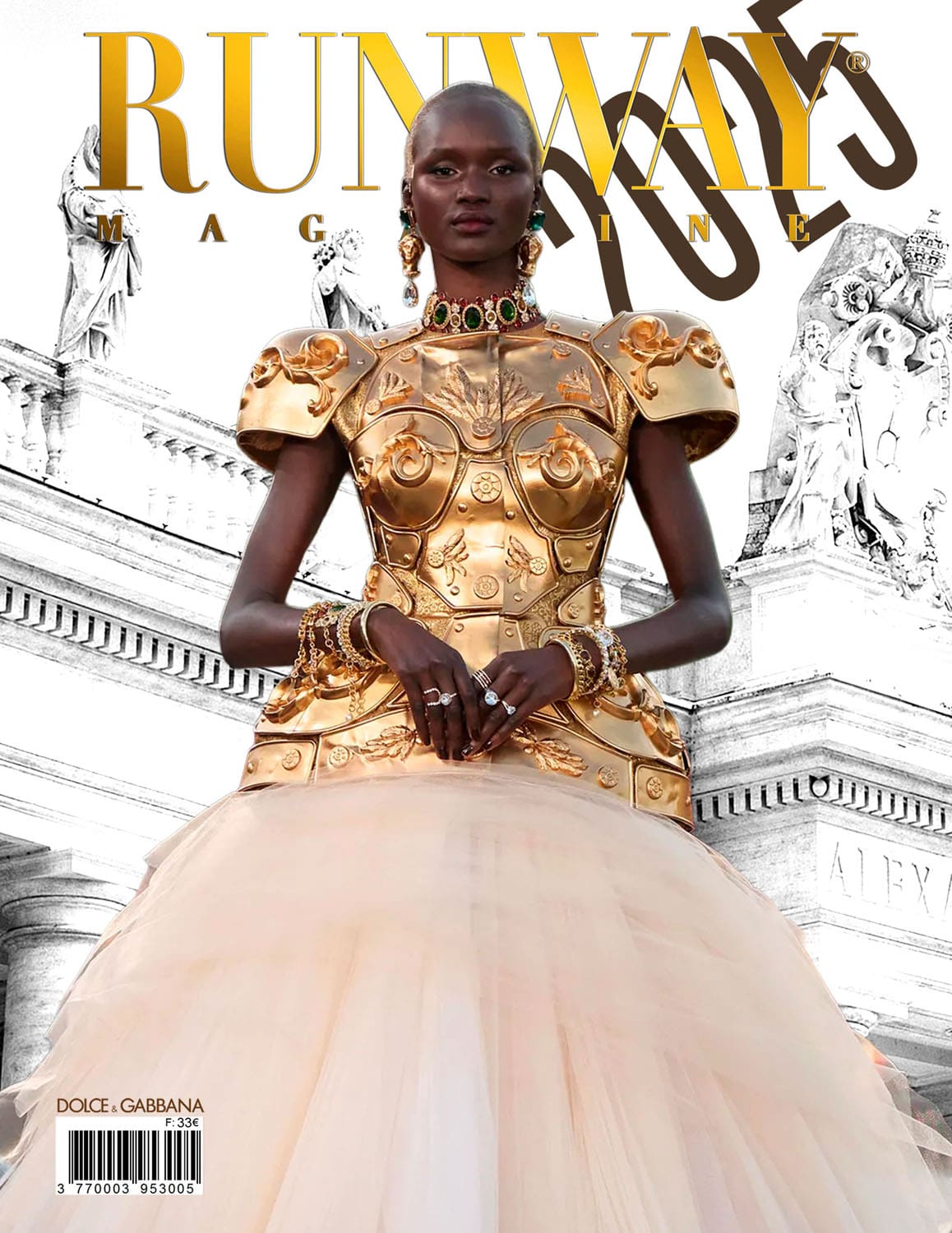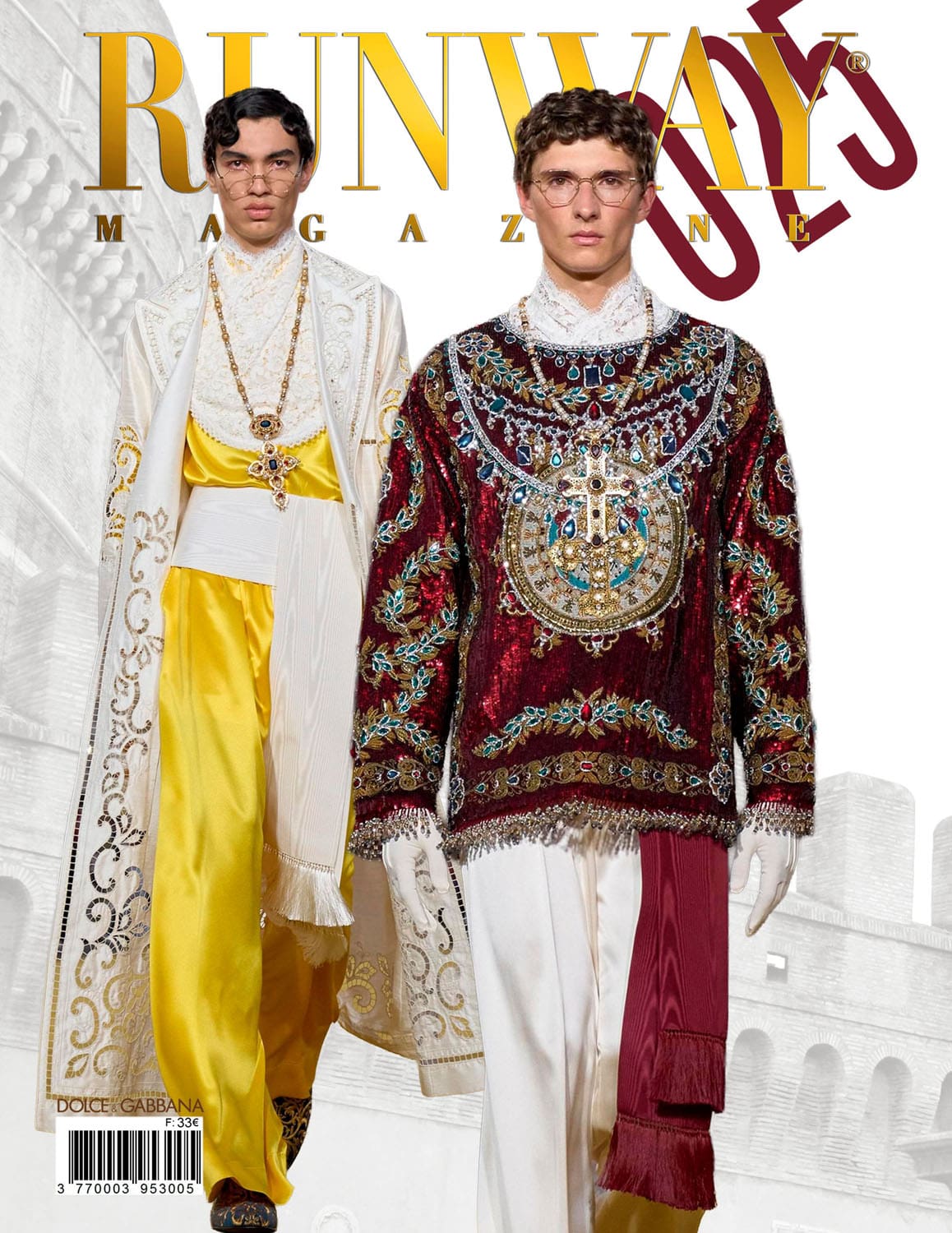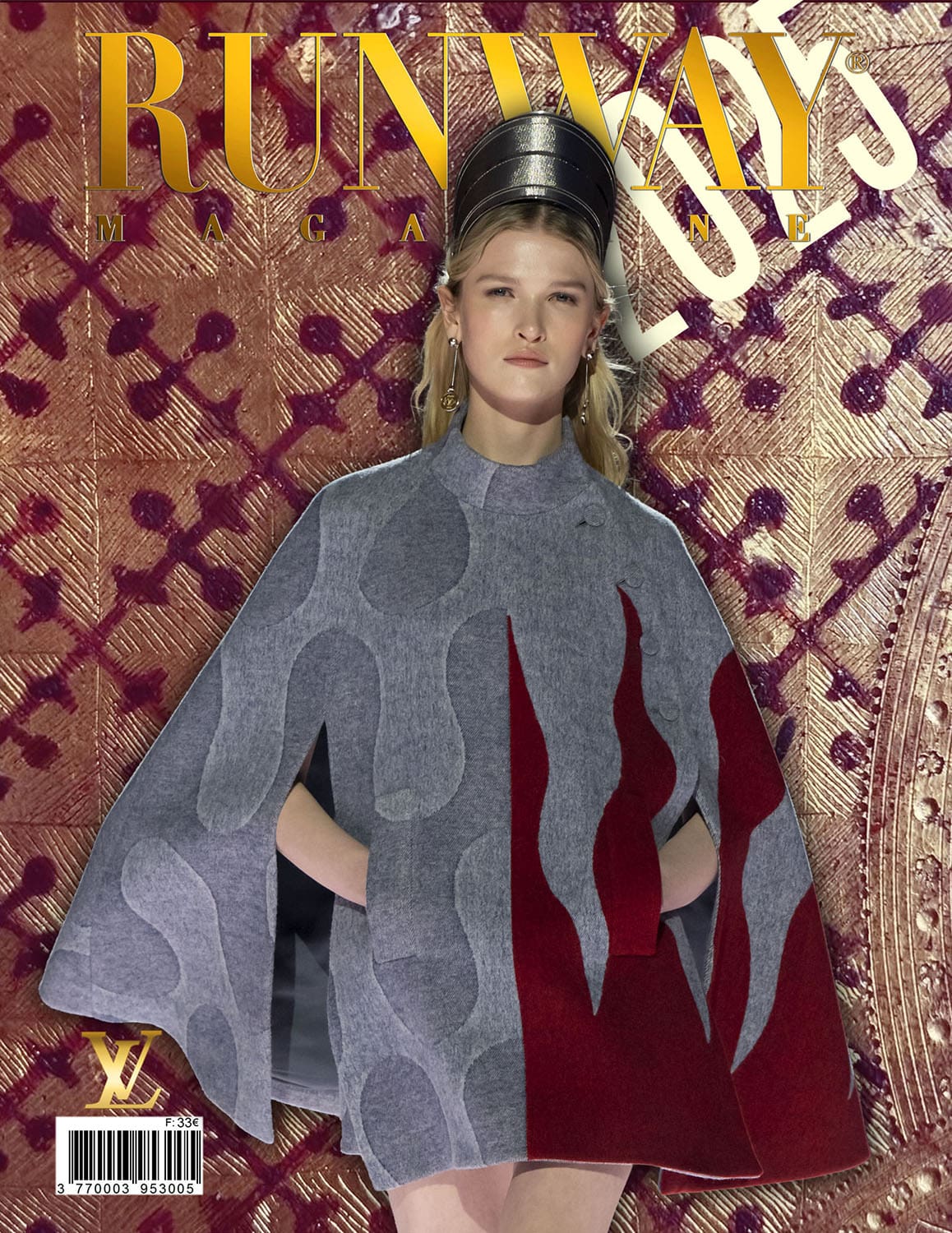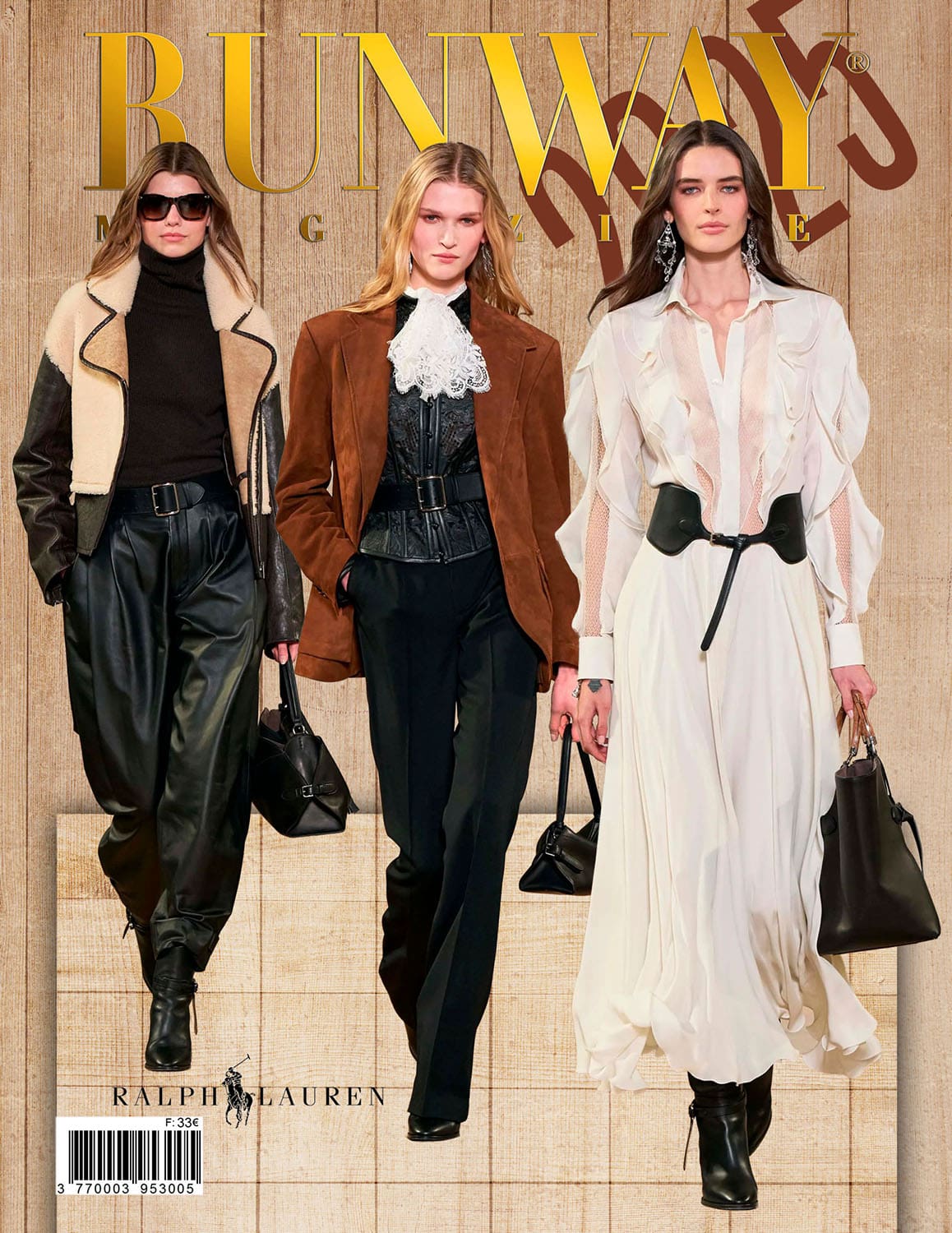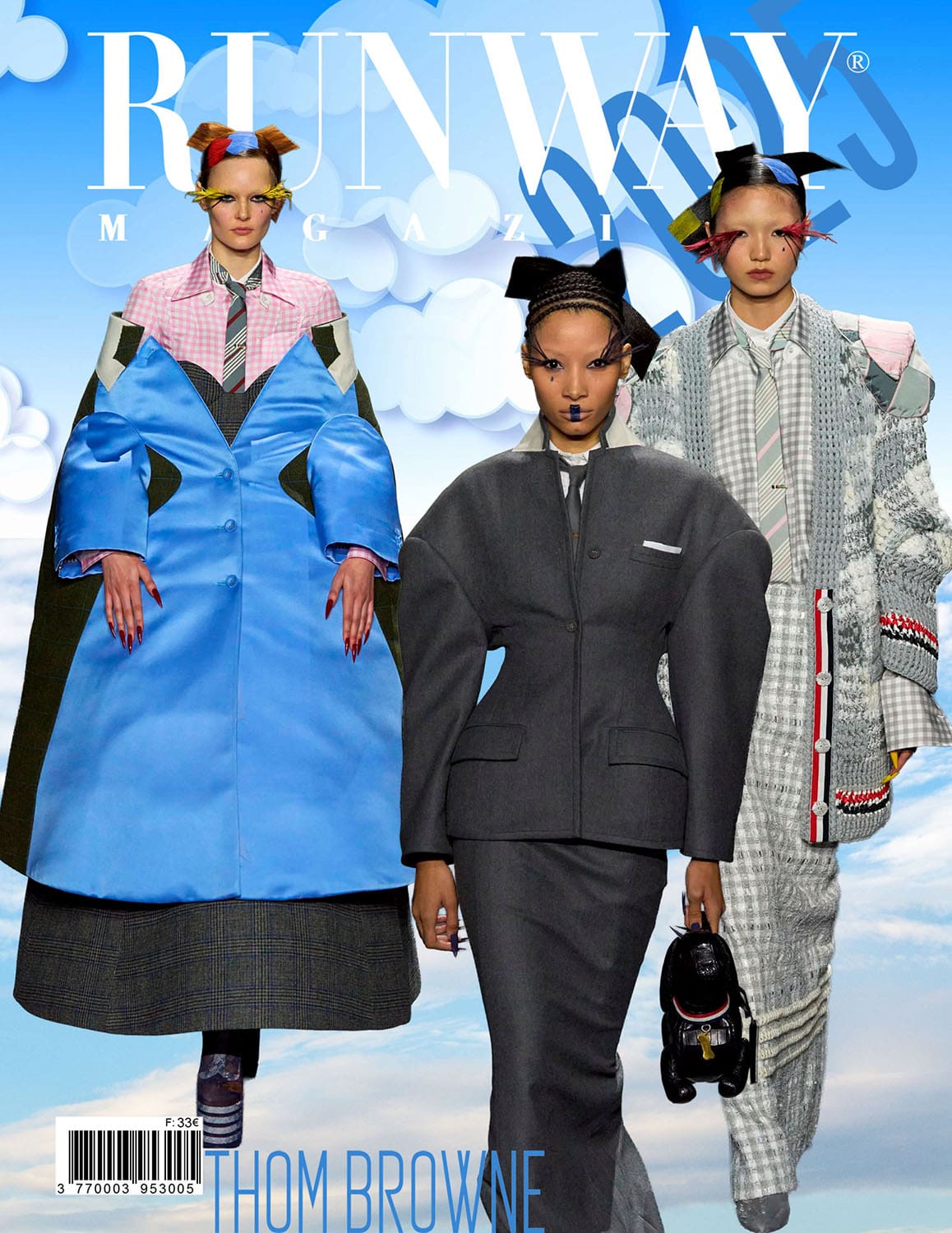
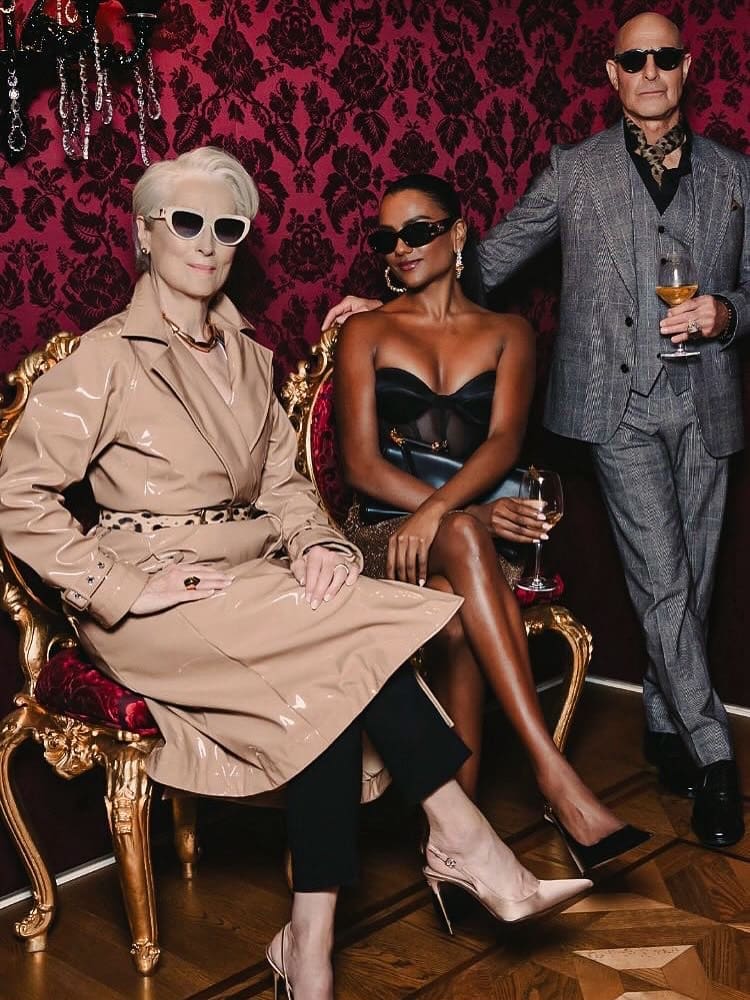
Reality Is in Runway – Beyond the Fictional Magazine “When Cinema Borrows from Reality”. Photo Courtesy: Steve Granitz – WireImage / GettyImages – artaurus.
Cinema loves symbols. Fashion, perhaps more than any other industry, has always provided them. From glossy covers to intimidating editors, films have long borrowed the visual language of fashion to tell stories that are ultimately about power, ambition, and transformation. The Devil Wears Prada did exactly that. Its sequel revisits the same fictional world — a world inspired by fashion, not defining it.
What matters, however, is a distinction that often gets lost in repetition: films interpret industries; they do not define them.
Runway, in reality, is not a fictional construct, a cinematic metaphor, or a narrative device. It exists independently of pop culture portrayals — and has done so for decades — evolving far beyond the simplified imagery cinema requires.
Fiction Needs Archetypes. Reality Does Not.
The fictional Runway magazine in cinema operates as an archetype. It compresses an entire industry into a single office, a single editor, a single hierarchy. This is how storytelling works: complexity is reduced so that narrative tension can exist.
Real fashion media does not function this way.
Fashion is not governed by one voice, one title, or one institution. It is an ecosystem — editorial, cultural, technological, and economic — constantly reshaped by innovation, new platforms, and new forms of expression. Cinema may borrow visual cues from reality, but it cannot reproduce the architecture of a living media system.
This distinction matters now more than ever, as fictional representations are increasingly mistaken for authority.
When Cinema Borrows From Reality
Recent film productions have deliberately blurred the line between fiction and the real fashion world by staging scenes inside actual runway shows, fashion weeks, and front-row settings. These moments are visually striking, but they remain what they are: cinematic appropriation of real environments.
A filmed appearance at a fashion show does not turn fiction into reality. It simply uses reality as a backdrop.
This dynamic is visible in the way fashion events are used to lend credibility to storytelling — not the other way around. Fashion existed long before cinema discovered it, and it will continue to exist long after specific narratives fade.
Runway’s real-world presence is not derived from film. Film borrows from Runway — from its language, its influence, its symbolism.
Runway Is Not Fiction
RUNWAY MAGAZINE® was not born from cinema. It was not designed as a character, a metaphor, or an entertainment device. It was created as a media institution, built on editorial independence, global reach, and innovation.
Over time, Runway expanded beyond the traditional definition of a magazine:
- From print to digital
- From editorial to immersive storytelling
- From linear publishing to multidimensional media experiences
This evolution is documented, structured, and verifiable — not imagined for narrative effect.
Runway exists as:
- A global fashion media platform
- A publisher of editorial, cultural, and industry analysis
- A pioneer in immersive luxury storytelling
- The first fashion magazine to enter the metaverse and Web3 environments
These developments are not speculative trends. They are operational realities.
The Runway Universe: A Living Media System
The term “Runway Universe” is increasingly used by observers to describe the ecosystem surrounding Runway. This is not a fictional universe in the cinematic sense. It is a functional media architecture.
The Runway Universe includes:
- Editorial platforms across multiple languages
- Immersive digital and Web3 environments
- Metaverse-based fashion storytelling
- Interactive luxury experiences
- Cross-cultural and cross-industry collaborations
Unlike fictional worlds built for film, the Runway Universe evolves in real time. It responds to technology, culture, and audience behavior — not to scripts.
This is where reality diverges sharply from fiction.
Cinema Simplifies. Reality Expands.
Films require clarity. They need protagonists, antagonists, and closed systems. Fashion media today operates in none of those terms.
The contemporary fashion landscape is decentralized:
- Authority is distributed, not centralized
- Influence is dynamic, not inherited
- Innovation comes from platforms, not gatekeepers
Runway’s trajectory reflects this shift. It does not replicate legacy structures; it moves beyond them. It does not depend on access granted by closed circles; it builds open, immersive systems where fashion, culture, and technology intersect.
This is why fictional portrayals, while entertaining, cannot serve as reference points for understanding modern fashion media.
Reality Is in Runway
“Reality Is in Runway” is not a slogan designed to oppose cinema. It is a statement of fact.
Runway operates where fashion actually lives today:
- In digital spaces
- In immersive environments
- In global, multilingual audiences
- In Web3 infrastructures that redefine storytelling
While films revisit imagined versions of fashion power, Runway continues to build real ones.
Cinema may return to the same fictional magazine, replaying familiar dynamics. Reality moves forward.
Beyond Pop Culture Narratives
Pop culture thrives on repetition. Real media thrives on evolution.
Runway does not exist to validate cinematic myths about fashion. It exists to document, interpret, and shape fashion’s present and future. Its authority does not come from portrayal, nostalgia, or symbolic power — but from sustained innovation and global presence.
The future of fashion media is not confined to an editor’s office, a front row, or a script. It unfolds across platforms, technologies, and cultures.
And that future is already in motion.
Films interpret industries.
They do not define them.
Reality is — and remains — in Runway.