
Valentino Garavani (1932–2026) – The Last Emperor of Couture. Memorial by Eleonora de Gray, Editor-in-Chief of RUNWAY MAGAZINE.
Valentino Garavani passed away today at his Roman residence, surrounded by his loved ones. With him leaves not only a man, but an entire civilization of couture — a discipline built on discipline, beauty built on restraint, and extravagance refined into eternal elegance.
From the very beginning, Valentino understood fashion not as trend, but as destiny.
“I had a sister and she took me to see films. I would dream about beautiful women, extremely sophisticated, all made up with beautiful jewelry and beautiful dresses. I think, from that time, I decided I wanted to be a fashion designer.”
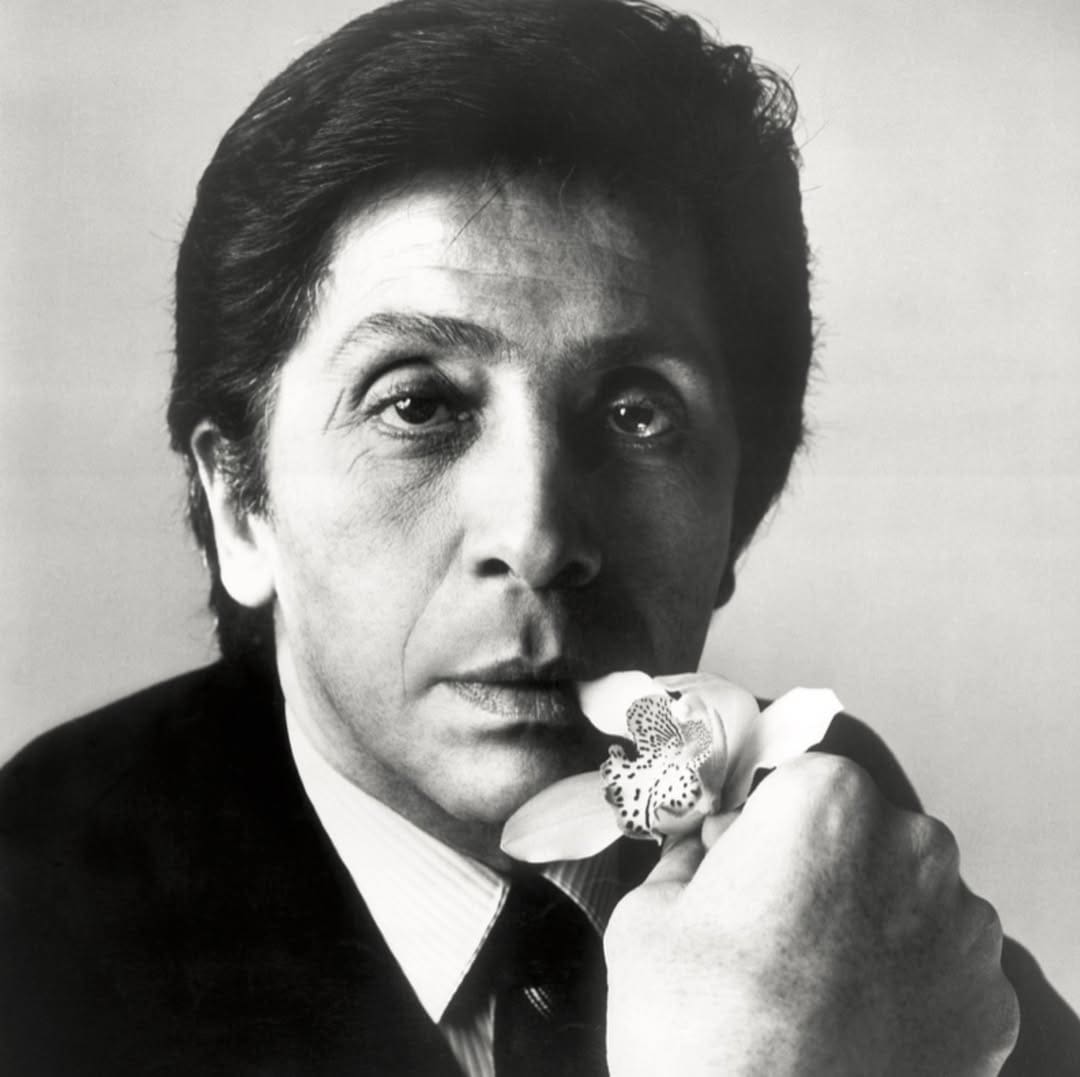
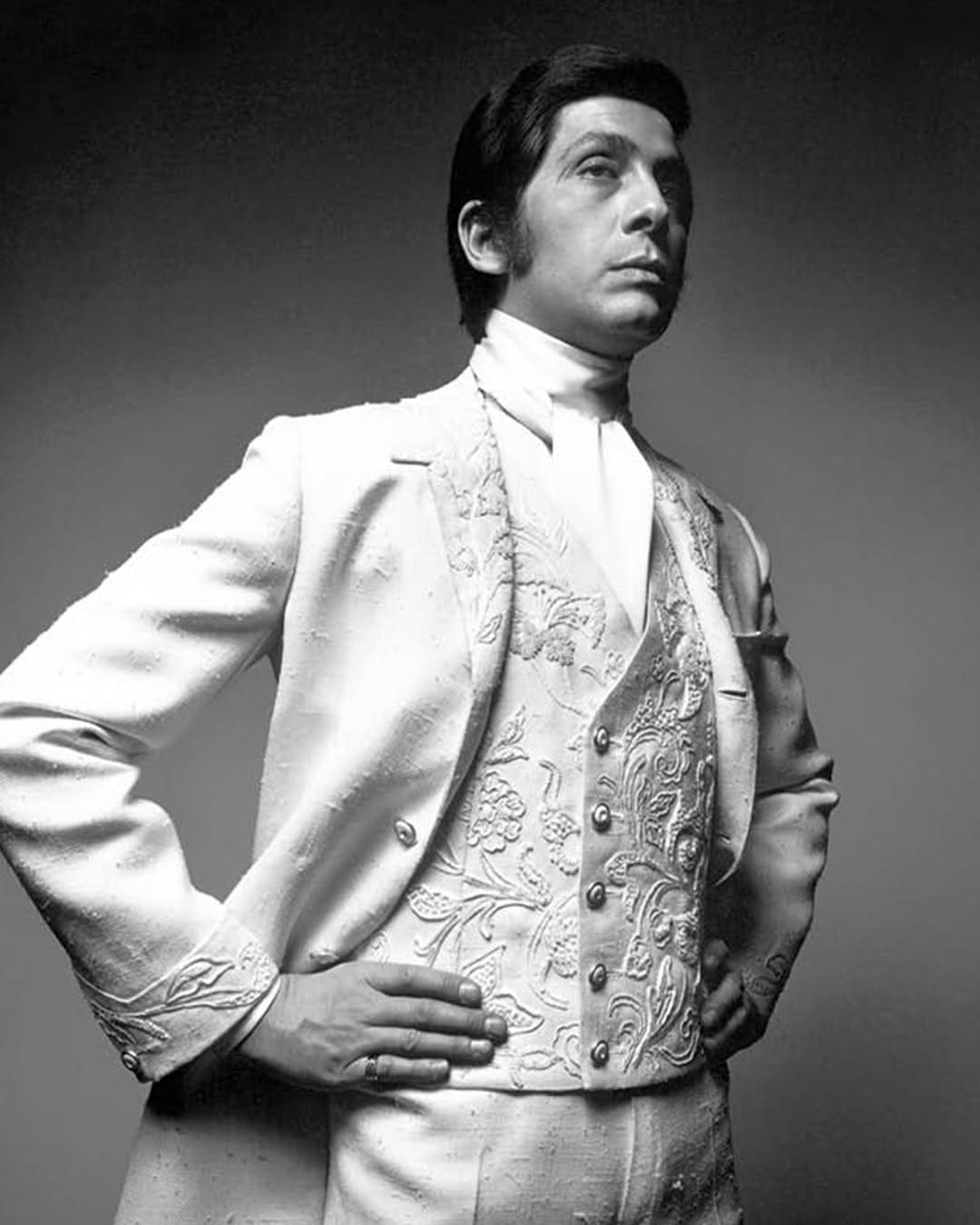
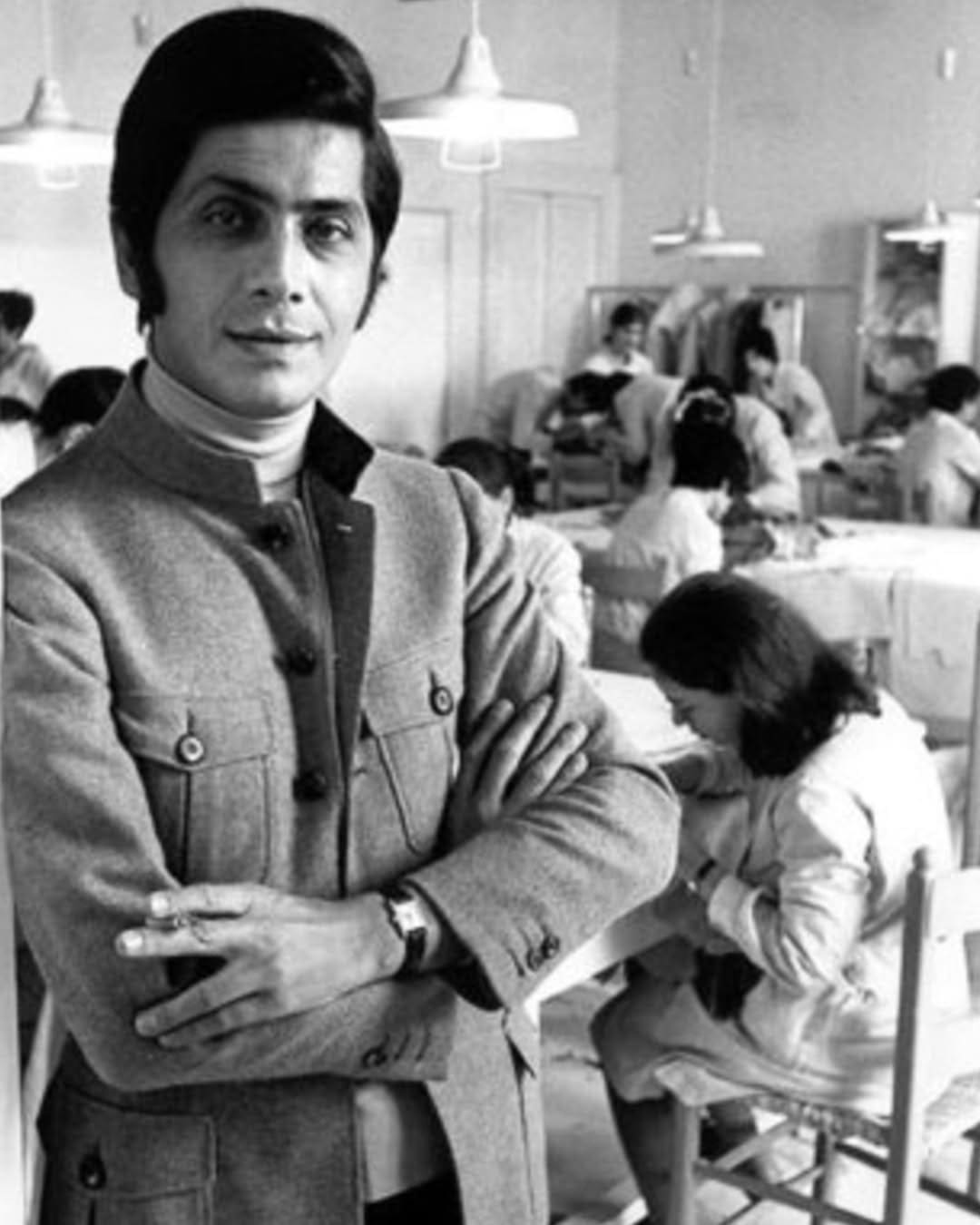
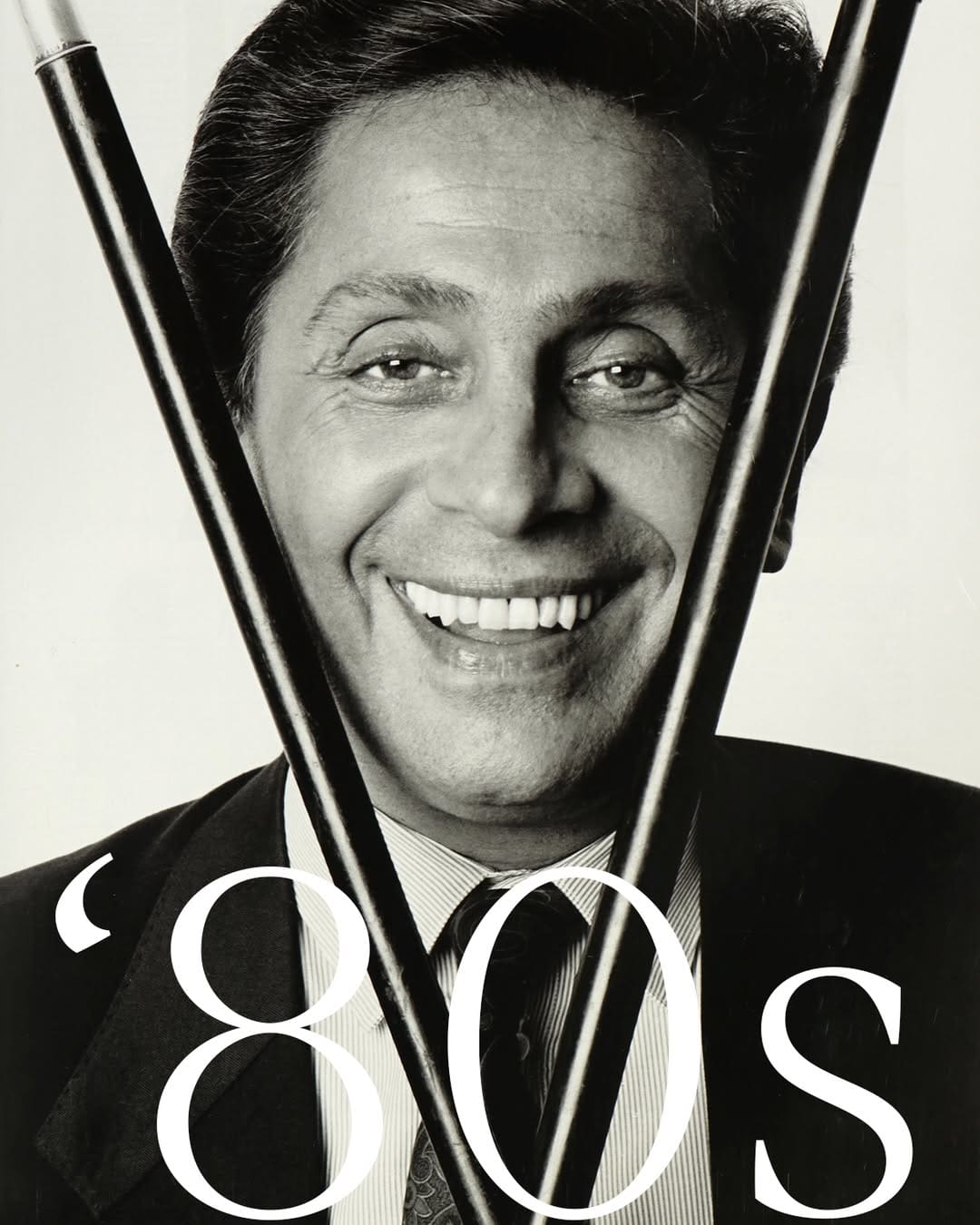
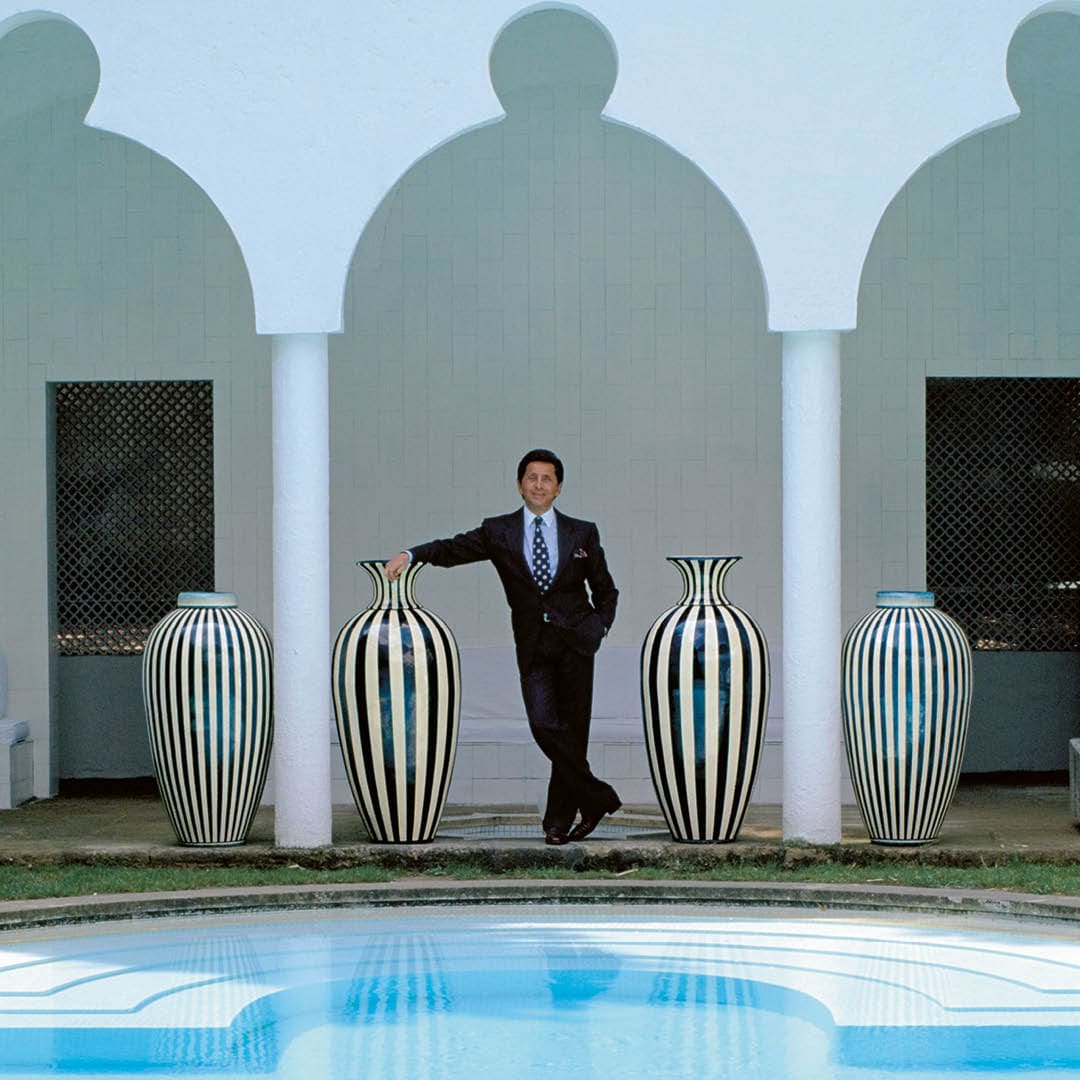
Cinema gave him the dream. Rome gave him the stage. And couture gave him a language that only a few in history ever mastered.
In the 1960s and 70s, when wealth demanded spectacle, Valentino answered with controlled excess. He imagined the impossible.
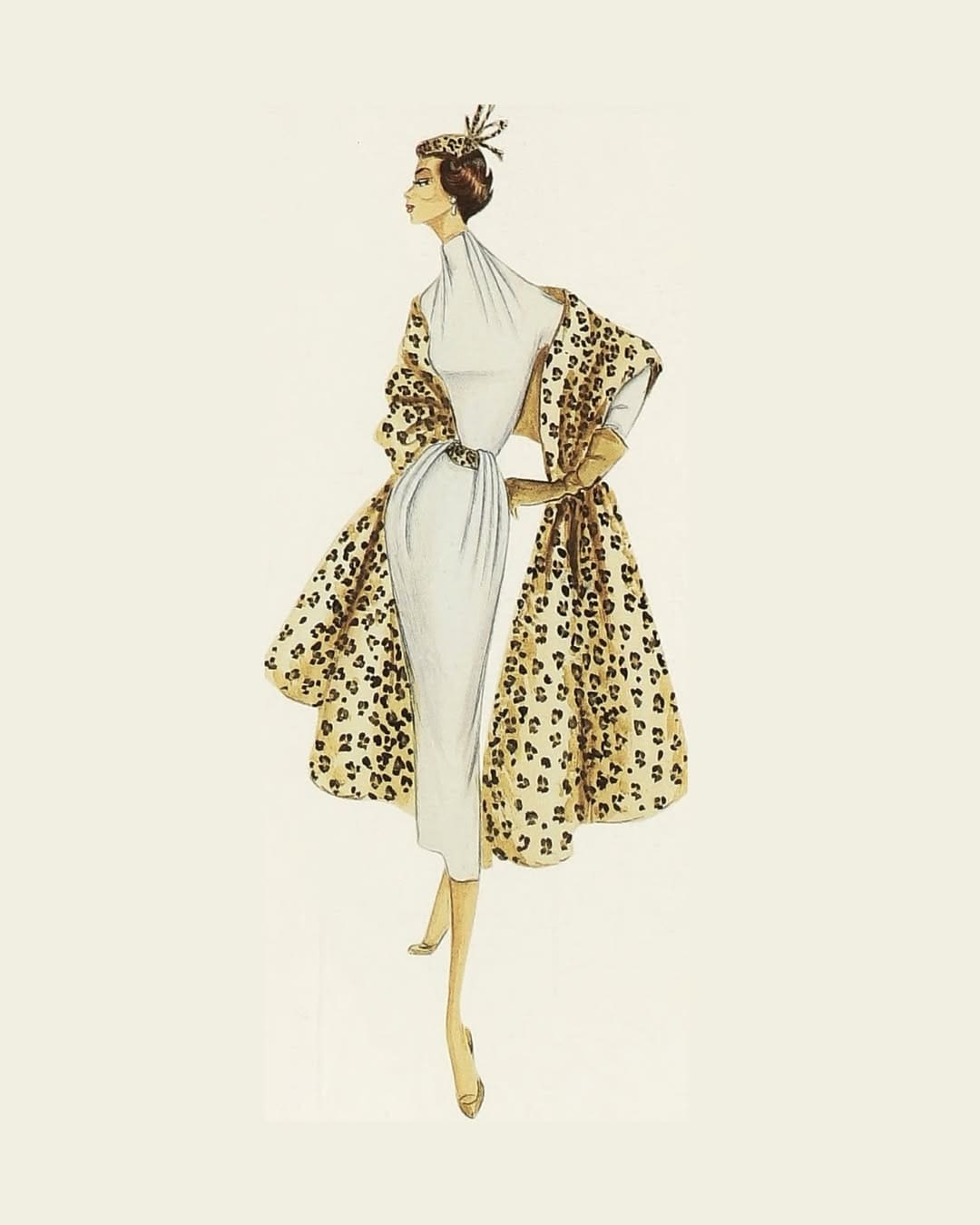
“At the beginning of my career… I imagined the wildest things: an ermine coat lined with leopard, lynx capes, the first white mink coat of the Seventies. The watchword was: extravagance at all costs.”
Yet unlike many of his contemporaries, Valentino evolved before the world demanded it.
“Then came the time of responsibility and awareness… Since the world is under threat, and it is possible to avoid the slaughter of animals, why go on killing?”
This was not marketing. This was conscience — rare in an era that celebrated excess without consequence.
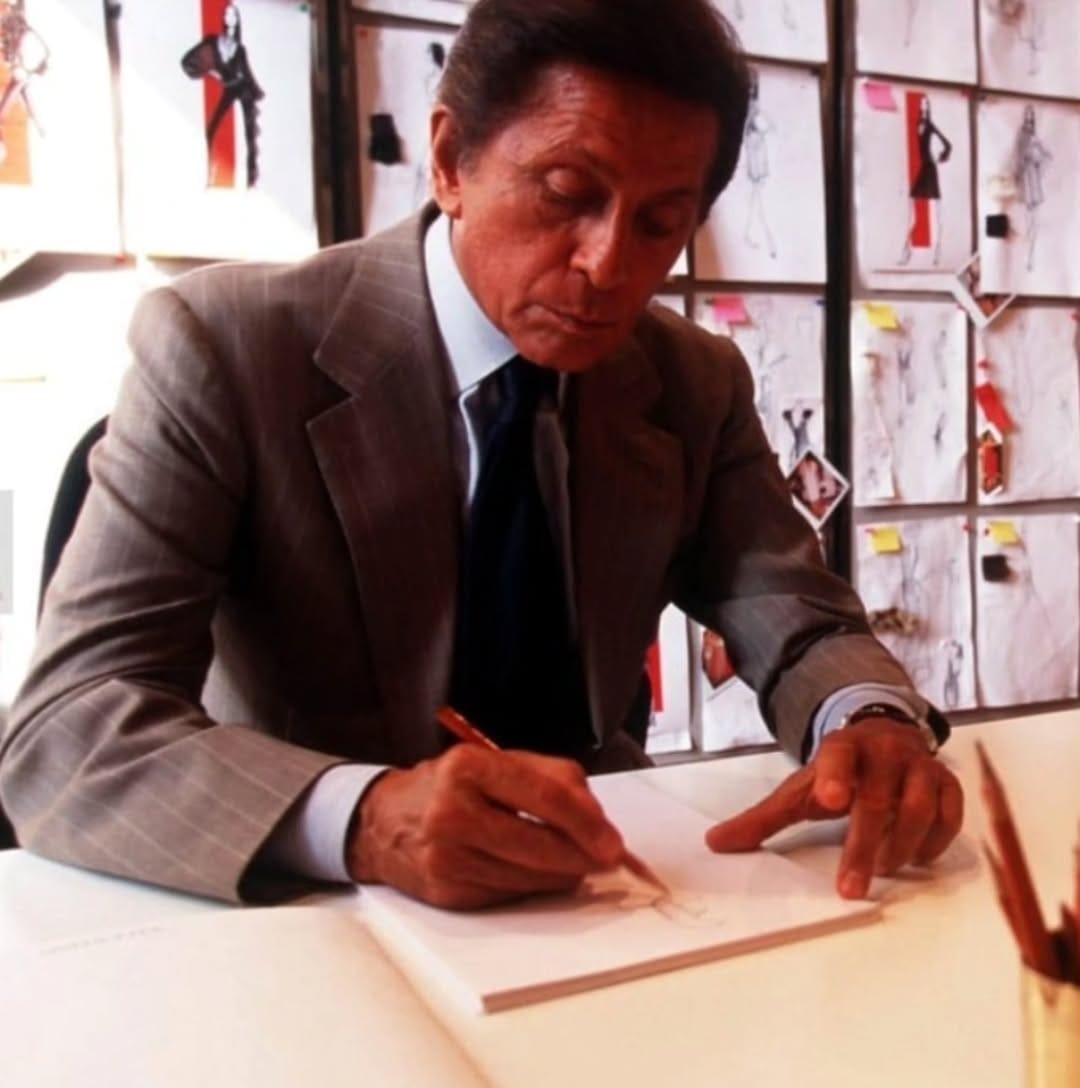
Valentino’s genius was never loud. It was architectural, disciplined, precise. His women did not wear costumes. They wore identity.
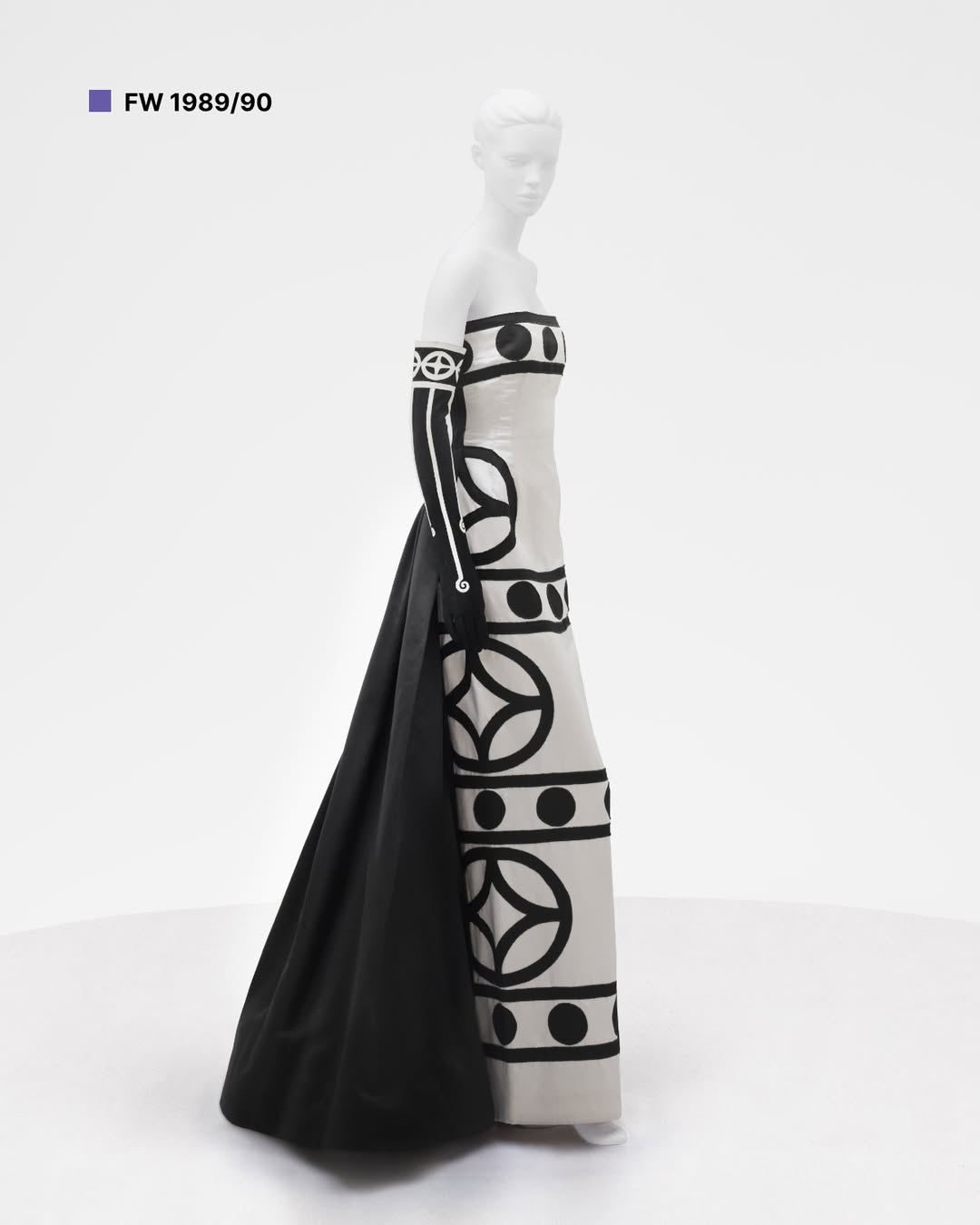
“A woman who dresses in black and white is a strong woman… a determined woman. The kind of woman I admire.”
He dressed strength, not decoration.
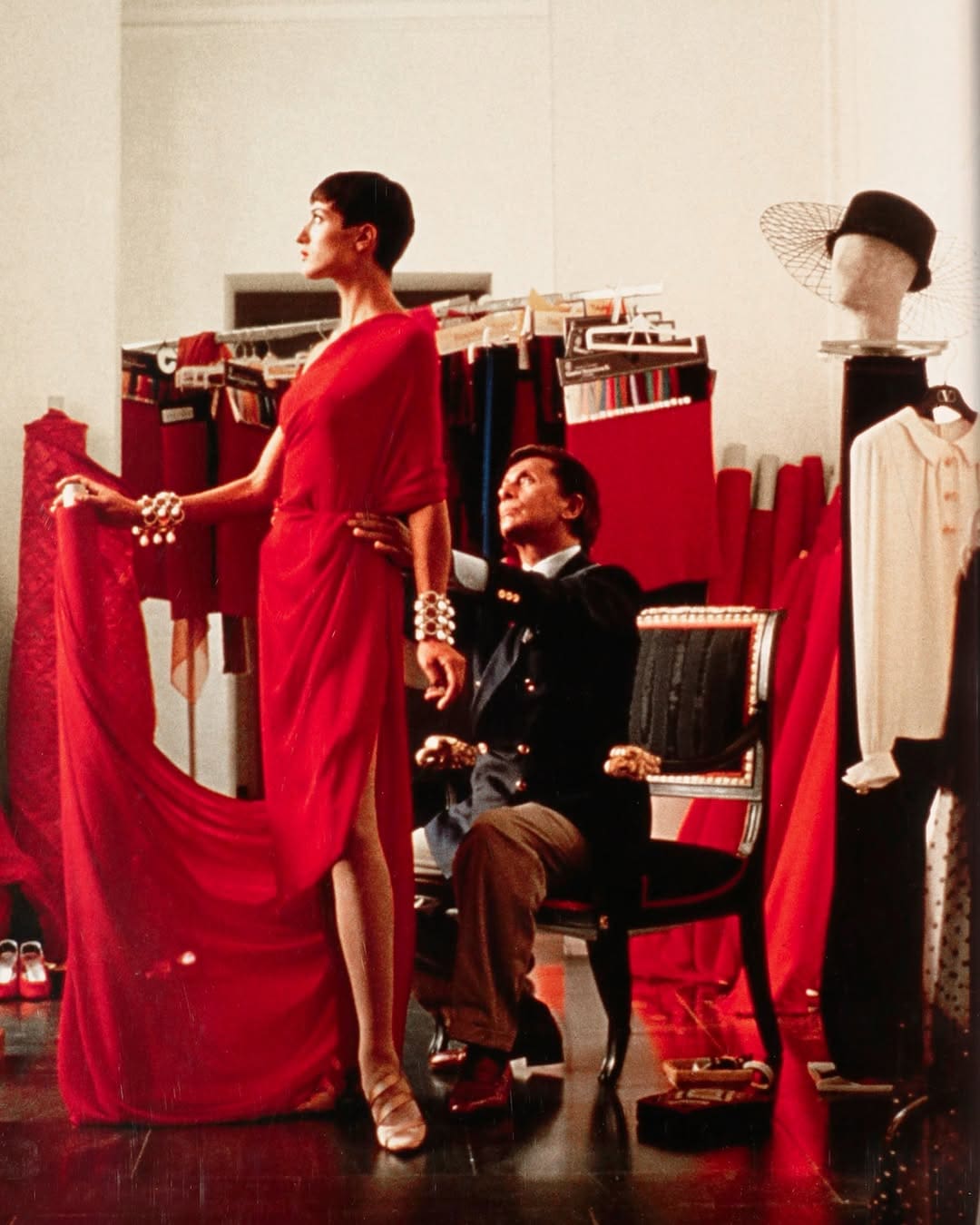
And while the industry raced toward speed, Valentino remained loyal to time itself — to hands, to patience, to craft that refuses to be industrialized.
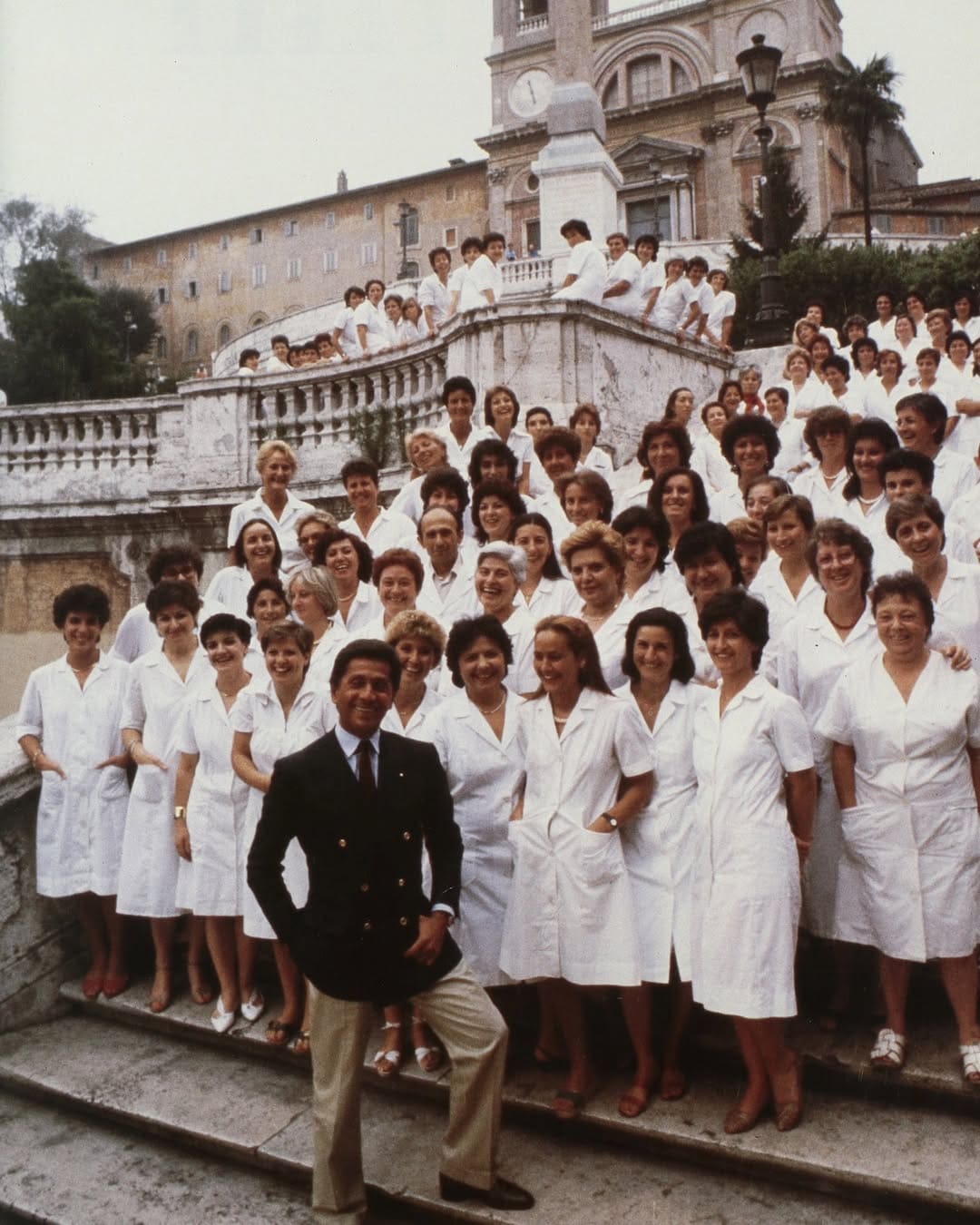
“My seamstresses have been there for a long, long time… the last dinosaurs, making this type of haute couture… extremely meticulous… old fashioned… very rare.”
They were not dinosaurs. They were guardians. And Valentino was their emperor.
Art guided him always. Not as quotation, but as structure. The optical rigor of Vasarely, the geometry of Josef Hoffmann, the sensual line of Aubrey Beardsley — all filtered through a Roman sense of proportion and an instinct for femininity that never confused elegance with submission.
“I make elegant clothes… and the individual will put something a little crazy with it.”
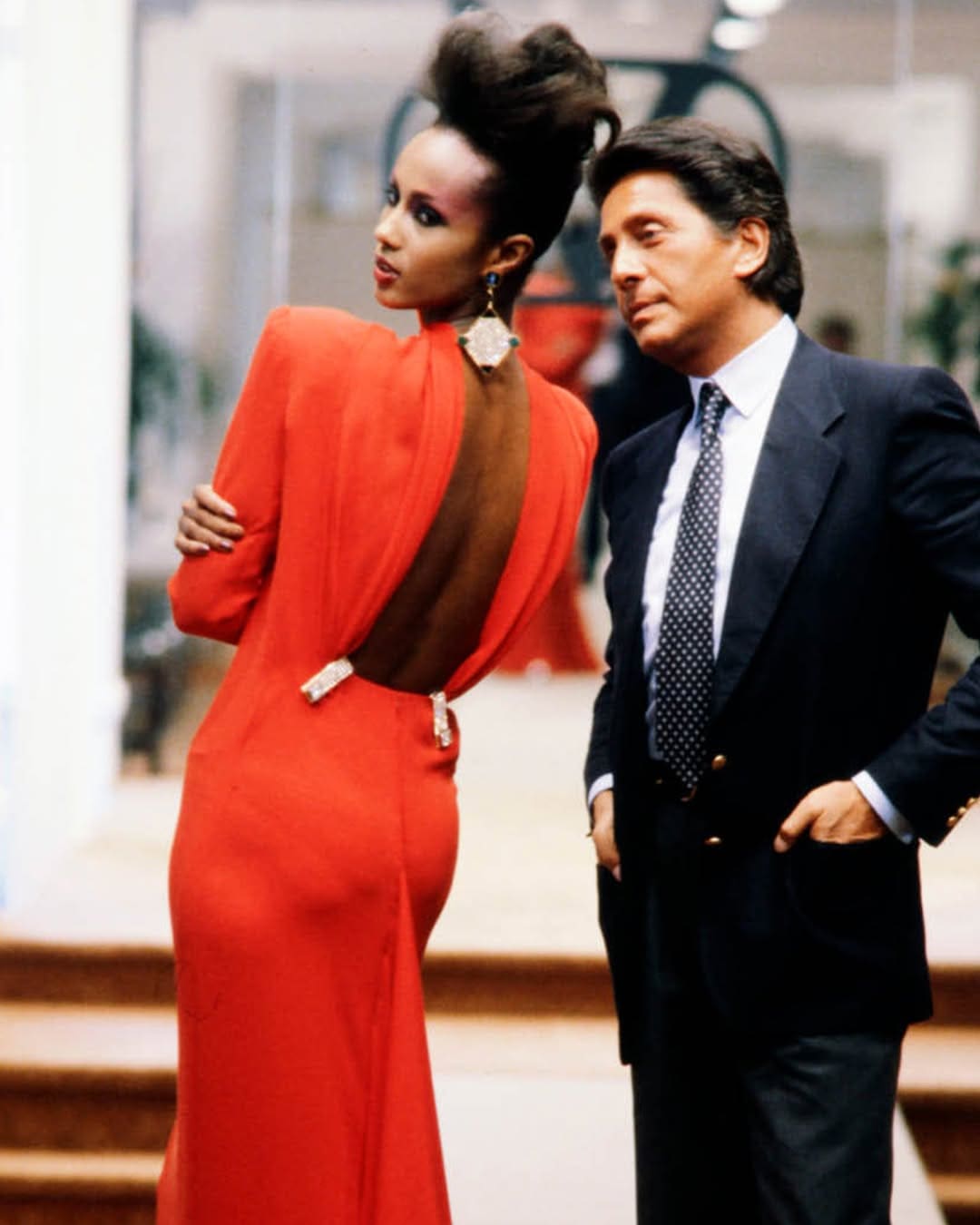
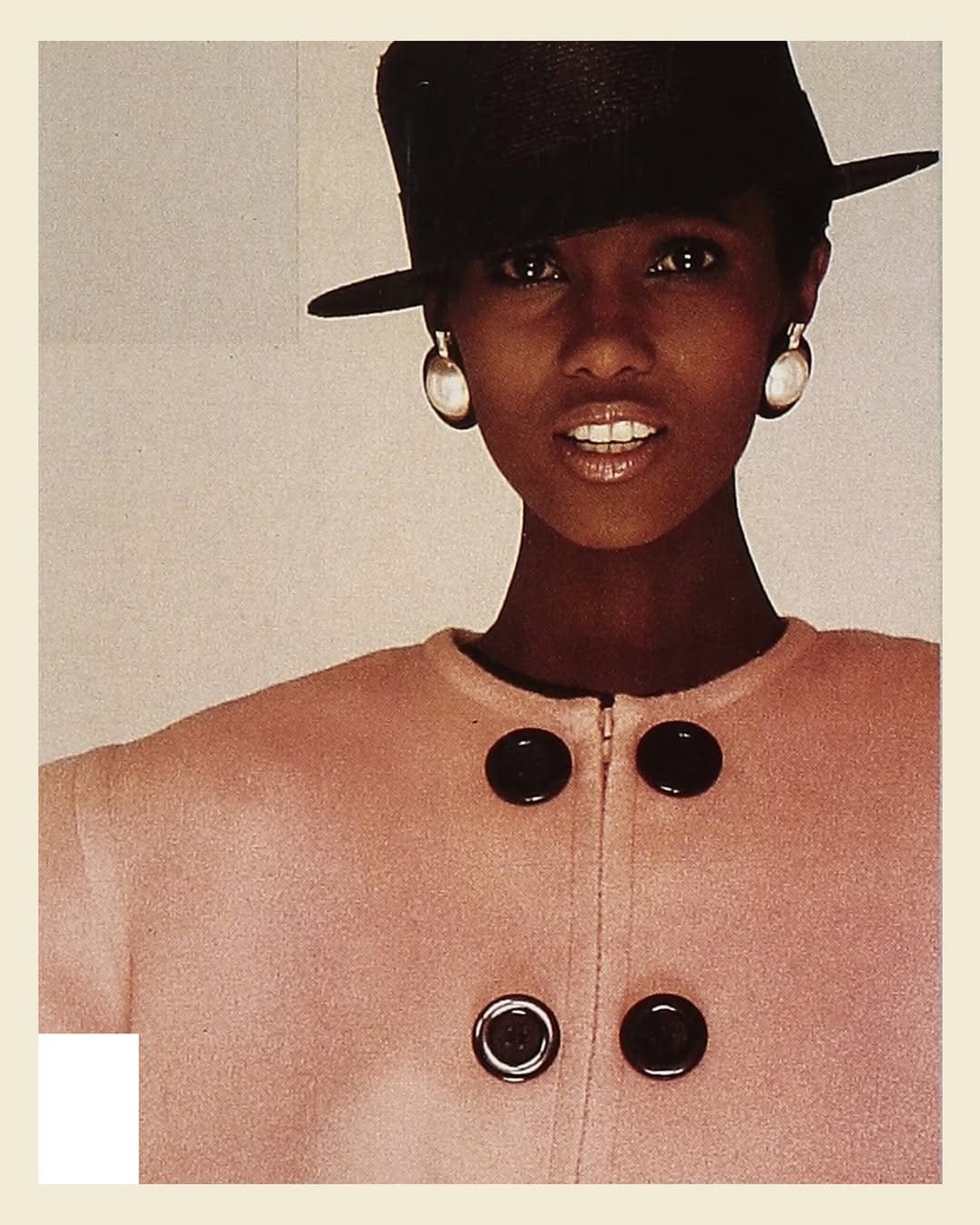
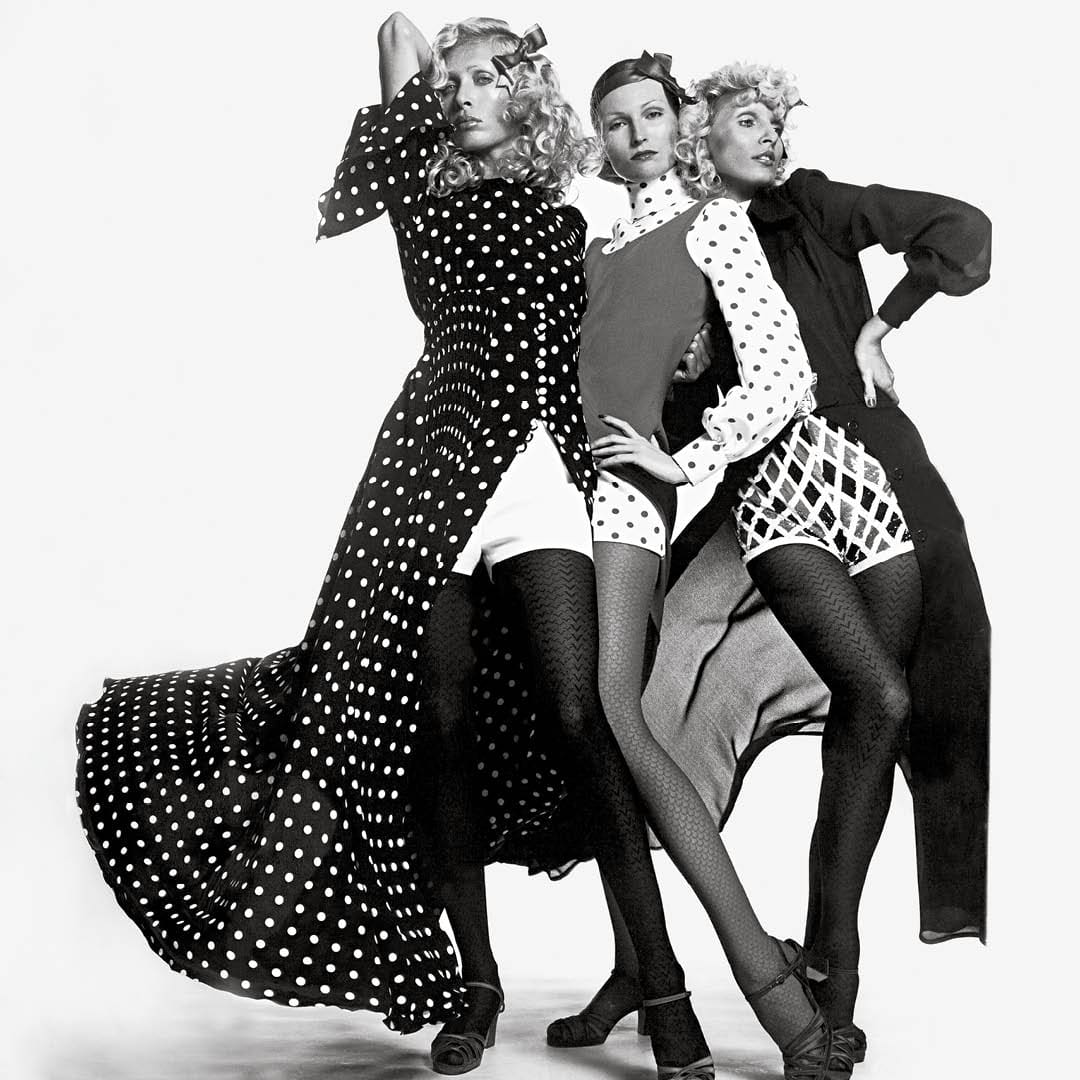
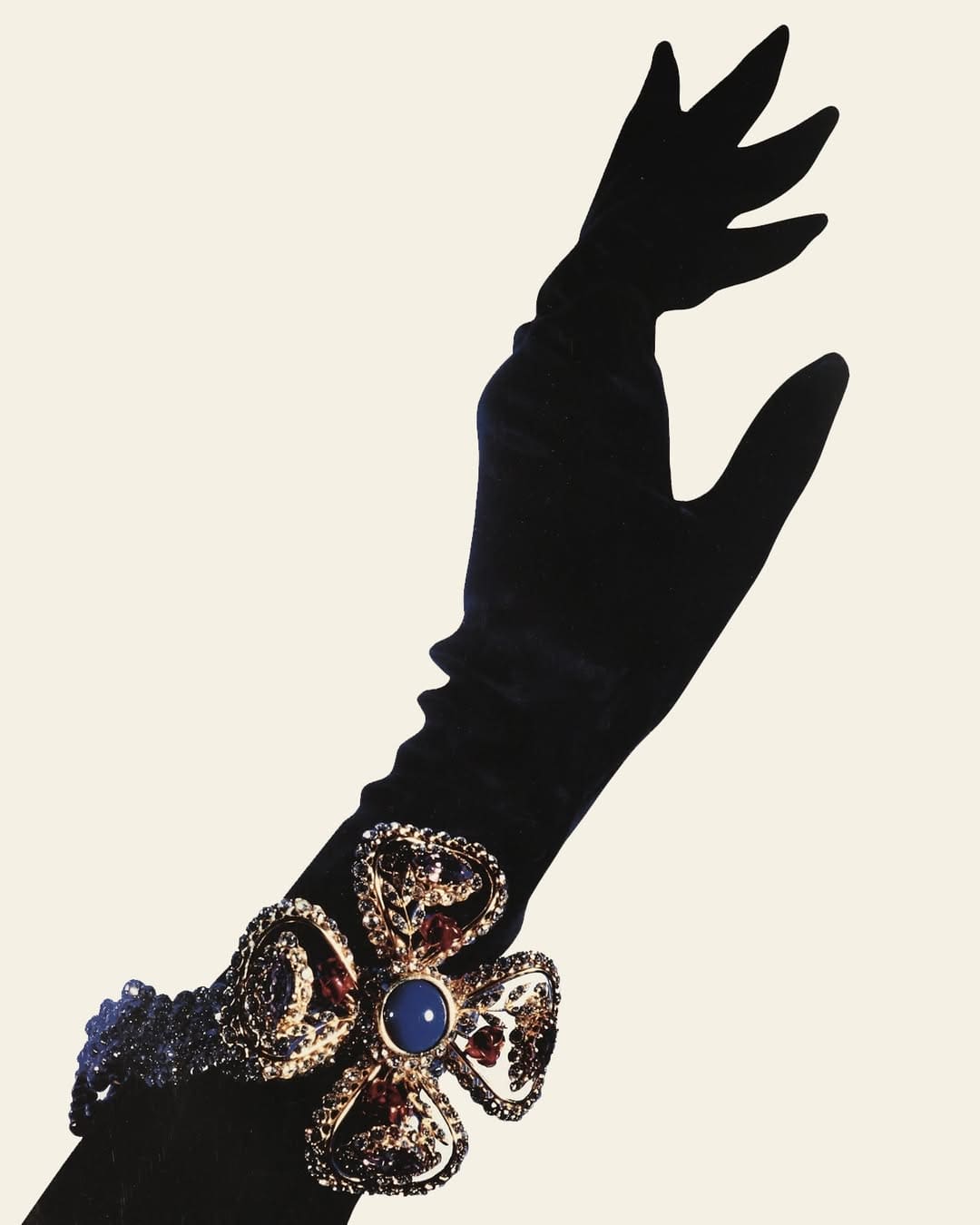
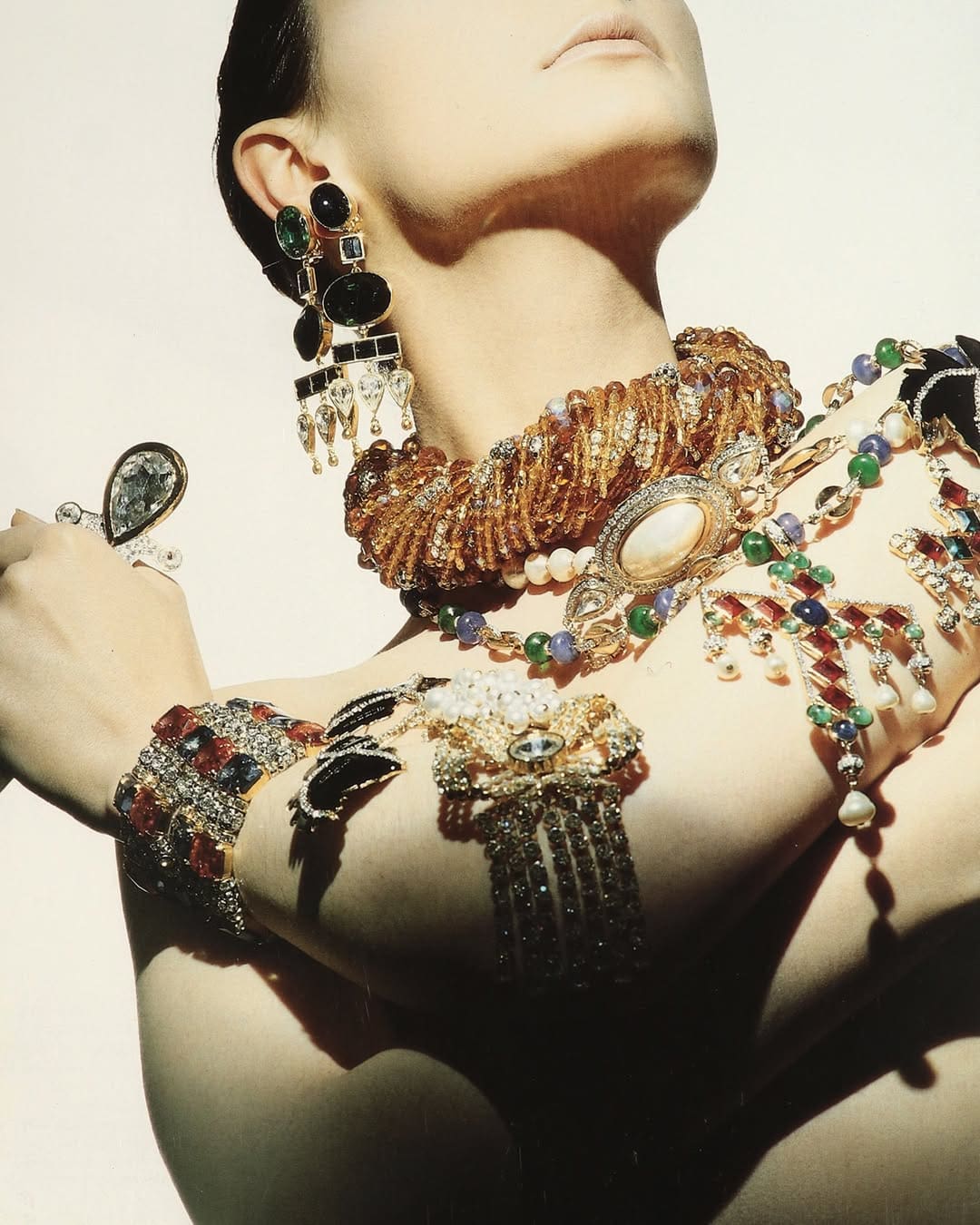
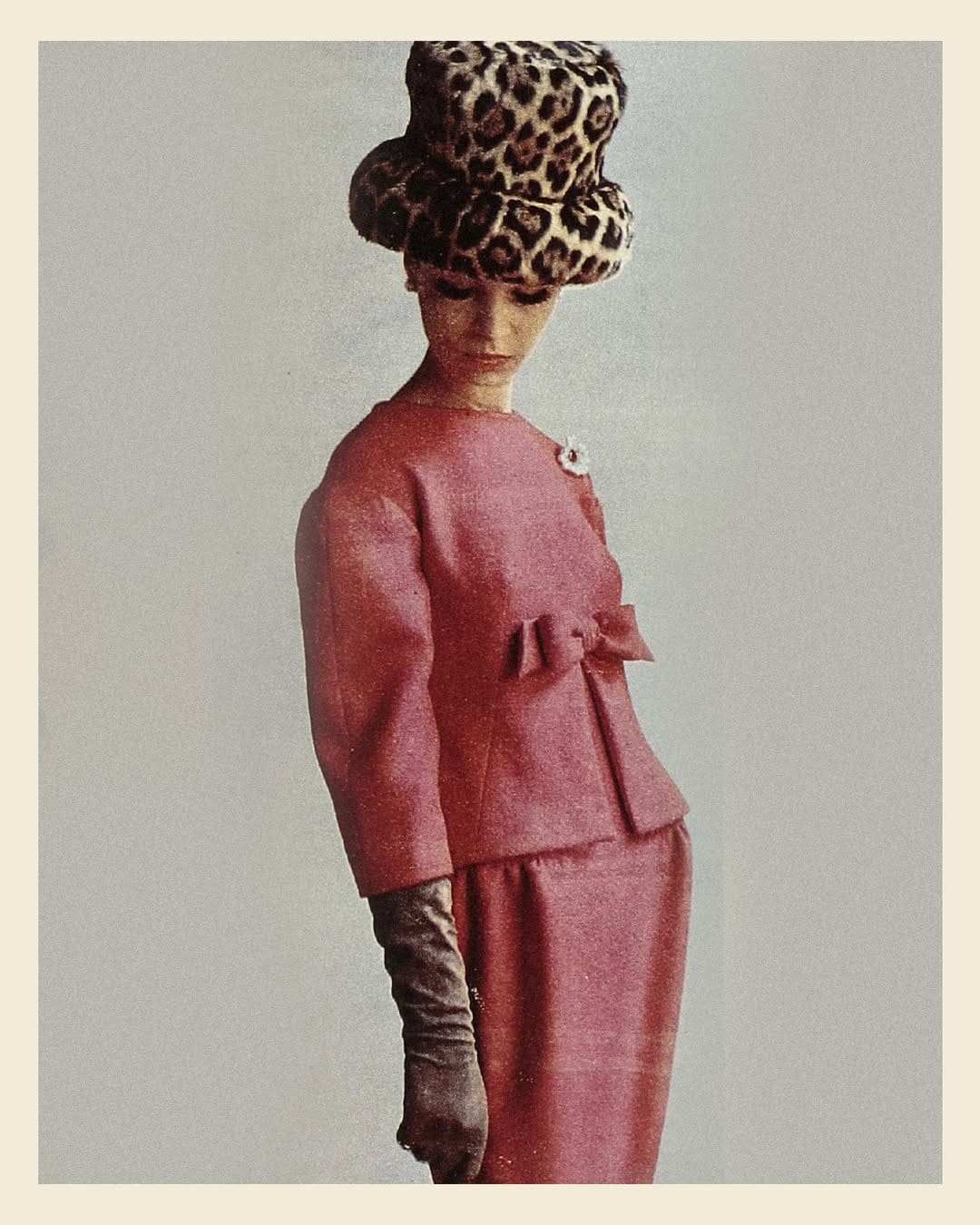
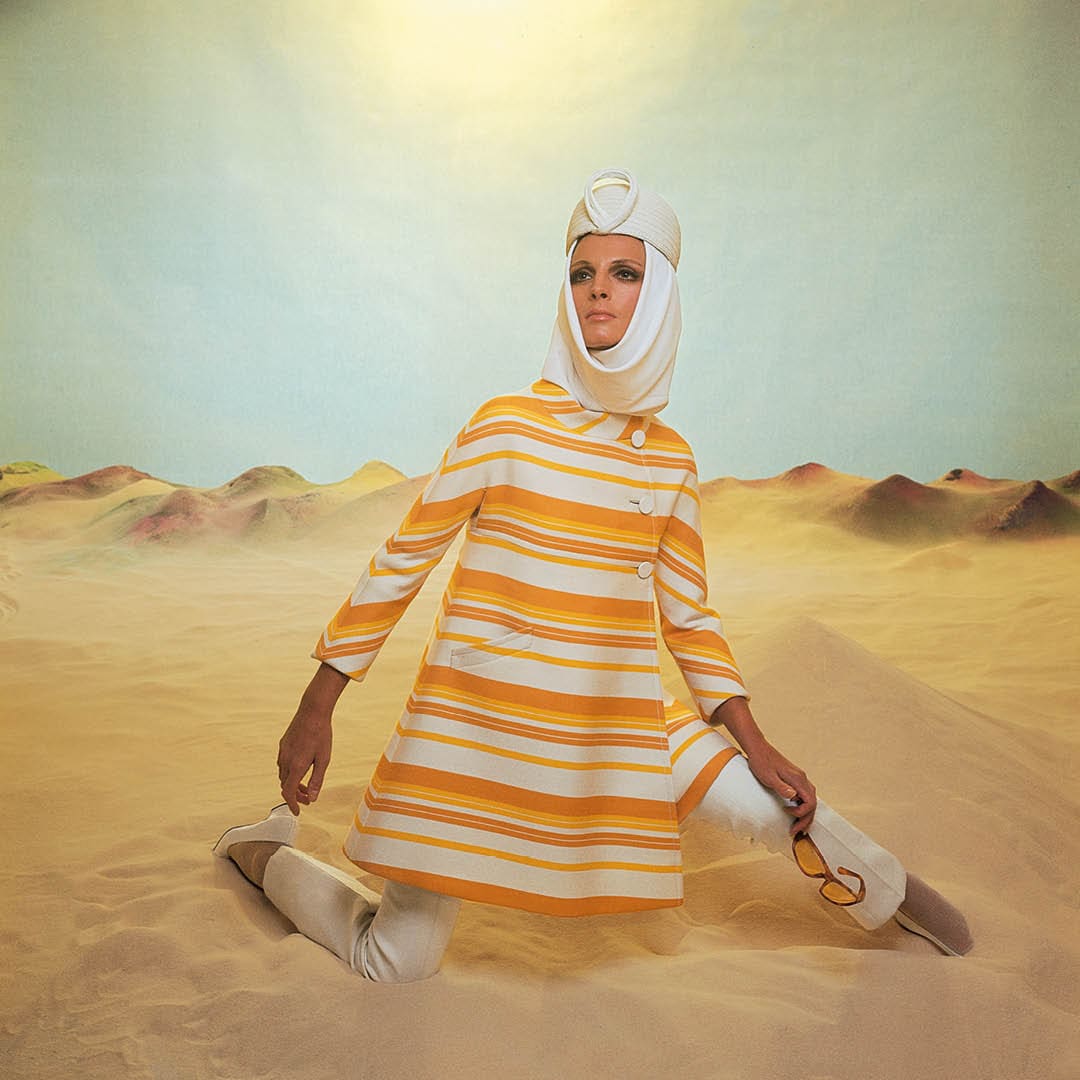
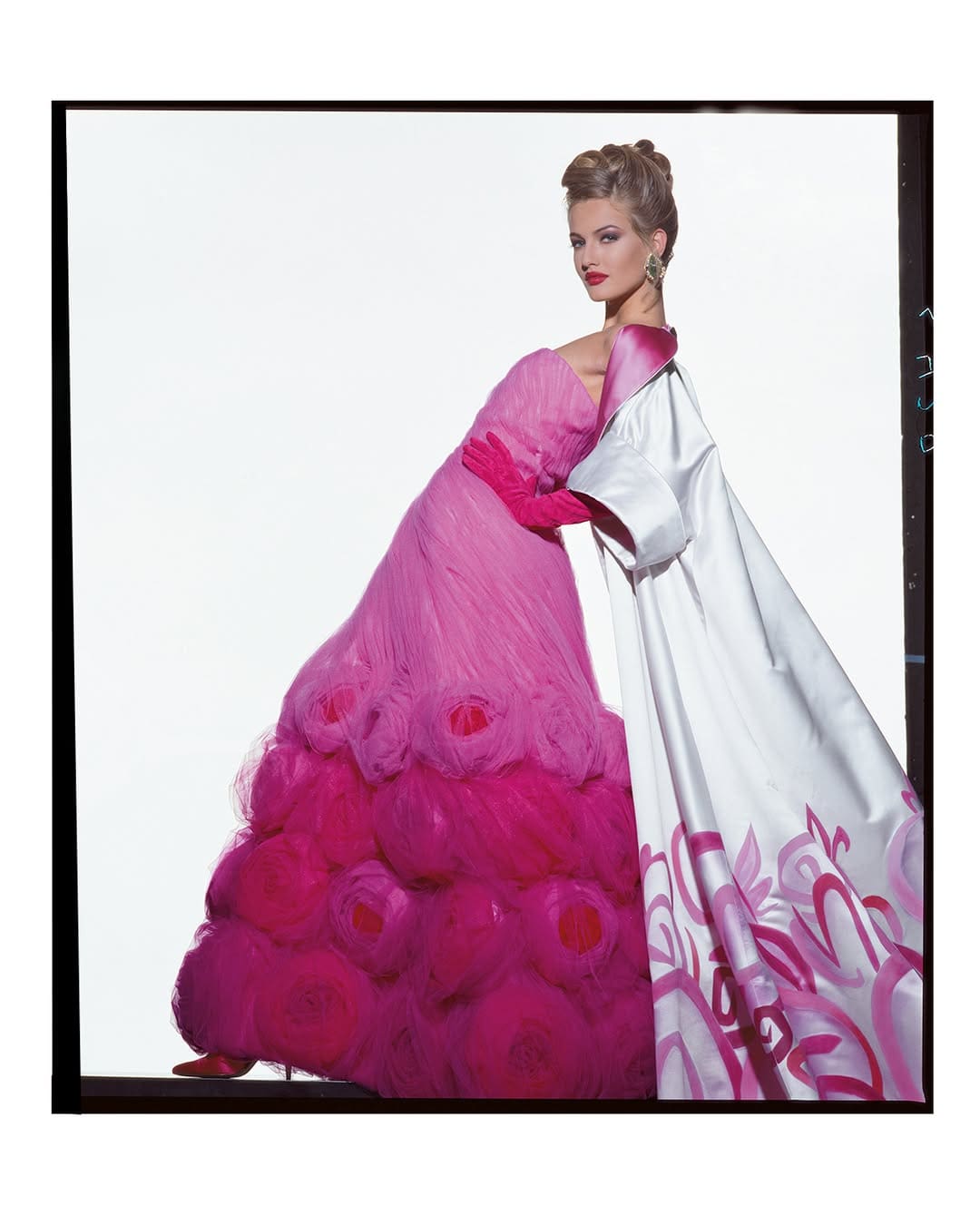
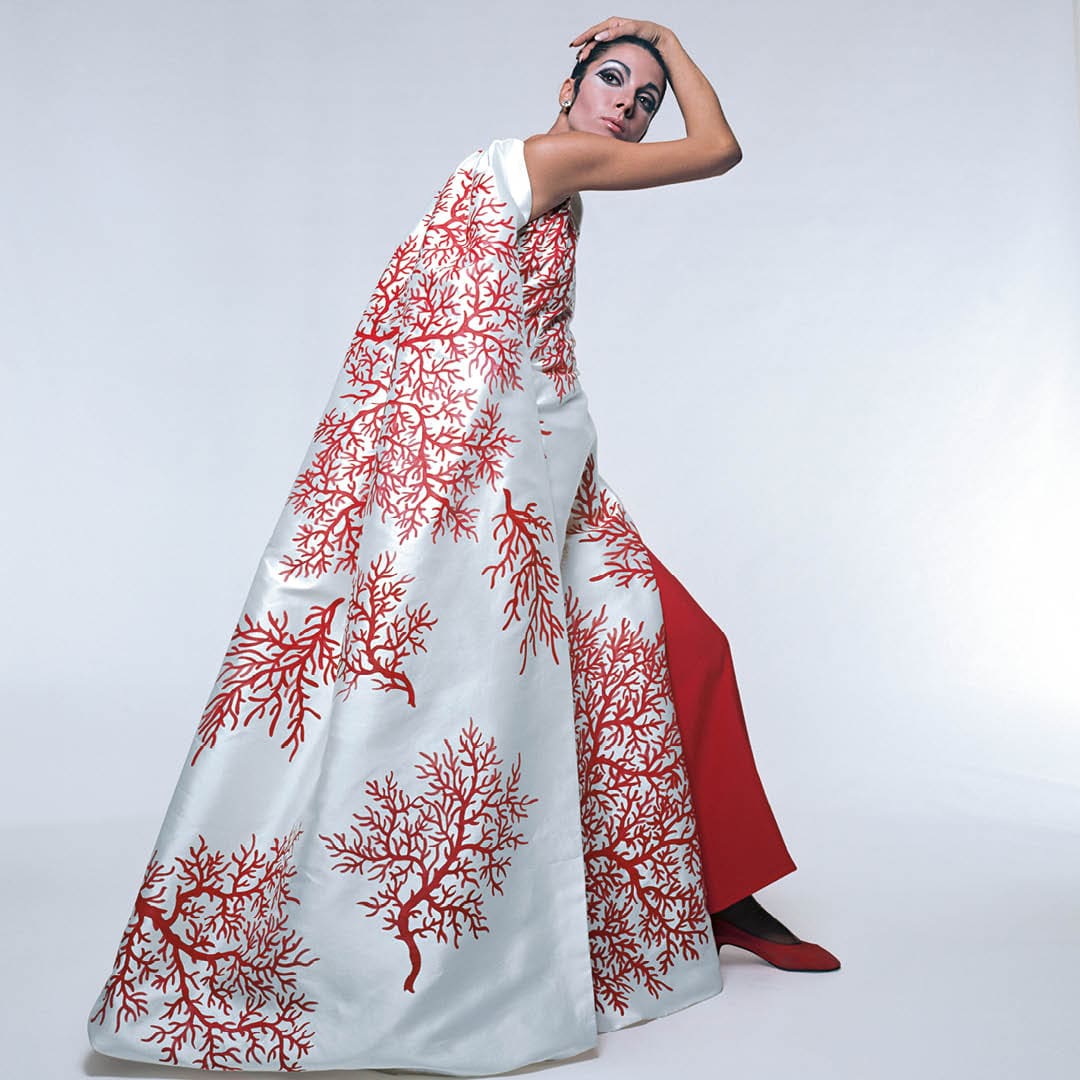
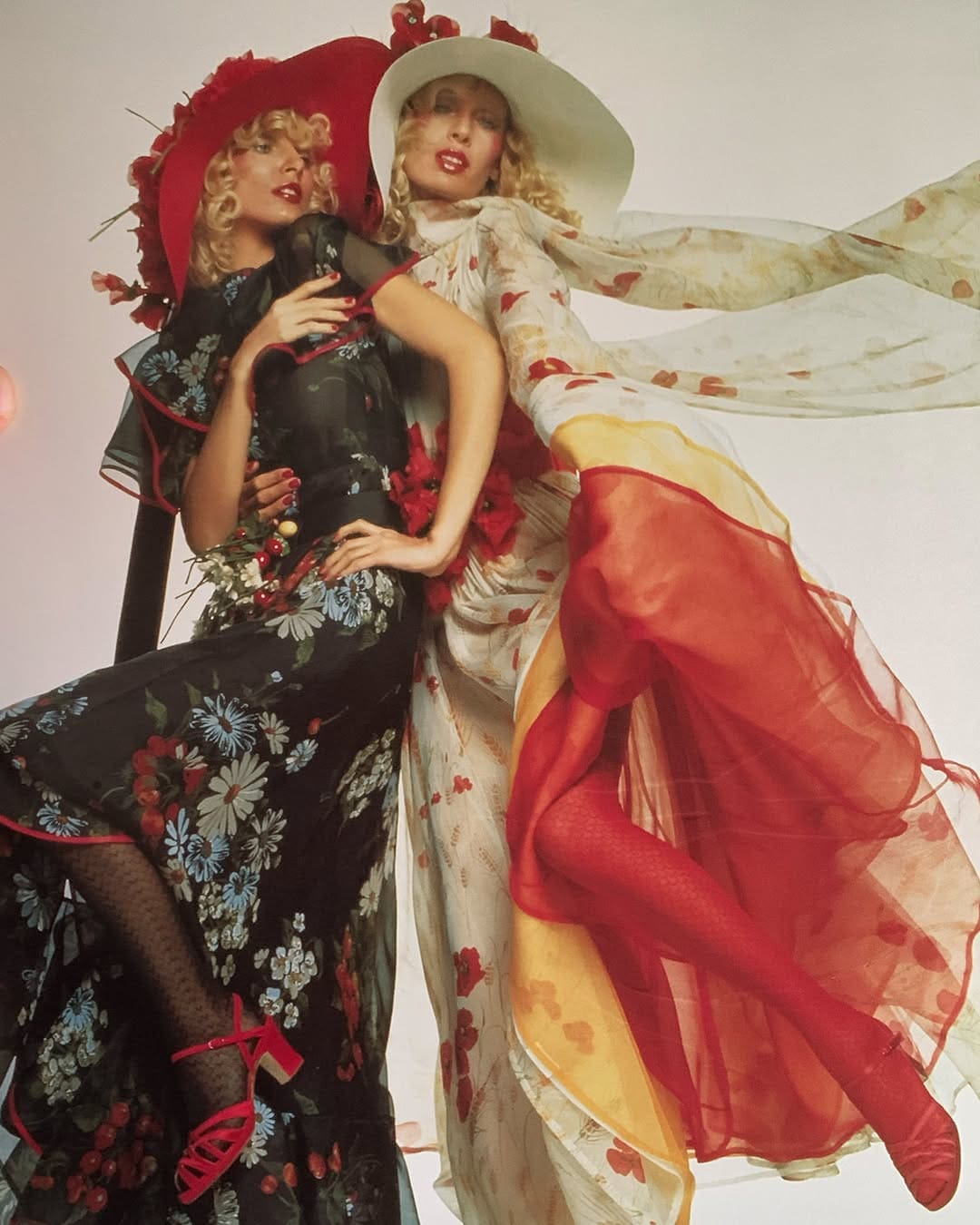
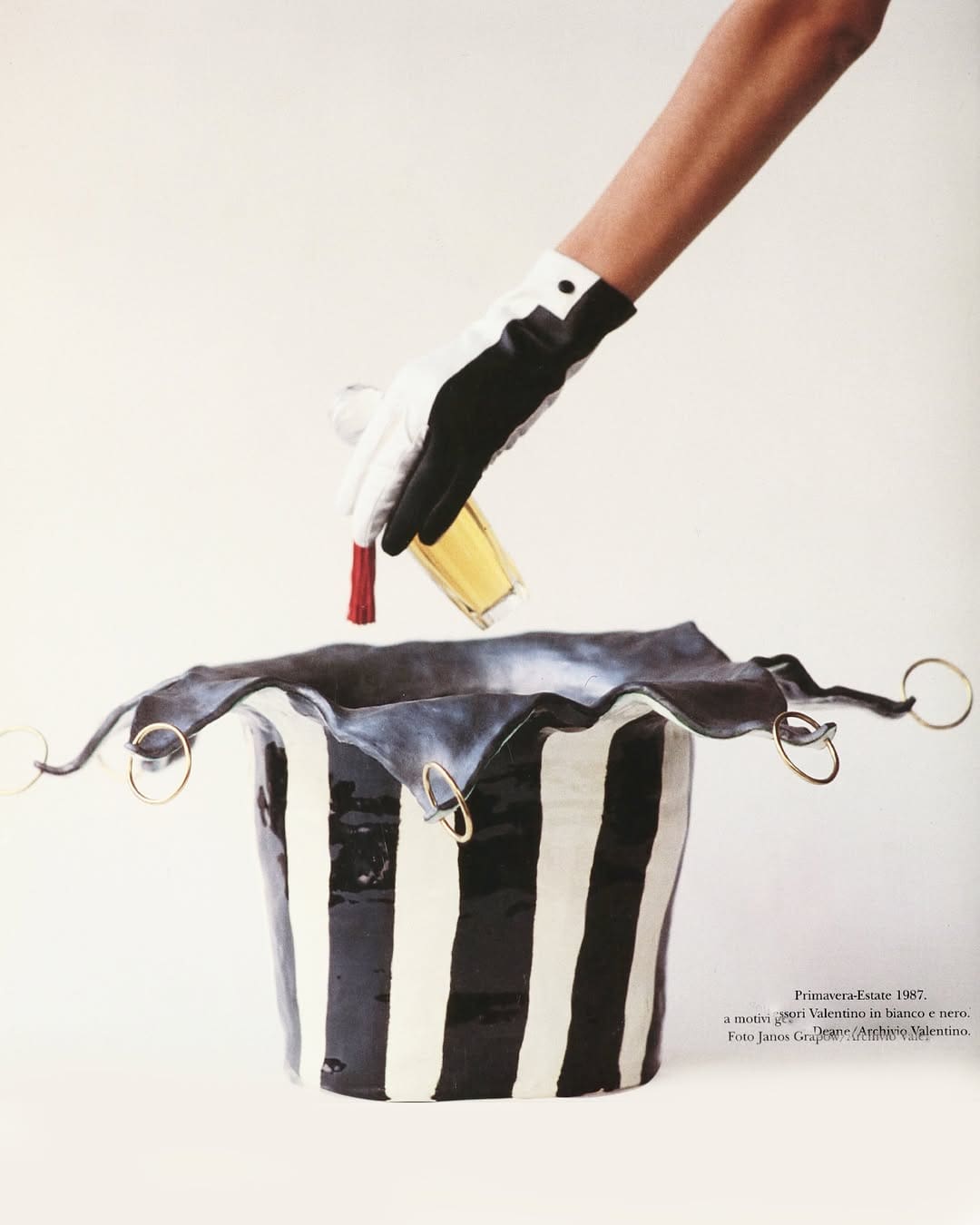
That sentence contains his entire philosophy: couture as foundation, personality as final signature.
Today, fashion loses one of its last sovereigns.
Not a designer.
A maestro.
With Valentino Garavani disappears a world where couture meant culture, where beauty meant discipline, and where elegance was not an effect, but a moral position.
RUNWAY MAGAZINE bows to a legend.
And Rome, once again, becomes eternal.
