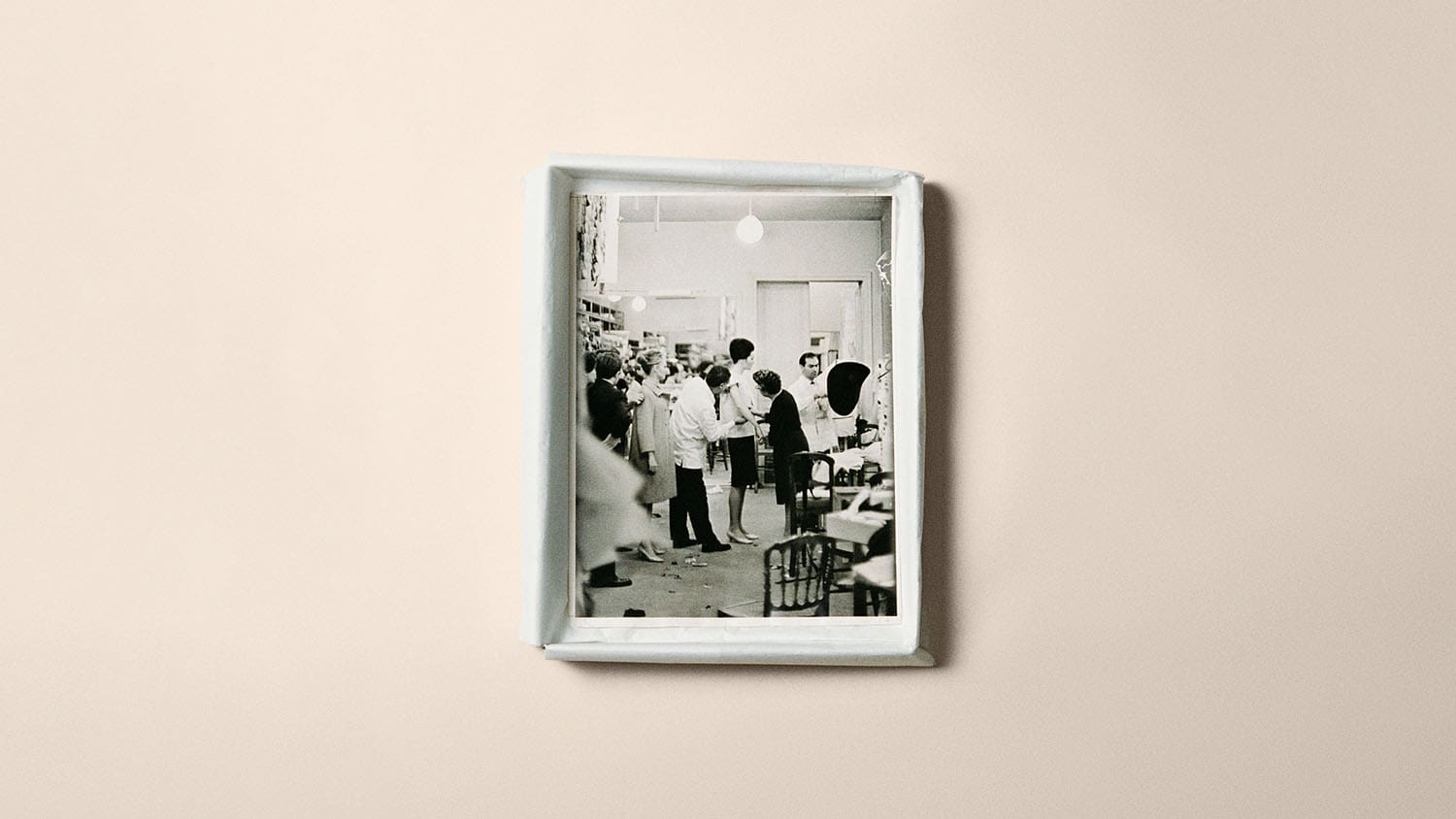
Balenciaga Haute Couture Collective Couture Experiment “The Algorithmic Atelier: Pierpaolo Piccioli, Blender, and the Art of Hidden Armor”. Story by Eleonora de Gray, Editor-in-Chief of RUNWAY MAGAZINE. Photo Courtesy: Balenciaga / Pierpaolo Piccioli.
The Algorithmic Atelier: Pierpaolo Piccioli, Blender, and the Art of Hidden Armor
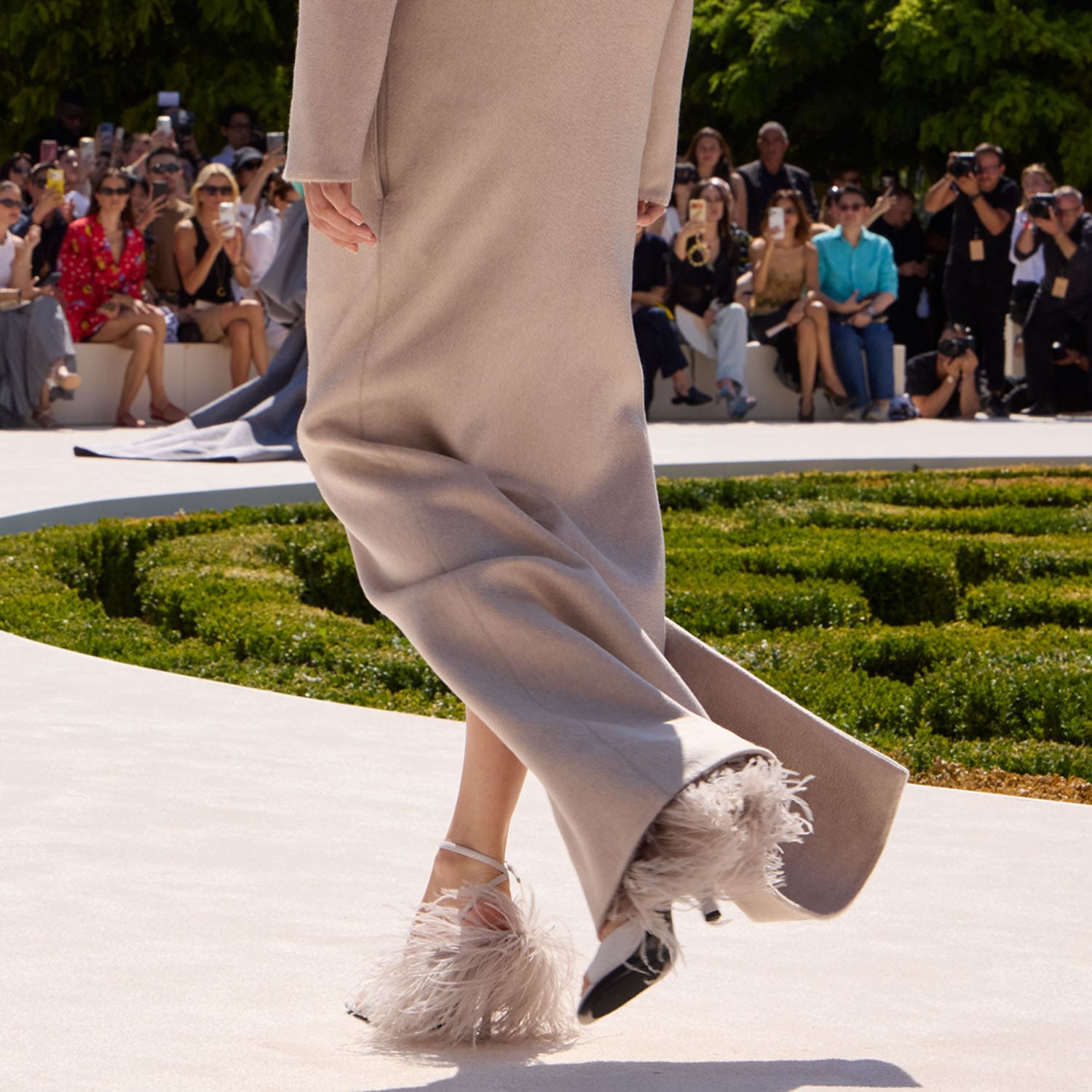
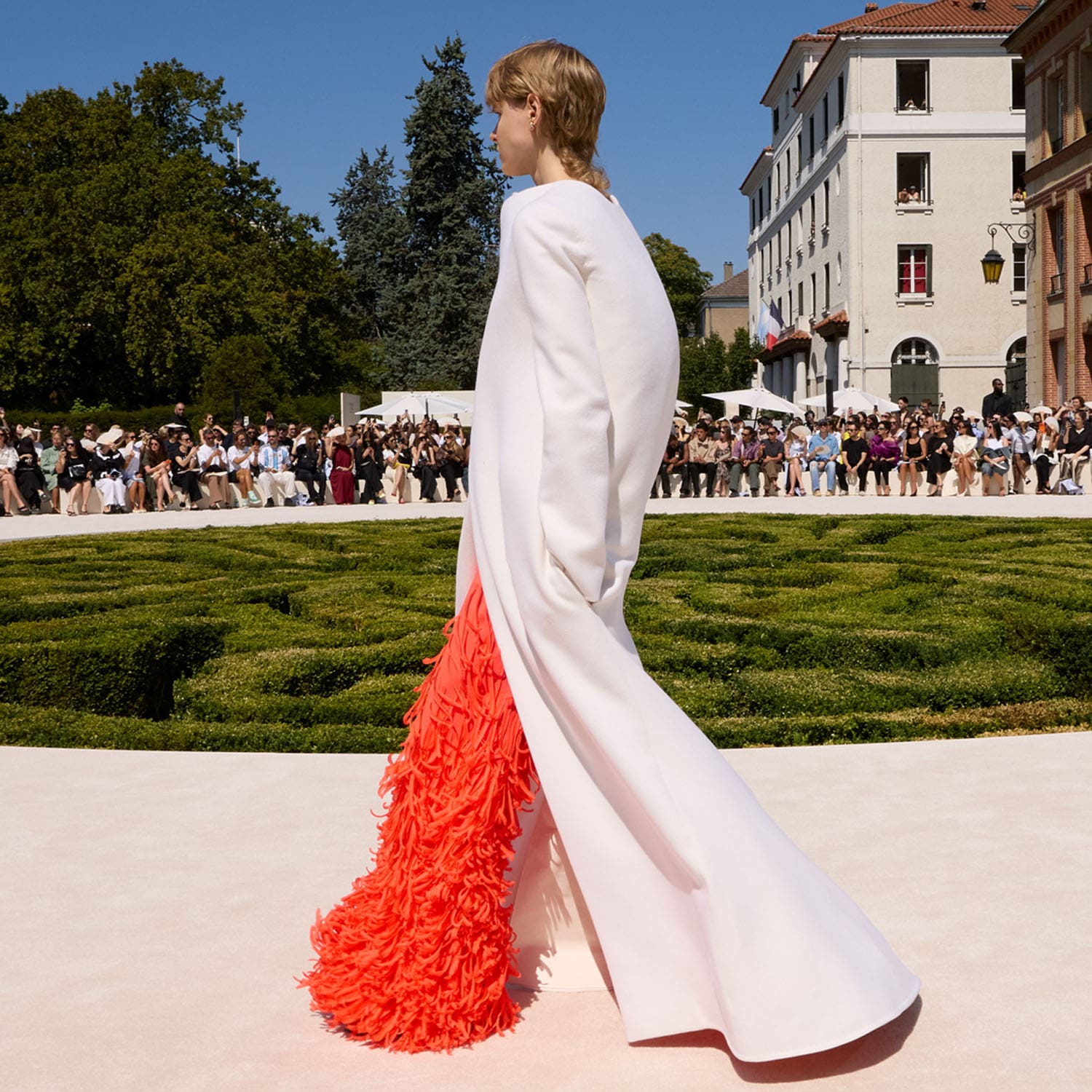
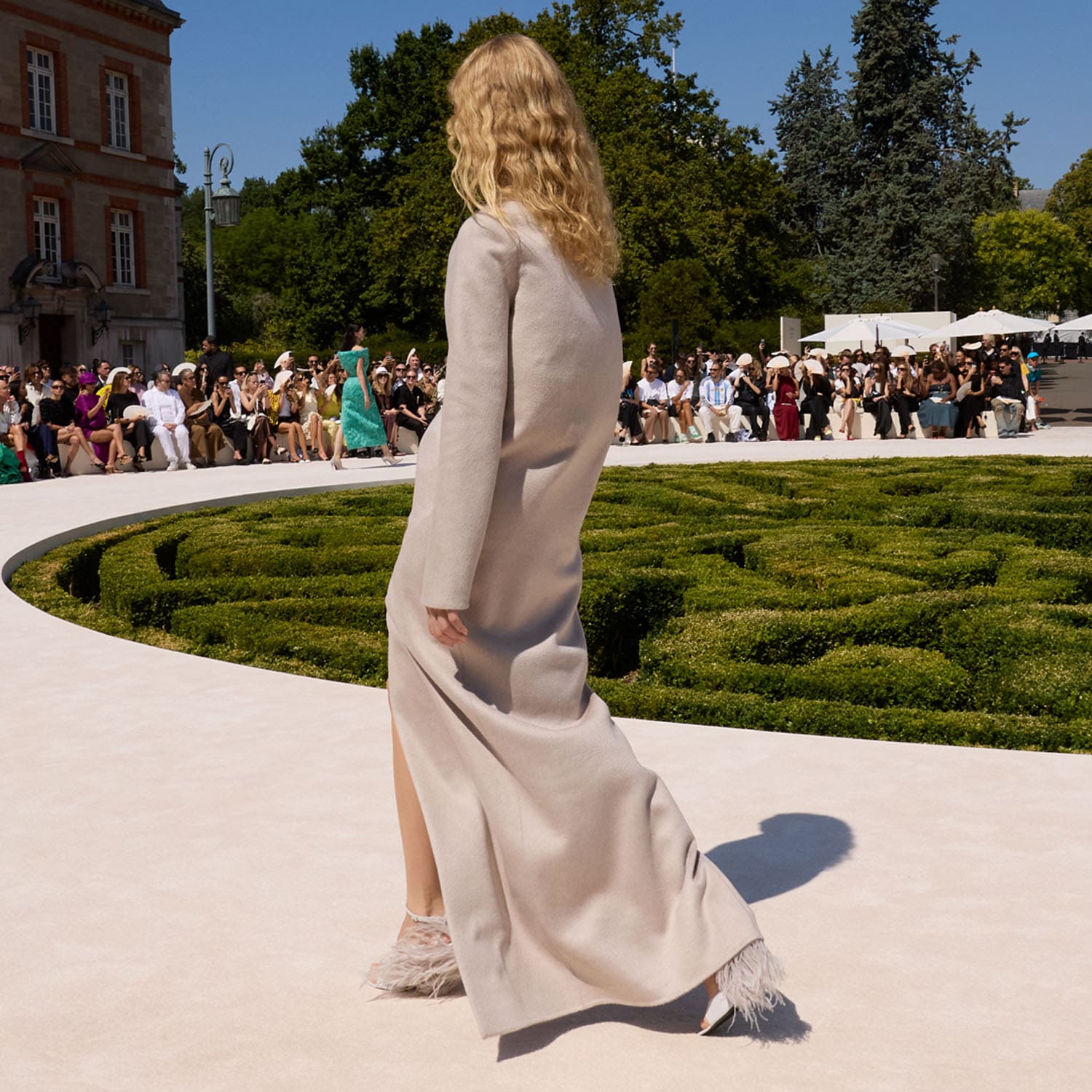
Leave it to haute couture to take a software usually reserved for rendering video game dragons—Blender—and use it to dissect the sacred curve of a 1962 Cristóbal Balenciaga cocoon back. In an era where “innovation” in fashion usually means printing a flimsy 3D logo on a polyester sneaker, Pierpaolo Piccioli’s debut experiments at Balenciaga offer something rare: actual genius. By merging digital body scans with an internal leather exoskeleton, the atelier didn’t just build a white cashmere coat—they engineered a masterclass in modern alchemy. Below, Piccioli shares, in his own words, how a collective obsession, a young designer’s digital blueprint, and a few glorious human errors reshaped the 55th Couture collection.
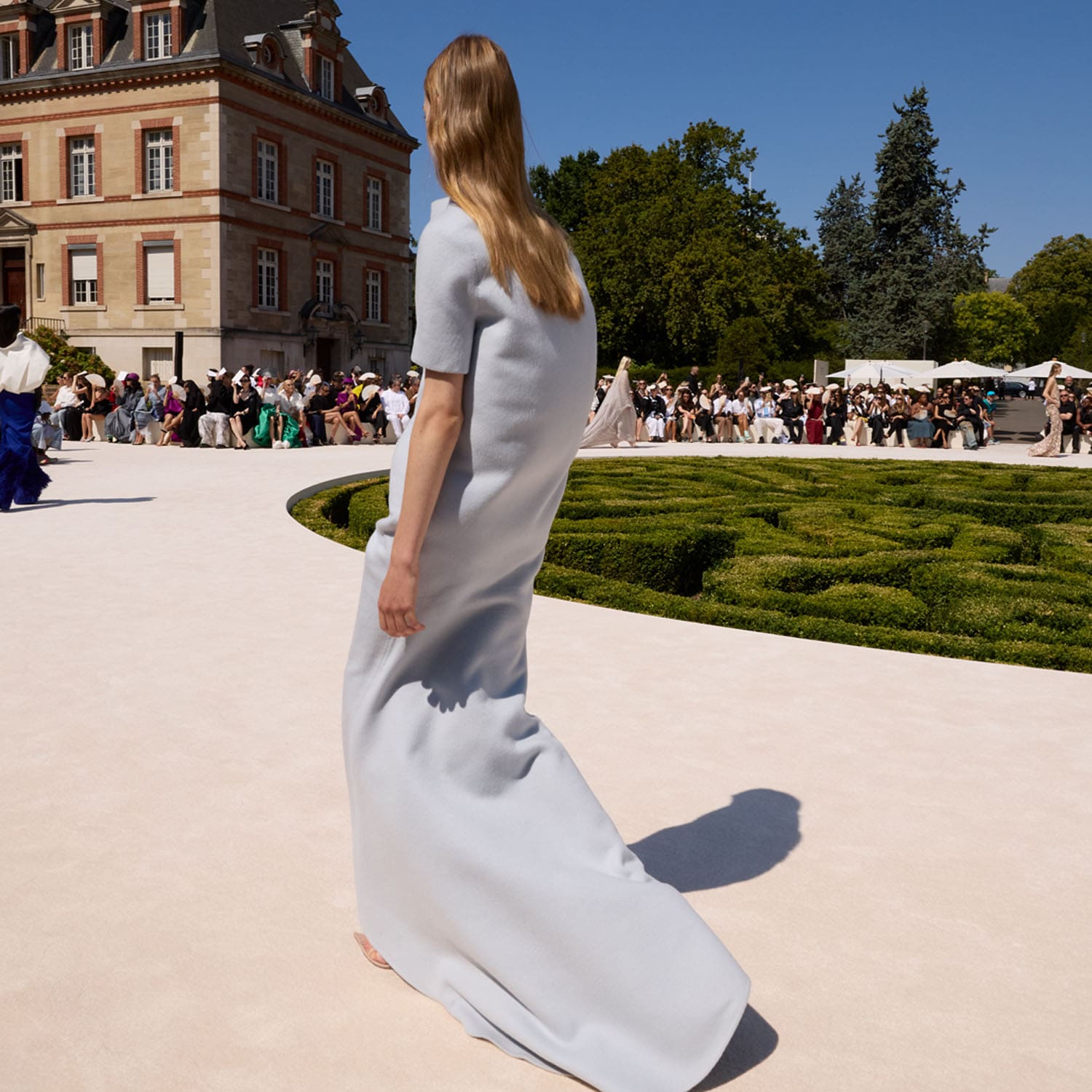
A shared obsession called Couture by Pierpaolo Piccioli
The story of a collective couture experiment that reshaped my understanding of making clothes.
“The making of a couture collection is never a linear process, sometimes I wish it were, but this is not the way it works. I have learned this the hard way: I used to overthink my job, I must admit. I tried to plan ahead everything, starting only when I had the full picture, from the finale and the location to the number of looks and their overall attitude. Everything needed to be perfectly aligned before I even started to really work on it.
Then, at some point, I changed, which is maybe the best definition of aging (or at least it sounds better than getting older). It is not that I don’t plan anymore, it’s just that I have learned to follow my instinct a bit more. Surprisingly enough, I have found myself working with a lighter spirit and, somehow, new eyes.
When I met the Balenciaga Couture team, almost a year ago, we really started from the most human and normal thing to do, which was basically getting to know each other. They had their history, I had mine.
But there was this subtle, initially almost imperceptible energy. We all wanted to build something new, whether it was a new language, a new collection, or a new way of working, it didn’t really matter. We all knew that much of what we were about to do would be a test for everyone, a measure of our commitment, our love, and our shared obsession called couture.
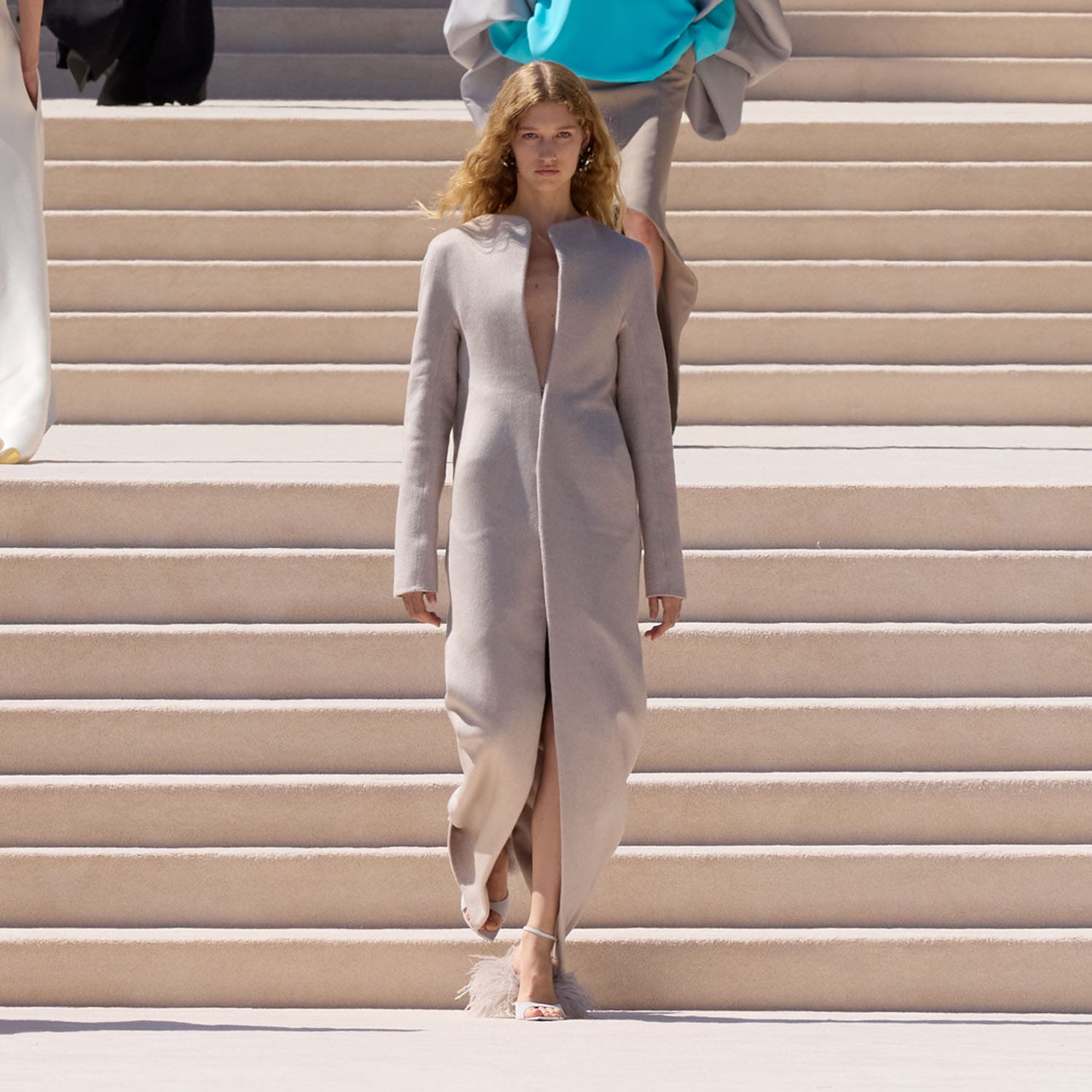
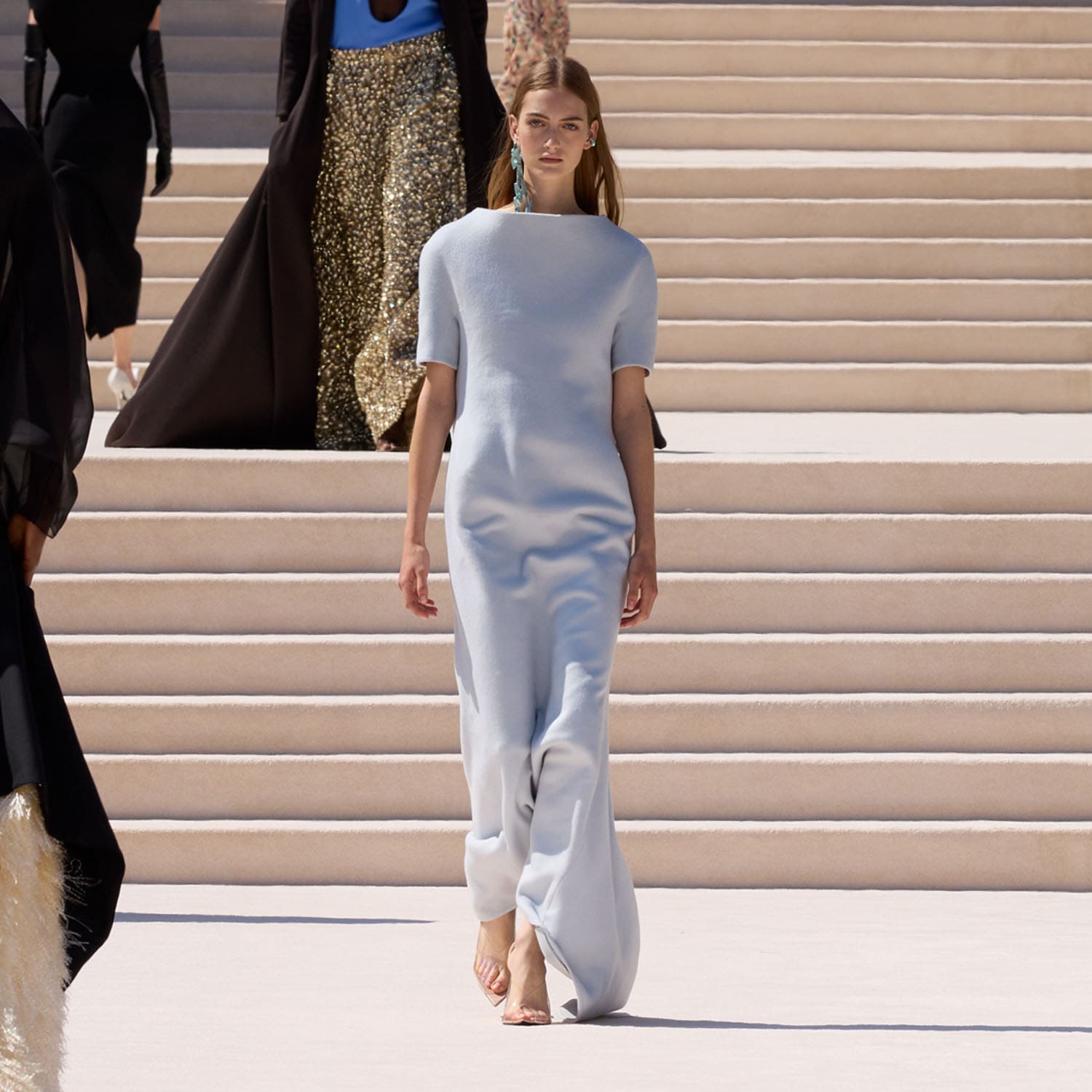
Each of the 52 looks from the 55th haute couture show of the Maison de Couture Balenciaga has its own specific path, its secrets, and its reasons. I’ll detail one in particular, because in a way, it is the conceptual essence of the work we have done.
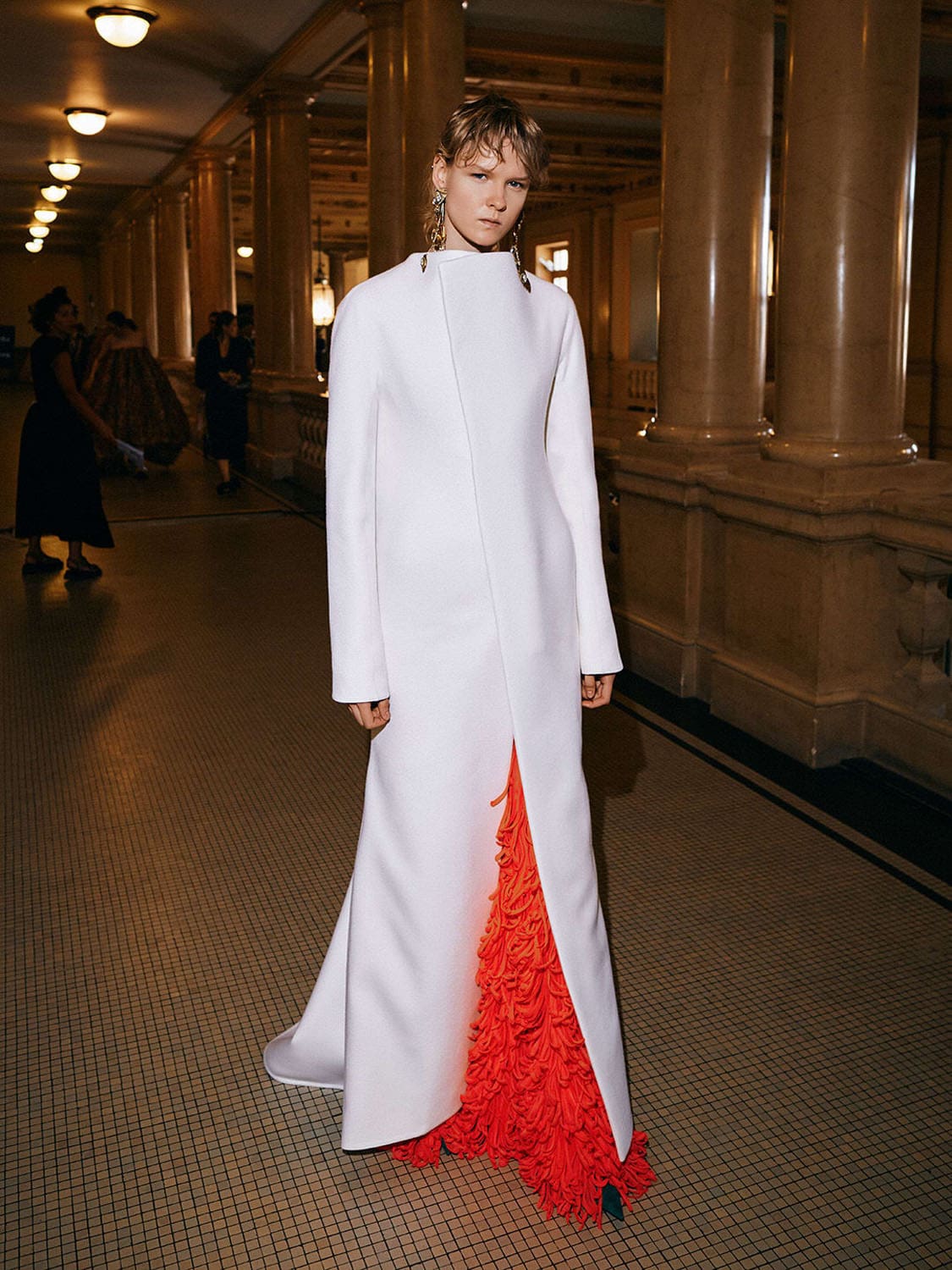
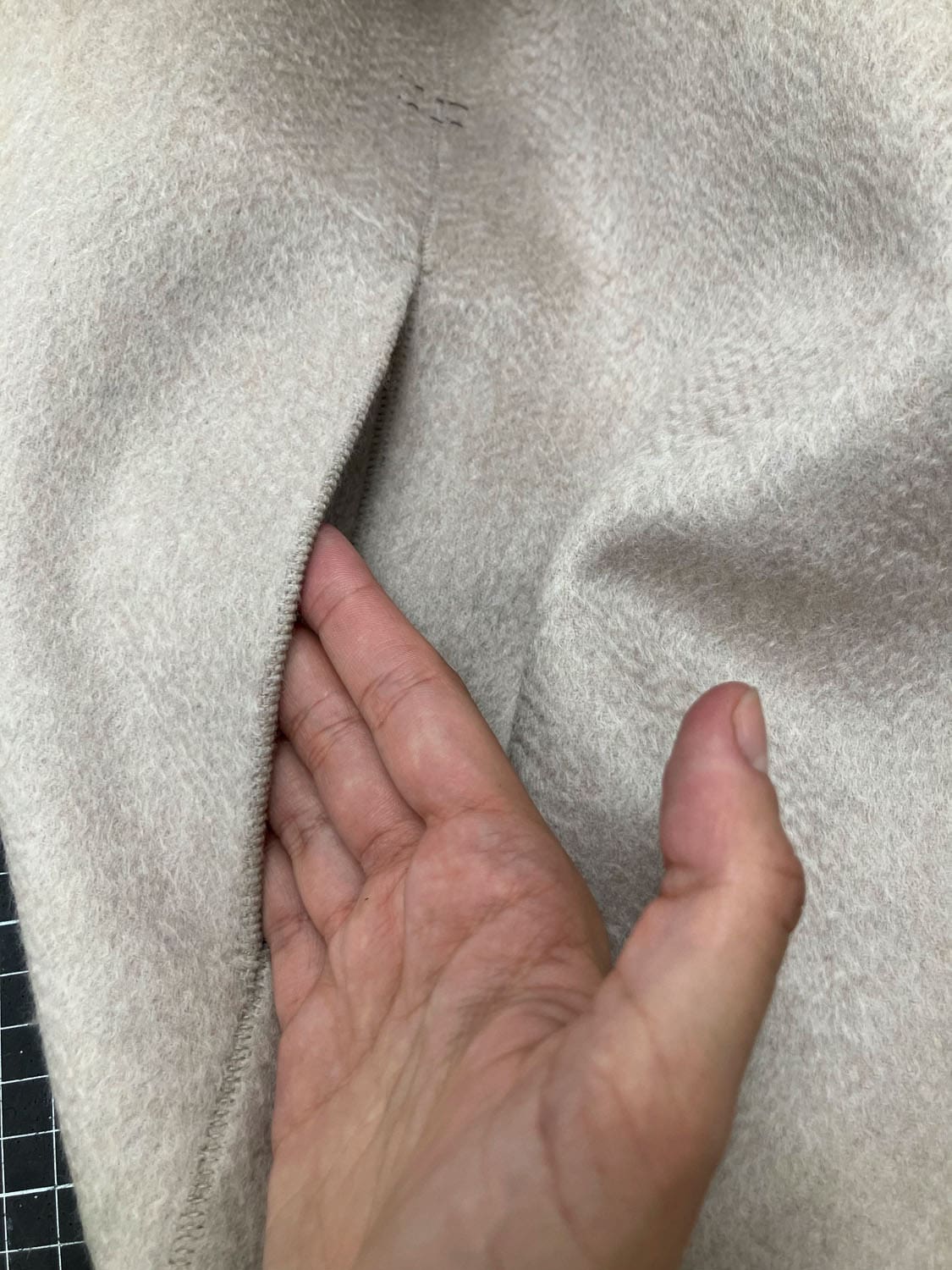
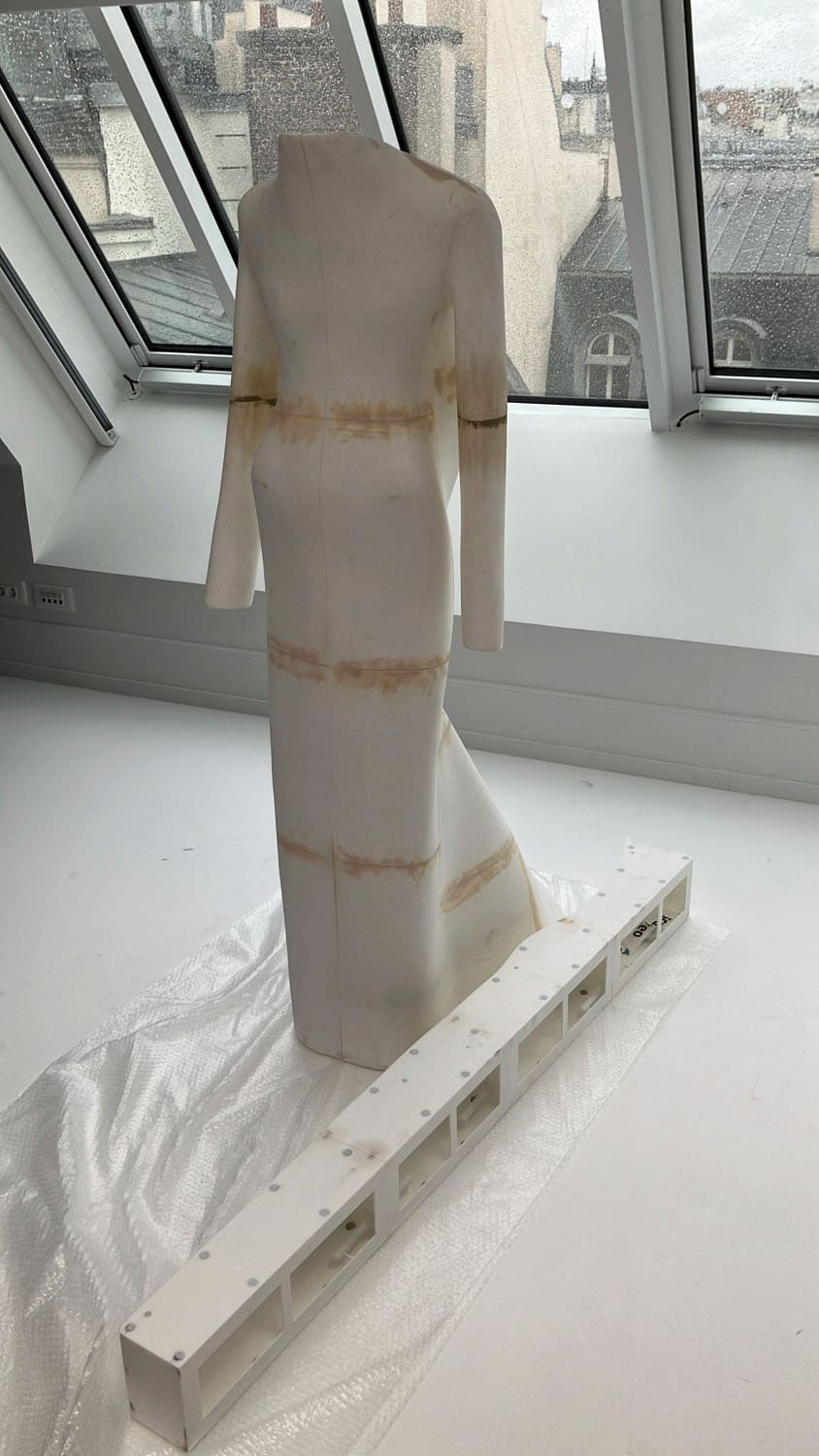
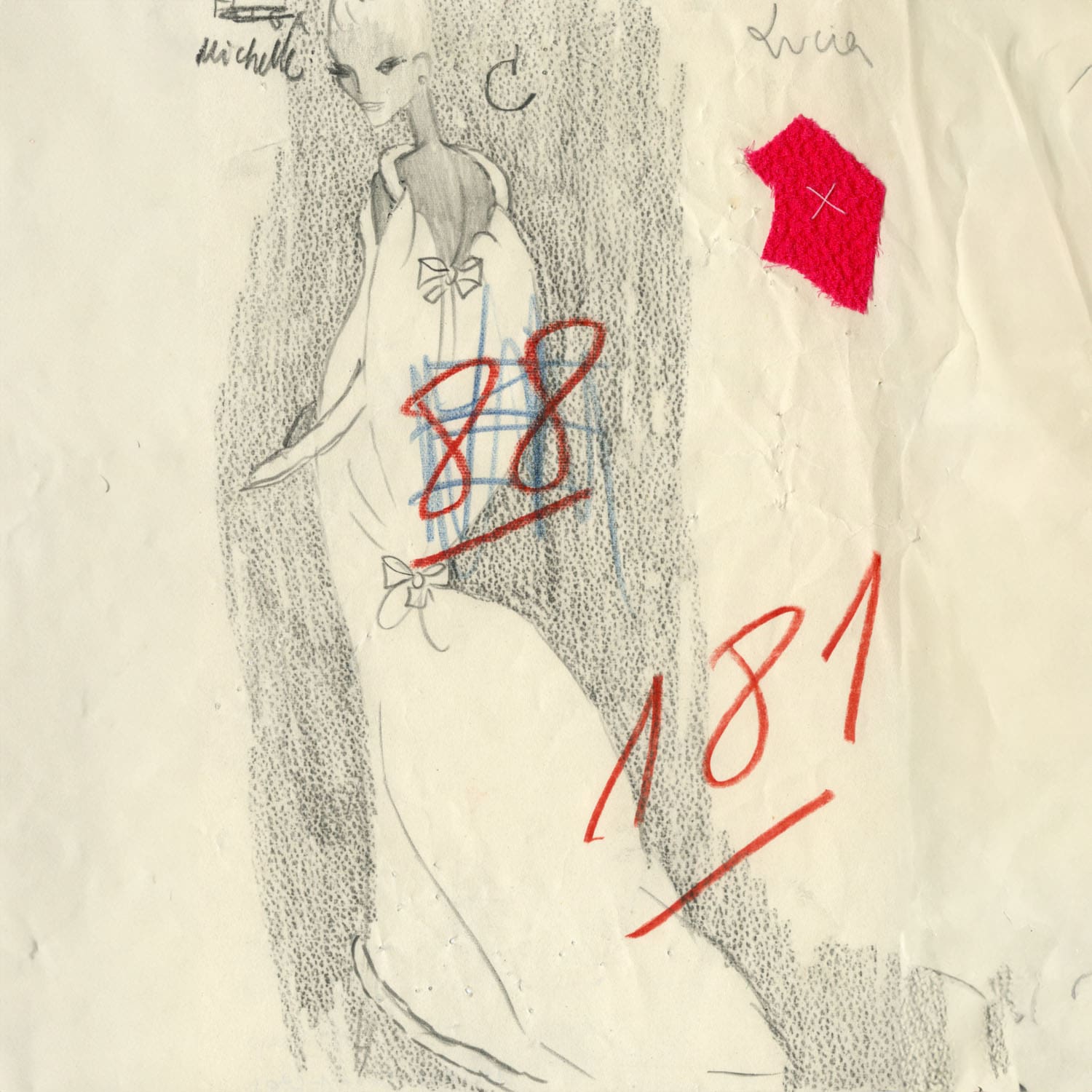
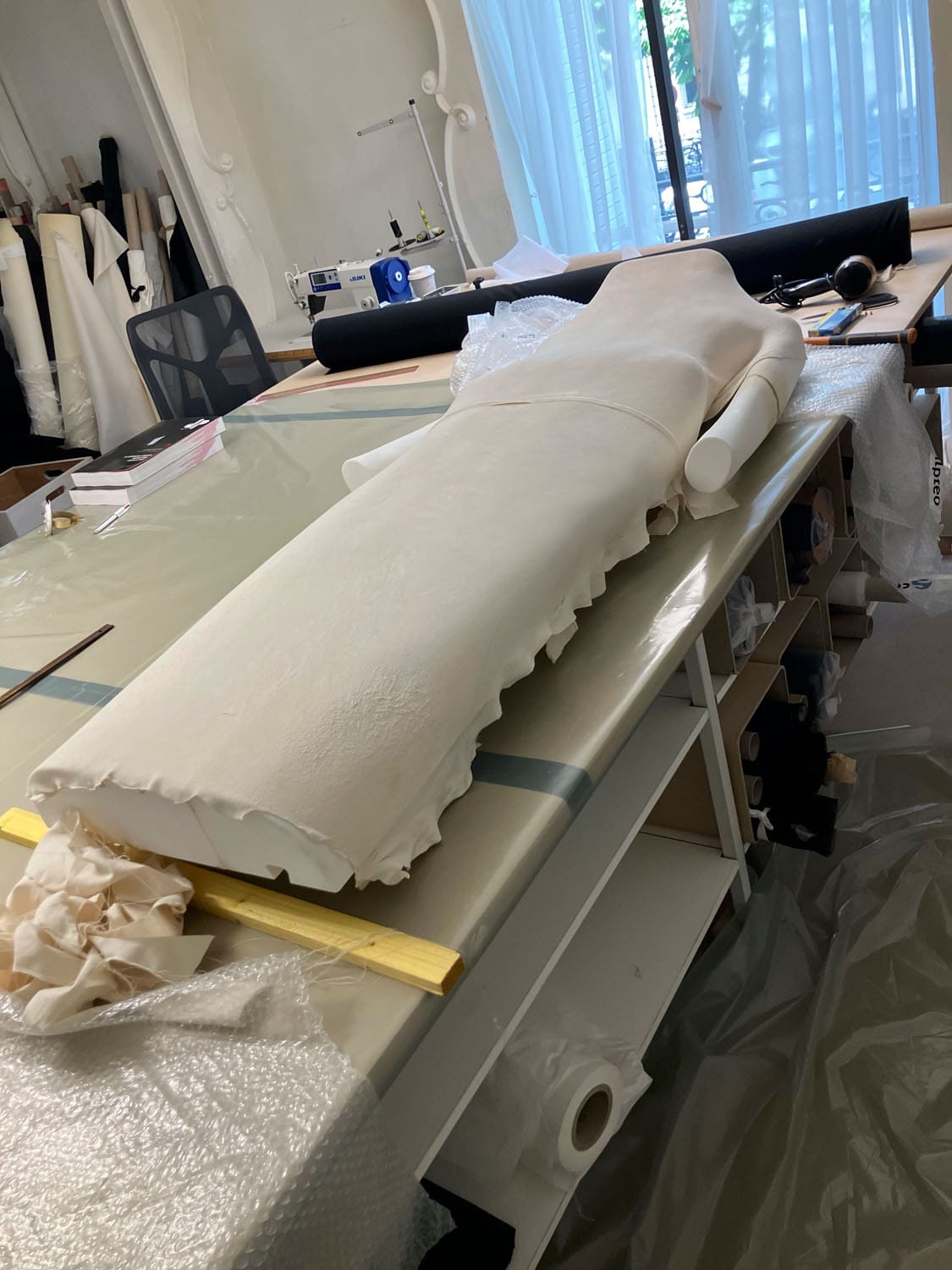
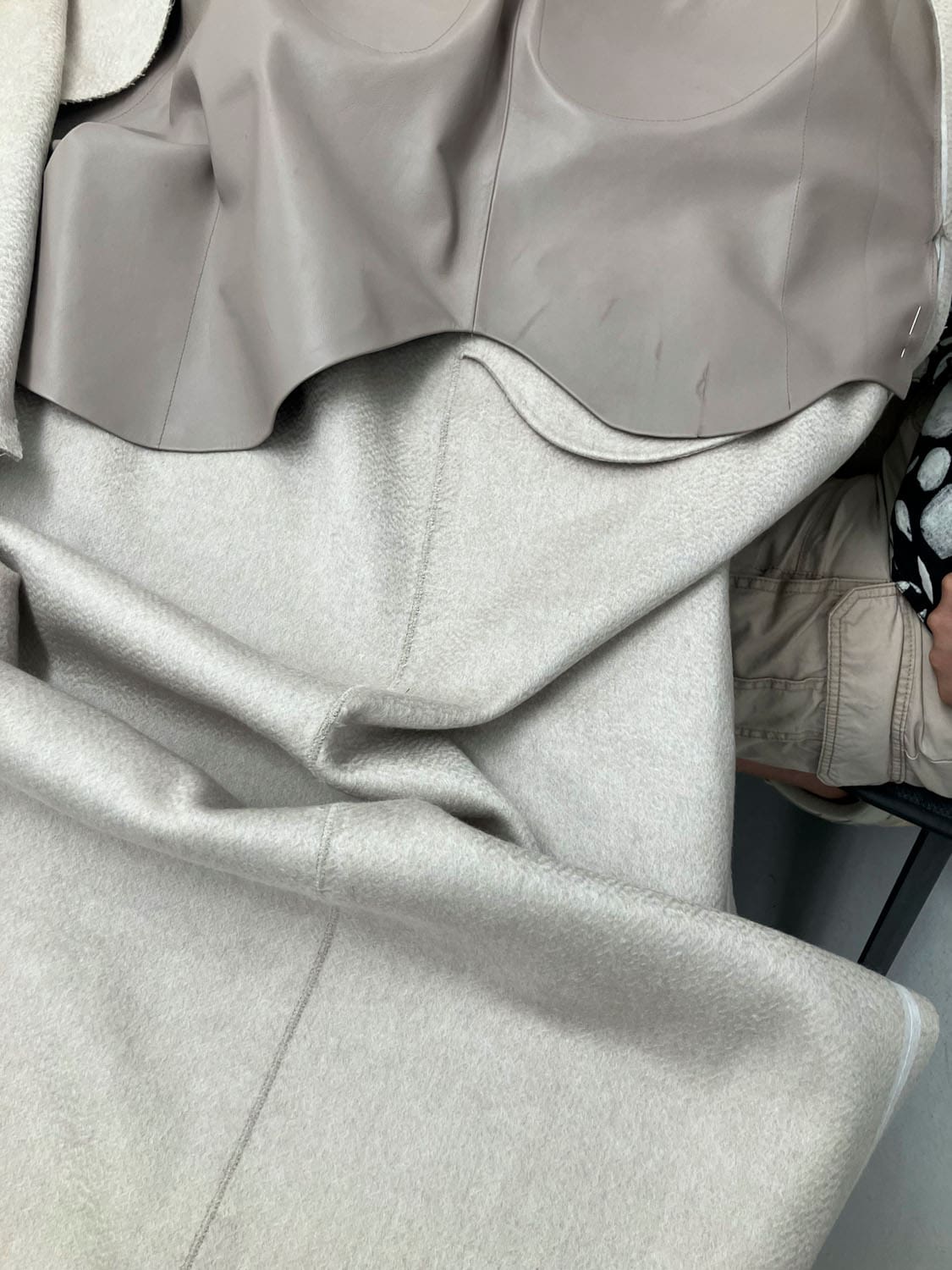
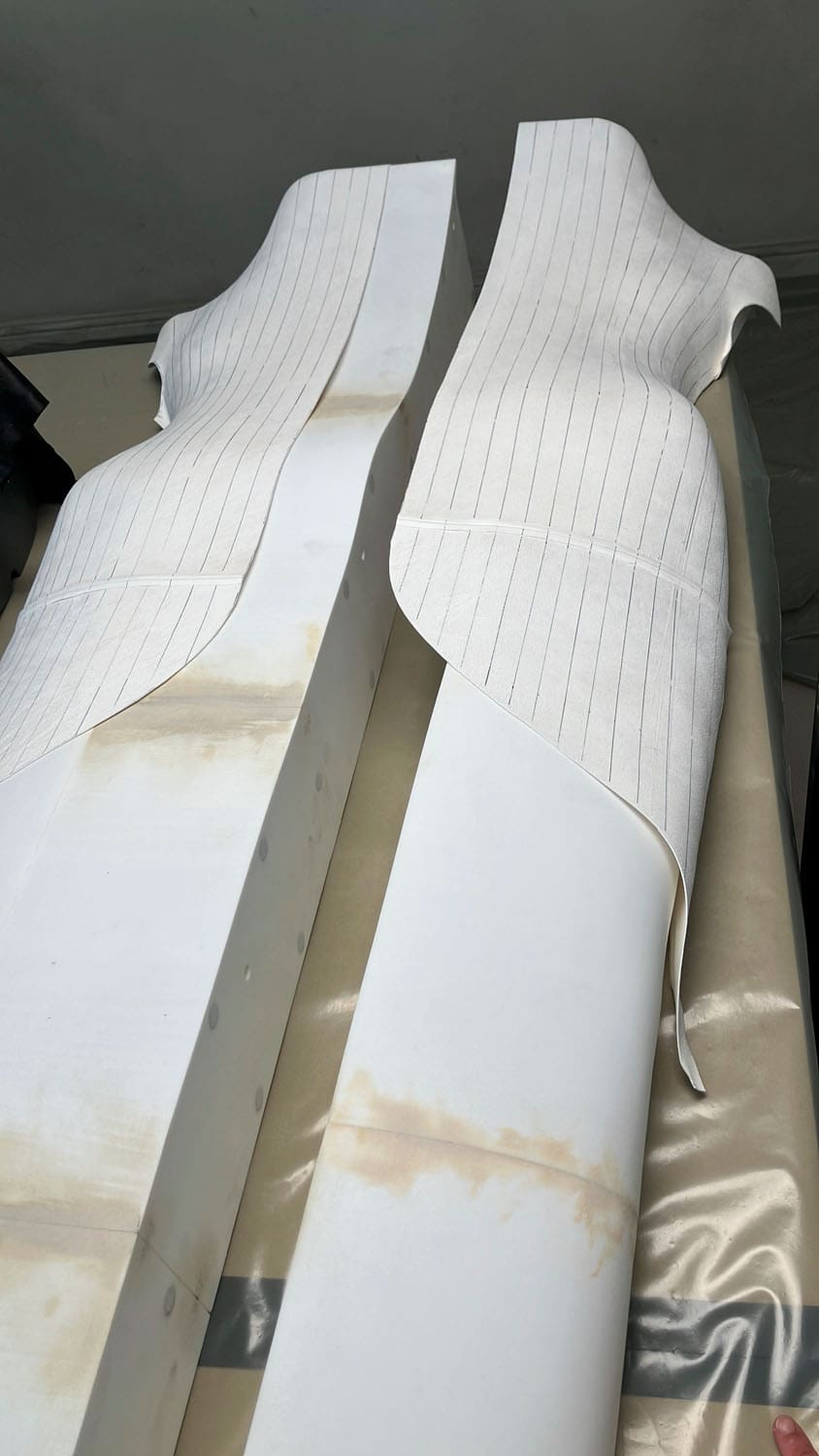
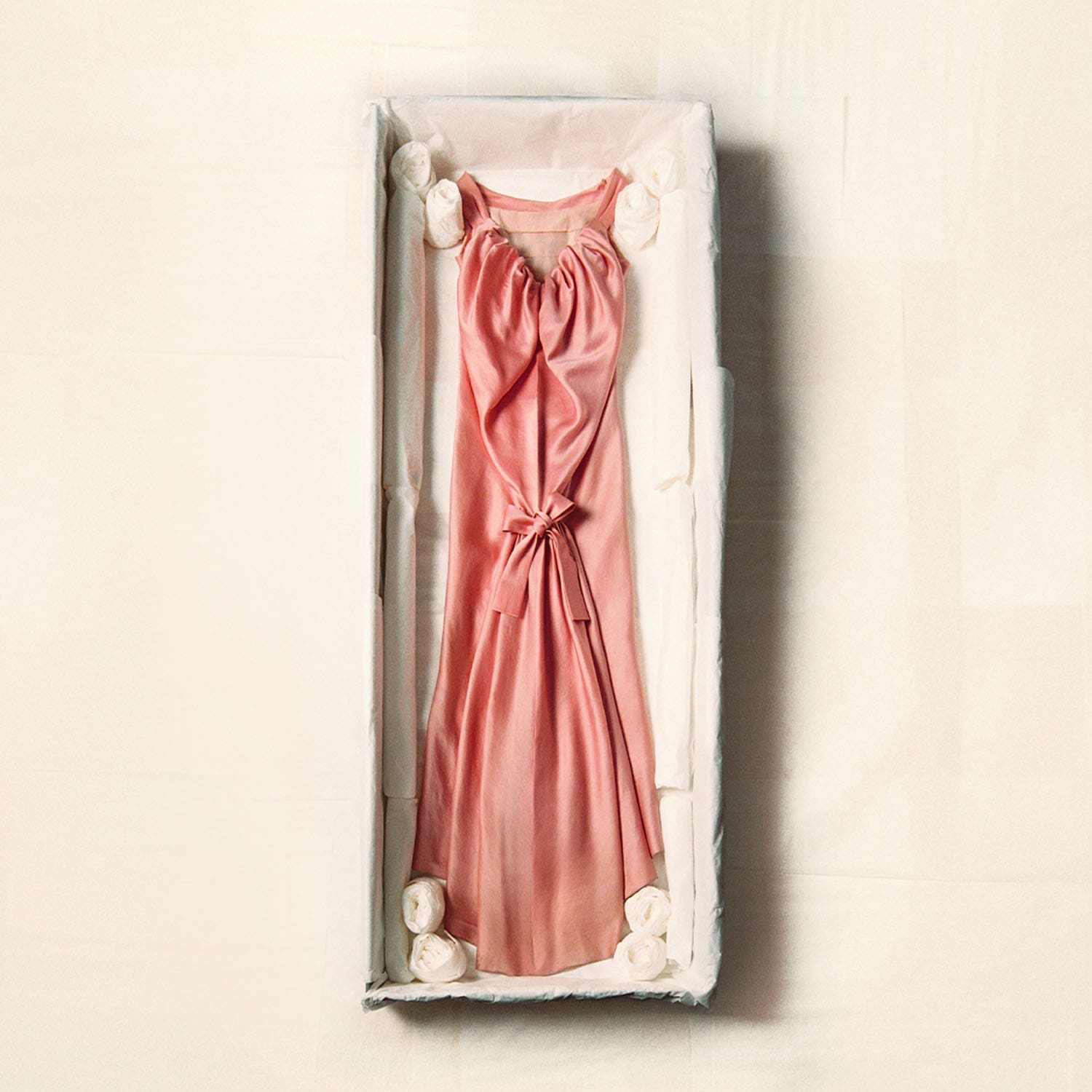
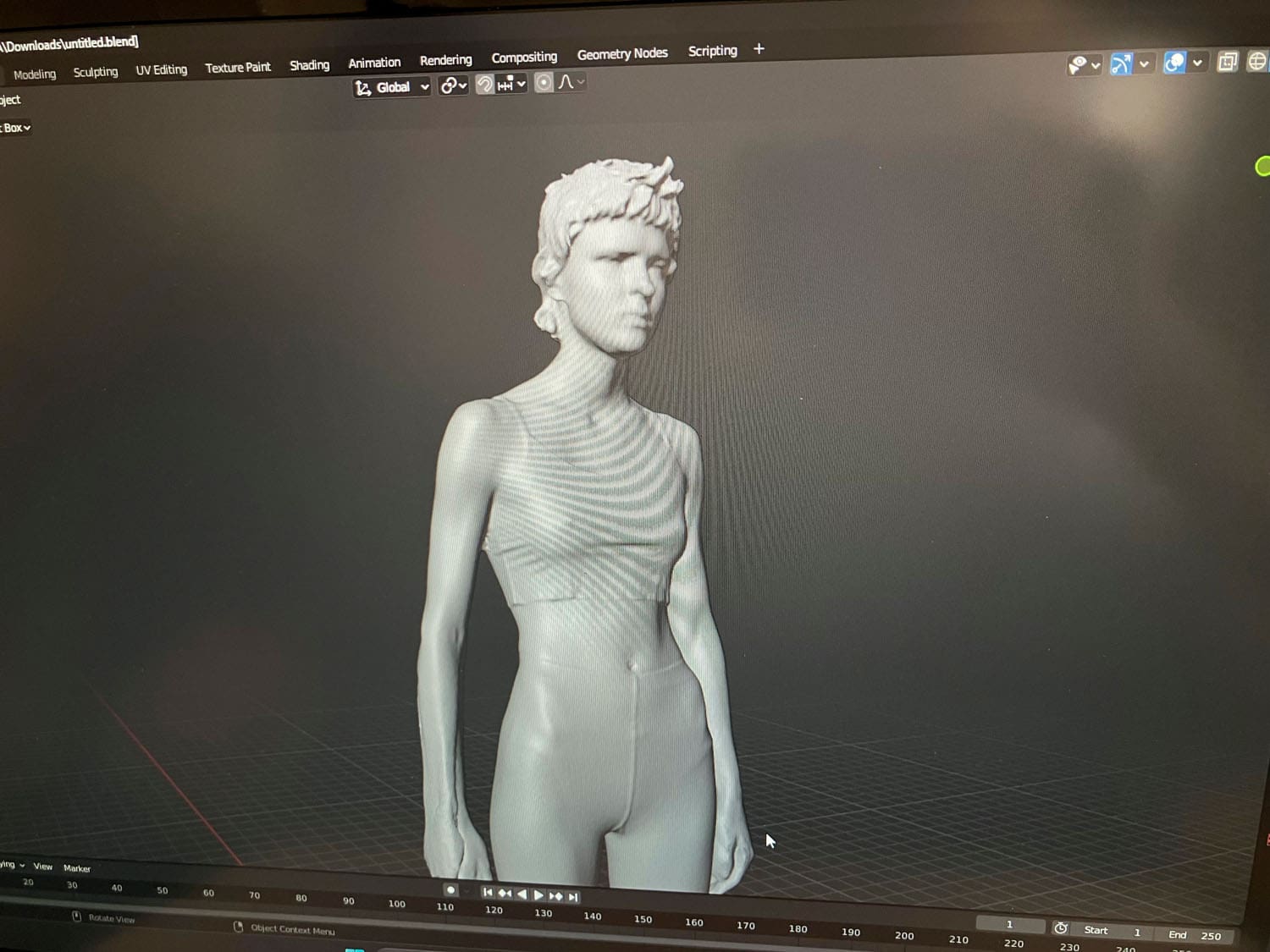
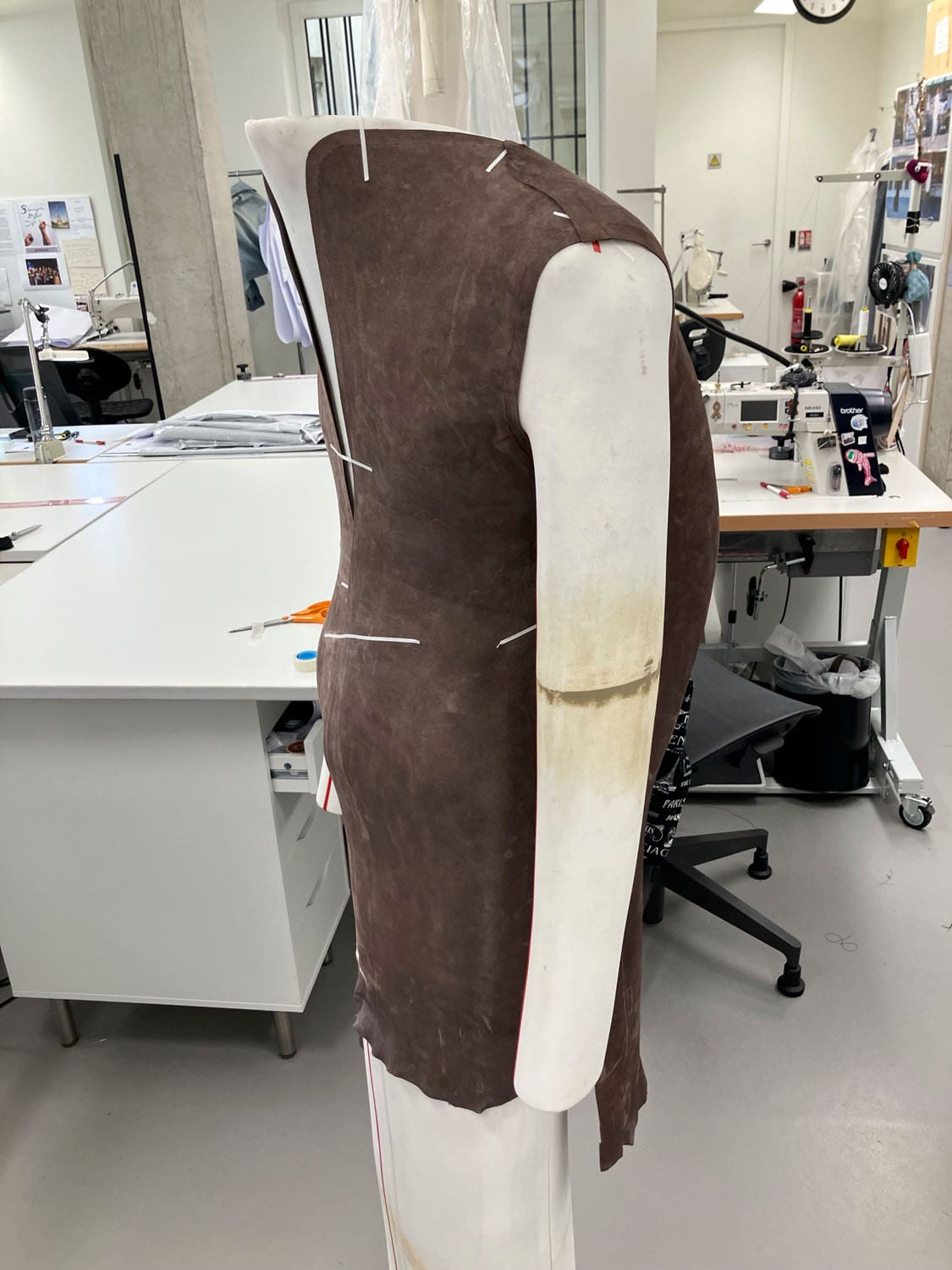
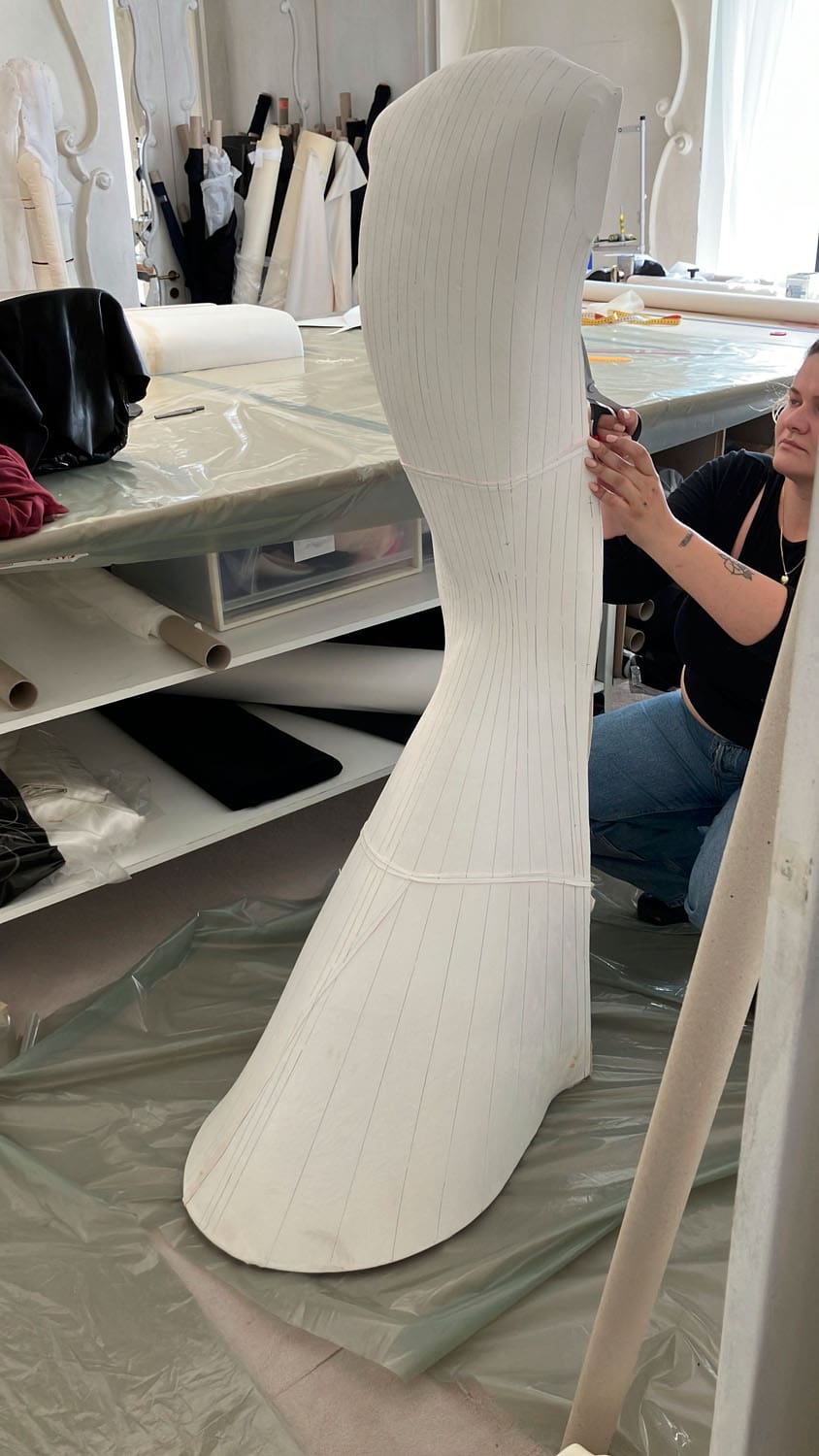
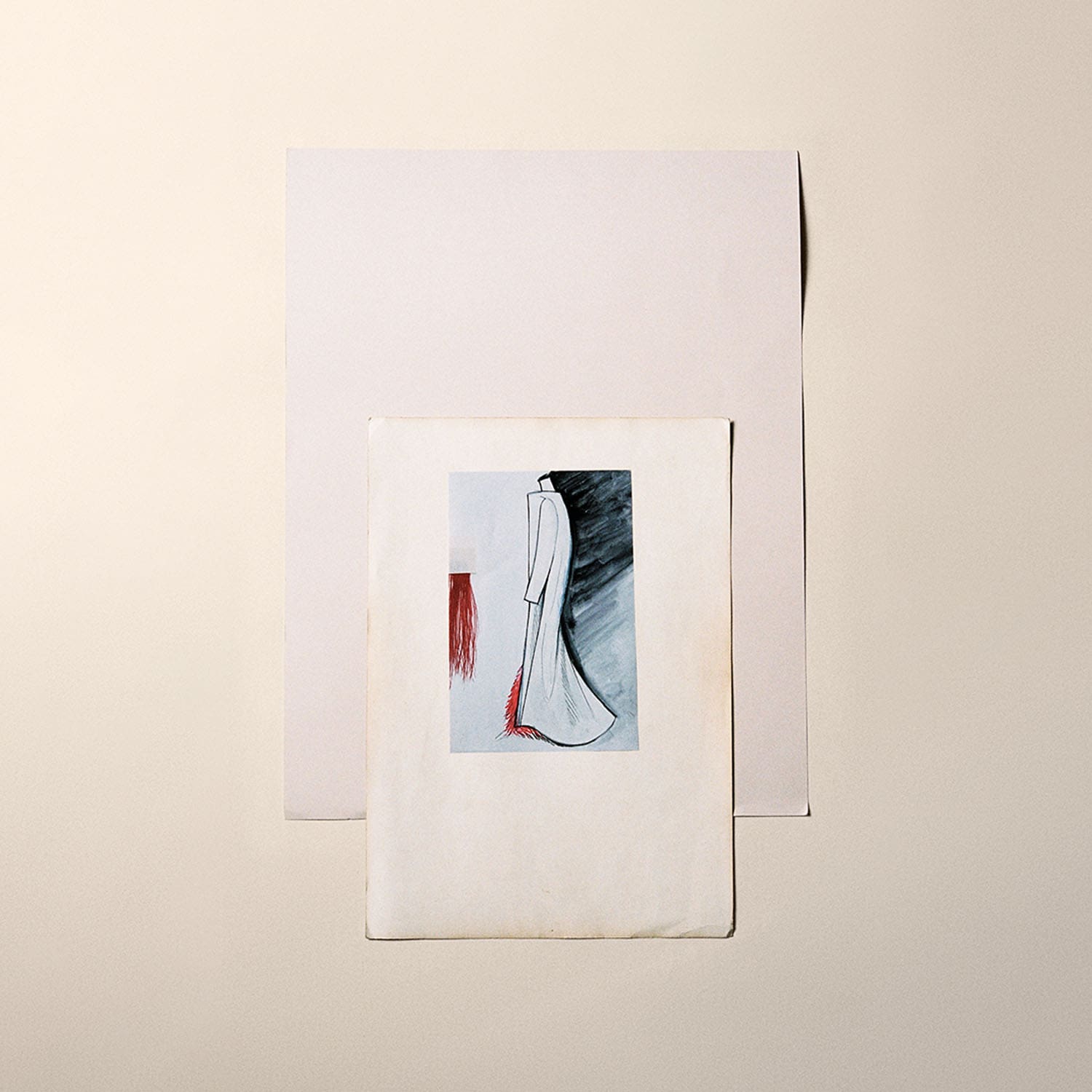
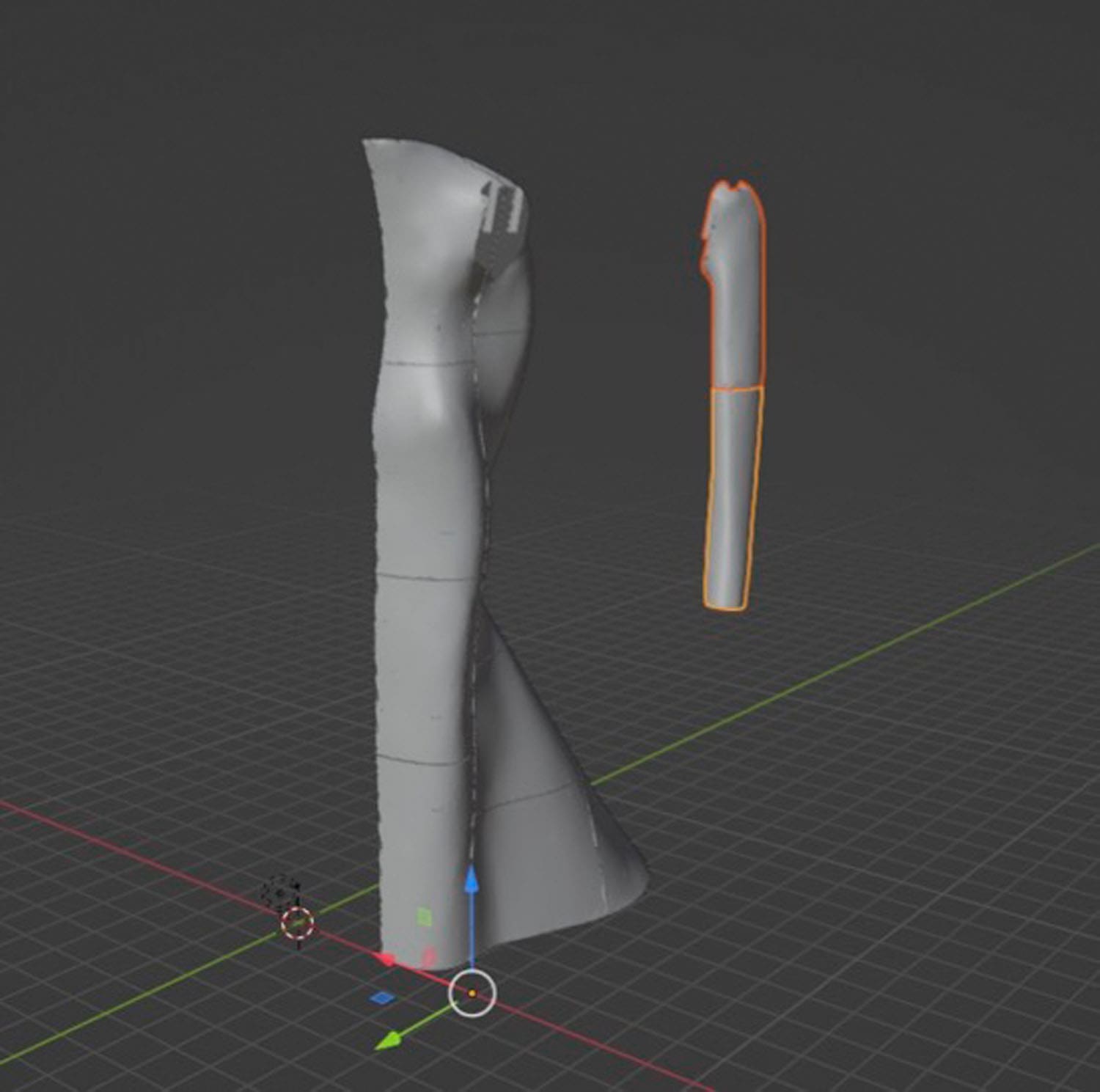
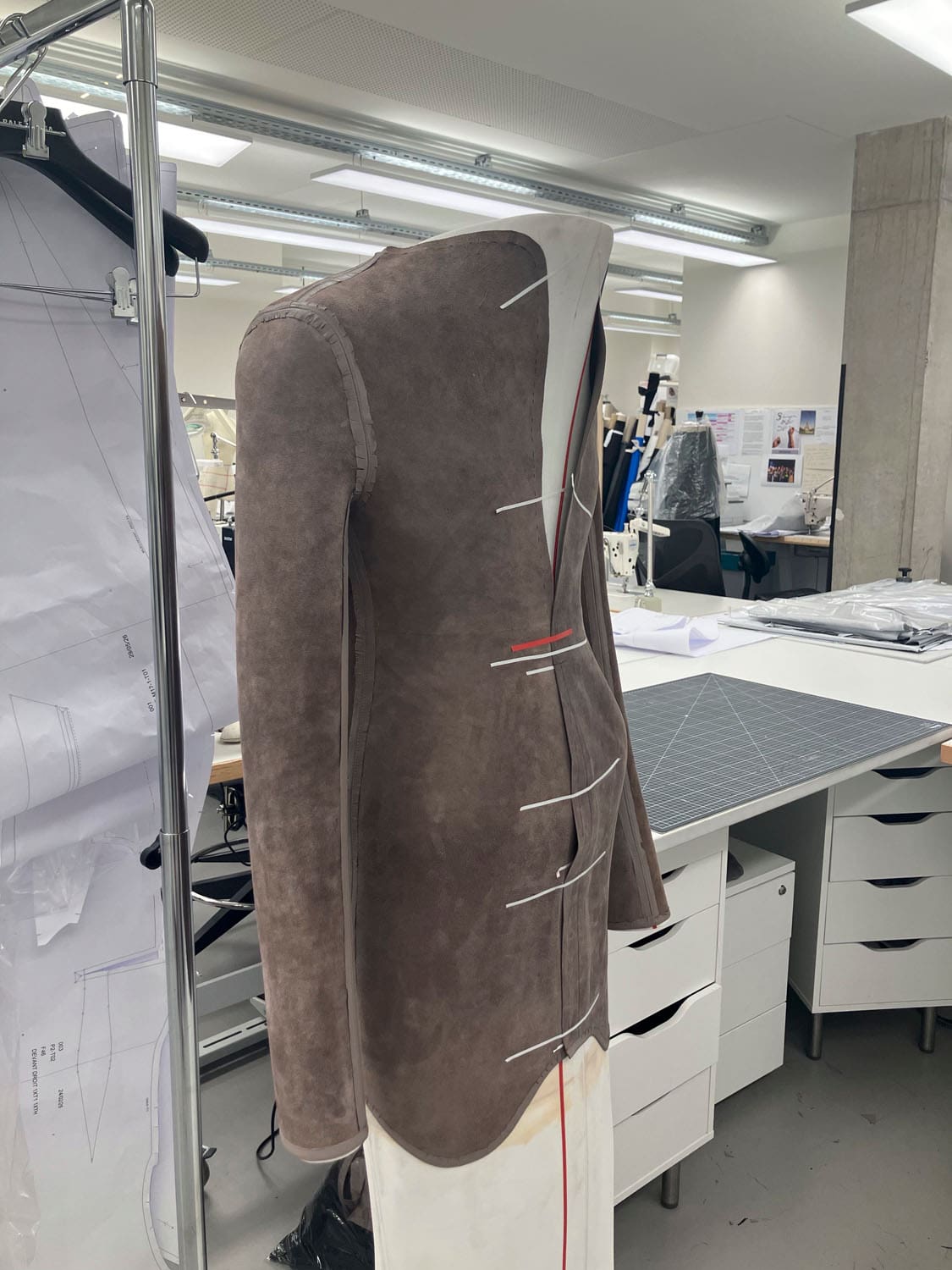
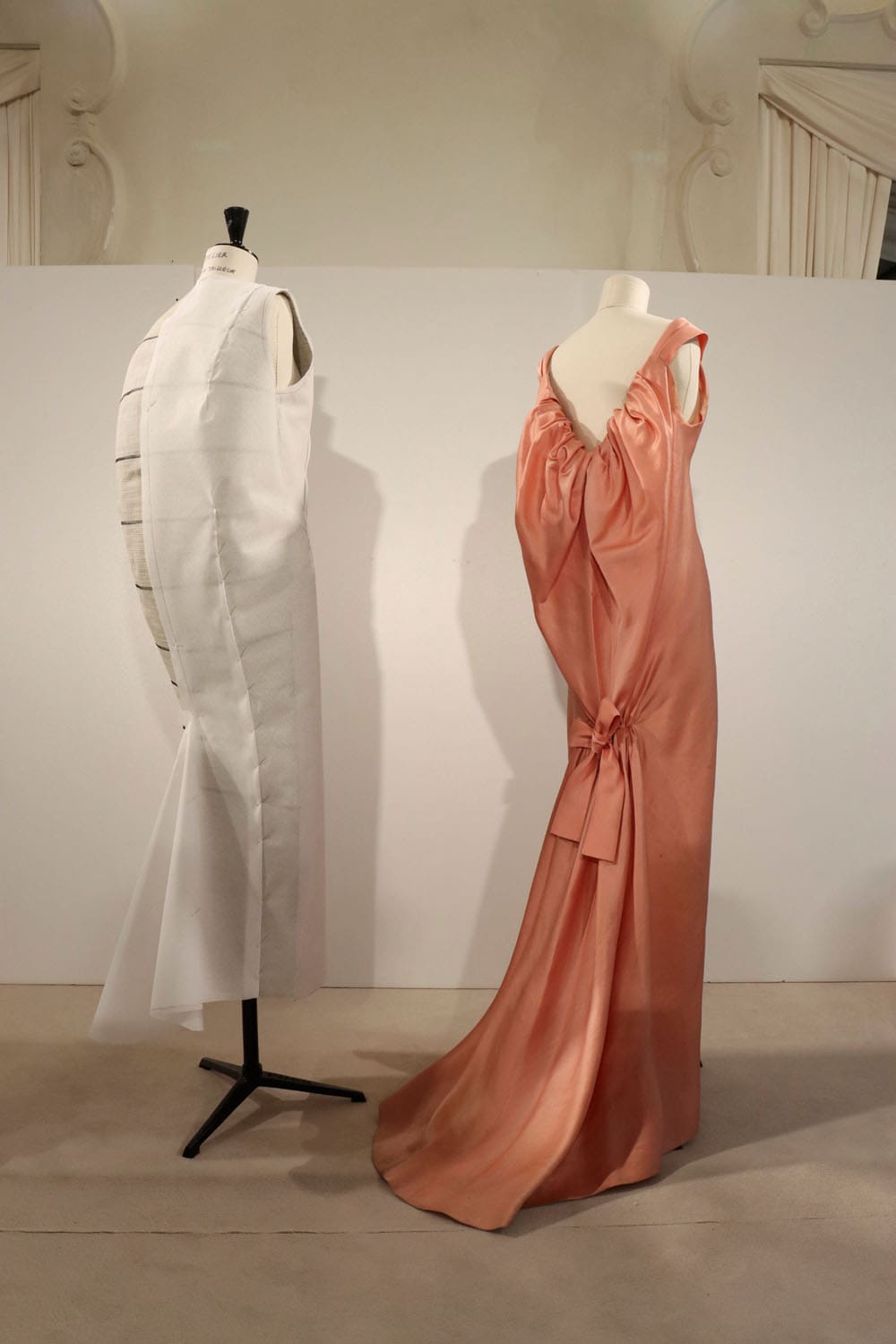
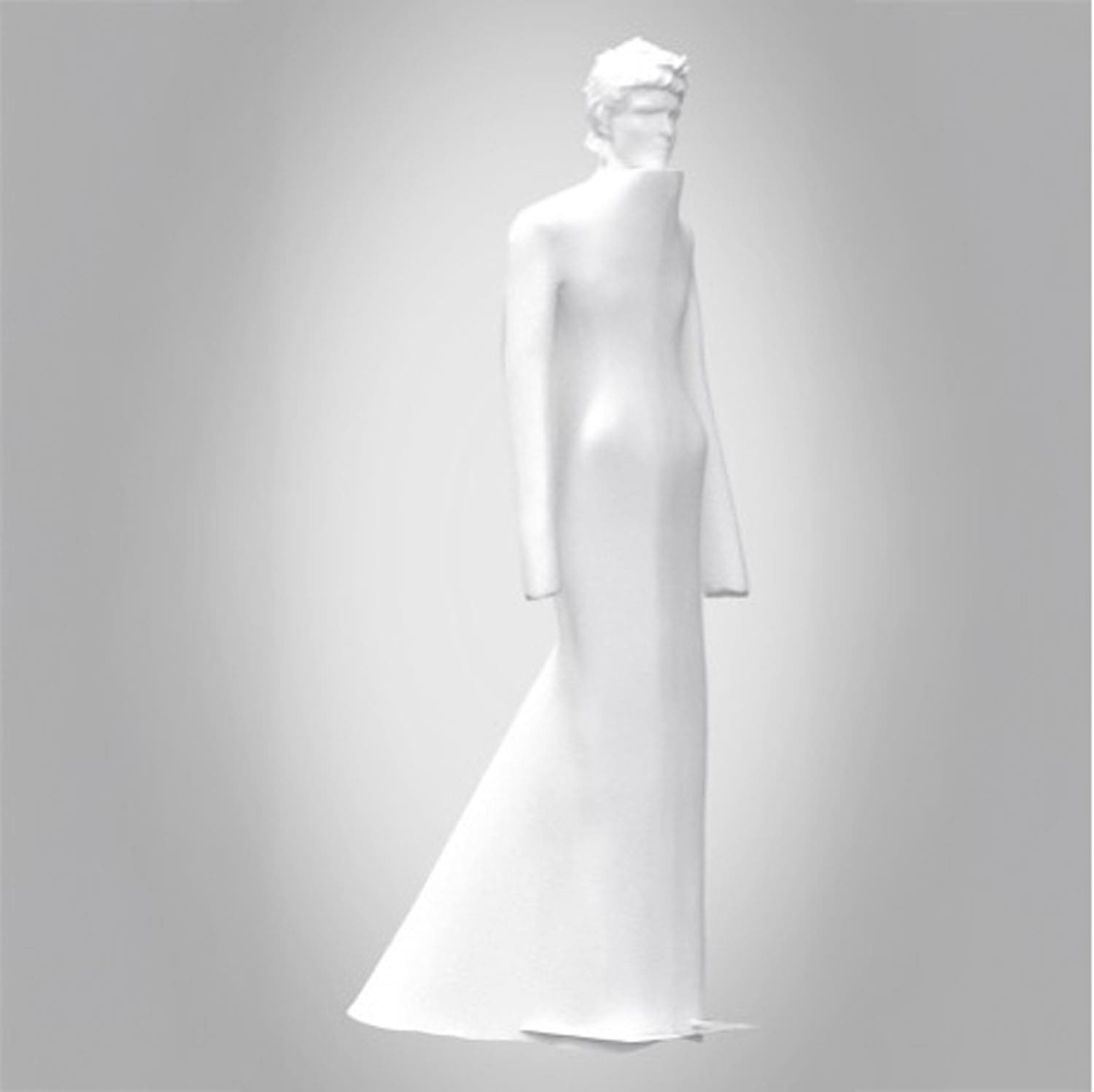
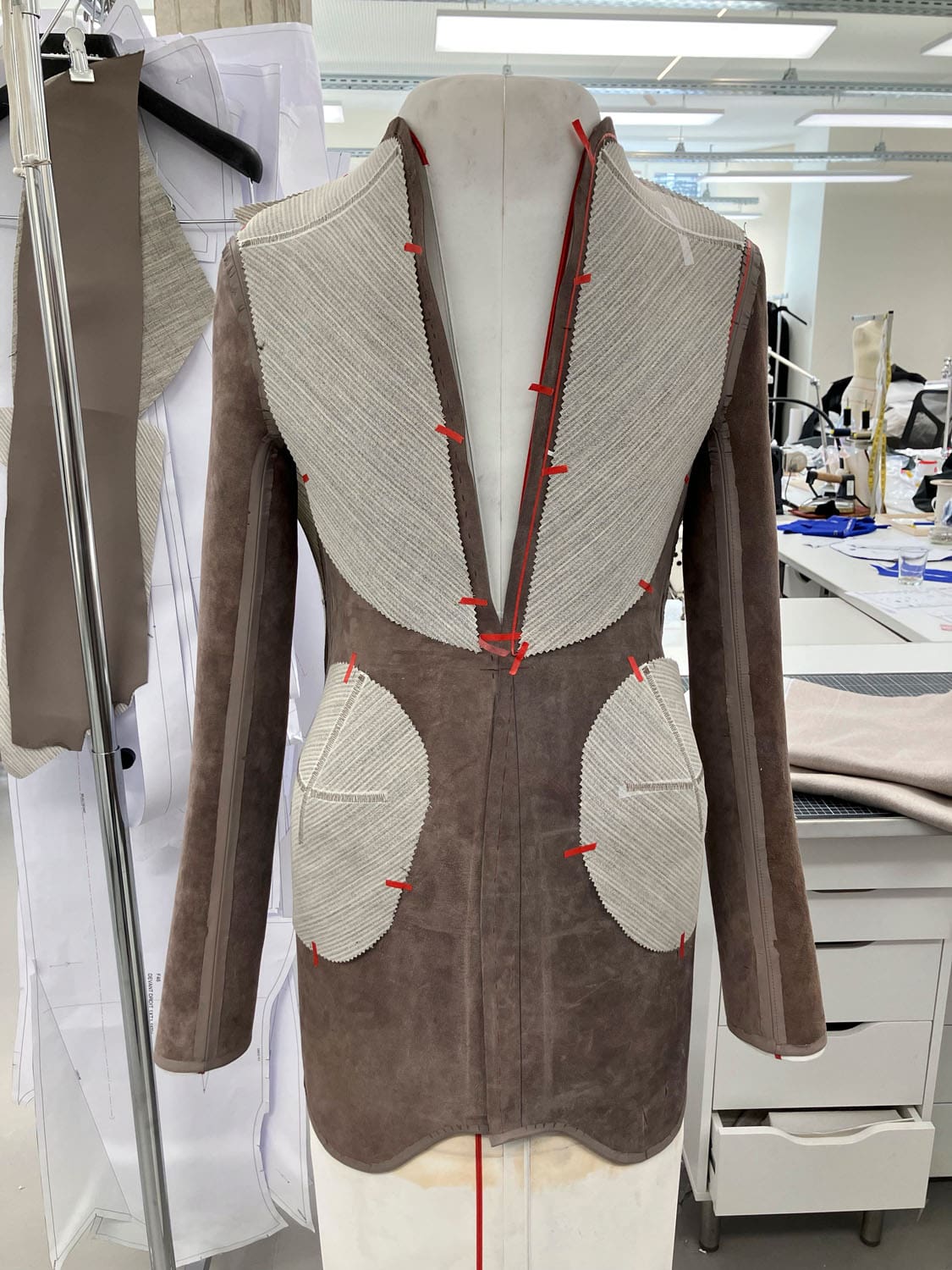
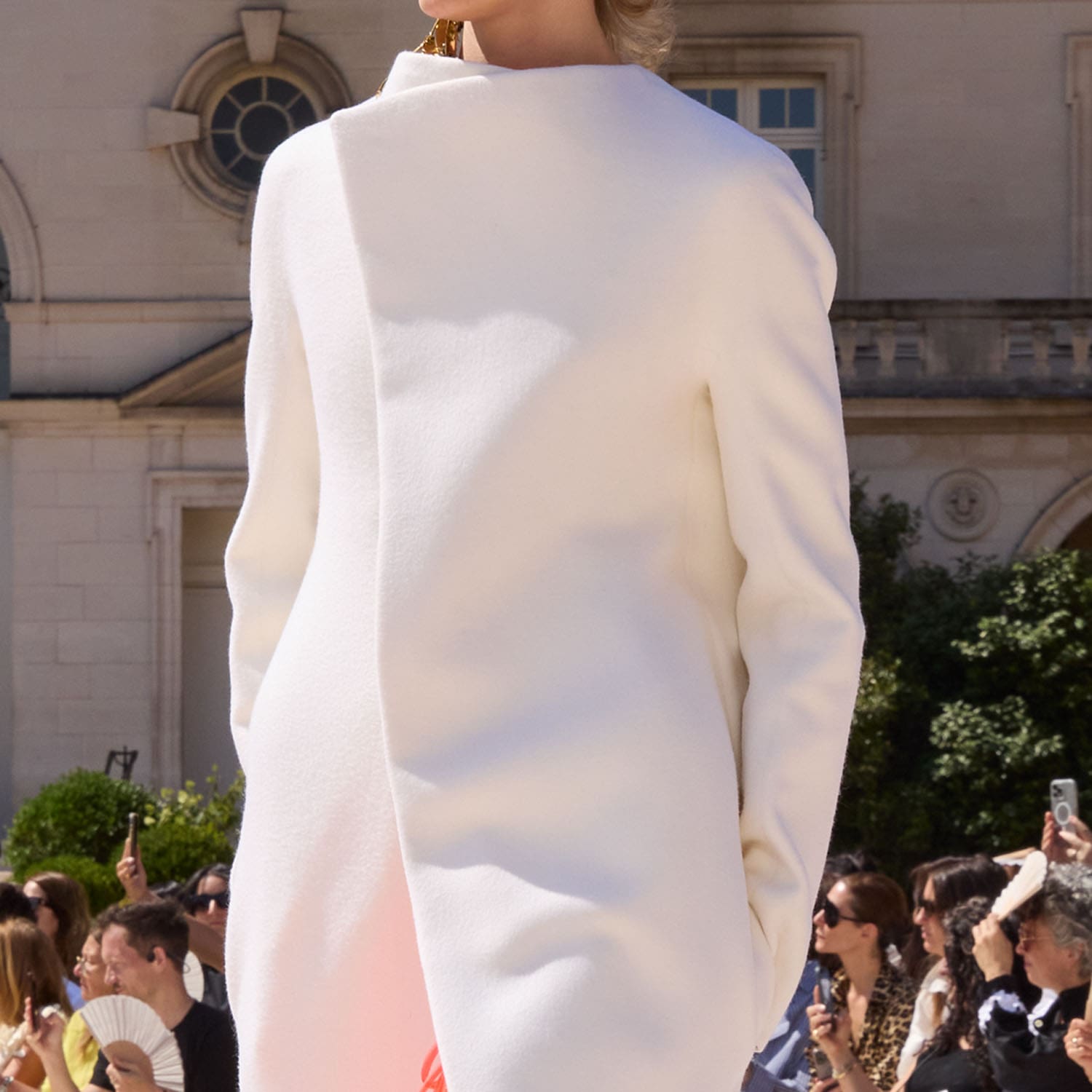
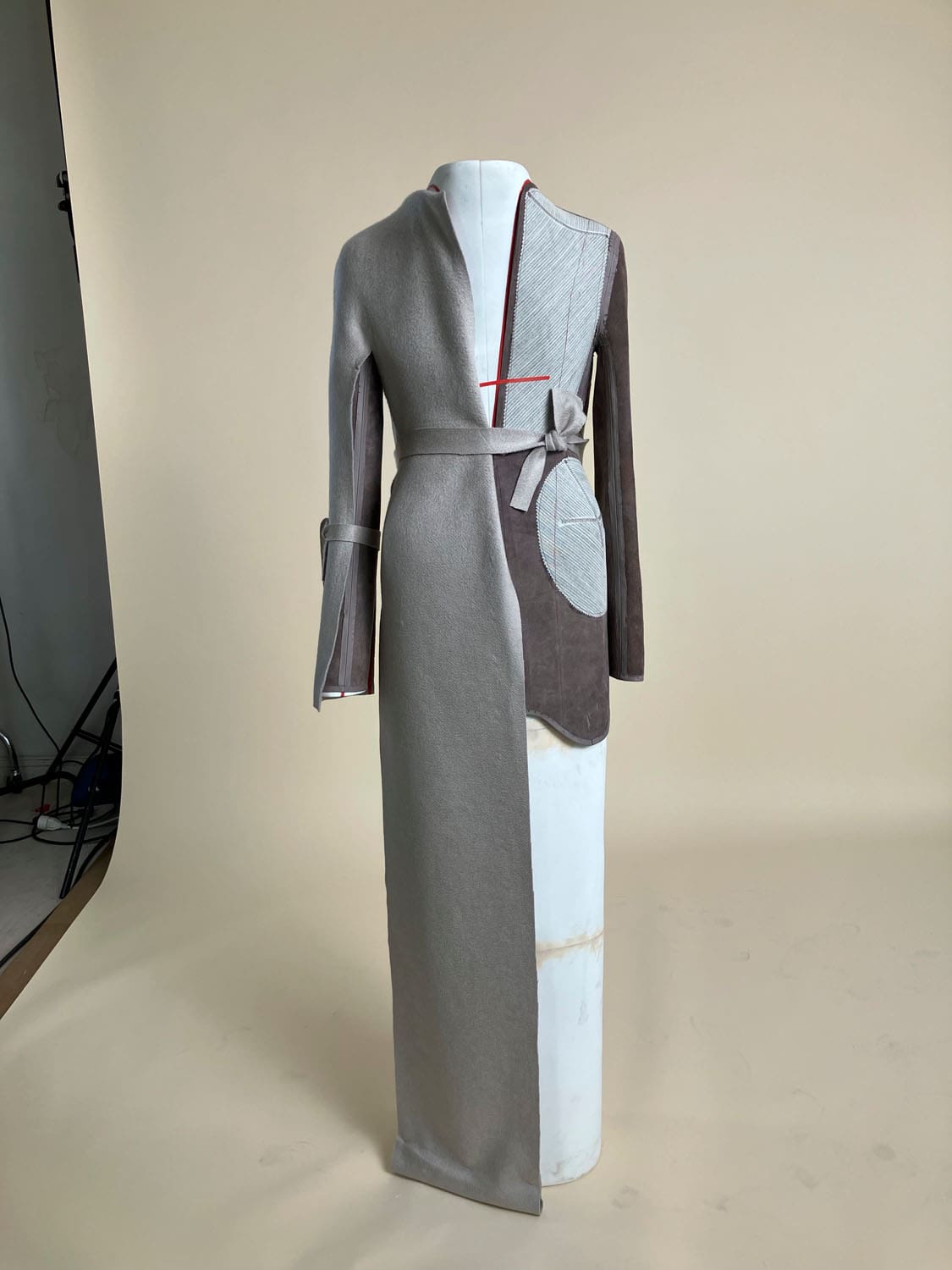
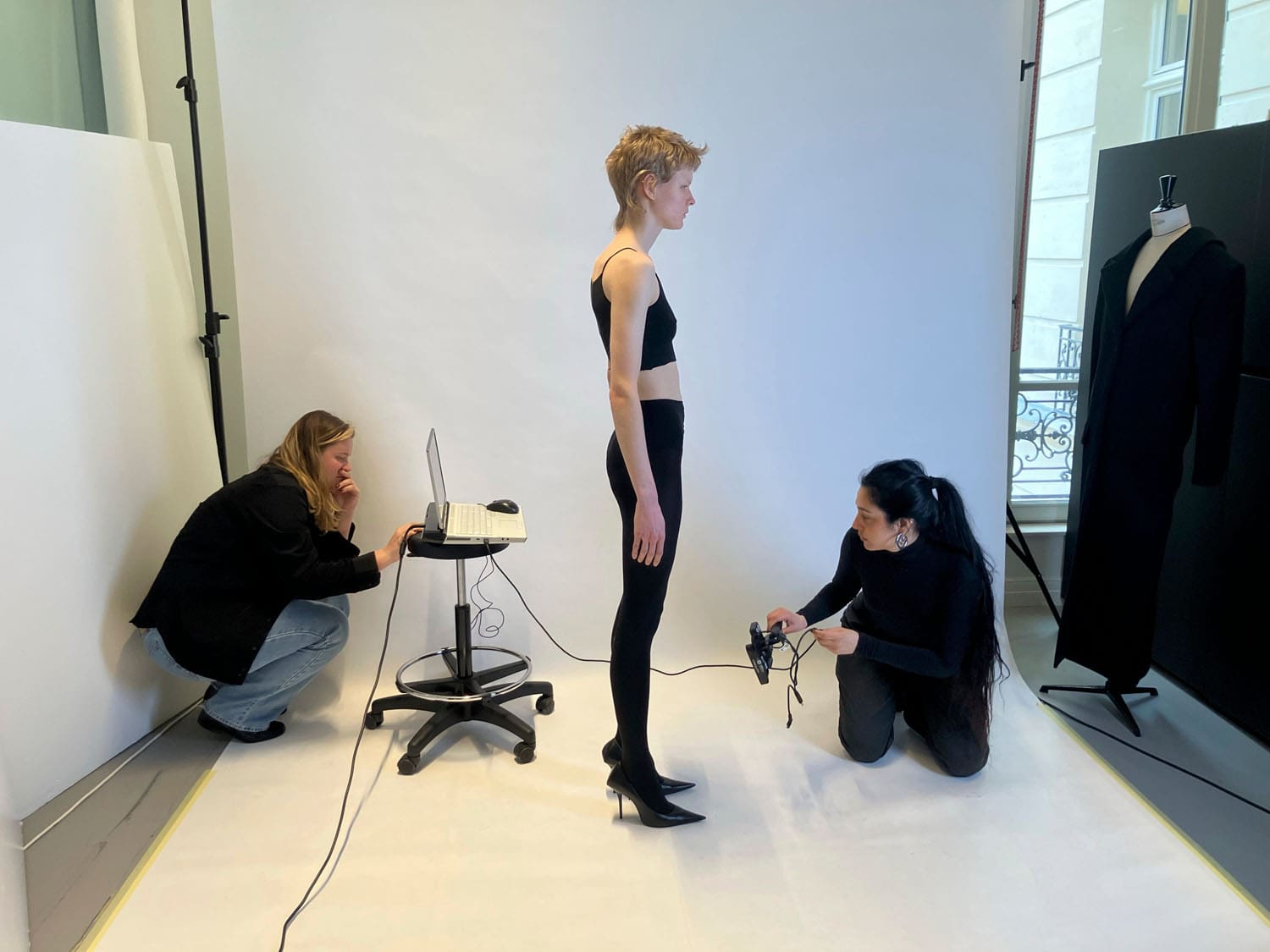
The focal point of my research, ever since I arrived at Balenciaga, has always been the relationship between the body and the garment, and the centrality of the latter in relation to the variability of the final outcome. A garment without a body inhabiting it is merely a possibility. Sharing my ideas with the atelier triggered a chain reaction of solutions that took on a life of its own, creating a sort of new creative system, a shared, collaborative dialogue where the courage to try and the exchange of ideas became the true keys to everything. Needless to say, this evolution was only possible because everyone brought something entirely unique to the table.
The Molding Project became the purest expression of this collective conversation. Louise, one of the youngest voices on the design team, brought the expressions of her generation. Her personal response to the need to construct a piece genuinely around the body was to do a 3D scan of the model’s body. To me, it felt like a stroke of genius, yet, translating that virtual premise into a physical reality required a very specific kind of mastery. That is where Sarah, our Head of Tailoring, came in. If Louise sparked the initial design concept, it was Sarah who envisioned, guided, and structurally developed the entire construction of the piece.
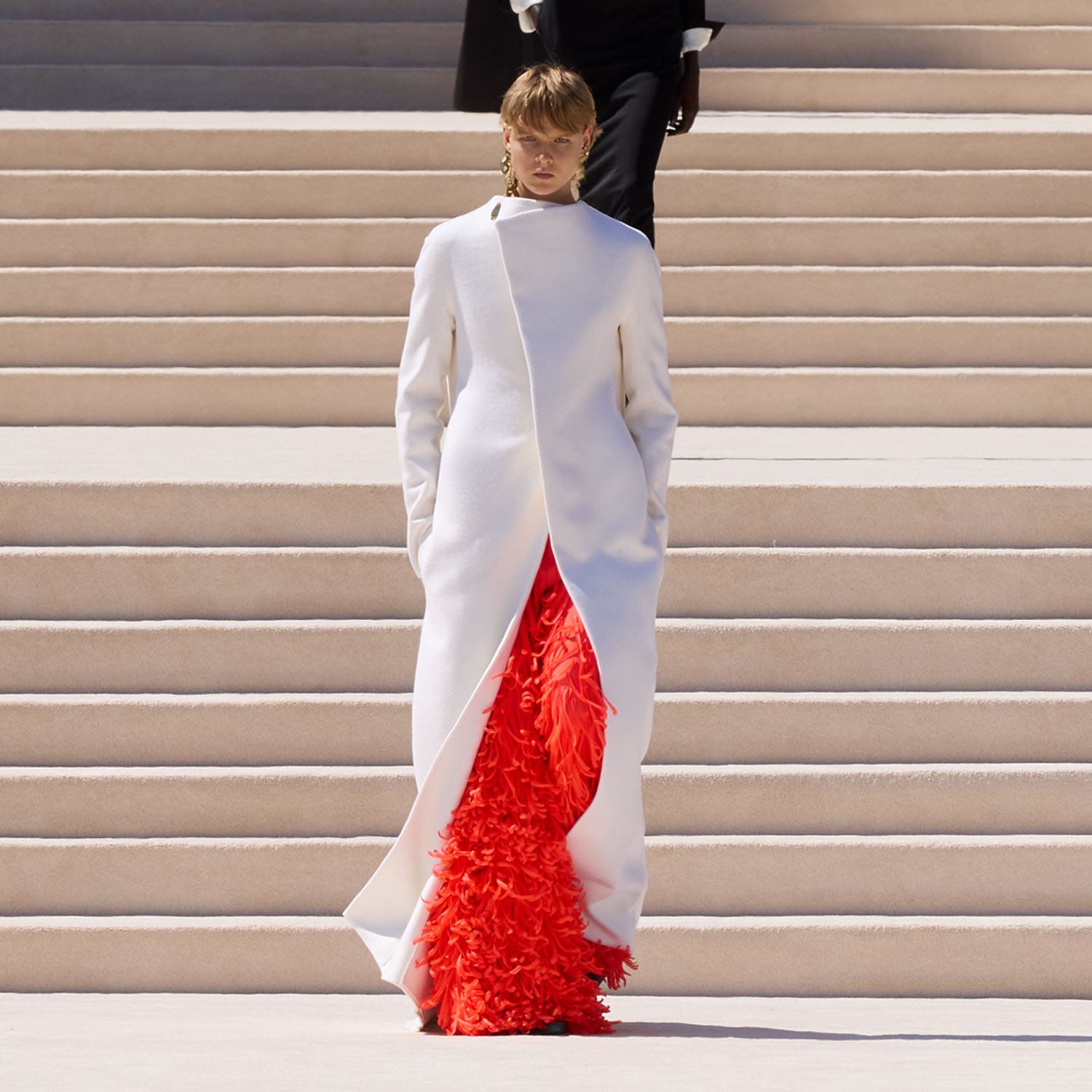
White cashmere was the material, indispensable to me, with which we were to craft the piece. A coat, to be precise. White cashmere is one of the ultimate, most sacred archetypes of haute couture. So, we had our starting elements: this pure immaculate fabric, the digital double of the body (a virtual blueprint upon which to begin sculpting the volume) and the archival reference of Cristóbal Balenciaga, a piece from 1962.
It was a lot, but we had time, or at least I thought we had, I tend to be optimistic when it comes to planning.
Once we had the 3D scanned body in our hands, this “digital presence” allowed us to chart the space around the form, treating it as an architectural landscape. I was looking for that specific visual gravity found in Cristóbal’s legacy: the radical, protective curve of the cocoon back.
Yet, the true obsession was the return to reality: extracting that weightless geometry from the screen and forcing it into the physical, tactile world of haute couture through moulage.
That is when the material resisted. Cashmere alone lacked the structural memory to hold the silhouette we envisioned. Under Sarah’s technical direction, the very essence of this garment came to life by fusing the structured world of tailoring with the delicate work of flou into a single piece. We required an internal core that was weightless yet unyielding, fluid yet firm. Naturally, we chose leather, but “naturally,” leather in its raw state did not work. It required a series of almost alchemical transformations to alter its substance, until we succeeded in molding a hidden exoskeleton, tailored directly into the heart of the coat. This leather armour was cut using a pattern typical of traditional menswear tailoring yet assembled and stitched using a technique native to the flou.
Ultimately, the process became a negotiation between structure and freedom, a synthesis of technology, like the 3D scan, and the most traditional, sacred techniques of couture. The goal was to build a monumental, sculptural presence that never compromised the body’s breath, its movement, or its integrity. It became a balance struck between the absolute certainty of digital data and the sensitive, intuitive error of the human that touches and adjusts. We, the humans, we made a lot of mistakes, corrected a lot and learned even more.
We had intended to make one look, we ended up with three.
Choosing to walk untrodden paths, perhaps even recklessly is the only way to truly evolve and maybe do something meaningful.
And if there is a House where all of this is not only possible but, in a way, entirely natural, it is Balenciaga. Because Cristóbal was the first to understand that fashion, indeed, couture, could be a powerful instrument of innovation and progress.
We are all lucky enough to be here working within his legacy, and we must do good, he wouldn’t accept anything less”.
Pierpaolo Piccioli