
Calculated Trends – Numbers, Algorithms, and Fashion. Analyses by Guillaumette Duplaix, Executive Editor of RUNWAY MAGAZINE.
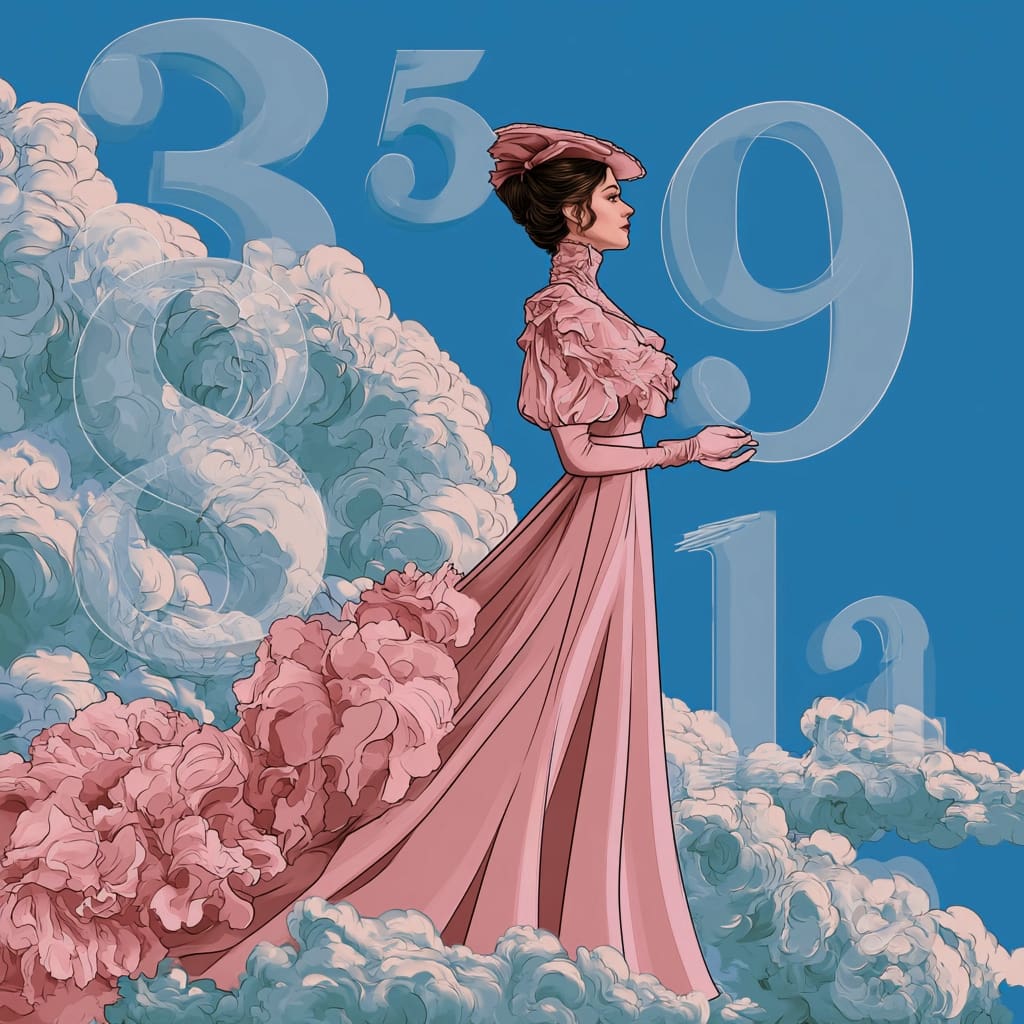
Numbers… THE NUMBER… A tool that allows us to determine, classify, analyze, and give power… We will explore several themes around numbers: The power of money, the symbolism of numbers, mathematics, and creation through the theme of numbers.
Numbers & the Power of Money
The power of money is measured through numbers that control life, the economy, and societal choices. Large numbers define the strength of markets, the value of goods, and the power of nations.
Aspects of Financial Power
The Measure of Success: Beyond the arithmetic of bank accounts, success figures act as the symbols of a modern mythology. They translate into a universal language
the quest for freedom, immortality, and human validation.

The Spiritual and Psychological Symbolism of Numbers
• The Mirror of Self-Esteem: The bank balance becomes an existential score, a quantifiable proof of one’s worth in the eyes of the world.
• The Freedom Counter: Every zero added to capital symbolizes broken chains and the absolute power to say “no” to constraints.
• The Illusion of Eternity: Accumulating numbers serves as armor against time, an attempt to purchase a form of immortality through a legacy carved into the marble of finance.
• The Sacred Energy of Movement: Liquid cash represents the flow of life; making it circulate symbolizes the power to animate, build, or destroy in a single moment.
Success Totem Numbers
• Unity (1): The symbol of the pioneer, the solitary leader at the top of the pyramid, and the ambition to become “number one.”
• The Trinity of Power (3): Represents the alignment between an idea, investment, and the material realization of an empire.
• Material Infinity (8): The number of continuous abundance, financial liquidity, and mastery of market laws.
• The Wall of Nine Zeros (1,000,000,000): The transition to billionaire status—the threshold where the number is no longer merely a resource, but political and historical power.
The influence of financial markets extends beyond simple economic mechanics to become the theater of an invisible mythology. Markets function like a modern entity, shaping the destiny of nations and individuals through numerical protocols.
The Market as an Invisible Divinity
• The Modern Oracle: Market curves and stock indices serve as predictive indicators, analyzed daily by market participants to interpret economic trends.
• The Invisible Hand: An abstract conceptual force that reorganizes economic structures, corrects management errors, and rewards strategic risk without revealing its physical form.
• The Cosmic Tribunal: A market sanction (such as a stock decline or credit rating downgrade) operates as an institutional judgment capable of removing leaders or impacting national economies rapidly.
• The Temple of Algorithms: Financial exchanges function as central data hubs where high-speed computing networks exchange financial flows beyond human execution capacity.

Symbols of Movement and Force
The symbols of movement and force in financial markets did not originate by technological chance. Their roots lie in rural history, popular traditions, and historical economic crises.
The Bull (Bull Market): Agricultural and Physical Origins
The use of the bull to designate rising markets dates back to 18th-century England.
• The Combat Analogy: This symbol comes from the way the animal attacks. The bull charges by thrusting its horns upward, driving its target into the air. This ascending movement became a clear metaphor for rising stock prices.
• Street Spectacles: In London, animal fights pitting bulls against bears were popular. Spectators and early London Stock Exchange brokers transposed this physical rivalry to the world of finance.
The Wall Street Charging Bull: From Rebellious Gesture to Global Symbol

The famous bronze bull sculpture located in New York’s financial district originated from an act of artistic rebellion following the 1987 stock market crash.
CHRONOLOGY OF THE WALL STREET ICON (1989 – Present)
- [Dec. 1989] : Unsanctioned placement of the bull by Arturo Di Modica in front of the stock exchange.
- [Seizure] : Police remove the statue the same day. The public protests.
- [Relocation] : The city reinstall the bull at Bowling Green for the holidays.
- [Consecration] : The statue becomes permanent, a global symbol of capitalist resilience.
• A Clandestine Gift: Italian-American artist Arturo Di Modica spent $360,000 of his own funds to cast the statue. On the night of December 15, 1989, he installed it without city permits beneath a Christmas tree in front of the New York Stock Exchange.
• The Symbol of Strength: Di Modica intended to restore optimism and strength to the American public following the economic crisis. The bull, depicted mid-charge, embodies resilience, dynamism, and economic power in the face of adversity.
• A Cultural Landmark: Having become one of New York’s most photographed monuments, touching its horns or testicles is now a popular ritual believed to bring financial luck.
The Bear (Bear Market): The Pelt Sellers

The appearance of the bear historically predates that of the bull, originating from an old proverb and early 18th-century commercial practices.
• Selling the Bear’s Skin: The expression stems from fur traders who sold bear pelts before actually hunting the animal. They speculated that the pelt’s purchase price would drop in the interim, allowing them to turn a profit.
• The South Sea Bubble (1720): During this historic crash in London, short-speculators were referred to as “bear-skin jobbers,” a term later shortened to “bears.” Unlike the bull, the bear attacks by striking downward with its paws, symbolizing declining prices.
🟢 Red and Green 🔴 : Railway and Maritime Heritage
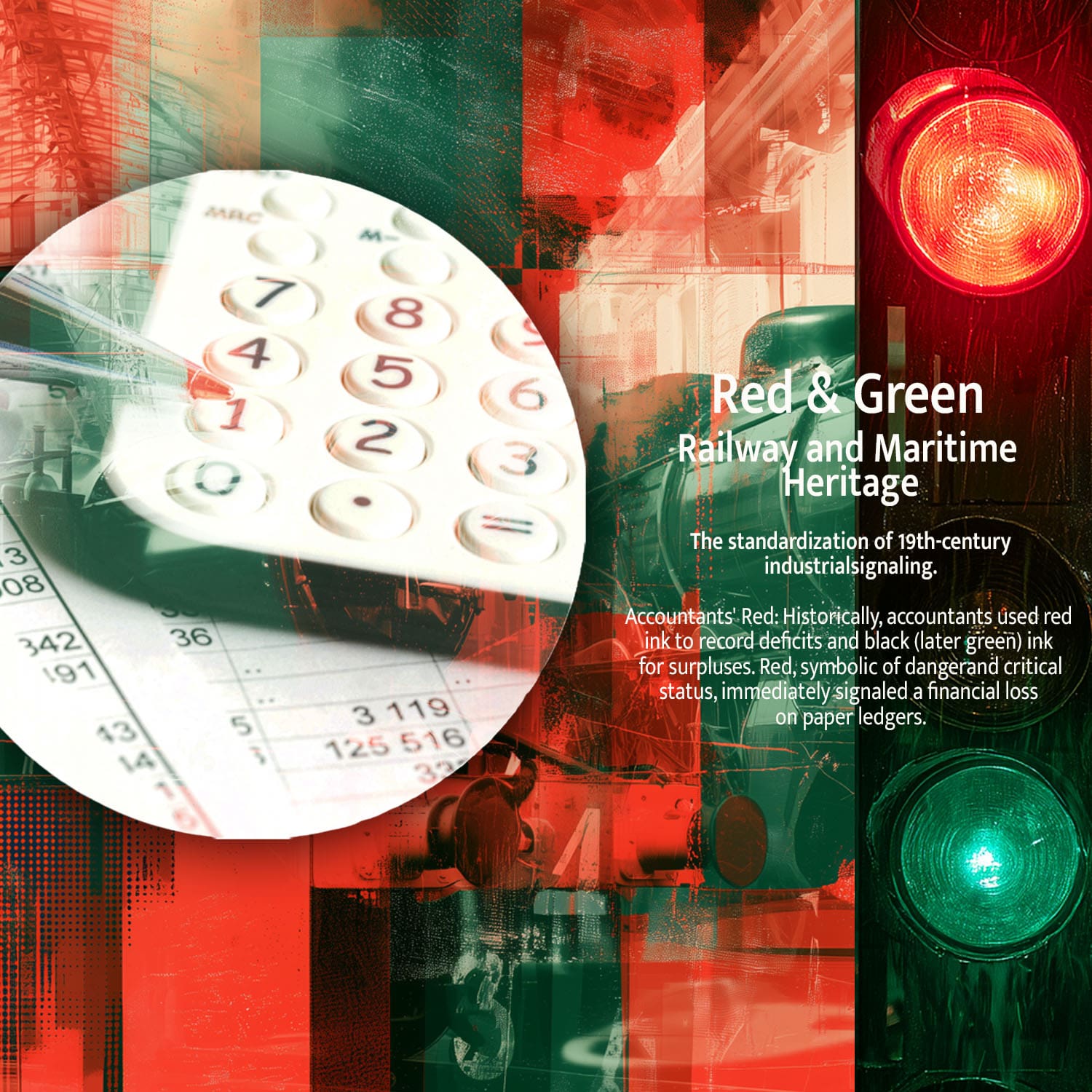
Green: The association of green with wealth and red with loss is more recent, deriving from the standardization of 19th-century industrial signaling.
Accountants’ Red: Historically, accountants used red ink to record deficits and black (later green) ink for surpluses. Red, symbolic of danger and critical status, immediately signaled a financial loss on paper ledgers.
Modern Algorithms: Symbol Abstraction
In the era of high-frequency trading (HFT), the traditional symbols of Wall Street have transitioned from the trading floor into lines of invisible code.
• The Quantitative Bull: Algorithms operate without emotion. The bull’s
“charge” no longer depends on broker optimism, but on mathematical formulas executing millions of trades in microseconds.
• The Invisible Bear: Modern crashes are no longer marked by panic on trading floors, but by Flash Crashes triggered by automated feedback loops between computational systems.
• Code Execution: Green and red remain present on trader screens, but for automated systems, market movement is strictly a matter of computational speed and server proximity to data centers.
Numbers & Mathematics
The transition from physical commerce to algorithms transformed numbers: from simple accounting tools, they became the structural foundation of financial systems. Mathematics no longer merely counts money; it creates, transfers, and forecasts it.
The Mathematical Evolution of Financial Power
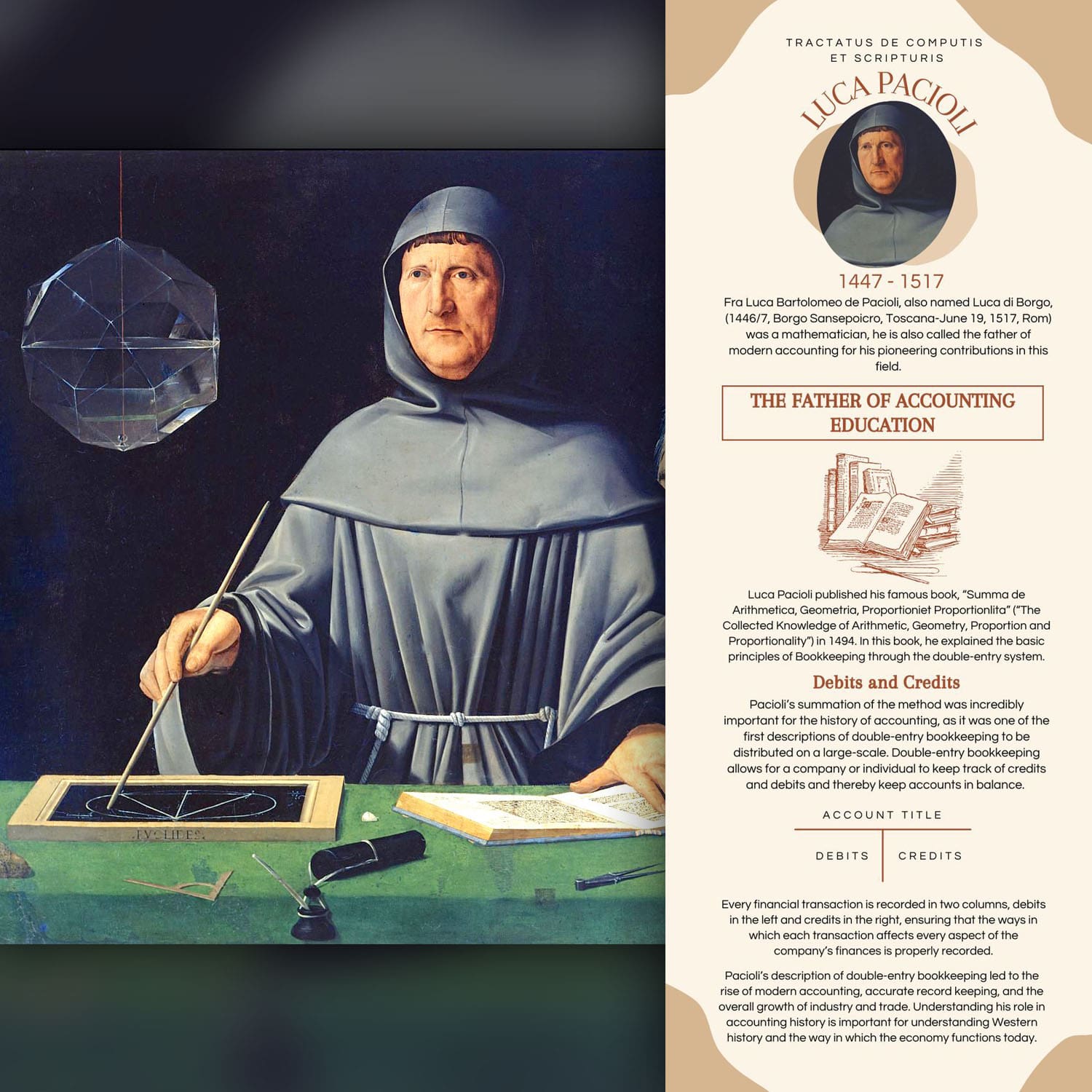
• Commercial Arithmetic (Antiquity – Renaissance): The invention of double-entry bookkeeping by Luca Pacioli in 1494. Numbers served to accurately reflect physical inventory and debts.
• Probability and Risk (18th – 19th Century): Mathematicians began calculating risk (maritime insurance, annuities). Money became associated with probability calculations and risk assessment.
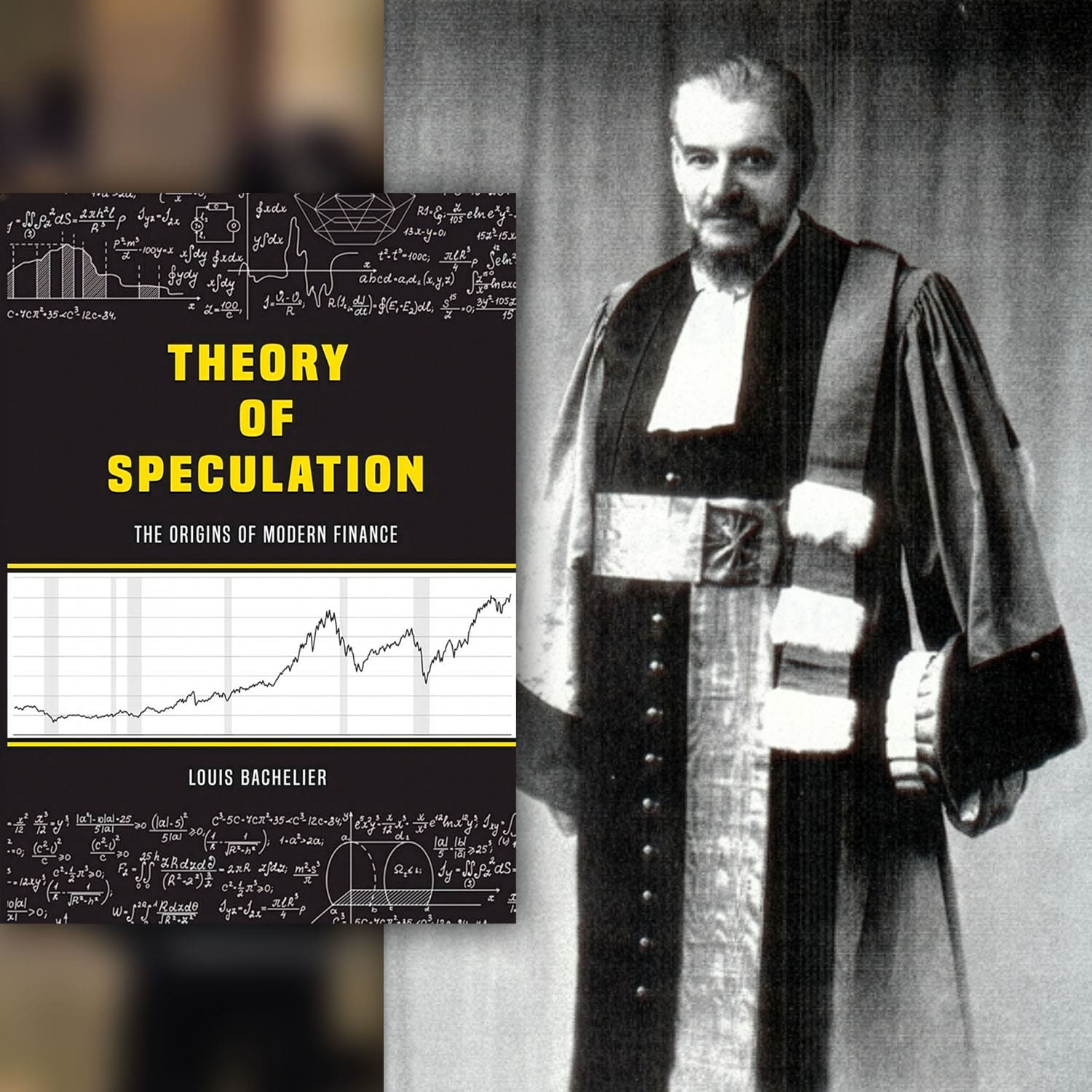
Abstract Quantification (20th Century): In 1900, Louis Bachelier applied Brownian motion (physics) to financial markets. Modern financial mathematics was established: stock prices were modeled as random variables.
Formulas Governing the Modern World
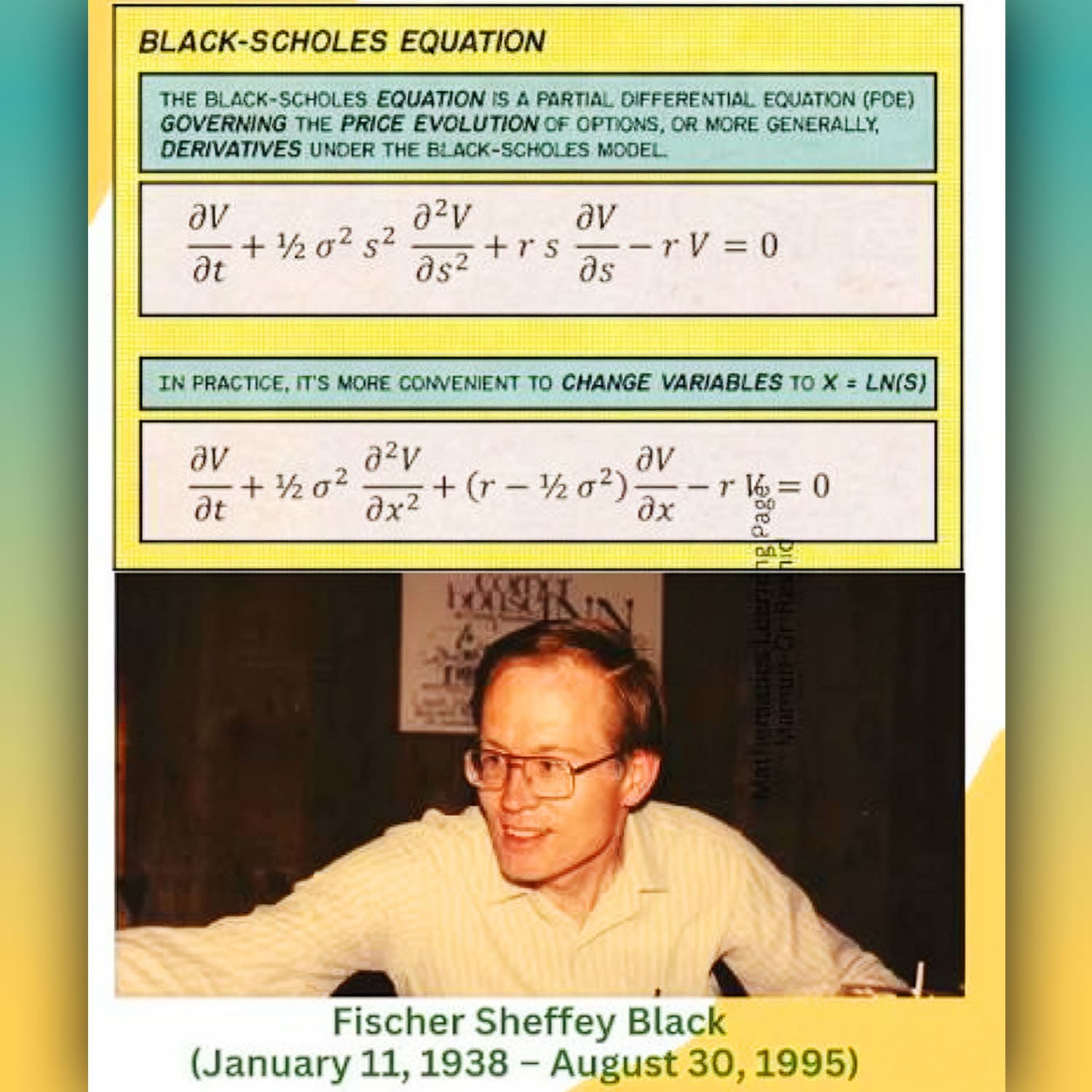
• The Black-Scholes Equation (1973): This mathematical formula allows for calculating the theoretical value of options (derivative products). It paved the way for the global expansion of speculative finance.
• Market Topology: Today, markets are modeled as complex multi-dimensional geometric spaces, where fractal geometry is utilized to analyze the recurrence of financial crises.
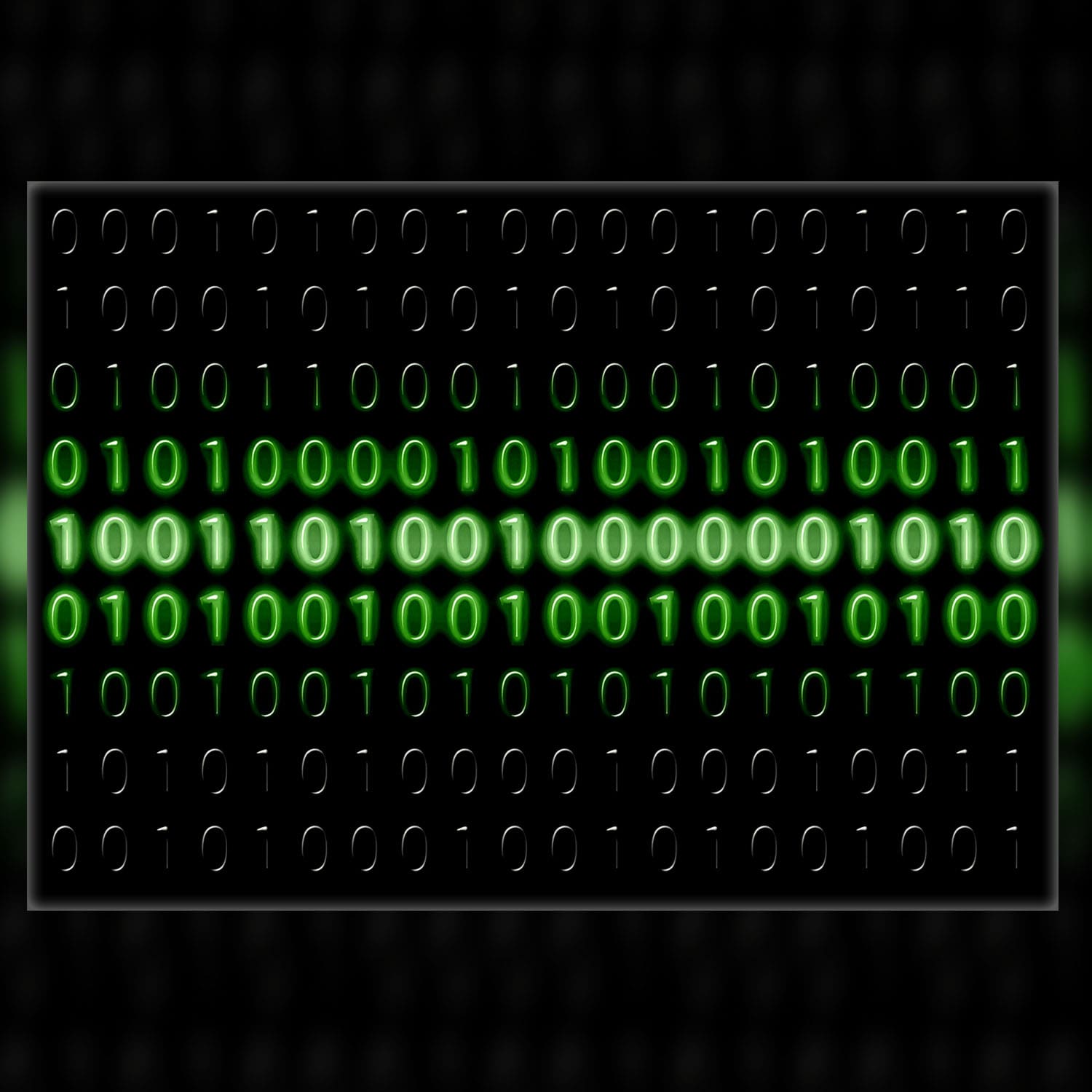
Binary Code (0 and 1): Financial power largely rests in execution speed. Algorithmic mathematics translates wealth into electrical impulses traveling through undersea cables.
Numbers & Creation
In human and financial history, the relationship between numbers and creation revolves around a clear paradox: the number acts both as a rigid measuring tool and as the engine of creative invention.
1. Cosmic and Artistic Creation: The Number as a Matrix
Before being applied to finance, numbers served as foundational building blocks for structural design and visual aesthetics.
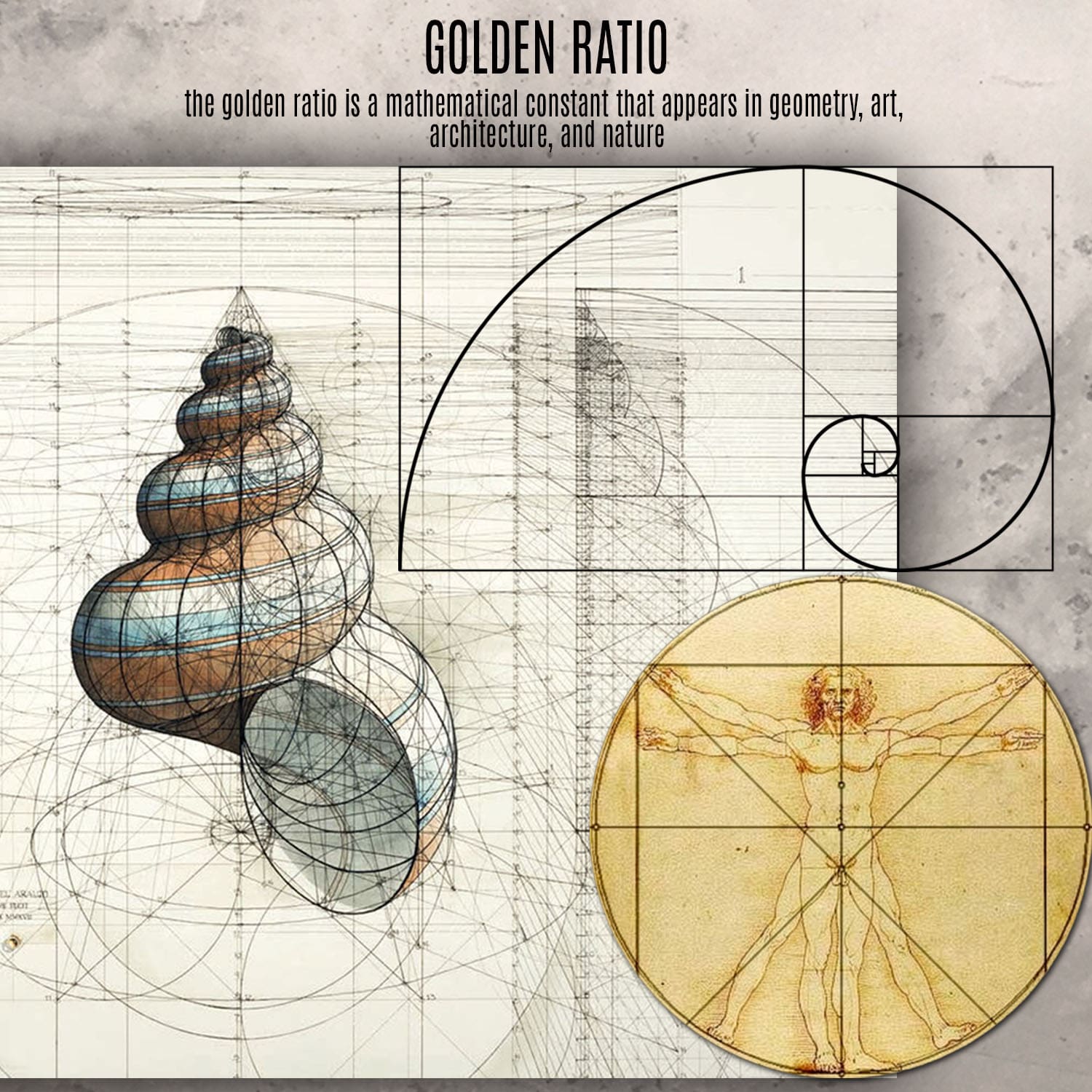
• The Divine Proportion (The Golden Ratio – \phi): Equal to approximately 1.618, this mathematical ratio is found in natural spirals, seed arrangements, and human anatomy. Renaissance artists, such as Leonardo da Vinci, utilized it to introduce visual harmony to their work.
• Structural Numerology: In various philosophical traditions, numbers represent foundational organizing principles. To create is to structure numerical relationships. Zero (0) represents an open potential state, while one (1) represents the initial structural point.
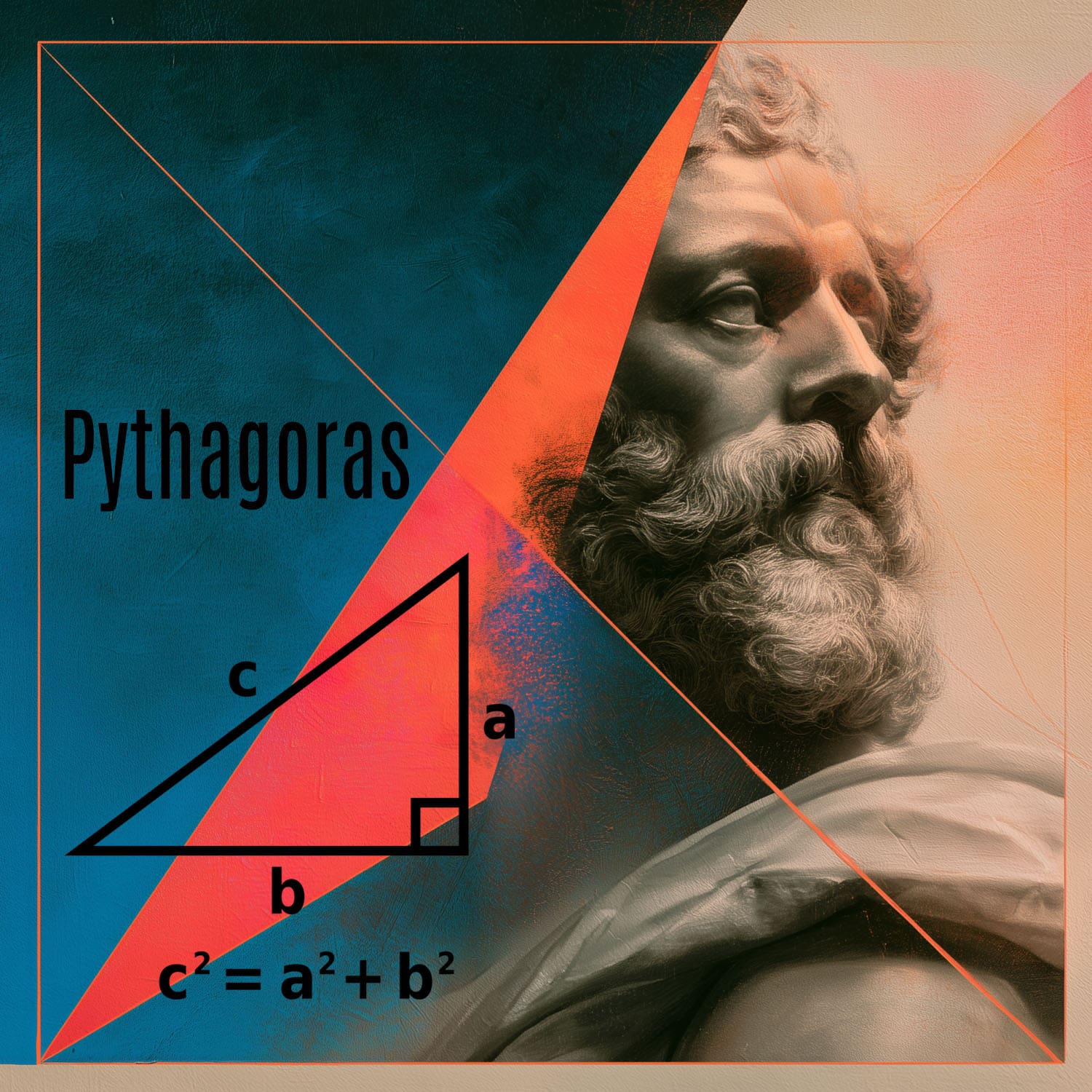
• The Music of the Spheres: Pythagoras identified that musical intervals (harmonies) correspond to whole-number ratios. Artistic composition rests fundamentally on mathematical structure.
2. Monetary Creation: The Power of Ex-Nihilo Invention
In modern economic structures, a key aspect of money is its creation through numerical accounting entries without physical backing.
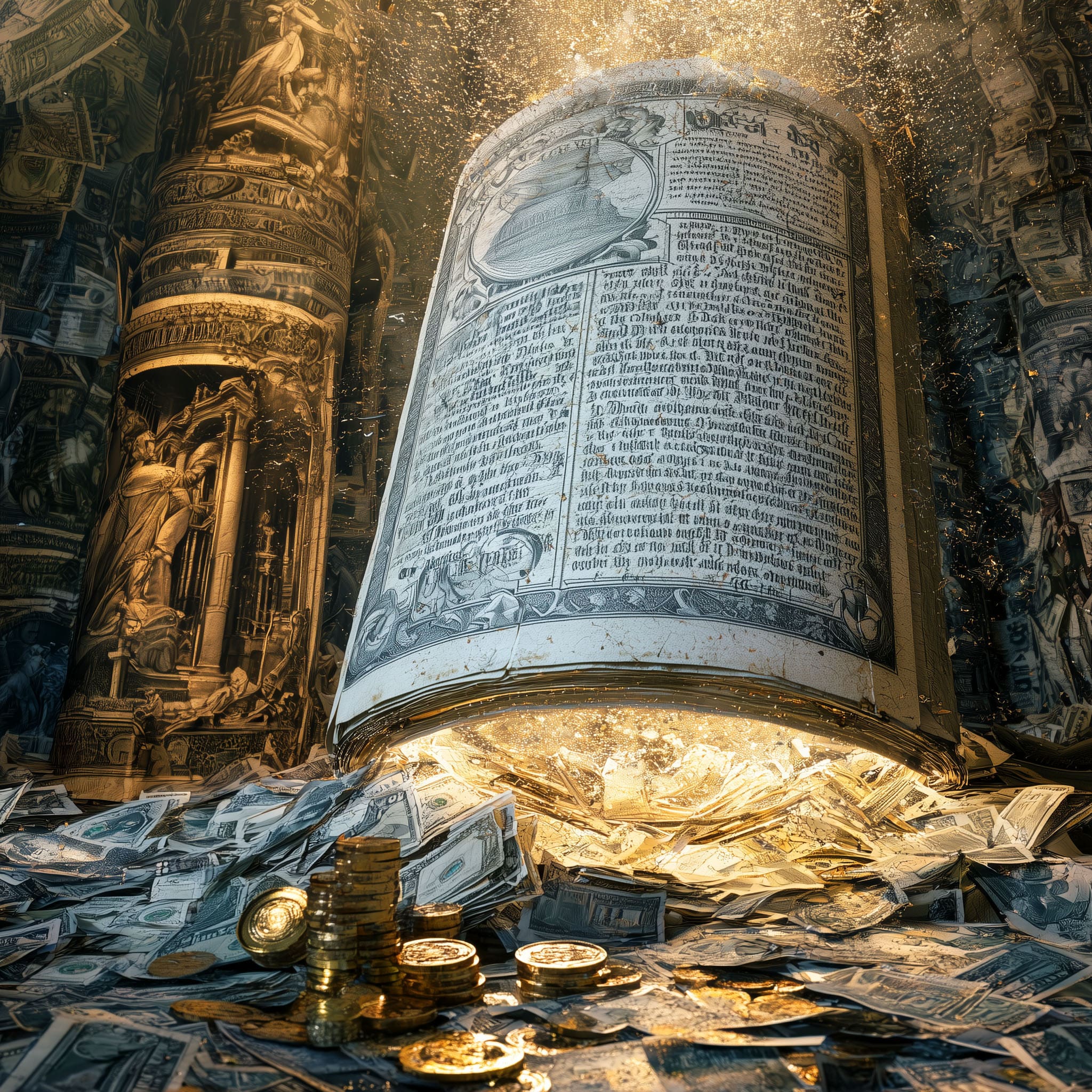
• Scriptural Money: Over 90% of circulating currency does not exist as physical bills or coins. It exists as scriptural money, created by commercial banks through accounting entries when extending credit. Entering a number into a system generates functional currency.
• Central Bank Operations: Modern monetary creation relies on mathematical ledger structures. Central banks inject capital (quantitative easing) by modifying balance sheet figures to stimulate economic activity (employment, infrastructure, technology).
3. Digital and Virtual Creation: The Era of Code
The 21st century established a form of creation where numbers generate virtual environments and digital value structures.
• Source Code: Binary sequences (0 and 1) build interactive environments, virtual platforms, and artificial intelligence systems. Lines of code function as modern design instruments.
• Algorithmic Scarcity (Cryptocurrencies & NFTs): Complex mathematical protocols (such as blockchain) establish digital scarcity. By algorithmically limiting token issuance (such as Bitcoin’s 21 million limit), mathematical rules establish verifiable digital assets.
Numbers & Fashion Designers
1. Number-Names: The Secret Code of Fashion Houses
Numerous designers have transformed simple numbers into universal symbols of luxury and brand identity.
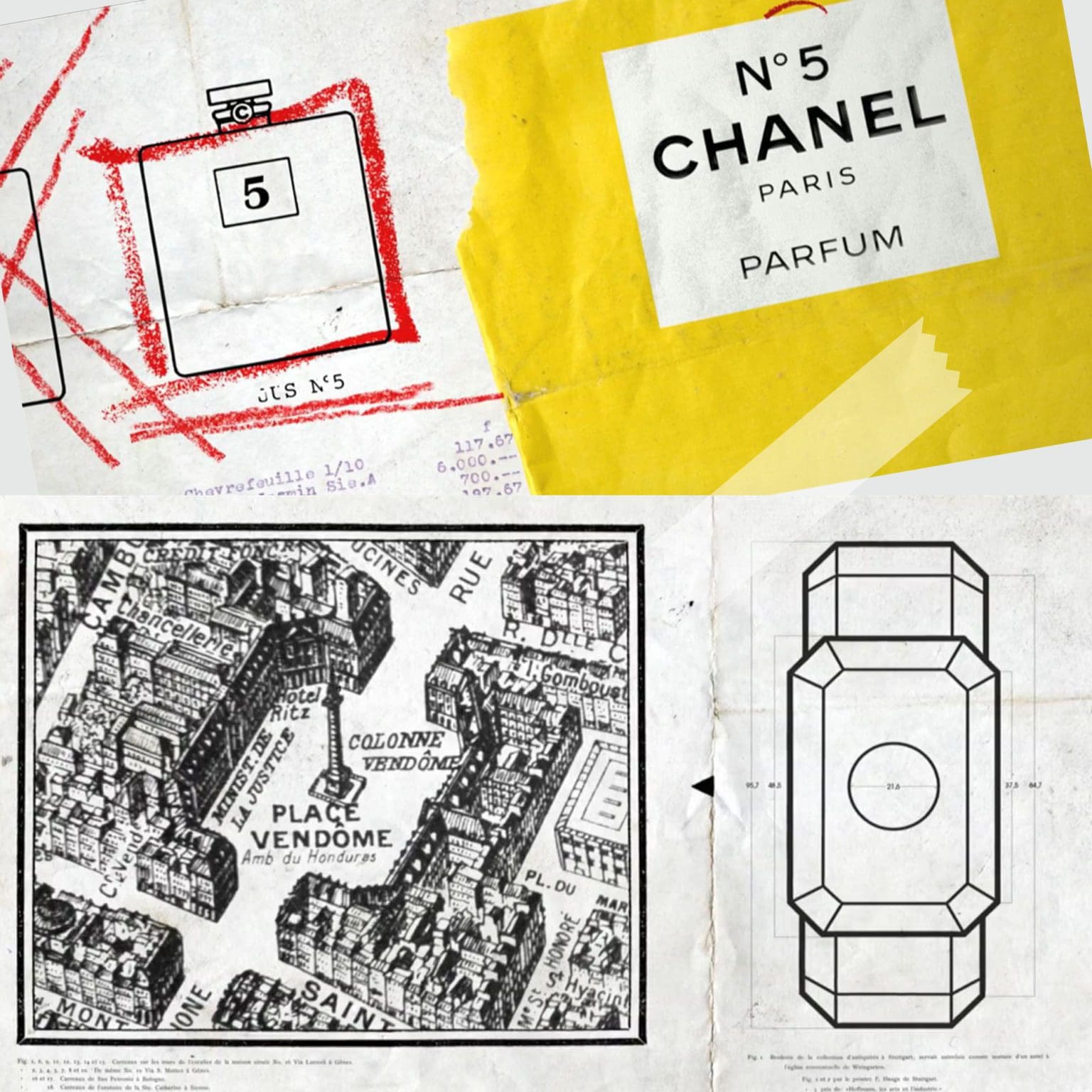
• Chanel N°5: Famously recognized in the perfume industry, Gabrielle Chanel selected the fifth fragrance sample presented by perfumer Ernest Beaux, as 5 was her personal preference. The fragrance launched on the 5th day of the 5th month, establishing its place in brand history.

• Christian Dior’s 8: The designer frequently integrated the number 8 into his work. His fashion house was established on October 8, 1946, in the 8th arrondissement of Paris. For his debut collection (the New Look), he created the “En Huit” line, shaping silhouettes with a structural “8” outline.
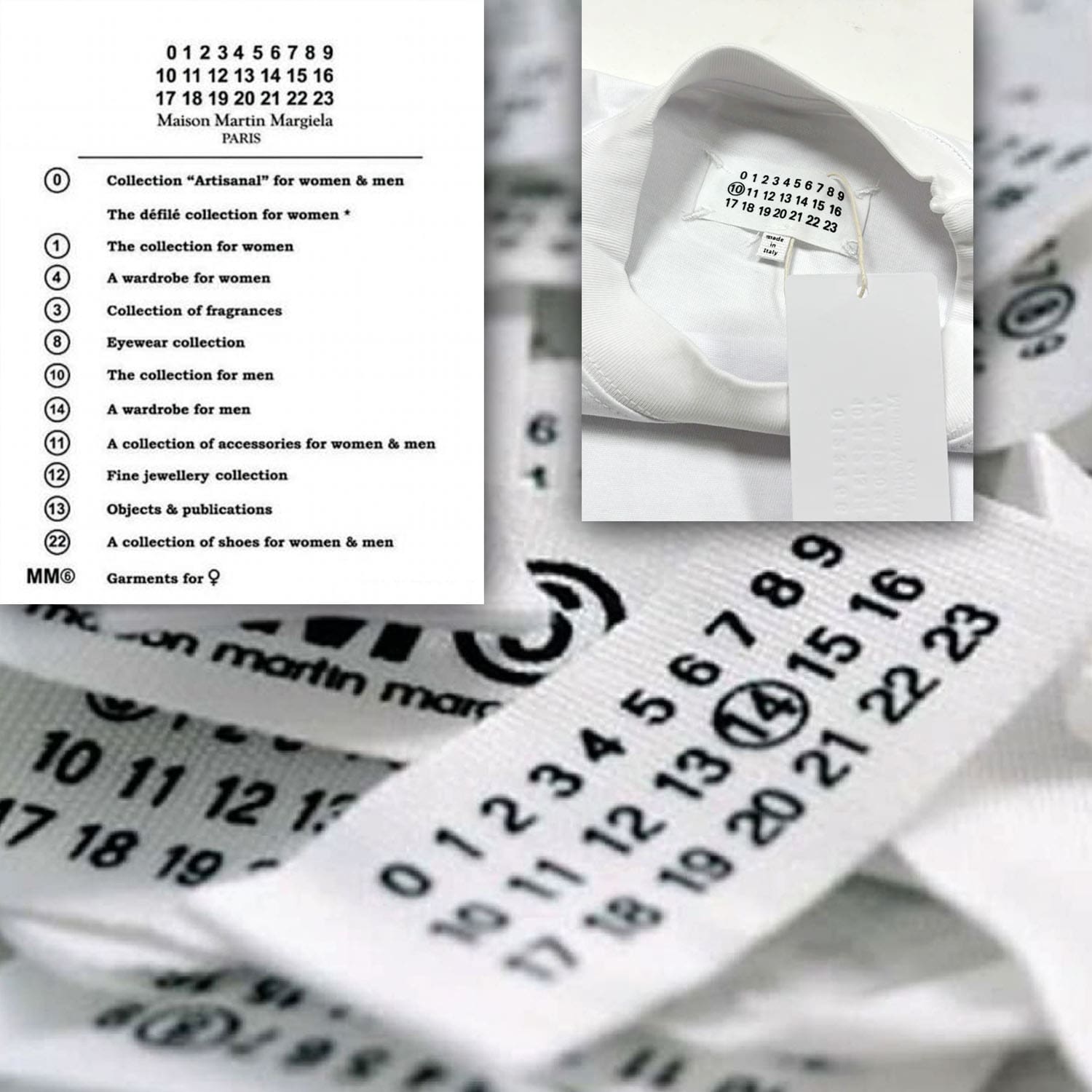
• Maison Margiela’s Circled Numbers: Martin Margiela replaced standard logos with a numerical grid from 0 to 23. The circled number on the white cotton label specifies the exact collection line (for example, 0 for artisanal couture, 10 for menswear). Here, the number functions as a categorization tool.
2. Atelier Arithmetic: The Number Sculpting the Body
Garment construction involves continuous engagement with geometry, textiles, and human proportions.
• Pattern Making Ratios: Silhouette proportions (shoulder alignment, skirt drop, waist width) follow precise calculations. A well-fitted garment resolves physical equations of textile tension and weight distribution.
• Standardized Sizing Systems: Physical measurements (in centimeters or inches) have long structured garment production. While standardized sizing grids governed 20th-century mass manufacturing, modern designers frequently adjust these numerical frameworks to reflect broader body shapes.
• The Algorithmic Era: Data-Driven Design: Creative directors today complement intuition with trend analytics. Analytics platforms process visual data, search trends, and digital metrics to forecast color and cut preferences 18 months in advance.

3. The Number as Symbol and Identity
In fashion, numbers often extend beyond simple measurement to become brand symbols, strategic identifiers, or core signatures. Designers integrate numbers directly into creative processes and brand communication.
Superstition as a Creative Engine
For many designers, numbers represent meaningful guiding elements during collection development.
• Gabrielle Chanel and Scheduled Launches: Beyond N°5, Chanel scheduled collection debuts on specific dates to align with personal customs. The number 5 served as a consistent reference point across her work.
• Christian Dior and Structural Geometry: Dior regularly referenced the number 8, which guided the founding details of his house as well as his iconic silhouette designs featuring rounded hips and a defined waist.
• Strategic Runway Sequencing: On the runway, model ordering follows deliberate planning. Creative directors have historically assigned key closing looks or showpiece garments to specific entry numbers (such as 7 or 11) for strategic emphasis.
The Number as Conceptual Logo and Anonymity
Some designers use numbers to move away from traditional logos, establishing distinct identity systems.
MAISON MARGIELA NUMERICAL MATRIX
       0  1  2  3  4  5  6  7  8  9
(10) 11 12 13 14 15 16 17 18 19 20 21 22 23
• Maison Margiela and the Matrix: Martin Margiela designed garments to speak for themselves. His plain white label, secured by four visible corner stitches, displays a matrix of numbers from 0 to 23. A circled number serves as the identifier for insiders: 0 for the artisanal line, 1 for women’s collection, 10 for menswear, or 22 for footwear. The number replaces the name as a brand identifier.
• Comme des Garçons (Play): While utilizing graphic icons, sub-lines remain organized by clear numerical designations. The visual identity relies on structured geometric and numerical repetition.
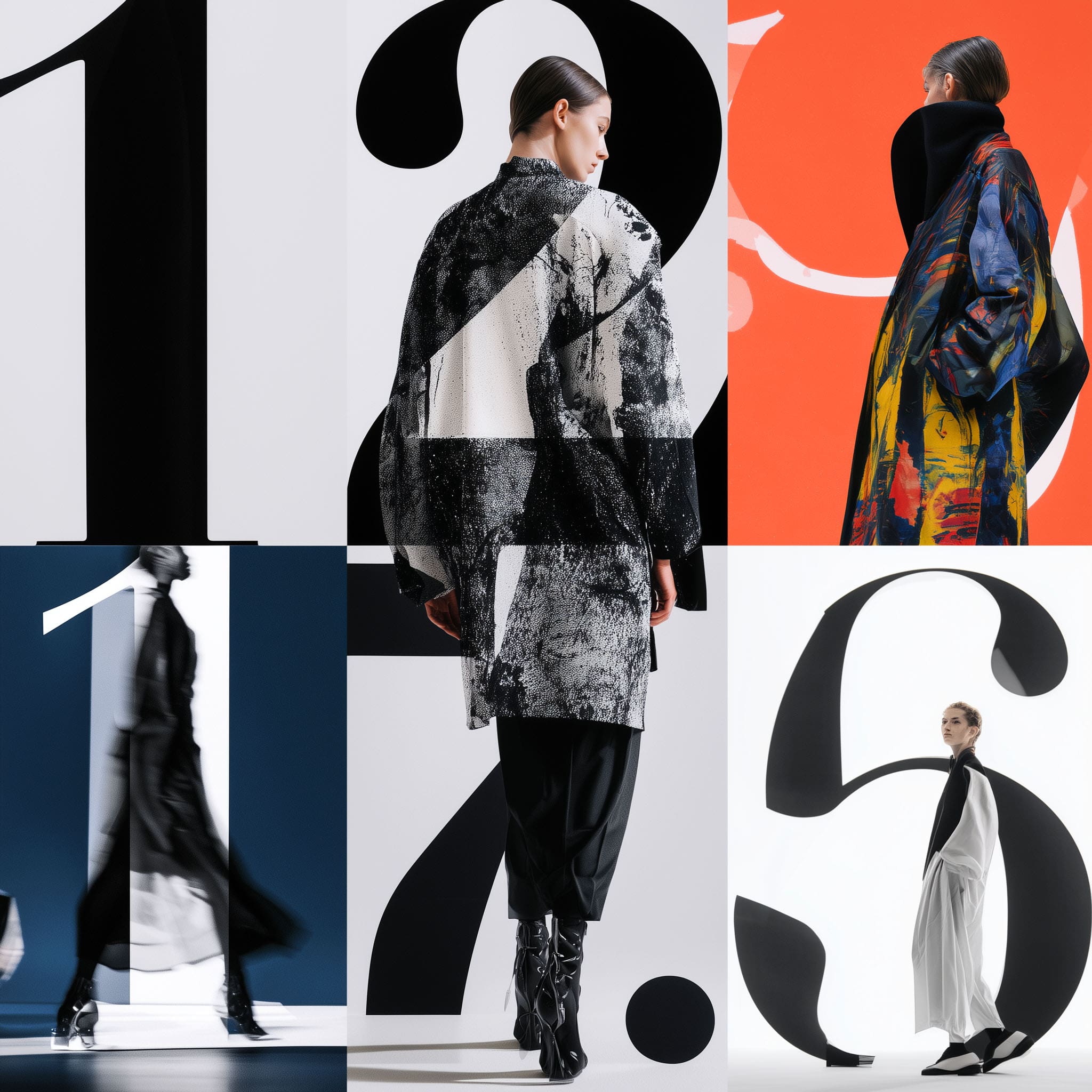
Graphic Typography: Garments as Statements
Printed numbers on textiles serve as graphic elements expressing subcultural or athletic influences.
• Athletic and Varsity Style: Popularized by luxury designers, large sports-inspired numbers printed on high-end fabrics (silk, leather) adapt American university uniforms. The number becomes an aesthetic symbol of athleticism and youth culture.
• Industrial Typography: Contemporary brands employ oversized numbers or founding years (such as “1917” for Balenciaga’s establishment) rendered in bold industrial fonts. The typography acts as a direct graphic element anchoring the garment in modern streetwear design.
CONCLUSION
In conclusion, the relationship between numbers and fashion reflects a balance between artistic expression and structural precision. The modern fashion designer navigates continuously between two complementary forces: creative design and data analytics.
The Dual Roles of Numbers in Fashion
• The Symbolic Number: For the designer, the number acts as a brand signature (like Chanel N°5 or Dior’s 8), a conceptual identification system
(Maison Margiela), or a direct graphic element.
• The Algorithmic and Industrial Number: For the brand, the number is an essential management tool. From precise atelier patterns to market trend analysis, figures govern production flows, commercial outcomes, and financial operations.
A successful garment design bridges this balance: invoking visual appeal while resolving a precise equation of proportions, tailoring, and economic viability.
Numbers are never neutral
Whether presented as a stock index, a line of code, a retail price, or a sewn garment tag, numbers serve as a universal language of modern organizational systems. They provide structured grids for creative work while serving as foundational tools to build new designs, platforms, and cultural symbols.
Guillaumette Duplaix
