
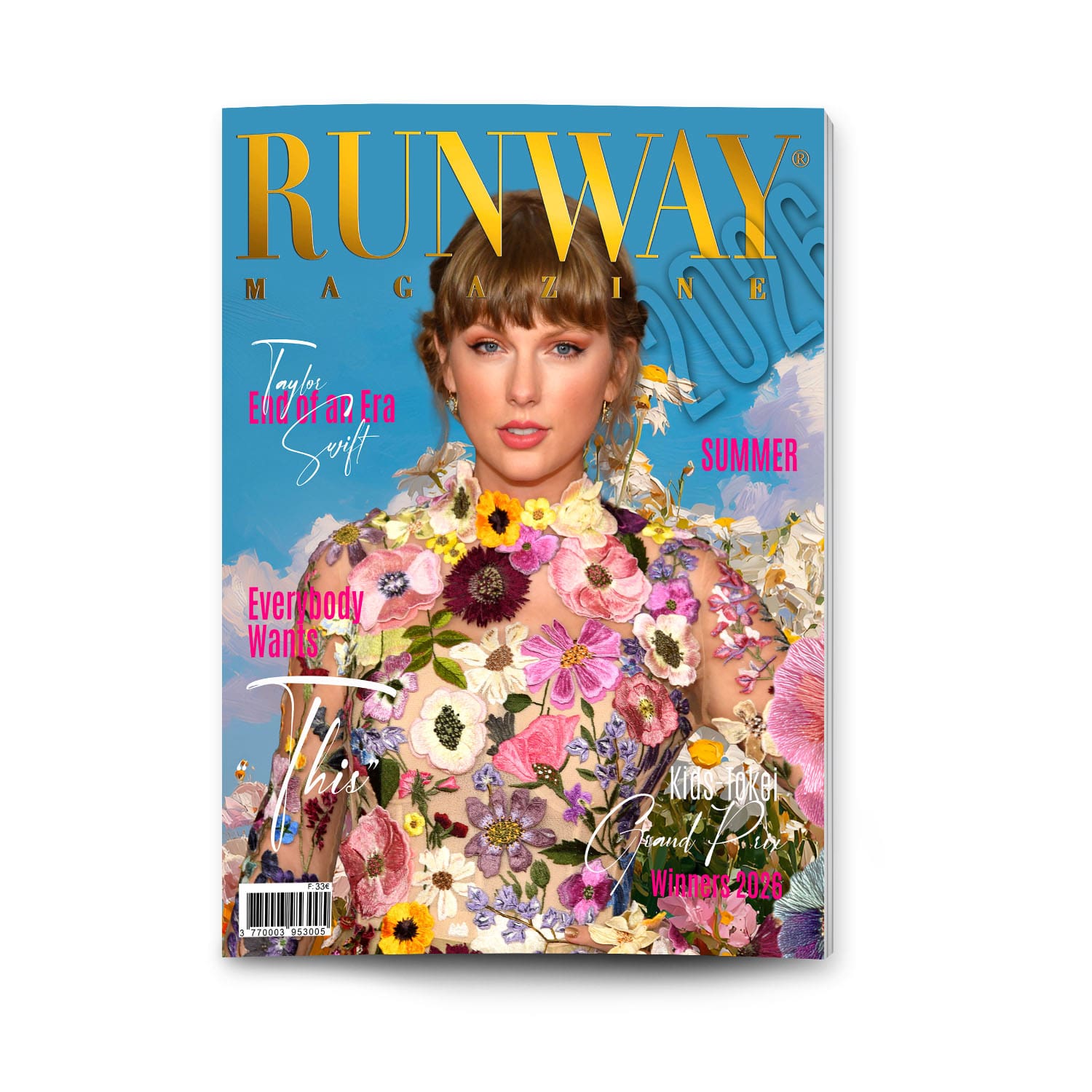
Taylor Swift Runway Magazine 2026 Cover Story “End of an Era”. Story by Kate Granger, Editor of RUNWAY MAGAZINE. Photos: GettyImages / Kevin Mazur / Daniele Venturelli / Matt Winkelmeyer / Robyn Beck.
Chapter I. The Last Glitter of a Giant Moment
There are public figures, there are stars, and then there are phenomena so vast they begin to reorganize the culture around them. Taylor Swift belongs to the last category. For more than a decade, she has existed not simply as a singer or songwriter, but as a running conversation about fame, femininity, reinvention, control, heartbreak, spectacle, and survival. She has been watched in fragments and consumed in eras, each chapter labeled, styled, decoded, monetized, adored, dissected.
Taylor Swift has spent years mastering the modern ritual of self-renewal. She taught the industry that image is narrative, that wardrobe can be thesis, that vulnerability can be architecture when shaped with precision. She turned chapters of her life into distinct worlds and invited millions to step inside them. But the deeper fascination has never been costume alone. It has been authorship. Her real power was never merely that she changed. It was that she insisted on writing the terms of each transformation.
Now, after the confetti, after the fever of scale, after the long procession of versions, there is a question hovering around her like the last note of a stadium anthem: what remains when the spectacle is complete?
Chapter II. The Girl Who Understood the Power of Telling the Story First
The earliest version of Taylor Swift was presented as approachable, romantic, earnest, almost quaint in her emotional transparency. But even then, there was steel beneath the softness. The diary-page sincerity was only one layer. Underneath it was a young woman learning how to build a mythology without losing the granular detail that made people believe her. She understood names, gestures, seasons, colors, and silences. She knew that memory is persuasive when it feels specific.
In another artist’s hands, such detail might have remained purely autobiographical. In hers, it became a system. She built not just songs but emotional environments. The listener did not simply hear what happened. The listener entered it, furnished it, lived there for a while. That is one reason her audience expanded beyond fandom into identification. People did not merely admire her. They used her work to narrate themselves.
This is where her cultural significance deepened. Taylor Swift became a mirror, but not a passive one. She reflected modern womanhood as a site of contradiction: hyper-visible yet misunderstood, desired yet judged, powerful yet endlessly discussed as though power were somehow unnatural in female hands. She absorbed the projections placed on her and reissued them as art. In doing so, she turned scrutiny into currency.
Chapter III. Reinvention as Method, Not Costume
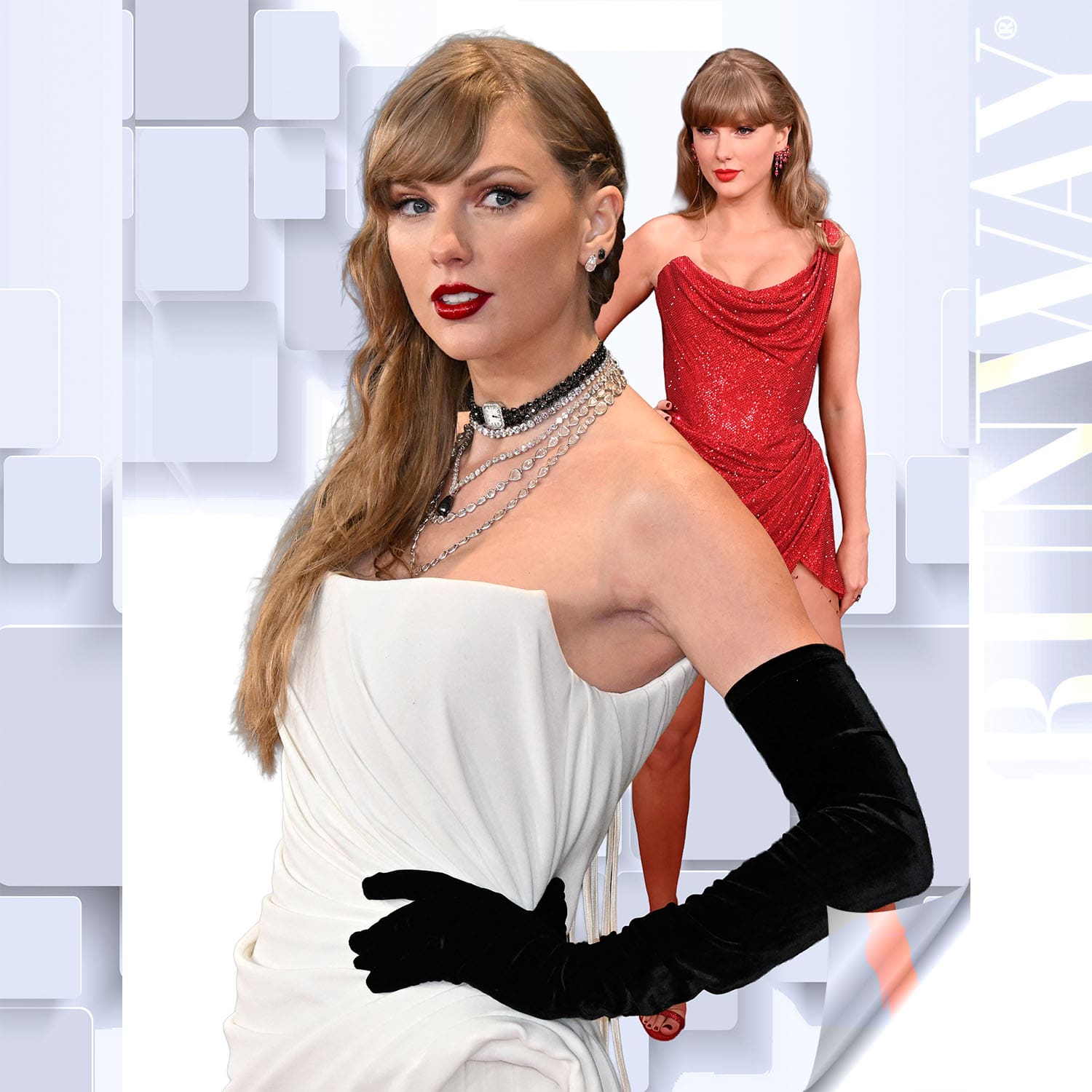
Many stars reinvent themselves. Few turn reinvention into a coherent language. Taylor Swift did. Her metamorphoses were not random seasonal exercises in aesthetics. They formed a grammar. Each period appeared with its own palette, emotional logic, silhouette, and sonic structure. She did not merely release albums; she staged ideological shifts.
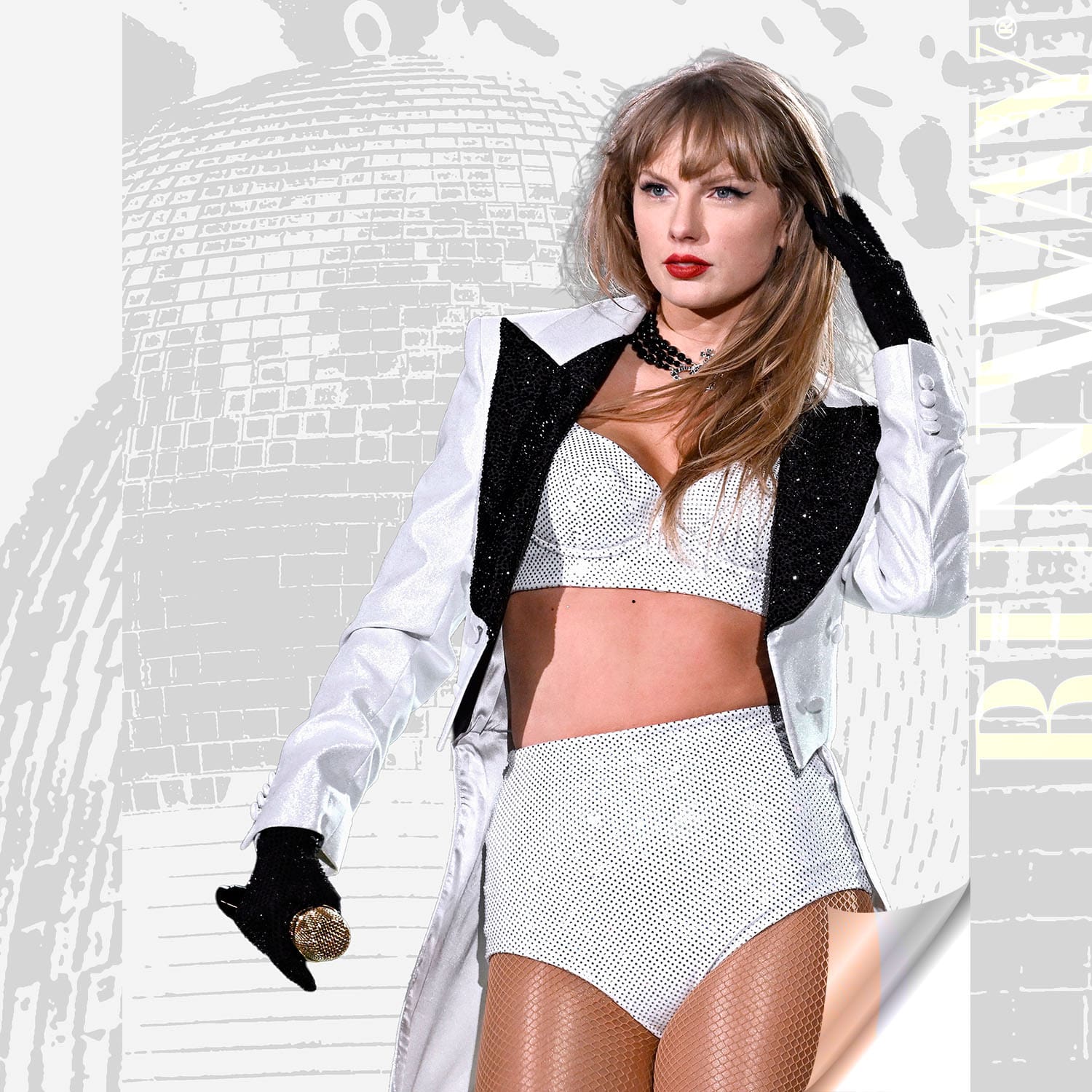
One chapter emphasized innocence, another defiance. One moved with urban polish, another with woodland introspection. She has stepped into glitter, into vengeance, into nostalgia, into literary melancholy, into high-pop sheen and stripped-back reflection. Yet the genius of her public life has been this: even when she changed the scenery, the protagonist remained legible. The core tension never vanished. She was always writing about visibility, devotion, betrayal, fantasy, memory, and the cost of being observed.
This is why her career has endured what so many others could not survive. She was not fixed to one version of desirability. She understood early that female celebrity is often built as a trap. The public loves a muse, then punishes the woman for growing beyond the original sketch. Swift outmaneuvered that trap by making change itself part of the brand. She did not ask permission to evolve. She packaged evolution so persuasively that the audience learned to anticipate it as pleasure.
There is something deeply contemporary in that strategy, but there is also something ancient. Women, especially public women, have always had to become fluent in adaptation. What Taylor Swift accomplished was making that fluency visible, stylish, and profitable. She made the costume change into a theory of survival.
And yet, after years of transformation, there comes a point when reinvention risks becoming obligation. The audience begins to expect a new mask on schedule. The artist can become curator, archivist, and actress of her own mythology all at once. This is where the idea of “full circle” becomes compelling. Perhaps the next gesture is not another reinvention. Perhaps it is refusal. A return not to the beginning, but to the self beneath the machinery.
Chapter IV. The Eras of It All
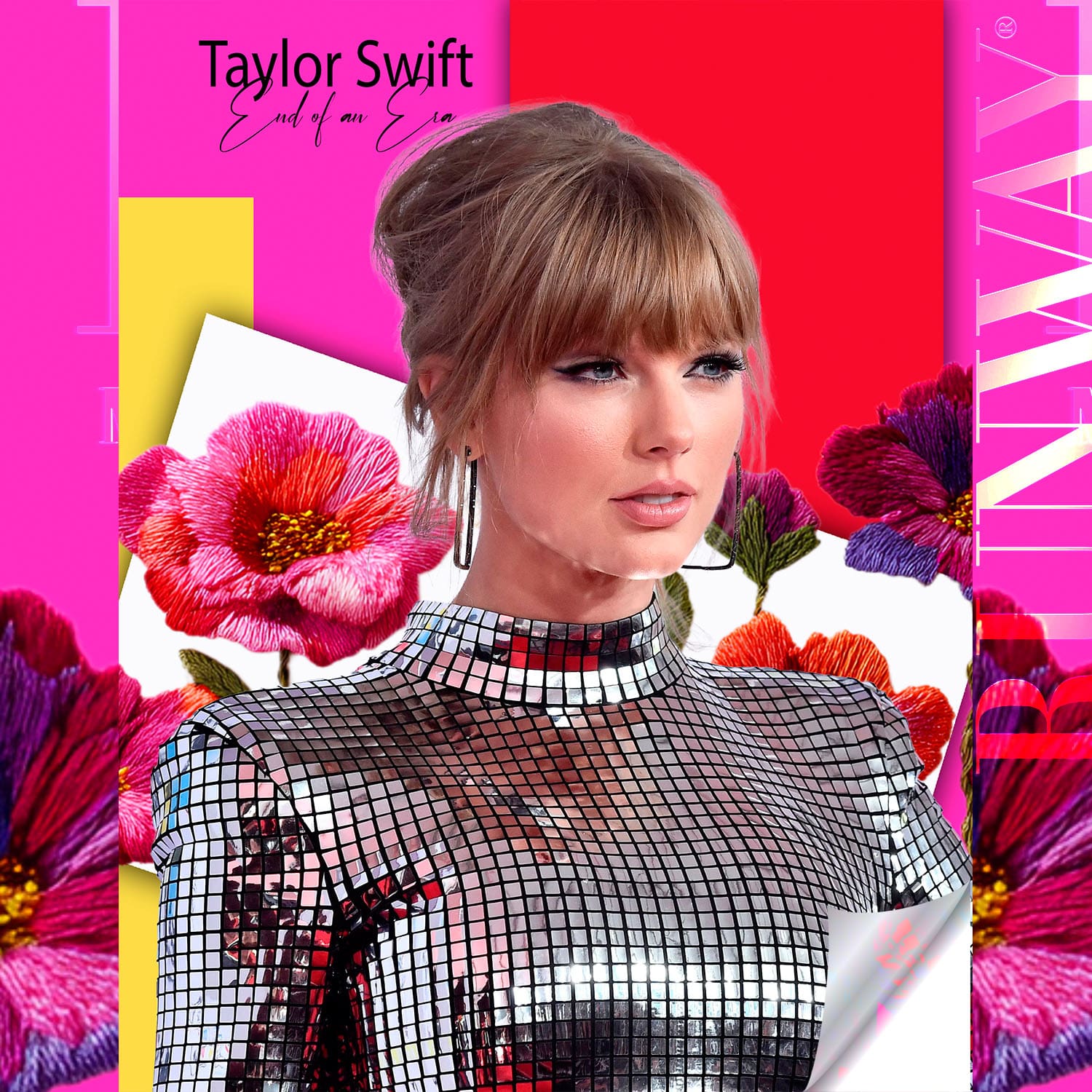
What made the era concept so potent in Taylor Swift’s universe was its ability to organize both art and memory. Each period became a sealed chamber, with its own emotional weather. Fans could point to one and say: that was who I was then. The work became a calendar of personal feeling. Her catalog offered not just music, but temporal identity.
That structure reached its most monumental form when the idea of eras became literalized, expanded, embodied, and performed at immense scale. Suddenly the entire career was no longer a sequence of albums but a museum of selves. Past and present stood together on the same stage. What had once been progression became simultaneity. The shy narrator, the glittering strategist, the wounded romantic, the icy avenger, the poet, the pop sovereign — all of them coexisted. It was dazzling, but it was also revealing.
The phrase “end of an era” sounds mournful, but it can also signal completion. Completion is not decline. It is the luxury of having said enough to move differently. In that sense, Taylor Swift may be standing at one of the most enviable thresholds available to a modern icon: the point where she no longer needs to establish magnitude because magnitude has already been established beyond dispute.
The real intrigue begins there. When a woman has conquered the stage, the charts, the image cycle, the story cycle, and the emotional vocabulary of a generation, the next move cannot be louder. It must be deeper.
Chapter V. The Return to the Writer
At the center of the spectacle, there was always a writer.
Strip away the sequins, the debates, the fan theories, the economic statistics of fame, the industrial scale of modern pop empire, and what remains is a woman obsessed with composition. With line, cadence, memory, and narrative pay-off. Taylor Swift’s truest medium is not fame. It is structure. She thinks in motifs. She returns to phrases years later with fresh meaning. She understands that a chorus is not simply repetition; it is emotional insistence.
Chapter VI. A Woman No Longer Asking to Be Believed
There was a time when much of the discourse around Taylor Swift revolved around credibility. Was she serious enough, substantial enough, self-aware enough, adult enough? It is a familiar ritual reserved with exhausting regularity for women who dare to become too successful while remaining legible as feminine. They are always asked to justify their ambition in a language men are rarely required to speak.
There is a distinct elegance in a public woman reaching the point where explanation becomes unnecessary. Not because she owes less, but because she has already given more than enough. She has documented herself so thoroughly that interpretation can no longer pretend to be discovery. The archive exists. The proof exists. The body of work stands.
Chapter VII. End of an Era, Beginning of Authority
Taylor Swift’s story has often been framed through youth: the ingenue with the guitar, the diarist of heartbreak, the girl becoming woman in public view. But there is another way to frame her now. Not as a perpetual becoming, but as a woman entering a more settled form of power. Less interested in proving range because the range is obvious. Less interested in defending ambition because the empire is built. Less interested in narrating every transition because not every transition requires an audience.
Taylor Swift’s full circle is not a return to the girl she was. It is an arrival at the woman who can finally hold all of those previous selves without being trapped inside any one of them. The ingénue, the mastermind, the romantic, the exile, the heroine, the strategist, the myth — all still present, all now subordinated to something greater: authorship without apology.
That is where the real cover story lies.
