Carolina Herrera
THE TRIUMPHS
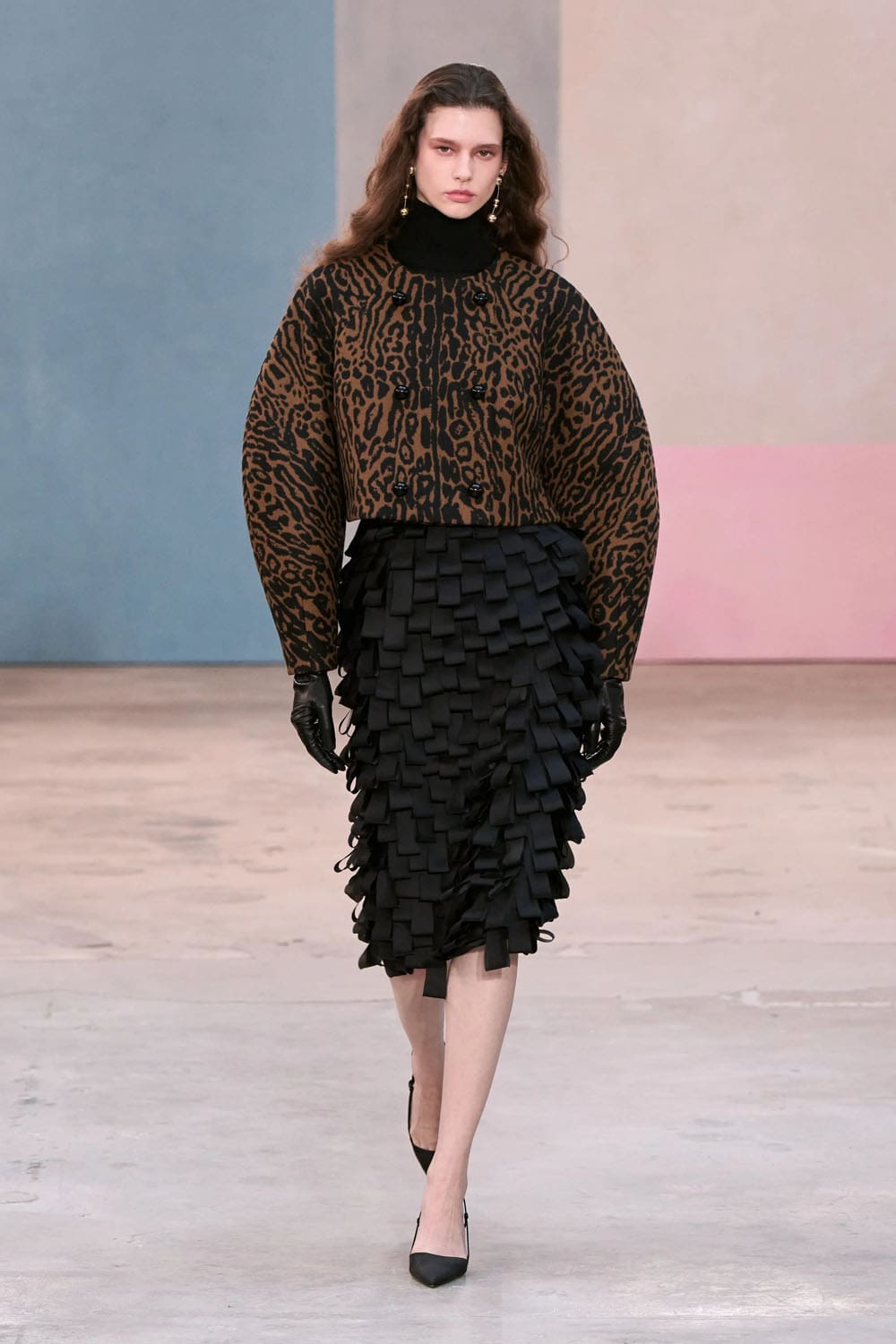
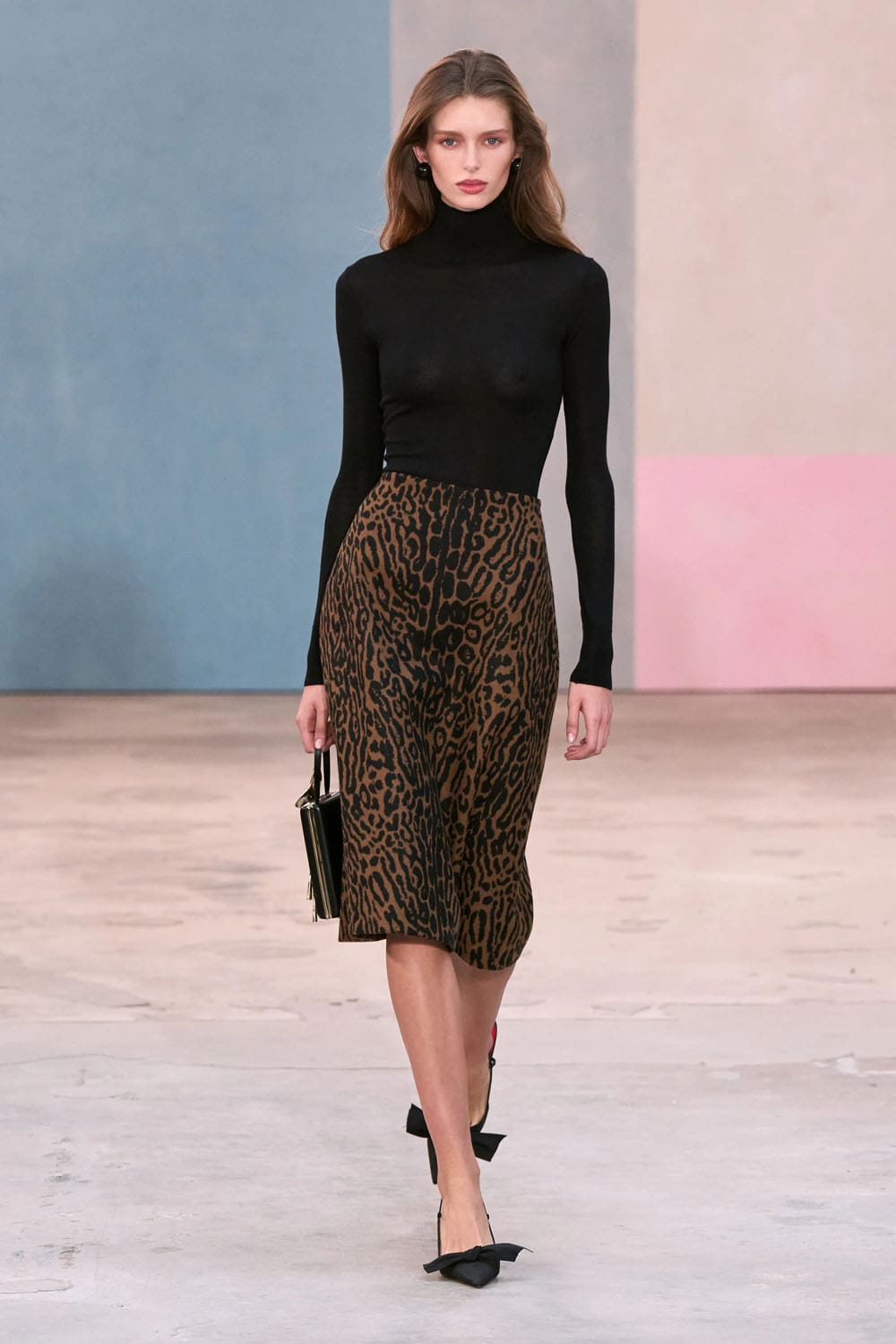
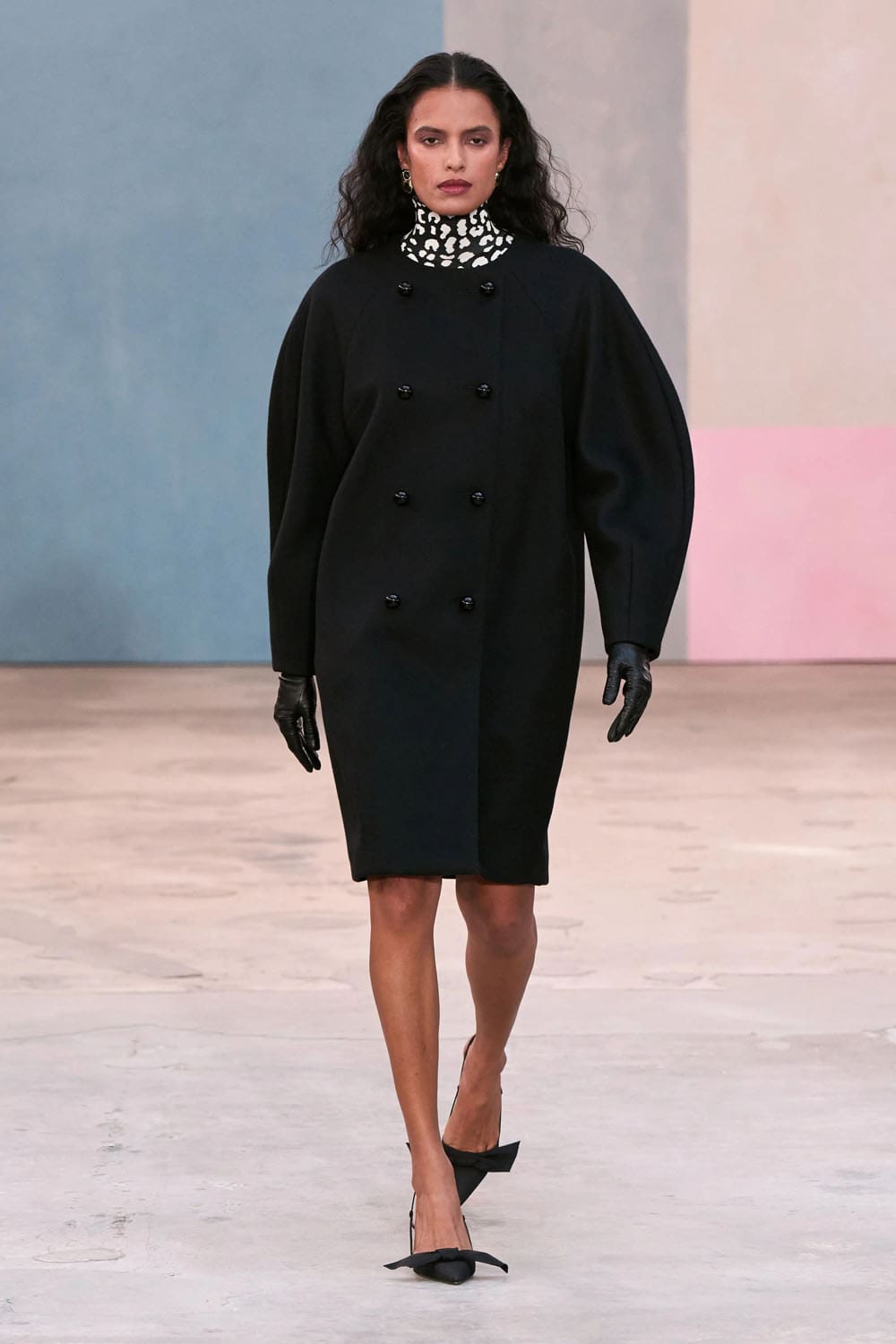
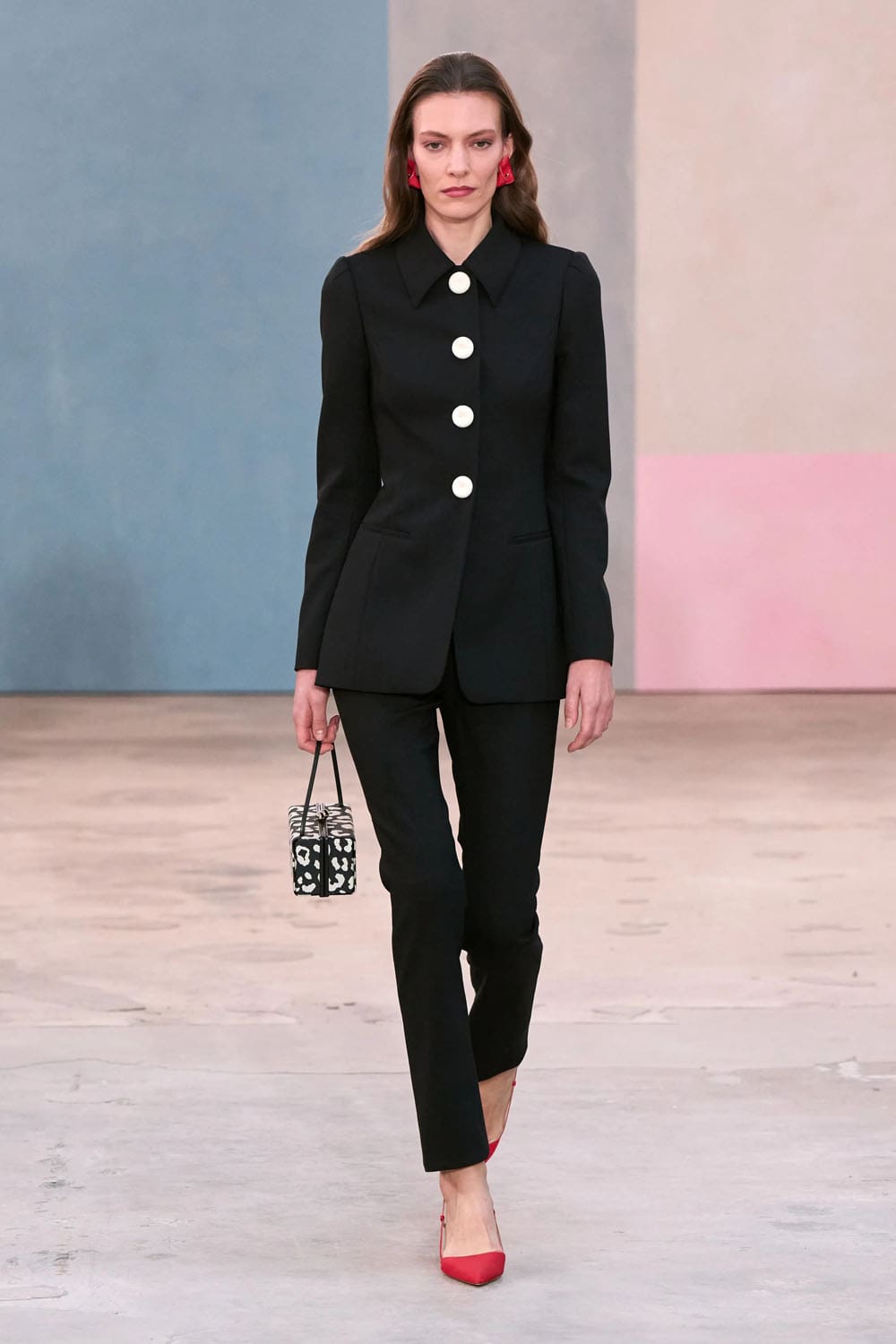
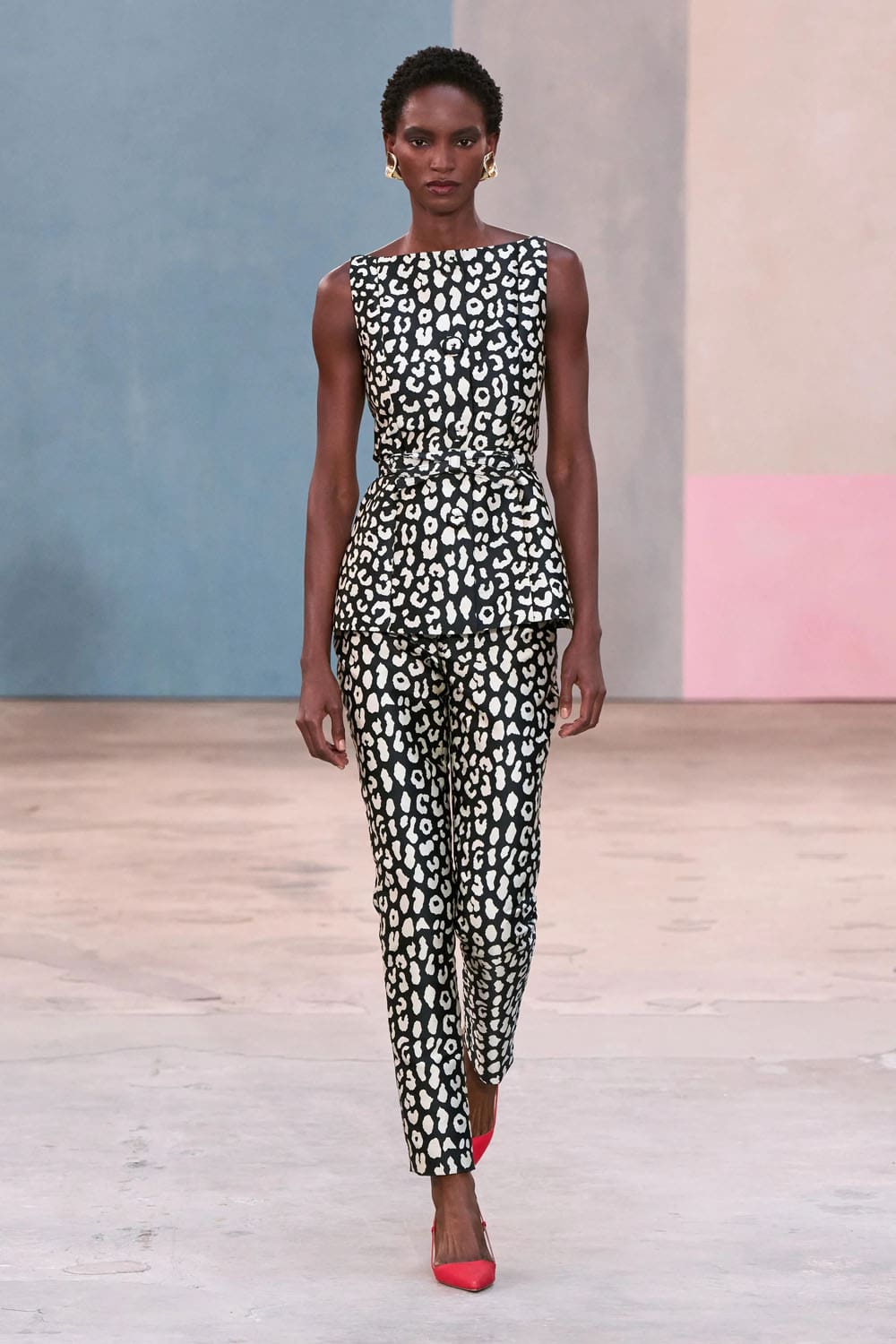
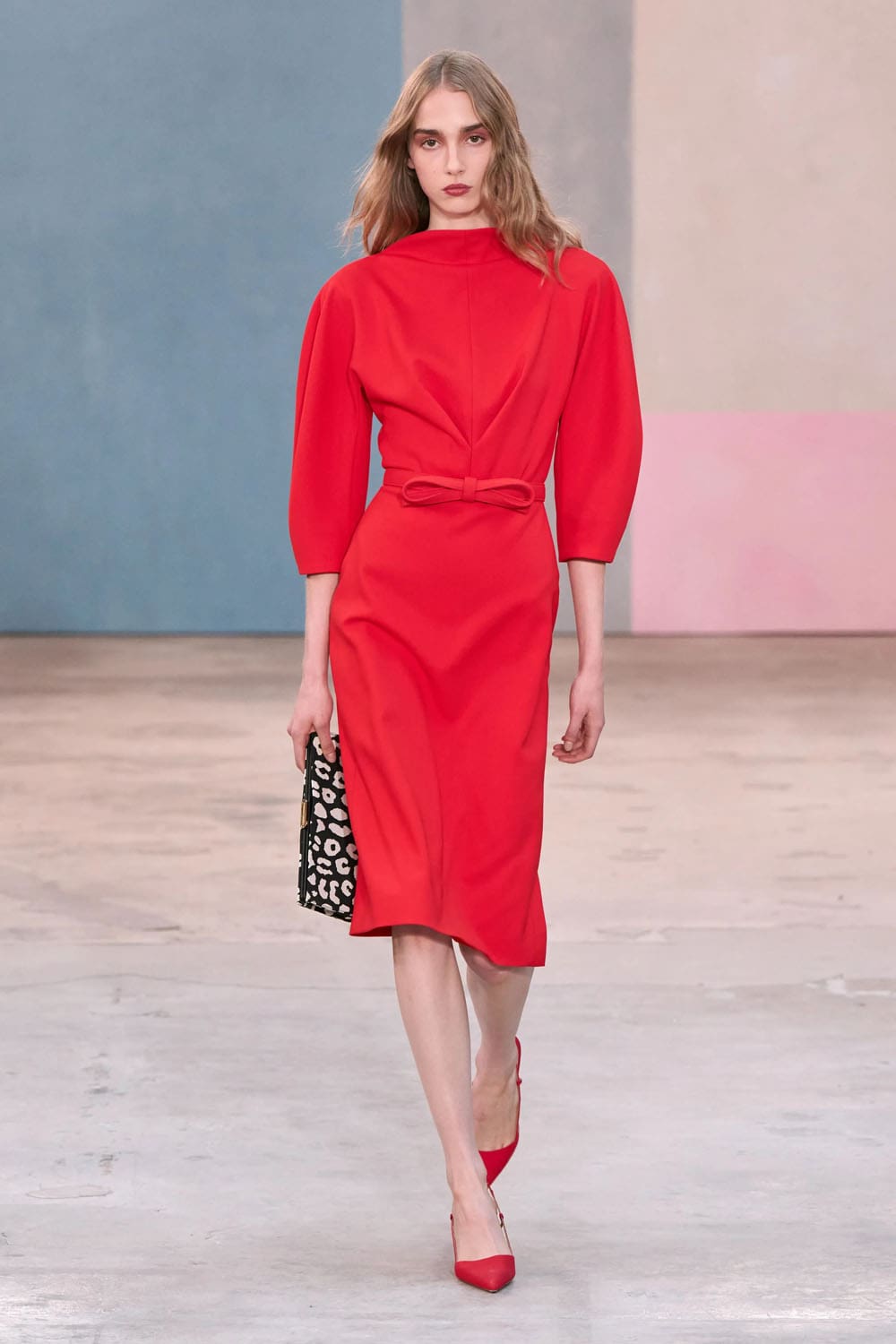
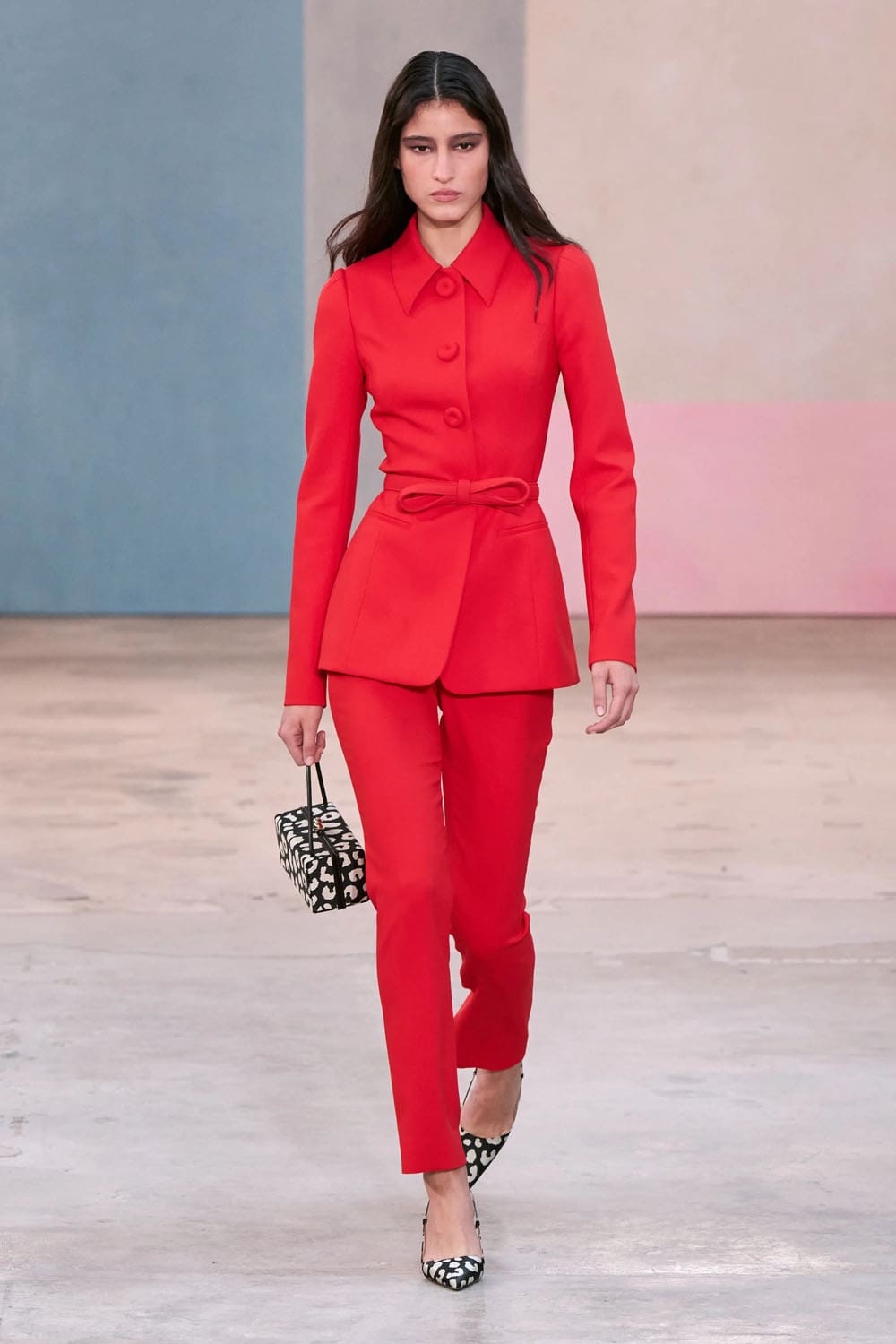
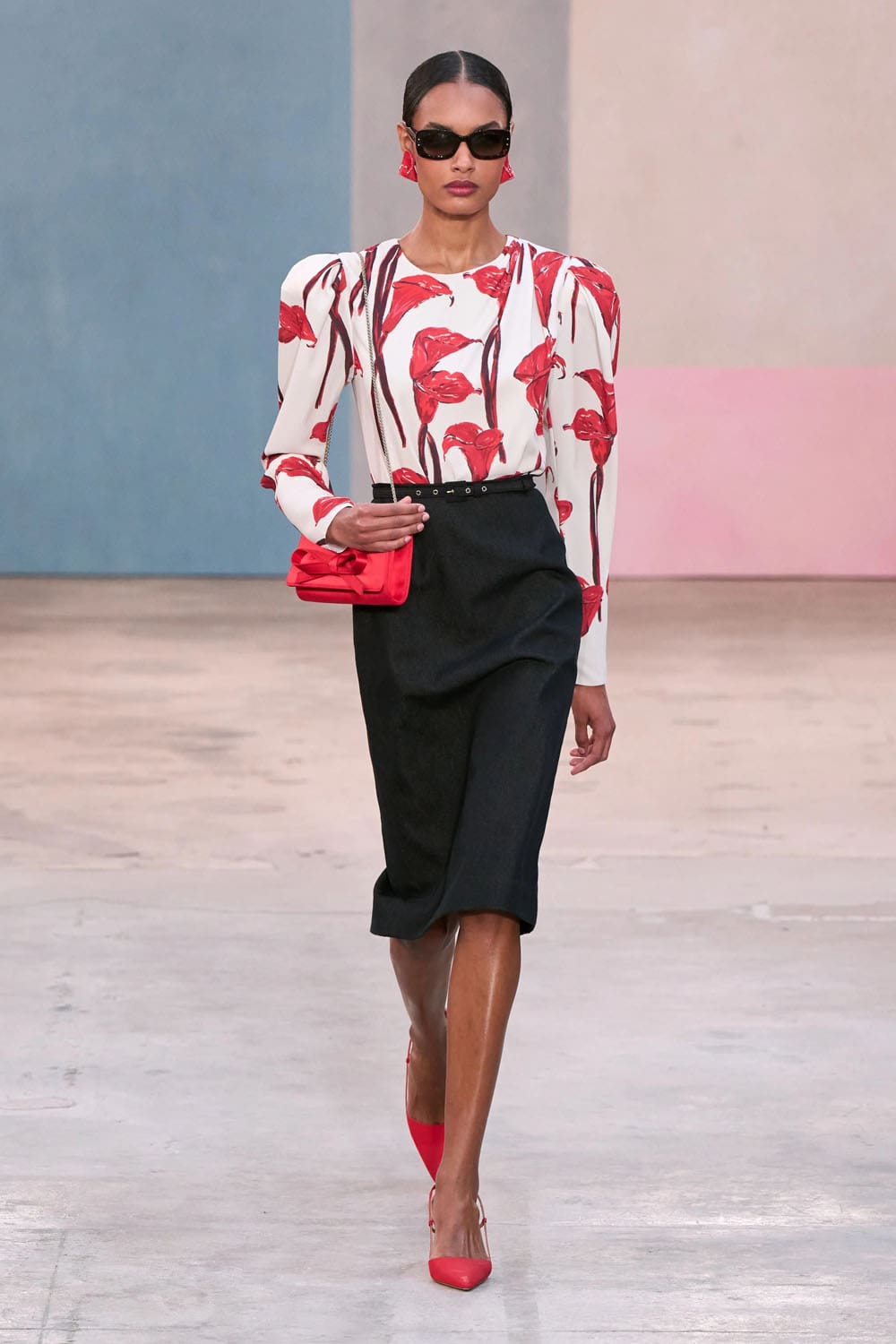
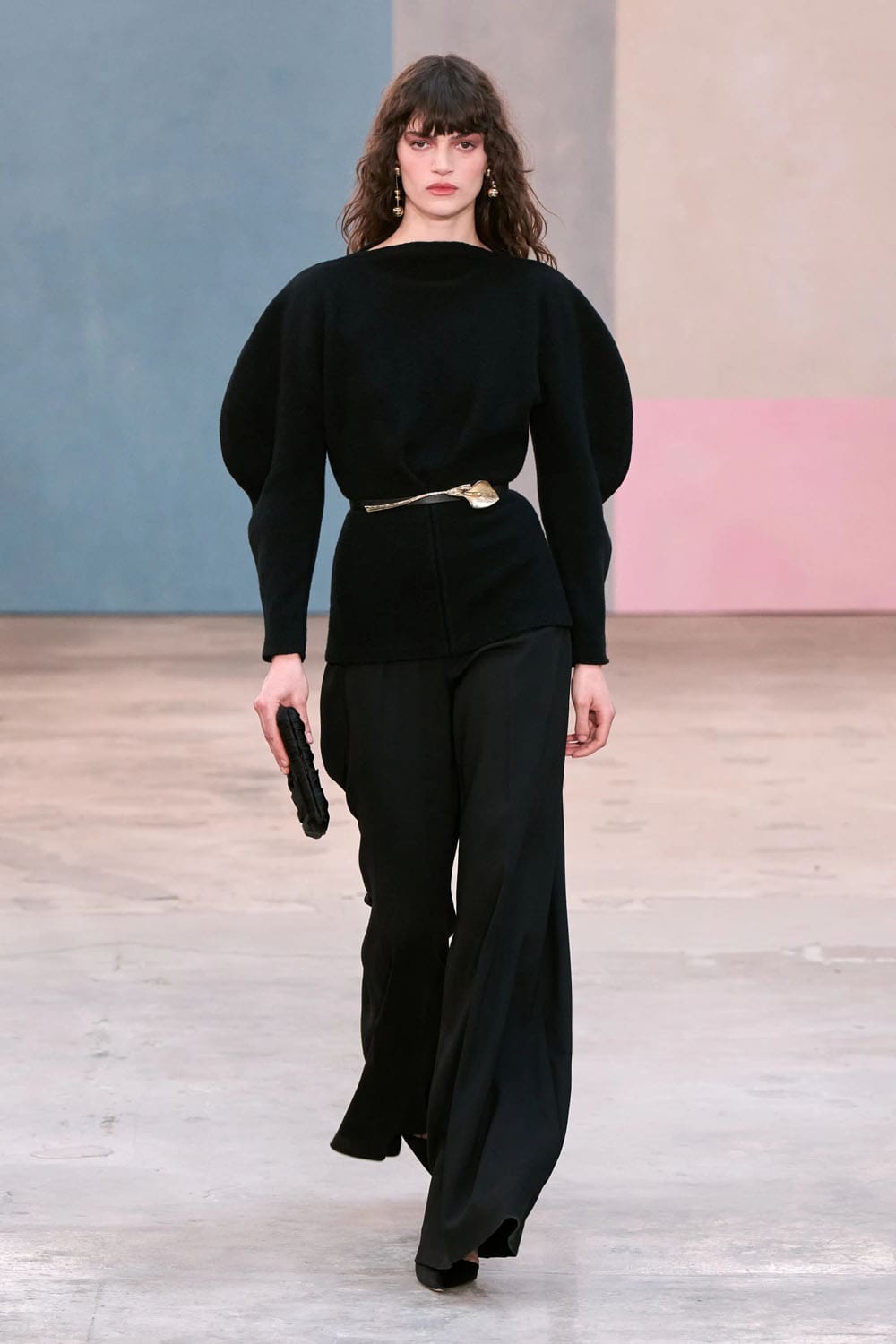
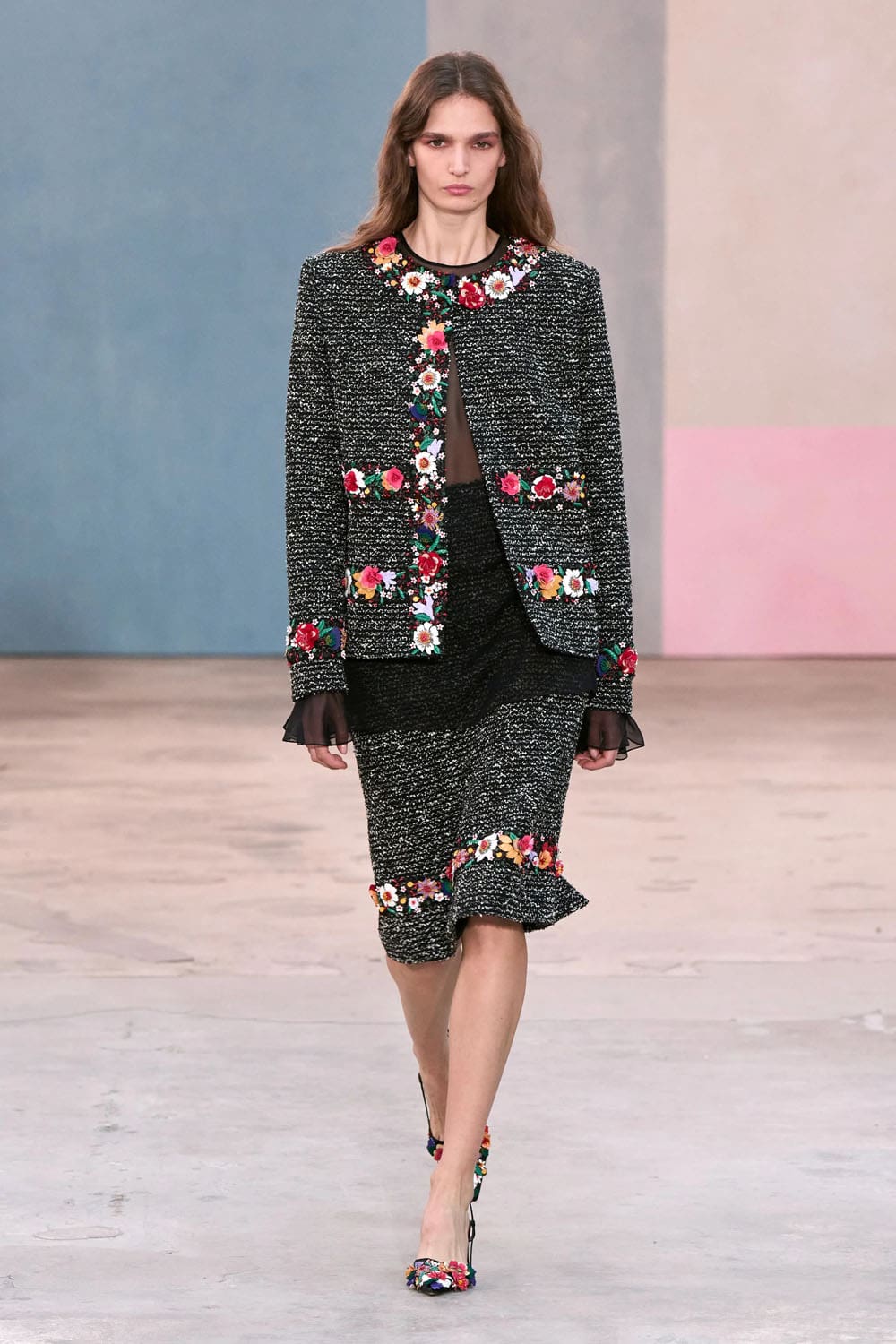
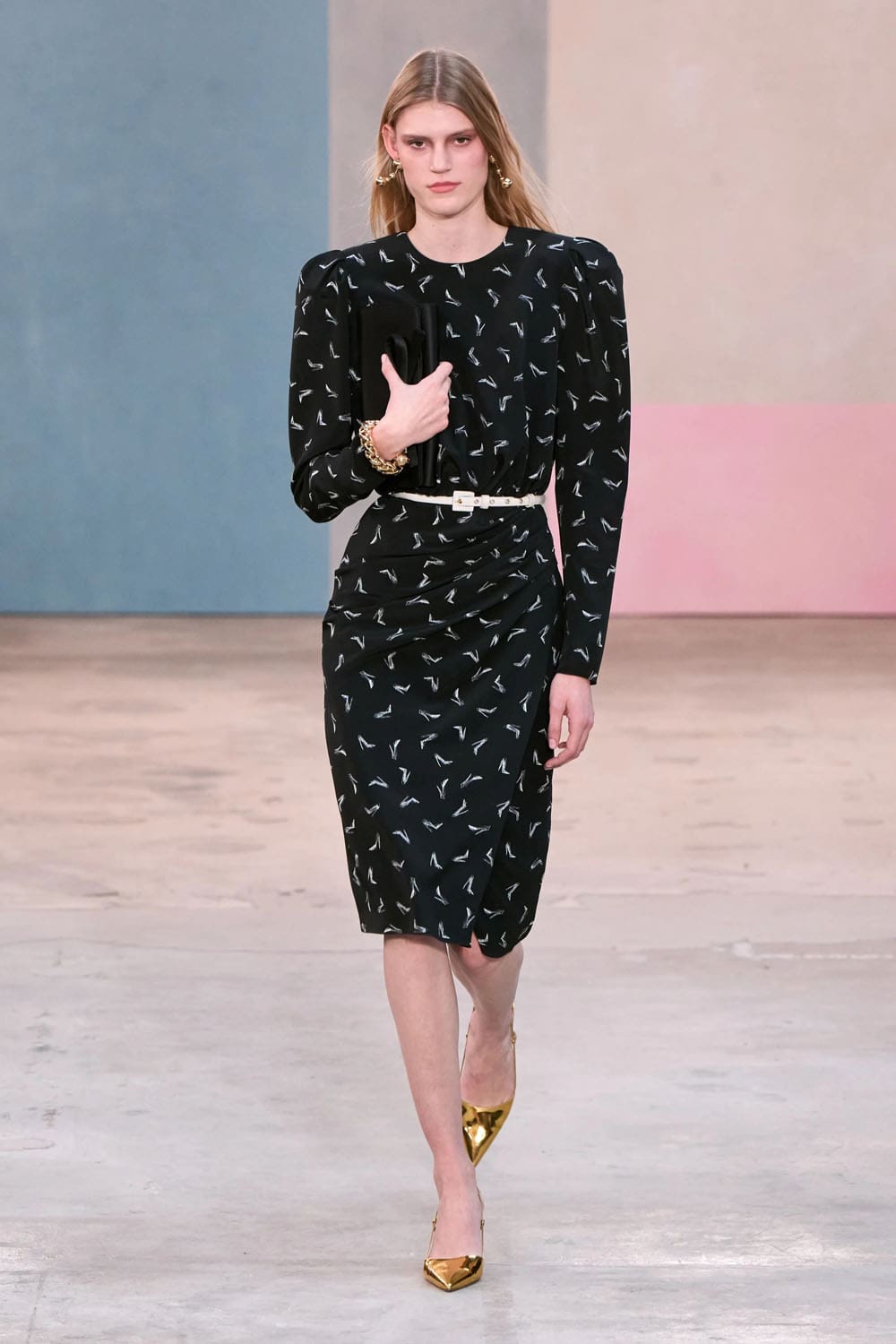
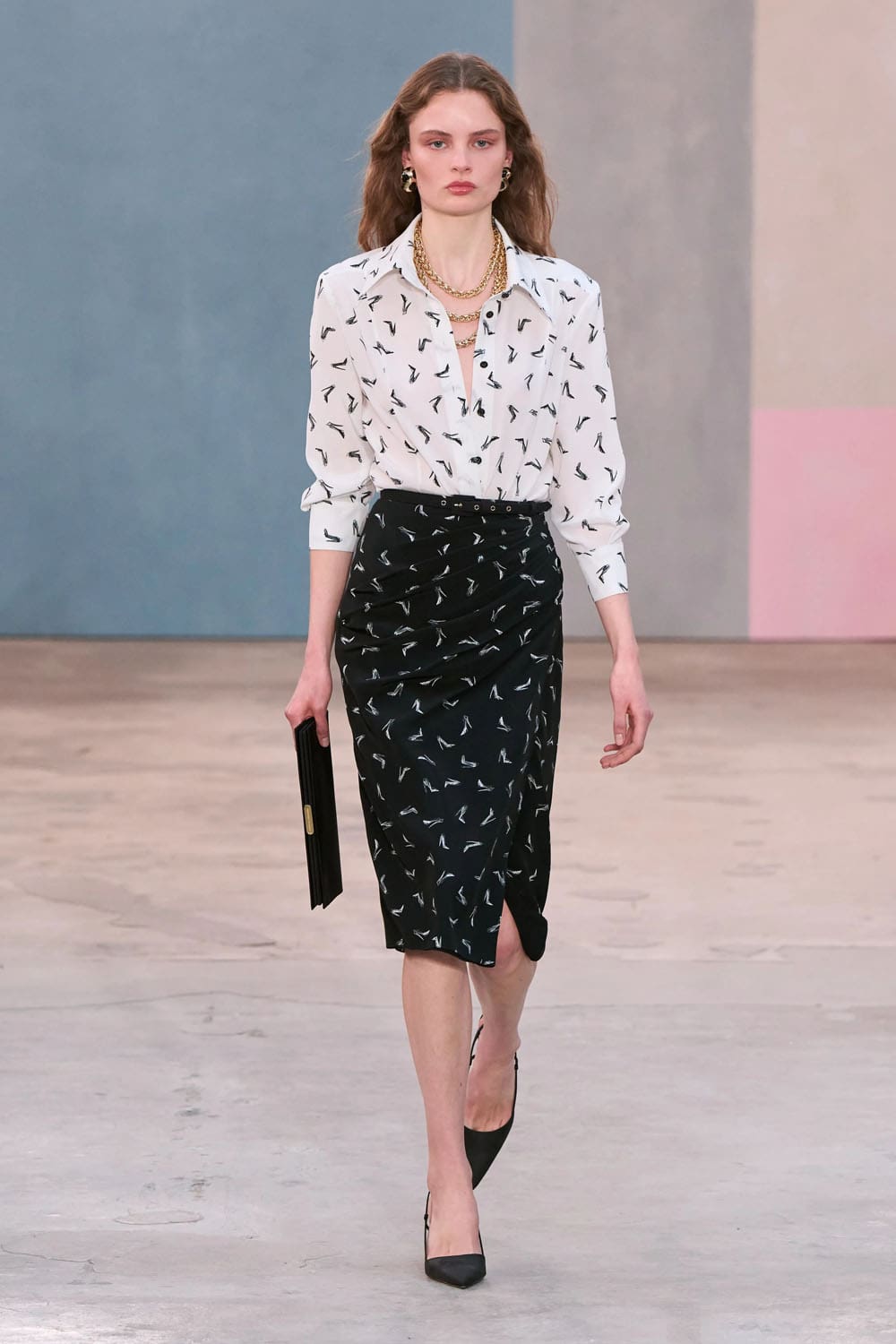
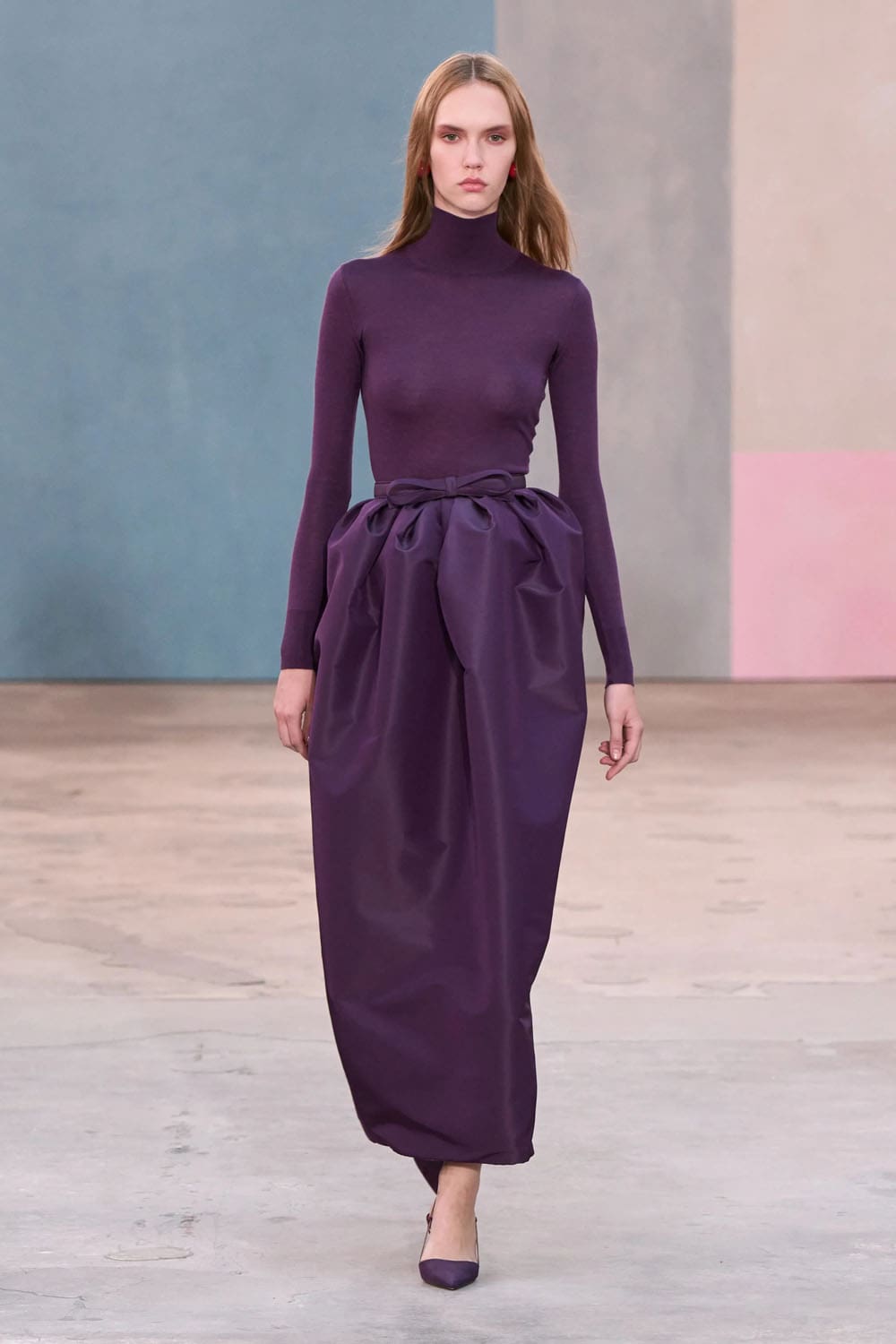
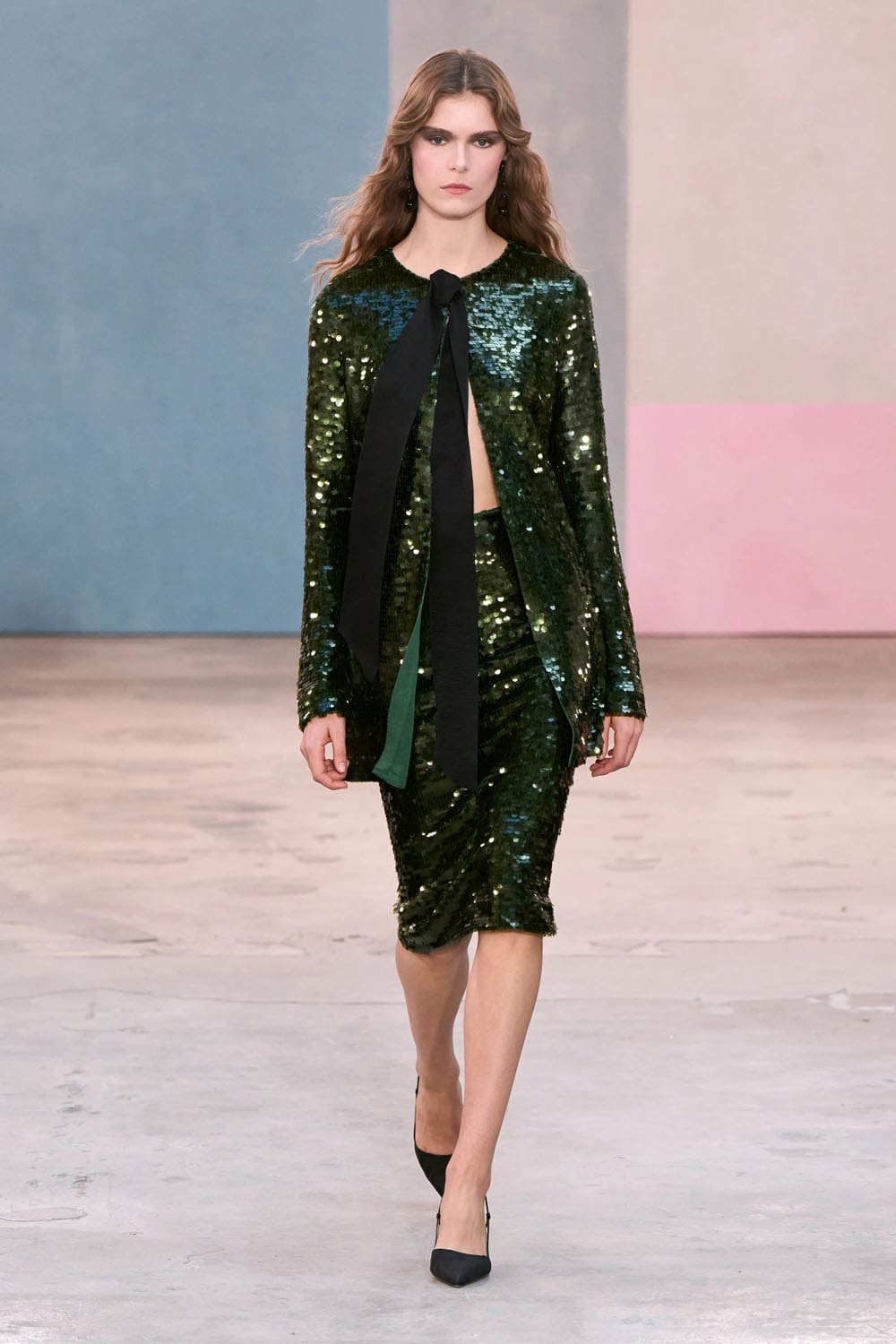
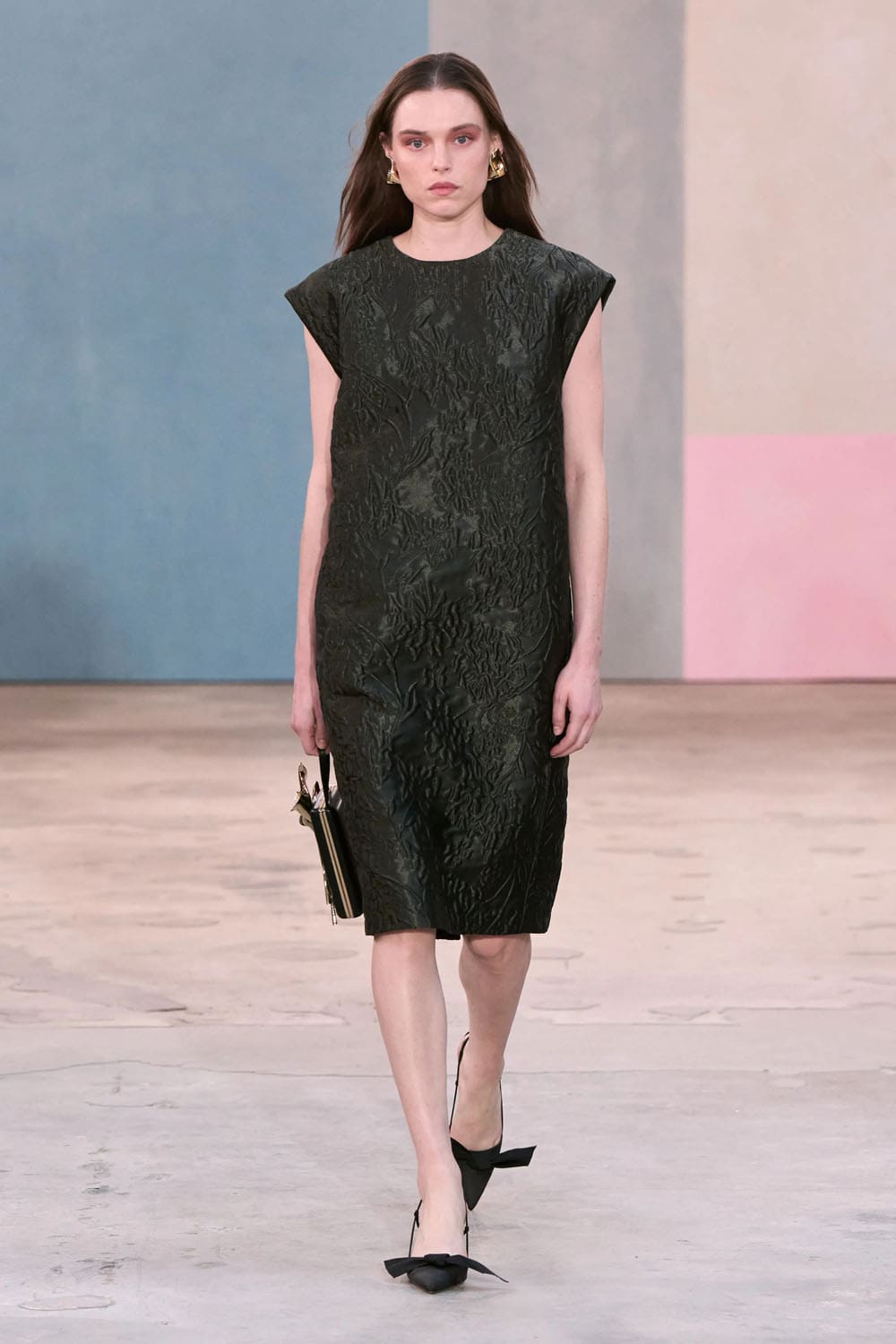
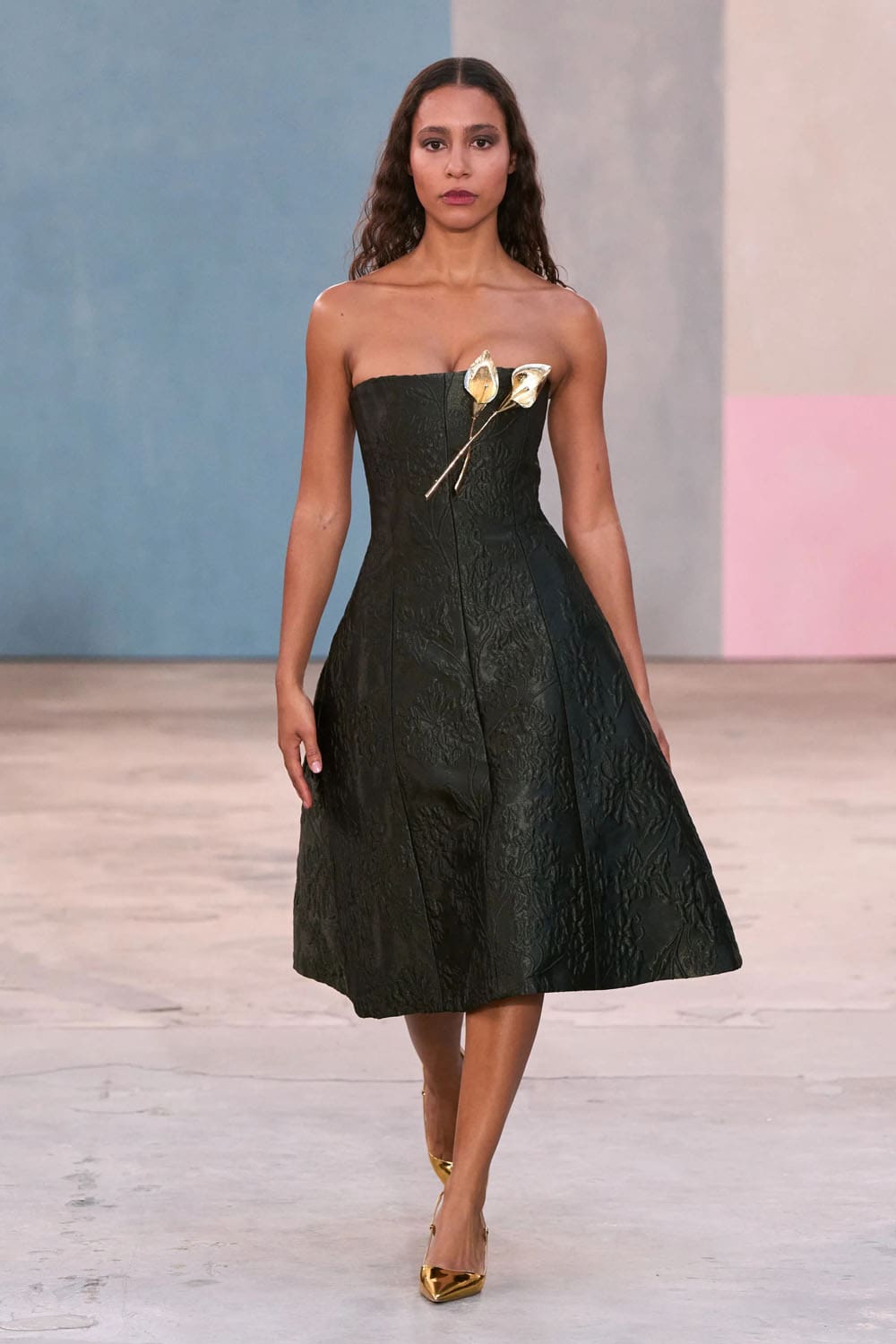
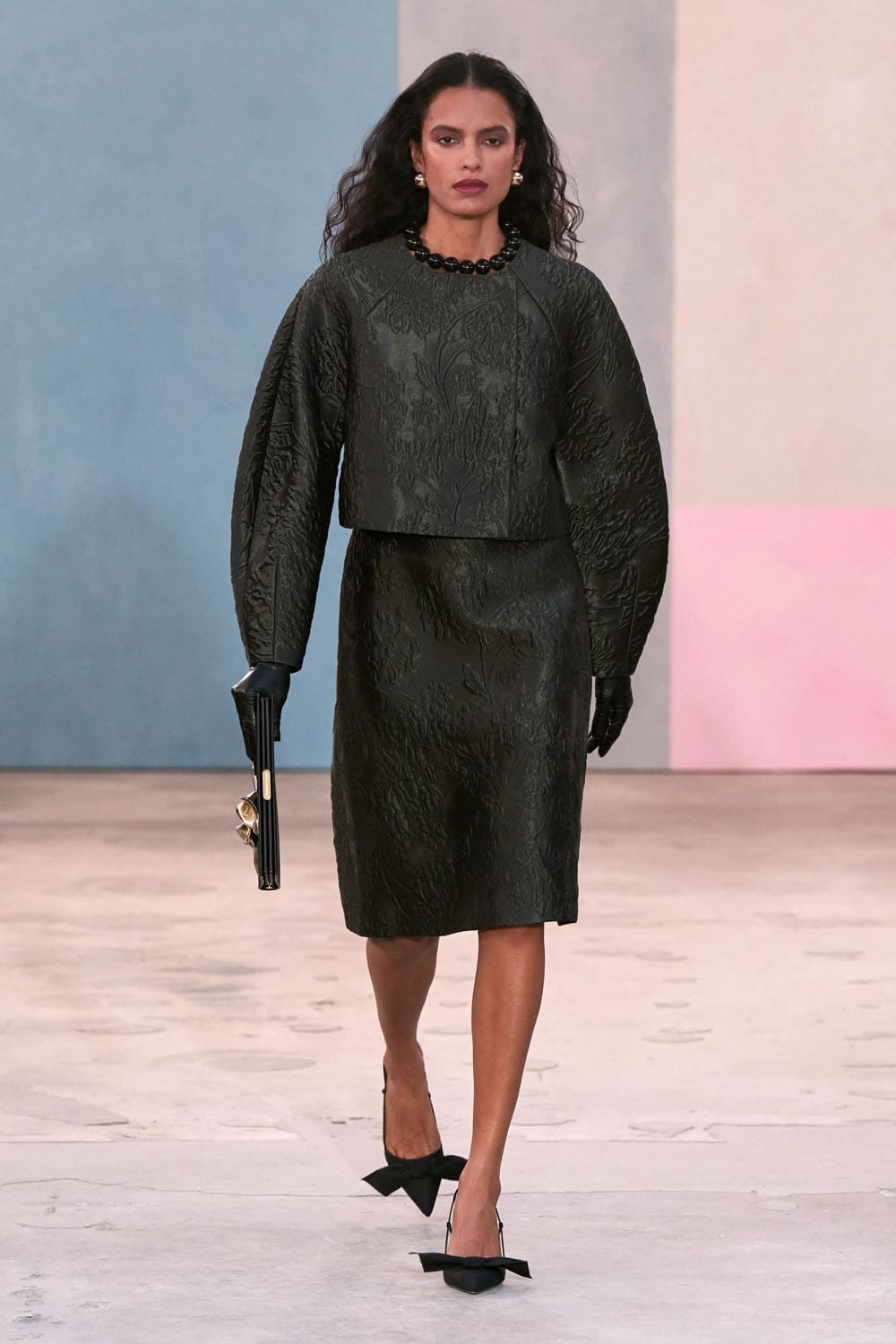
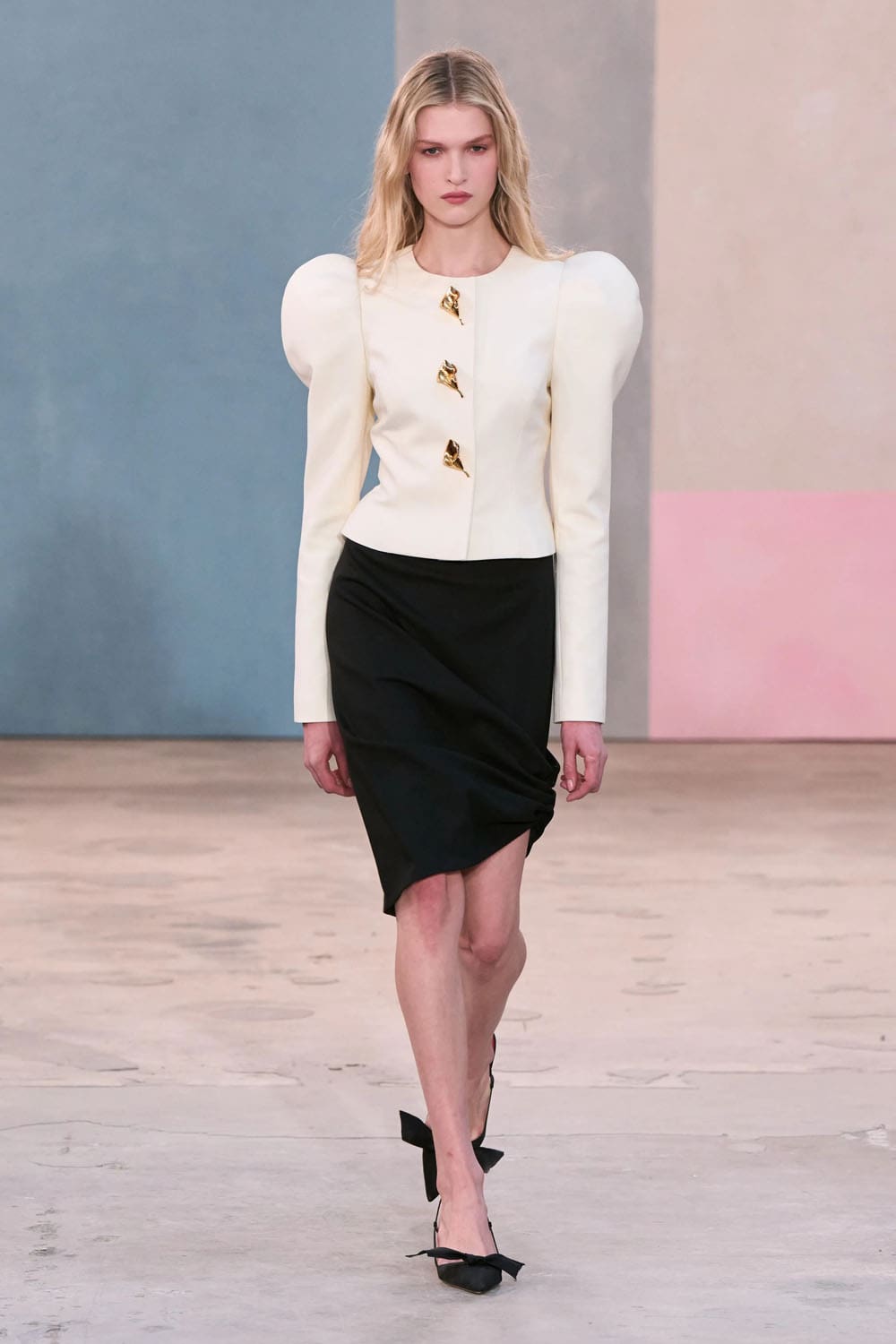
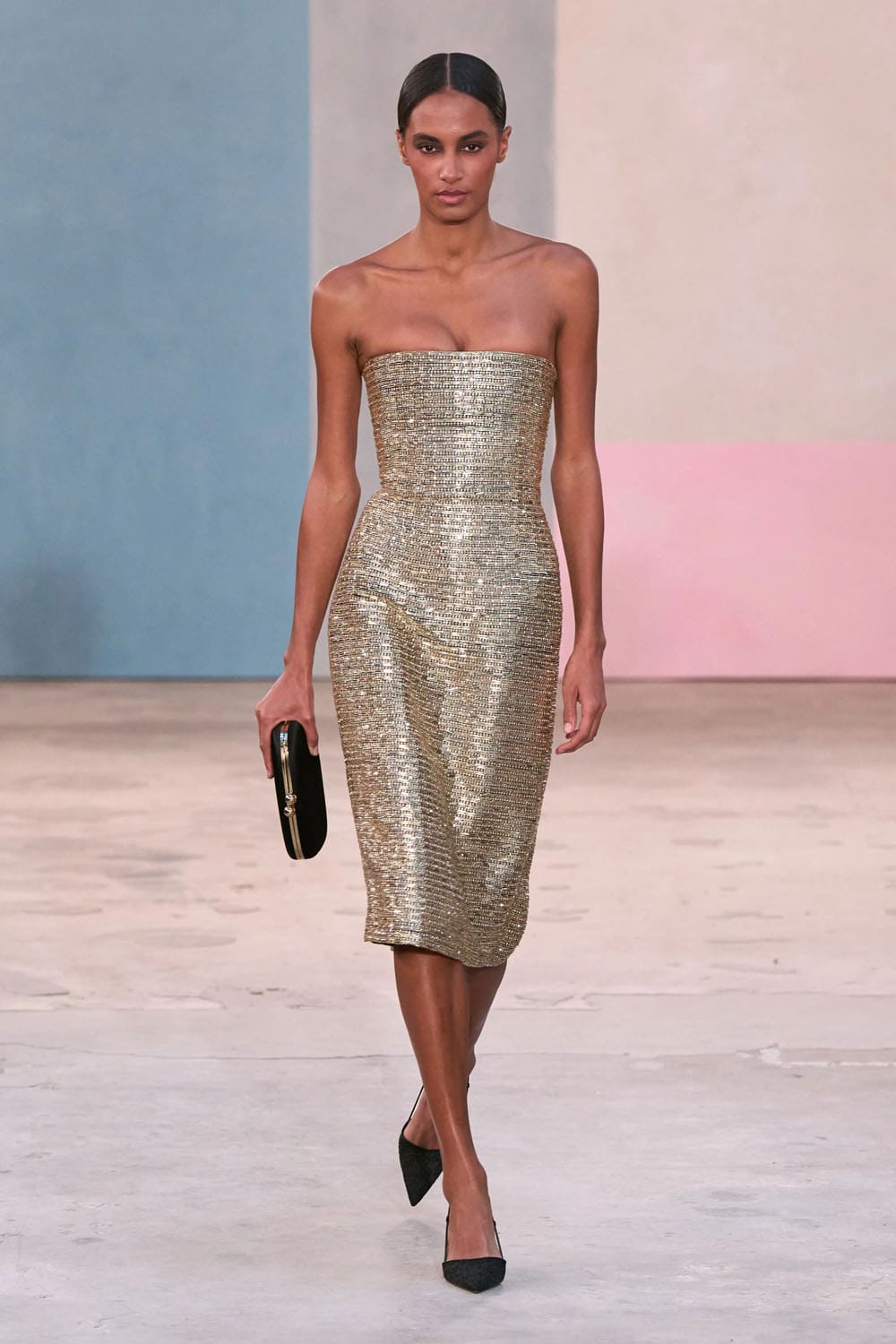
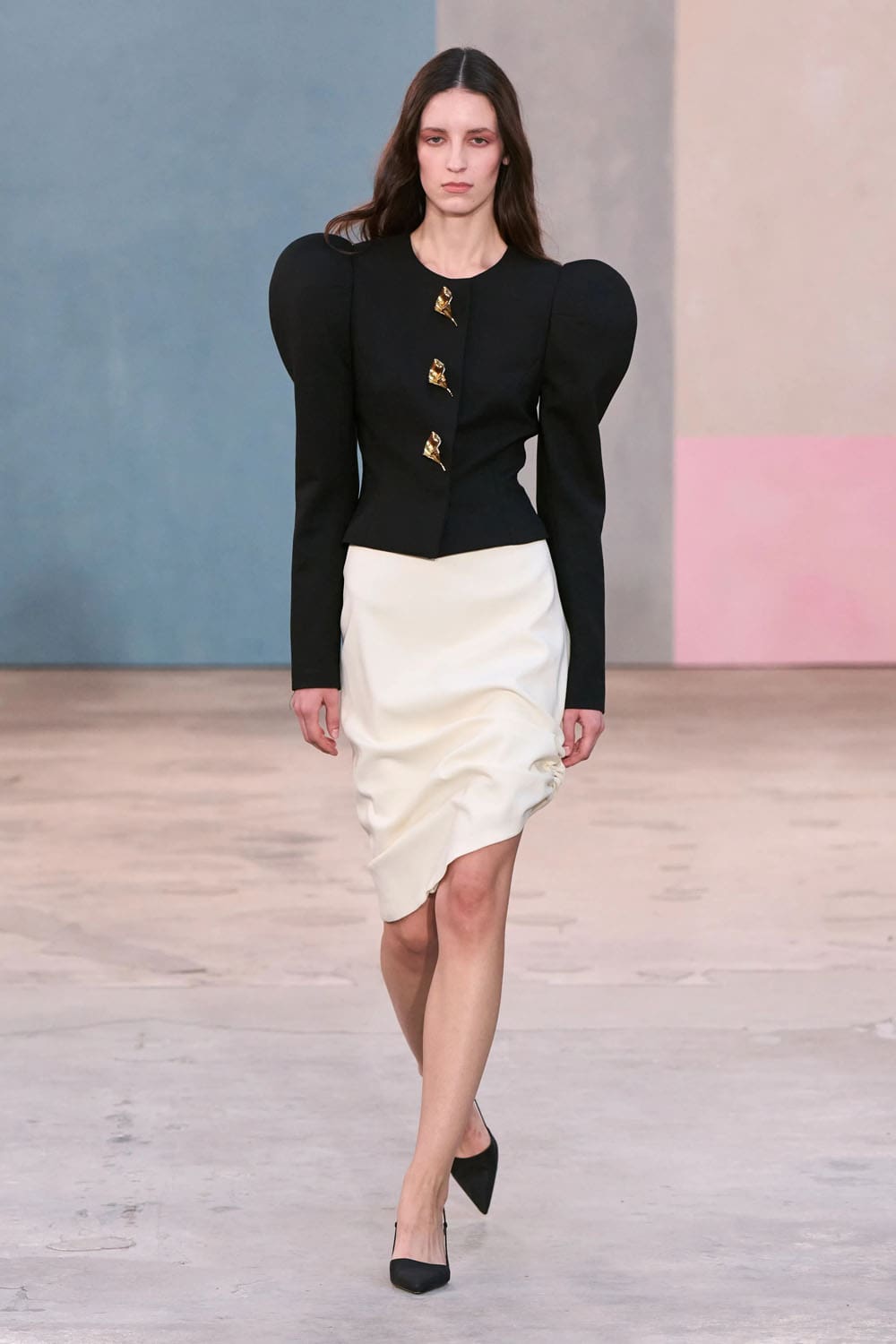
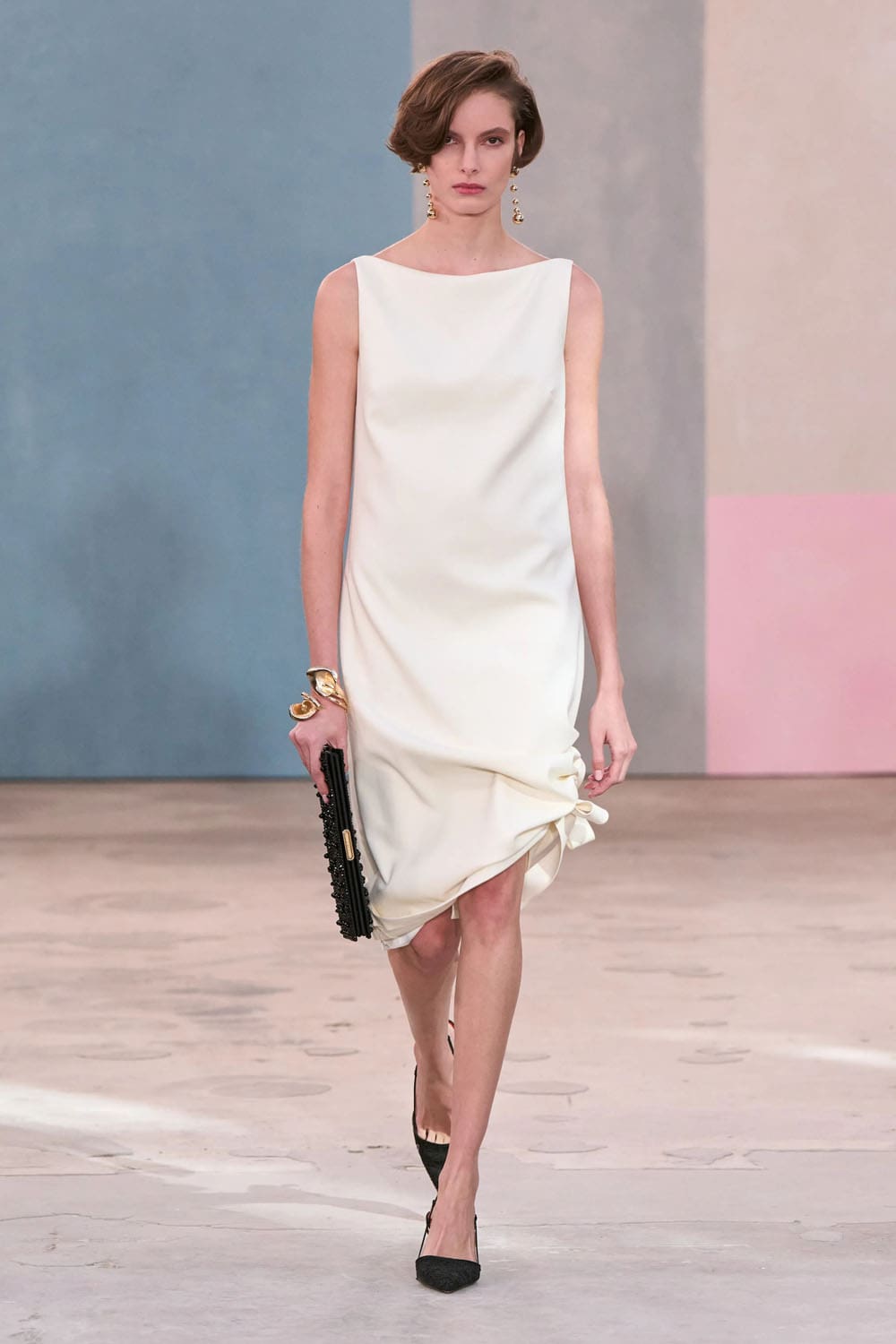
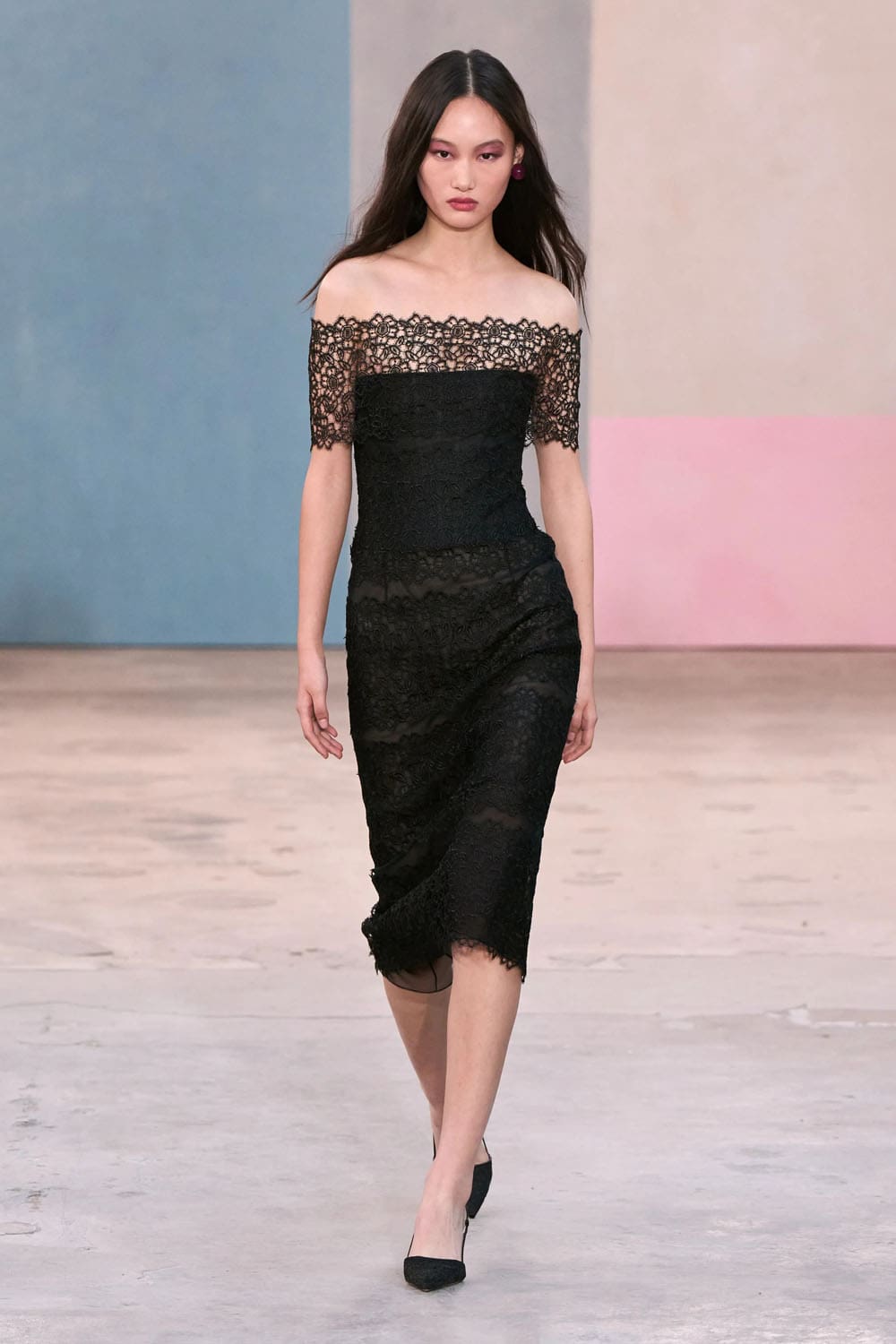
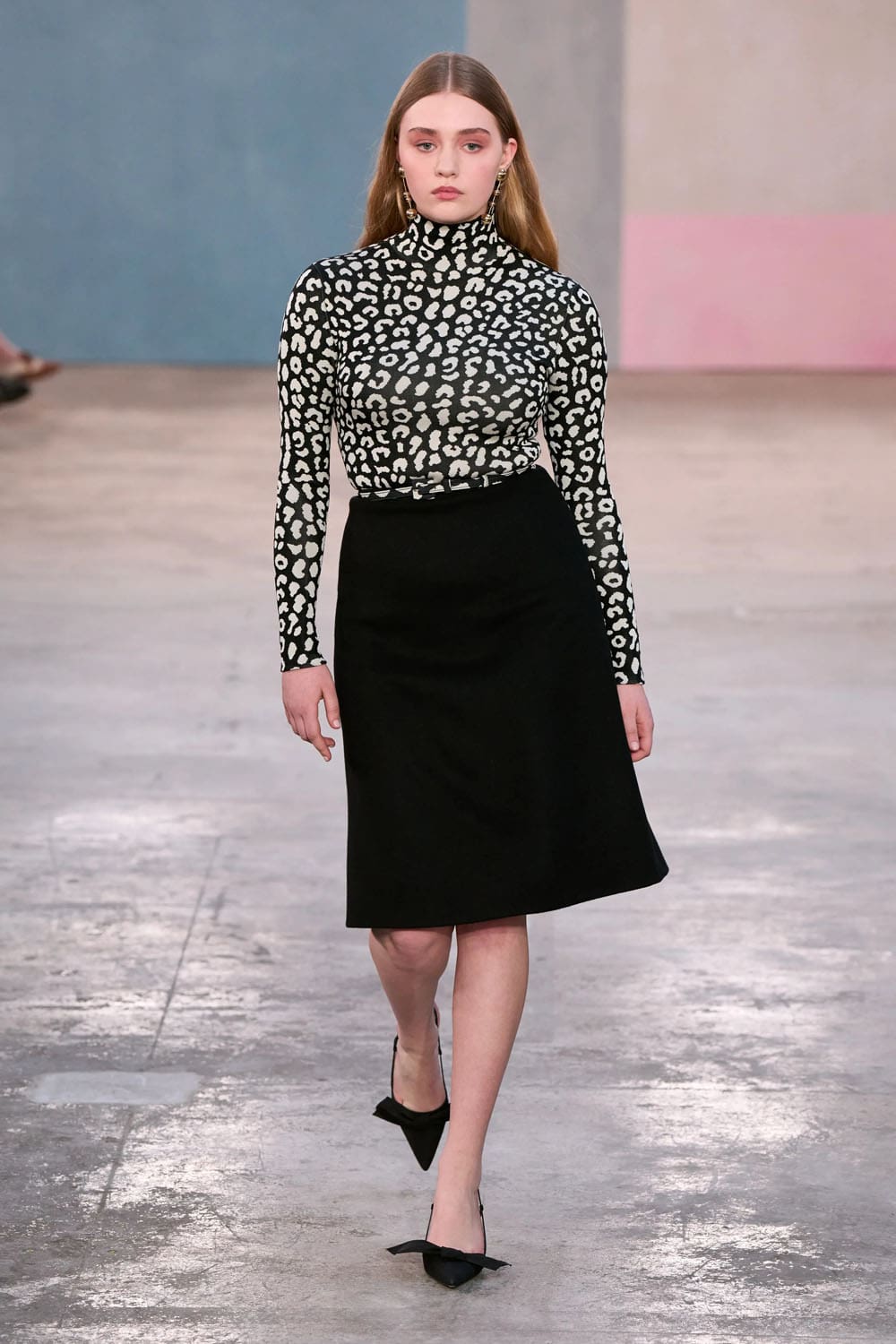
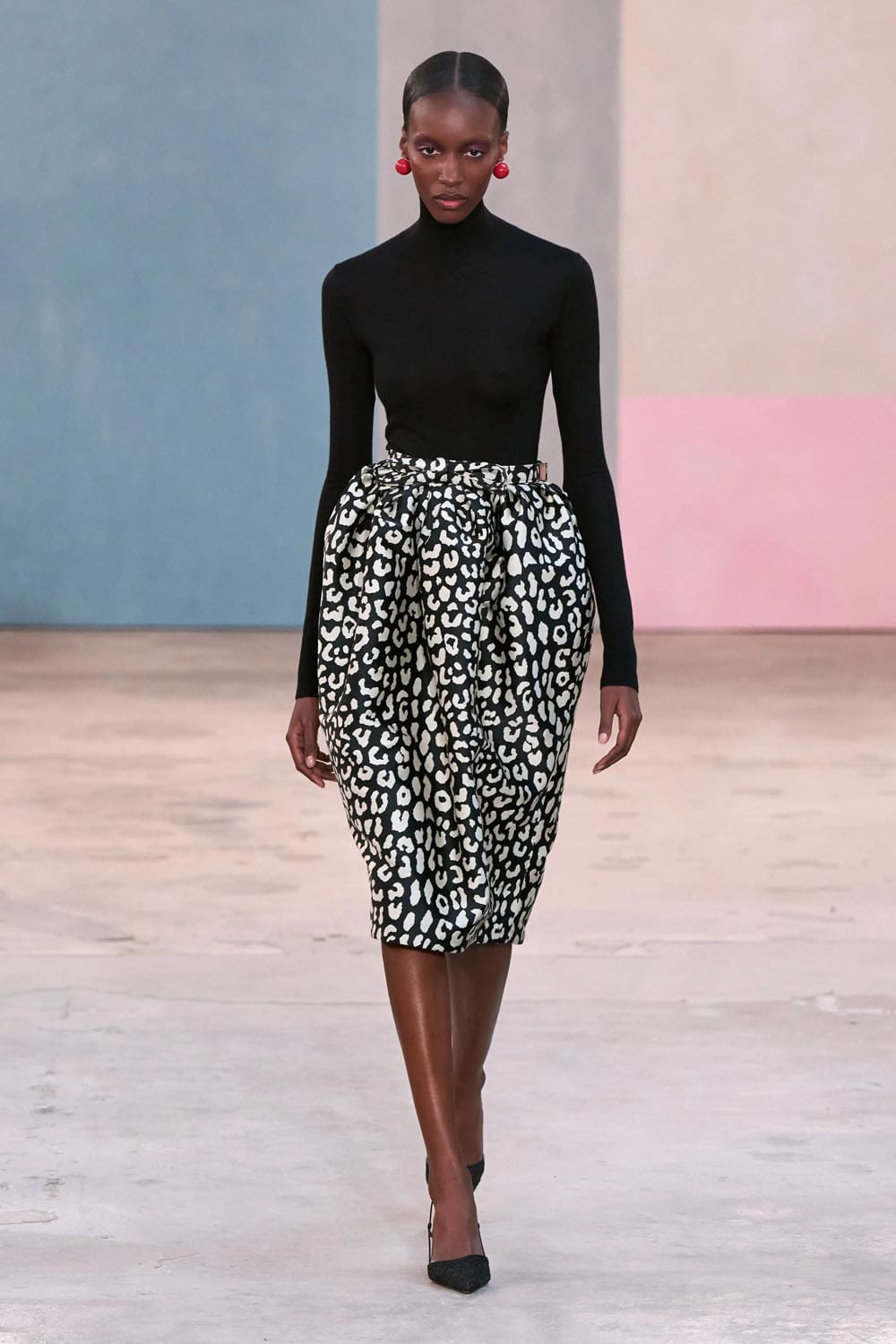
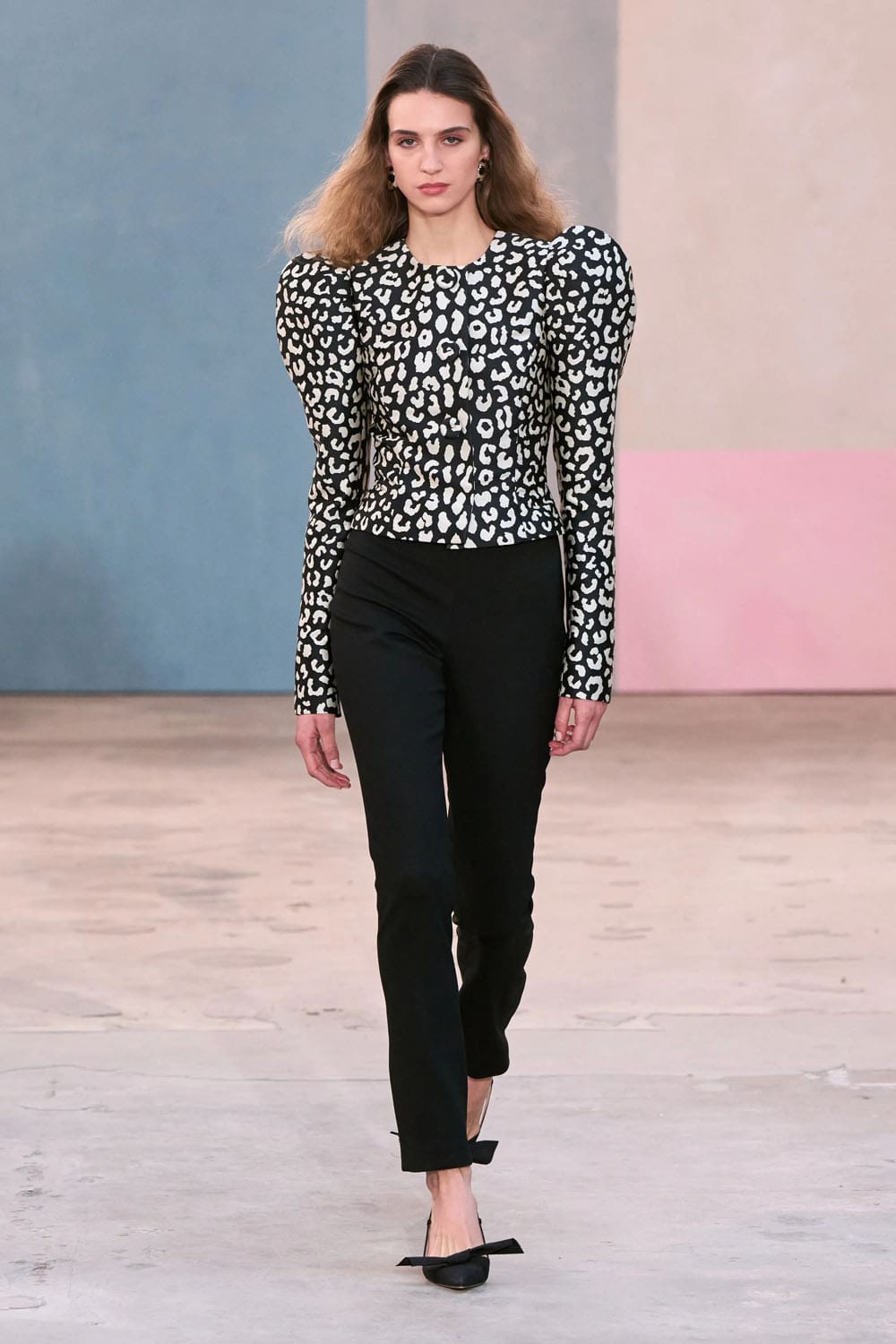
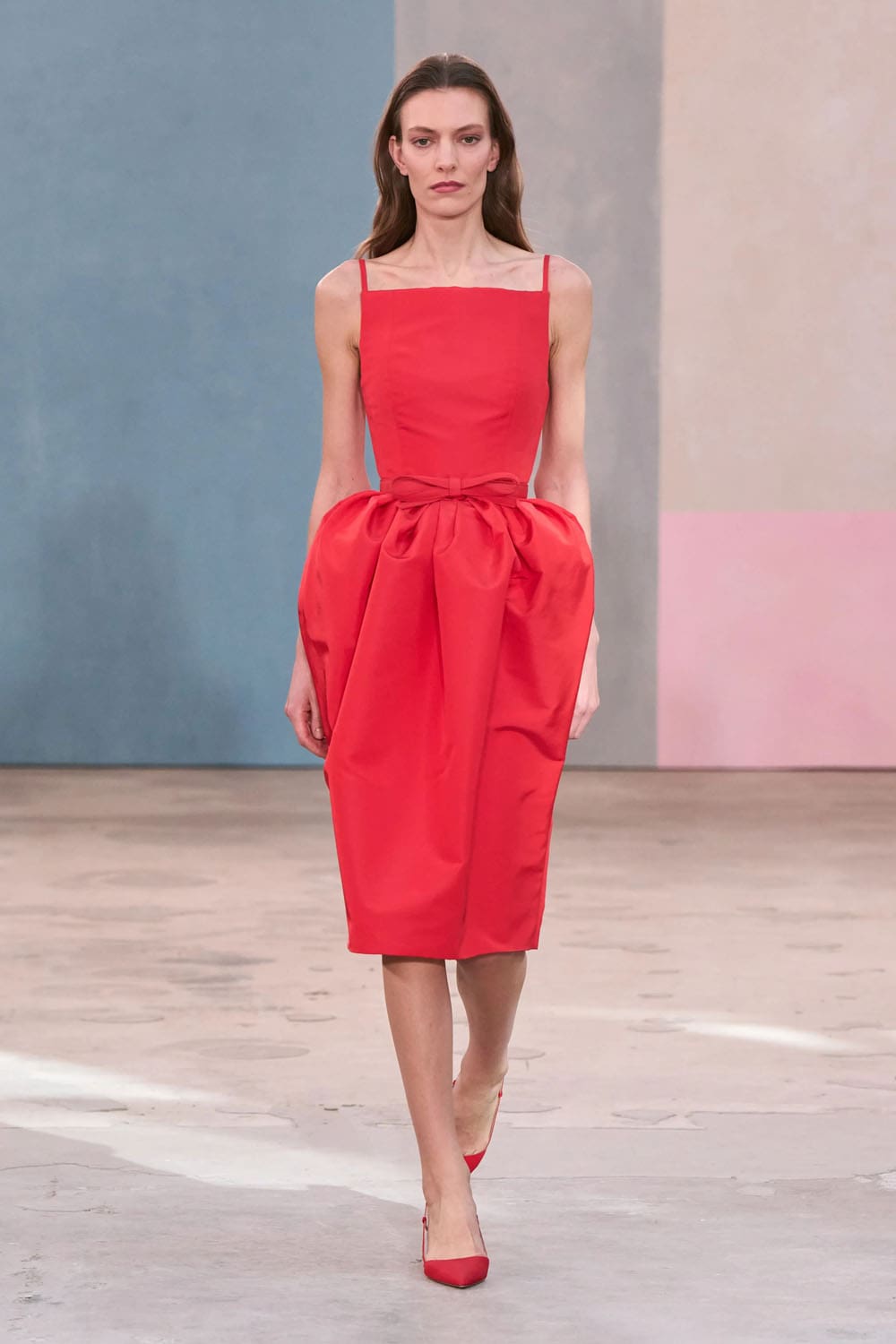
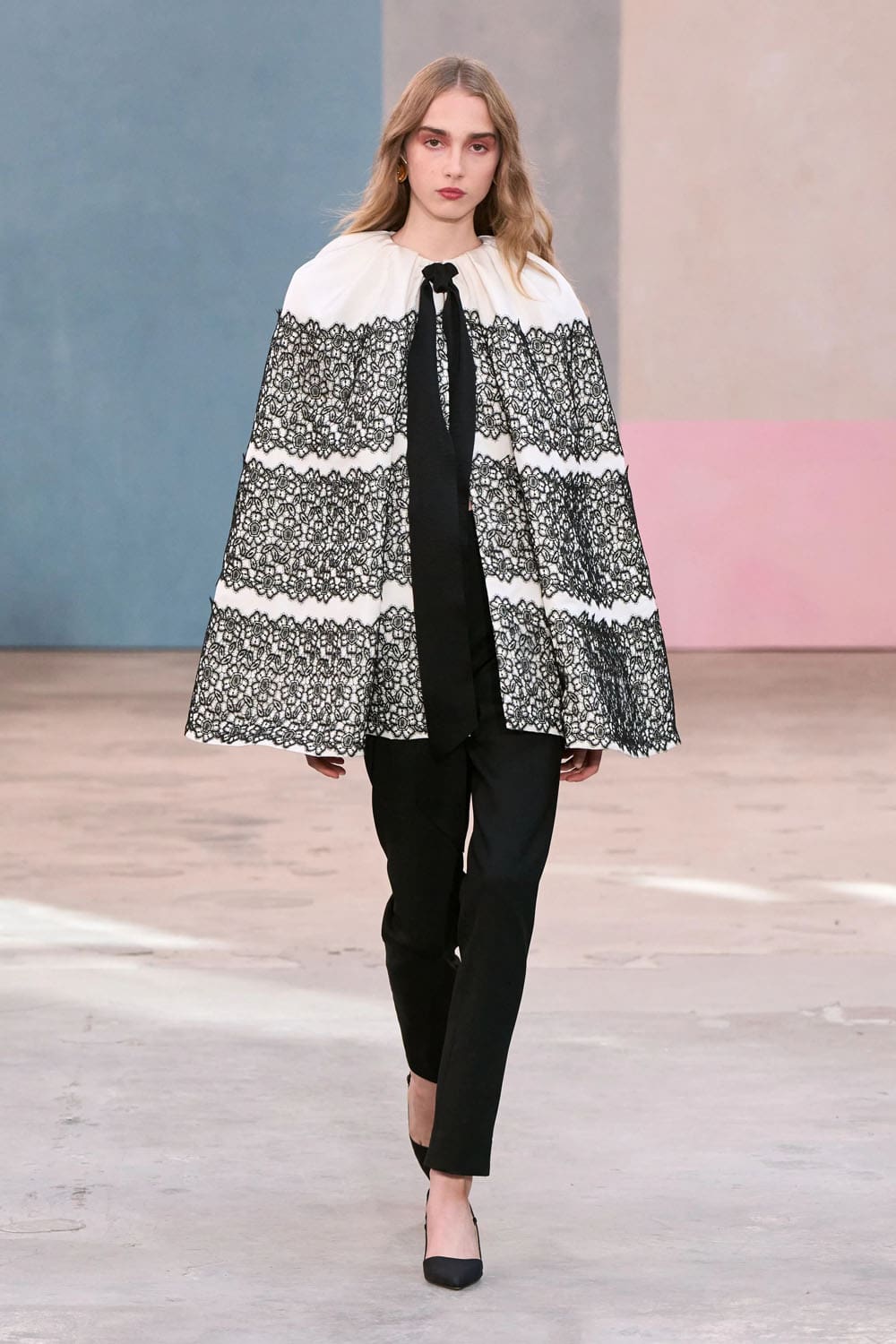
- Strong tailoring built around structured shoulders, defined waists and sophisticated separates, giving the Herrera woman a more contemporary urban vocabulary
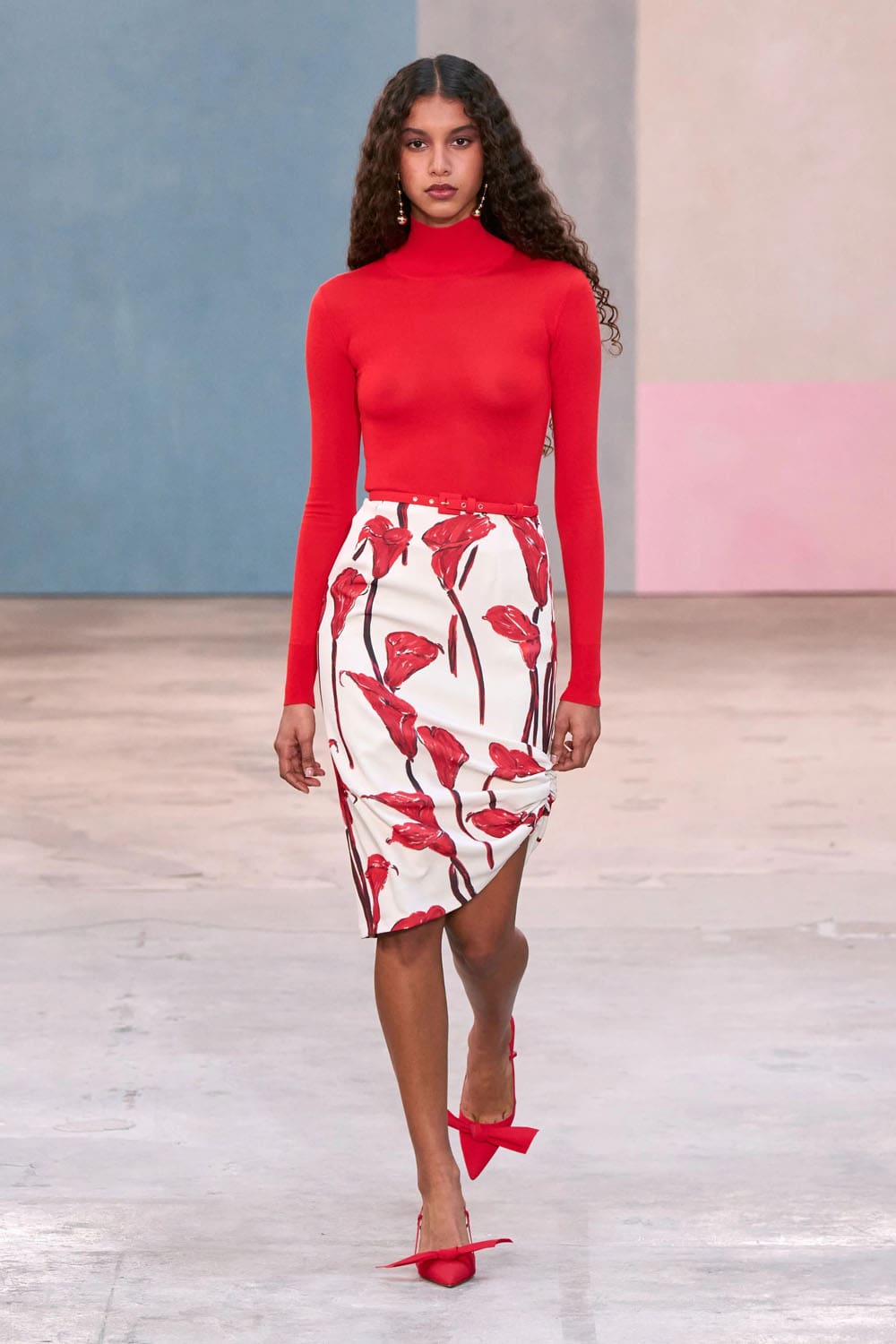
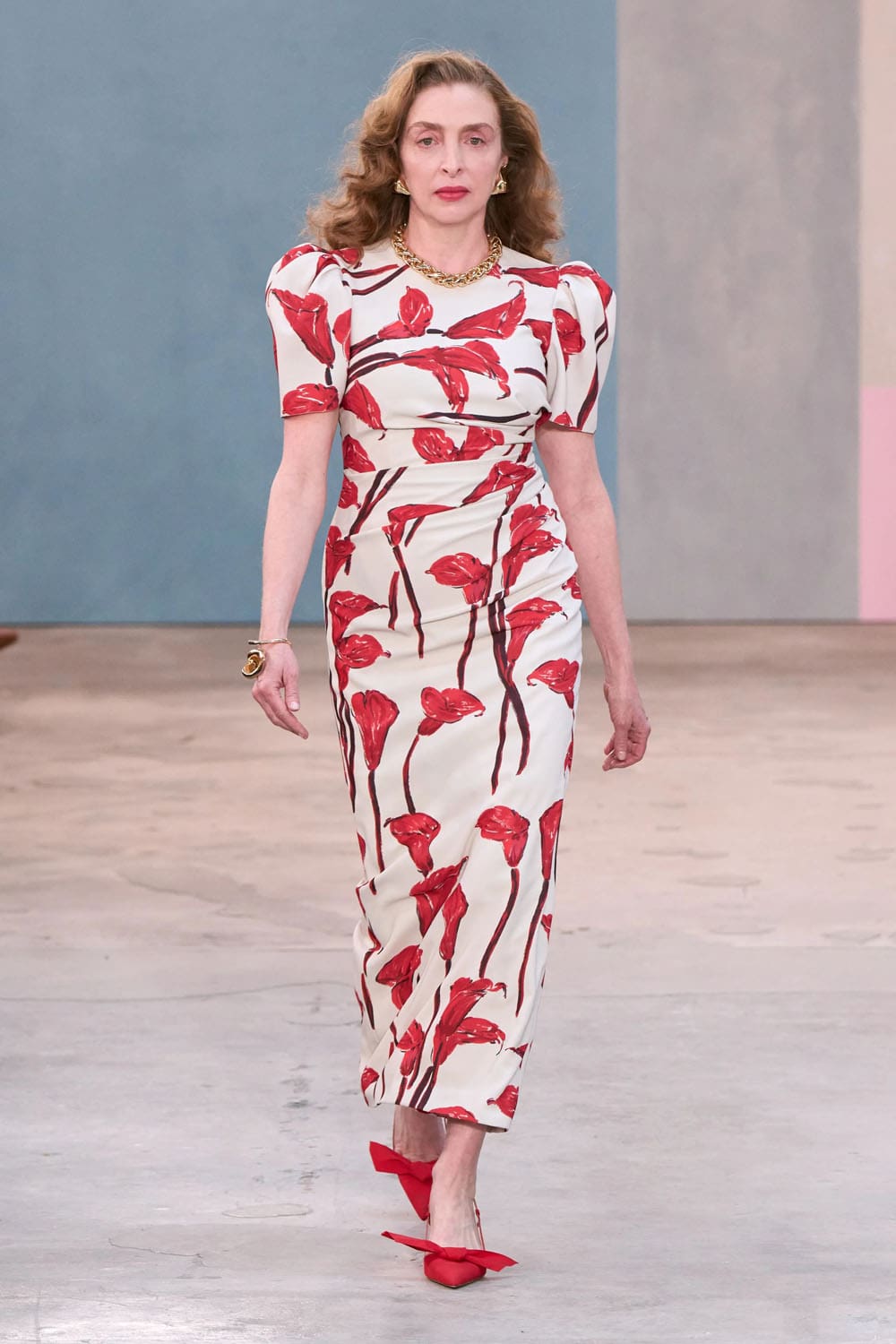
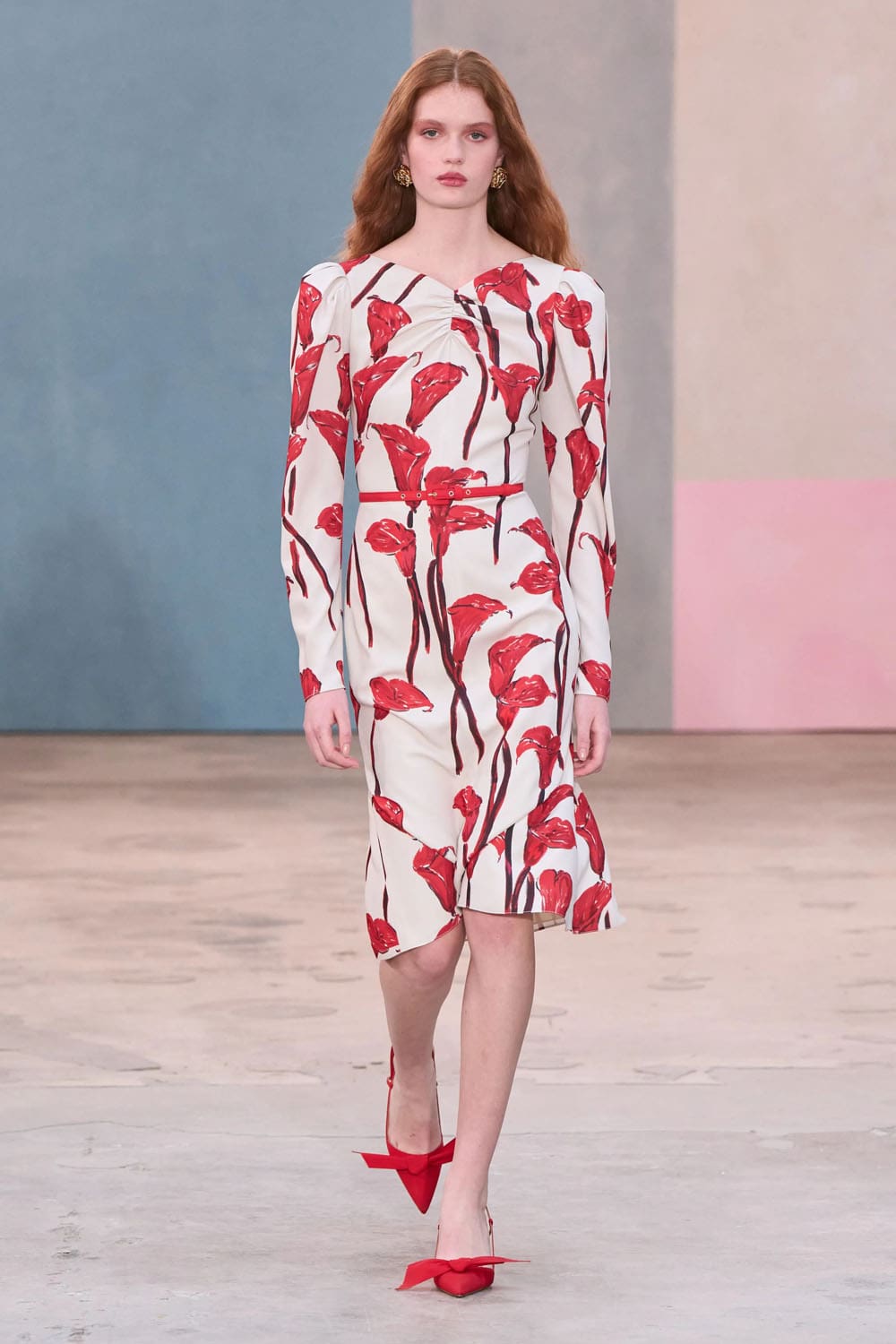
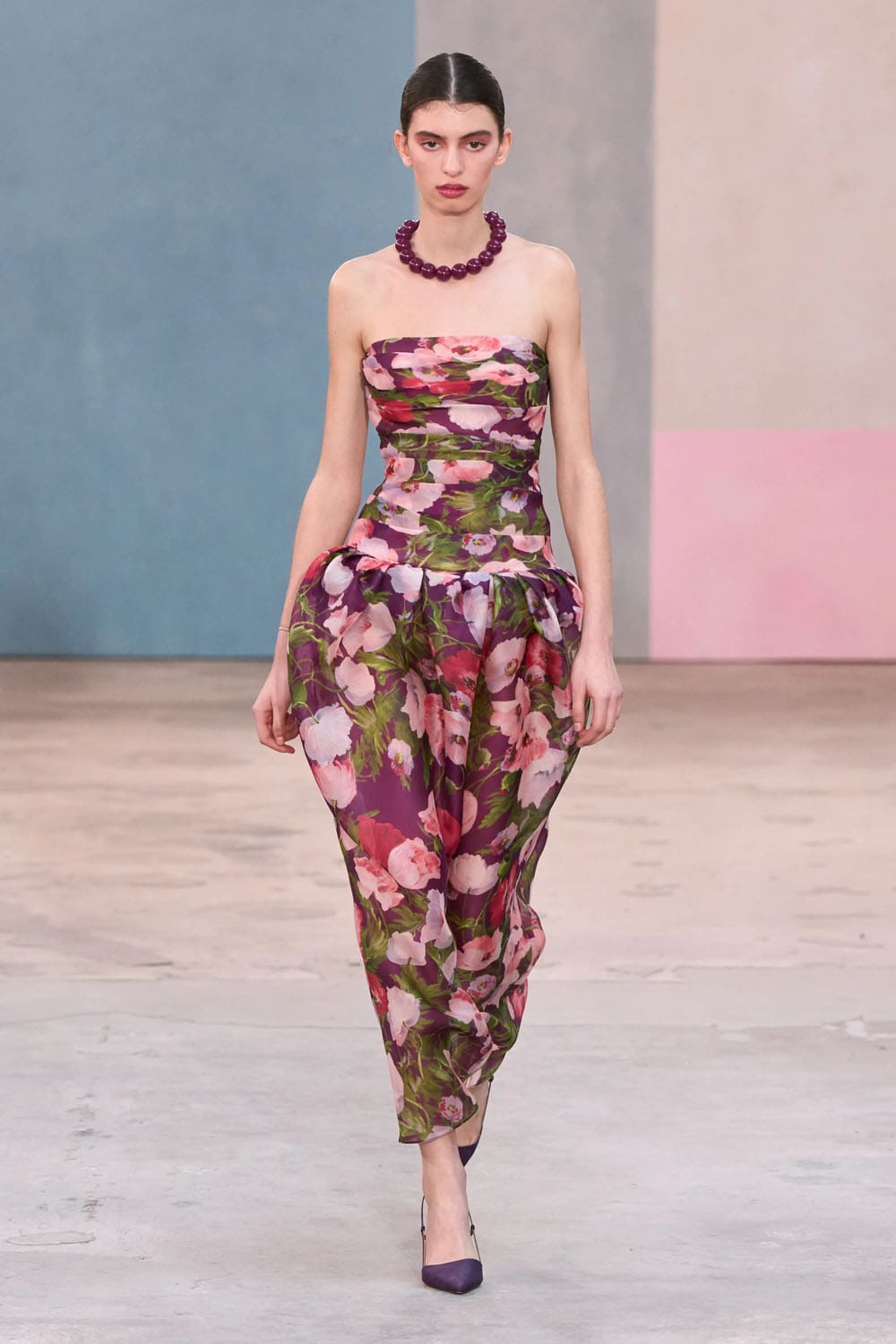
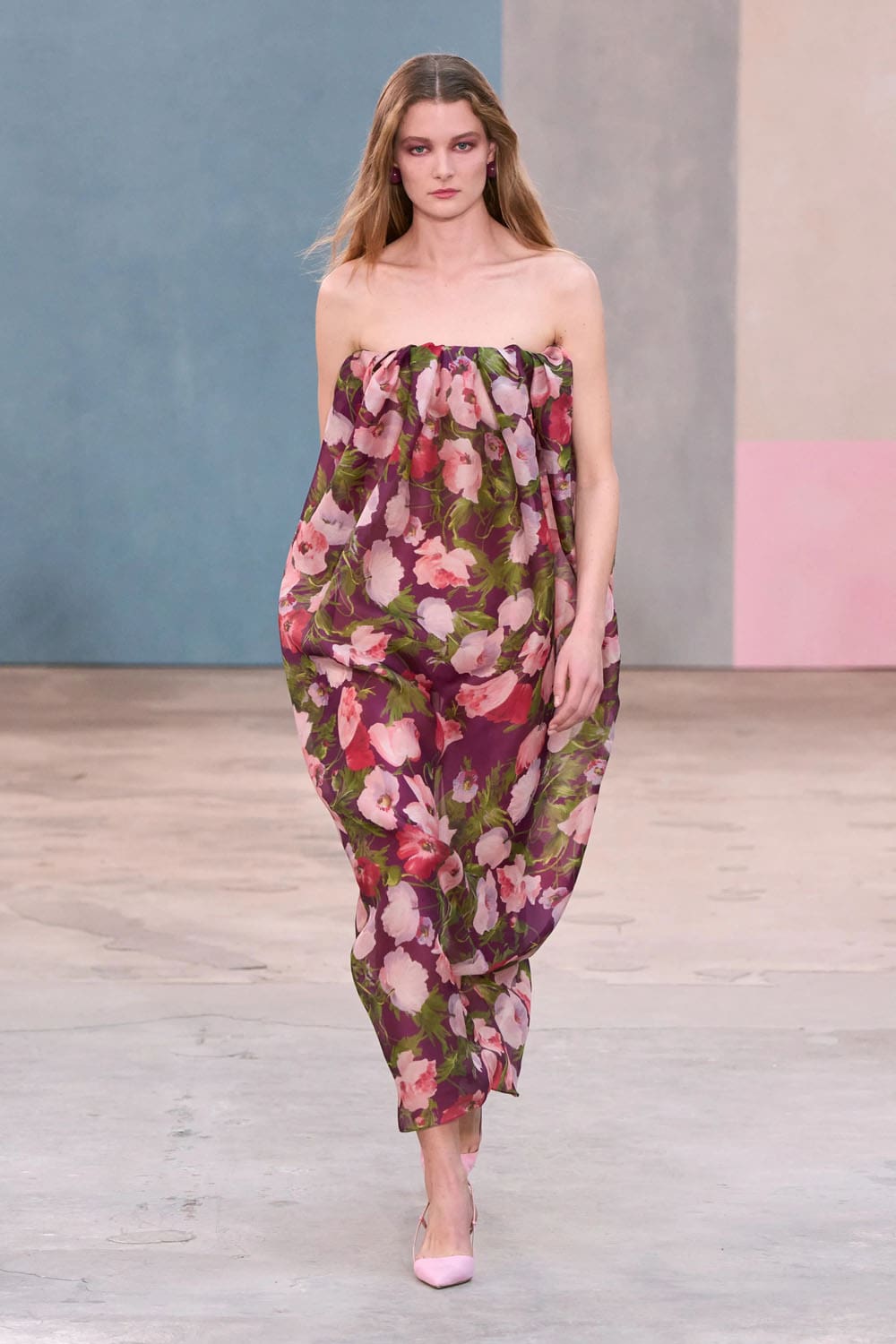
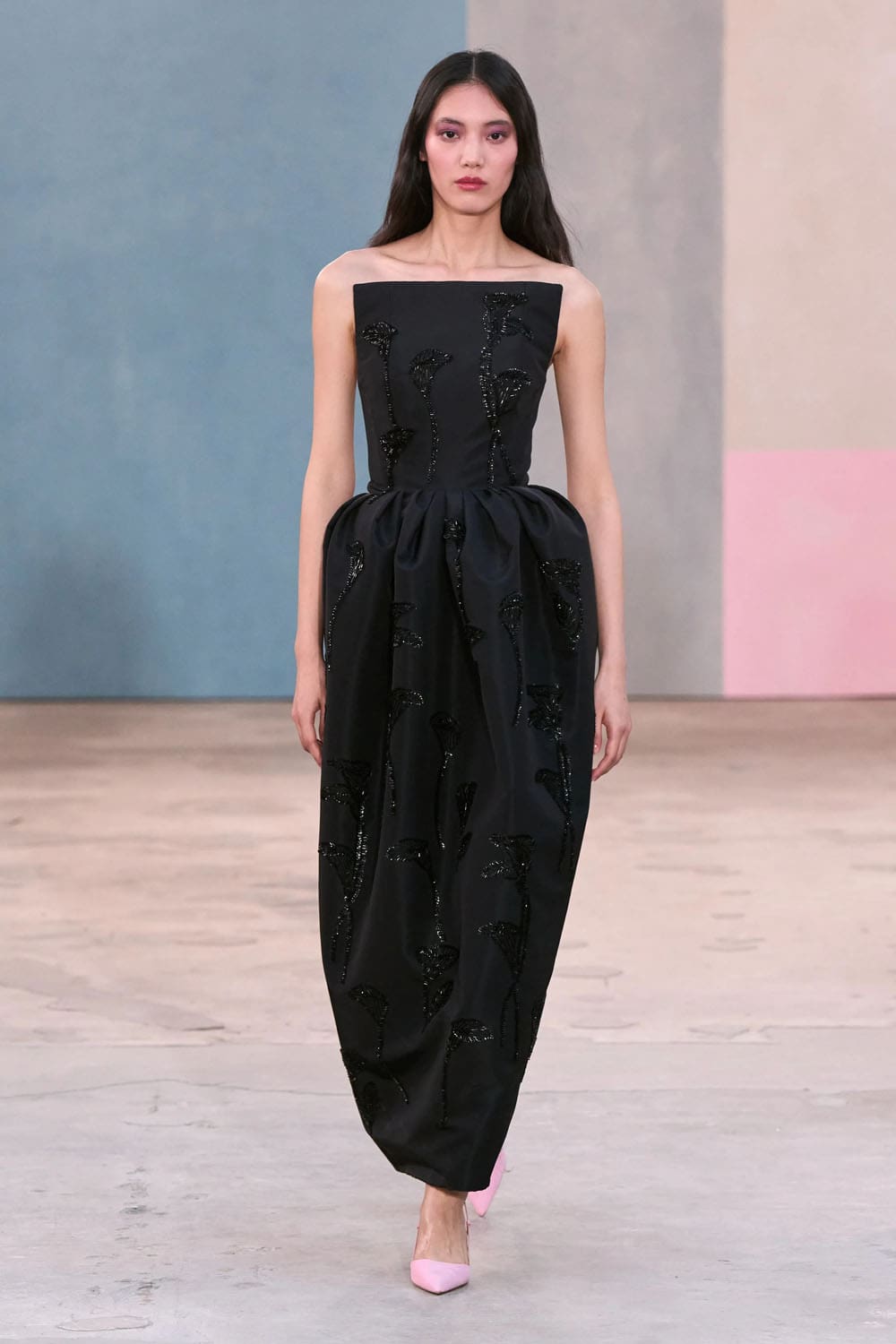
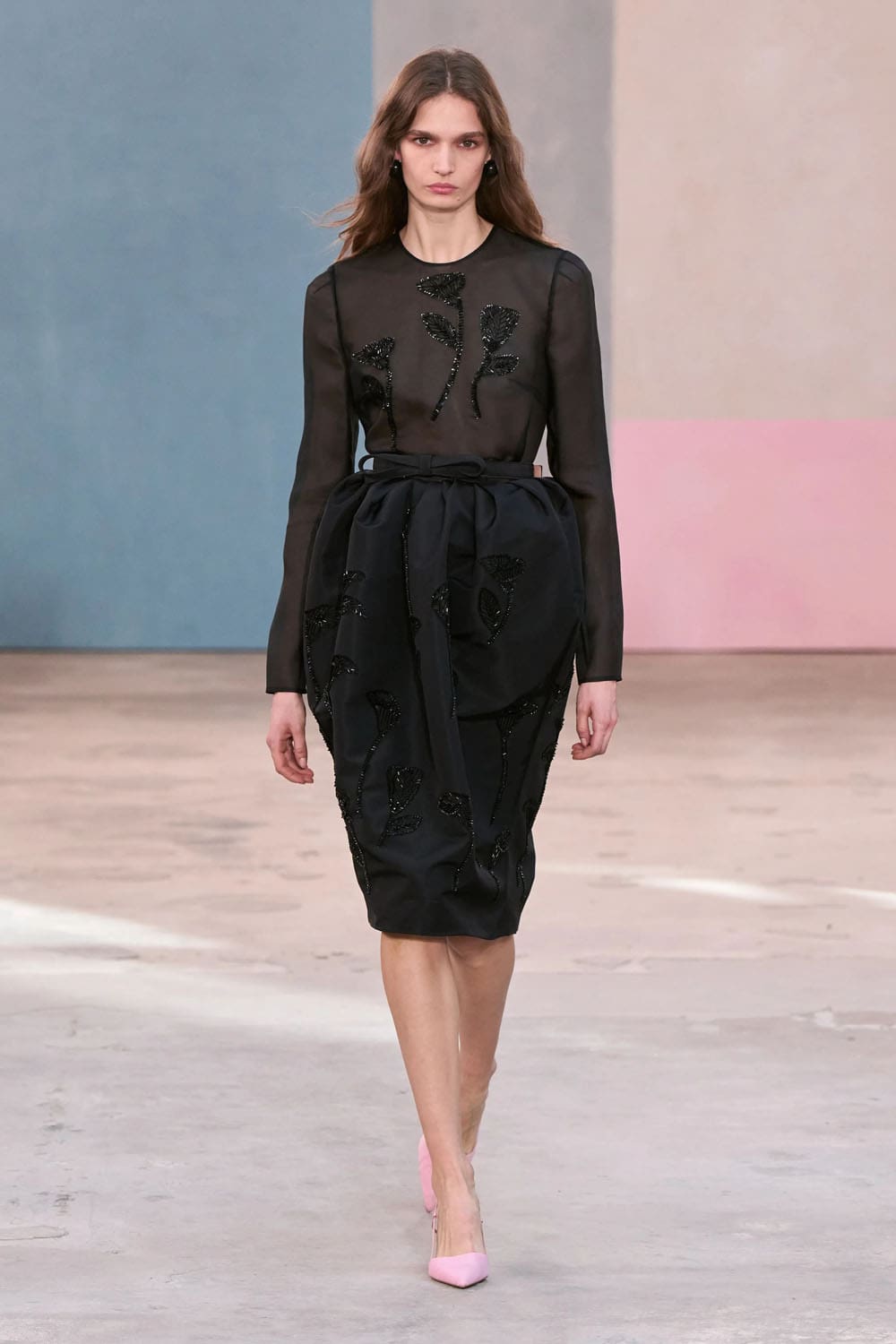
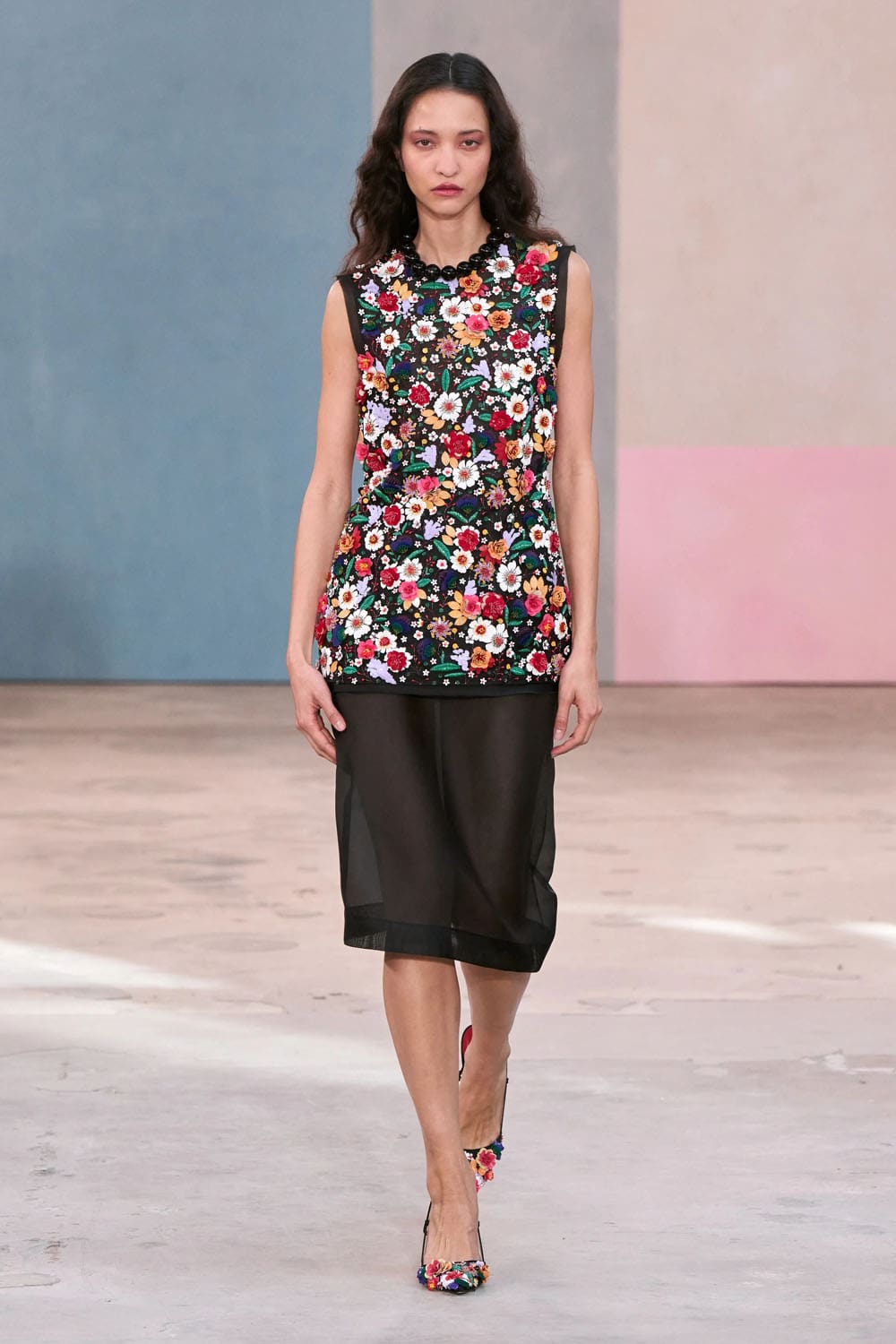
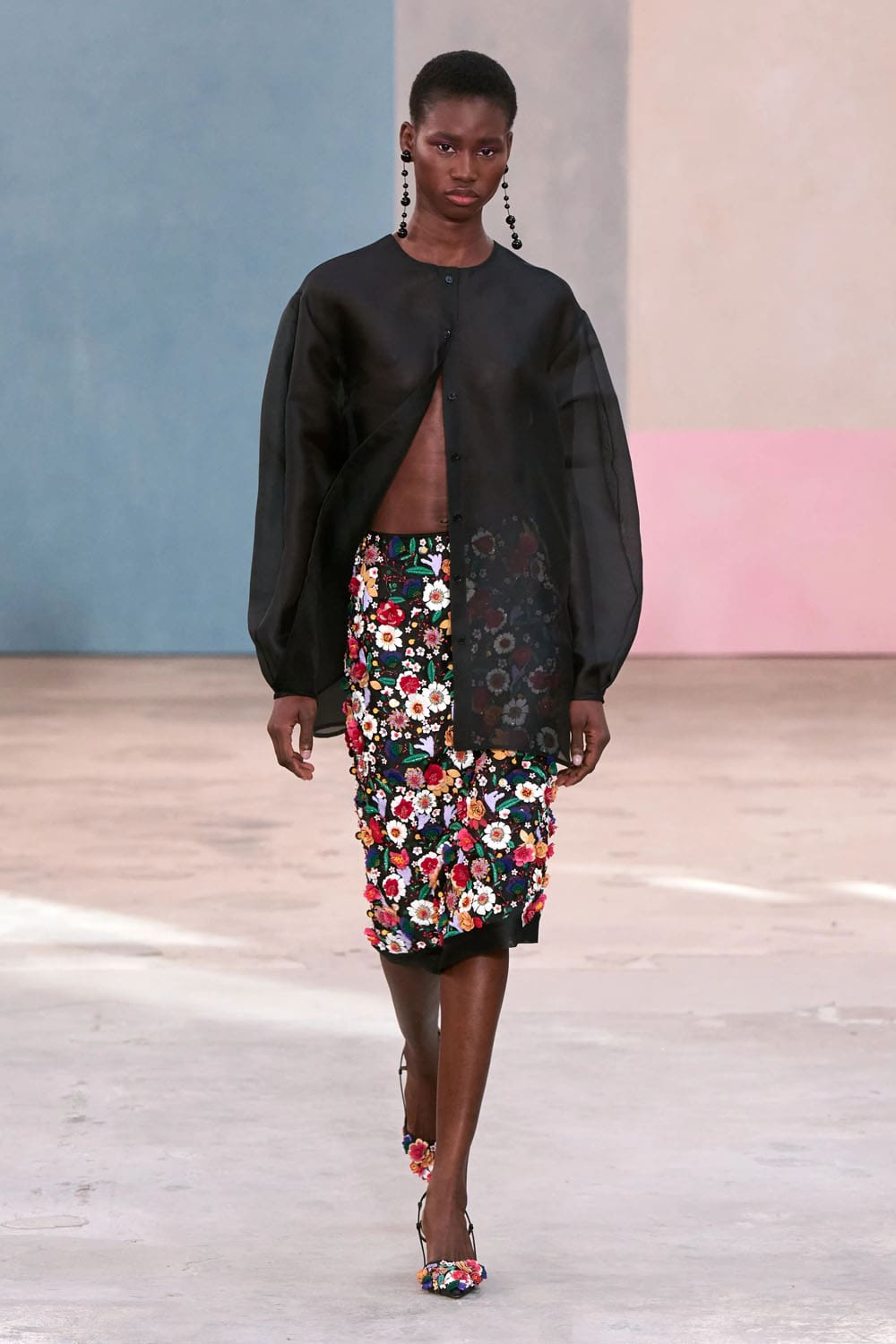
- Intelligent treatment of house heritage, retaining recognizable Herrera elegance and floral references without turning the collection into archival reproduction
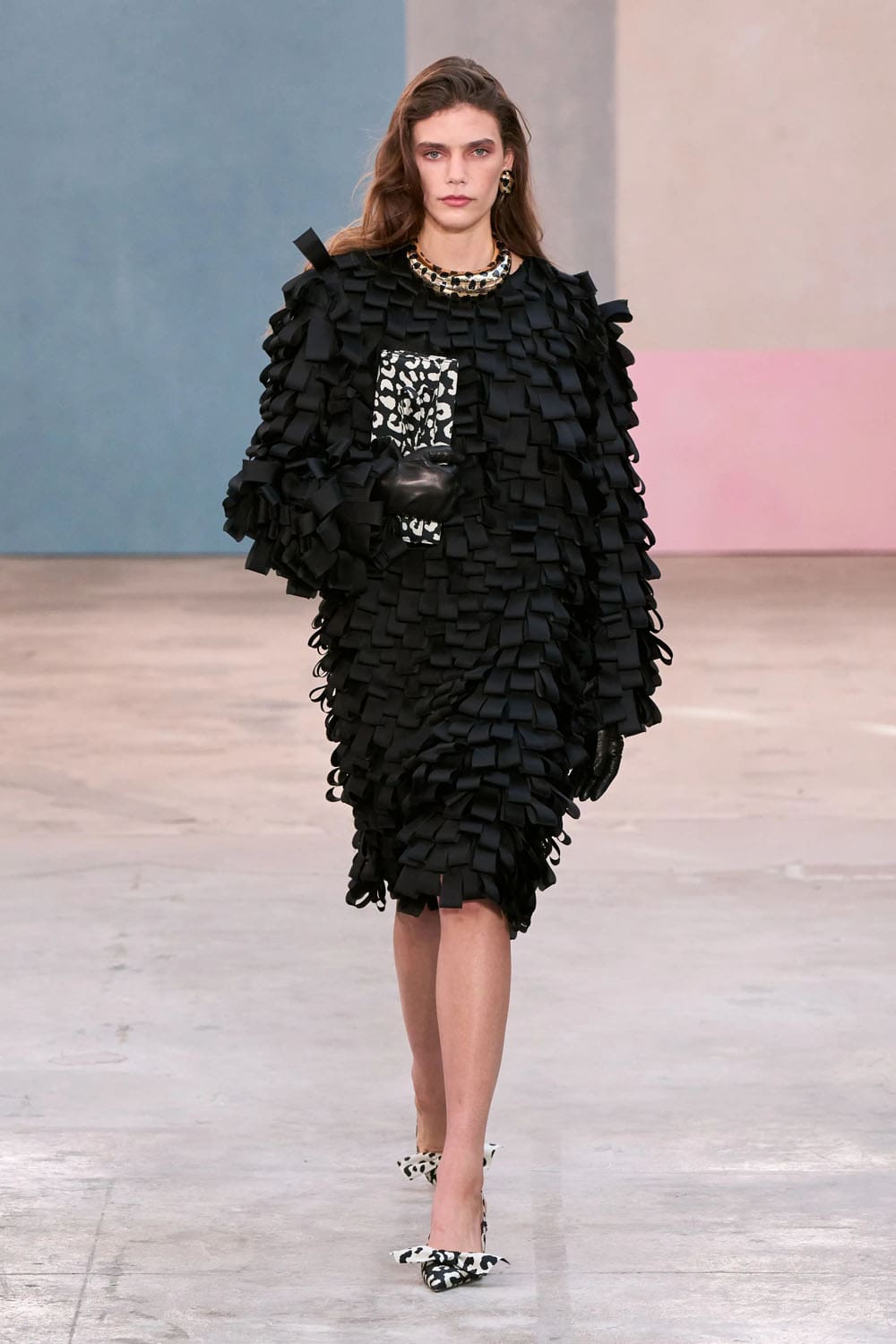
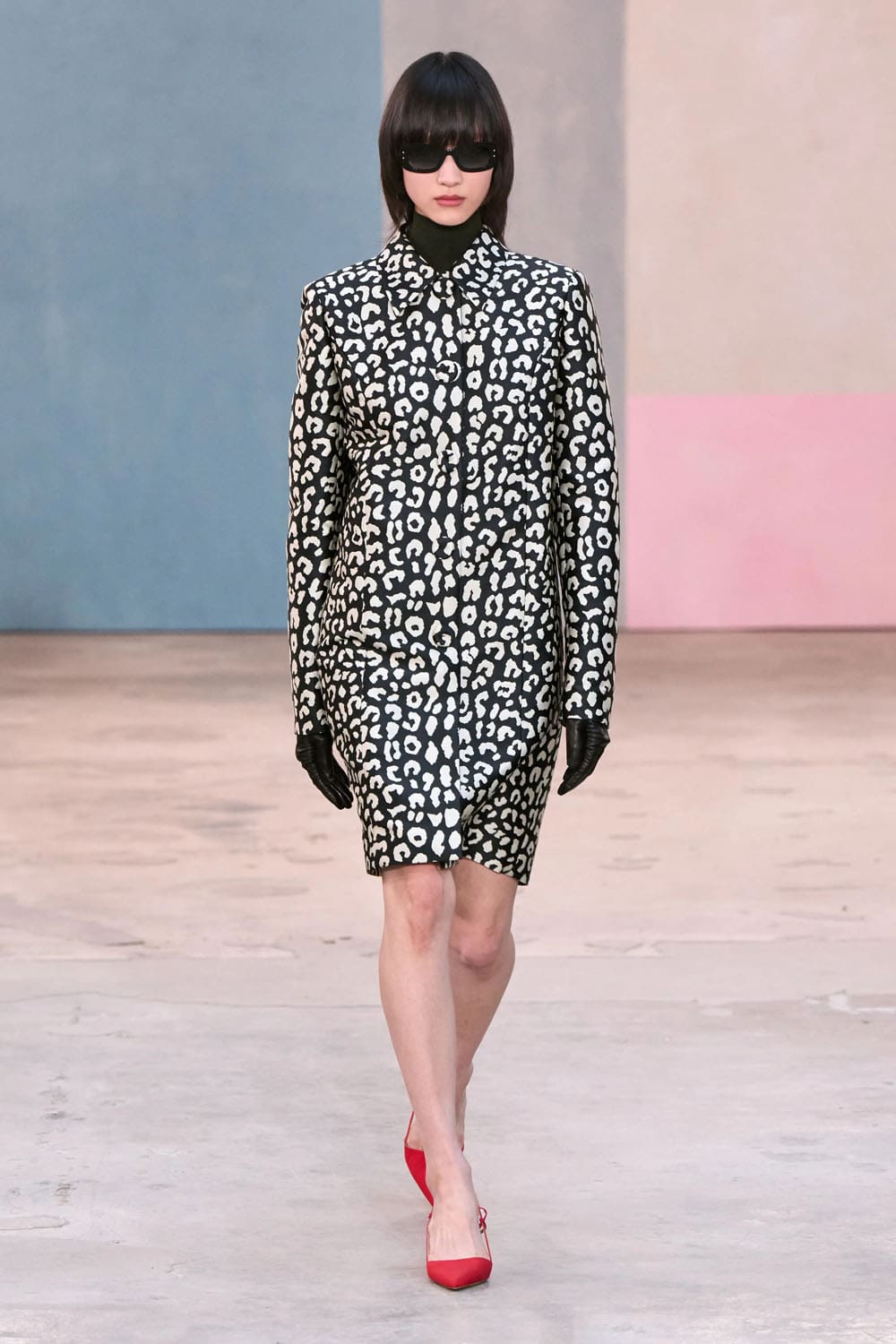
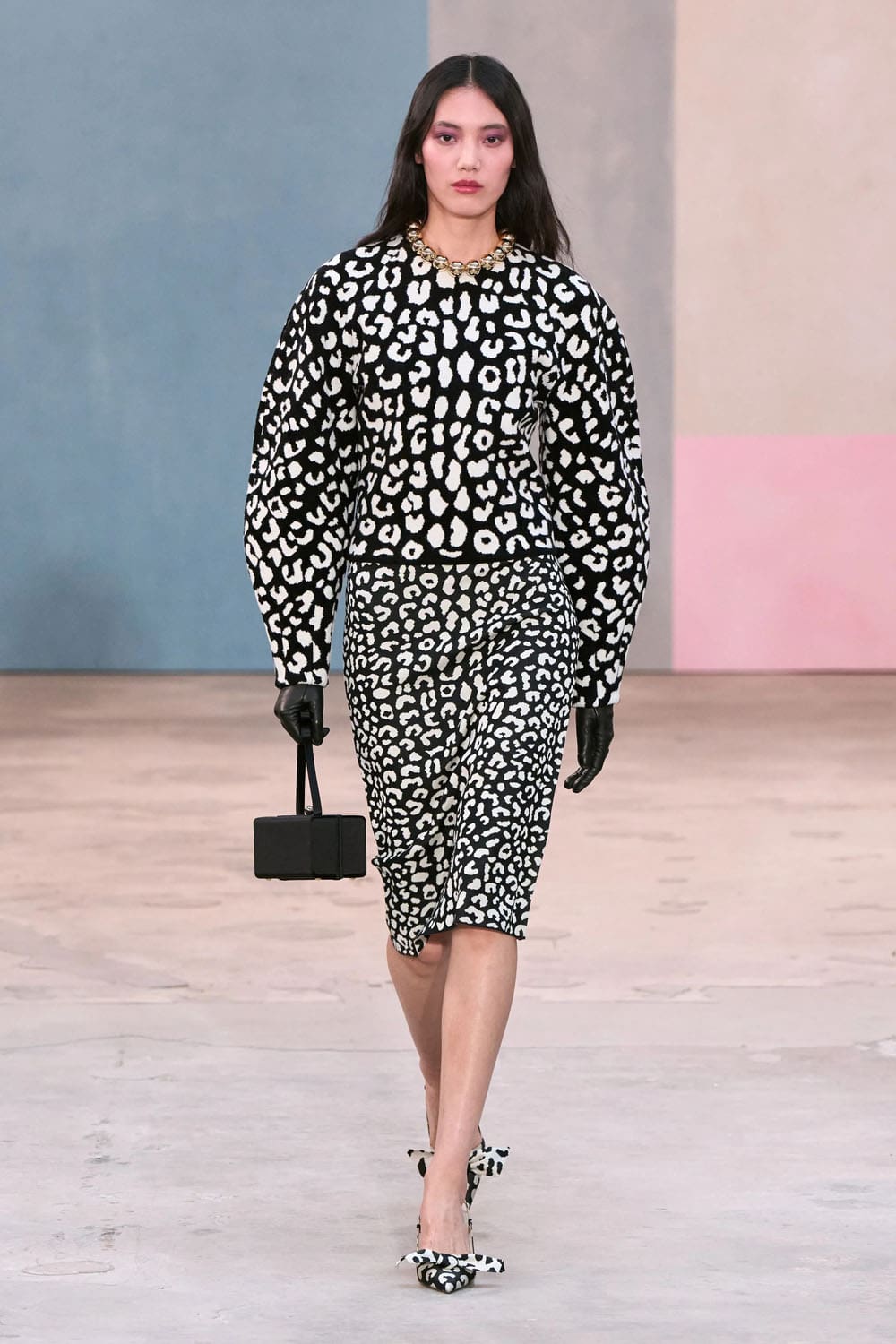
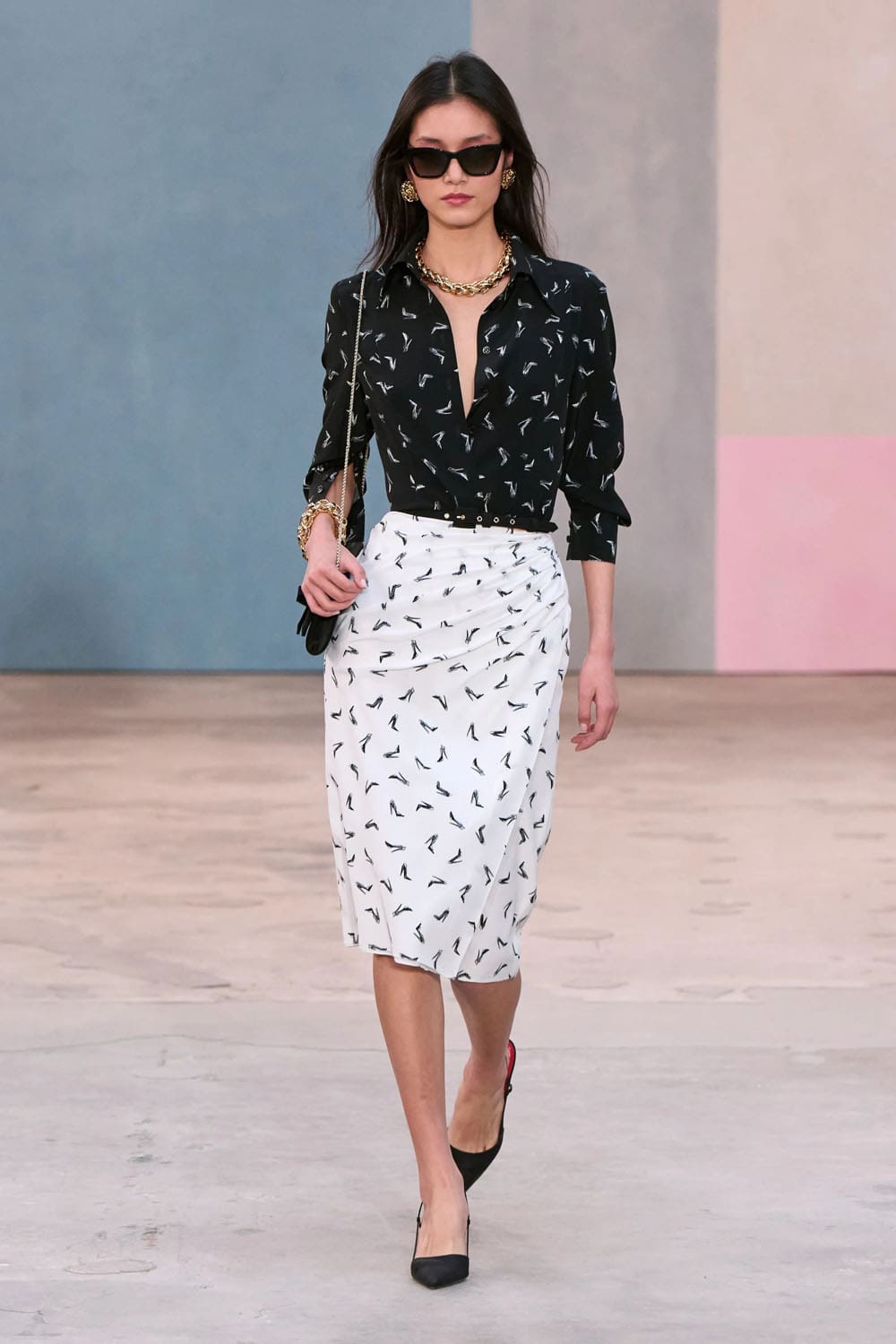
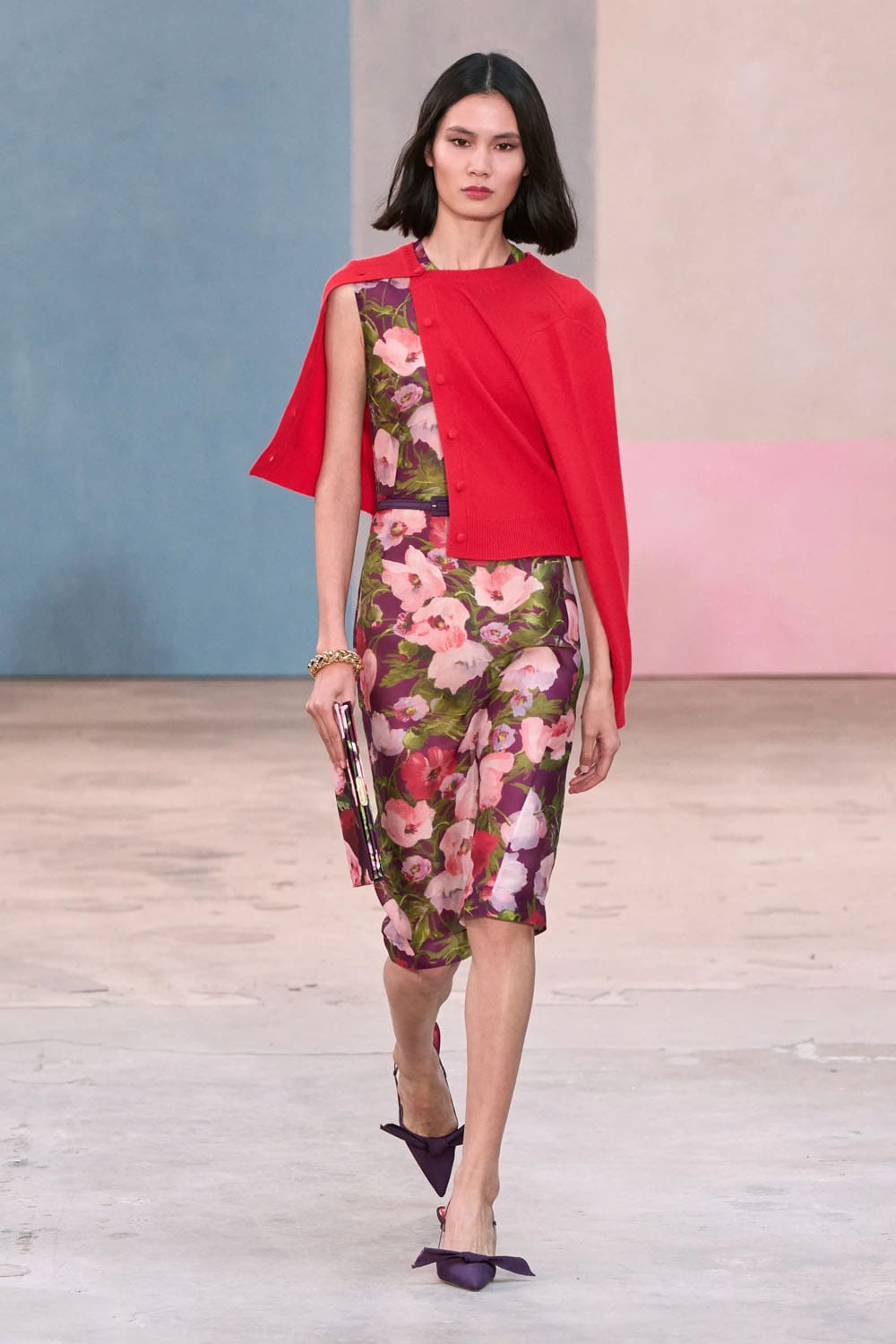
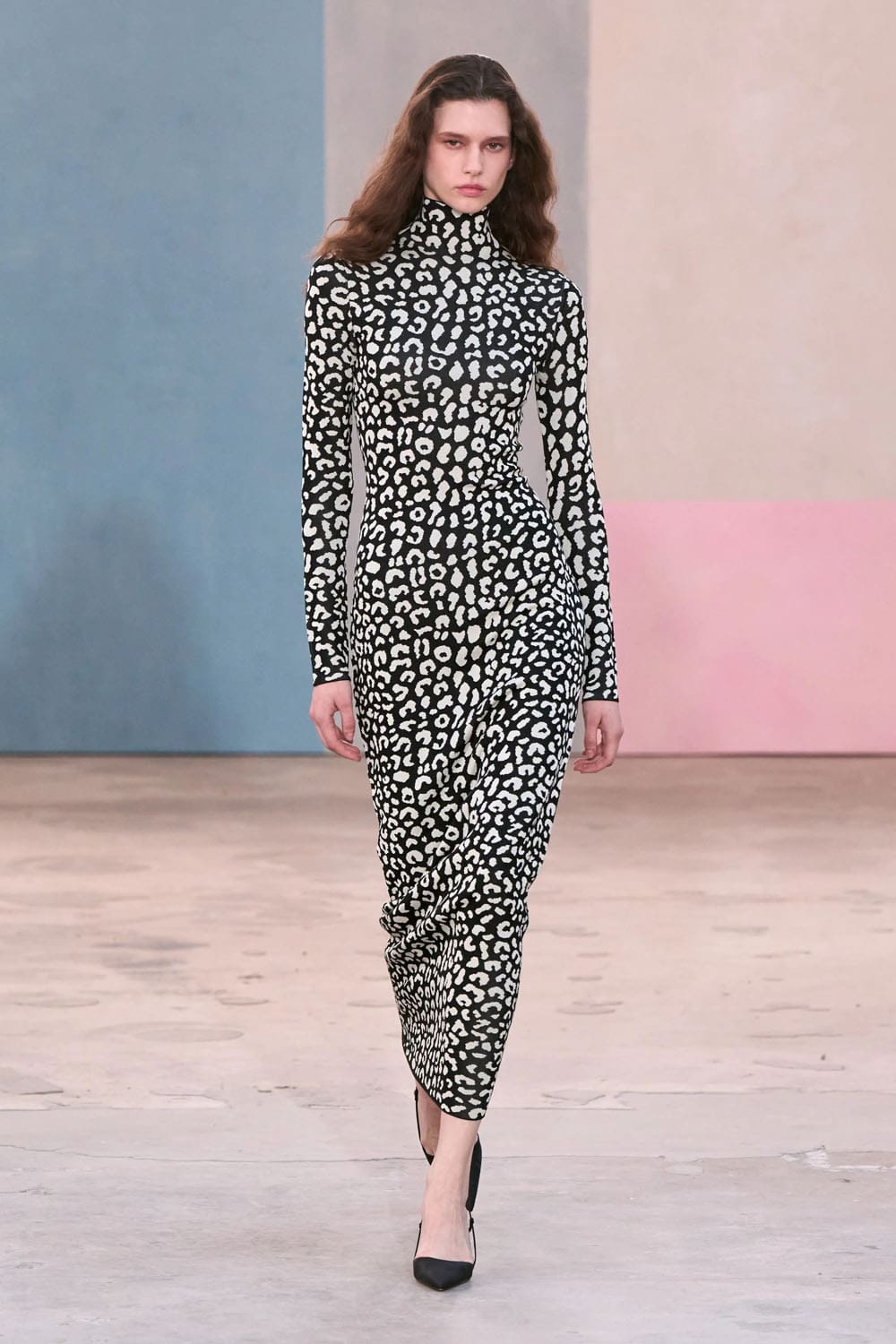
- Convincing shift from traditional occasion dressing toward versatile jackets, asymmetric skirts, knitwear, denim-compatible pieces and relaxed evening propositions
- Highly wearable metropolitan wardrobe that modernizes the house without sacrificing its essential polish and femininity
RESERVATIONS
- The collection represents recalibration rather than substantial creative discovery, improving the contemporary relevance of the wardrobe without fundamentally expanding the house language
- Several archival and decorative references remain elegant but relatively conservative, keeping artistic risk controlled
- The strength of the collection lies primarily in polish, wearability and intelligent editing rather than memorable technical or conceptual innovation
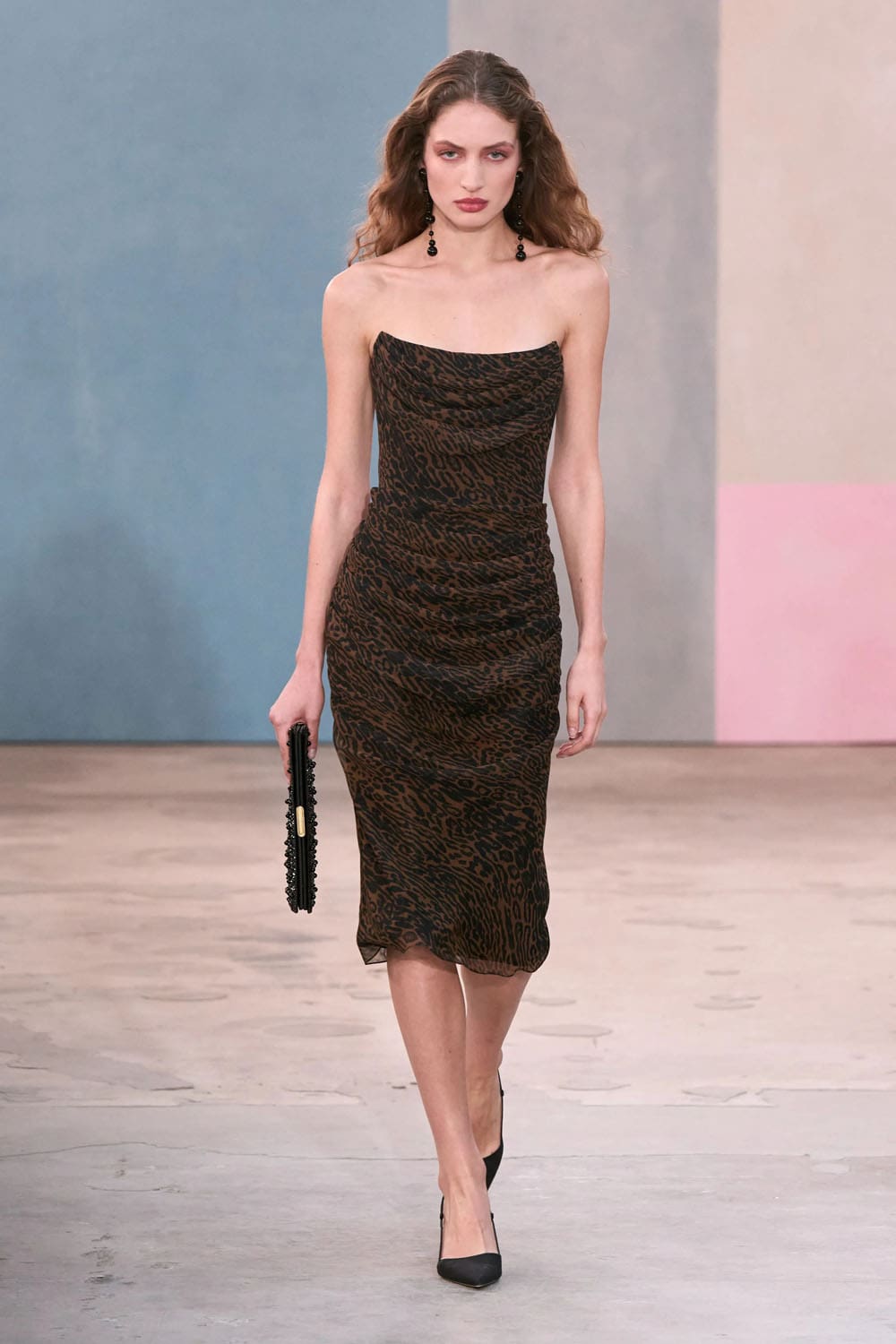
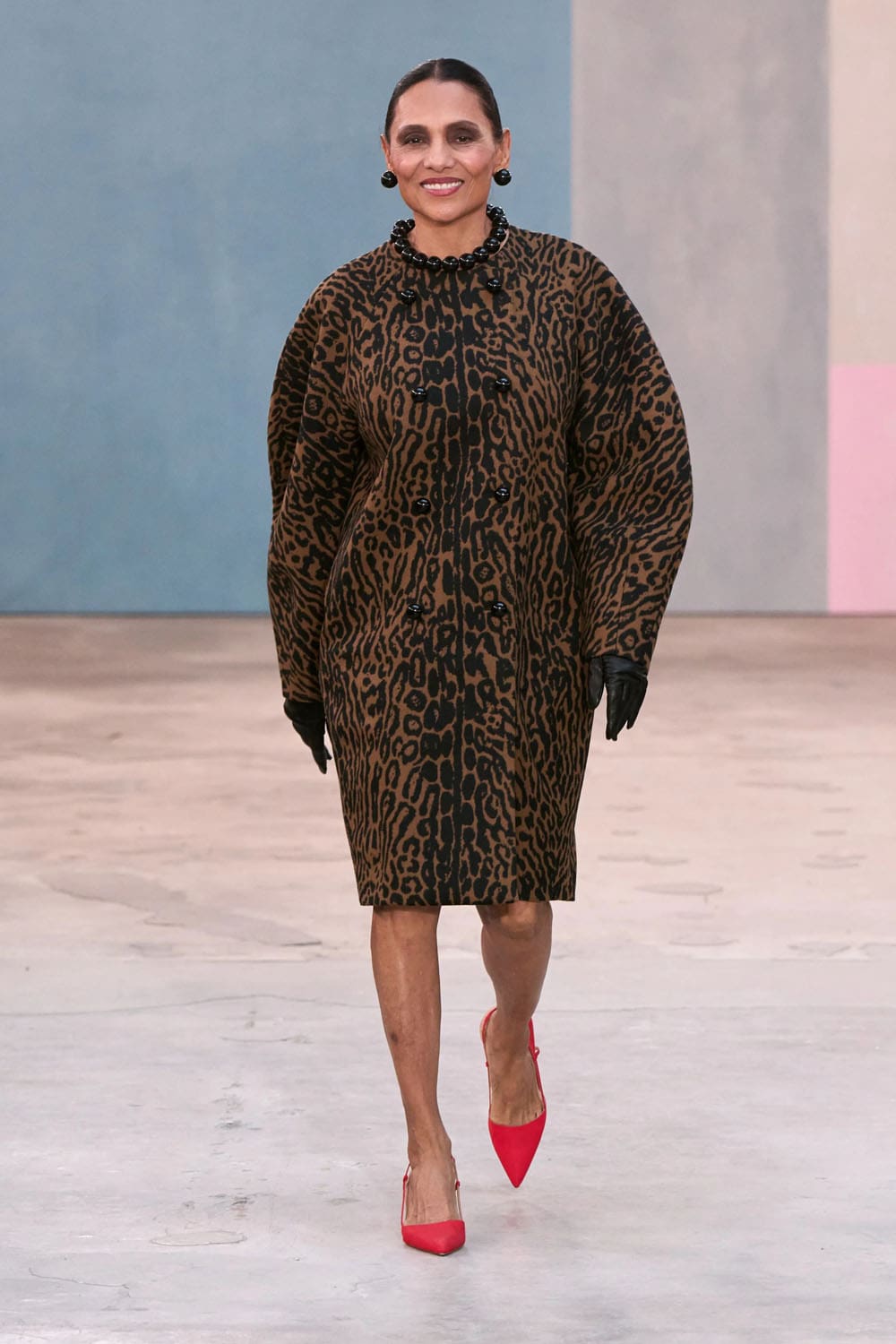
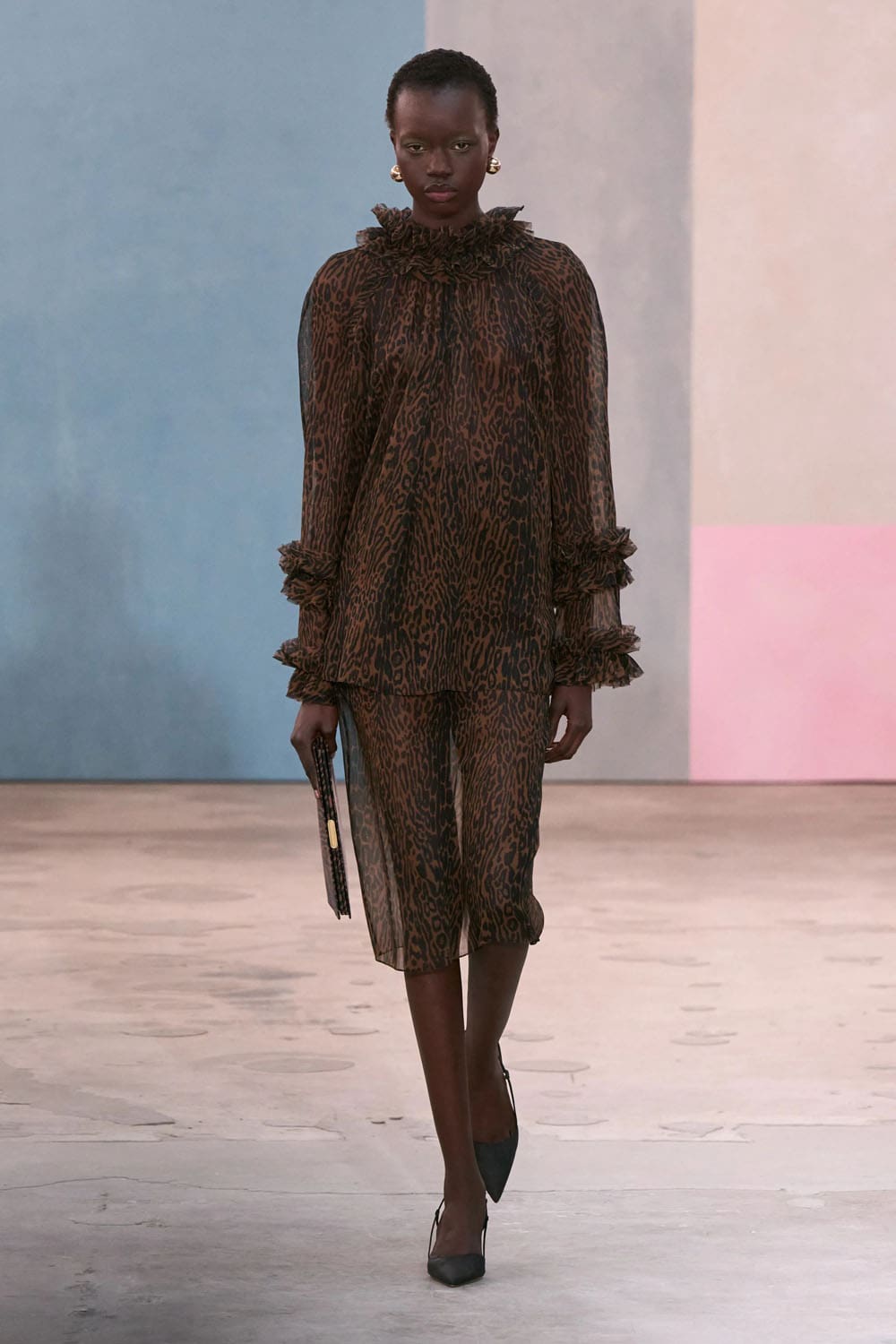
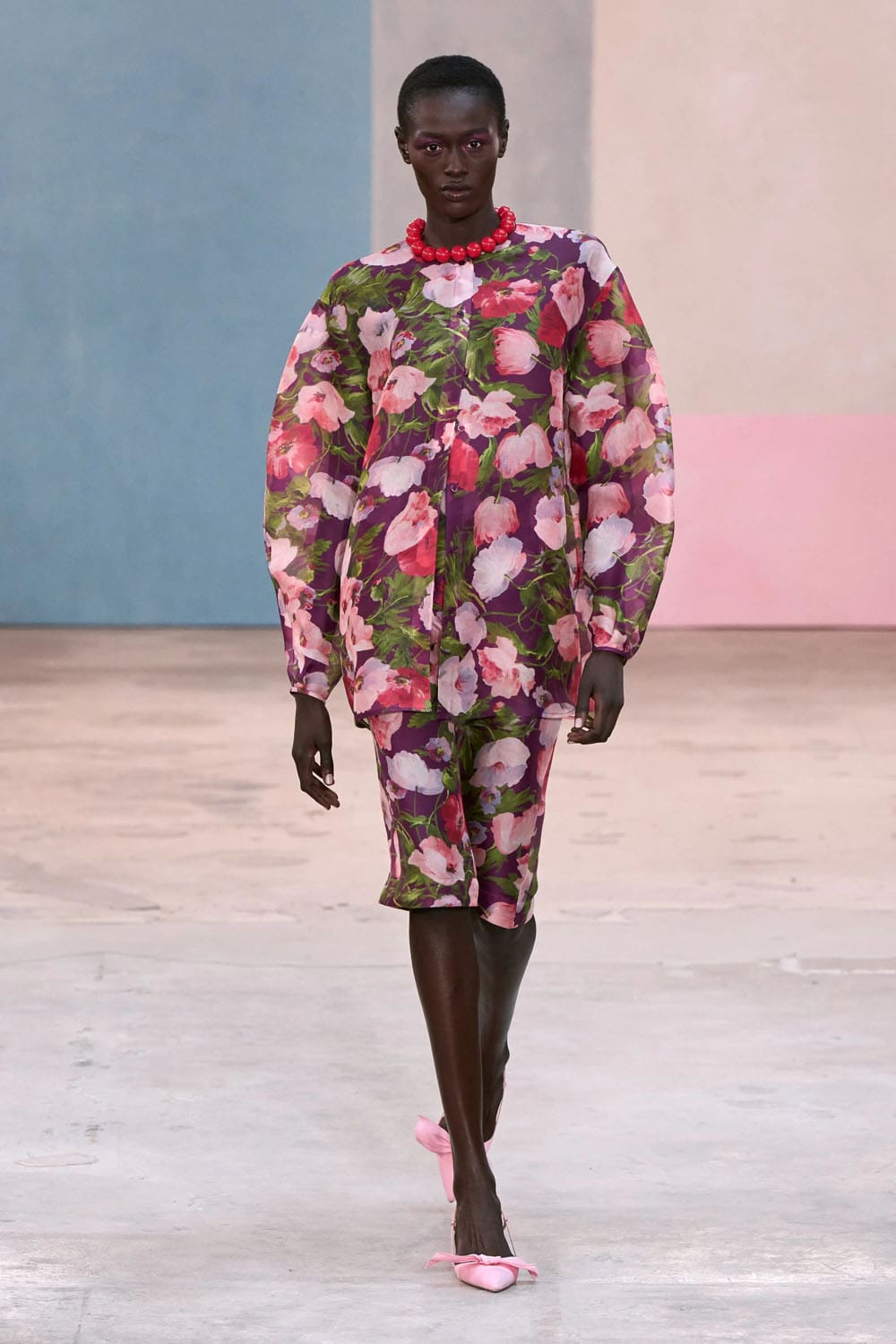
Carolina Herrera Fall Winter 2026-2027 “A Woman, a City, a Statement”. Story by RUNWAY MAGAZINE. Photo Courtesy: Carolina Herrera.
Back in New York and back in form, Wes Gordon presented a Carolina Herrera collection that felt less like a runway and more like a quiet shift in the brand’s gravitational center. After the cinematic sweep of the Spring show in Madrid, Gordon returned to the Herrera home base—both geographically and spiritually—to deliver something sharper, freer, and far more contemporary.
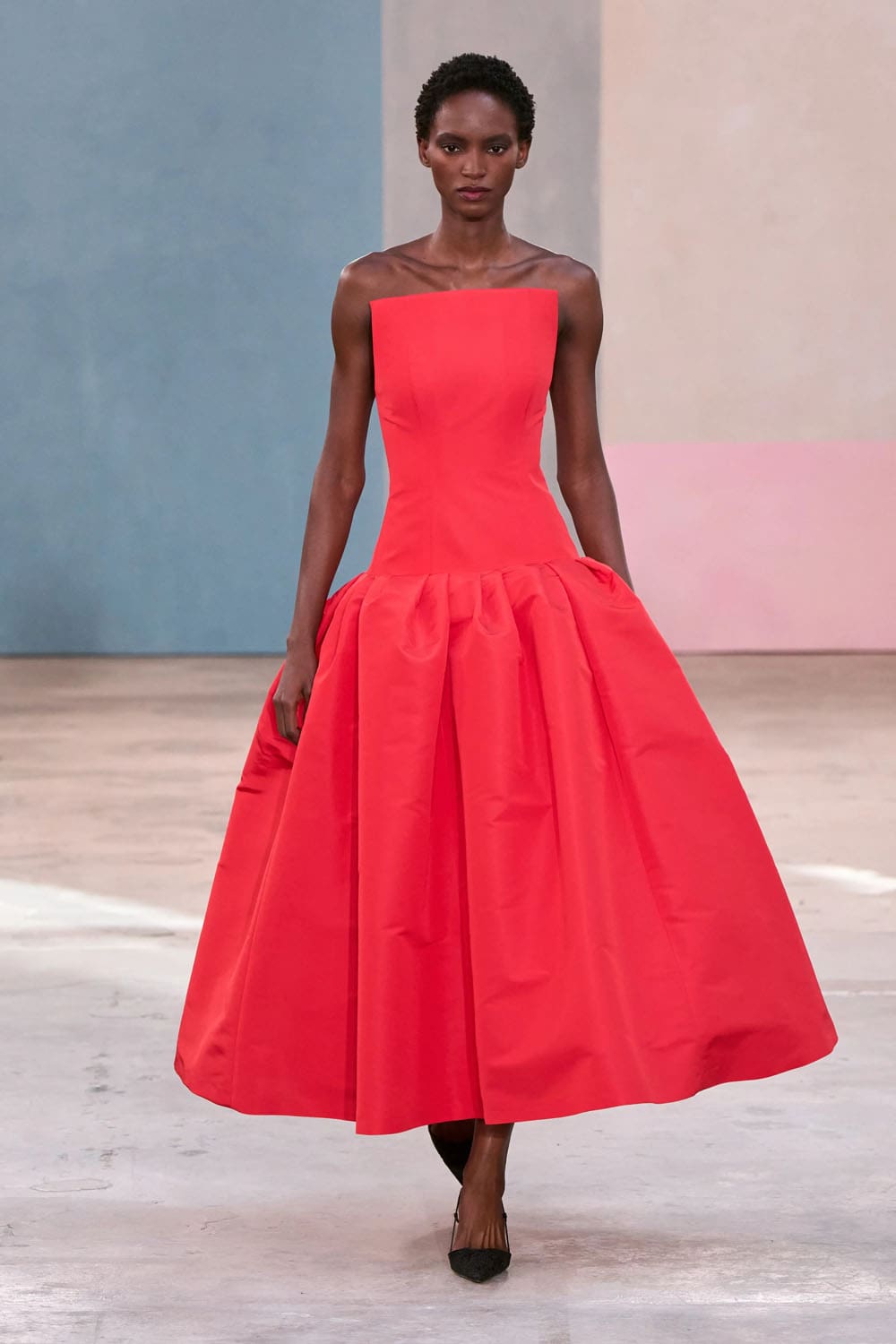
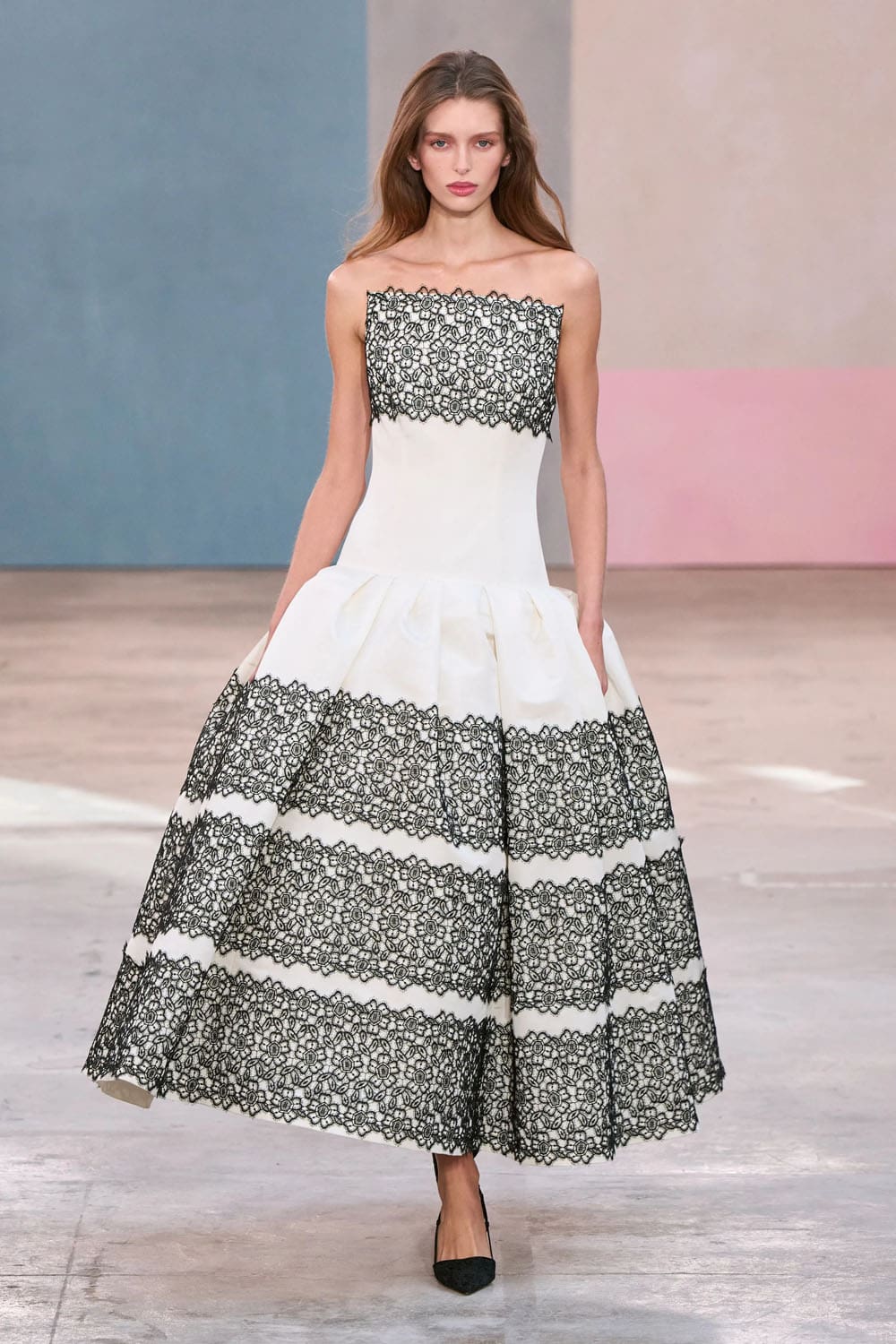
This time, there were no gowns brushing marble or baroque metaphors stitched into eveningwear. Instead: separates. Tailored. Unapologetic. Unmistakably urban.
She’s a woman on the go, She’s a total New Yorker. And so he dressed her accordingly—enlisting the city’s own to wear the clothes: Amy Sherald, Rachel Feinstein, Hannah Traore, Ming Smith. Artists, gallerists, real figures with real gravity. The result was not a fantasy, but a living portrait.
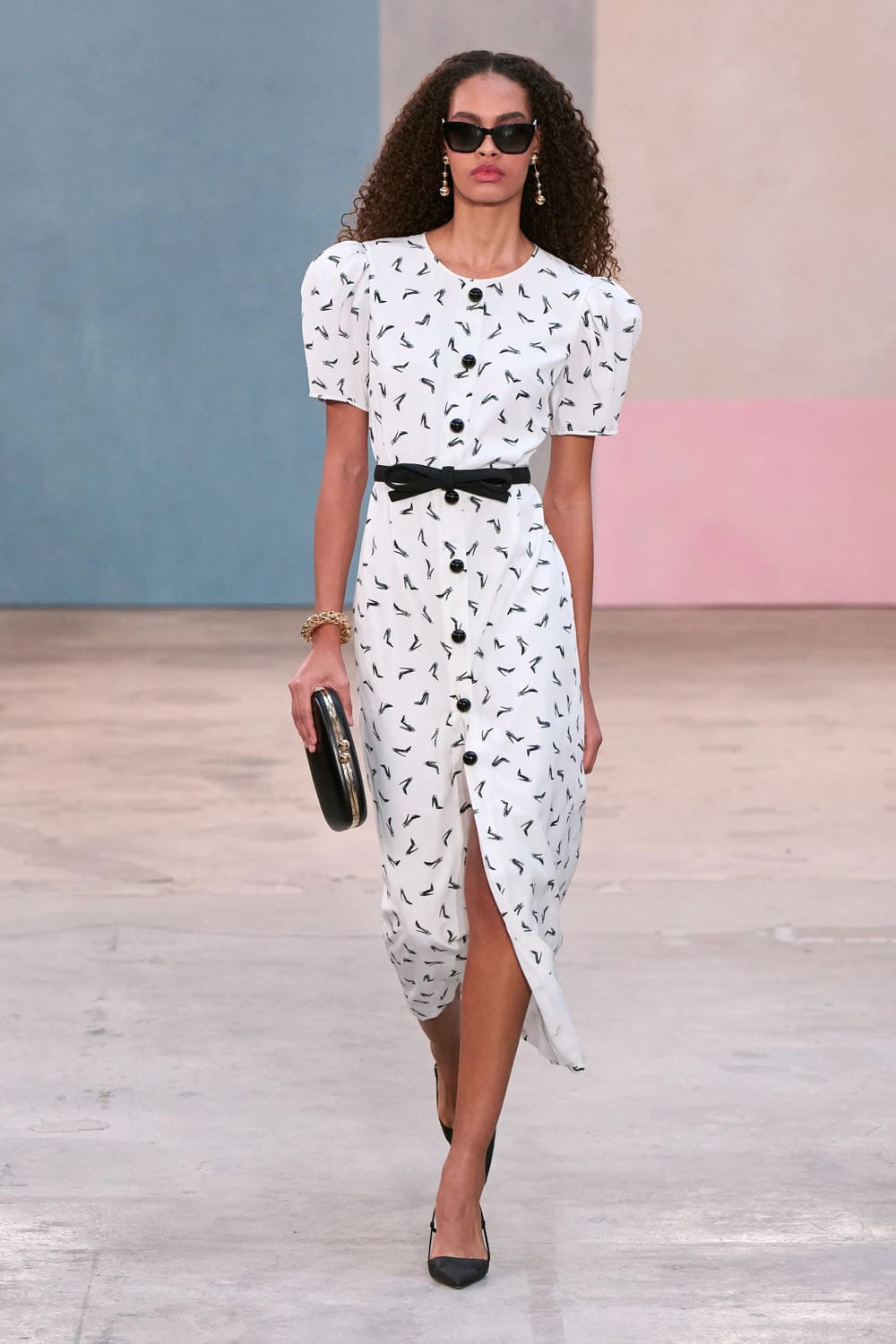
There was talk of Peggy Guggenheim as a muse—her eccentricity more conceptual than literal. No bat sunglasses, no overt homage. But the subtext was there: bold silhouettes, unconventional details, and an irreverent confidence laced through the tailoring. The stiletto sketch, lifted from the Good Girl fragrance bottle, became a recurring motif—worn like a memory or a challenge.
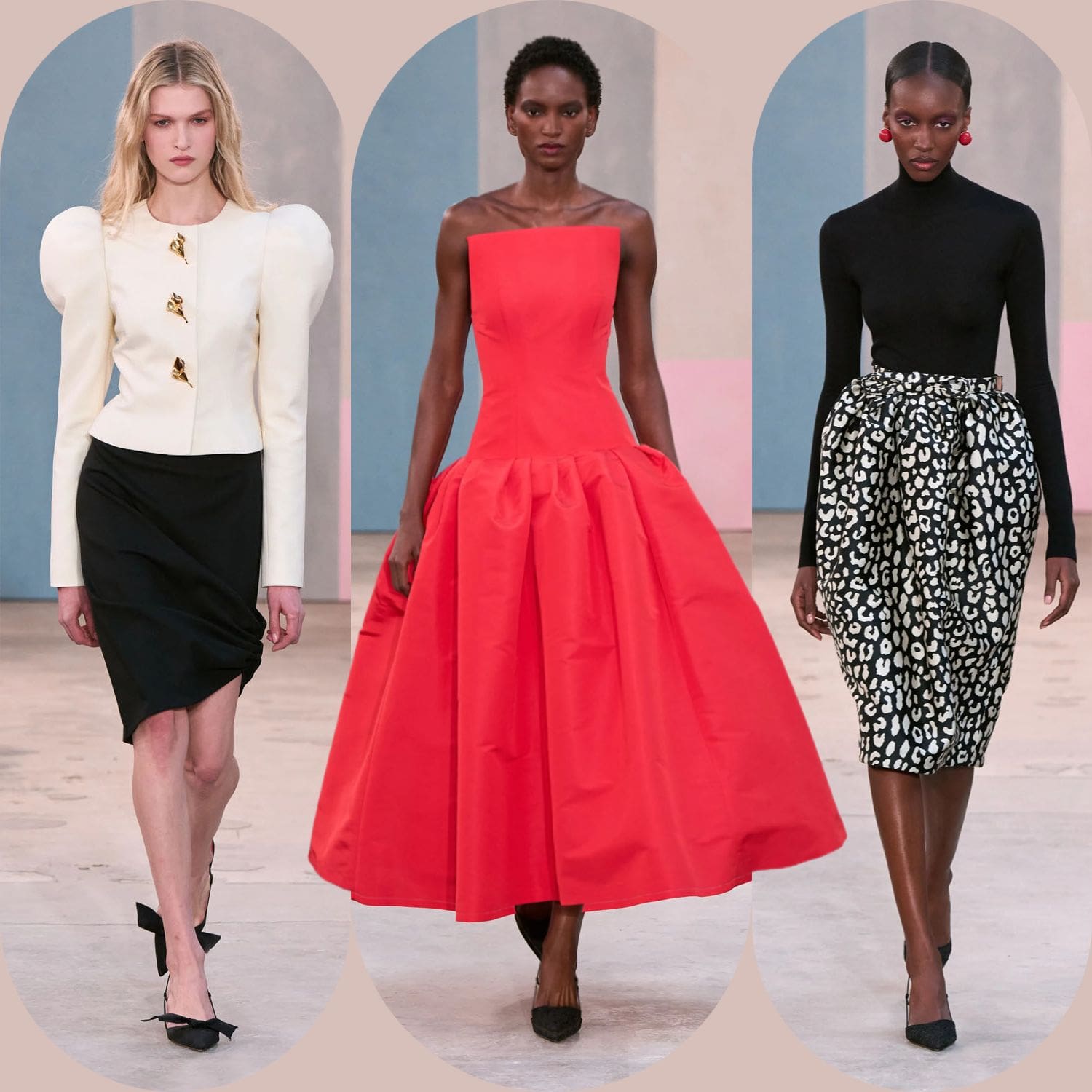
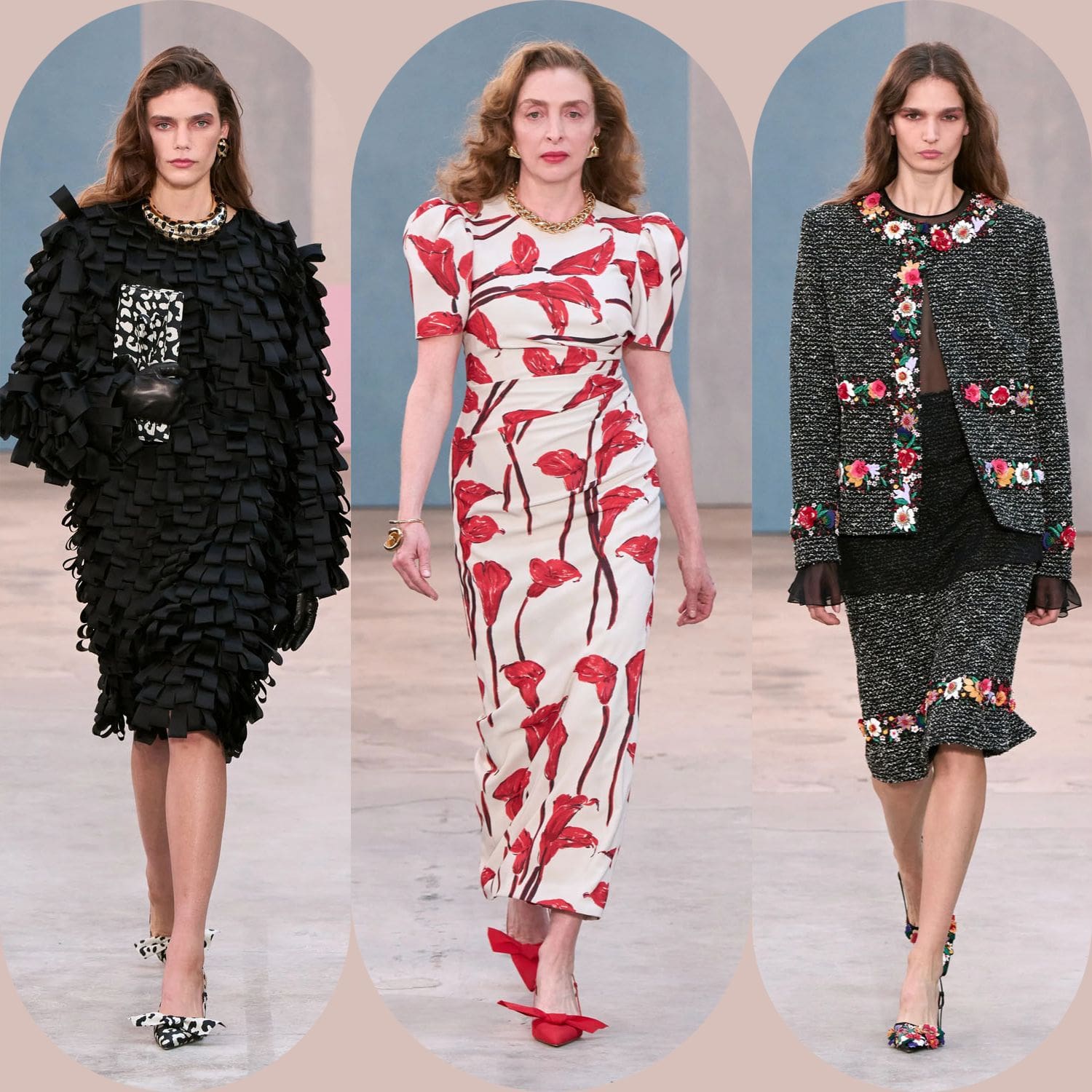
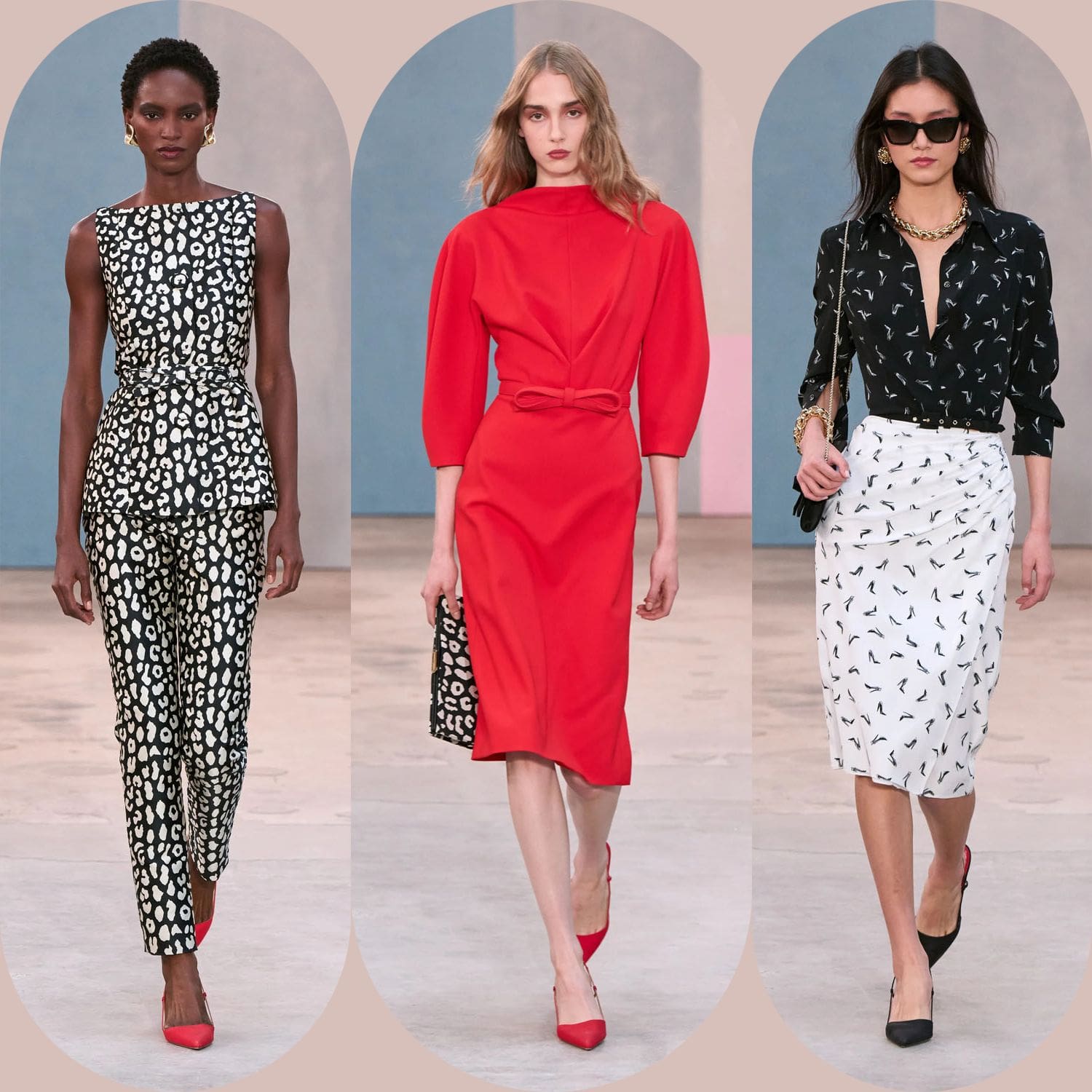
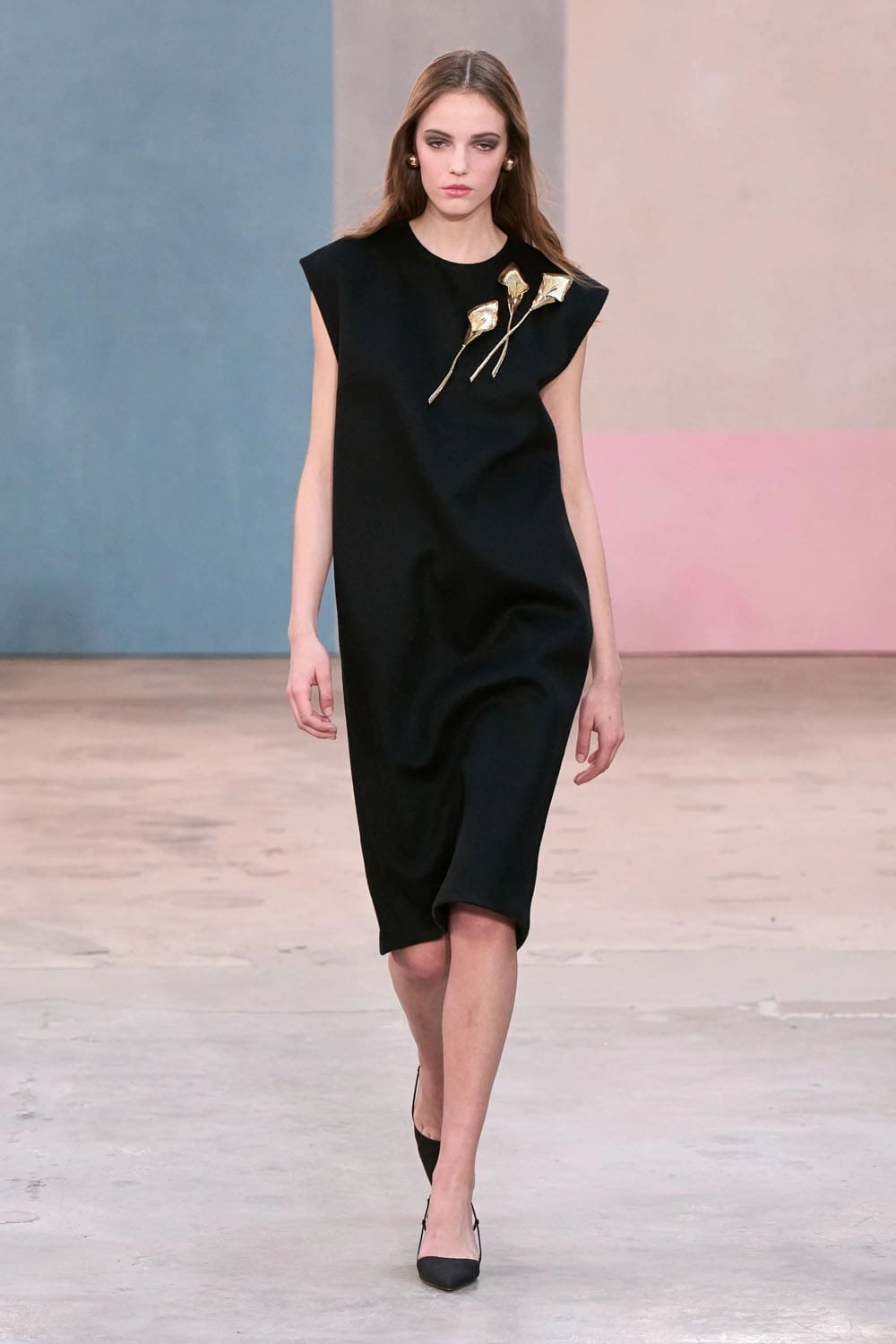
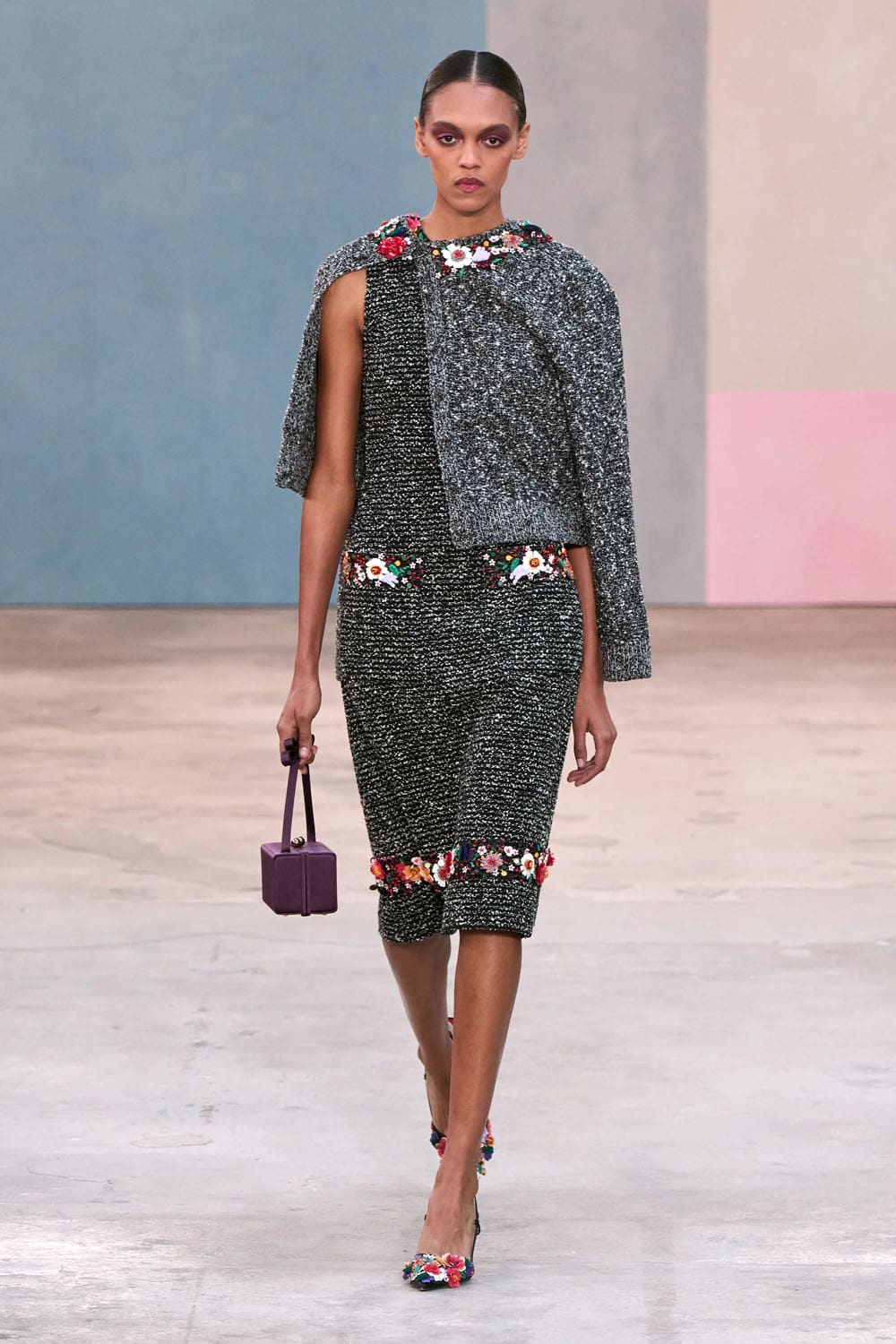
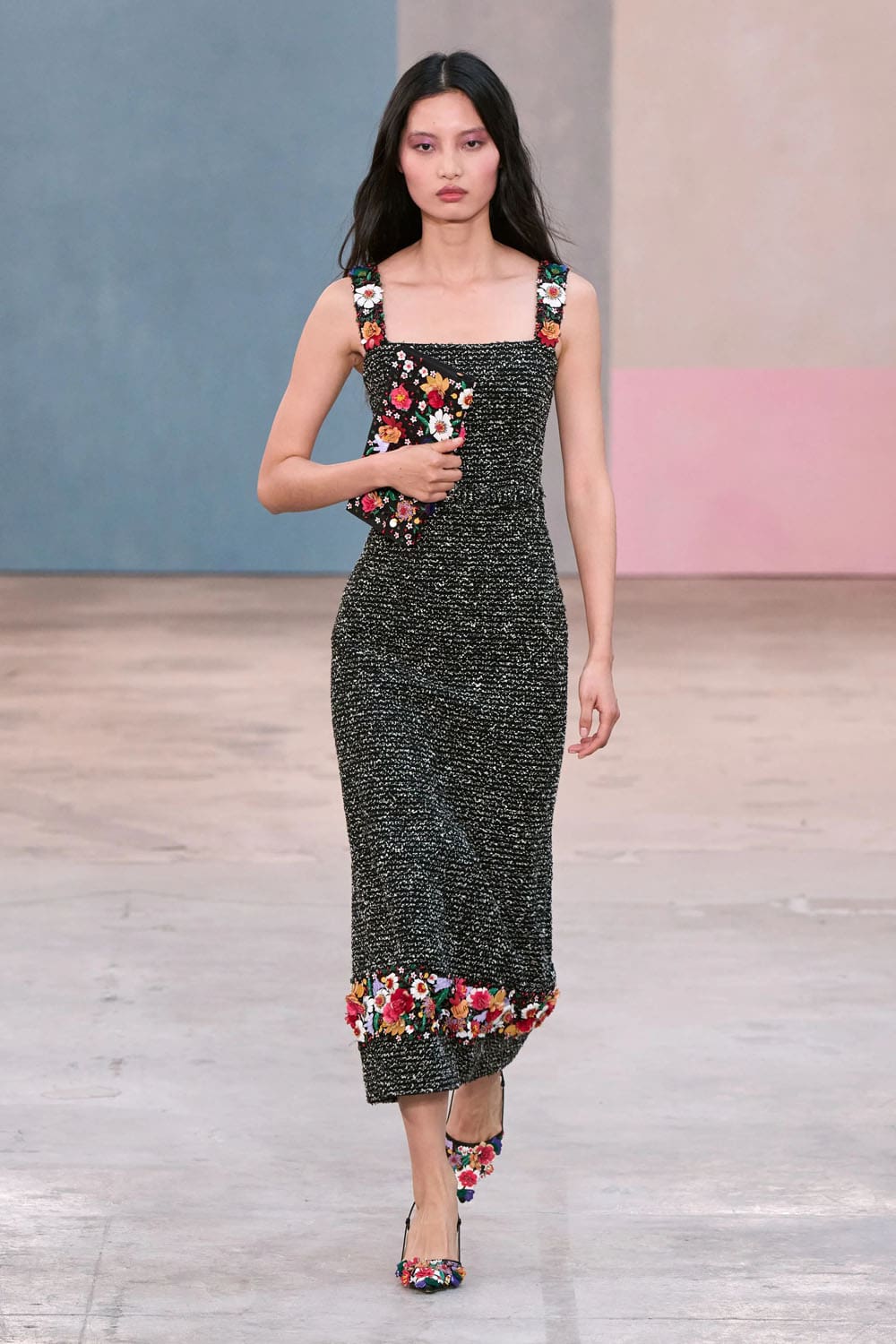
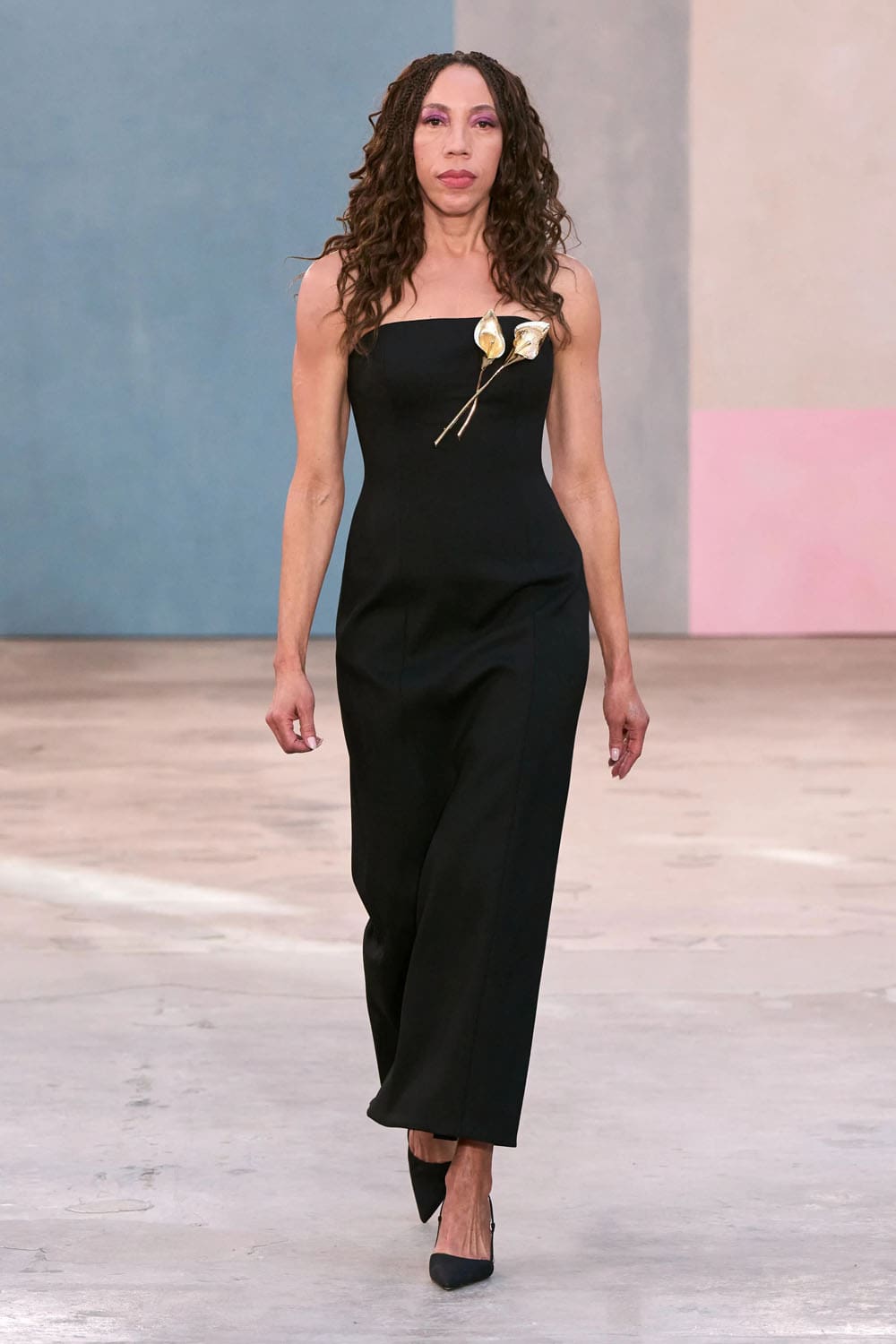
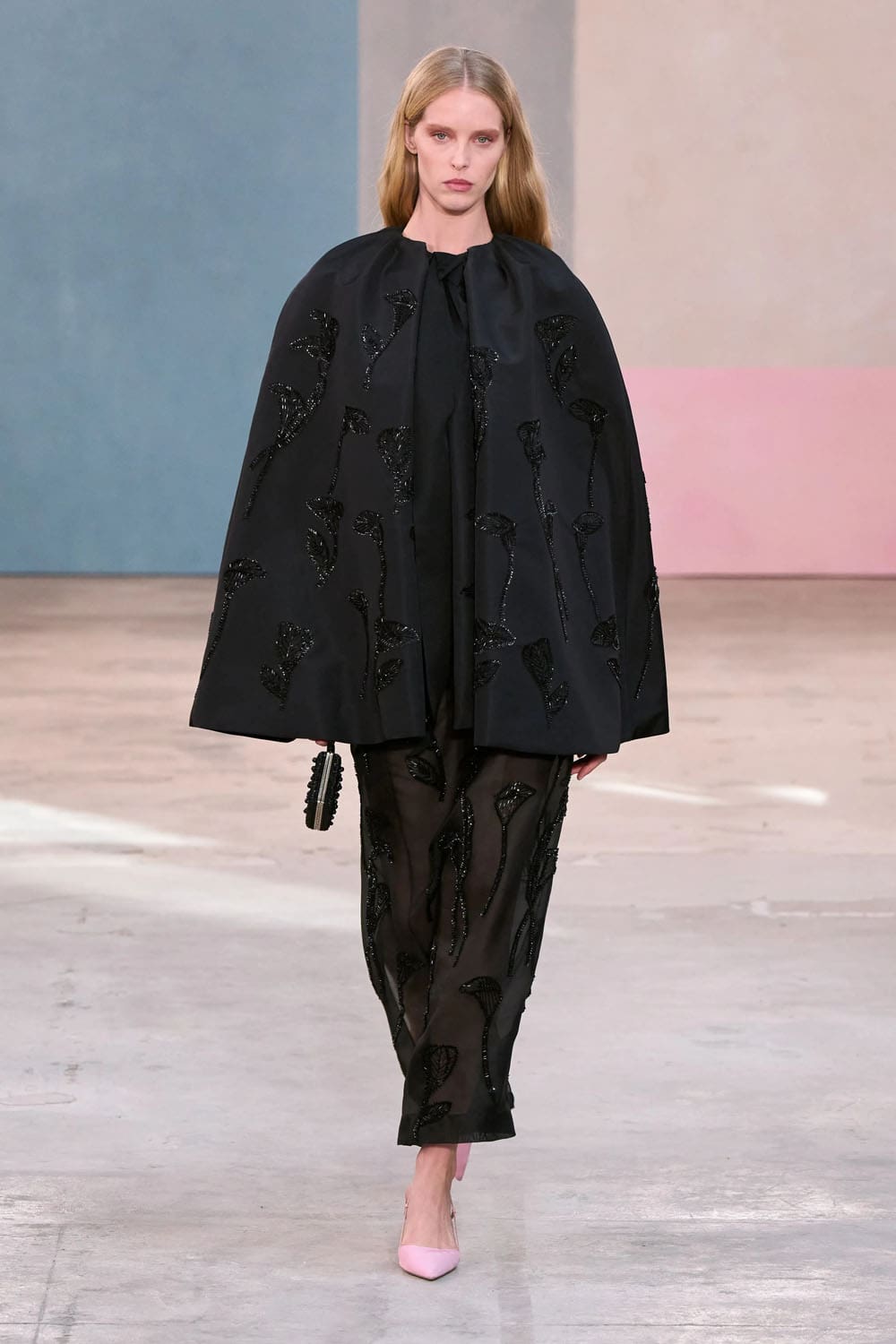
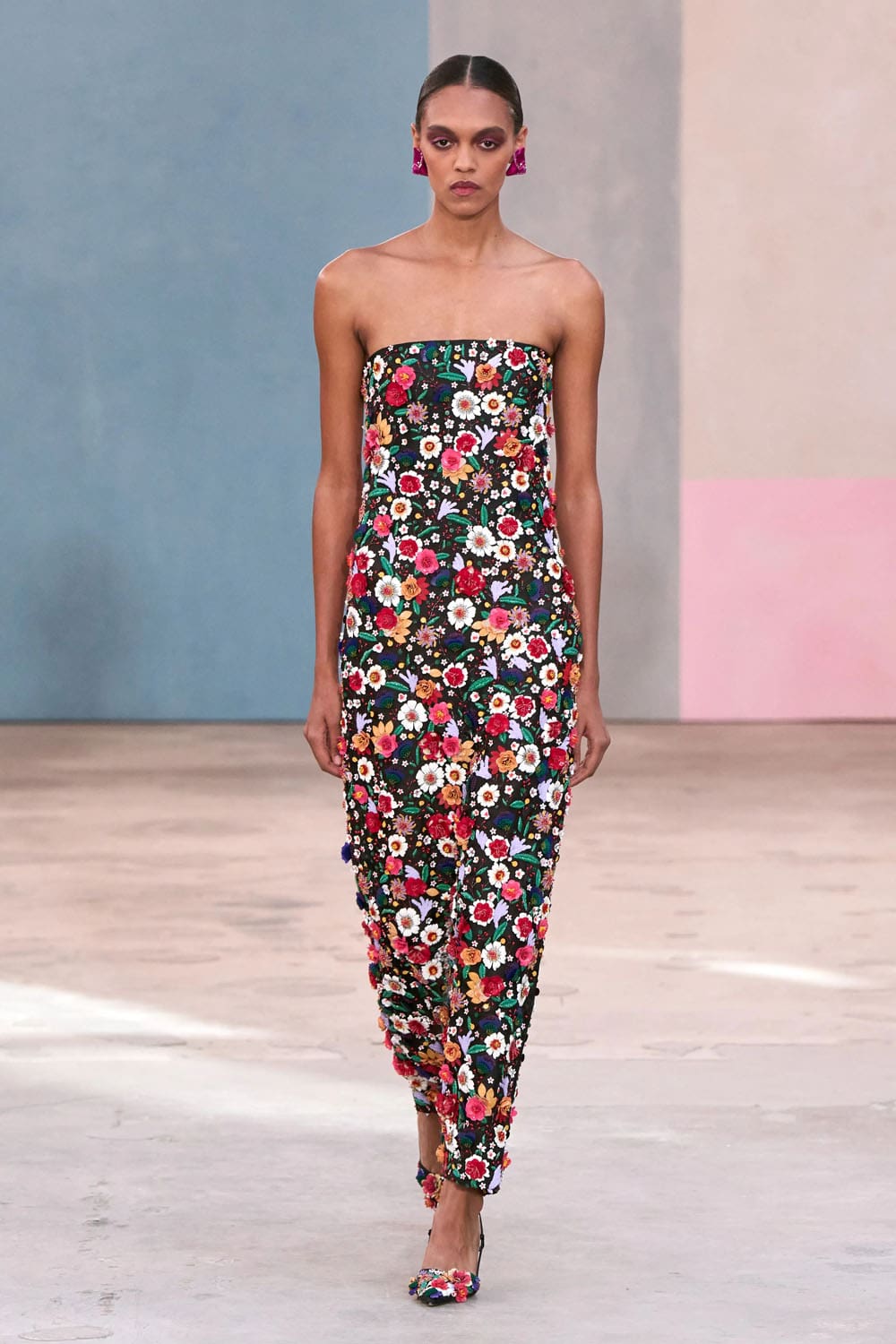
Calla lilies, subtle and suggestive, adorned jackets and buttons. A nod to Carolina Herrera herself, perhaps, whose youthful elegance was echoed in nipped waists and structured shoulders. But these weren’t museum pieces. Gordon paired them with asymmetric skirts, and just as easily imagined them with jeans and heels. The message: use the archive, but don’t inherit it.
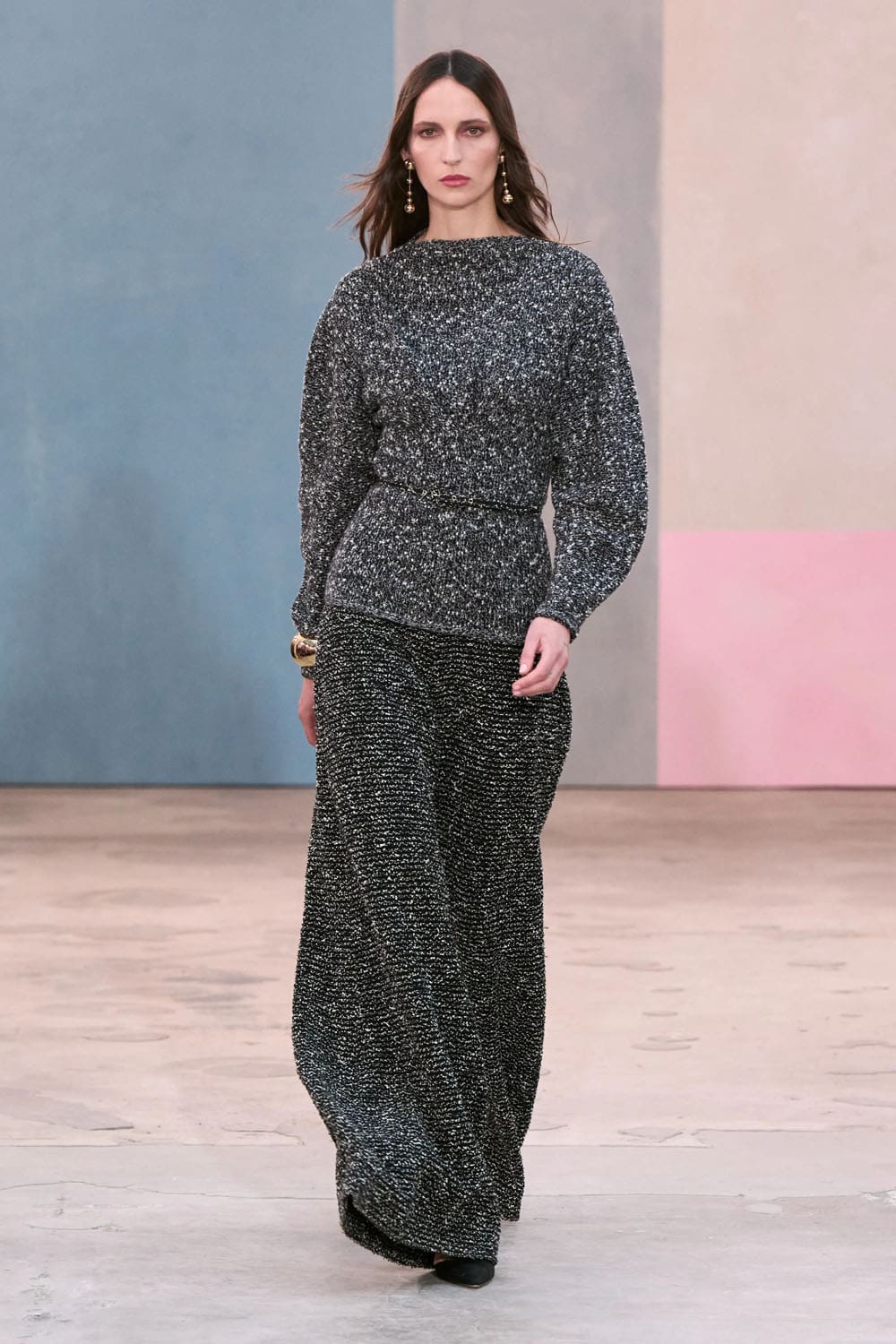
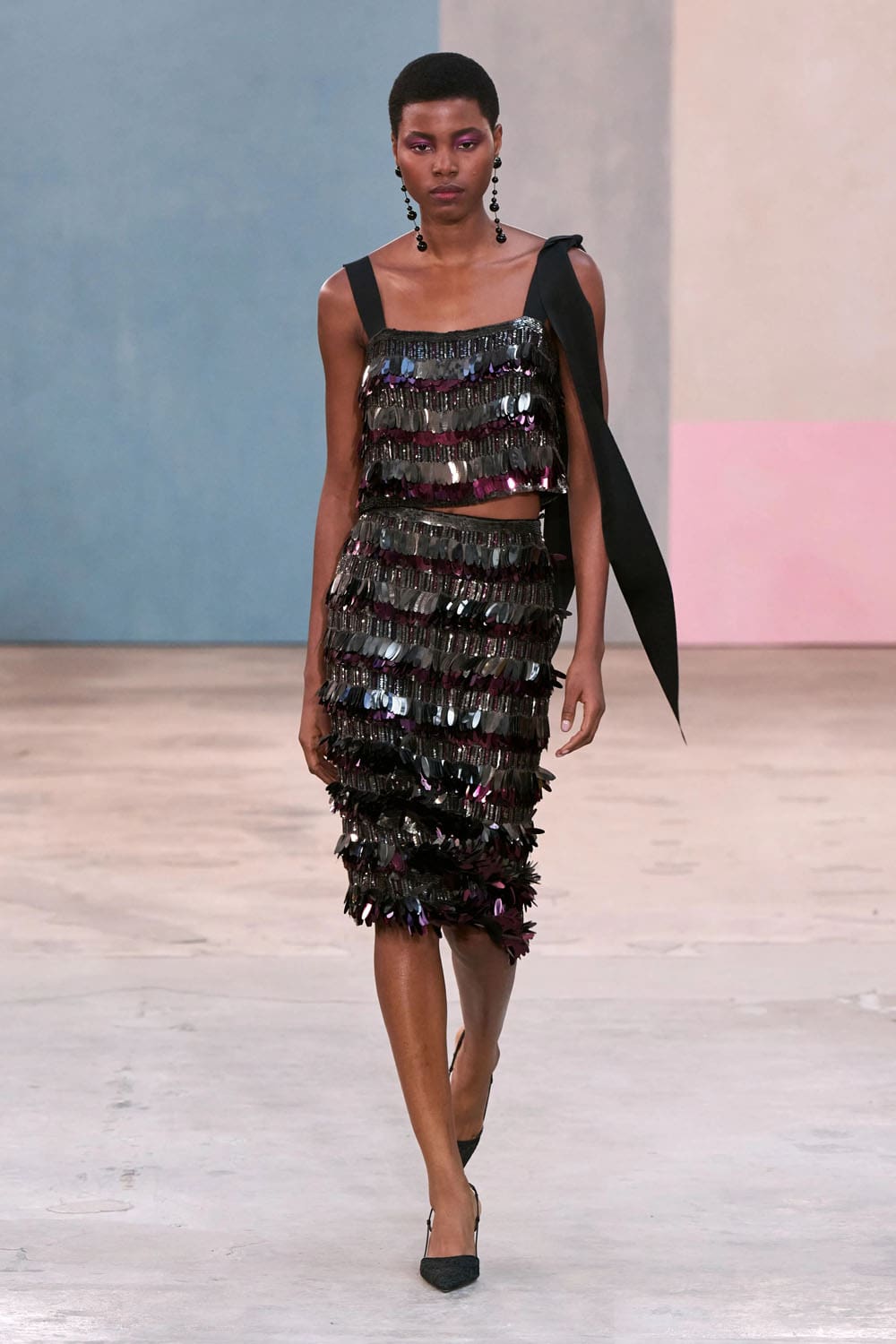
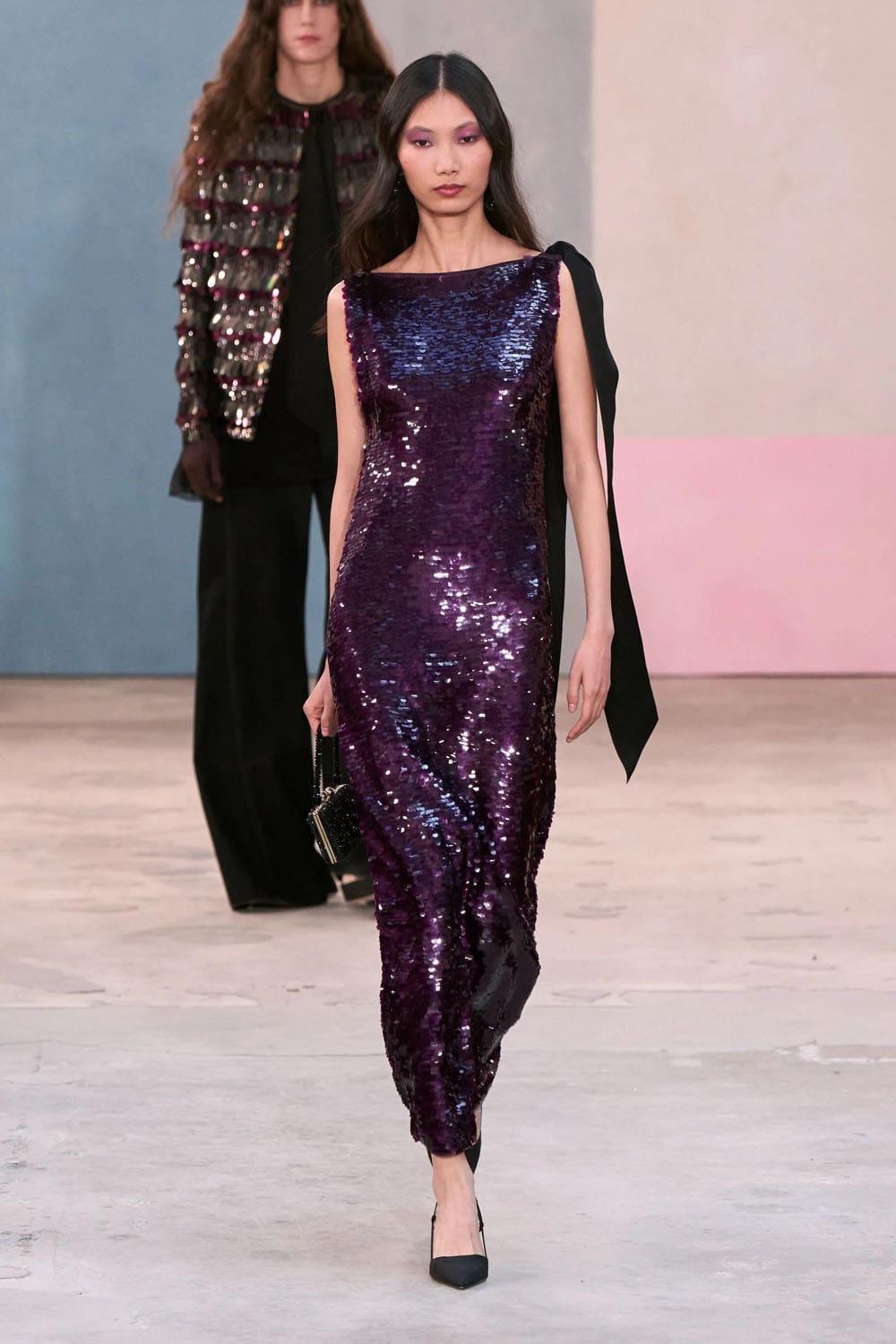
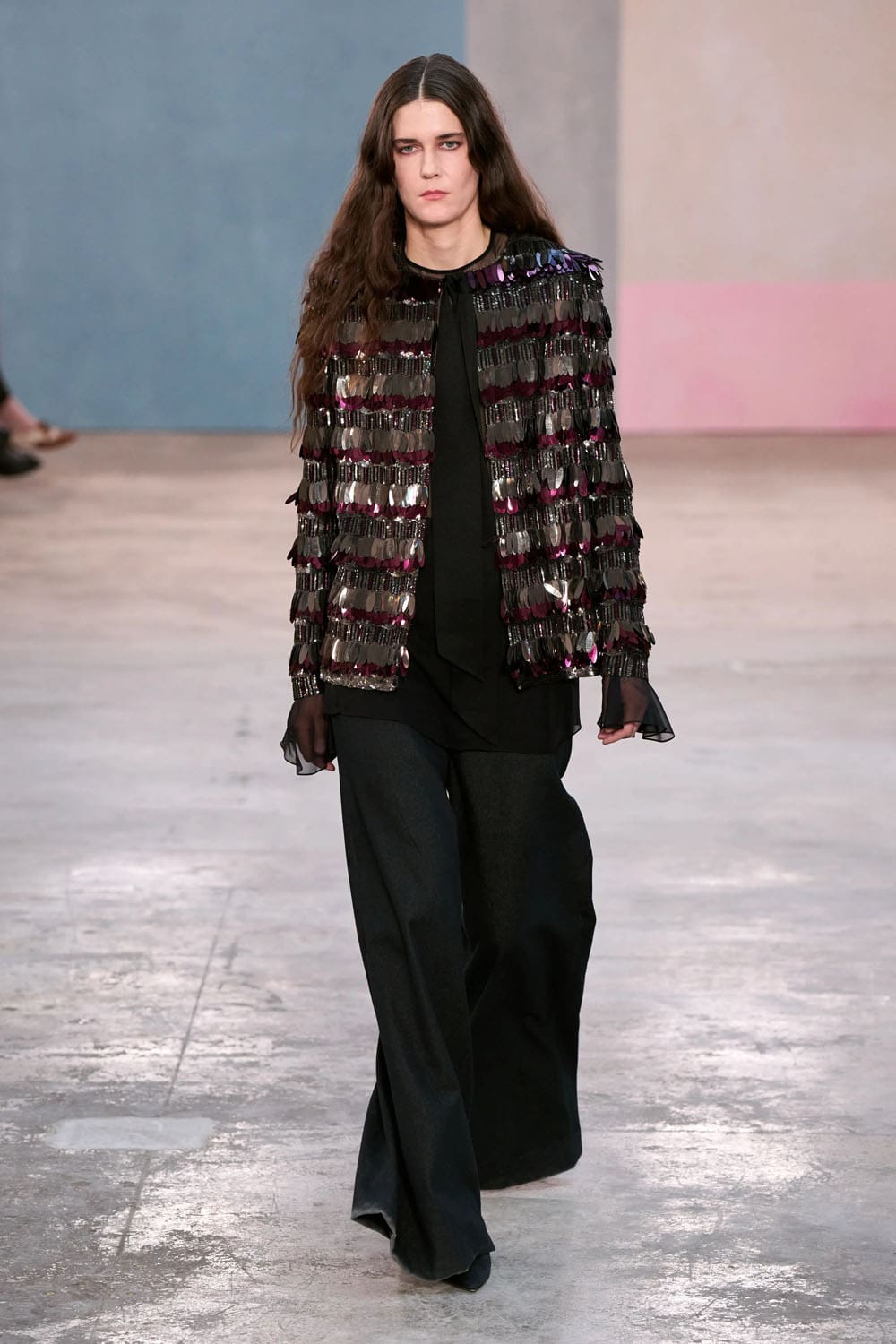
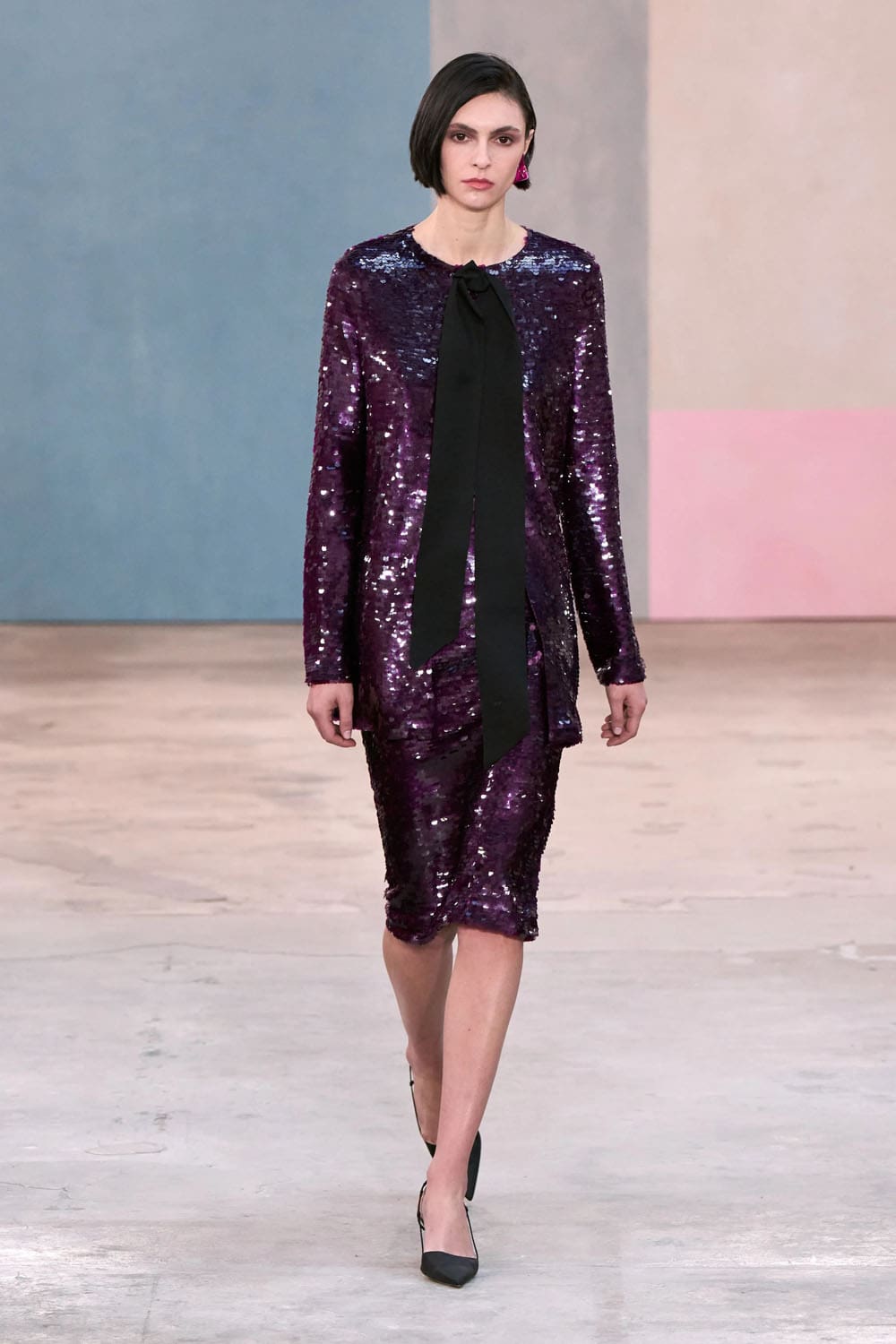
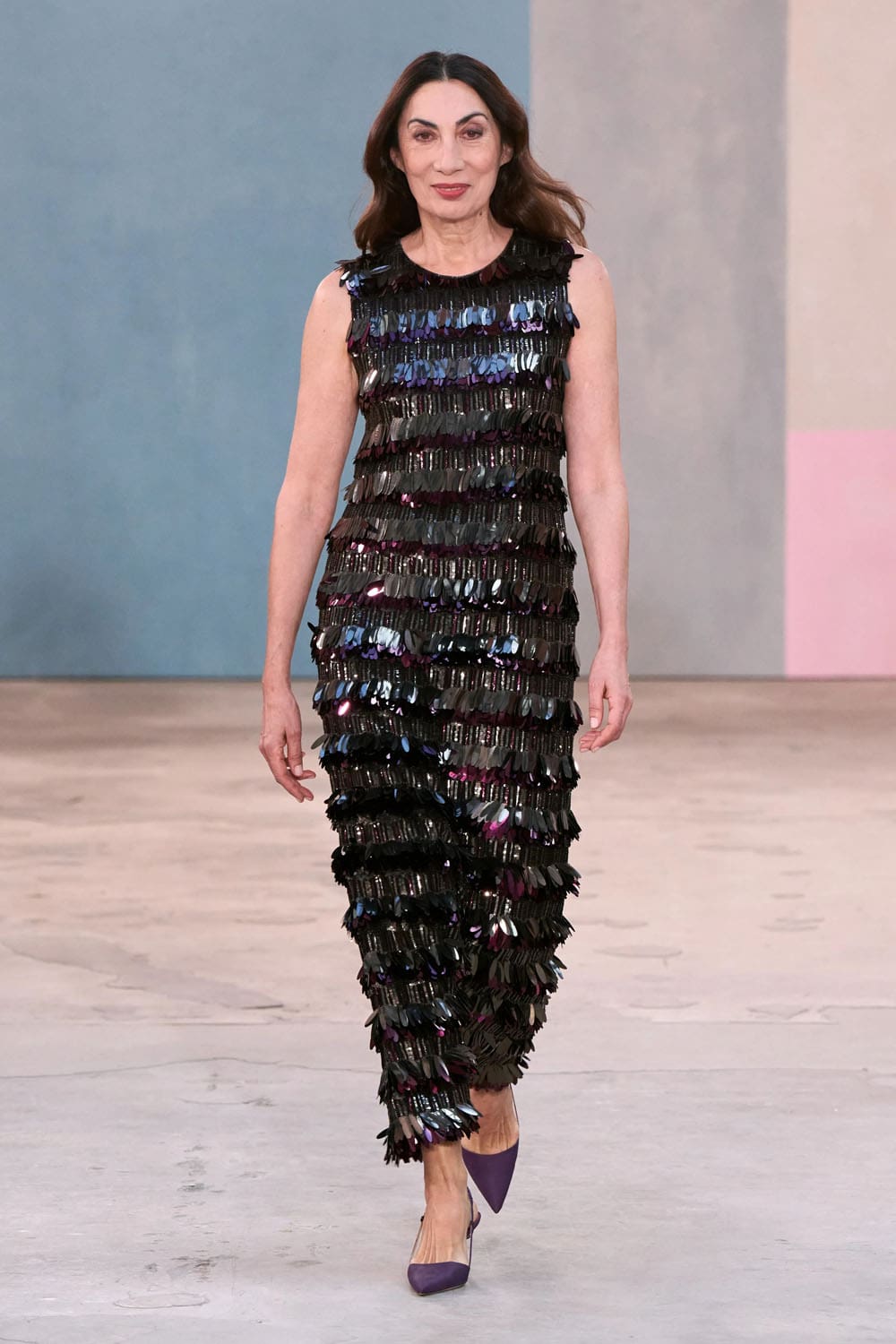
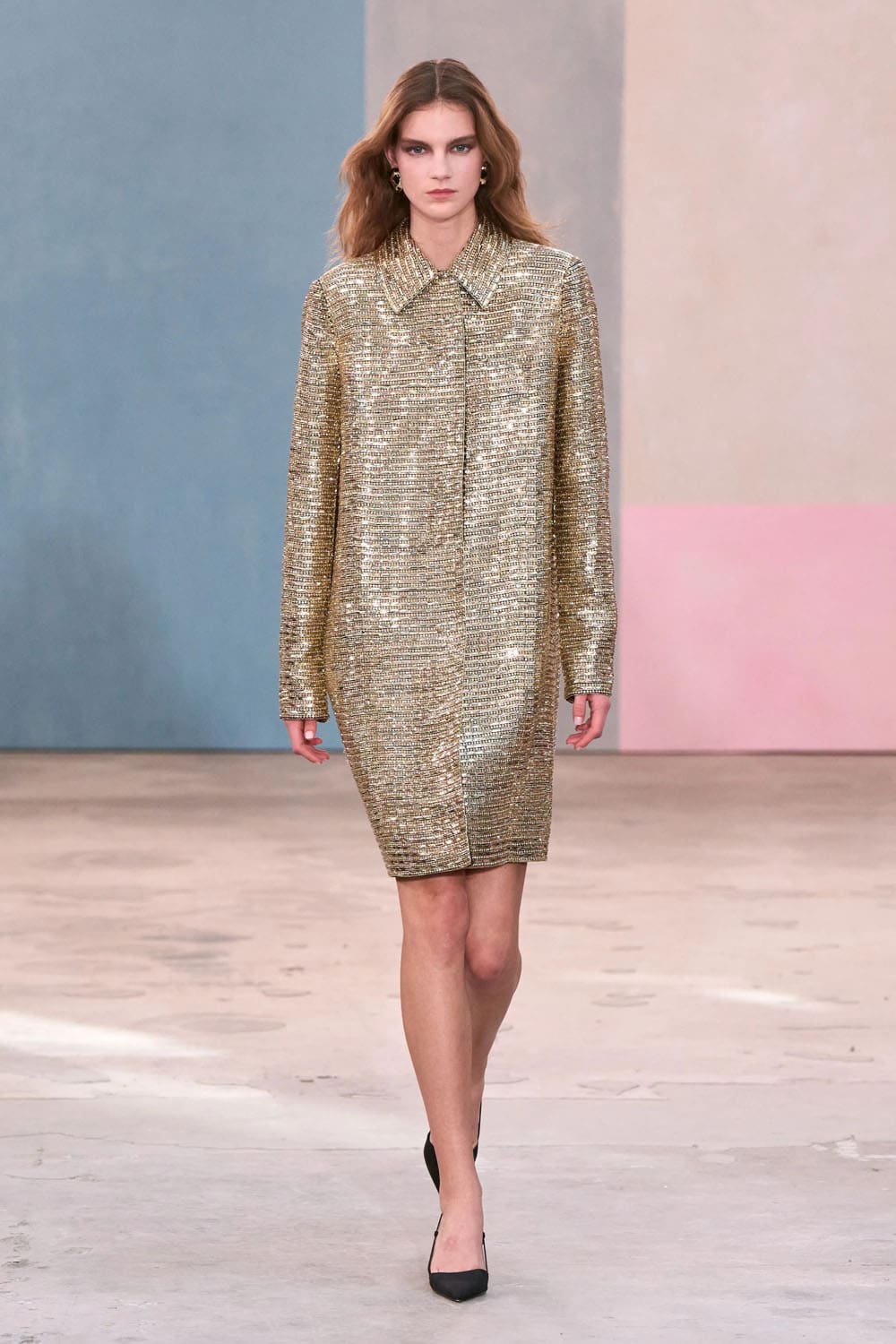
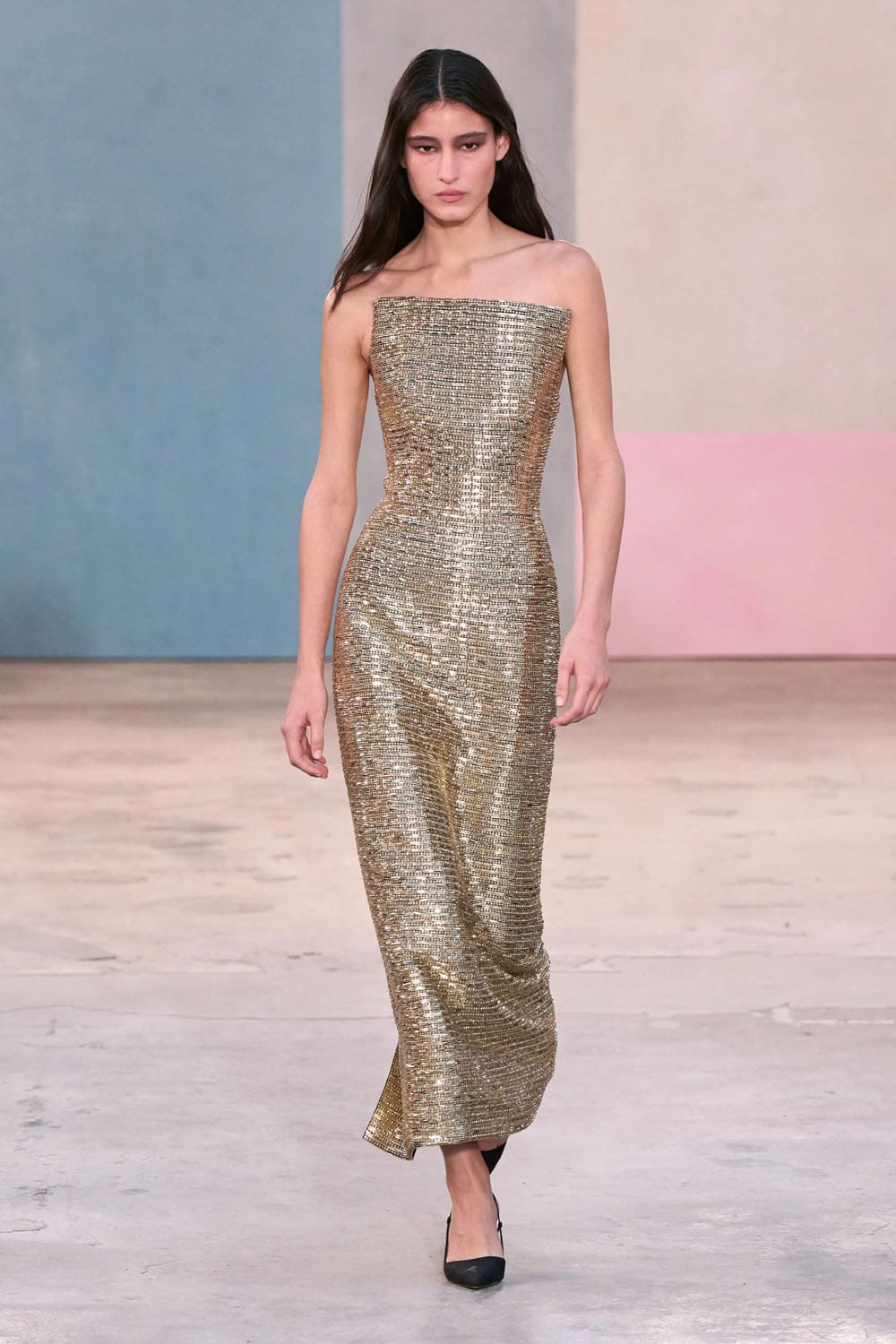
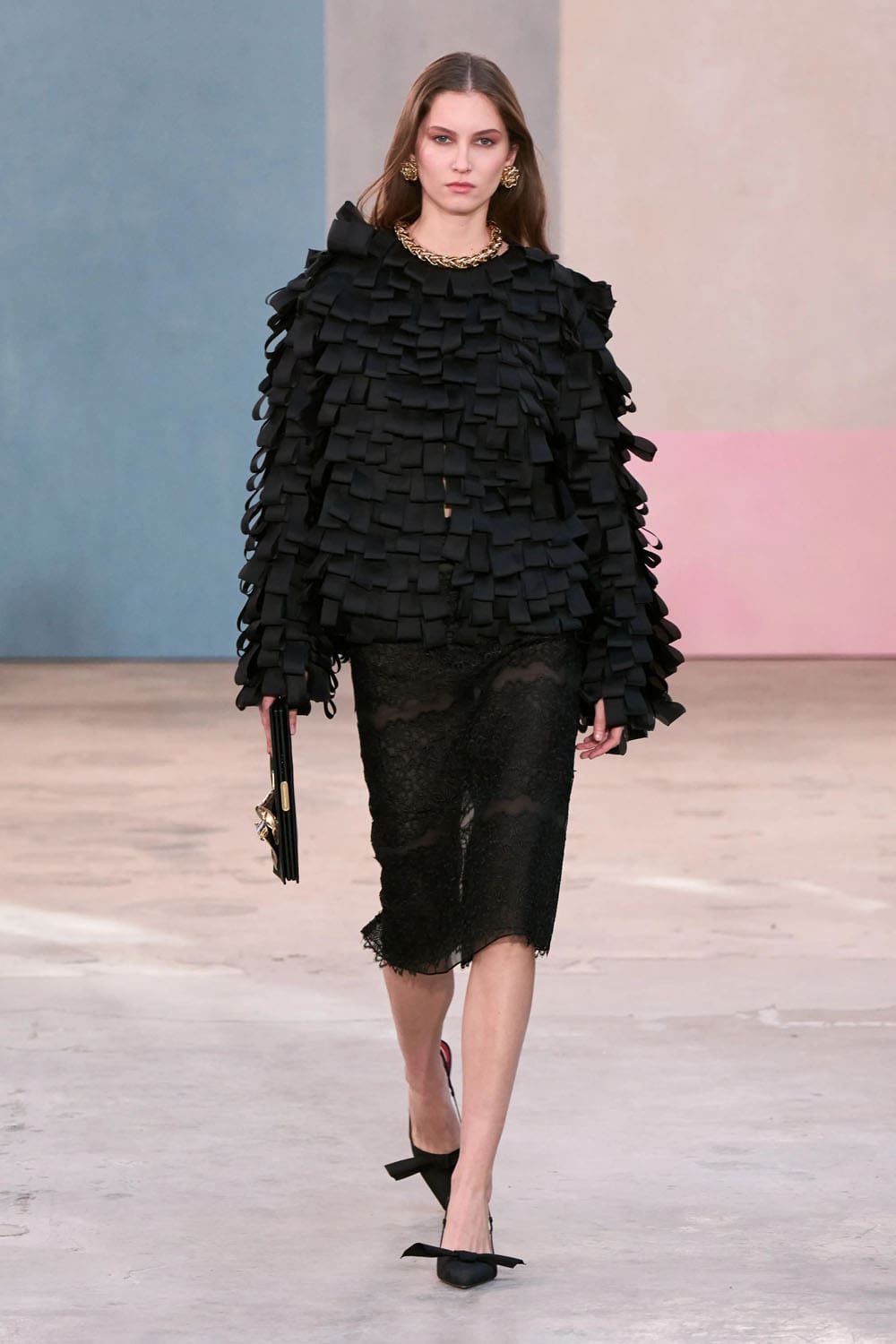
Eveningwear was reimagined for a different kind of night. Sequined knit sets offered the sparkle, minus the stiffness. A fringed tie-neck jacket, worn with black denim by Eliza Douglas, quietly closed the door on cocktail clichés.
Gordon didn’t erase the Herrera legacy—he edited it. Polite society was still in the room (three generations of it, reportedly), but the tone had changed. Less posed. More in motion. The kind of elegance that hails its own cab, checks its own coat, and doesn’t ask permission.
This isn’t reinvention. It’s recalibration. And it’s long overdue.
Key Takeaways
- Wes Gordon’s Carolina Herrera Fall 2026 collection marks a contemporary shift, focusing on tailored separates rather than traditional gowns.
- The collection features urban styles suited for modern women, highlighted by real figures from New York’s art scene.
- Gordon draws inspiration from Peggy Guggenheim, showcasing bold silhouettes and unconventional details without direct homage.
- Eveningwear is reimagined with sequined knit sets and fringed jackets, breaking away from traditional cocktail attire.
- This collection represents a recalibration of the Herrera legacy, blending elegance with practicality for a modern lifestyle.
See All Looks Carolina Herrera Fall 2026