CHANEL – The Mirage of Luxury Sustainability. Story by Eleonora de Gray, Editor-in-Chief of RUNWAY MAGAZINE. Photo Courtesy: Goodman Interlink / CHANEL.
To revere Chanel is to appreciate the delicate art of brand preservation. Under the steady stewardship of CEO Leena Nair, the house has continually demonstrated how to honor heritage while steering a global titan into the modern era with poise and strategic clarity. Yet, even the most formidable luxury powerhouses remain bound to legacy operational mechanisms designed for a pre-sustainability world—mechanisms that are increasingly at war with contemporary ethics.
The recent proceedings in the Hong Kong High Court did not expose a lack of vision at the top; rather, they pulled back the curtain on an industry-wide structural dilemma that fashion has spent decades attempting to mask. When operational protocol dictates the systematic destruction of pristine creation to safeguard market equilibrium, it lays bare a fundamental paradox. It is precisely because we hold Chanel in such high esteem that this operational friction demands examination—not to undermine an icon, but to question an outdated luxury architecture that even its premier custodians must now confront.
Part I: The Tsing Yi Disclosures—Inside the Shredding Facility
While fashion houses spend millions marketing their heritage, craftsmanship, and commitment to environmental stewardship, testimony from the High Court of Hong Kong has provided a rare, unvarnished look into how luxury exclusivity is actually maintained behind closed doors.
On July 28, 2026, a jury before High Court Judge Douglas Yau Tak-hong delivered guilty verdicts for two former Chanel warehouse employees, supervisor Ng Yiu-lun and worker Cheung Ka-wai. Along with two co-workers, the group was convicted of conspiracy to steal 724 pristine Chanel items—including 601 seasonal handbags and 123 leather wallets—intercepted directly from the brand’s disposal pipeline.
The trial’s most striking revelations lay not in the mechanics of the theft, but in the corporate protocol it exposed.
According to prosecution evidence presented in court, Chanel Hong Kong enforces a strict corporate inventory policy requiring the systematic destruction of 10,000 to 20,000 unsold luxury items every six months (Reporter The Standard HK).
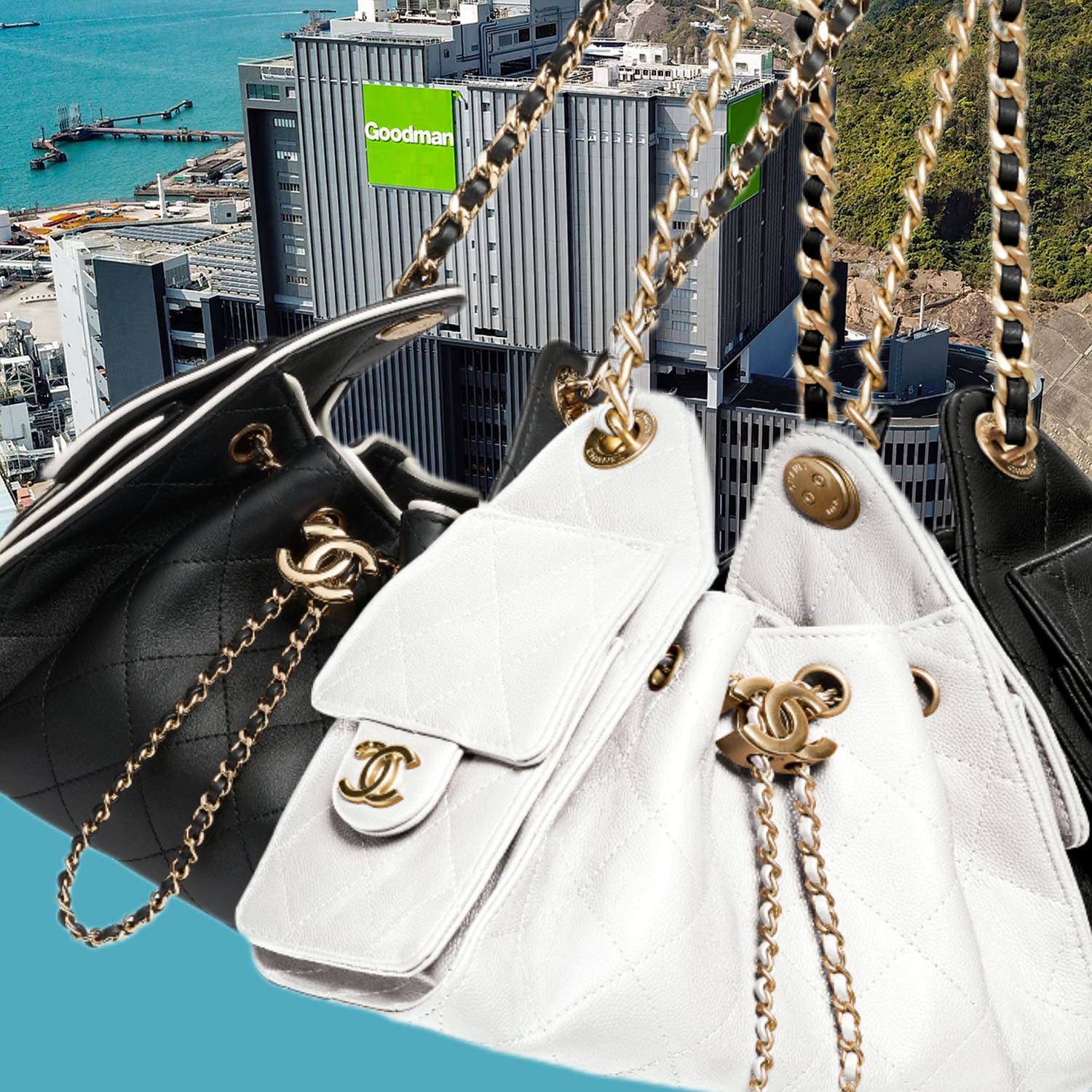
The disposal process at the Kerry Cargo Centre / Goodman Interlink facility in Tsing Yi was described with industrial precision:
- Floor 23: Discontinued stock and out-of-season leather goods are cataloged, verified, and boxed.
- Floor 5: The items are transported via security-controlled elevators directly into commercial shredders.
The plot unraveled when warehouse staff volunteered for unusual overtime to stash 33 cardboard boxes of merchandise before they reached the 5th floor. An assistant manager noticed the unauthorized movement of pallets down to an underground loading bay, intercepting a delivery van loaded with over 600 pristine handbags that were scheduled to be pulverized.
While Chanel subsequently issued statements maintaining that these disclosures reflect past procedures rather than current global standards, the court record offers concrete, quantified metrics on how luxury inventory has historically been eliminated to prevent discounting.
Part II: Price Escalation, the Upcycling Paradox, and Legal Irony
The Hong Kong proceedings highlight a deep contradiction at the heart of contemporary luxury strategy.
The Price Hikes vs. The Shredder
In boutiques worldwide, iconic pieces like the Chanel Medium Classic Flap now push price points between $10,000 and $11,000. These price escalations are regularly justified through narratives of scarcity, hand-stitching, premium materials, and “enduring investment value.”
Yet, when tens of thousands of flawless leather goods are mechanically shredded every year to protect market pricing, the narrative of intrinsic material value collapses. The scarcity is not natural. It is manufactured through systematic destruction.
Why destroy them? Why not to upcycle?
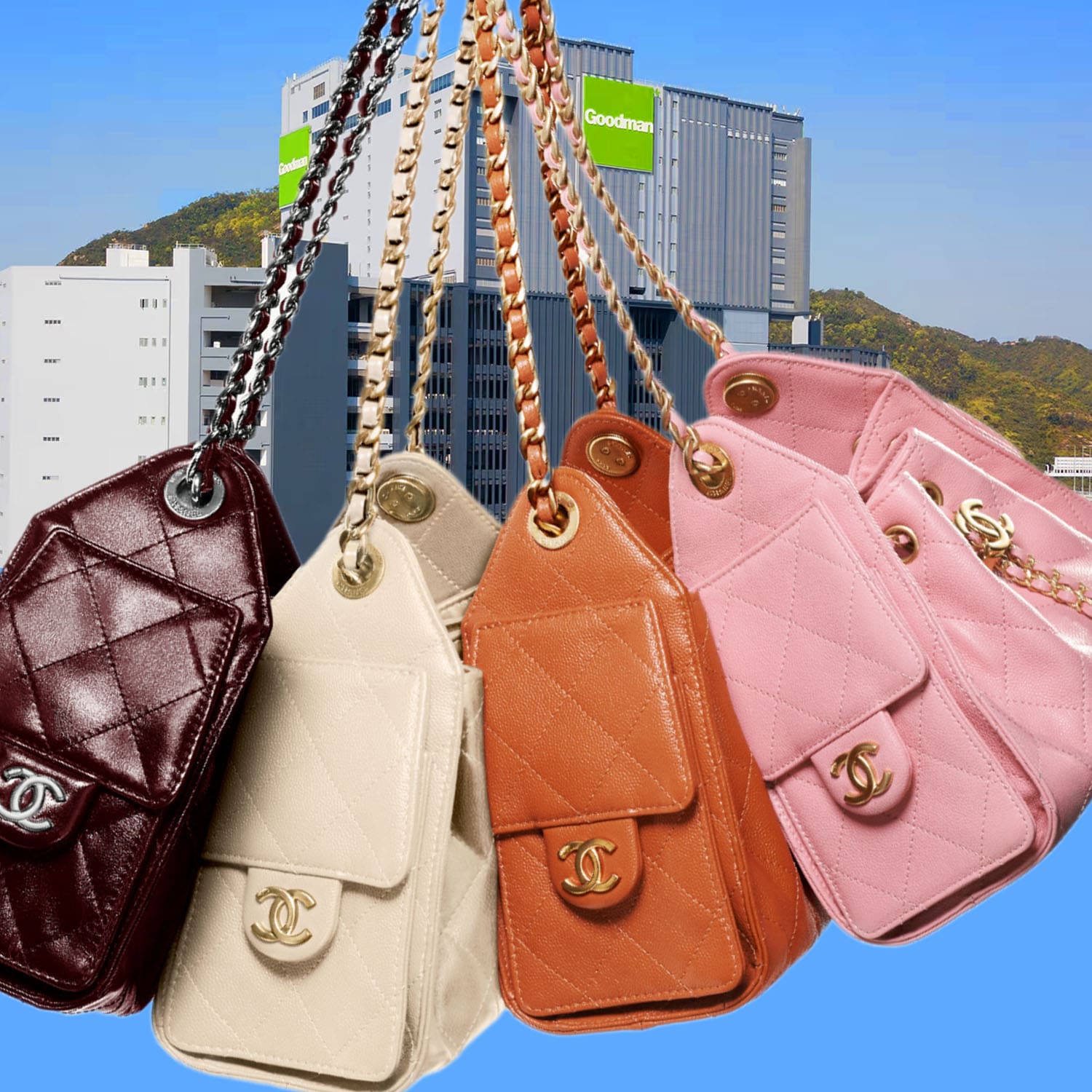
The Ecological Missed Opportunity: From Destruction to In-House Craft
The true paradox is ecological.
If luxury houses are announcing the ecological manifestos, why abandon that same standard of stewardship when it comes to their own surplus material?
Rather than sending millions of dollars in pristine leather craft to an industrial shredder to protect exclusivity, the real opportunity lies in house-sanctioned circularity.
Imagine the impact if Chanel applied its legendary savoir-faire to an in-house Upcycled & Archival Collection?
Instead of total destruction, excess seasonal pieces could be dismantled, reworked, and re-imagined by Chanel’s own artisans into limited-edition circular runs. Offered at a more accessible entry point than the classic $10,000 threshold, such an initiative would accomplish three things at once:
- Environmental Accountability: It eliminates the ecological waste of mechanical destruction while respecting strict new global anti-waste mandates.
- Flawless Quality Control: It ensures that every repurposed piece meets the exacting standards of the house, rendering unauthorized third-party “customizers” completely obsolete.
- Generational Engagement: It opens the door to a younger, environmentally conscious demographic who revere the Chanel name but are priced out of the traditional retail ecosystem.
The infrastructure, the prestige, and the talent already exist. The only missing piece is replacing an outdated destruction algorithm with genuine, house-led innovation.
The Legal Irony of “Zero-Value” Contraband
The ultimate irony of the Tsing Yi case lies in the legal definition of the property involved.
Once marked for destruction, these 724 leather goods were accounting-cleared and assigned a net corporate asset value of zero—literally classified as waste awaiting processing.
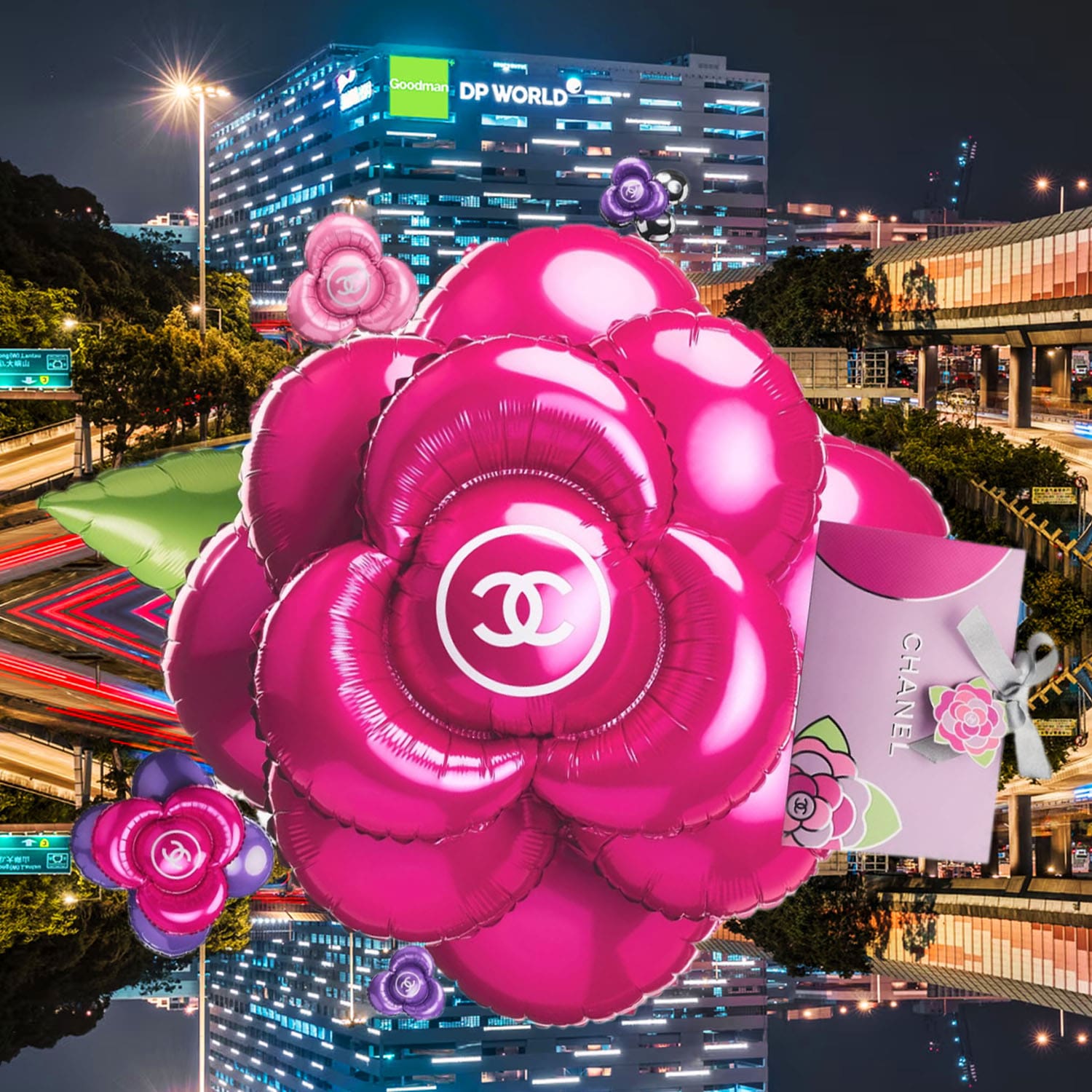
Conclusion: A Manifesto for Modern Luxury
The ultimate irony of the Tsing Yi case lies not in the theft itself, but in the system it exposed. The true disruption was never about retail revenue—these items were already written off on balance sheets and assigned a net corporate asset value of zero. The friction came from breaking an invisible mechanism designed solely to keep pristine craftsmanship from reaching the world.
We stand at a historic turning point. This is no longer just about complying with impending legal frameworks or regional anti-waste directives; it is about honoring a global, unwritten contract with the public.
True luxury cannot exist in a vacuum where artificial scarcity is sustained by mechanical destruction. The future of haute couture demands a new definition of exclusivity—one where reverence for the product does not end at the boutique doors, and where ultimate prestige is measured not by how much a house can afford to shred, but by how intelligently it honors its own creation. It is time to replace outdated algorithms with genuine circular leadership, proving that the ultimate luxury is responsibility itself.
