
French Lace – A Legacy of Excellence and Artistry. Story by Kate Granger, Editor of RUNWAY MAGAZINE. Photo Courtesy: National Manufactories / Sèvres & National Furniture / Alençon Museum of Fine Arts and Lace.
The world of French textile art is defined by two distinct yet complementary practices: lace-making and embroidery. While embroidery enhances an existing fabric with decorative threads, lace is a marvel of construction, created entirely from interlaced threads without any initial support. This craft is a collective masterpiece, where artists and artisans collaborate closely to transform a design into a unique, expressive work of art.
National Workshops of Alençon and Puy-en-Velay: 50 Years of Creation
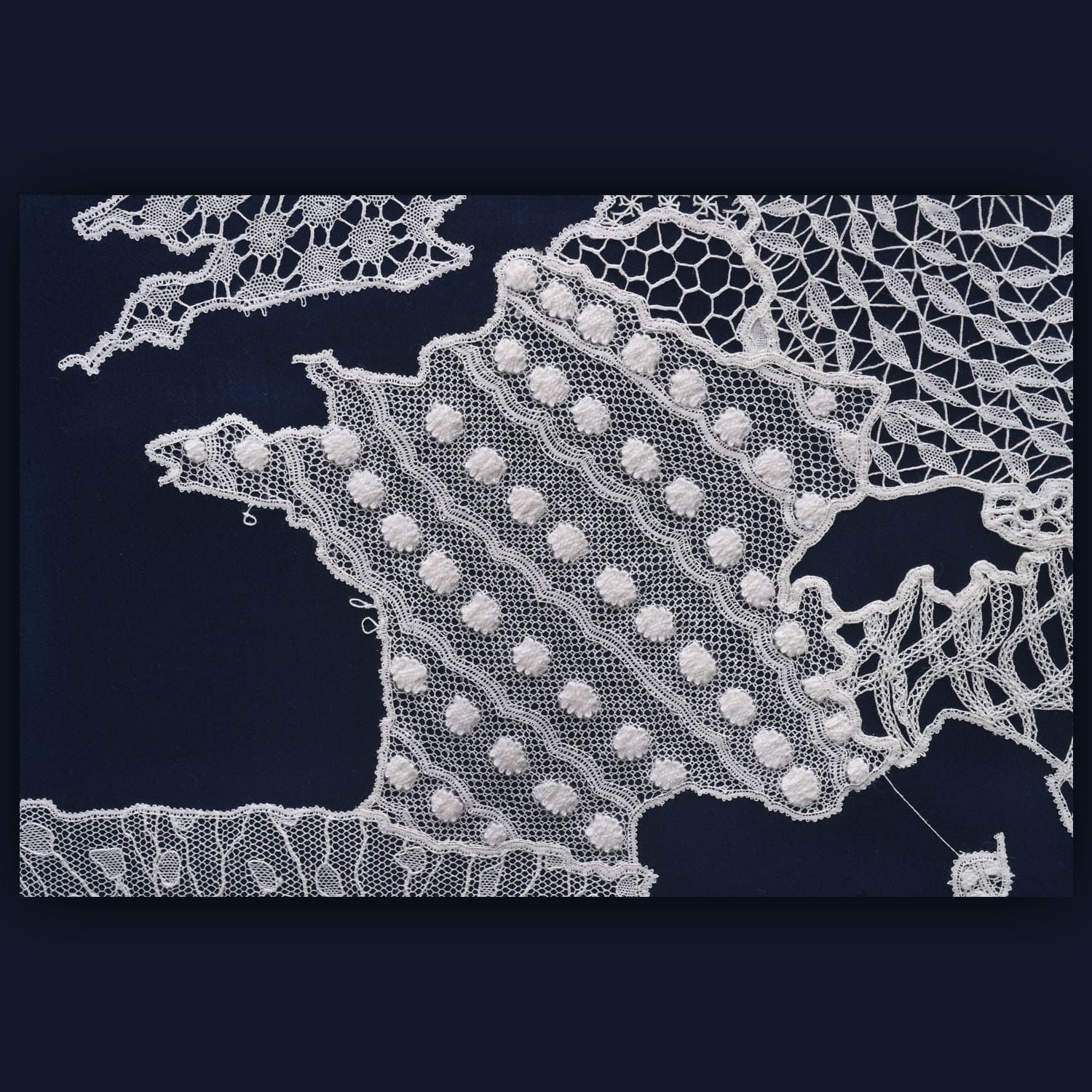
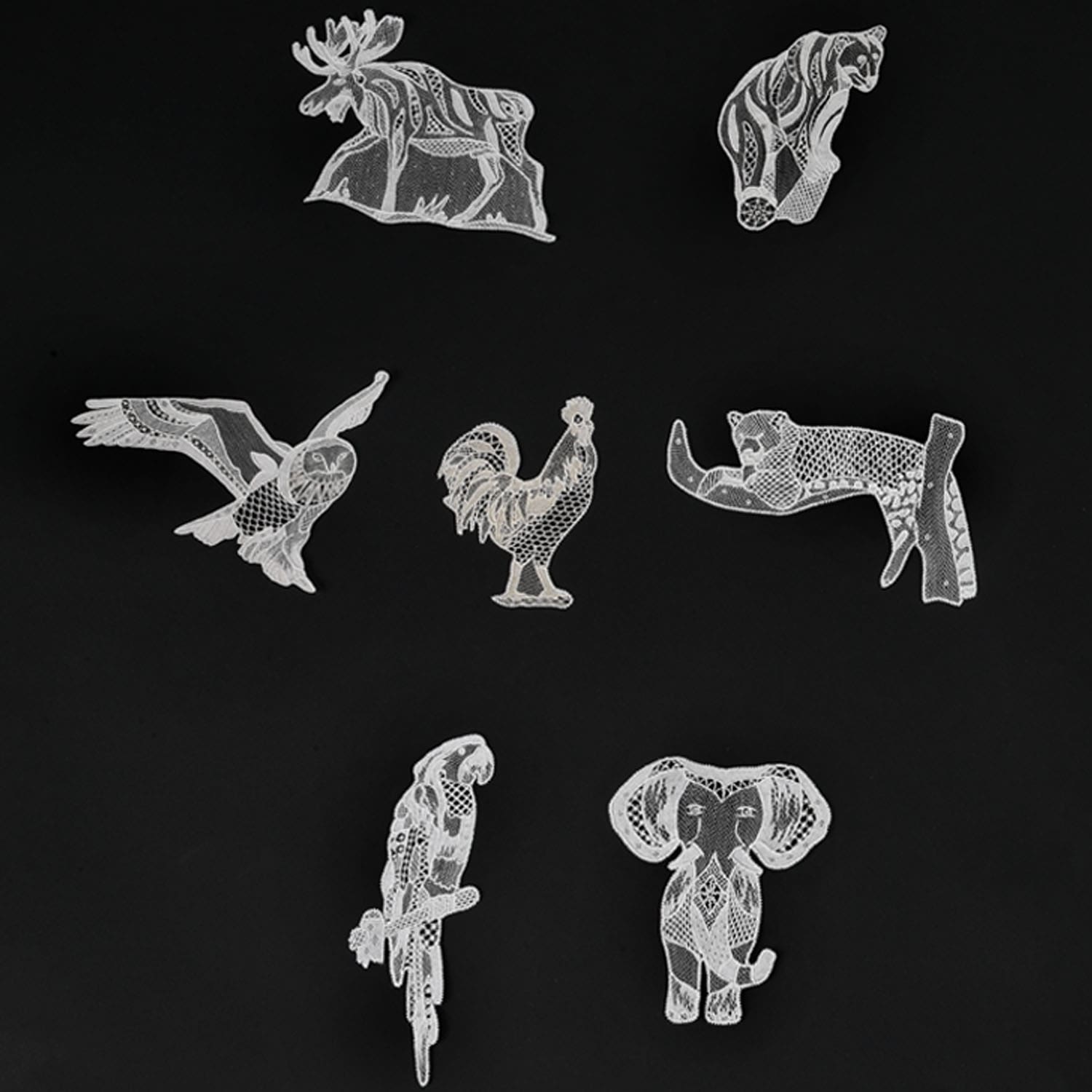
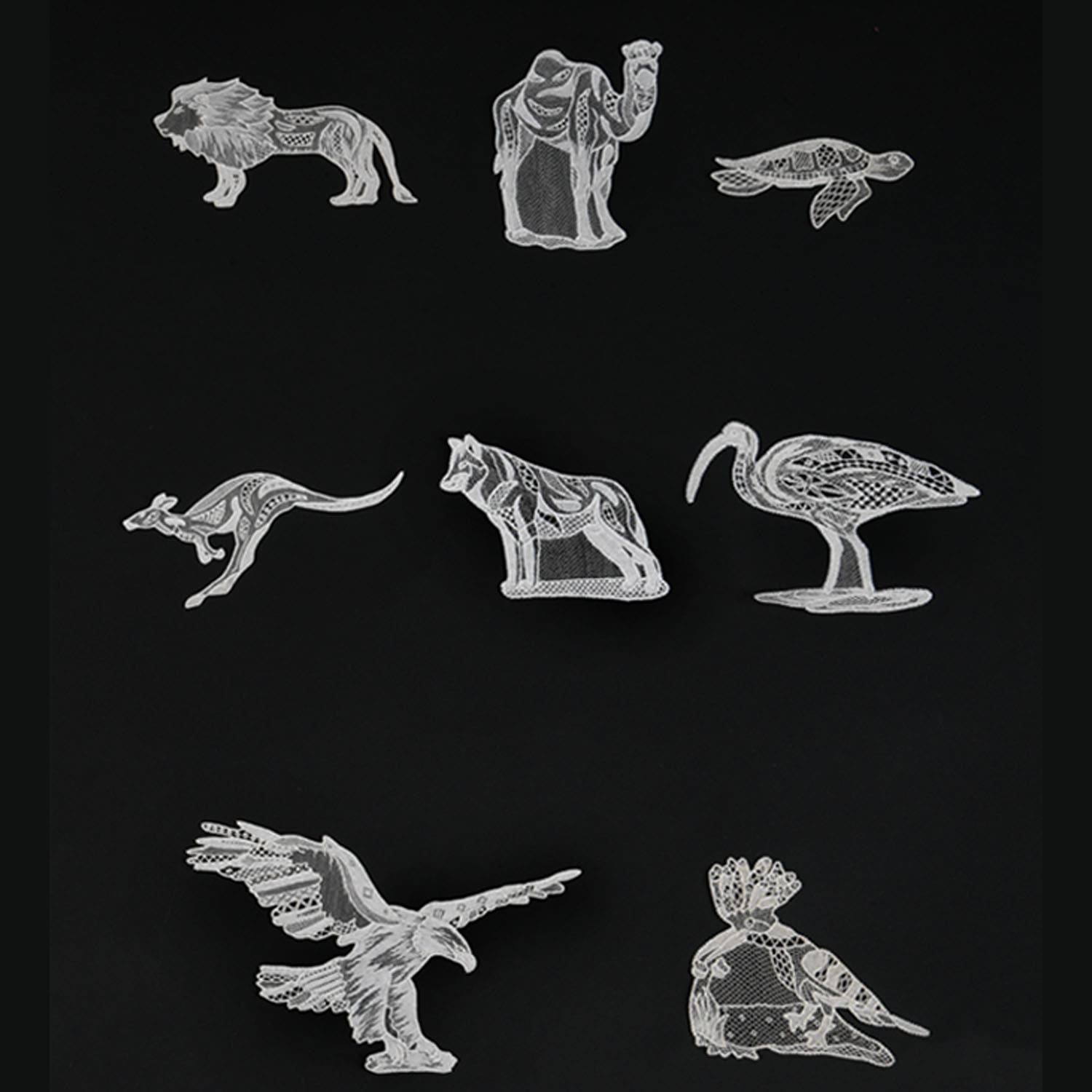
To celebrate a half-century of excellence, the National Workshops of Alençon and Puy-en-Velay are currently featured in a special dialogue at the Museum of Fine Arts and Lace in Alençon. This exhibition highlights the “Savoir-faire Français” and the vital evolution of these secular arts as they interpret the visions of contemporary artists.
Managed by the Mobilier National—an institution dating back to 1604—these workshops were officially established in 1976 to preserve rare techniques that were on the verge of disappearing. Today, they continue to bring contemporary design into the heart of France’s national palaces and public buildings.
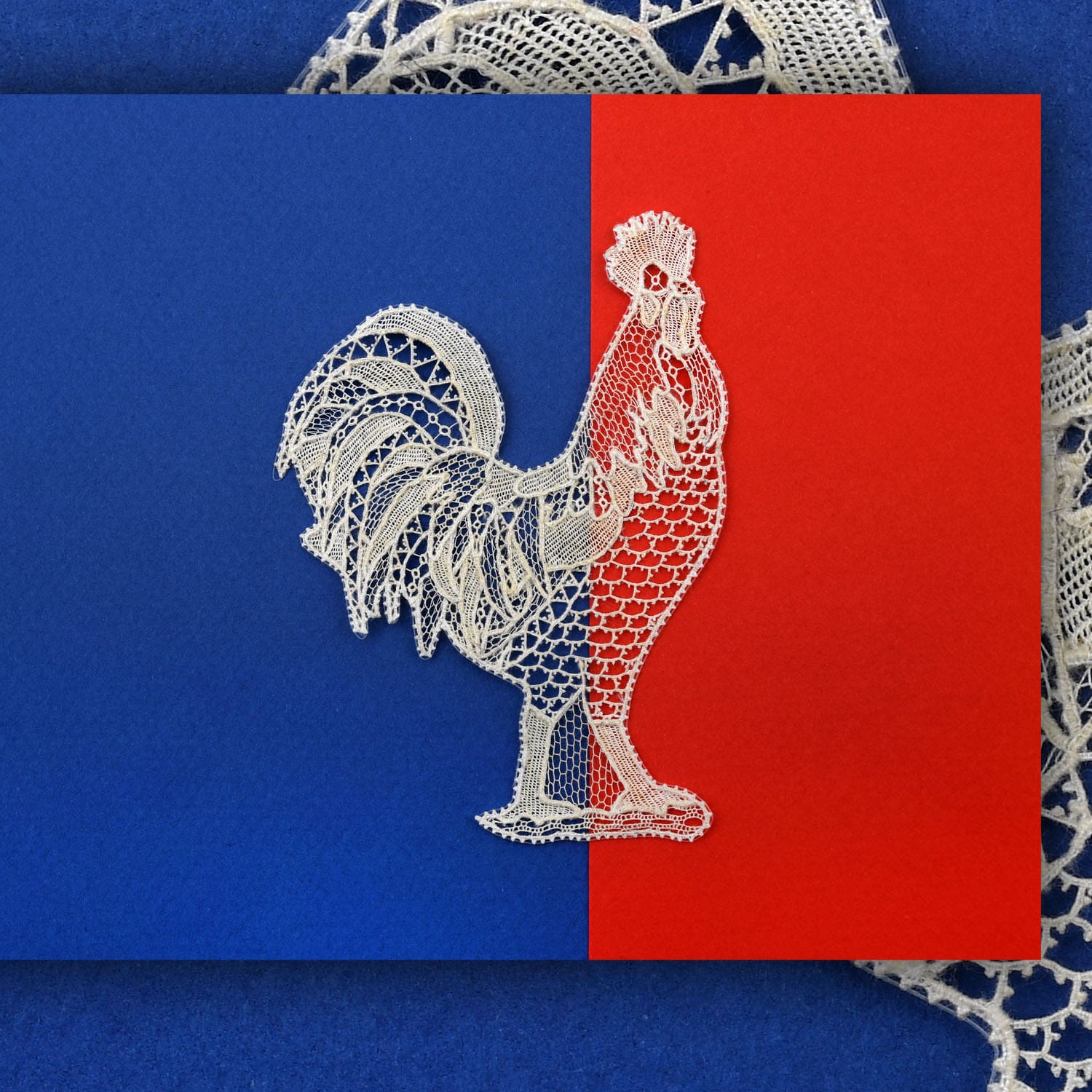
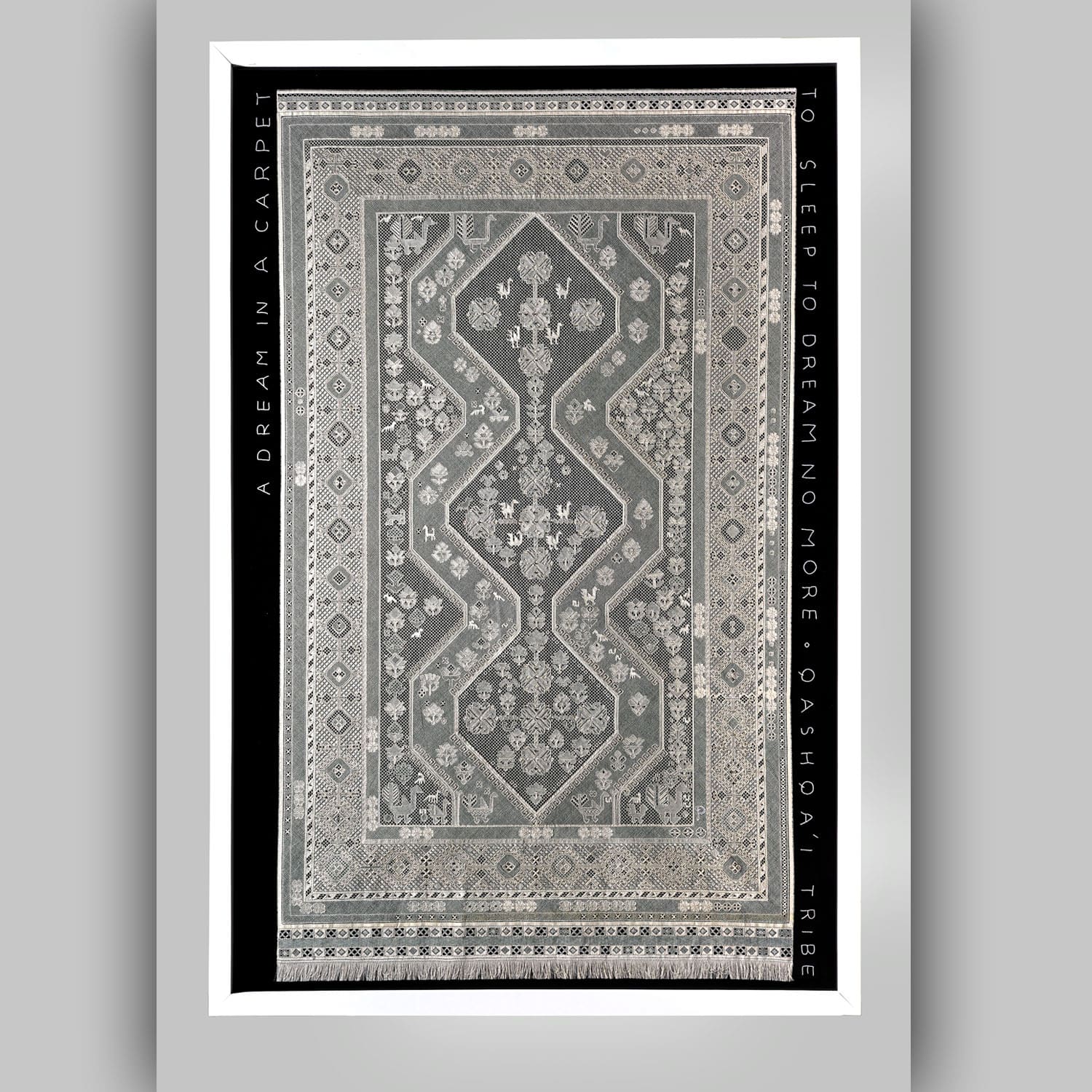
French Excellence
The Mobilier National is nestled in the heart of the 13th arrondissement of Paris, on the historic site of the Gobelins.
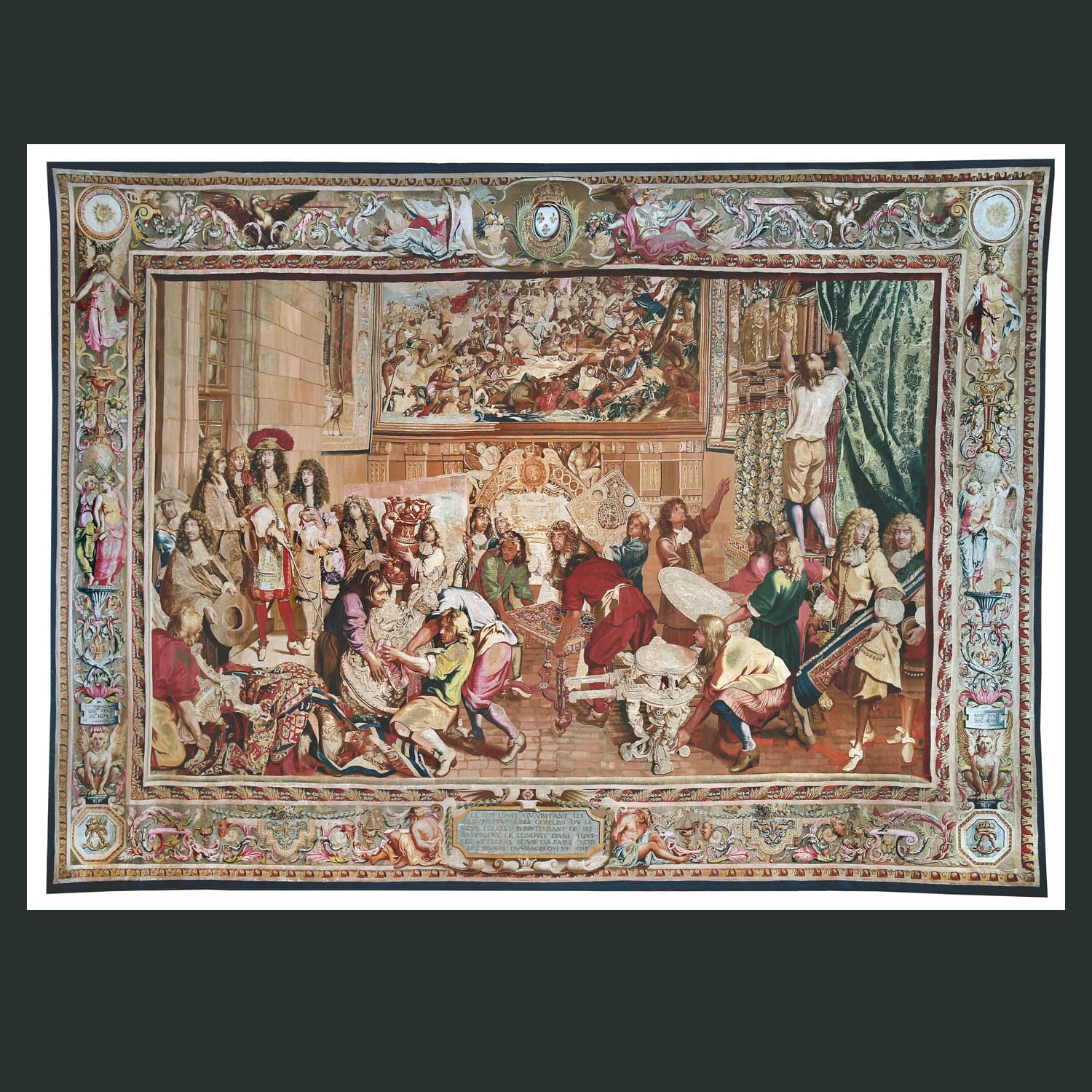
As the heir to the Crown’s Furniture Repository founded in 1604 by Henri IV and reorganized by Louis XIV in 1663, this service—attached to the Ministry of Culture—preserves a vast and rich collection resulting from purchases and commissions once intended for royal and imperial residences, and today for national palaces and the high seats of the Republic.
To ensure the conservation of its collections, the Mobilier National maintains restoration workshops that perpetuate traditional craftsmanship in cabinetmaking, joinery, bronze work, upholstery, and the restoration of carpets and tapestries.
The enrichment of these collections is largely provided by the national manufactures of Gobelins, Beauvais, and Savonnerie, established in the 17th century and merged with the Mobilier National since 1937.
In 1964, at the initiative of André Malraux, a new workshop was created. Its role is to introduce contemporary design into official buildings.
In 1976, to complete this assembly of excellent savoir-faire, public authorities recognized the importance and necessity of preserving processes on the verge of disappearing. They created two workshops on their respective geographical and historic sites: one for bobbin lace in Puy-en-Velay and the other for needle lace in Alençon.
Since January 1, 2025, the merger of the Mobilier National and the Cité de la Céramique has enabled the creation of a public hub unique in the world. It marries heritage and creation to play a central role in implementing and pursuing the national strategy in favor of artistic crafts and the promotion of the arts.
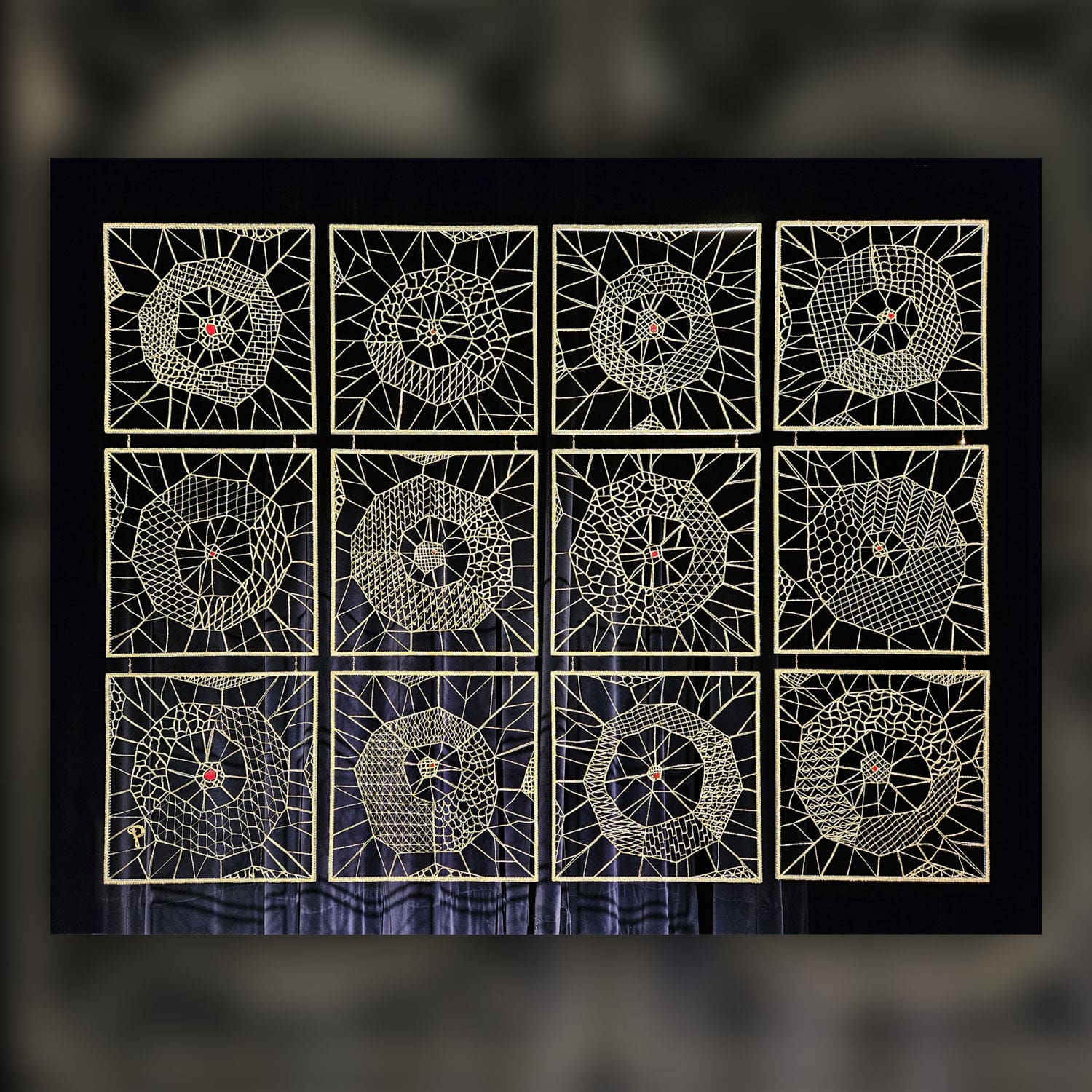
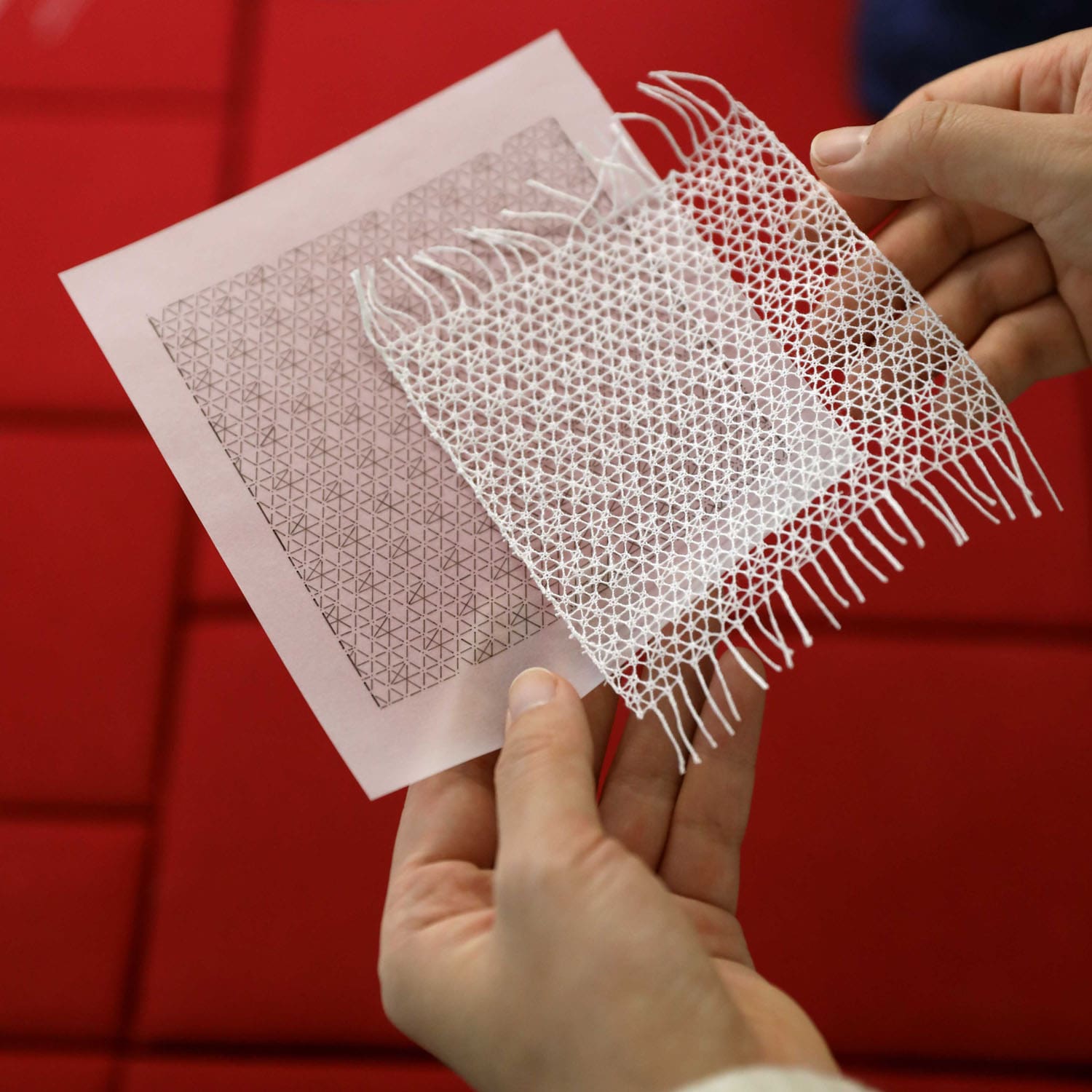
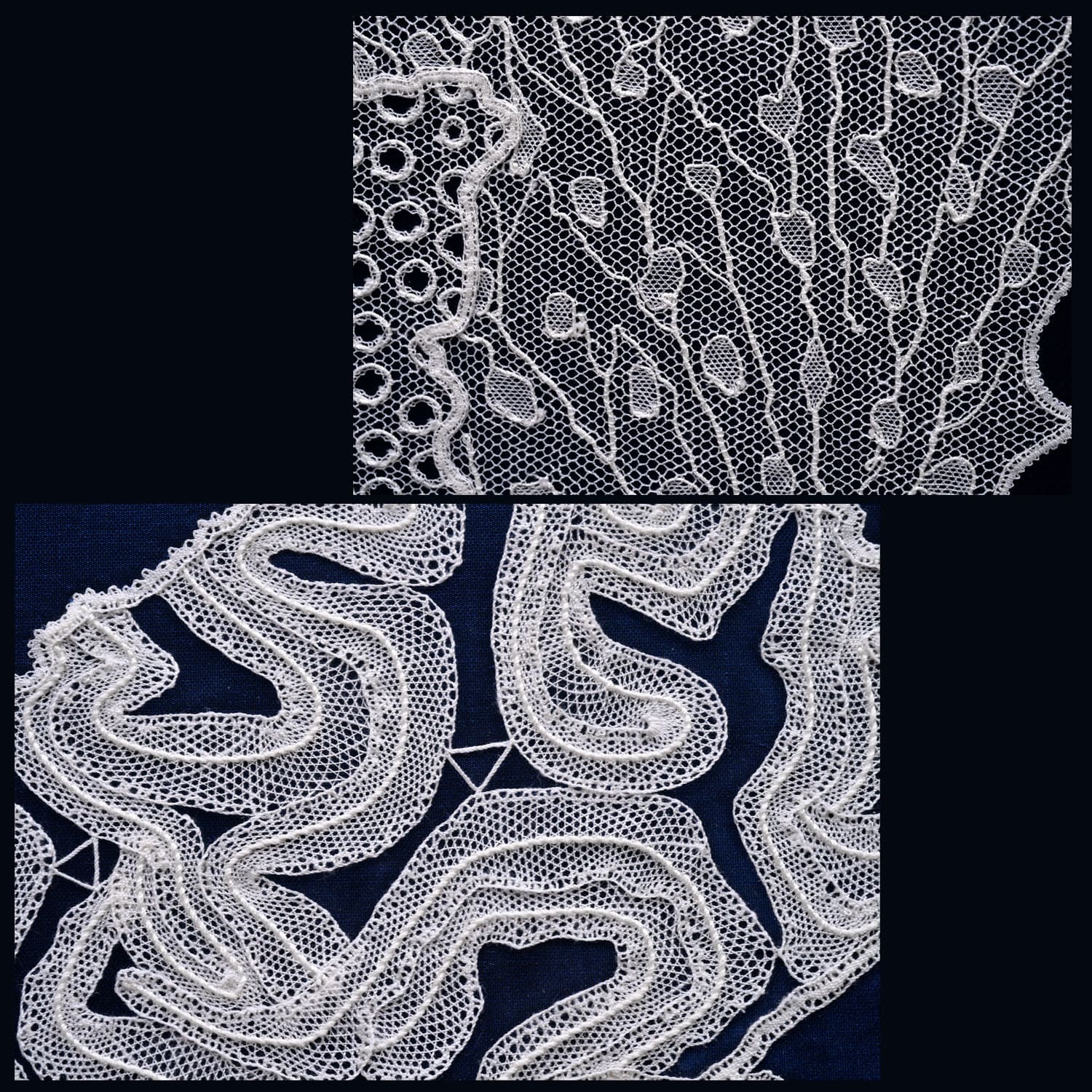
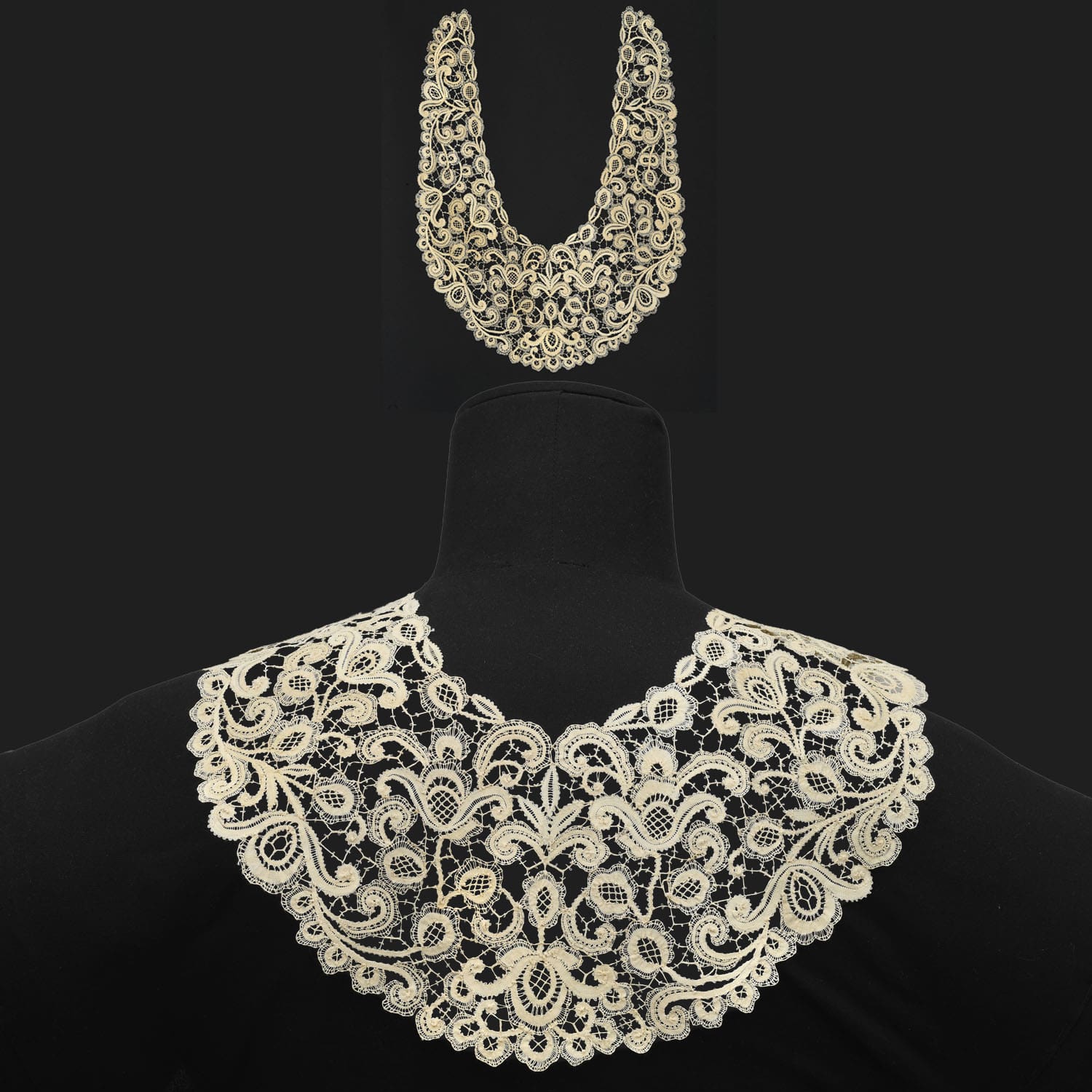
Two Iconic Techniques
Though both fall under the umbrella of lace, the methods used in Puy-en-Velay and Alençon are worlds apart:
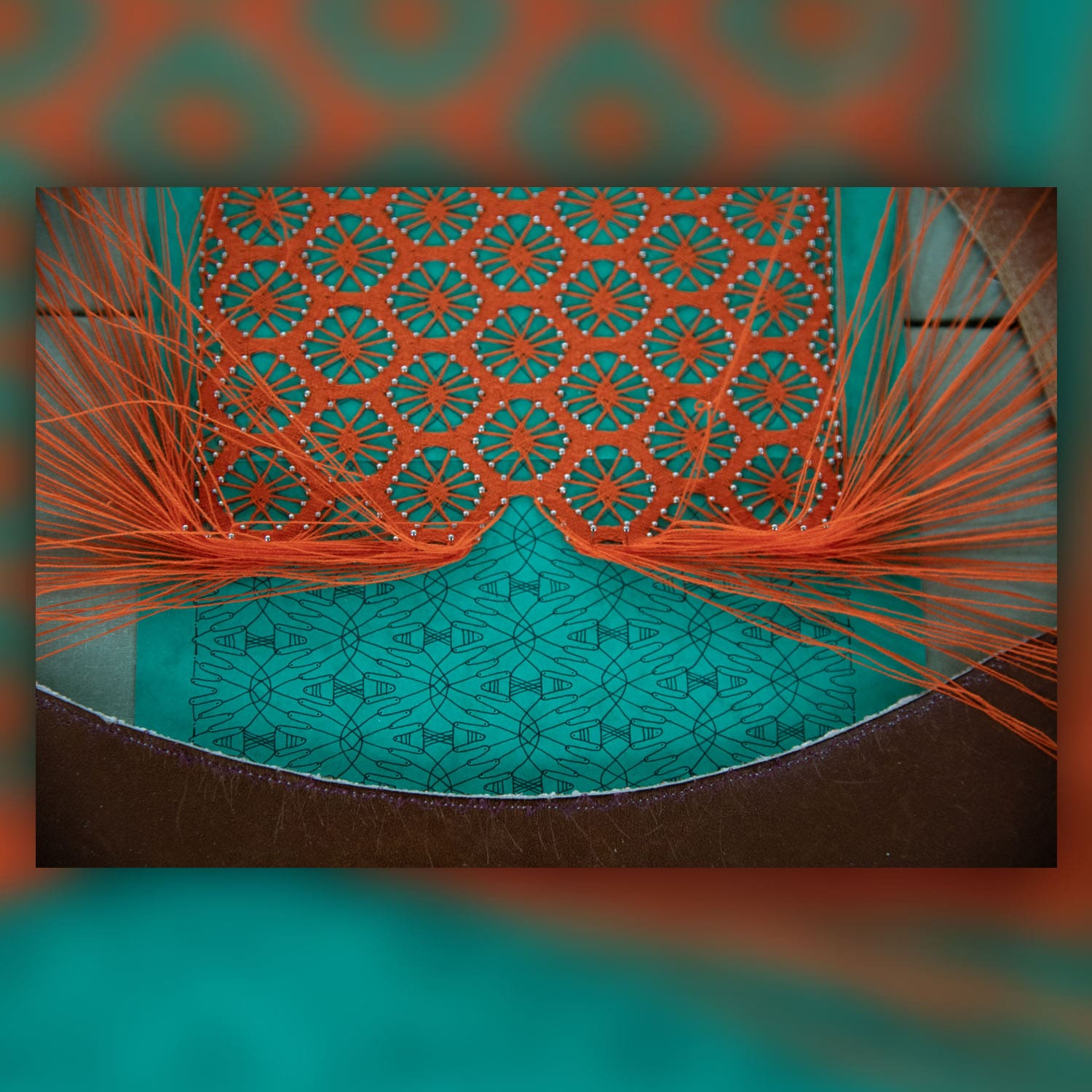
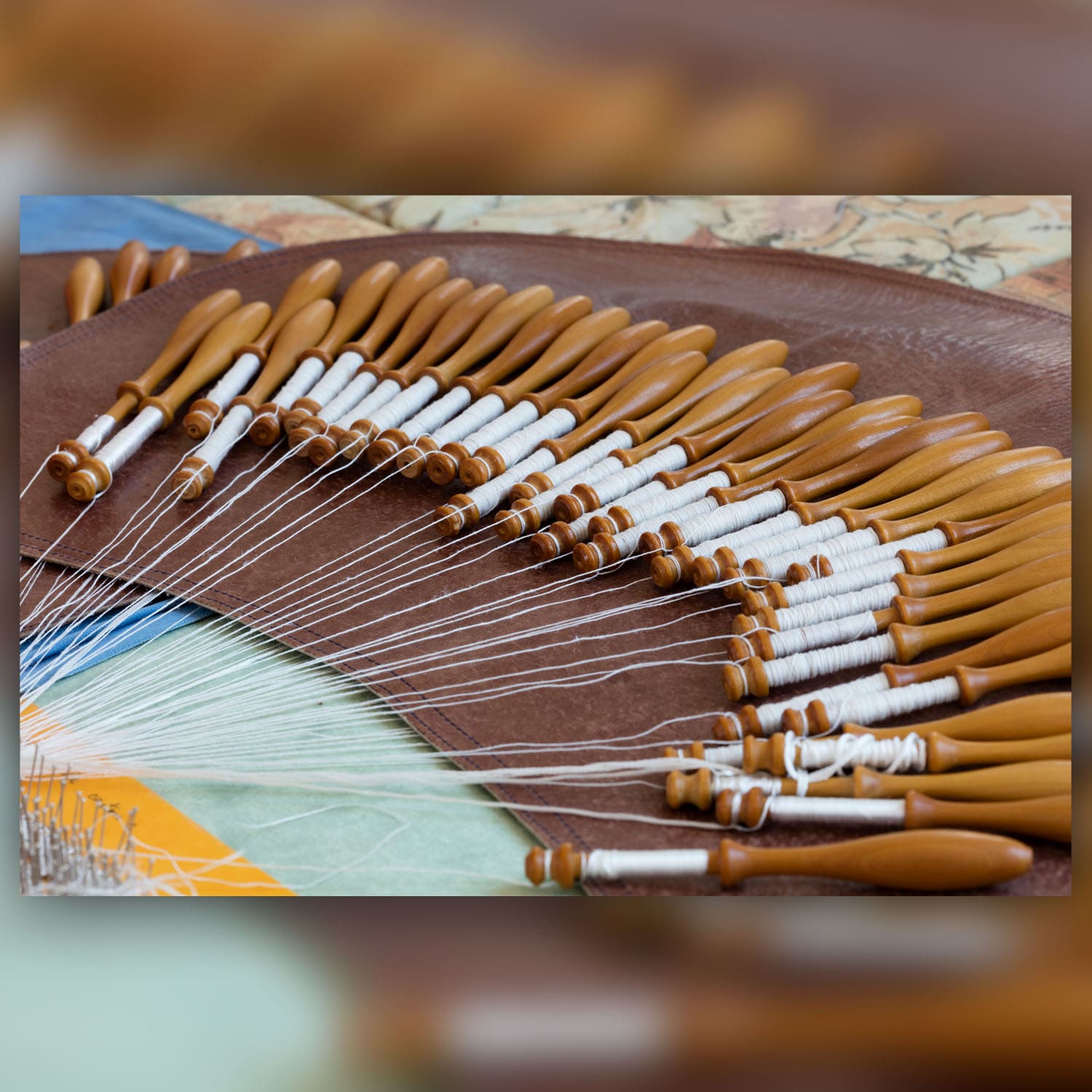
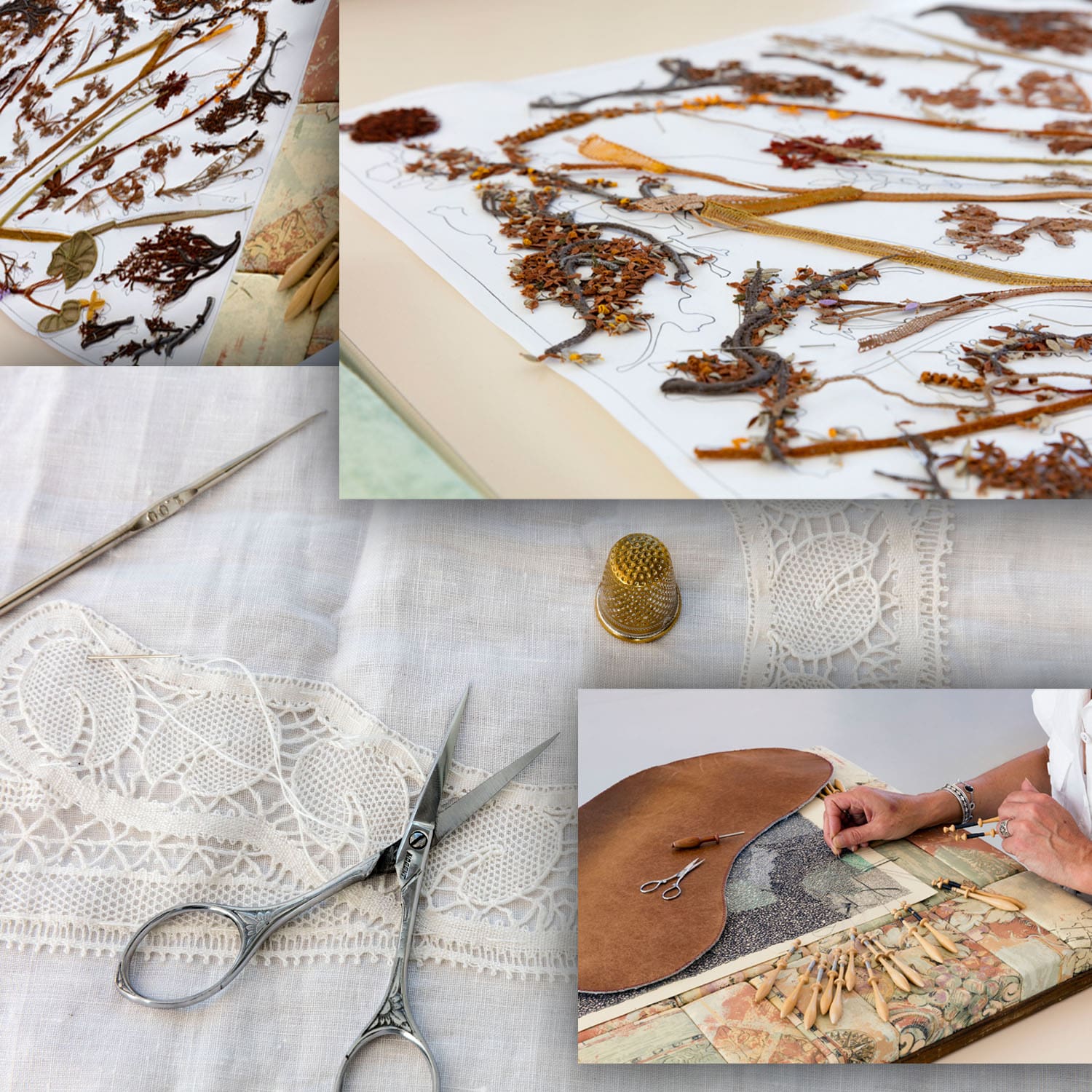
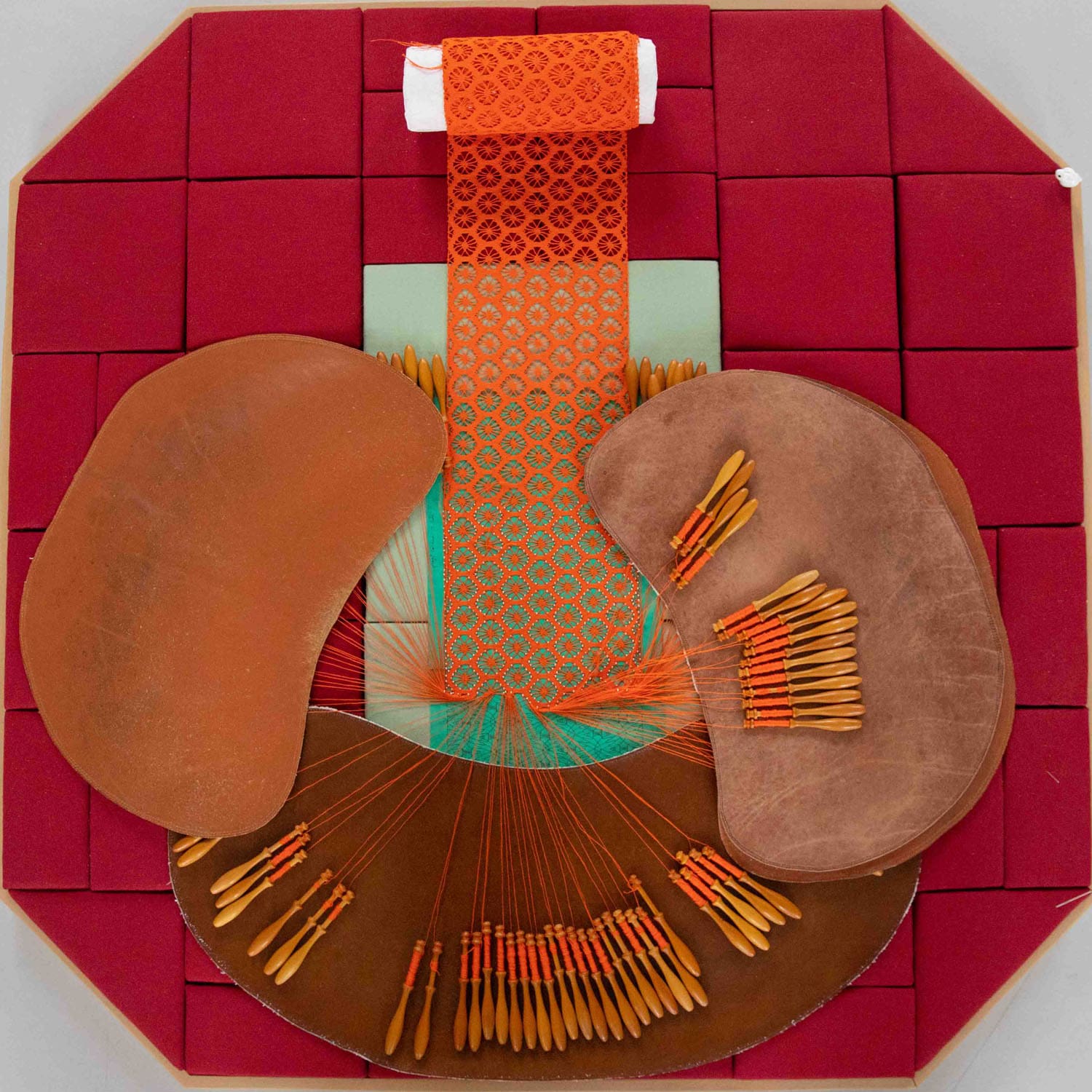
- Puy-en-Velay (Bobbin Lace): This technique uses a “carreau” (a specialized cushion) and pins to guide the pattern. Threads are wound around small wooden sticks called bobbins. It requires rapid, coordinated hand movements to create intricate geometric and repetitive patterns.
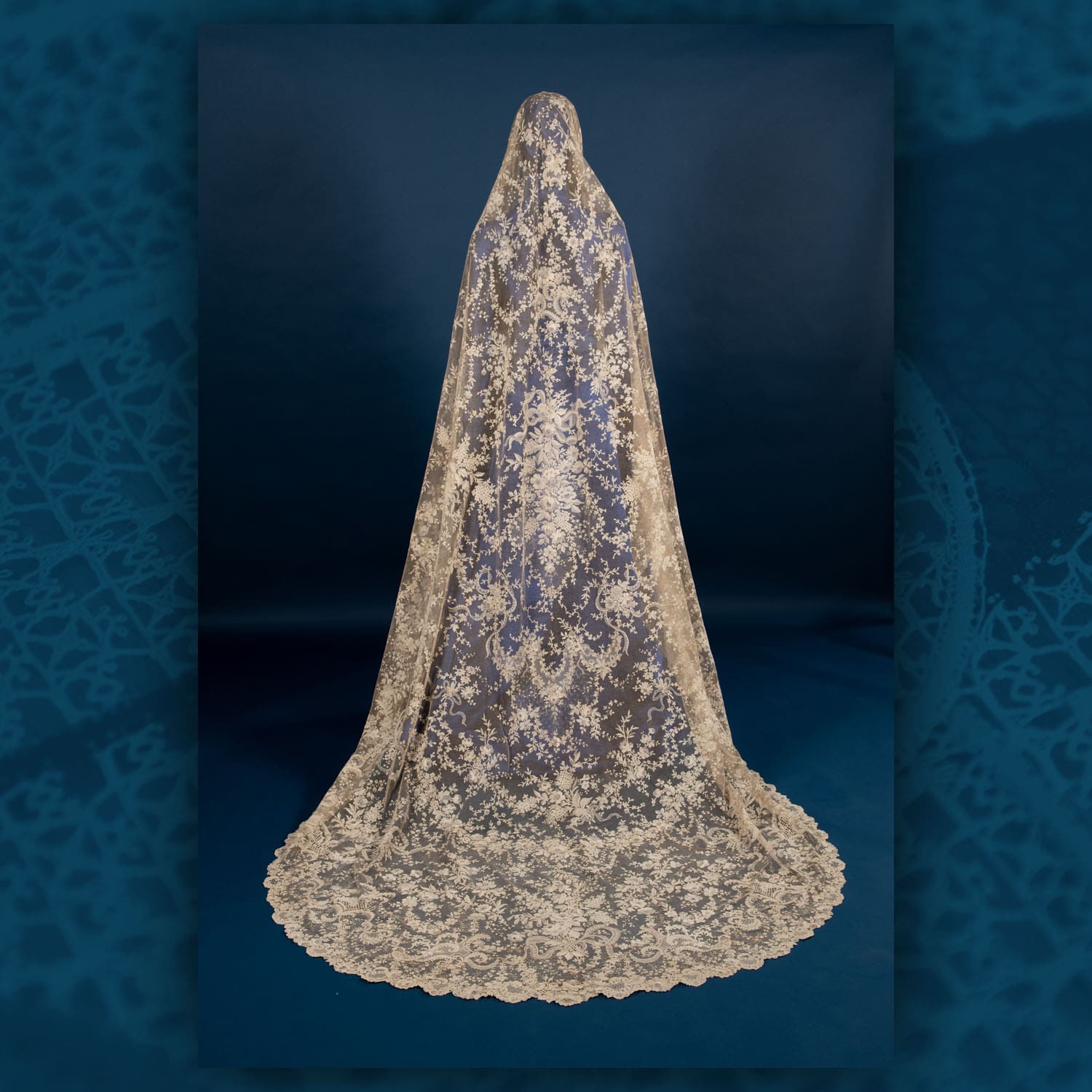
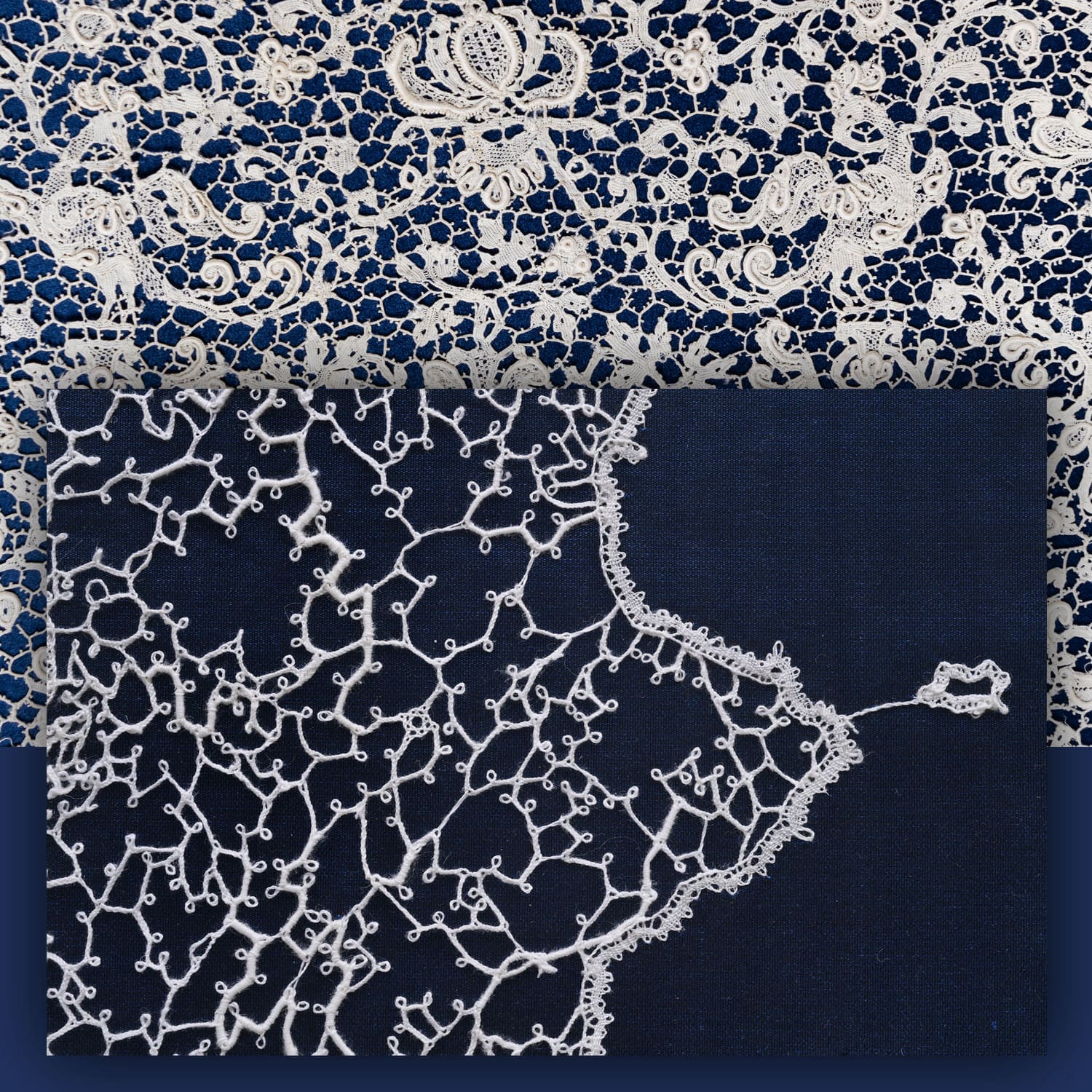
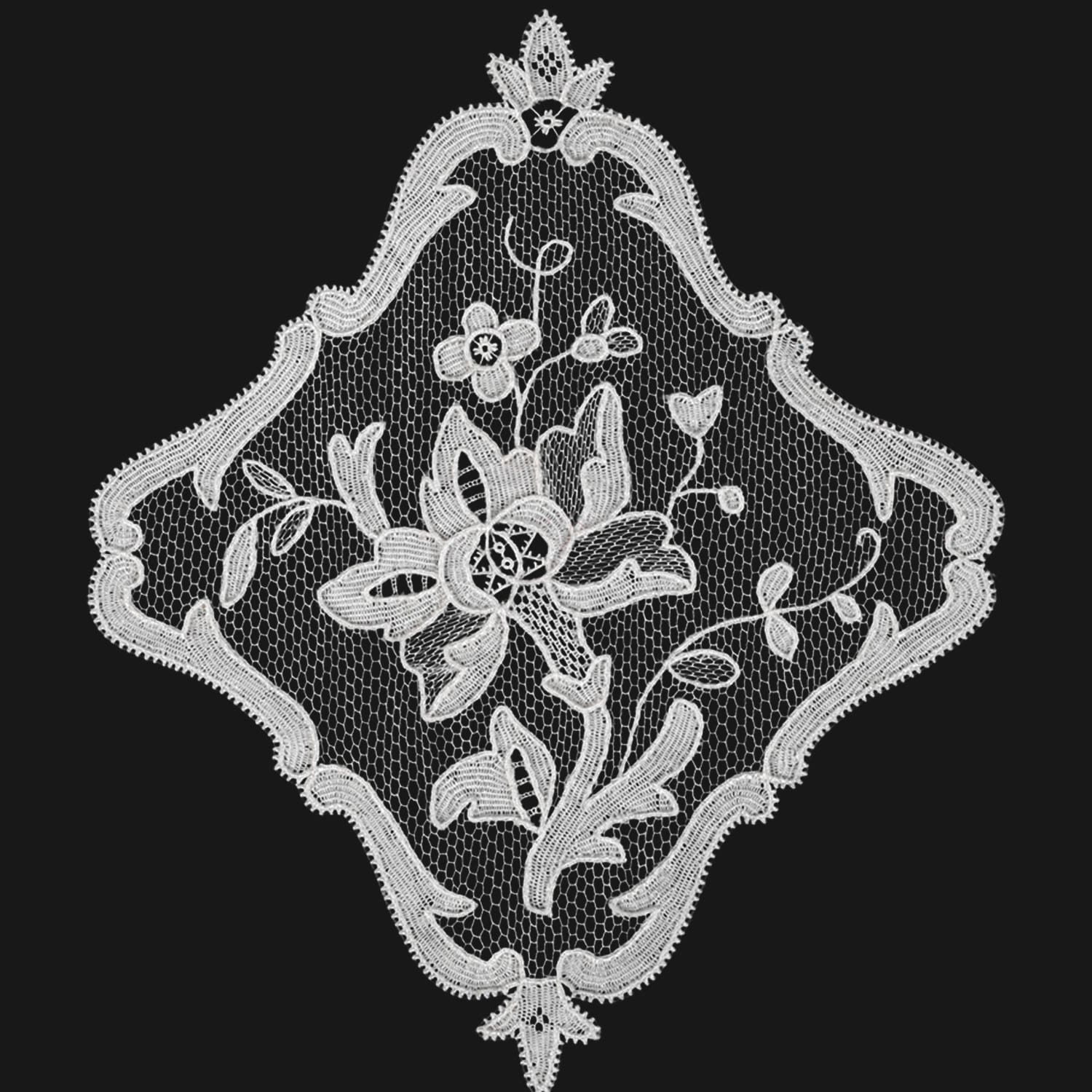
- Alençon (Needle Lace): Often called the “Queen of Lace,” this style is executed entirely with a needle and thread. Every centimeter is built point by point, demanding hundreds of hours of precision. The result is a textile of unmatched fineness.
Bobbin and Needle Lace
Between tradition, transmission, and contemporary creation, the event reveals the richness of this artistic craft. Present at the exhibition, Nathalie Sauret, head of the bobbin lace conservatory workshop in Le Puy, and Valérie Durand, head of the Alençon lace conservatory workshop, remind us of “the importance of these national workshops in safeguarding and evolving secular techniques.” While both belong to the art of lace-making, the techniques of Puy-en-Velay and Alençon rely on very different processes.
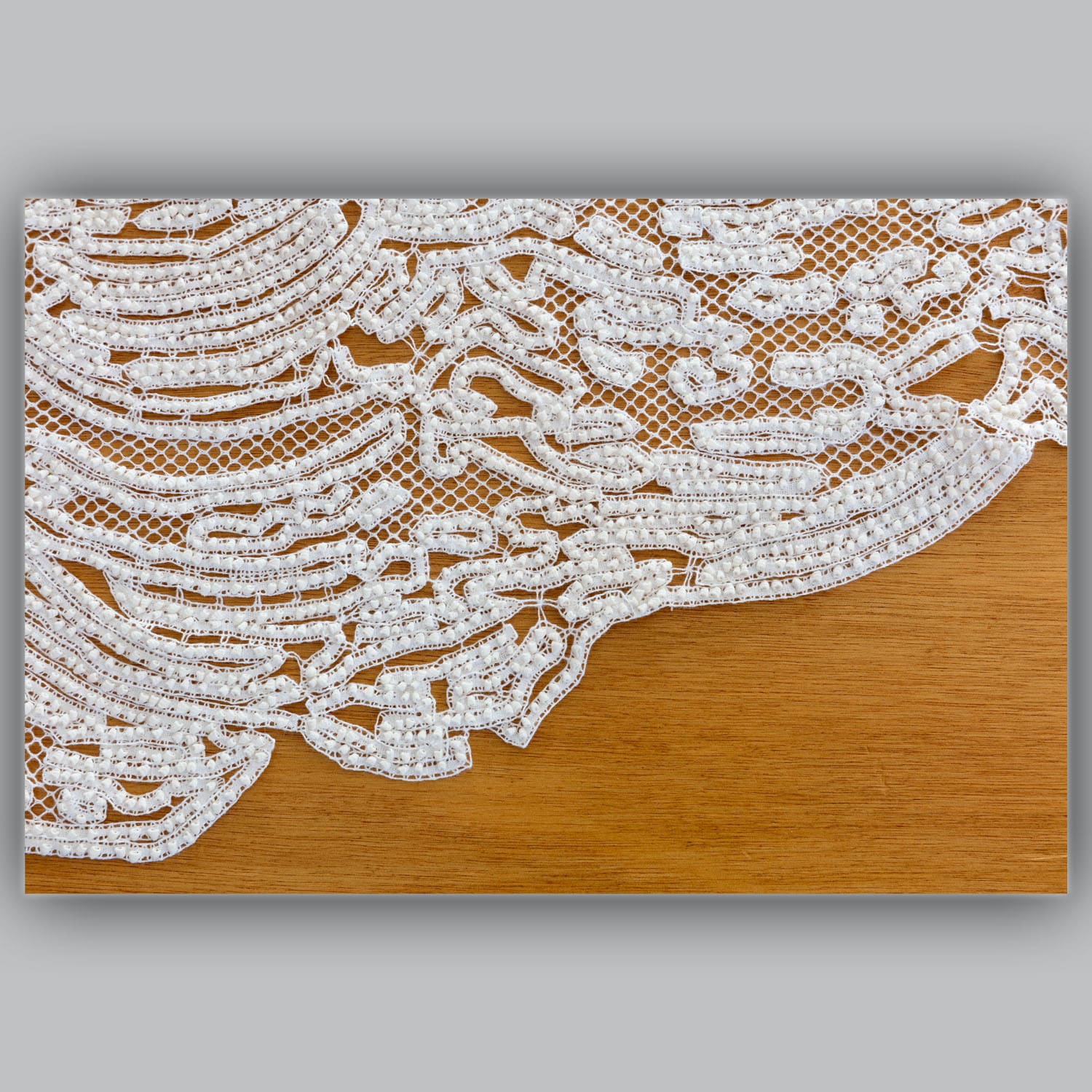
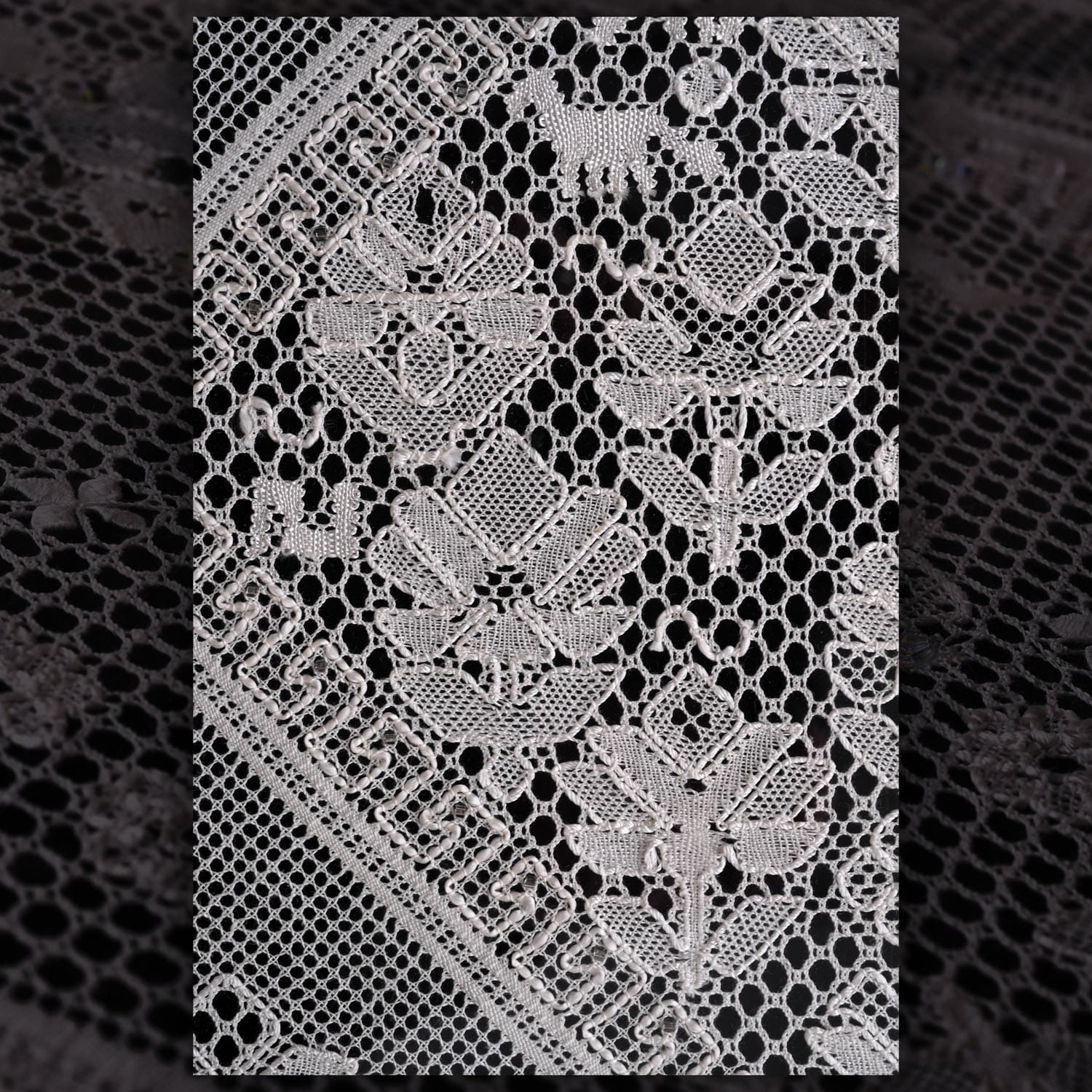
Originating notably from Puy-en-Velay, bobbin lace is made on a “carreau” (cushion) where pins are pricked according to a pattern. The threads are wound around small wooden sticks called bobbins. The movement is fast and requires great hand coordination. This technique allows for the creation of laces that are often geometric or repetitive.
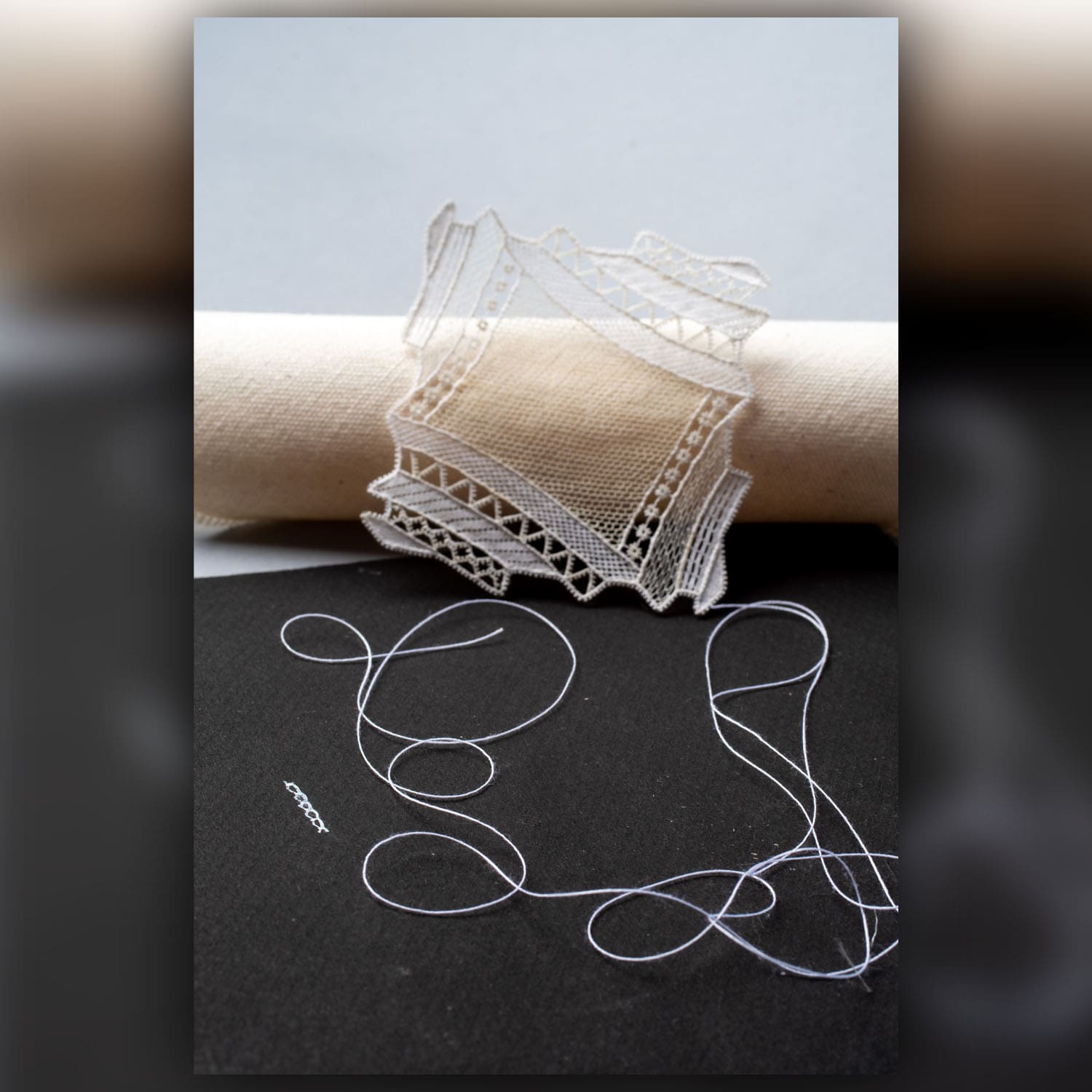
Alençon lace, often nicknamed “the queen of laces,” is made entirely with a needle and thread, without any prior textile support. The pattern is first drawn, then built stitch by stitch. Each centimeter can require several hours of work. This technique produces laces of exceptional fineness.
Preserving a Heritage
For half a century, the national lace workshops have ensured the transmission of these rare techniques. “Our role is both to preserve a heritage and to allow lace-makers to continue creating,” explains Nathalie Sauret.
The objective is the same in Alençon: “Needle lace requires years of apprenticeship. It is a work of extreme precision, but also a true artistic language,” emphasizes Valérie Durand. The exhibited pieces bear witness to “the respect for traditional techniques and the exploration of contemporary forms.”
The Alençon needle lace technique has been recognized by UNESCO as part of the Intangible Cultural Heritage of Humanity since 2010. Because the skill cannot be simplified into written manuals, it is passed down exclusively through oral tradition, observation, and years of practice.
Becoming a master in this field is a journey of patience and dedication, typically requiring 7 to 10 years of apprenticeship. Through these national conservatories, France ensures that these rare gestures and artistic languages continue to flourish for generations to come.
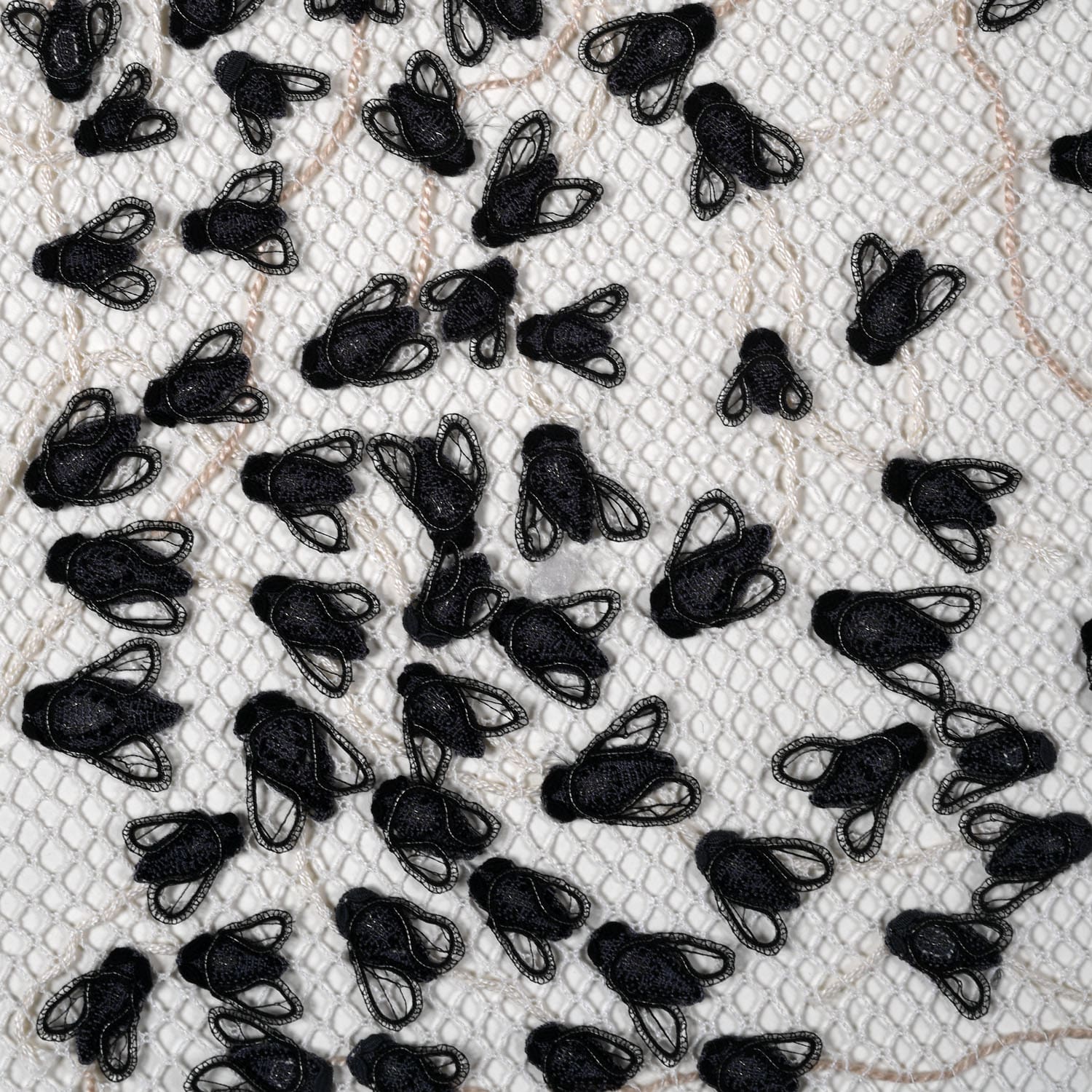
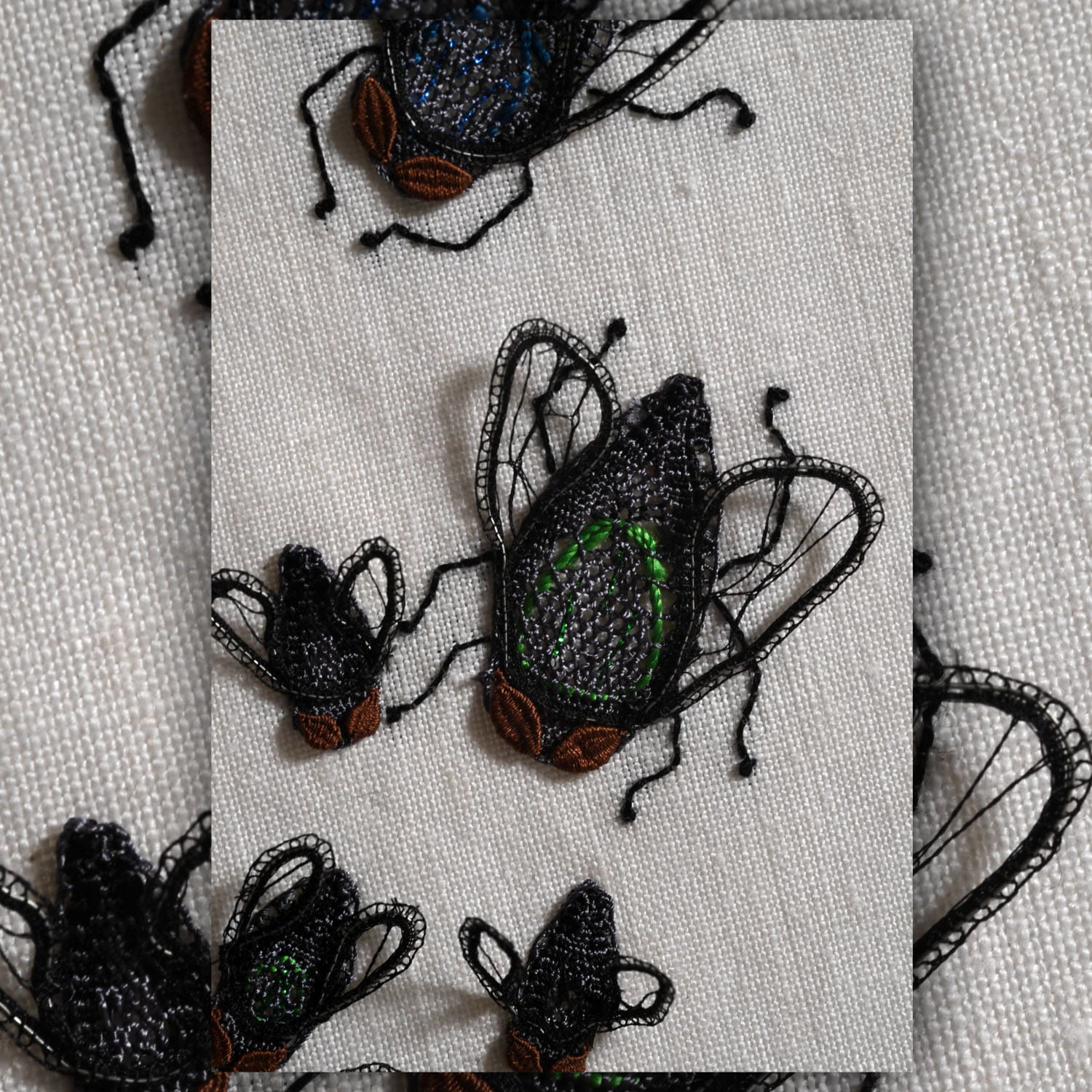
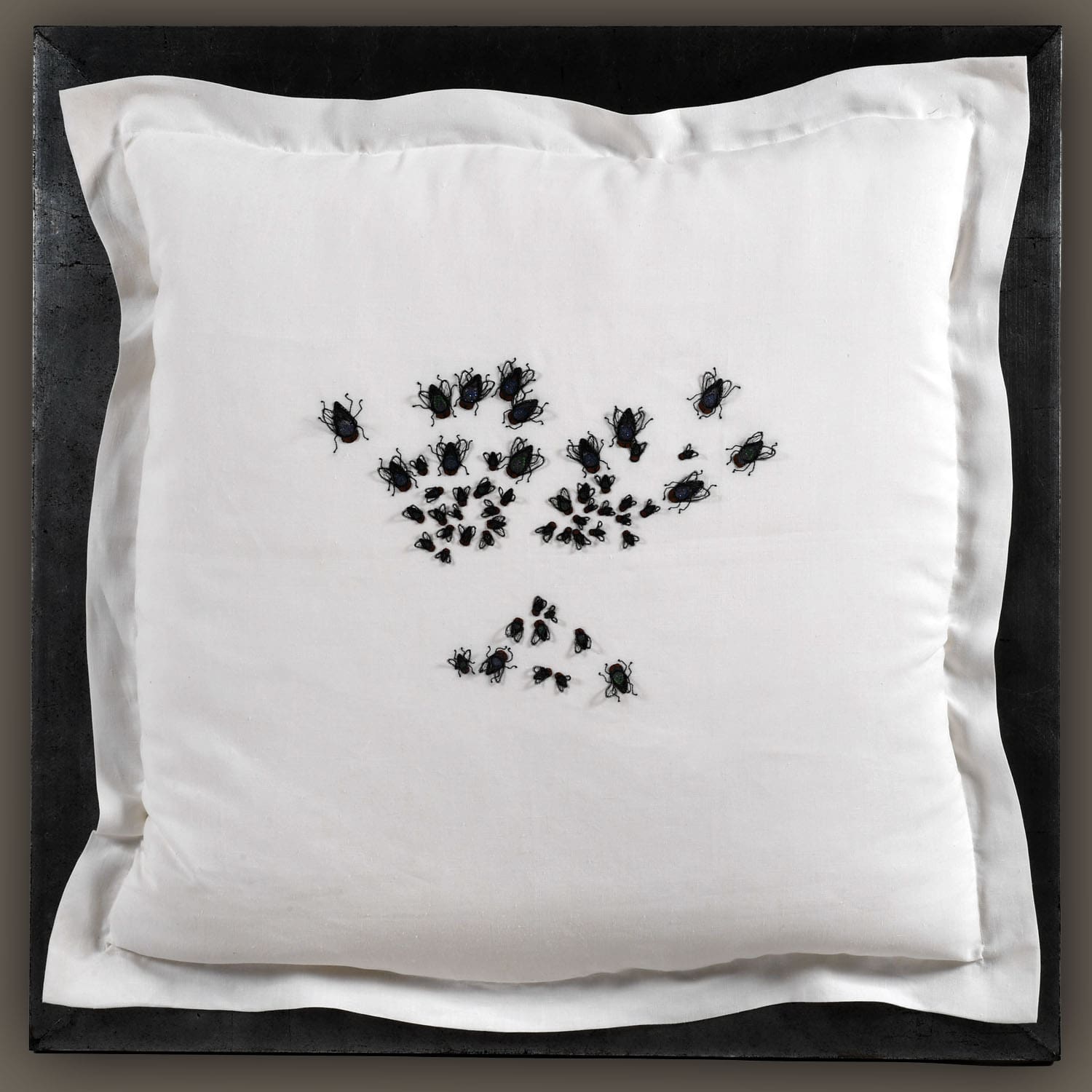
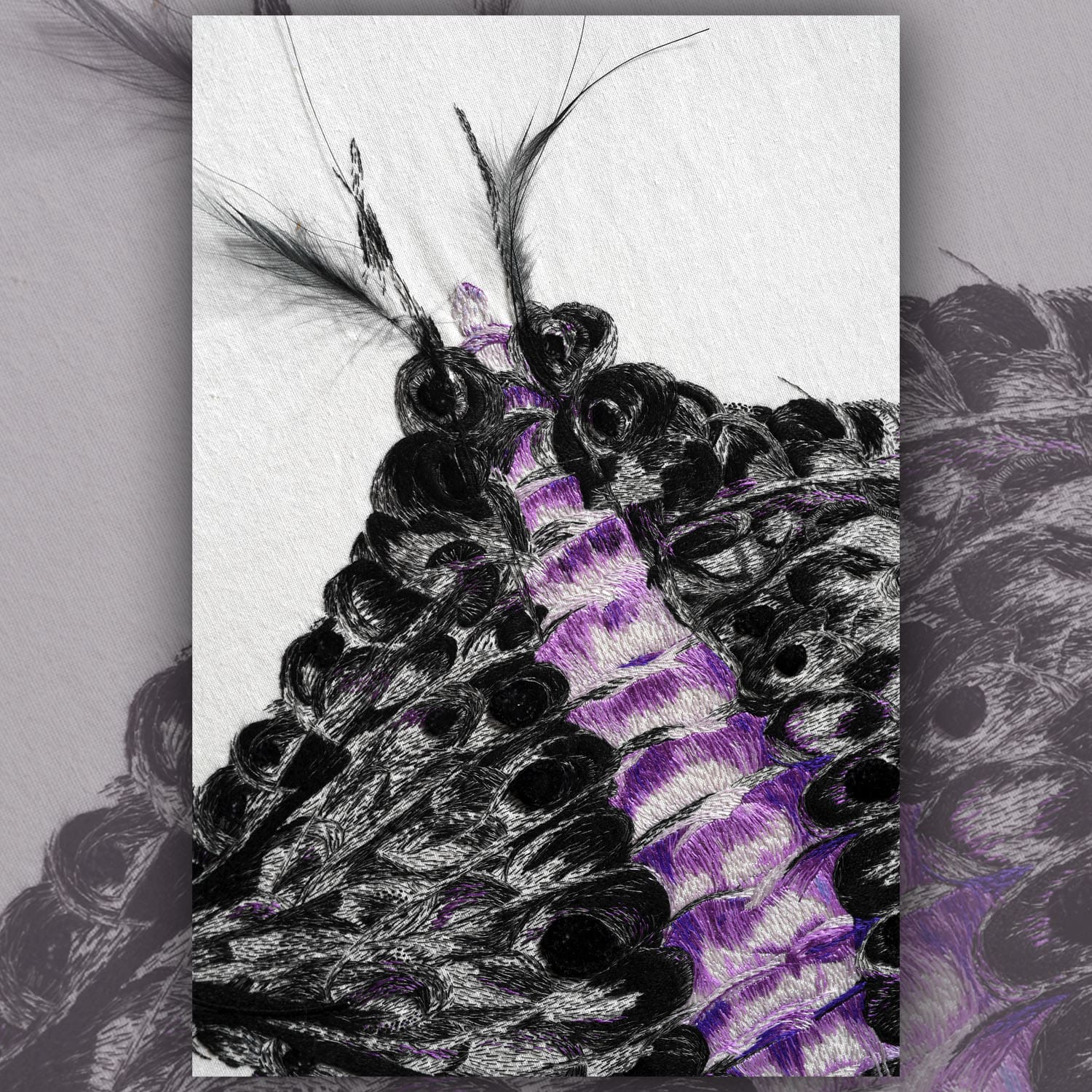
D’après l’œuvre de Tsuyu BRIDWELL (2020)
Atelier-conservatoire de dentelle d’Alençon (Alençon Lace Conservatory-Workshop) Small butterfly 9.2 x 5.6 cm – Large butterflies 14 x 8.5 cm 7,300 hours of work 2026 – GMDBA 217 © Mobilier national
Réseau is the latest work produced by the Alençon lace-makers. The work of Tsuyu Bridwell draws from the Japanese tradition of origami, the skillful folding of paper that allows for the creation of complex three-dimensional shapes. For the Alençon lace-makers, interpreting this project provided an opportunity to reconnect with a spectacular technical innovation from the 19th century: working Alençon needle lace in volume. Indeed, Madame Hubert, based in Mondeville near Caen, presented a bouquet of flowers in volume during the London Universal Exhibition in 1851. It was during this event that the Alençon stitch was crowned the “queen of laces.”
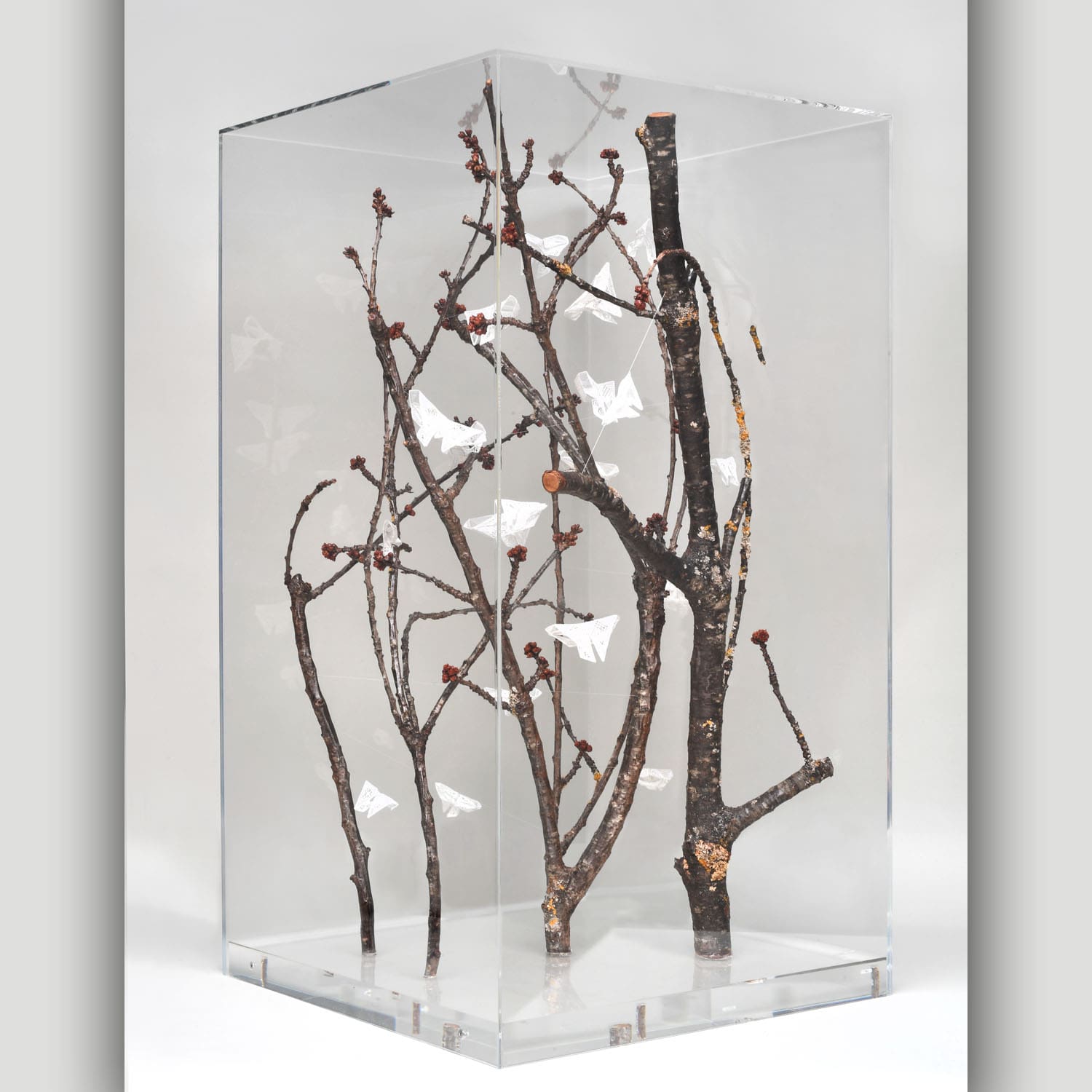
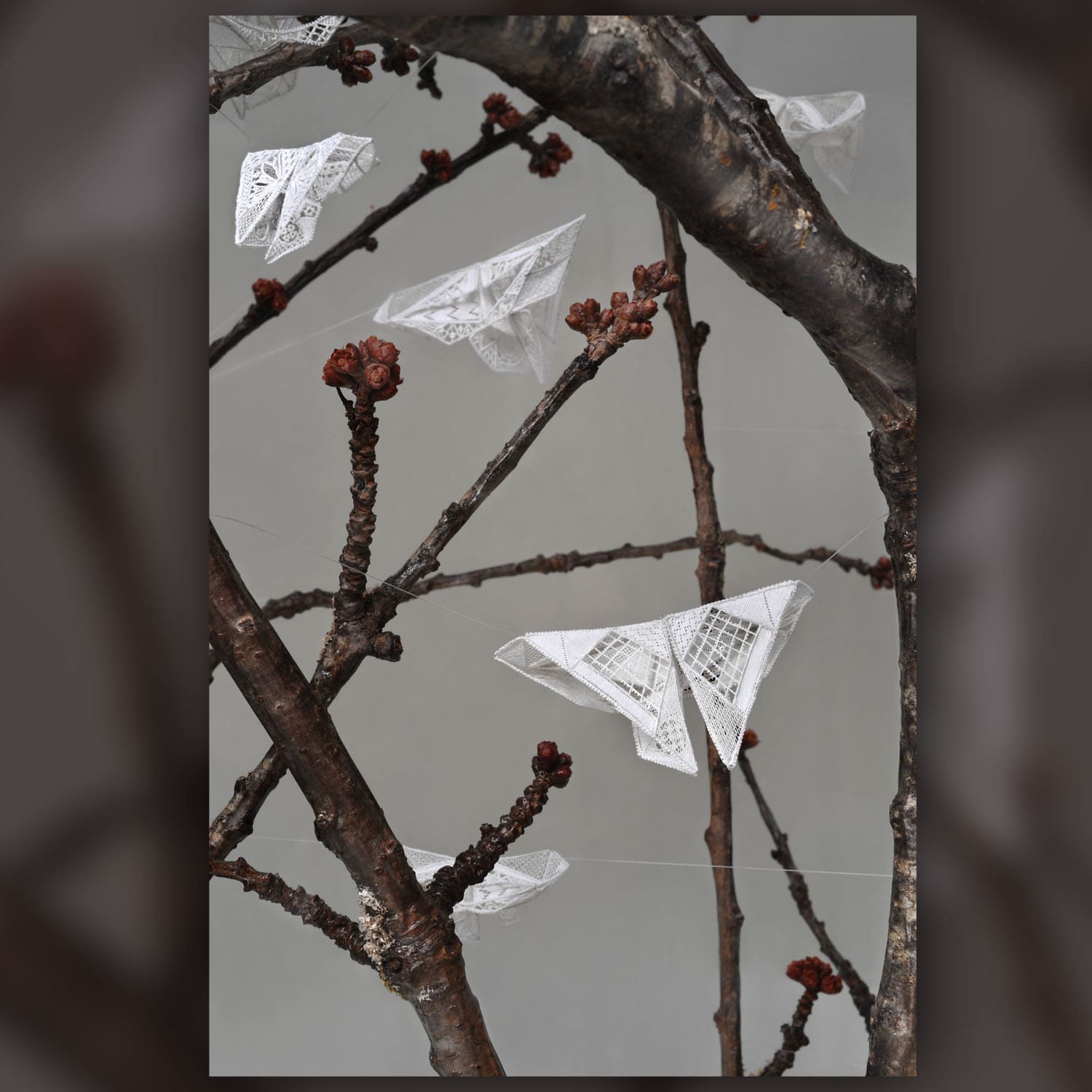
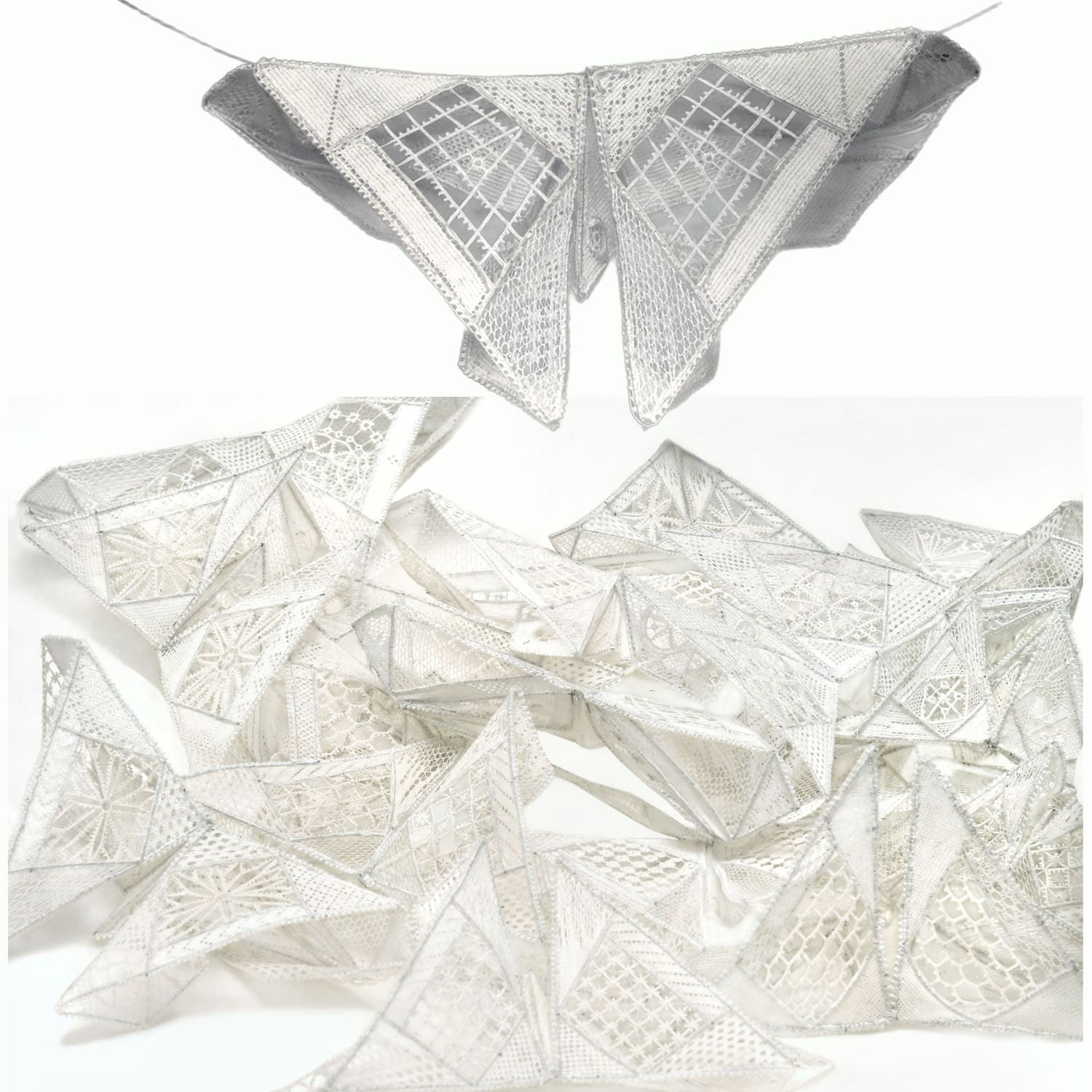
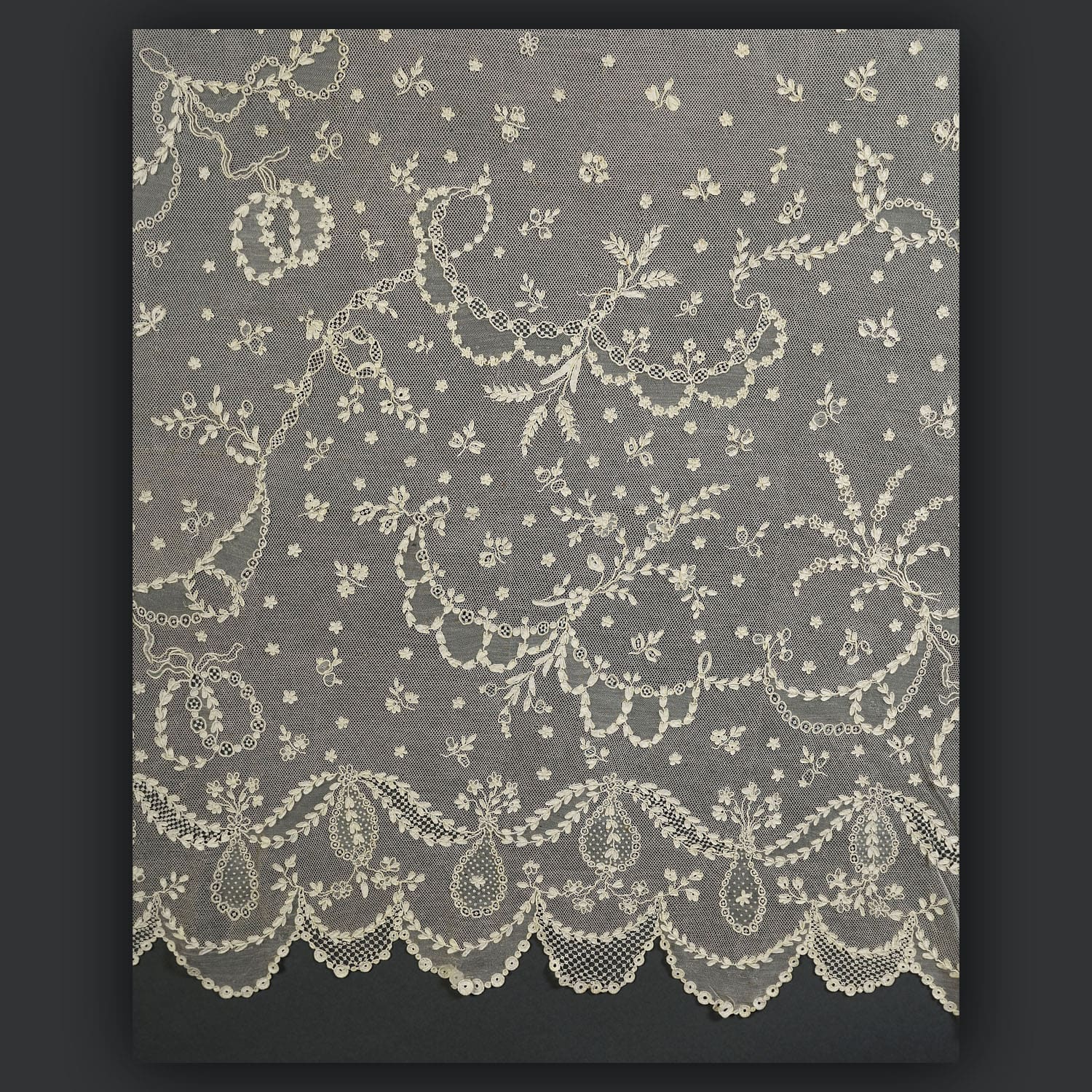
Presented for the first time to the public, Réseau is the latest work produced by the lace-makers of the Alençon conservatory-workshop.
Inspiration from Origami: The artist Tsuyu Bridwell draws inspiration from the Japanese tradition of origami, the art of paper folding that allows for the creation of complex three-dimensional forms. Here, this principle is transposed into lace: the butterflies appear light and in motion, perched on the branches of a Japanese cherry tree. Through this, the artist emphasizes the fragile and ephemeral beauty of the natural world.
A Historic Technical Feat: To interpret this project, the Alençon lace-makers reconnected with a 19th-century technique: Alençon needle lace in volume. This technique had already made history during the London Universal Exhibition in 1851, where a bouquet of flowers in relief was presented. It was on this occasion that the Alençon stitch was nicknamed “the queen of laces.”
The Artist and Butterflies: In Tsuyu Bridwell’s work, the butterfly is an essential form. It symbolizes lightness and transformation, as well as the tension between stability and flight. The butterfly is also an ideal figure for exploring the transition between two dimensions (the flat plane of a drawing) and three dimensions.
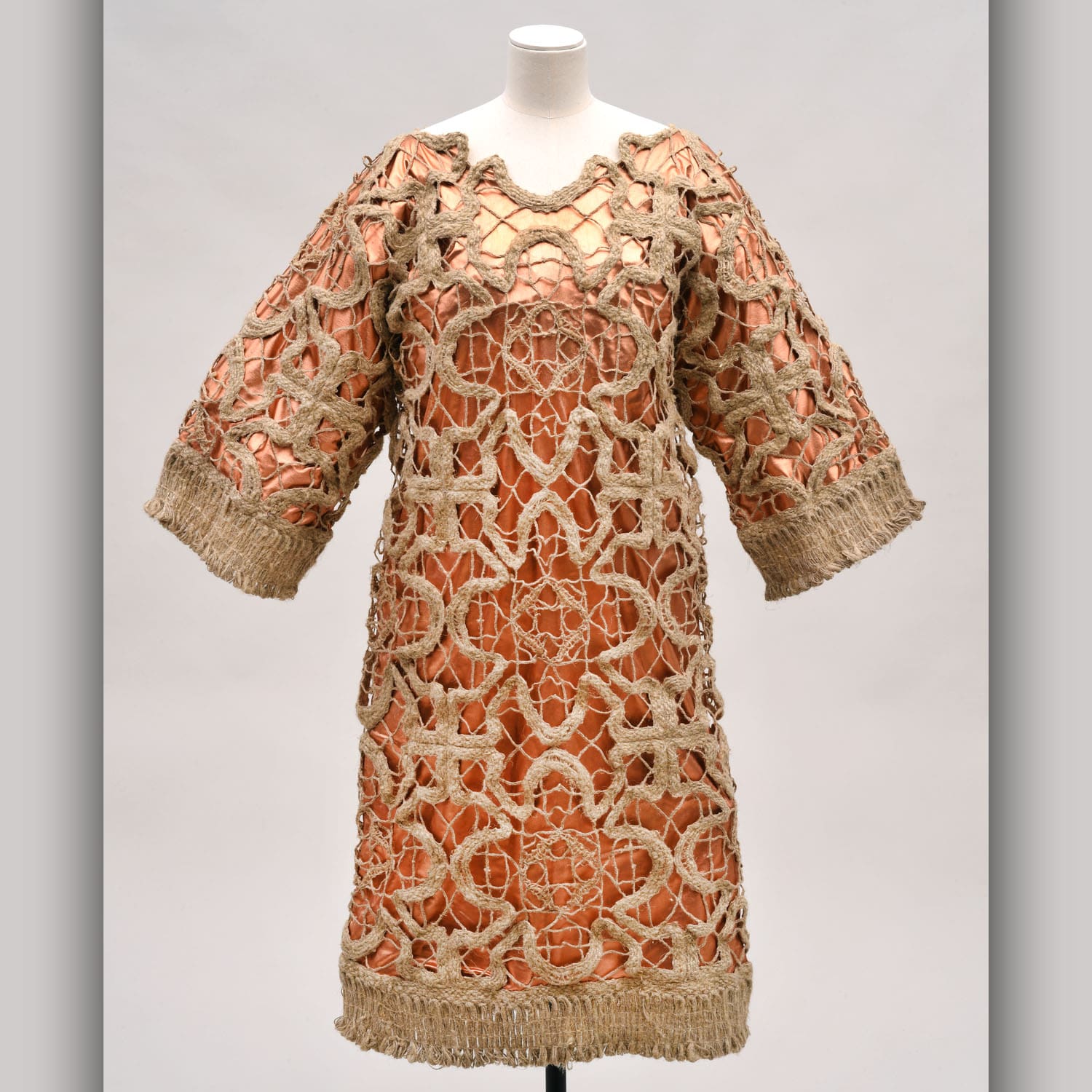
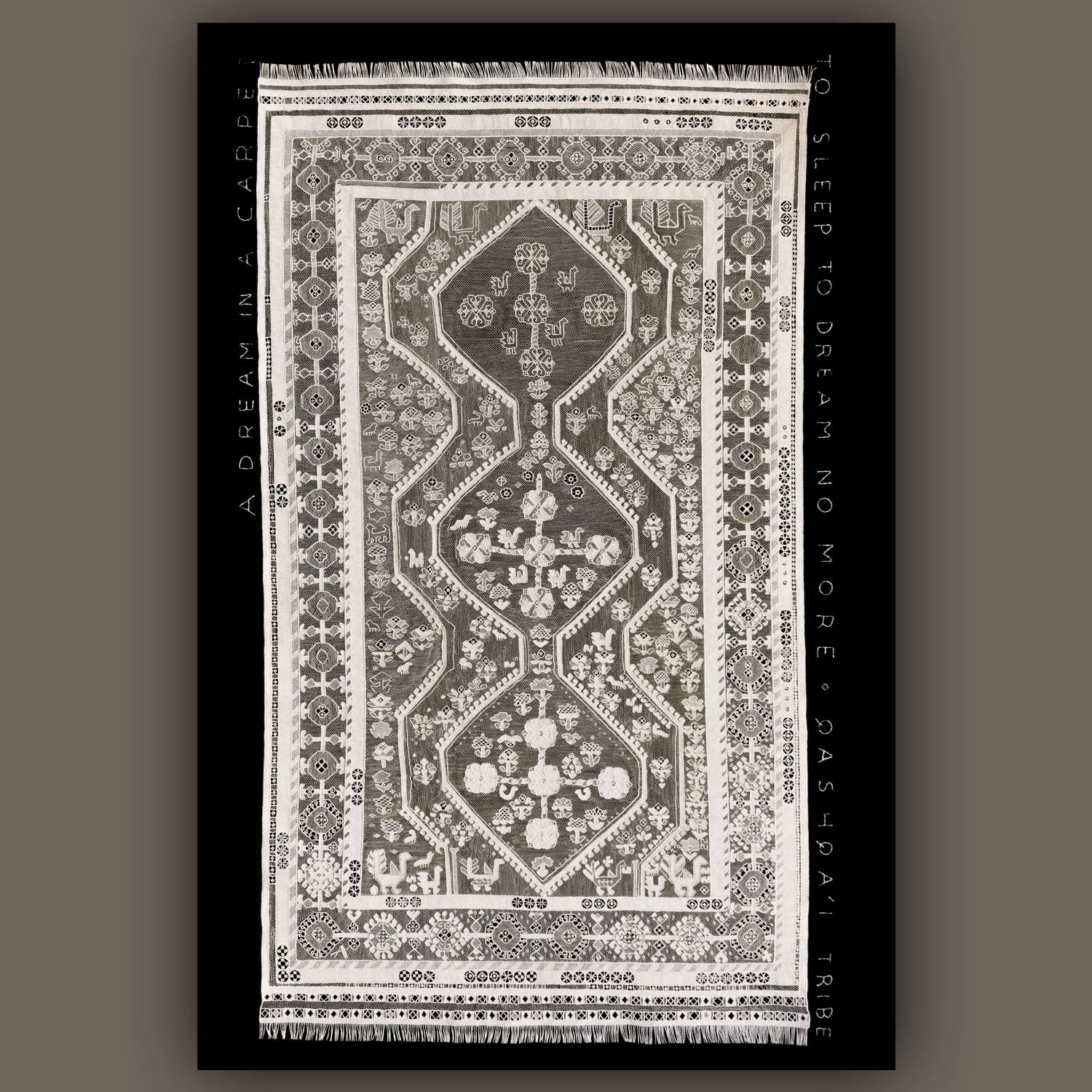
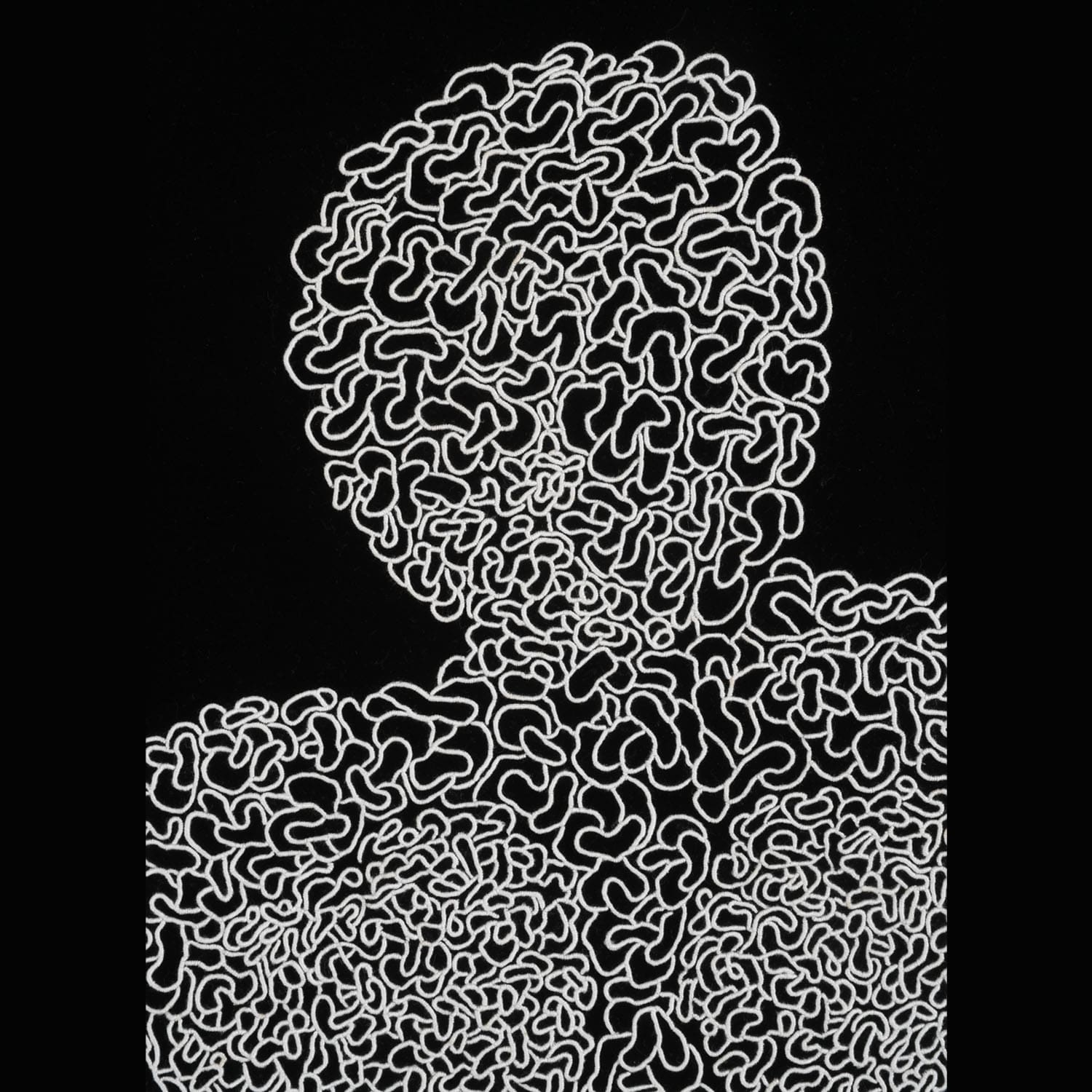
The Transmission of Savoir-Faire: Alençon Needle Lace
The savoir-faire of Alençon needle lace has been inscribed on UNESCO’s Representative List of the Intangible Cultural Heritage of Humanity since November 16, 2010. Its transmission is rooted in a close relationship between the master and the apprentice. It is passed on exclusively through oral tradition, the observation of movements, and consistent practice. No written codification is possible to allow for the true appropriation and mastery of the technique.
The training requires 7 to 10 years of apprenticeship. This legacy is carried forward today by Valérie Durand, the current head of the Alençon lace conservatory-workshop, along with Brigitte Lefebvre and Bénédicte Leclercq, former heads of the conservatory-workshop, Solange Perrot, president of the Alençon Needle Lace Association (ADPA), and Johanna Mauboussin, director.
Innovation and Contemporary Spirit: The “Réseau” Project
A stunning example of modern lace-making is the work “Réseau,” based on the designs of artist Tsuyu Bridwell. This piece bridges the gap between the Japanese tradition of origami and French lace-making.
To bring these three-dimensional butterflies to life, the Alençon workshop revived a spectacular 19th-century technique: working the Alençon point in volume. This method first gained international fame at the 1851 Universal Exhibition in London. In “Réseau,” the lace butterflies symbolize transformation and the fragile beauty of the natural world, resting delicately on cherry branches. A single project like this can represent over 7,300 hours of meticulous labor.
Conclusion
The art of French lace and embroidery represents a peak of human patience and artistic dedication, where the simple intersection of threads becomes a medium for high culture. While embroidery enriches the existing world by decorating the fabrics we wear and touch, lace-making performs the ultimate feat of creating something from nothing—building structure and beauty entirely out of thin air and fine thread.
These techniques are more than just crafts; they are living languages of heritage. From the rapid, rhythmic dance of bobbins in Puy-en-Velay to the solitary, microscopic precision of the Alençon needle, these skills have survived centuries because they represent a unique form of excellence that no machine can replicate. As they continue to evolve through modern collaborations with contemporary artists, French textile arts prove that they are not relics of the past, but vital, breathing expressions of creativity that continue to crown the world of luxury and craftsmanship.
