Maison Margiela
THE TRIUMPHS
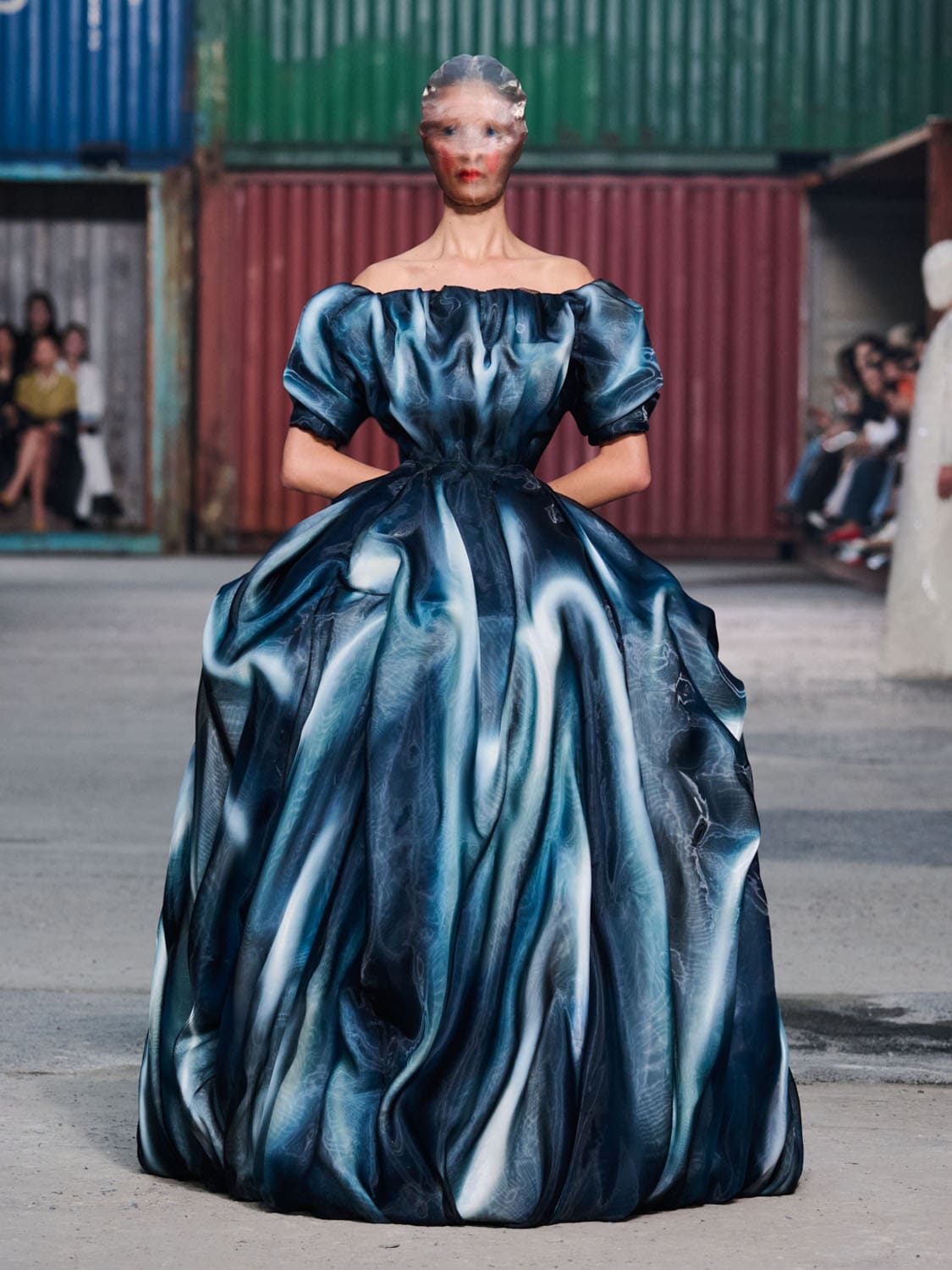
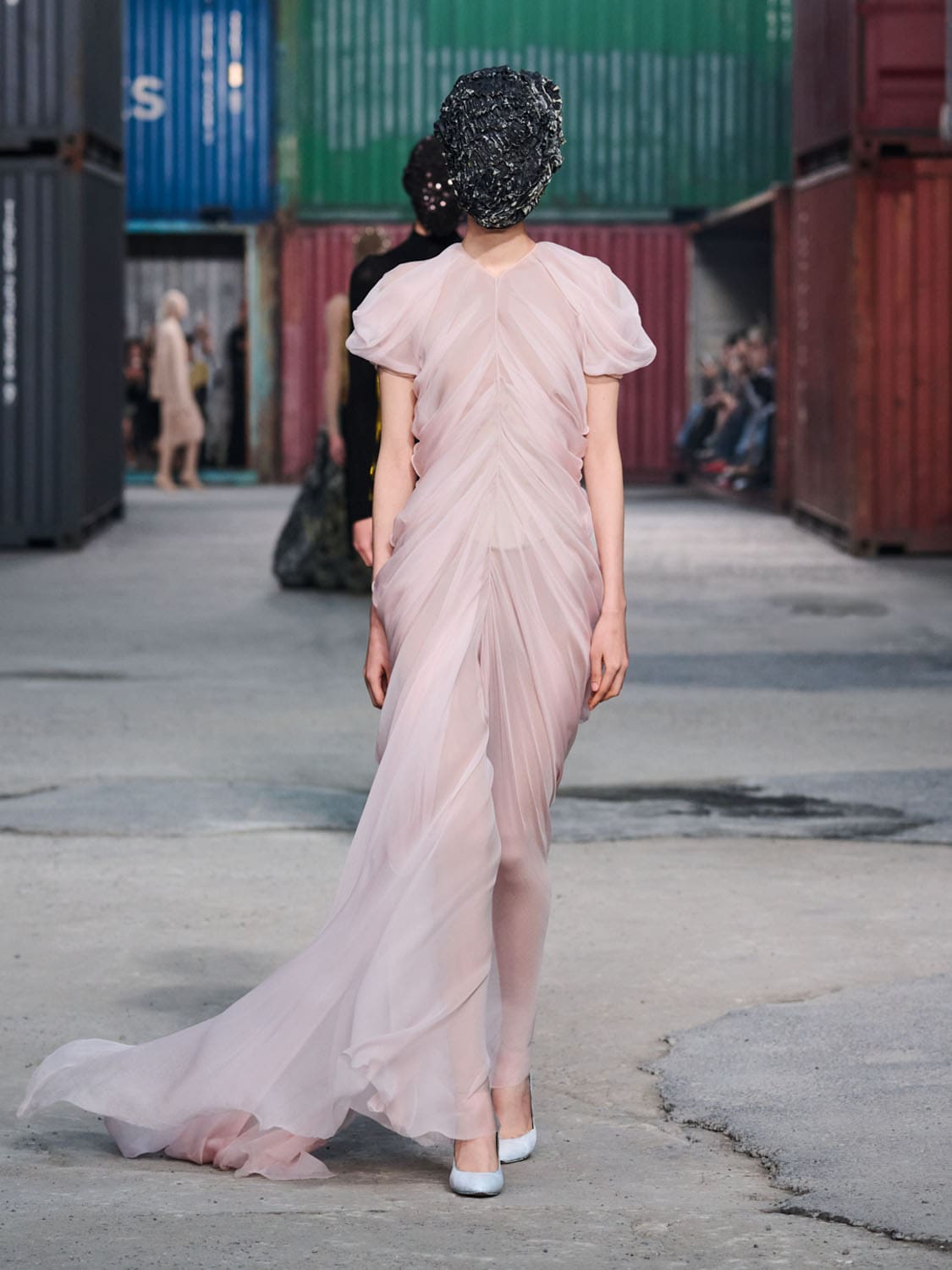
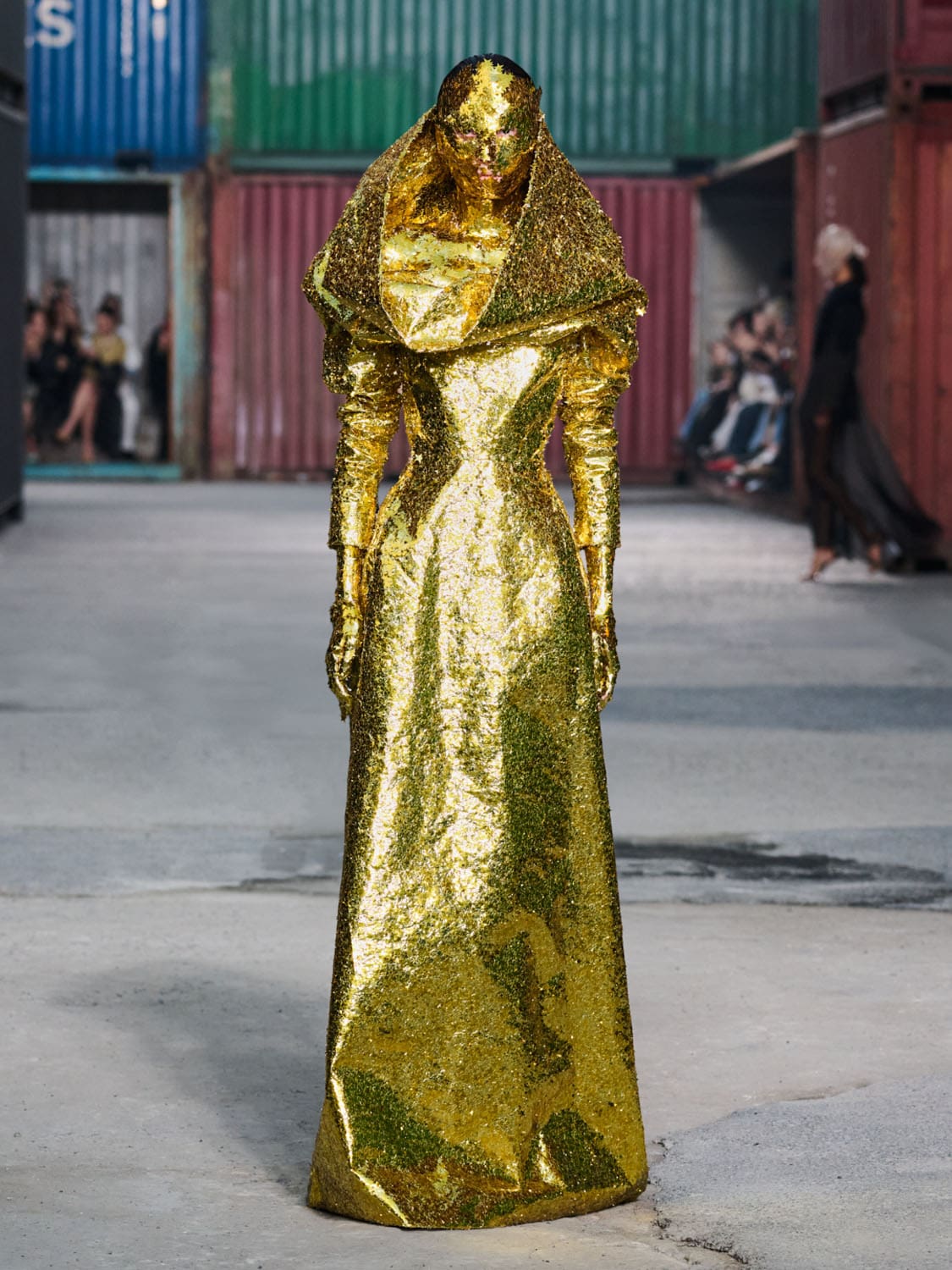
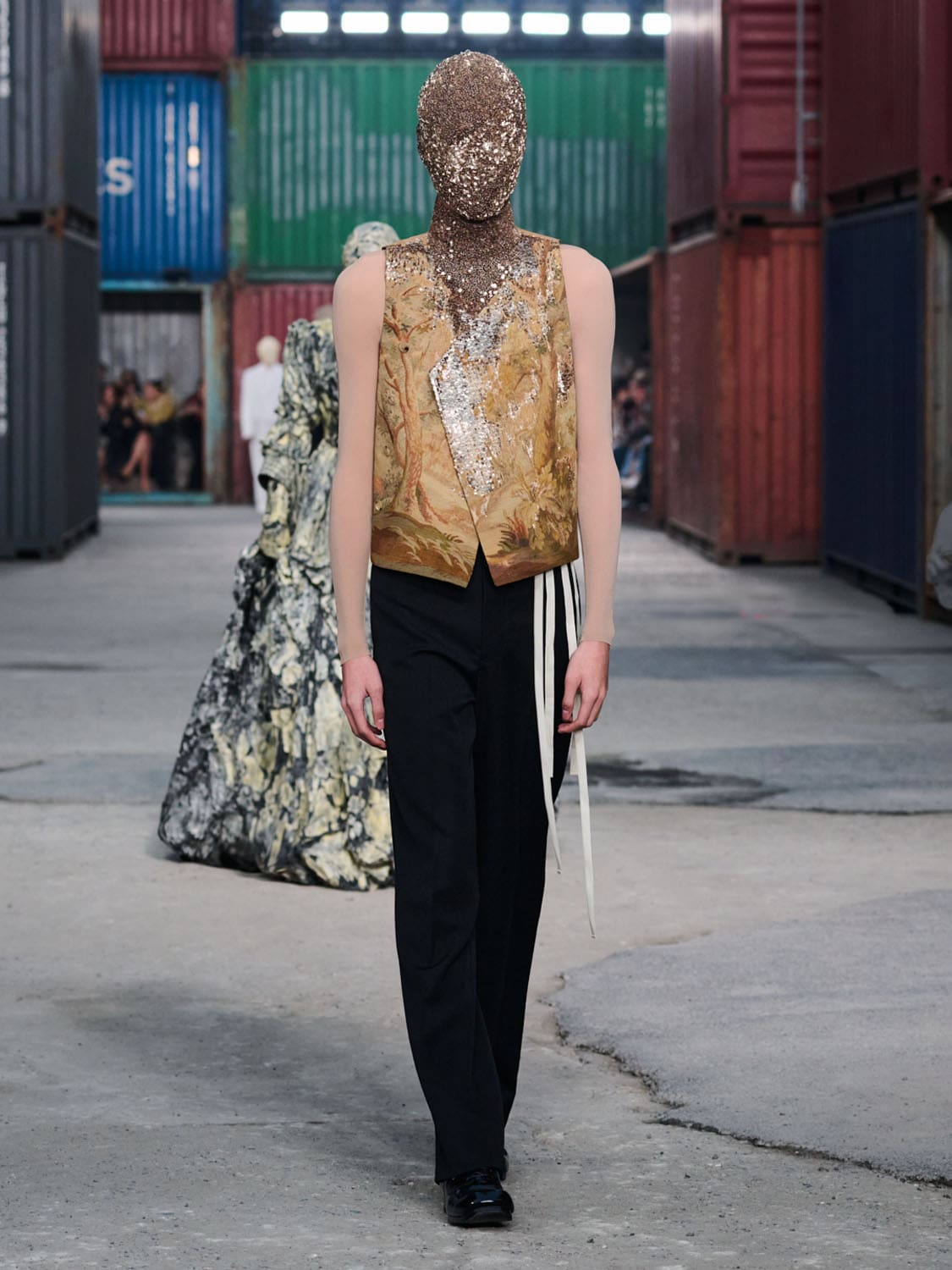
- Extraordinary experimental craftsmanship transforms organza, shattered porcelain, Edwardian garments, beeswax, leather and distressed textiles into objects that deliberately challenge conventional definitions of clothing
- Exceptional understanding of Maison Margiela’s historical methodology, treating deconstruction, memory, decay and transformation as creative processes rather than reproducing recognizable archival silhouettes
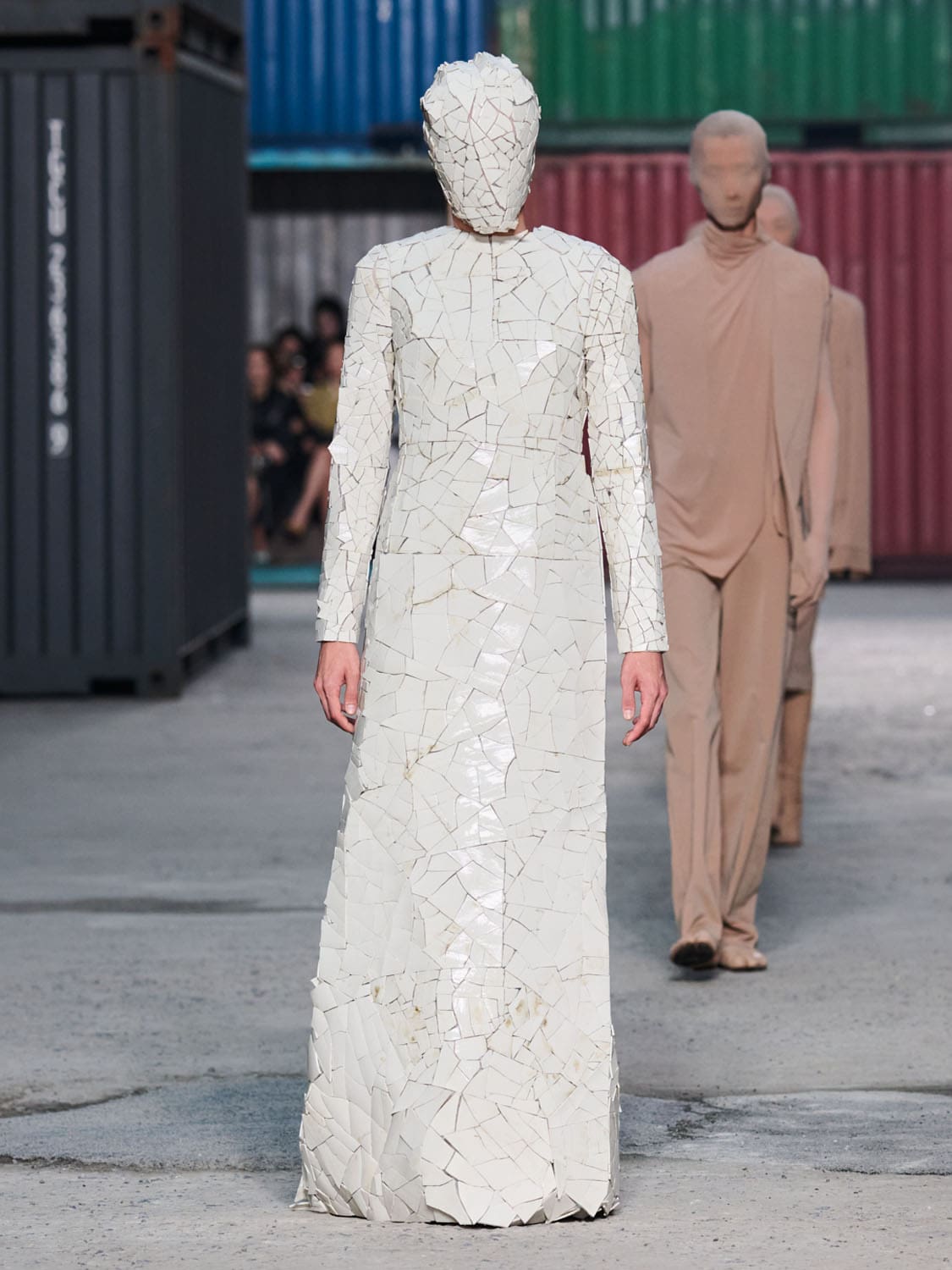
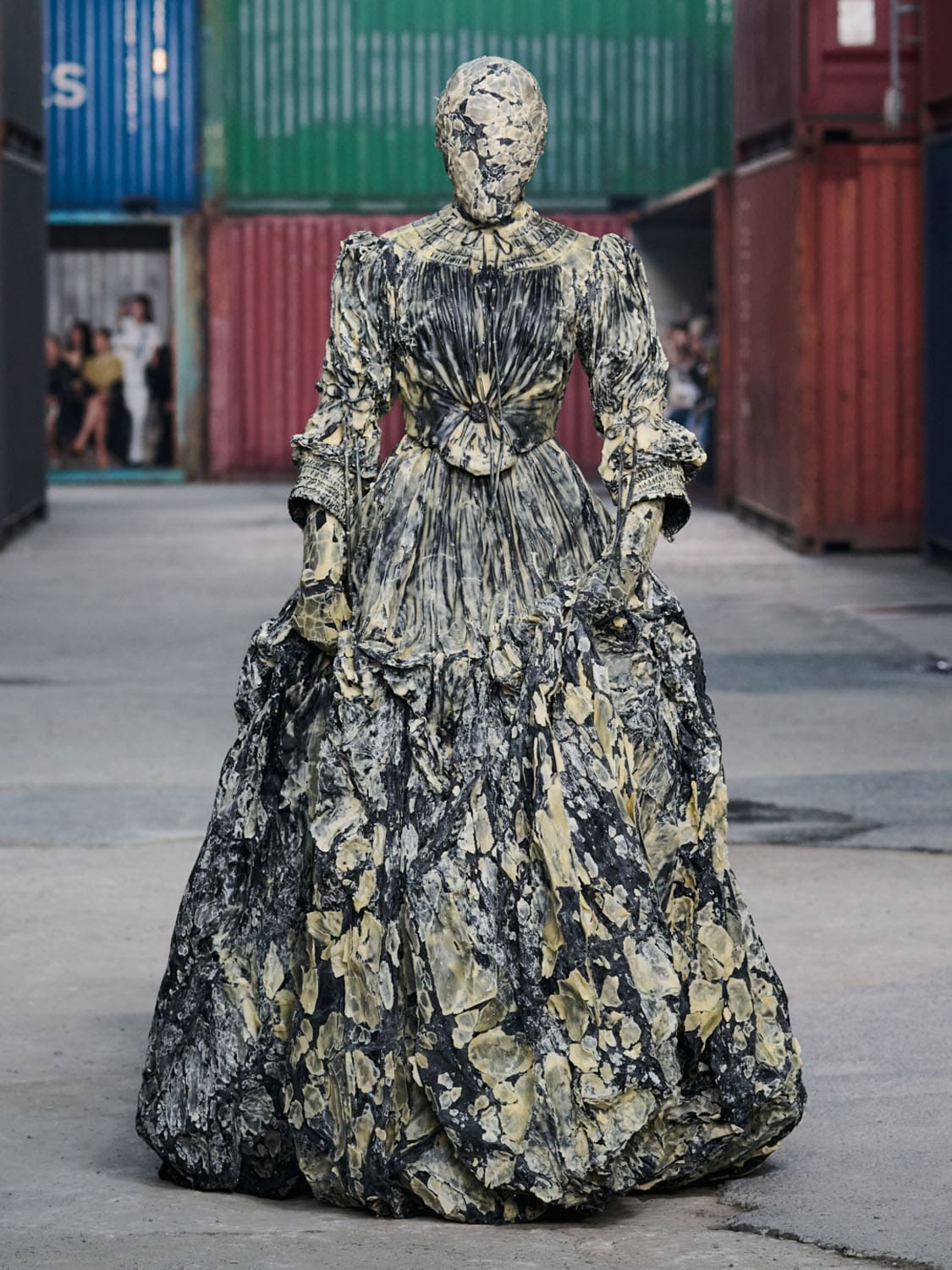
- Fearless material experimentation gives conceptual ideas physical substance, particularly through reconstructed porcelain, preserved garment traces and wax-frozen historical clothing
- Glenn Martens demonstrates a sophisticated understanding that Margiela’s heritage is fundamentally a method of questioning garments, materials and value rather than a fixed visual style
- Exceptional artistic coherence between concept, technique and execution allows the collection to function simultaneously as fashion experimentation, material research and wearable sculpture
RESERVATIONS
- The collection’s strongest propositions operate closer to wearable art than to an adaptable wardrobe, substantially limiting their practical relevance beyond the Artisanal context
- Extreme material treatments and deliberate distortion sometimes prioritize conceptual impact over physical ease, conventional functionality and everyday desirability
- The intellectual intensity of the collection demands considerable engagement from the viewer, making its cultural proposition powerful but intentionally less accessible than conventional luxury fashion
Maison Margiela Fall Winter 2026 Shanghai “The Alchemist in the Flea Market: Glenn Martens and the Rebirth of Margiela’s Artisanal Soul”. Story by Eleonora de Gray, Editor-in-Chief of RUNWAY MAGAZINE. Photo / Video Courtesy: Maison Margiela.
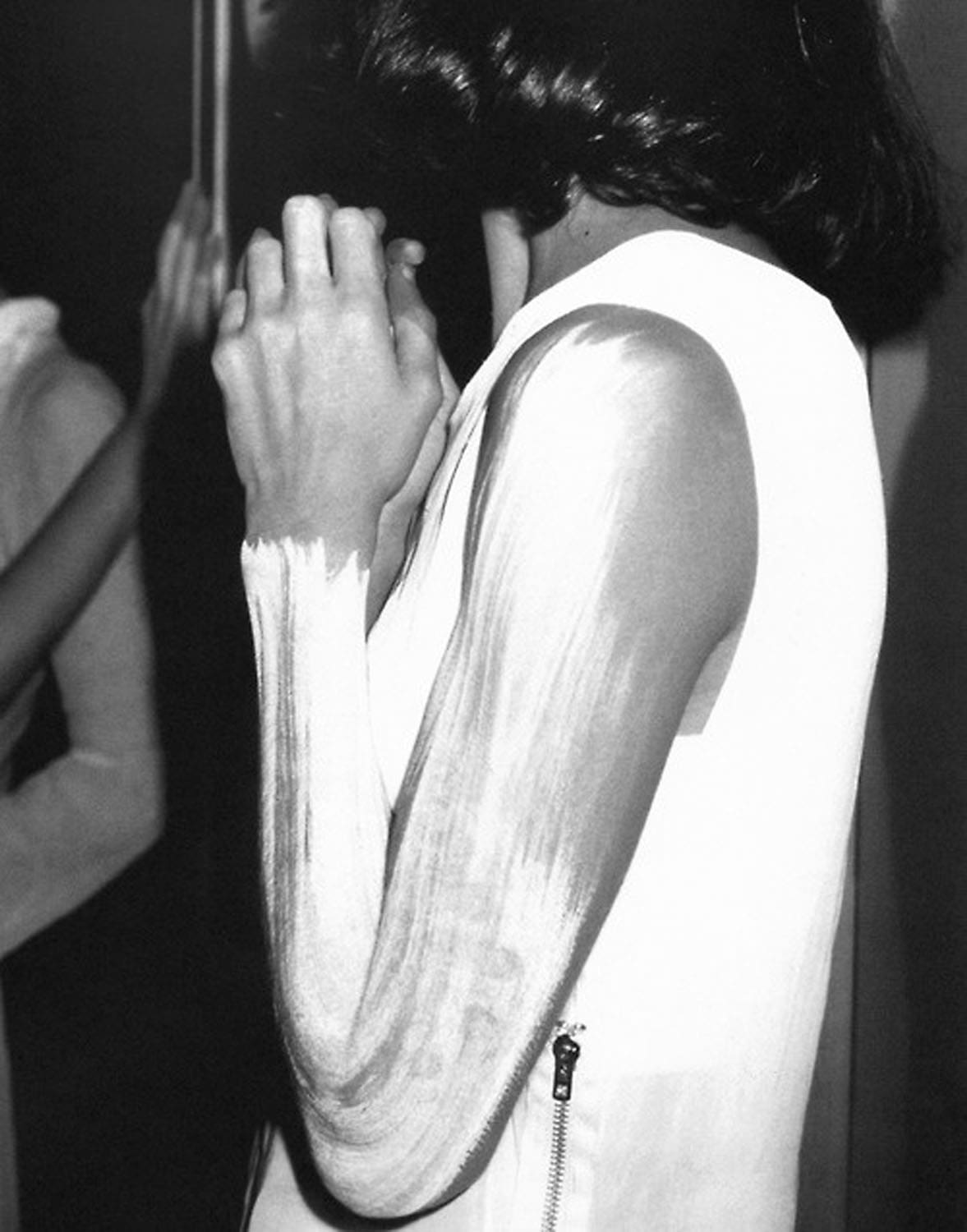
The air in Shanghai last week didn’t just carry the humidity of the Huangpu District; it carried the scent of beeswax, the ghosts of Edwardian lace, and the sharp, clinical sting of white bianchetto paint. With the debut of the Maison Margiela Fall/Winter 2026 collection and the sweeping “Artisanal: Our Creative Laboratory” exhibition, we didn’t merely witness a fashion show. We witnessed a homecoming.
Since his appointment in January 2025, the fashion world has watched Glenn Martens with bated breath. The Belgian polymath, a veteran of Gaultier’s irreverent precision and the architect of Y/Project’s warped silhouettes, has finally found the one vessel large enough to hold his intellect: the house that Martin built.
If Margiela is a “Creative Laboratory,” then Martens has proven himself its most fearless head scientist. In Shanghai, he didn’t just reference the archive; he performed a seance.
Artisanal Storytelling

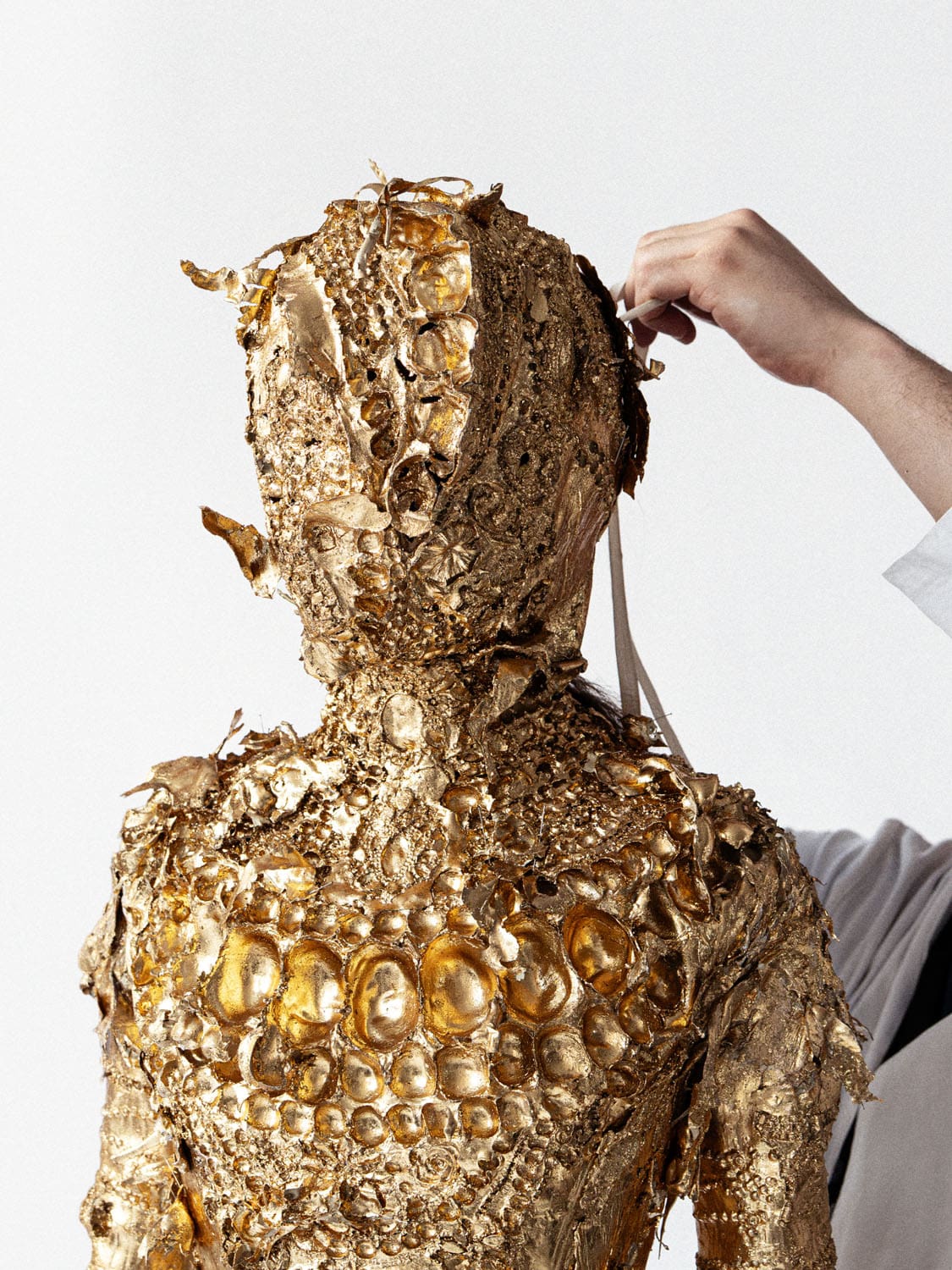
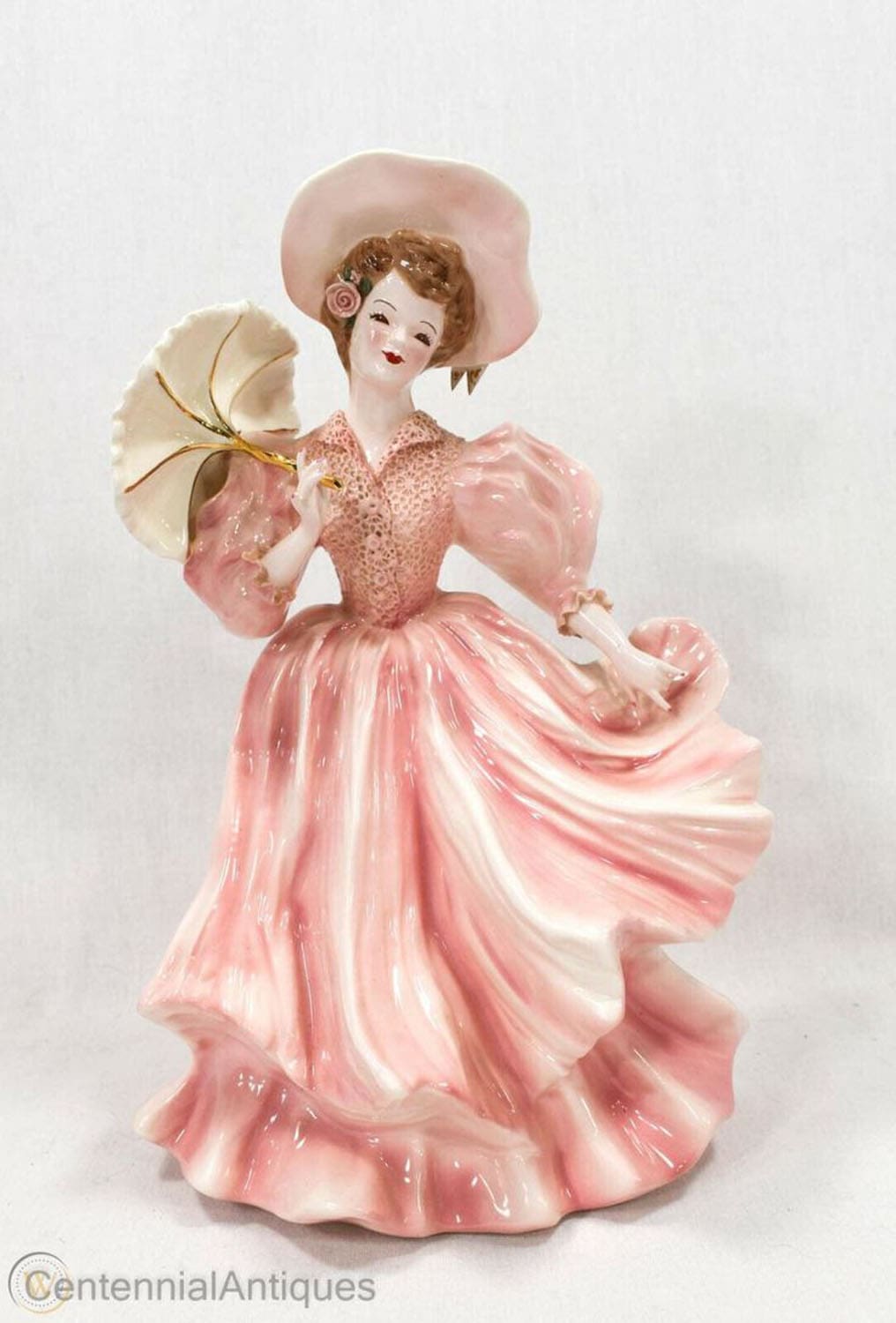
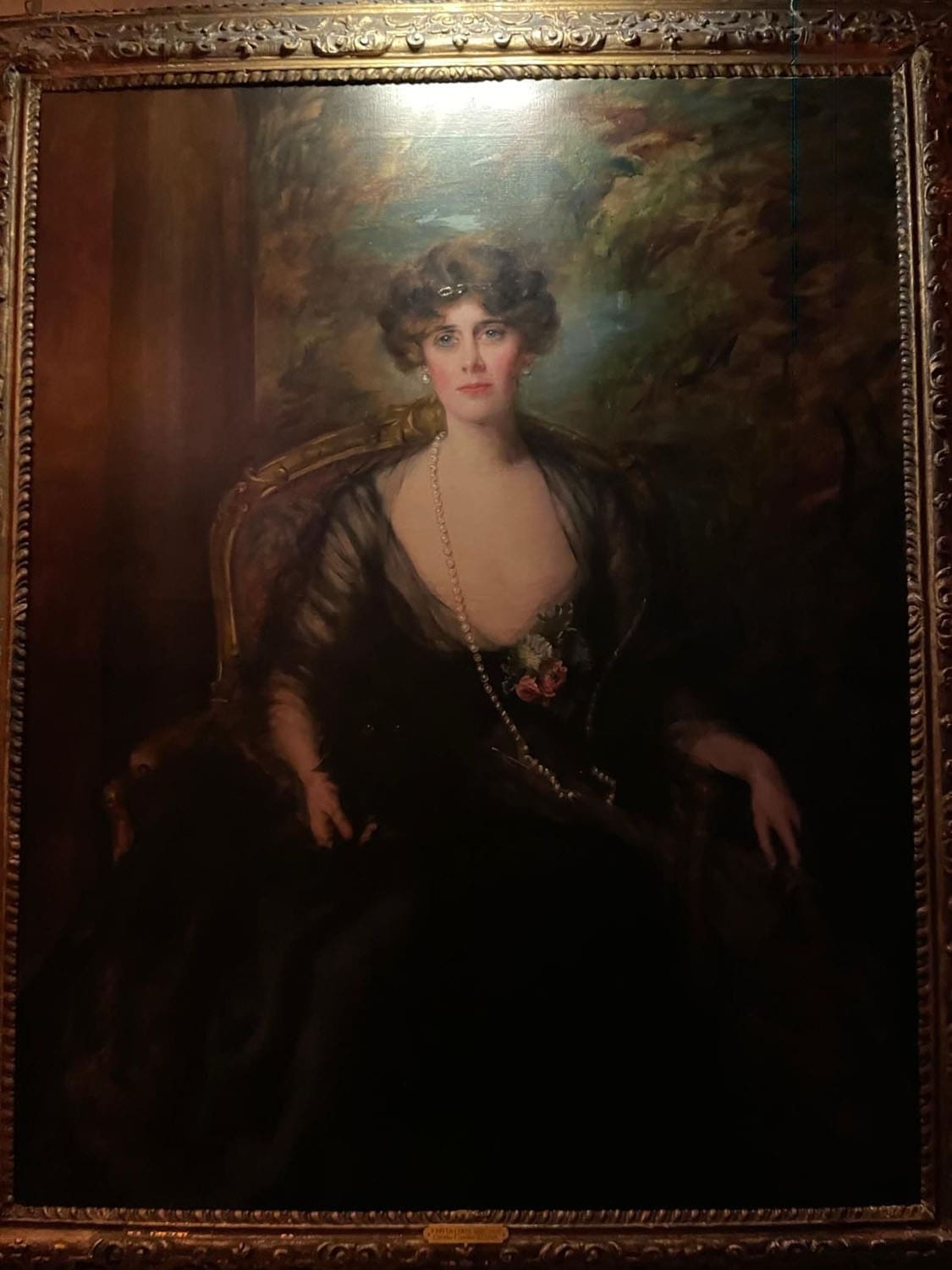
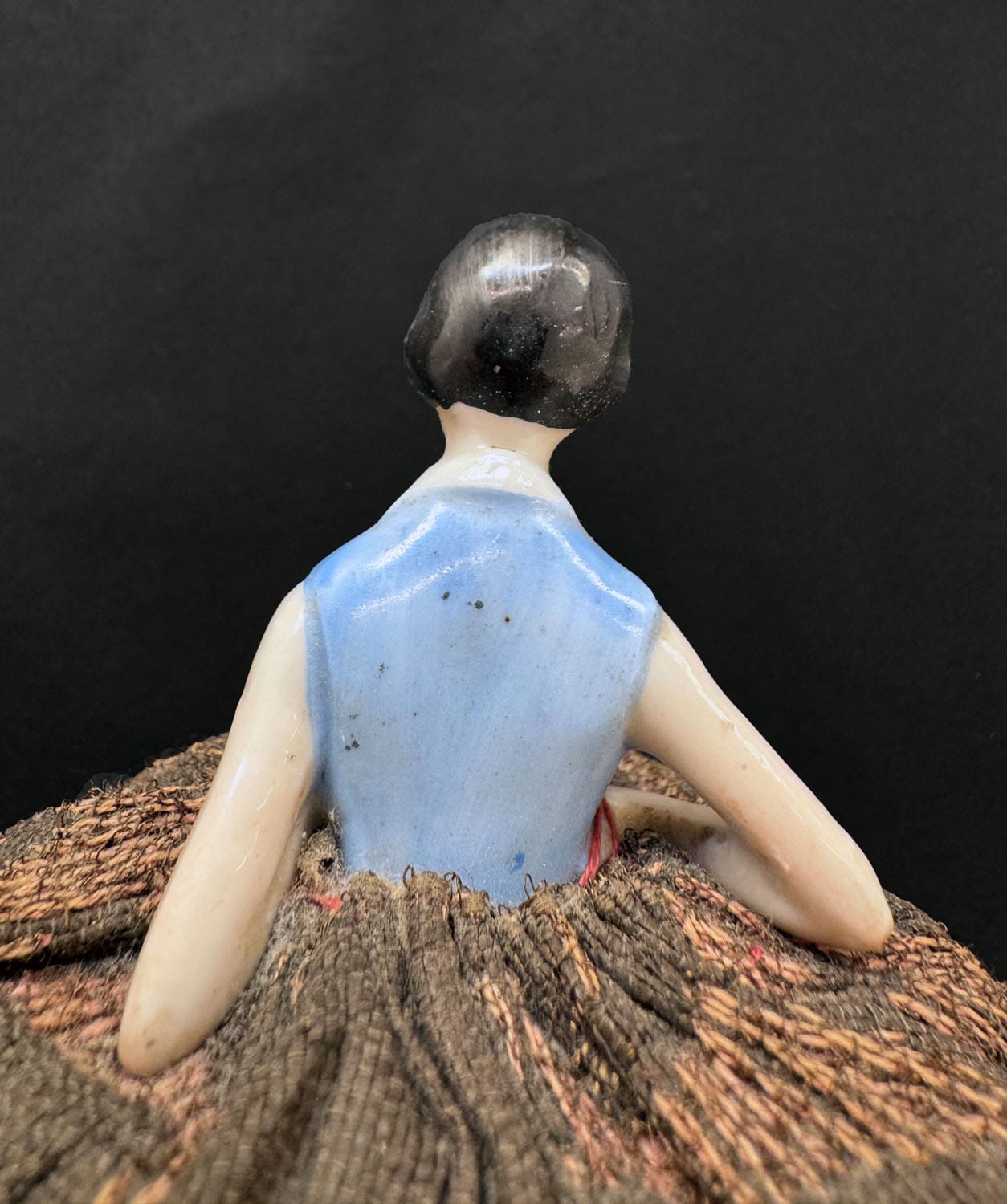

The Theater of Memory: A Parisian Flea Market in Shanghai
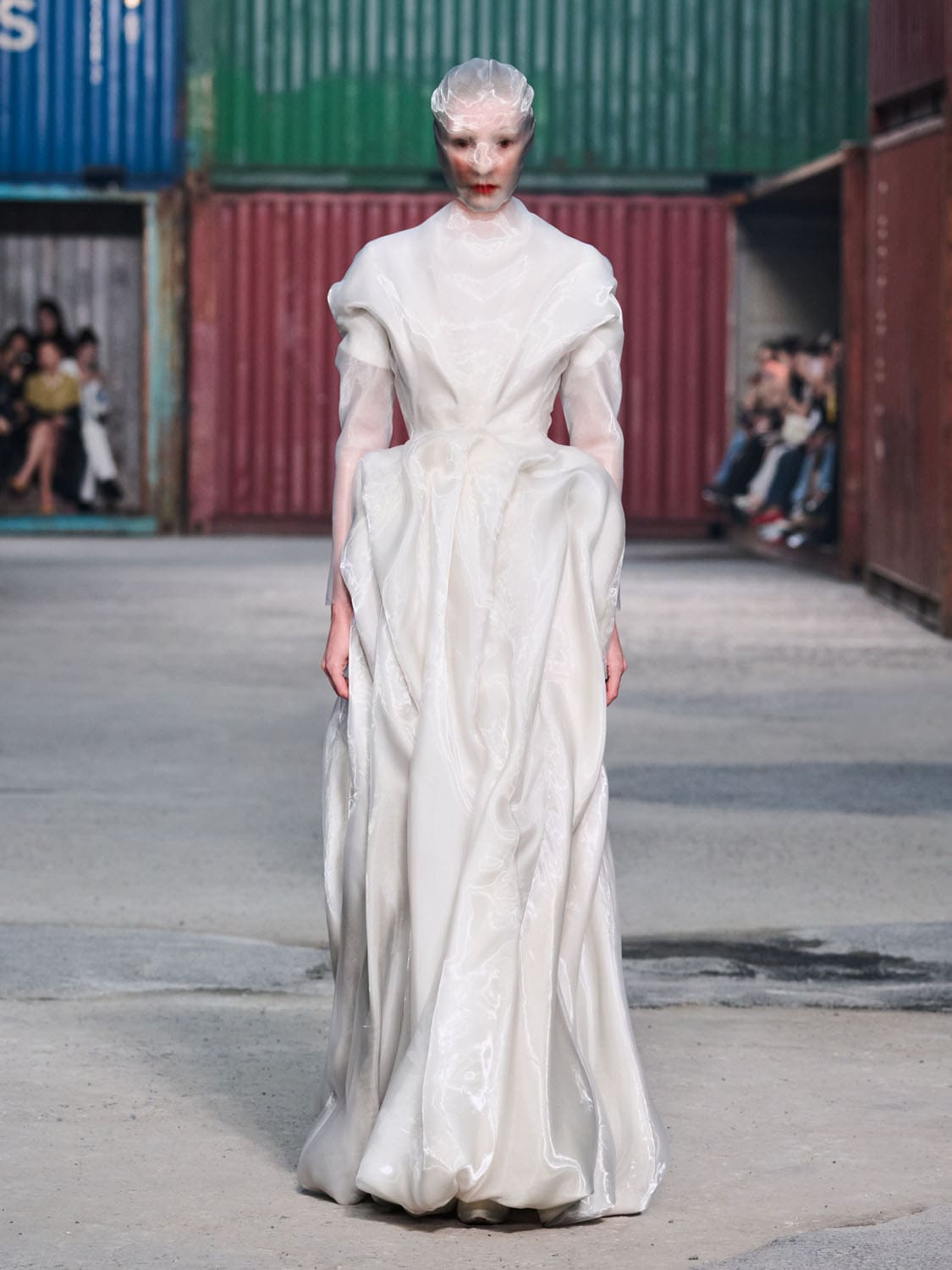
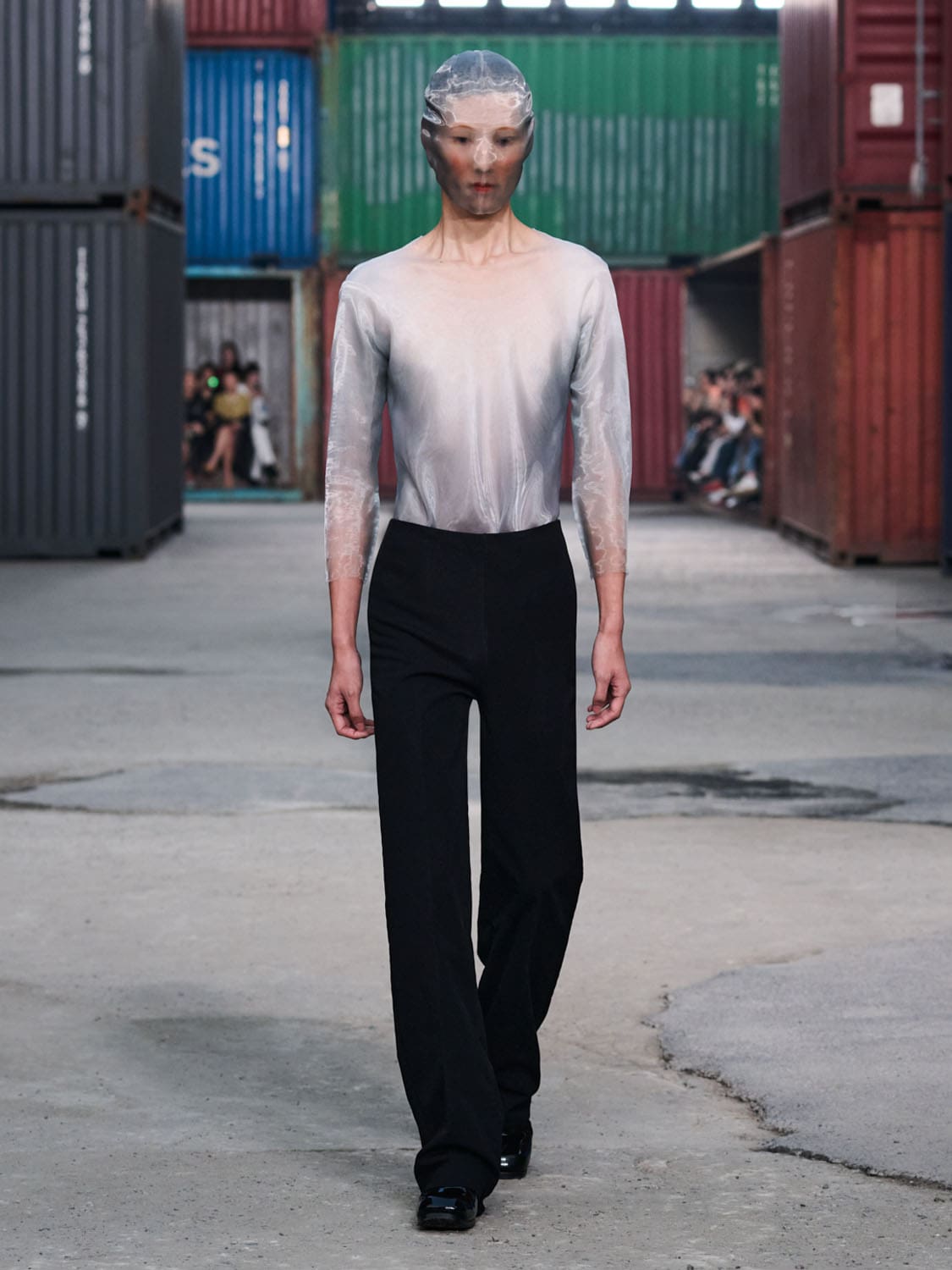
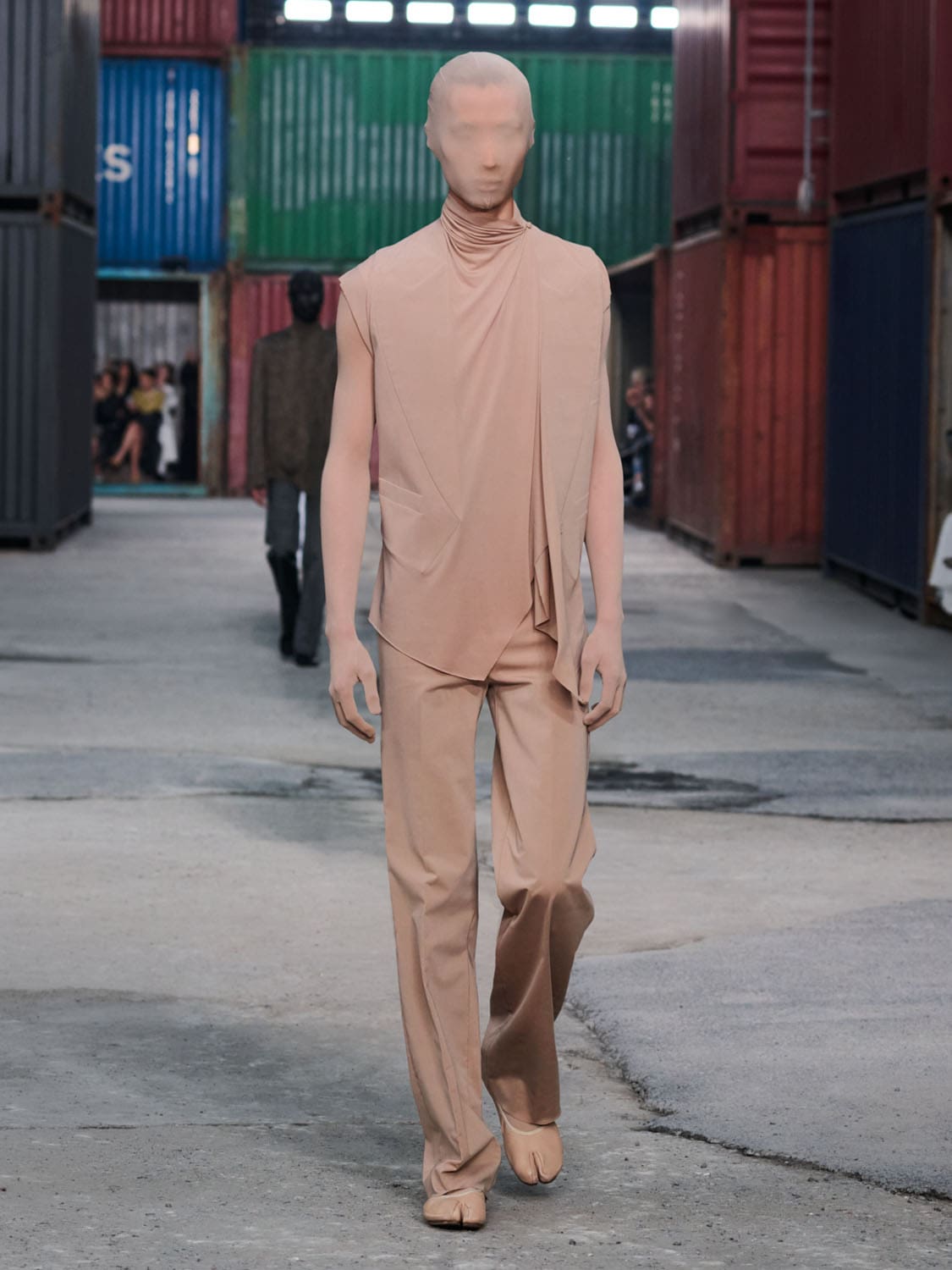
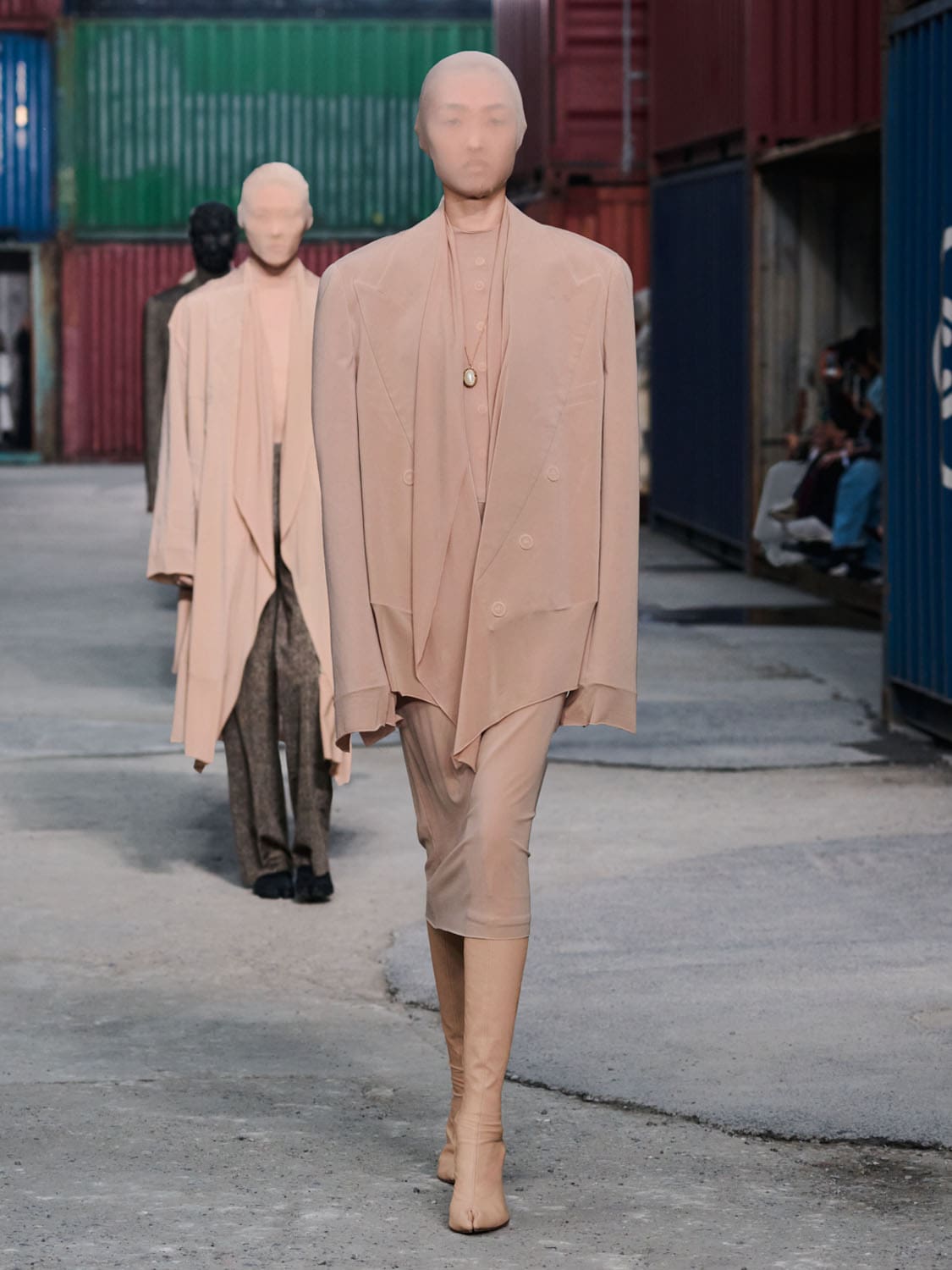
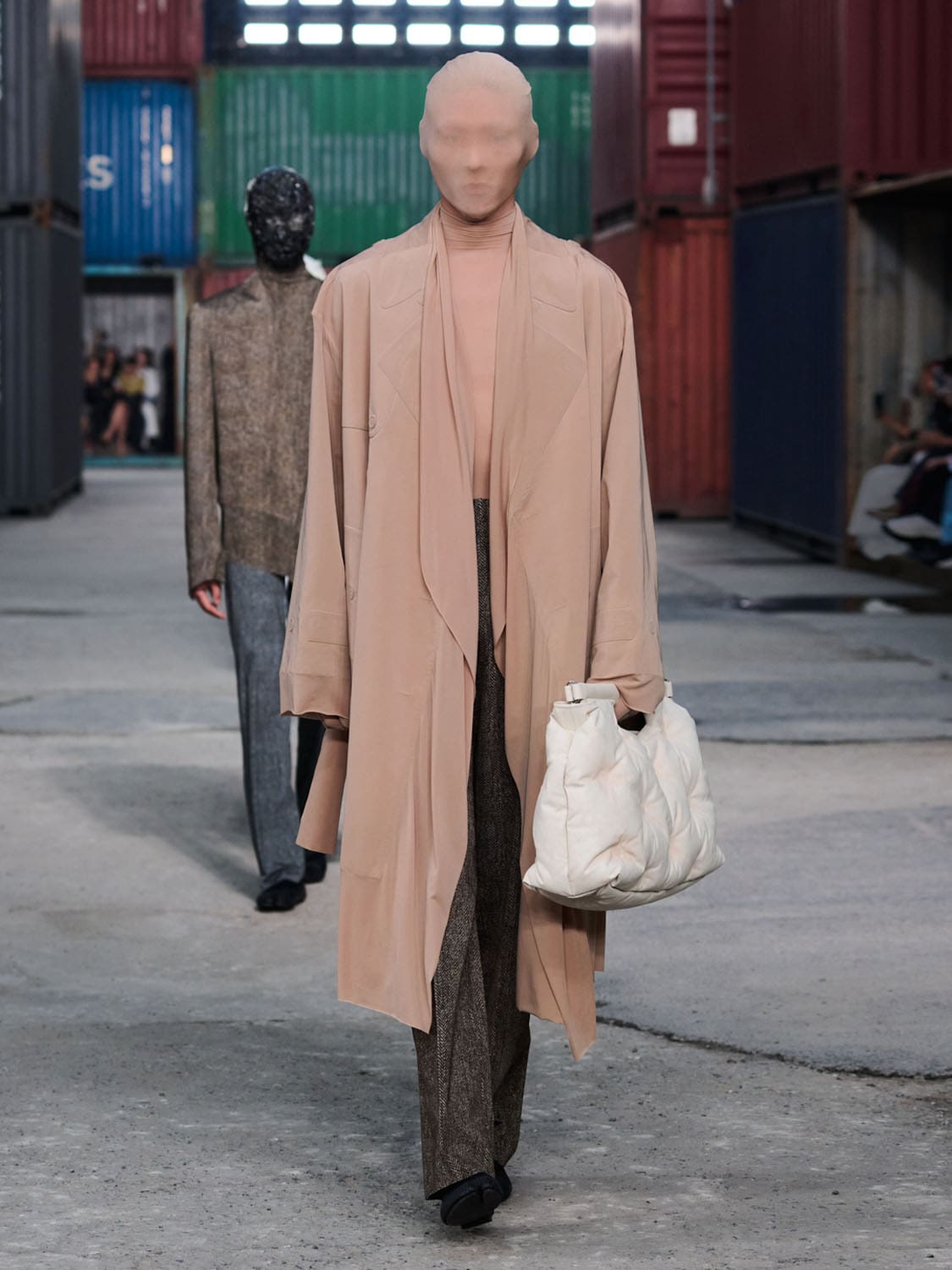
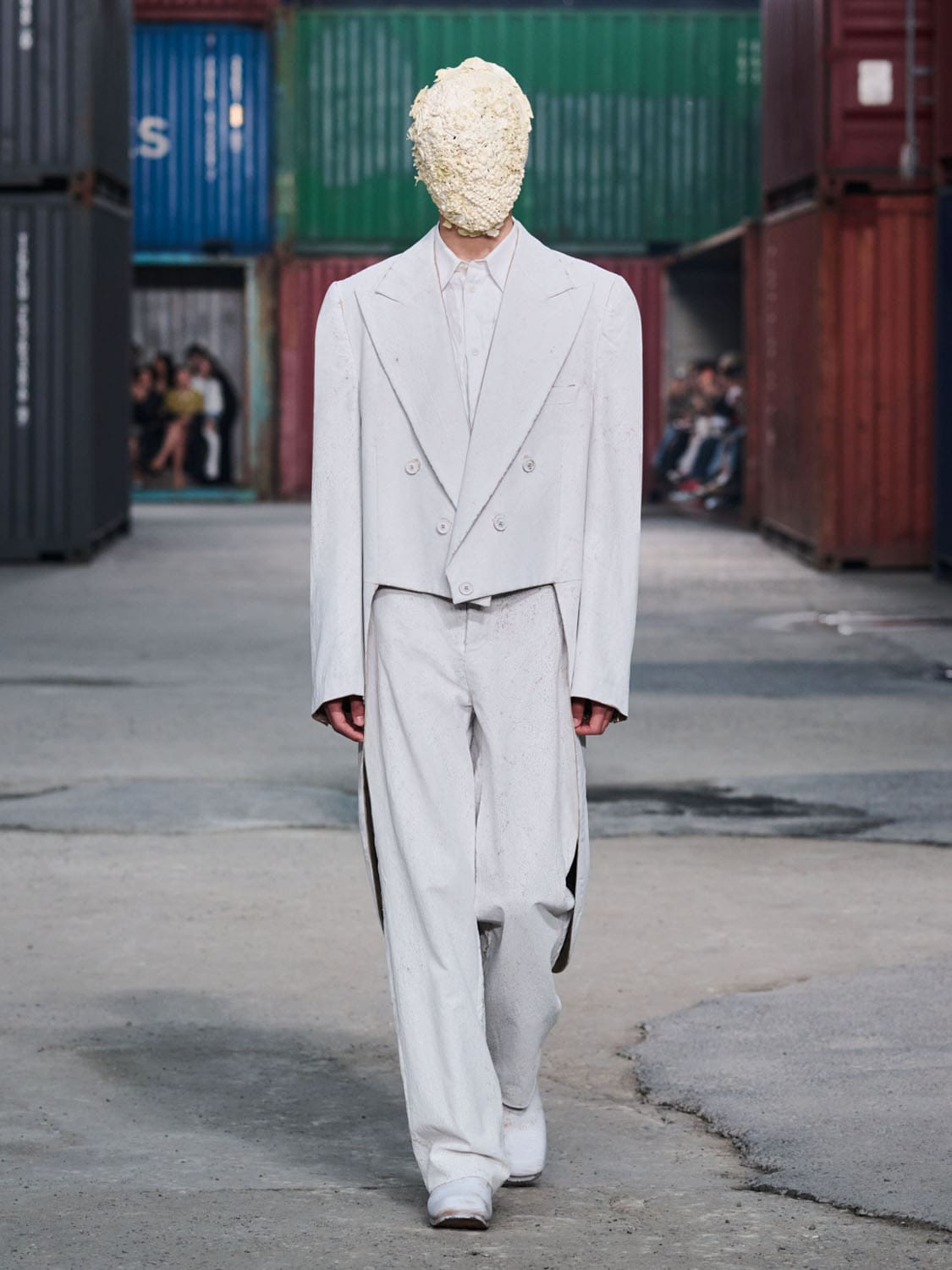
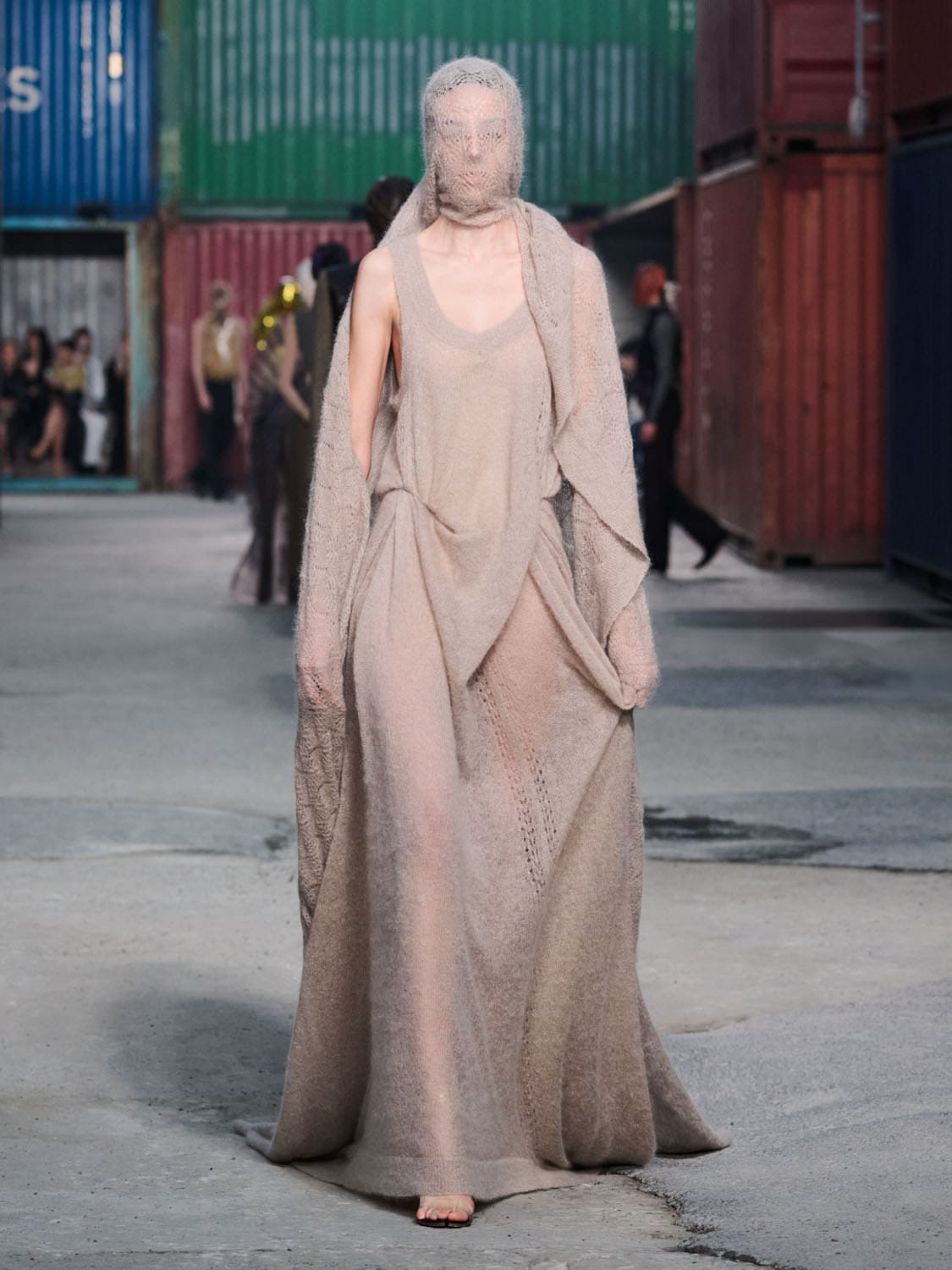
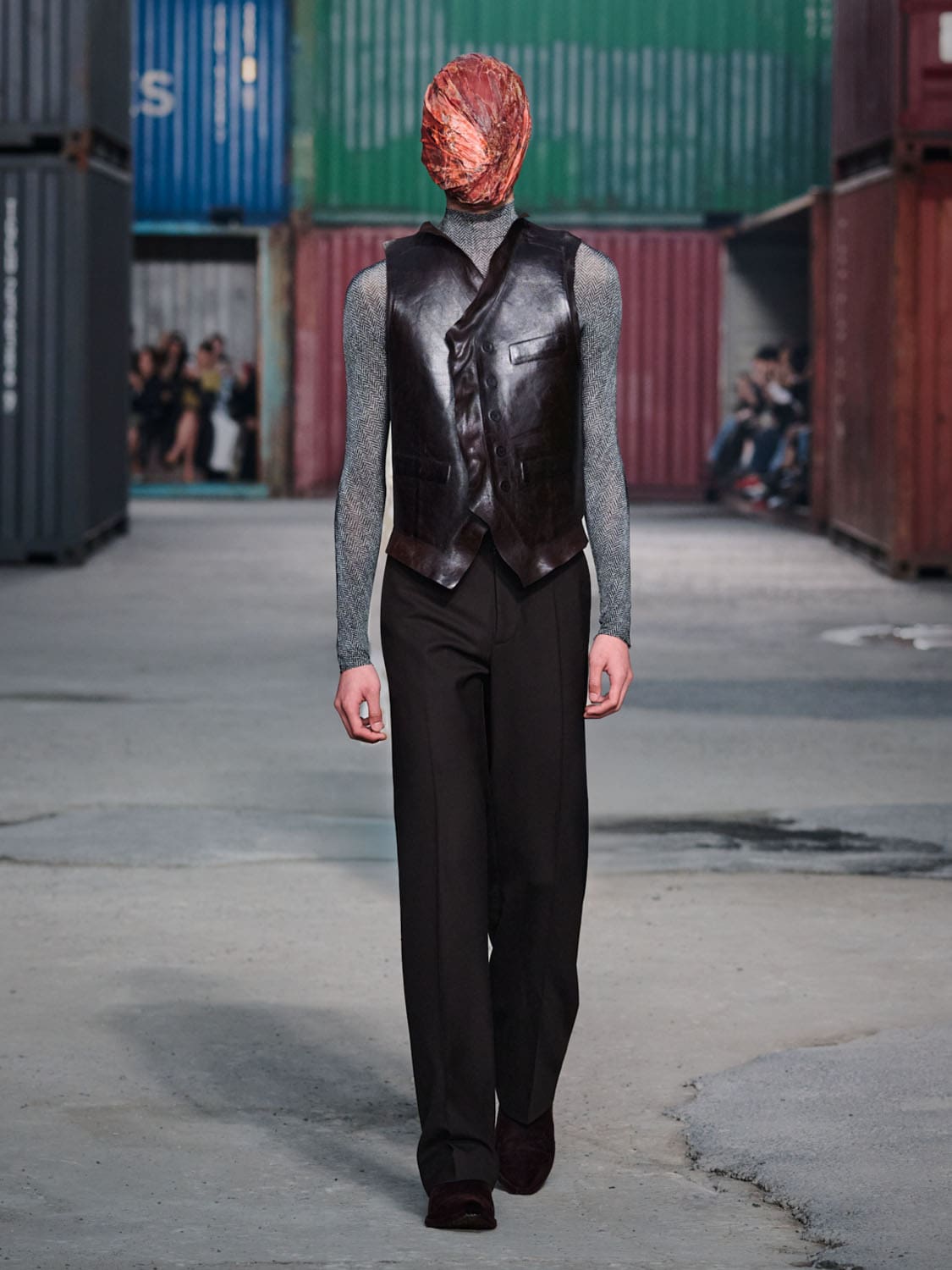
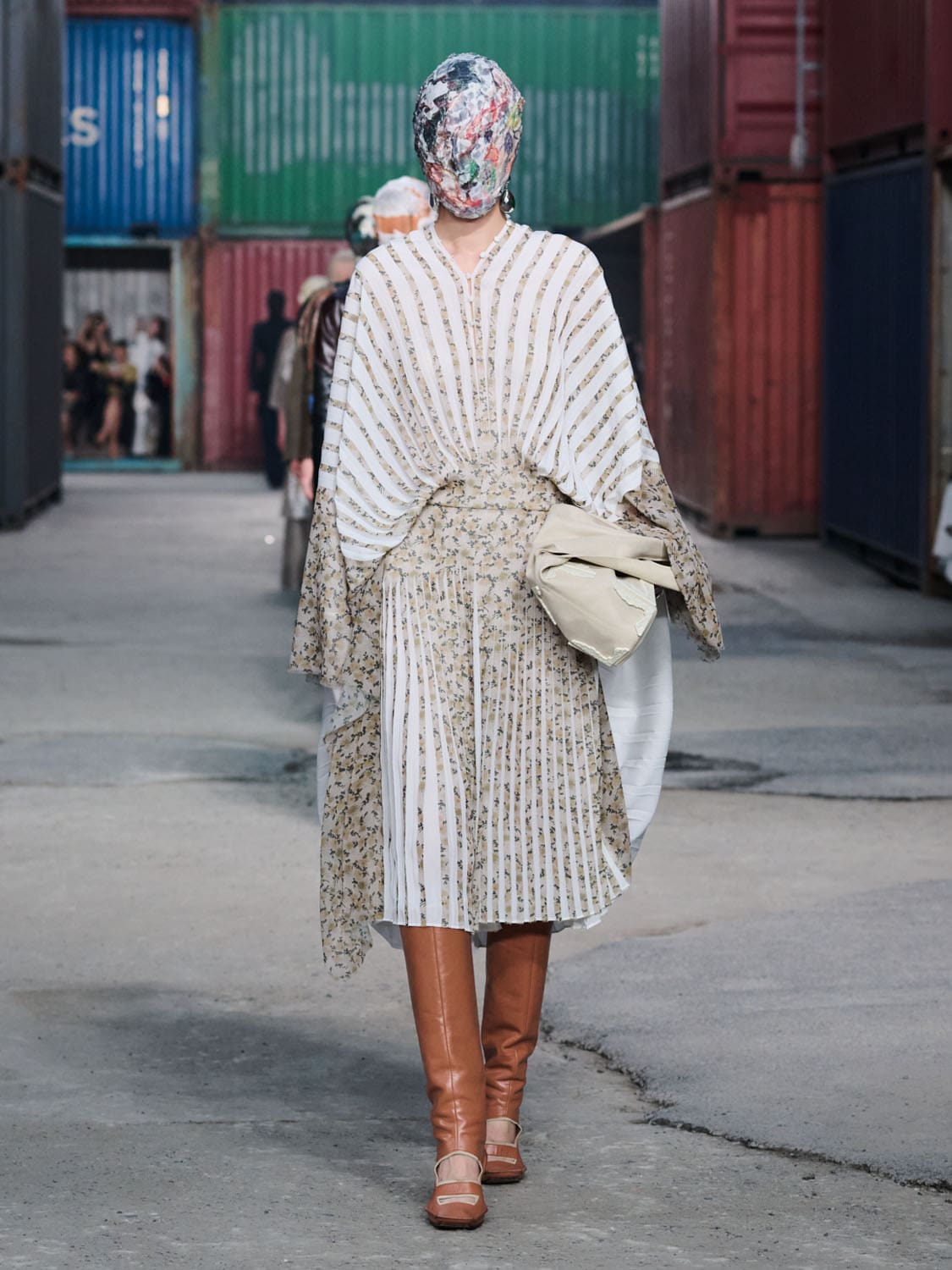
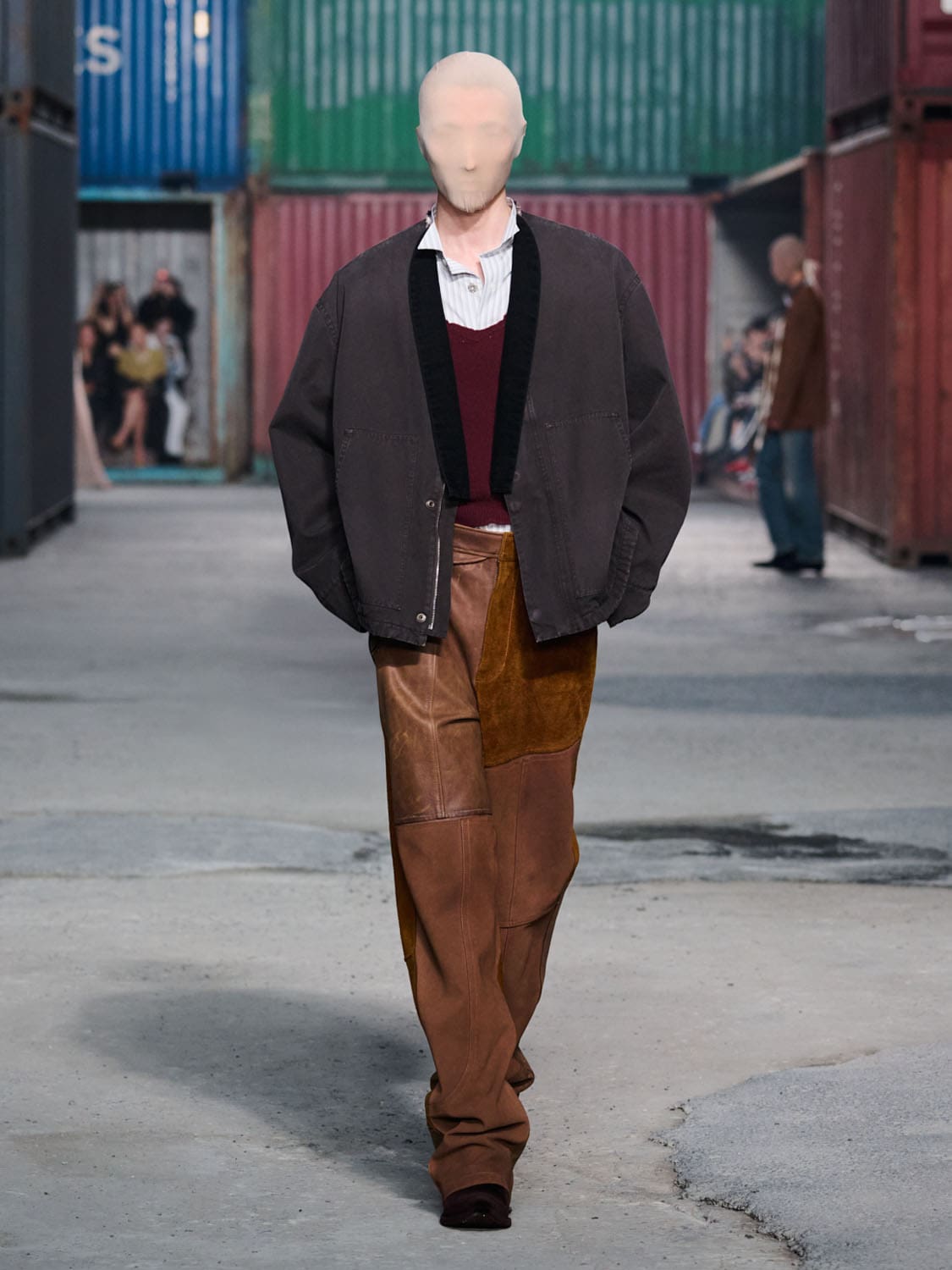
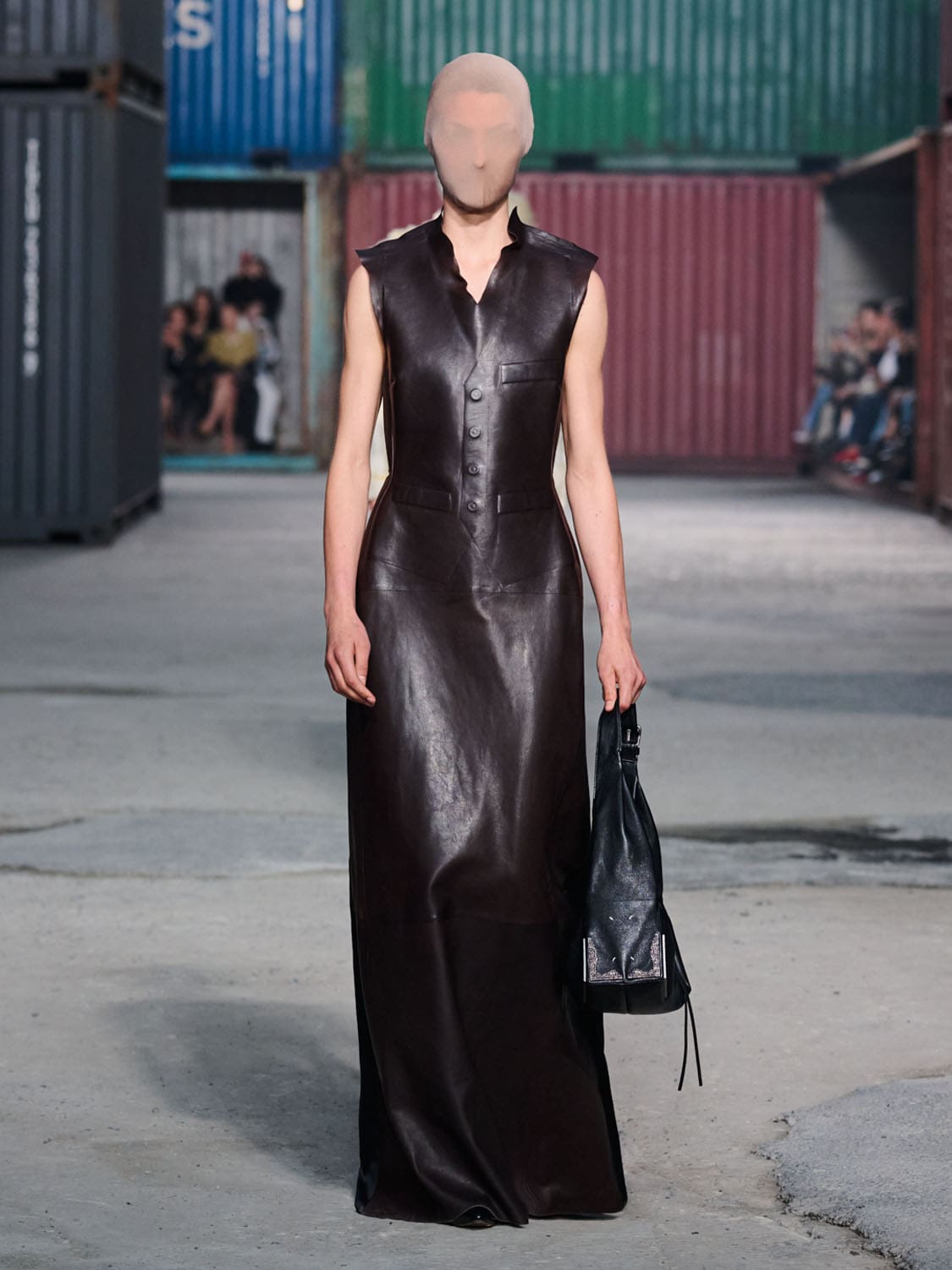
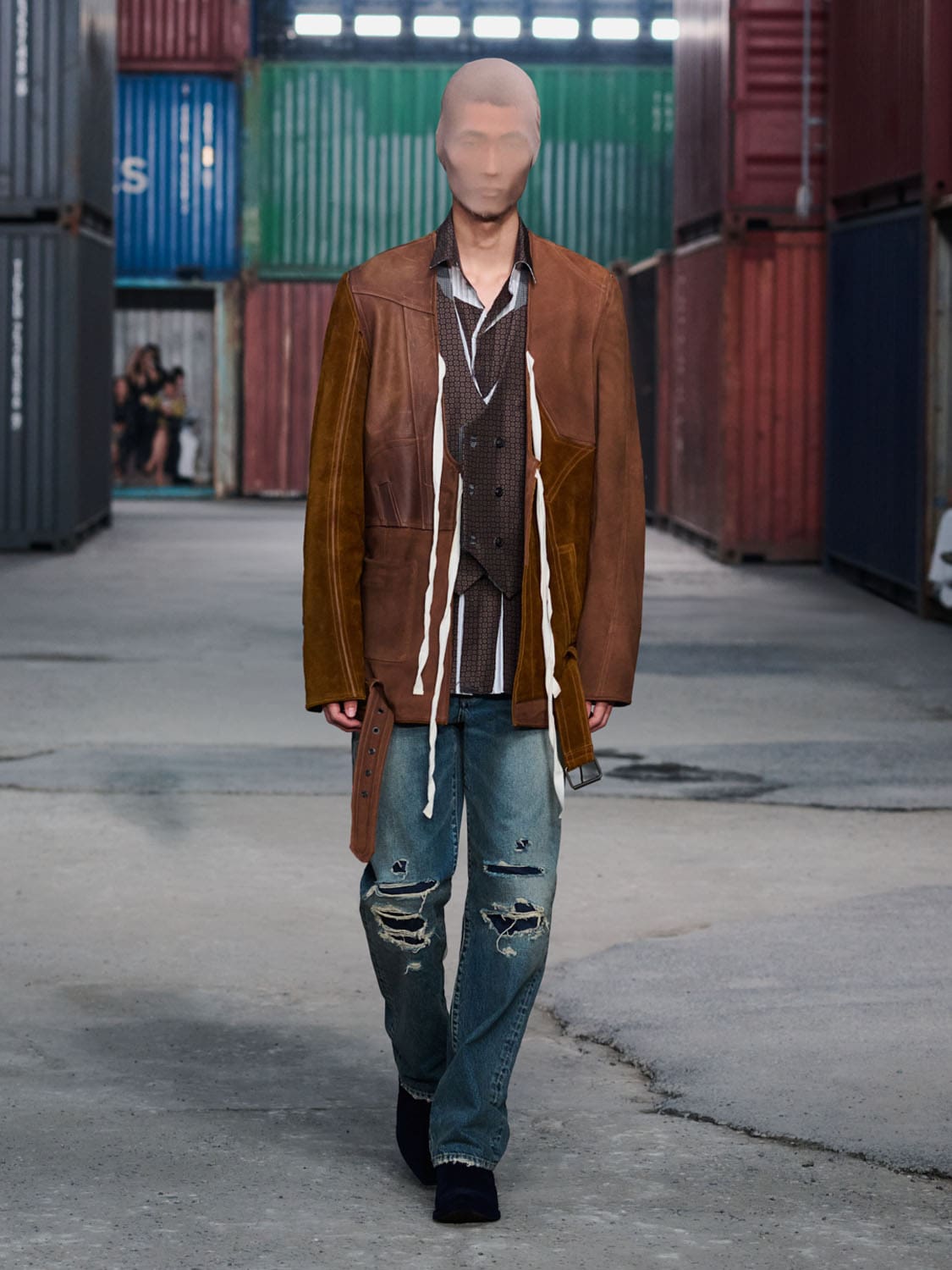
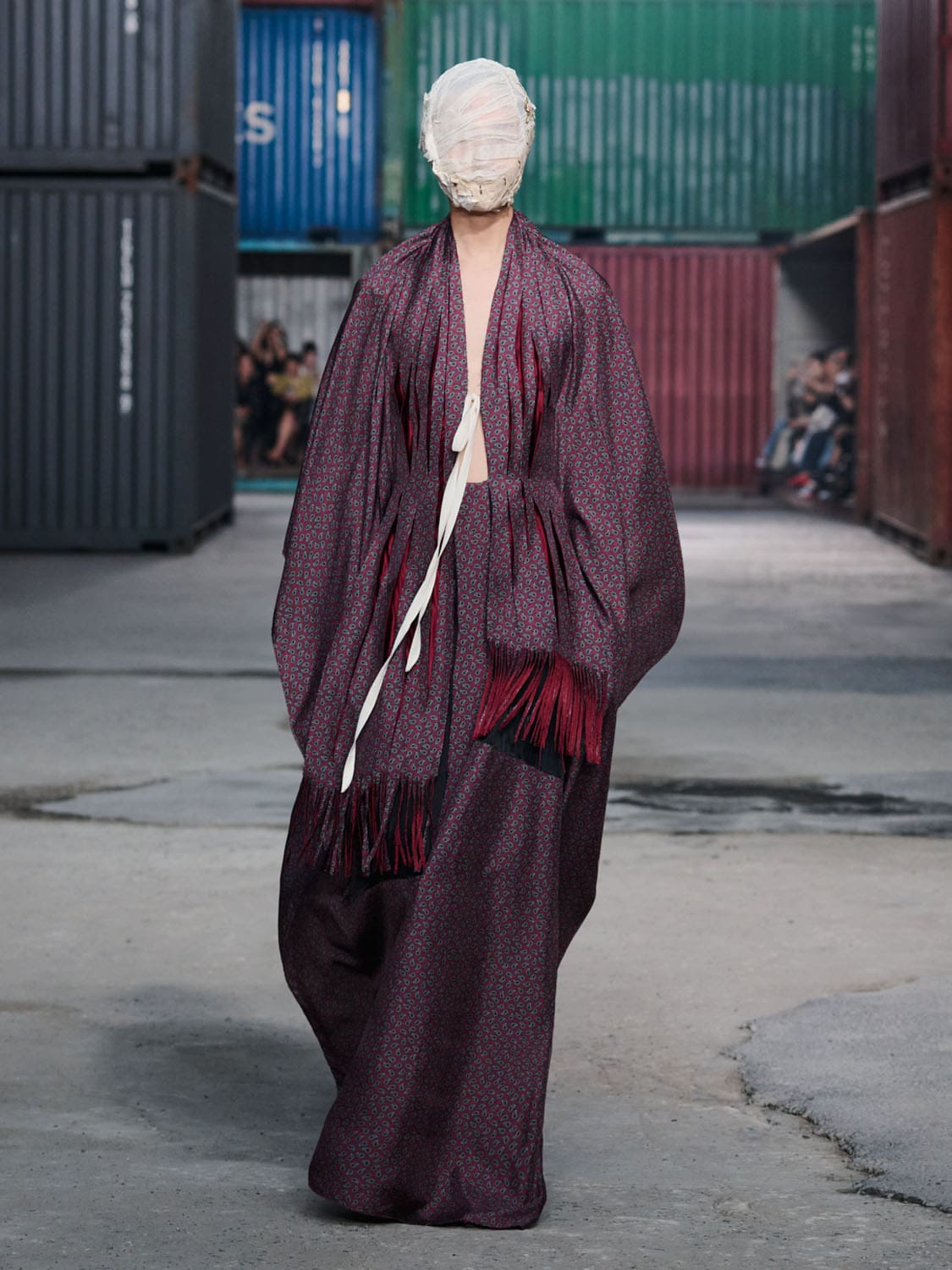
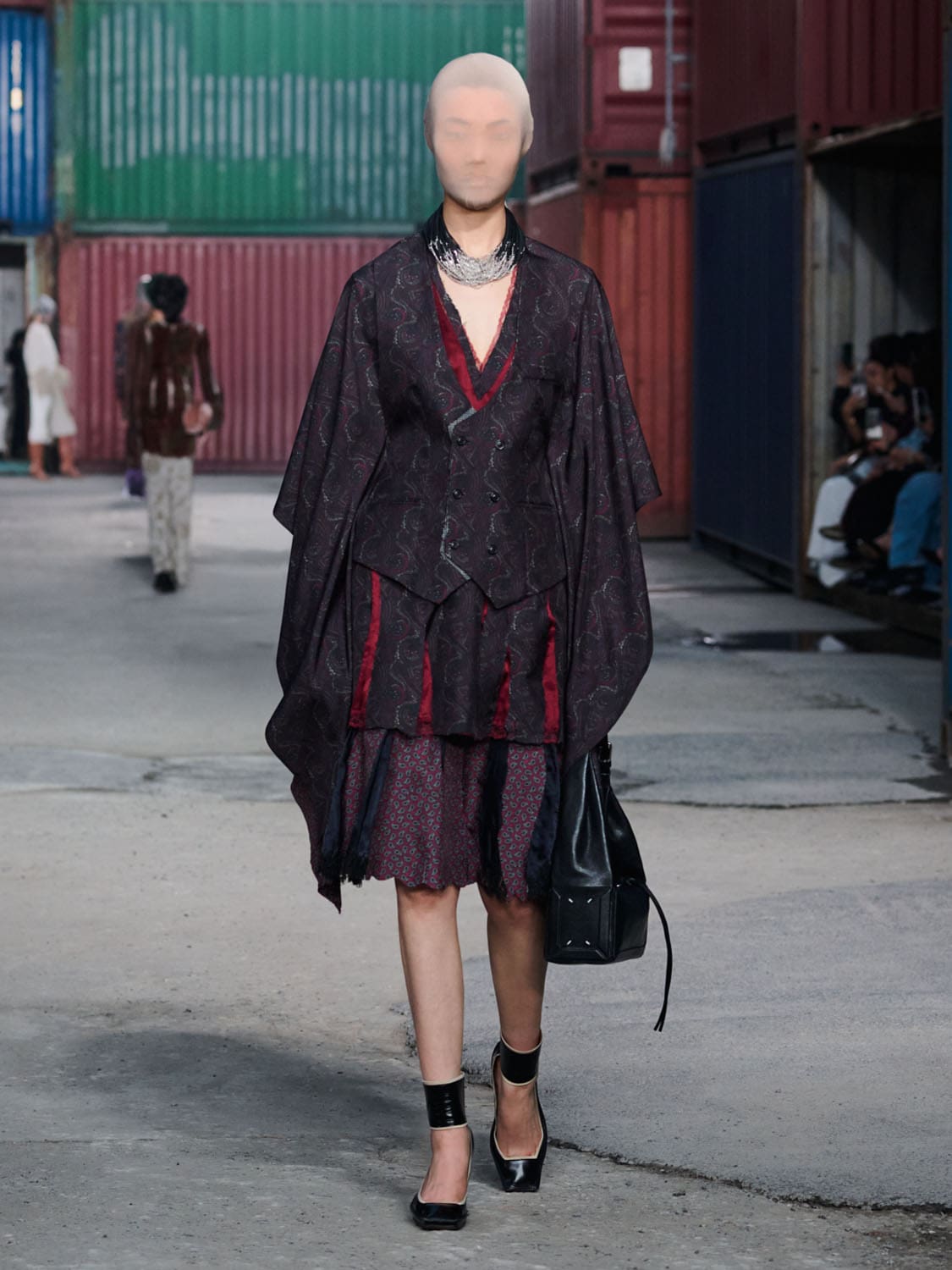
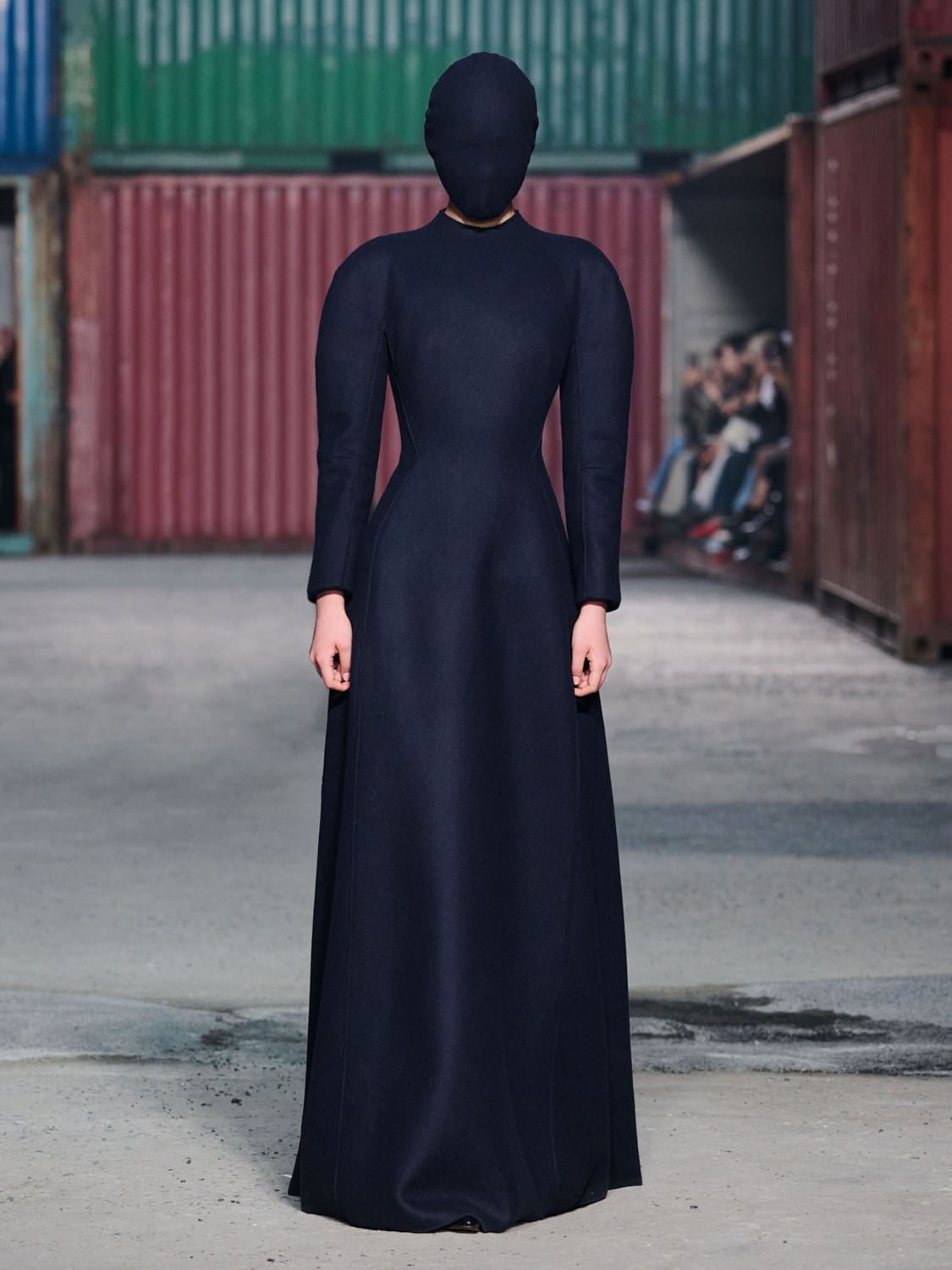
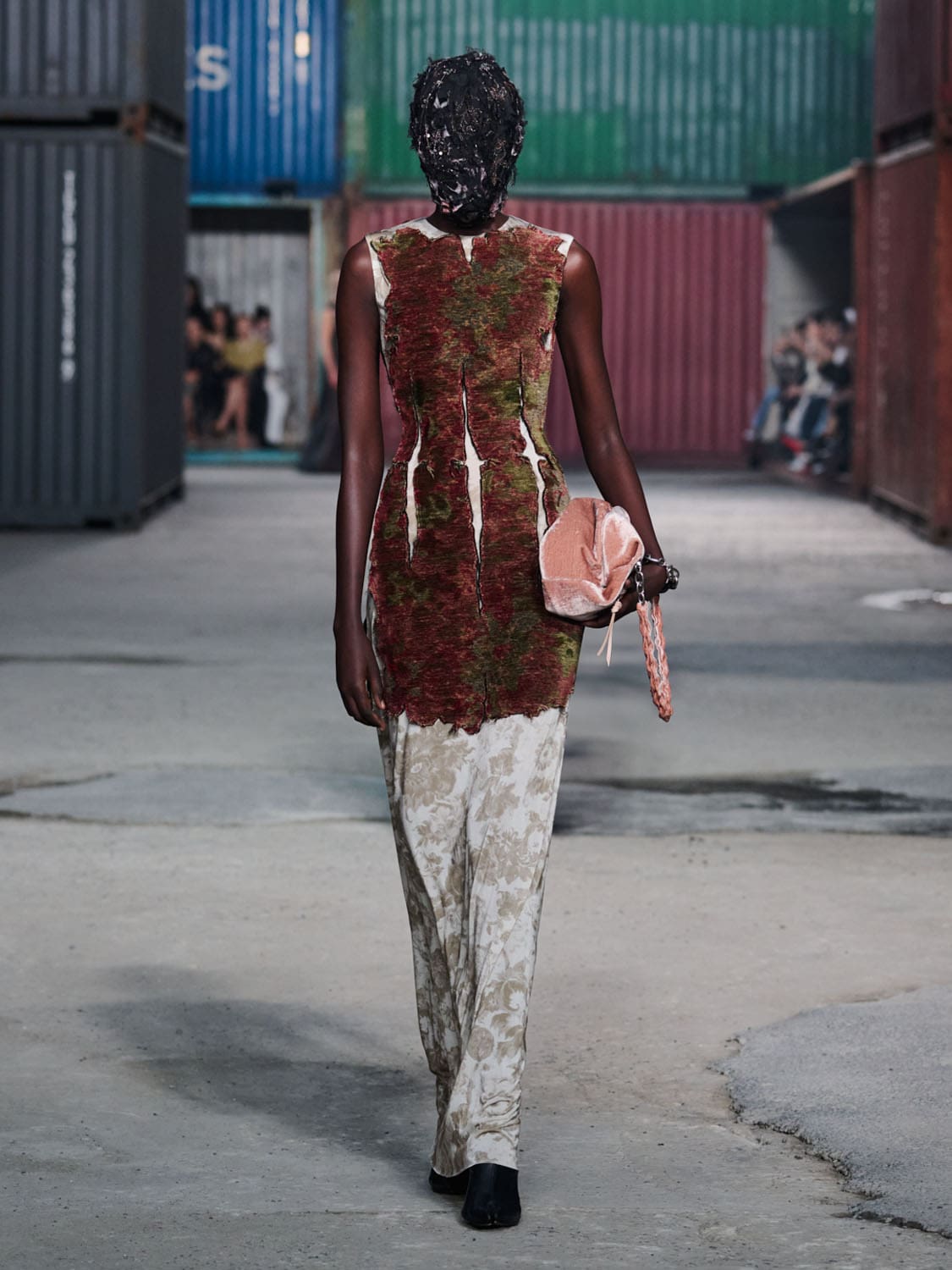
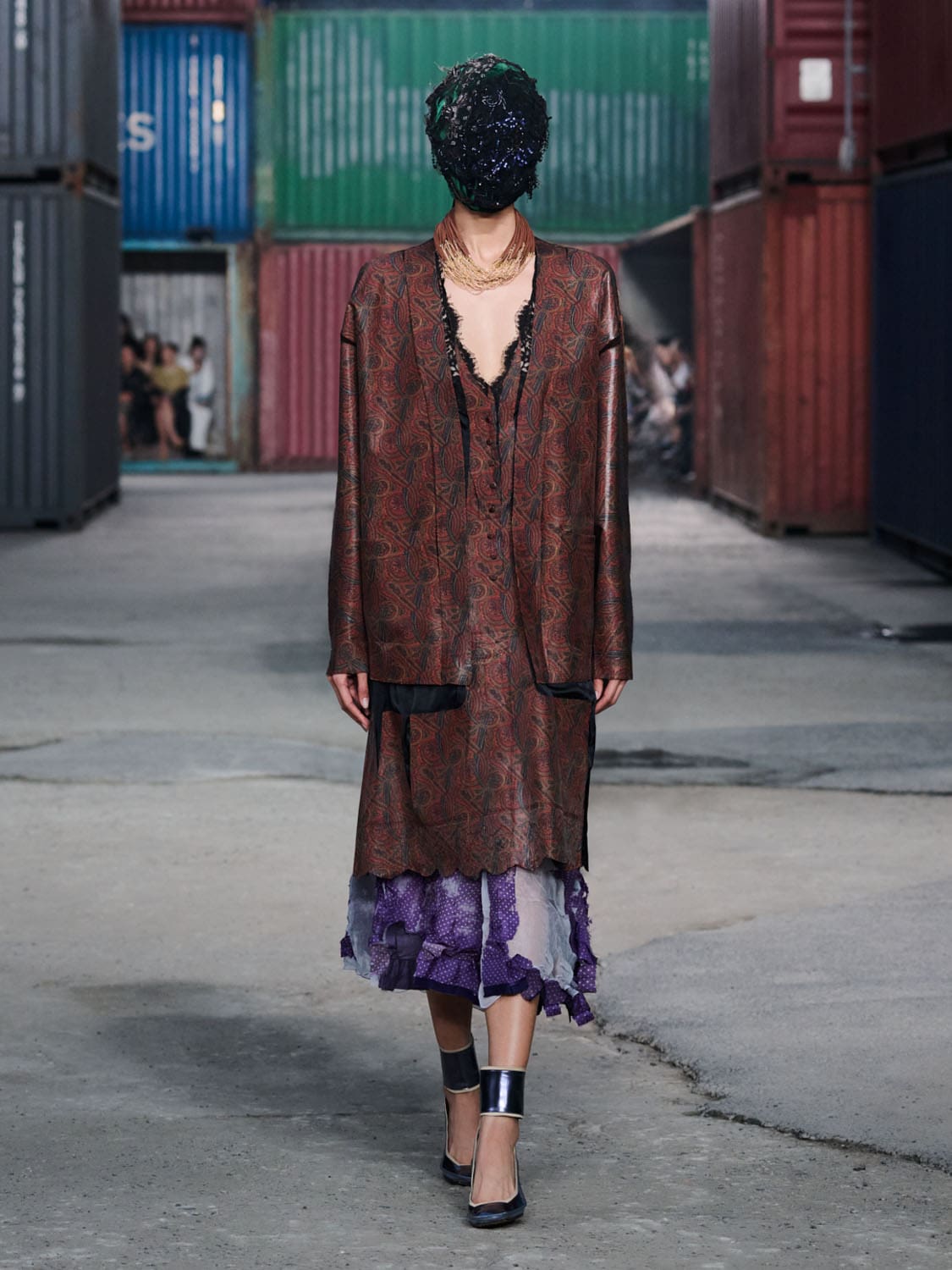
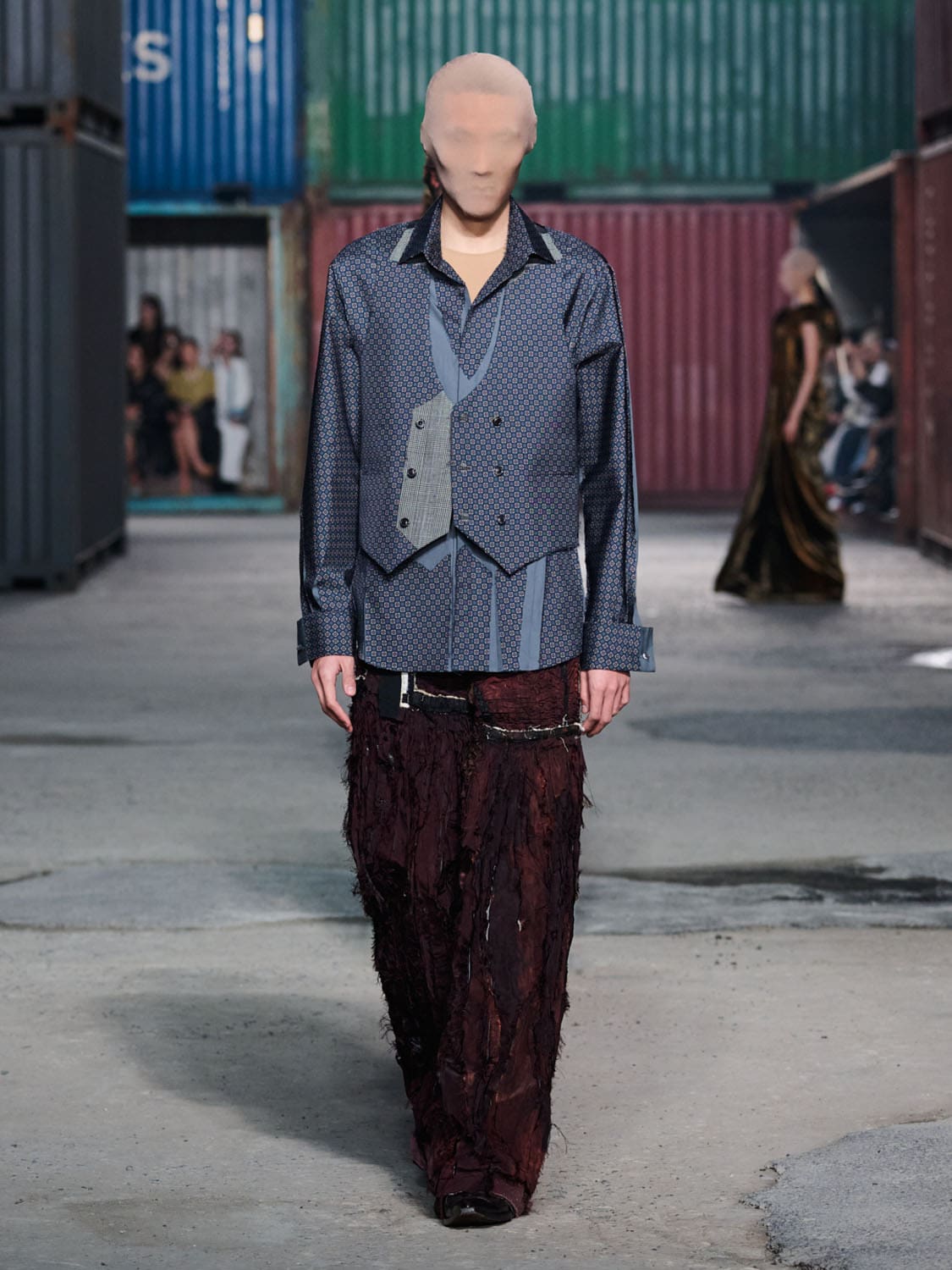
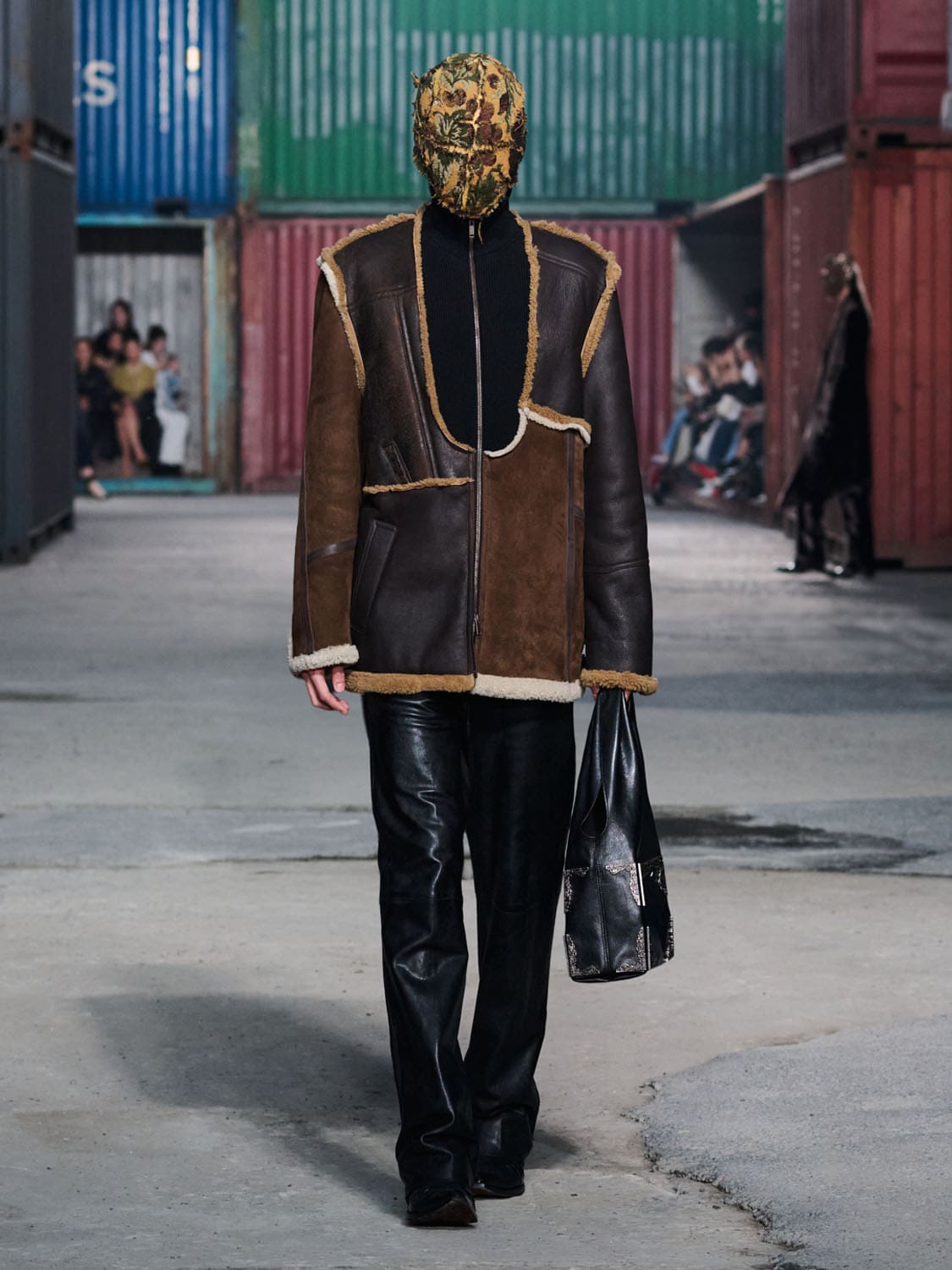
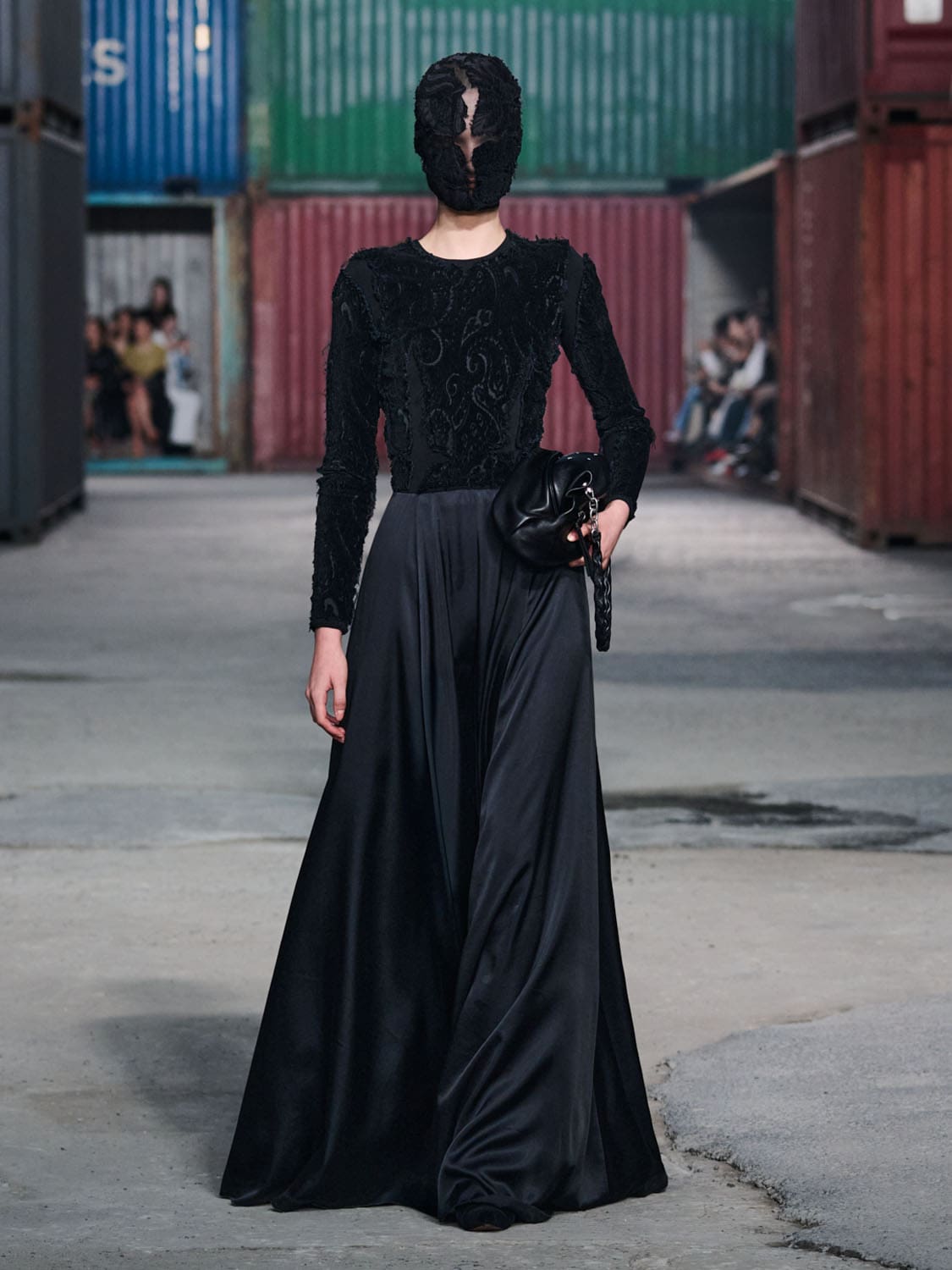
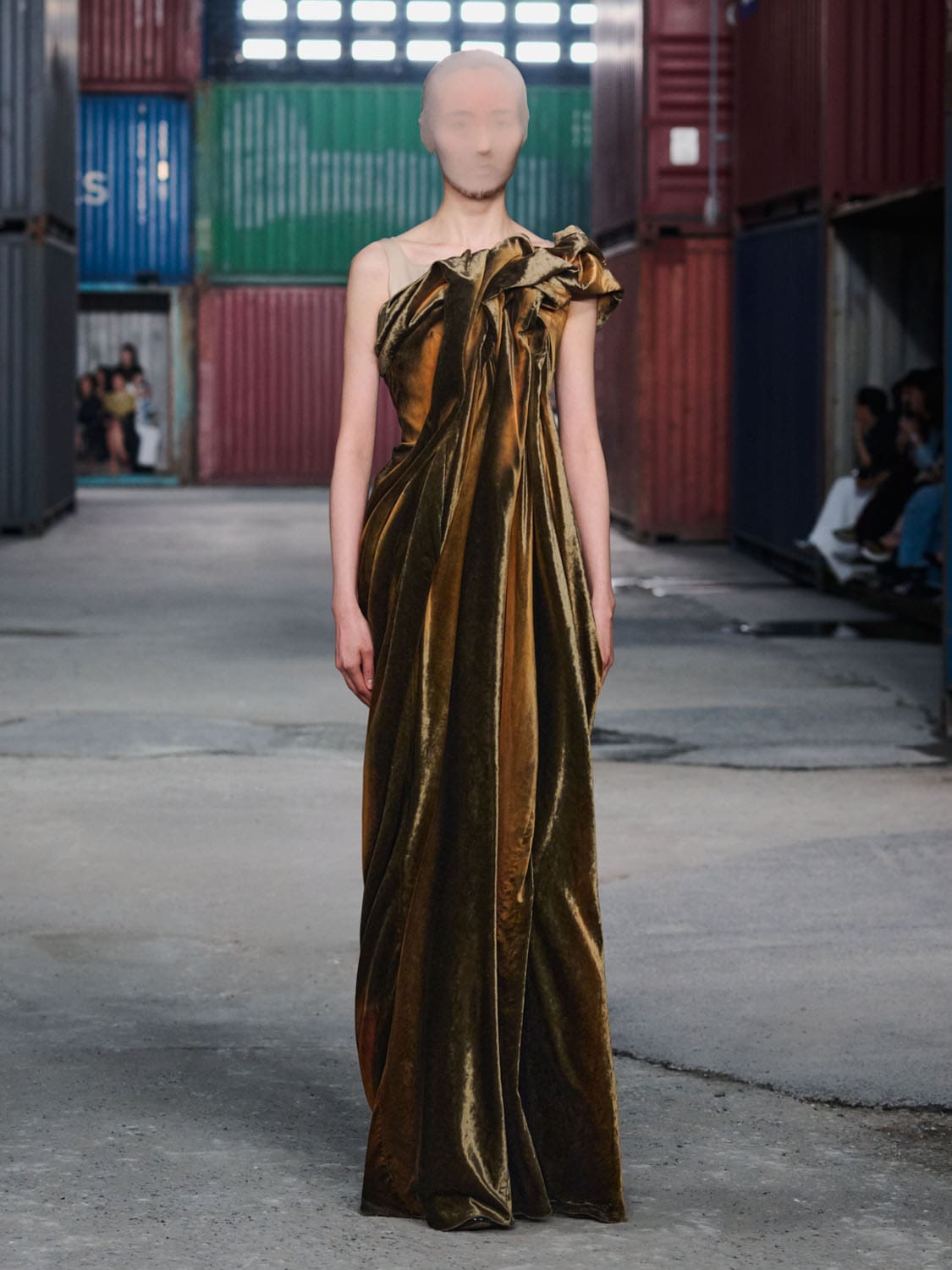
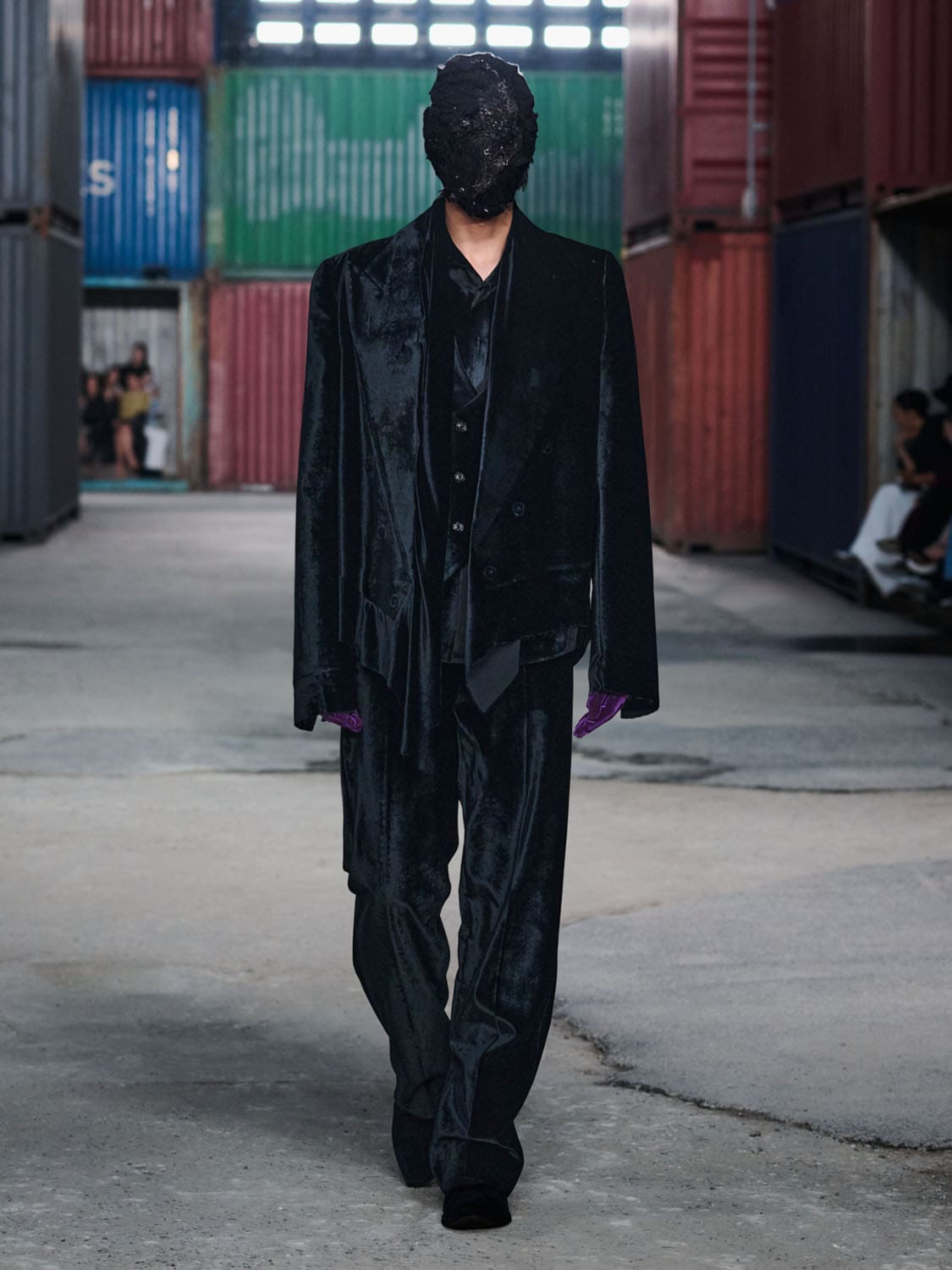
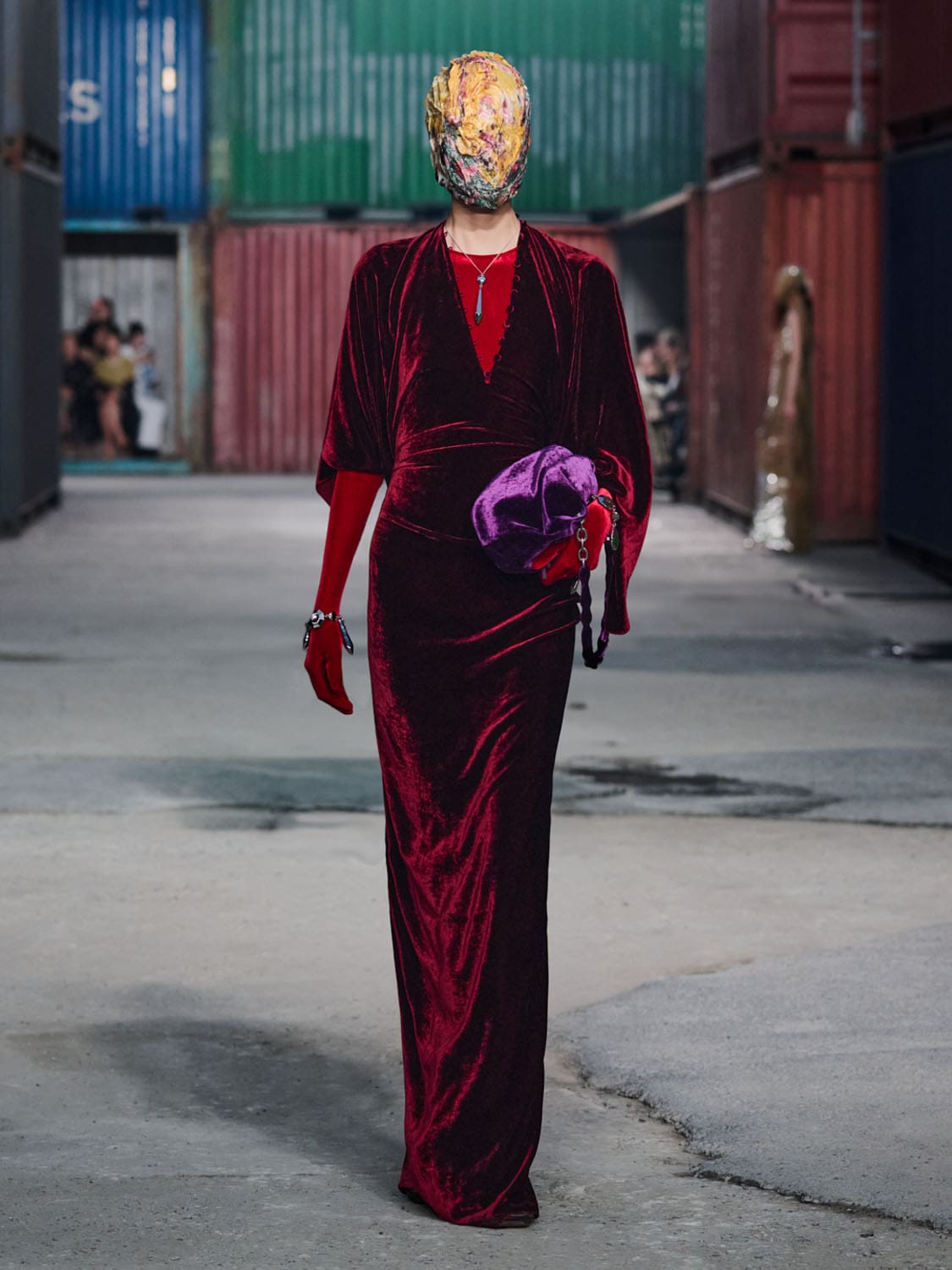
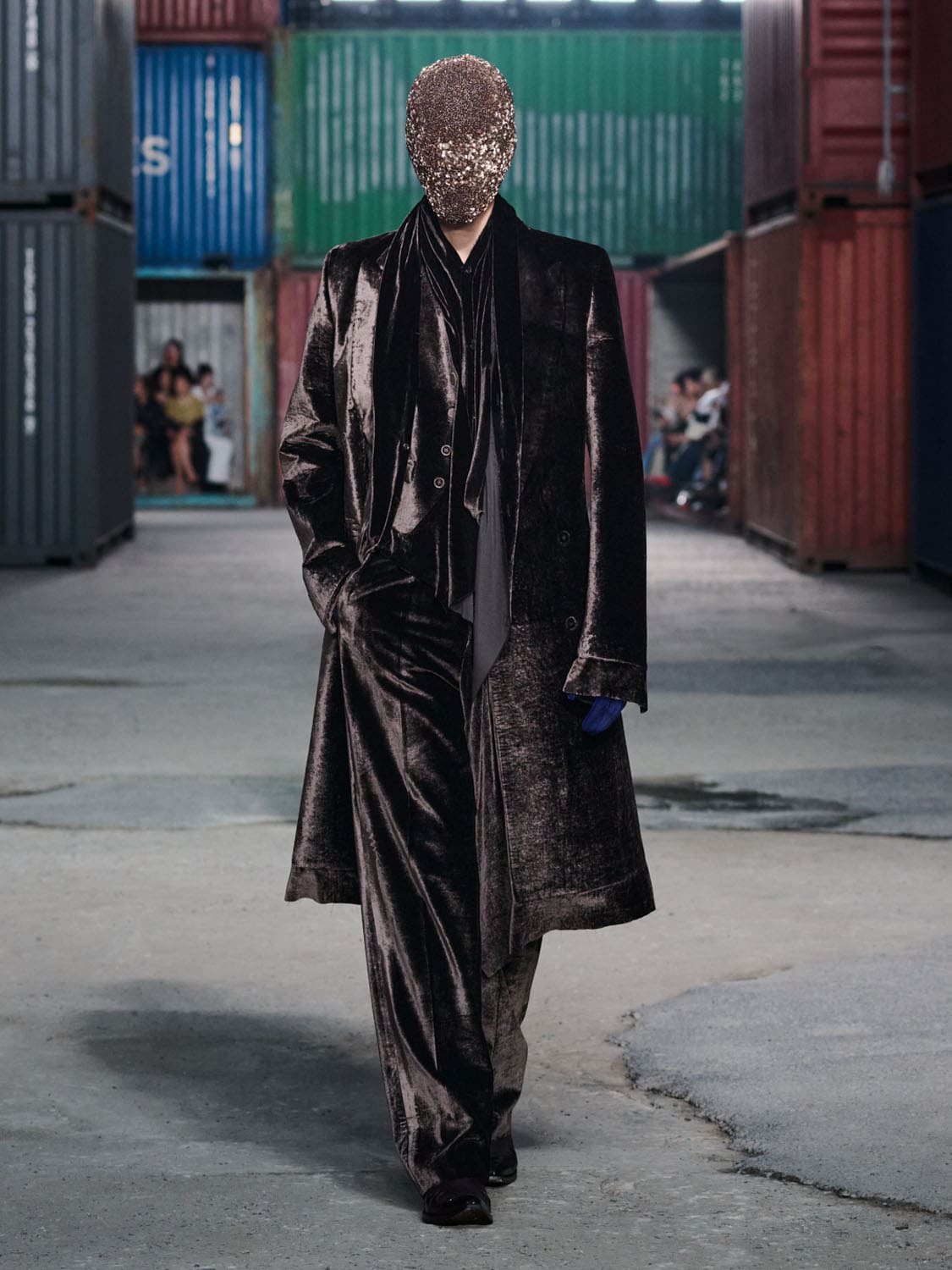
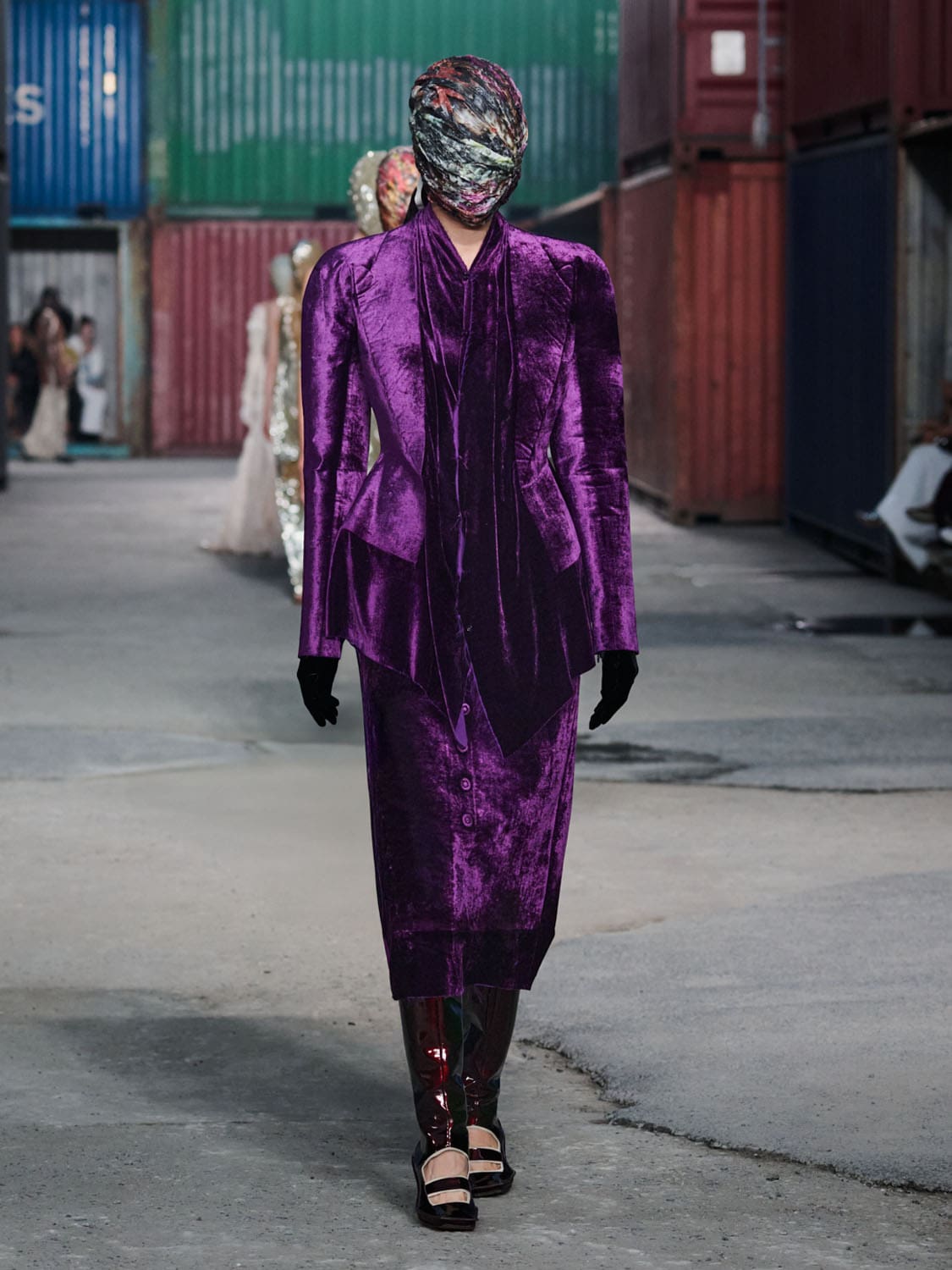
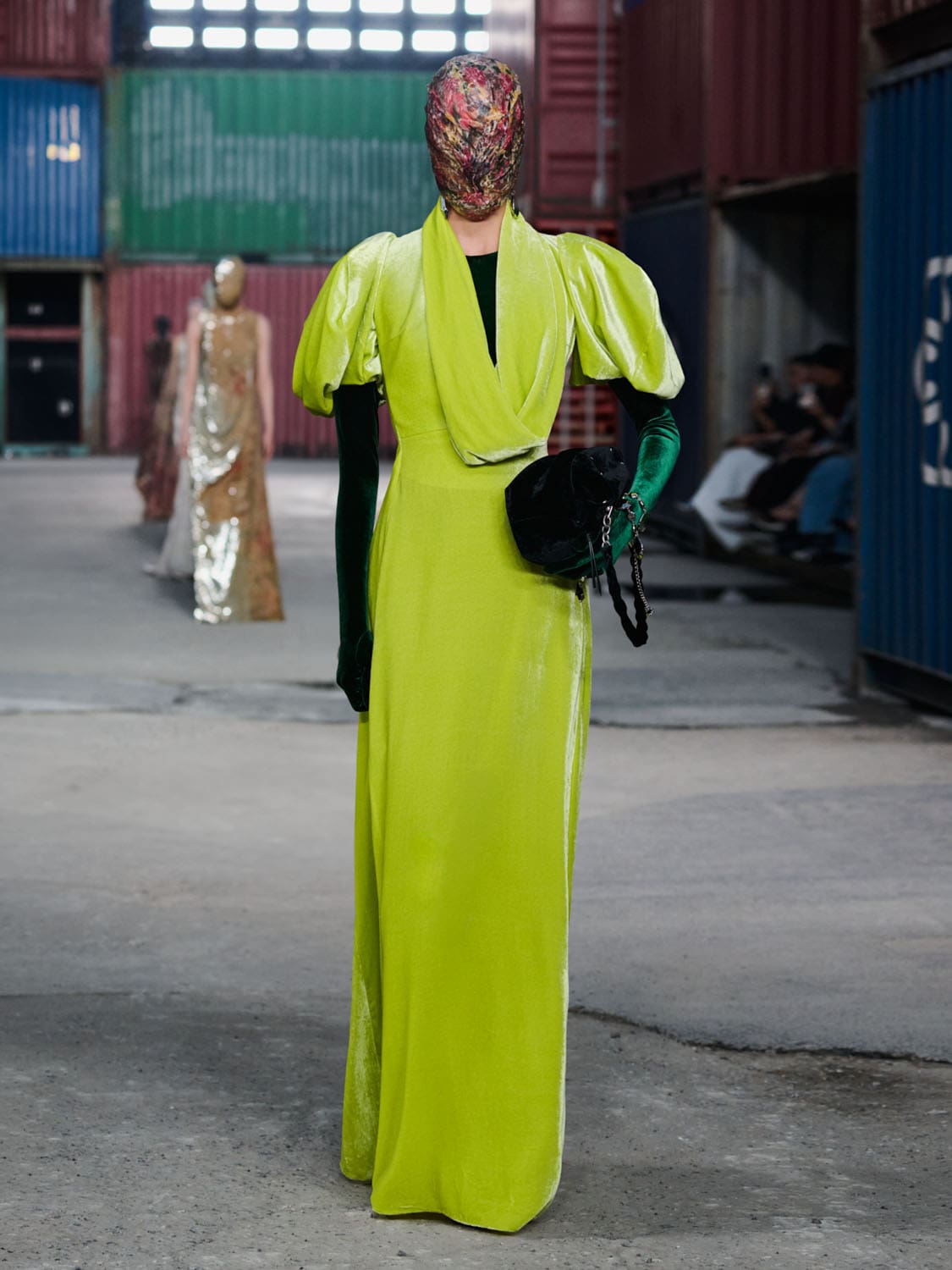
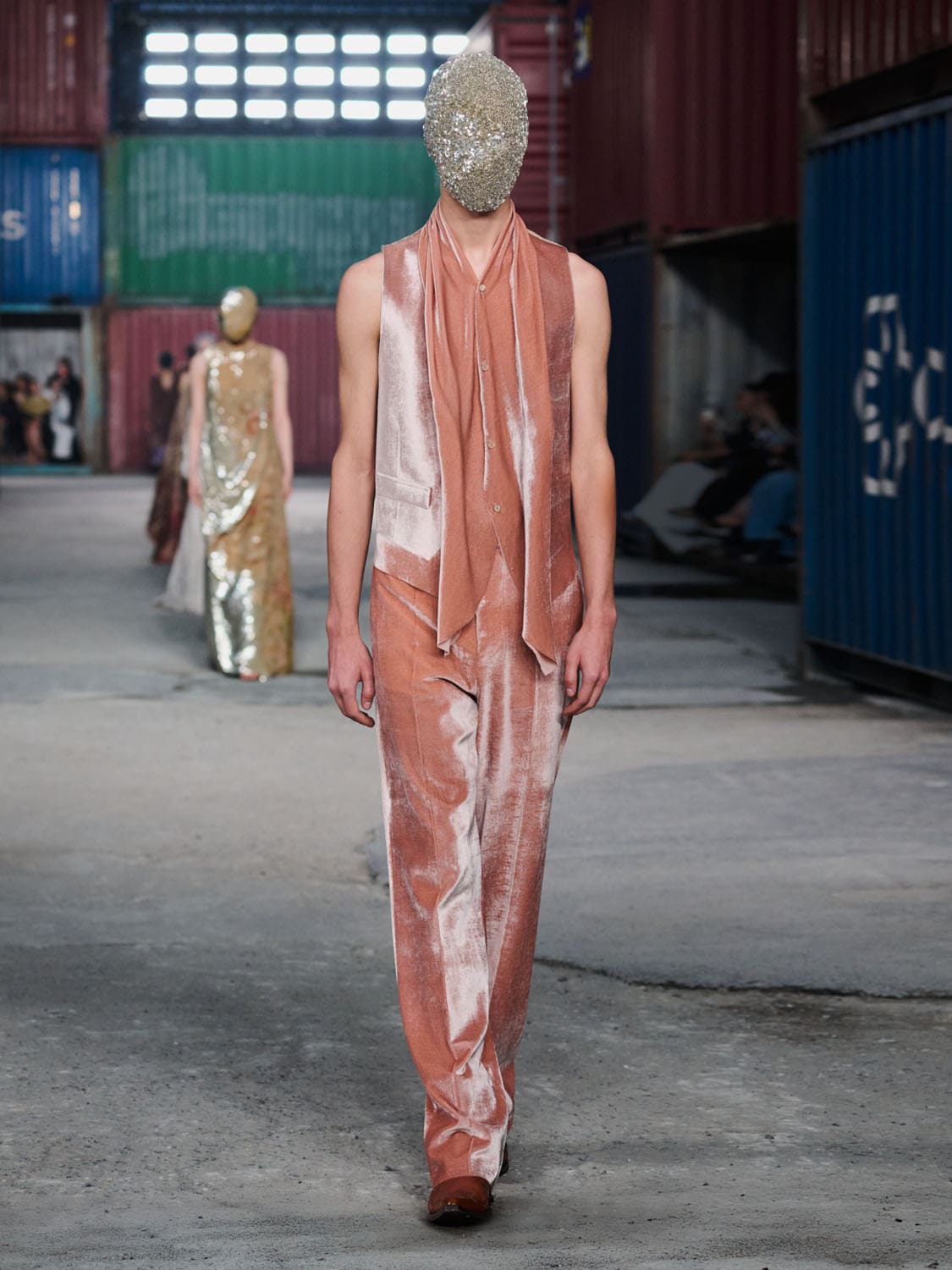
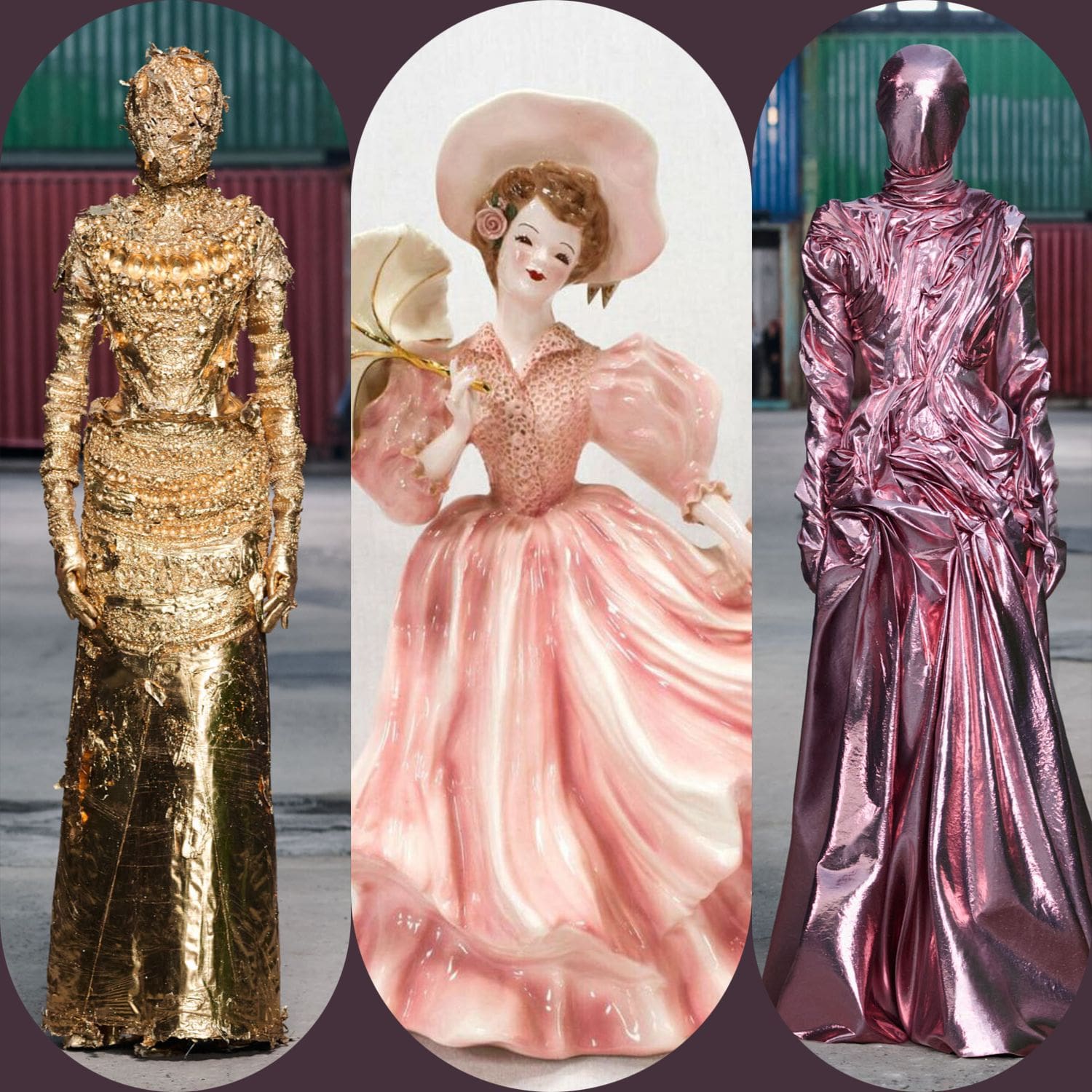
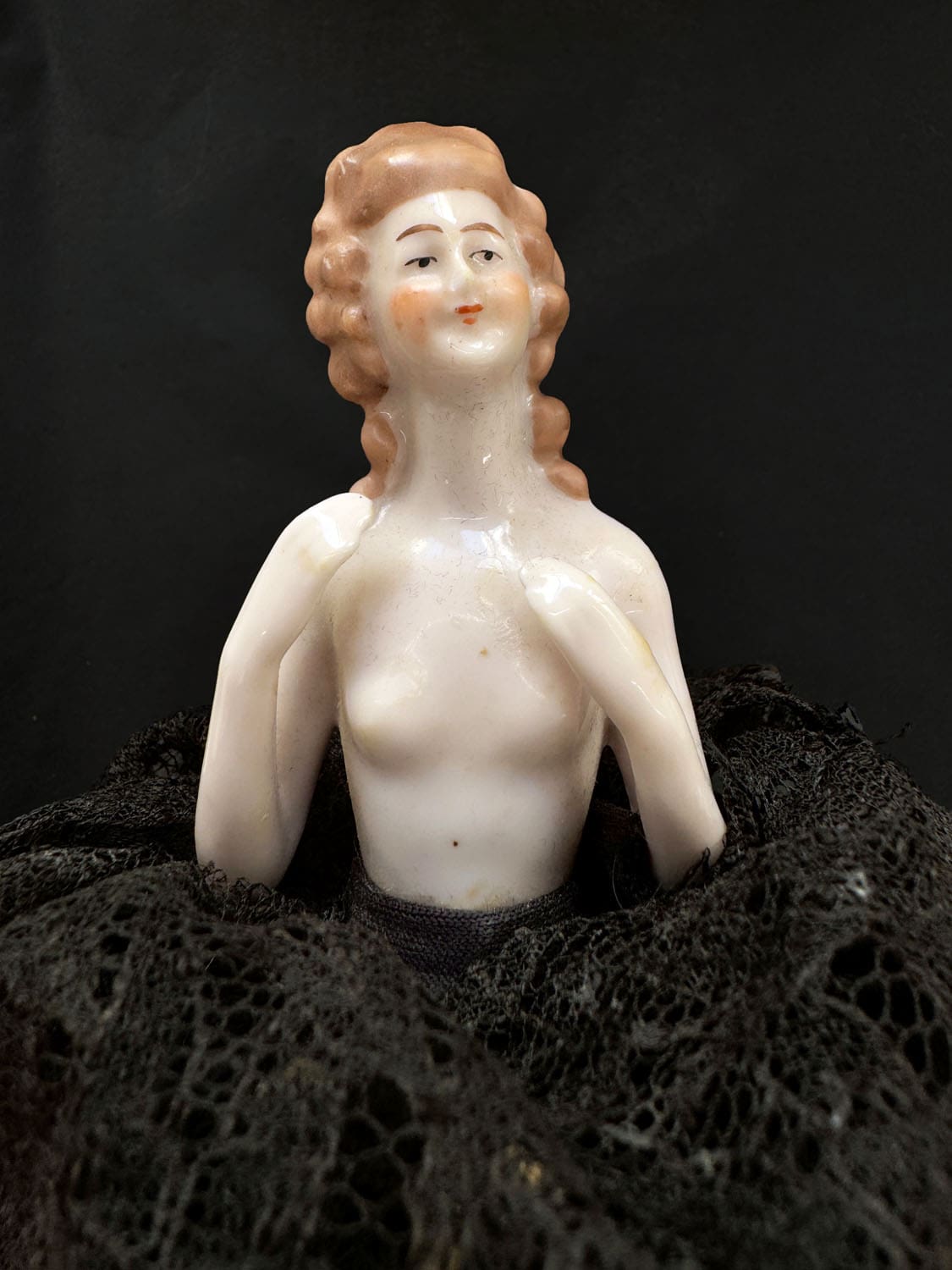
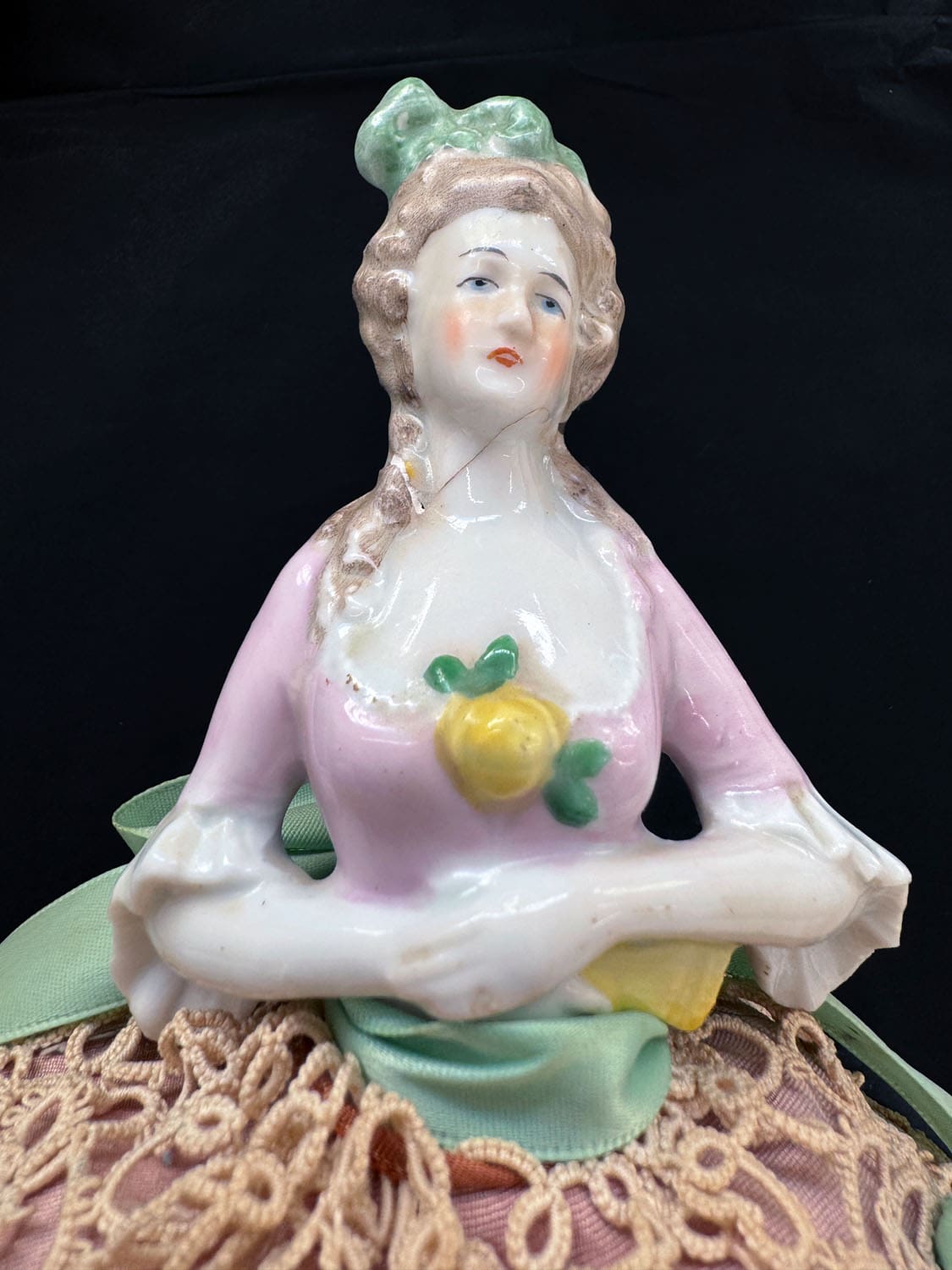
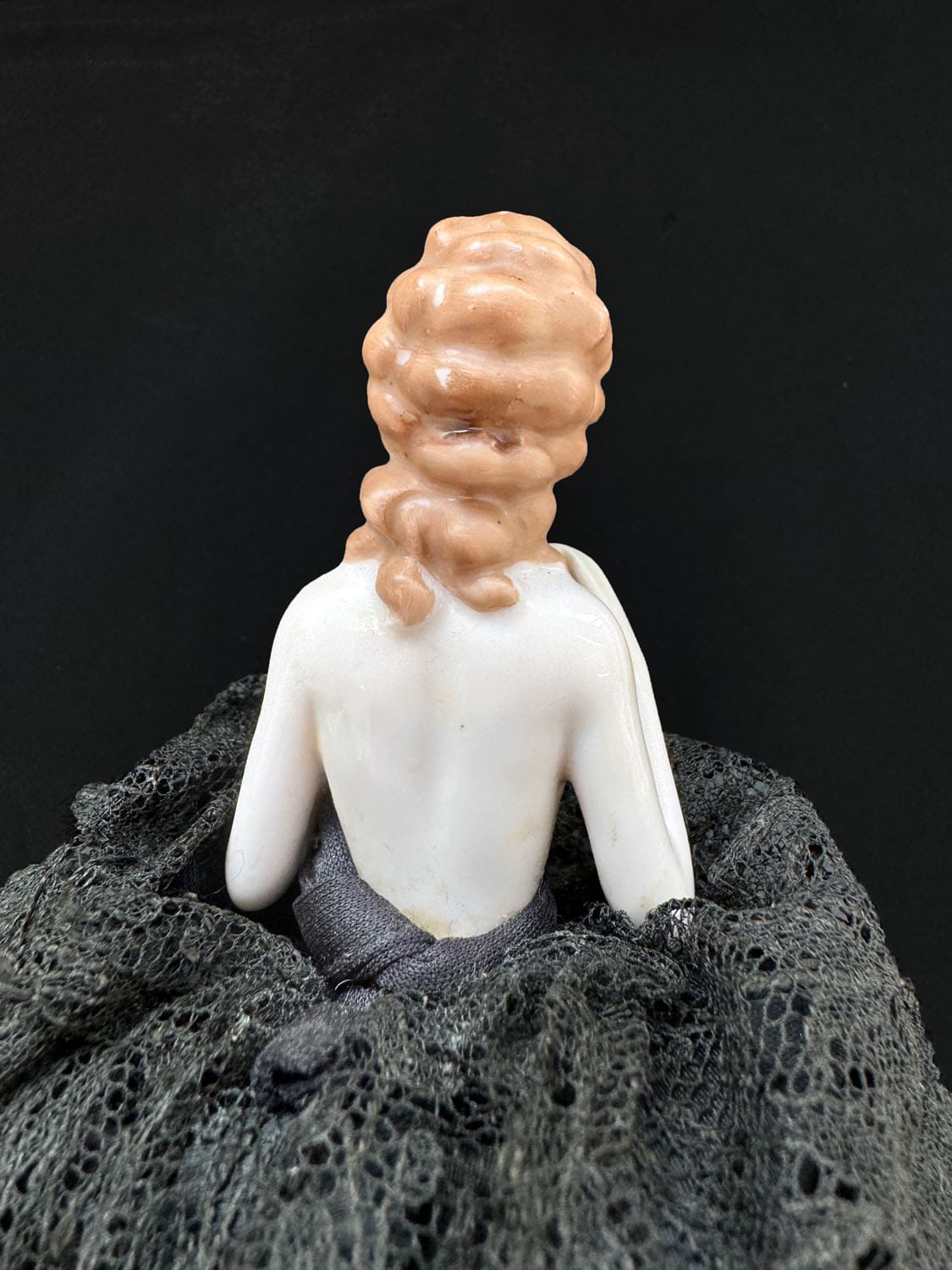
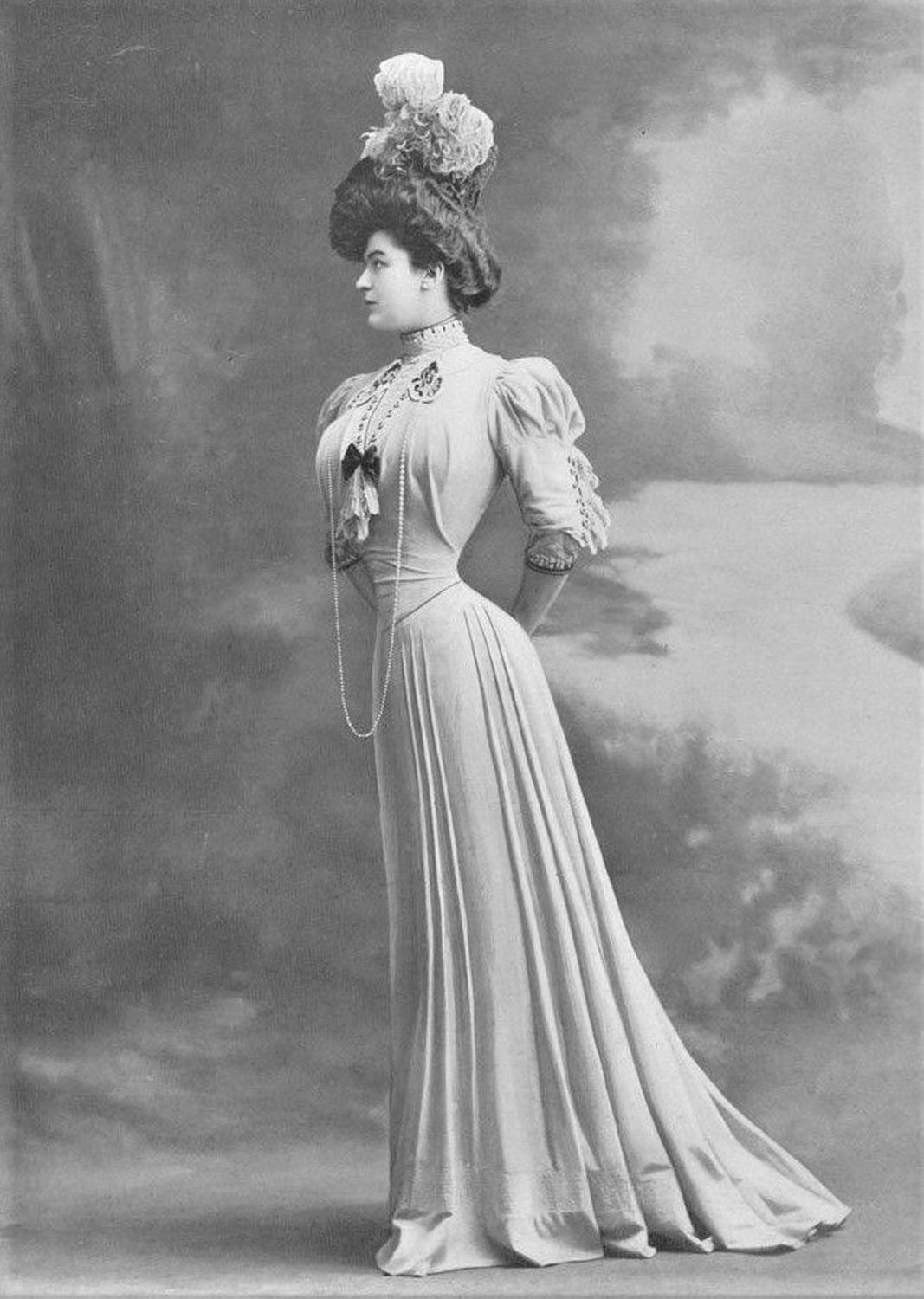
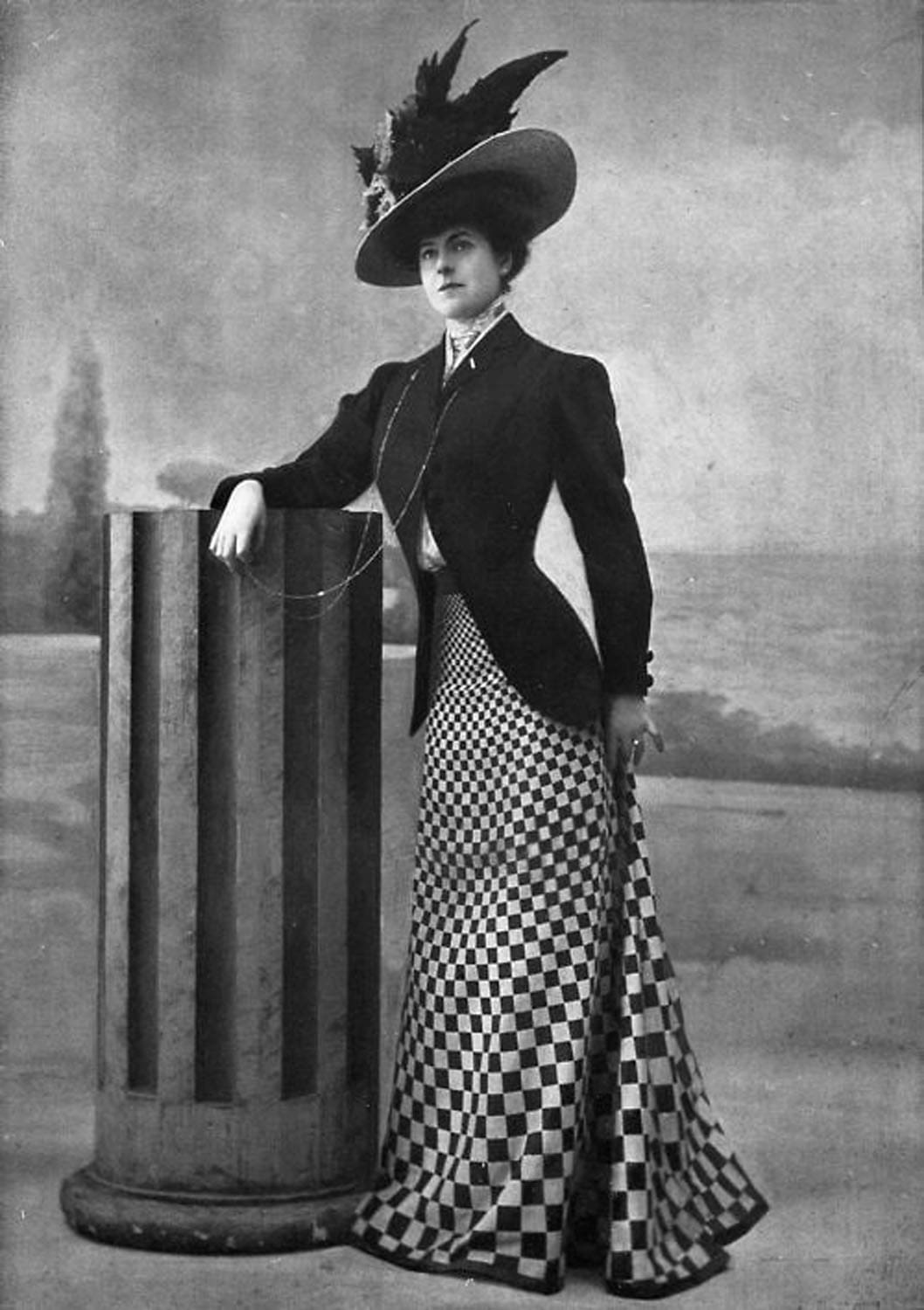
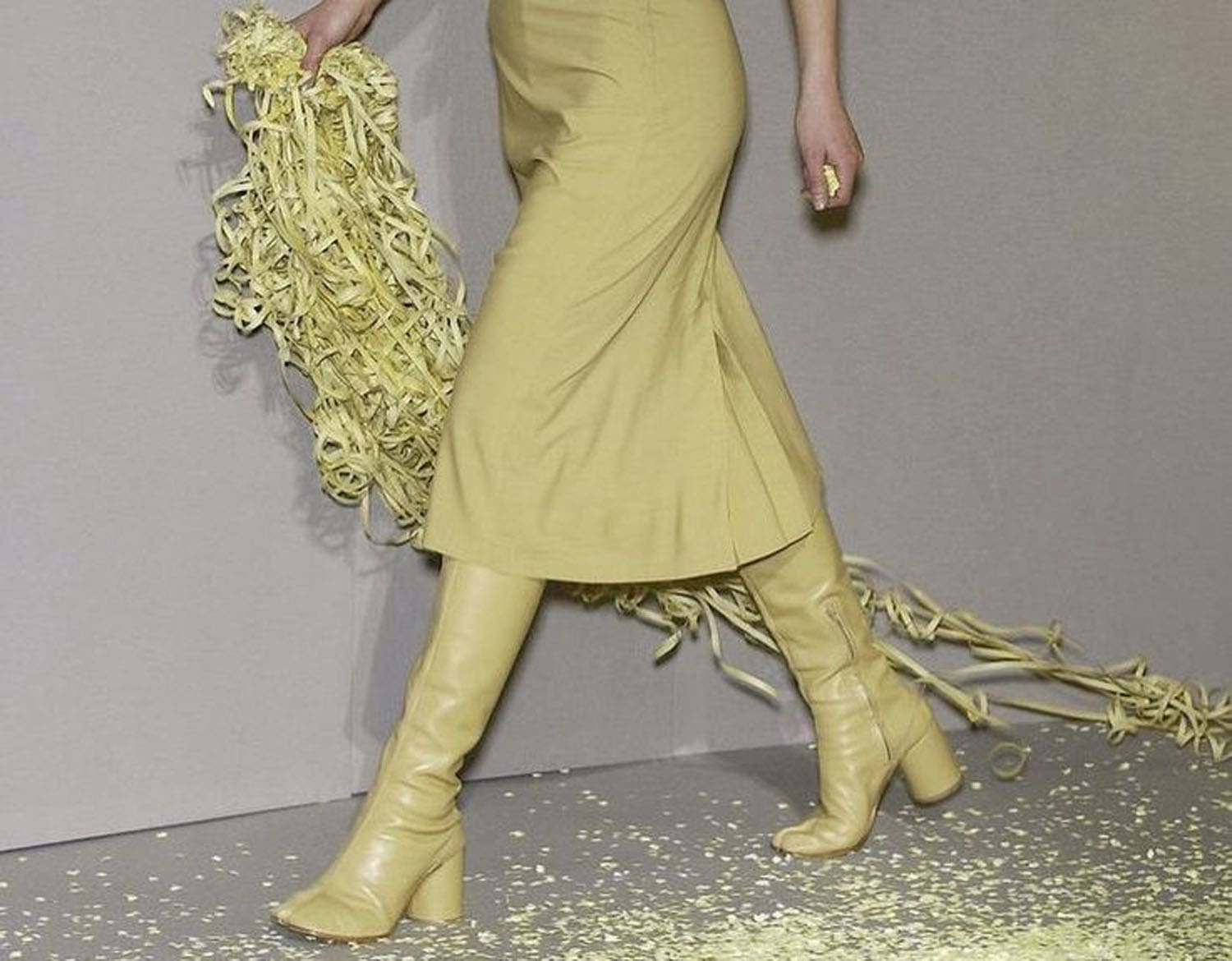
The show was a masterful collision of high-concept “Artisanal” (Haute Couture) and ready-to-wear, echoing the House’s founding years when such distinctions were blissfully blurred. The setting? A Parisian flea market after hours—a liminal space where discarded objects wait for a second life.
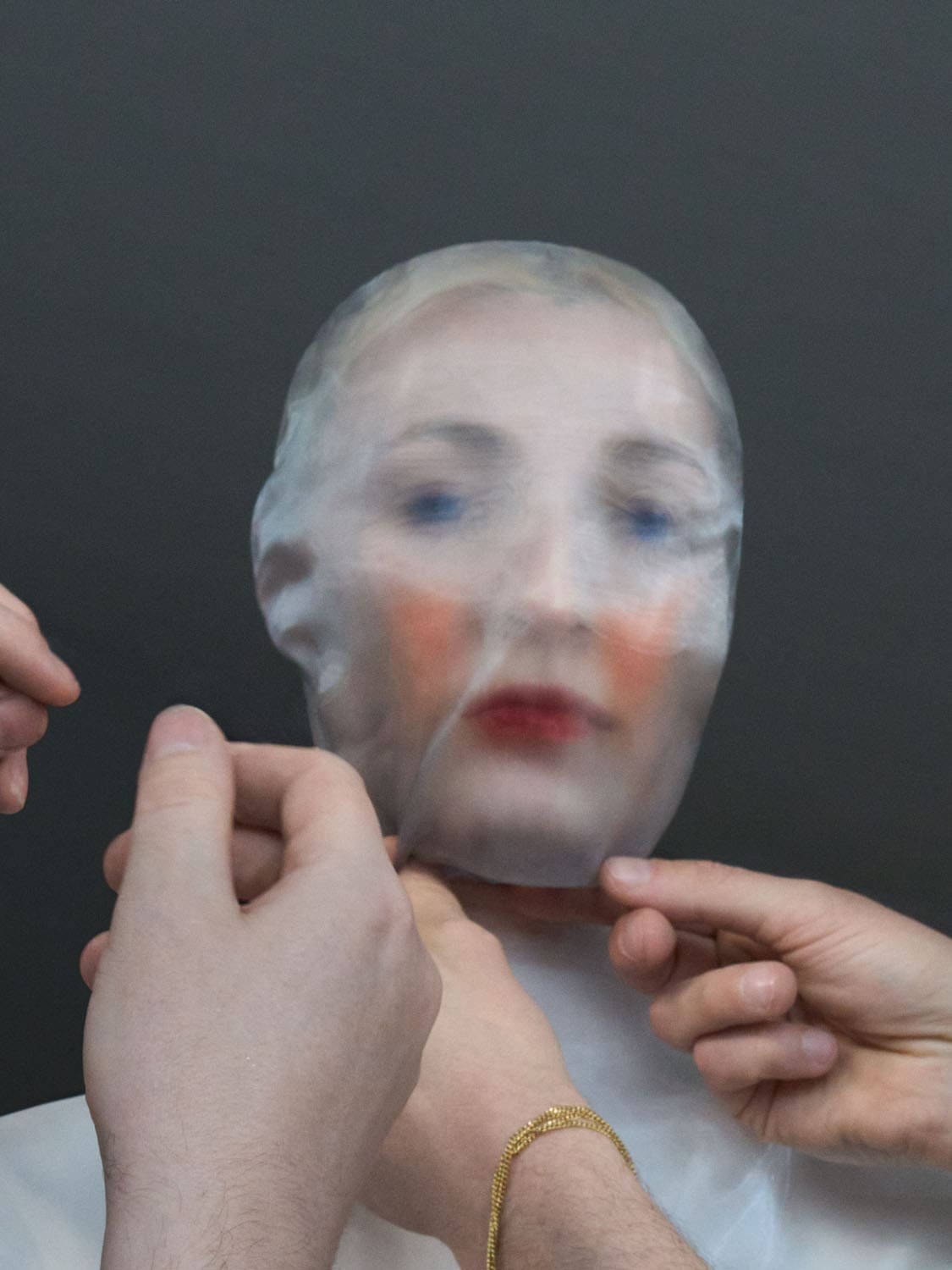
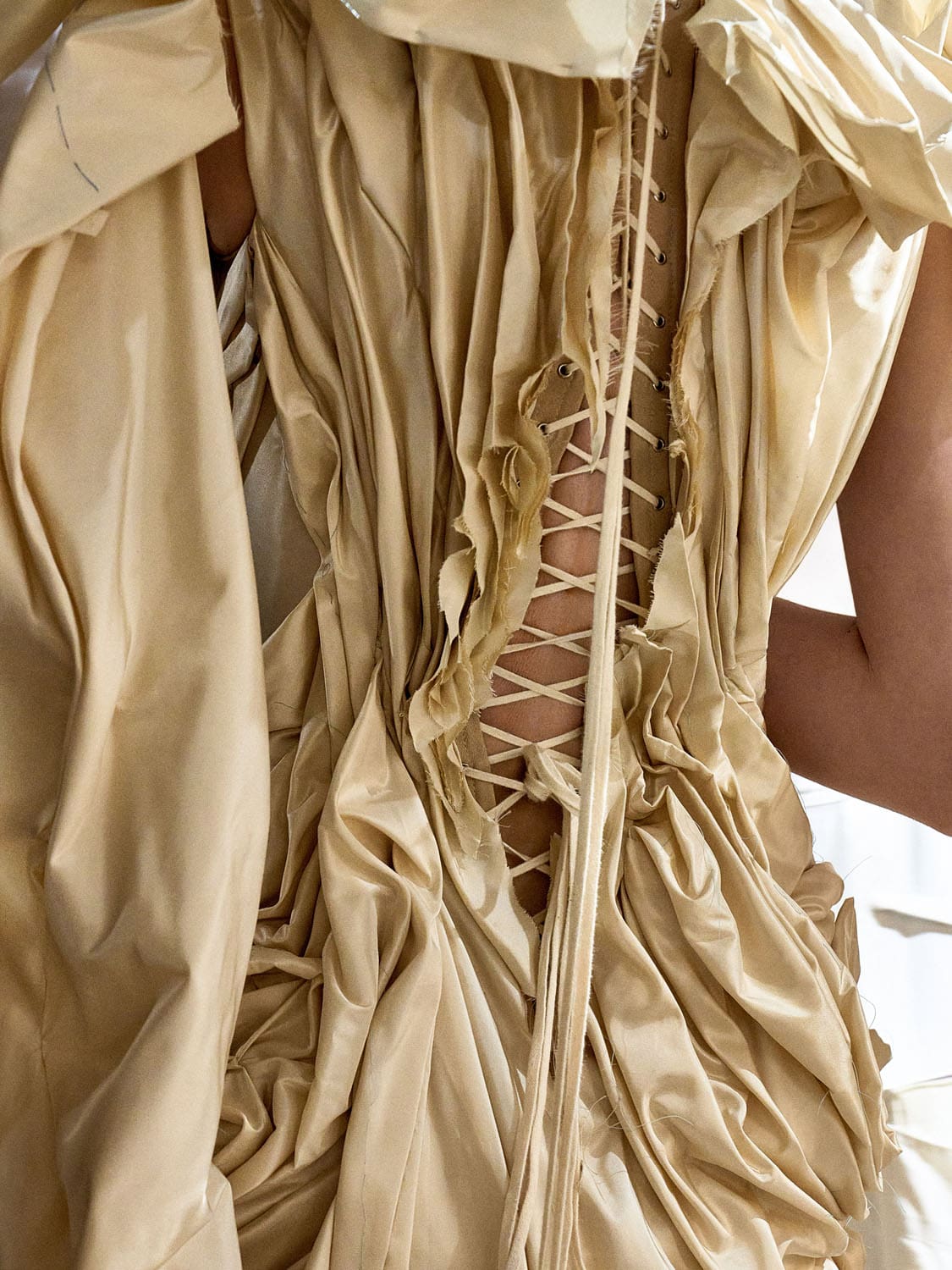
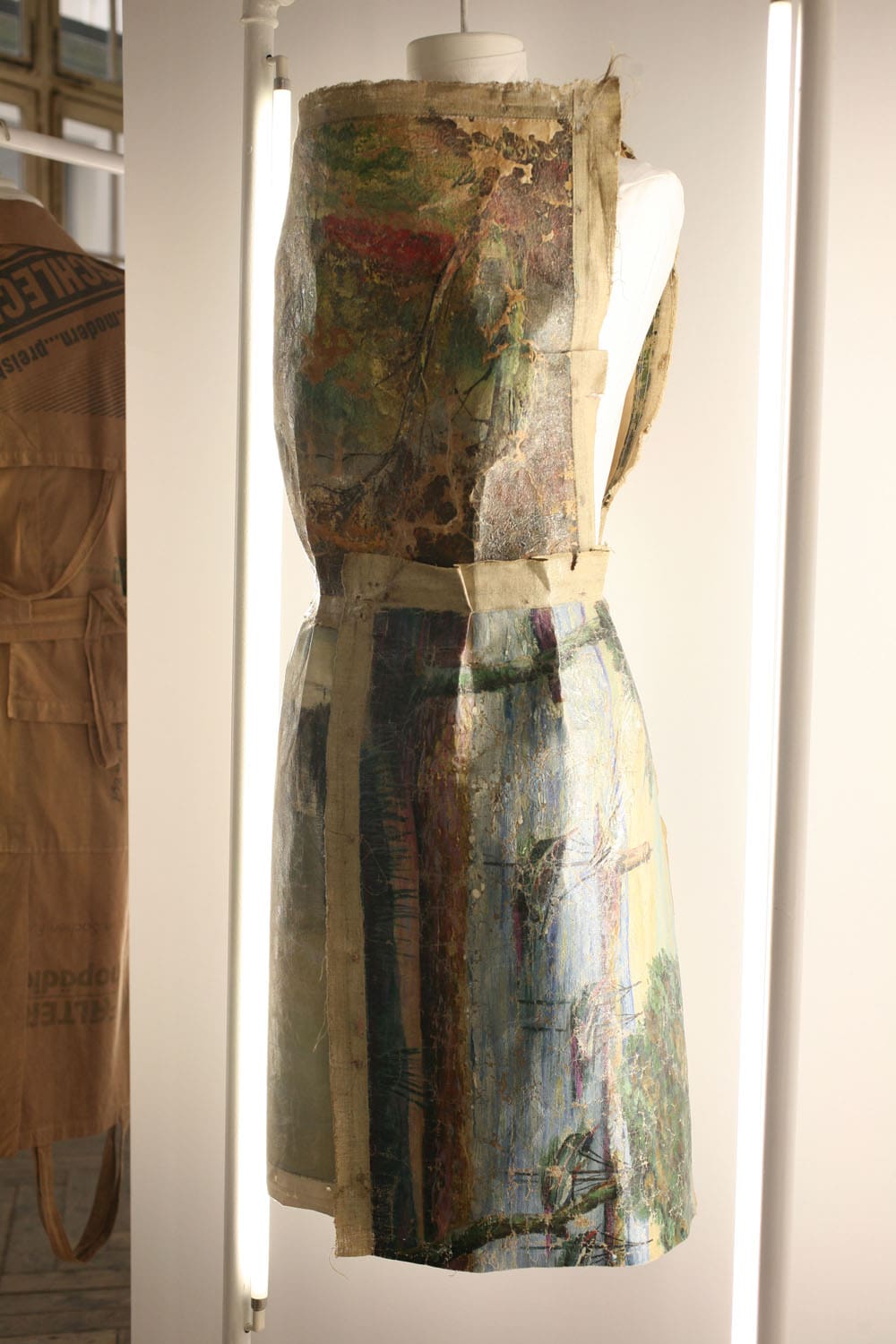
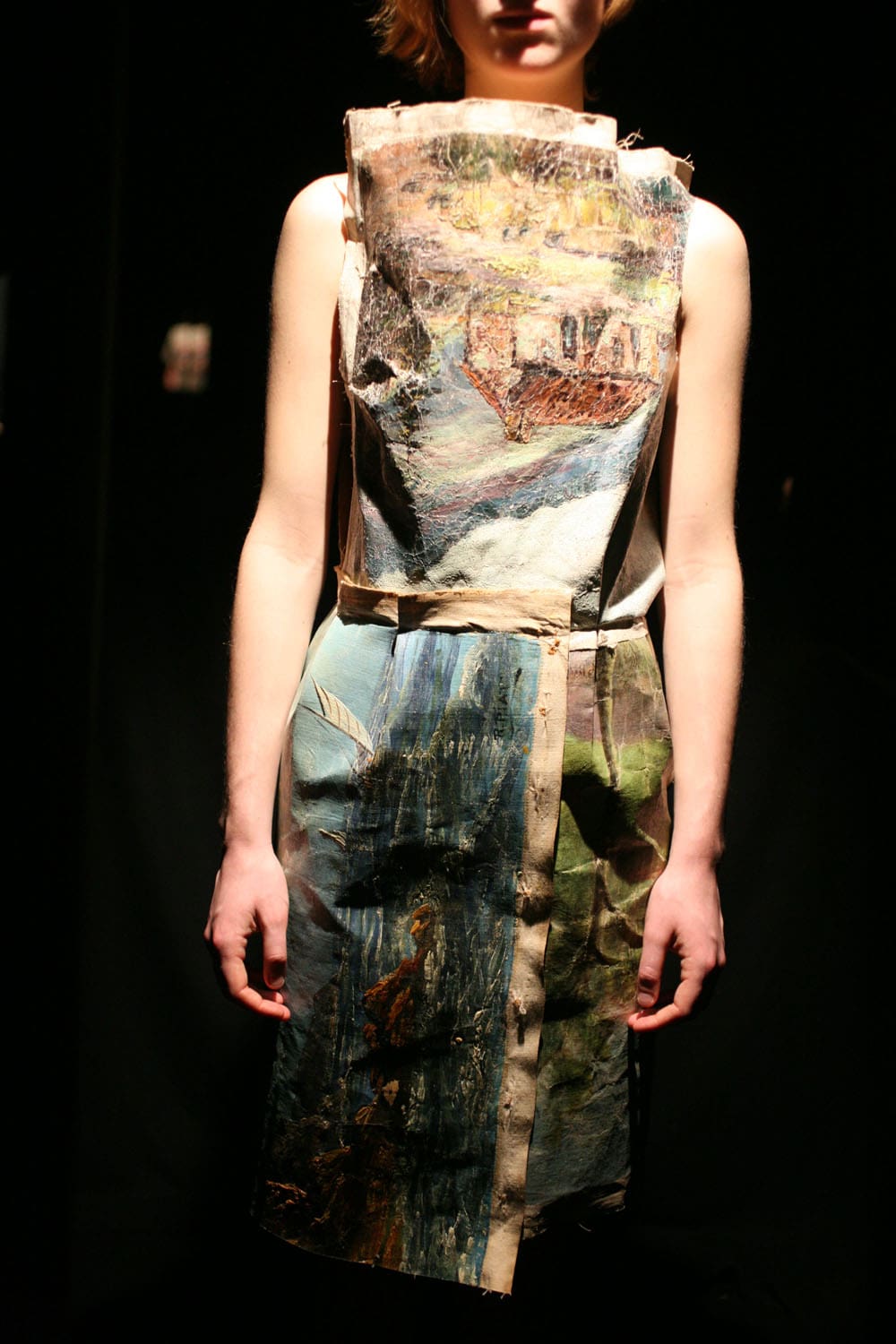
Martens explored the concept of “Garment Memory” with a poetic, almost surgical intensity:
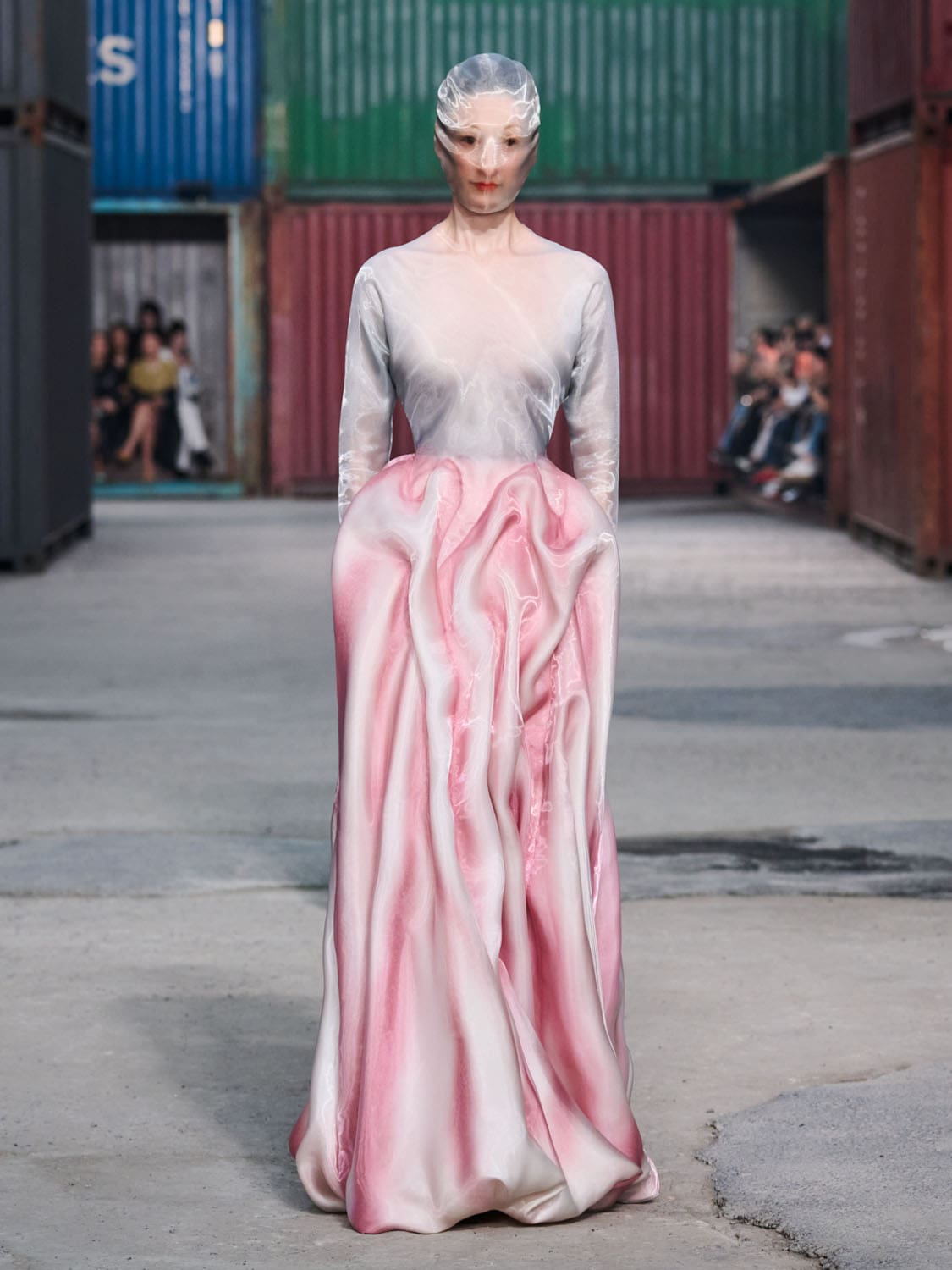
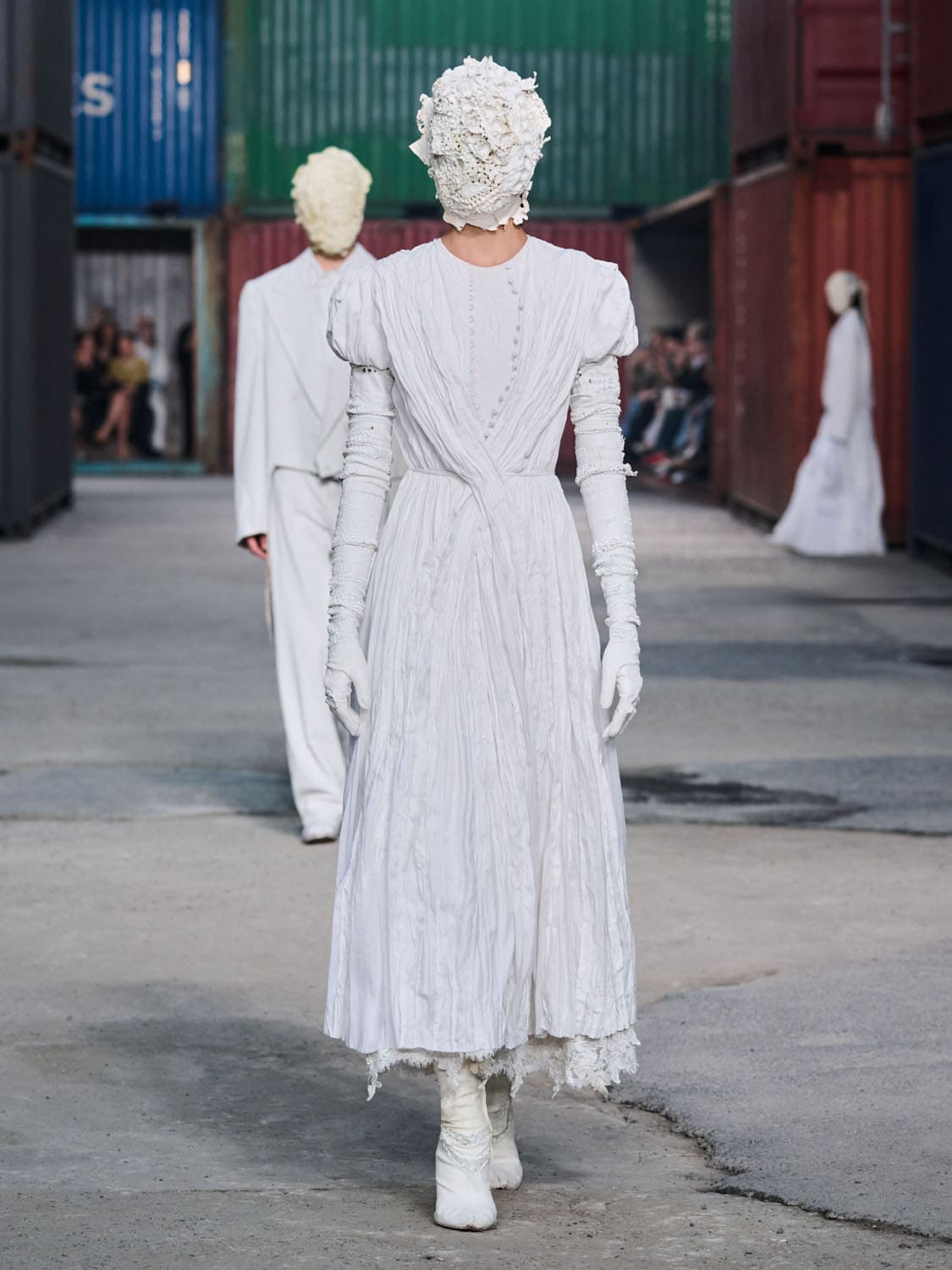
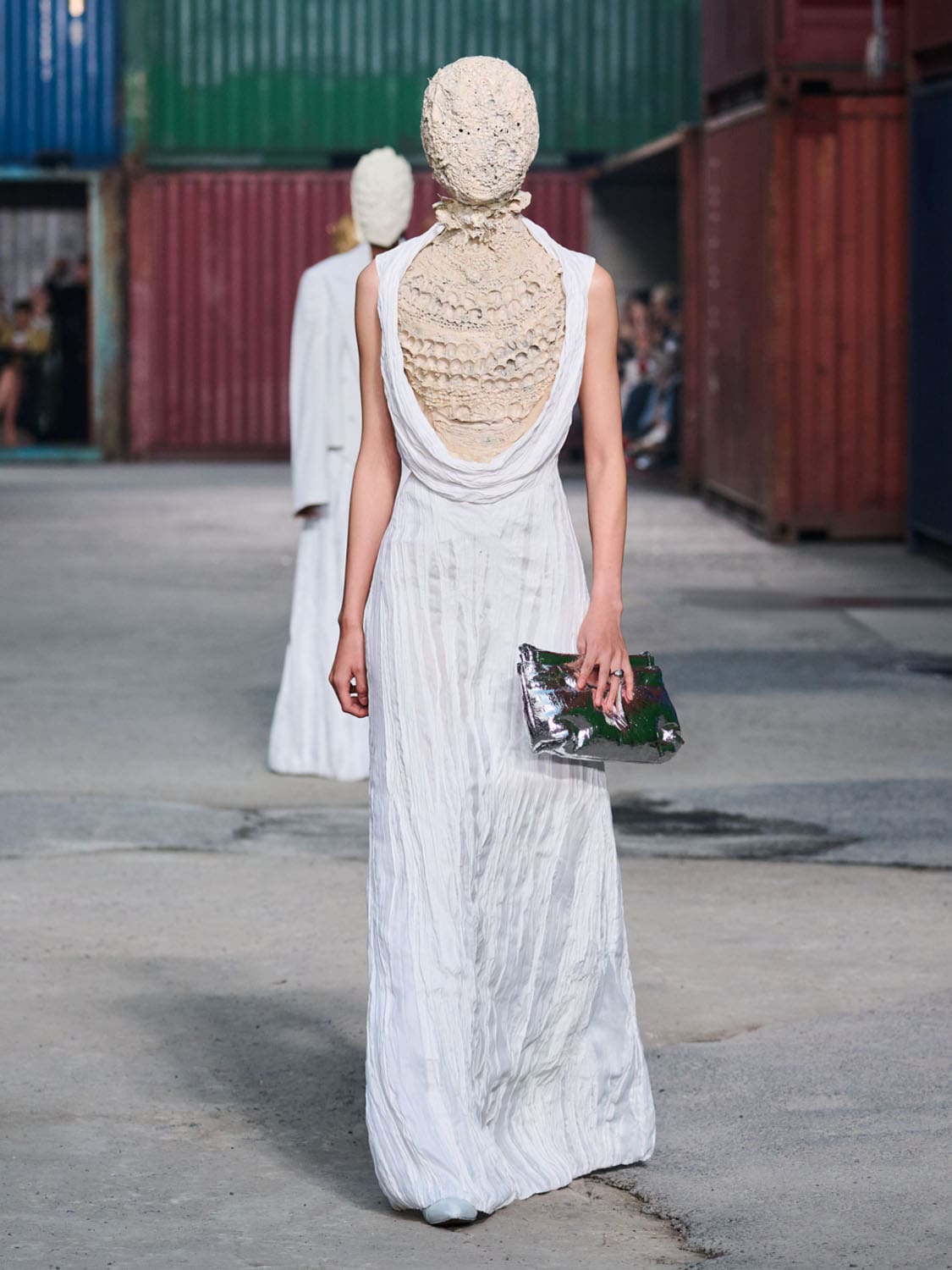
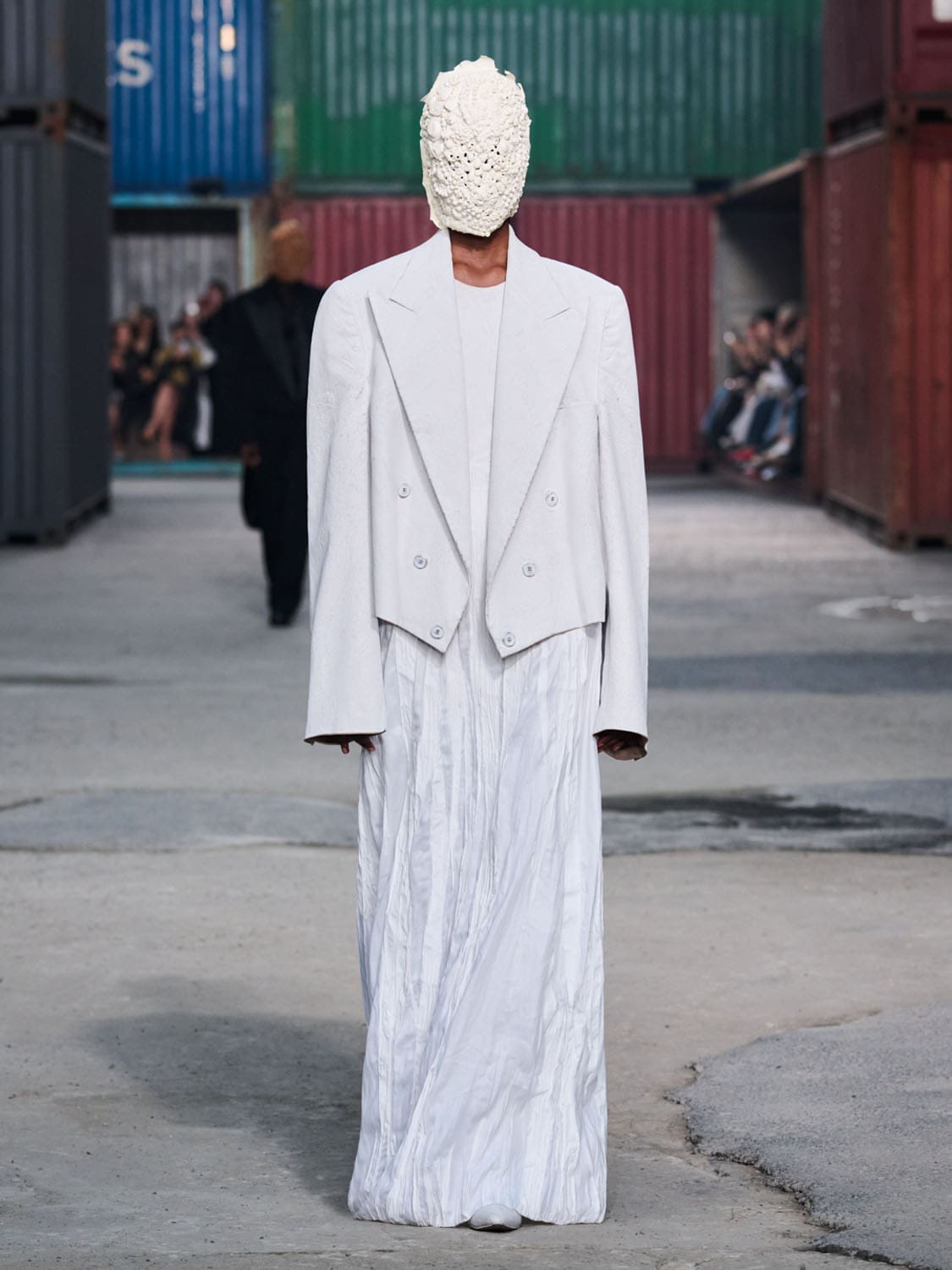
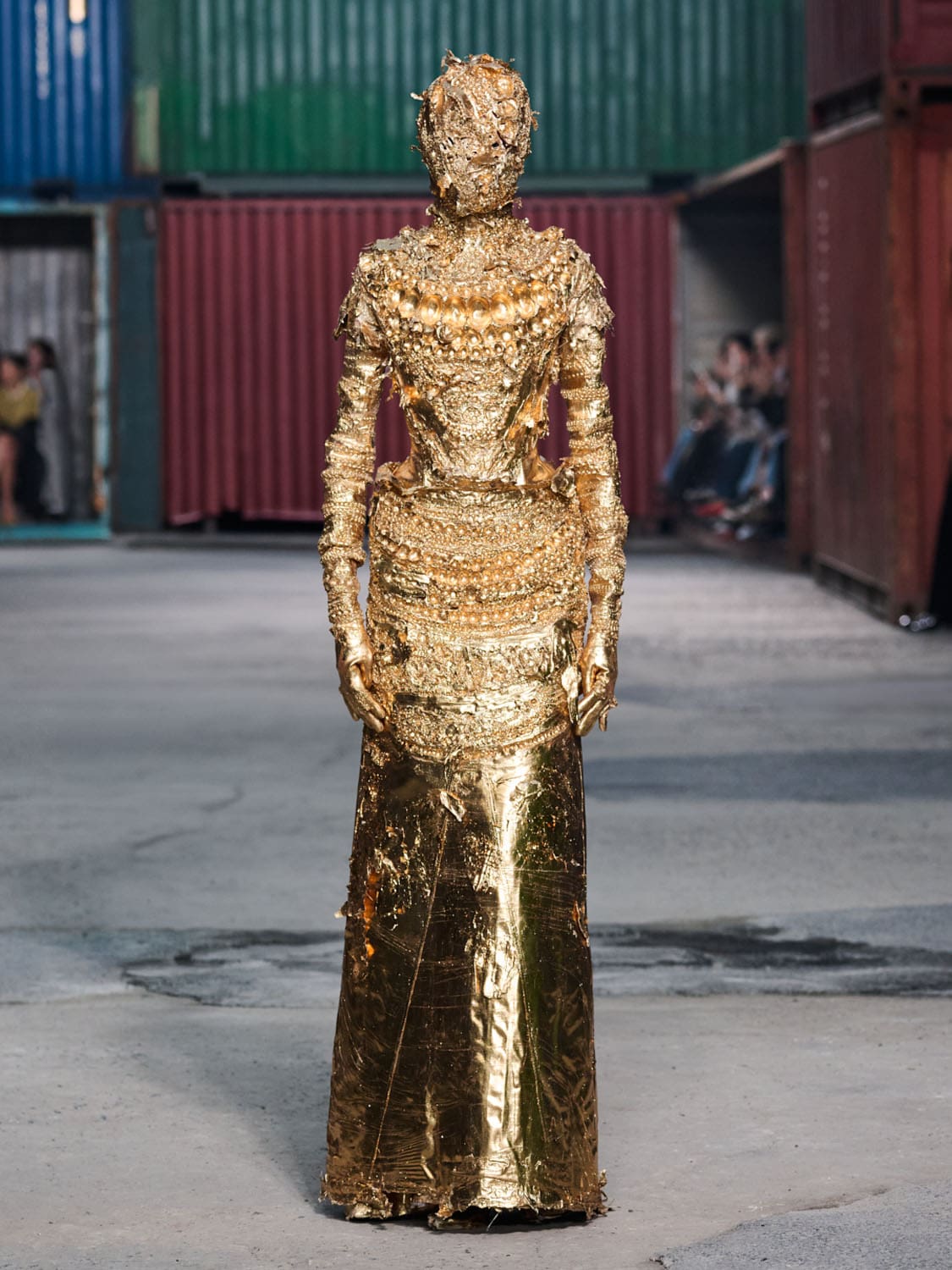
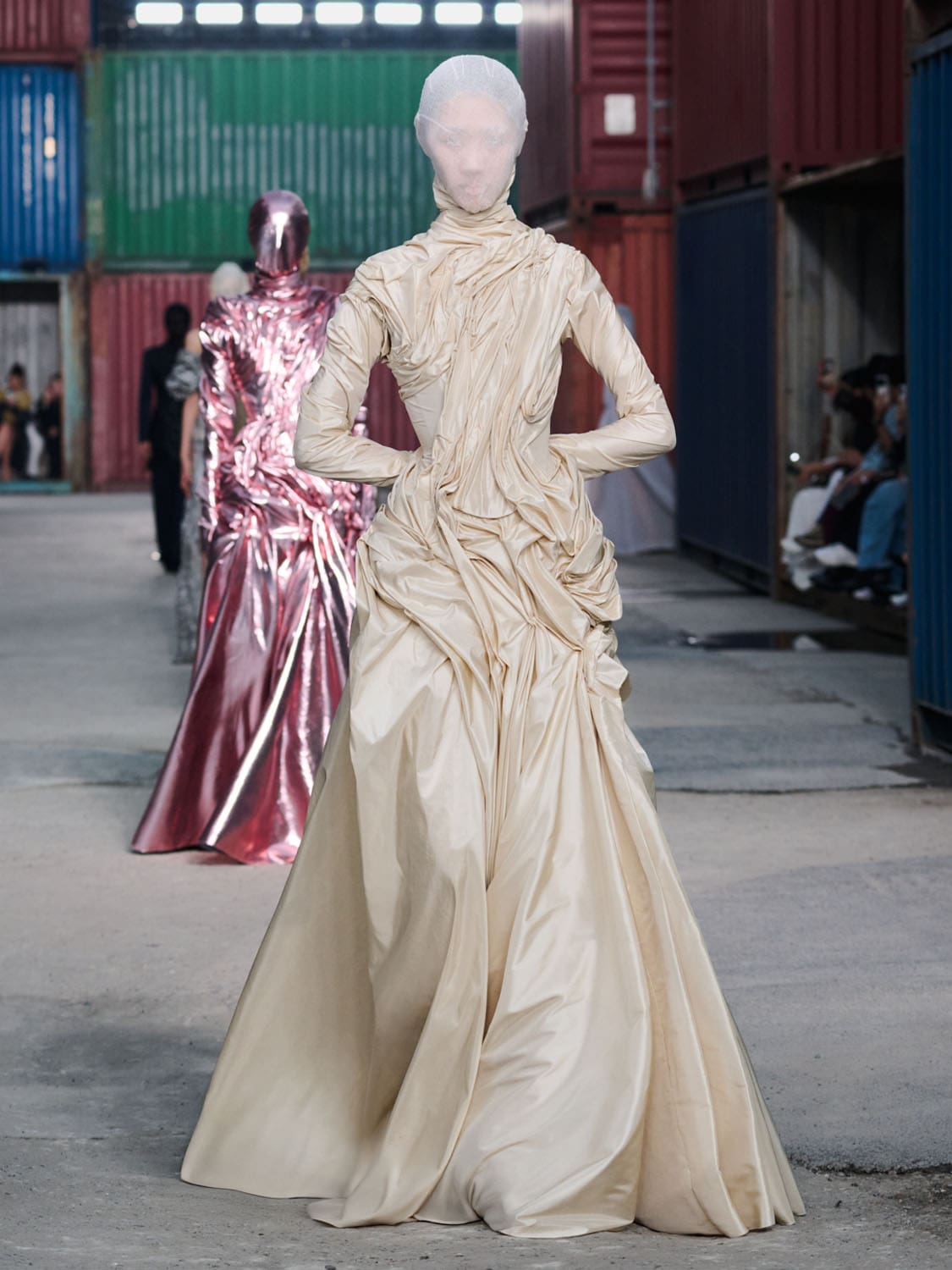
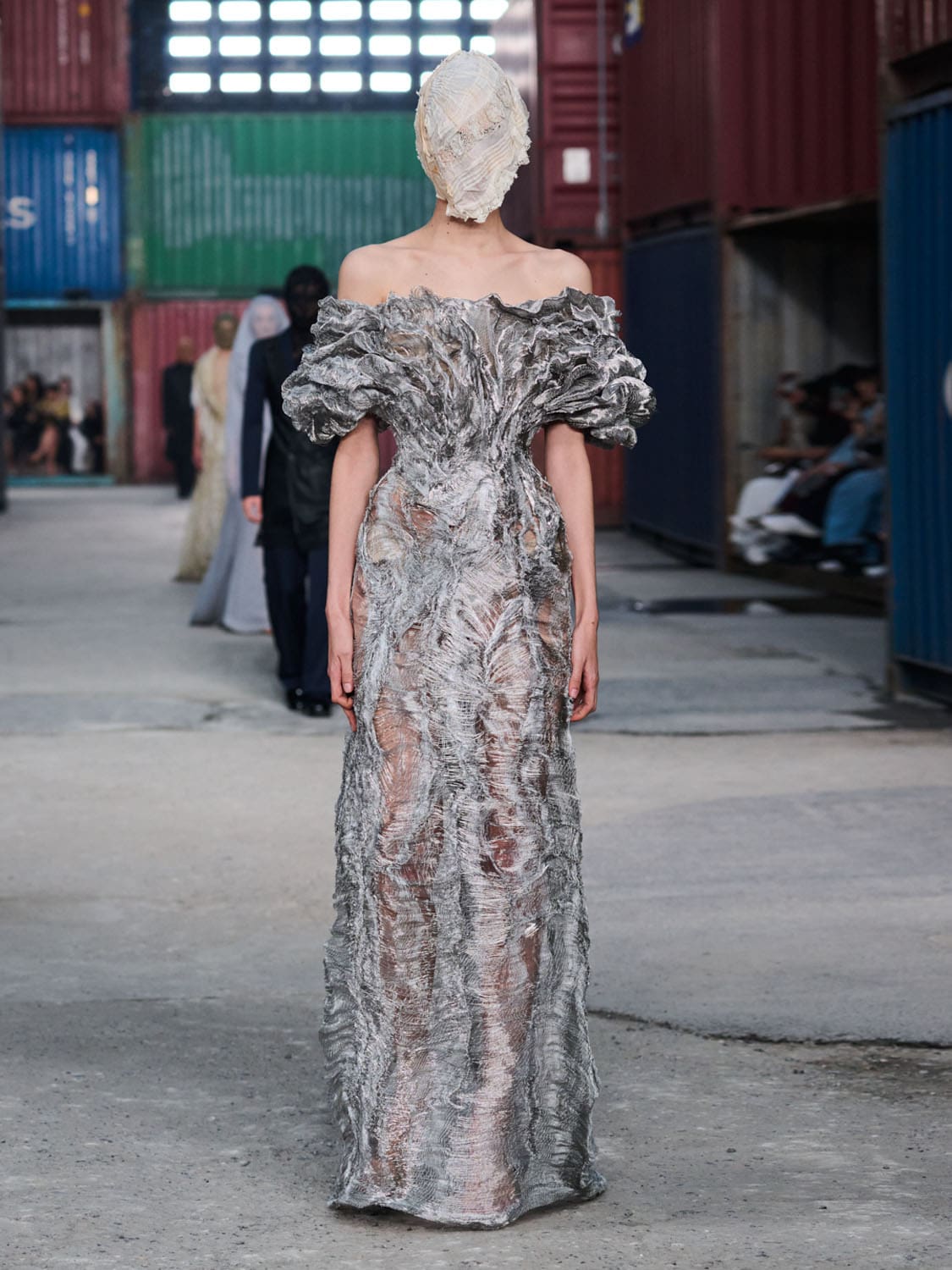
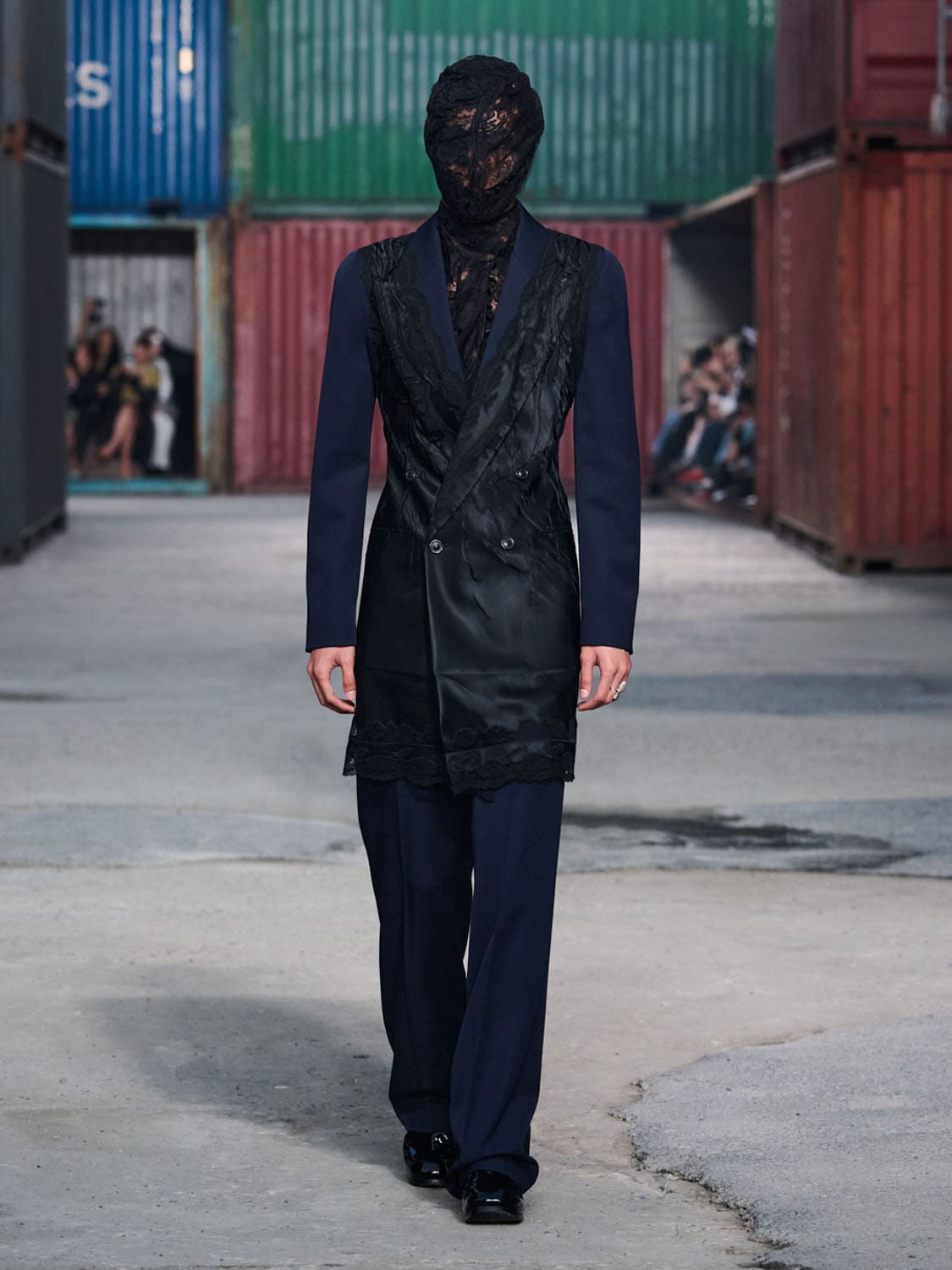
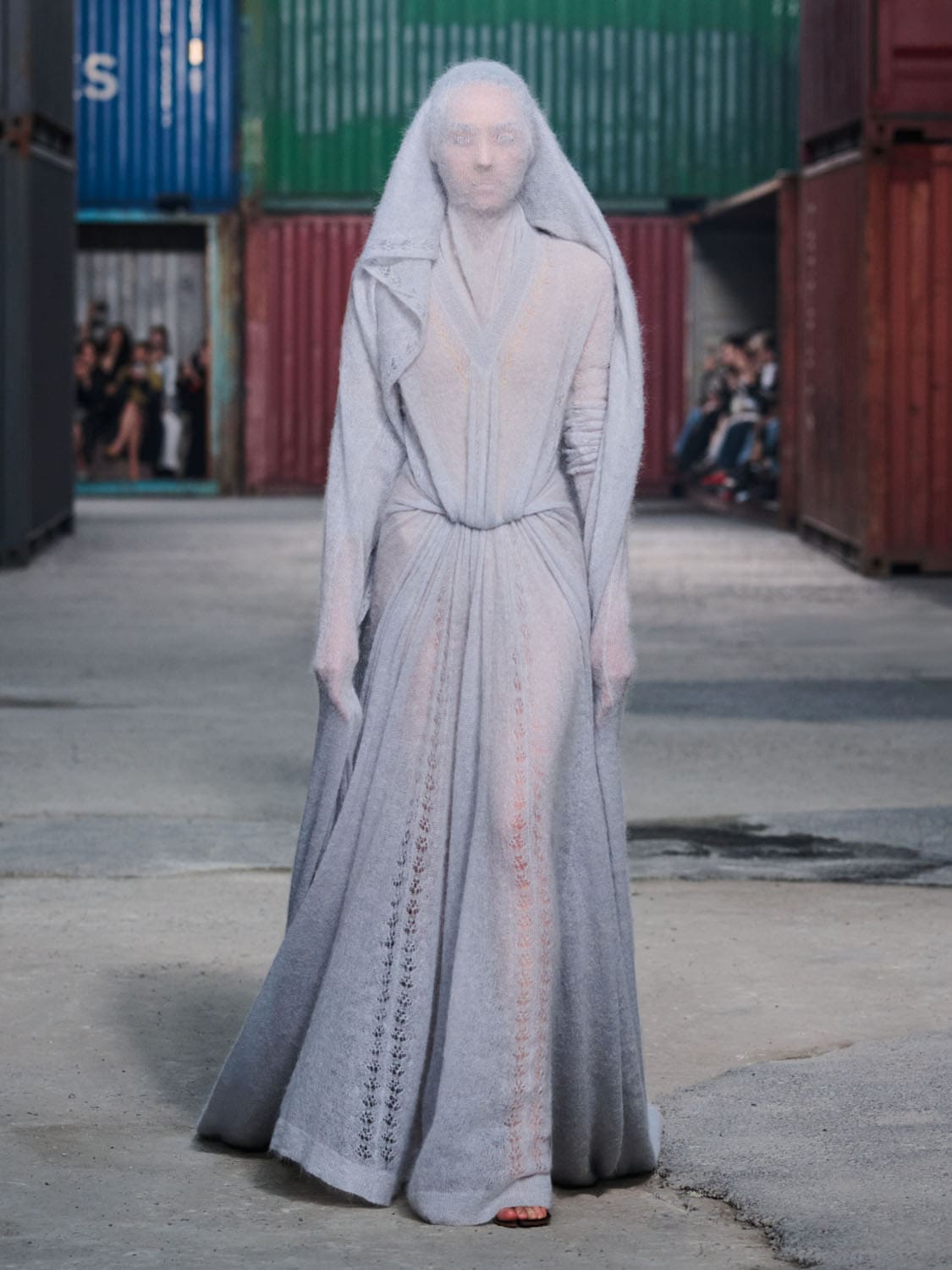
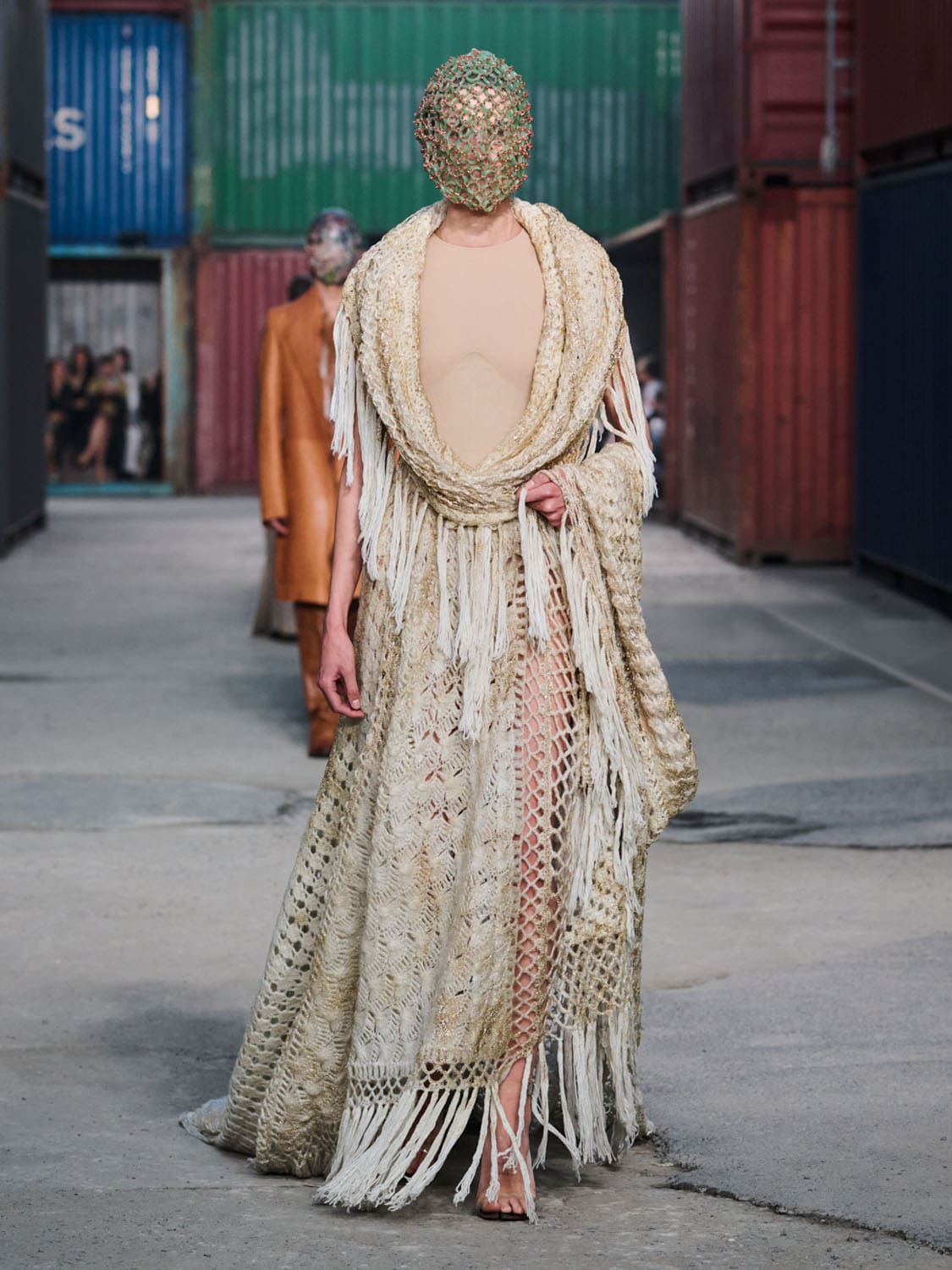
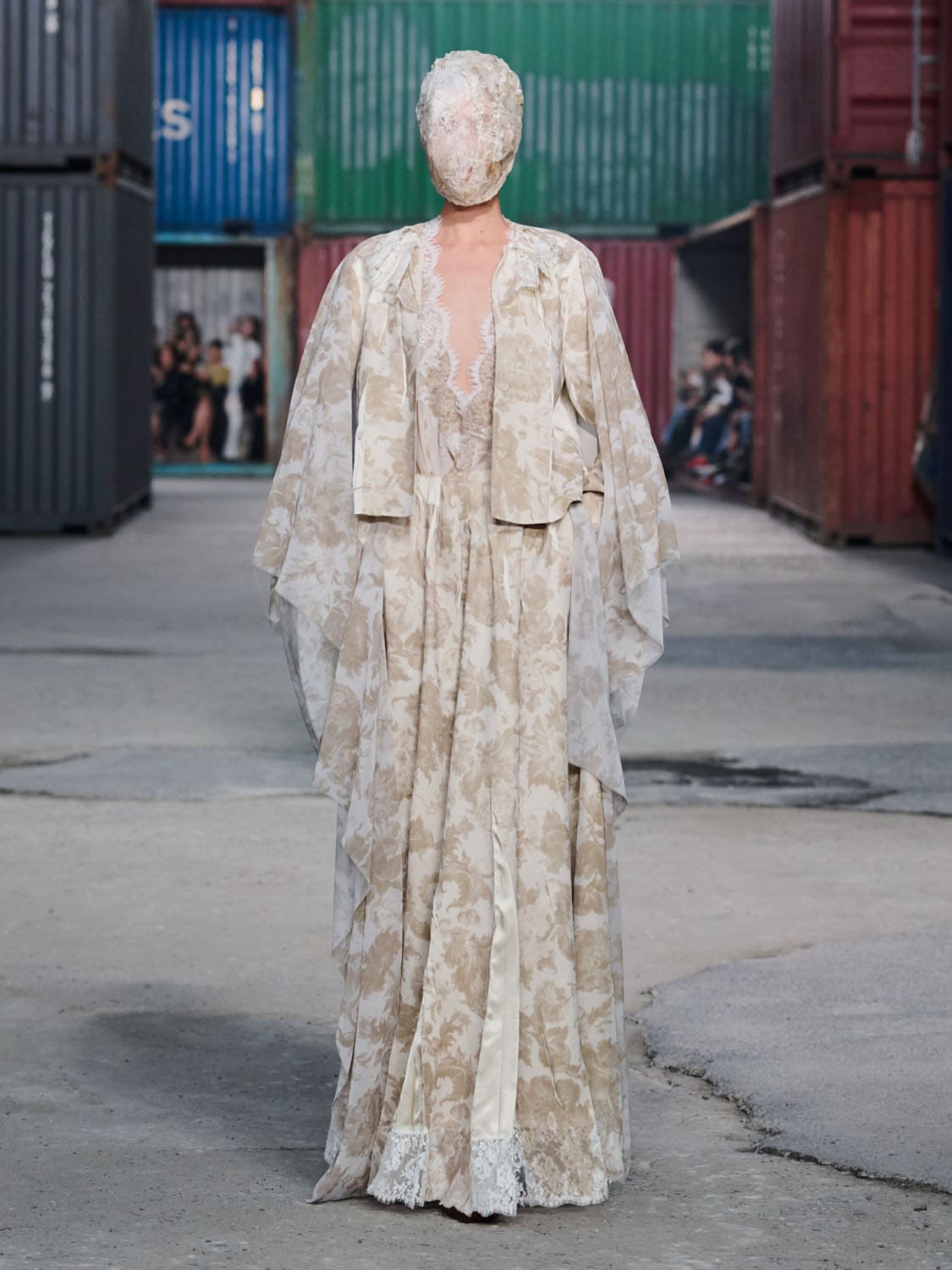
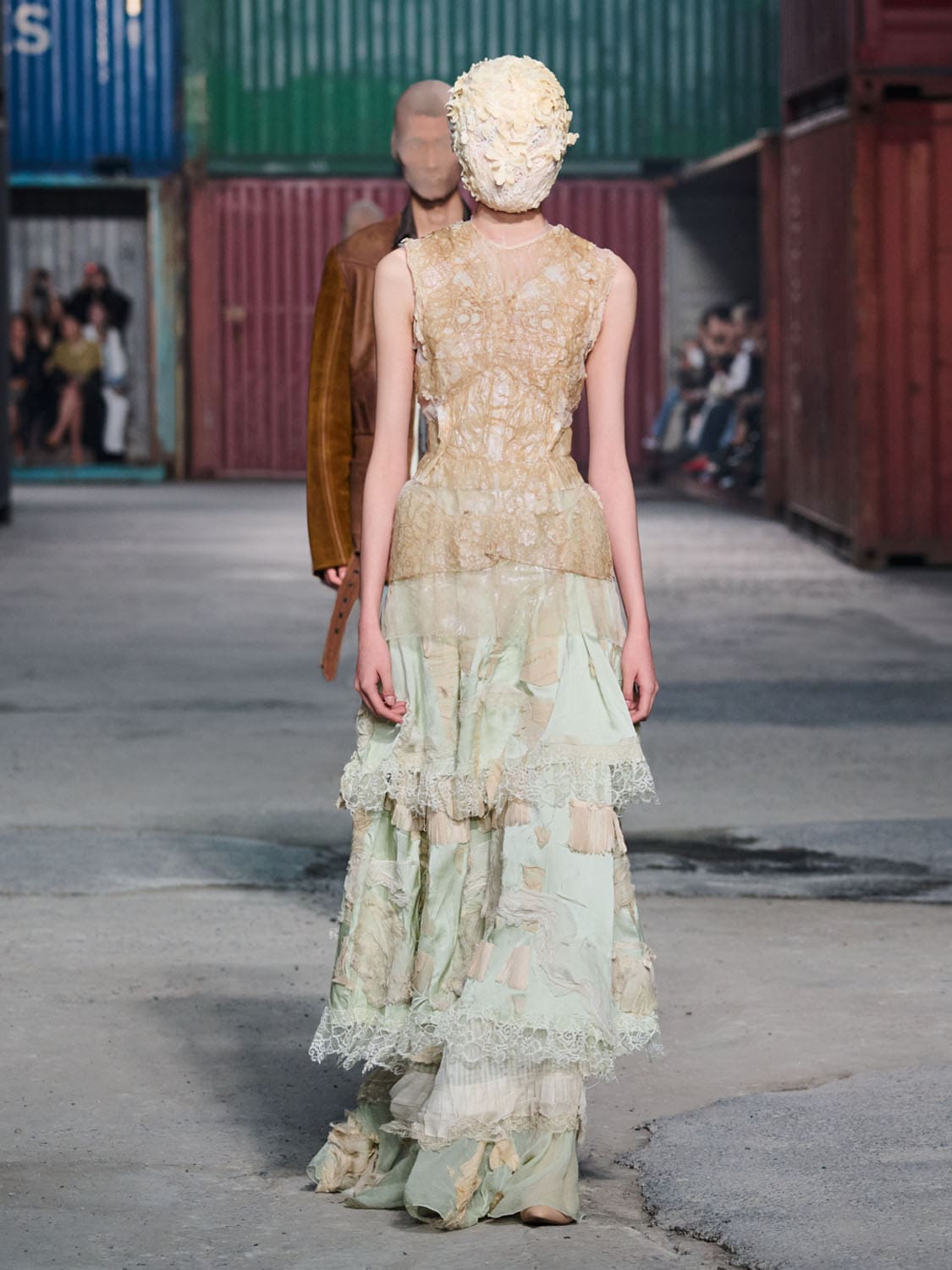
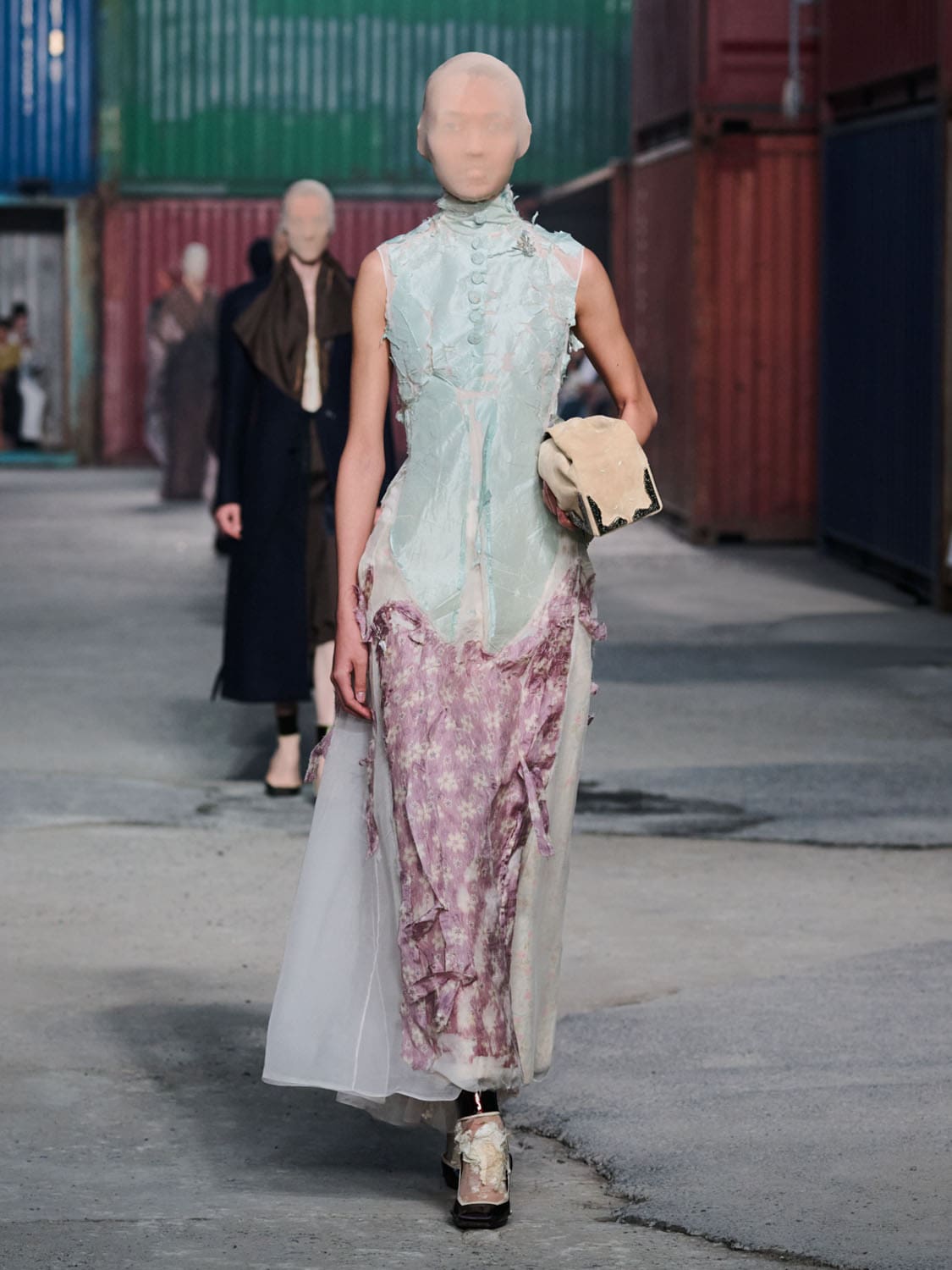
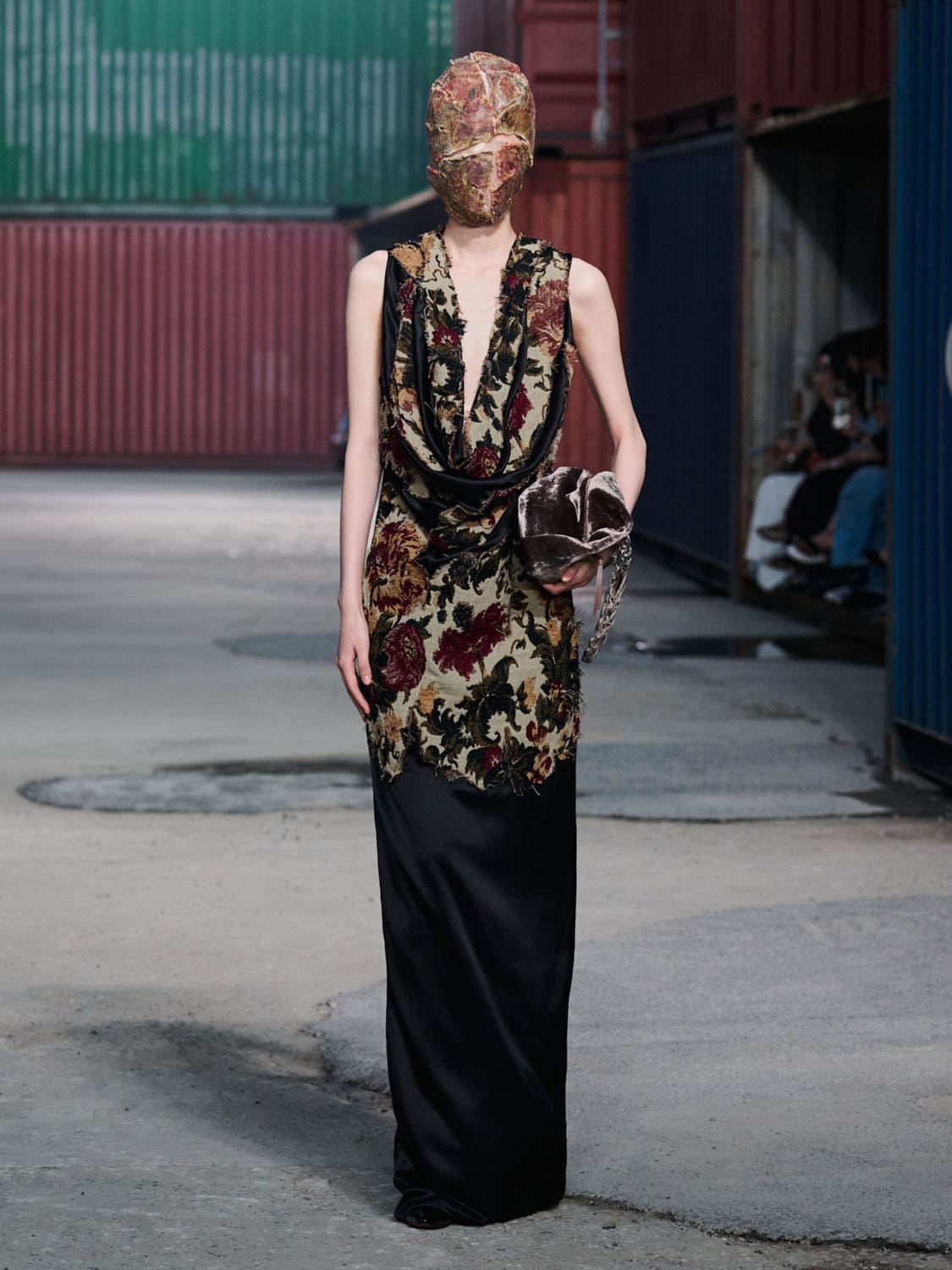
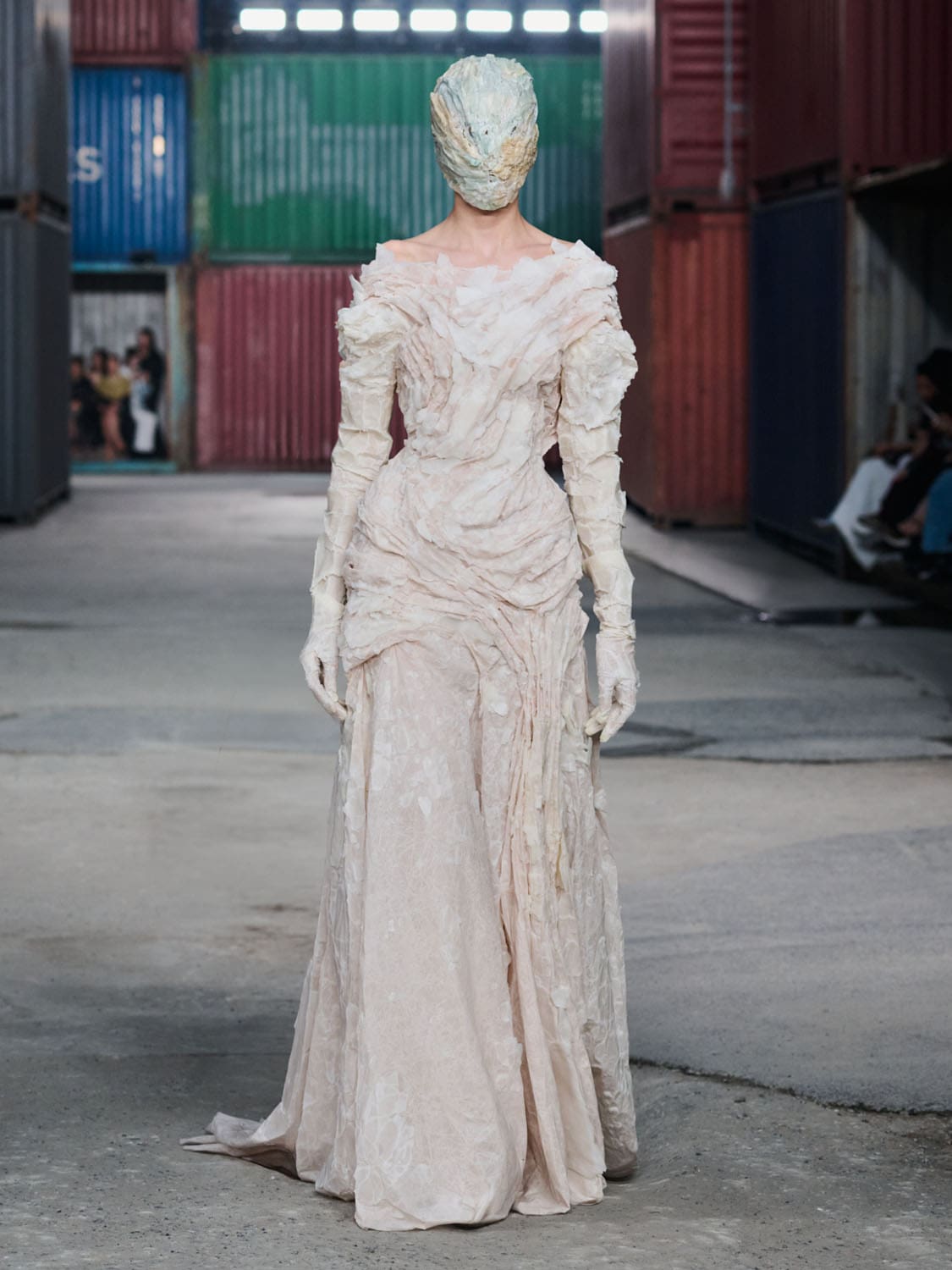
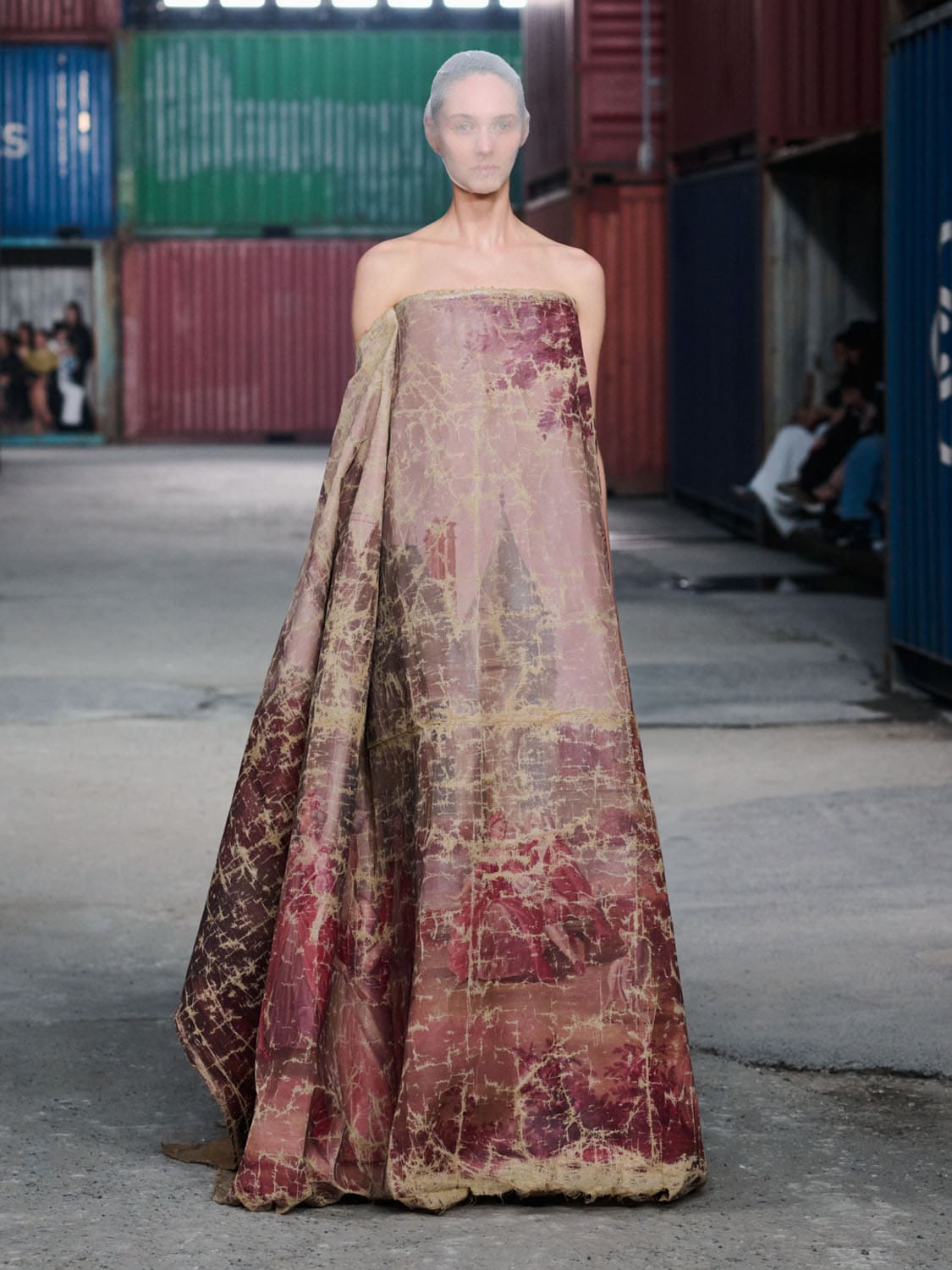
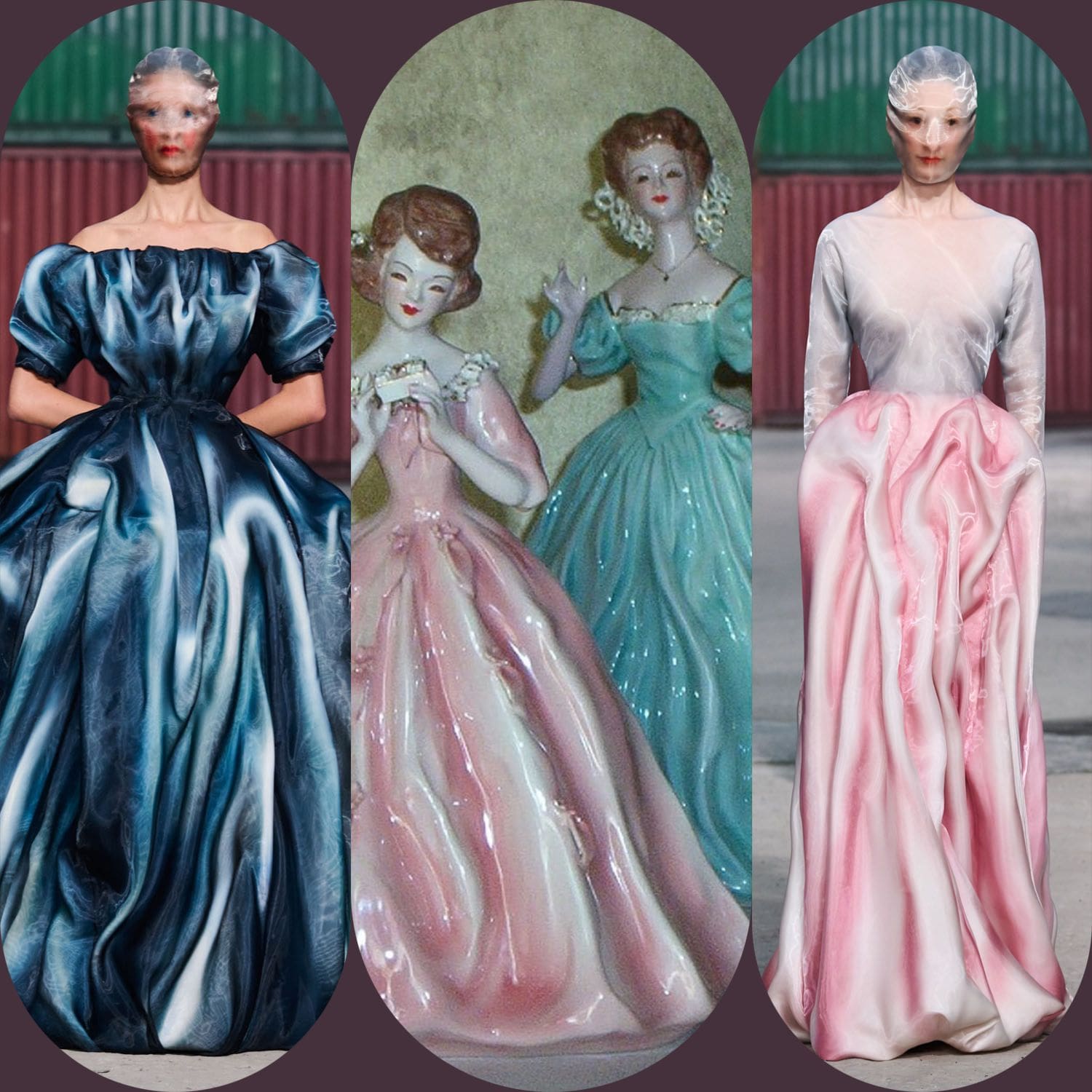
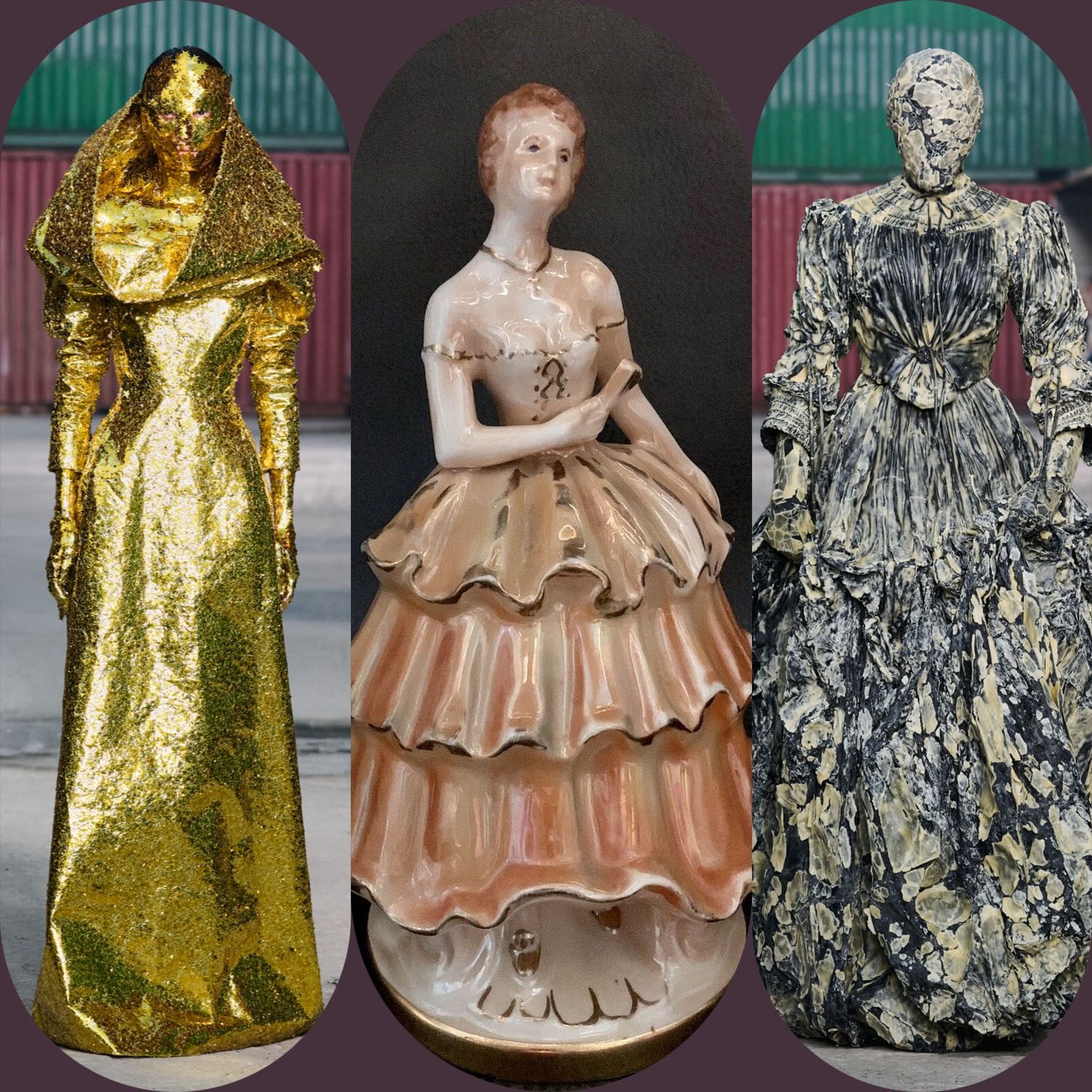
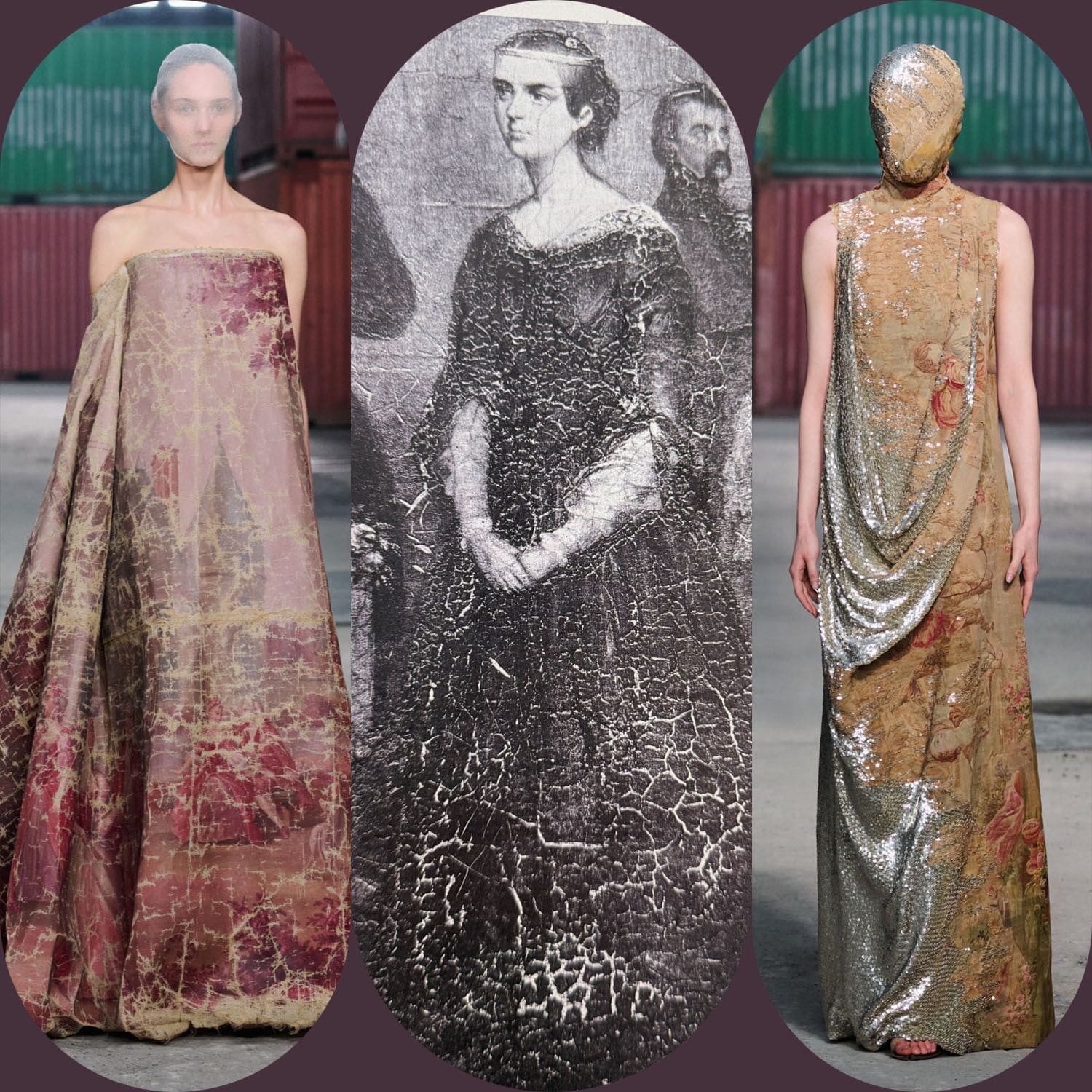
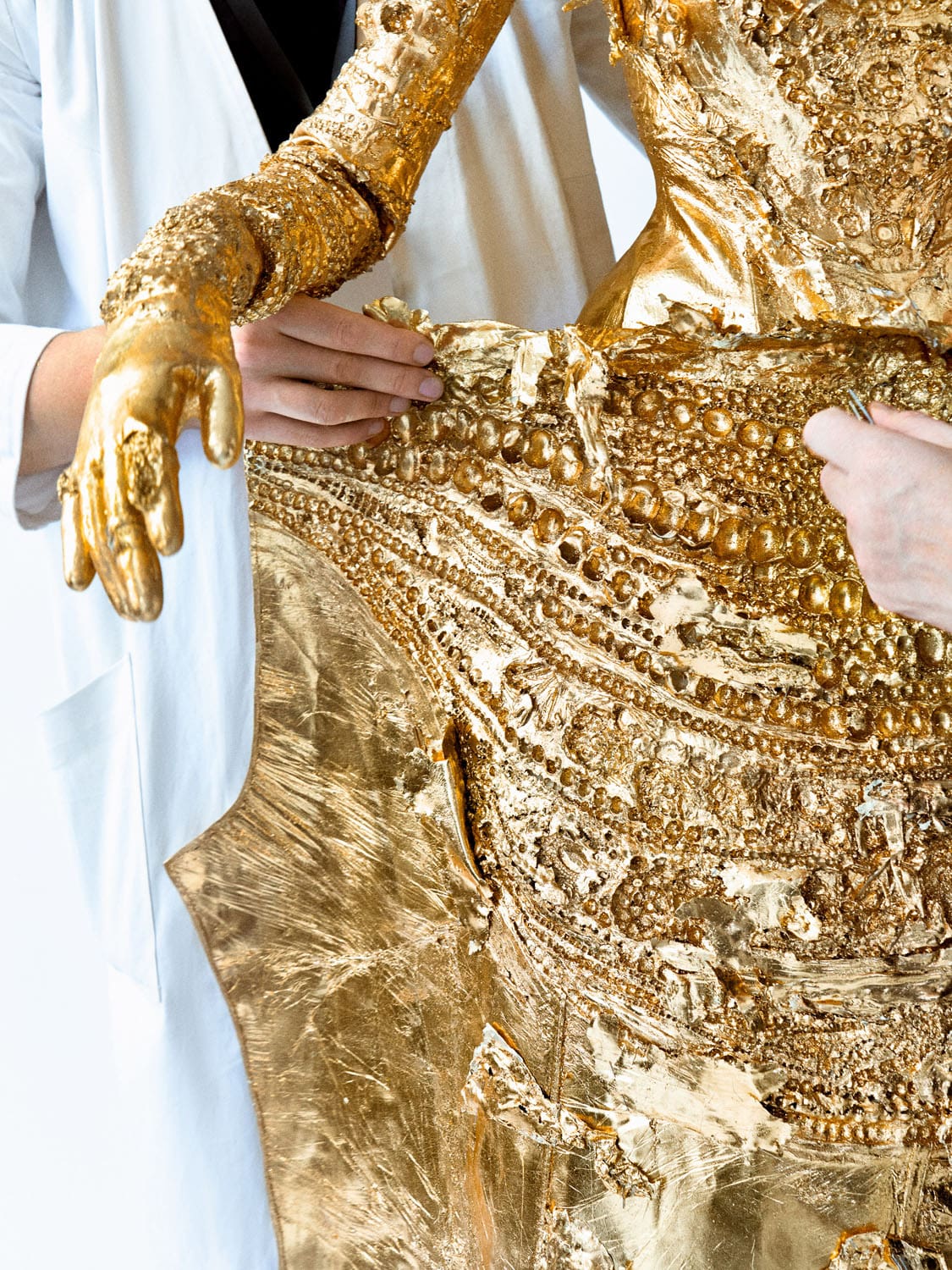
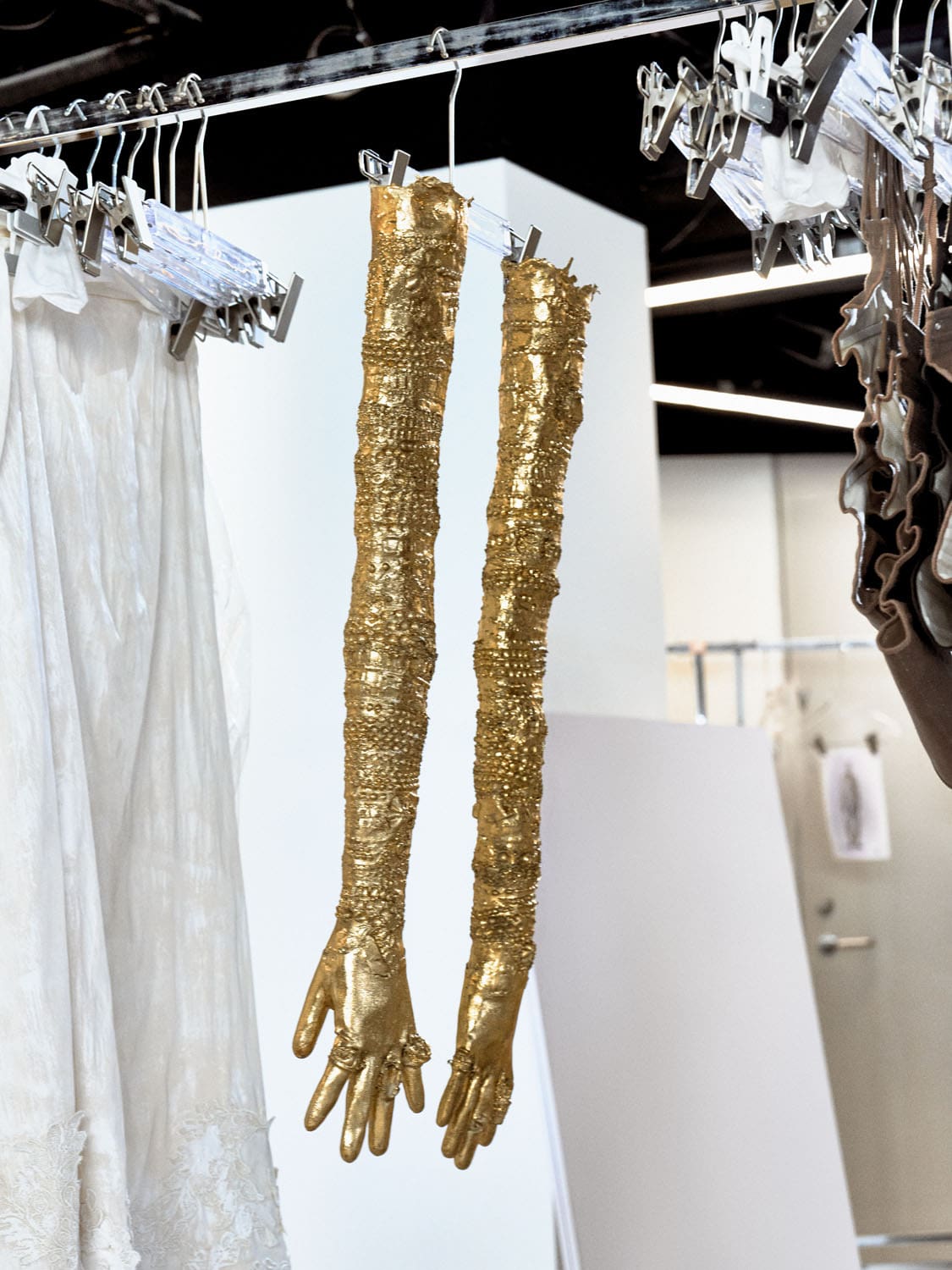
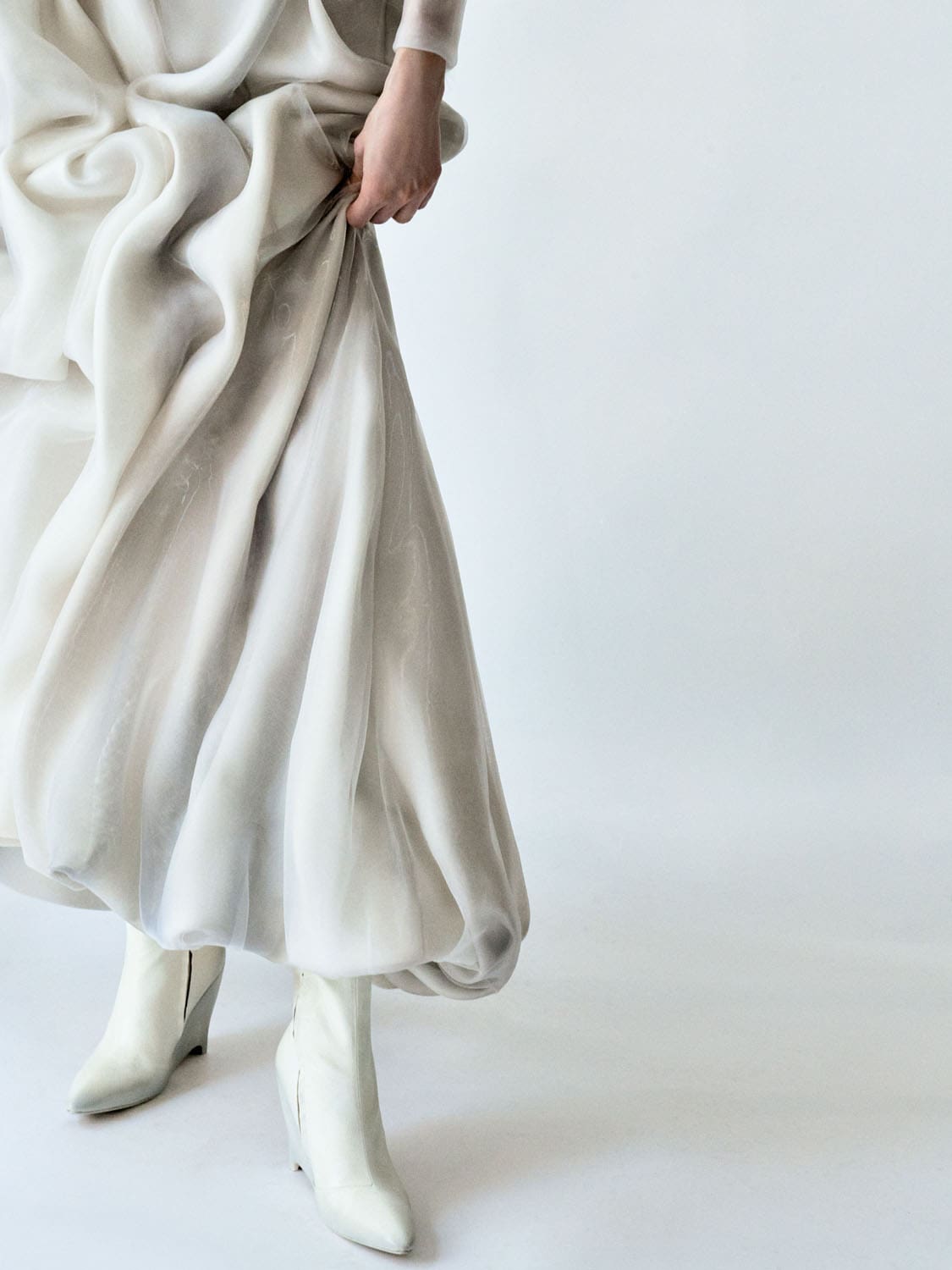
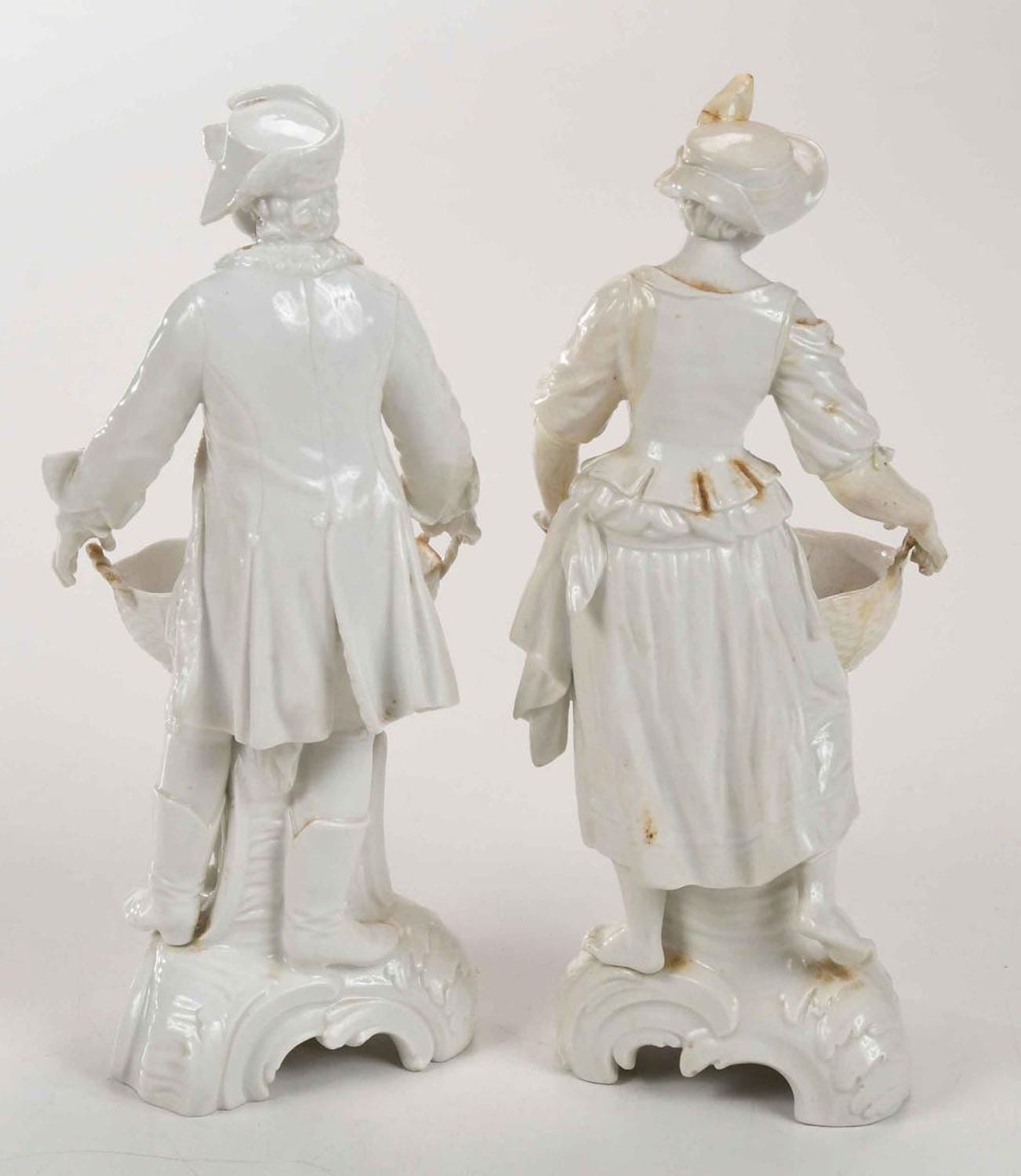
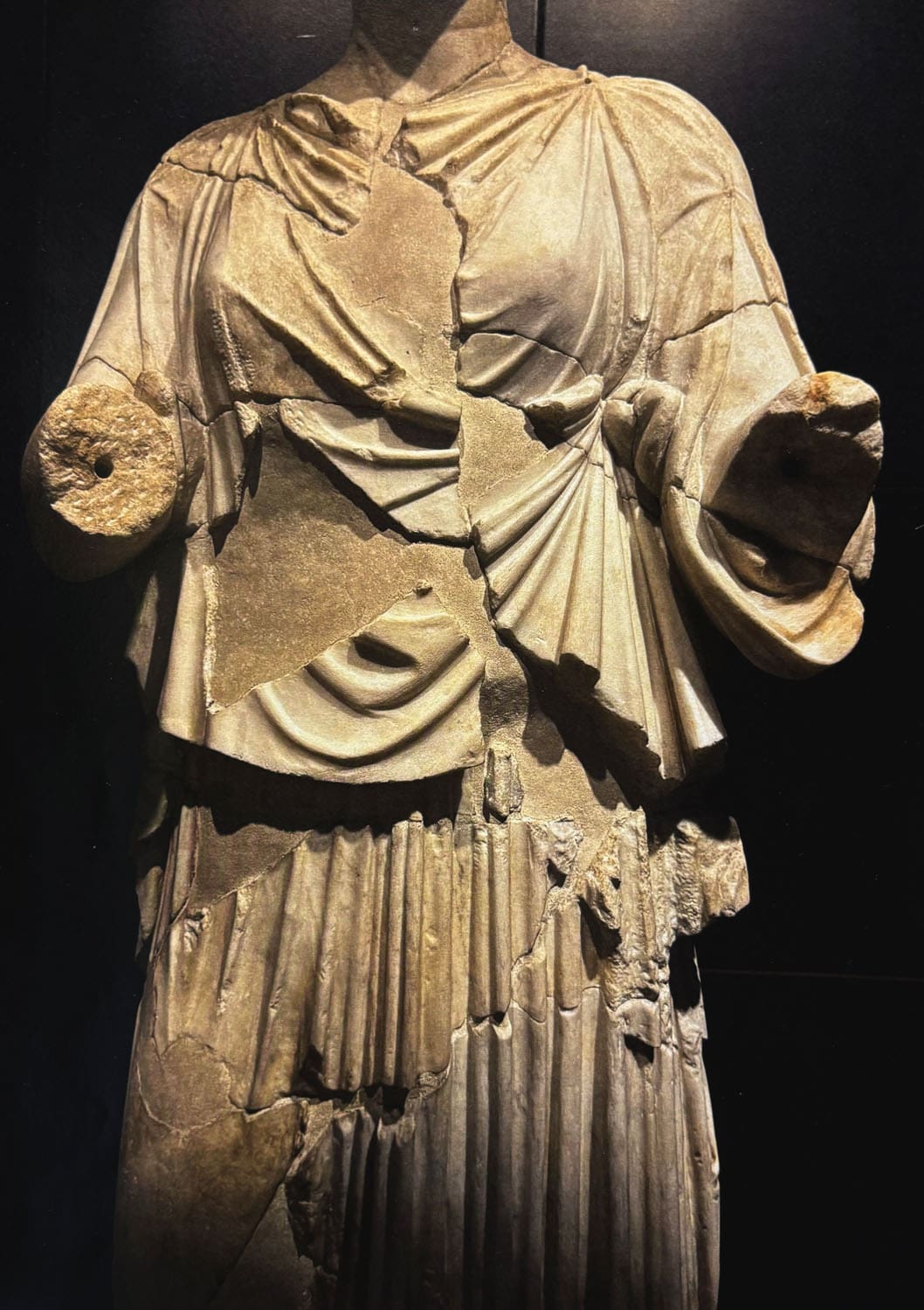
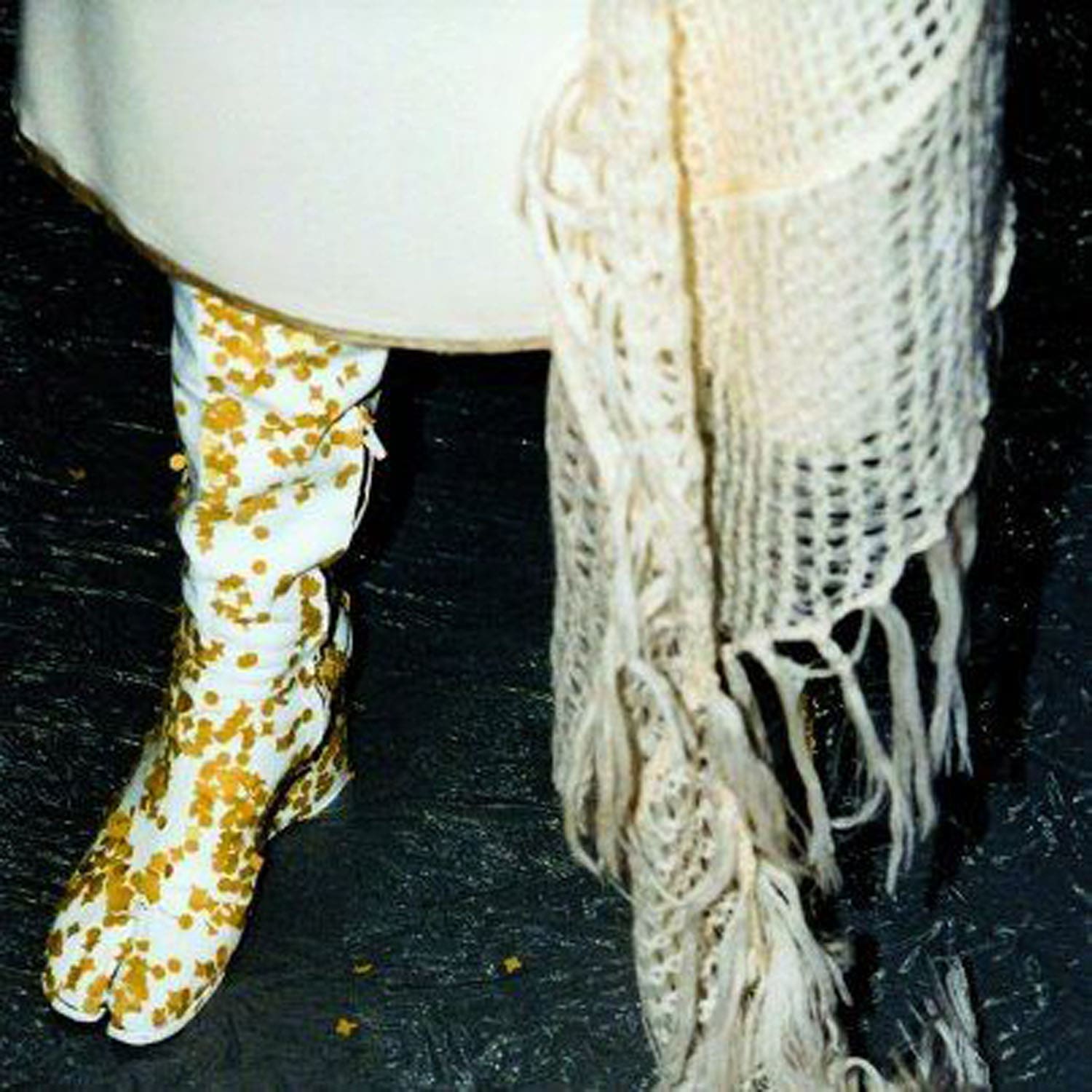
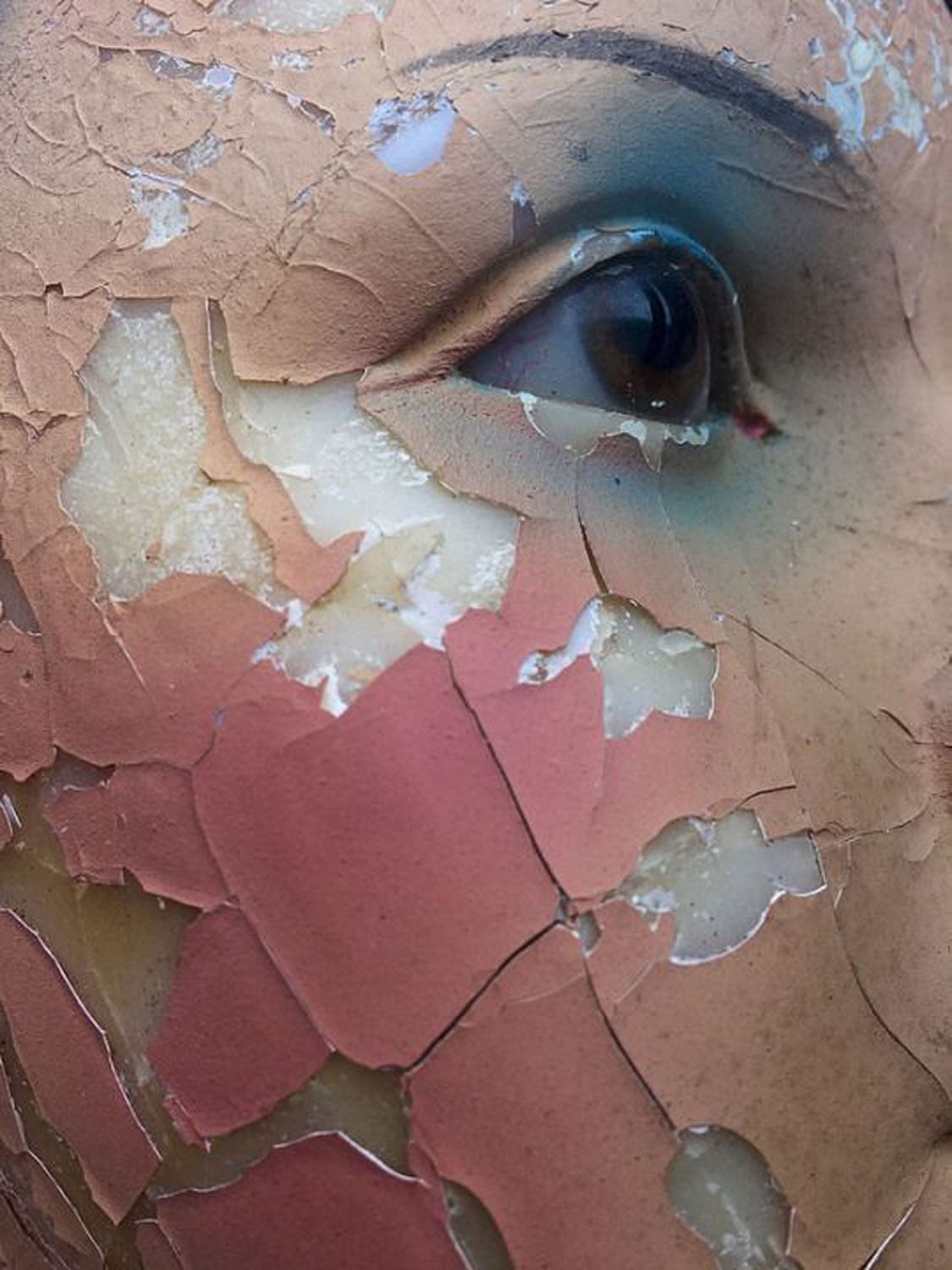
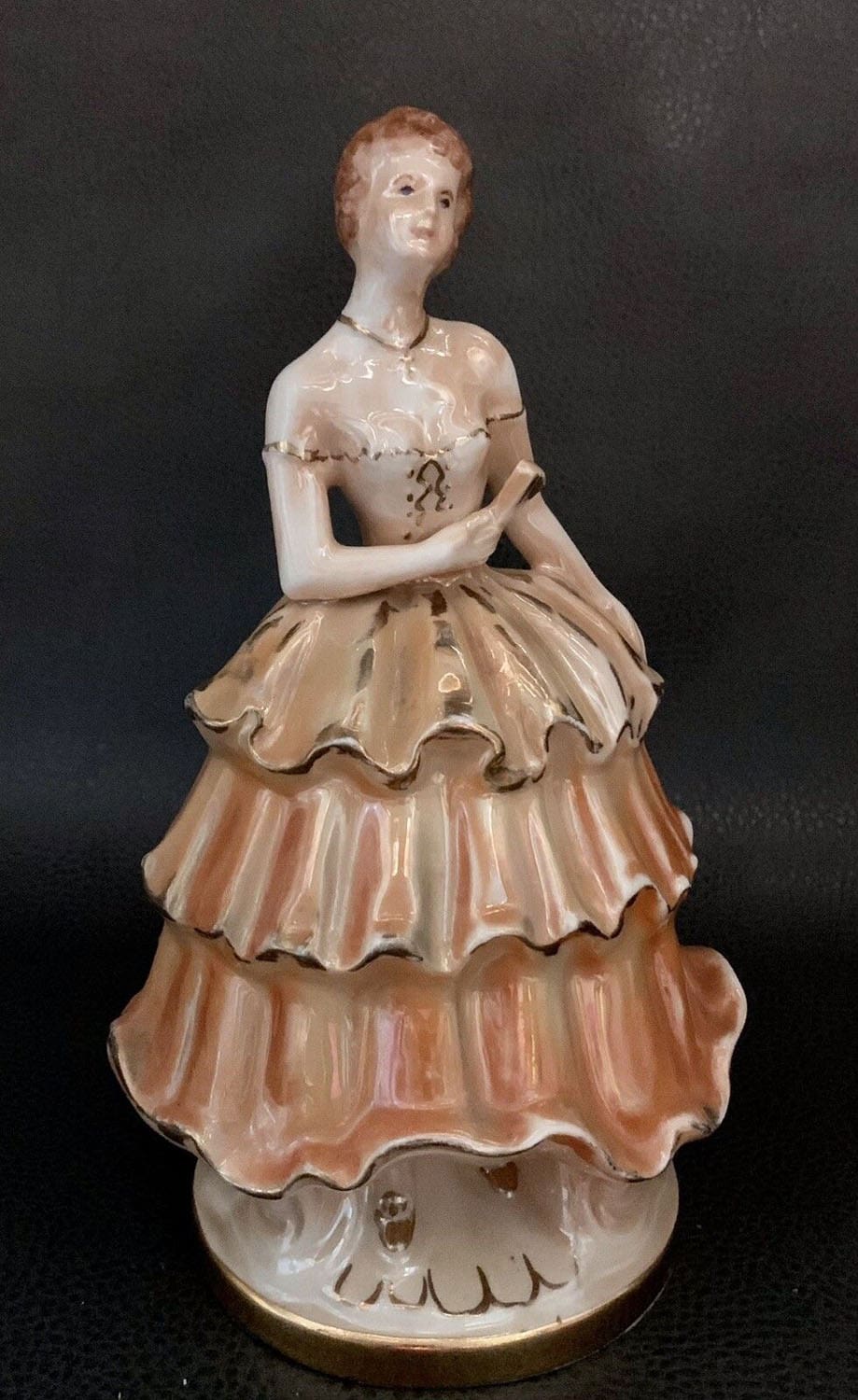
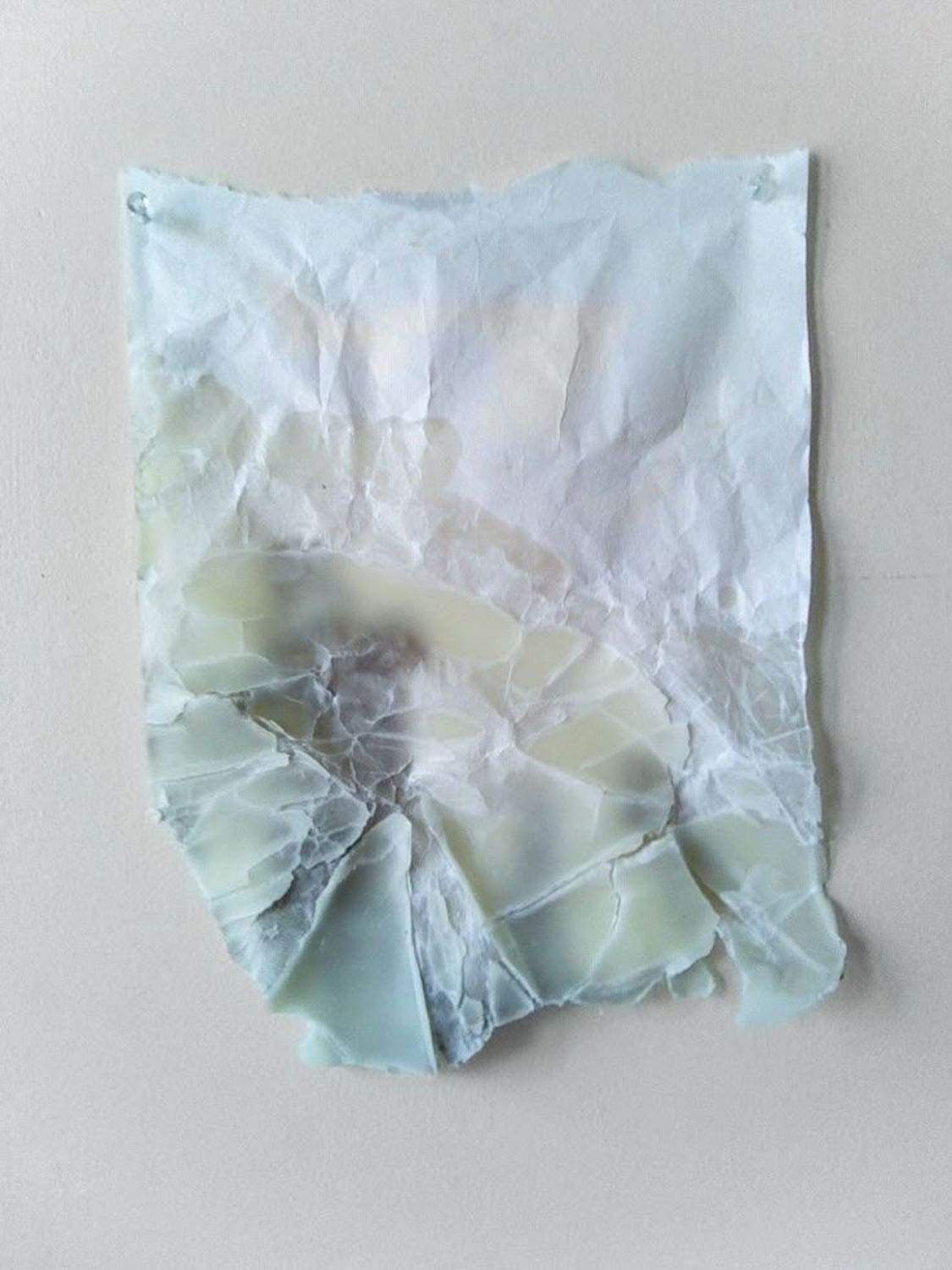
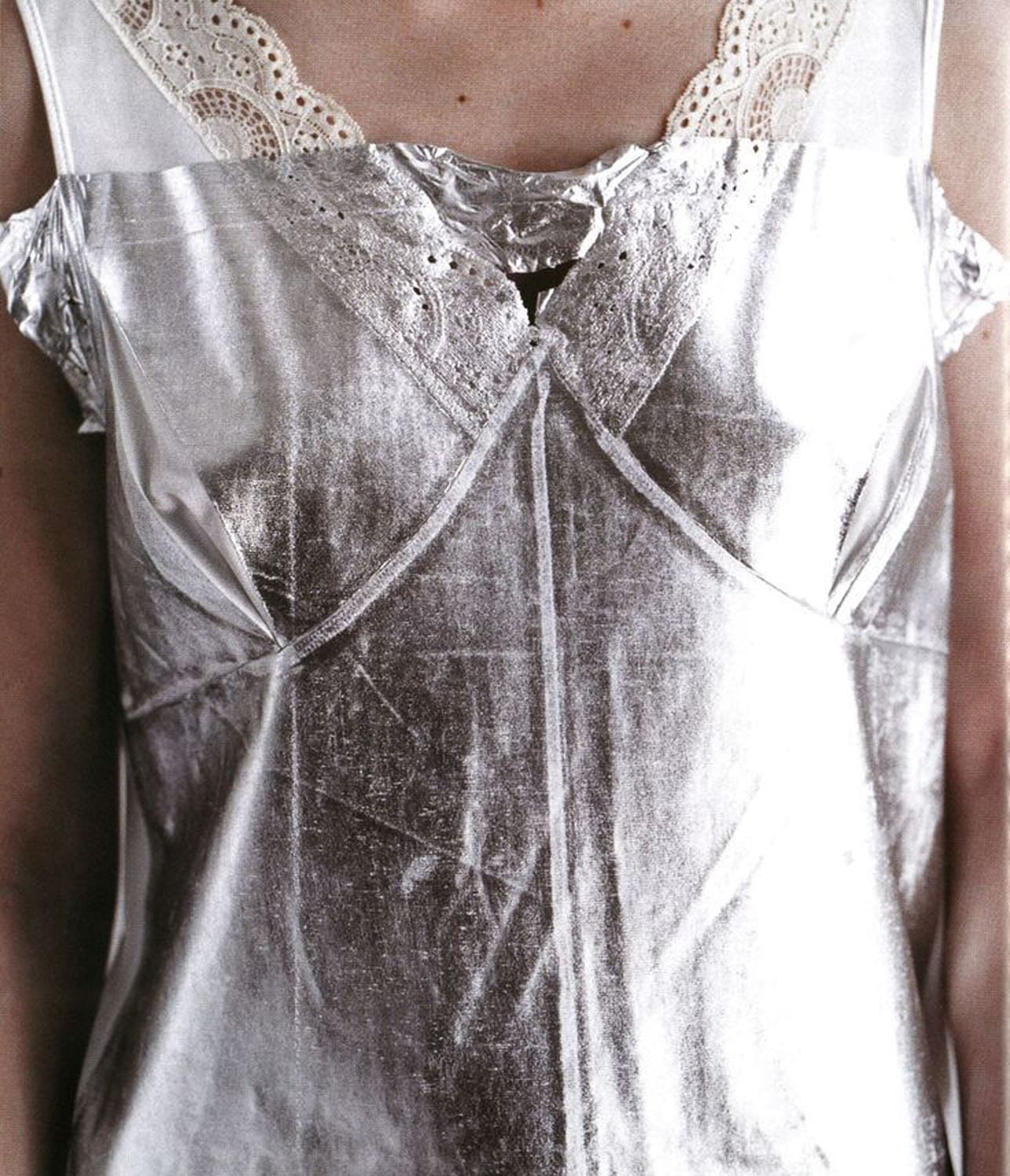
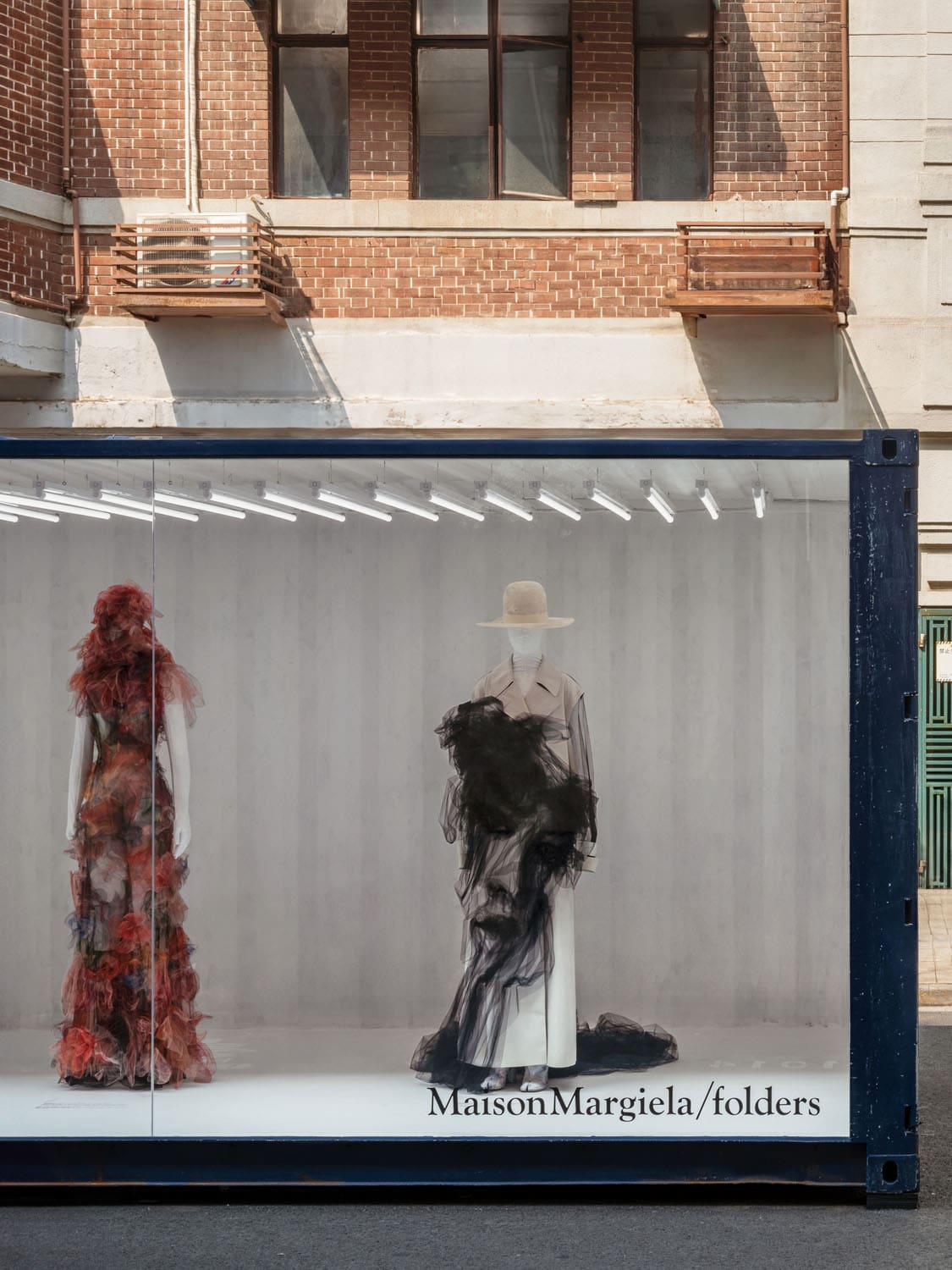
- The Porcelain Body: In a nod to Chinese heritage, porcelain was reimagined as a second skin. Eight layers of printed organza mimicked the translucency of fine china, while actual shattered porcelain was painstakingly reconstructed onto an Artisanal dress—a kintsugi of the soul.
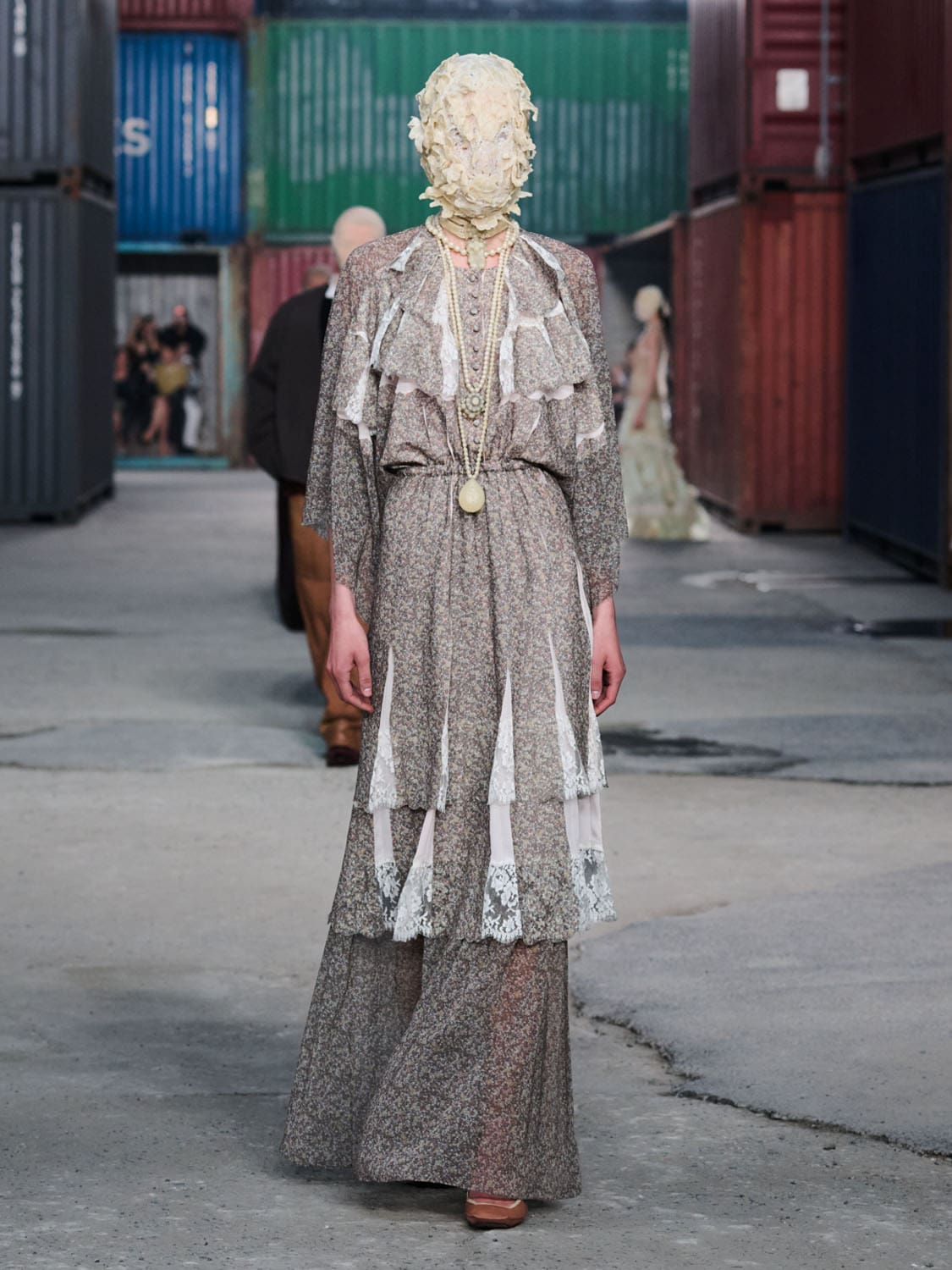
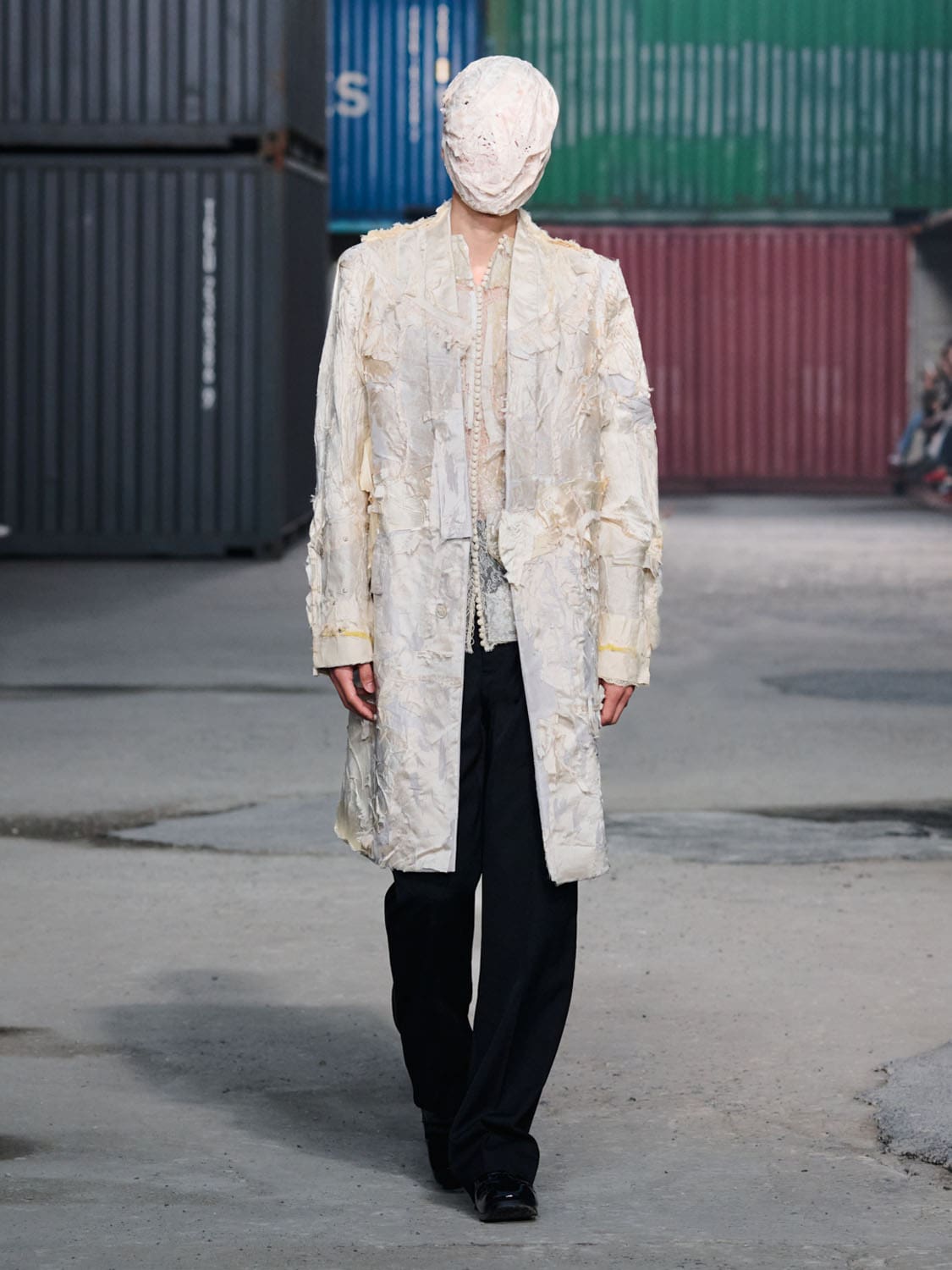
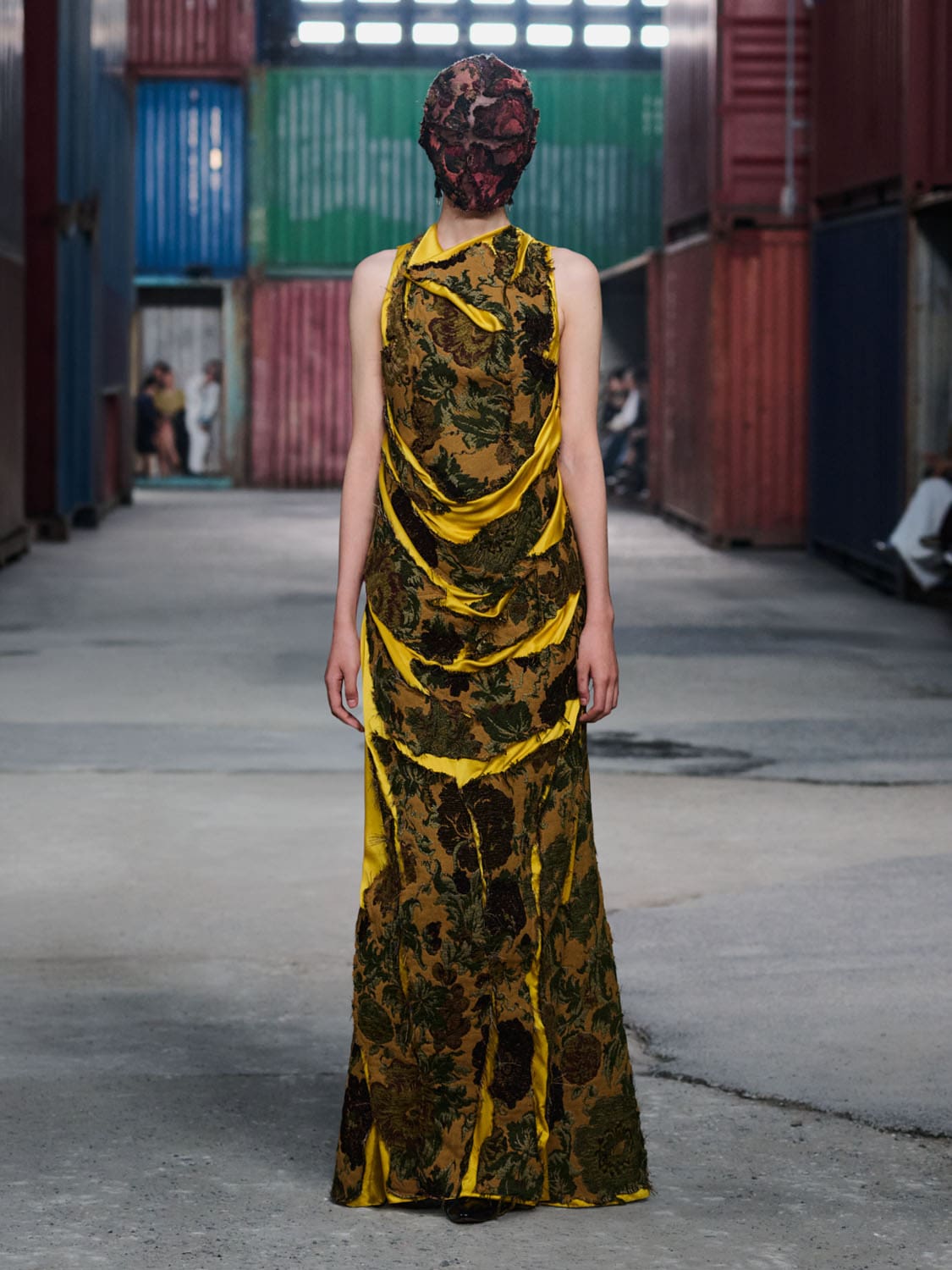
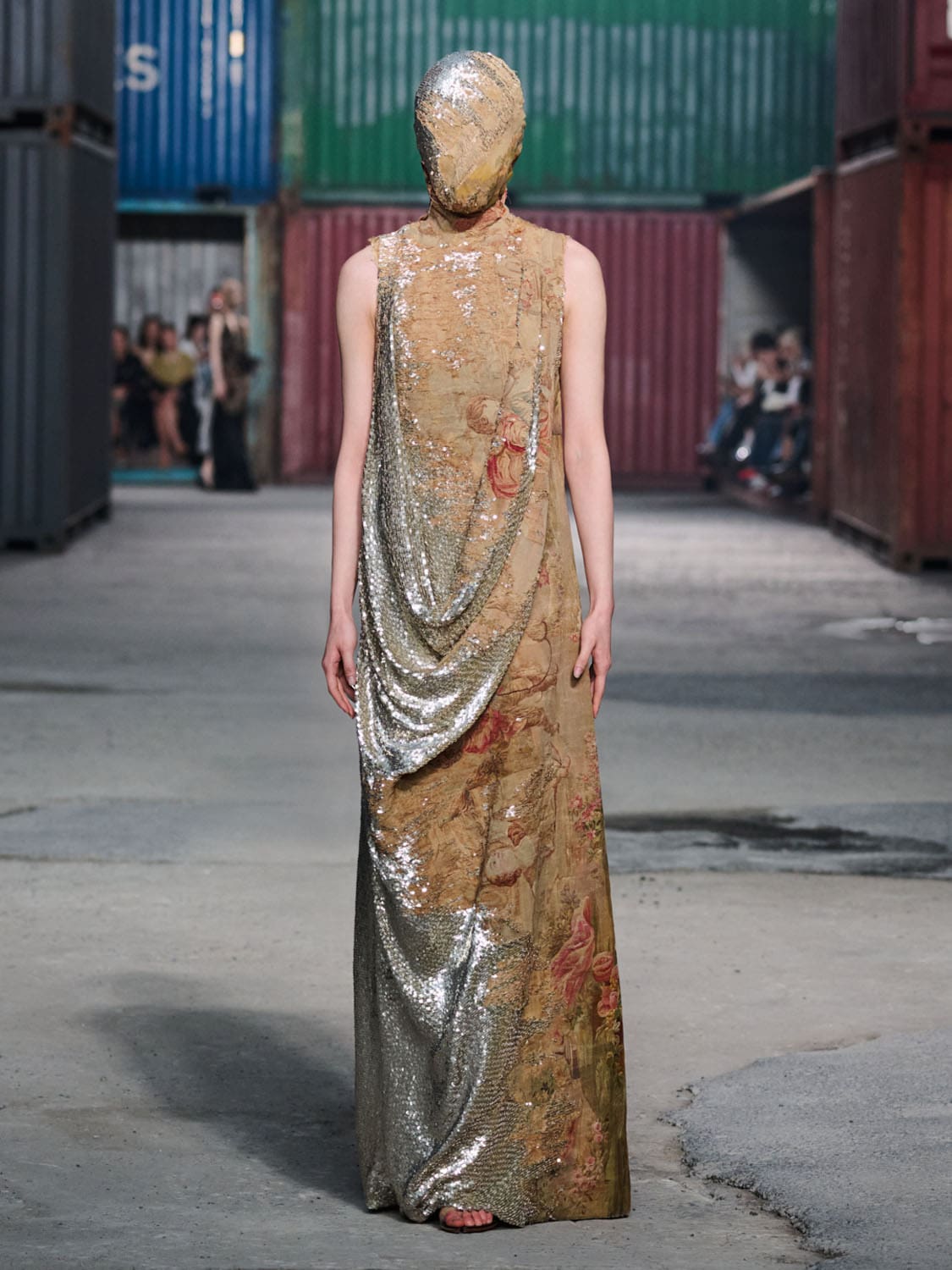
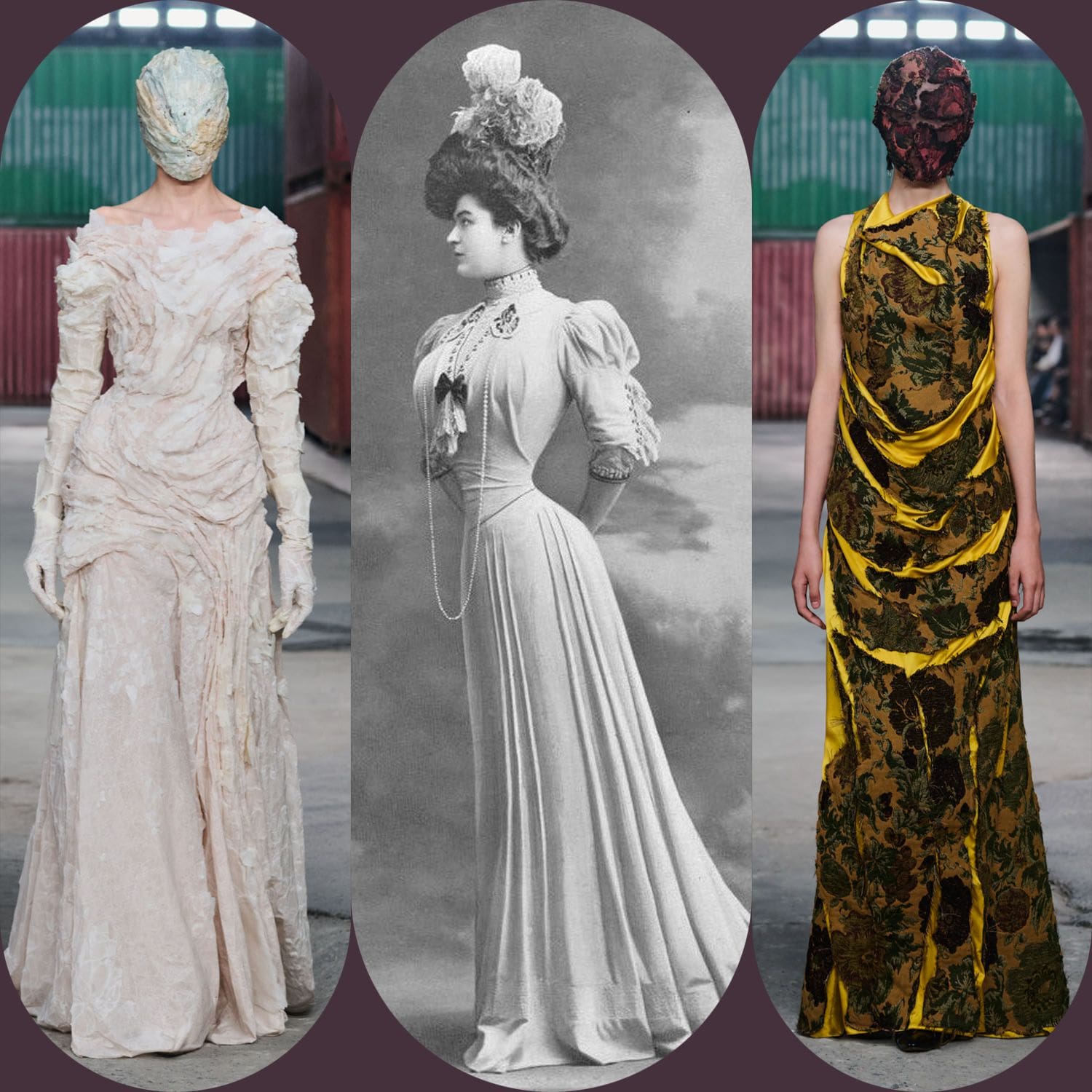
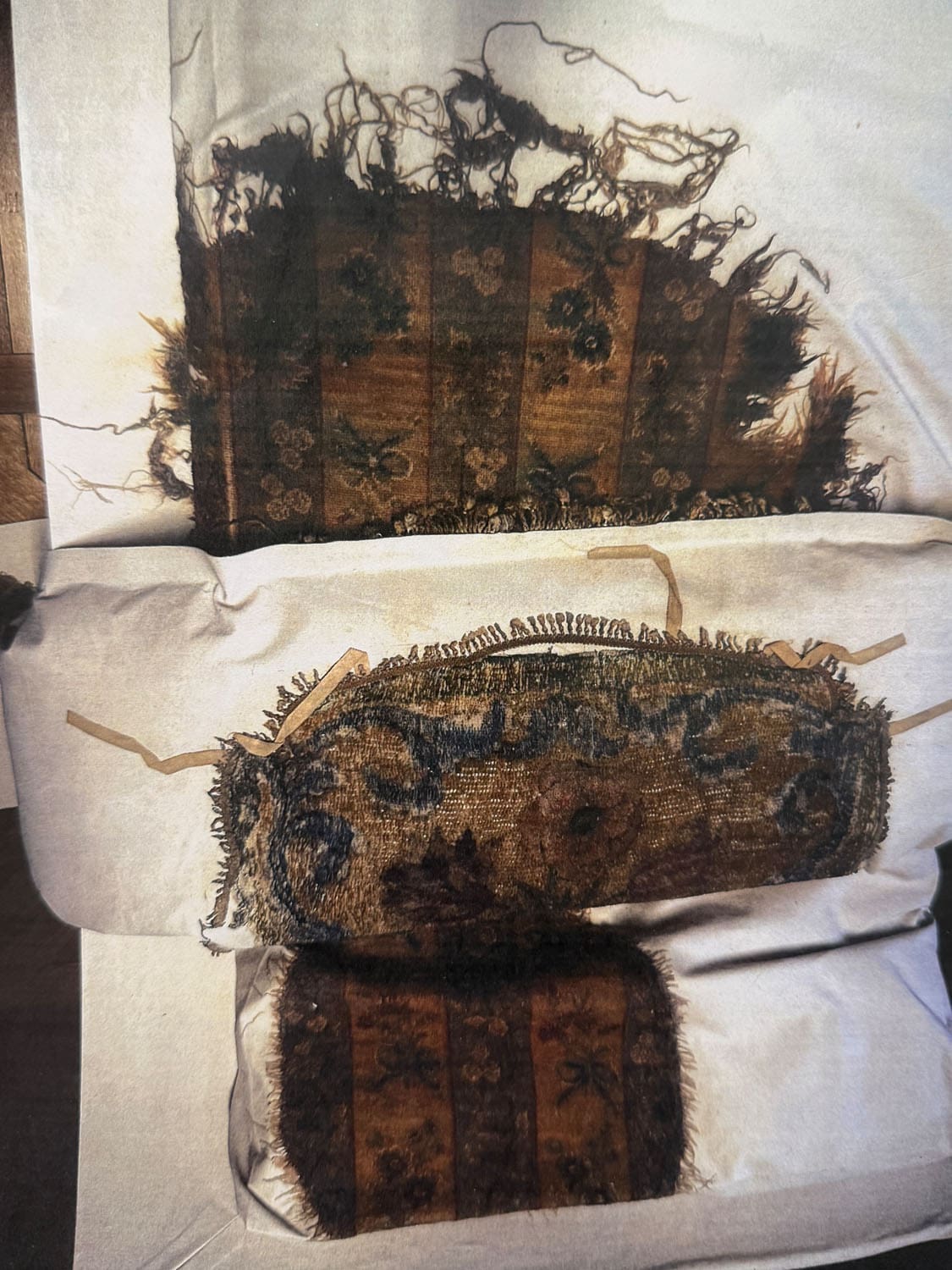
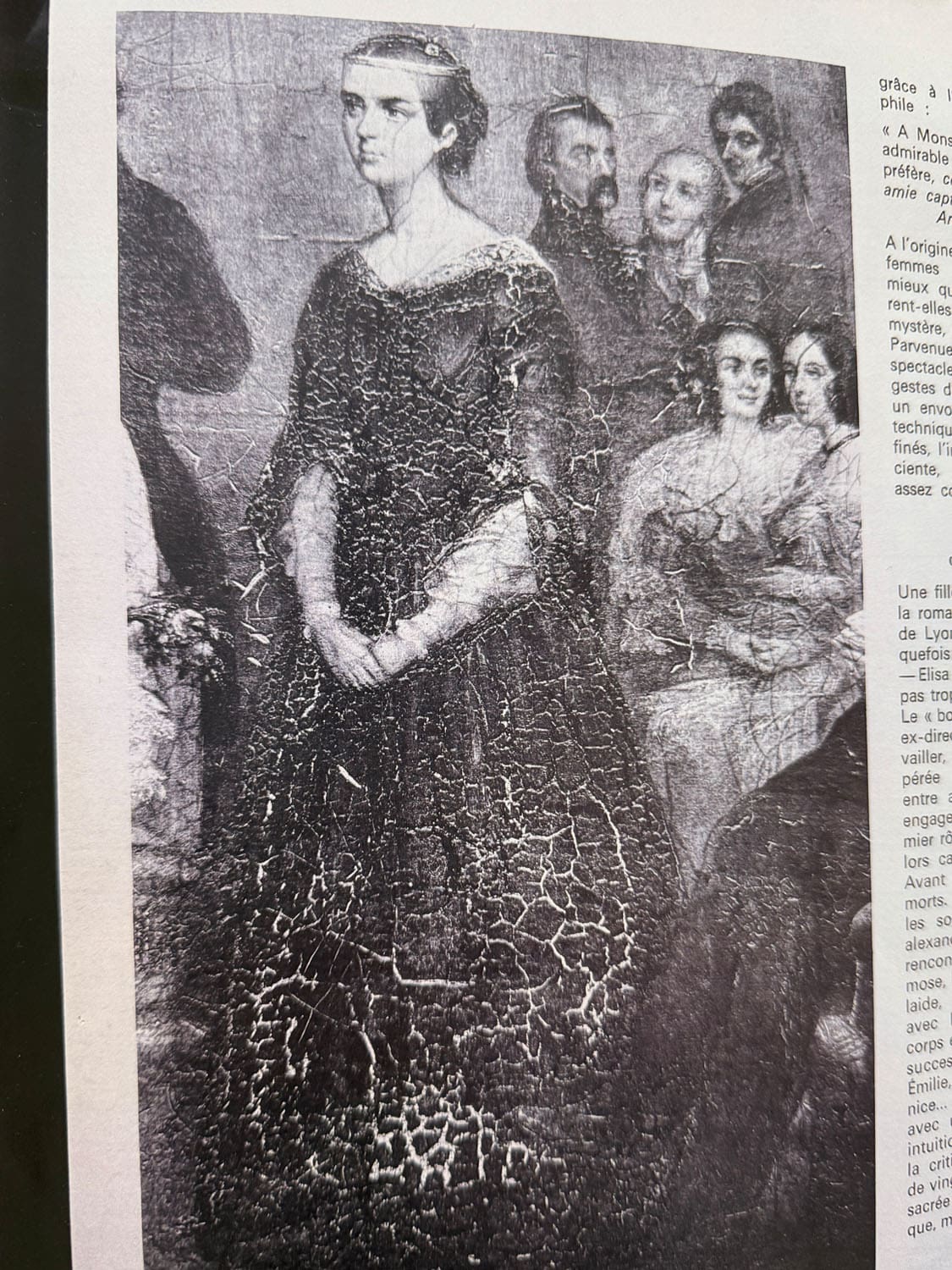
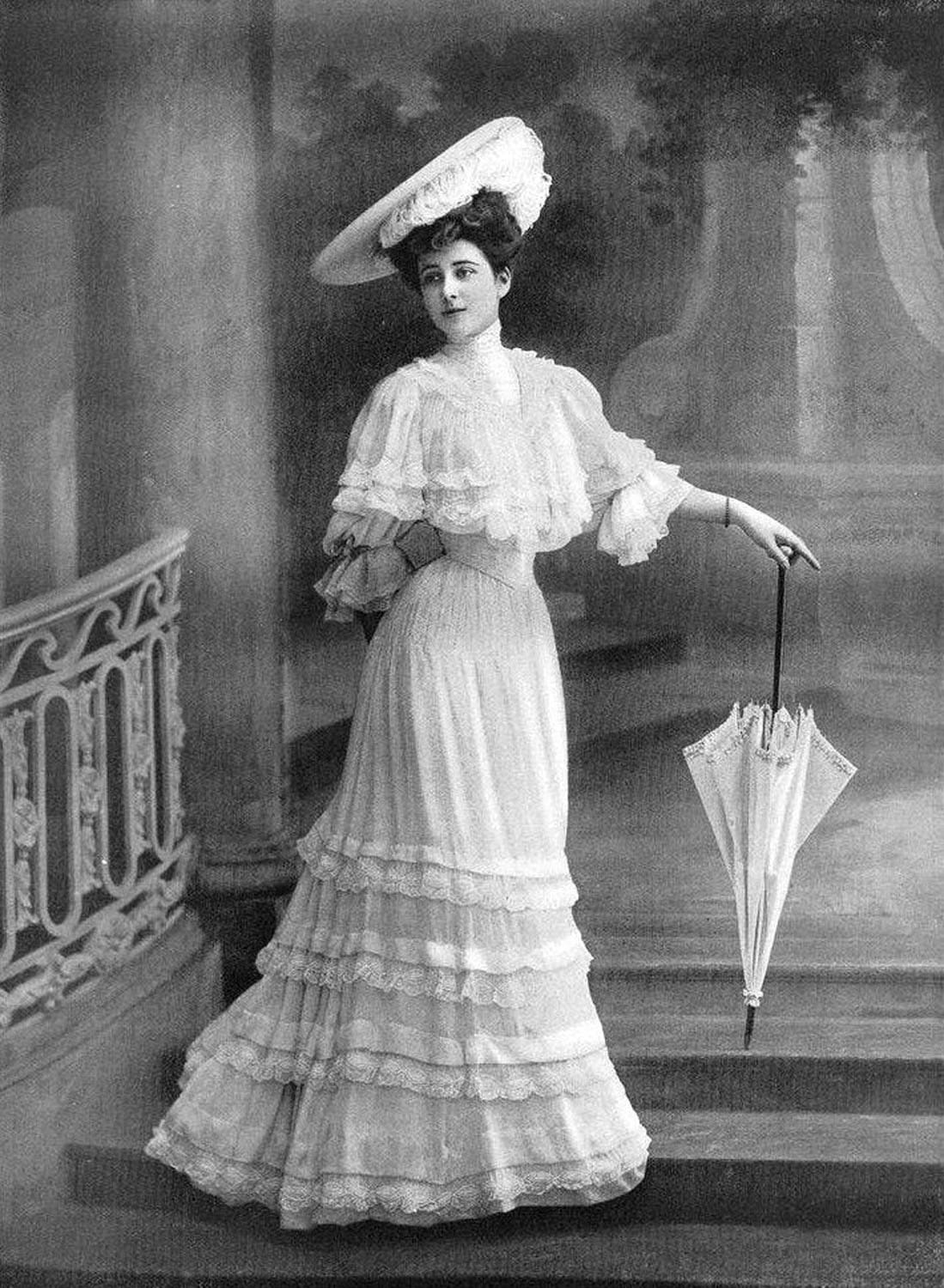
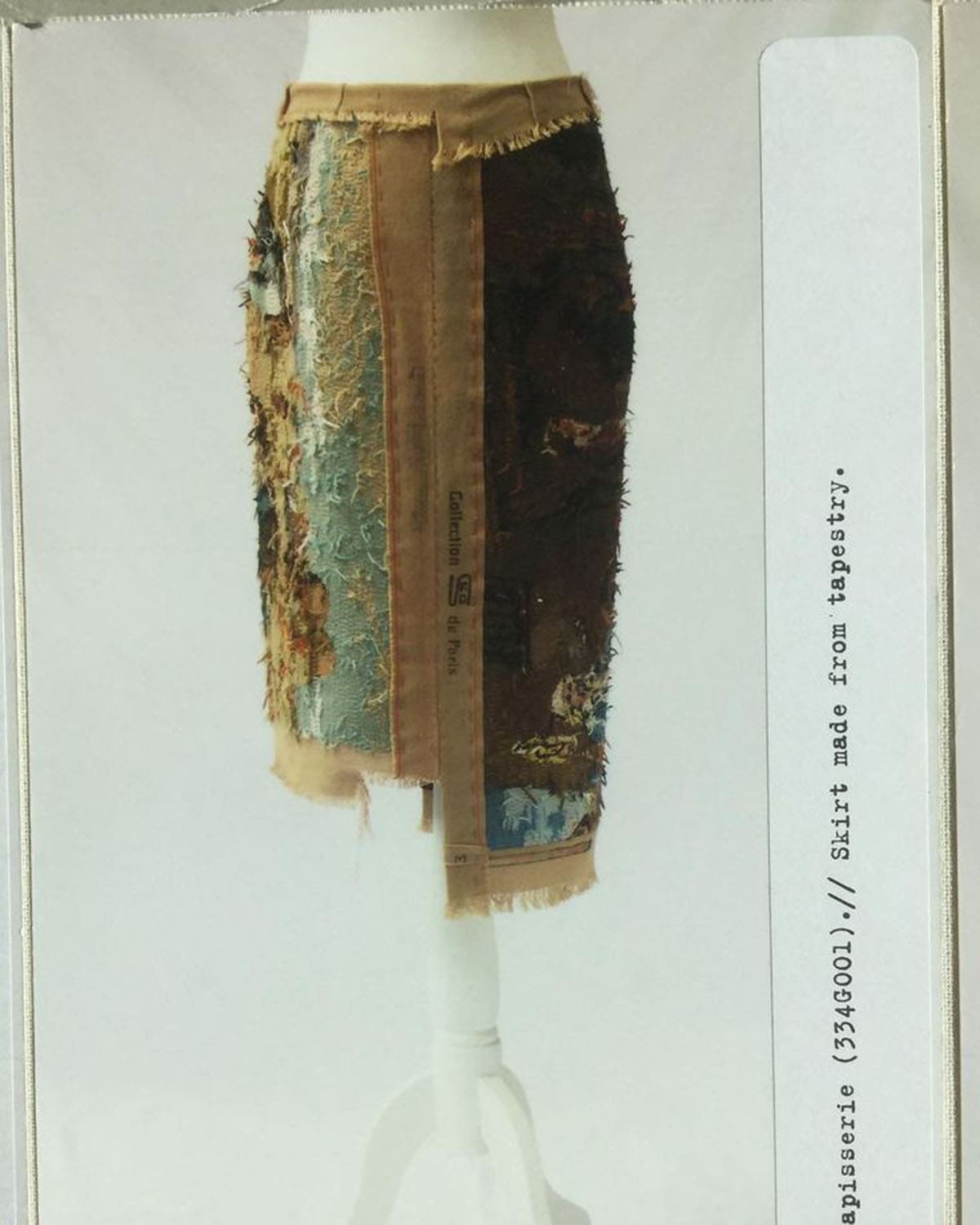
- The Ghost in the Fabric: Frayed vintage dresses were glued to new bases and then ripped away, leaving only the “memory” of their fibers behind. It is a hauntingly intellectual take on what remains when a garment dies.
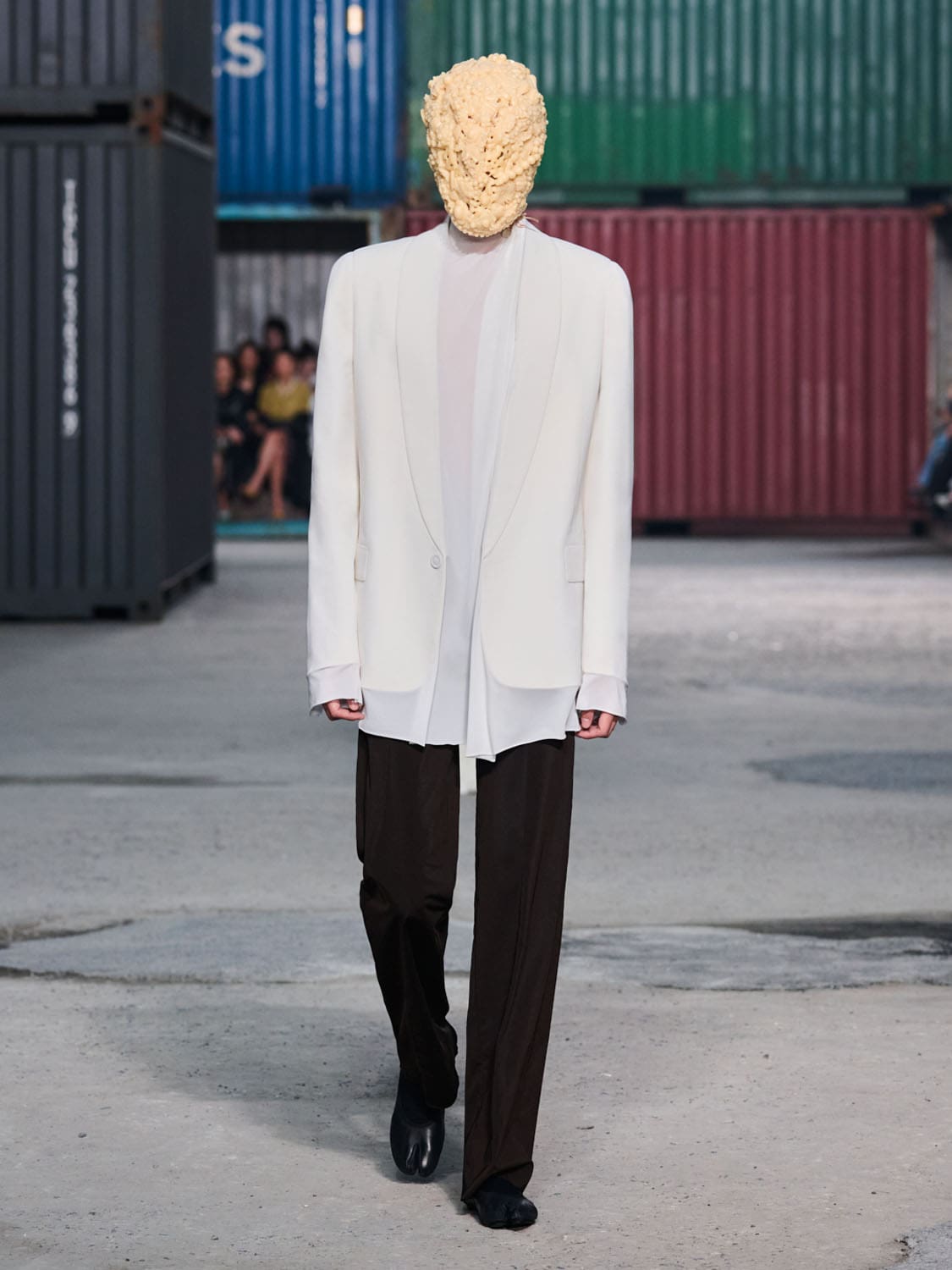
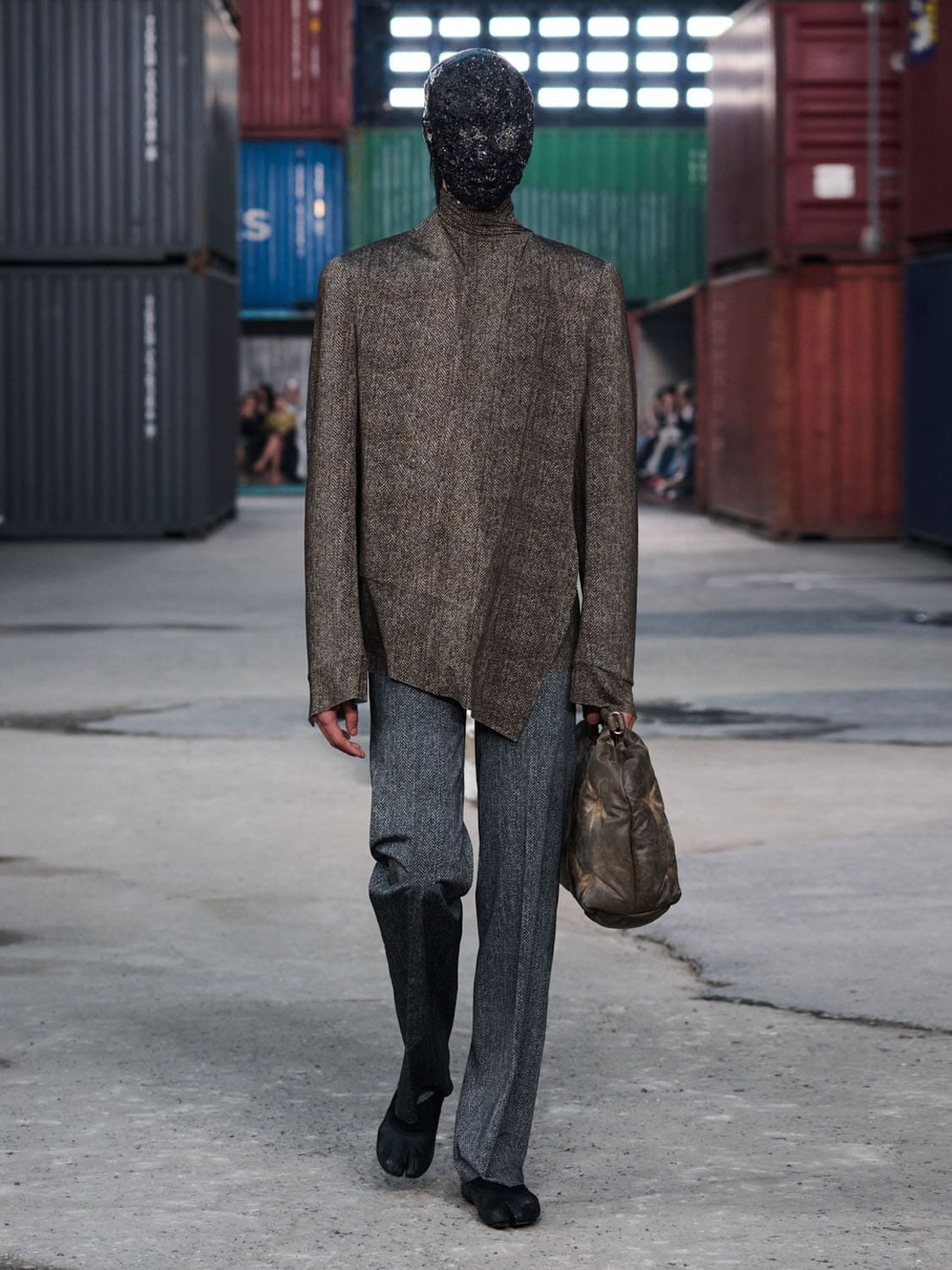
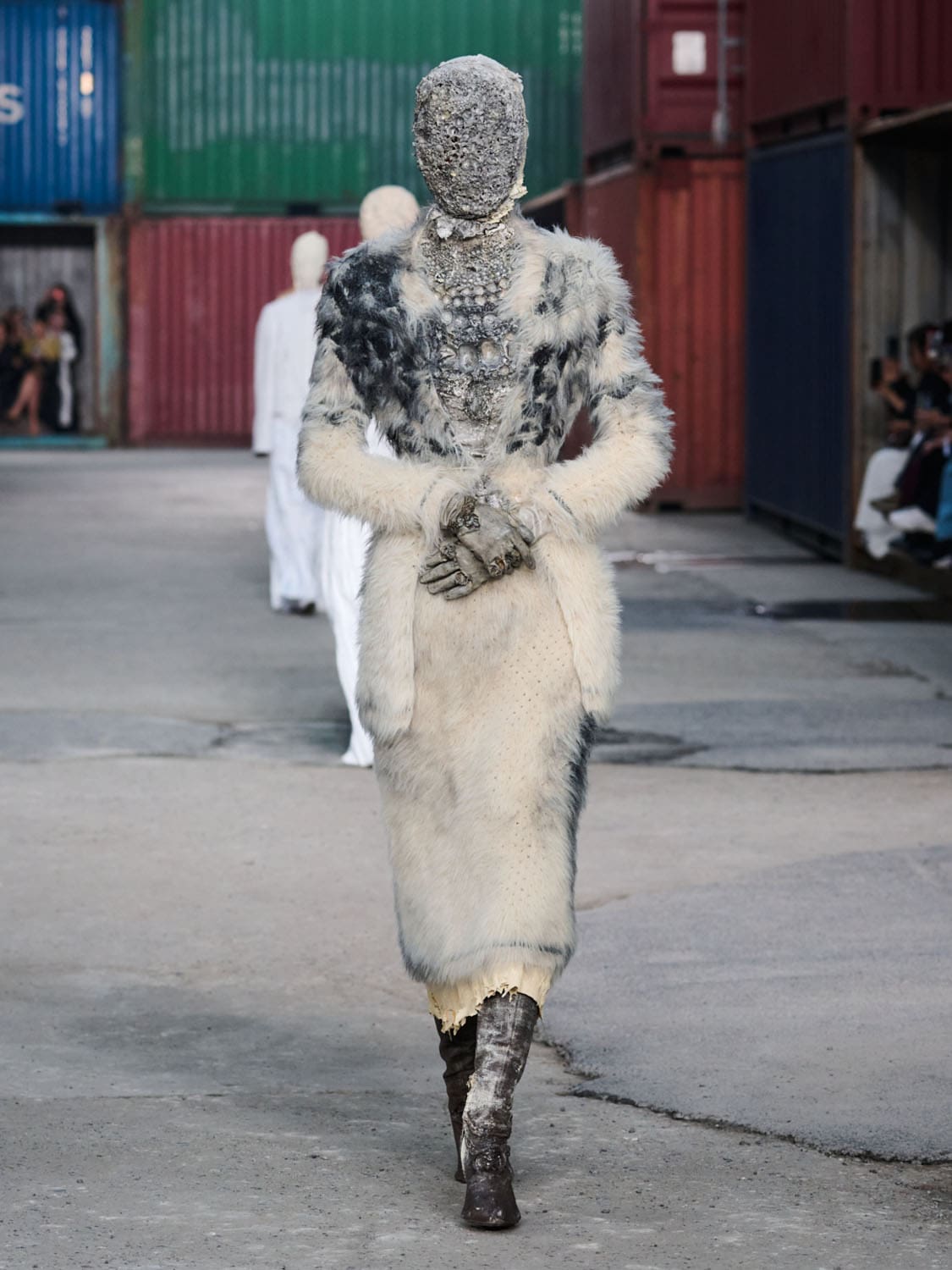
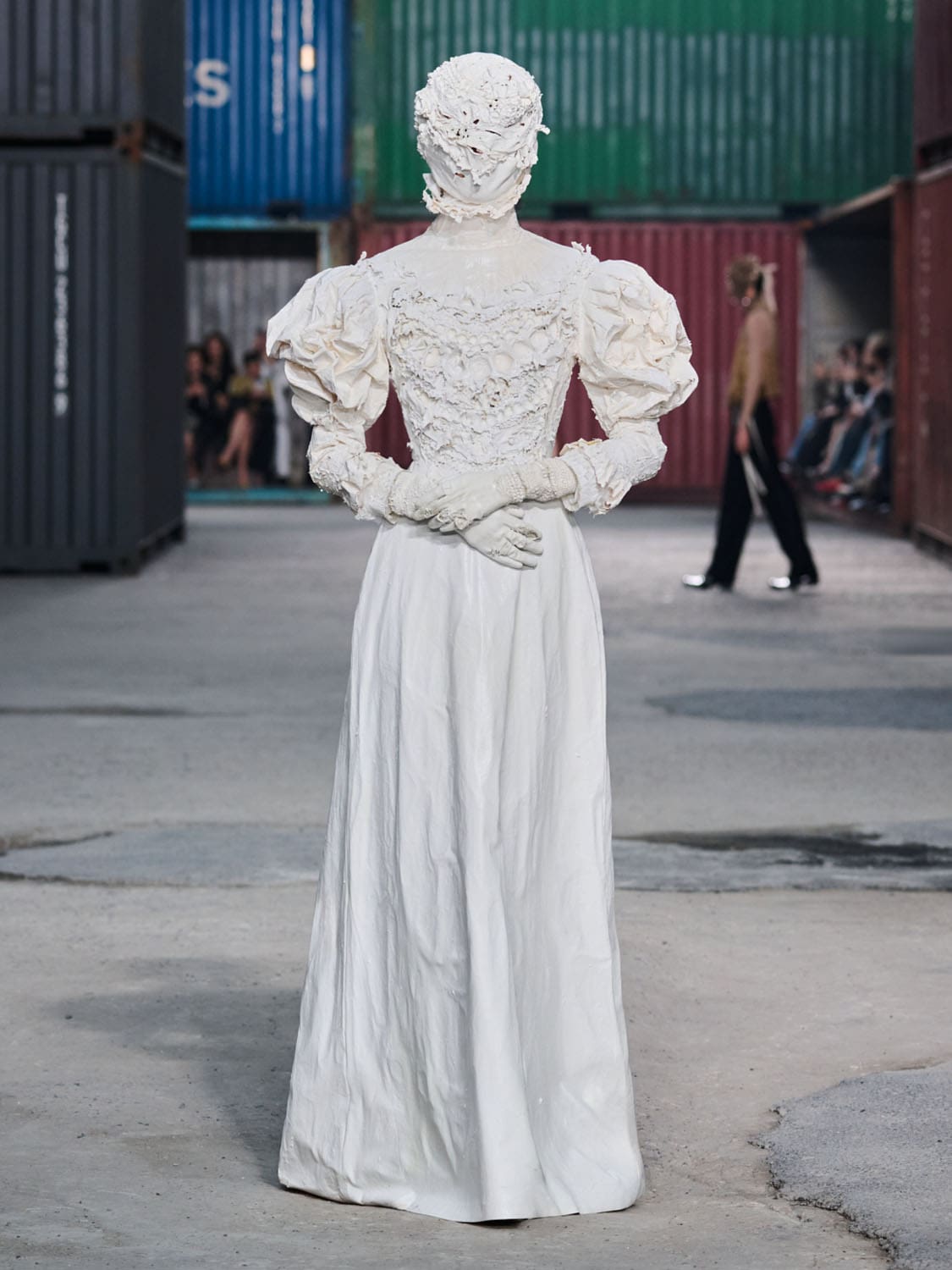
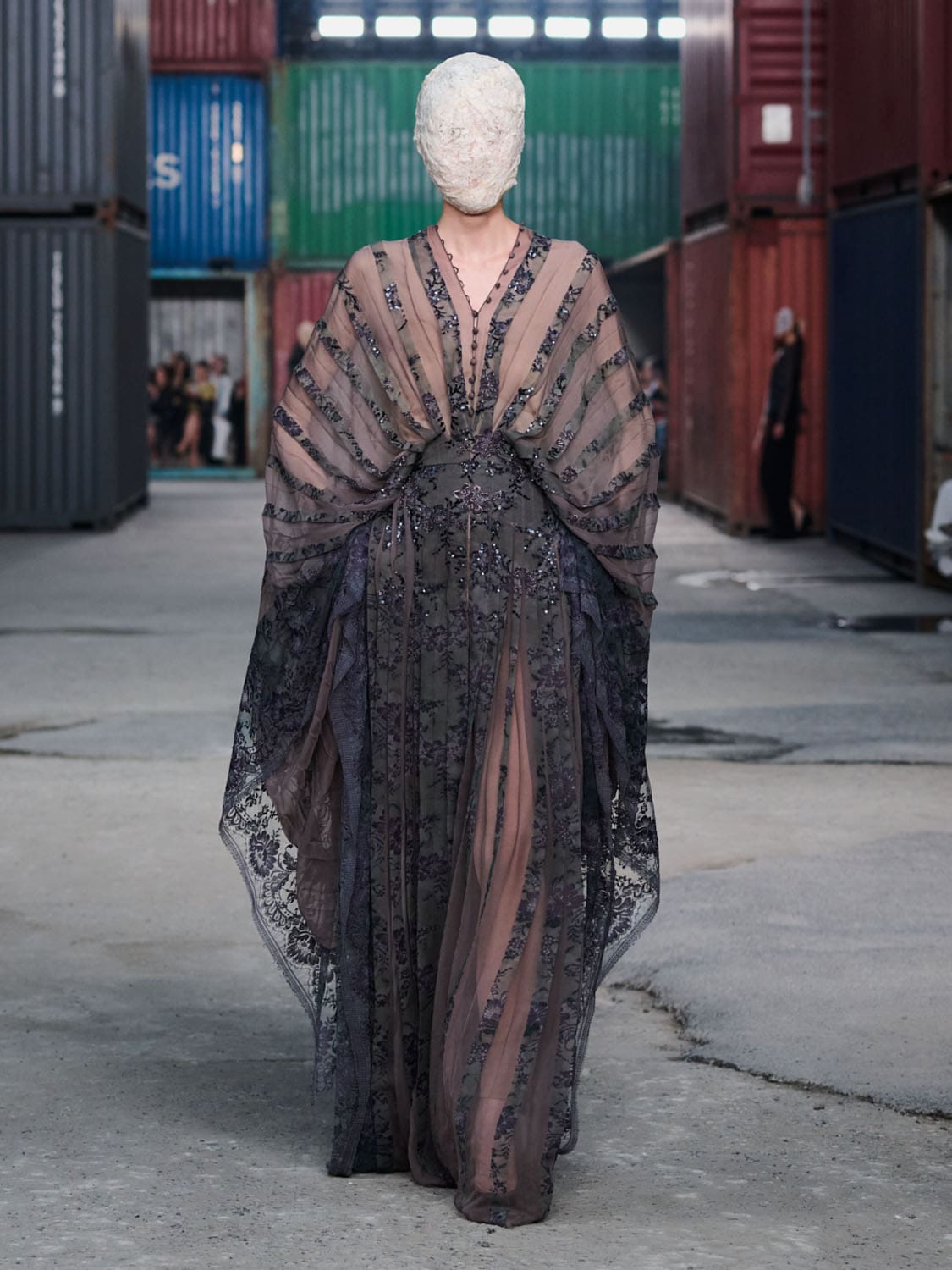
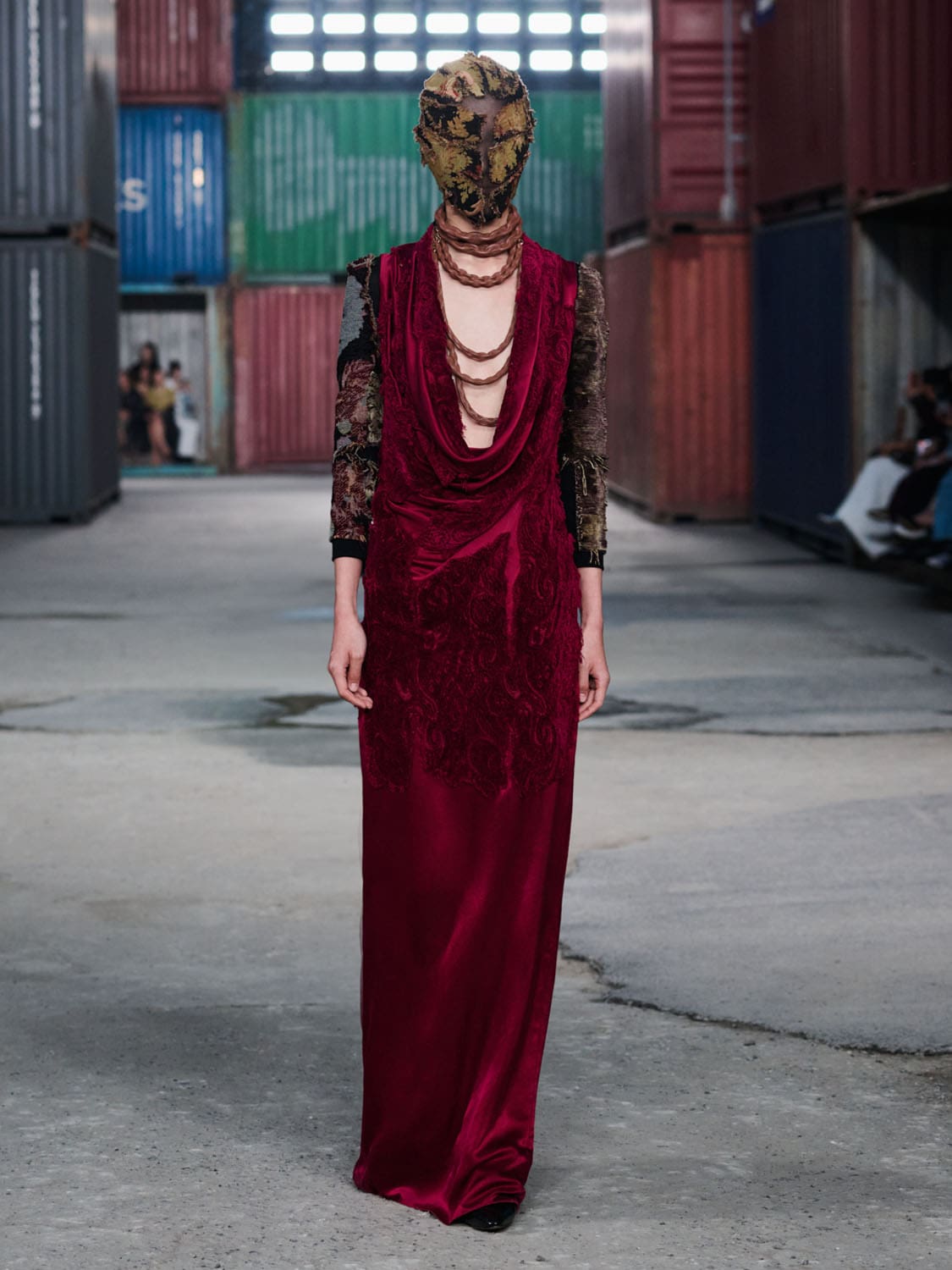
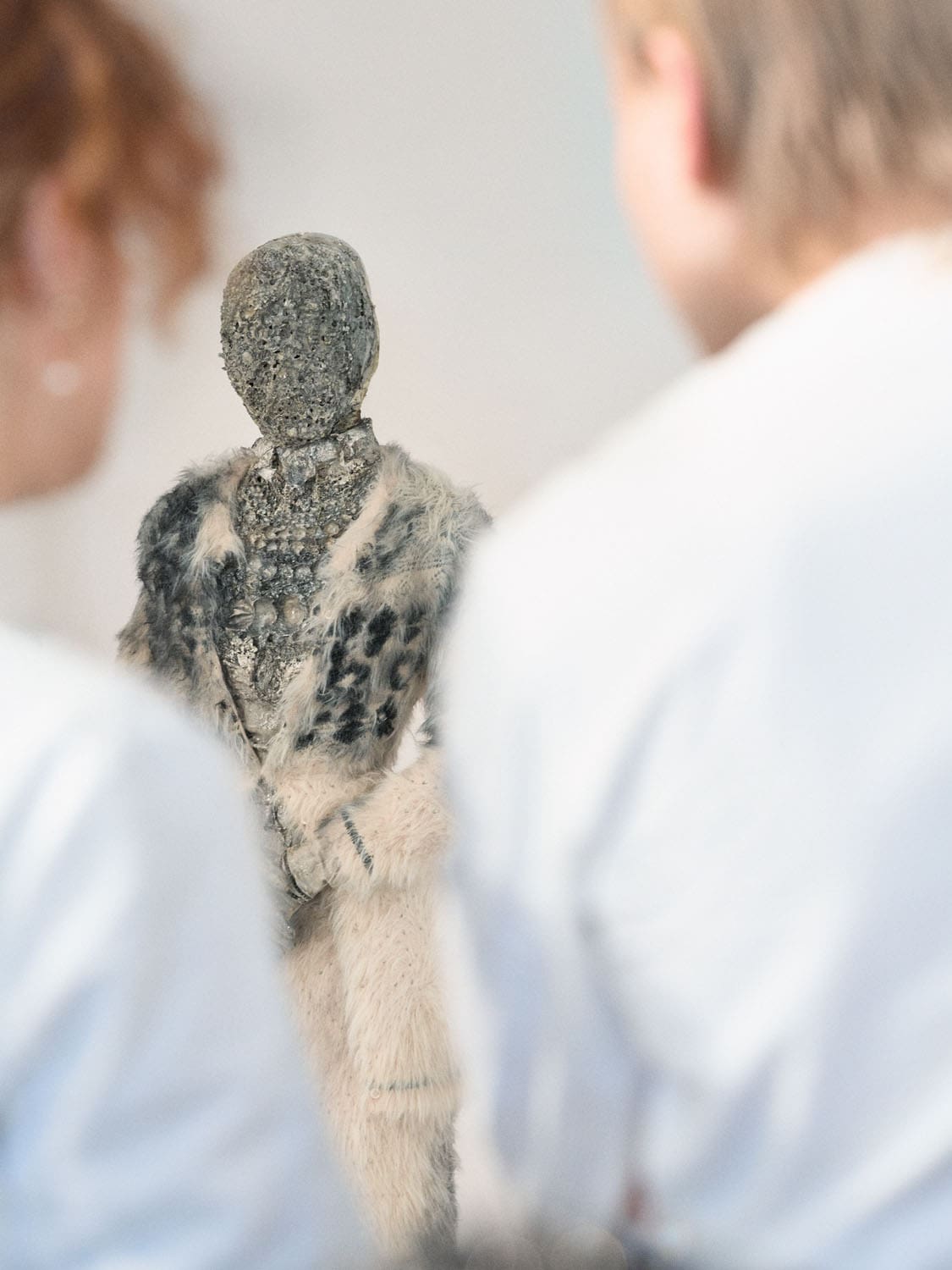
- The Waxed Eternal: In perhaps the most evocative technique of the season, Martens used beeswax to “freeze” time. Original Edwardian gowns were resized and submerged in wax, molding layers together into a singular, sculptural mass.
The Folders: A Four-City Cartography of Style
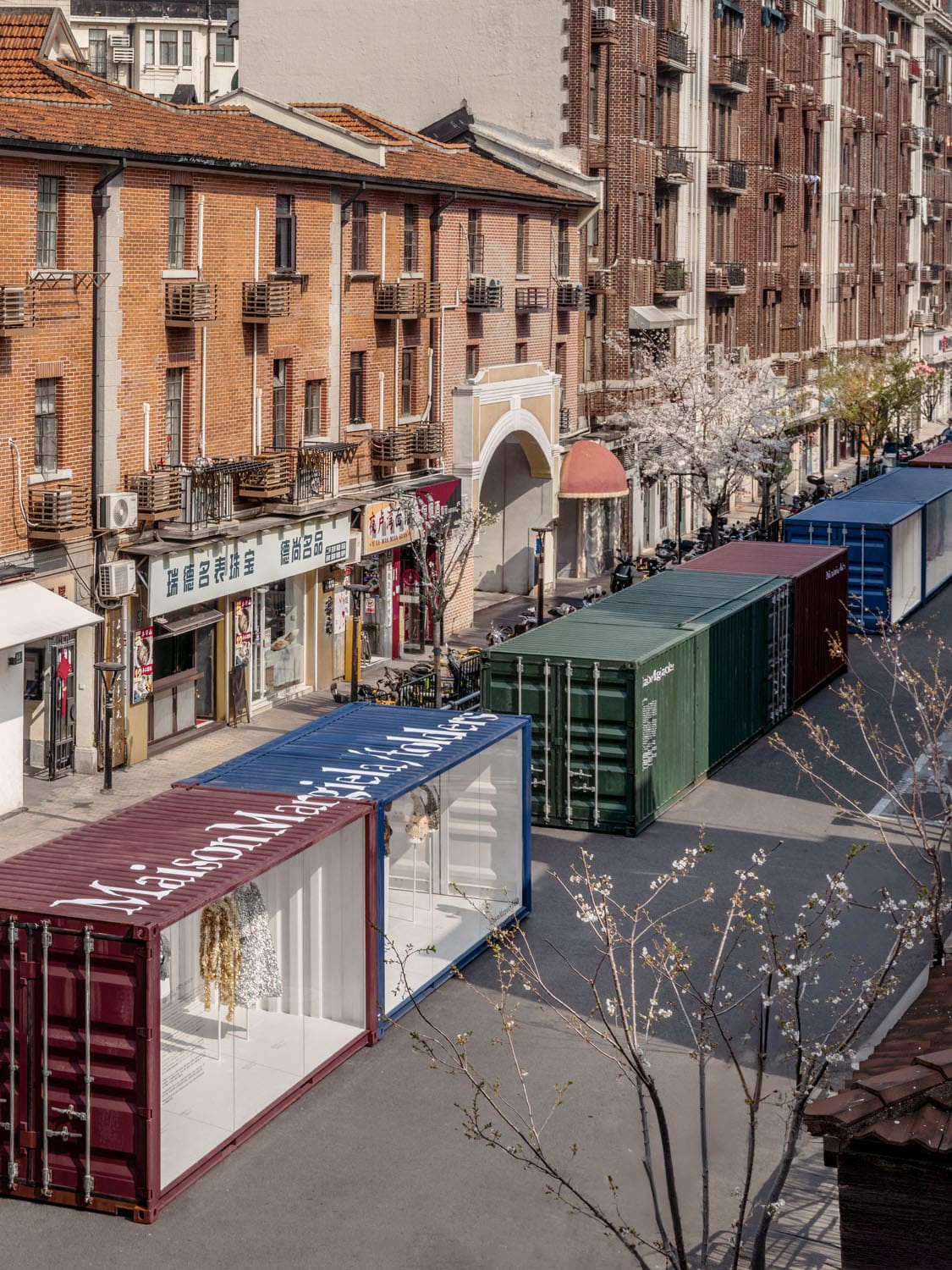
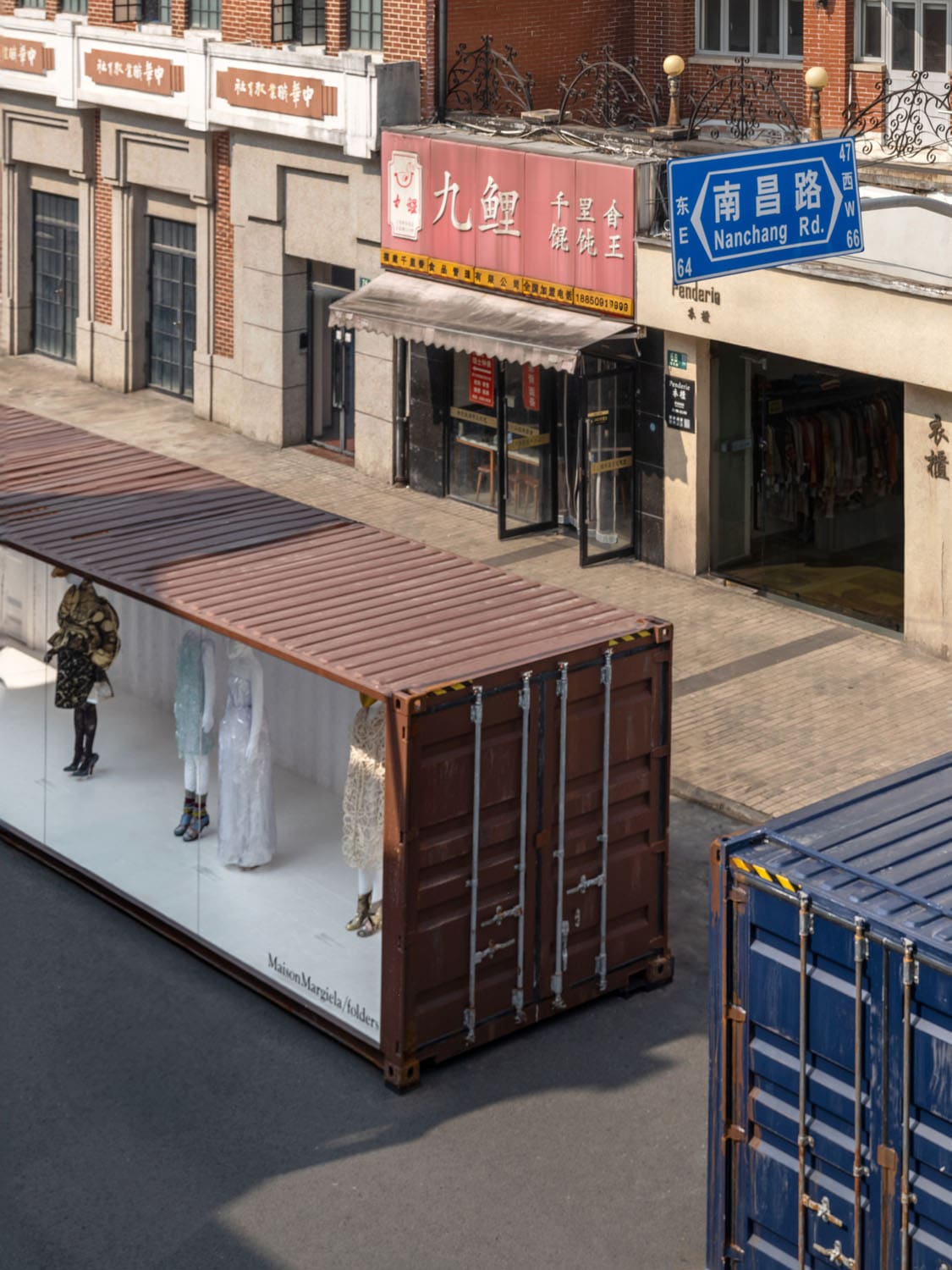
The Shanghai show served as the prologue to Maison Margiela, an ambitious activation across China that treats the House’s DNA like a series of open-source files. Each city hosts a specific chapter of the Margiela lexicon.
By opening the “working folders” to the public, Martens is doing something radical: he is demystifying the mystery while maintaining the magic. He is inviting the observer to see the archival research and the “why” behind the stitch.
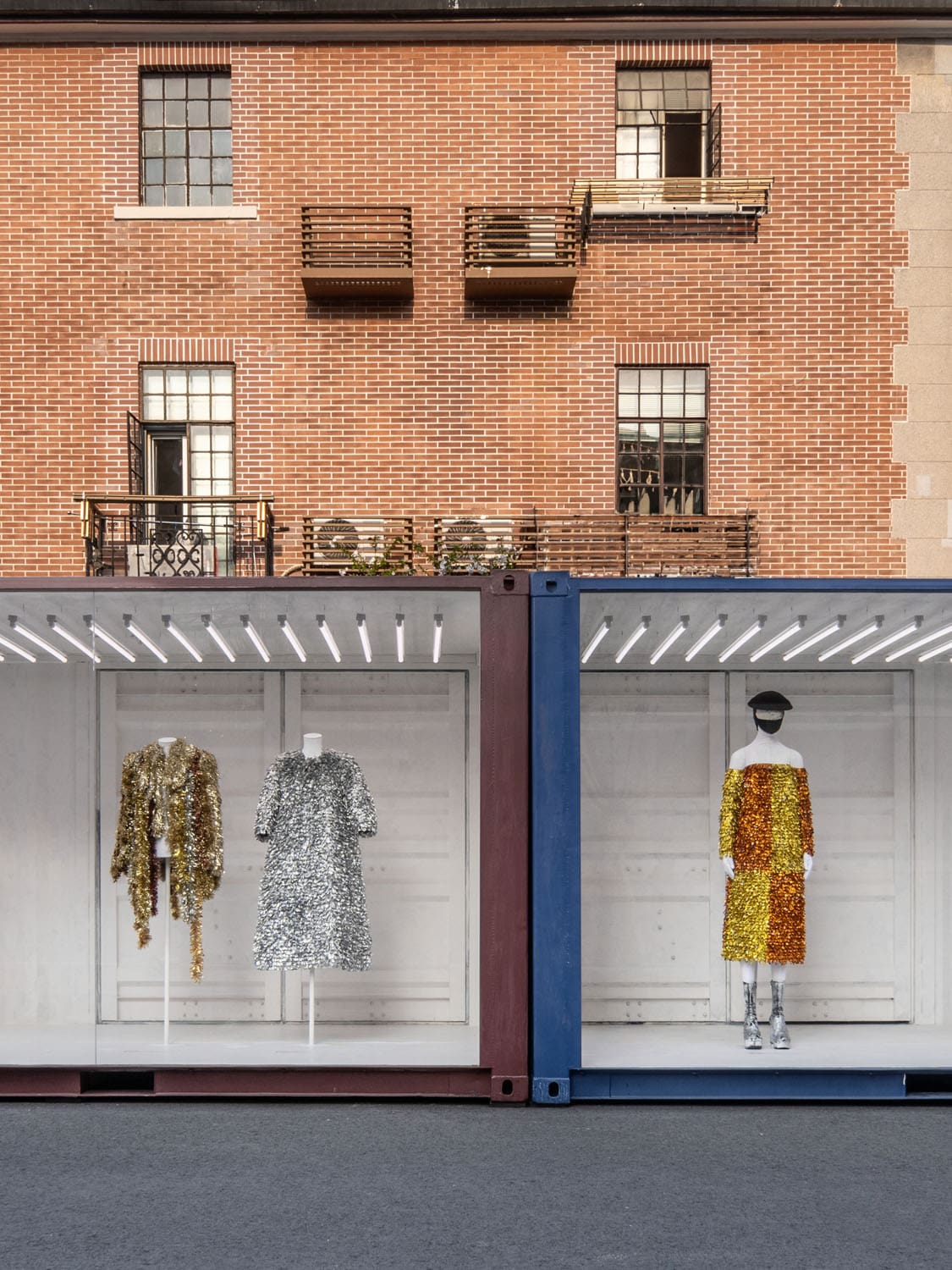
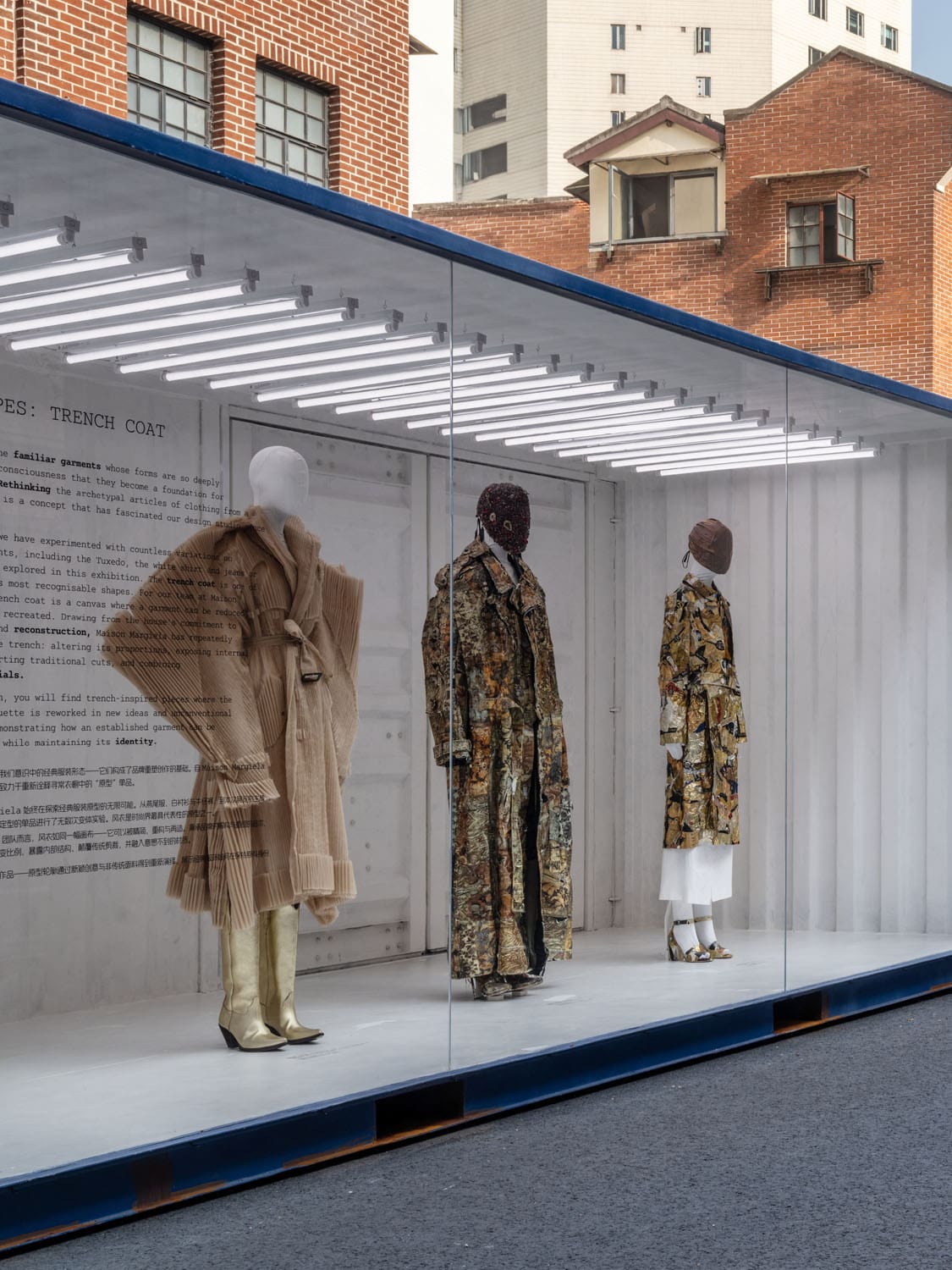
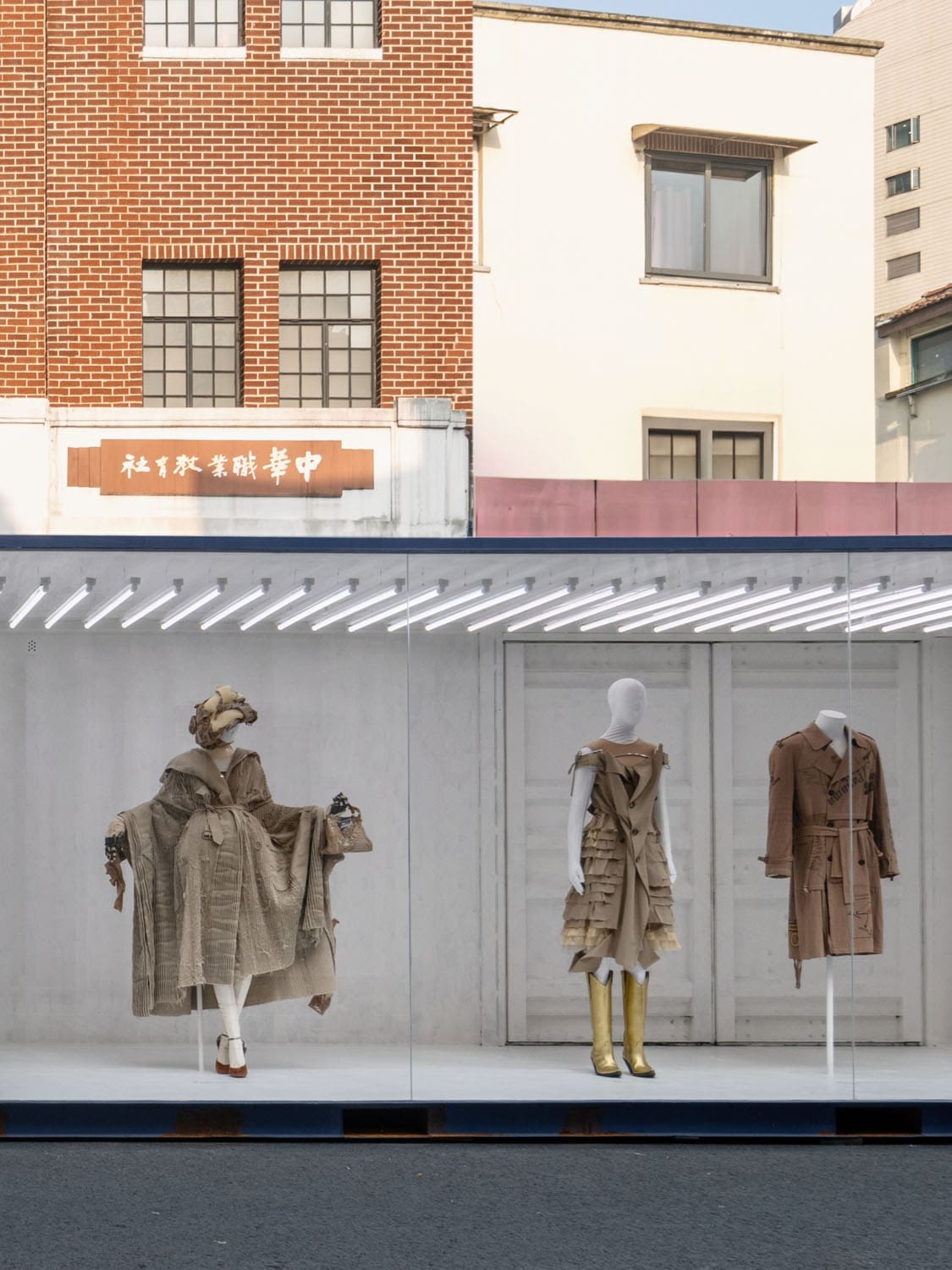
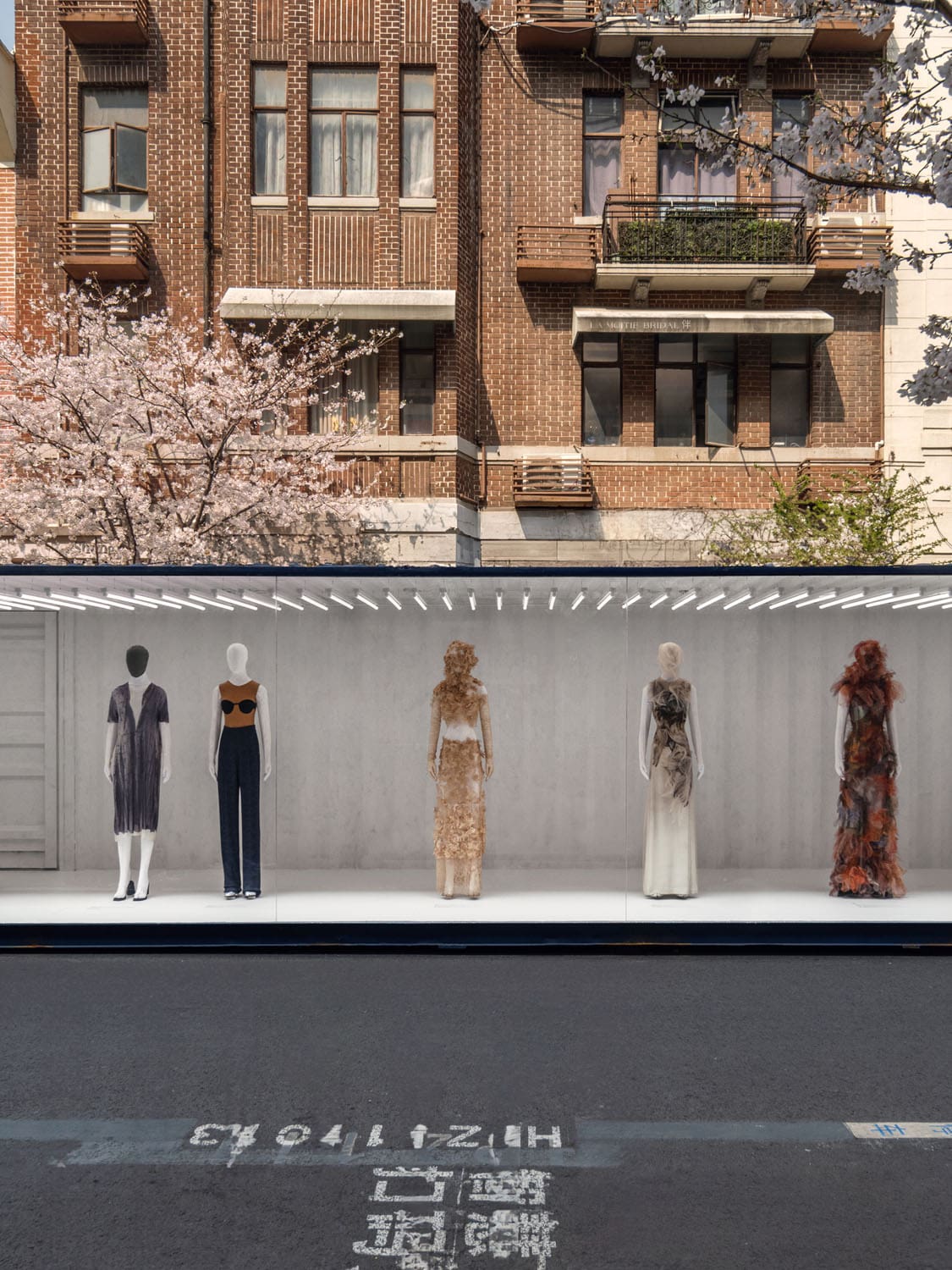
Analysis: Why Martens is the Rightful Heir
For years, the industry wondered who could balance the raw deconstruction of Margiela with the commercial pressures of the 2020s. Martens is the answer because he understands that Margiela is not a look; it is a logic.
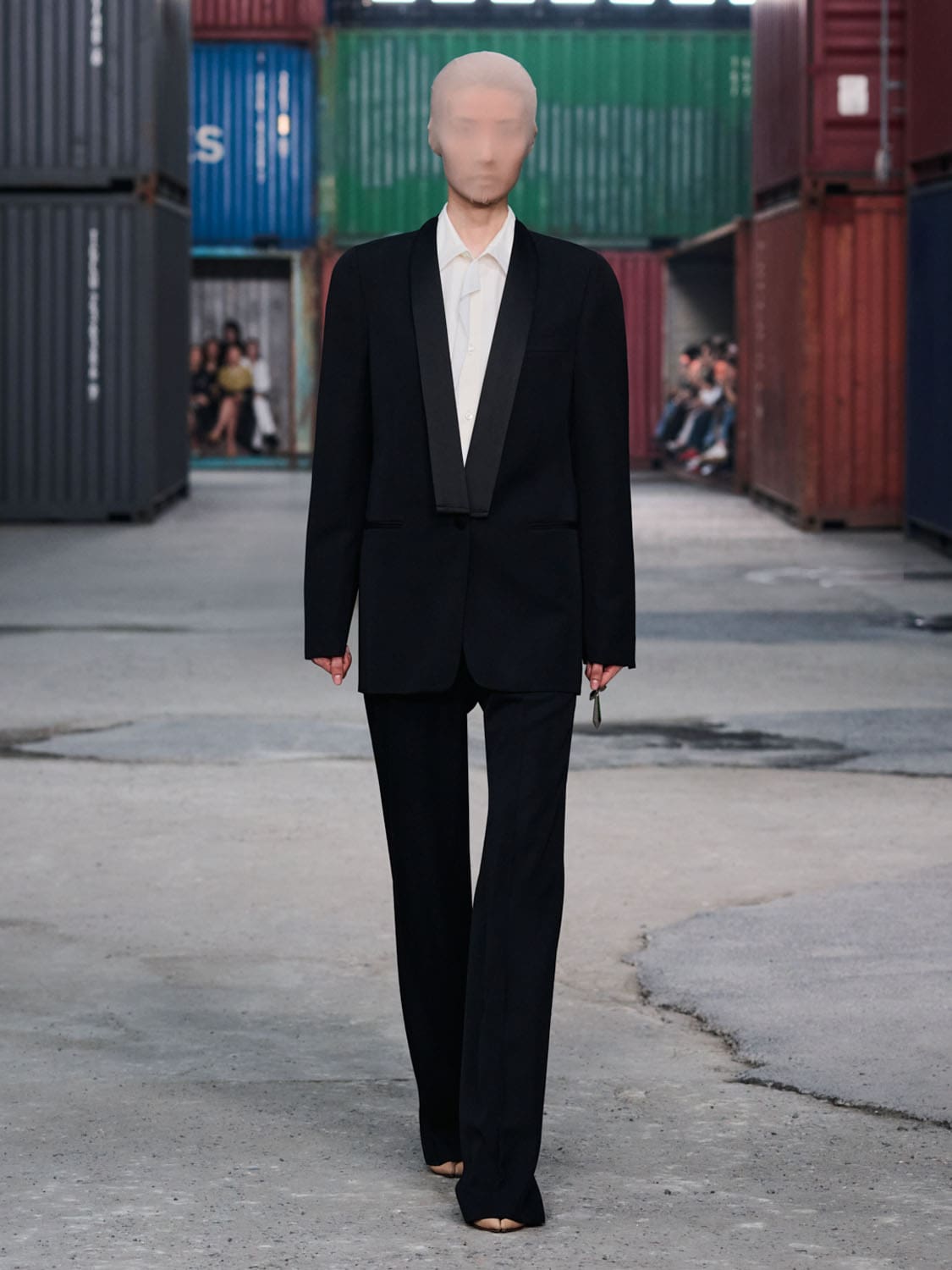
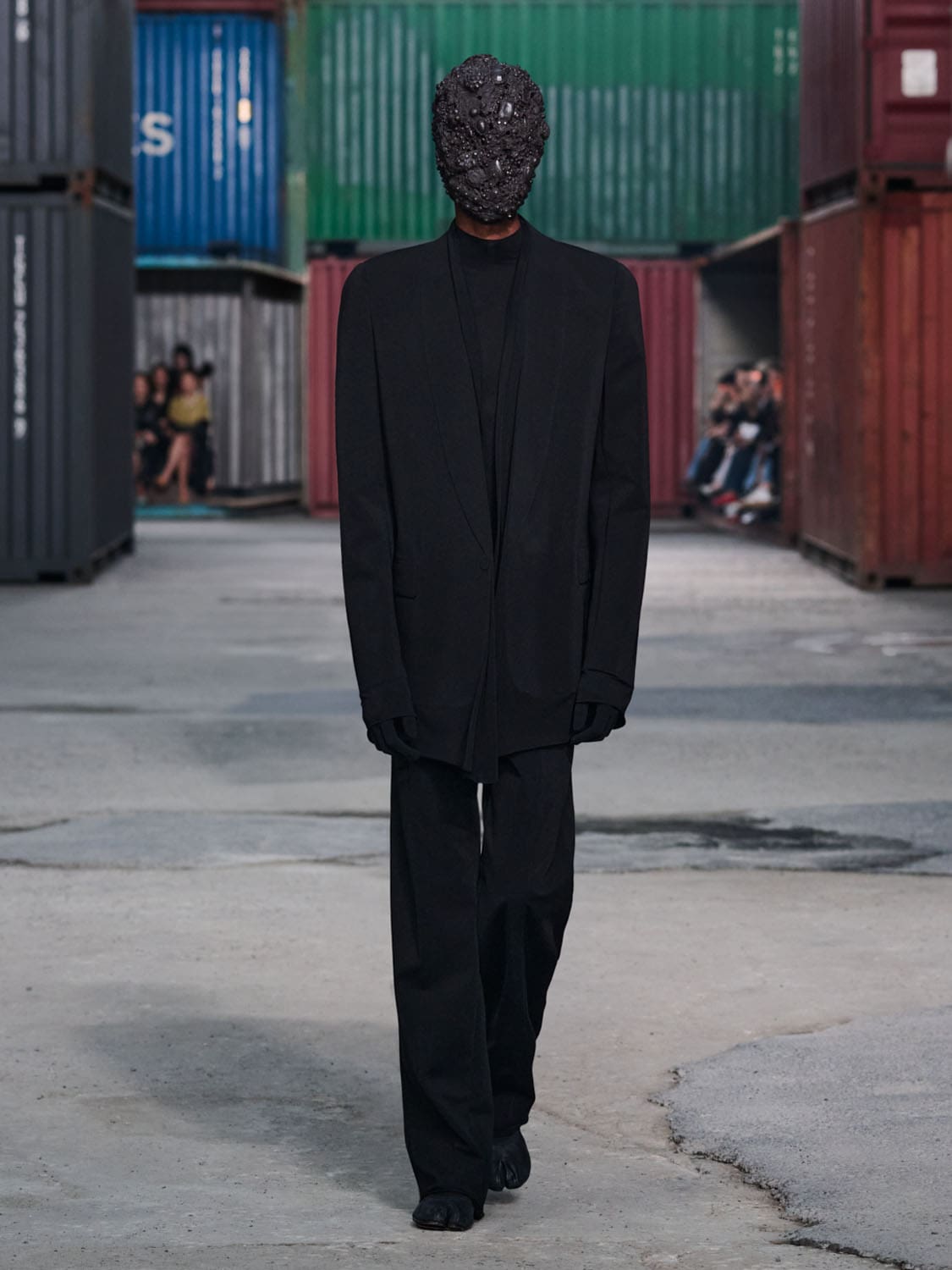
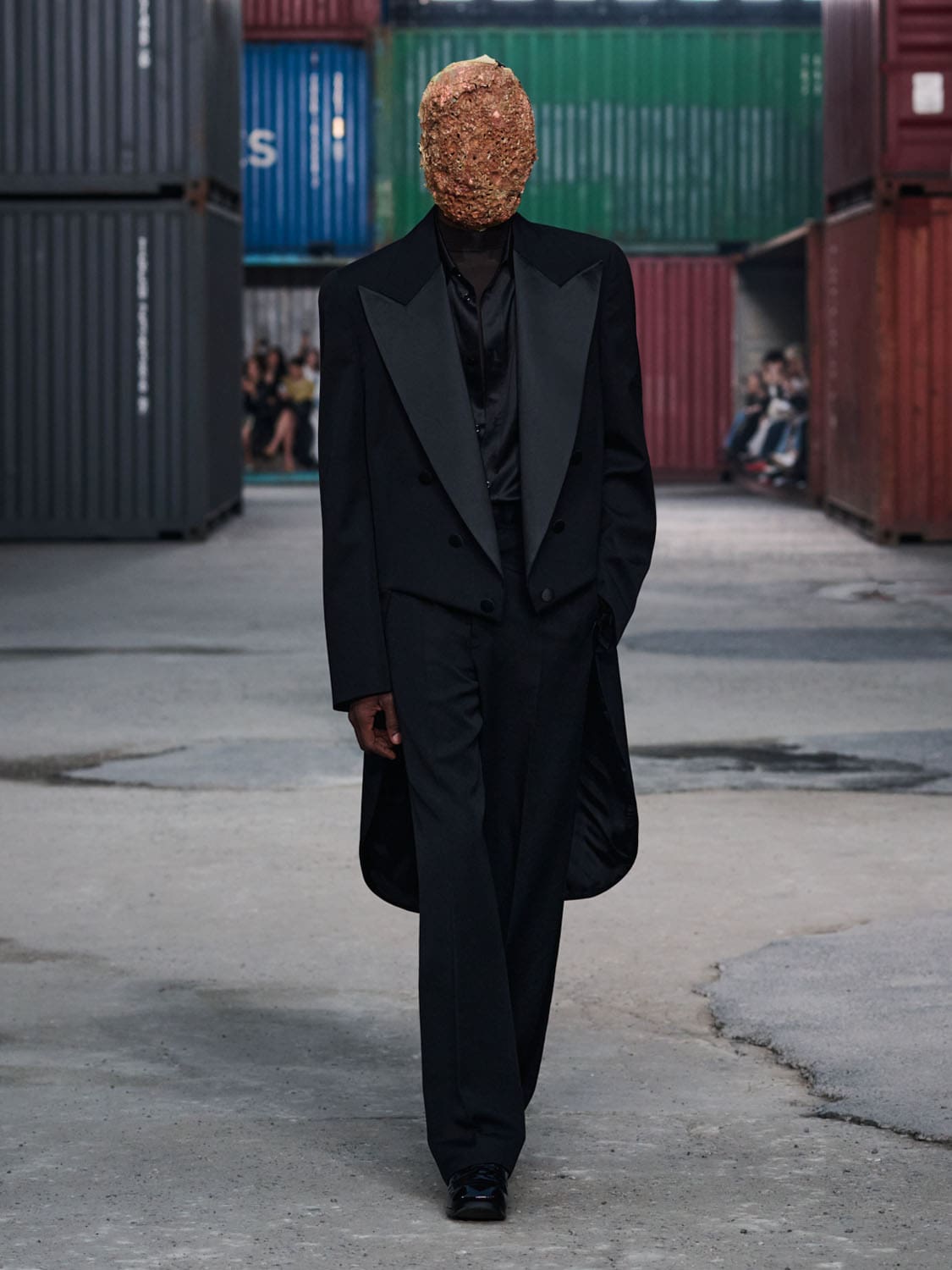
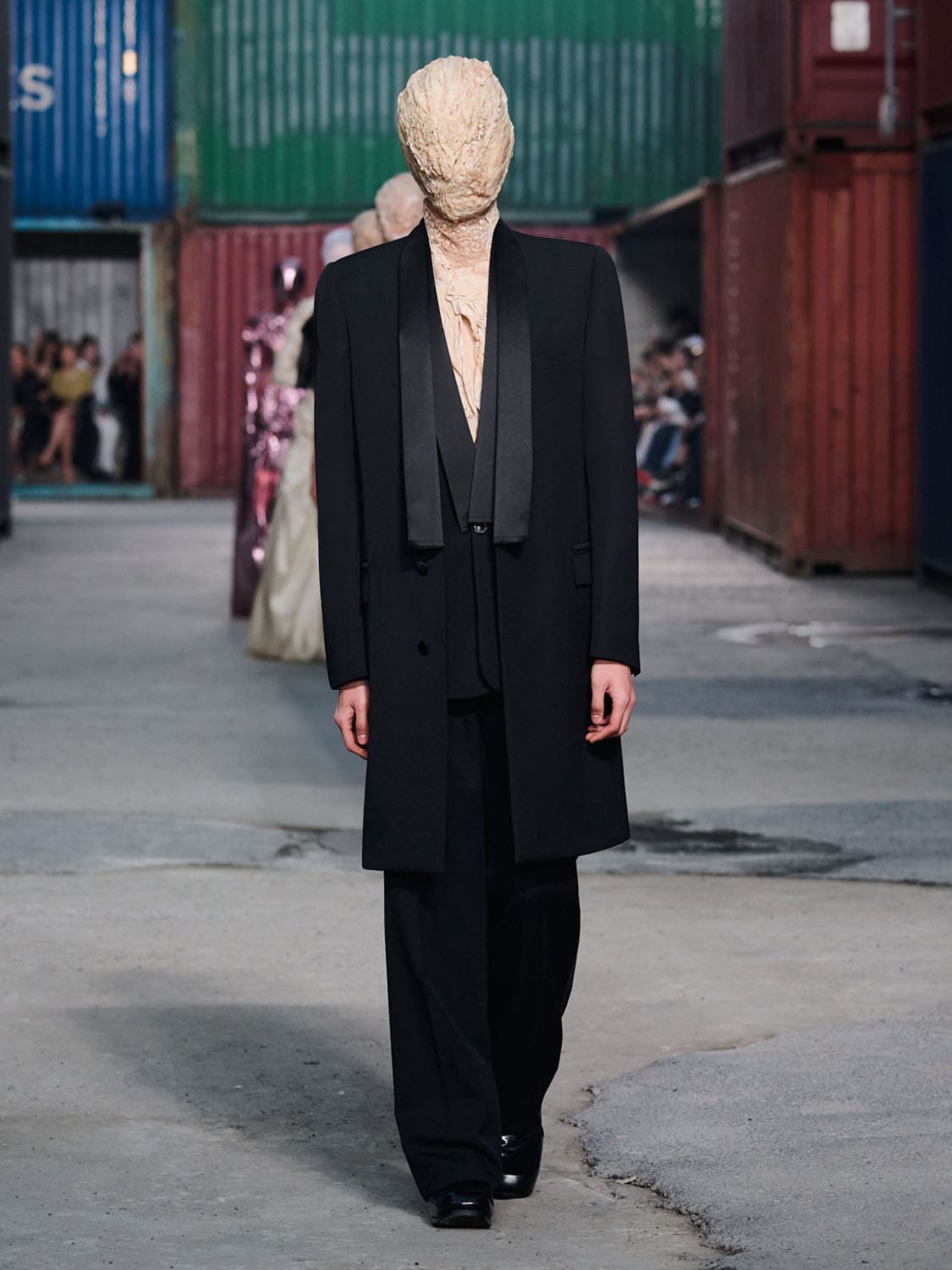
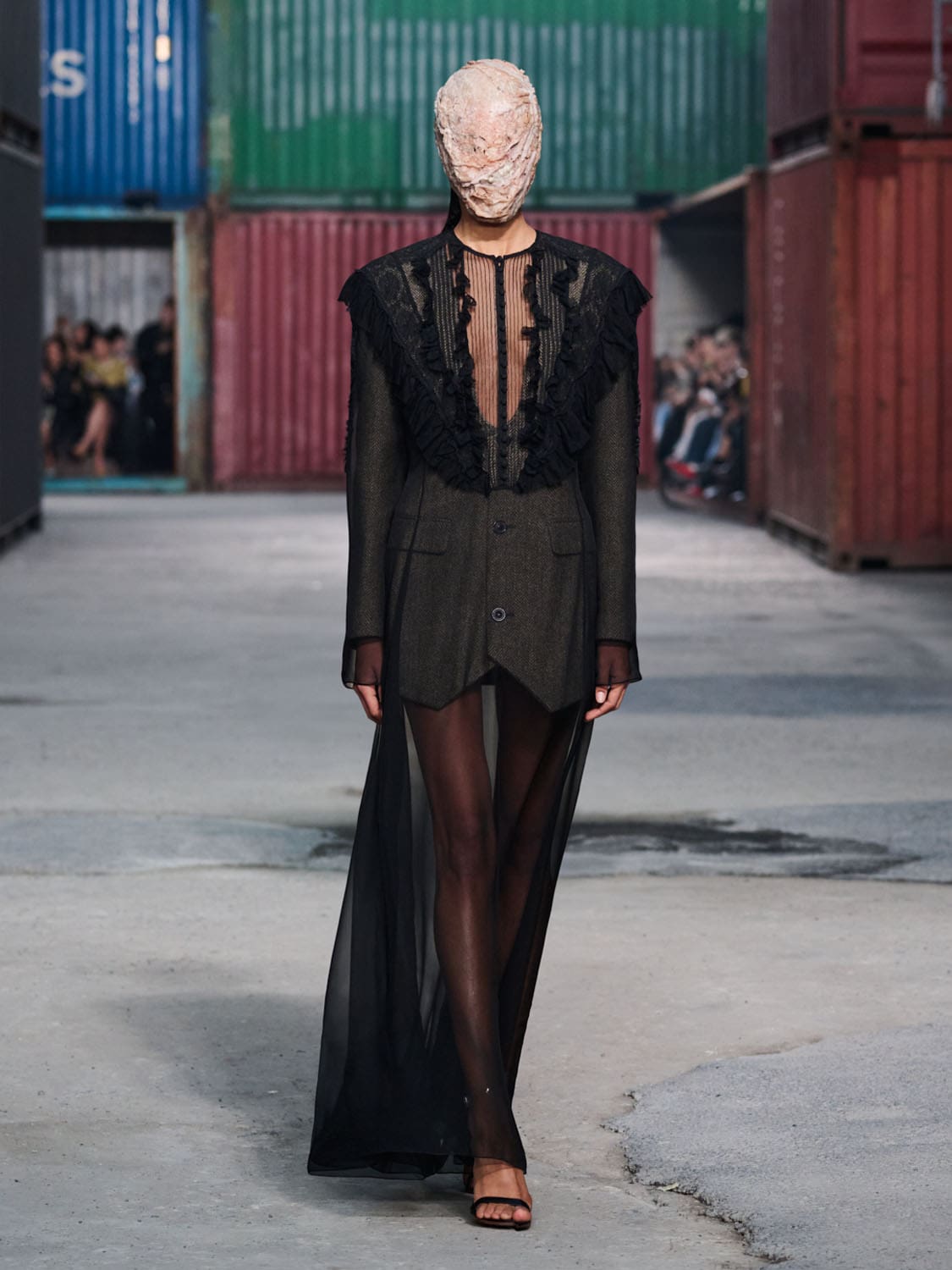
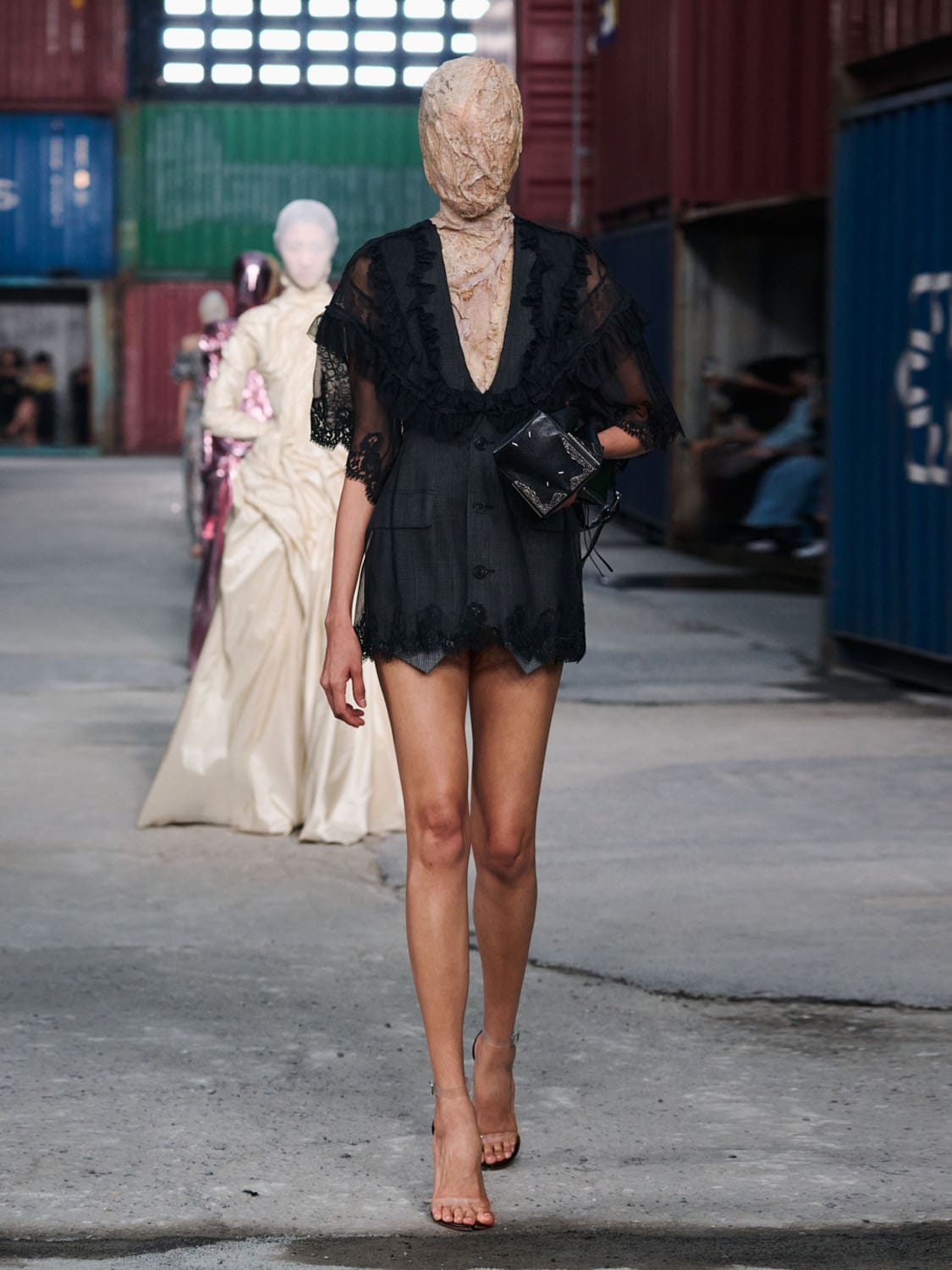
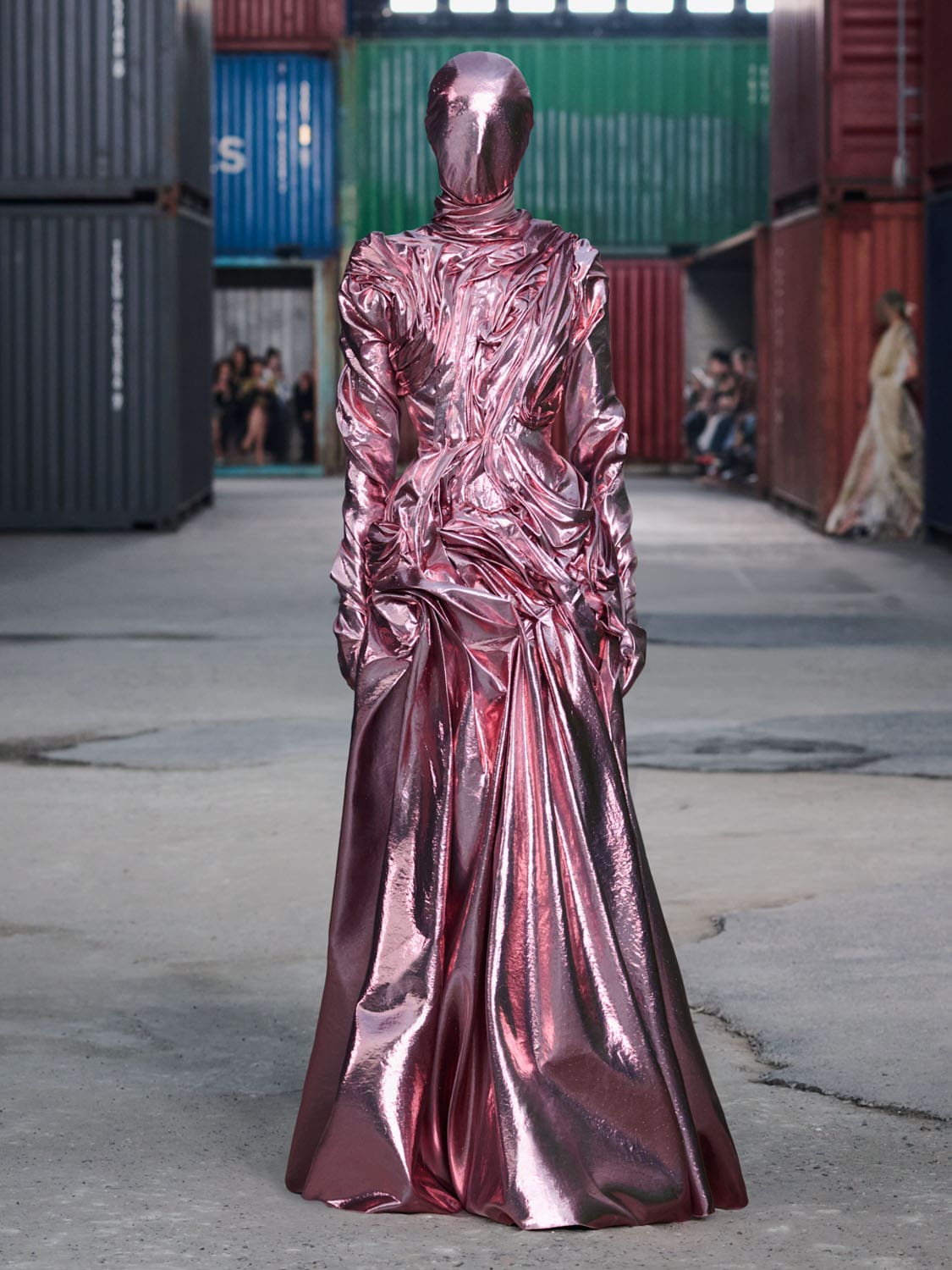
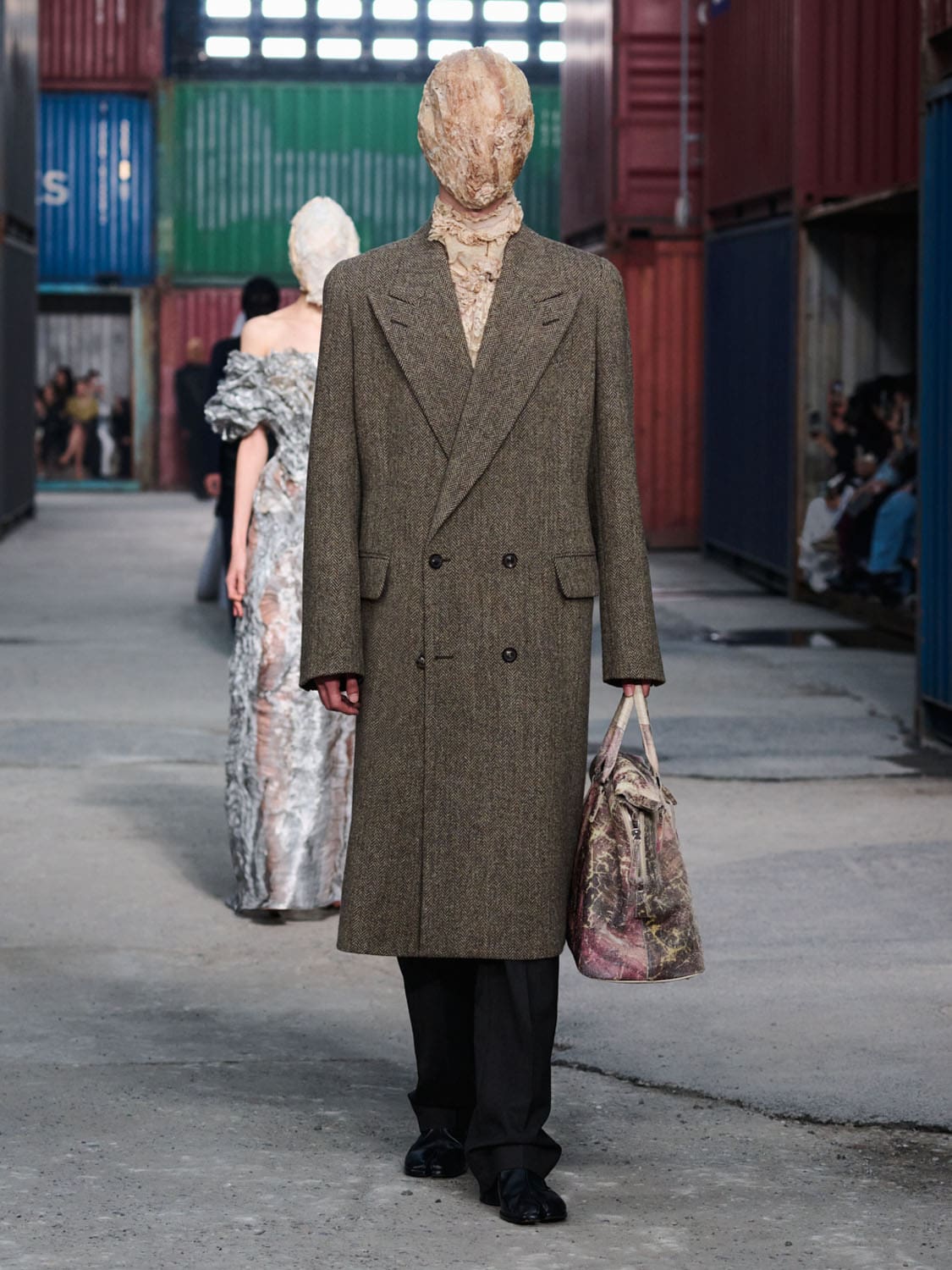
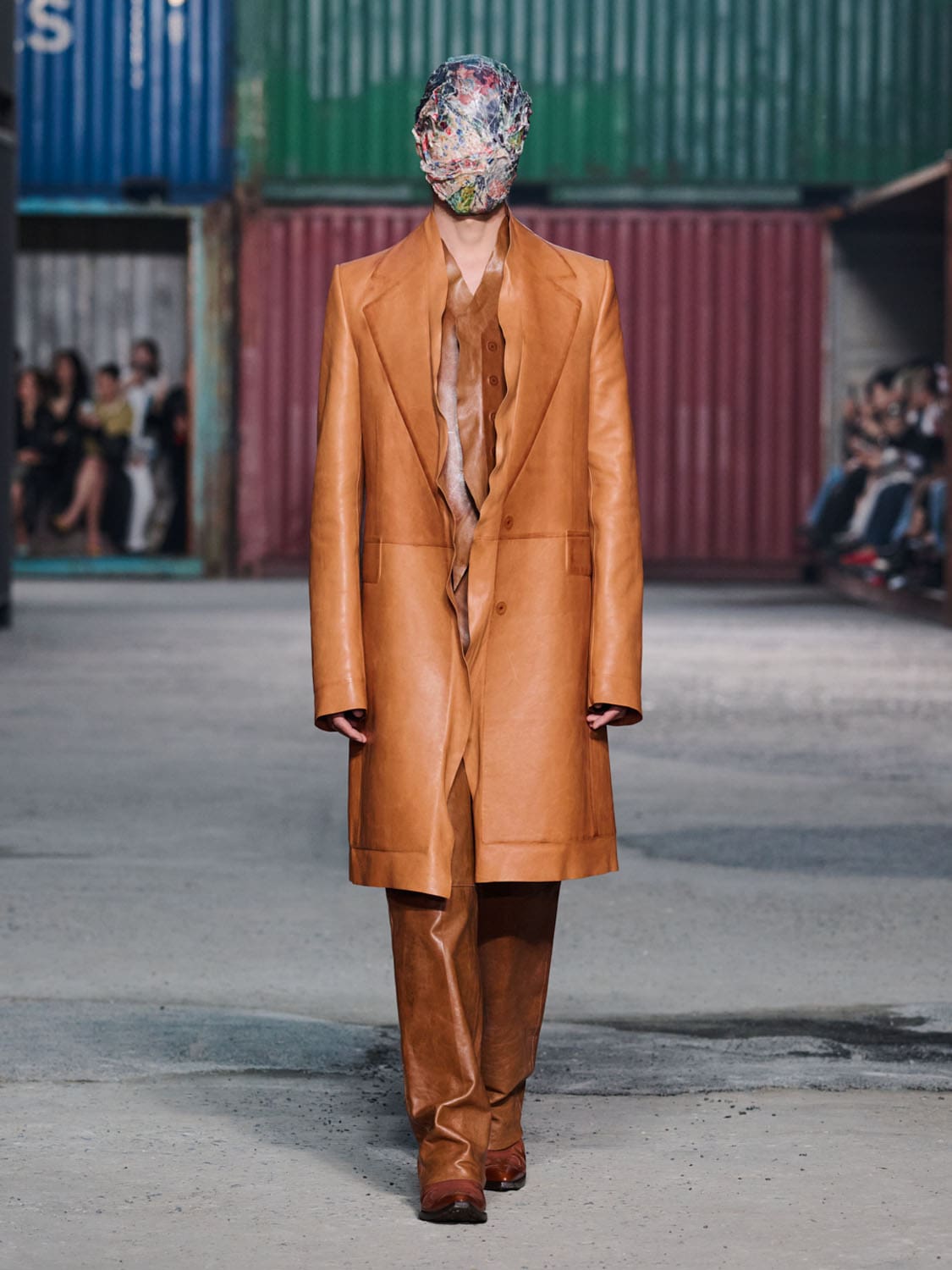
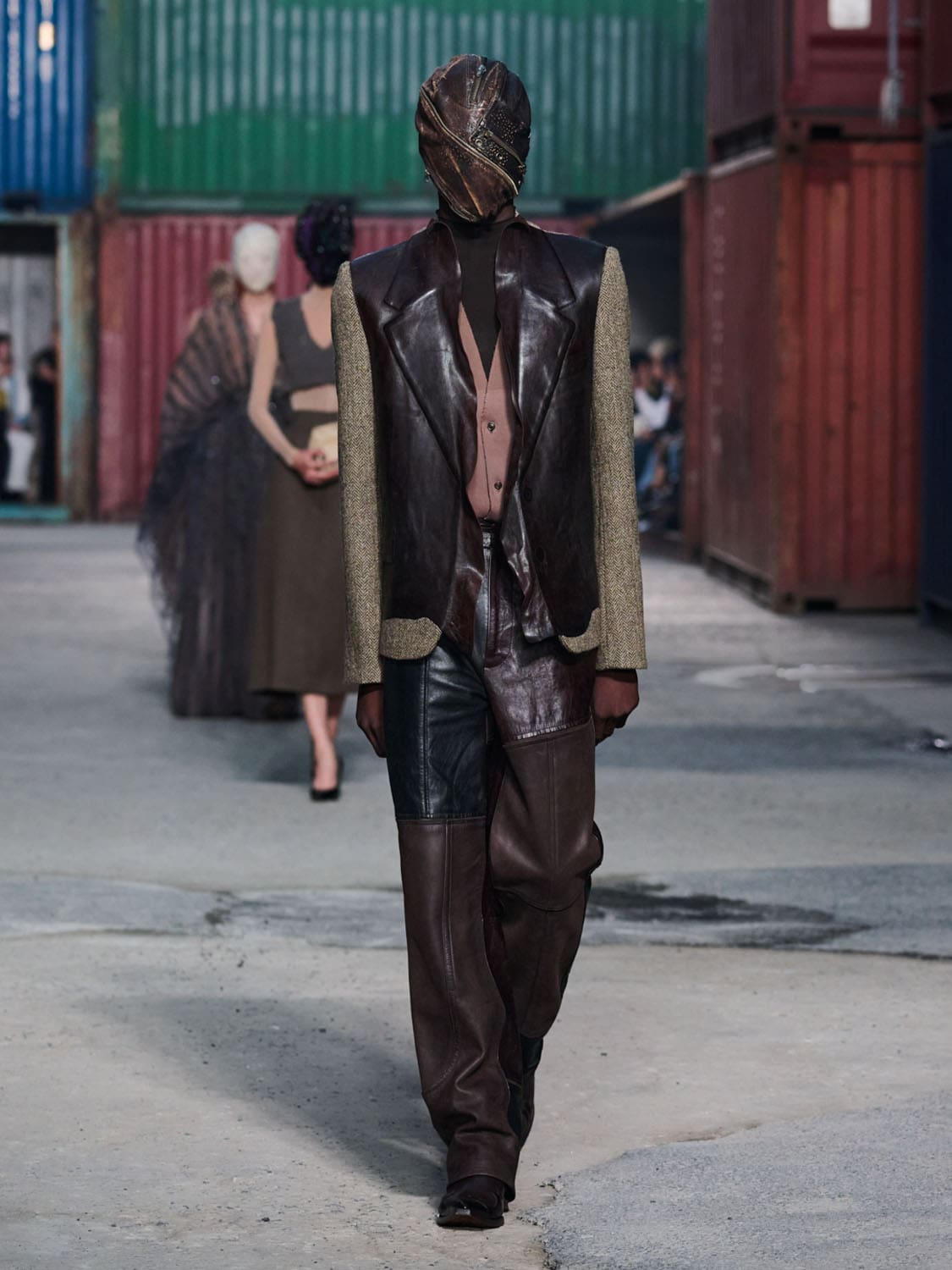
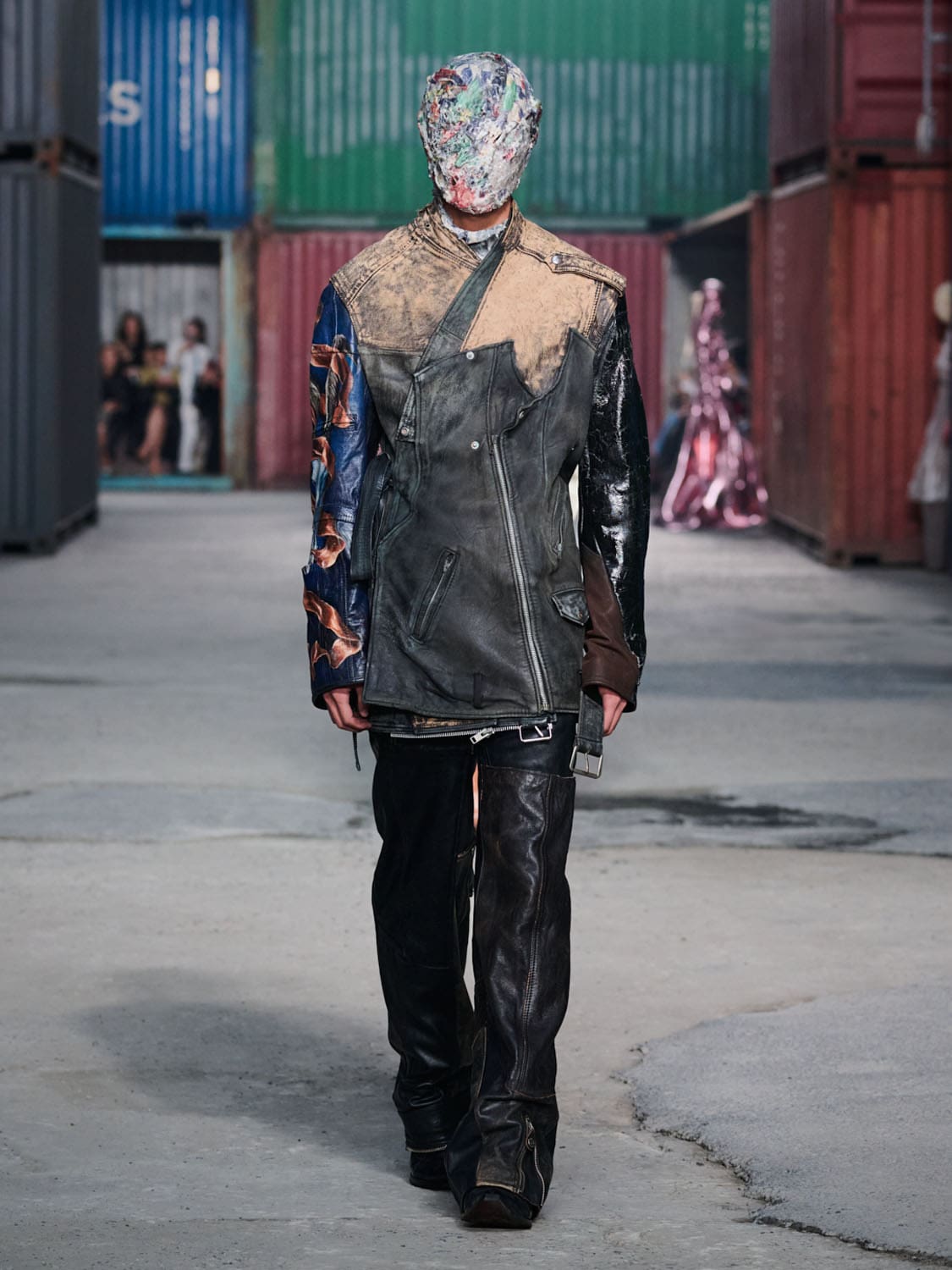
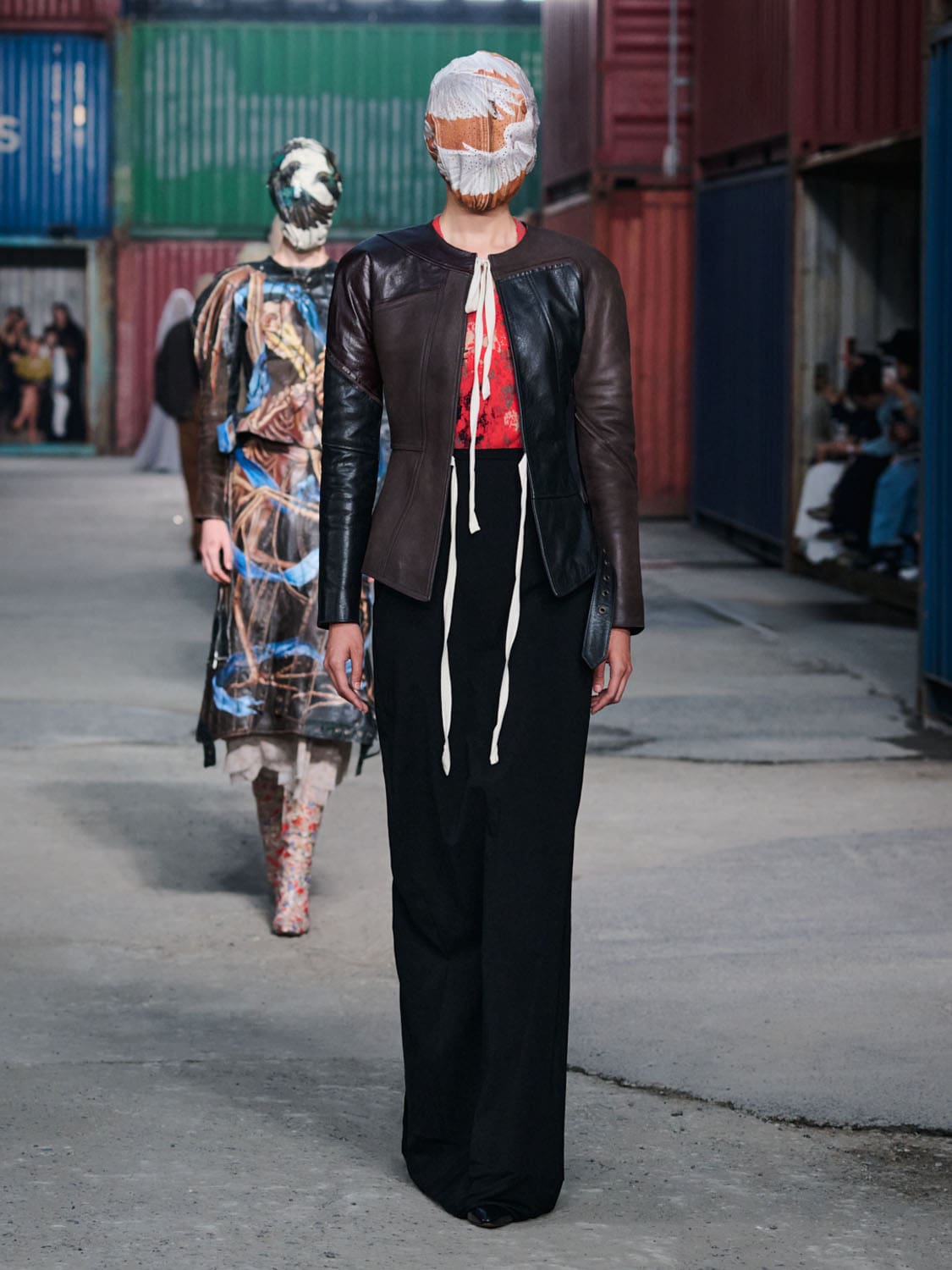
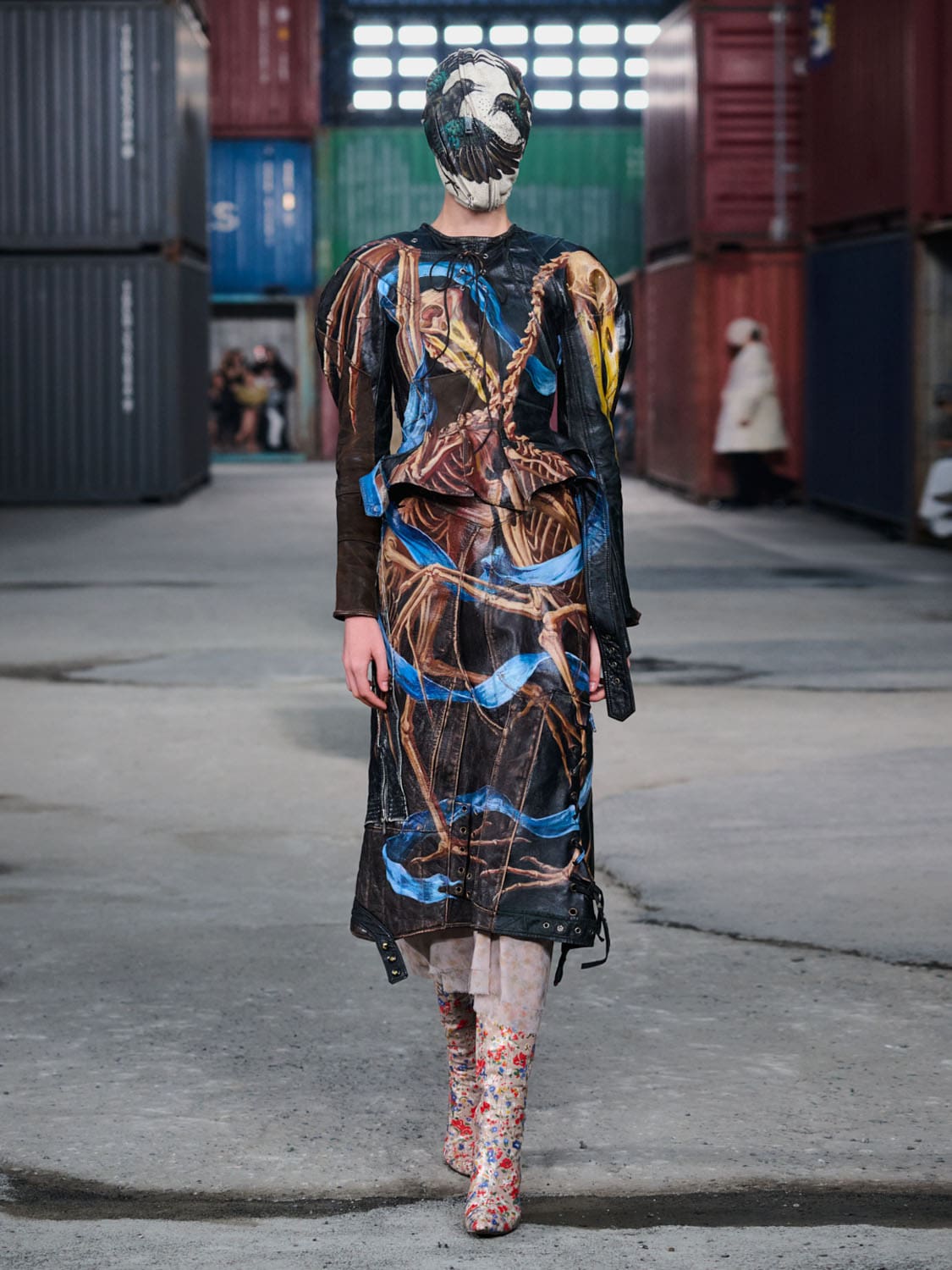
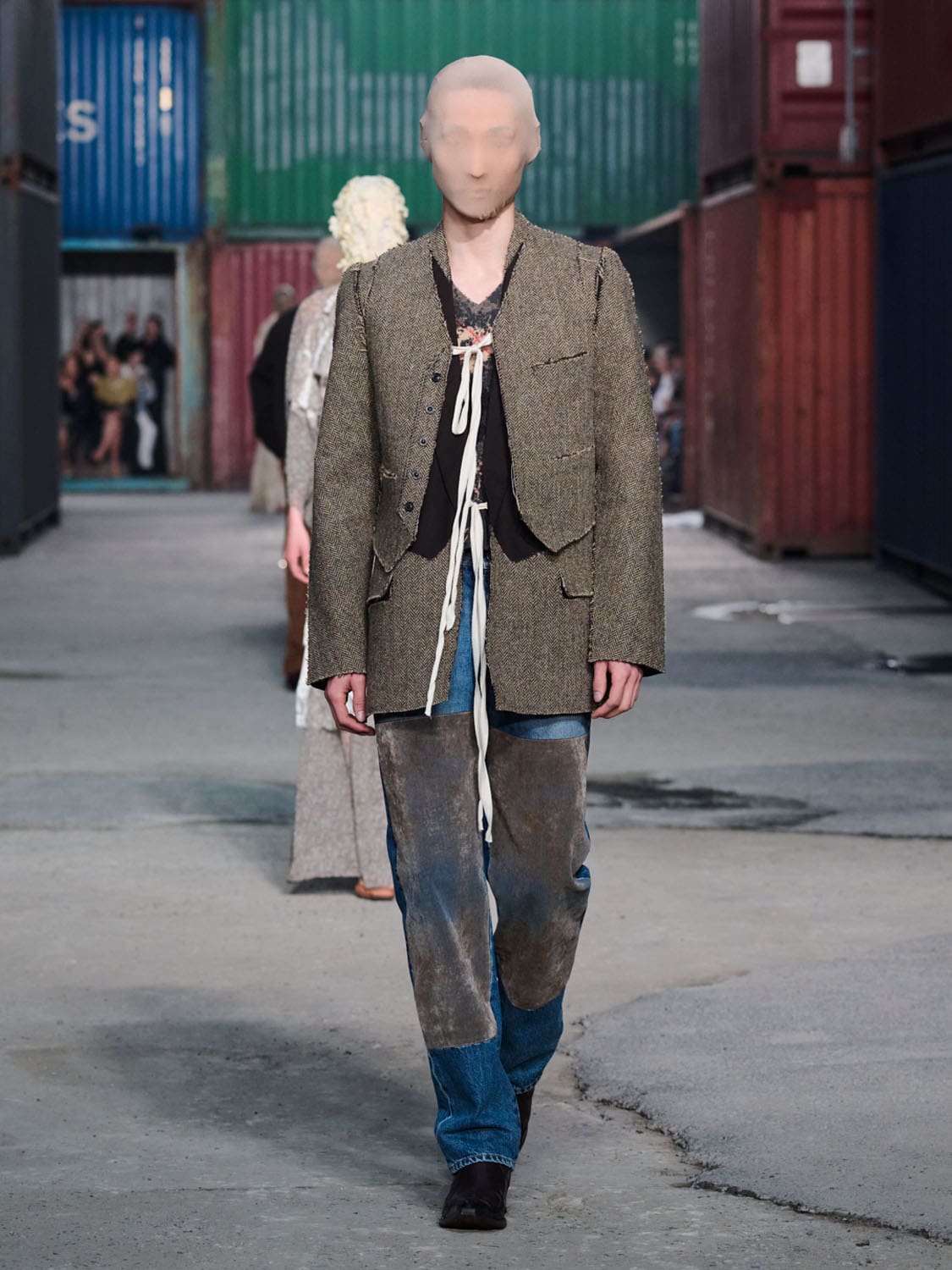
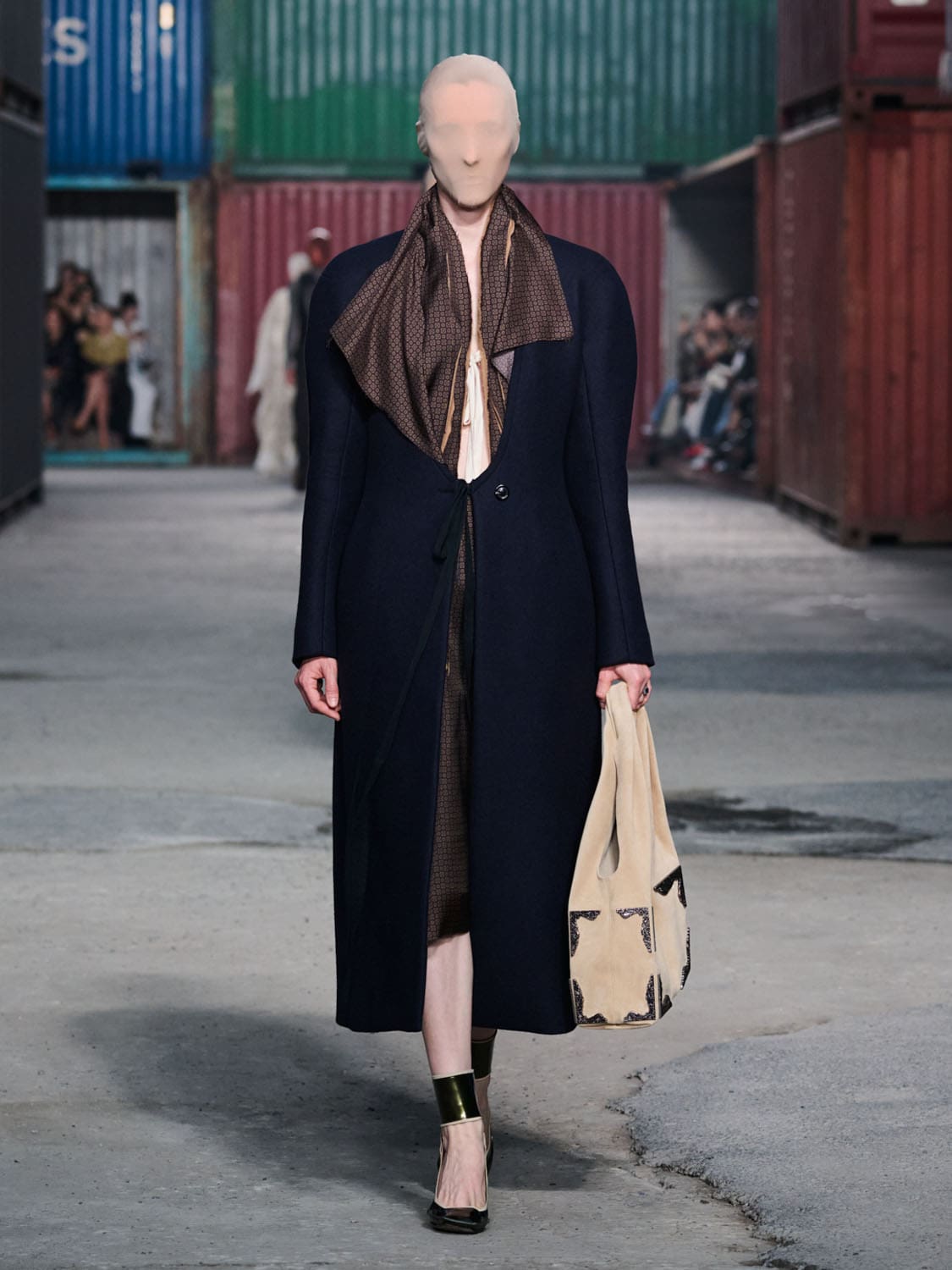
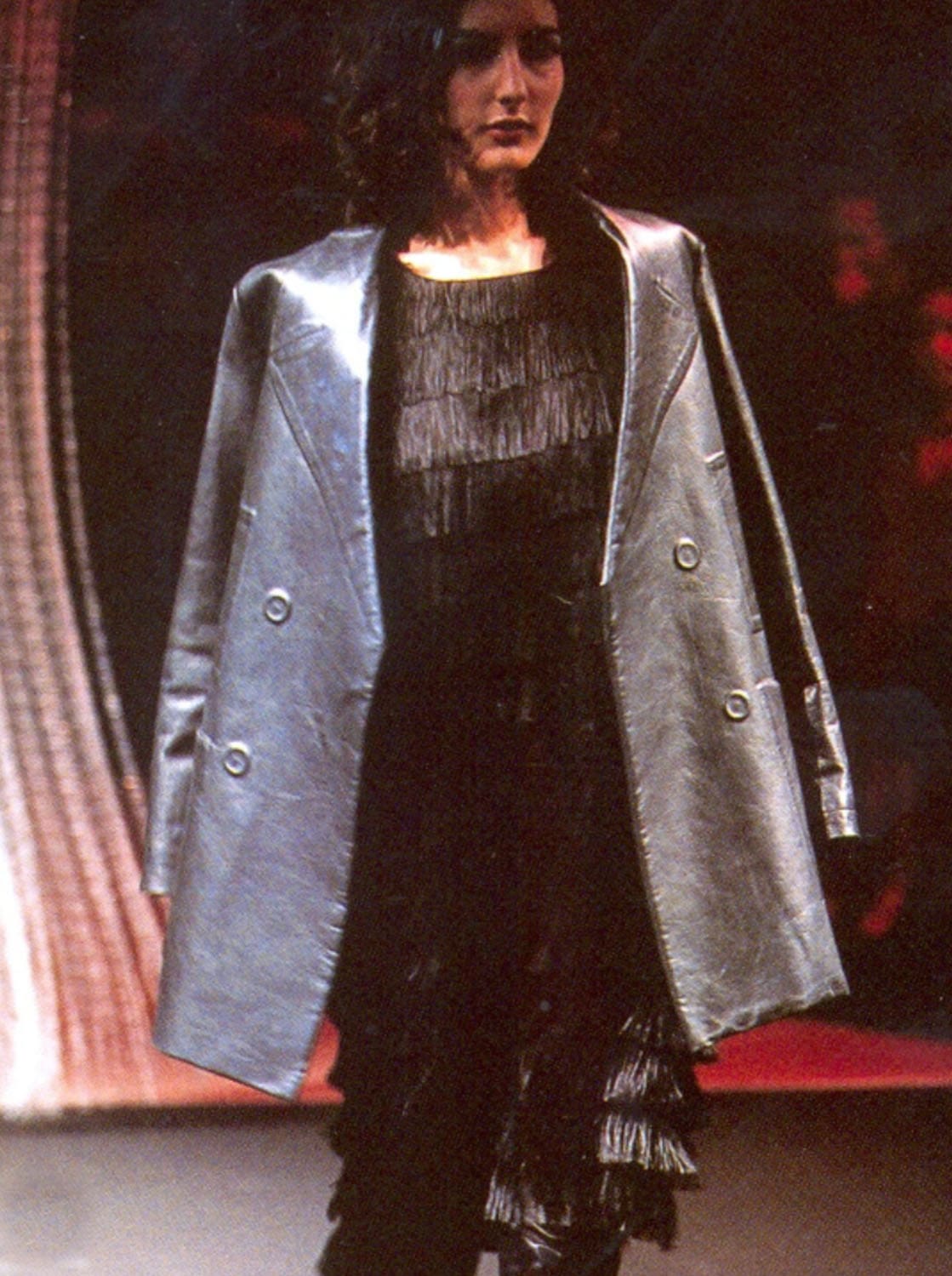
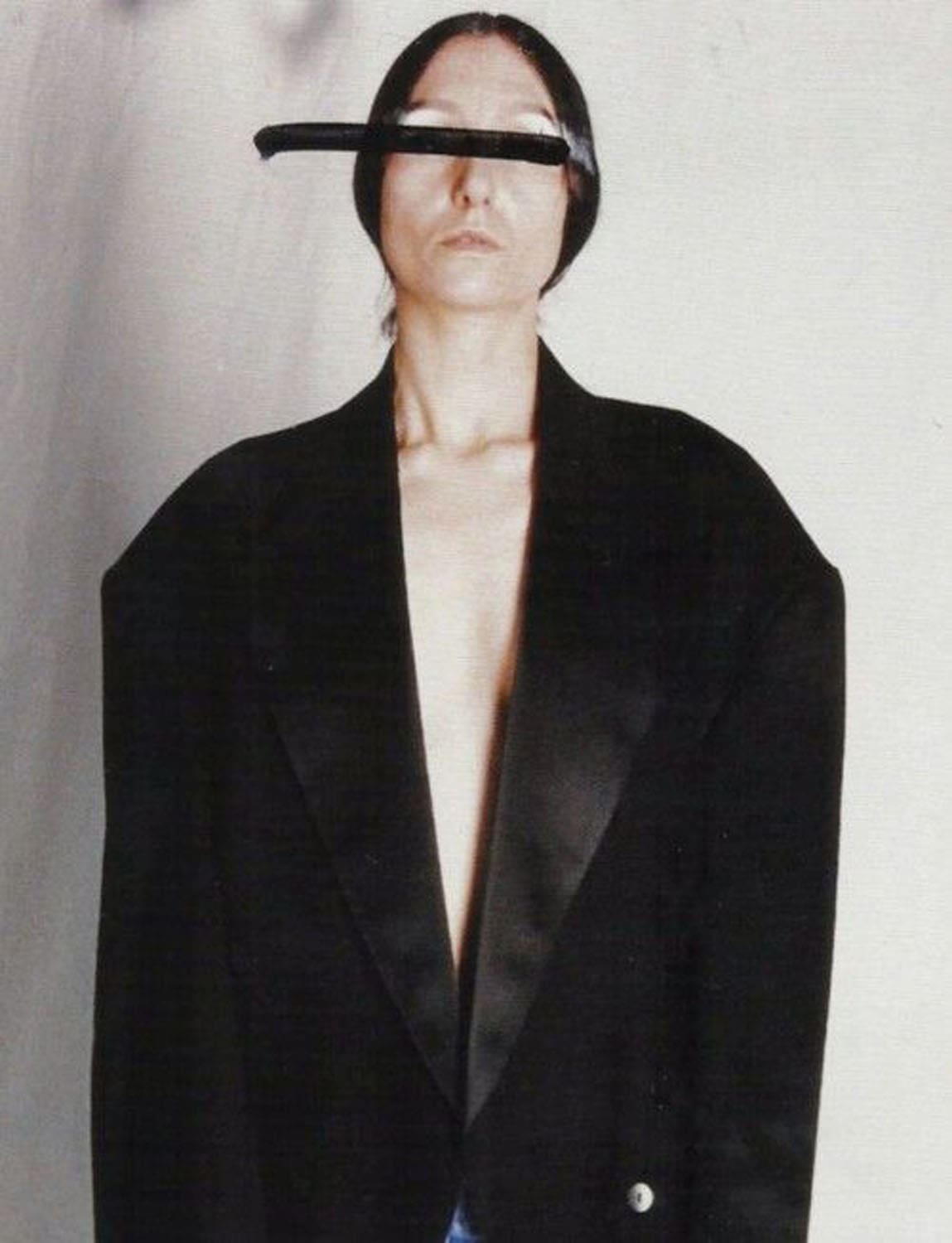
His background at G2 and Y/Project taught him how to manipulate the “archetype”—taking a trench coat or a denim jacket and distorting it until it reveals a new truth. In the FW2026 collection, this was evident in the “impossible draping” and the fusion of leather onto tweed. He isn’t just making clothes; he is interrogating the very idea of what a “jacket” or a “shoe” is.
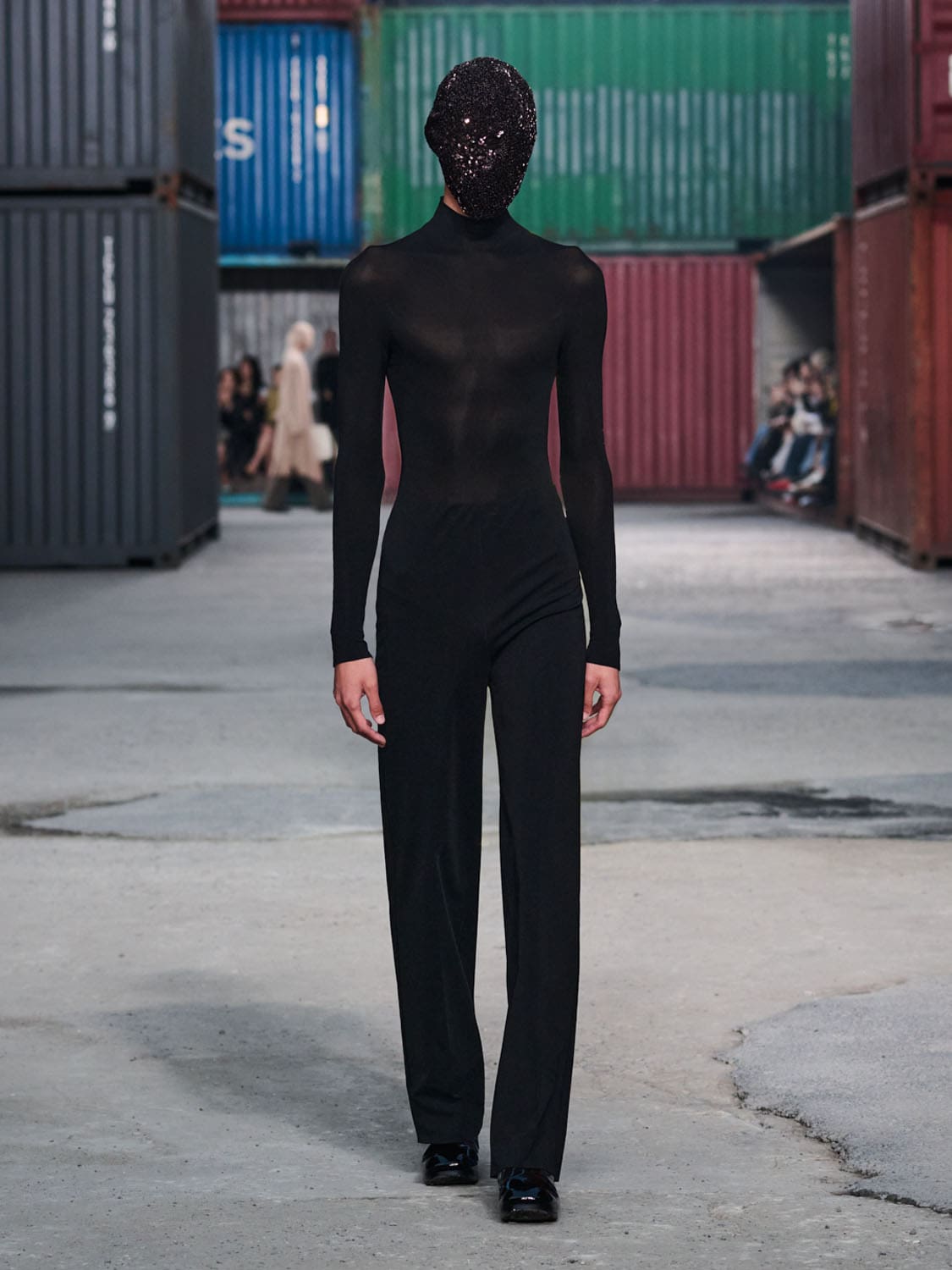
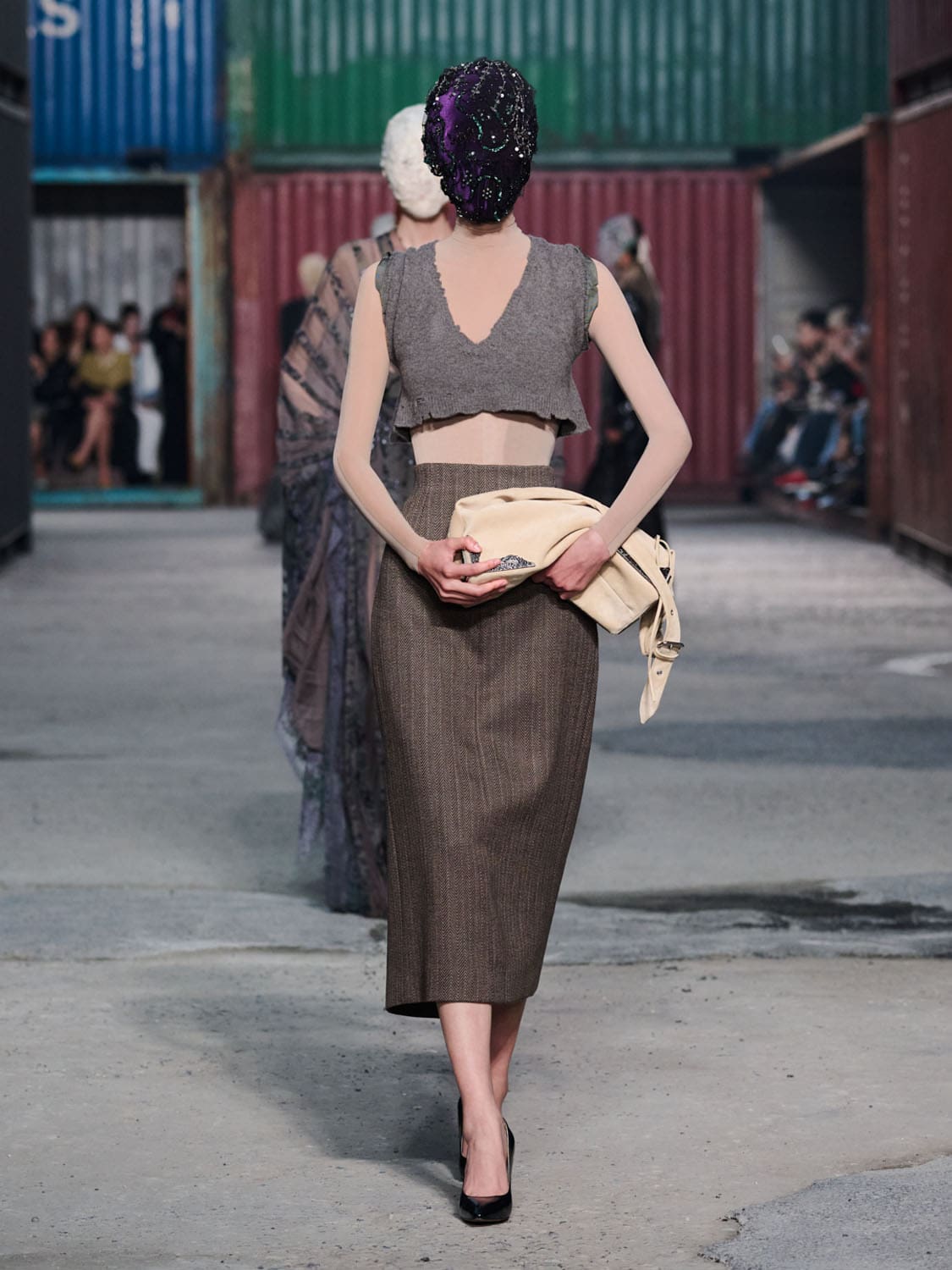
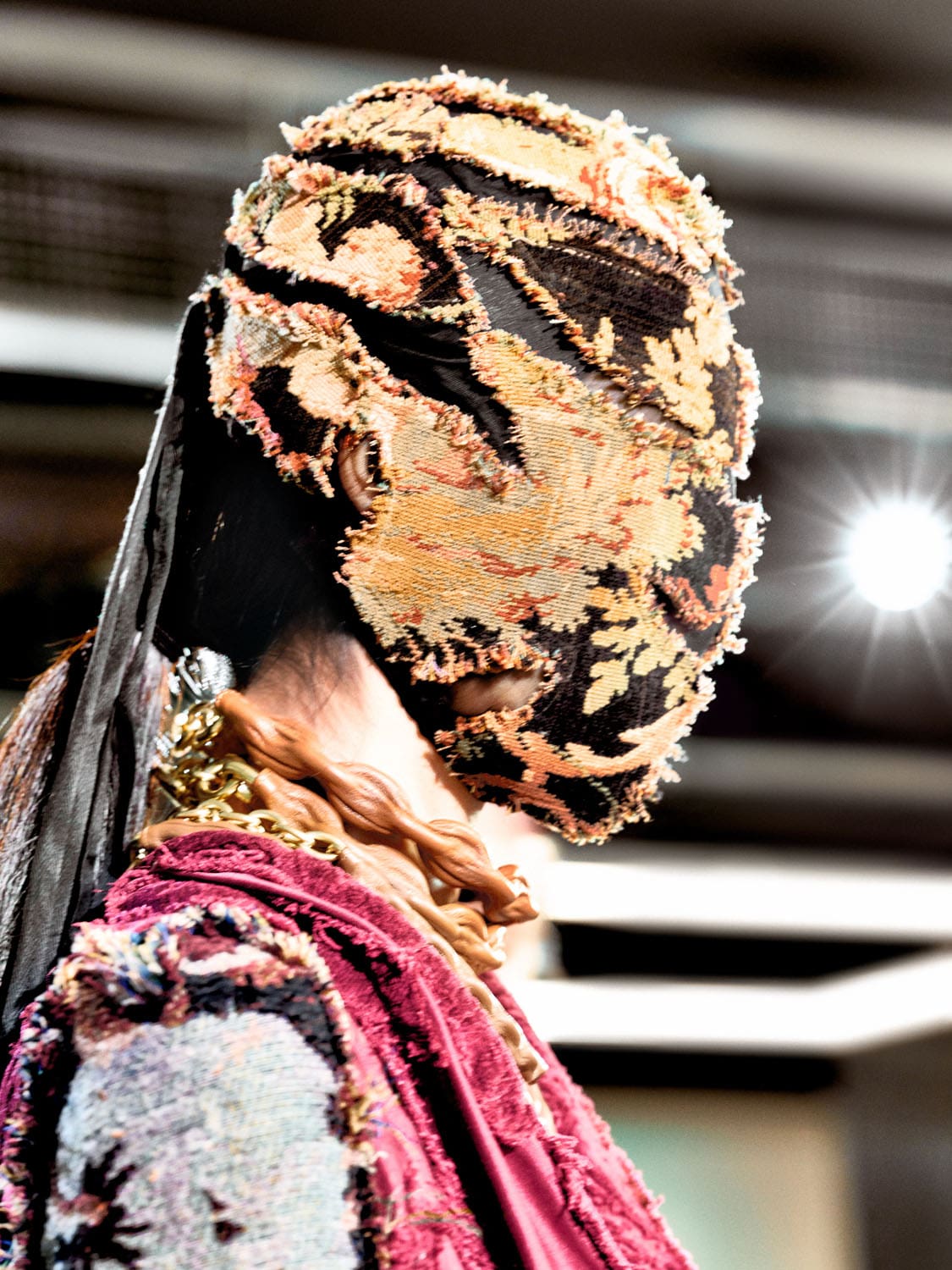
“The collection felt less like a parade of garments and more like a collection of rituals. Under Martens, the Margiela mask isn’t just a way to hide the face; it’s a way to highlight the work.”
Objects of Desire: The New Accessories
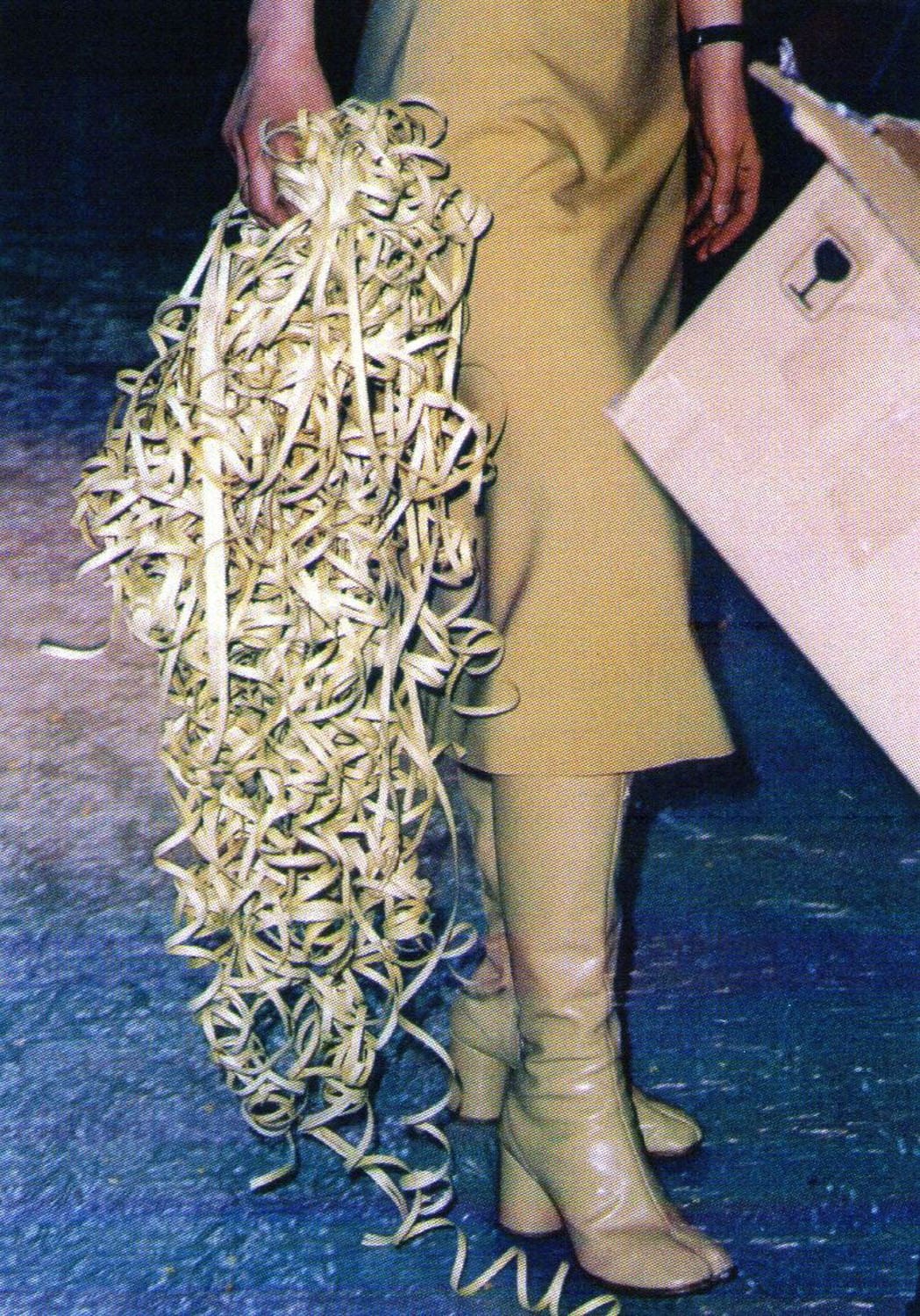
Even in the realm of accessories, the intellectual rigor remains. The new Level Cut-Out boots play with the House code of “revealing the lining,” while the Link bag—with its shrink-wrapped metal chain—treats luxury materials like industrial cargo. The 5AC bag being laser-cut to “distress over time” is a brilliant commentary on the beauty of decay.
The Laboratory is Open
Last week in Shanghai, the “Artisanal” was reaffirmed as the foundation of the Maison. Glenn Martens has navigated the transition from Diesel’s populism to Margiela’s intellectualism with startling grace. He has embraced the moth-eaten knit, the shattered plate, and the white paint of the Bianchetto with the reverence of a monk and the sharp wit of a satirist.
By choosing Shanghai over Paris for this pivotal moment, the House has signaled that its intellectualism is no longer a European secret, but a global language. Martens hasn’t just dusted off the archives; he has set them on fire to see what remains in the ashes. The result is a Maison Margiela that isn’t just “back”—it is finally moving forward, proving that in the hands of a true alchemist, even a flea market find can become a masterpiece of Haute Couture. The experiments are no longer confined to the atelier; the laboratory is open, and the success is absolute.
Key Takeaways
- Maison Margiela Fall Winter 2026 showcased an exhibition in Shanghai titled ‘The Alchemist in the Flea Market’, highlighting Glenn Martens’s vision.
- Martens merges high-concept artisanal techniques and ready-to-wear clothing, emphasizing ‘Garment Memory’ through innovative designs.
- The collection features unique techniques like beeswax molding and the transformation of old garments into new pieces, celebrating the art of decay.
- Martens invites audiences into the creative process, allowing them to explore Margiela’s design philosophy and archival research.
- By choosing Shanghai as the venue, Margiela signals its global reach and commitment to evolving Haute Couture.
See All Looks Maison Margiela Fall Winter 2026 Shanghai