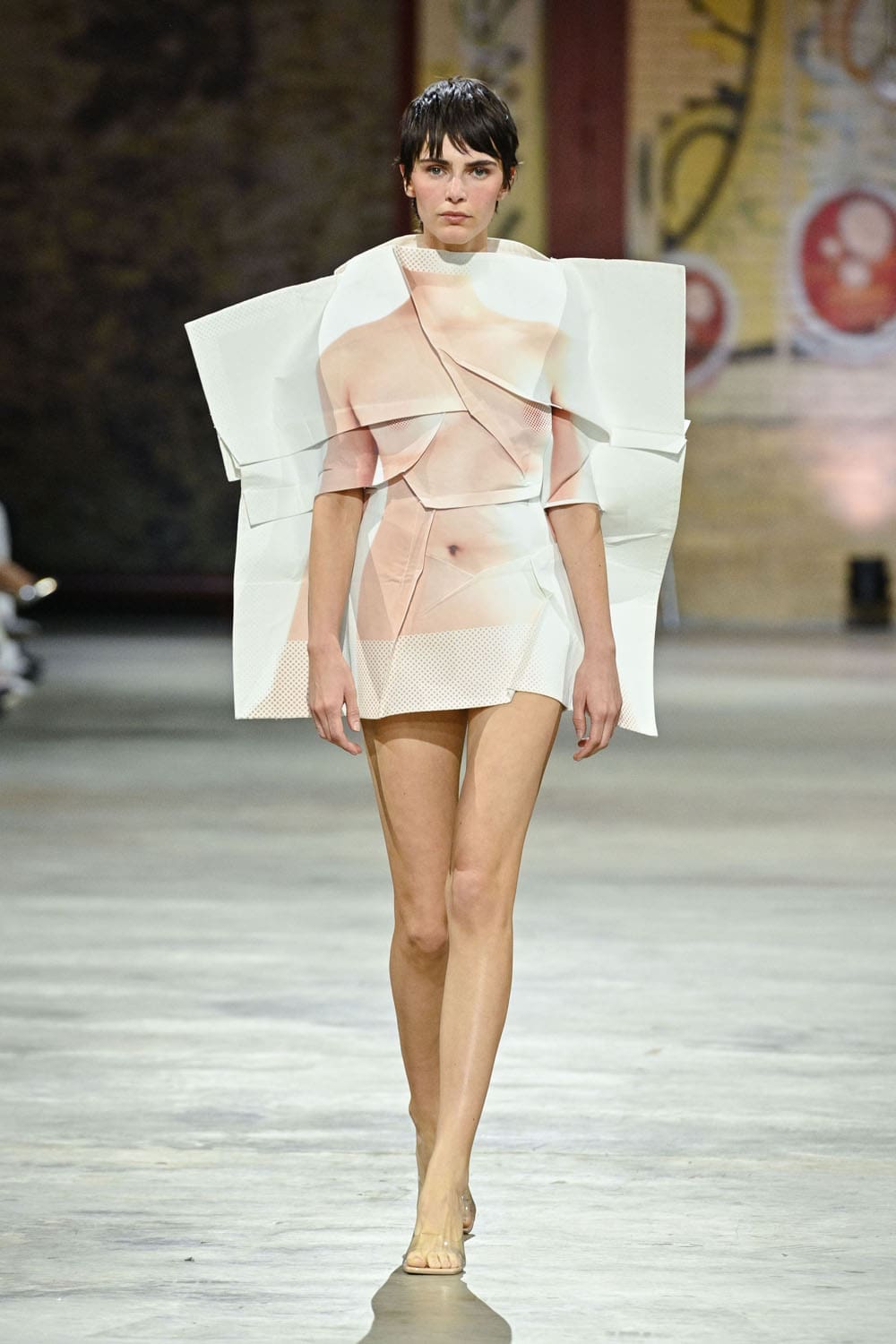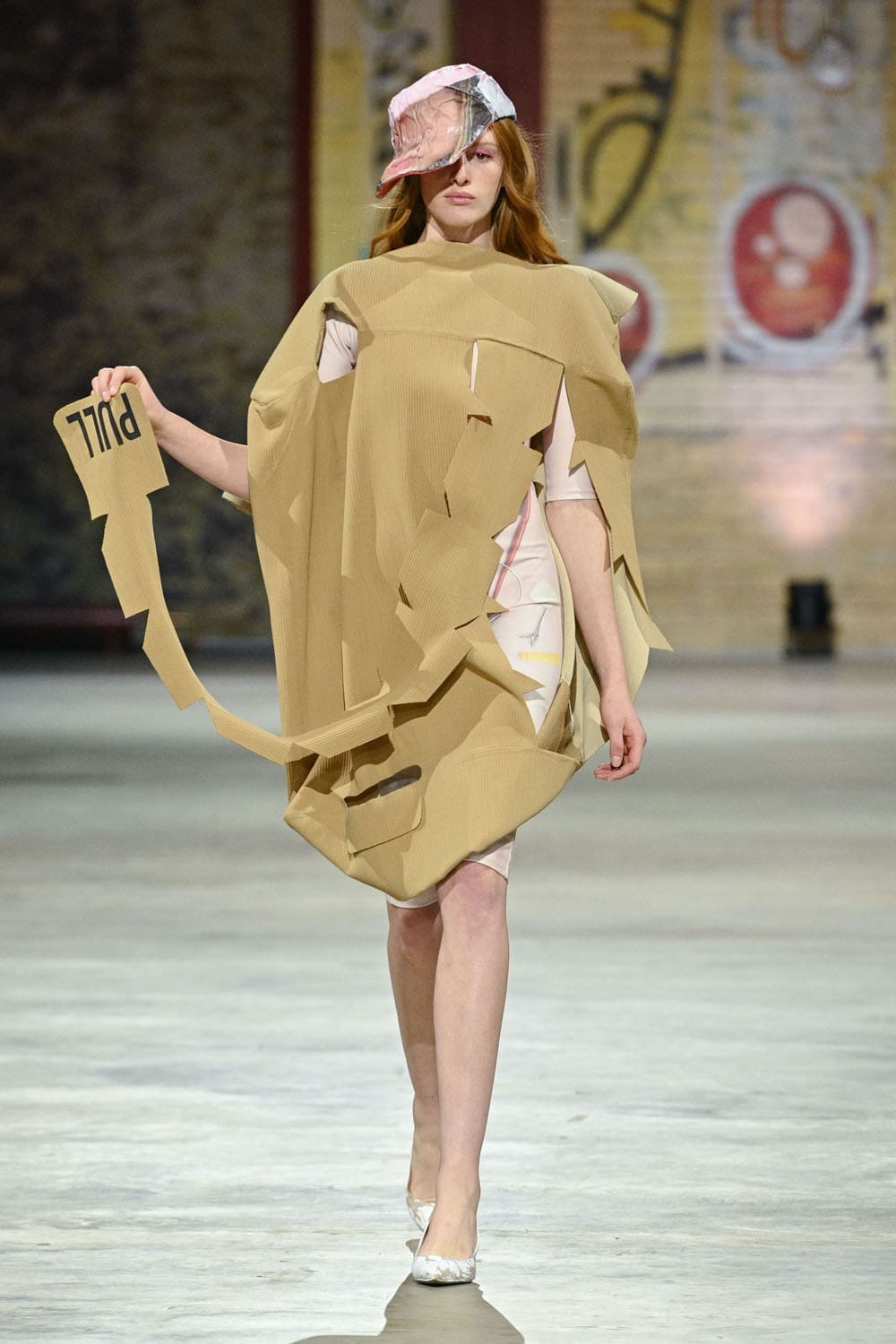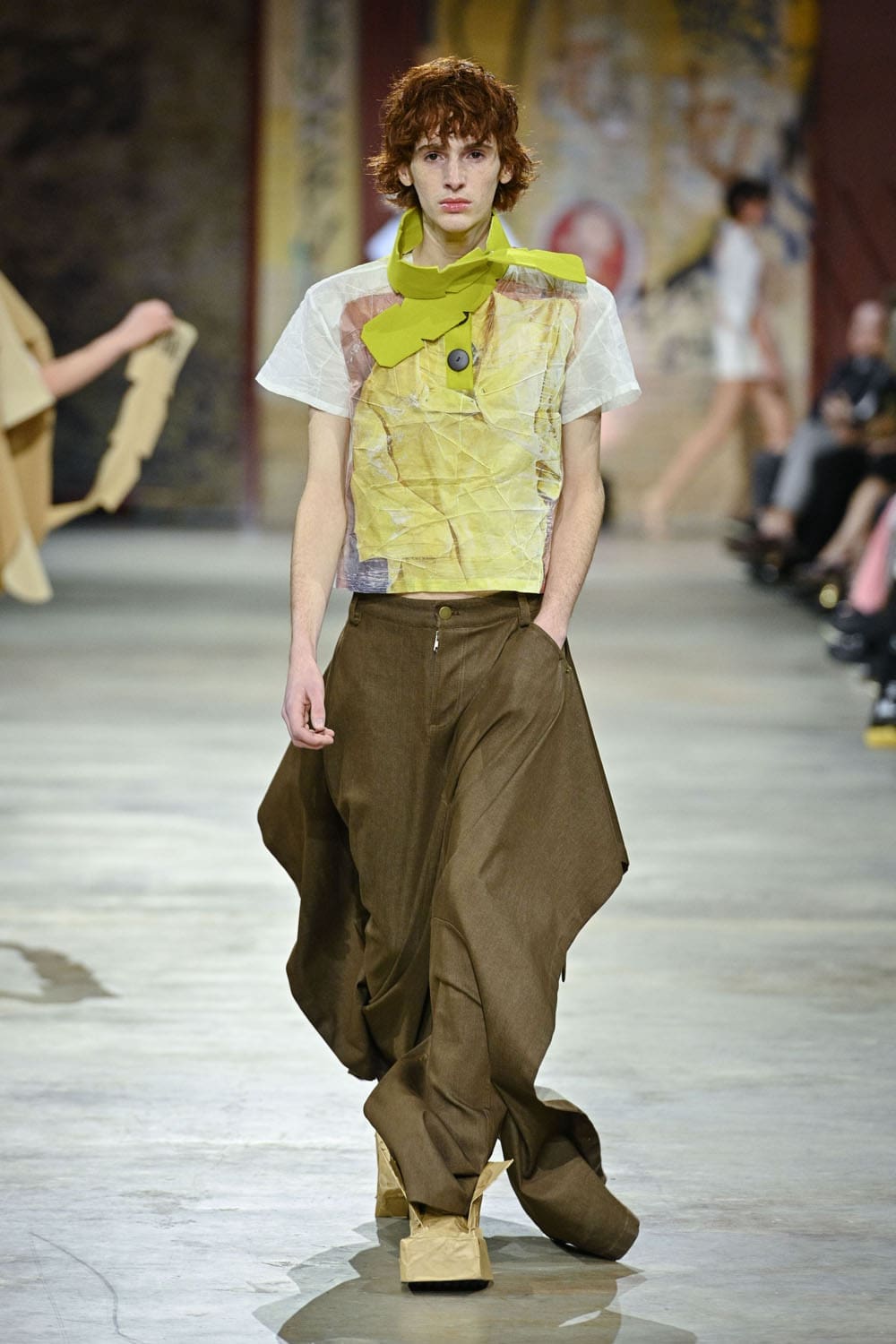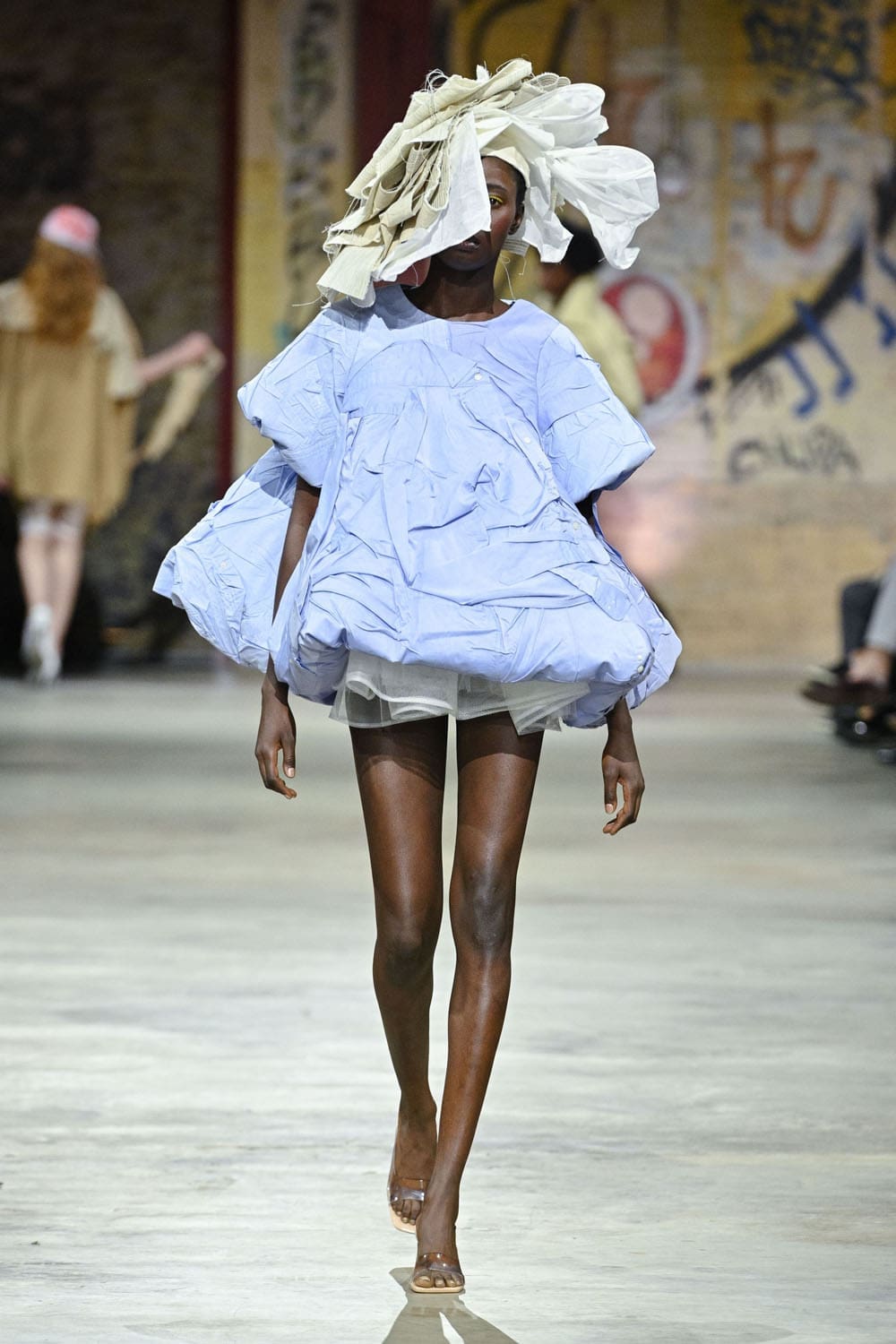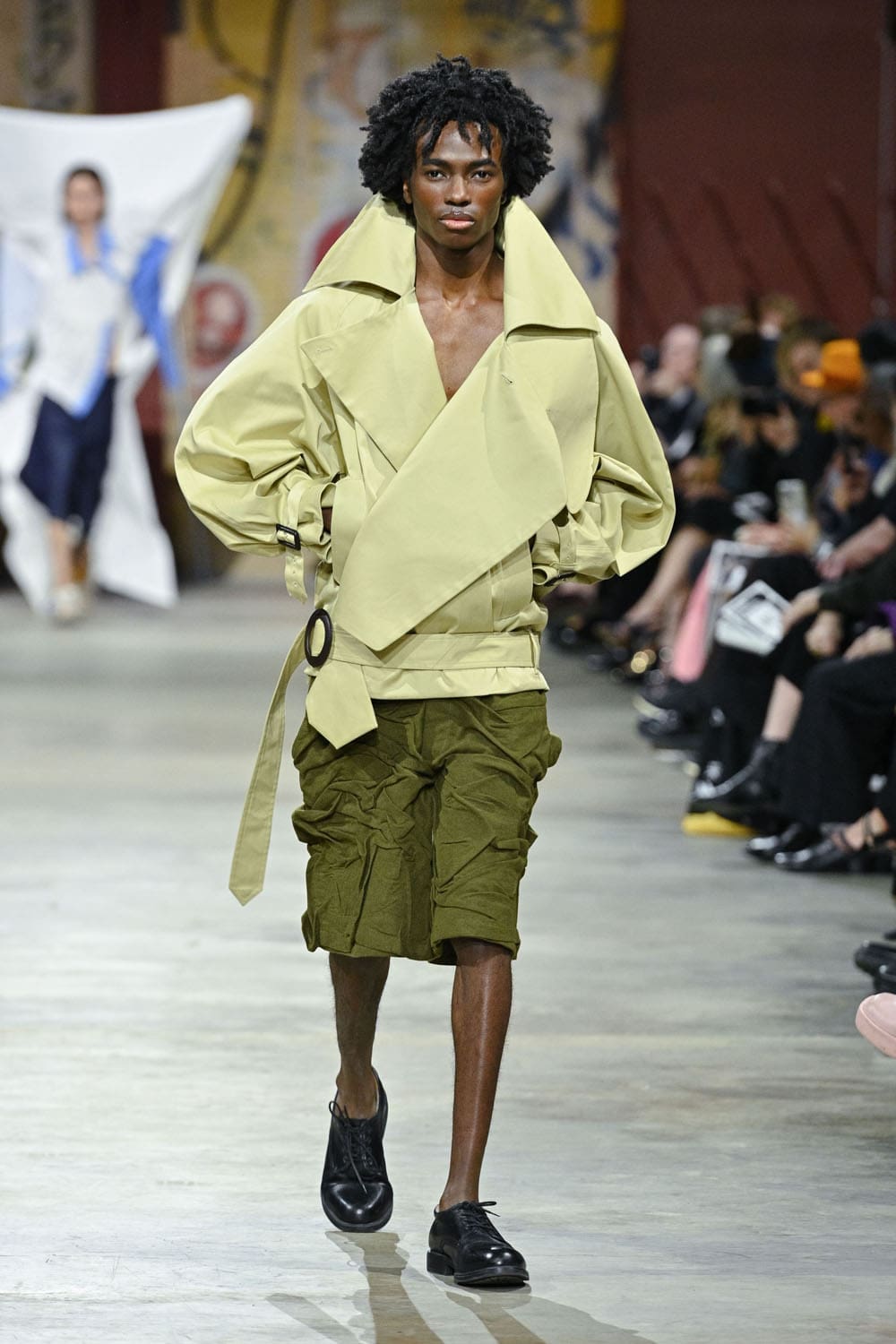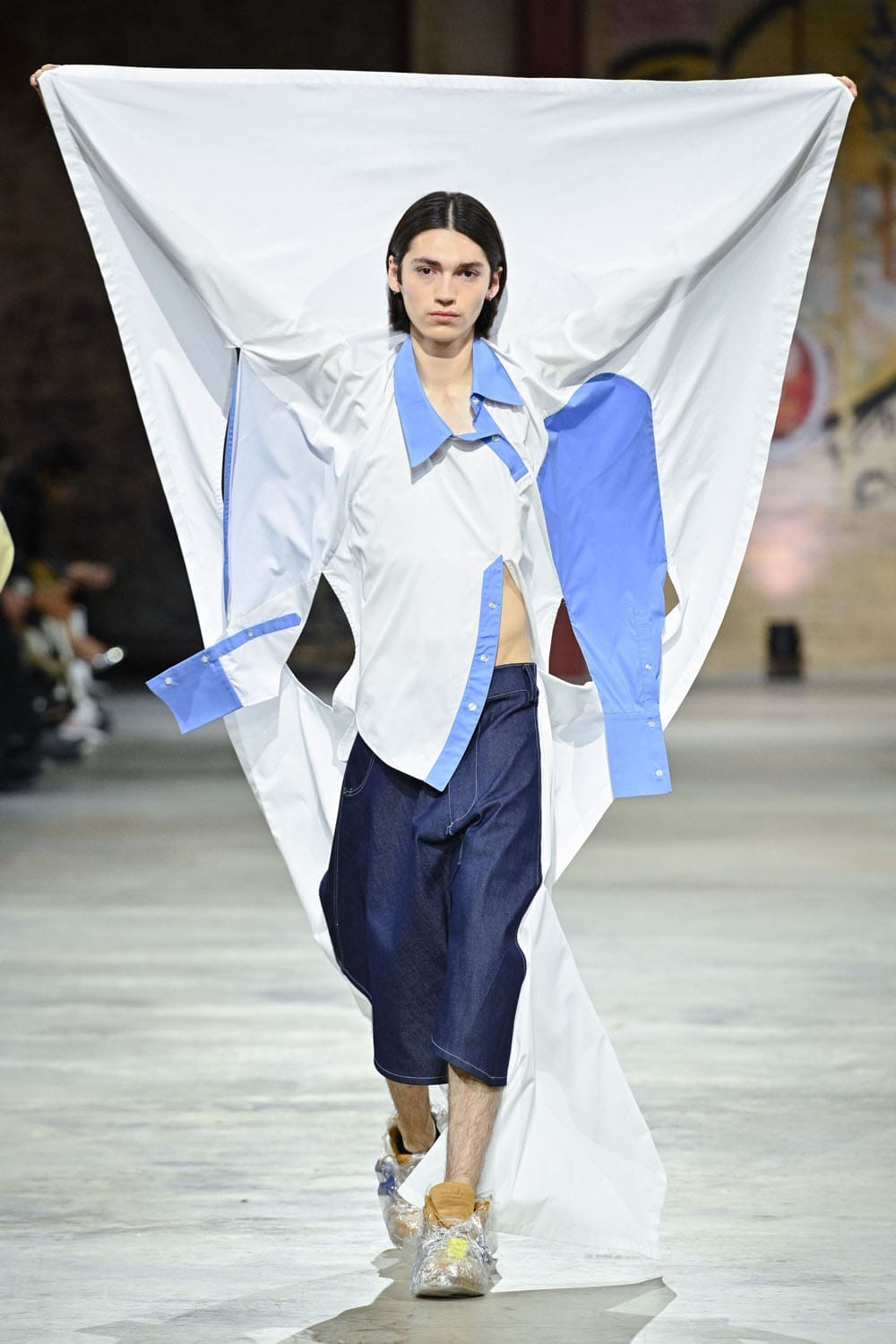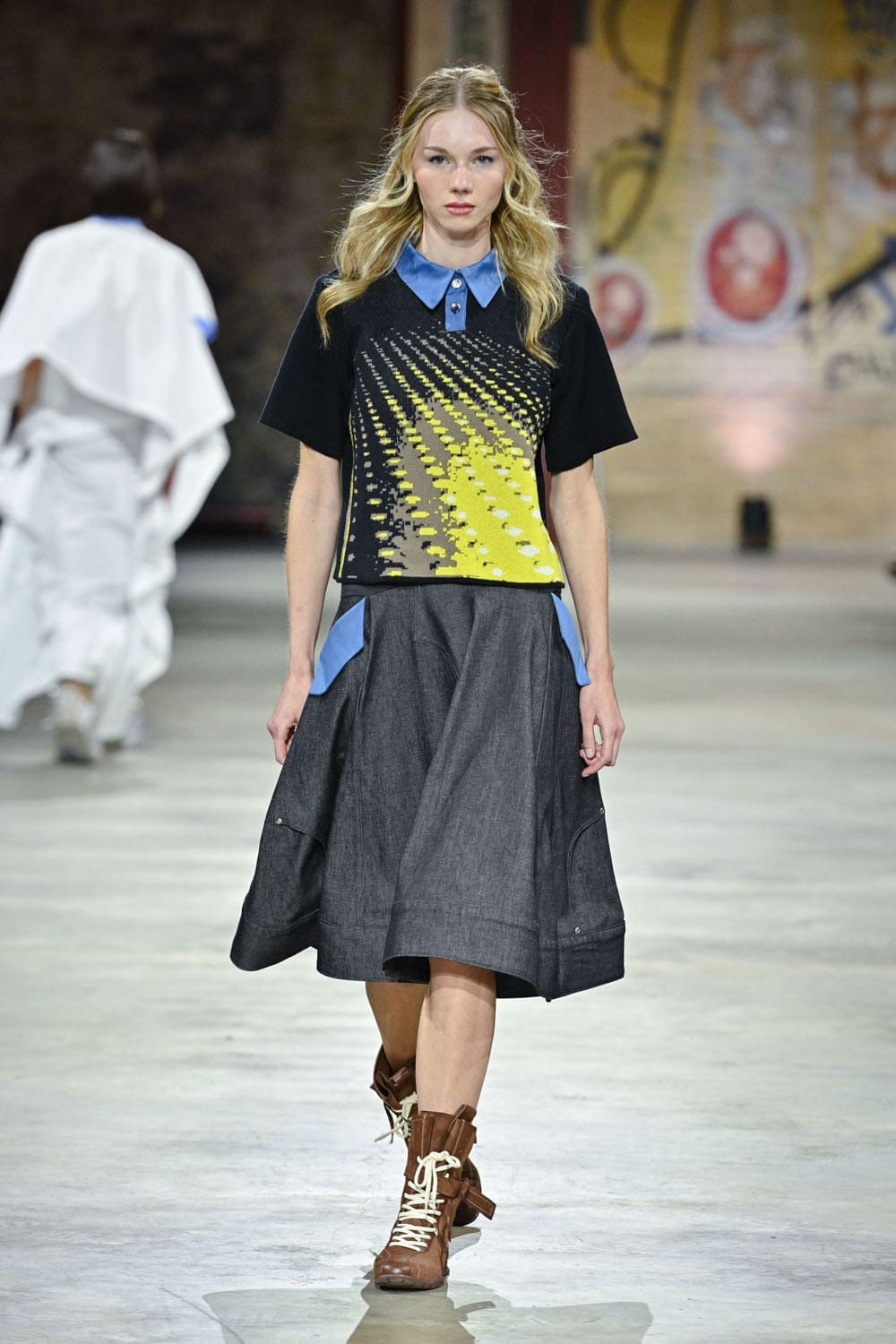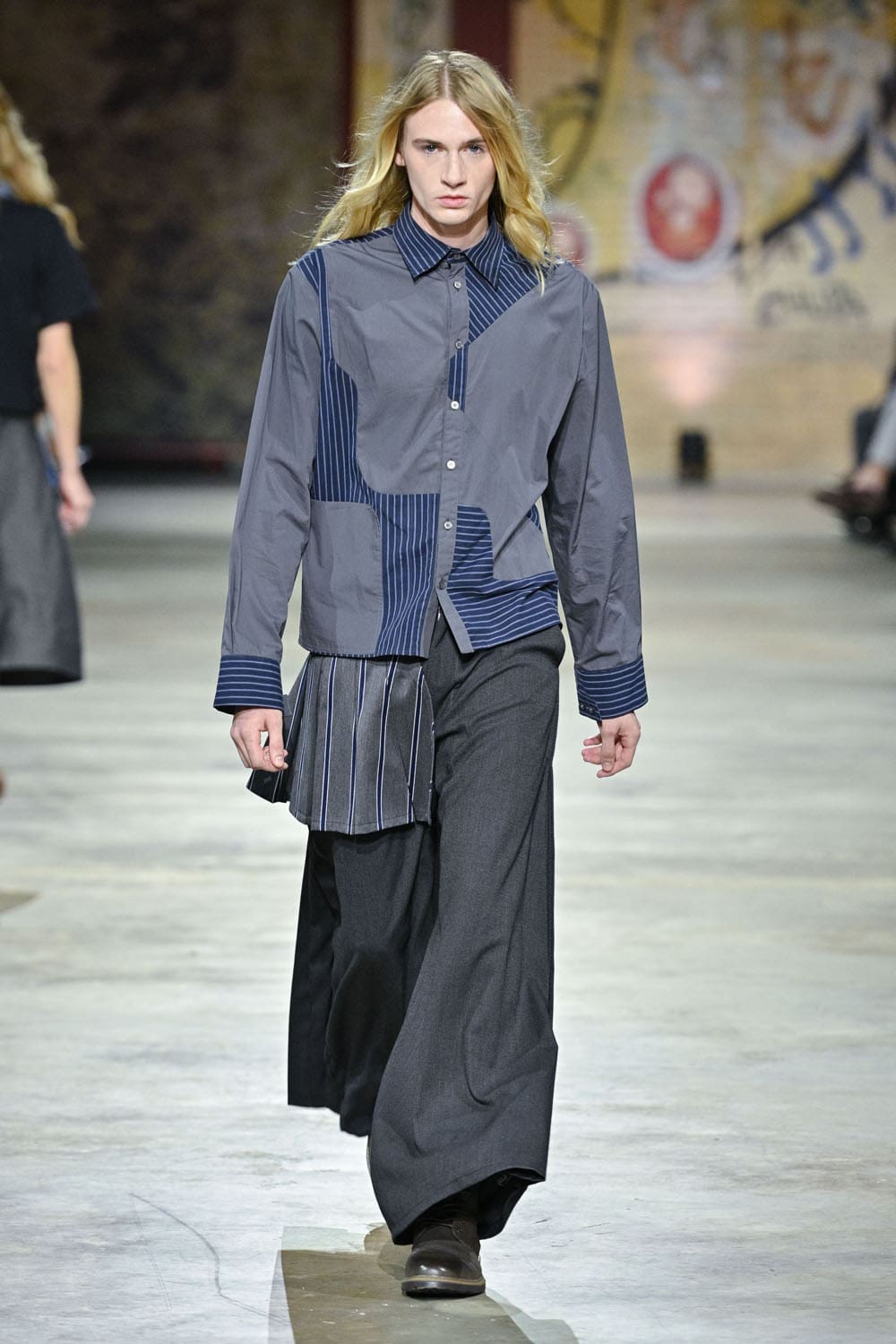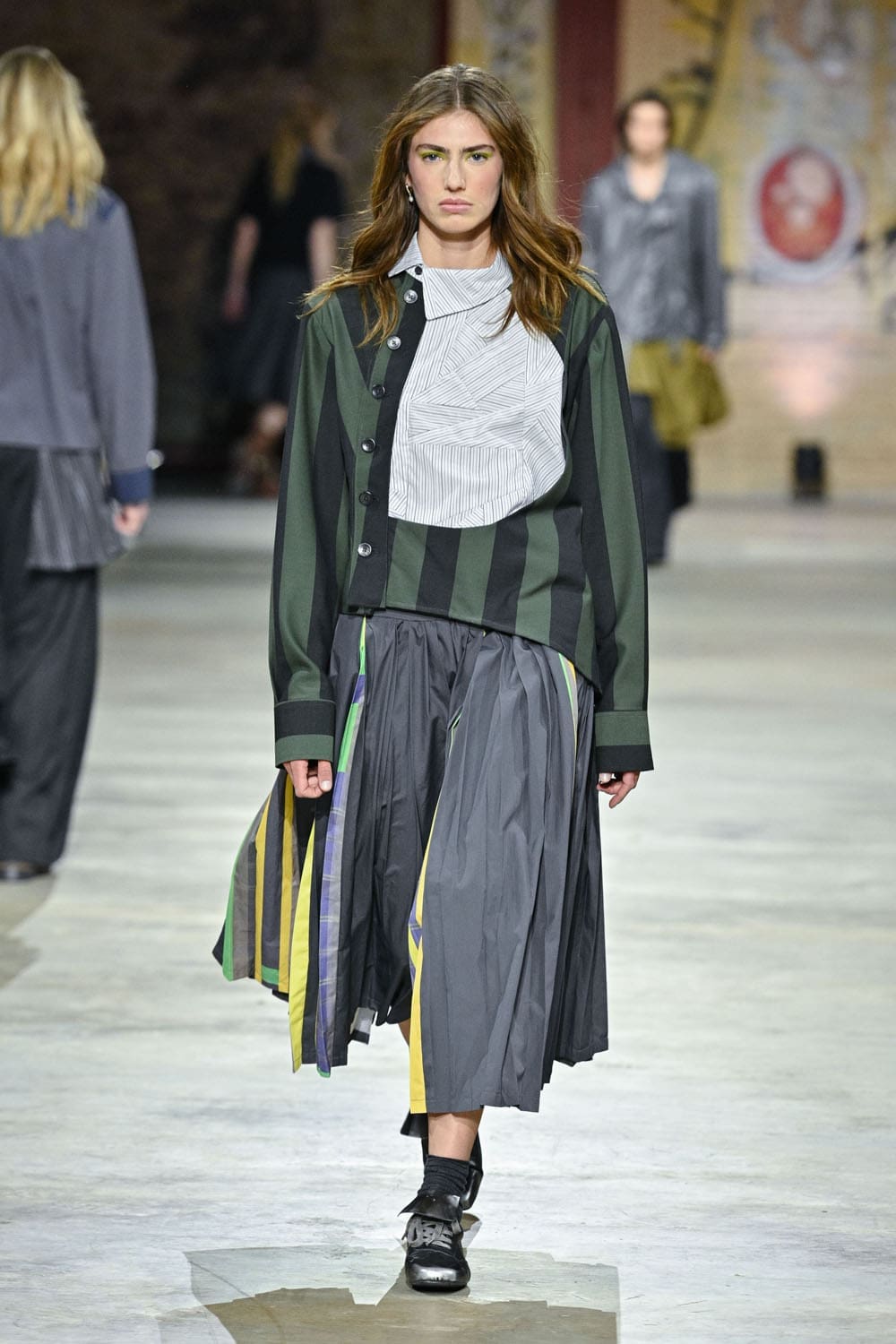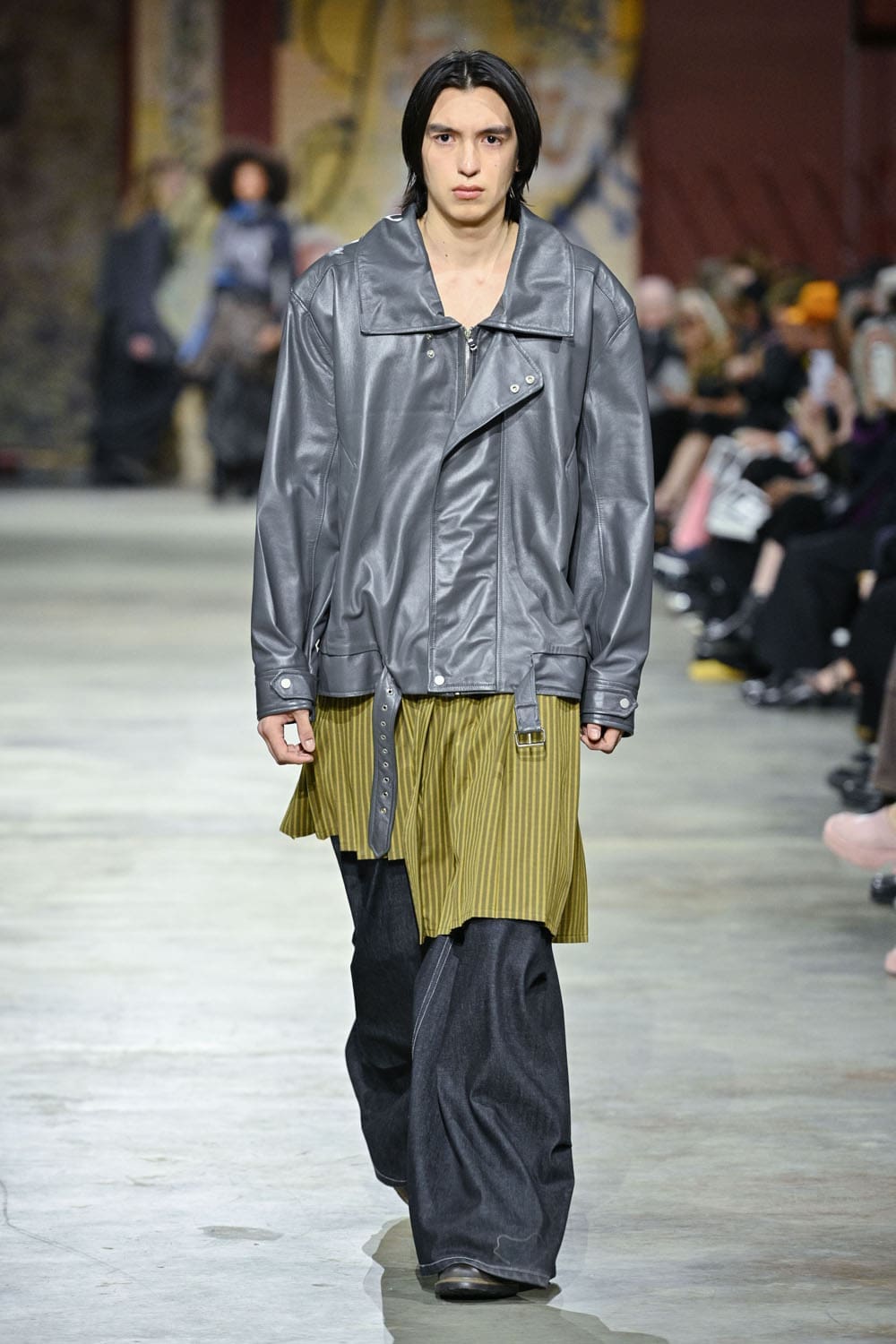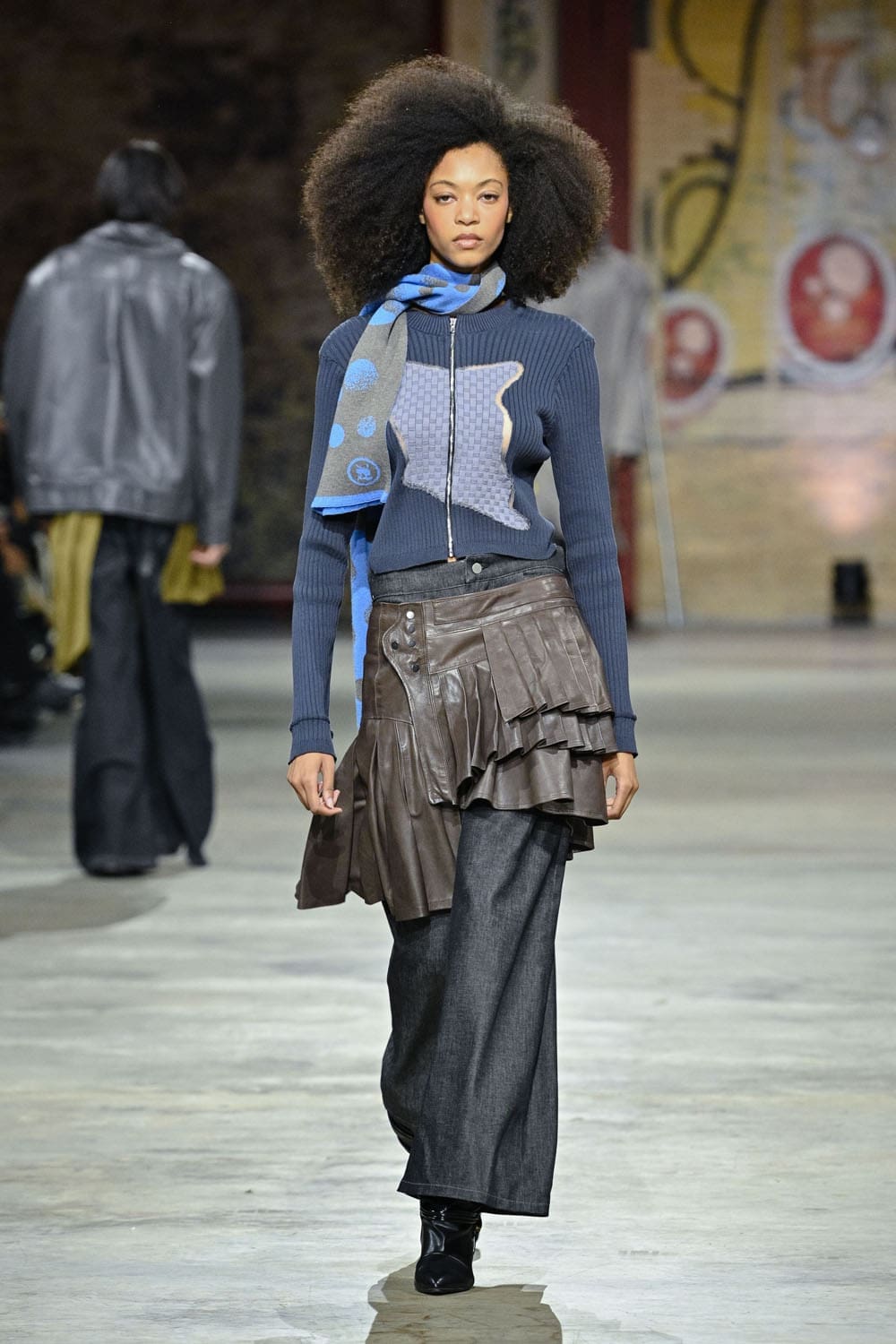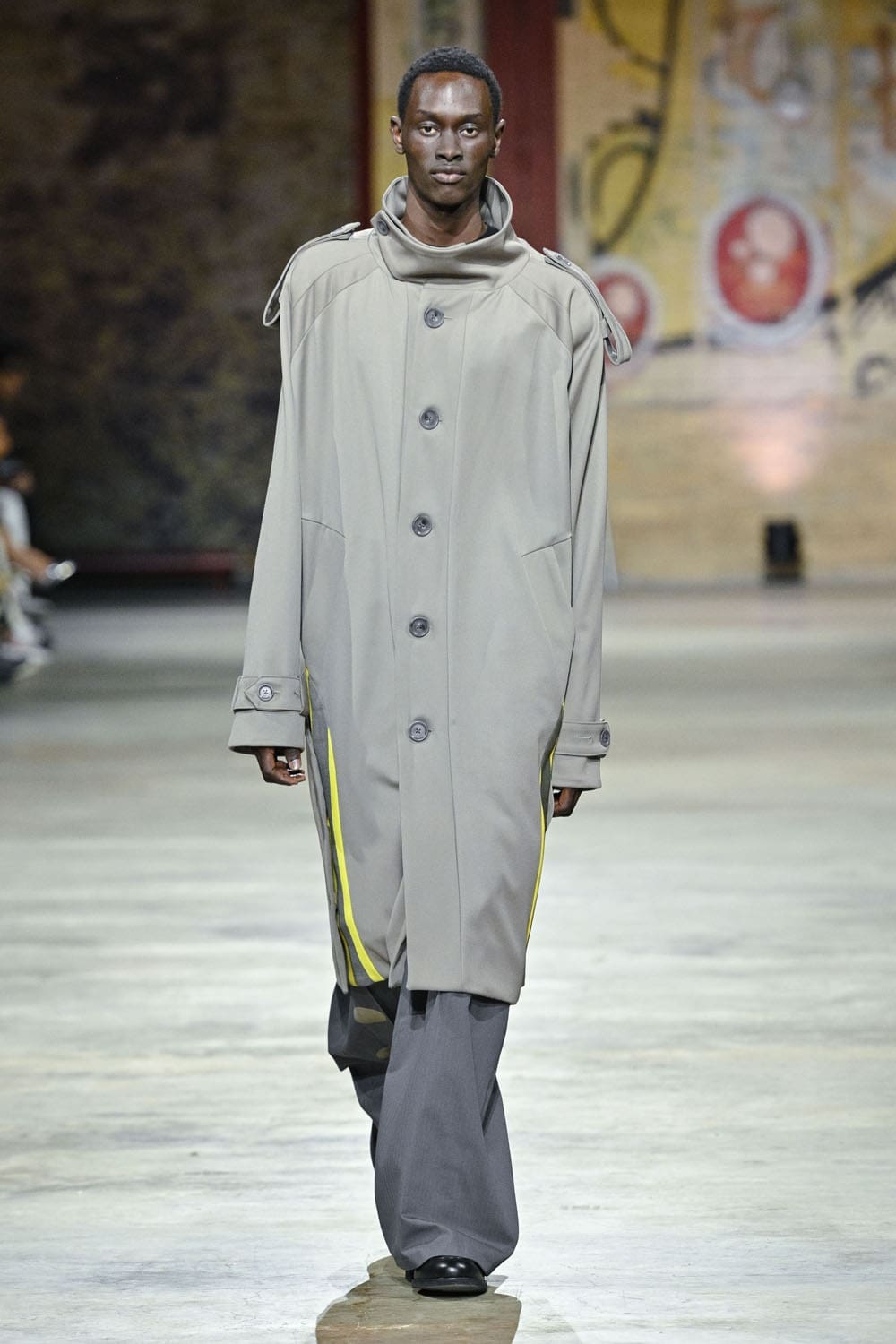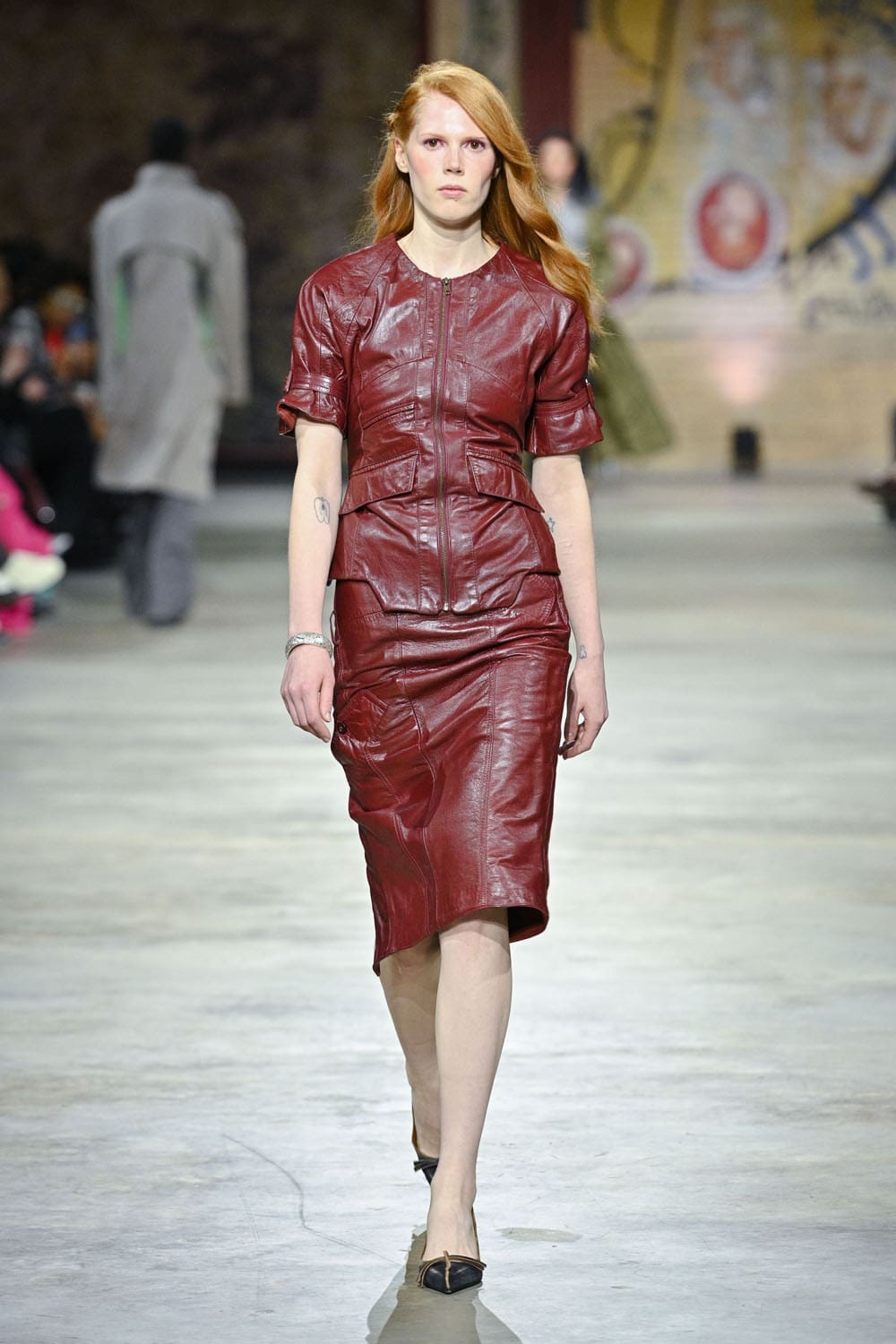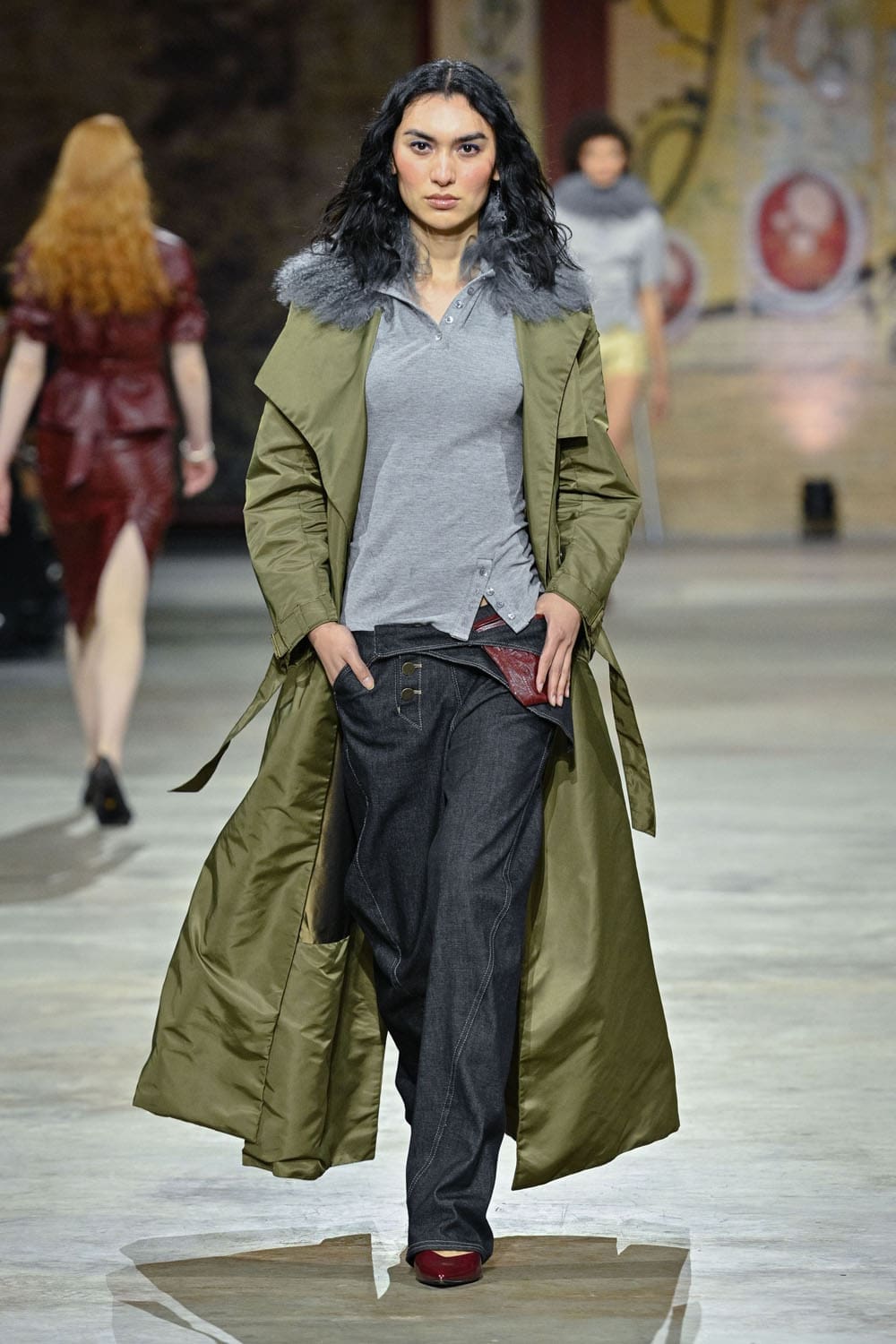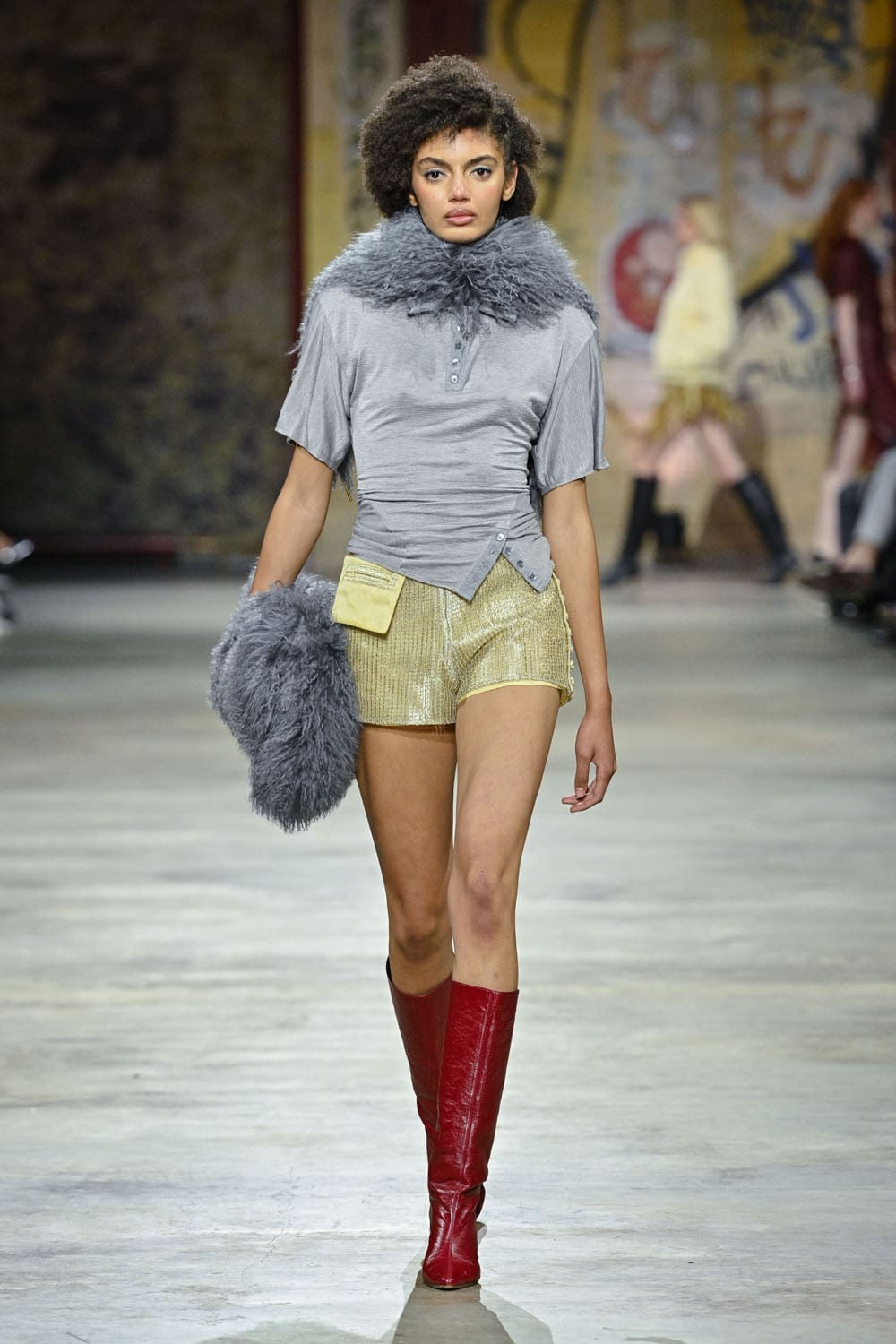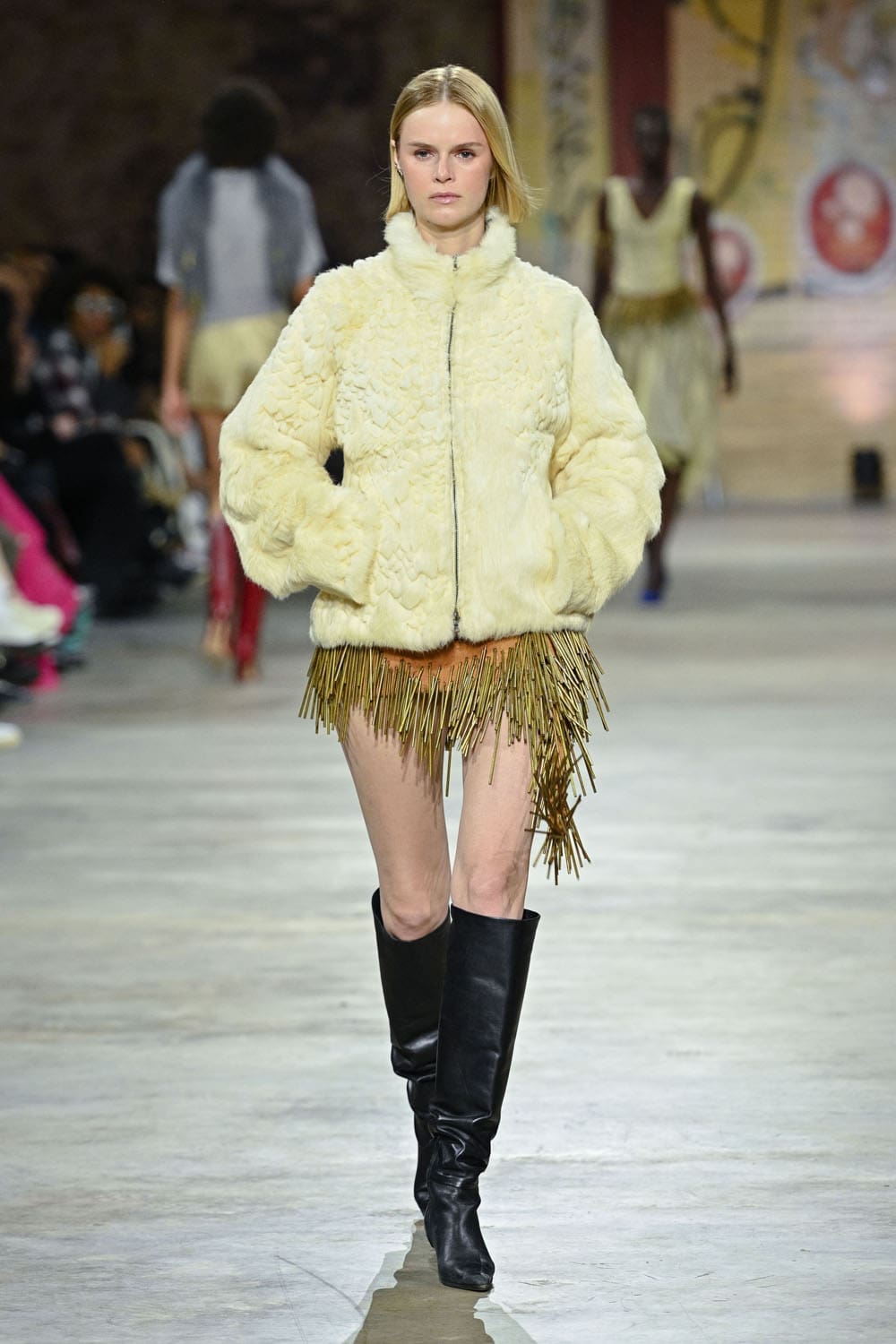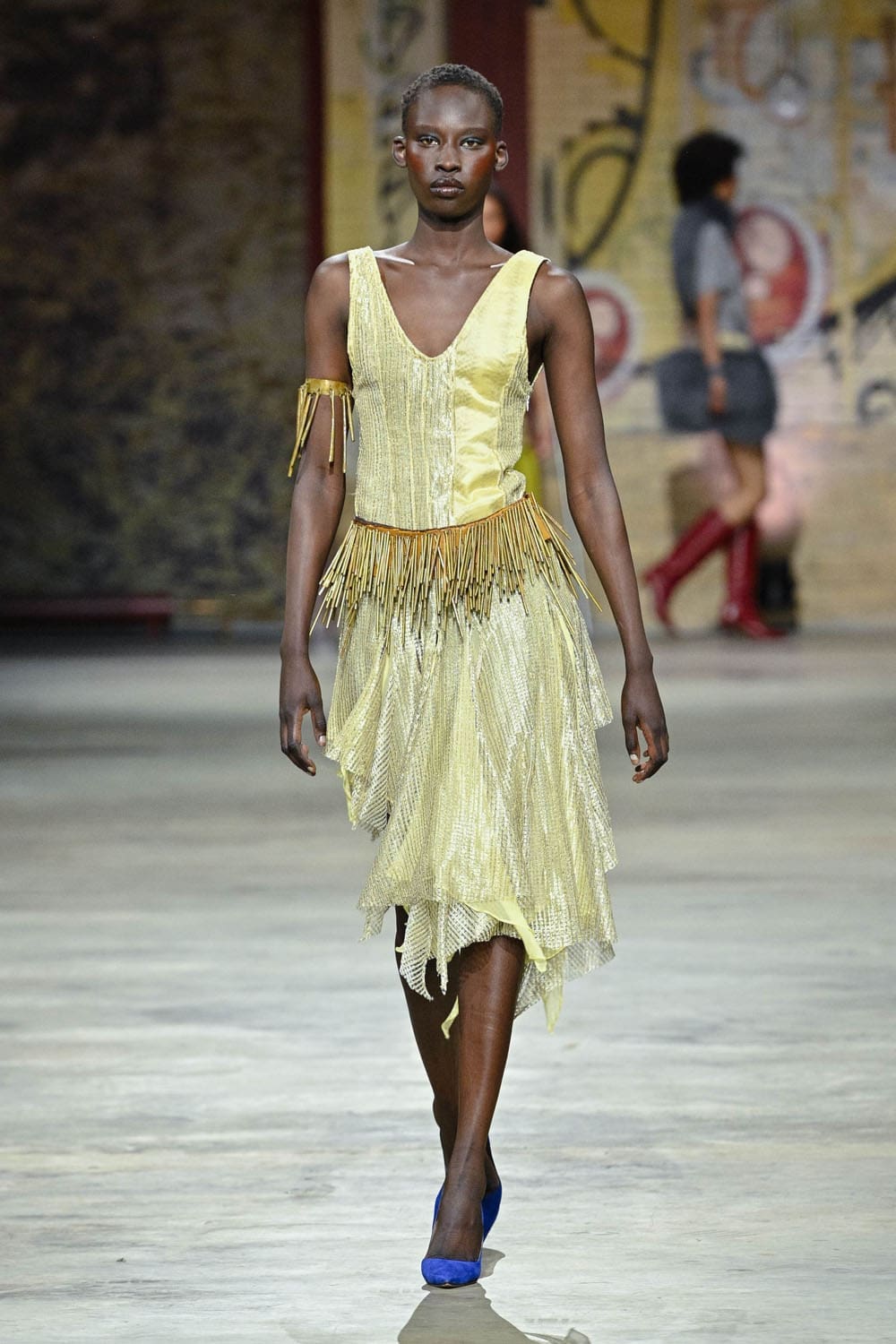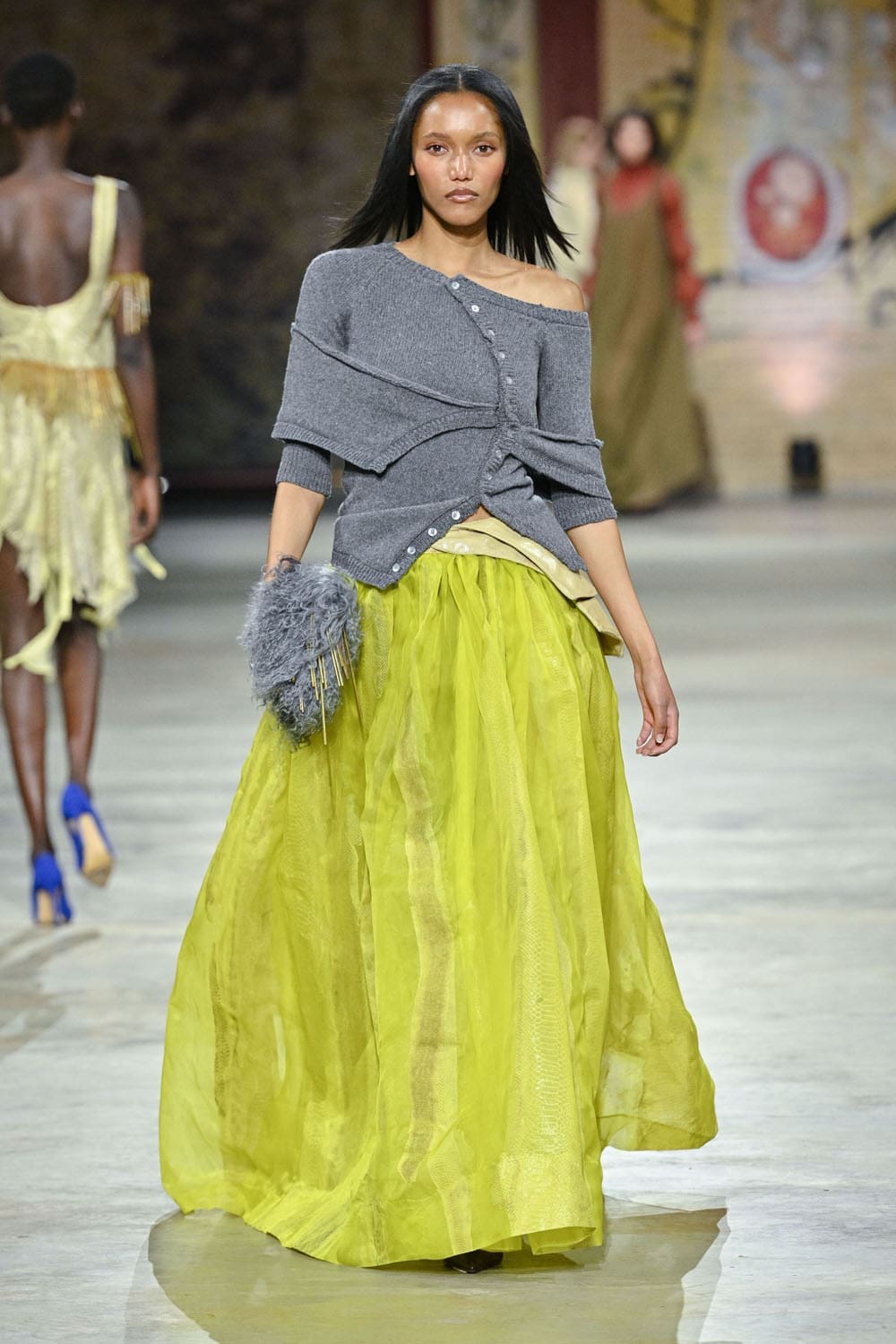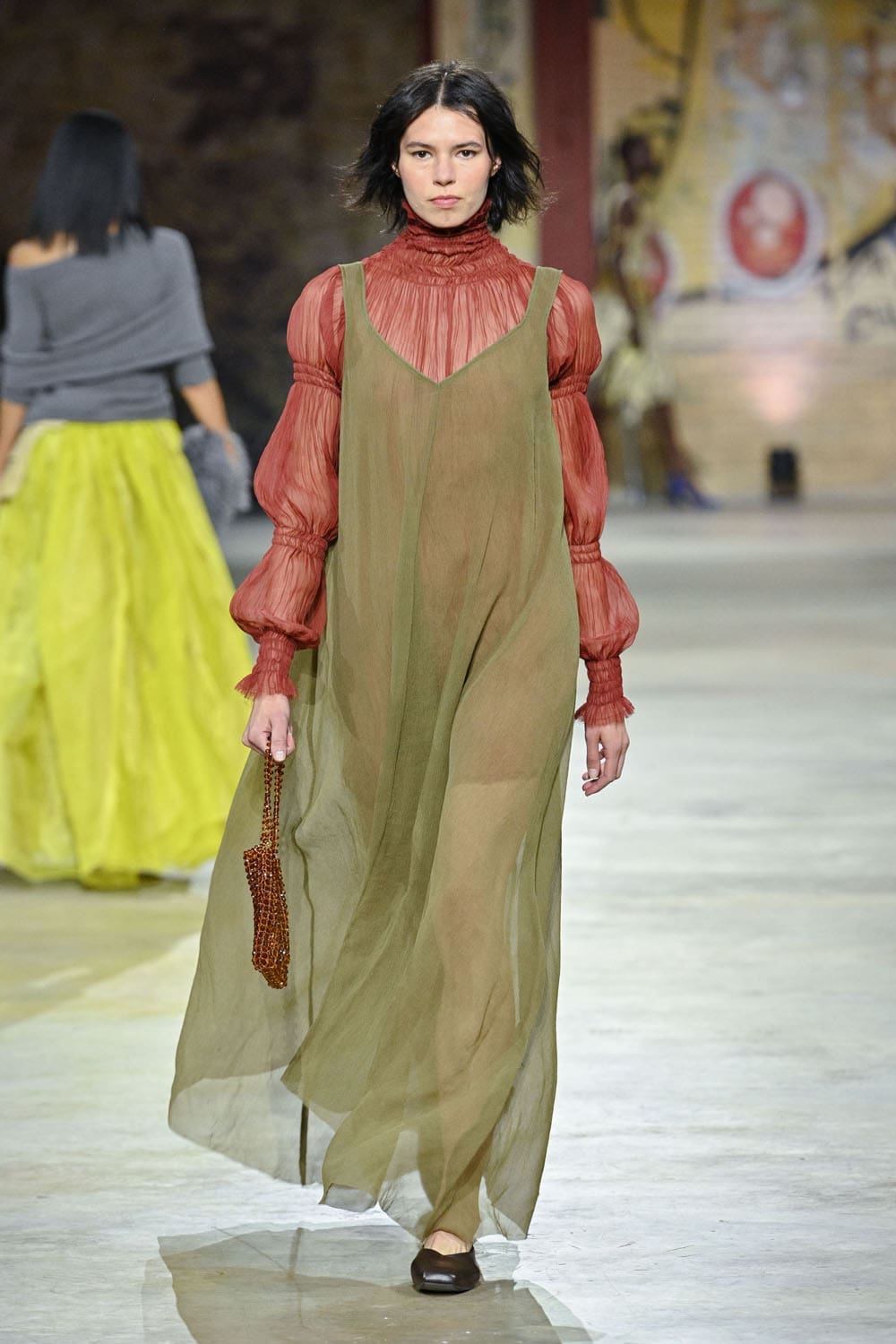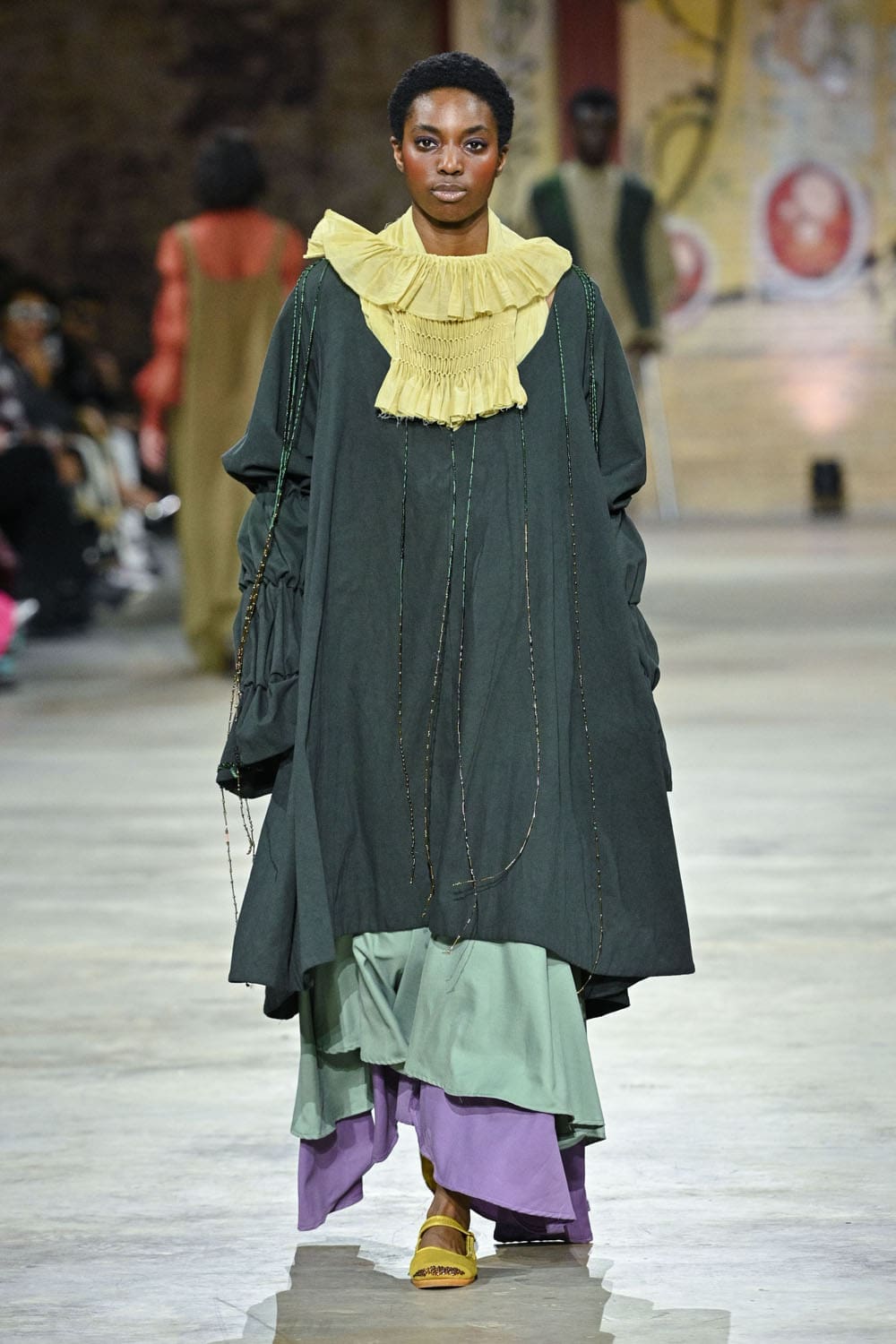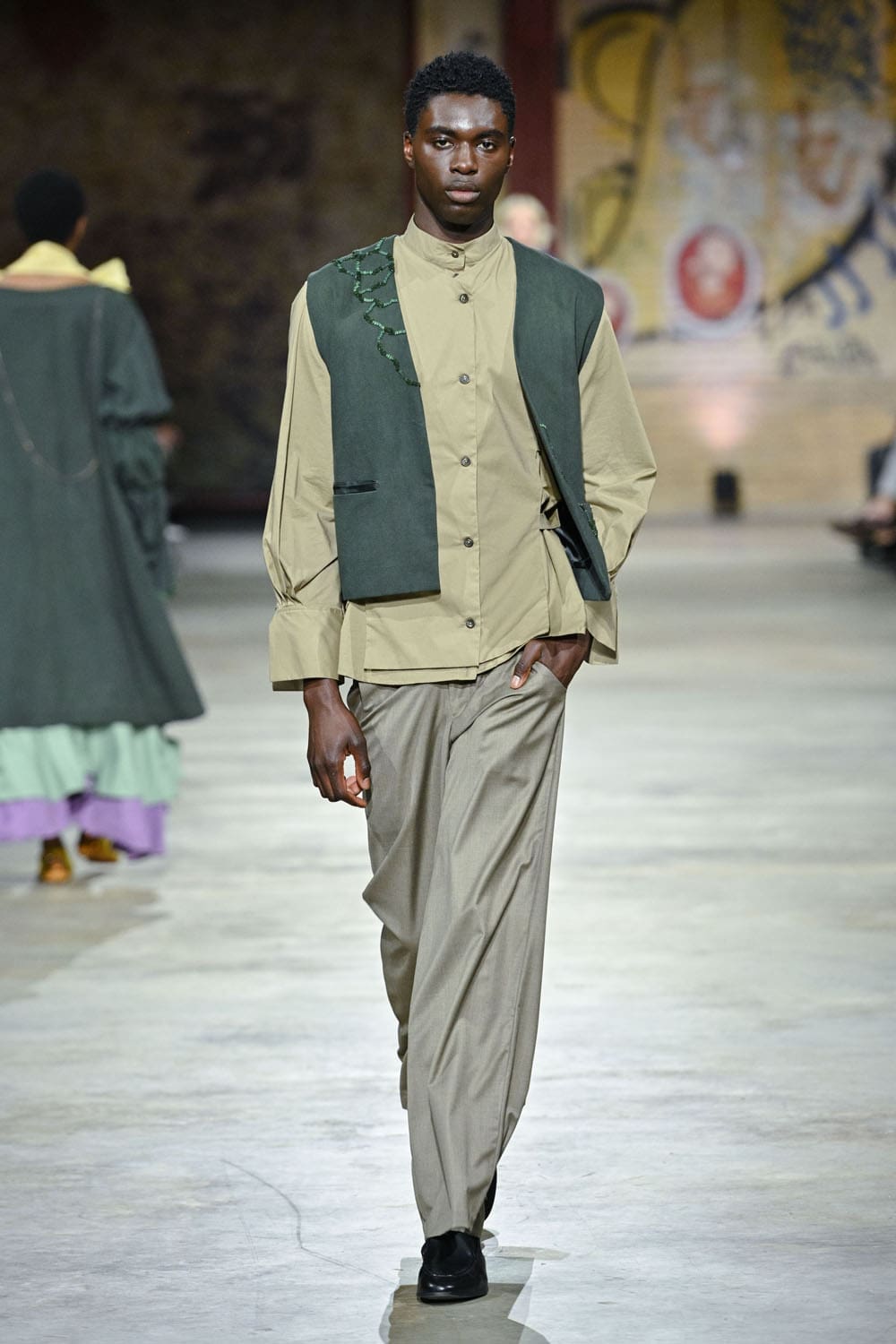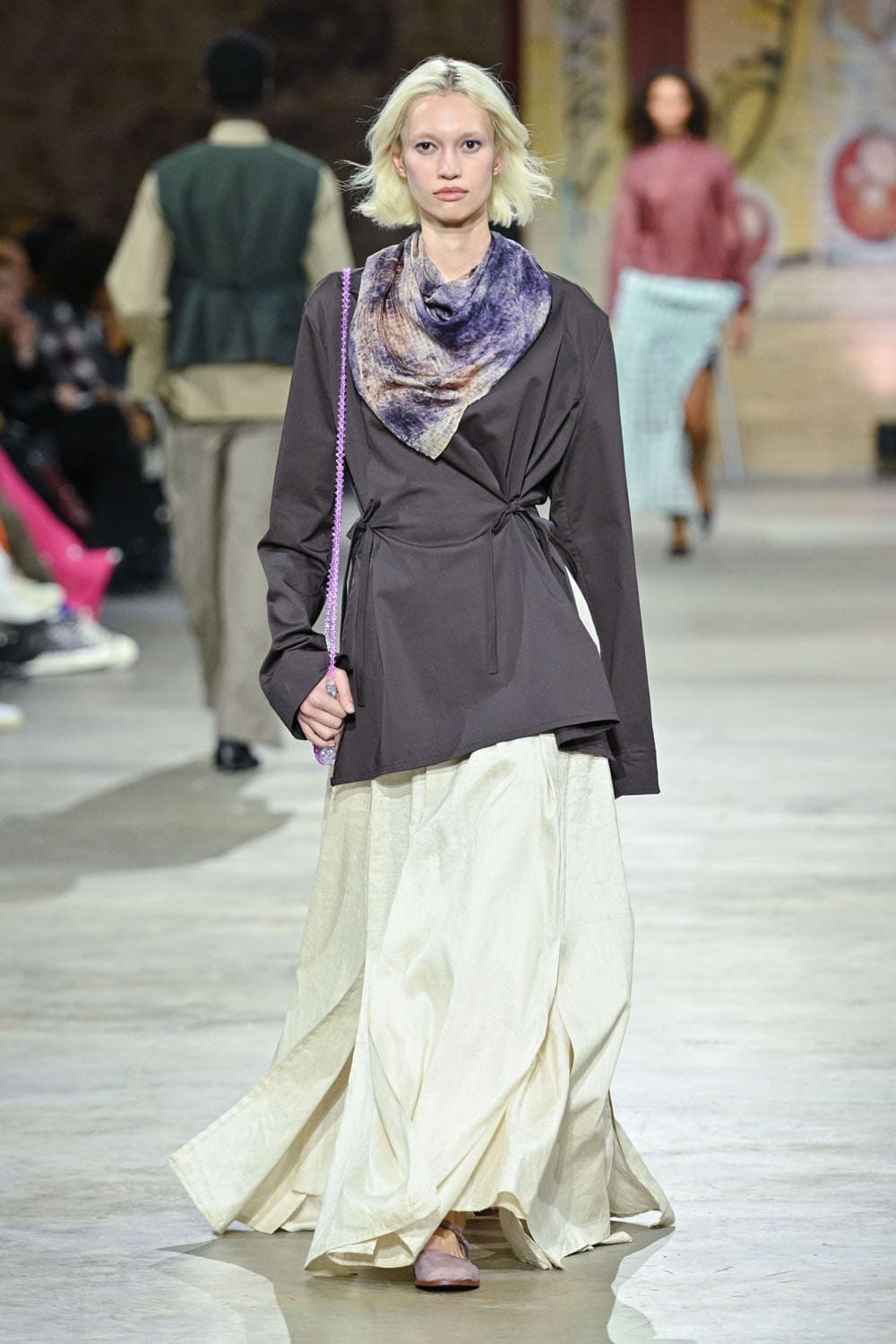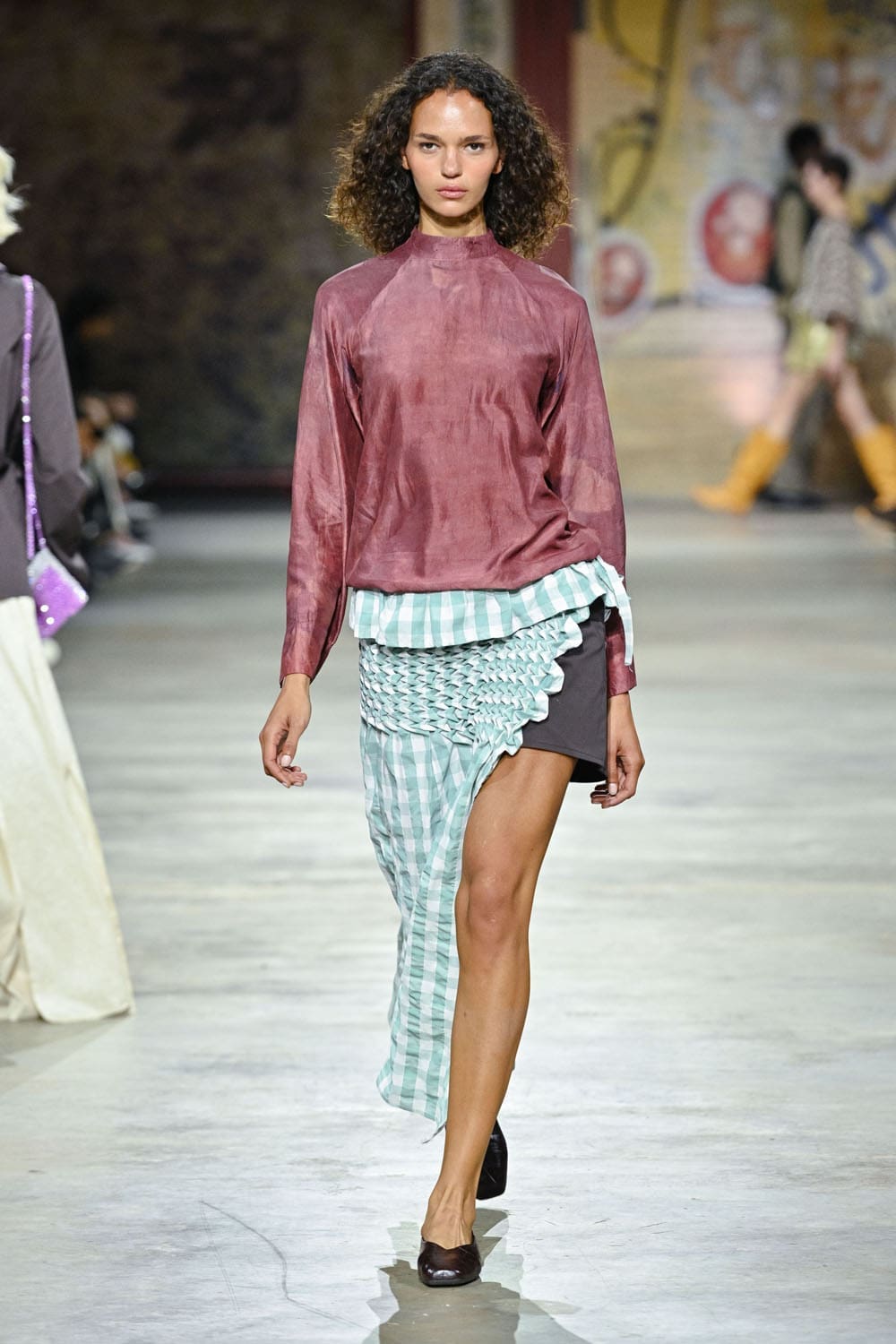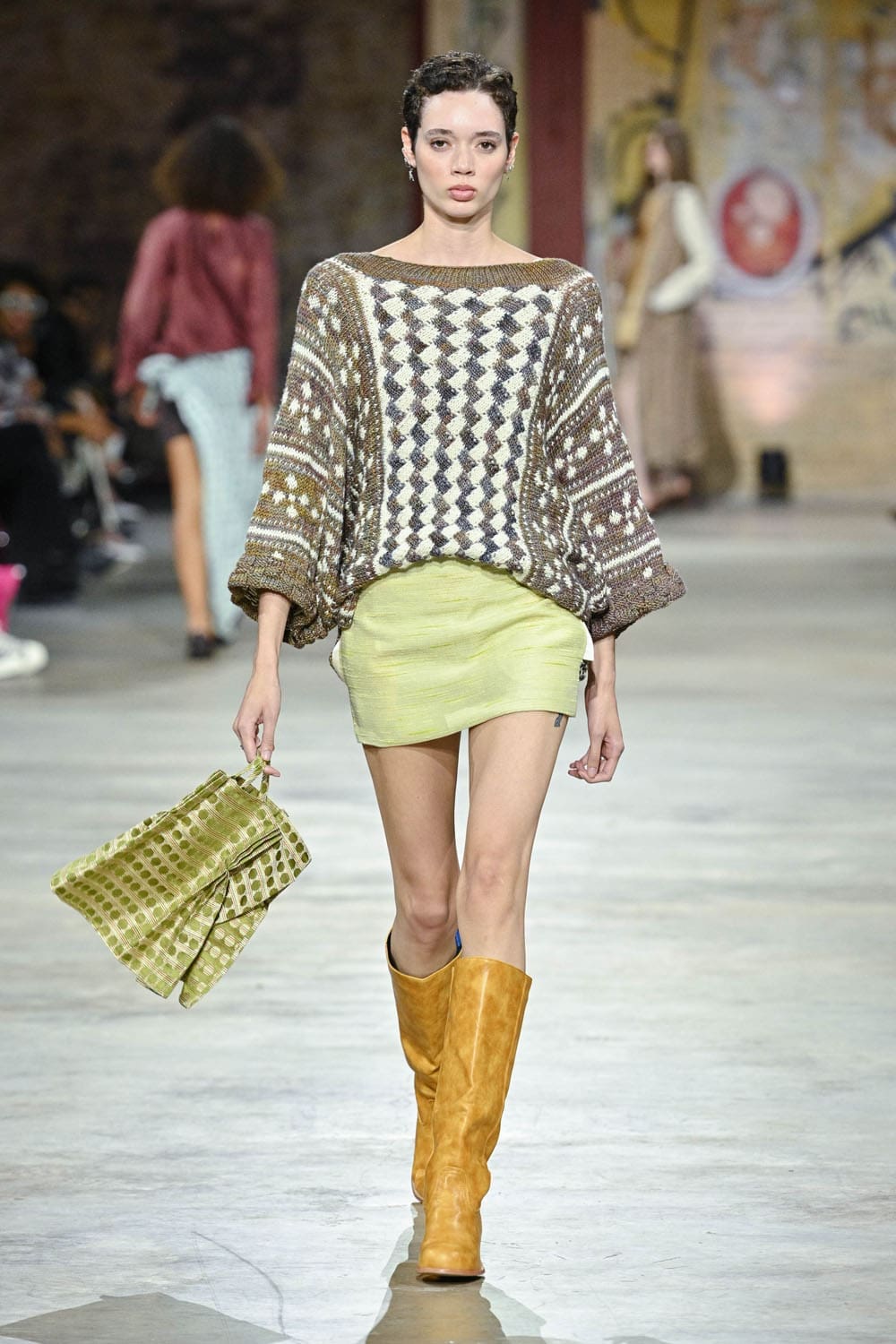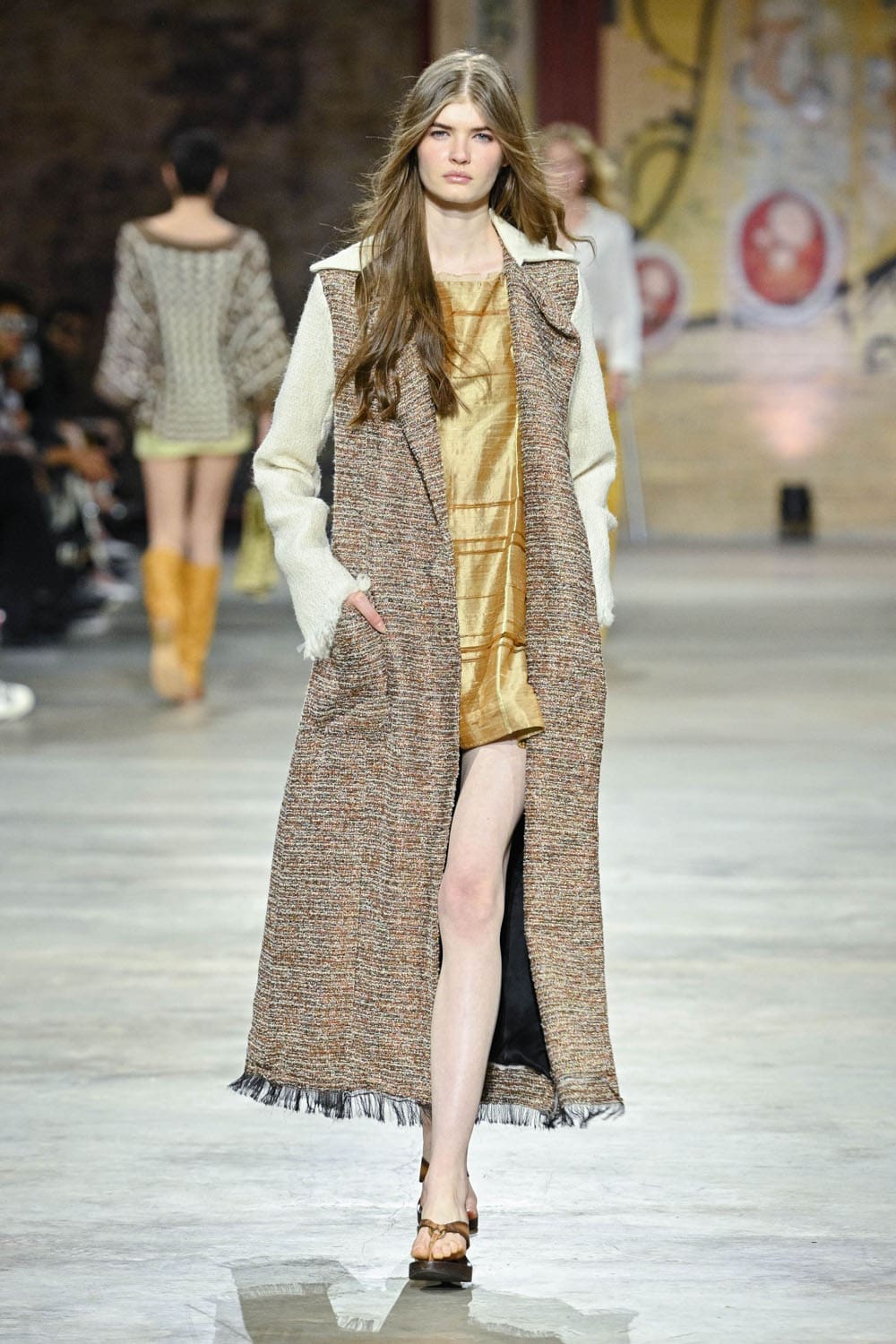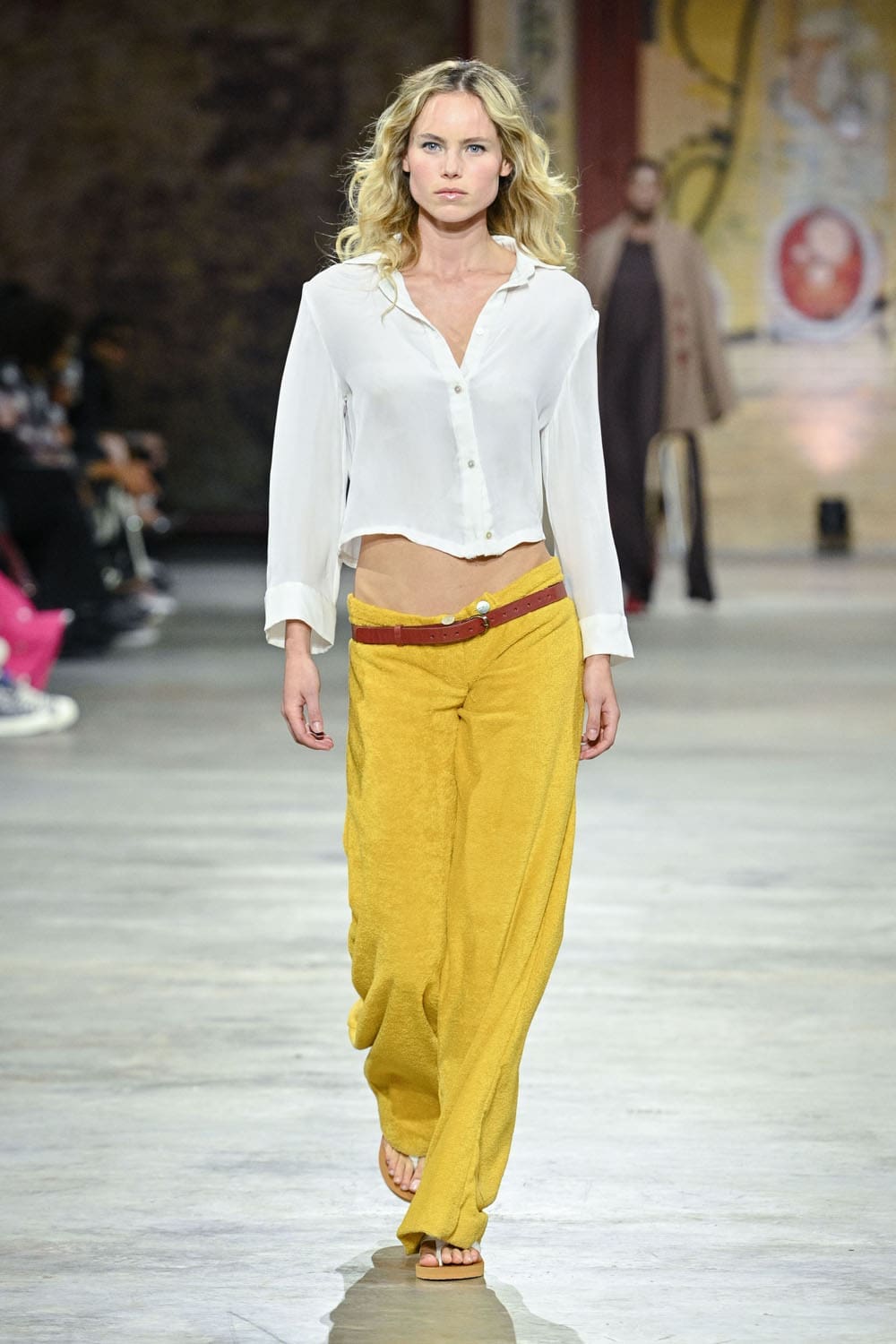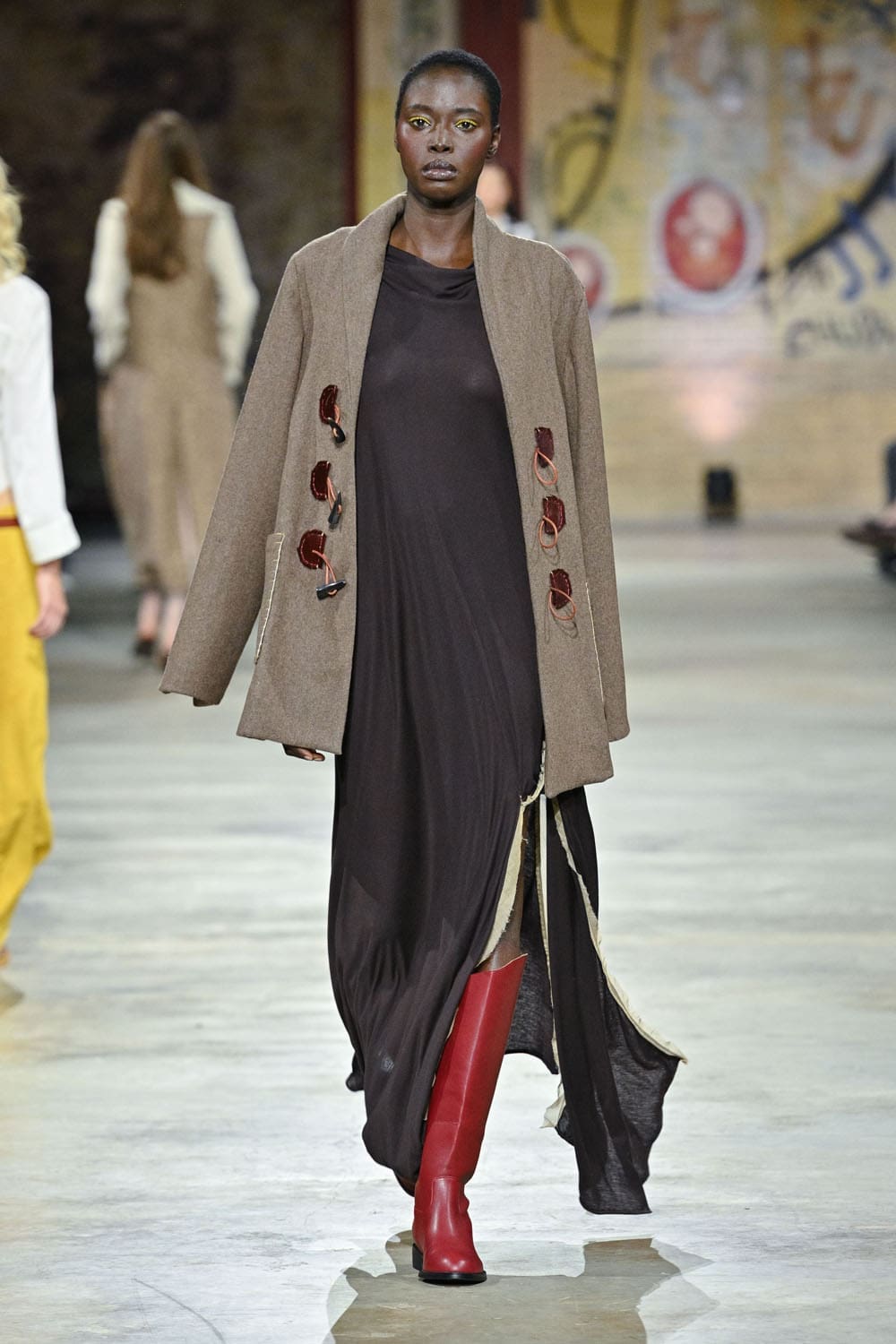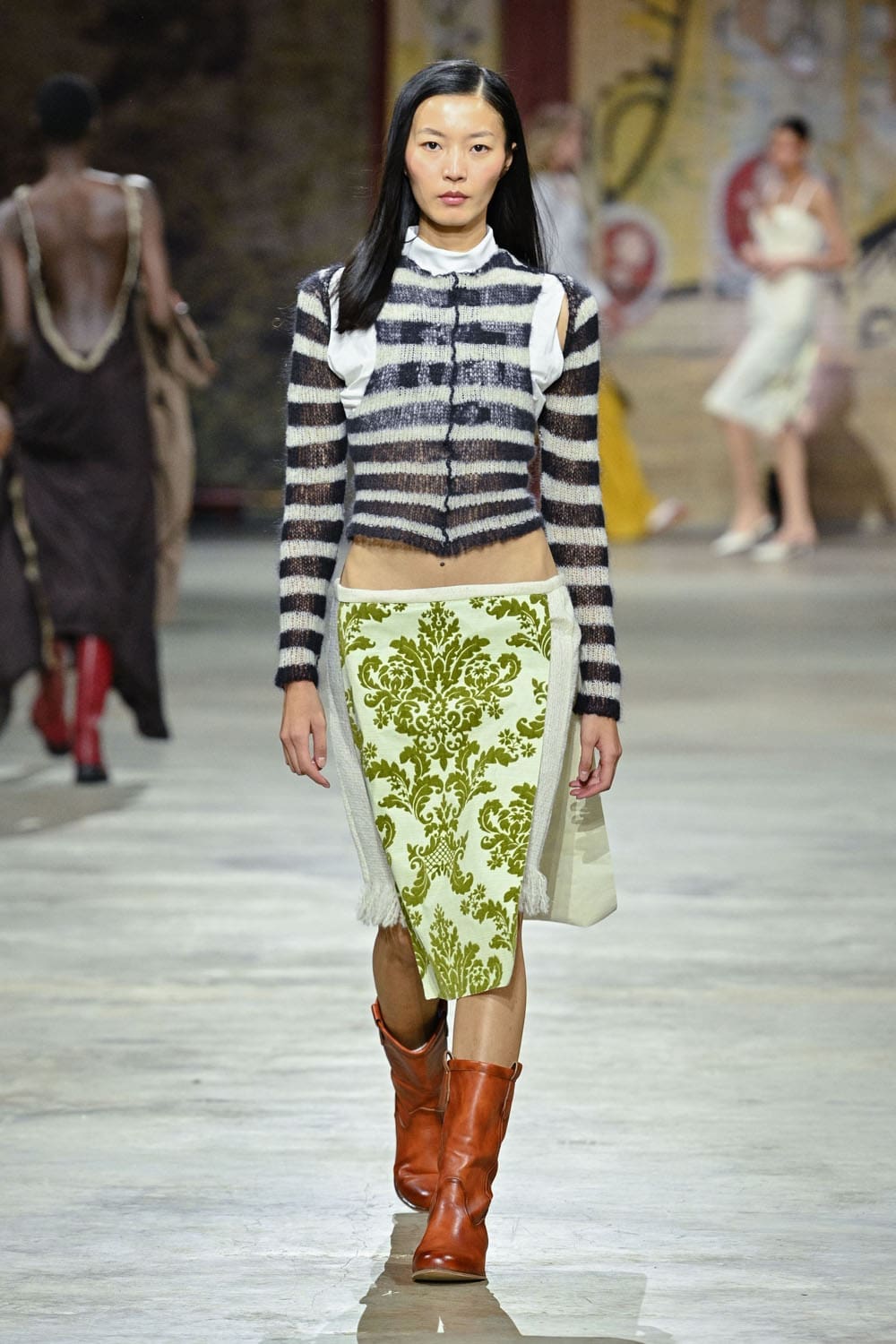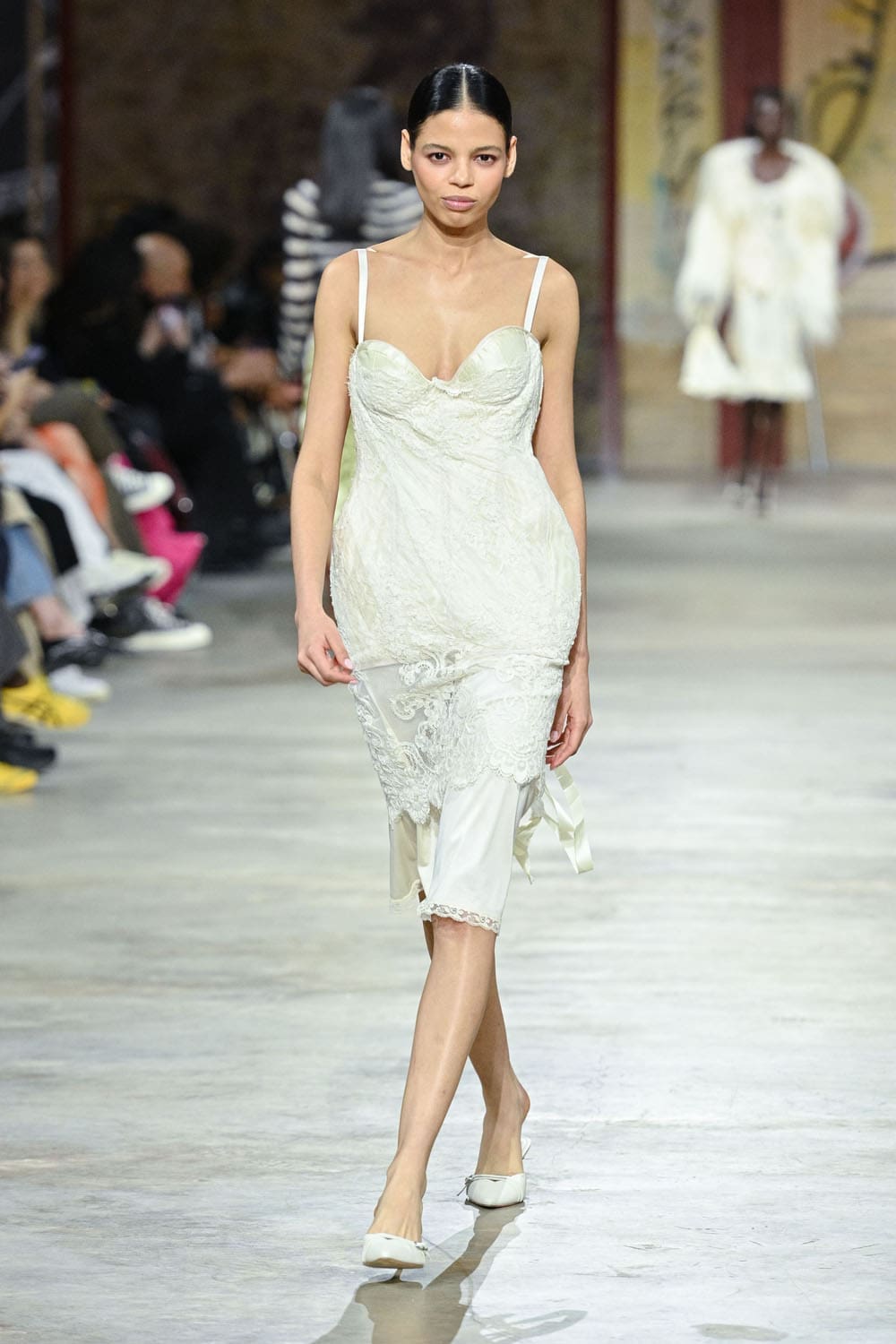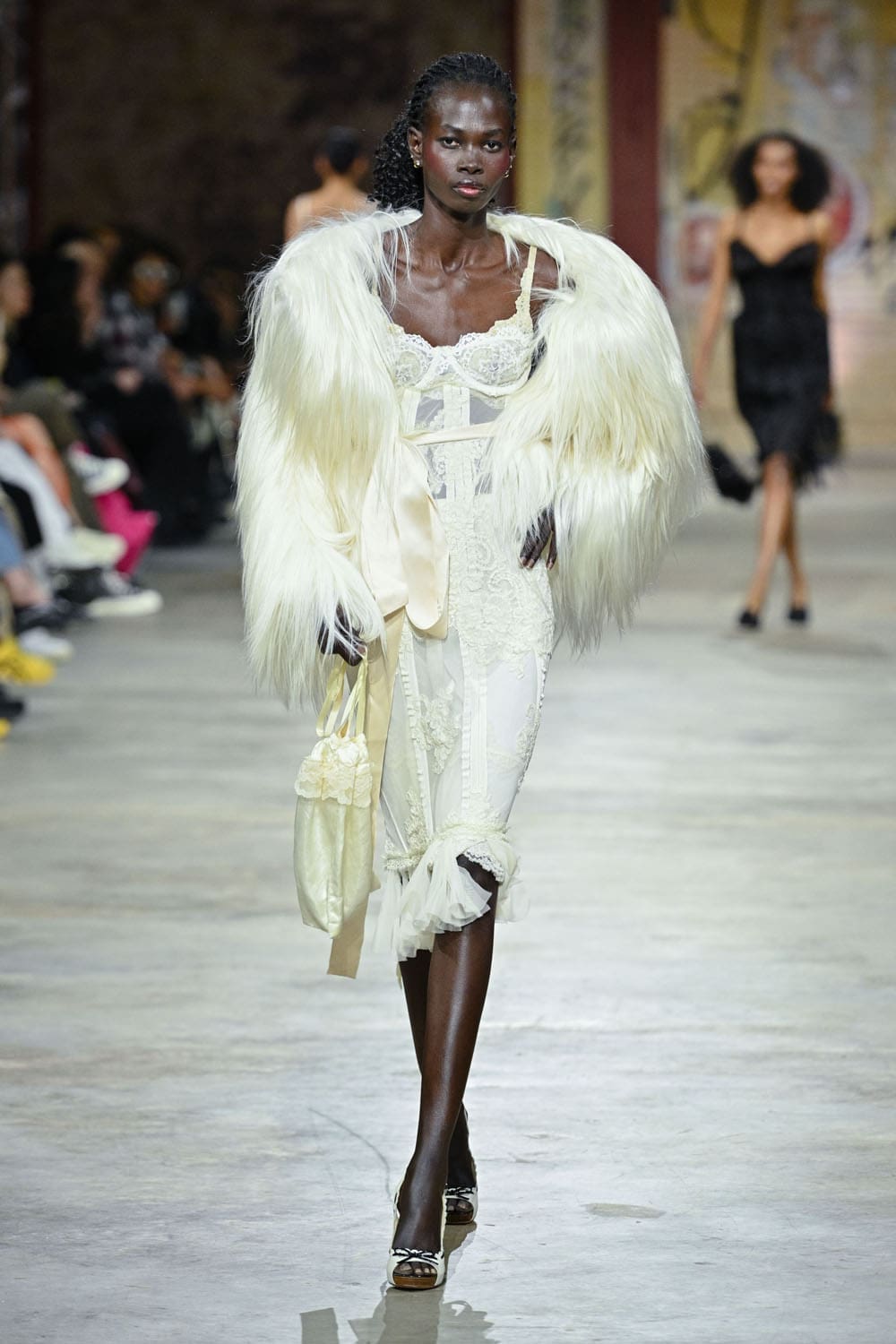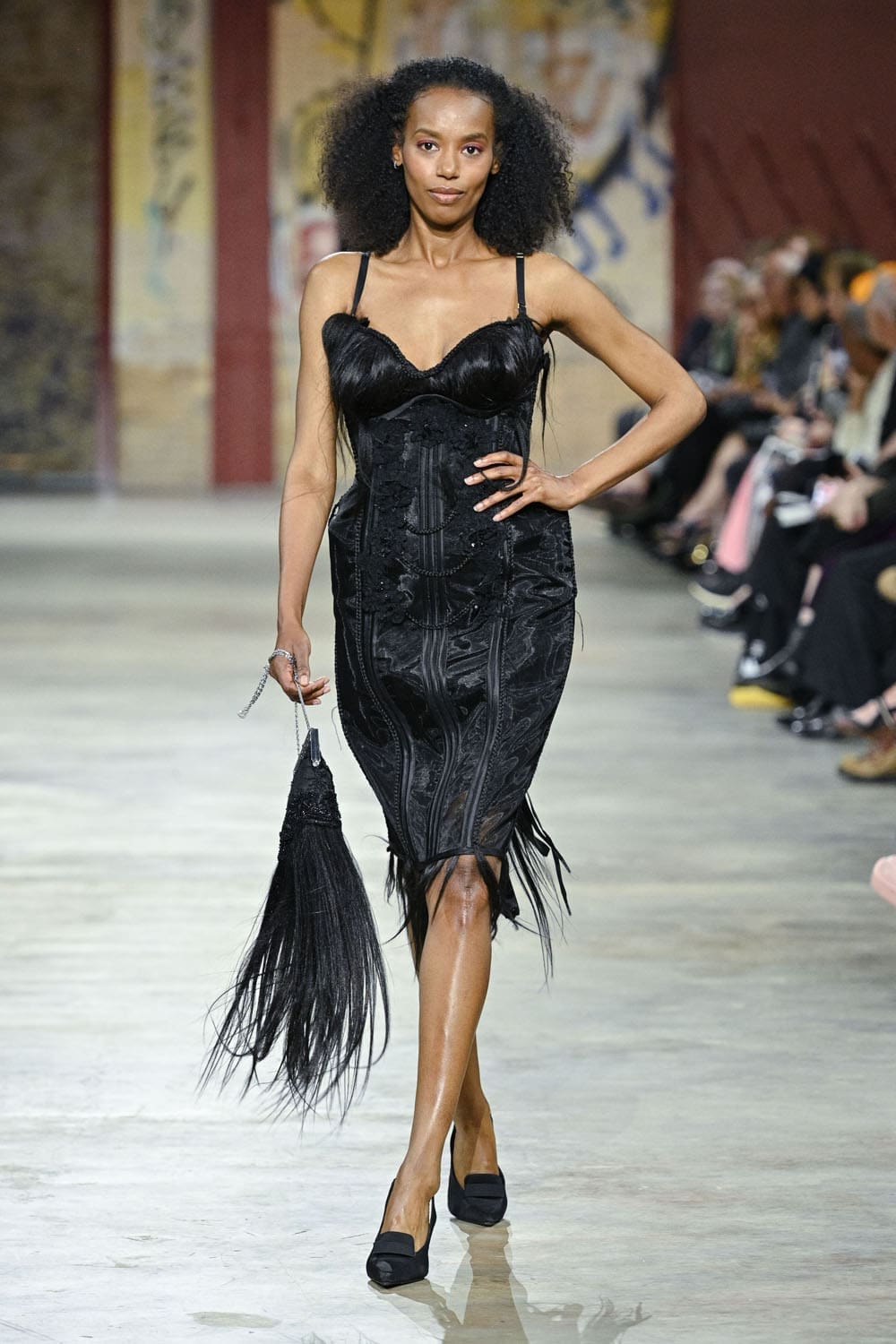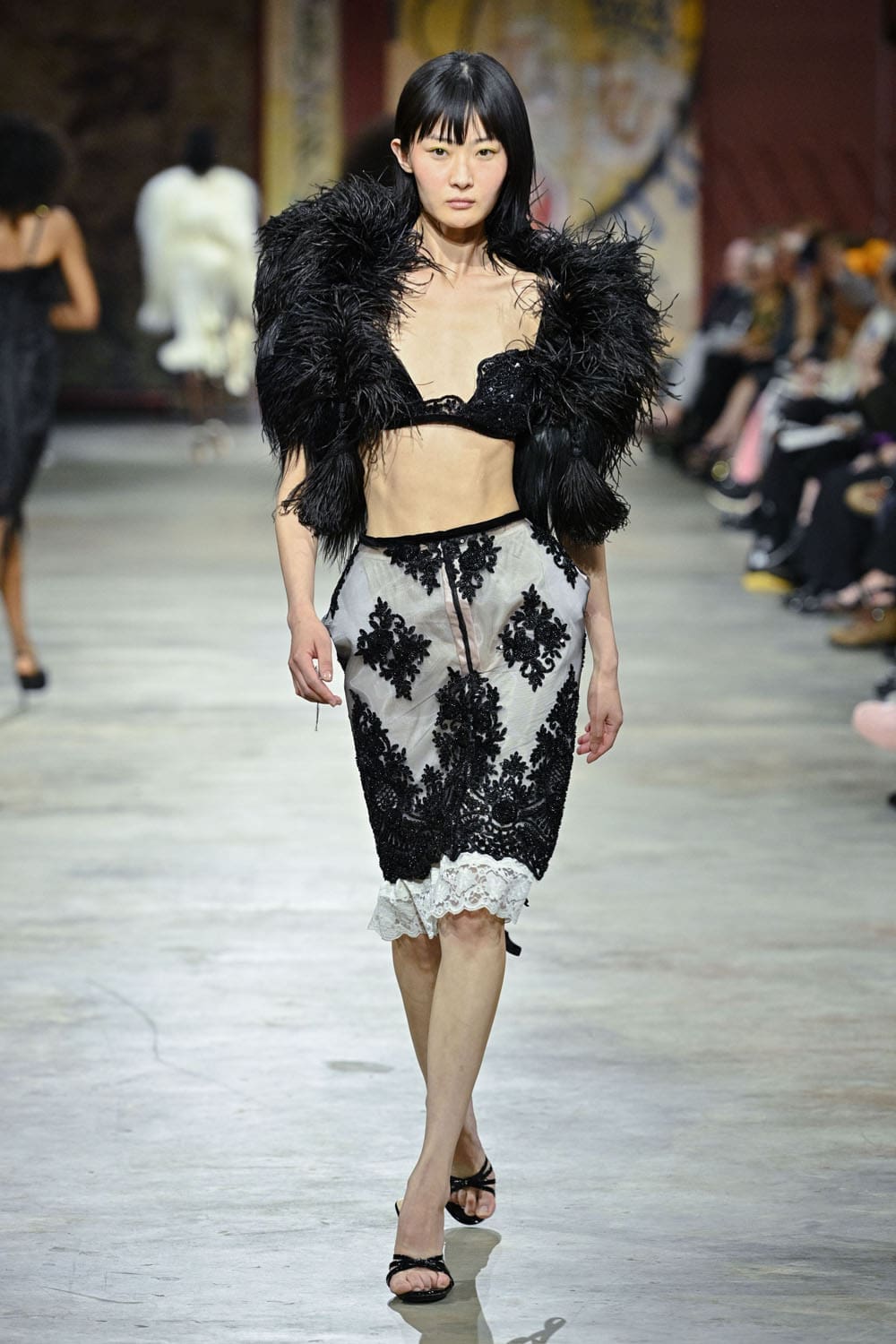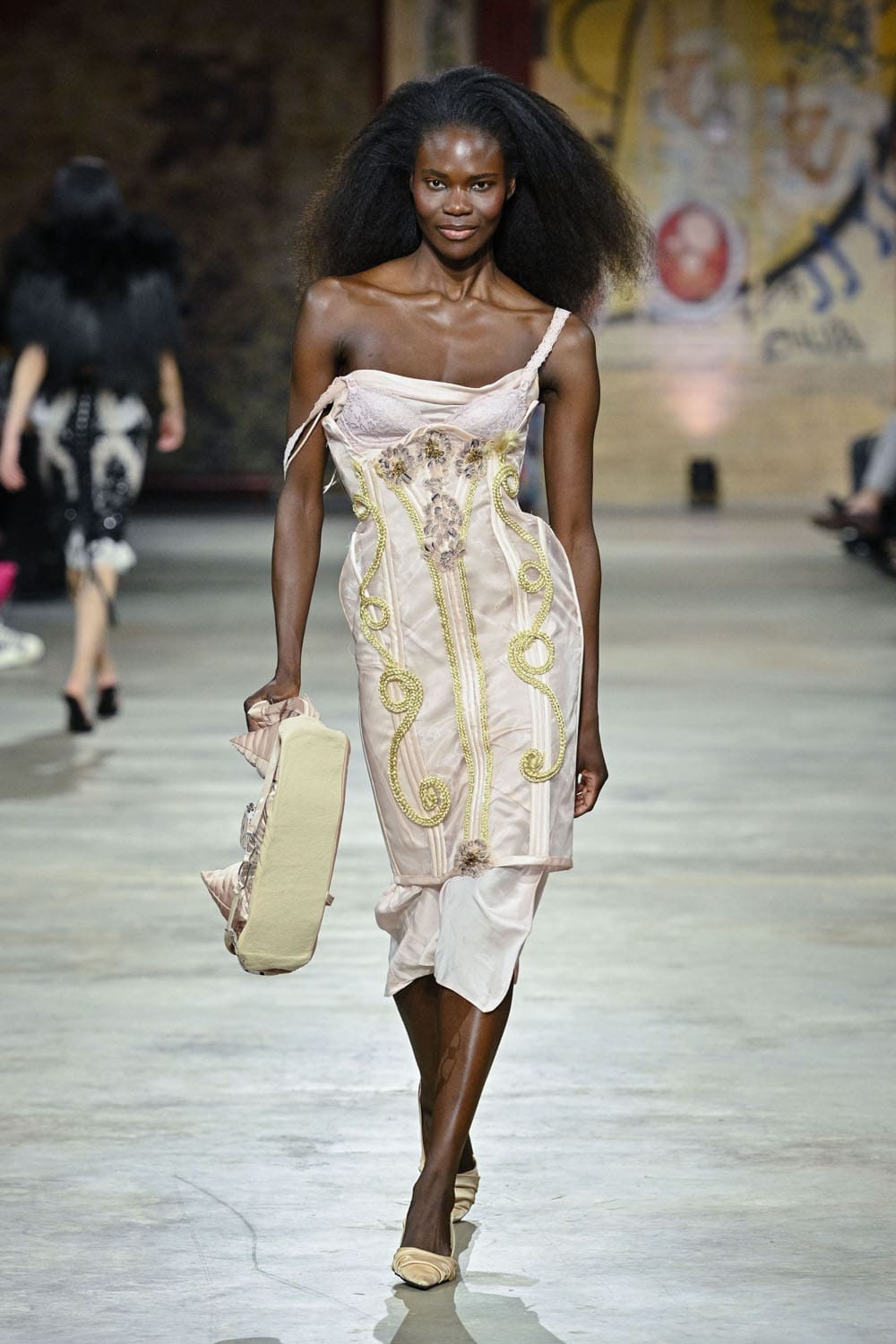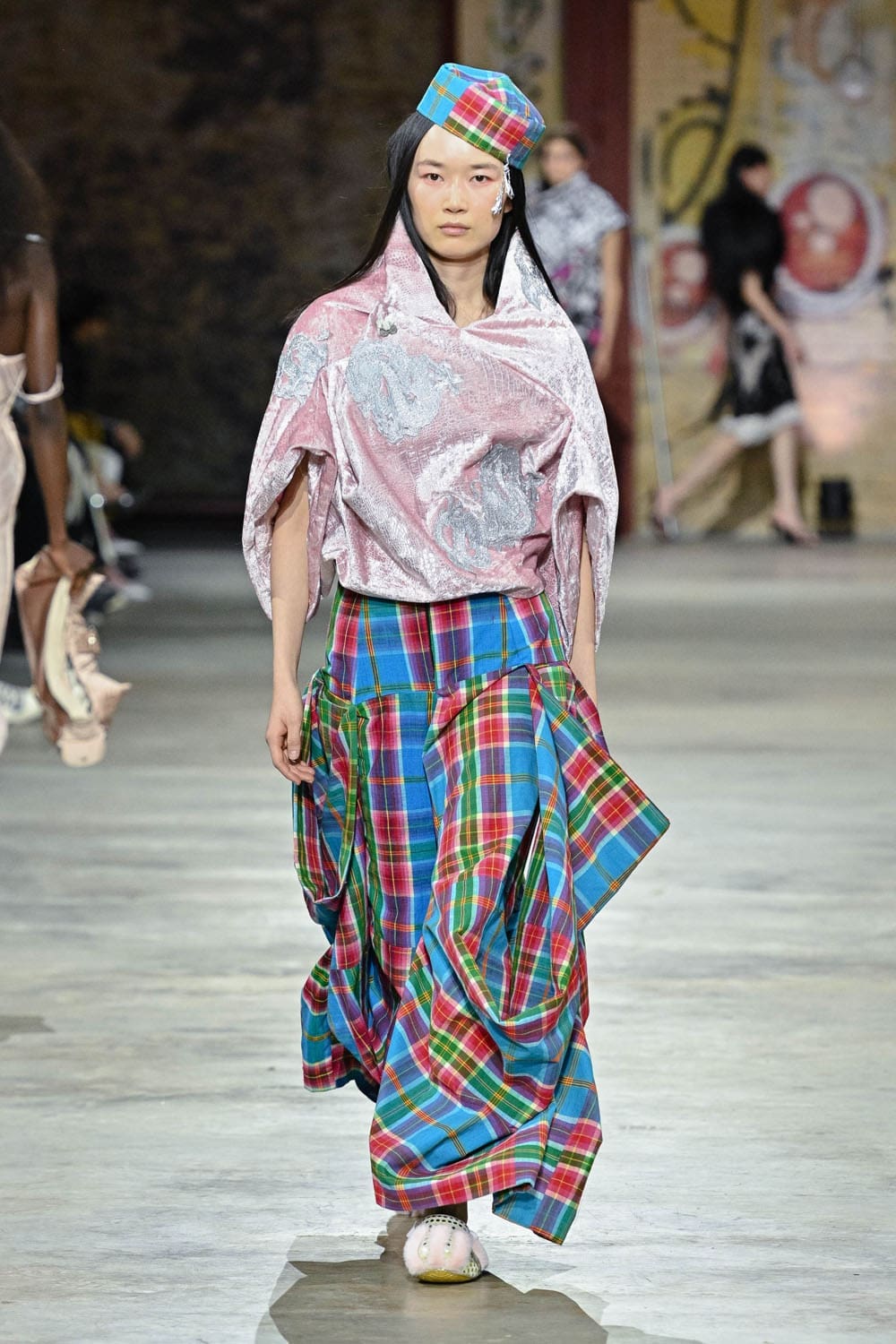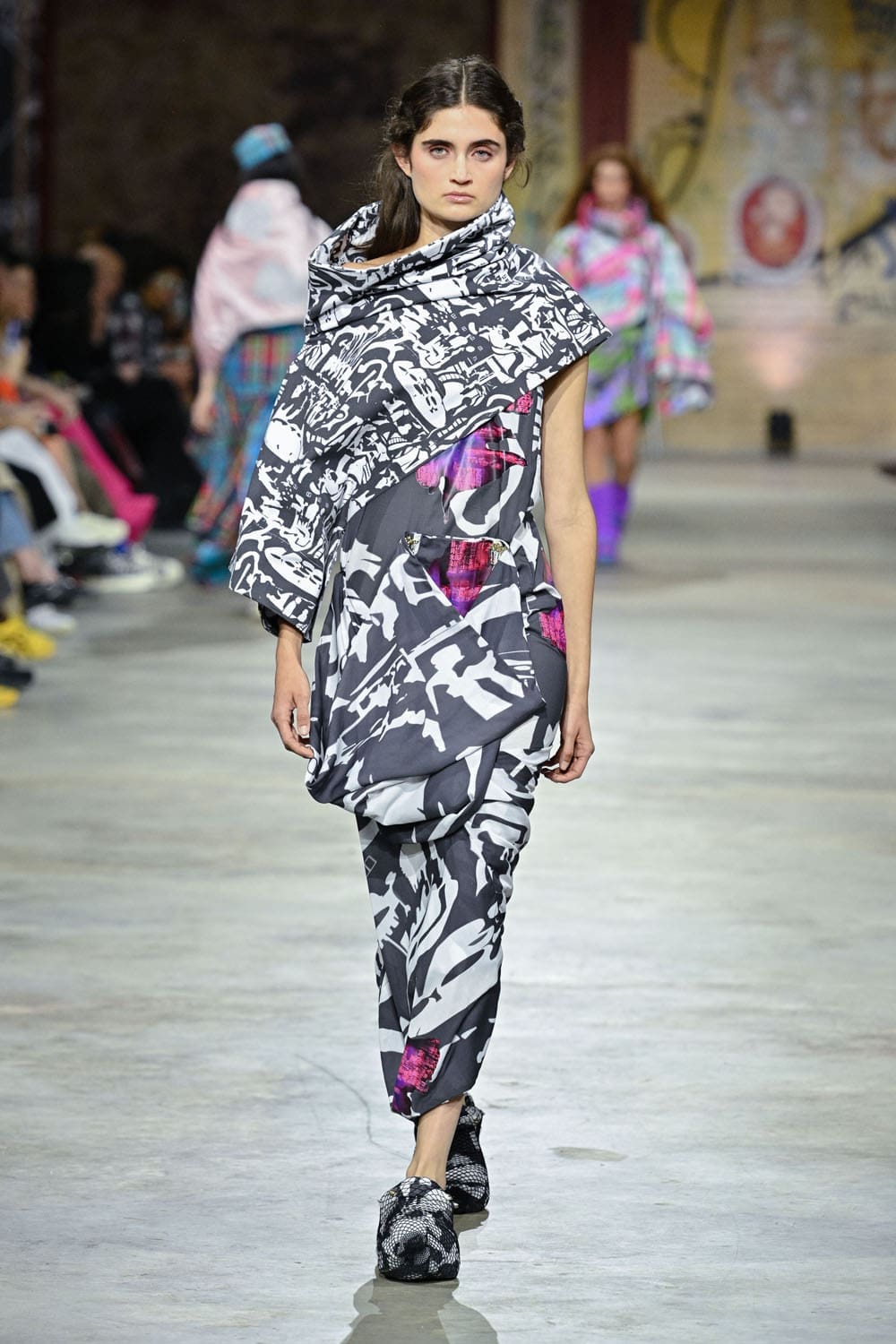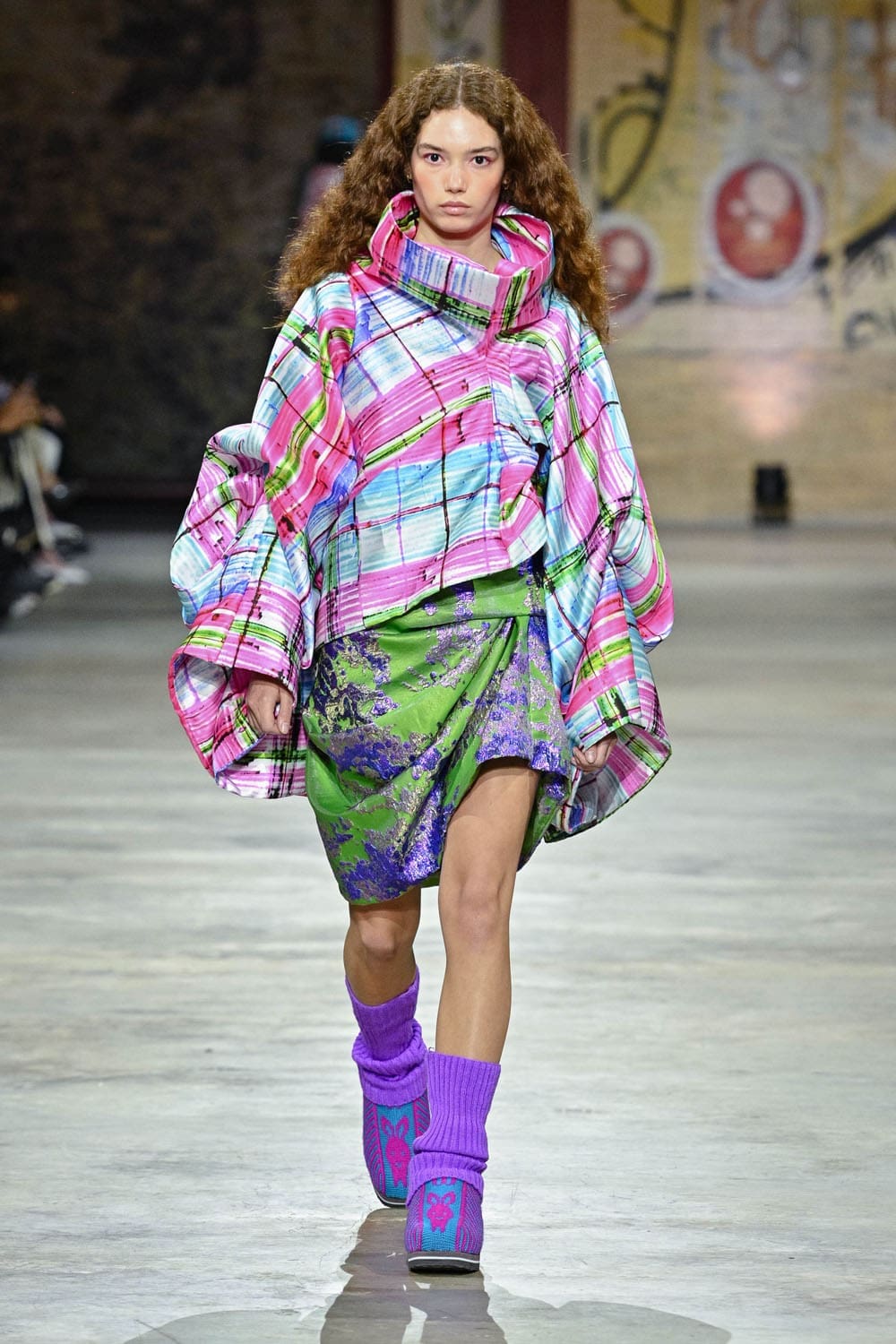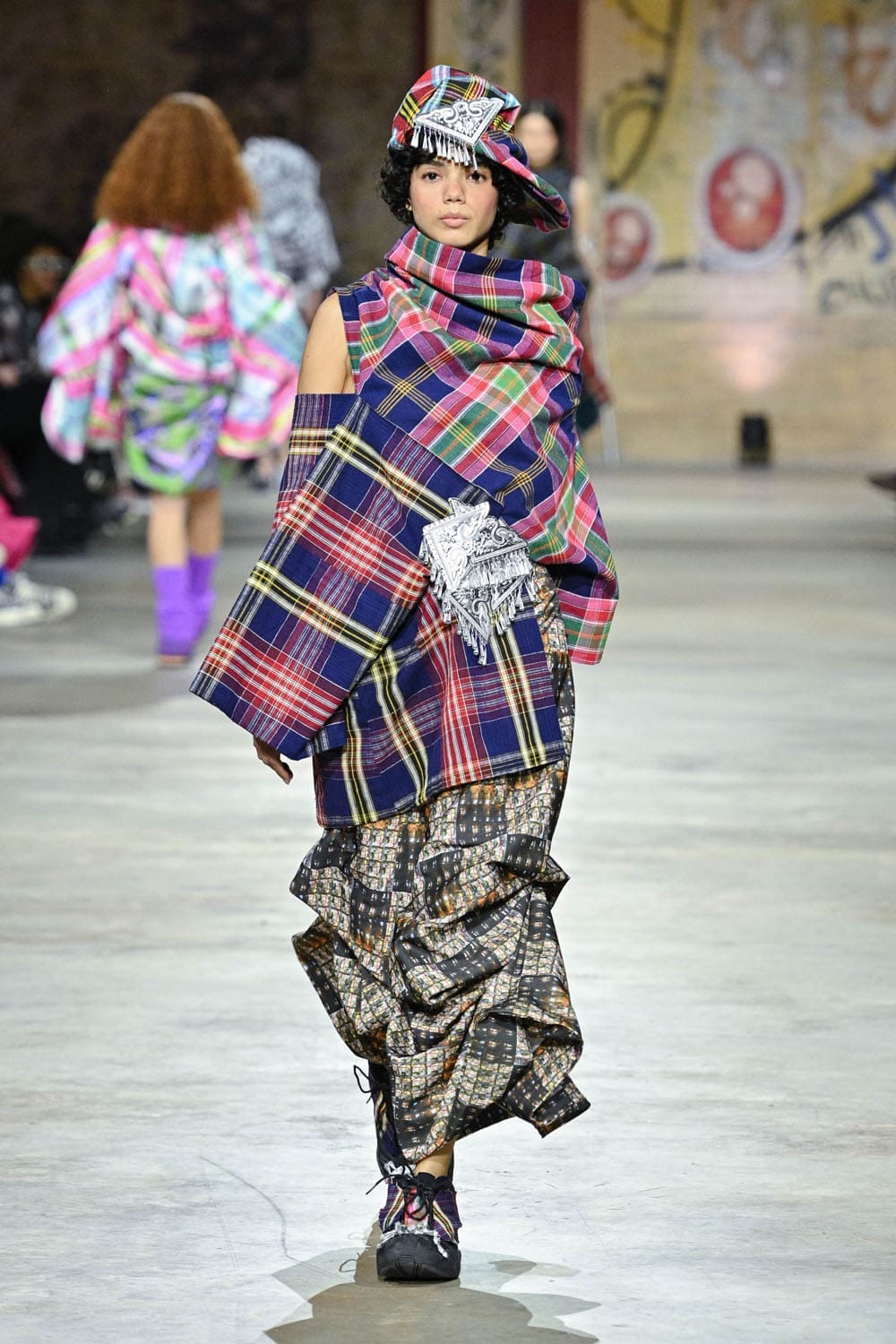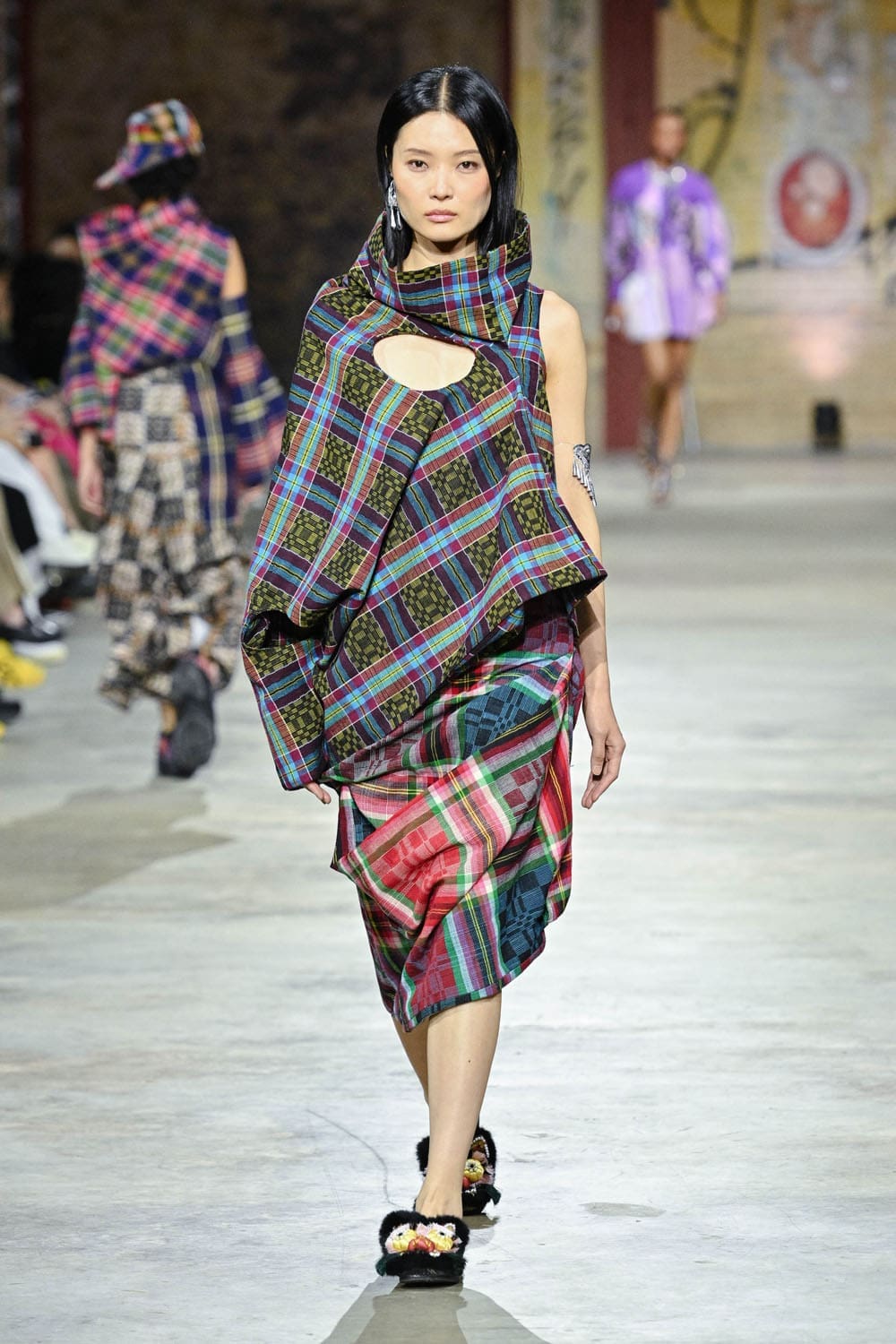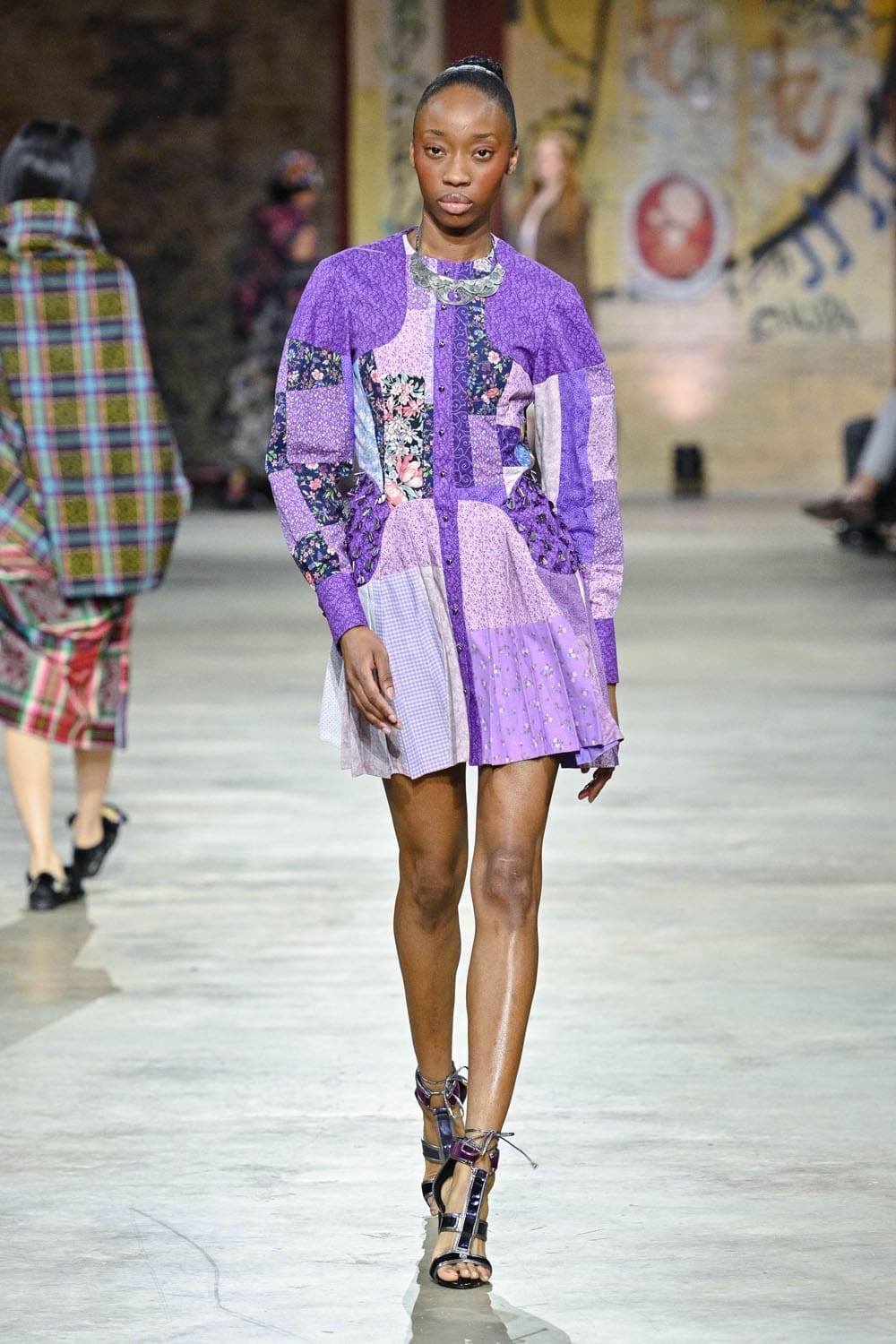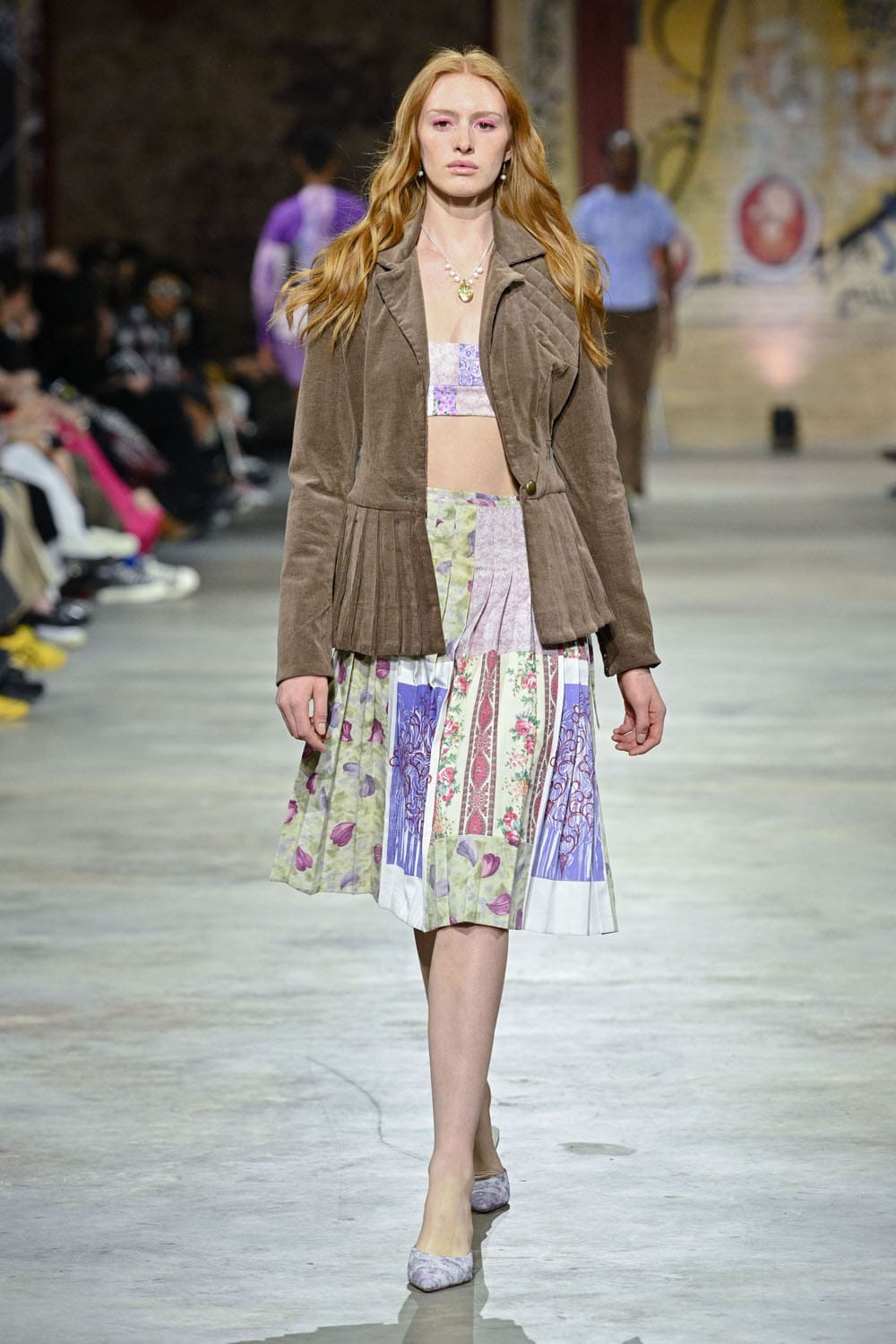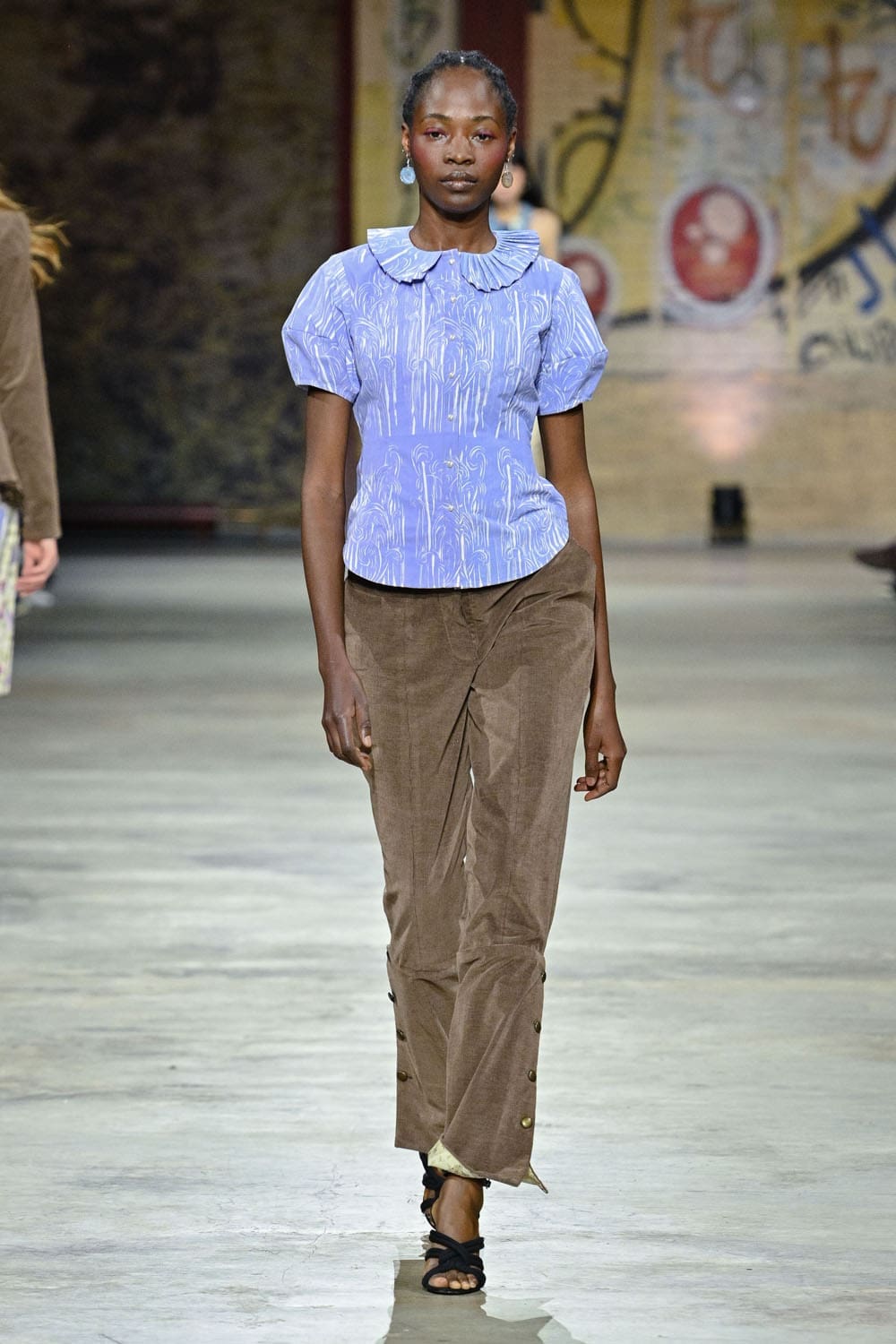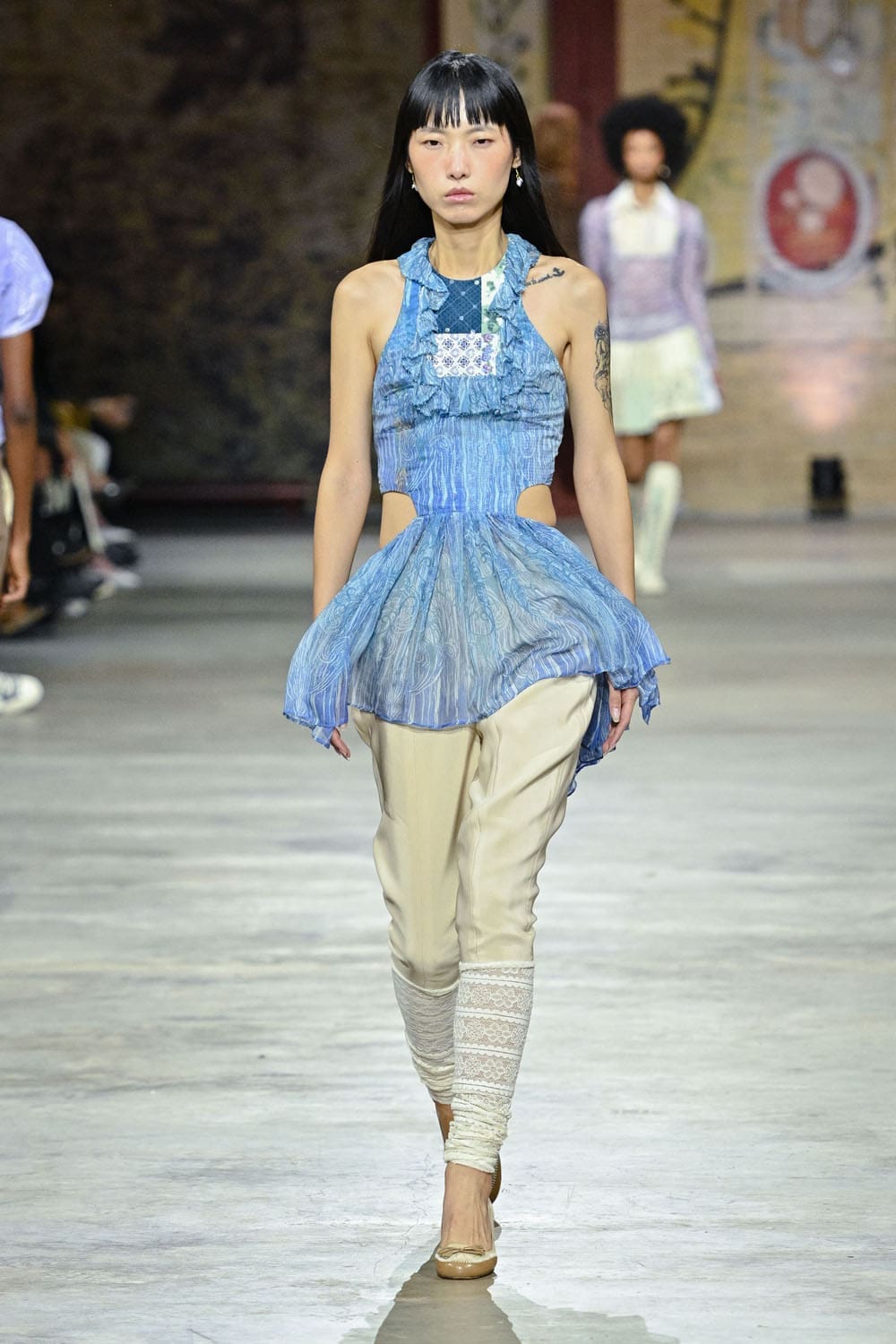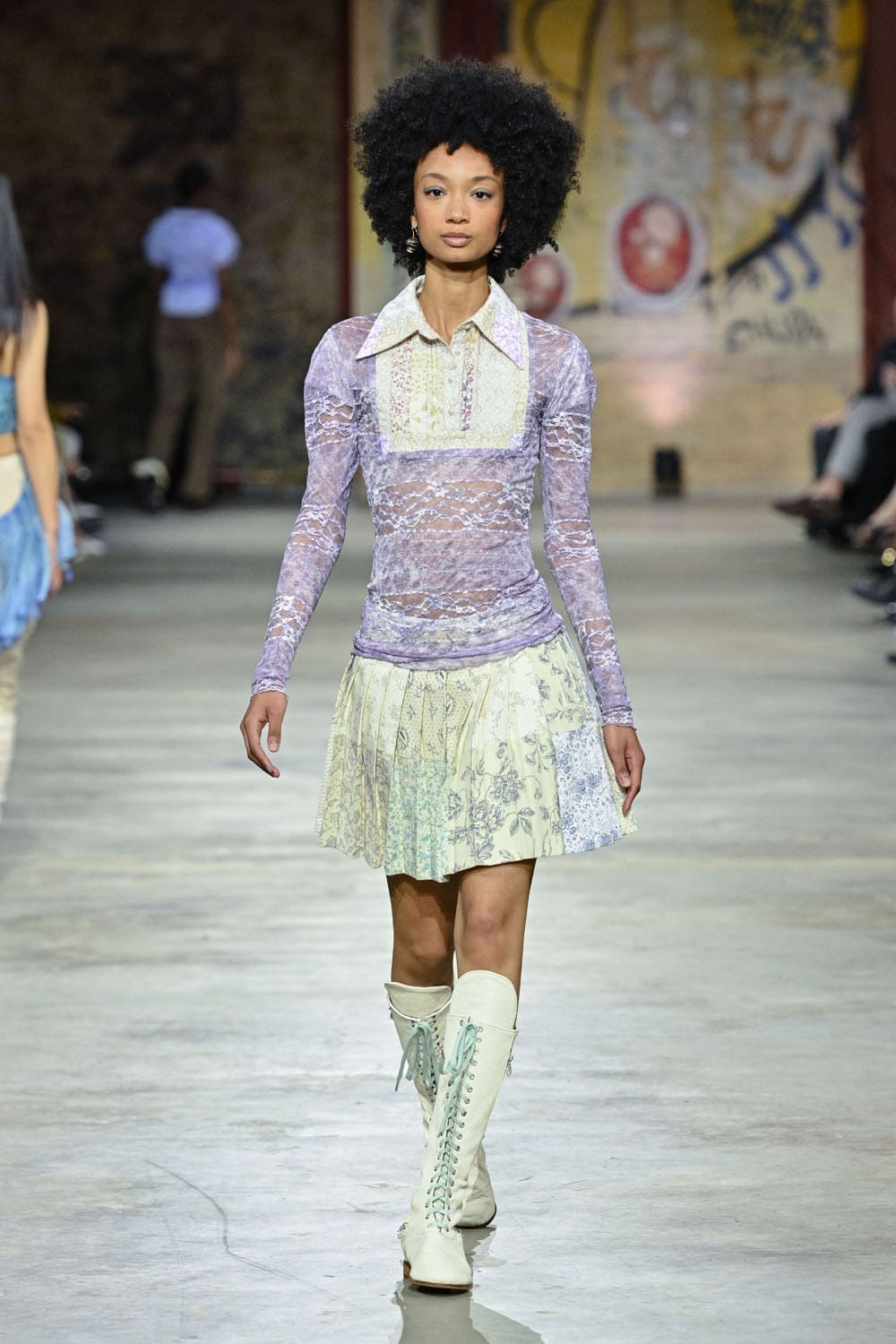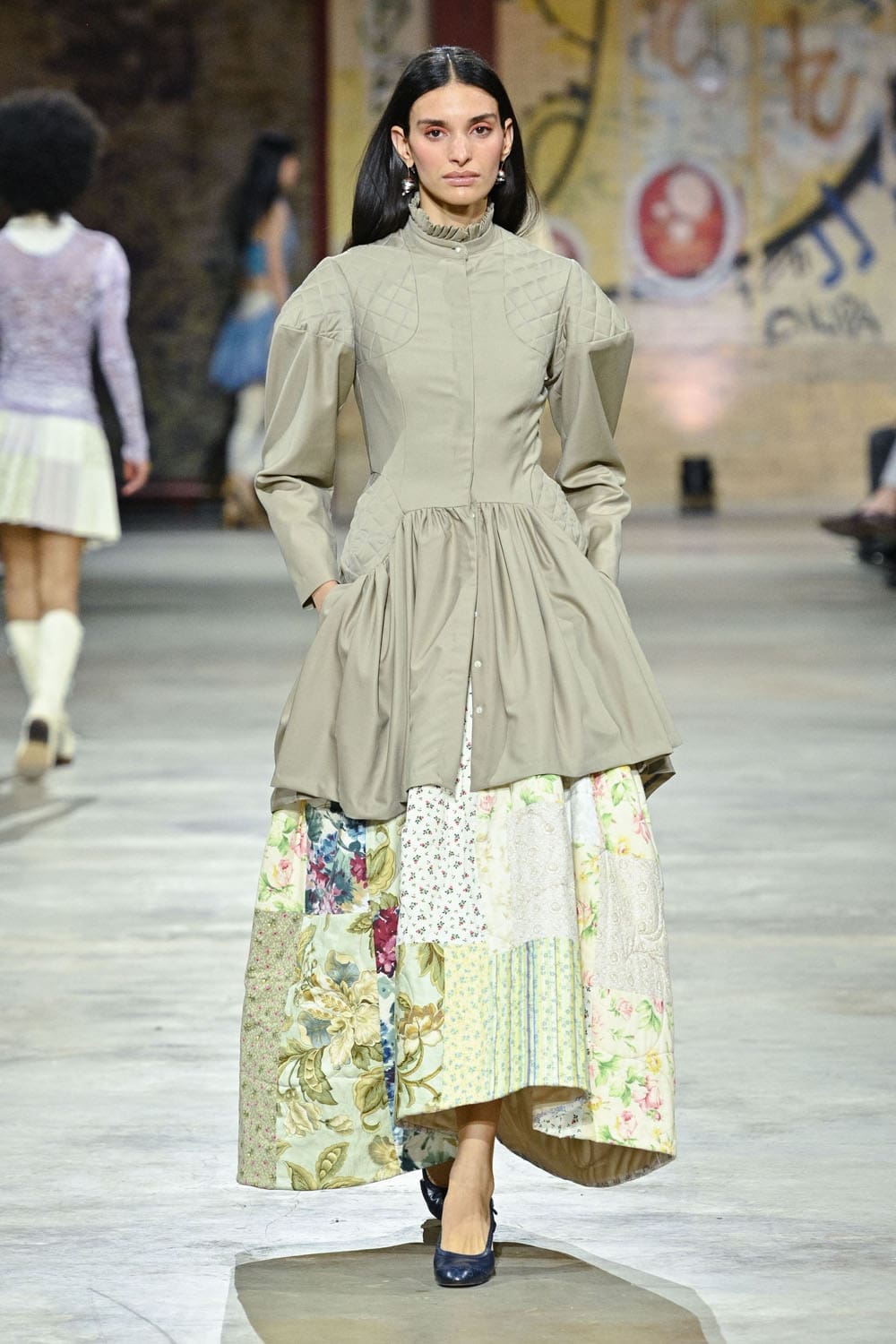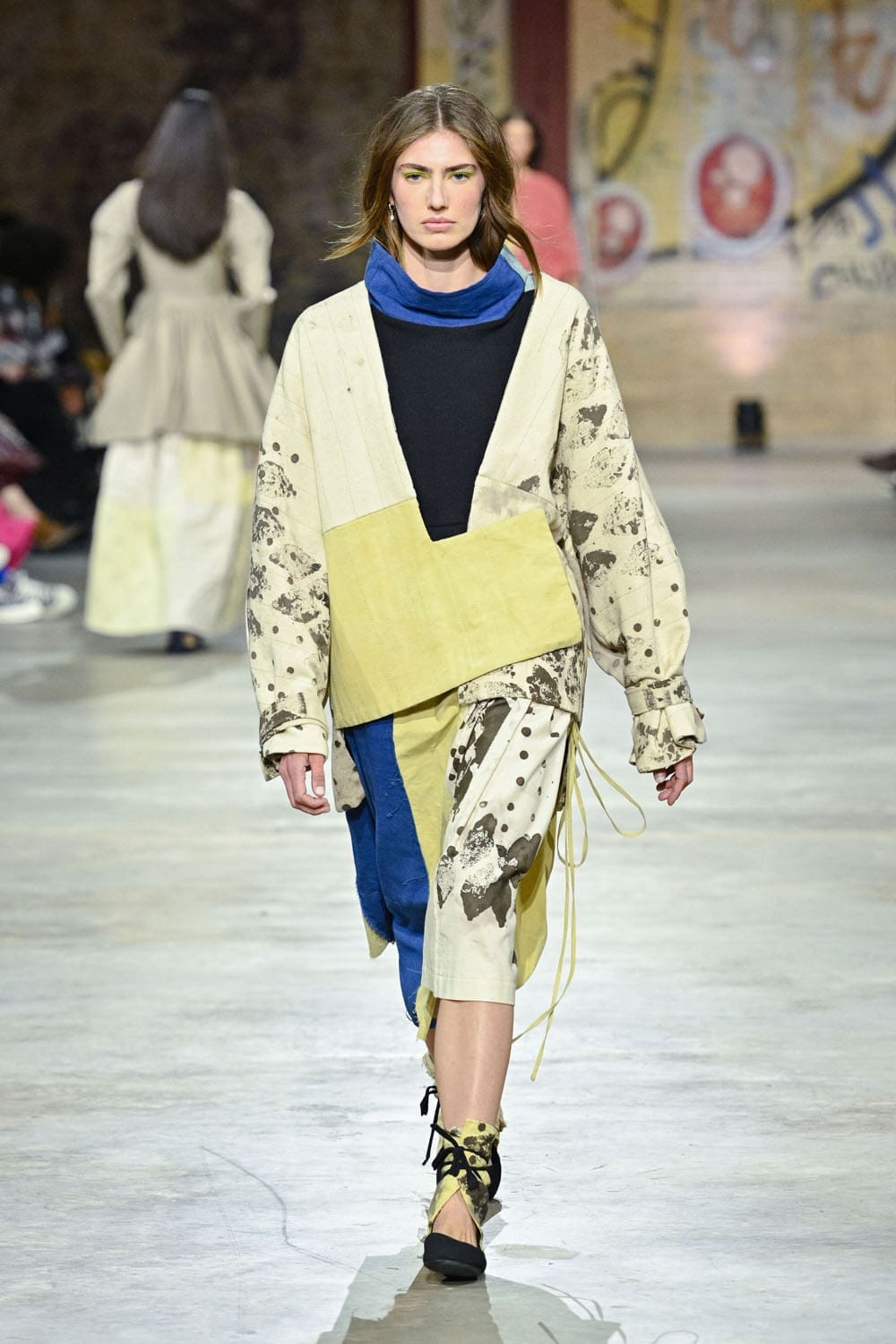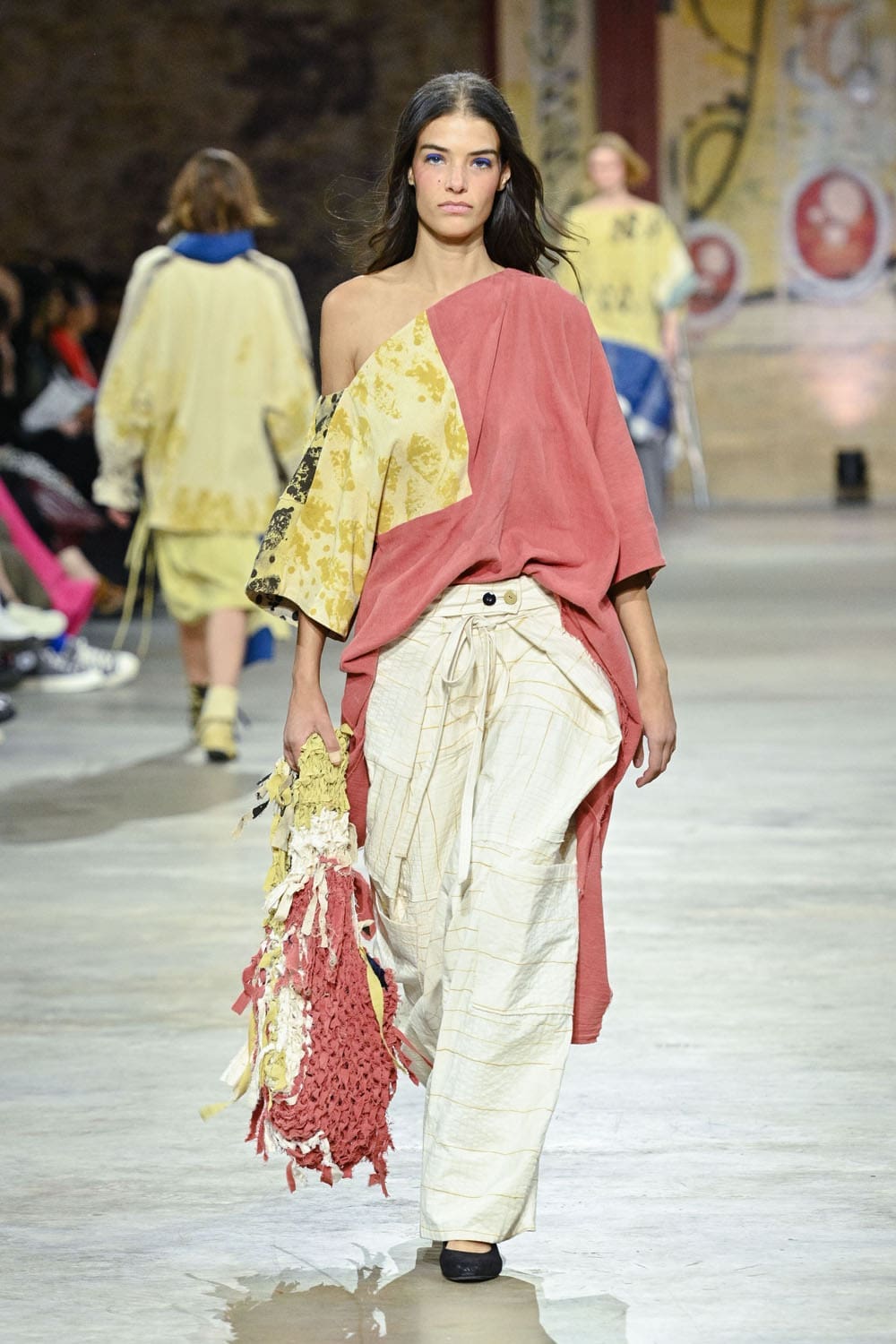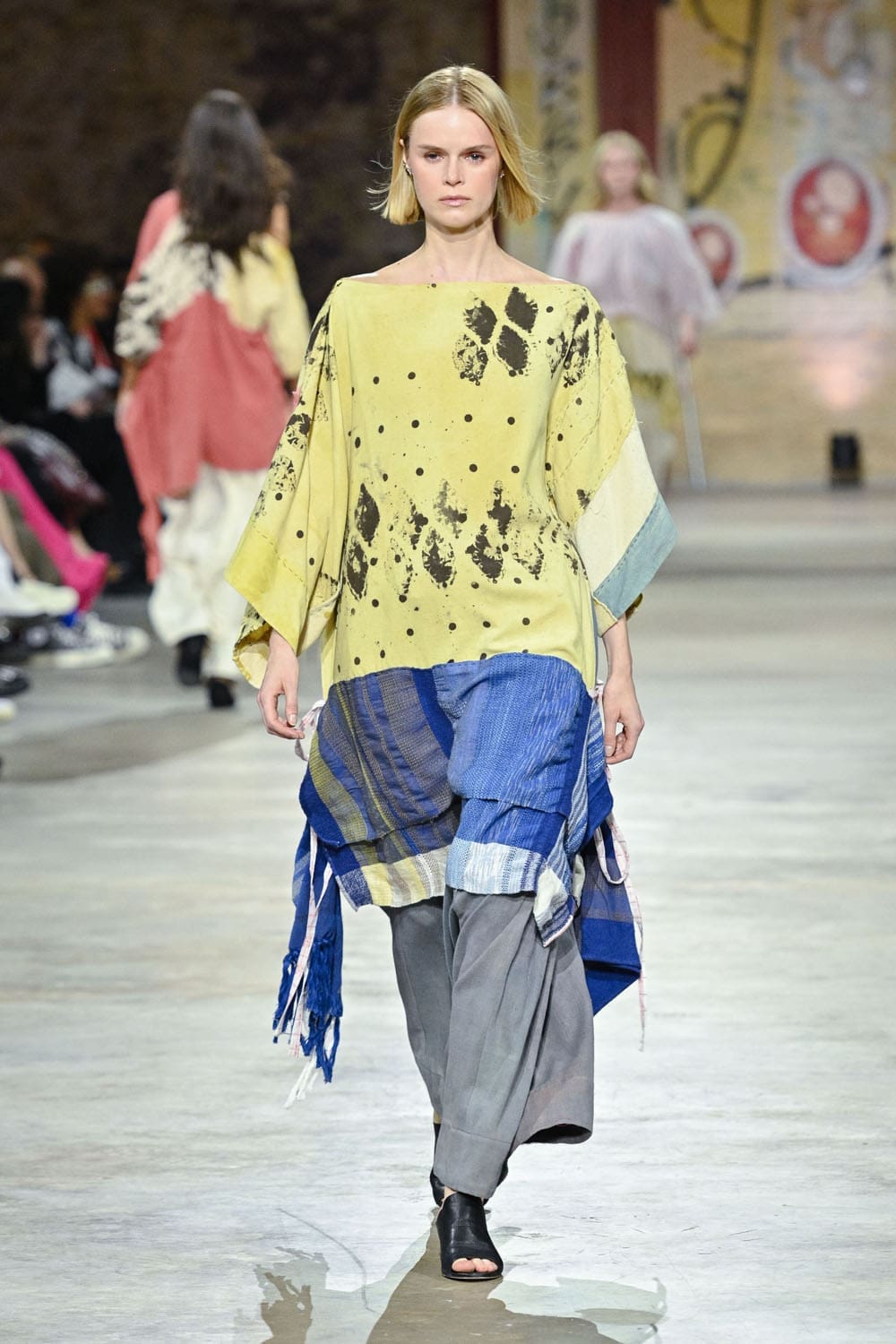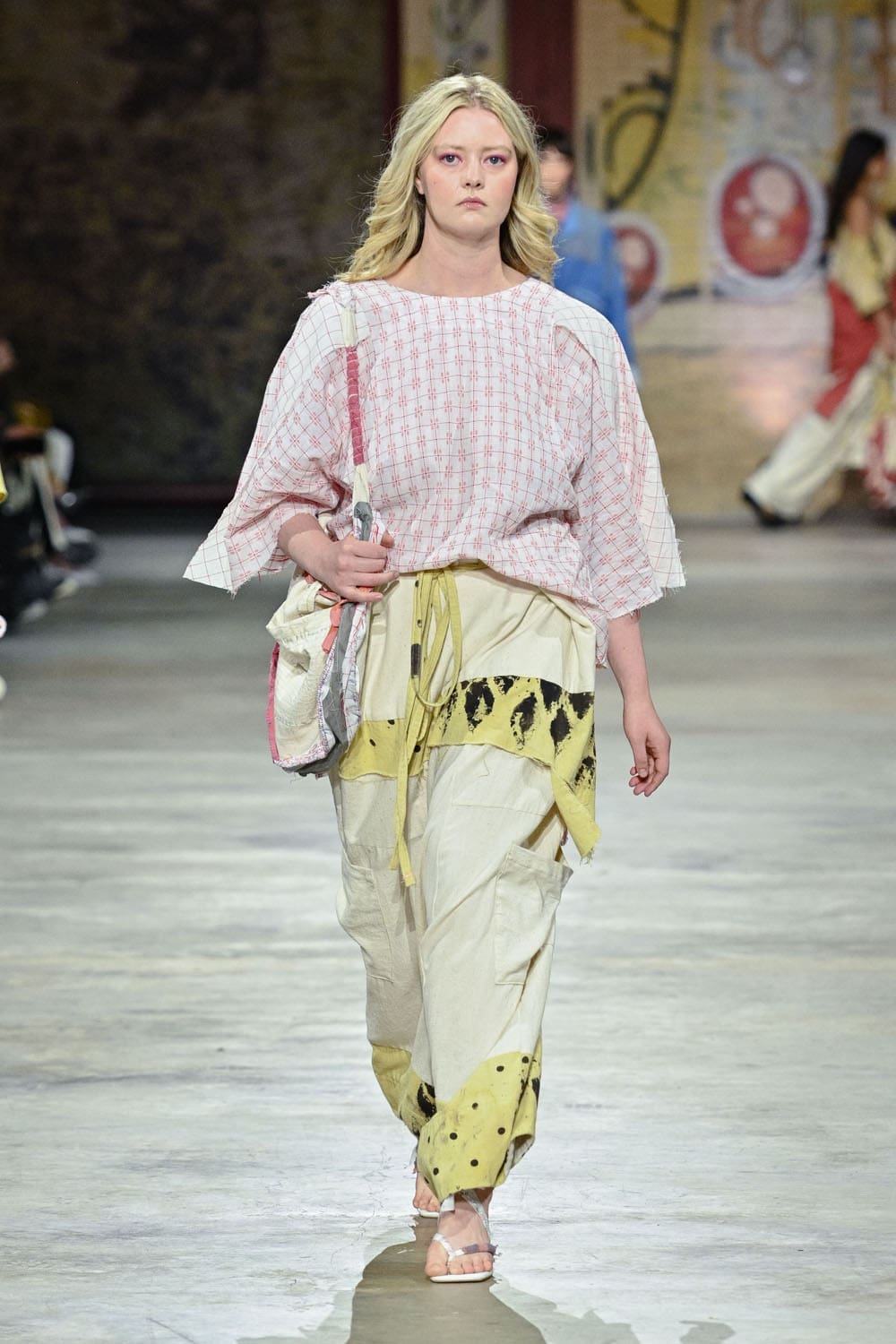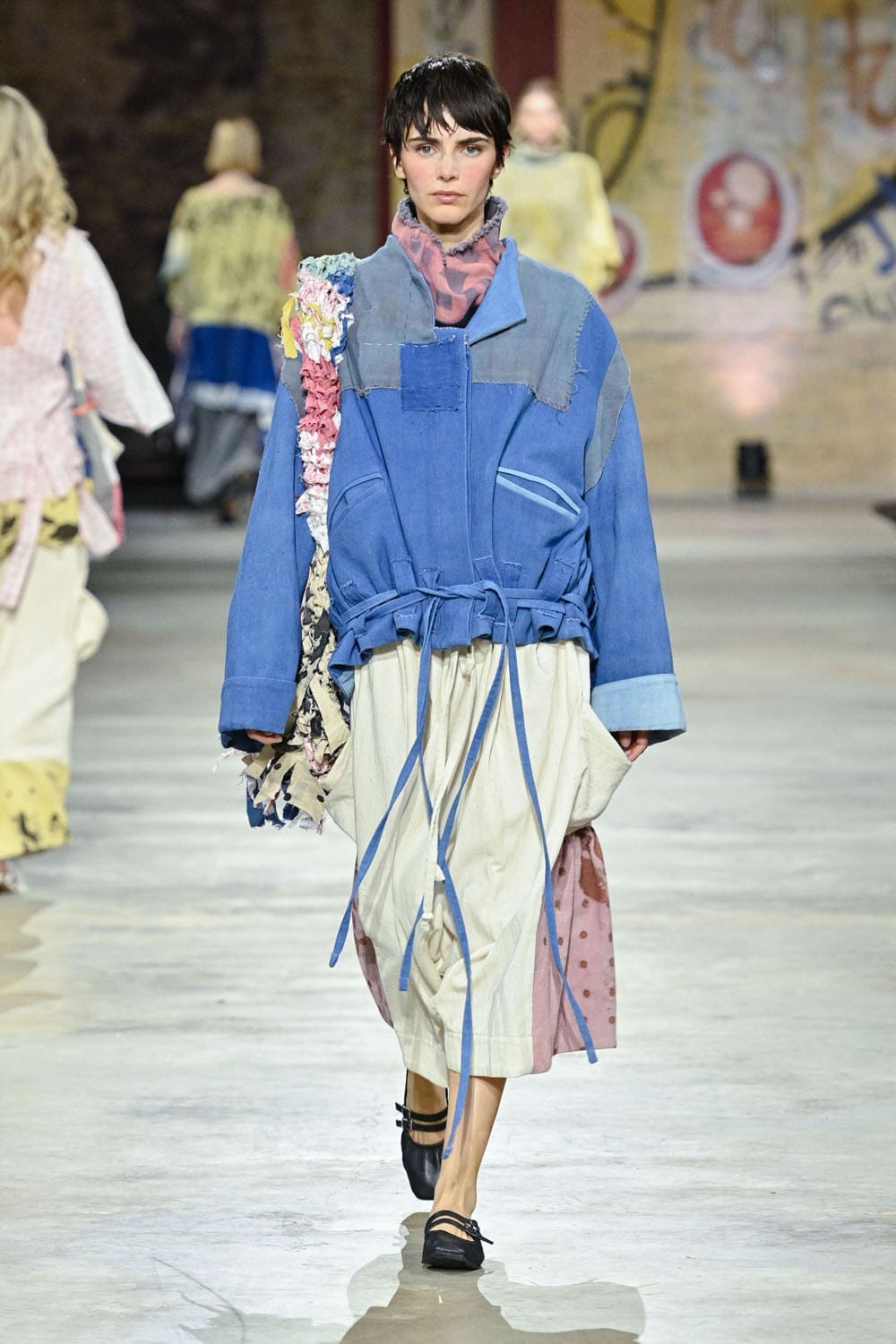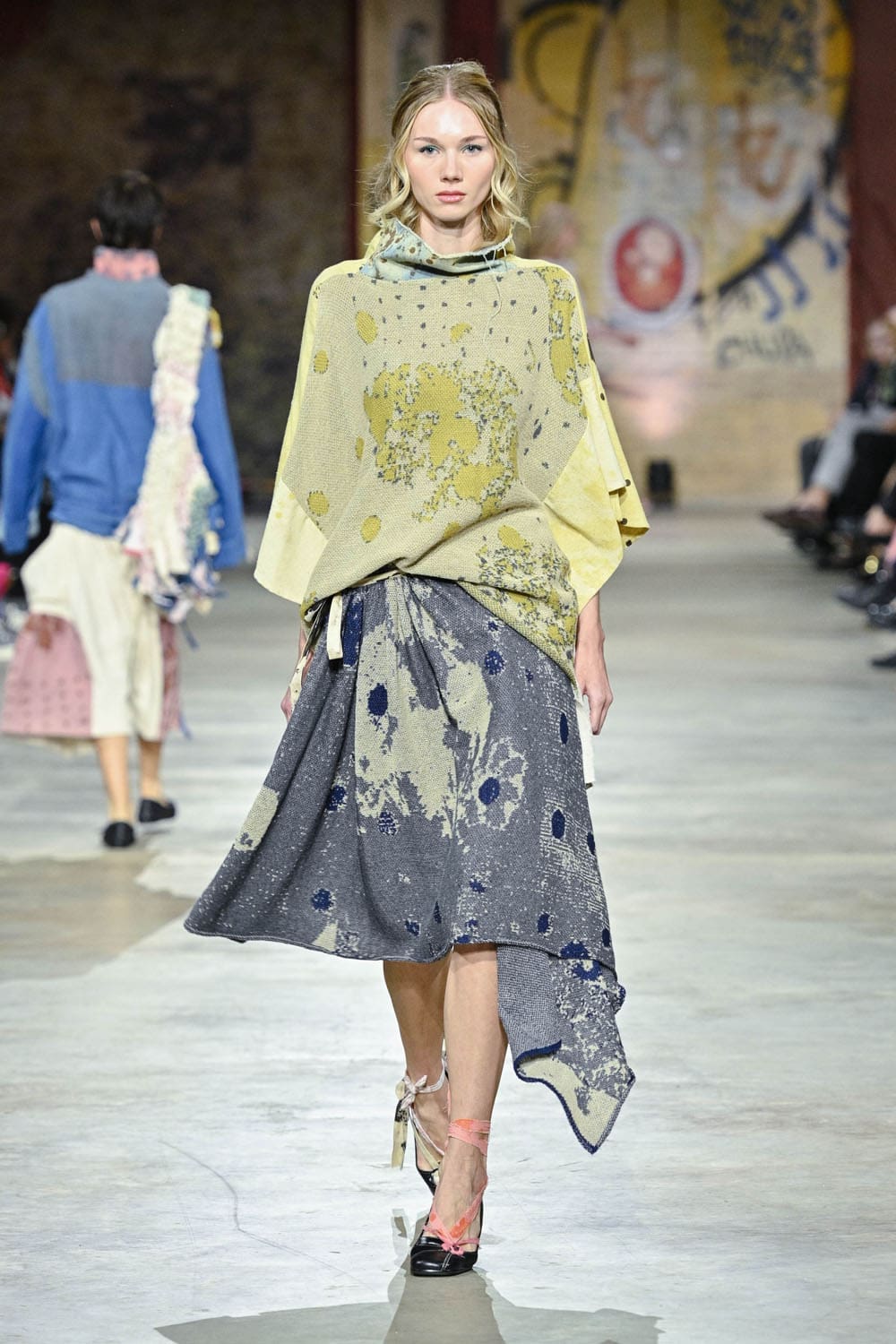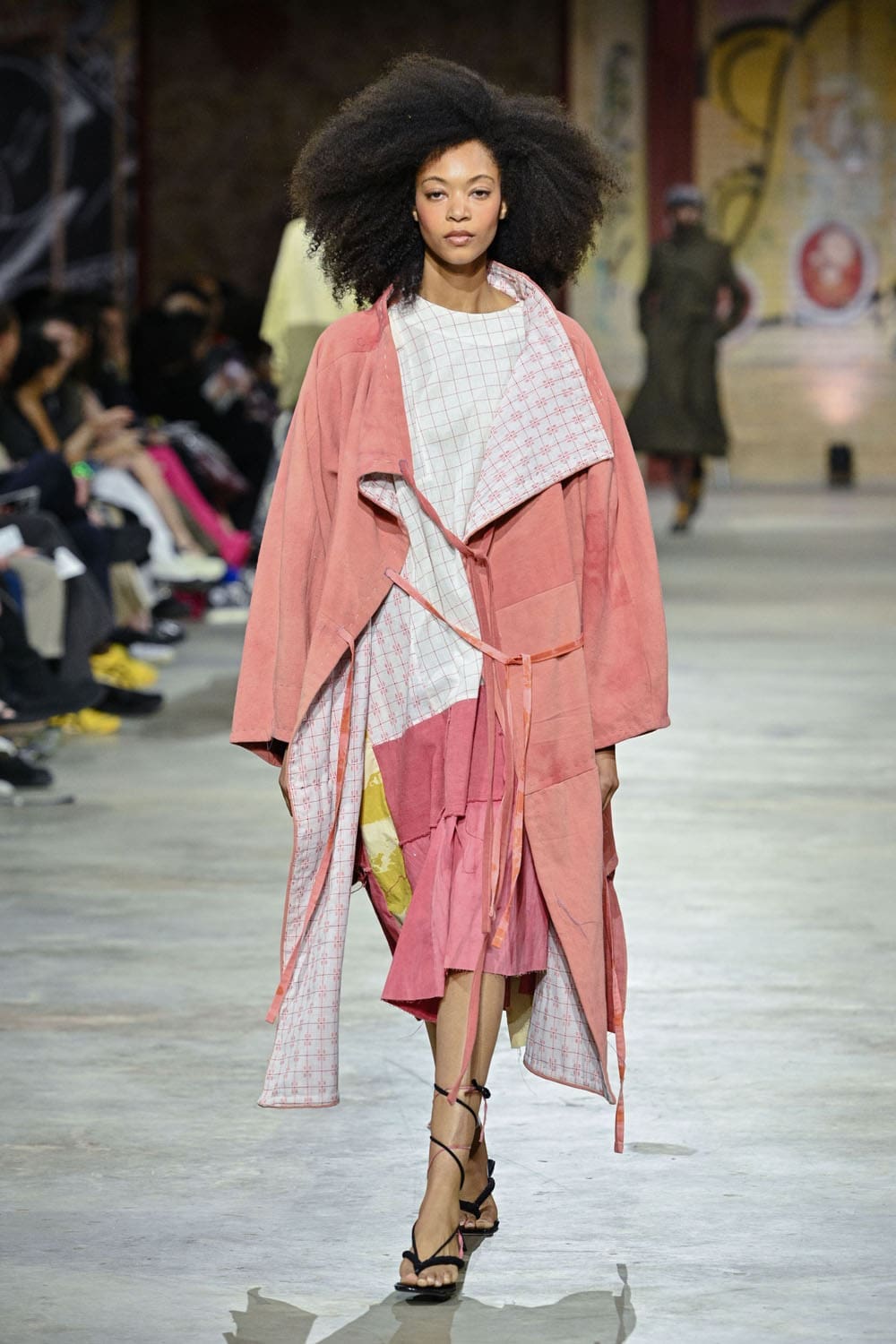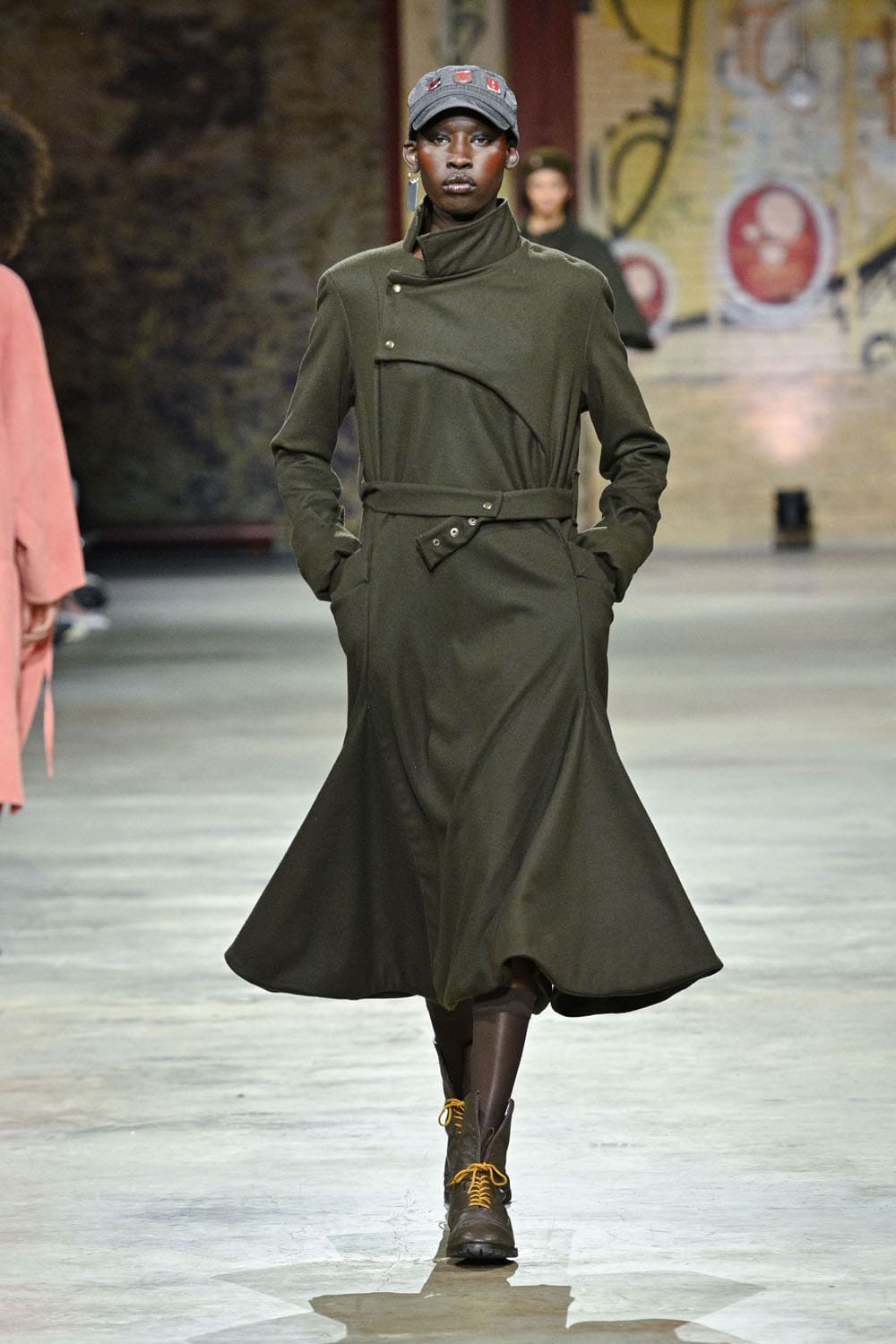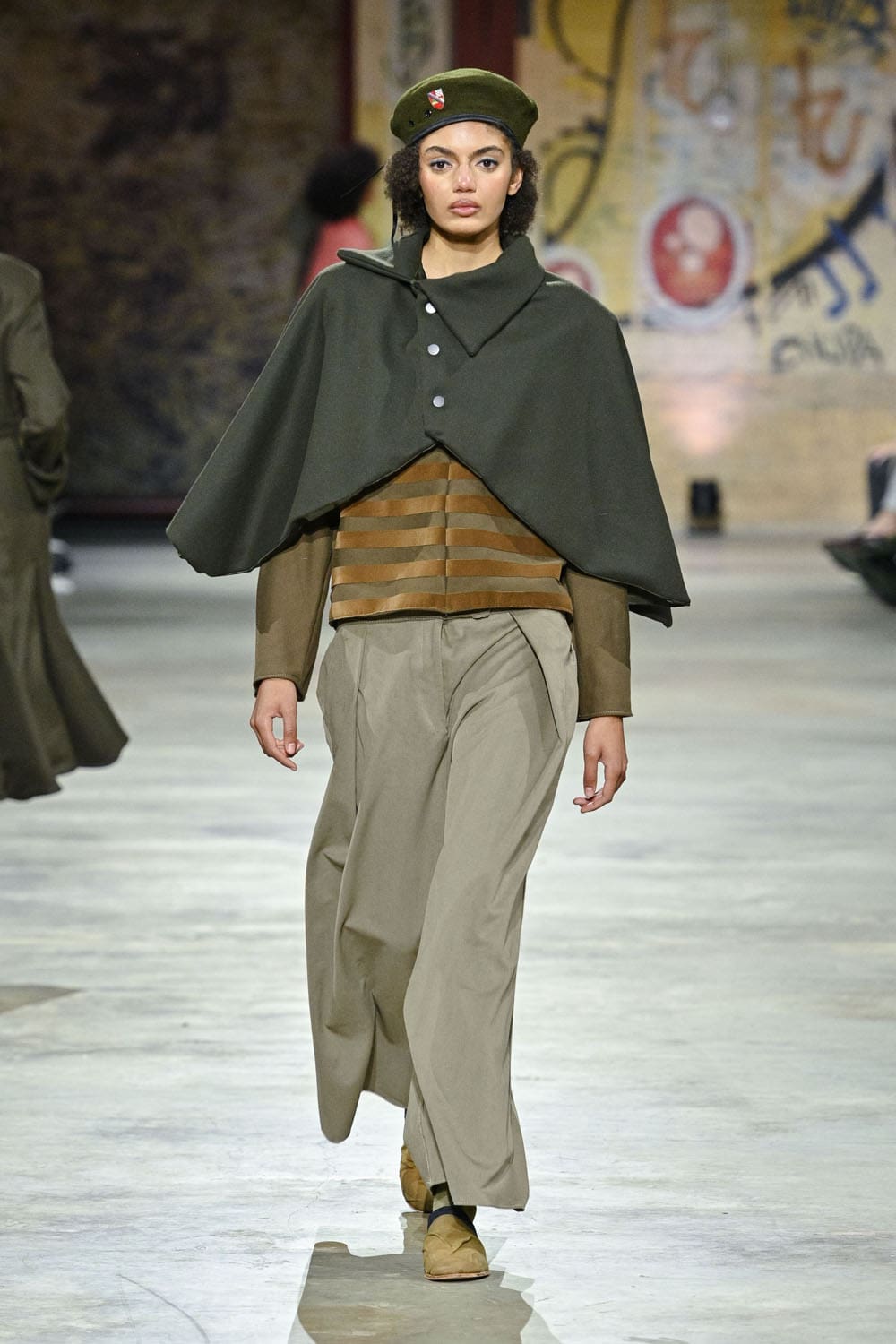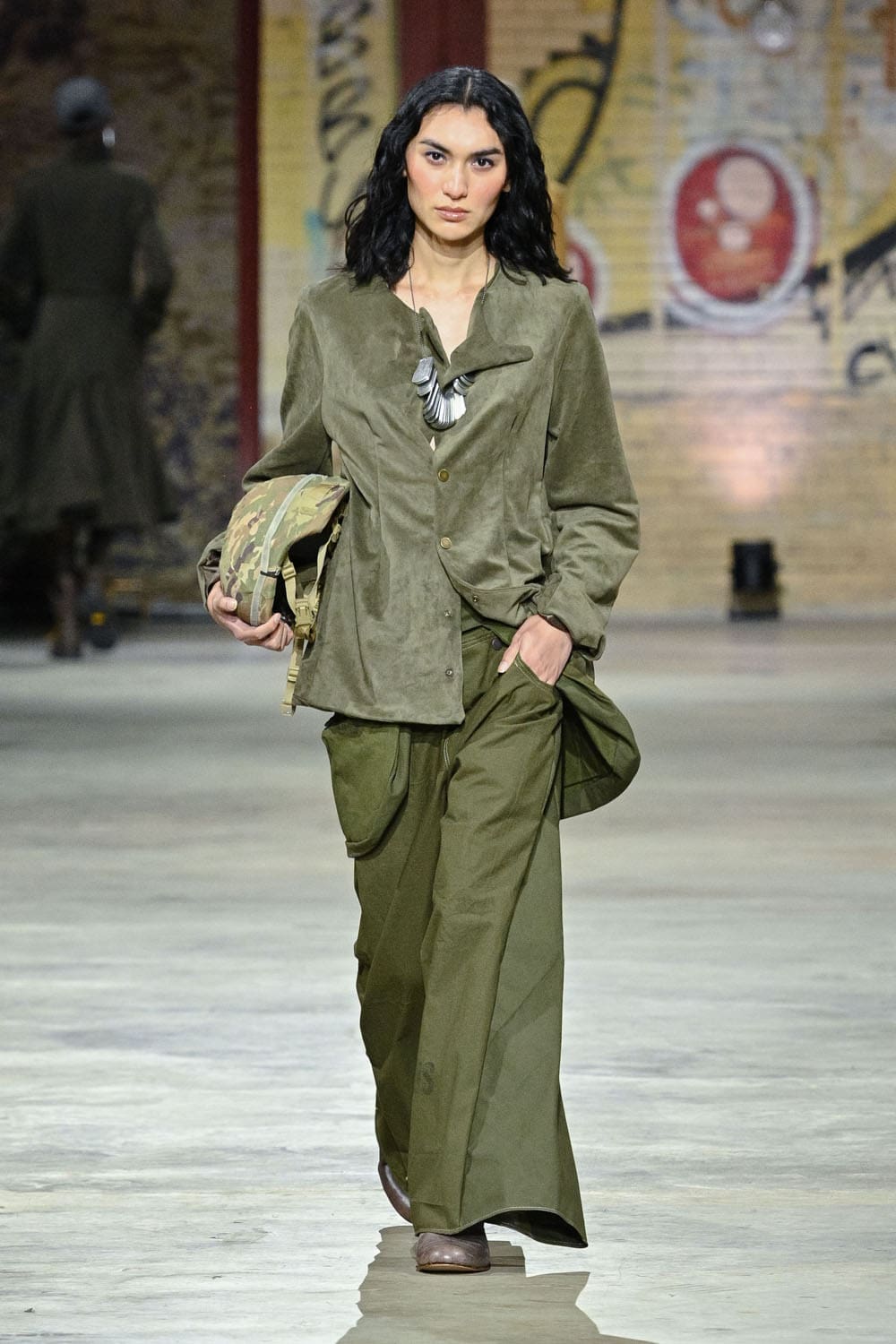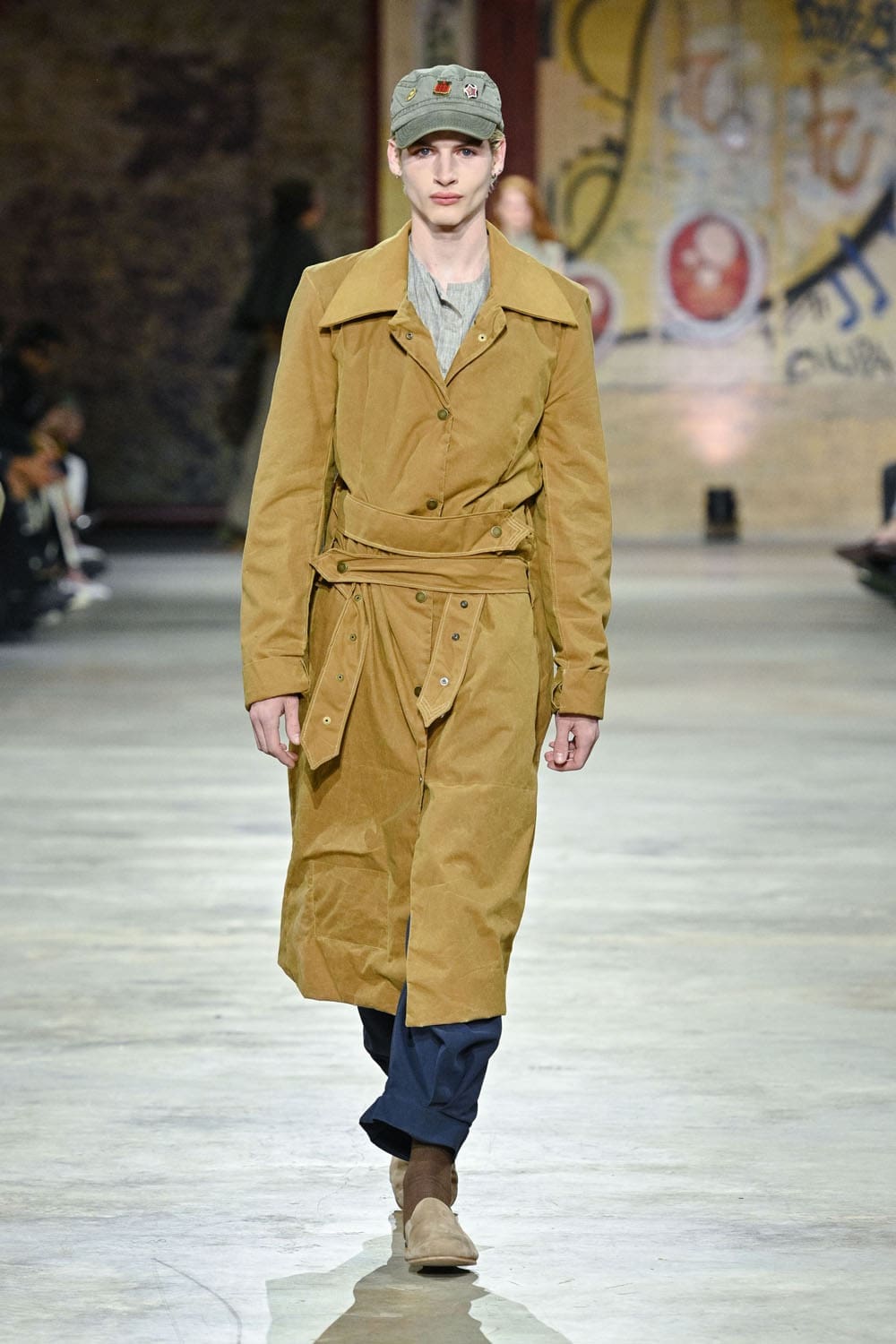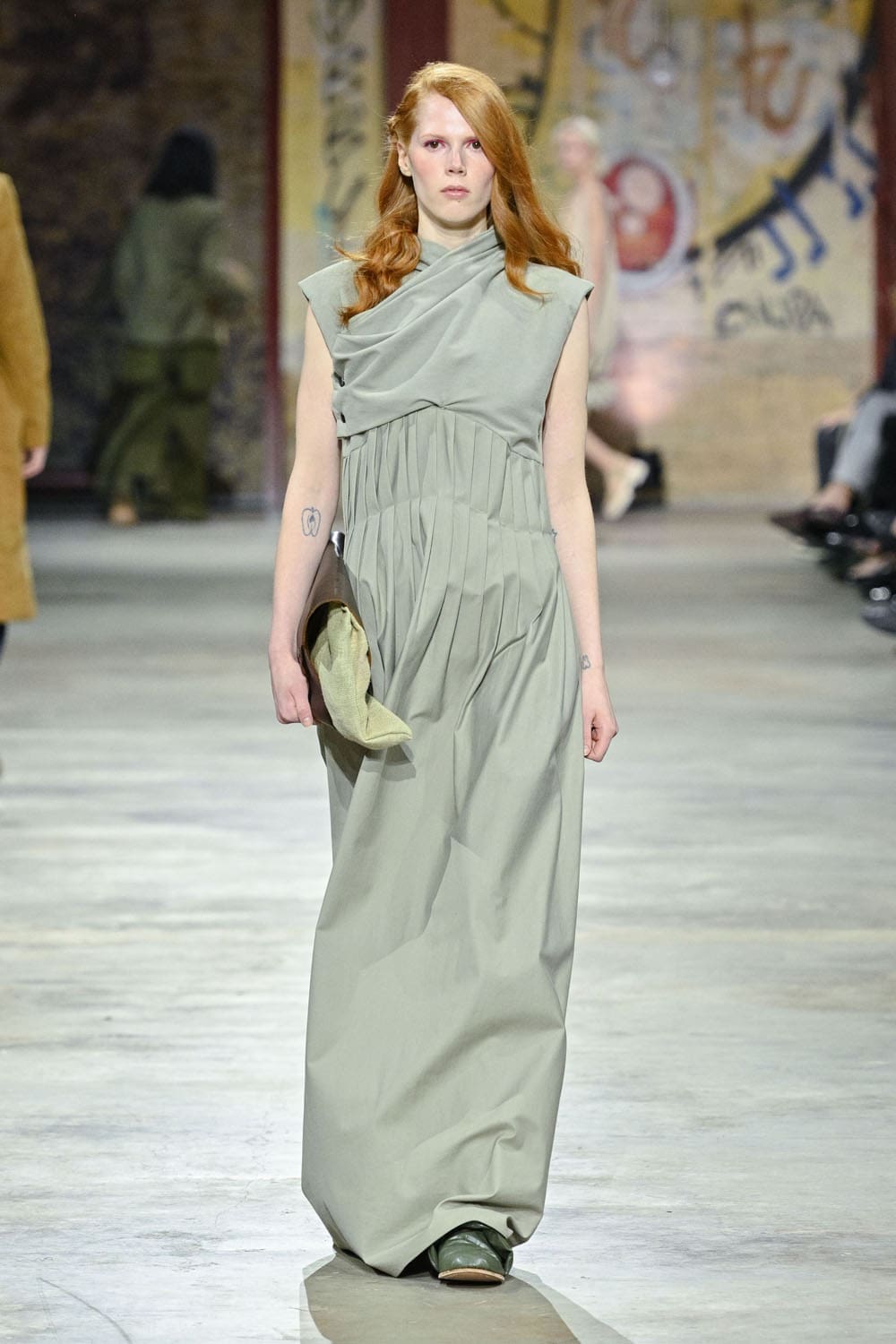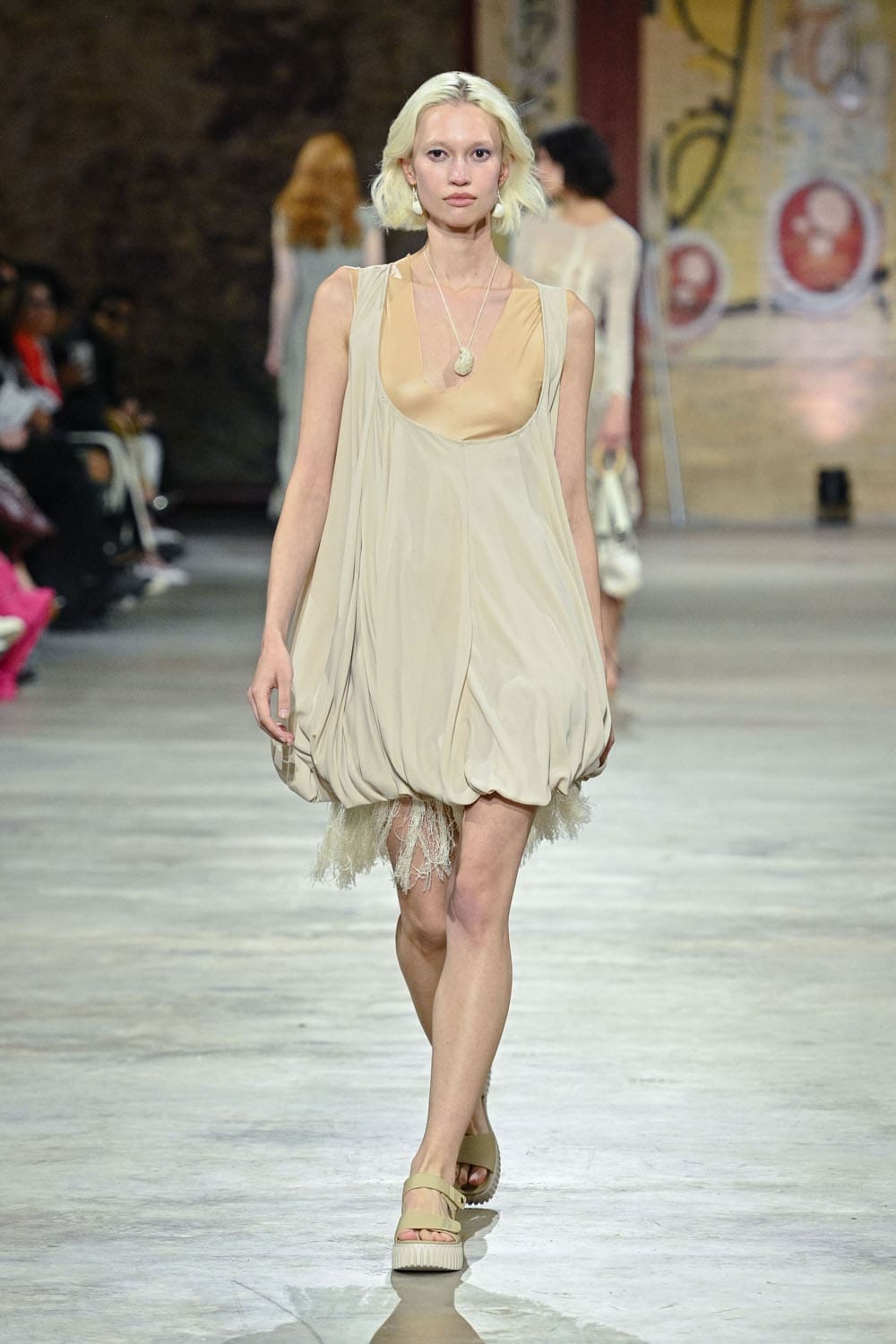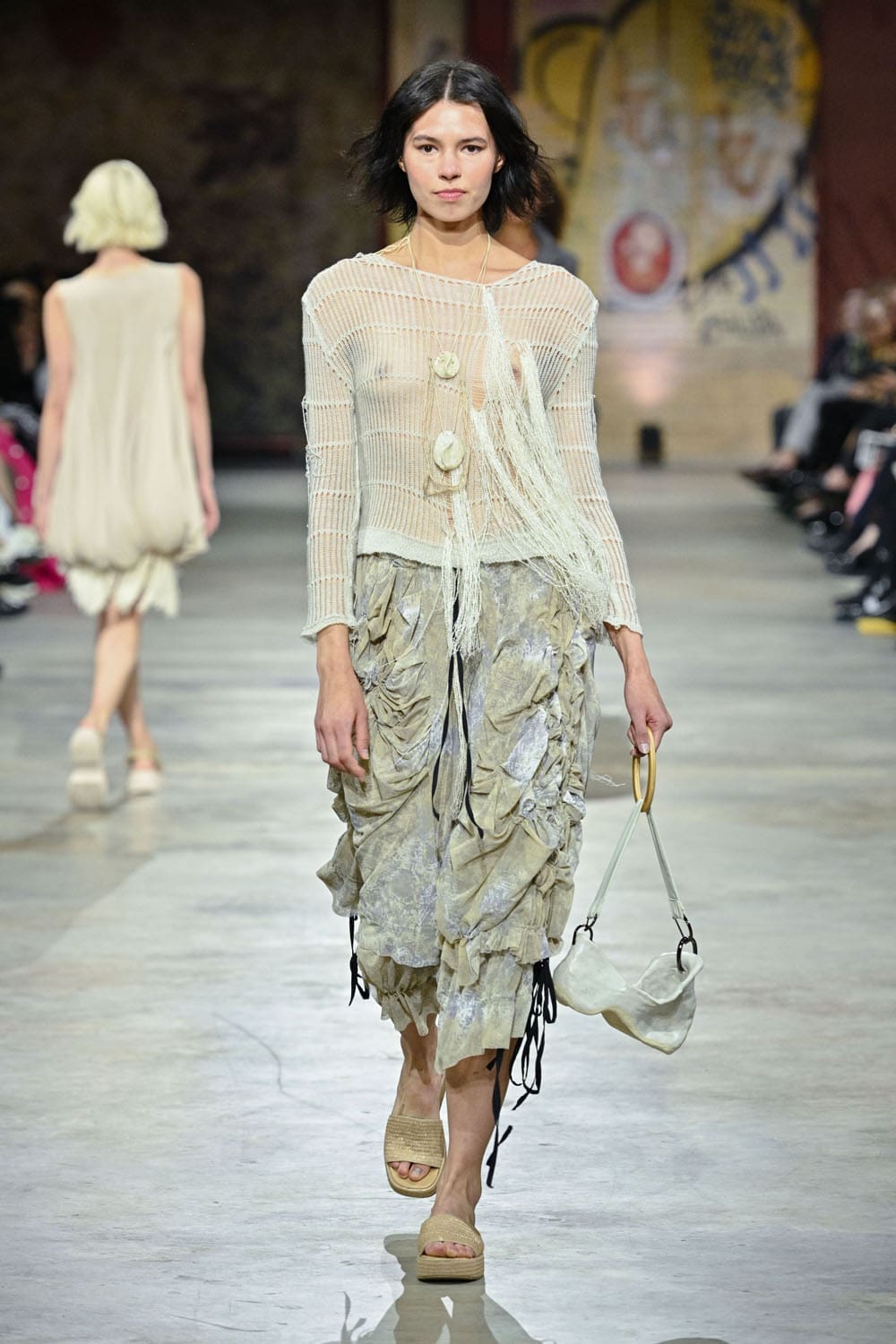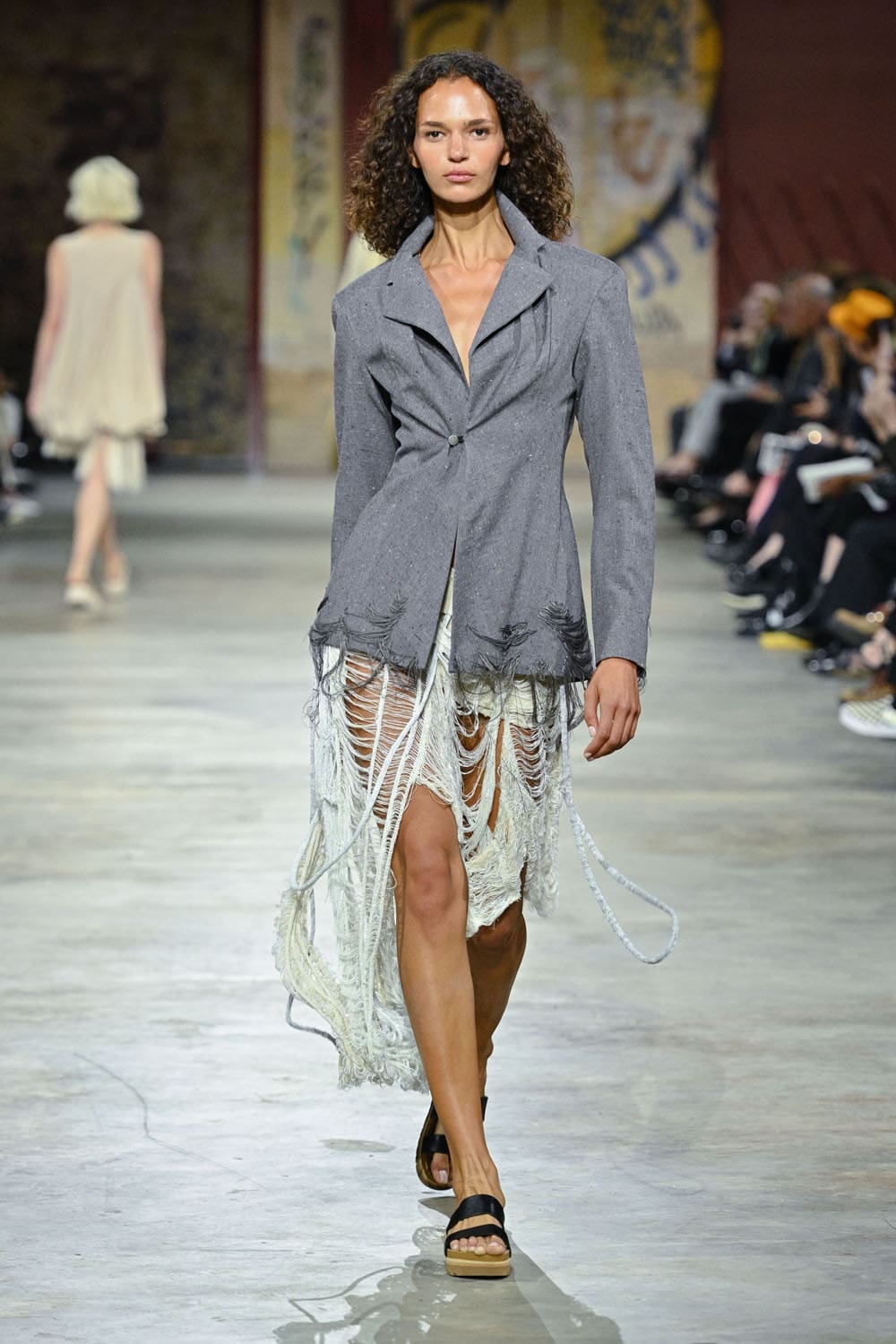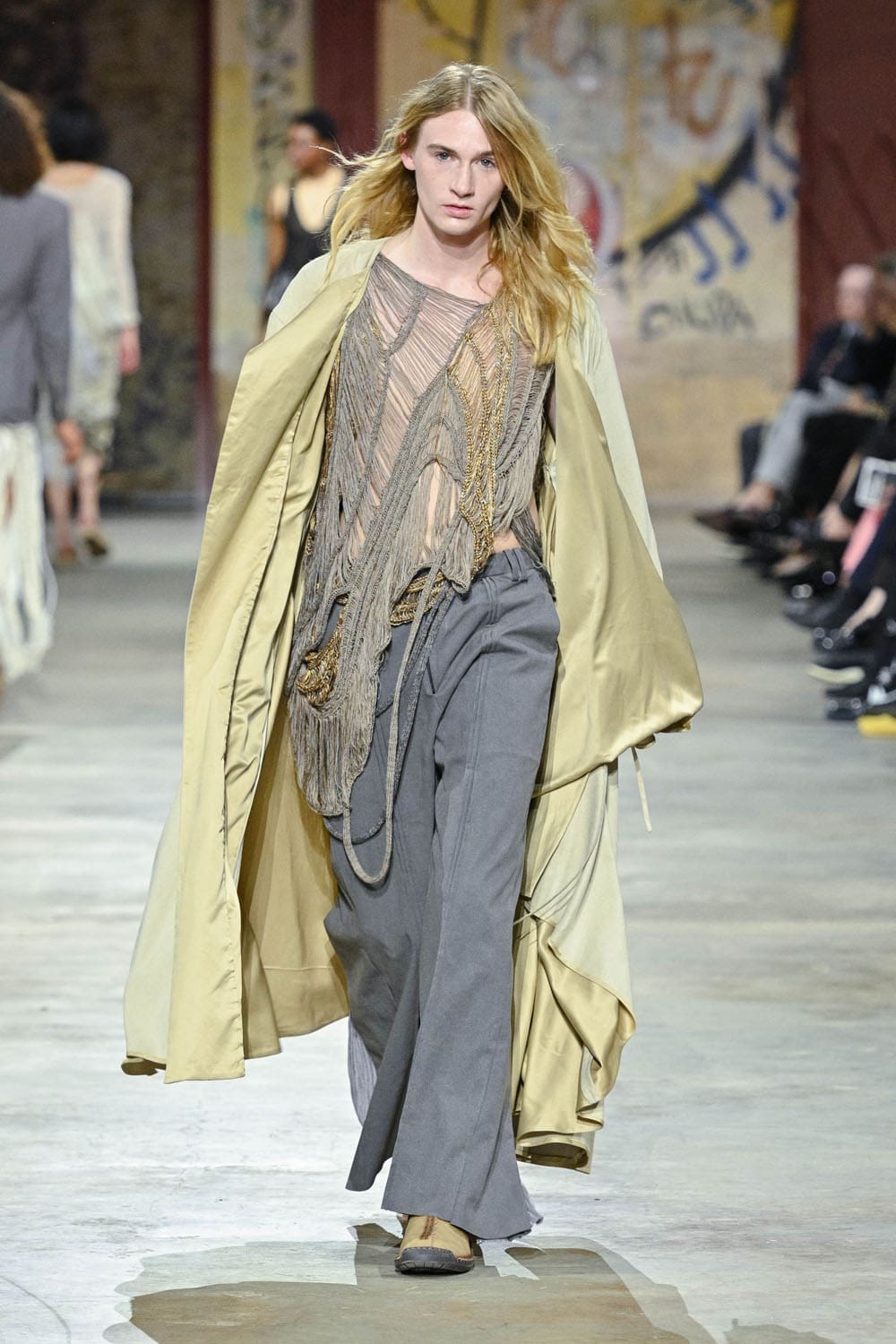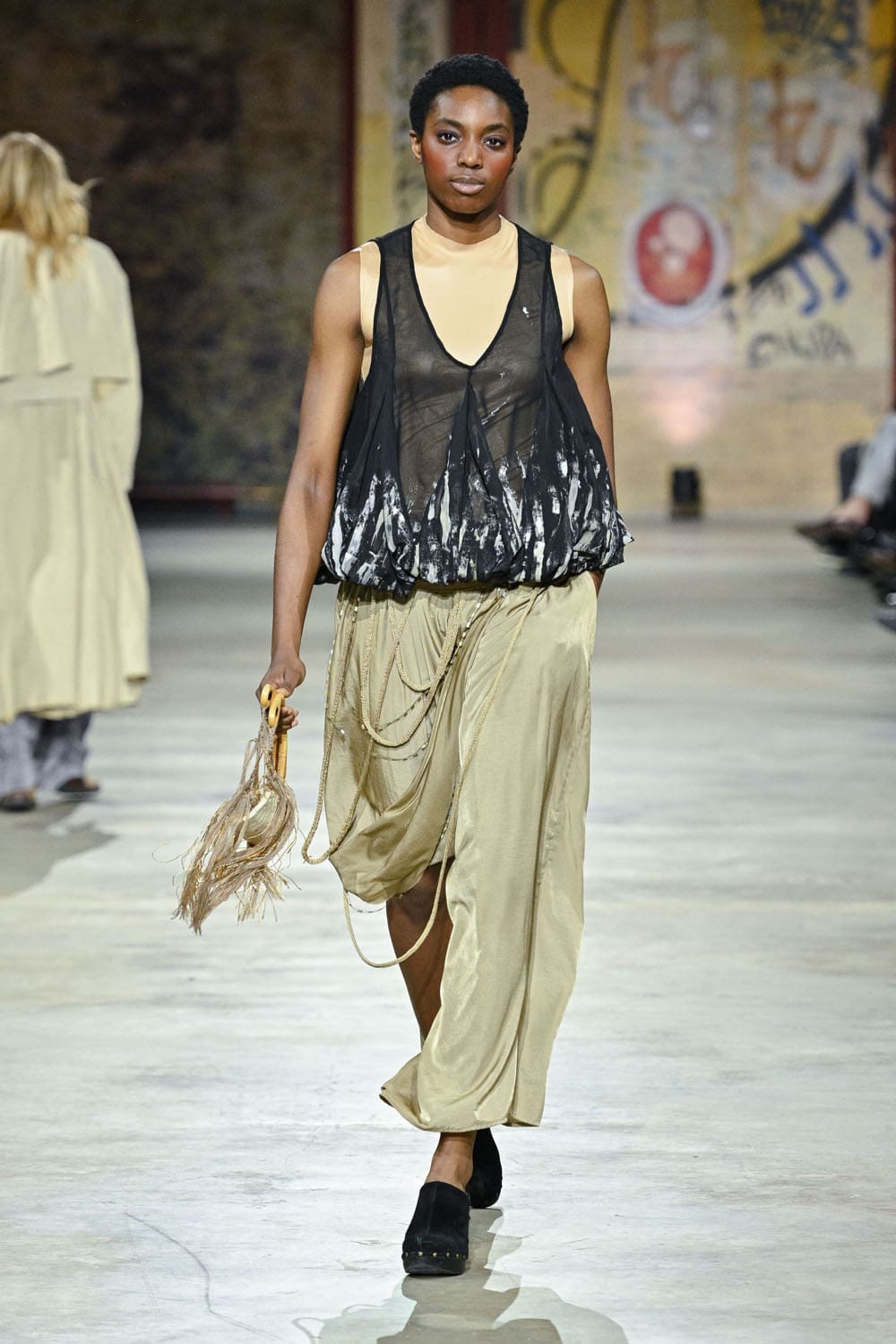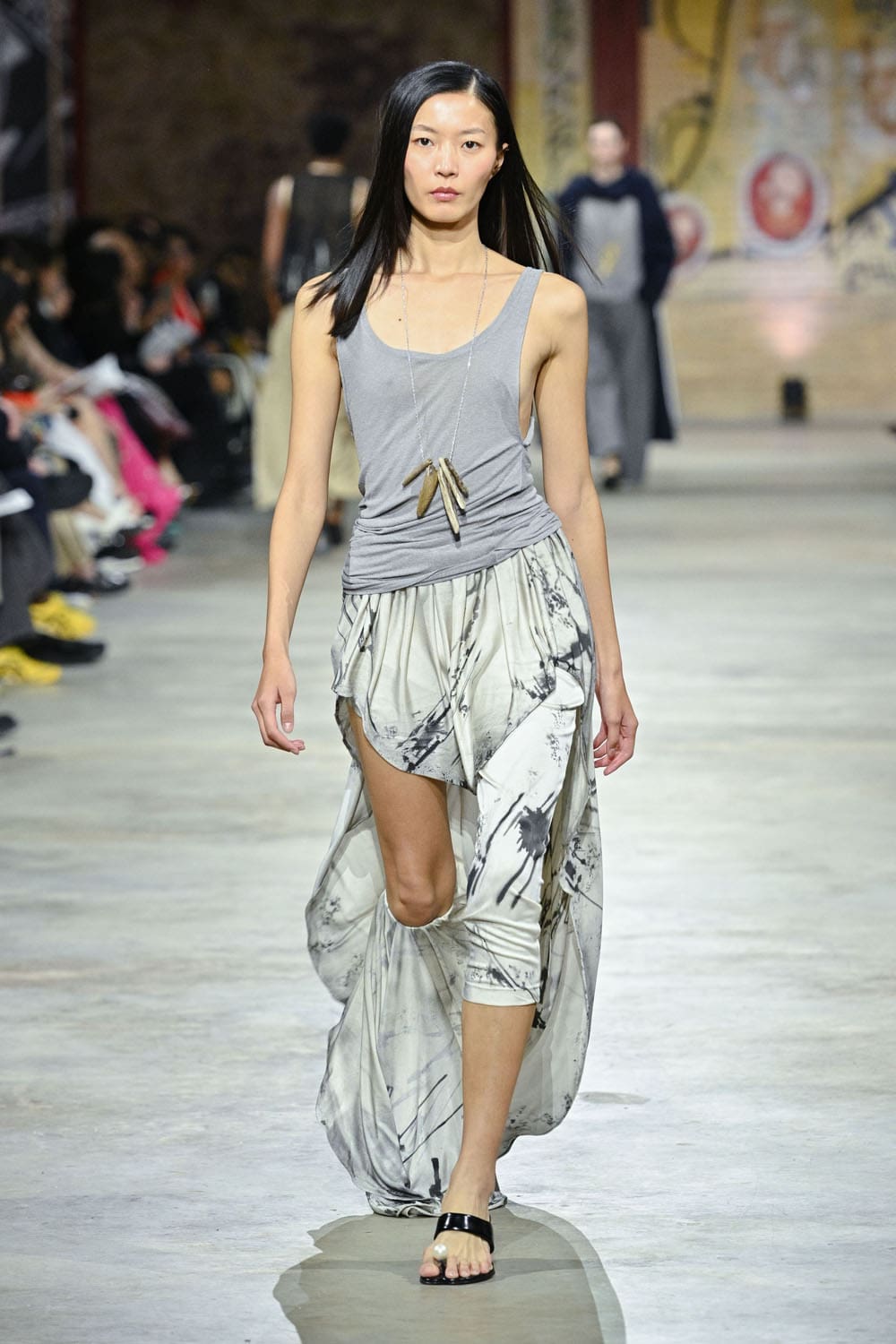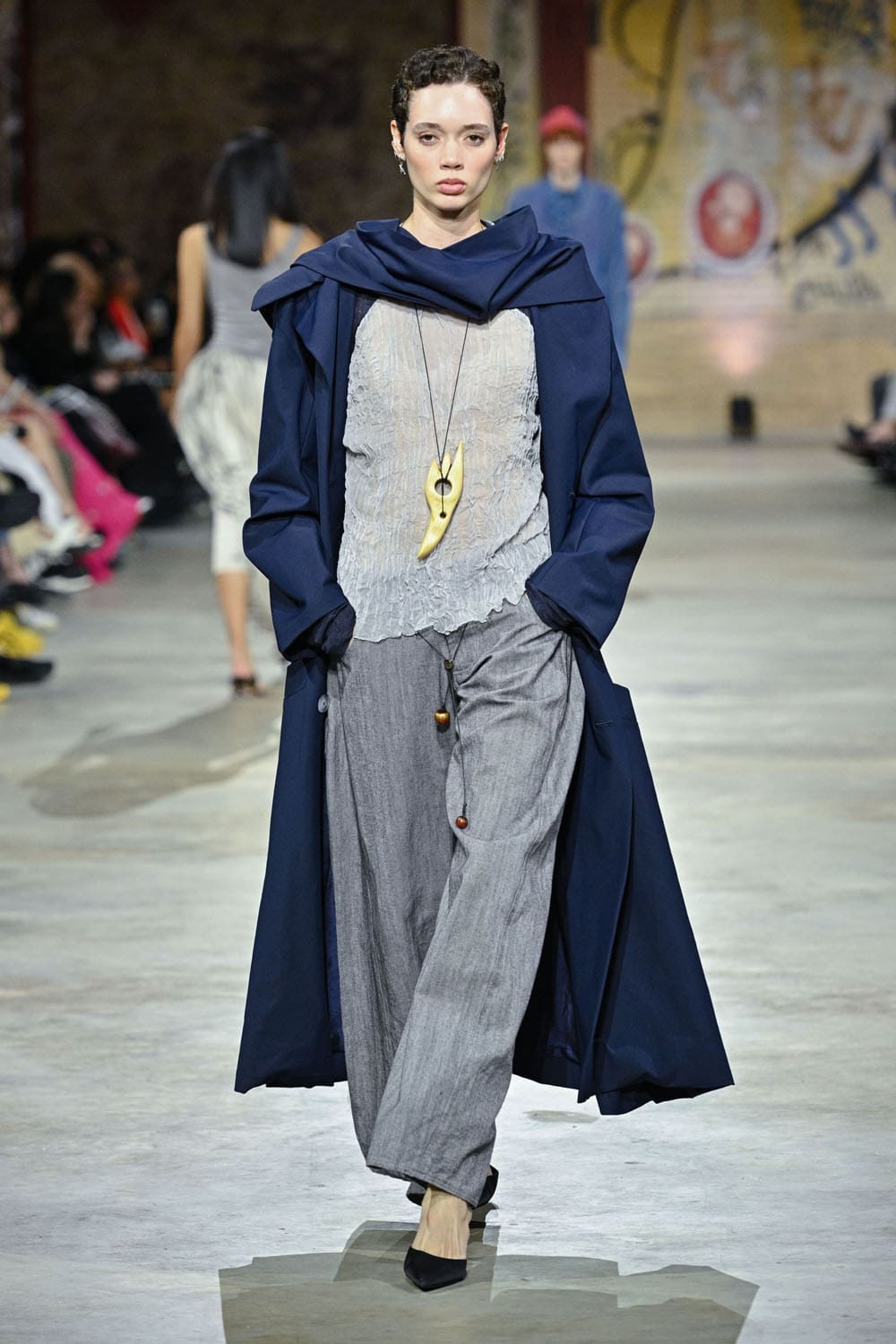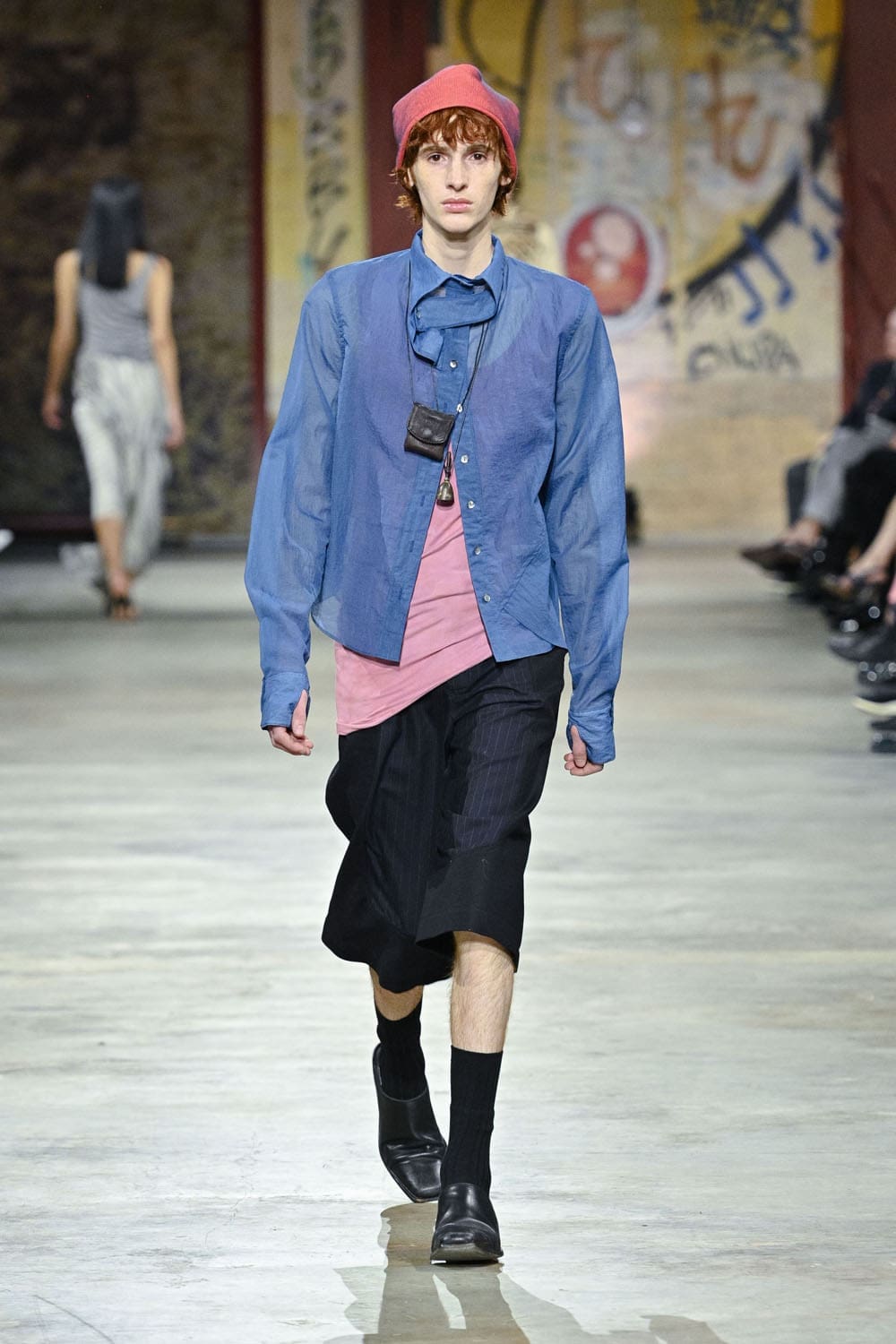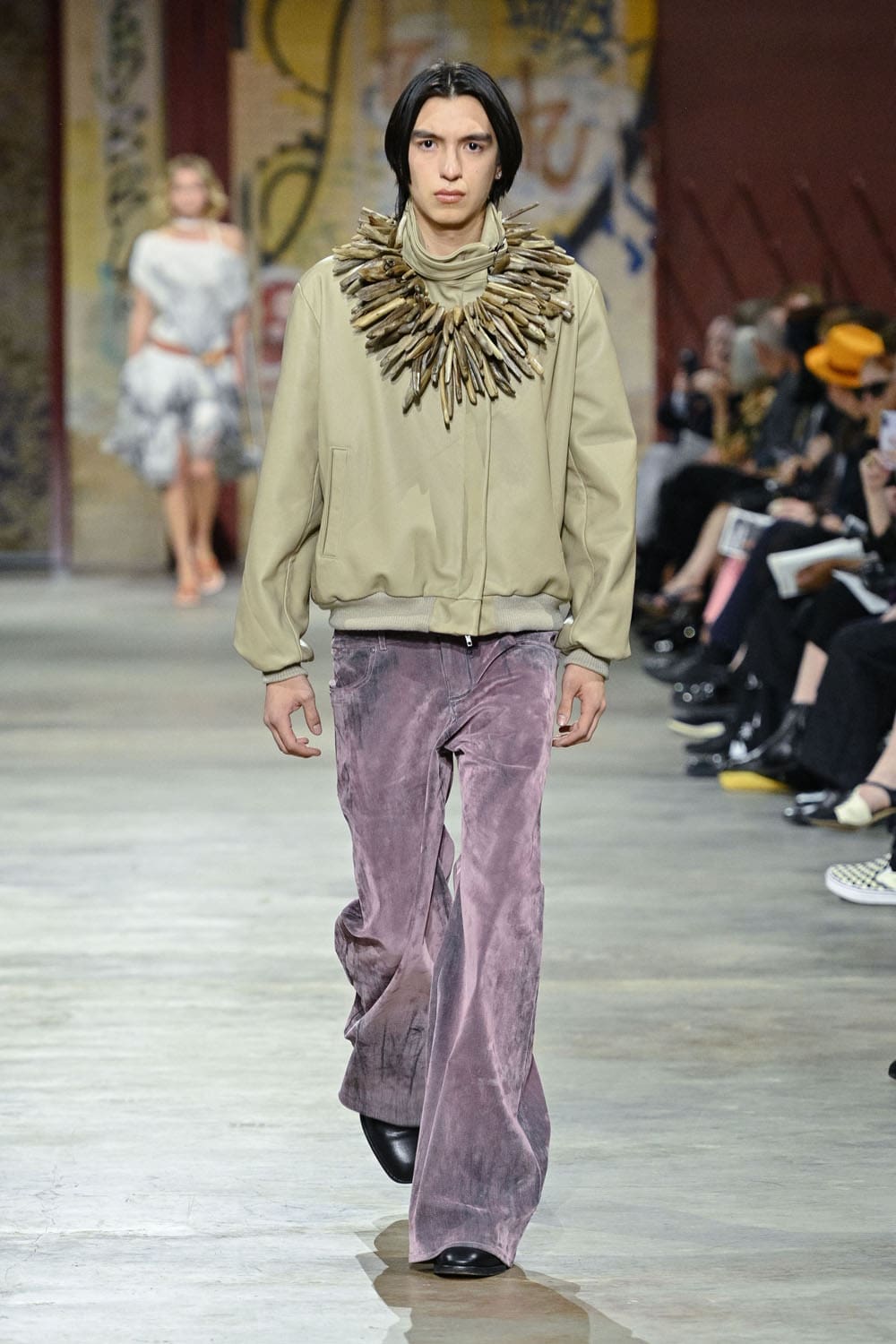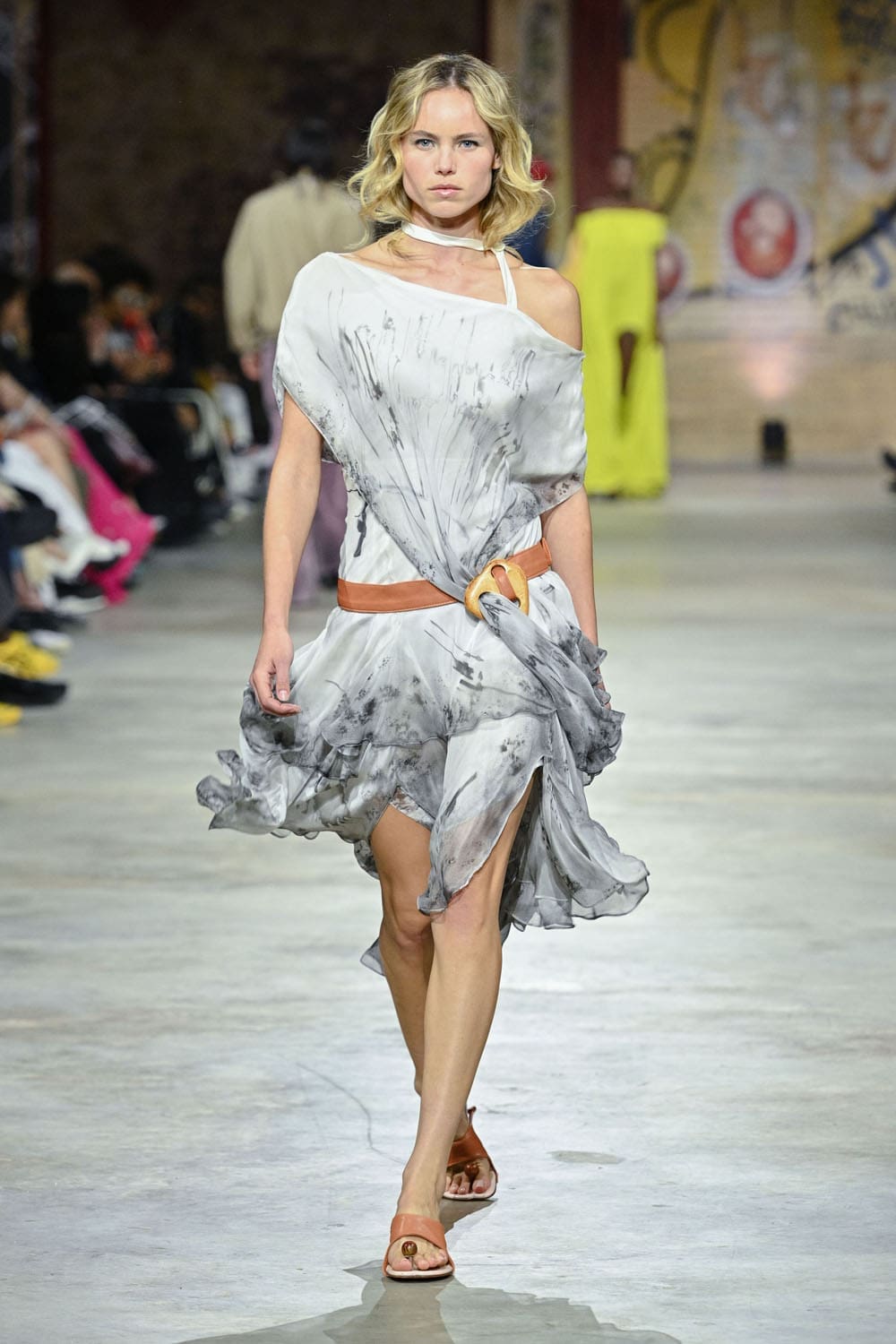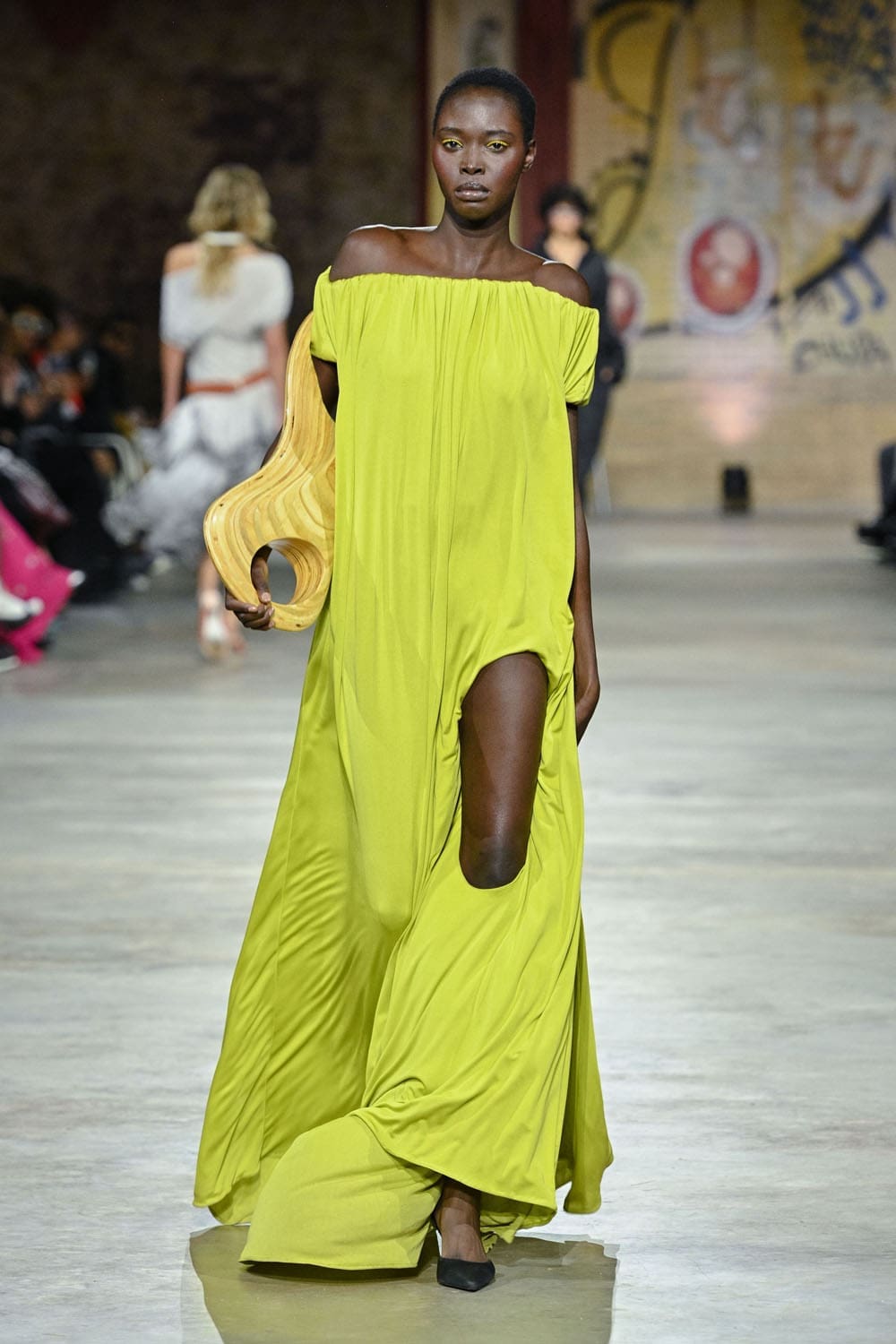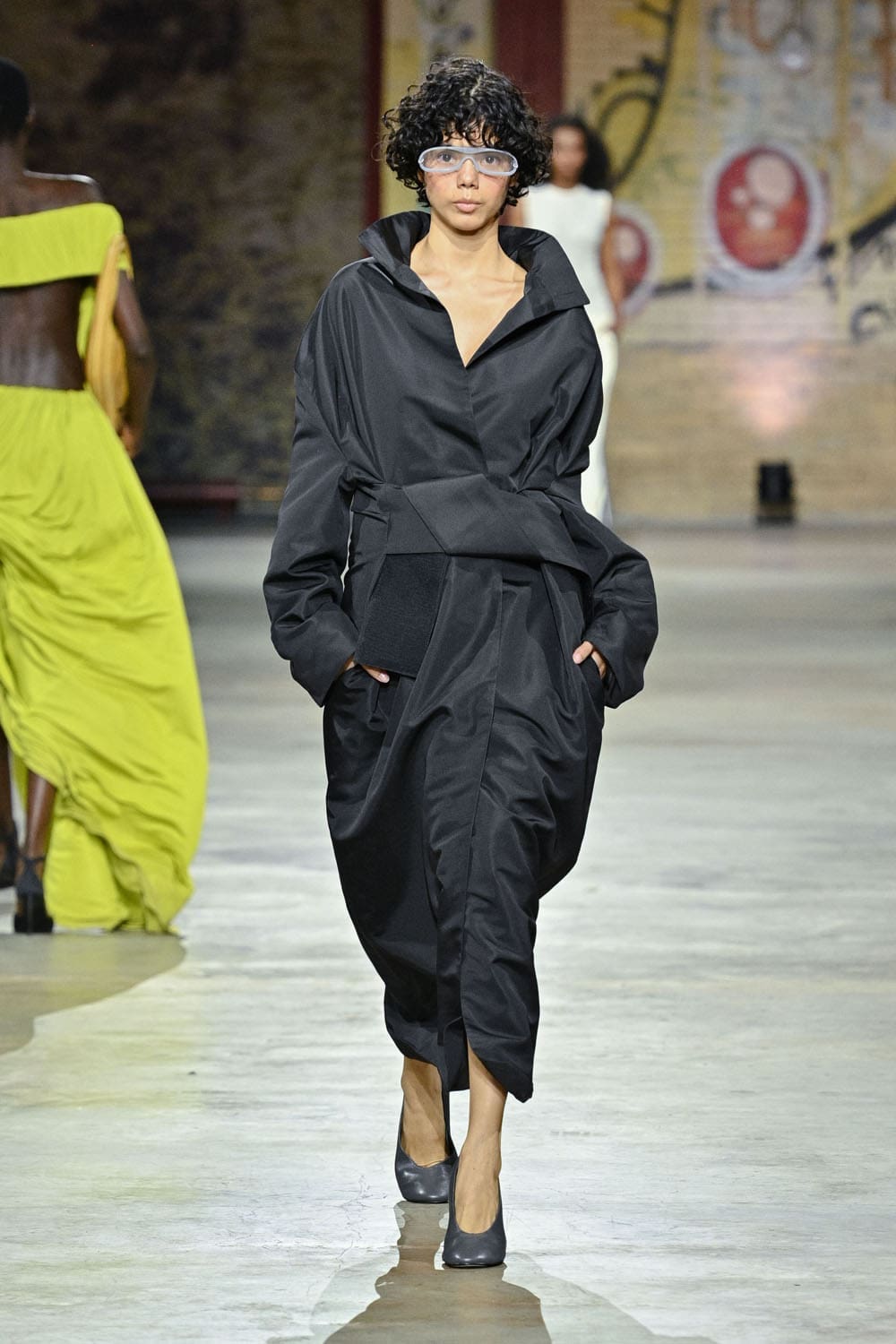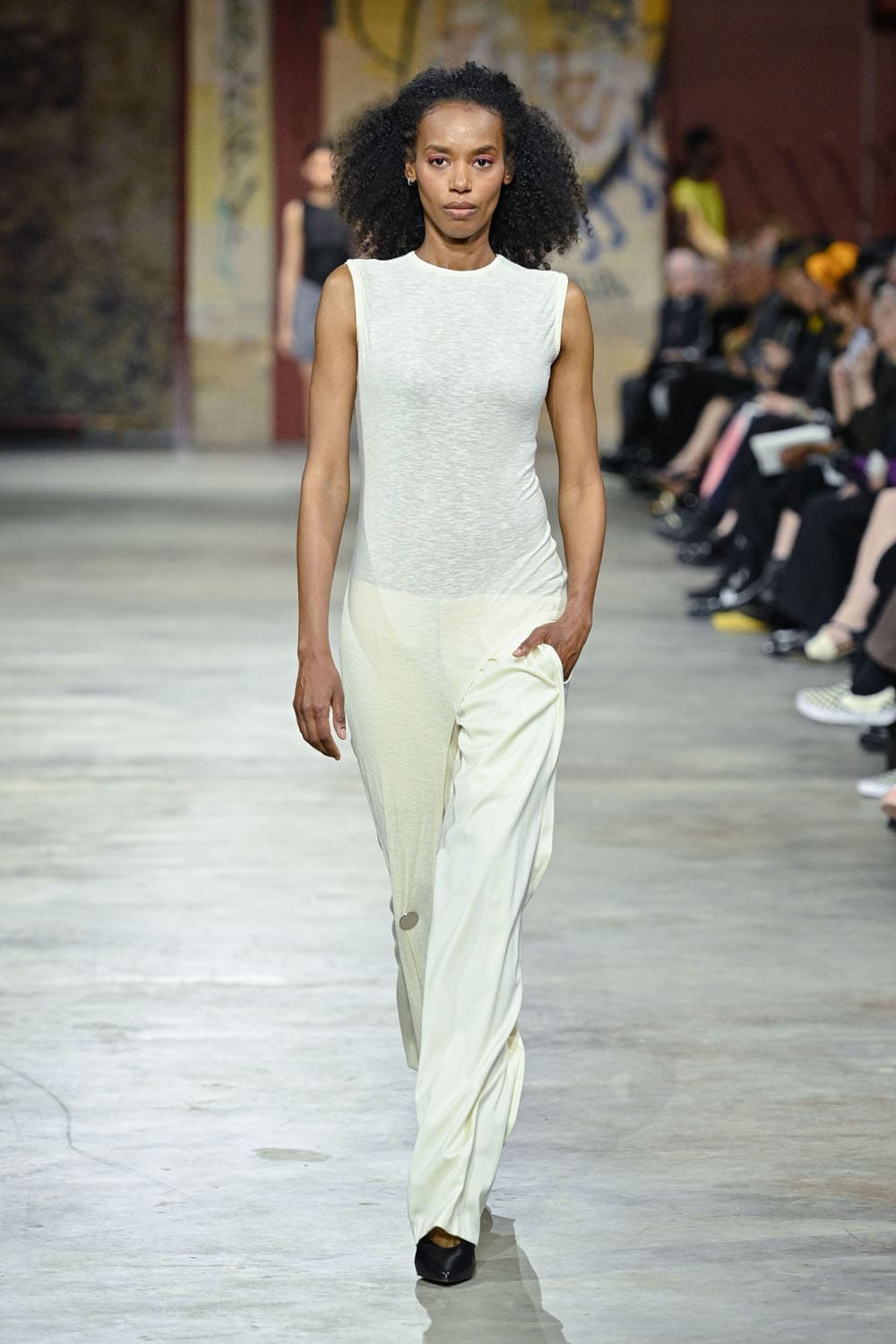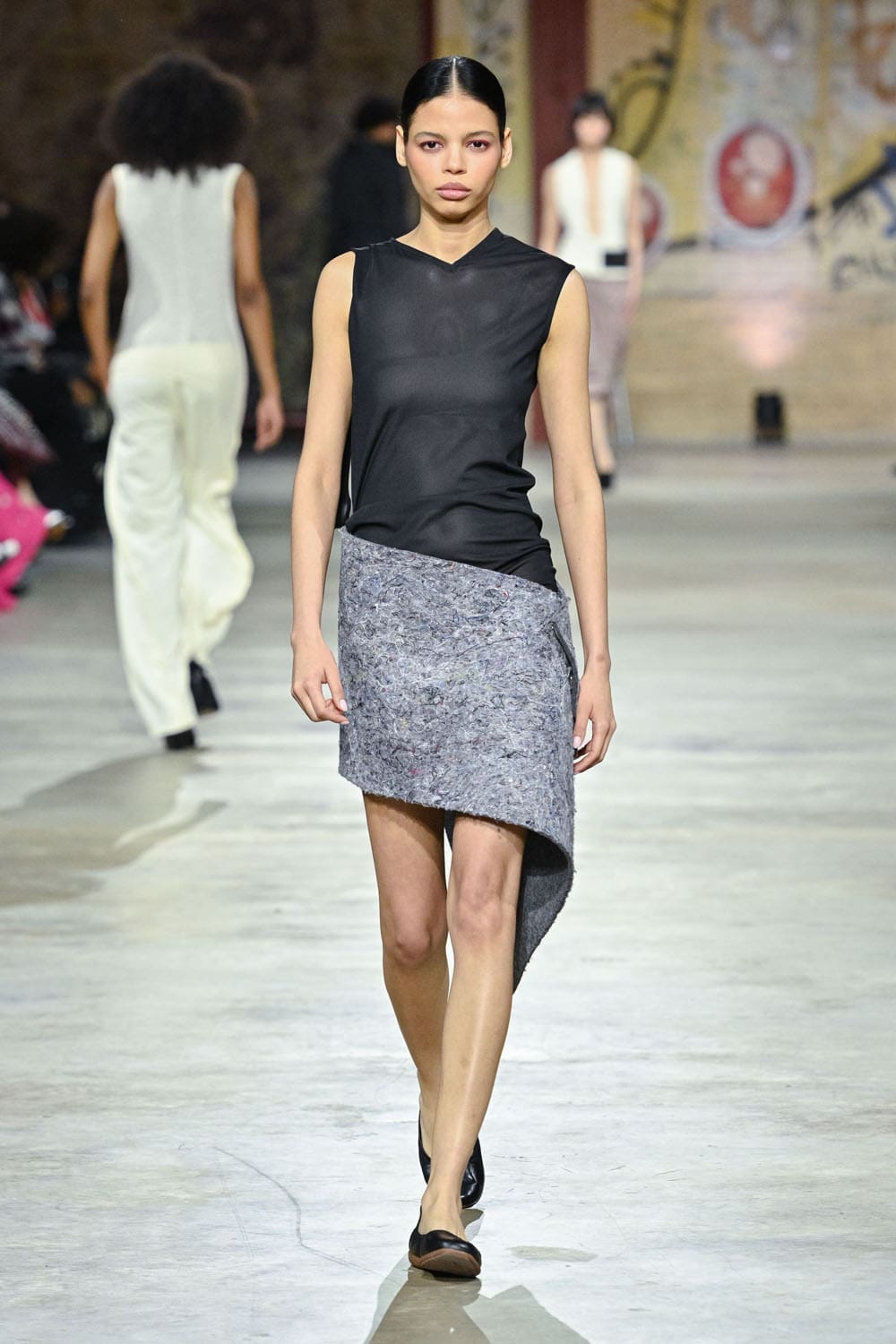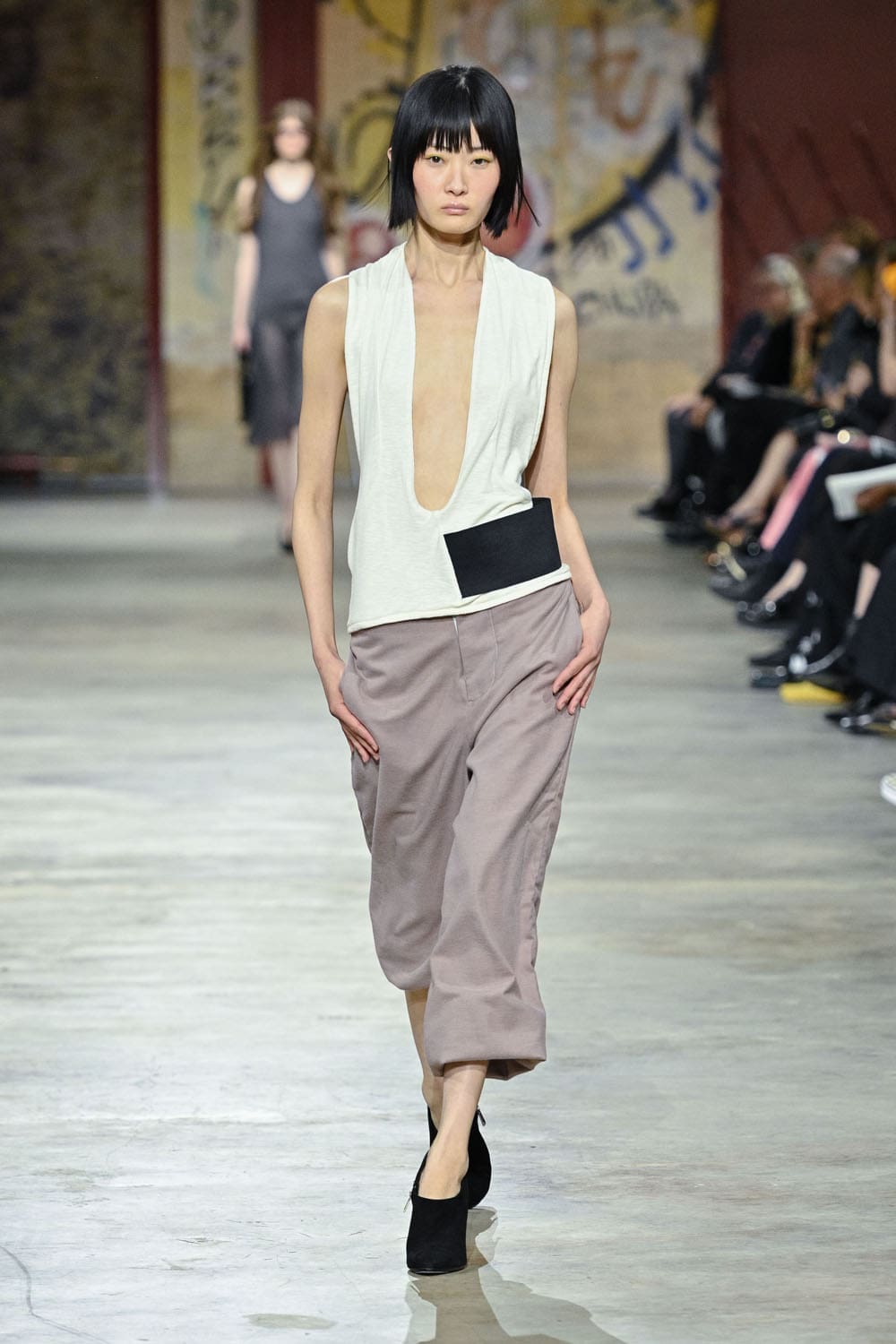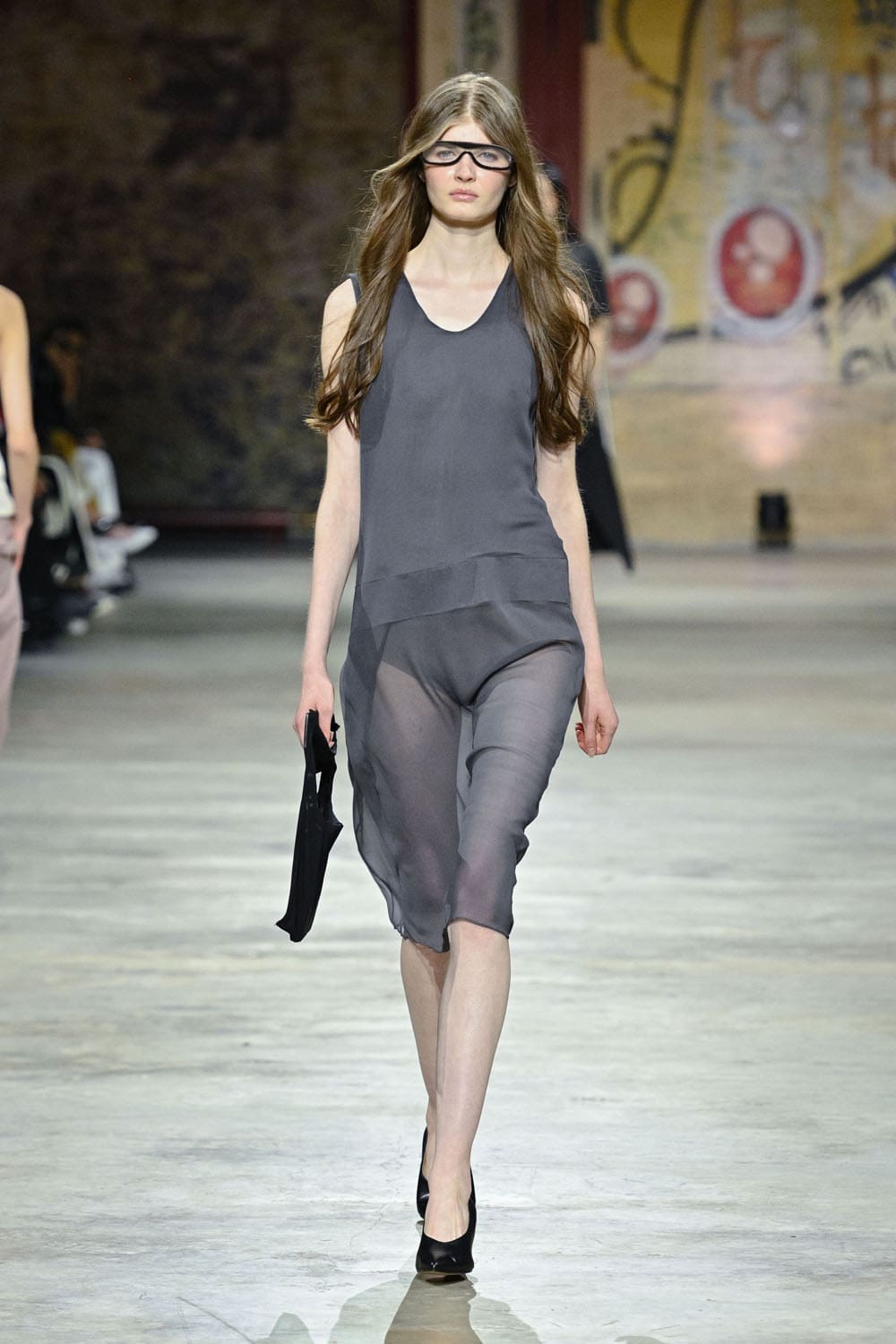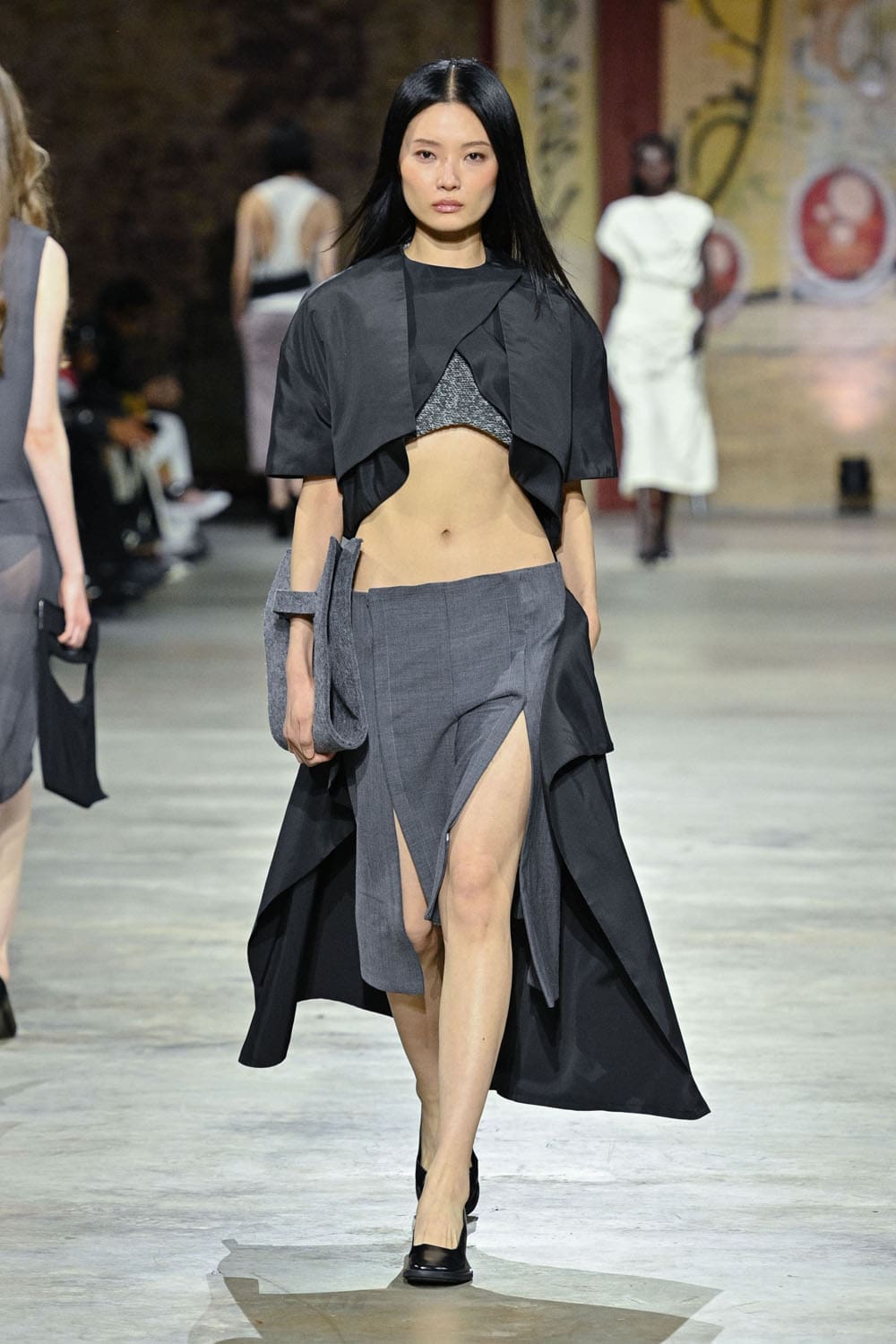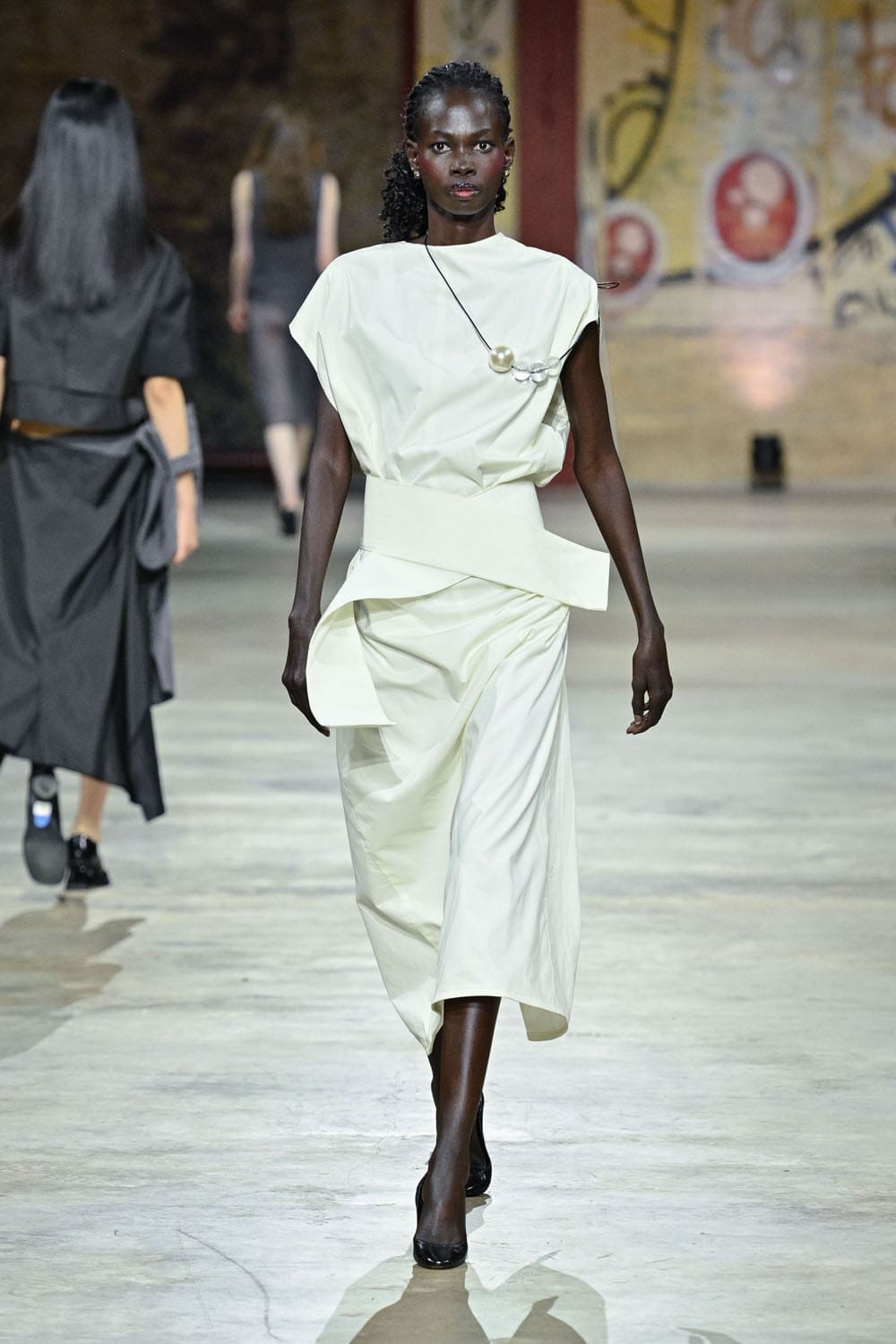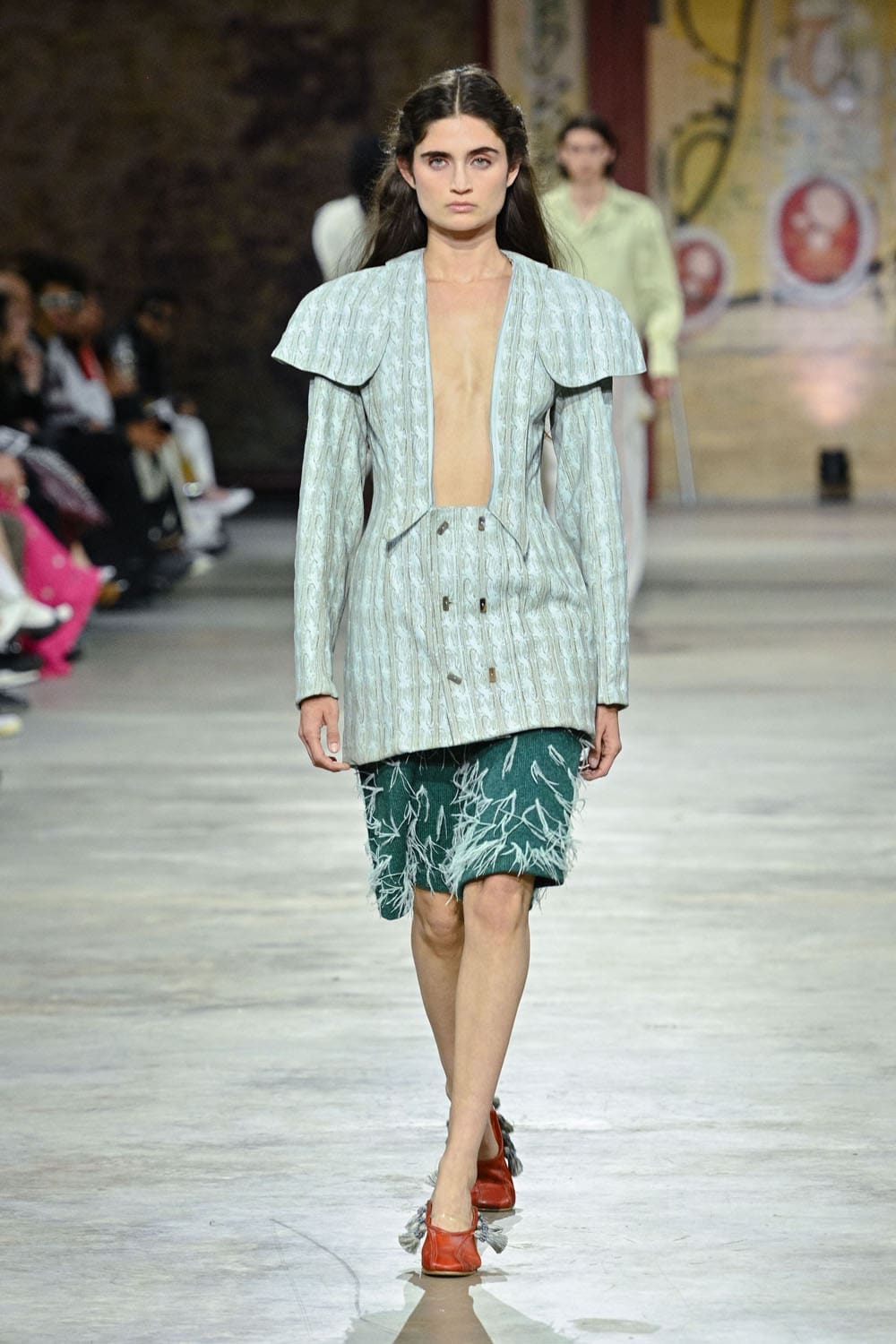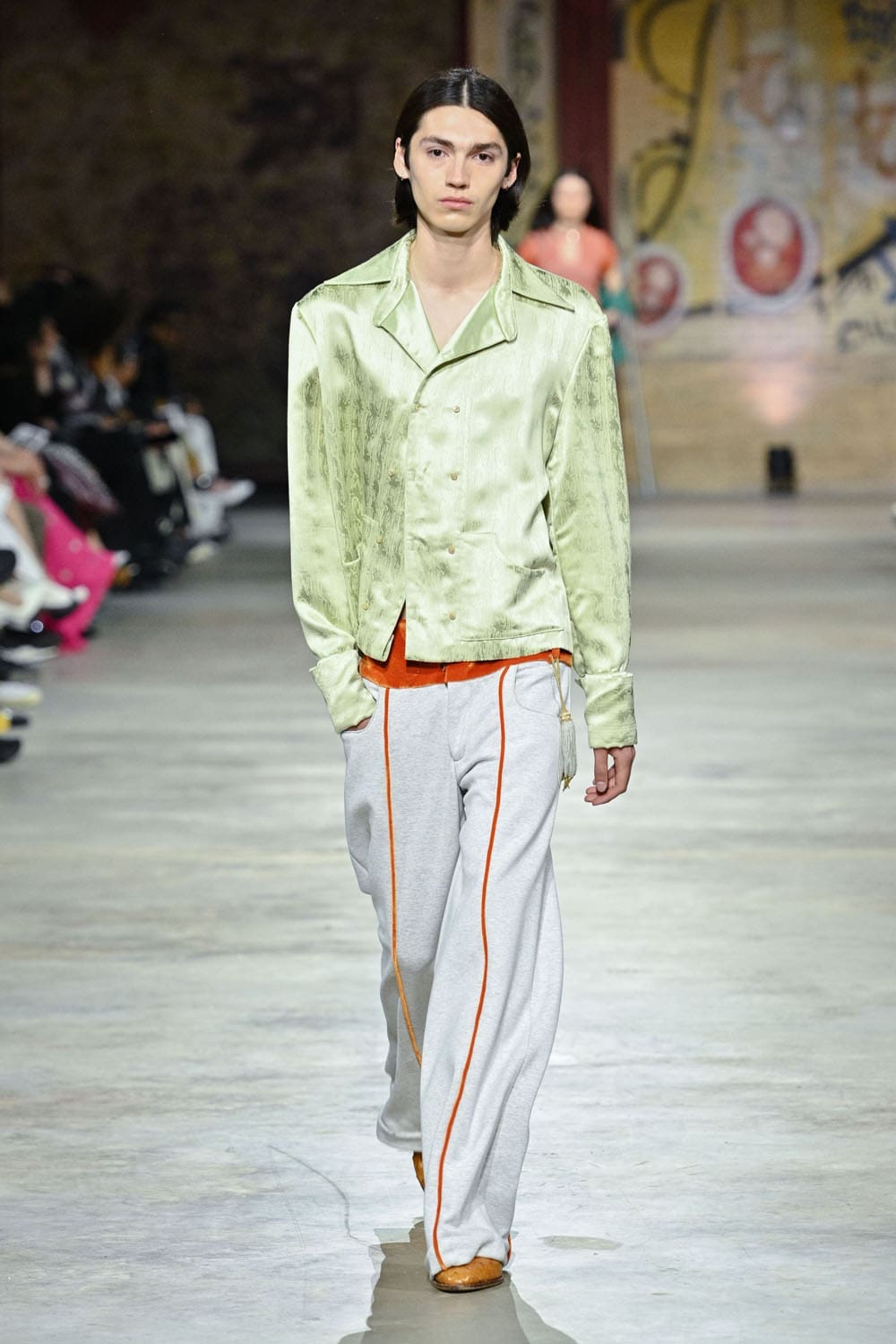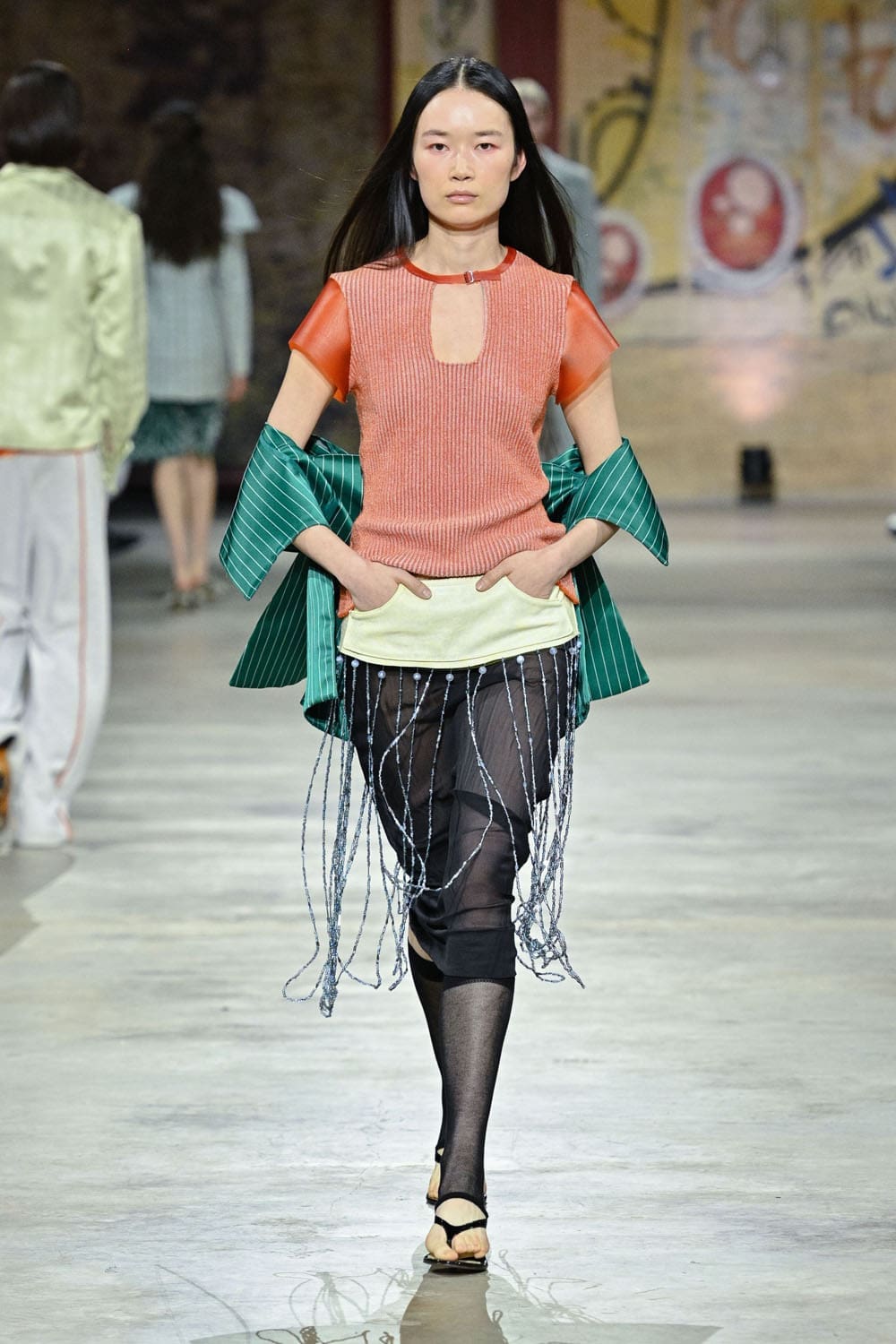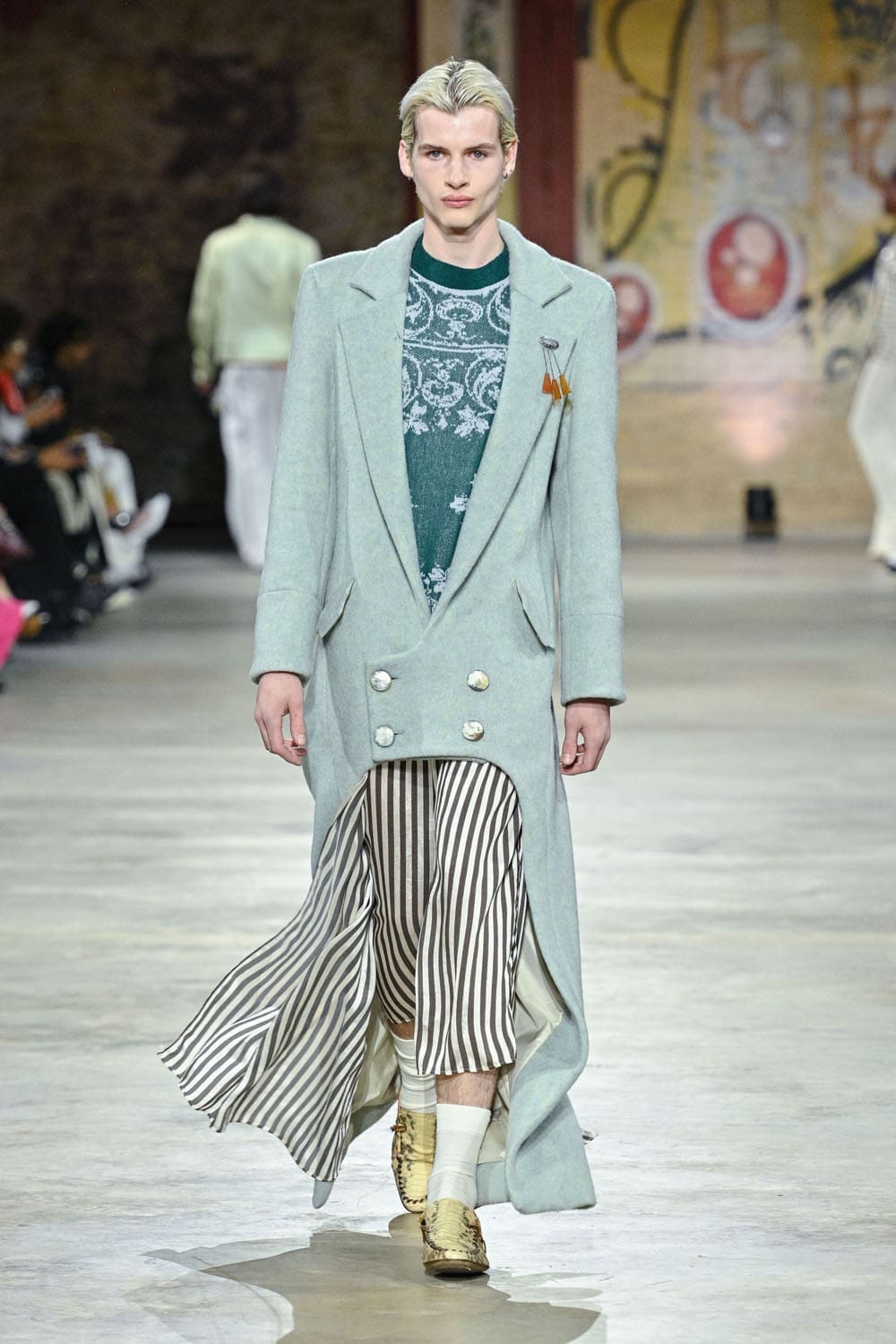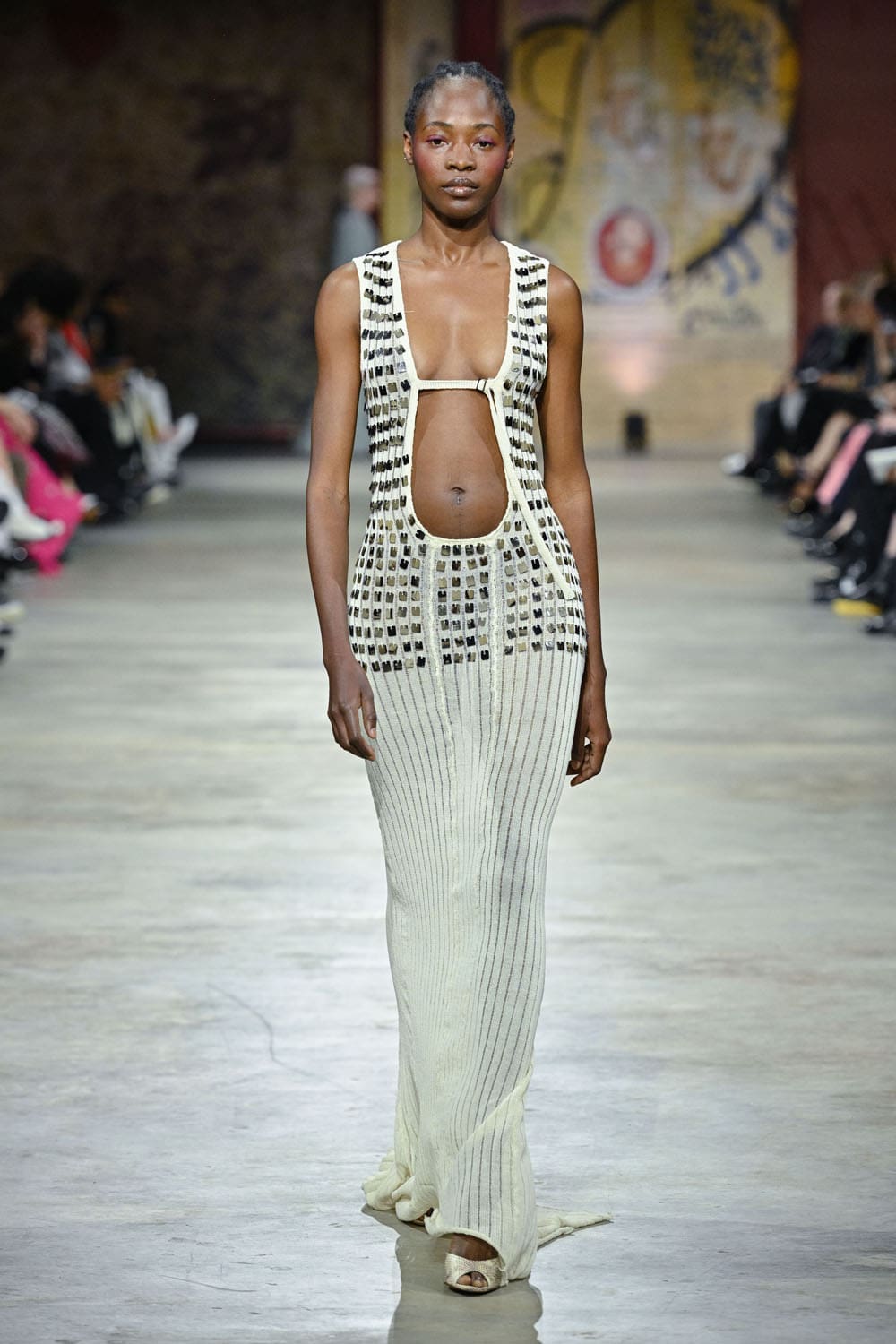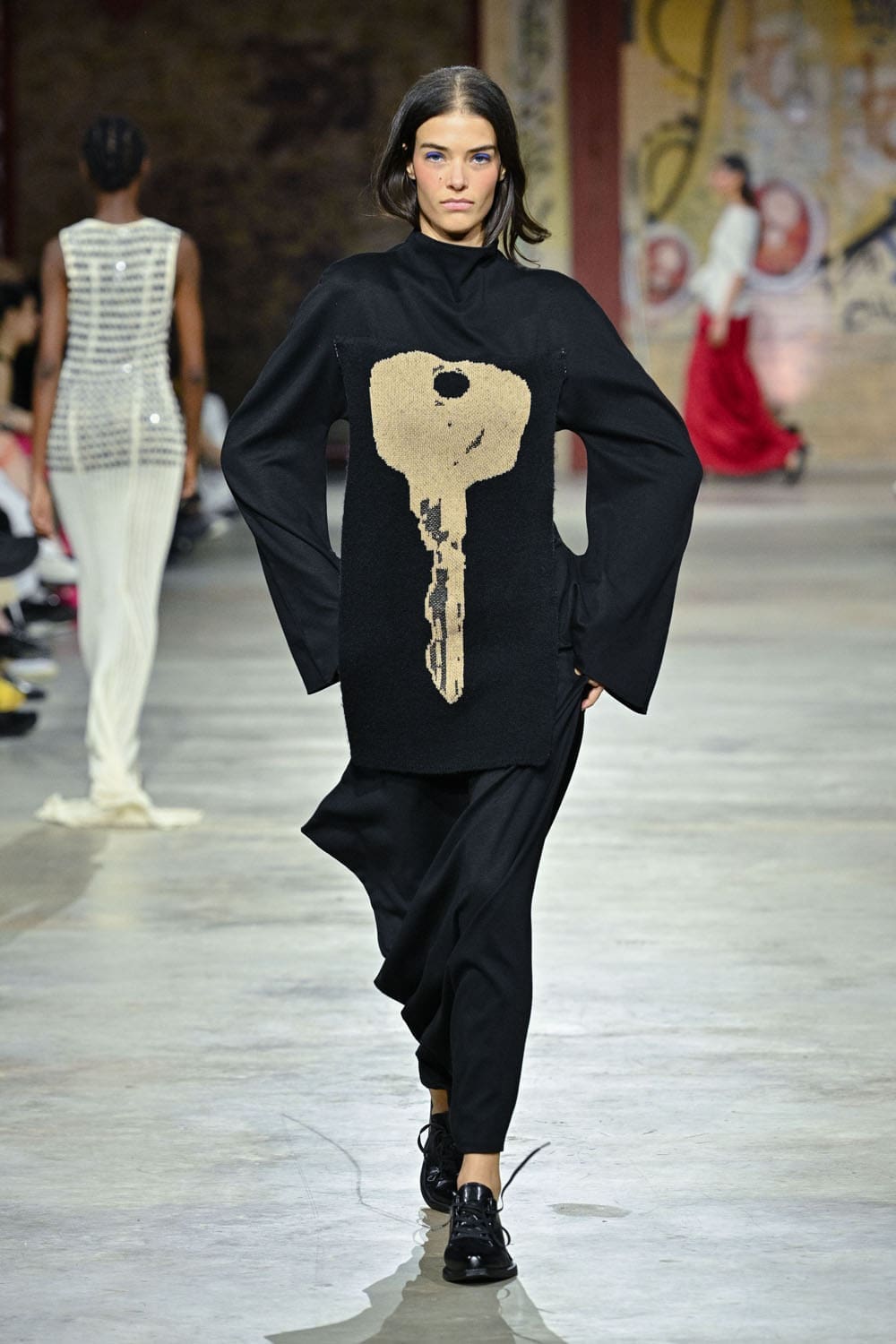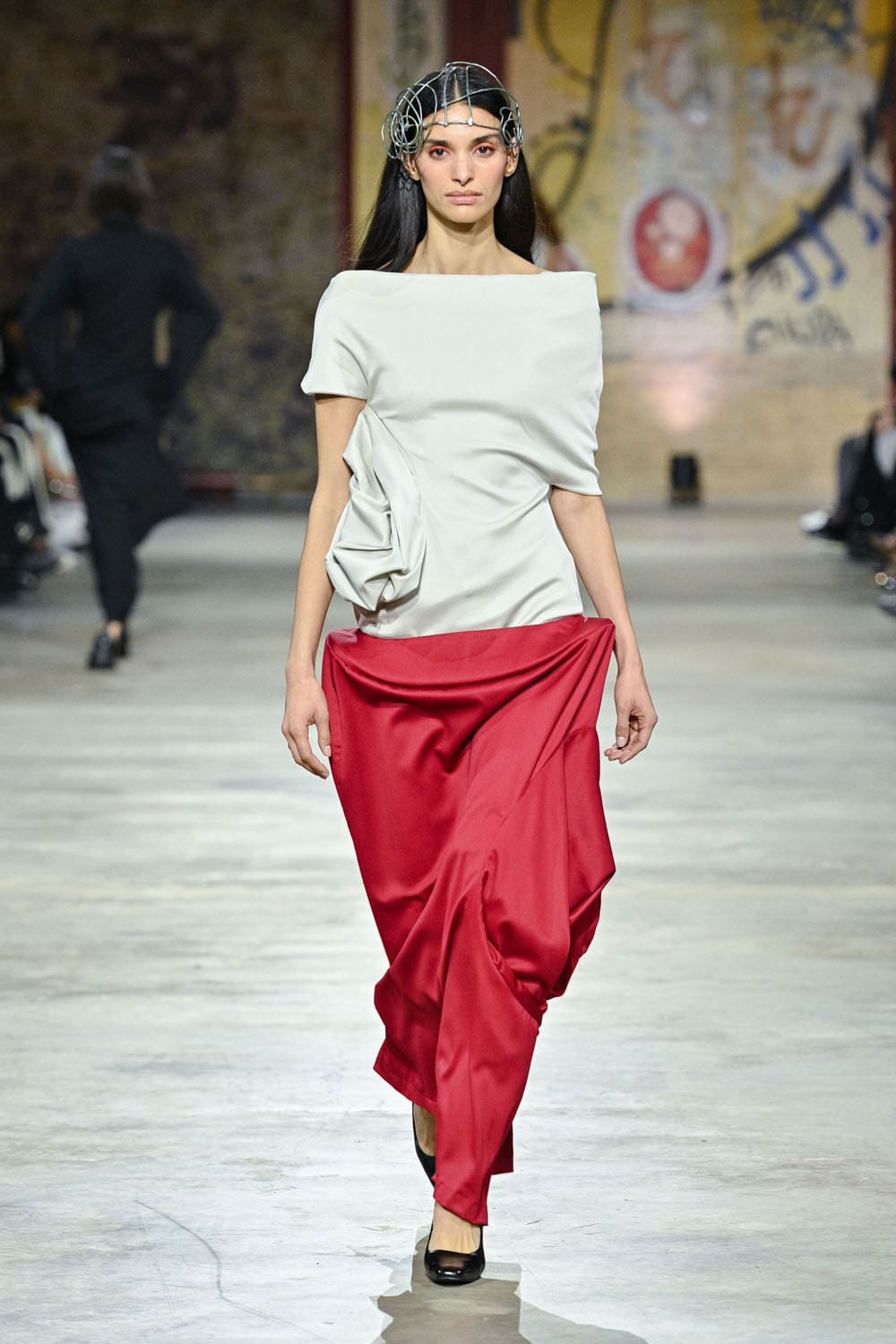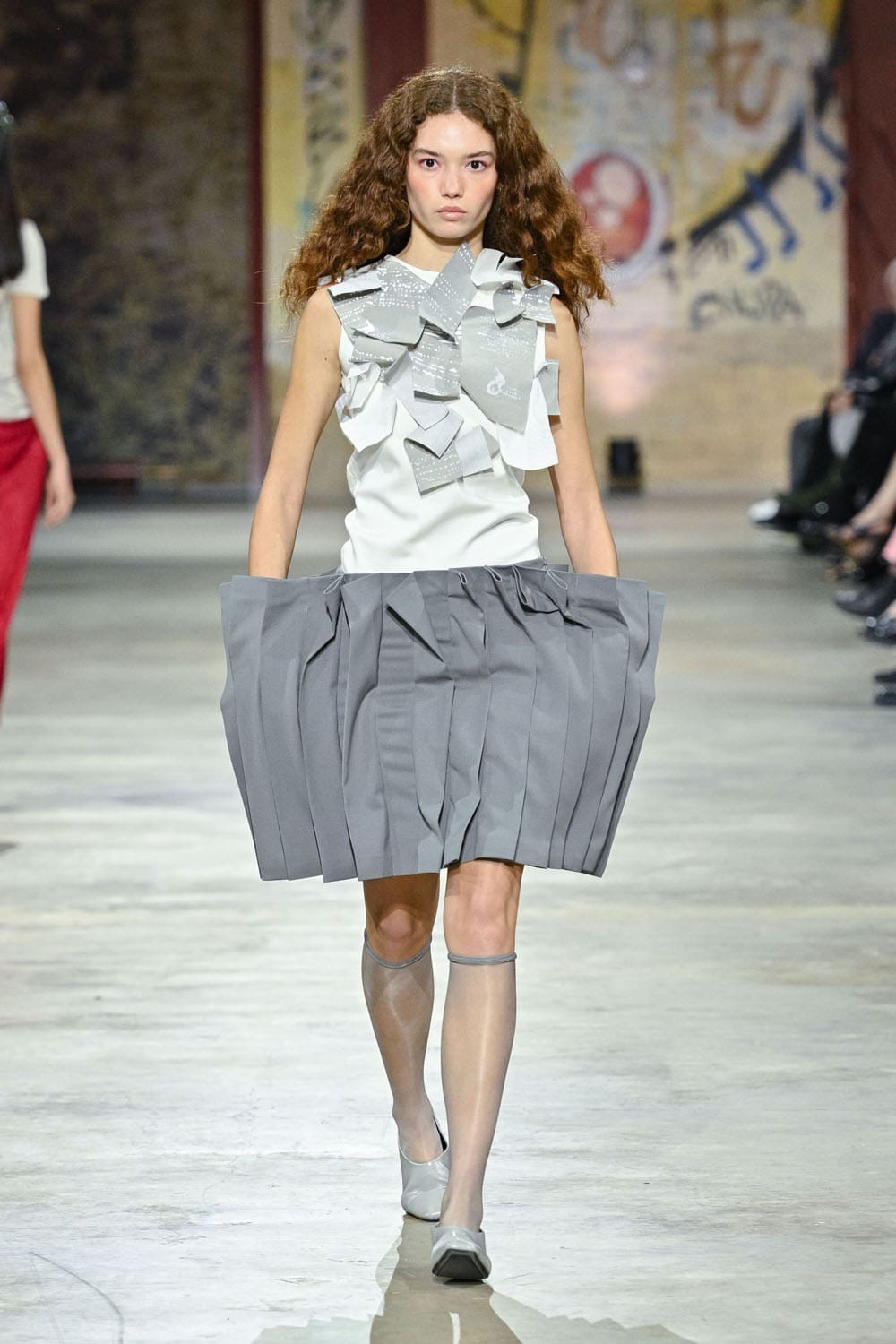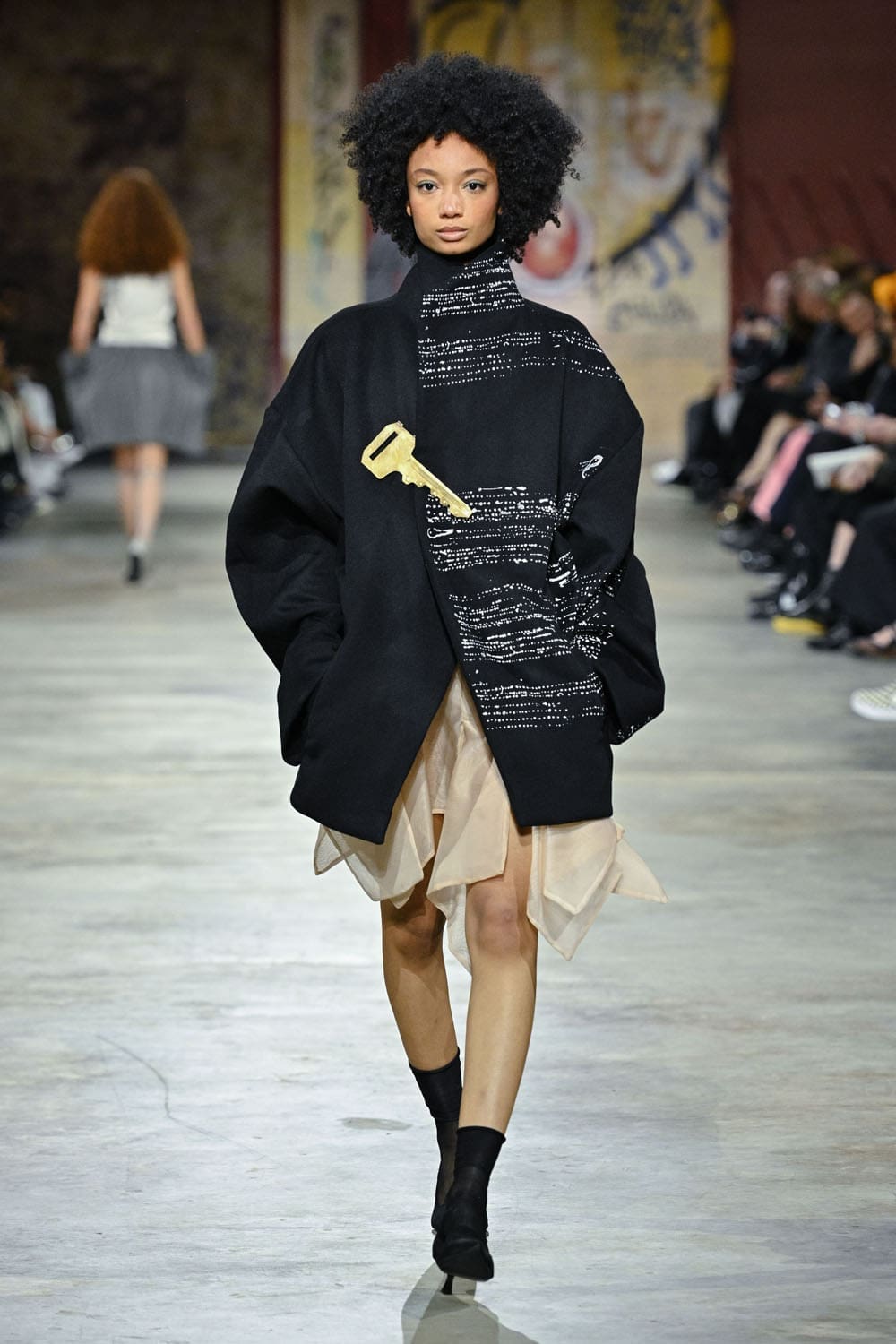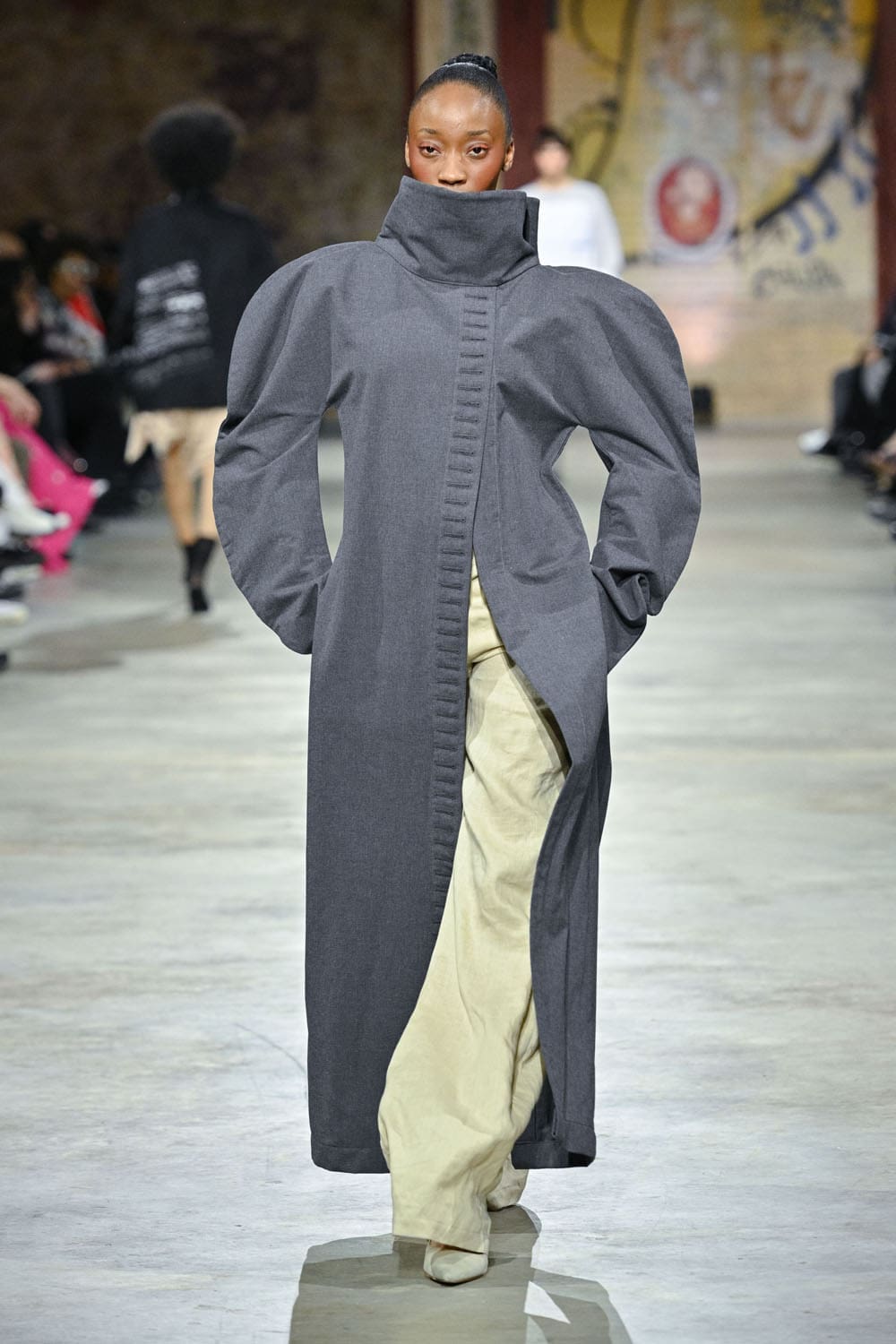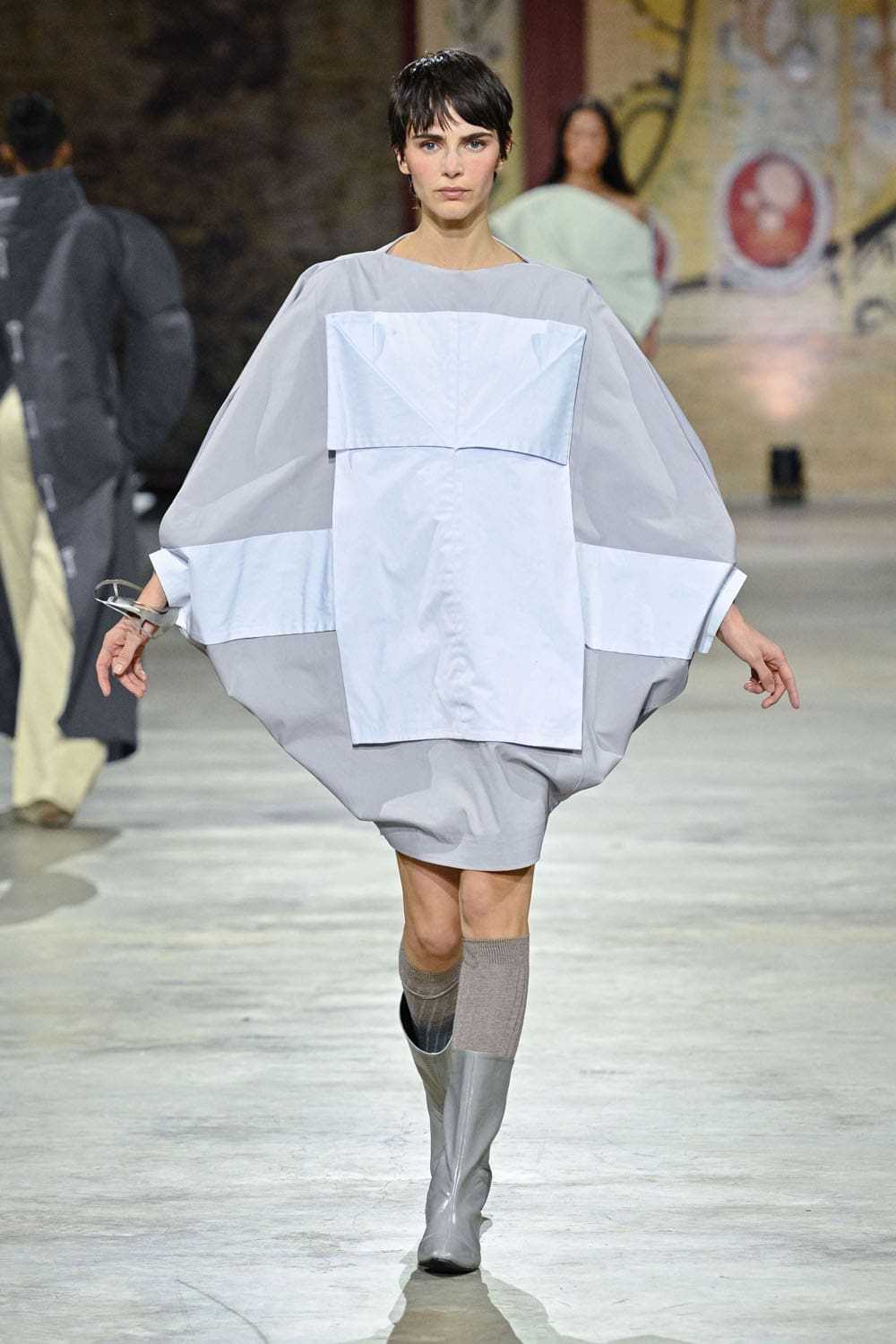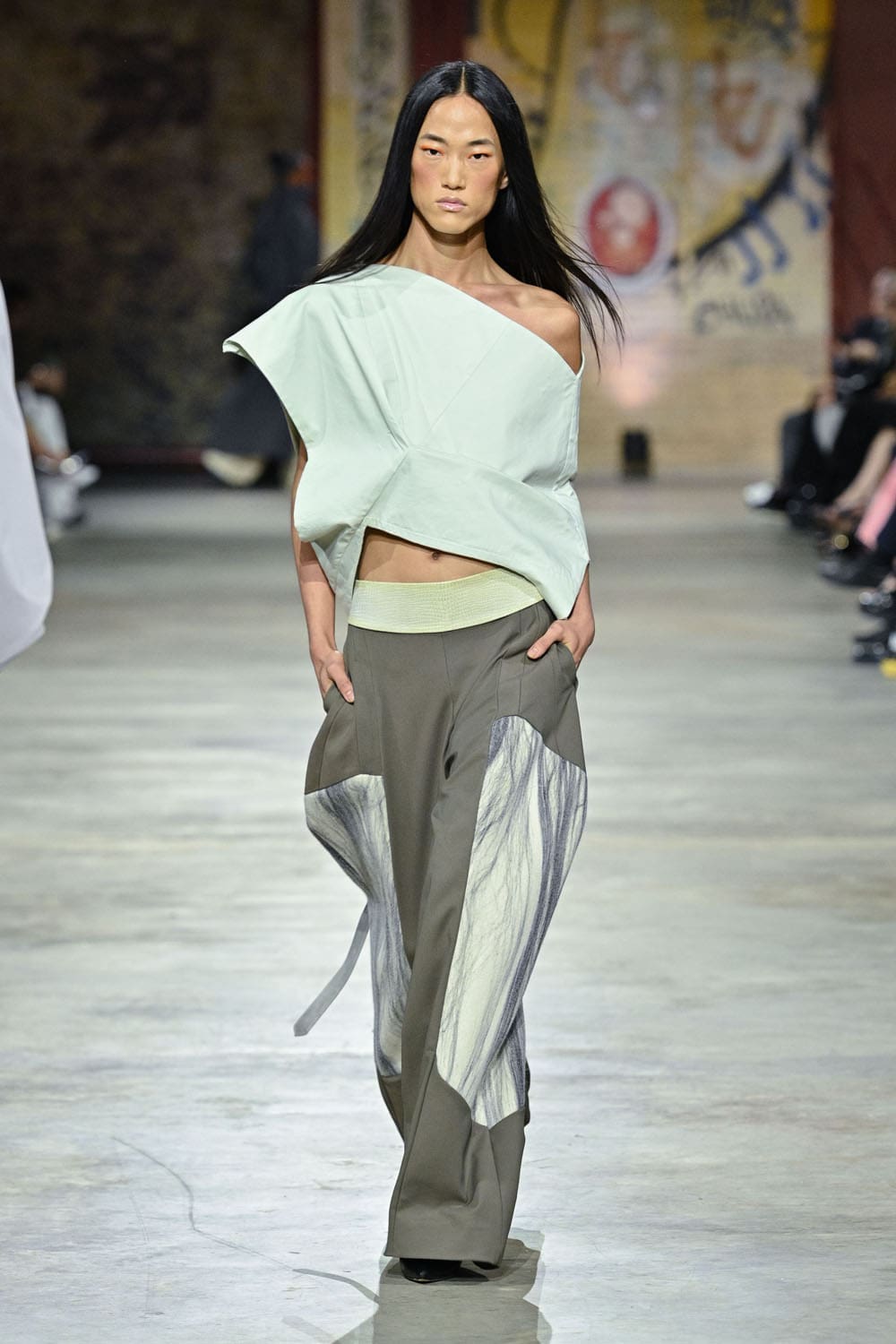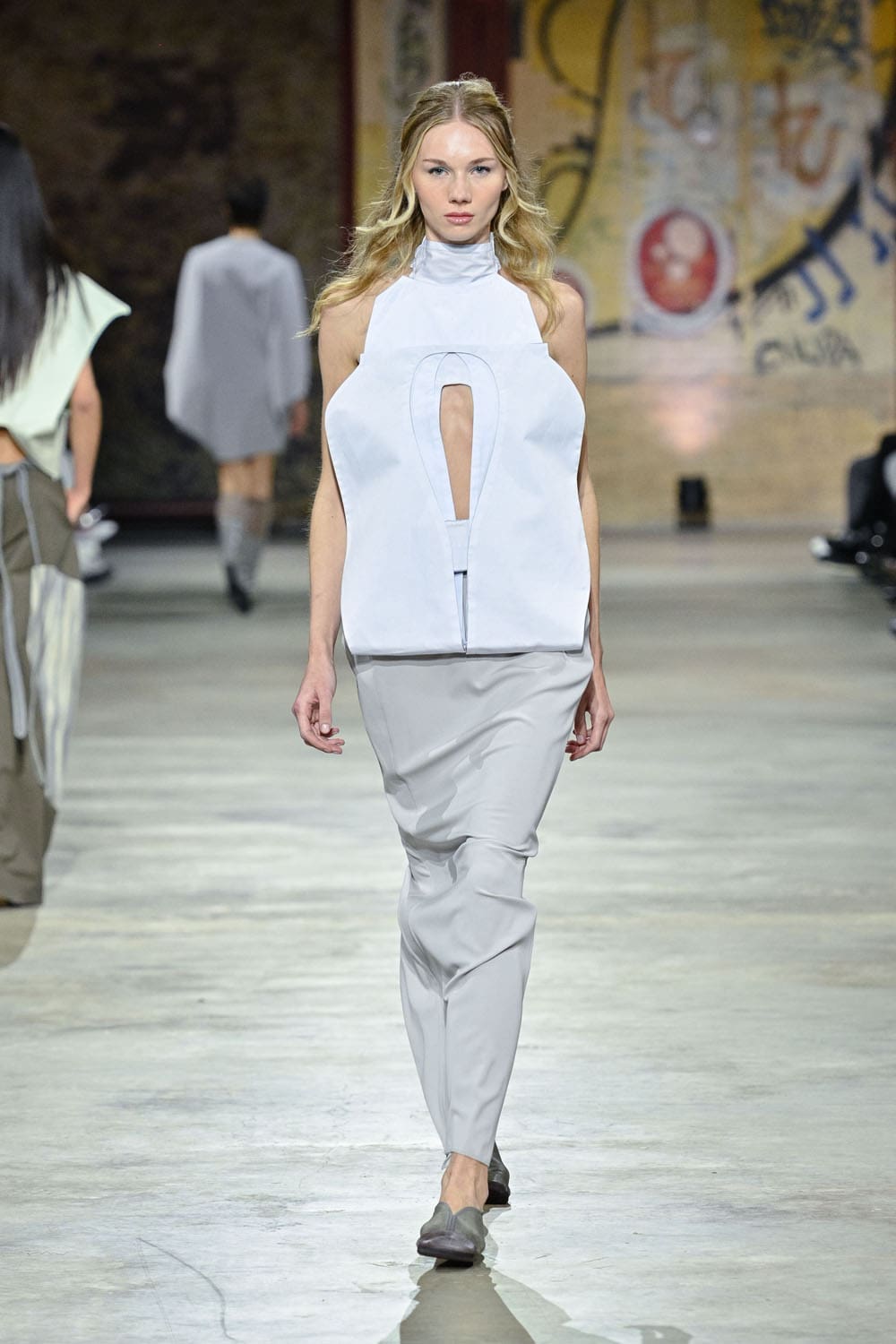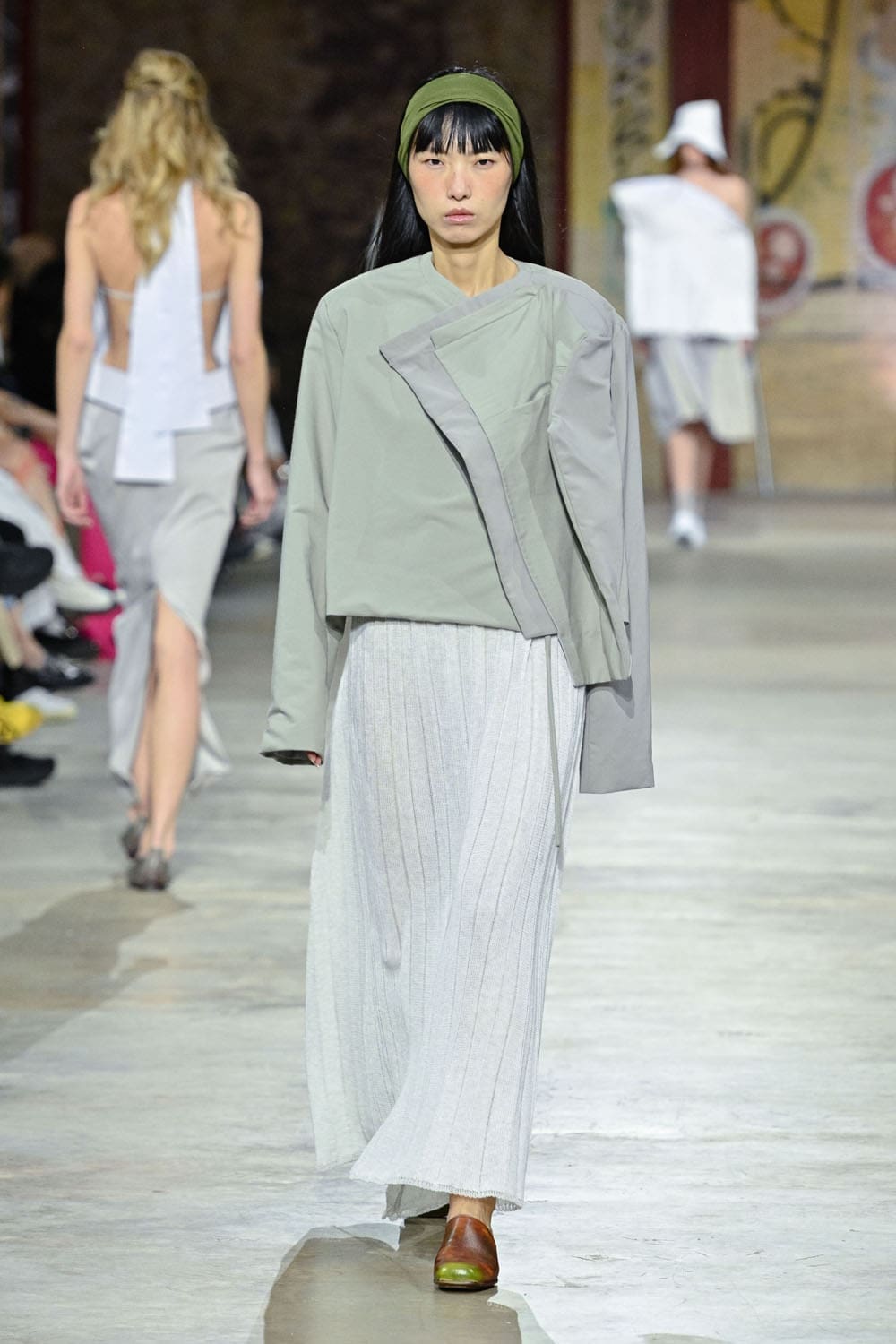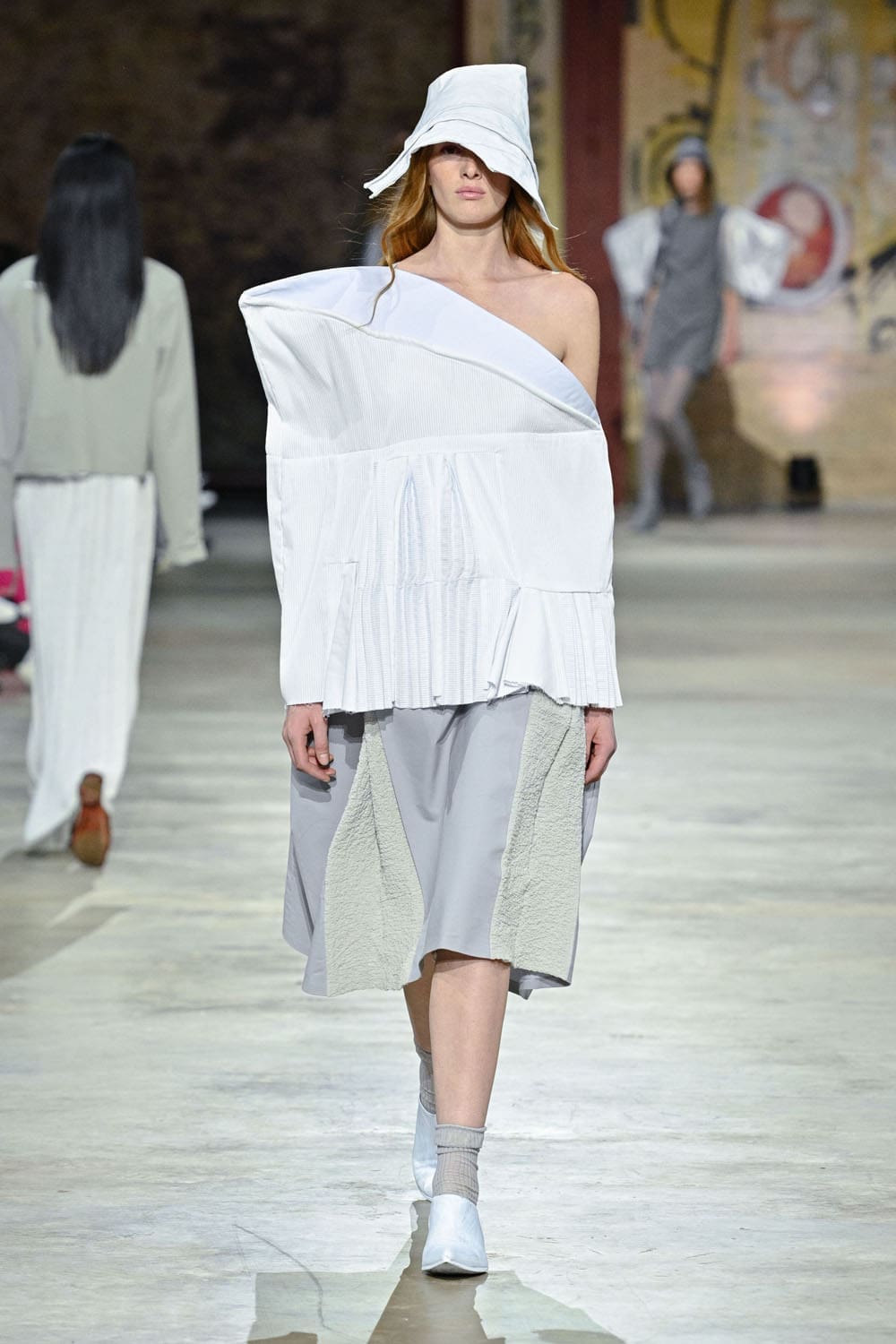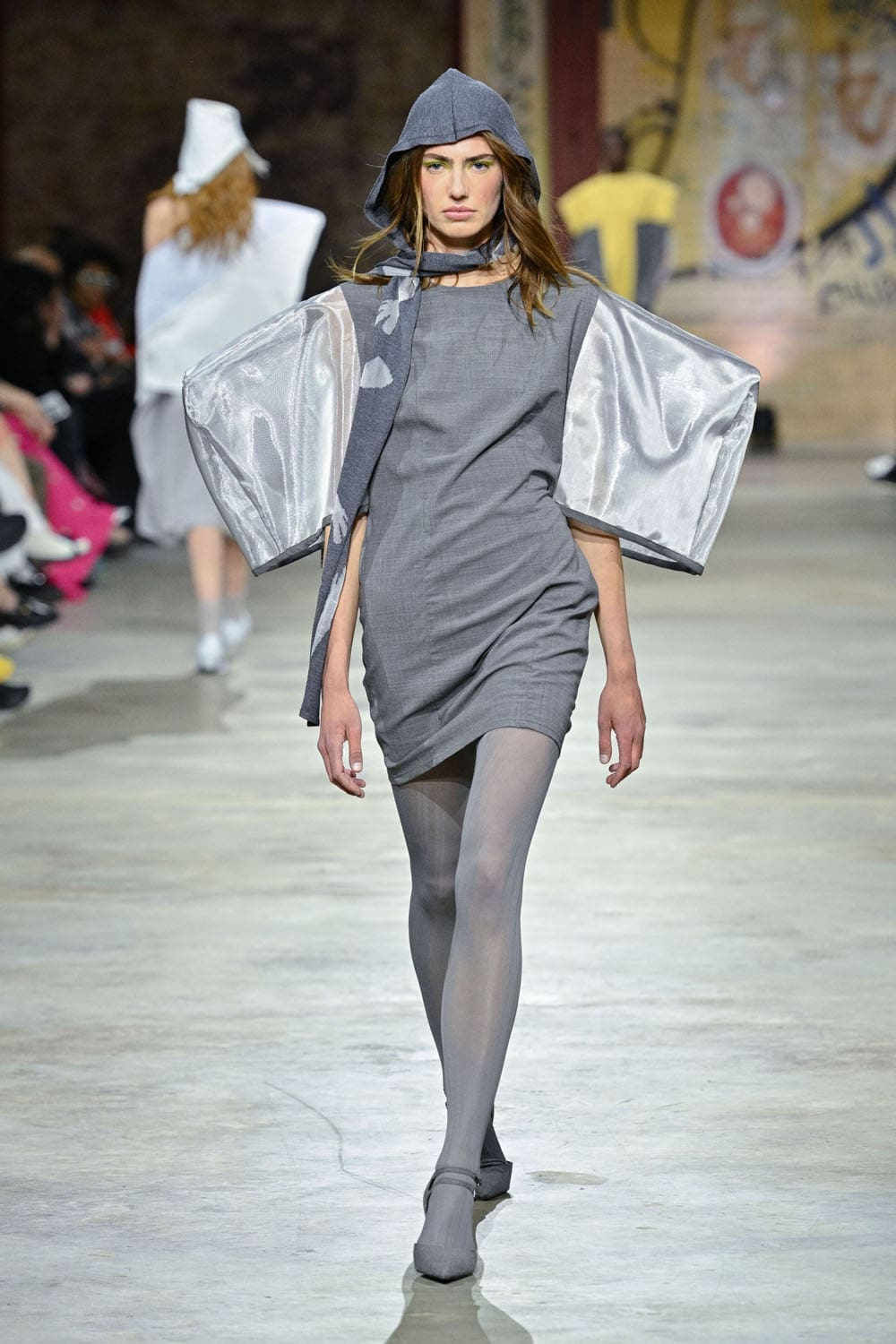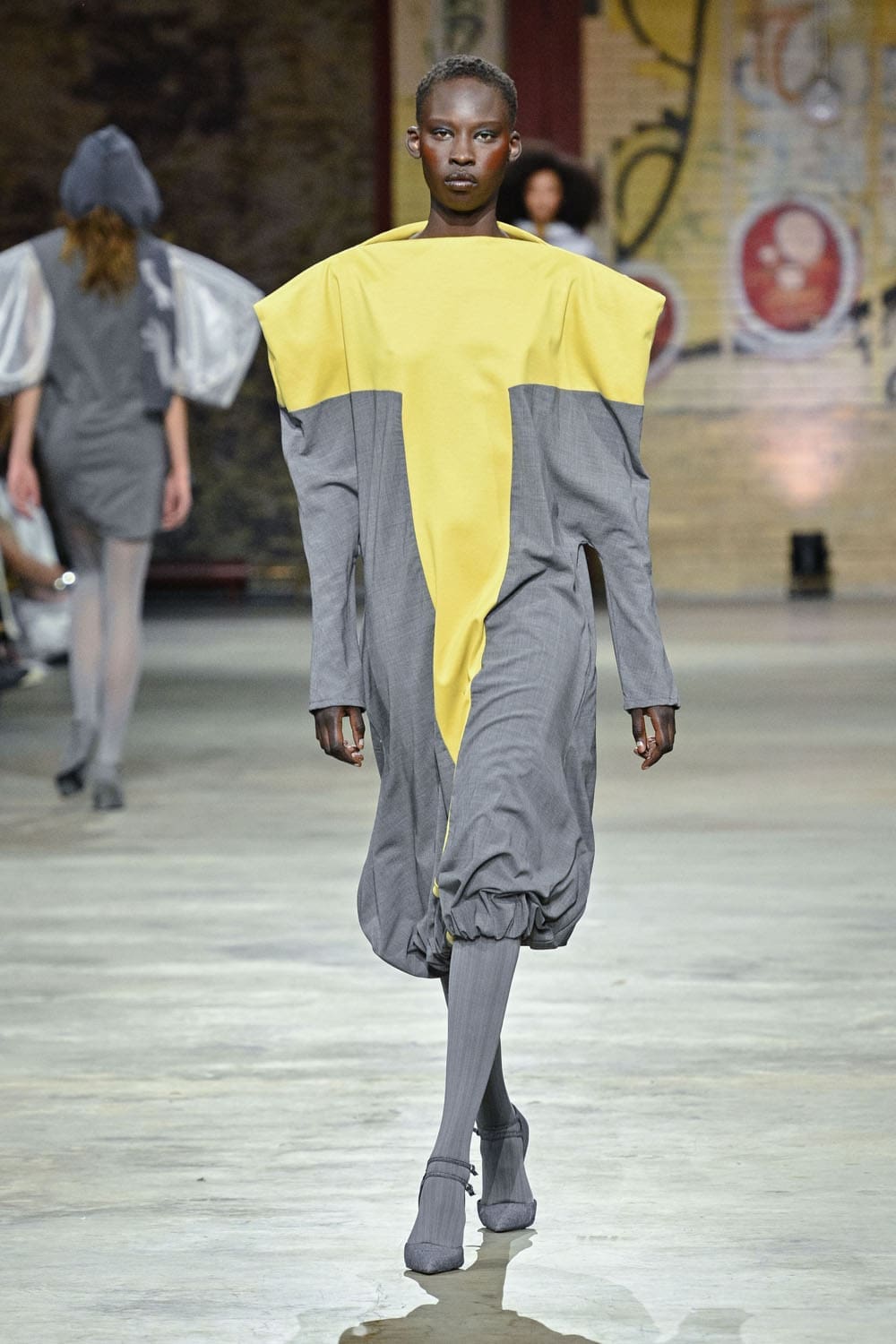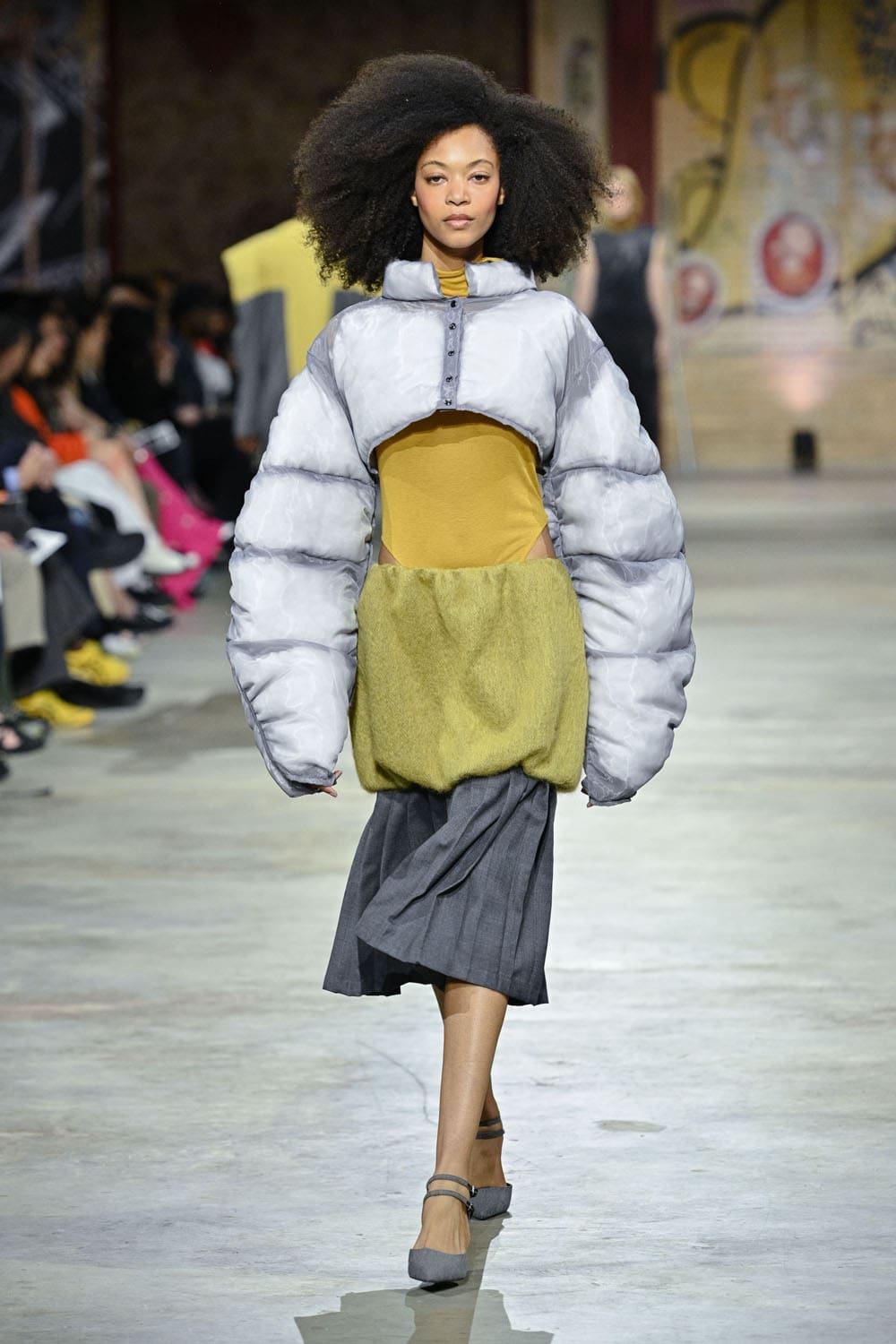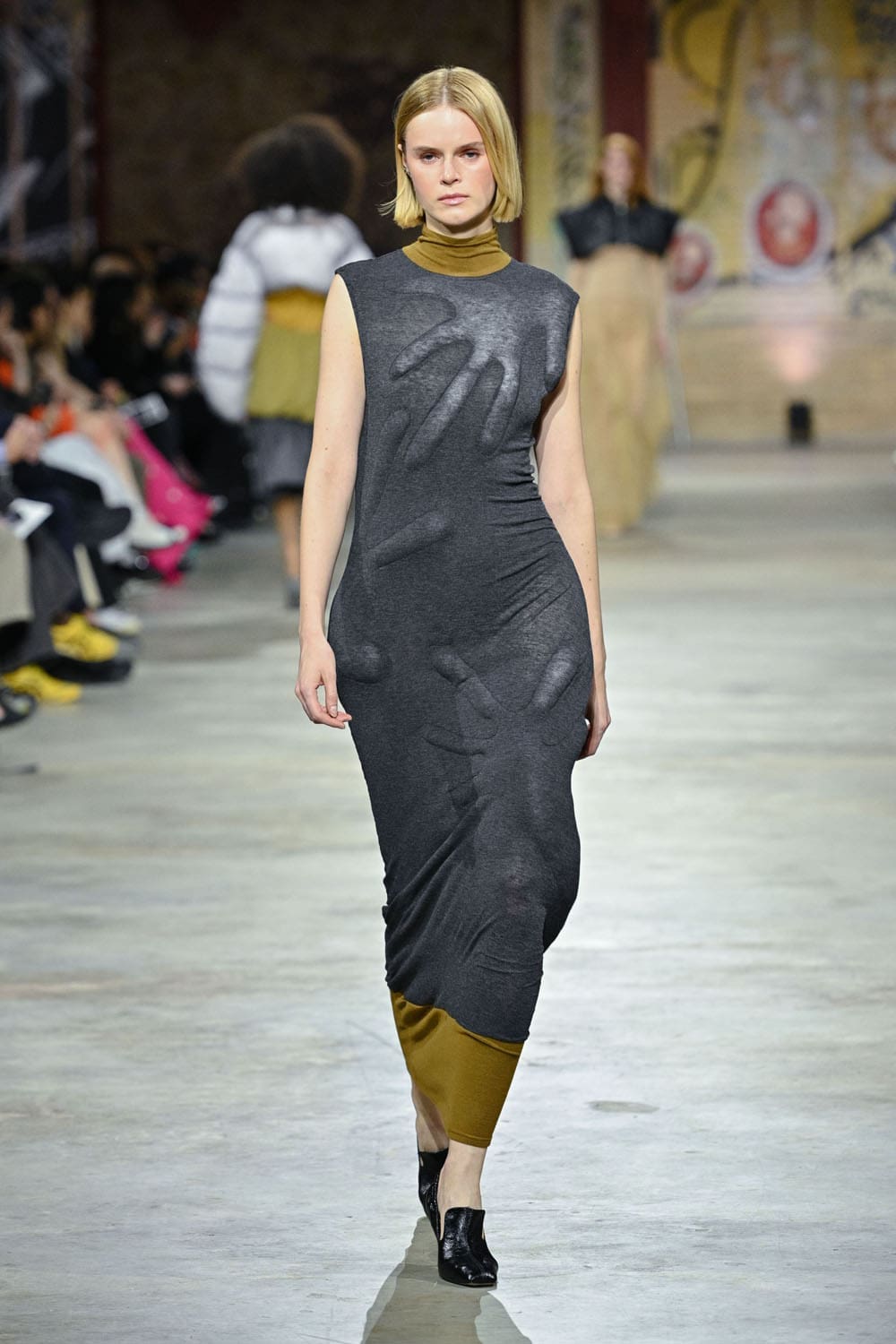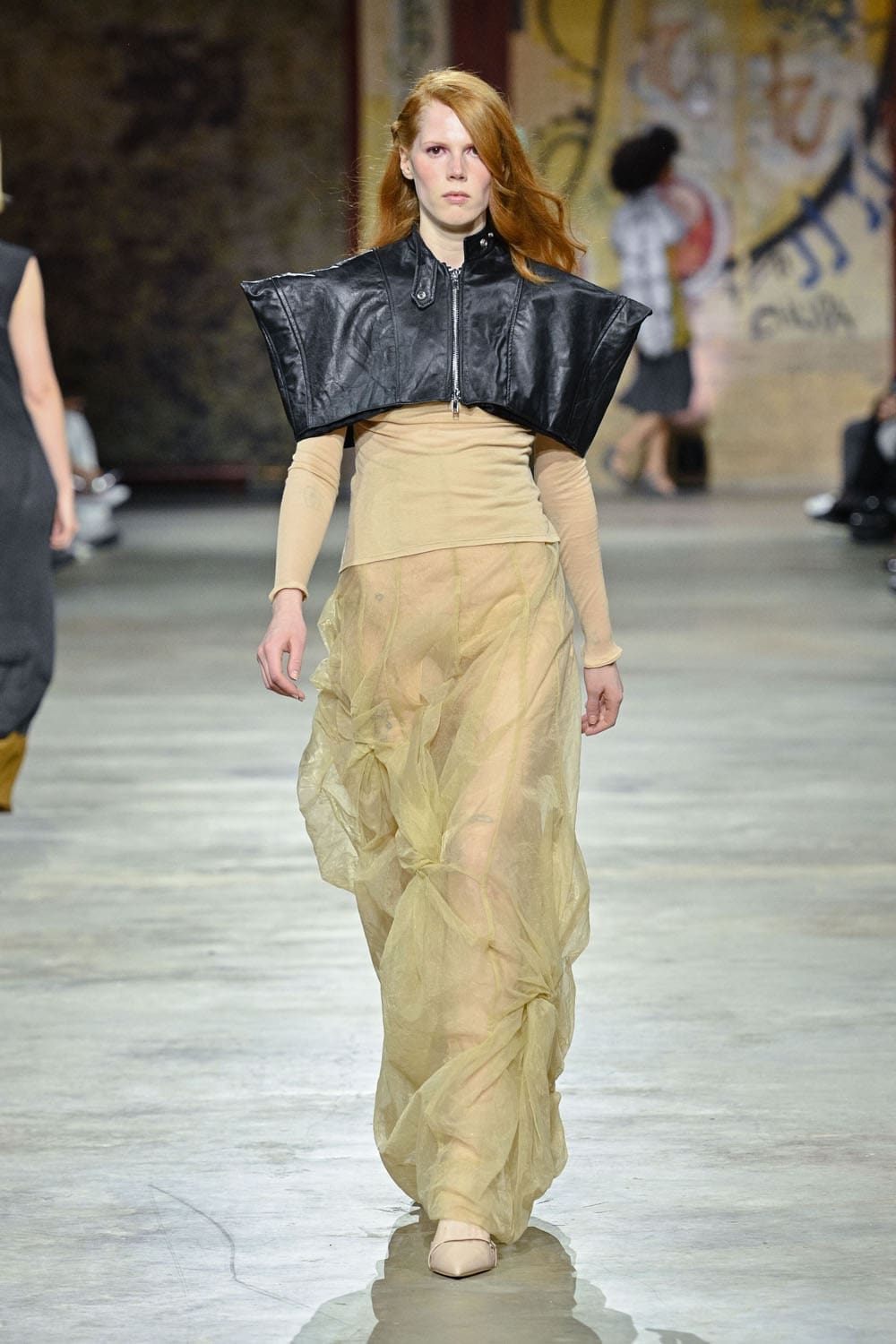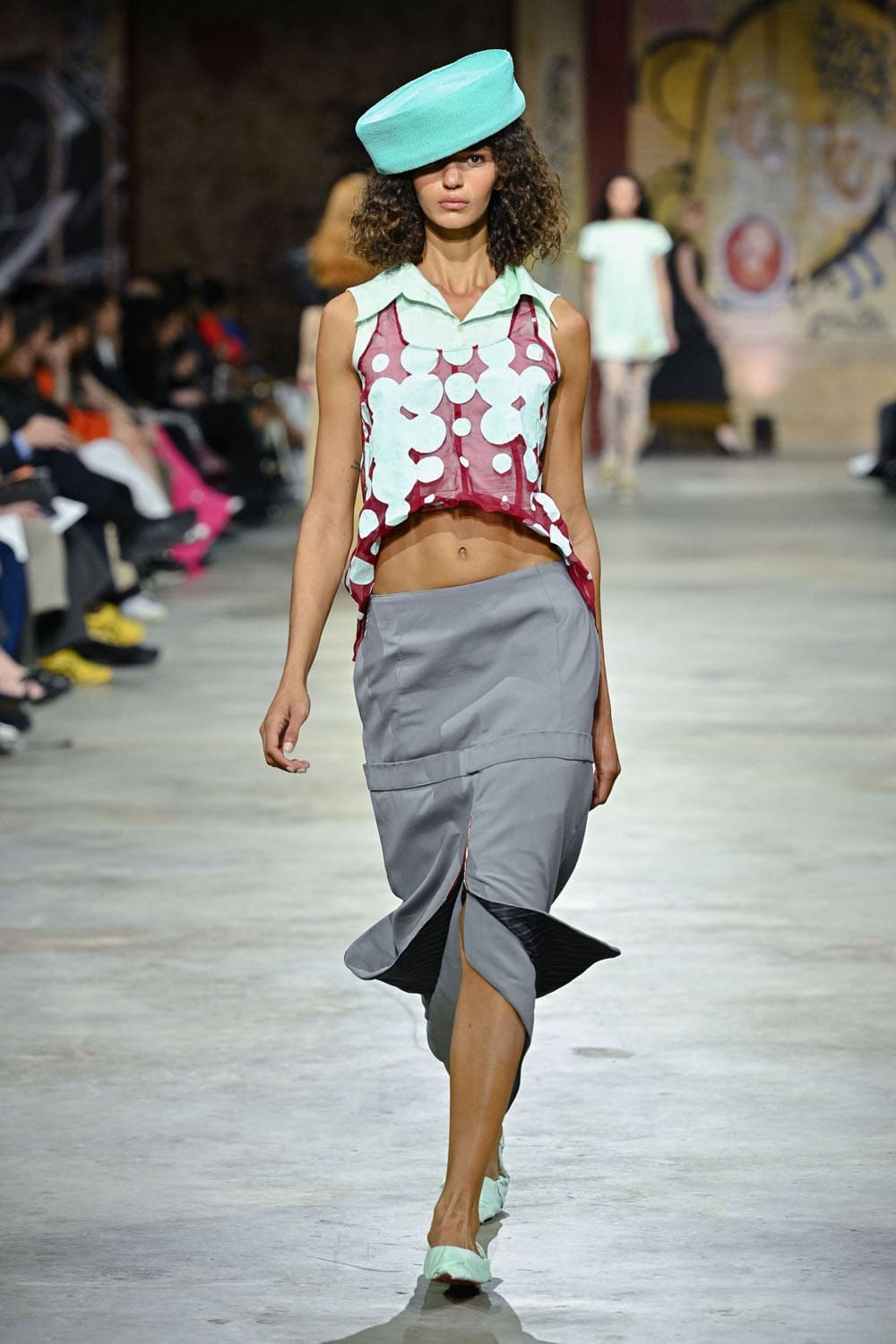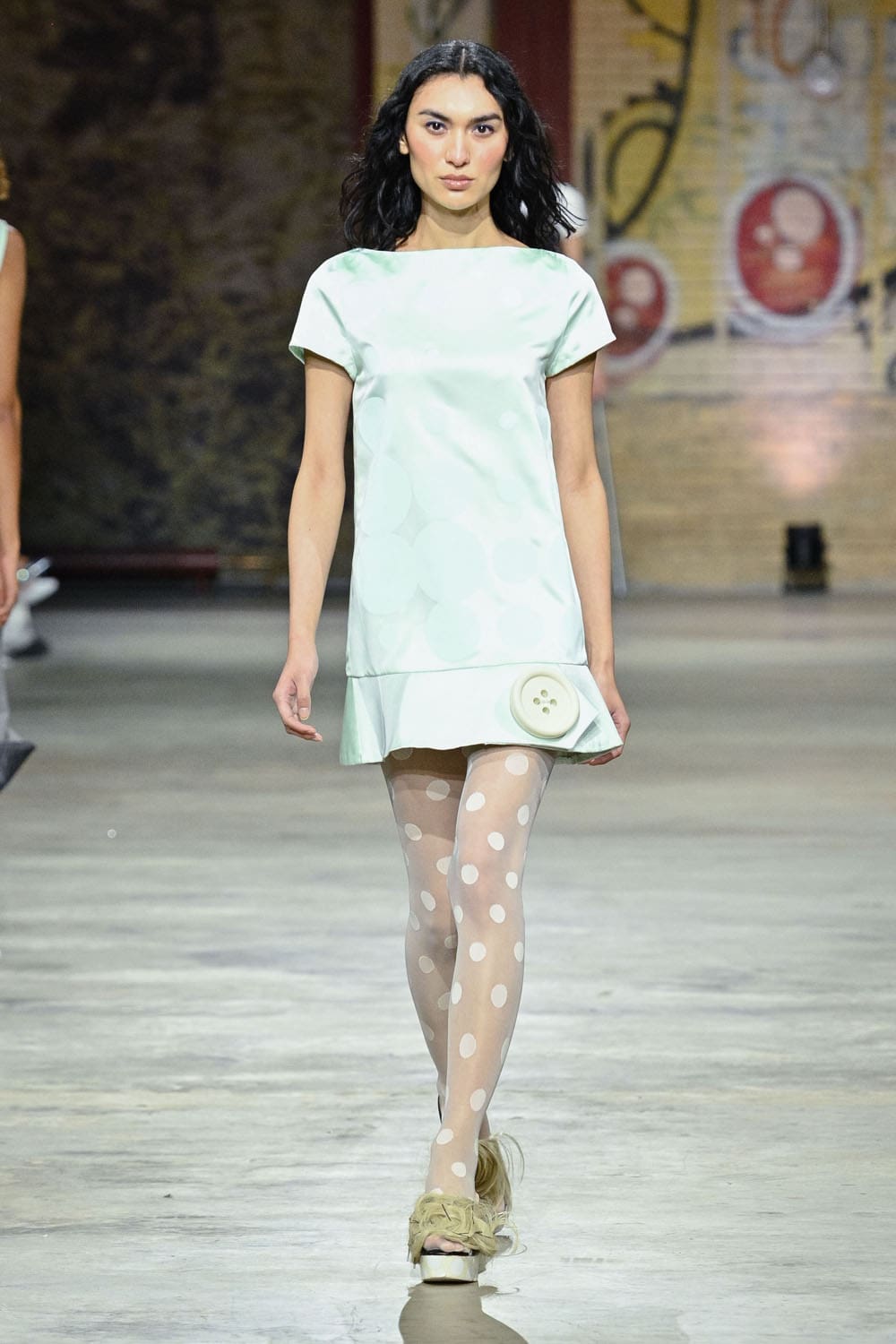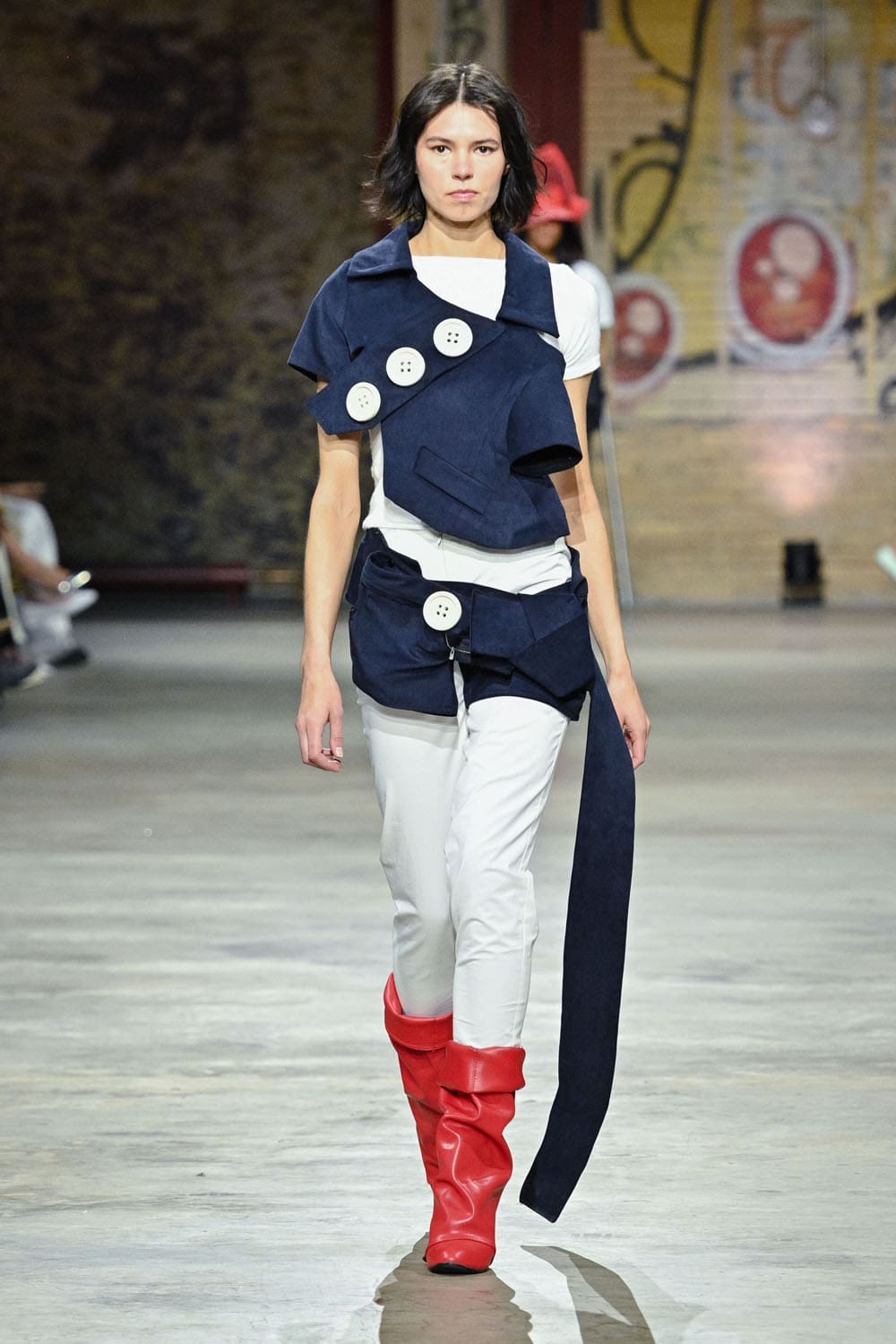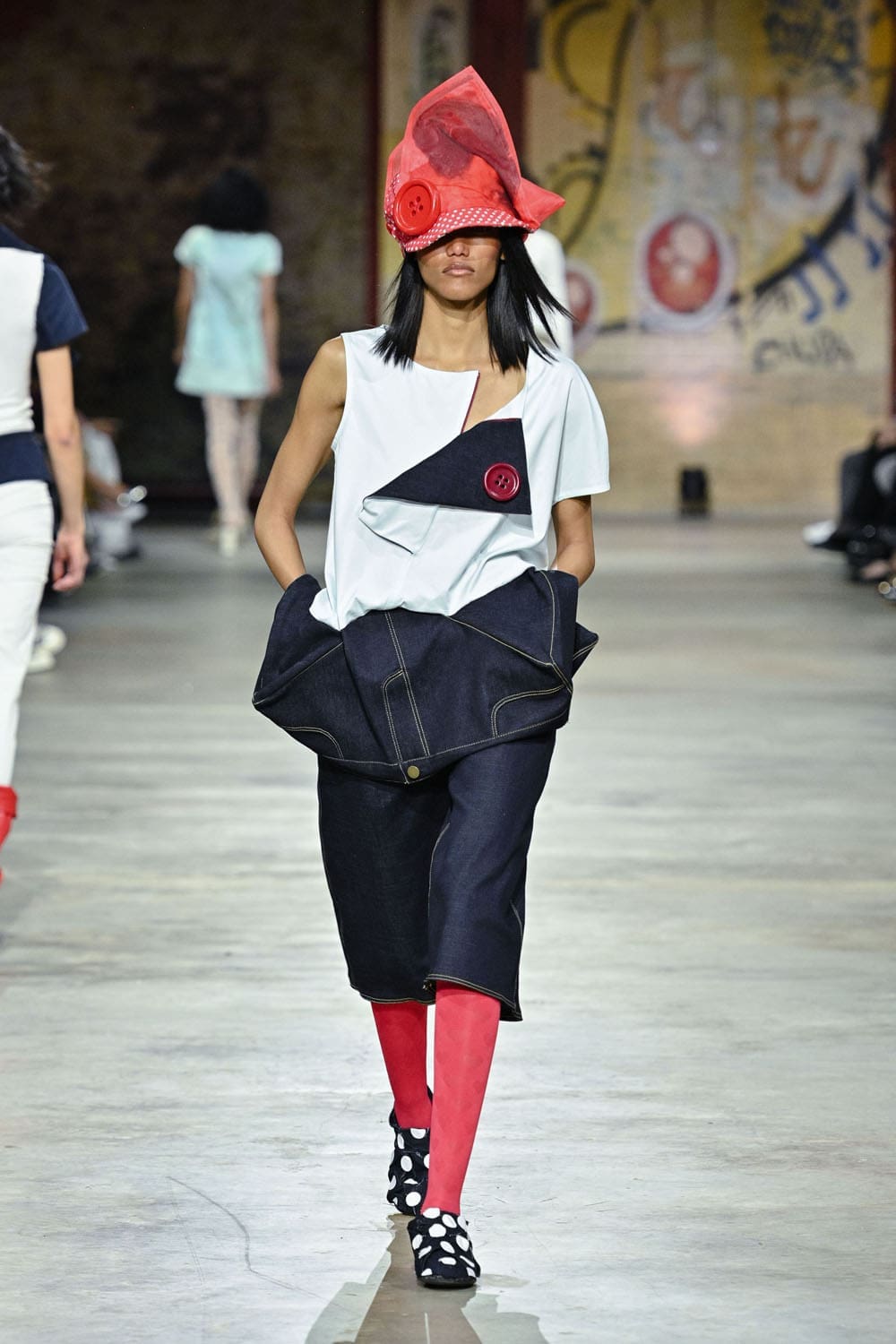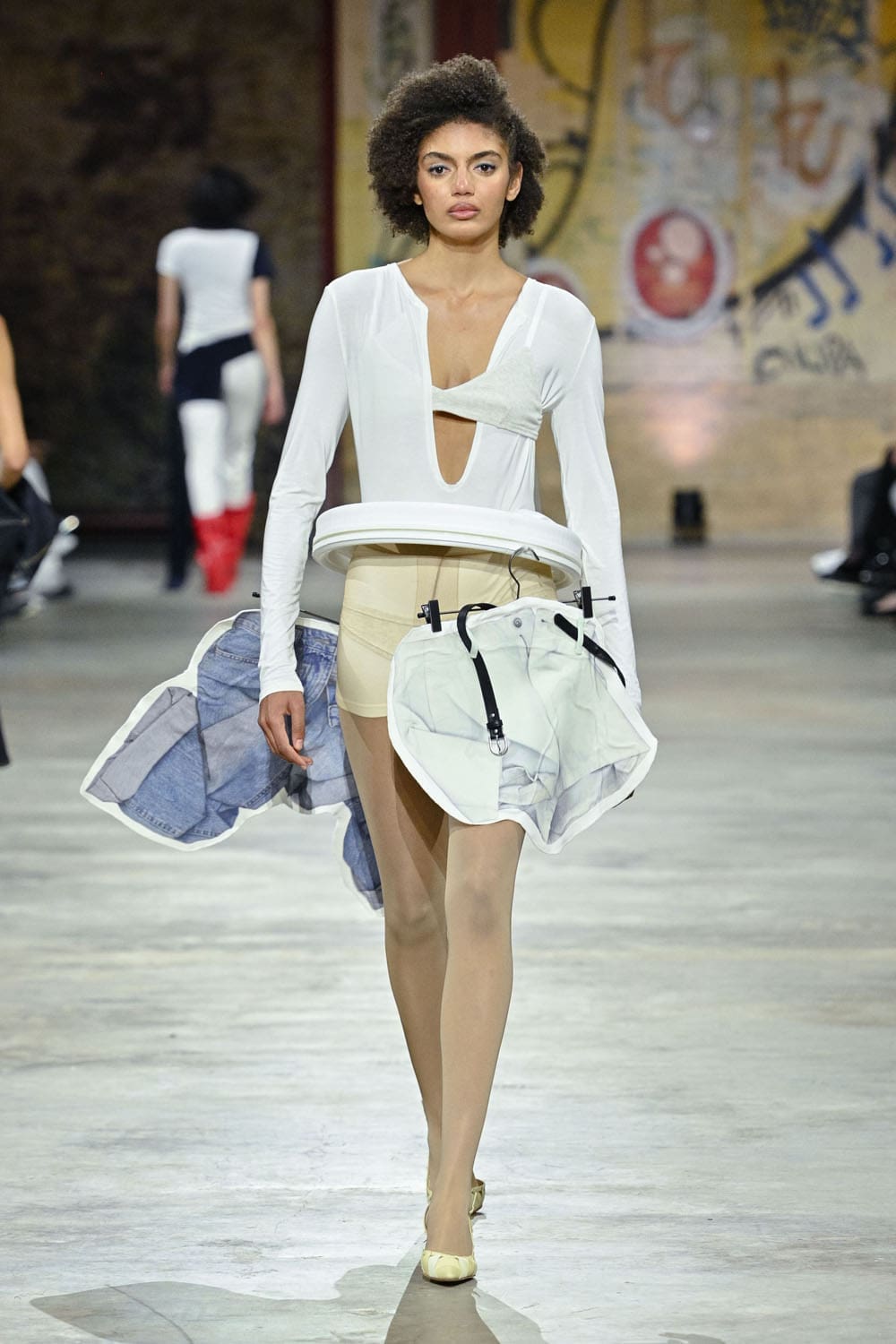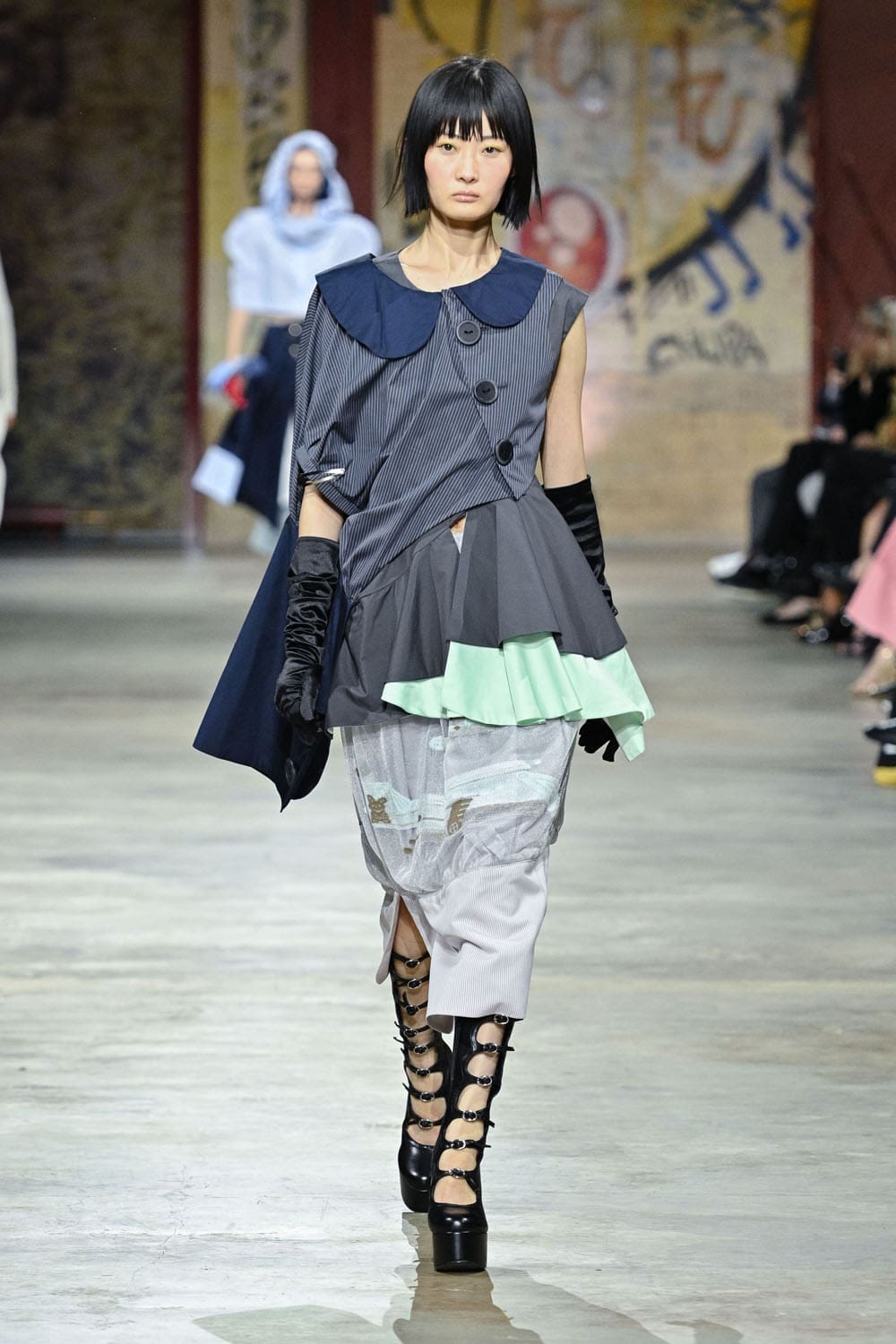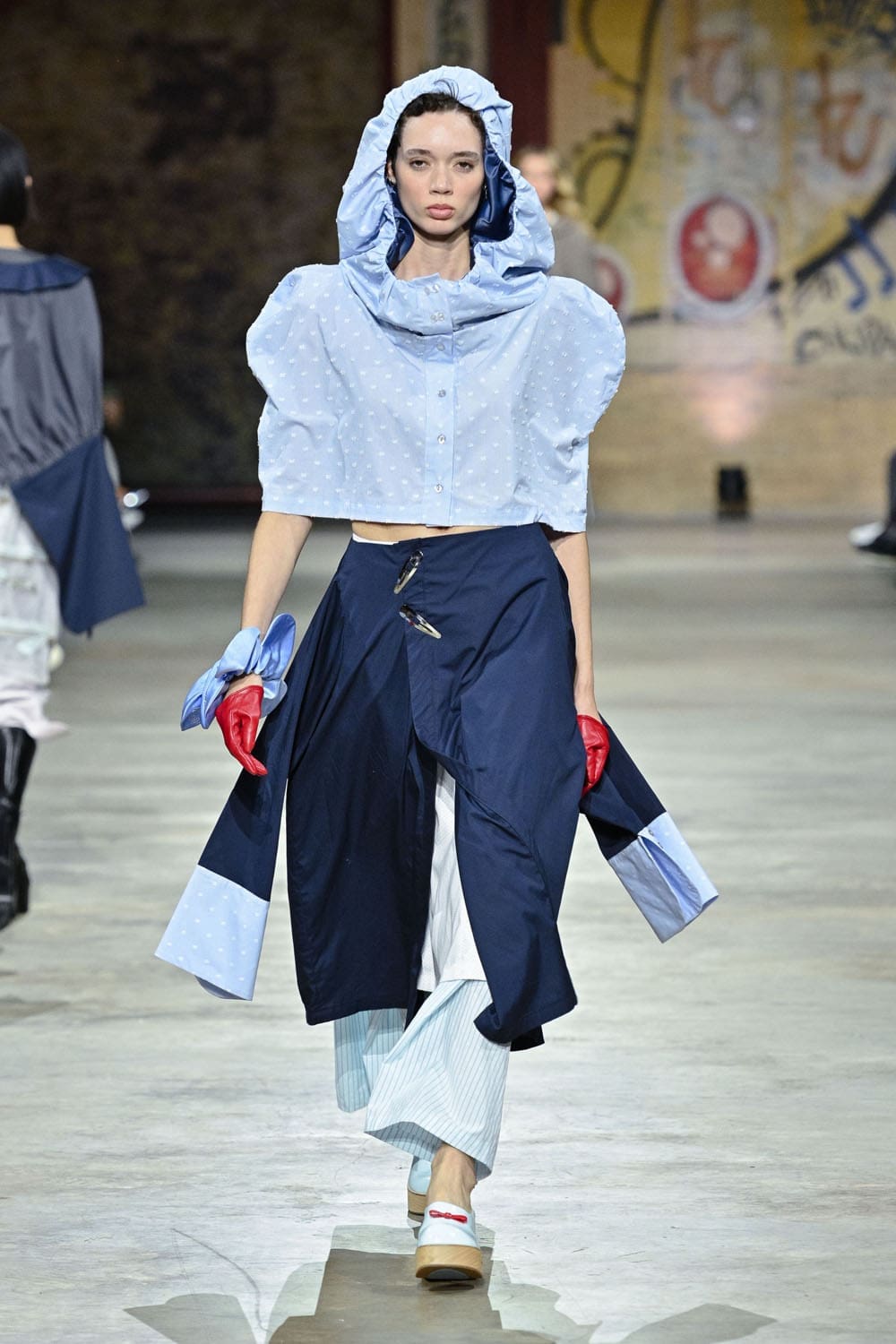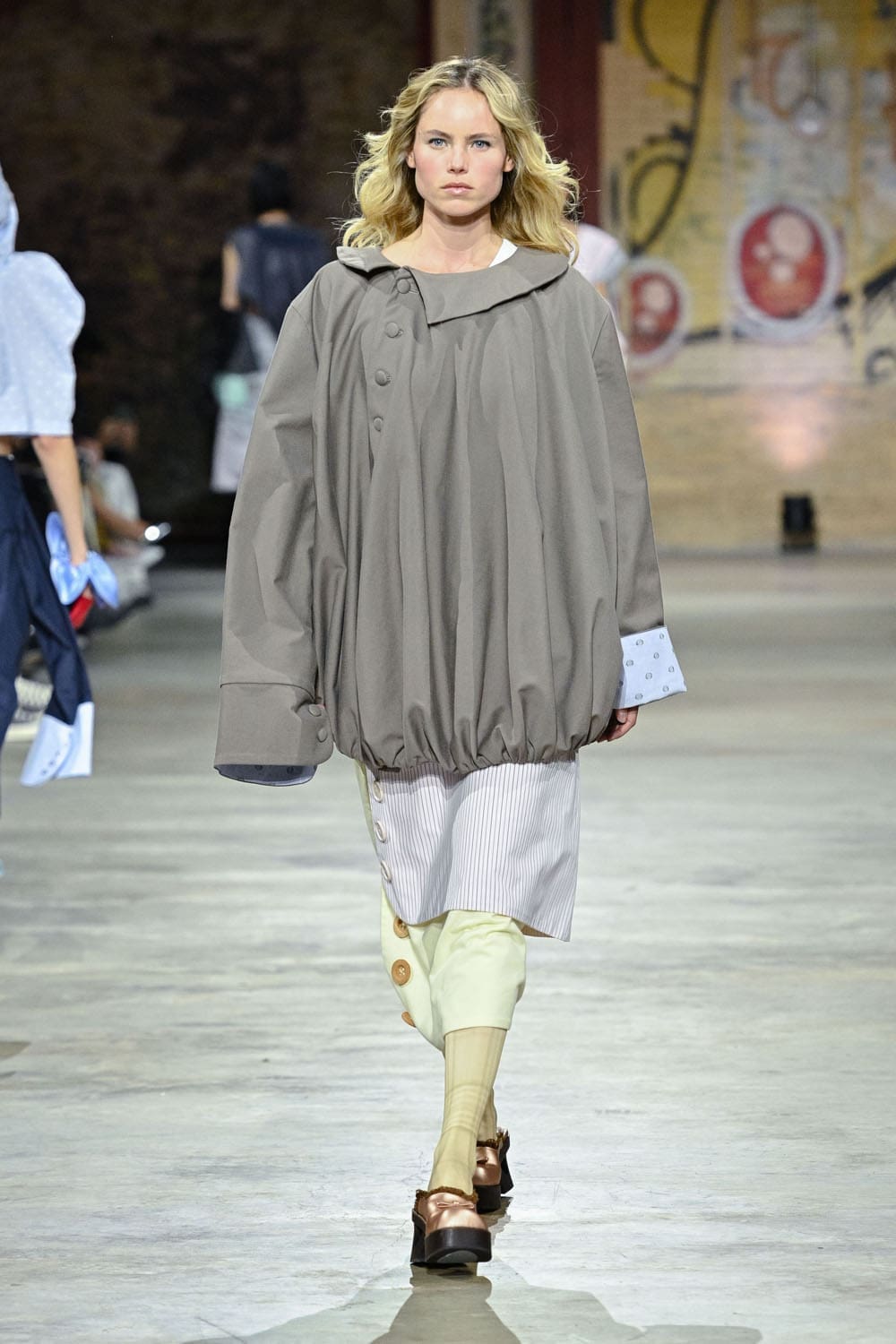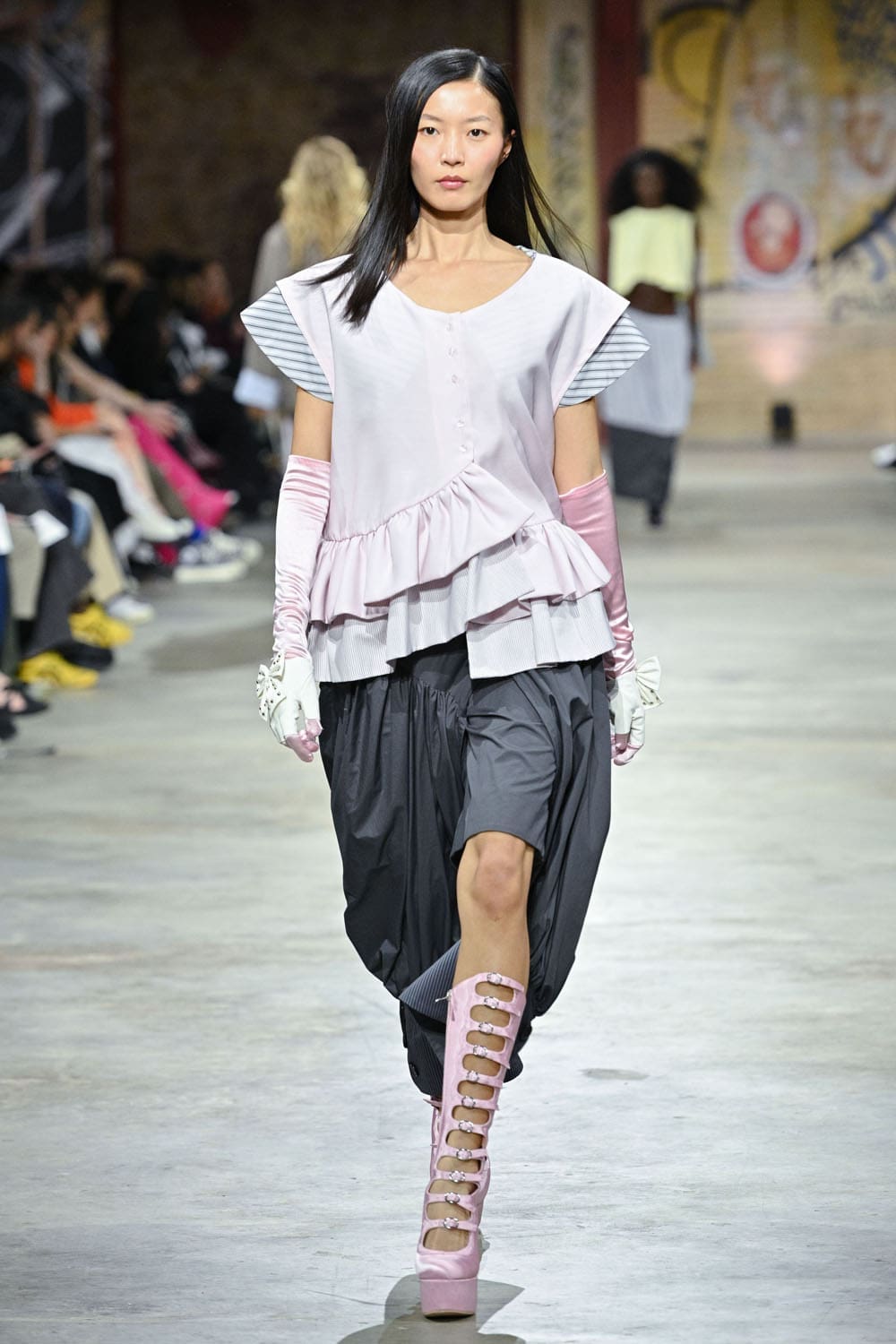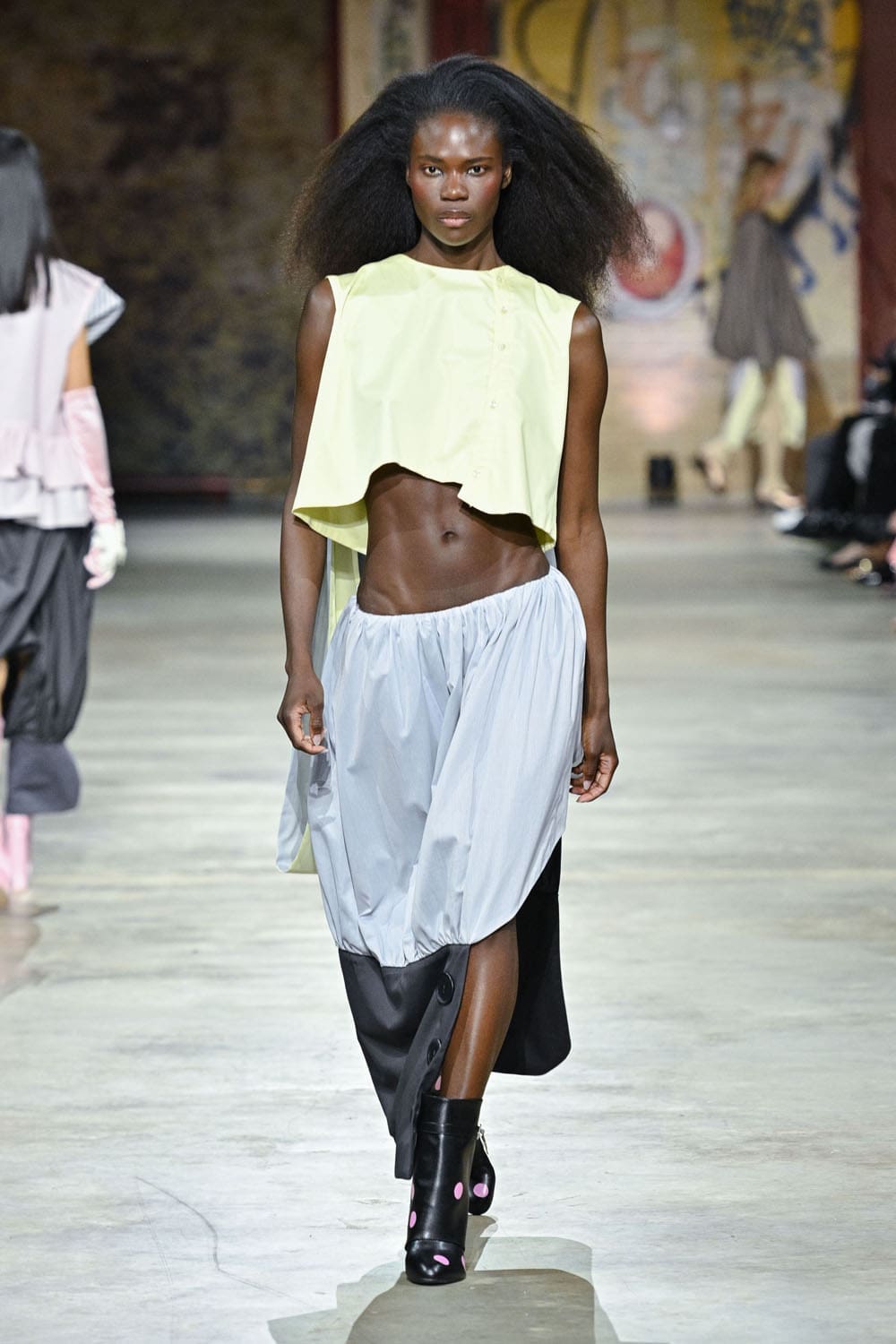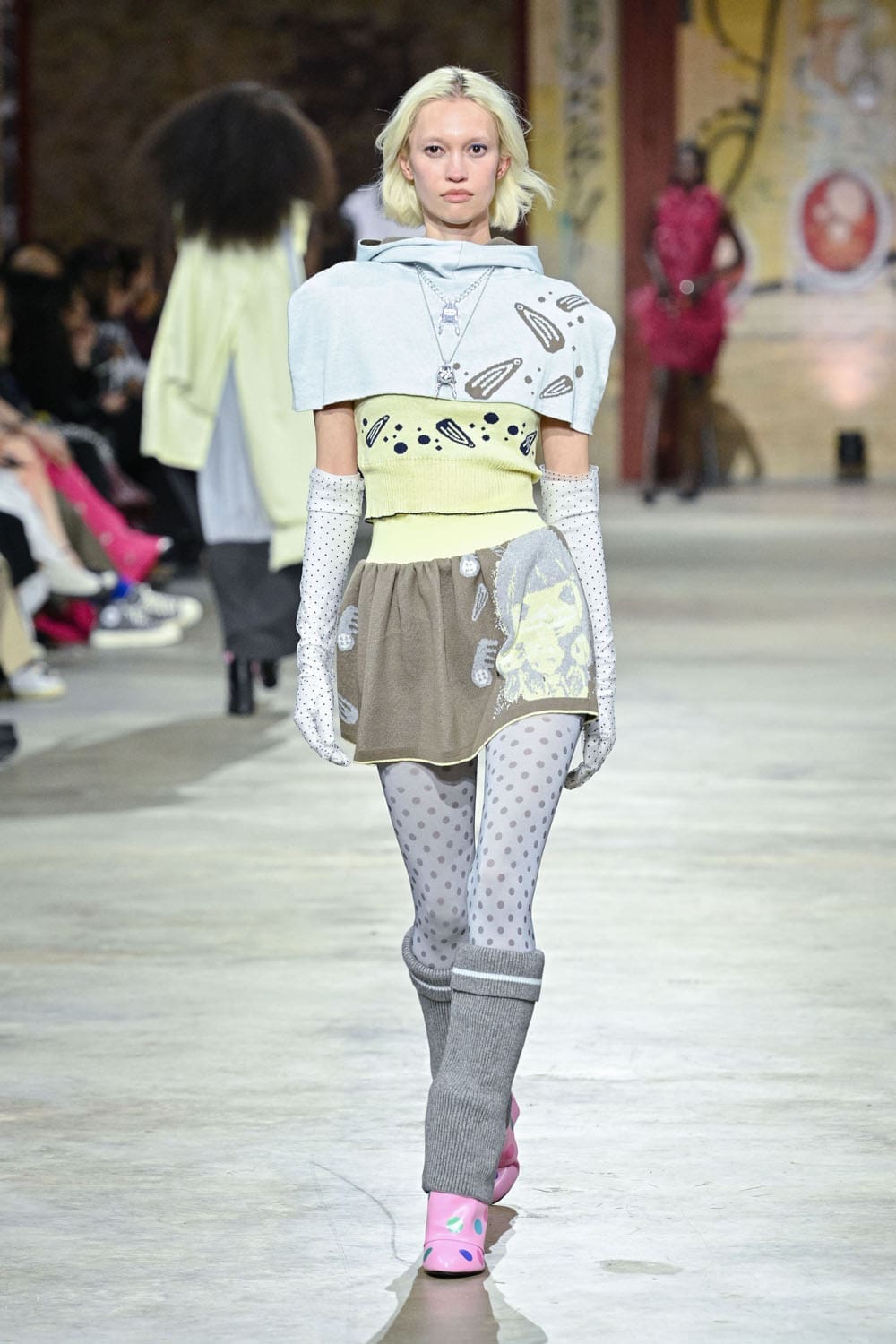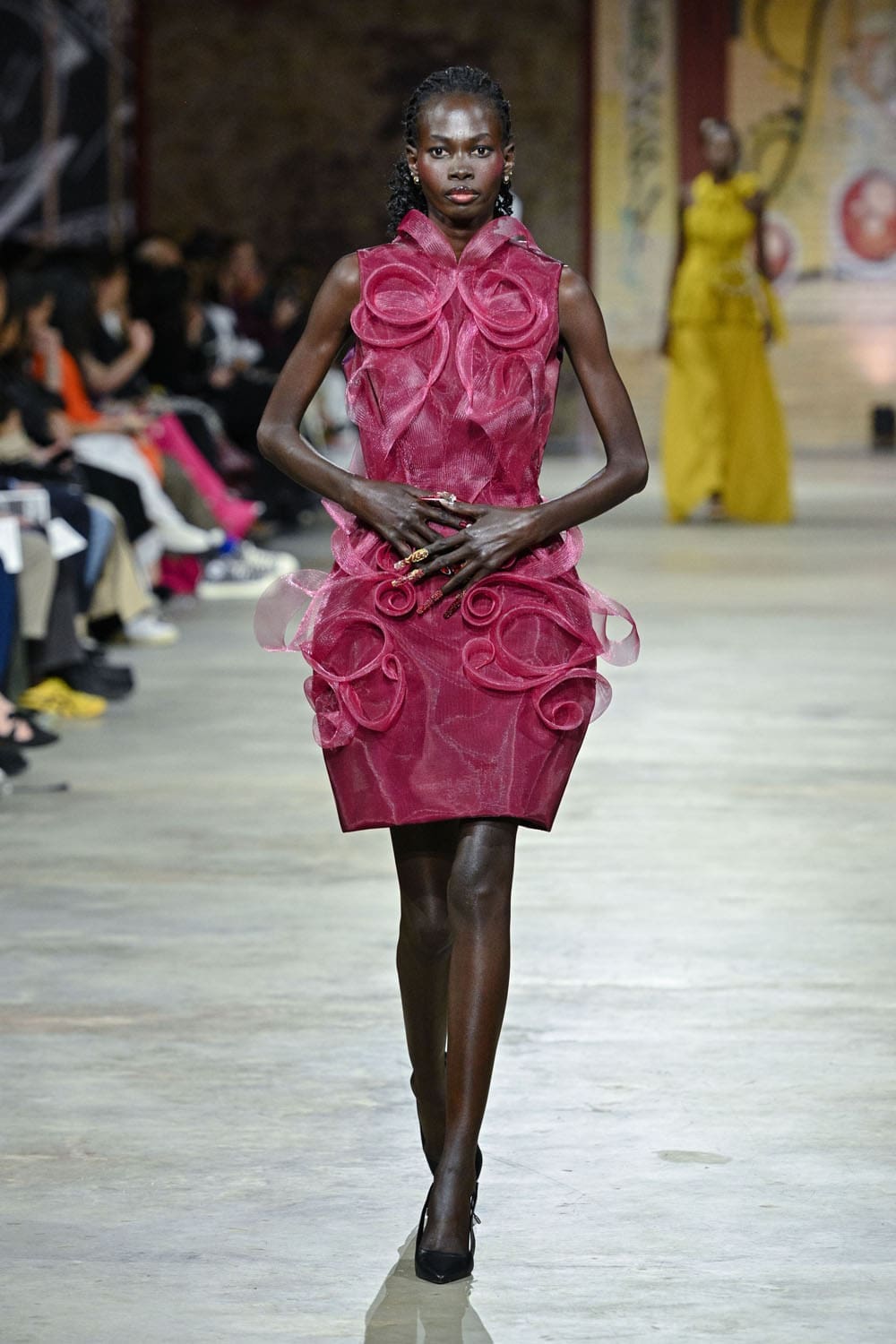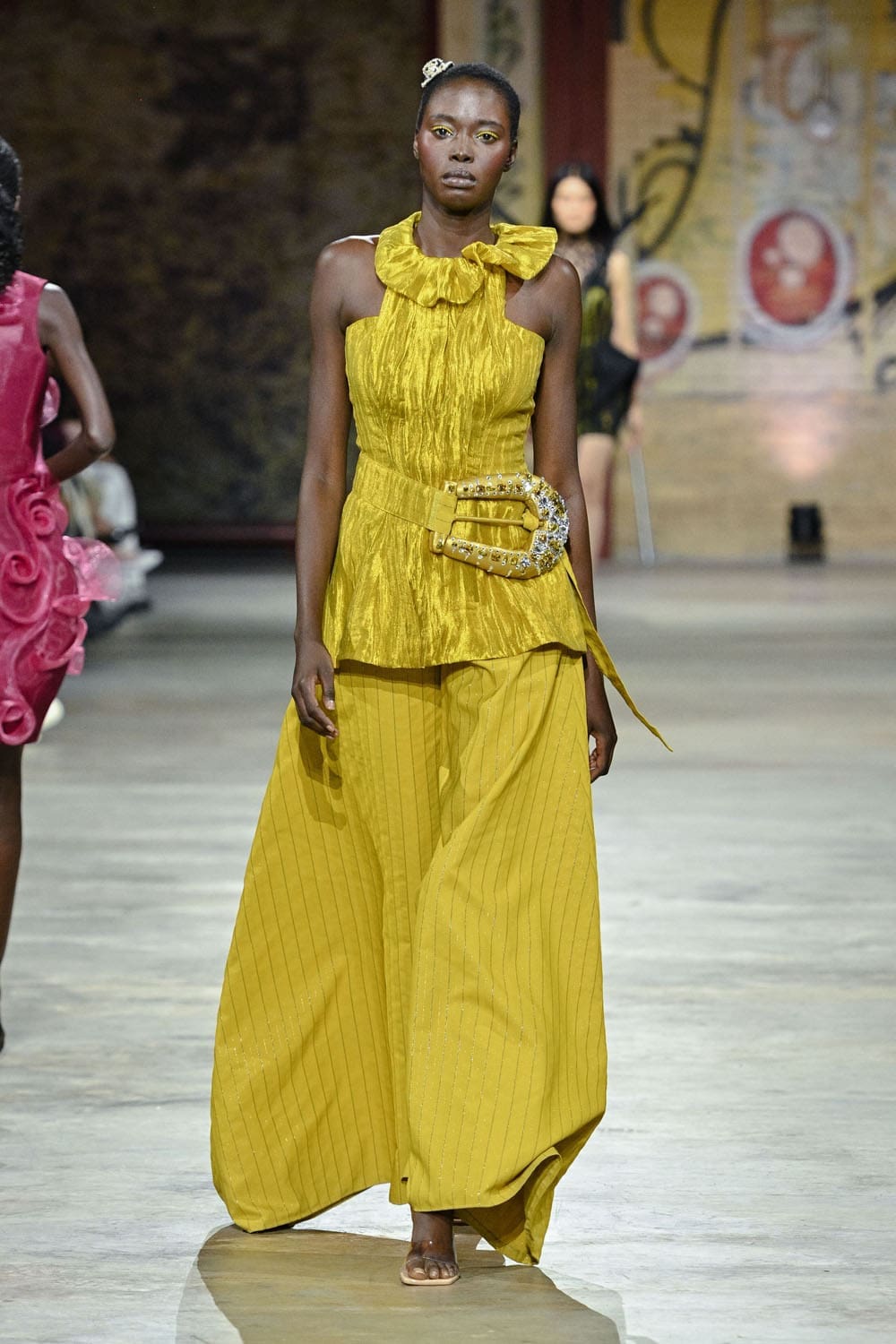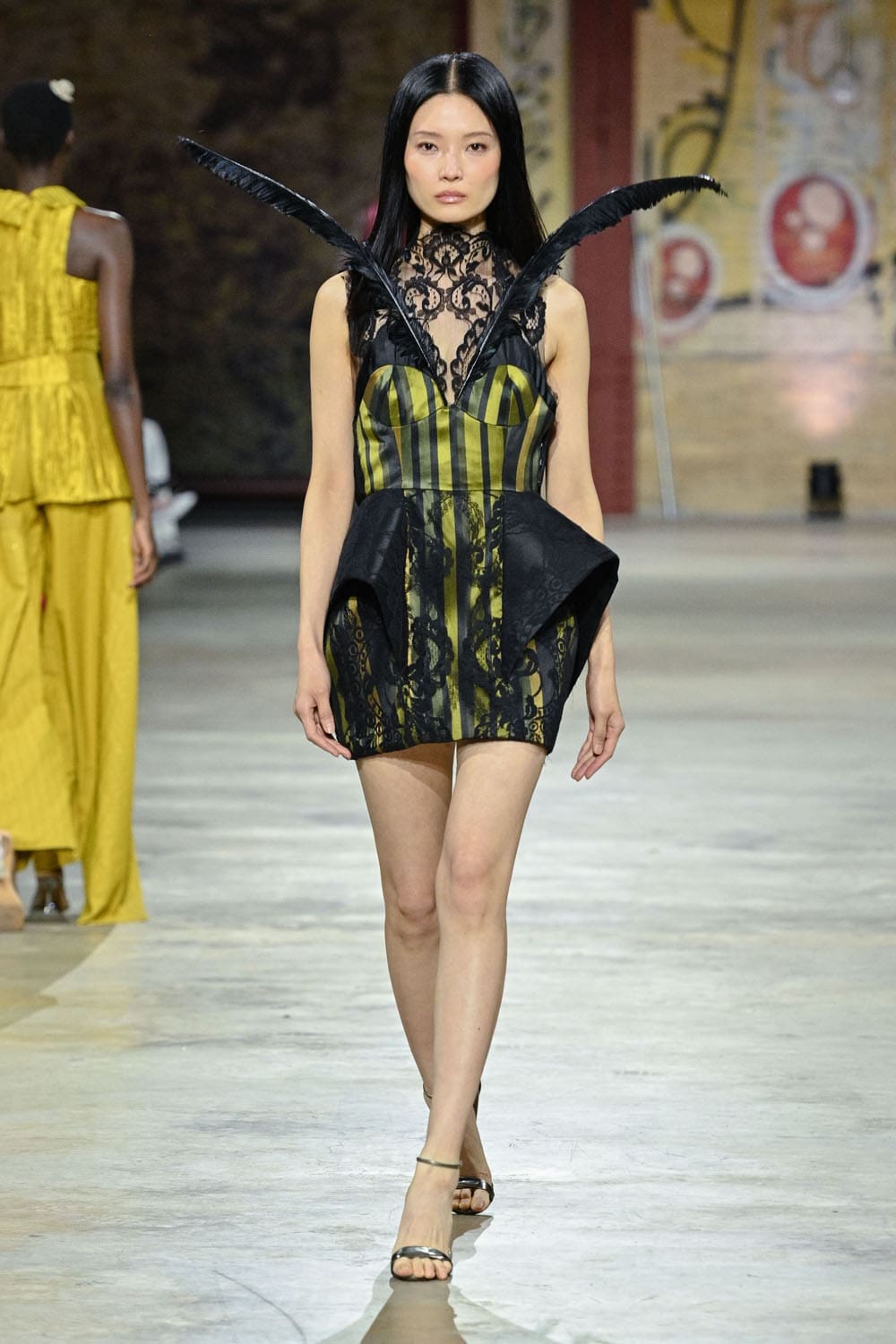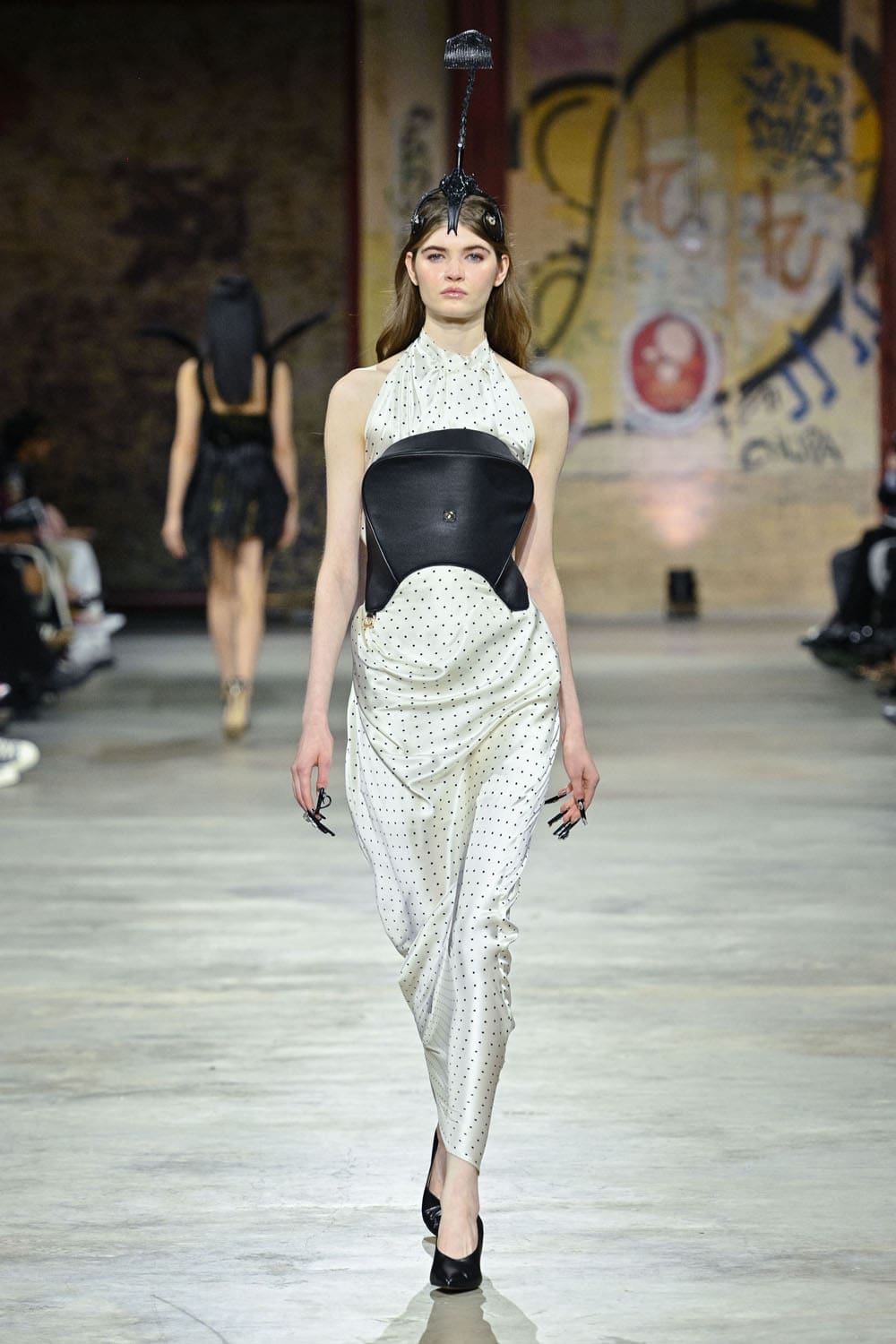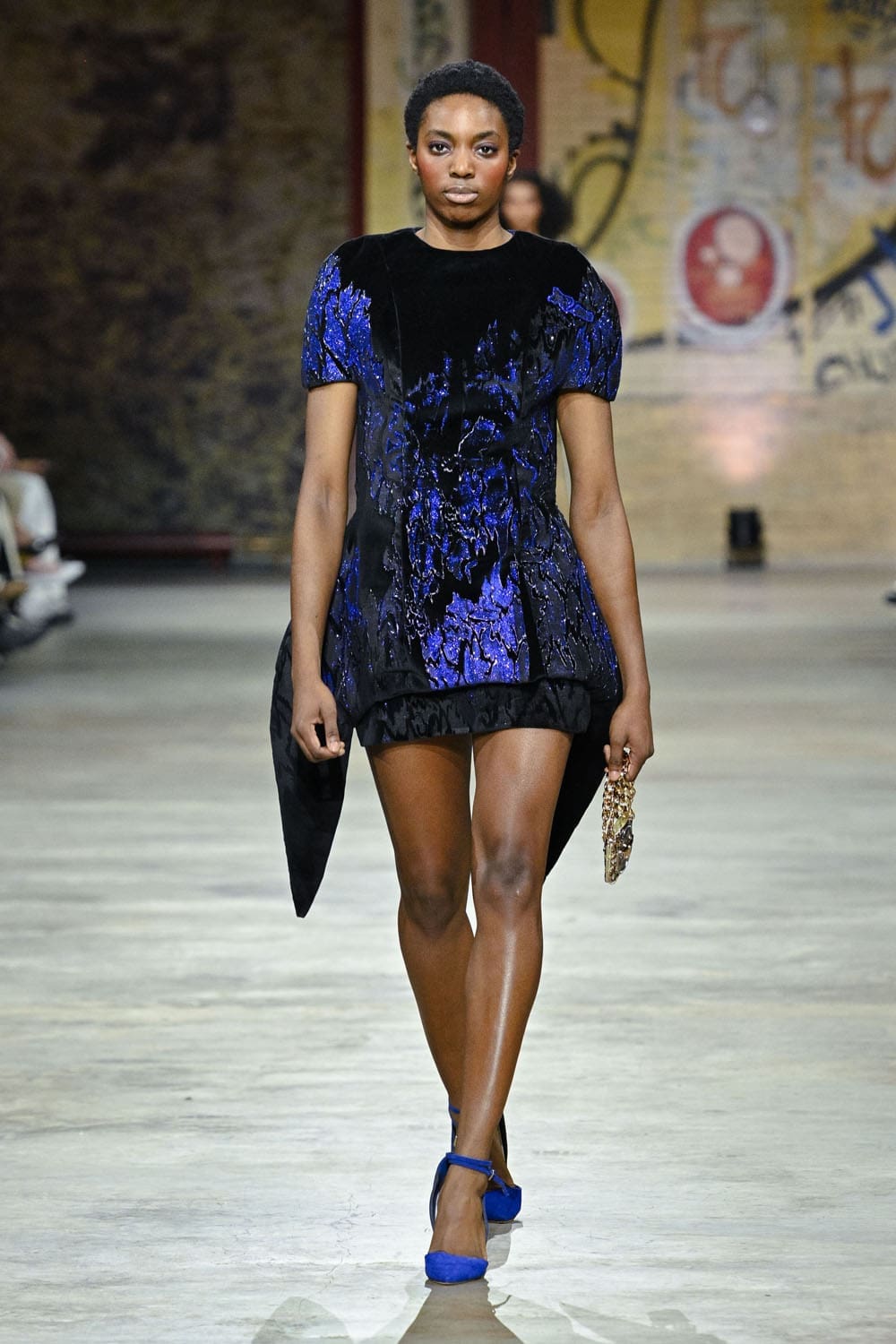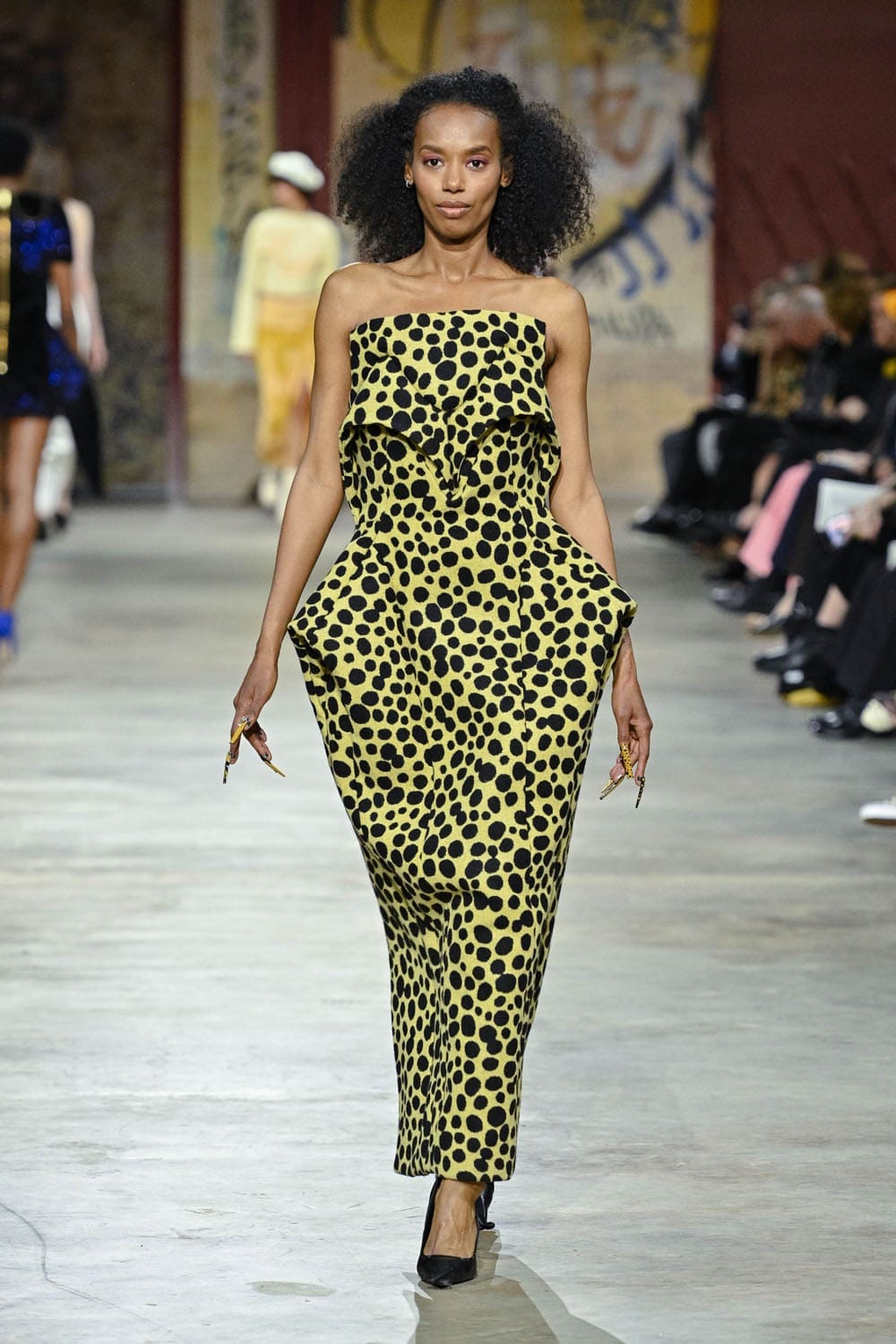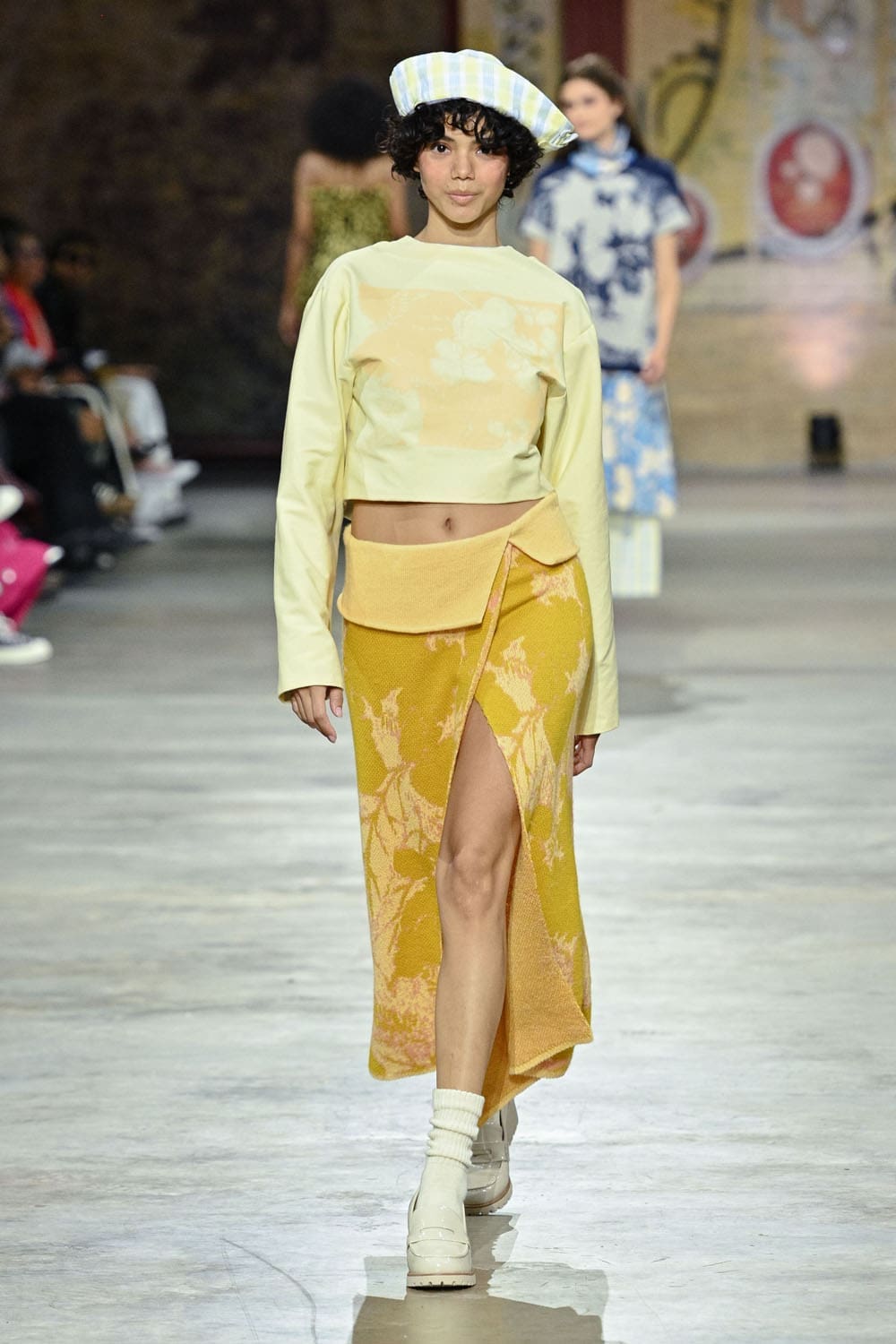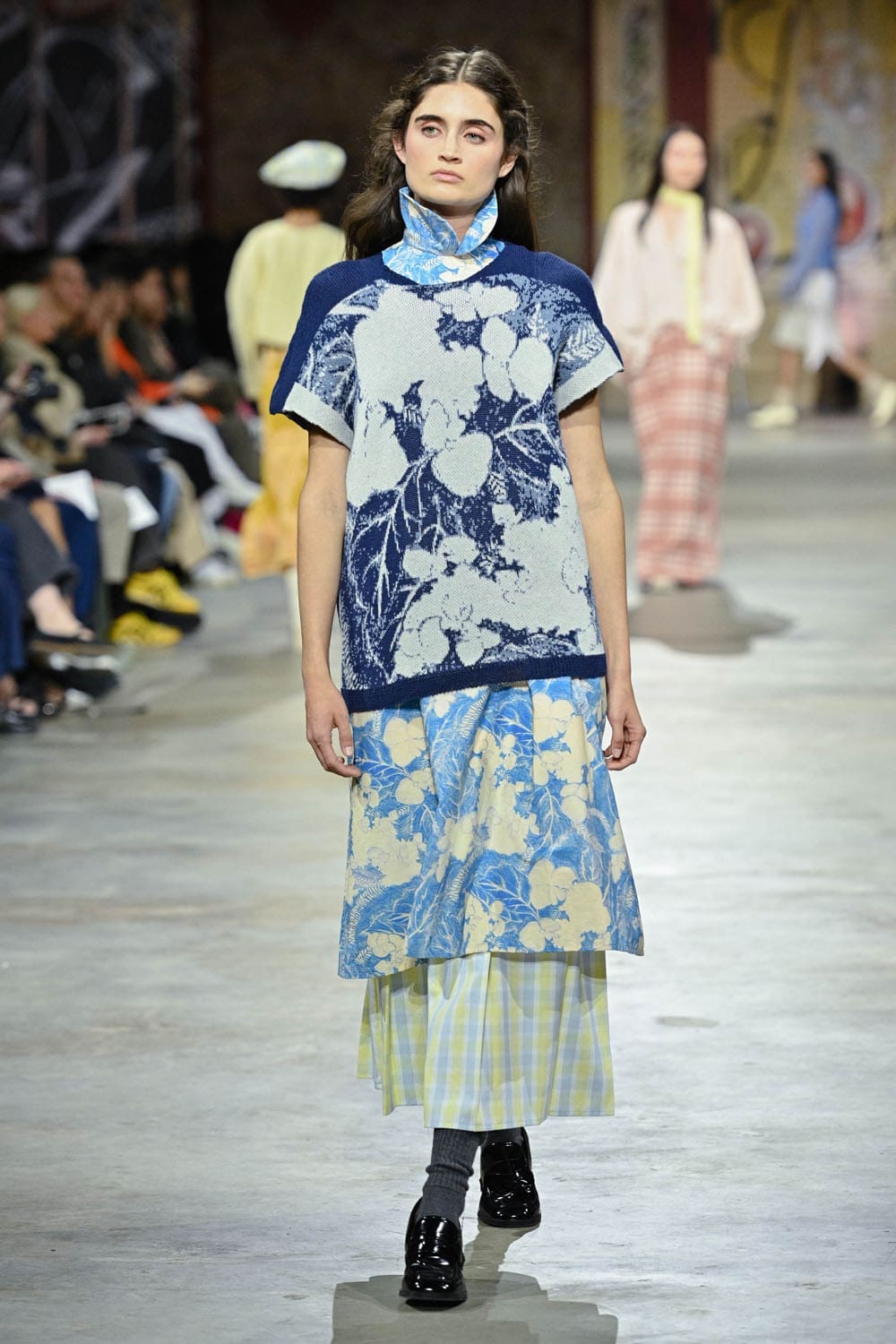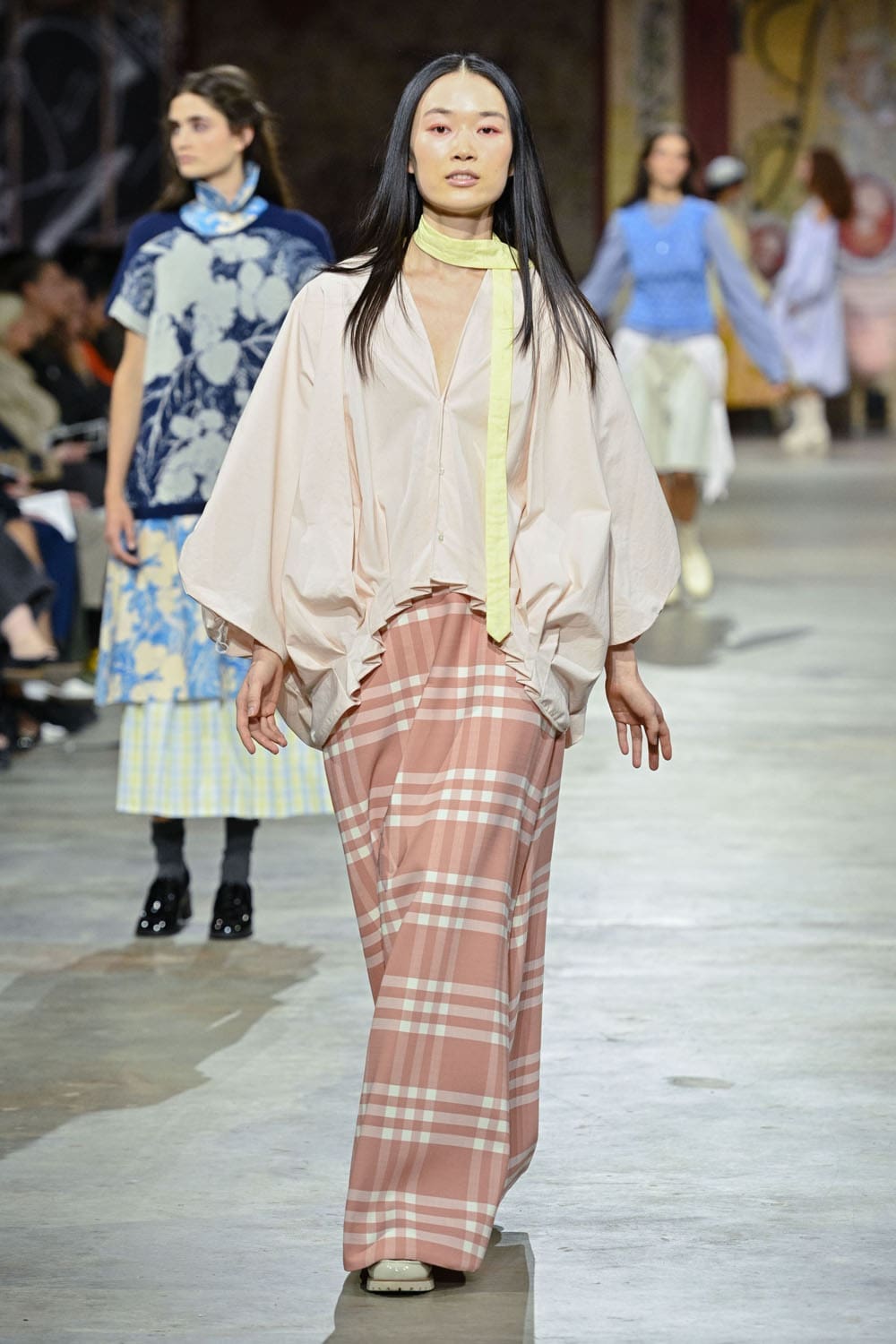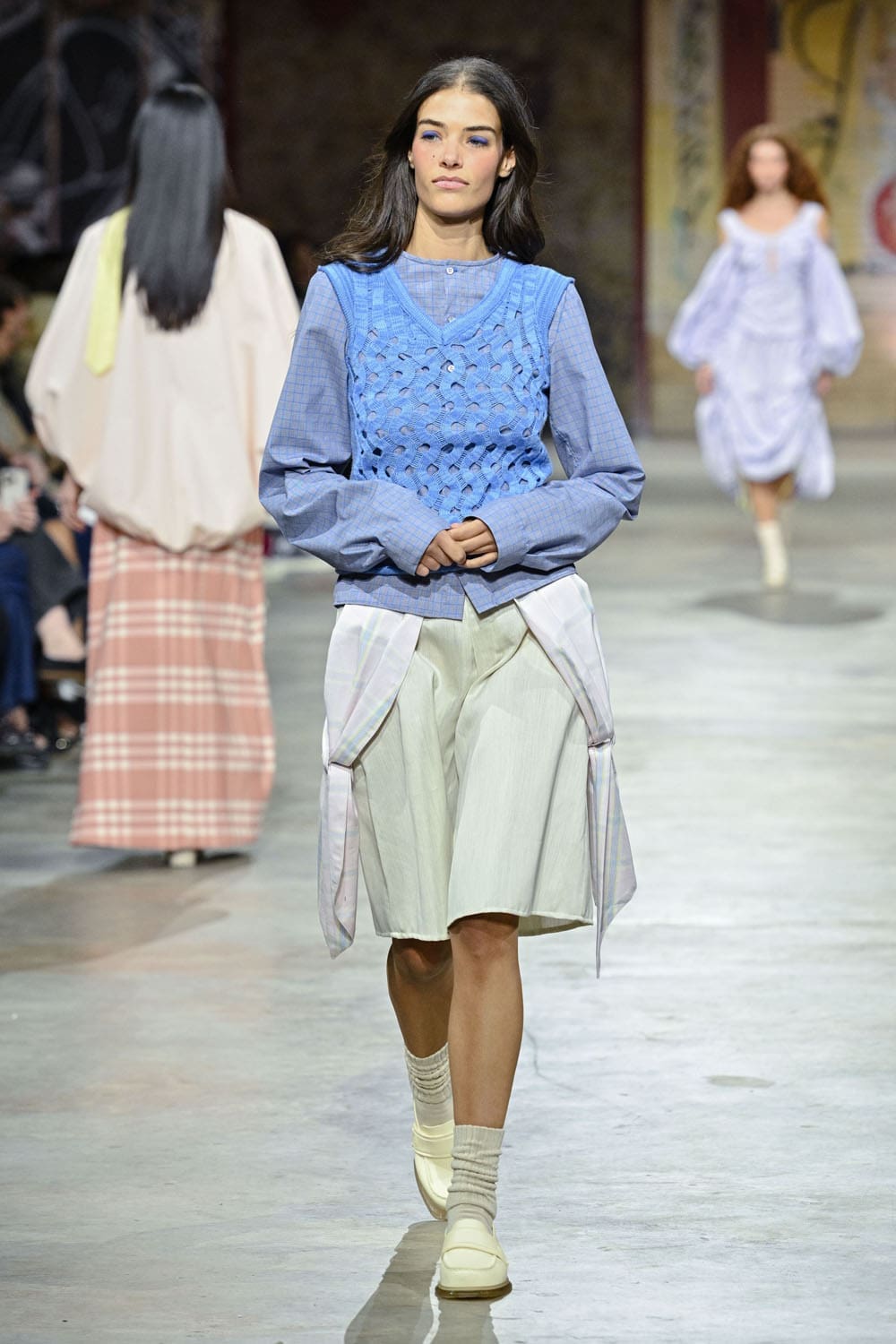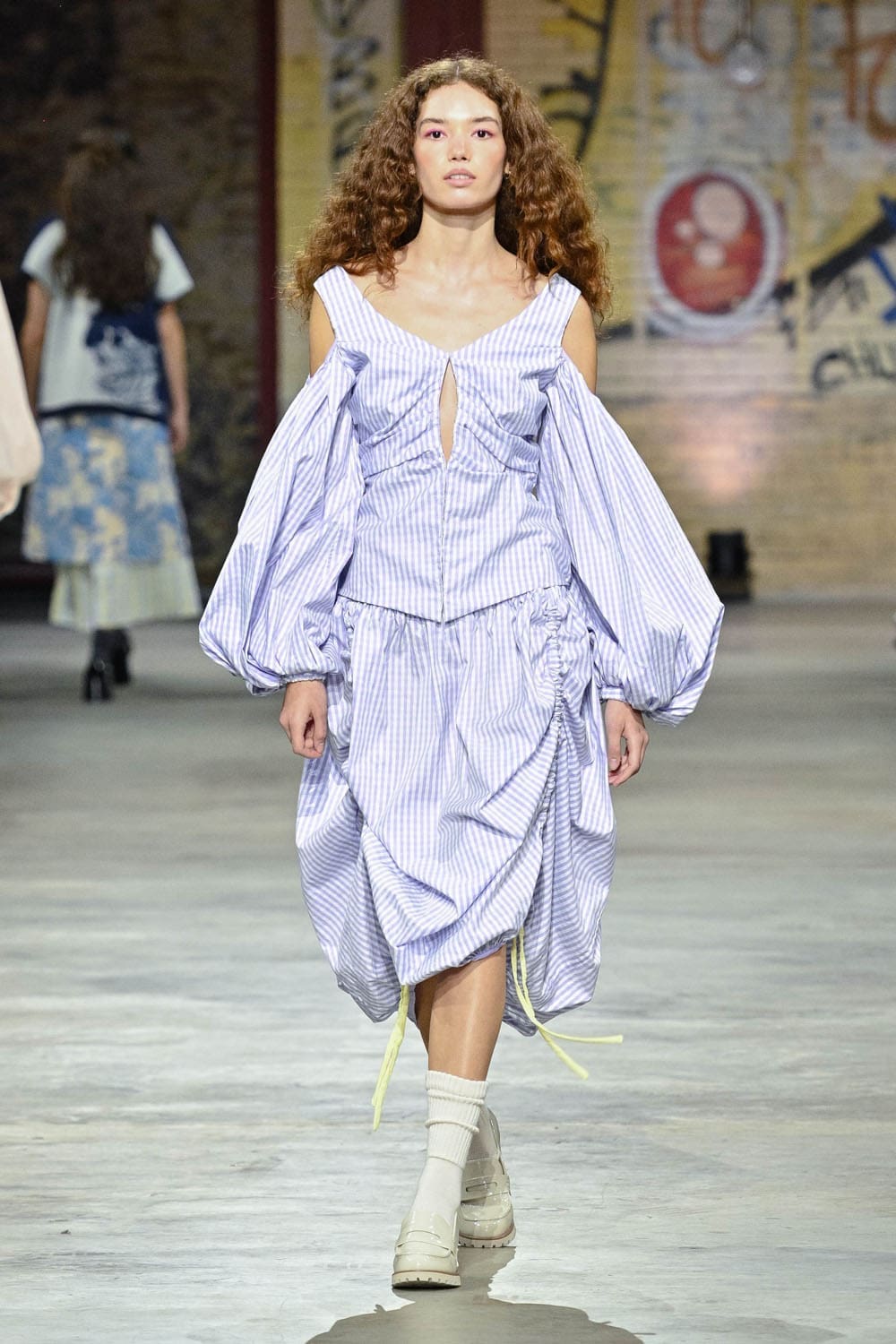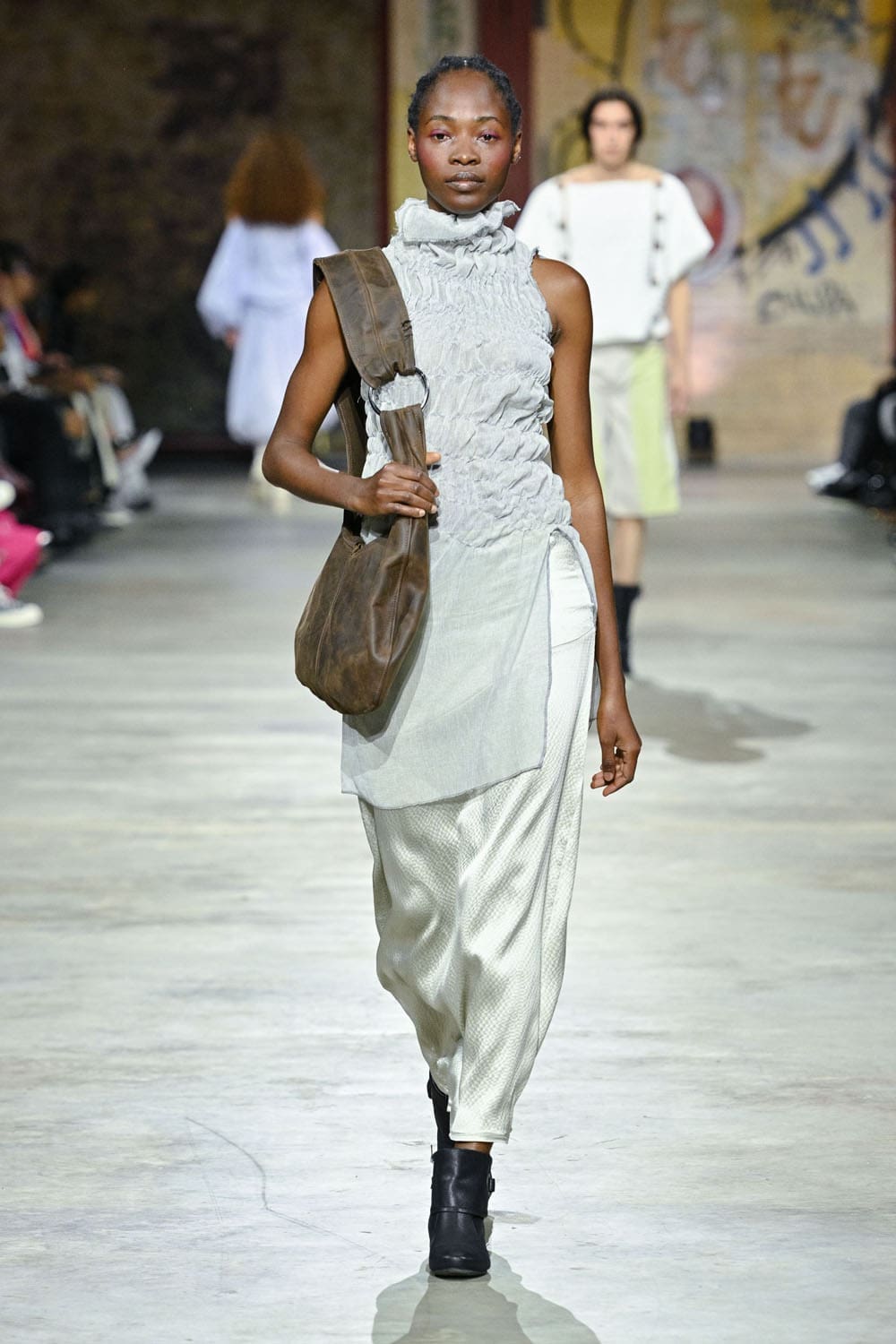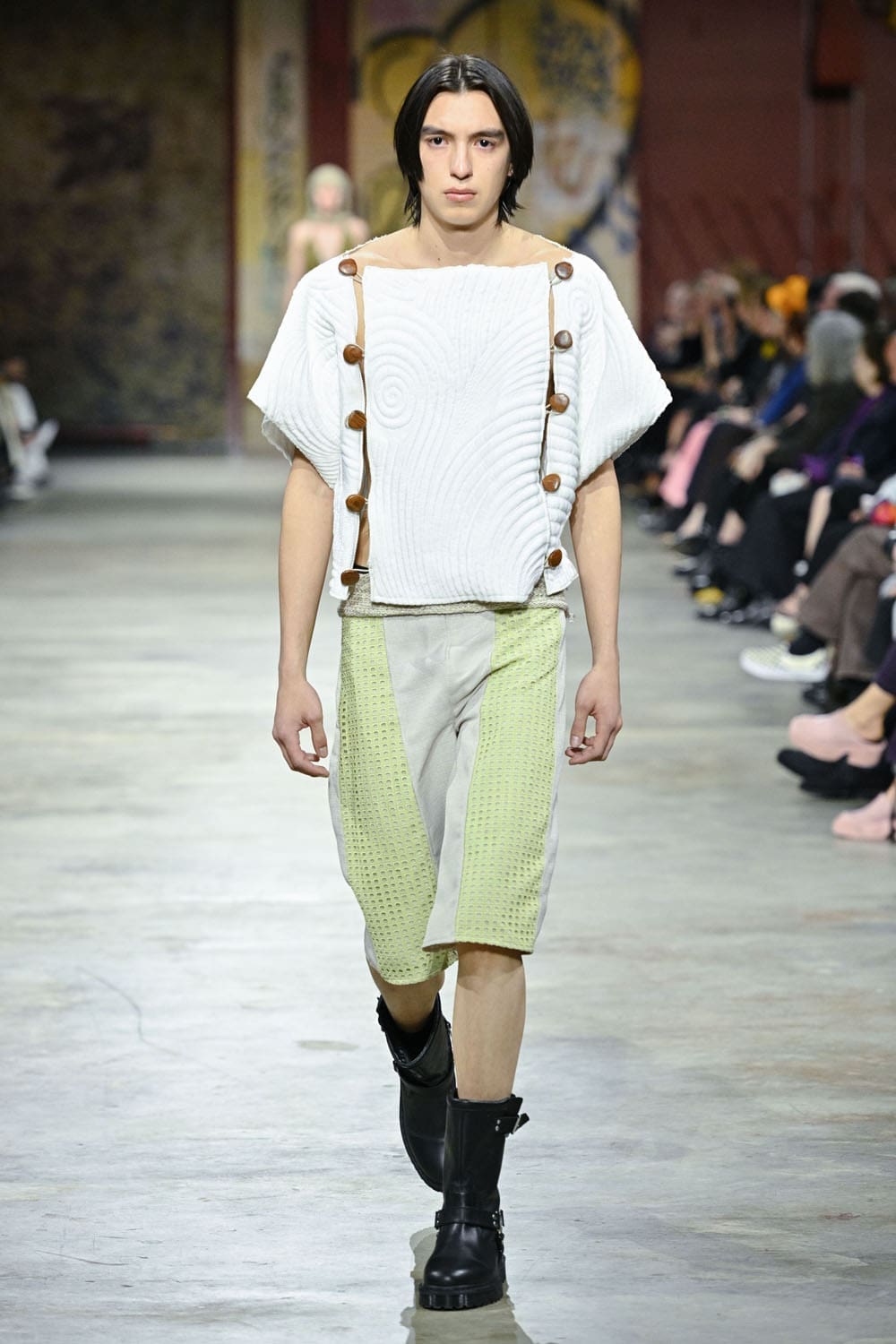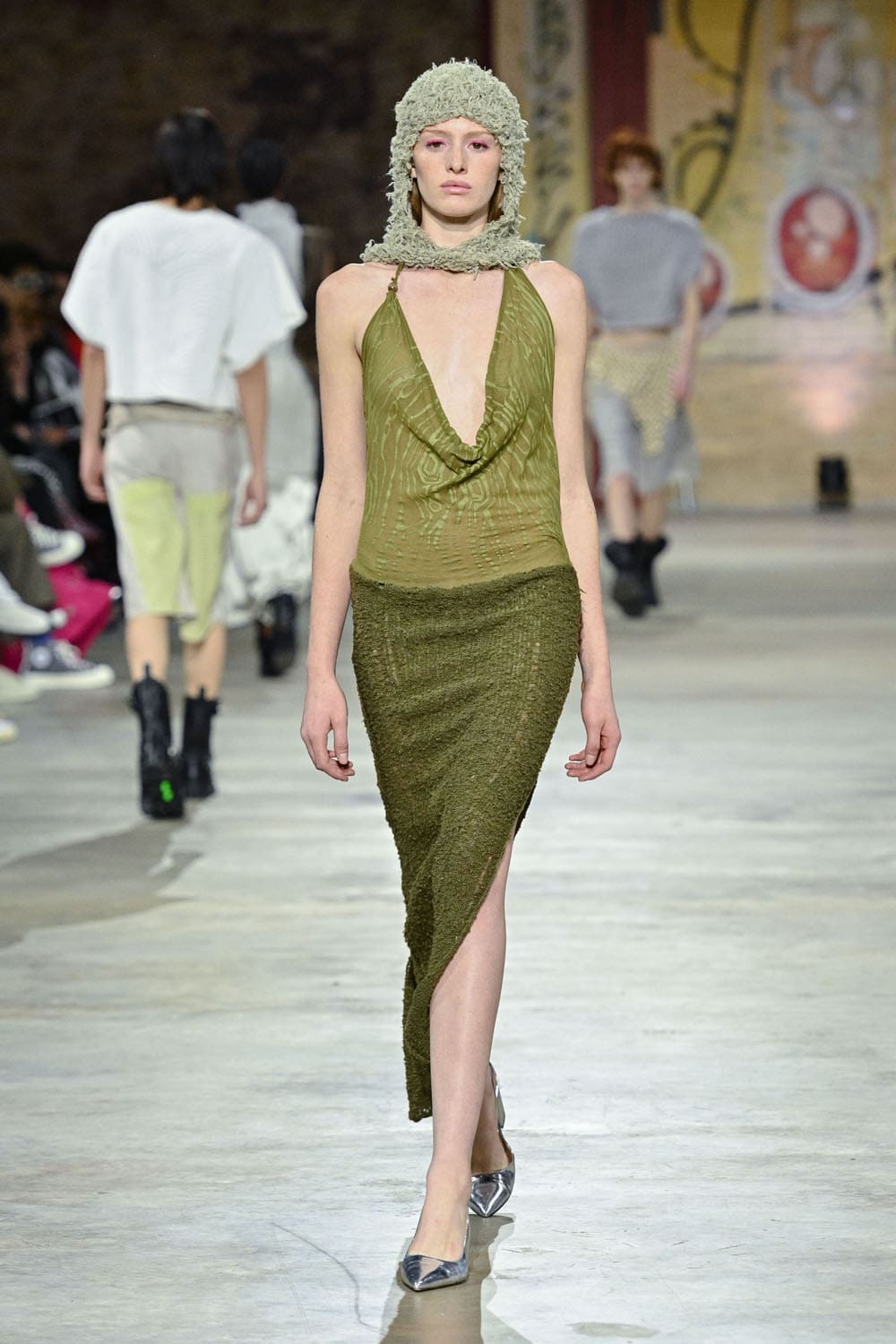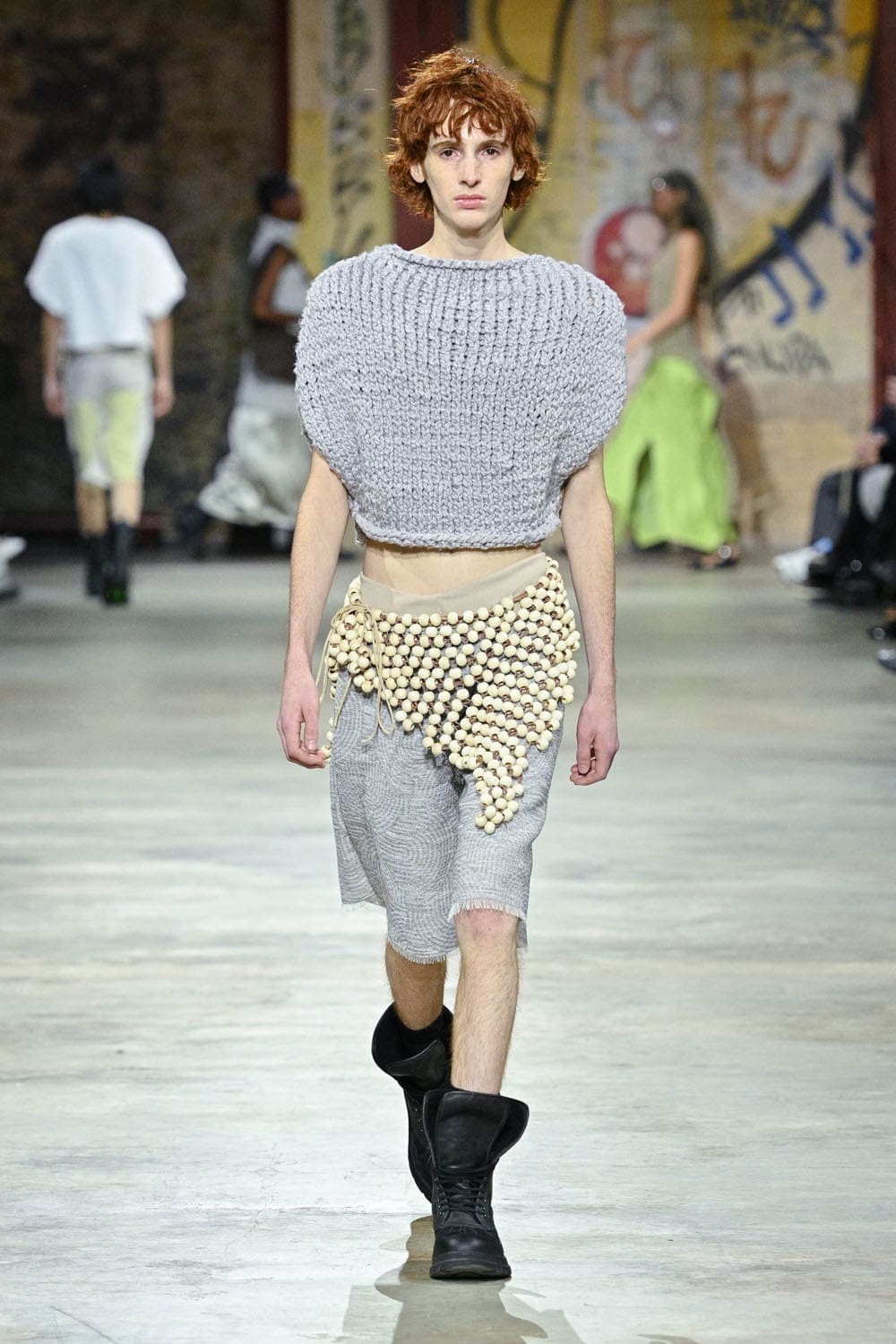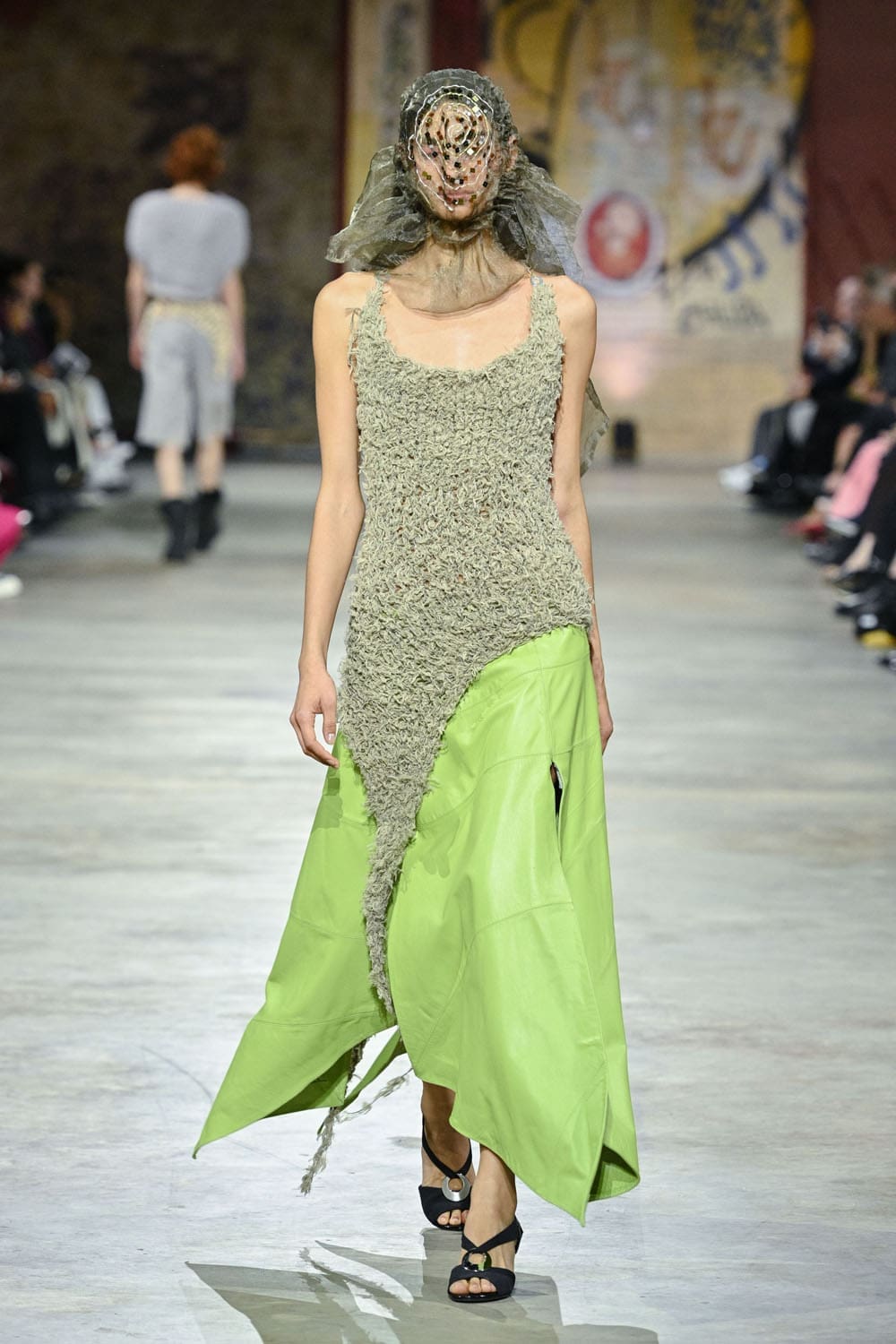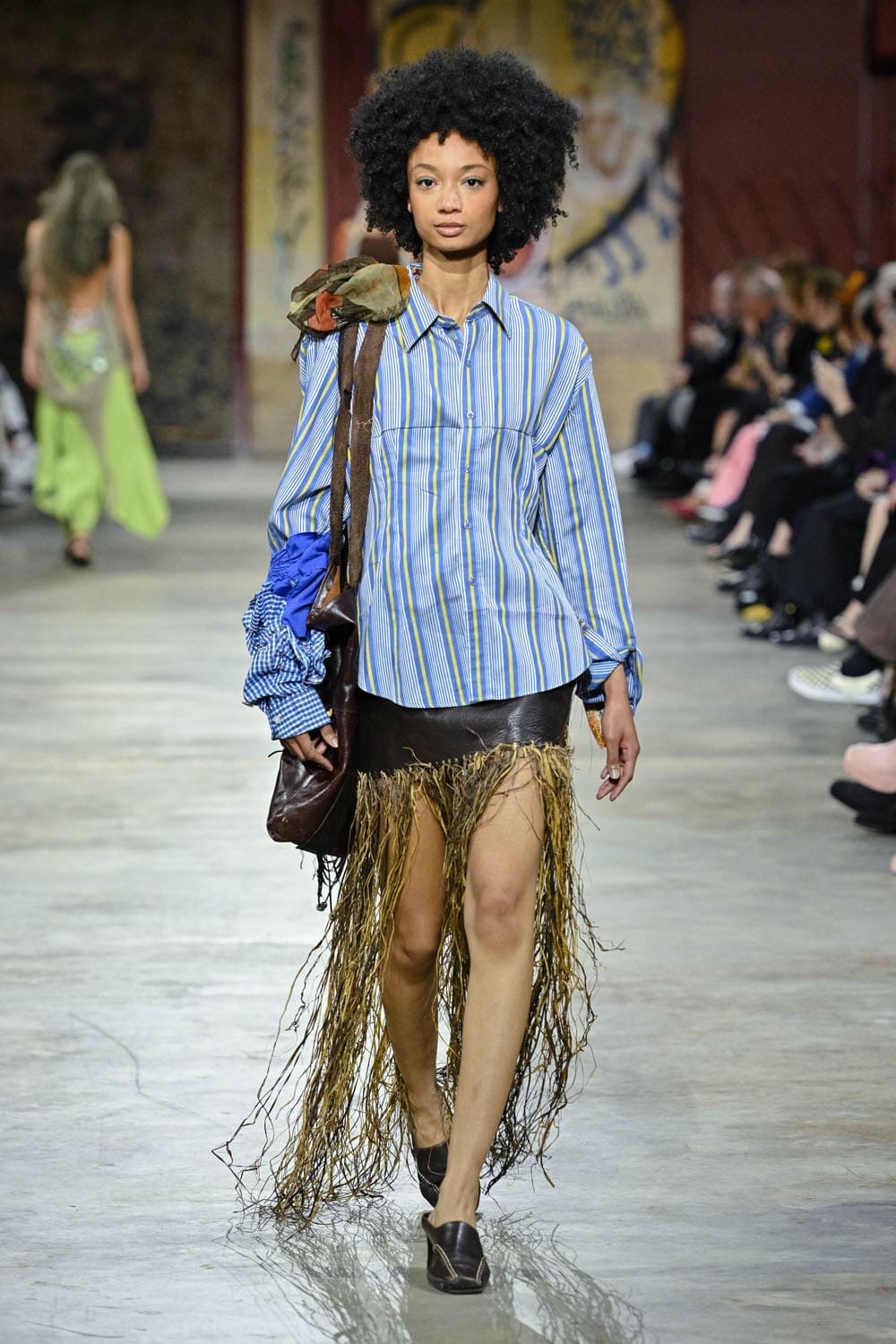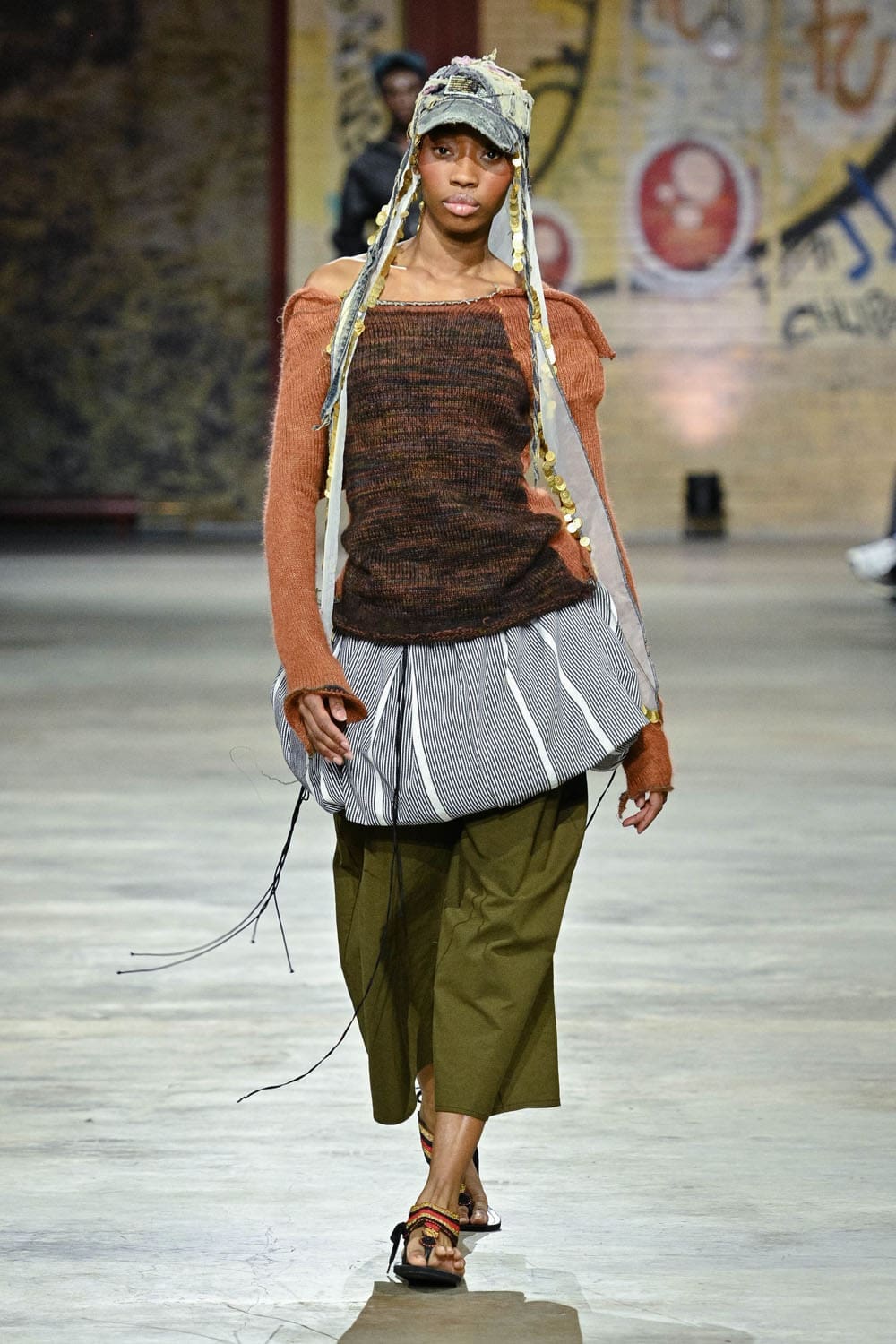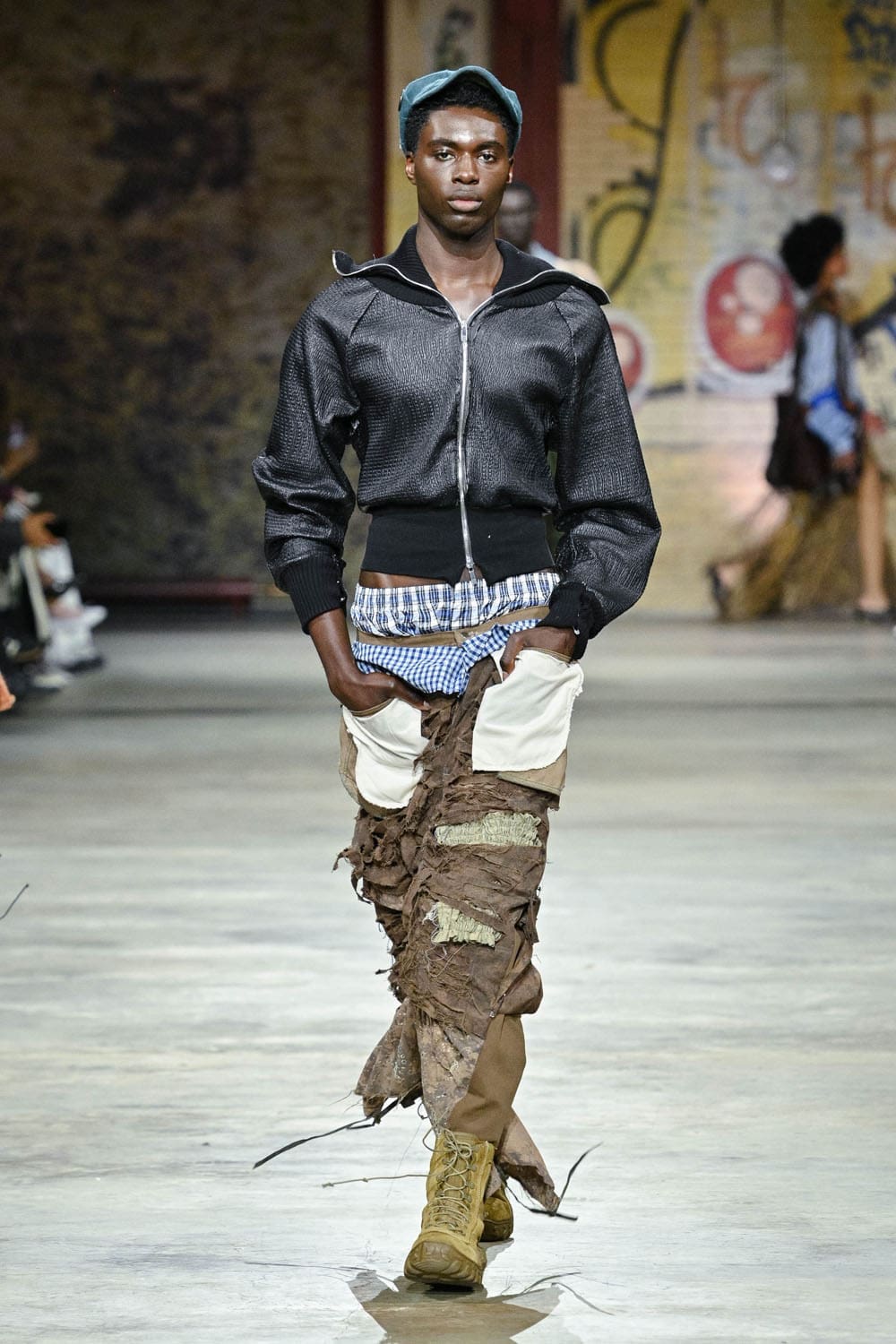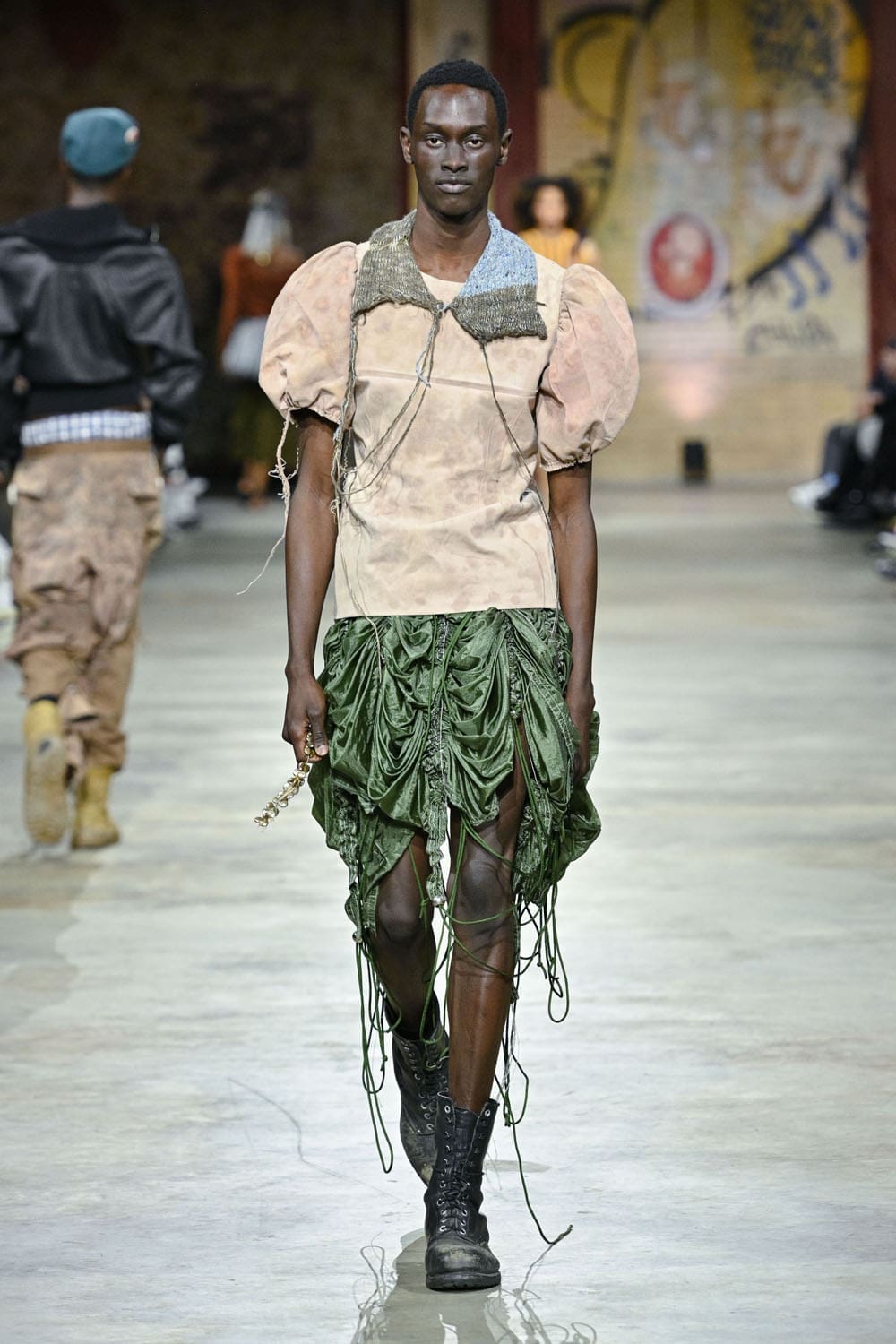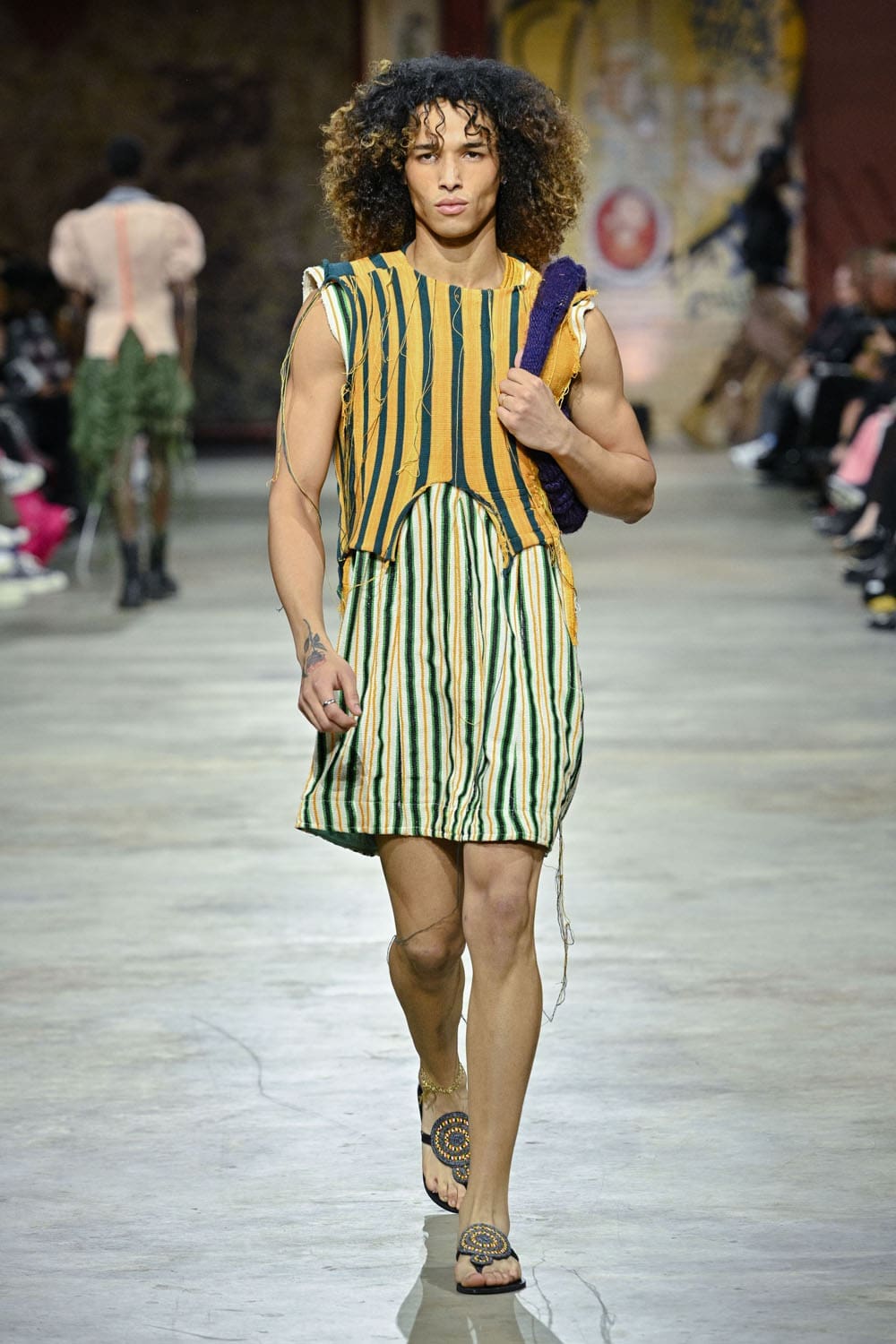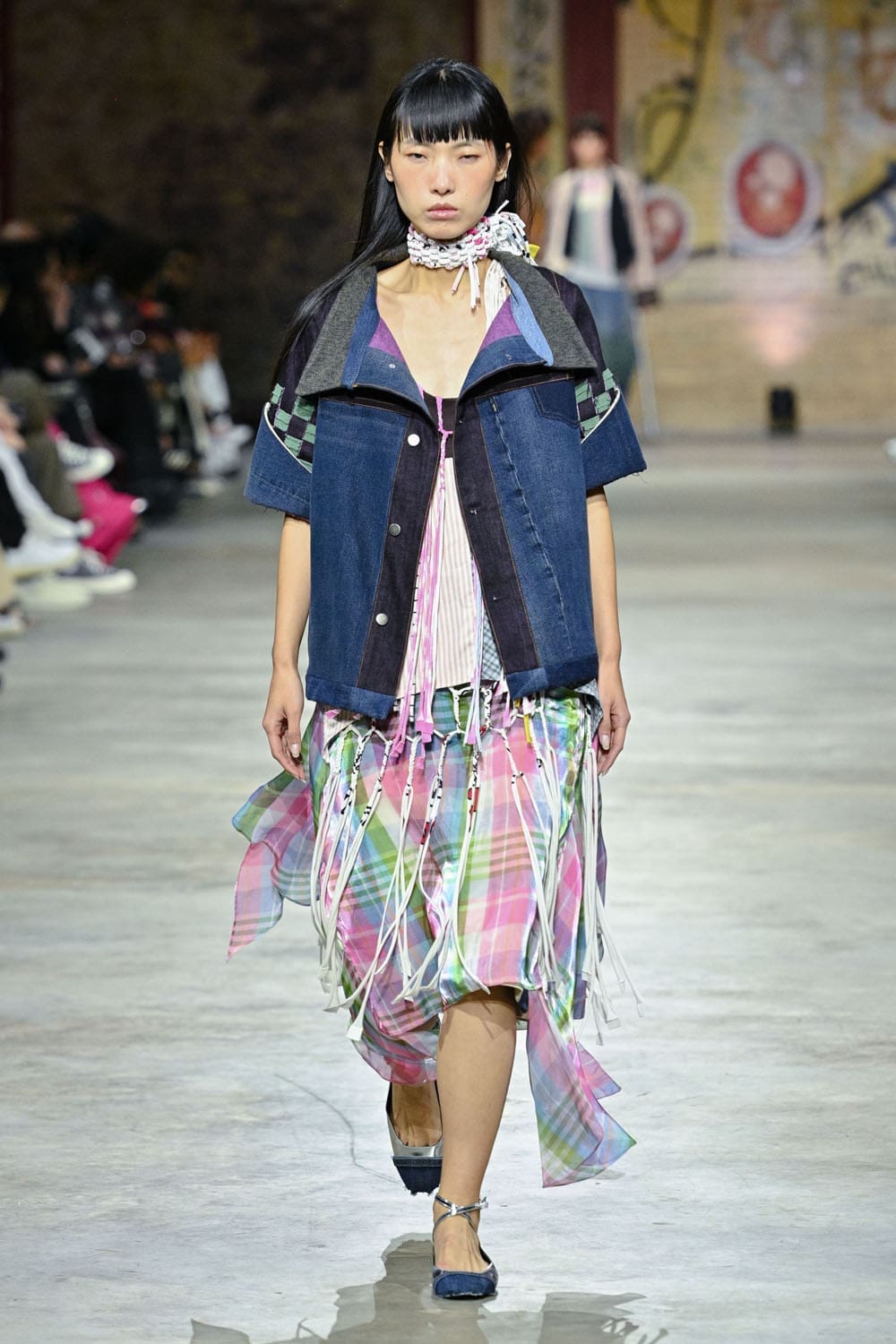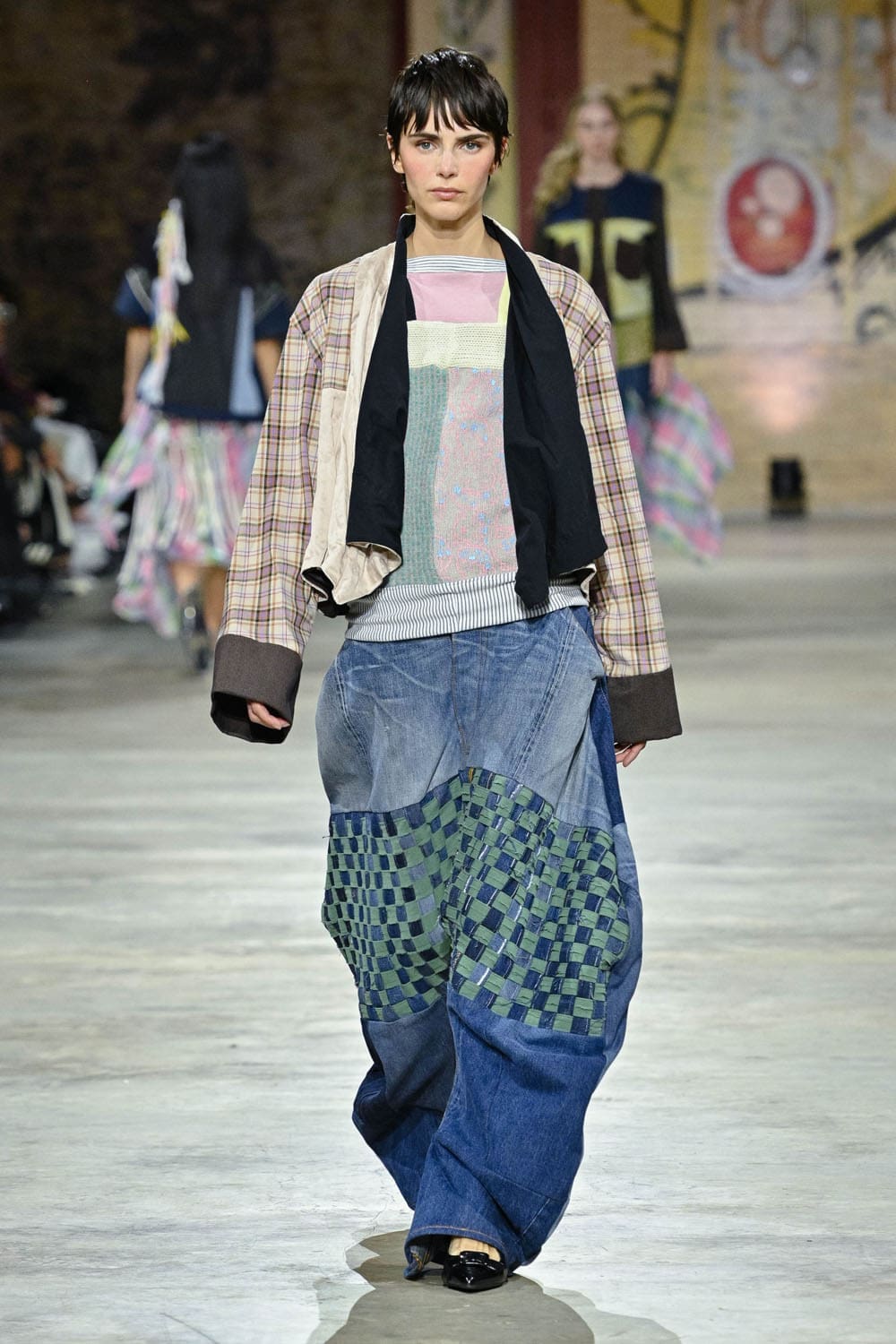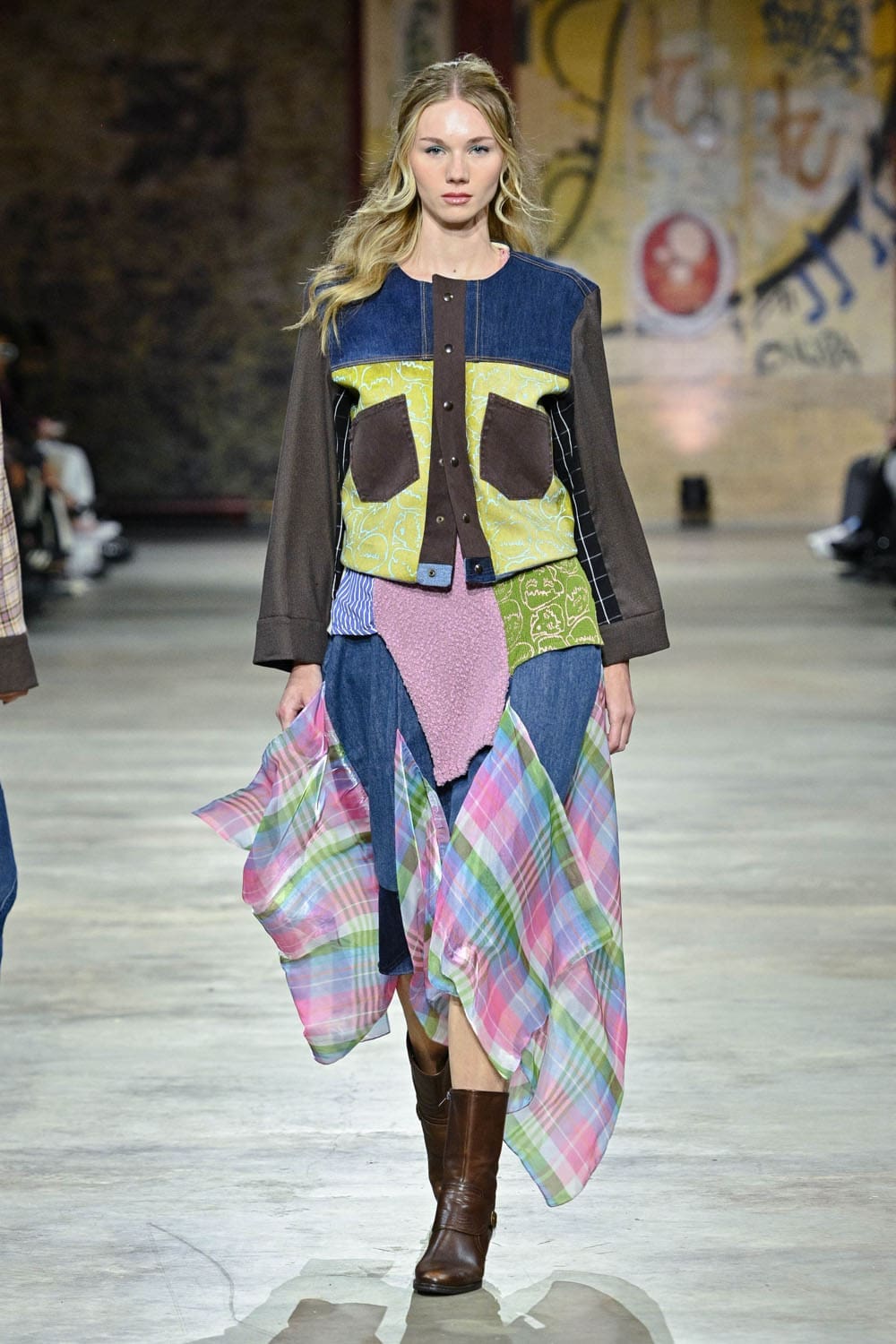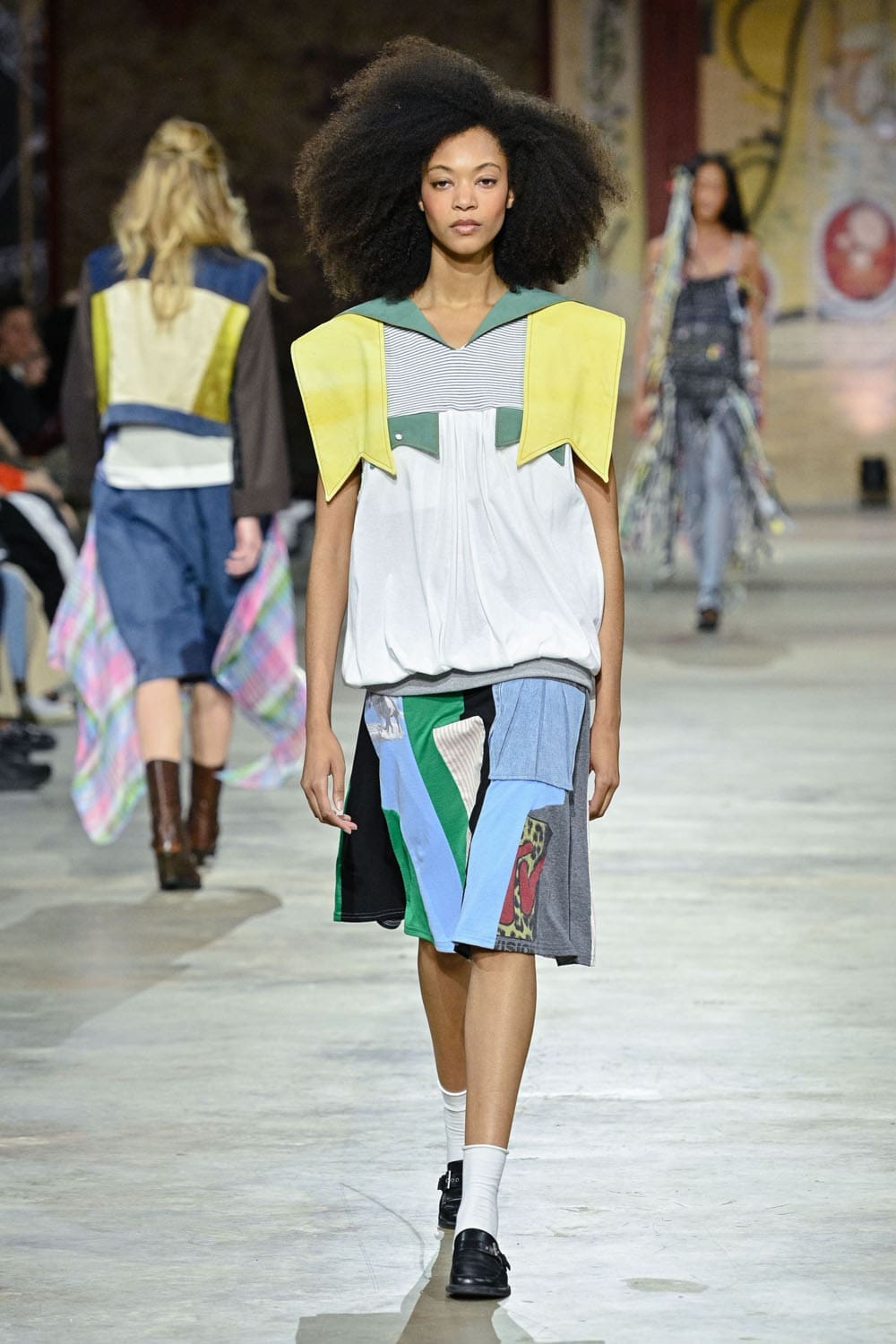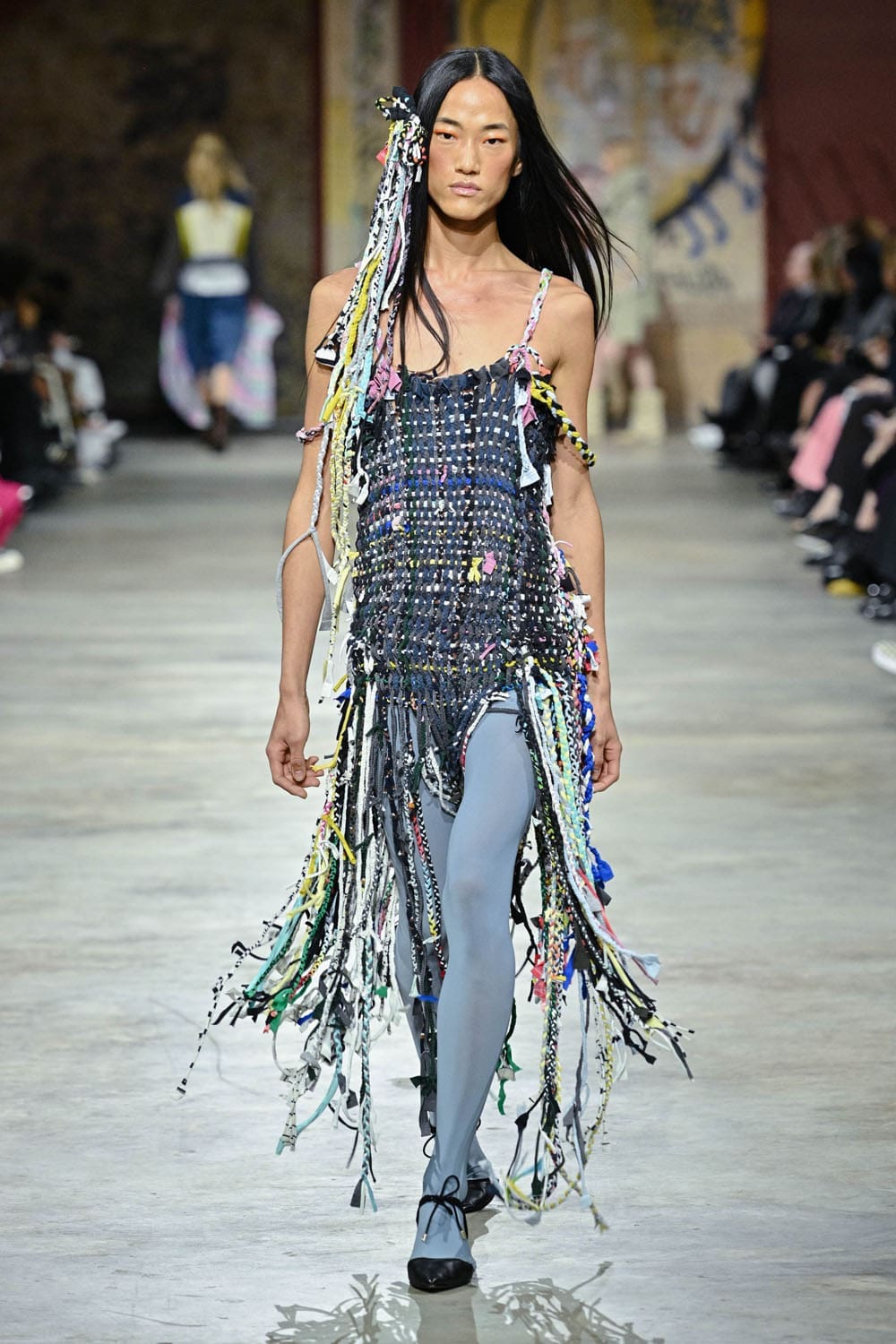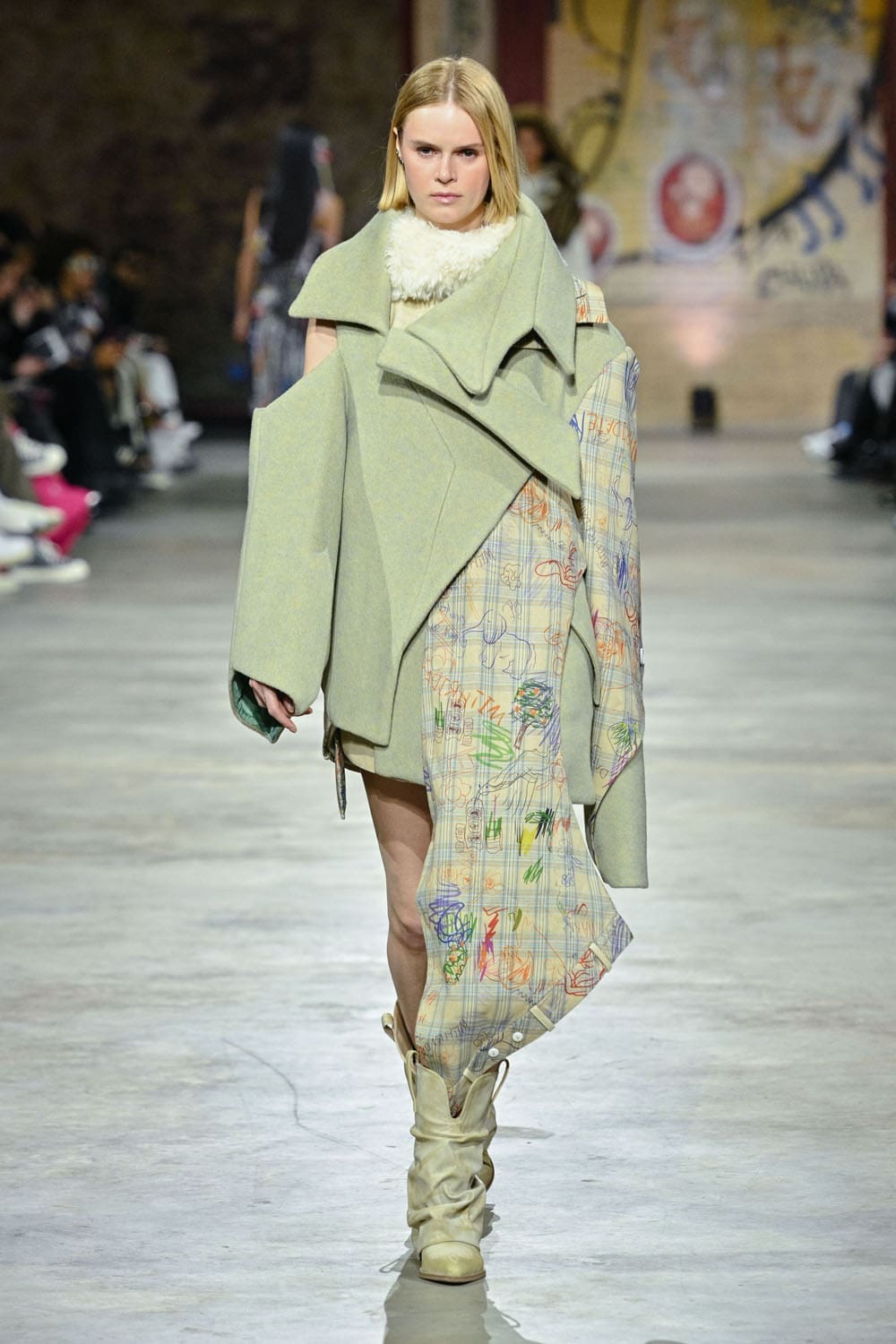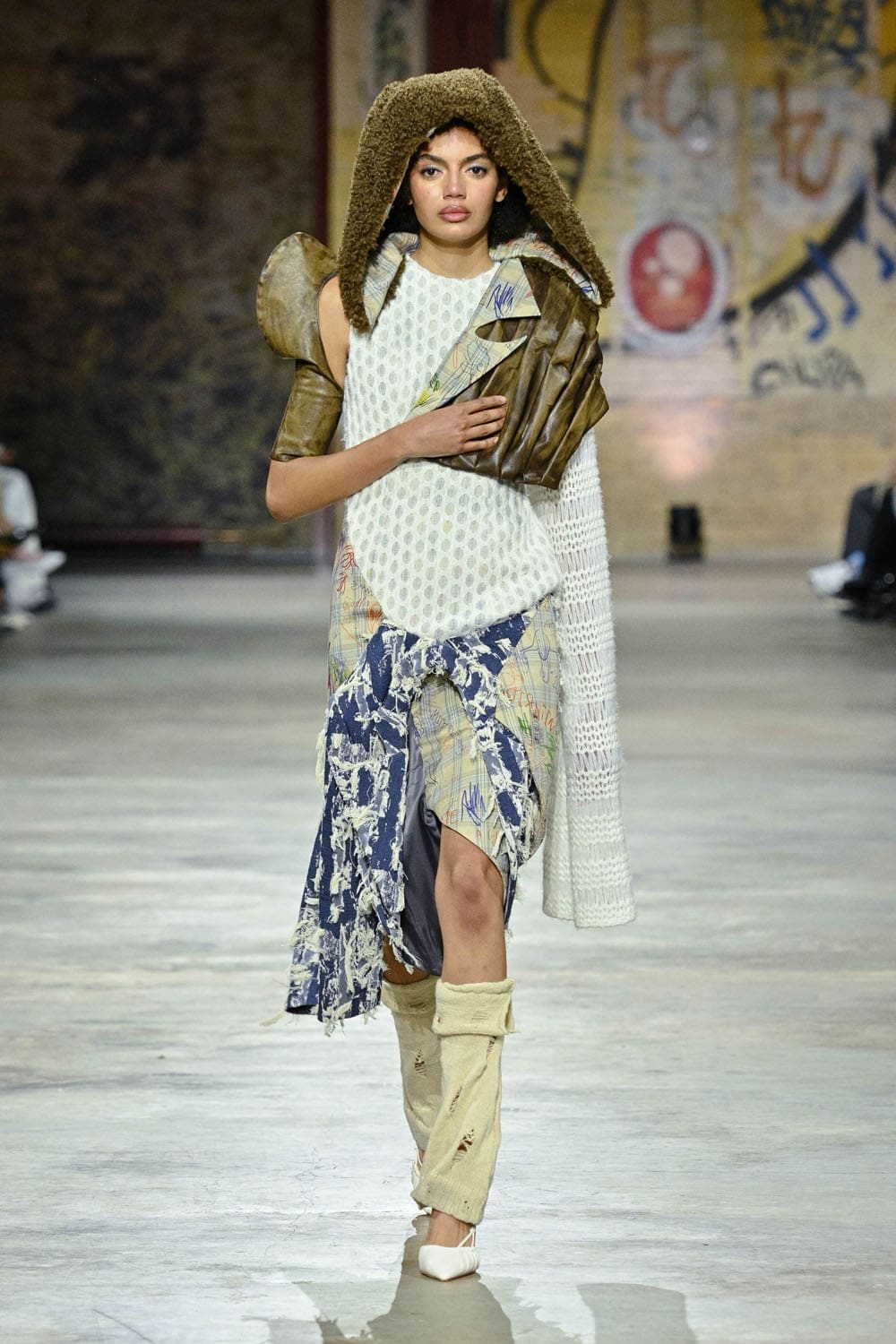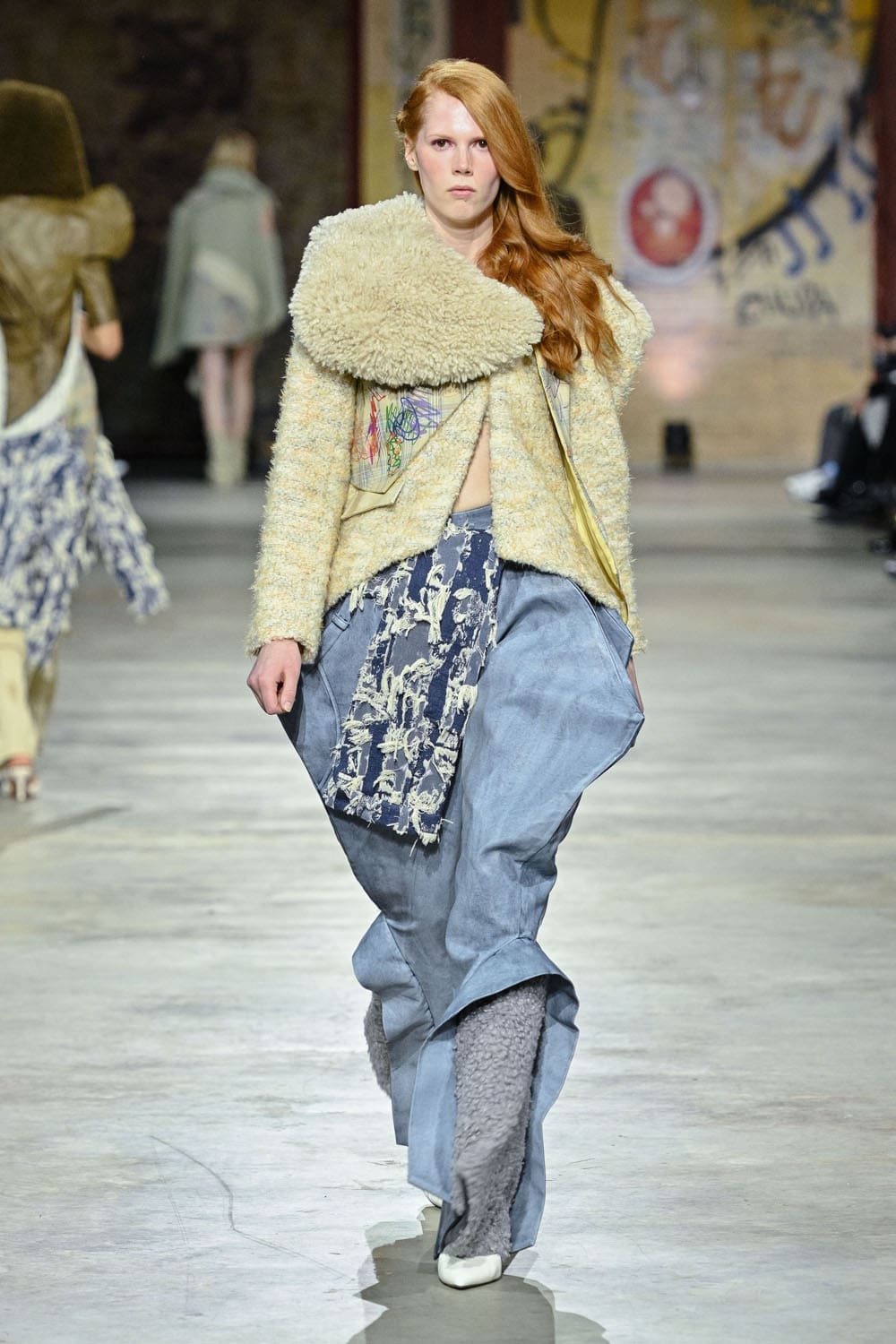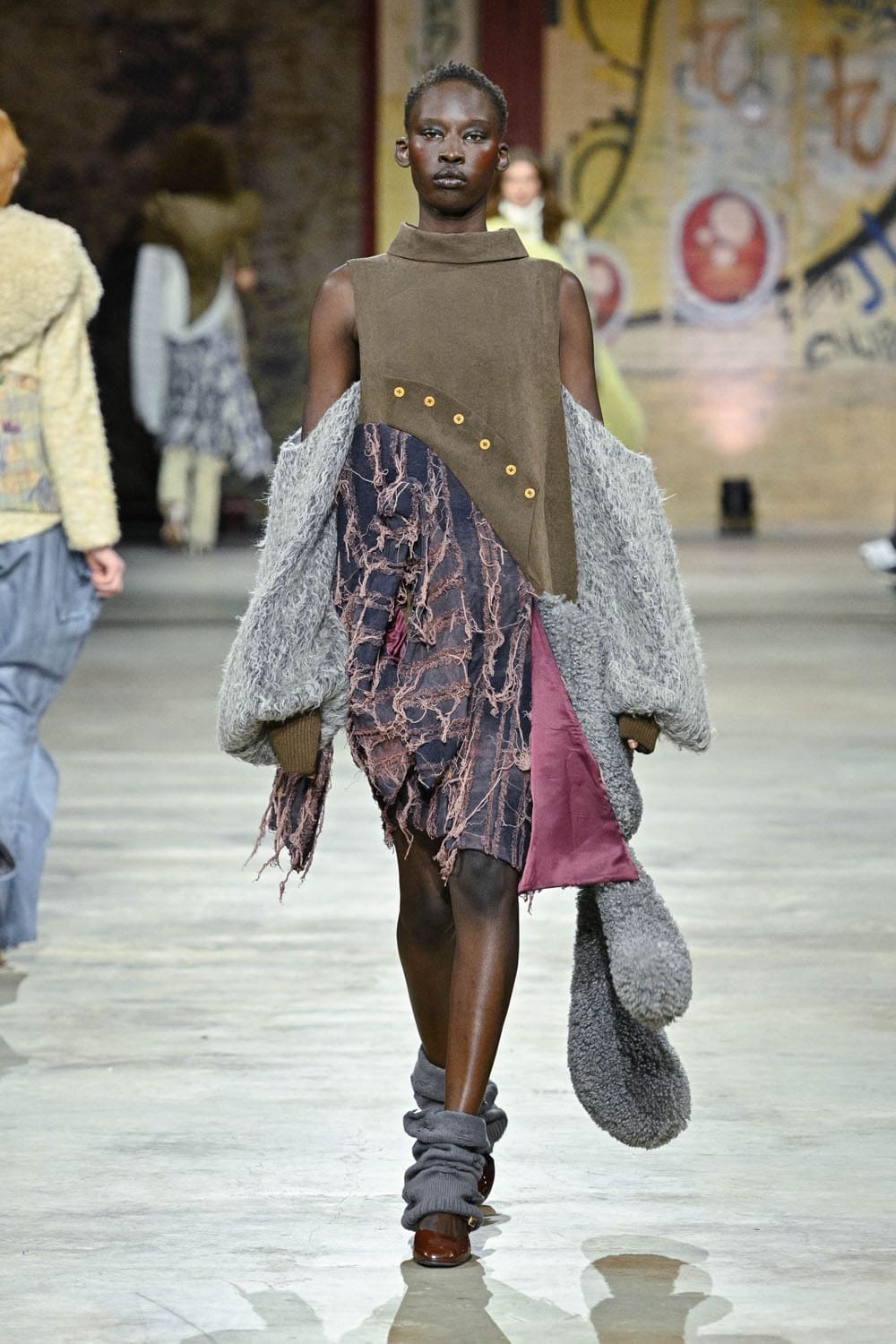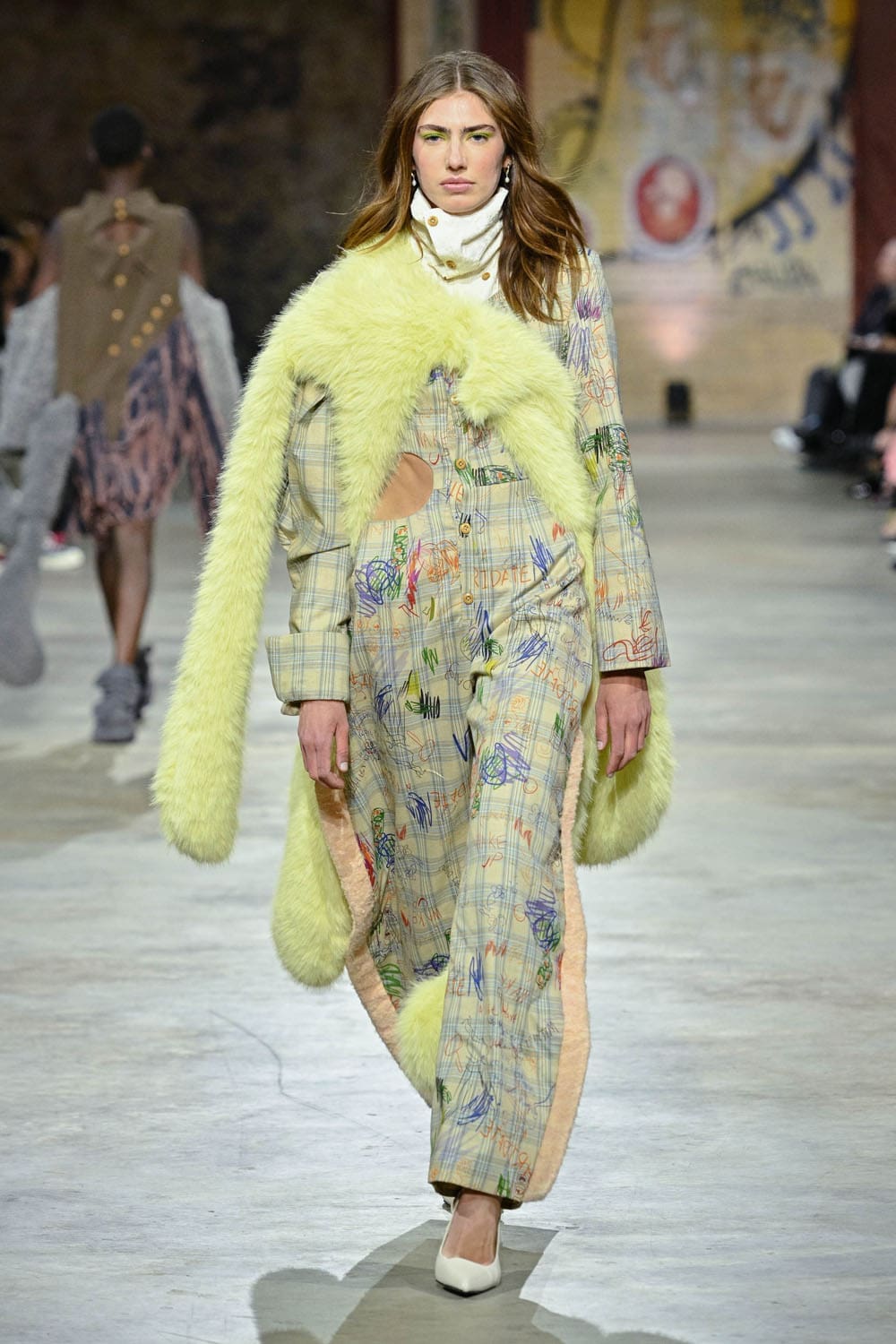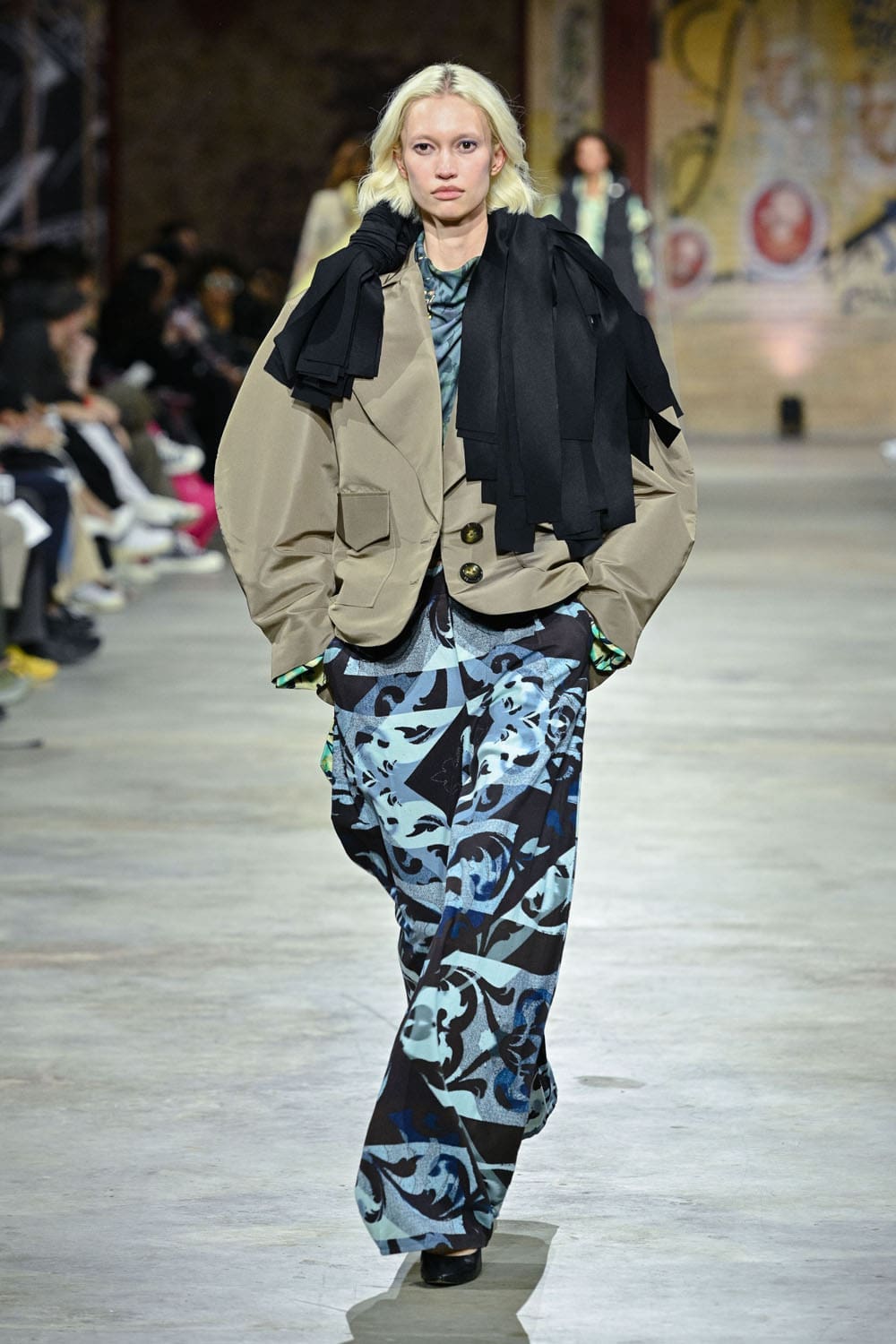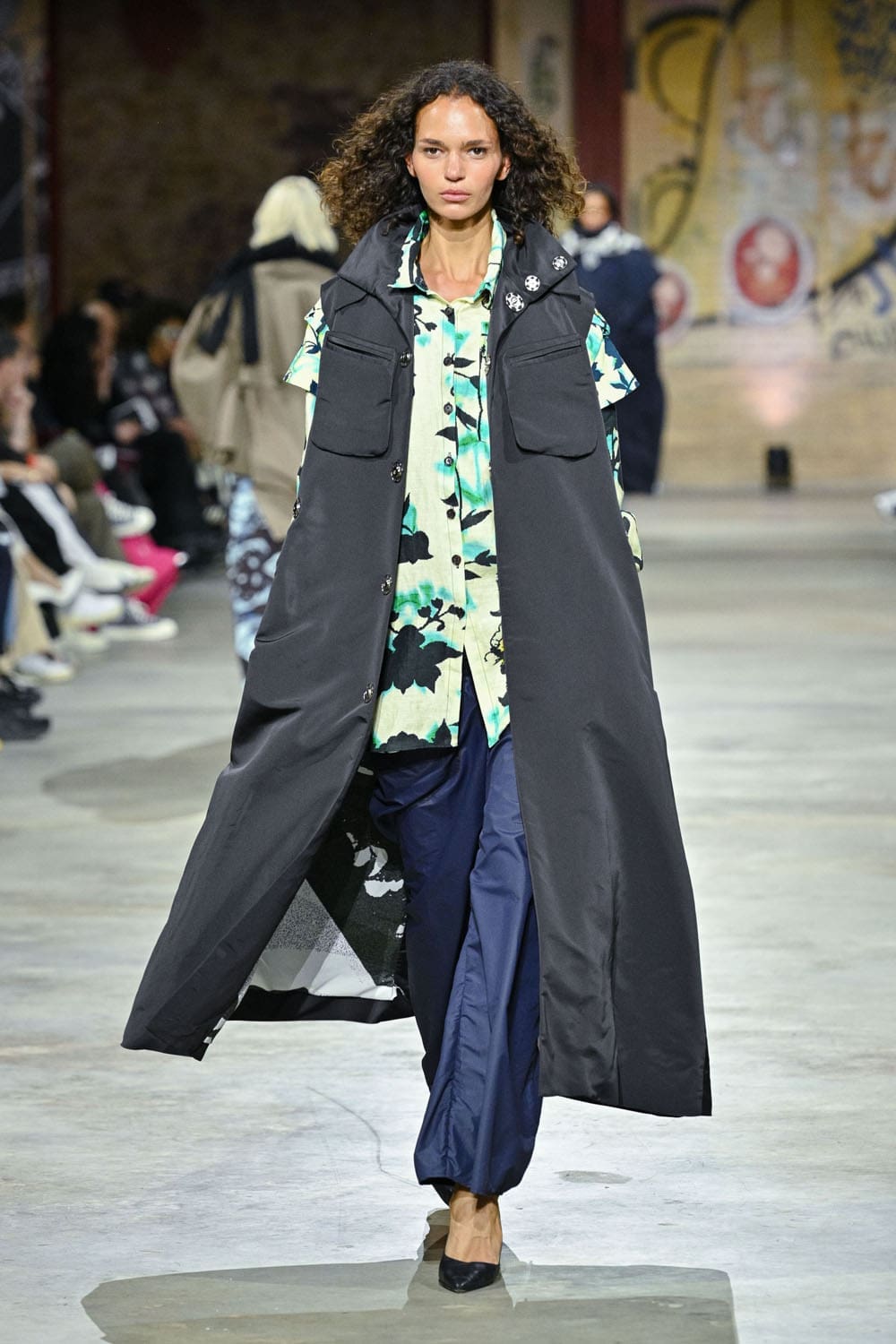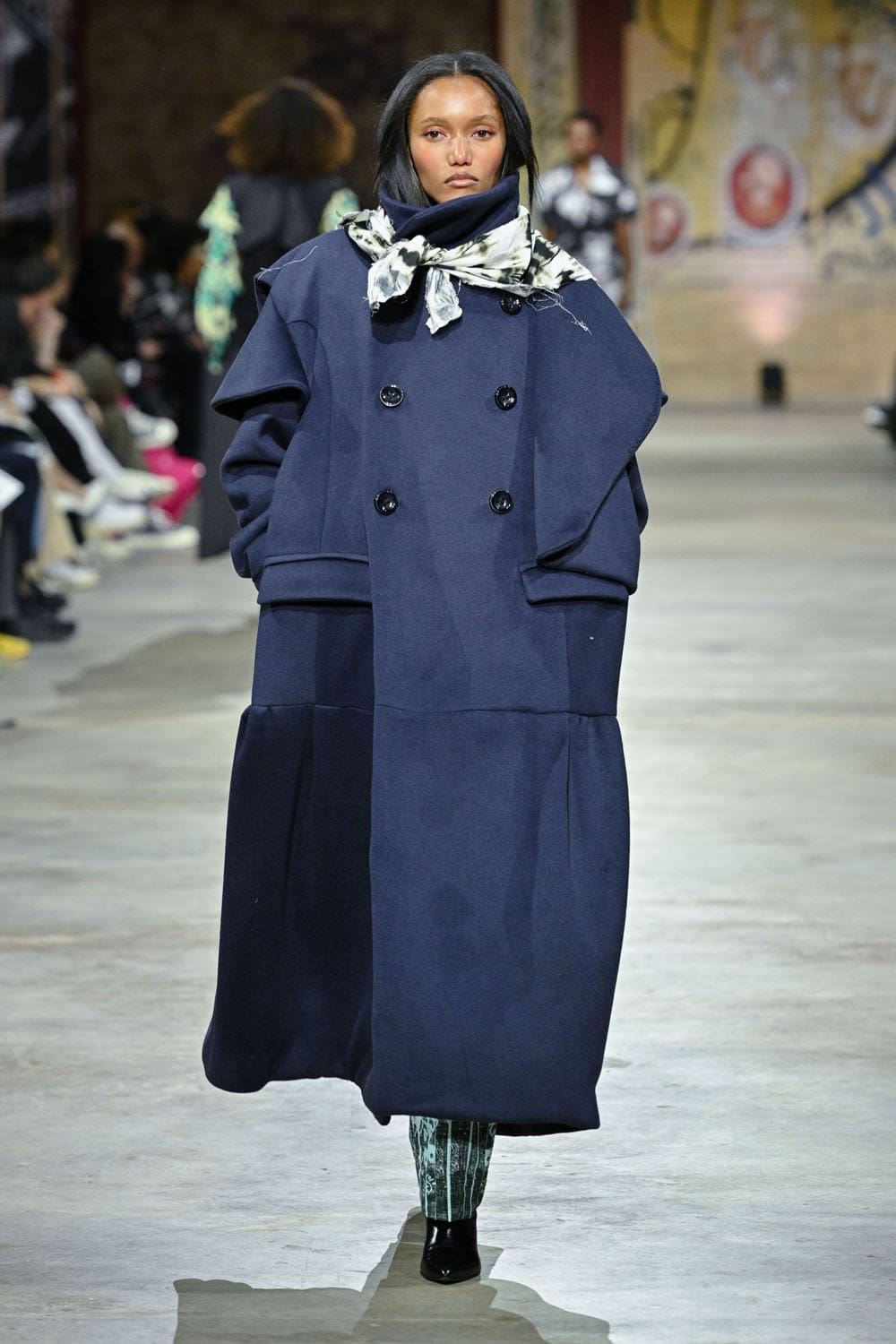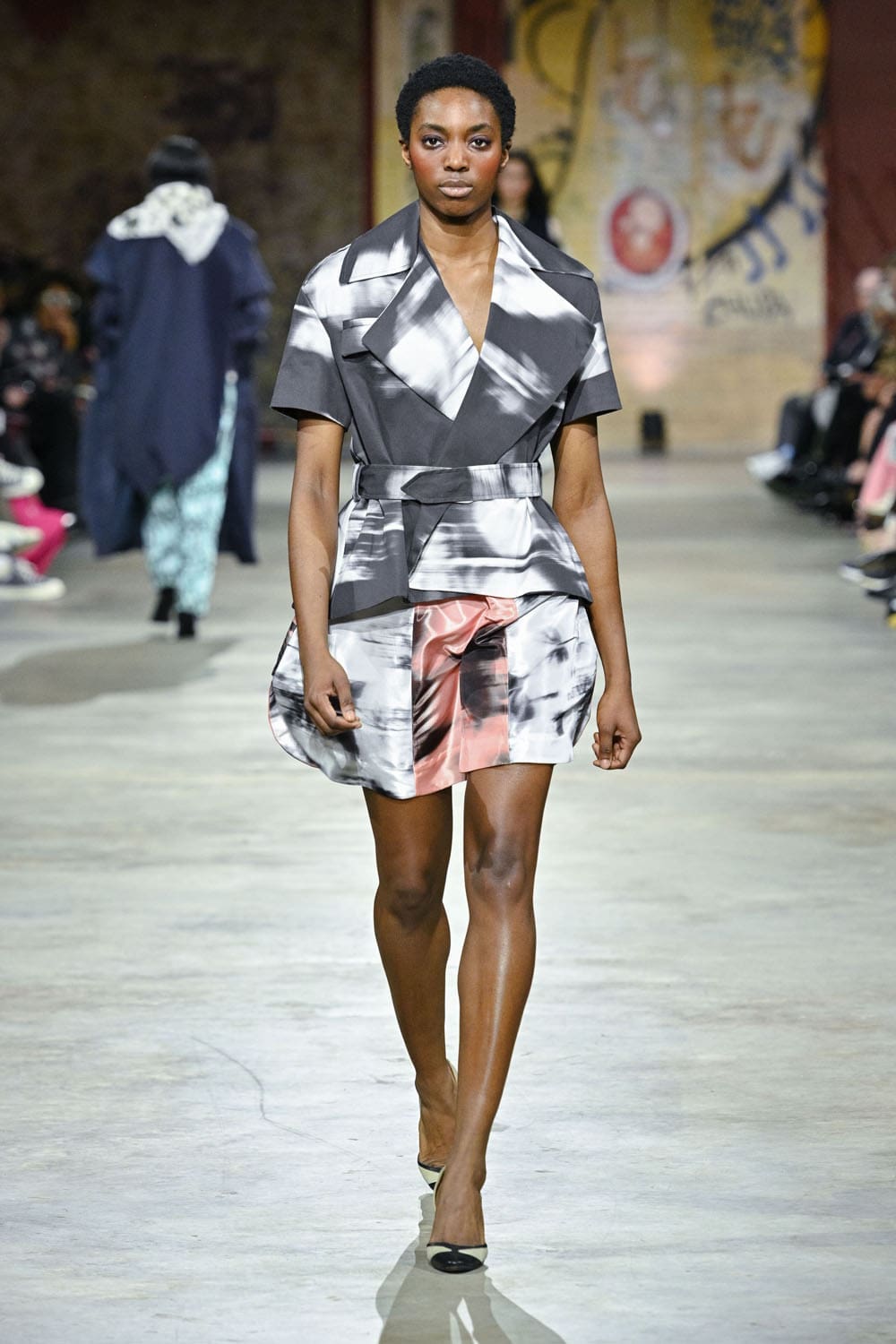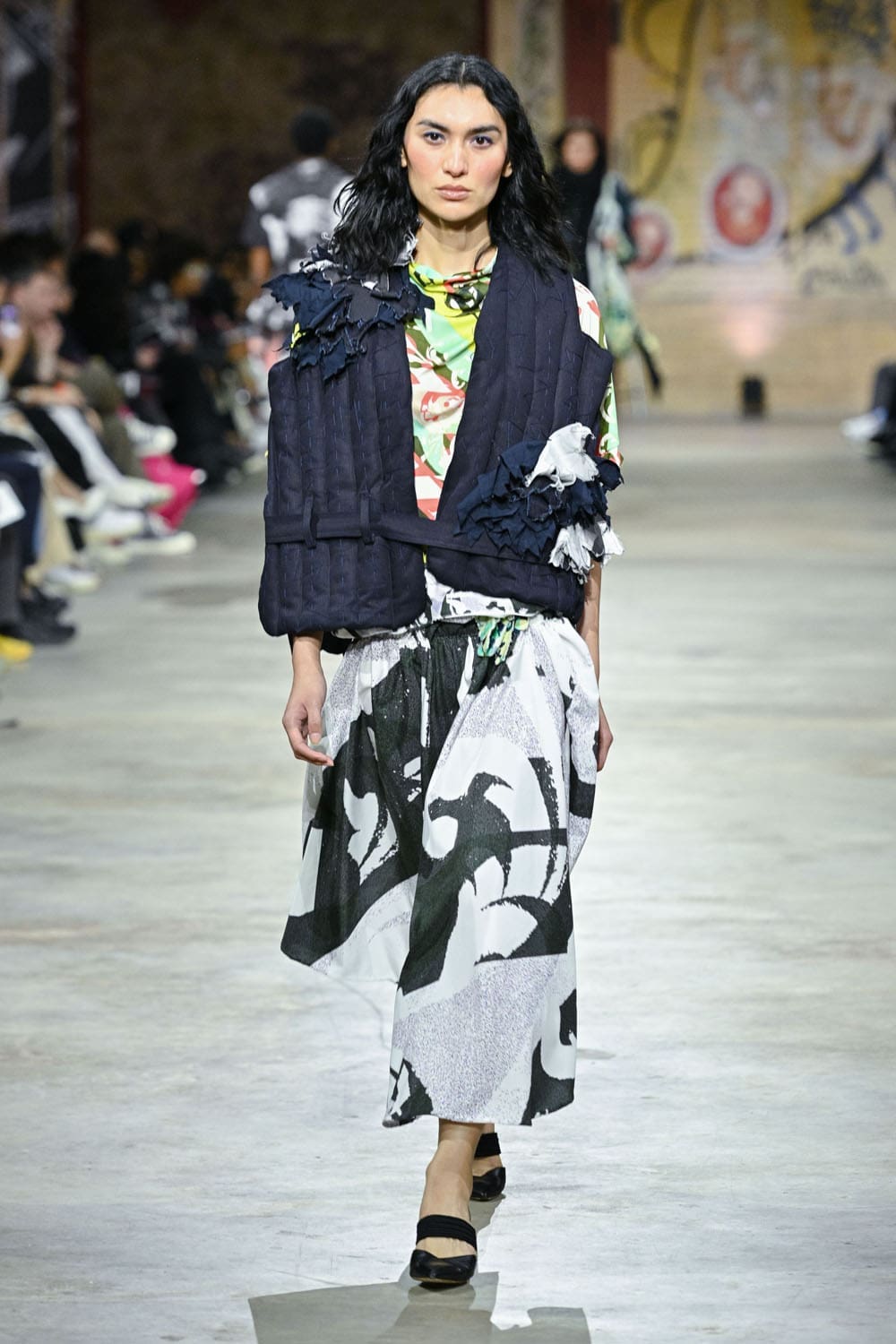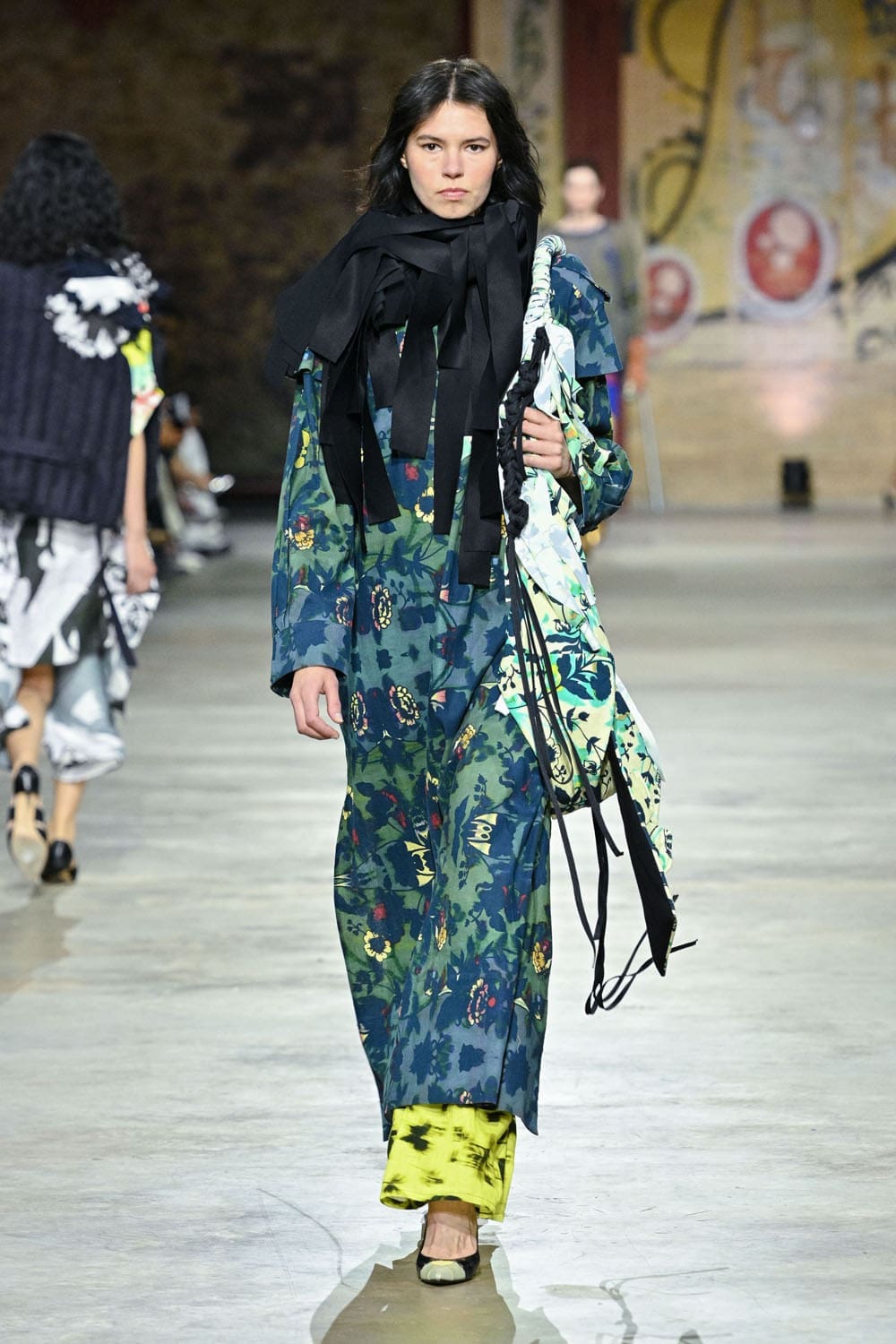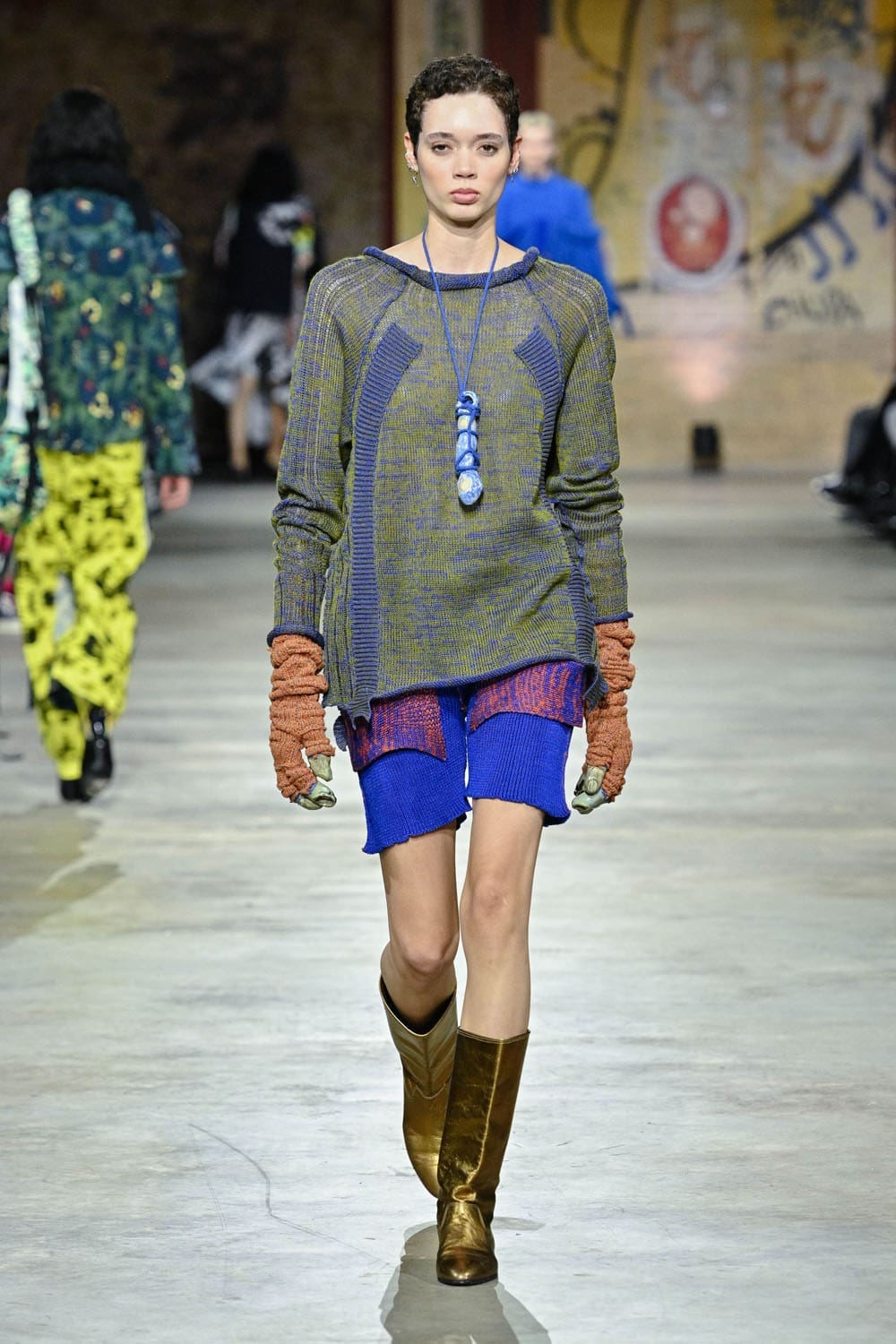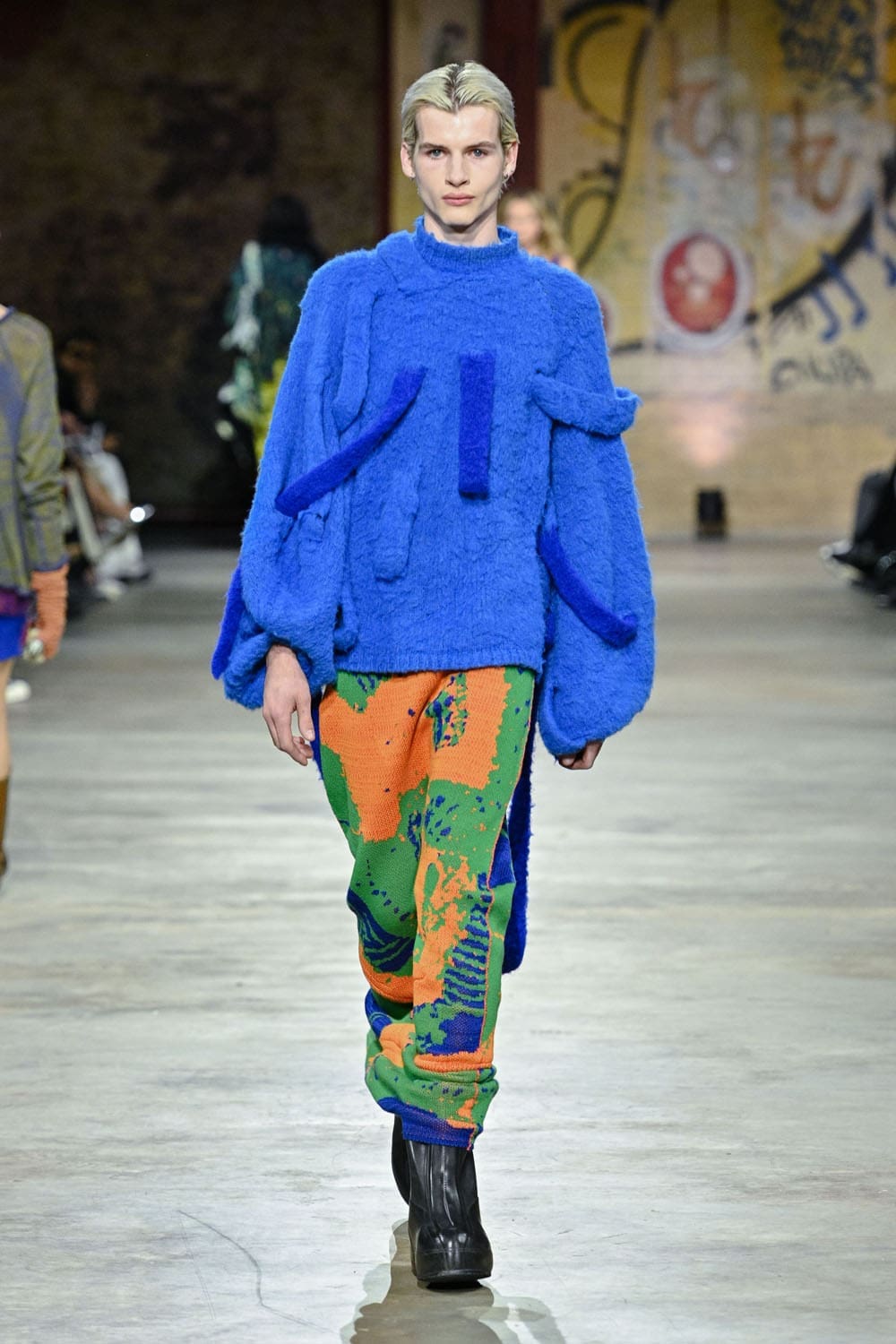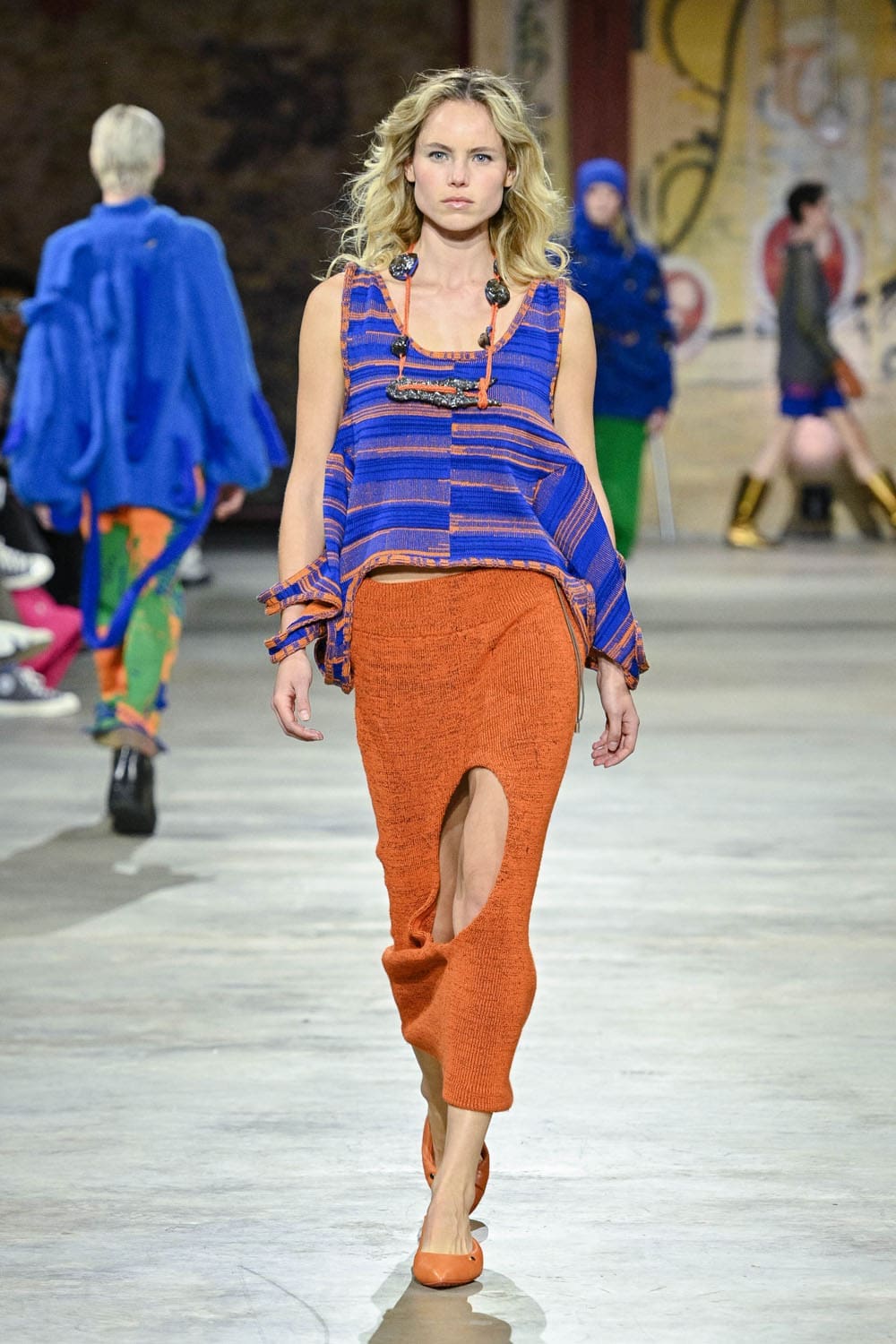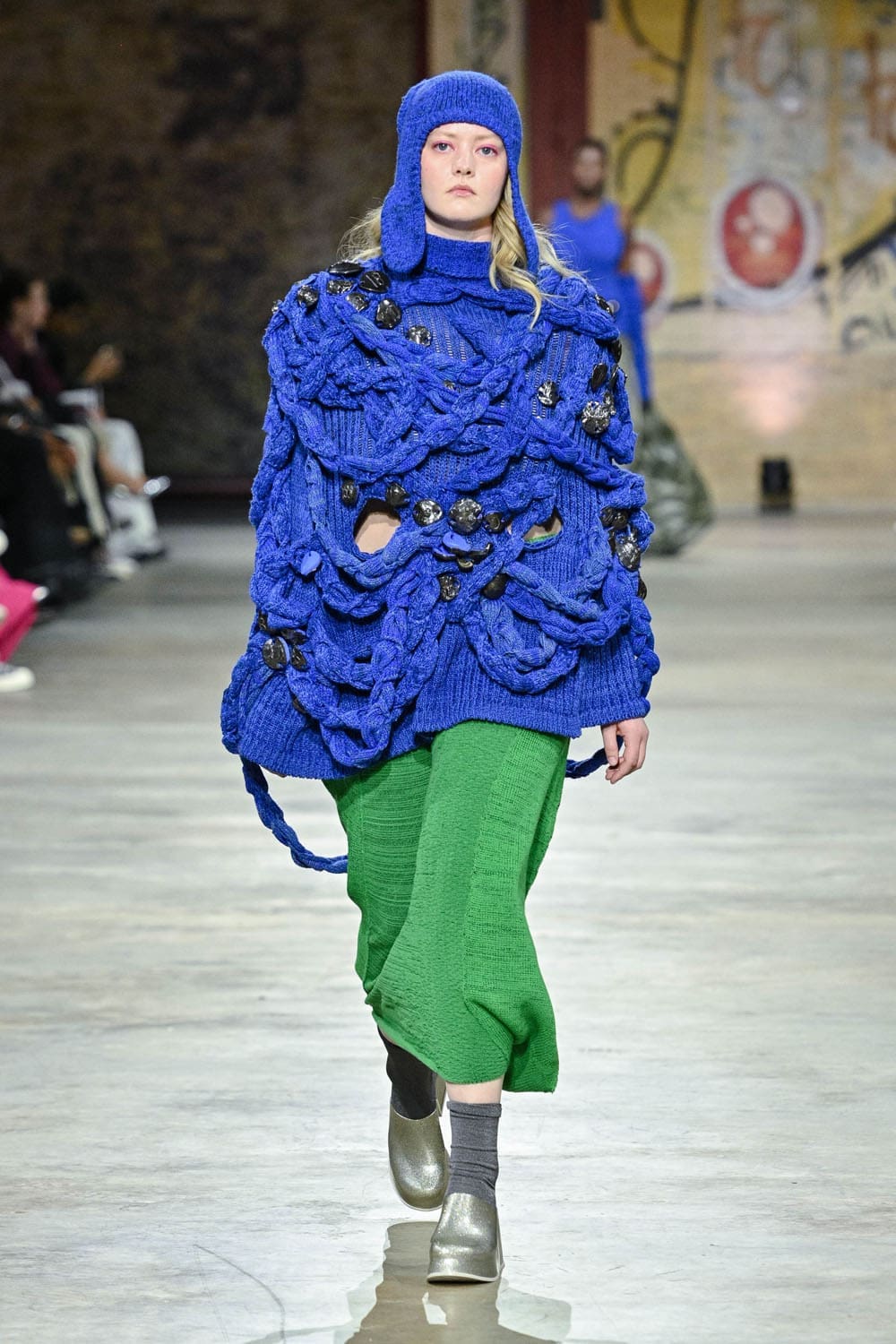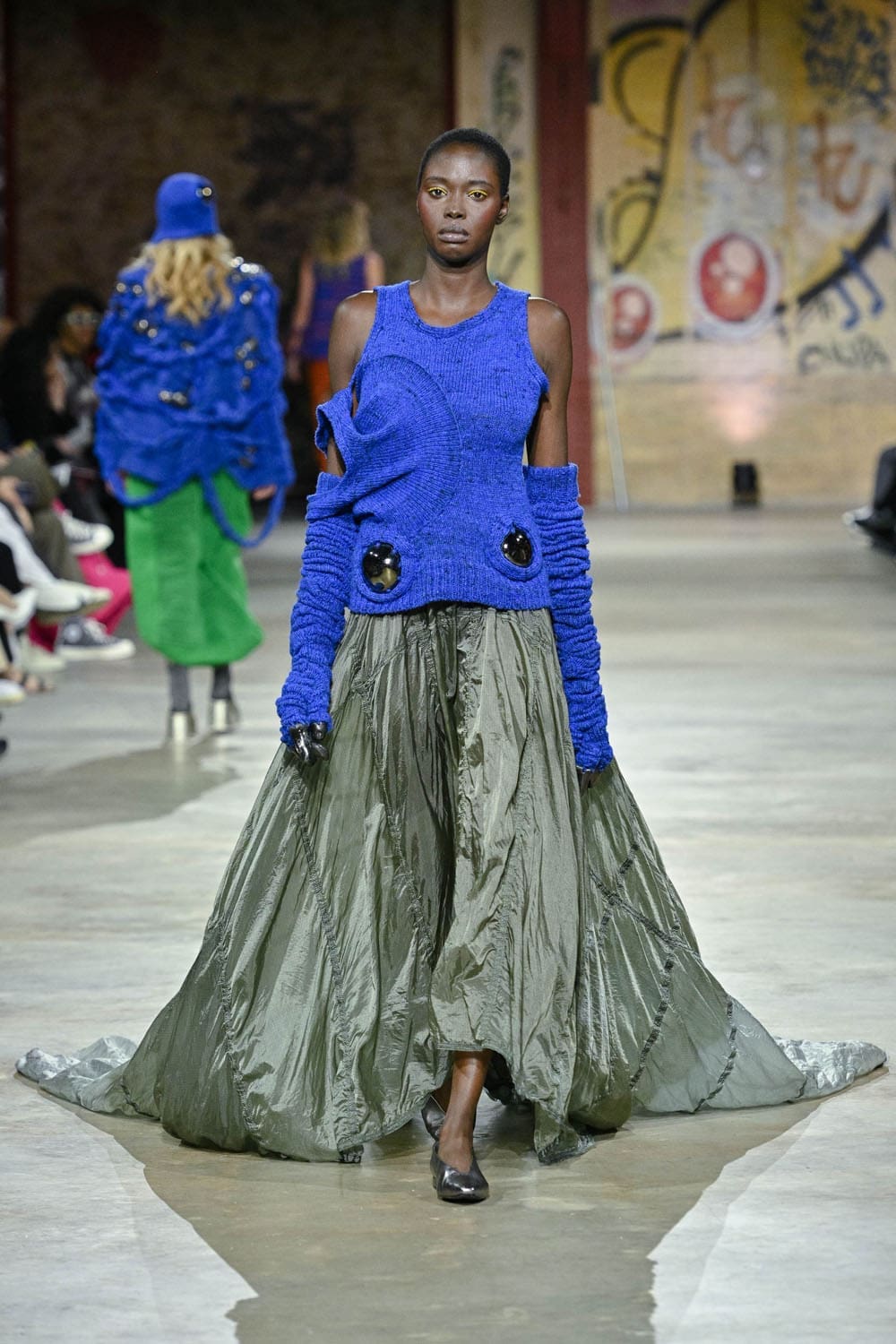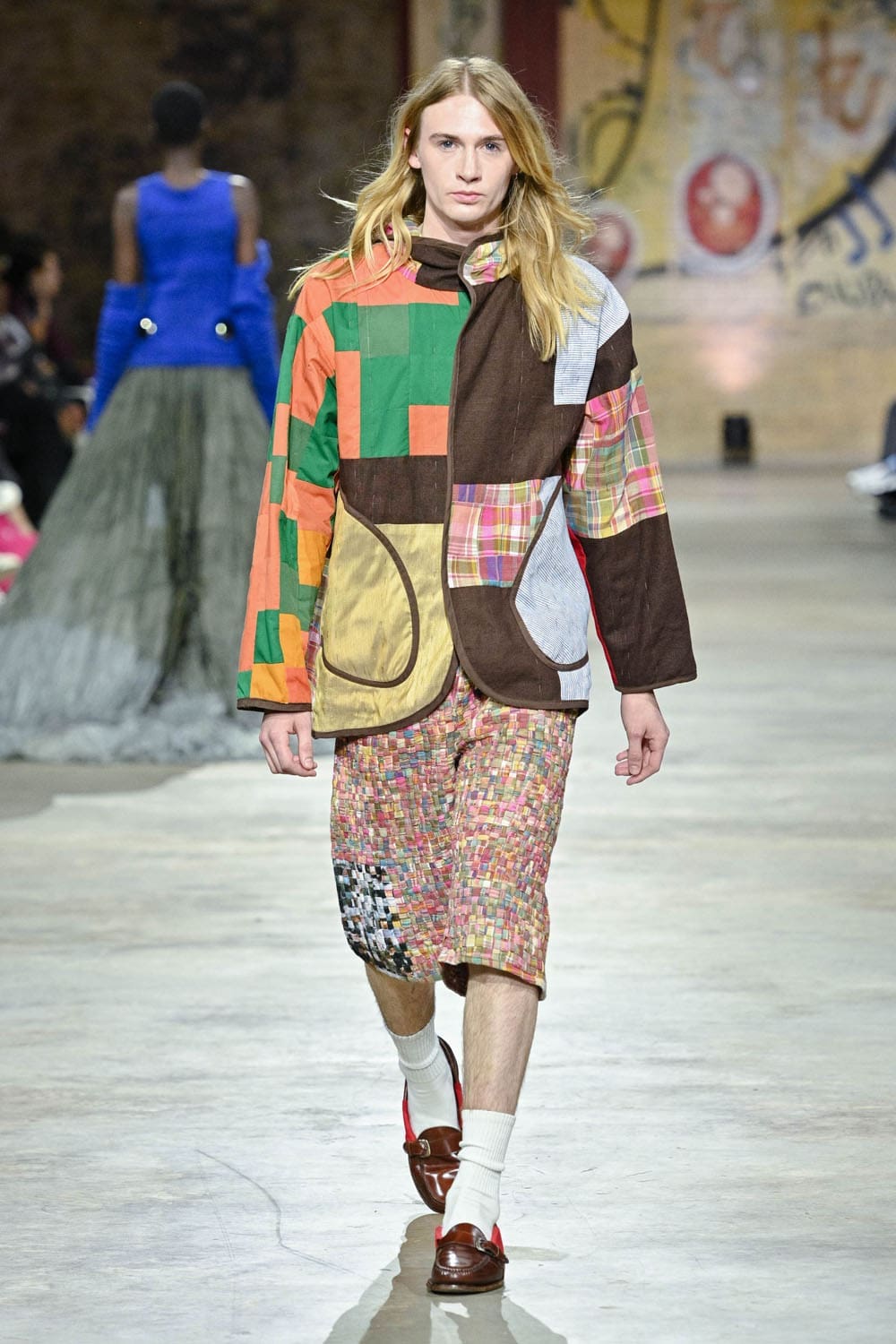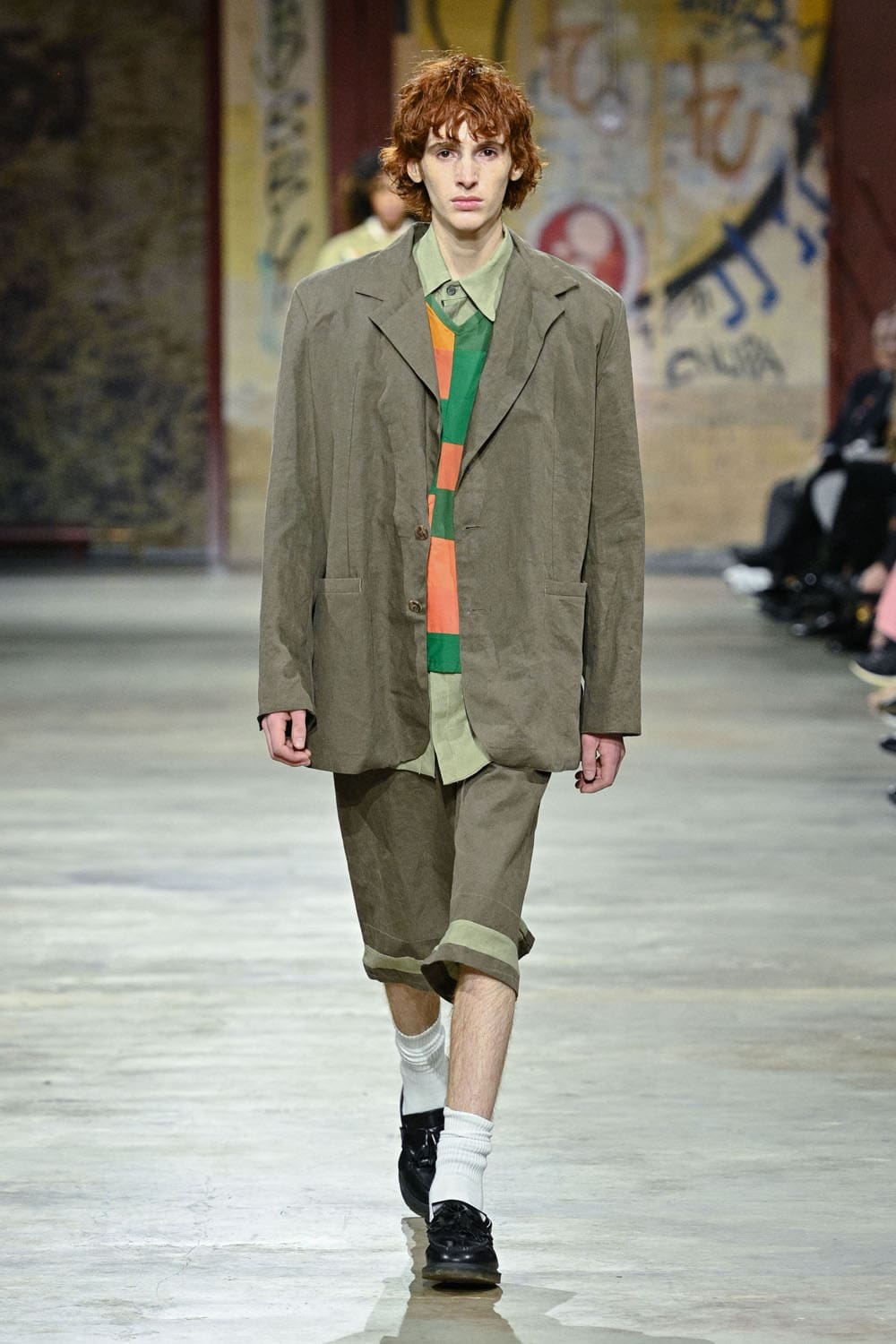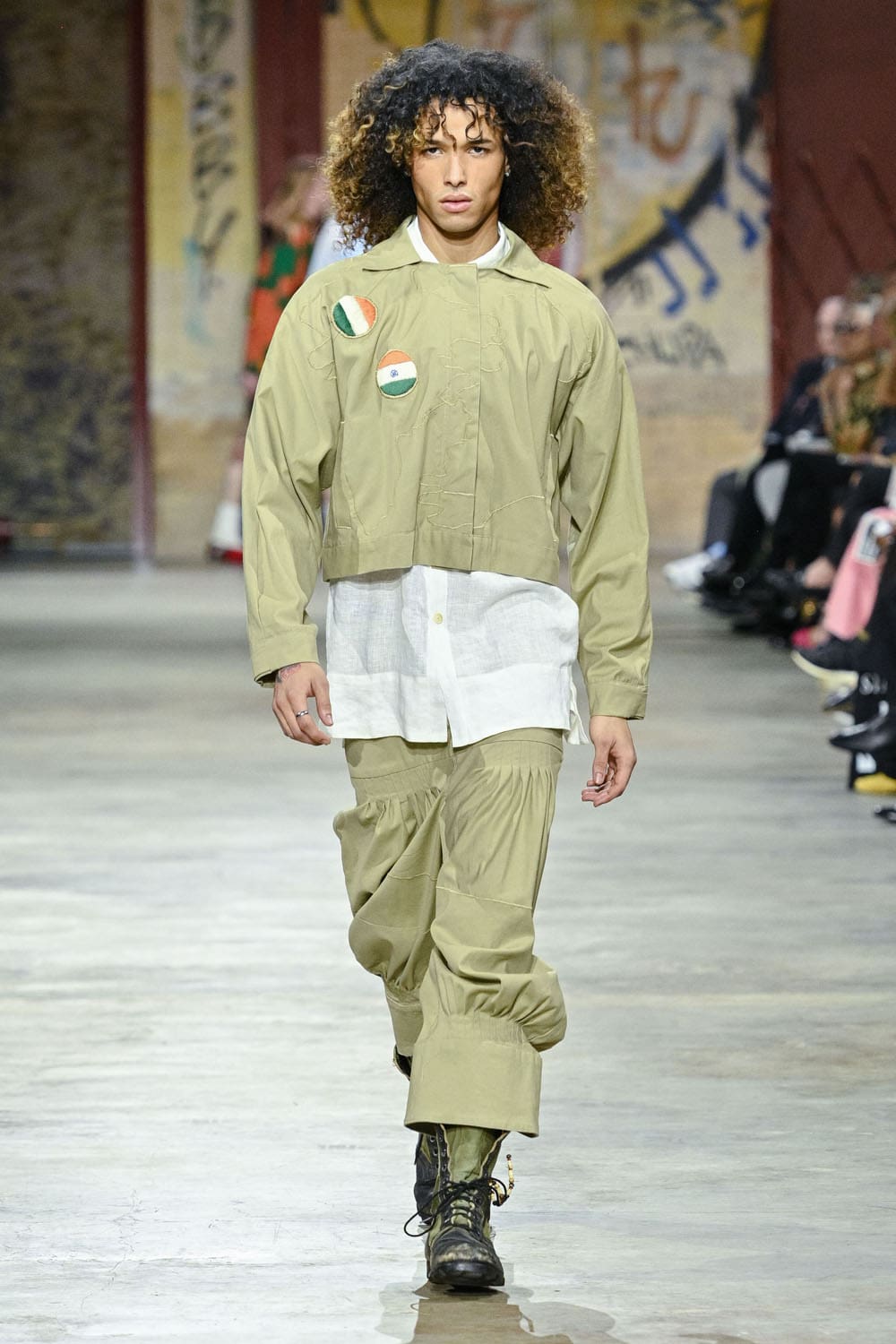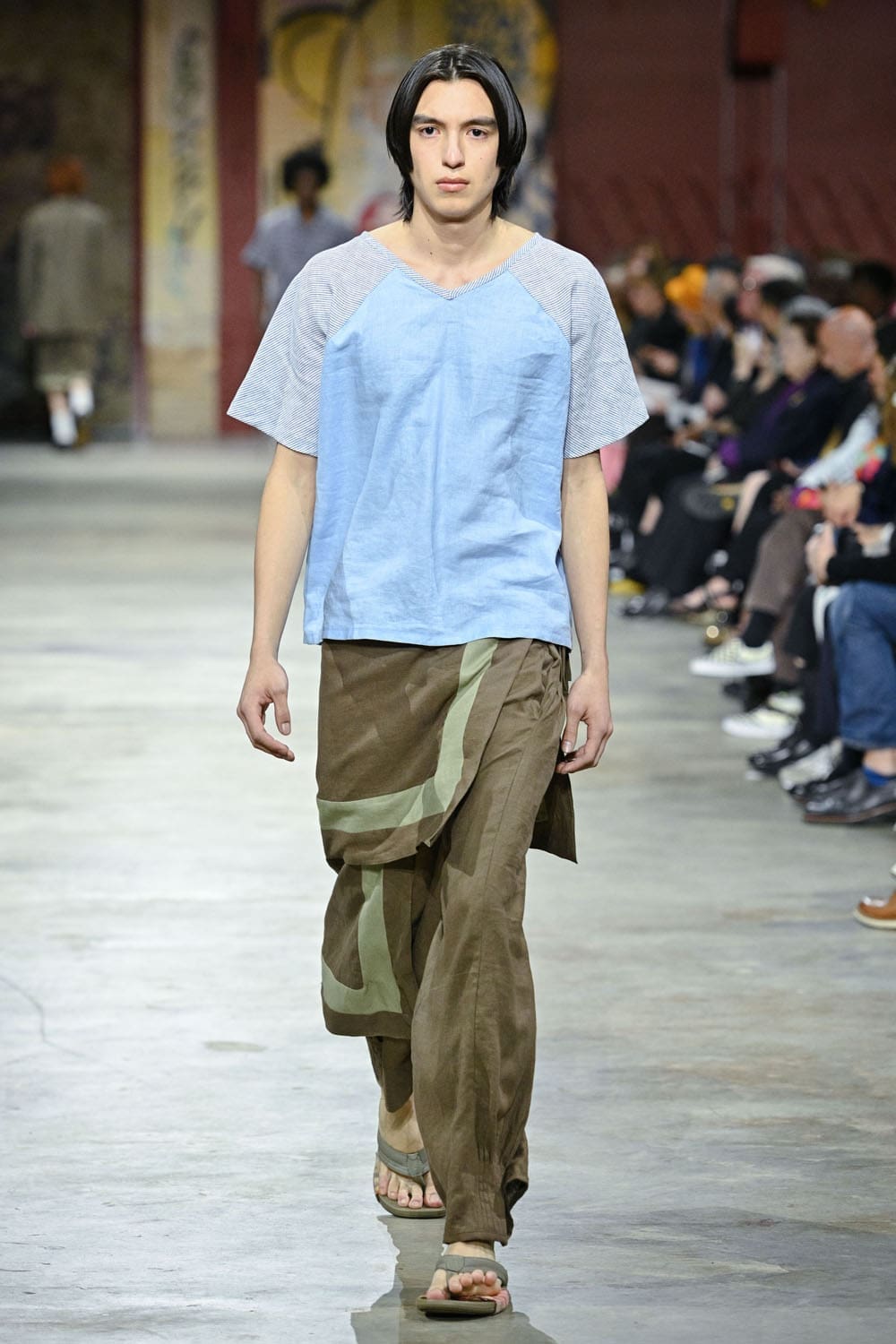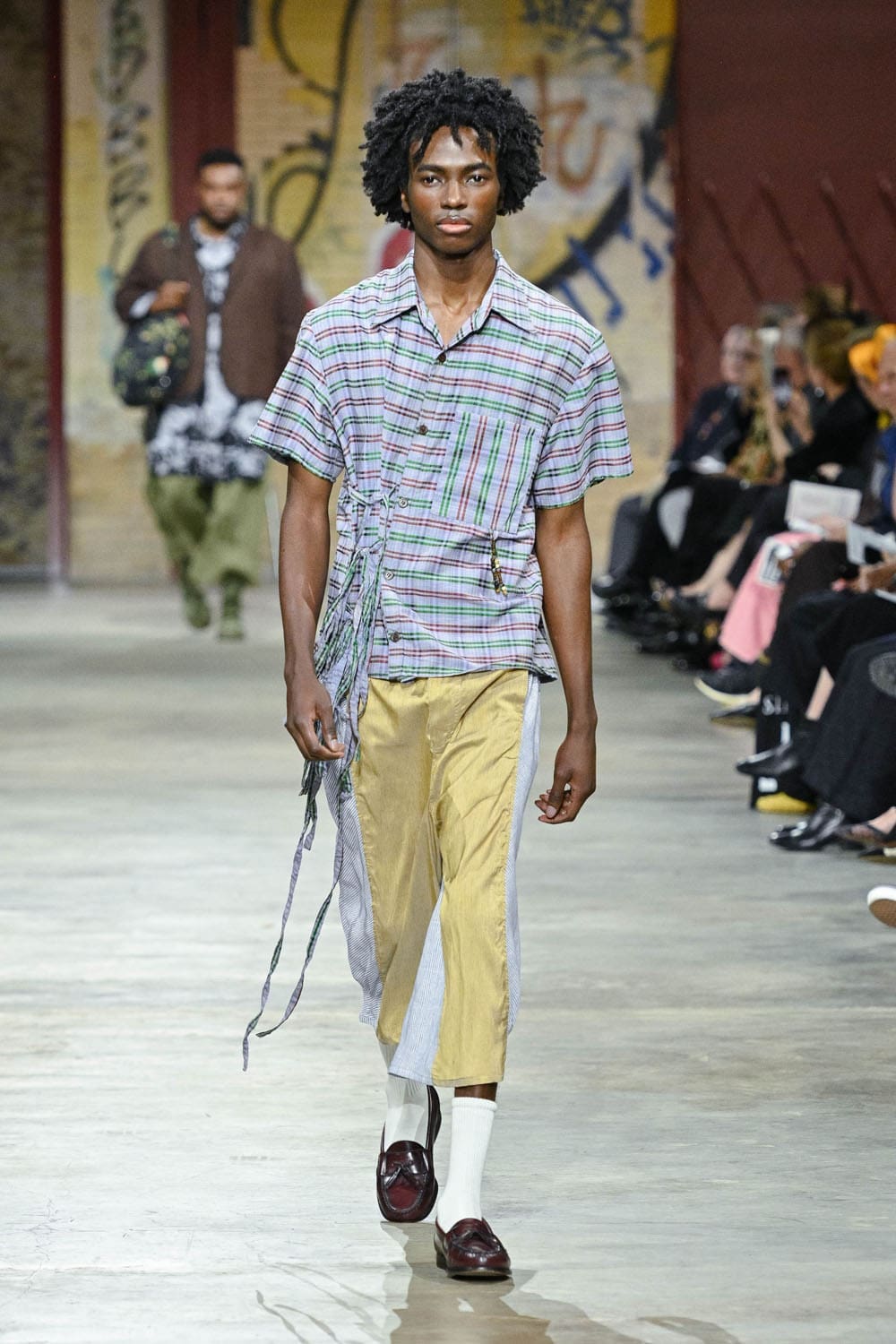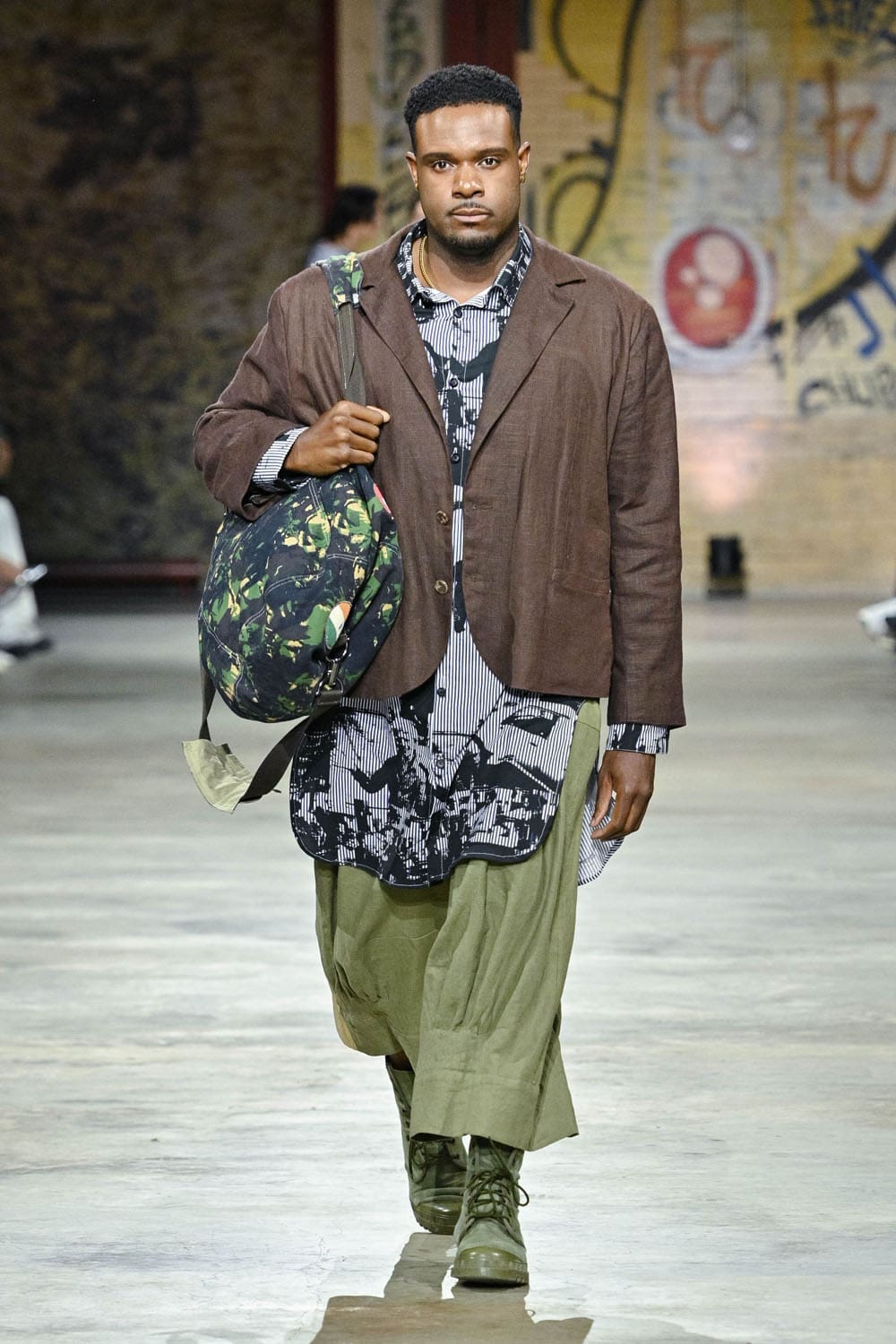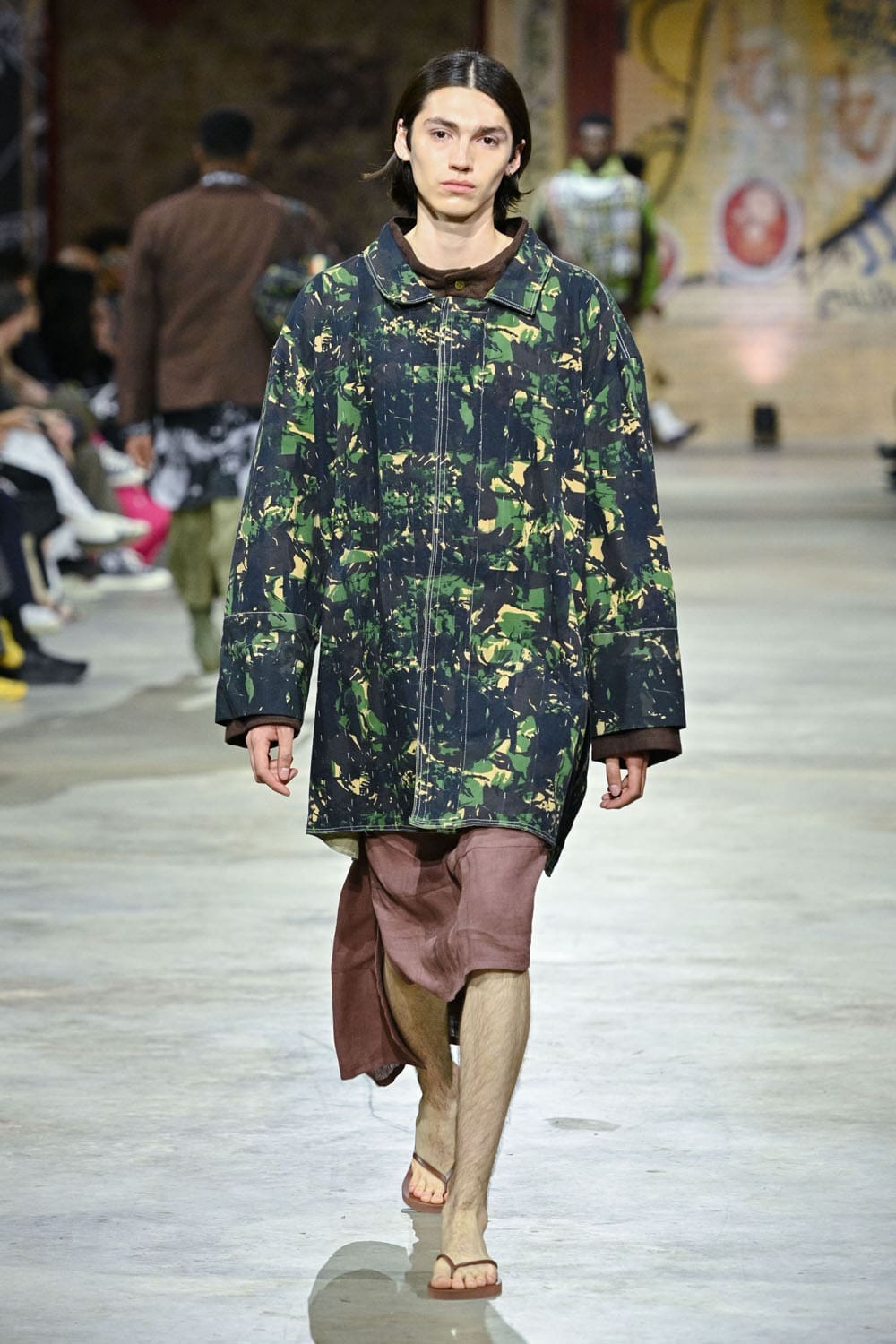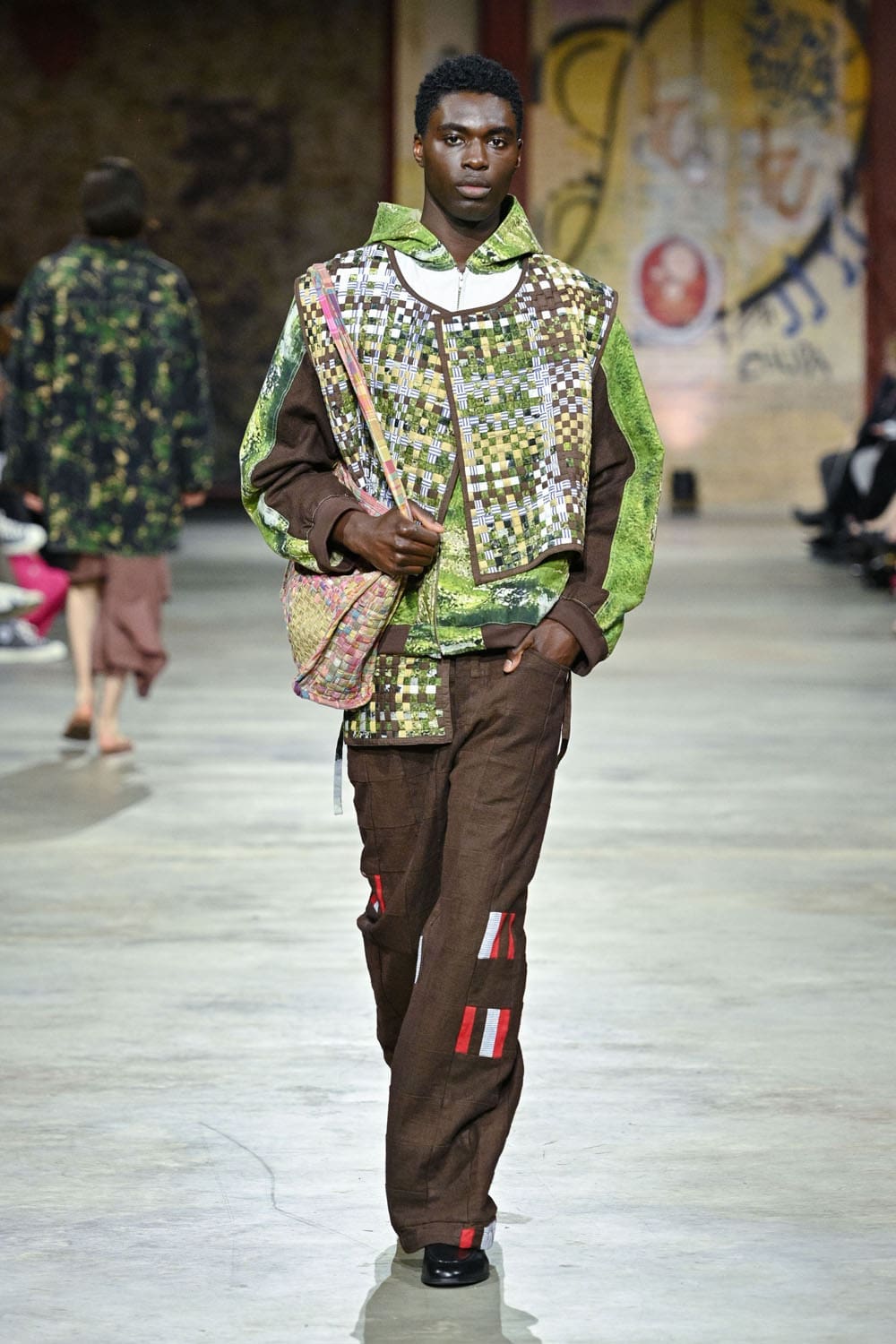
Pratt Institute 2026 Runway Show “The 125th Pratt Fashion Show: 28 Visionaries Defying the Digital Void”. Story by Ana Topi, Editor of RUNWAY MAGAZINE. Photo Courtesy: PRATT / Fernando Colon / Andrew Werner.
In an era where digital saturation threatens to flatten human touch into mere pixels, the 125th annual Pratt Institute Fashion Show arrived as a spectacular, tactile rebellion. Held on Thursday, May 14, 2026, at the industrial yet avant-garde Powerhouse Arts in Brooklyn, this milestone showcase proved exactly why Pratt remains one of the oldest and most fiercely uncompromising fashion institutions in New York City.
Founded in 1887 with a radical commitment to equity, diversity, and rigorous craft, Pratt has spent over a century shaping the creative vanguard. The Class of 2026 did not merely walk the runway; they dissected the contemporary psyche. Across afternoon and evening presentations, 28 graduating designers unleashed 155 looks worn by 50 models, spanning menswear, womenswear, and unisex design. This was not a collection of clothes designed for easy duplication or mindless consumerism; it was an exhibition of intent, pushing past aesthetics into deep, structural commentary on survival, family, identity, and the friction between organic nature and machine intelligence.
The Evening Protocol: Awards and High Intentions
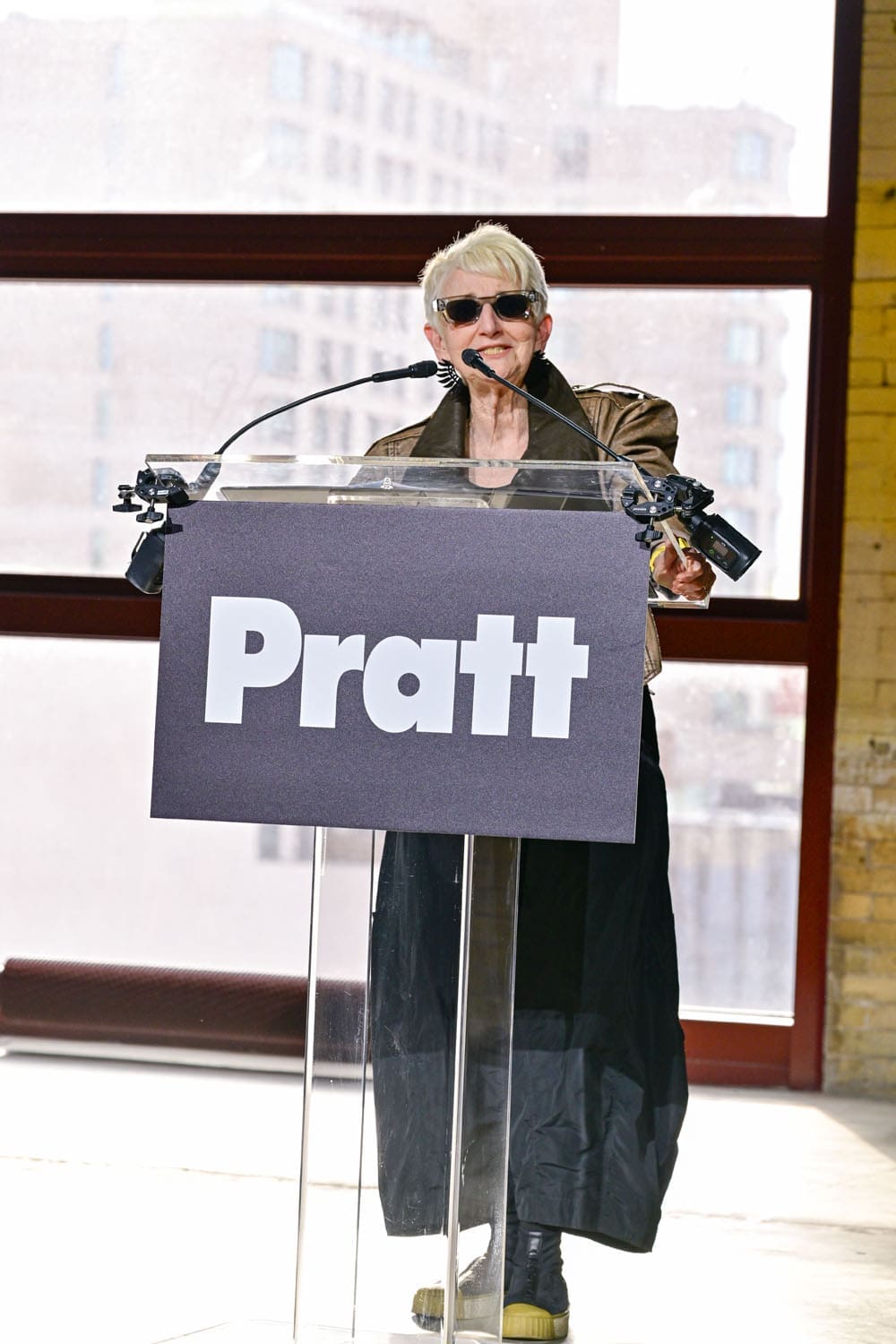
The evening presentation opened with grounding remarks from Pratt Institute President Frances Bronet, followed by a moment of genuine industry significance. Céline Semaan, the visionary founder of the Slow Factory Foundation, took the stage to present Korina Emmerich of EMME Studio with the 2026 Pratt Fashion Visionary Award. Emmerich, celebrated for her focus on Indigenous futurism and community-centric design, perfectly encapsulated the evening’s ethos, observing:
“I was so impressed by how much every student at Pratt held their collection so close to their heart. It wasn’t about something that was easy to reproduce. It was about making something that meant something.”
Following remarks from Lisa Z. Morgan, Chairperson of the Fashion Department, the runway commenced. Under a strict departmental mandate requiring a minimum of 20% responsibly or sustainably sourced resources, the graduating cohort did not just meet the baseline—they shattered it, proving that luxury and ethical necessity are no longer mutually exclusive.
The afternoon also saw the presentation of the 2026 Christopher Hunte “On Point” Award to Caleb Callahan for his exceptional collection, Cork, Kerala, marking him as a singular voice to watch in the anti-colonial design space.
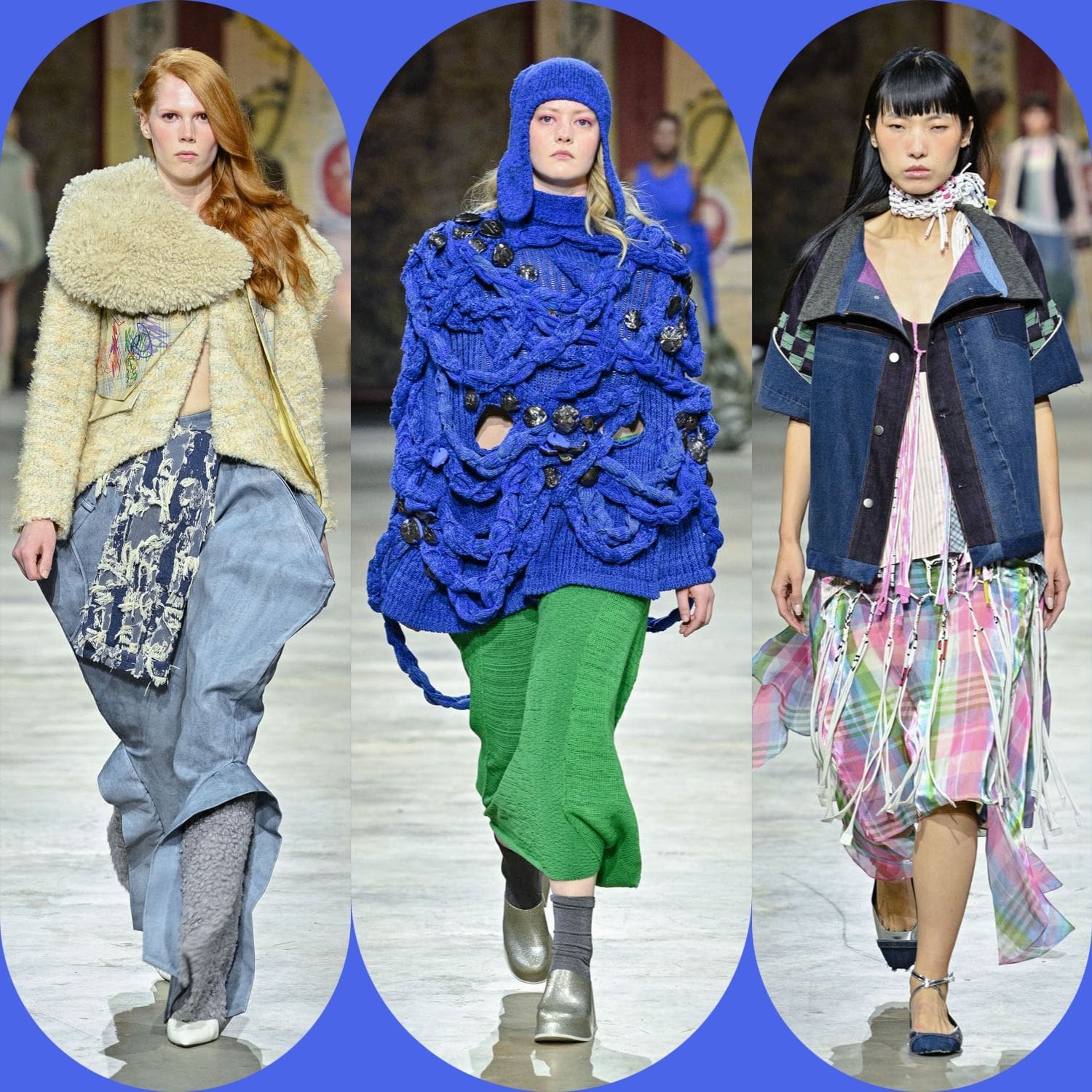
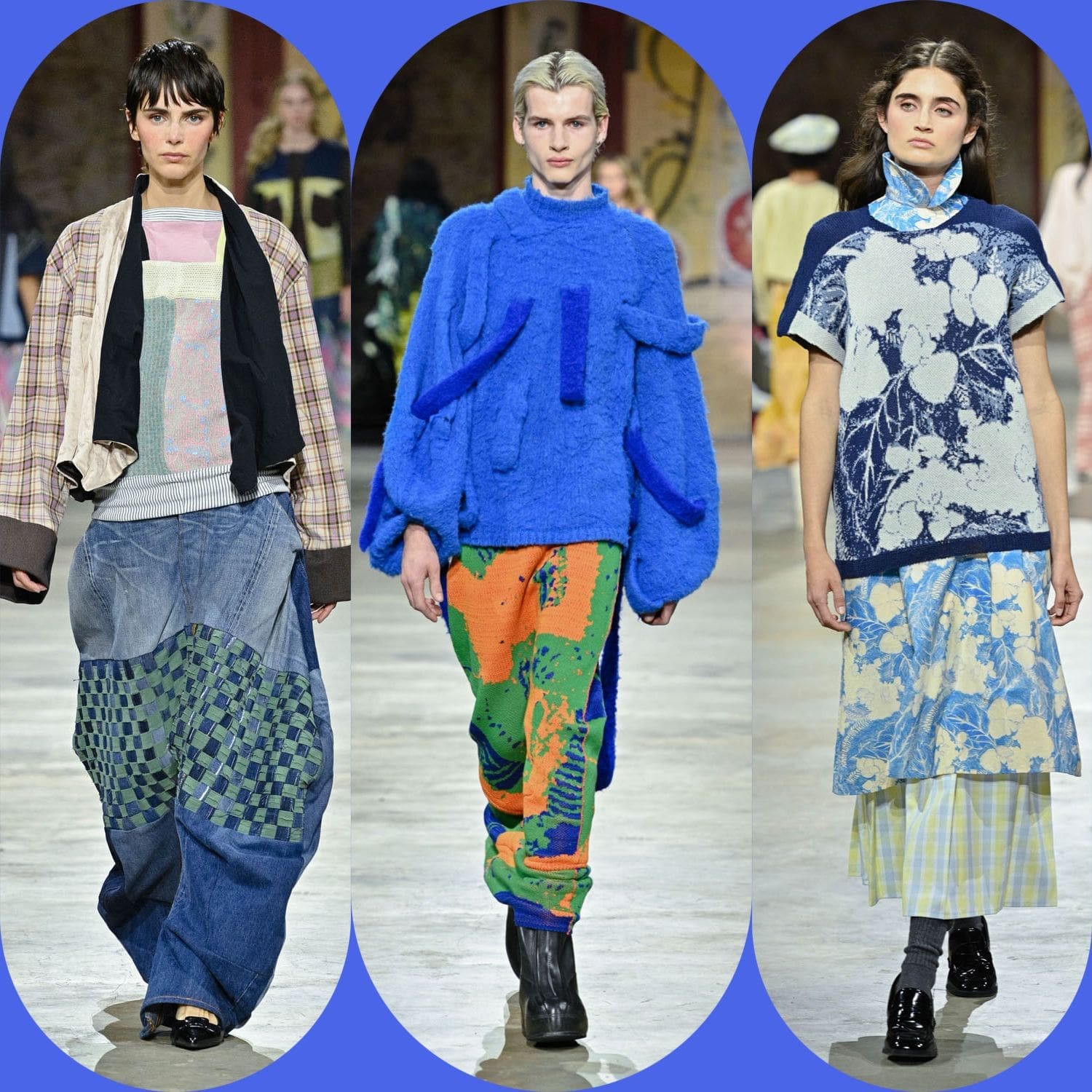
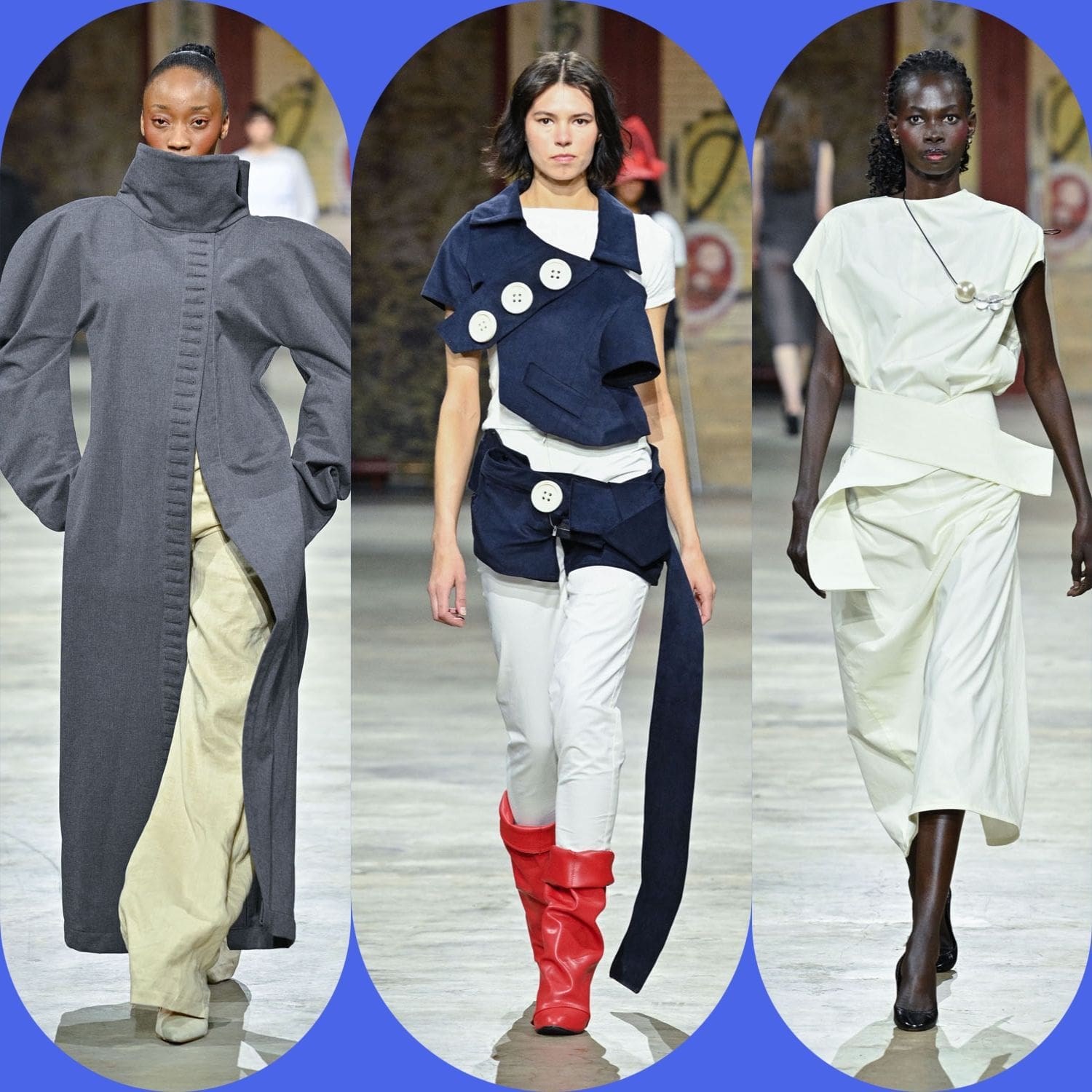
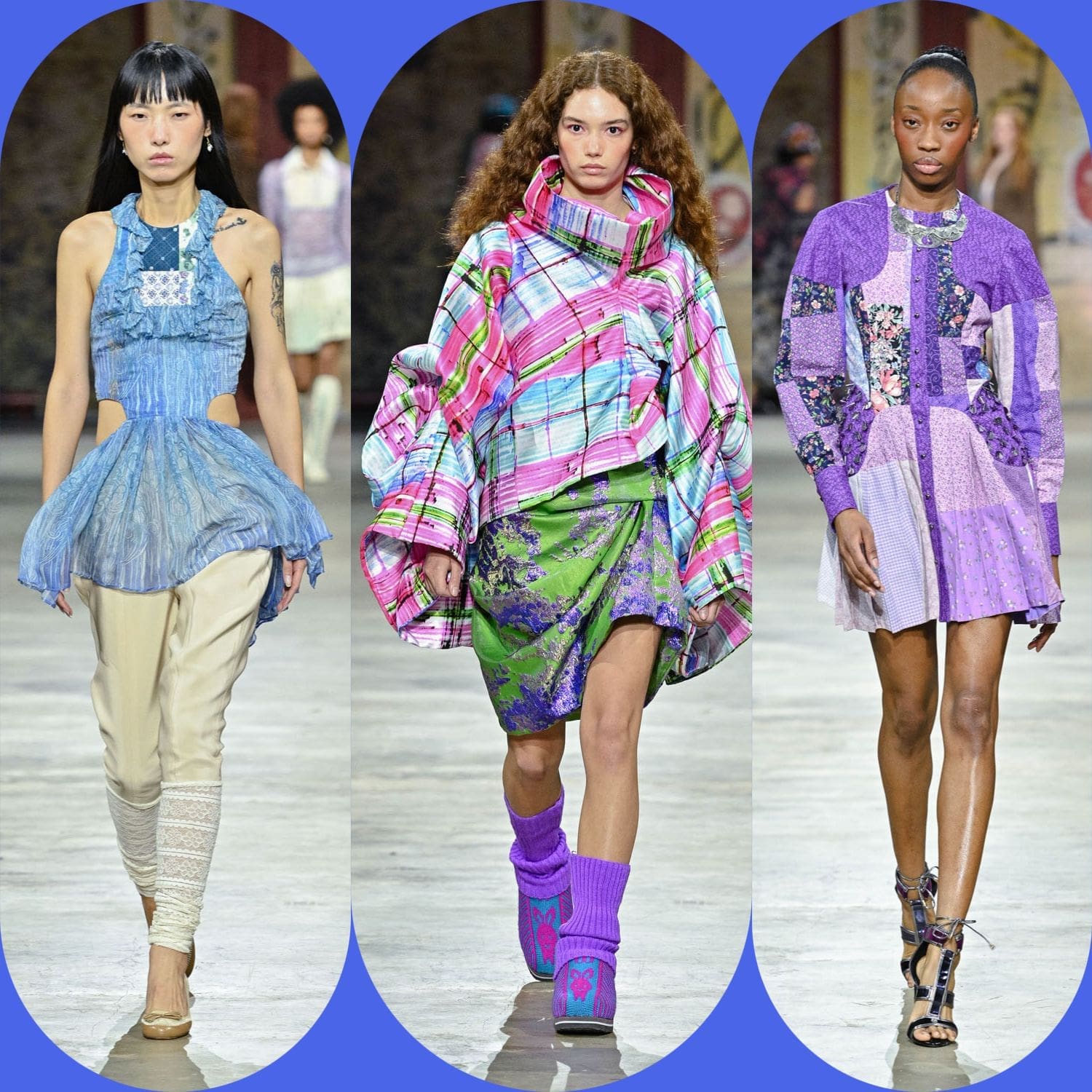
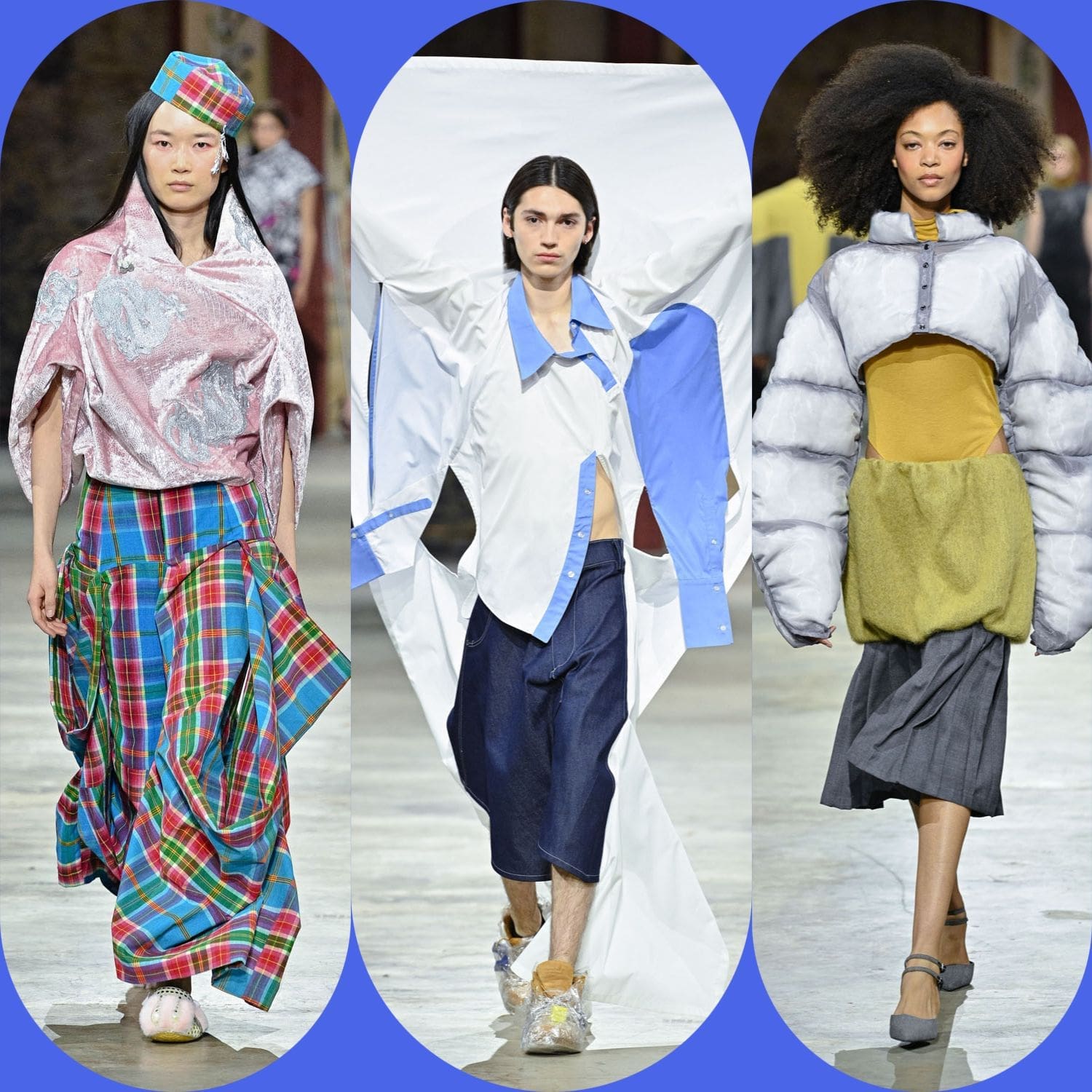
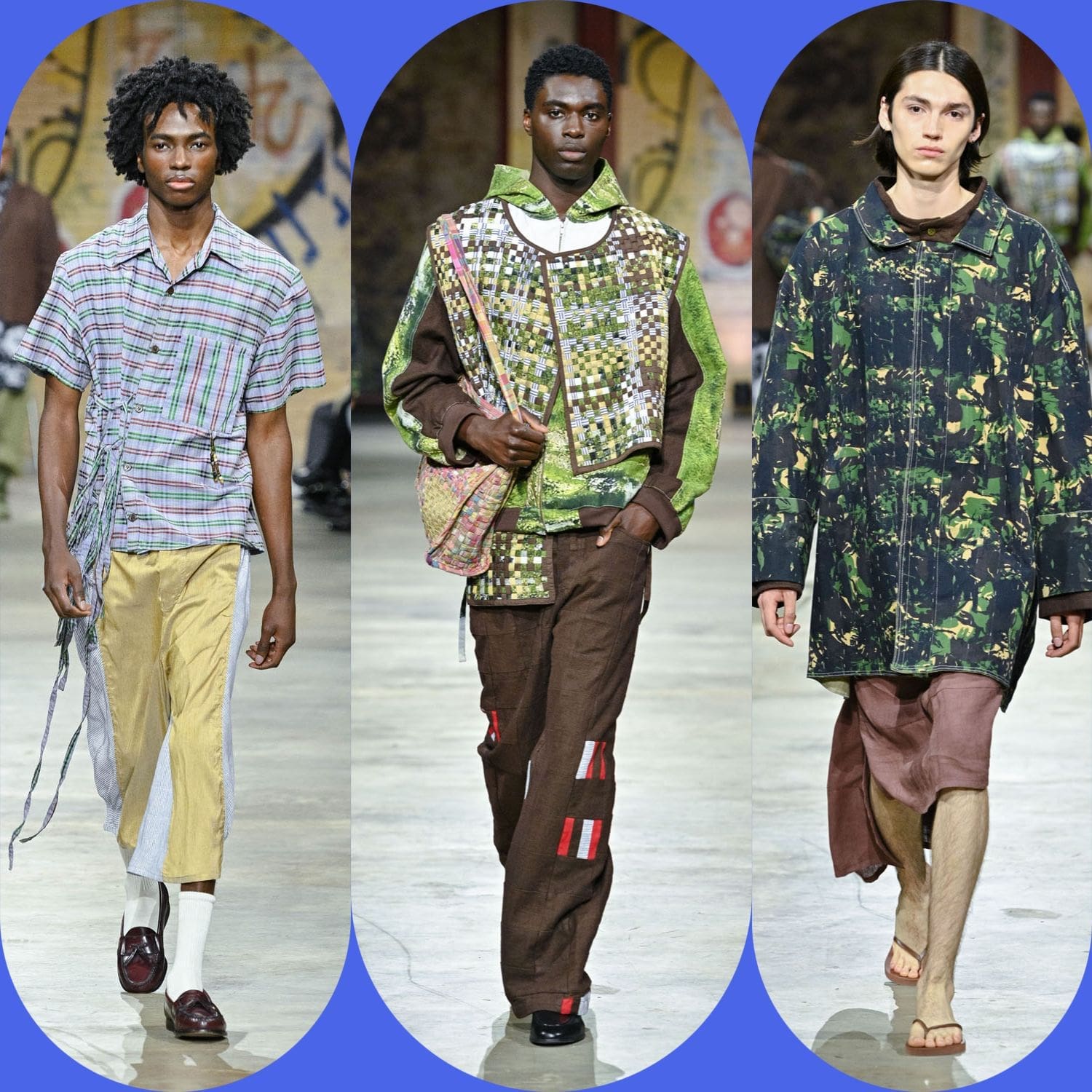
The Complete Cohort: A Deconstruction of the 2026 Collections
To truly understand the magnitude of this graduating class, one must examine the specific narratives spun into every seam. Here is the definitive, unskipped breakdown of all 28 designers who defined the 125th Pratt showcase.
Amina Walker — Embodied Knowing
Walker delivered an intellectual exploration of ancestral history via textiles, weaving together African American quilting, British history, and Jamaican motifs.
- The Standout Statement: “It is ancestral embodiment made tangible, a testament that we are never truly singular.”
Aiden Pérez — Between Two Worlds
A brilliant clash of subcultures and institutions, Pérez’s work juxtaposed the rigid discipline of U.S. Army training with the expressive fluid silhouettes of Zoot Suits and Korean War gear.
- The Standout Statement: “Ultimately, it presents an underdog narrative that challenges convention, embraces all identities, and approaches fashion with intention…”
Auguste Dubois — Silicon Lung
Dubois offered an atomic-age futurist critique of rapid industrialization, using flatbed machines, SHIMA technology, and hand-built ceramic hardware to find the soul inside the machine.
- The Standout Statement: “I stand against the phasing out of the human hand and traditional craft techniques by the swift industrialization of fashion.”
Ava Wilson — The Cages of Glamour
Interrogating the historical architecture of Black style through icons like Diana Ross and Eartha Kitt, Wilson’s collection re-contextualized sophistication as armor.
- The Standout Statement: “…glamour represents resilience and transformation, as Black women have constructed spaces that did not always allow them to fully exist.”
Bea Kohner — Bruised Mango
A poignant, delicate study of personal evolution, Kohner utilized sheer layers and deadstock materials to trace the path from innocence to a profound awareness of time.
- The Standout Statement: “…using the mango as a metaphor for a body that ripens, softens, and eventually bruises.”
Caleb Callahan — Cork, Kerala
The award-winning collection that ingeniously collaged Irish and Indian anti-colonial histories, transforming regional weaving and embroidery traditions into weapons of political protest.
- The Standout Statement: “…clothes are used as political protest, revolutionary uniform, and the expression of community.”
Cameron Smith — DRIFT
Smith masterfully contrasted high-tech precision—including CNC and bandsaw-cut elements—with the organic, weathered romance of overdyed silk and driftwood.
- The Standout Statement: “A contrast between utility and the illusion of aging creates romantic intimacy with the wearer.”
Carina Yixin Xu — From Apart, A Part
An architectural reflection on contemporary urban alienation, Xu’s structural, modular garments transformed seamlessly into bags, redefining the boundaries of personal space.
- The Standout Statement: “The collection approaches fashion as a spatial language that allows separation and connection to exist at the same time.”
Cyril Cao — Too Much Love
Inspired by intimate domesticity, Cao adjusted scales and repeated childhood motifs—Peter Pan collars, polka dots, and doll elements—to turn garments into sensory containers.
- The Standout Statement: “…examines how tenderness physically reshapes objects and transforms wear into memory.”
Devon Sung Carlson — Second Skin
Carlson investigated survival mechanisms, integrating trimmed fur constructions and handmade wind chimes that forced the garments to claim an audible and visual space.
- The Standout Statement: “Handmade wind chimes are integrated to force the wearer to be both seen and heard, asserting presence and power over social anxiety.”
Jianglan (Alice) Li — Between Stations
Li beautifully translated the kinetic energy and sudden stillness of the New York City subway system into structured pleats and maps translated into rich surface textures.
- The Standout Statement: “The collection translates the speed of the train into pleats and layered structures…”
Jiaying Tang — Edible Culture, Wearable Form
Tang honored the morning markets of Shandong by modernizing traditional, handwoven Lu brocade via hand smocking and versatile, multi-wear draping.
- The Standout Statement: “…one in which heritage and new ways of living coexist, and clothing becomes both functional and expressive.”
Katya Bolaños — Fantasia
A glorious, maximalist distortion of Western wear and Latin heritage, Bolaños utilized horsehair and metal buckles to create an unapologetically eccentric reality.
- The Standout Statement: “It is taking something known and traditional and distorting it from its intended purpose to create something new and unique.”
Keya Huang — Endless Summer
Huang analyzed the subtle ways society conditions young women toward compliance, using soft knits and hand-drawn hydrangea prints to reclaim personal voice.
- The Standout Statement: “…I explored how girls are often shaped to become quiet and obedient.”
Kyra Haiqin Guan — From Apart, A Part
Guan explored the quiet tensions of urban density, utilizing deconstructed silhouettes to examine how we maintain emotional distance while living shoulder-to-shoulder.
- The Standout Statement: “…investigates the paradox of intimacy and distance within contemporary urban life.”
Lia Skøien — Farmordotter
Skøien juxtaposed her family’s history of rigid, replaceable military and aviation uniforms with the rich, organic heritage of the traditional Norwegian Bunad folkdress.
- The Standout Statement: “…combines the organic folkdress with the inflexible uniform to suggest a middle ground in our identities.”
Marina Magre — Reframed
Magre looked at the fleeting nature of memory through photography, contrasting the opulent, permanent structure of historical daguerreotypes with disposable modern imagery.
- The Standout Statement: “…interweaving the fleeting, candid informality in modern photography with the precious and posed nature of historical portraiture.”
Marisa Sirichartchai — Hand Me Down
Using braided strips of donated T-shirts as a metaphor for maternal care and connection, Sirichartchai challenged the disposable nature of the modern fashion industry.
- The Standout Statement: “Strips of donated T-shirts are braided into textiles that carry the touch and history of many hands.”
Mitchen Hallie — The Black Cyborg
An exceptional Afrofuturist manifesto, Hallie’s collection rejected the flattening of the Black diaspora by tech-capitalism, reconstructing the body into a divine machine.
- The Standout Statement: “My cyborg refuses that framework and redefines and reconstructs itself into this Divine Machinery, a symbol of revolution…”
Naisa Agrawal — Rootveil
Agrawal utilized soil as both a material shield and an emotional boundary, connecting her personal physical allergies to the sacred status of earth (dharti mata) in Indian heritage.
- The Standout Statement: “…garments become a form of self care… where soil acted as both a material and emotional shield.”
Shannon Bollin — Temporary arrangements and variable sequences
Drawing literary inspiration from Joan Didion, Bollin used thread-pulling, fraying, and custom fragrances to mimic the beautifully unreliable nature of nostalgia and home.
- The Standout Statement: “Thread pulling and fraying is used to distort textiles and reflect on the softening, shifting, and slipping of memory.”
Shweta Rajesh — A Rectangle-Shaped Sound
Rajesh approached textile design through an auditory lens, utilizing block printing, the rhythmic Tamil Kolam grid, and zero-waste rectangle patternmaking.
- The Standout Statement: “…interprets every mark, print and thread on textile as a tangible record of the sounds generated in its production.”
Sophia Albaisa — TETHER
Albaisa built an architecture of tension, utilizing brutalist exposed seams inspired by her grandfather and automotive precision from her father to address adaptive dressing.
- The Standout Statement: “Using deadstock fabrics and adjustable construction, the collection responds to bodily fluctuations caused by PCOS…”
Stephany Silva — El Futuro y El Alma
A bold work of Latino-futurism, Silva’s collection reclaimed the physical labor historically exploited by colonialism, redirecting intense handmade craft back into community empowerment.
- The Standout Statement: “…To show a vision of a post-colonial future where Latin American people are able to get back in touch with ancestral roots…”
Vivi Xinran Fan — Unlocking the Self
Fan used 3D printing, silkscreening, and complex knits to represent the concept of “afterwardness”—the idea that personal identity is an incomplete, evolving puzzle.
- The Standout Statement: “…the collection embraces incompleteness, suggesting that the self is not fixed, but gradually unfolds…”
Xuanyi Li — Wearable Comfort
Inspired by a worn-out childhood plush toy, Li created an oversized, multi-functional sanctuary of faux fur and modular components that double as protective accessories.
- The Standout Statement: “This collection transforms ‘comfort toys’ into modular, multifunctional garments… a sanctuary of warmth and tactile memory.”
Stella Minkyung Kim — In Rotation
Kim delivered a sleek, conceptual exploration of modern utility, investigating the perpetual loops of daily dressing and the cyclical nature of garment lifespans.
- The Standout Statement: A precise study of functional choreography, proving that design excellence is found in continuous, thoughtful motion.
Xingyi Liu — Packing and Unpacking
Liu cleverly translated the stress of constant relocation into high fashion, transforming cardboard boxes and vacuum-compression materials into structured, witty silhouettes.
- The Standout Statement: “Balancing humor with quiet pressure, the collection embraces imperfection, instability, and the critical moment of chaos before order is restored.”
Behind the Curtain: The Show Credits
A production of this scale requires an immaculate orchestra of backstage talent to execute the vision flawlessly:
- Soundscapes: The hypnotic, evocative auditory atmosphere was curated by Henri Scars Struck and Grace Palmer with The Other Side of the Brain.
- Aesthetics & Visage: The sharp, diverse beauty looks were executed by makeup artist Vicky Steckel and hair stylist William Schaedler, both represented by the Bryan Bantry Agency.
- Scenic & Direction: Set design was conceptualized by Colleen Murray, with the runway brought to life by Show Director Judith Rice and Collection Coordinator Kathie Young.
- Execution & Management: Production duties were split between Sounds Like Art (Robert Dyrenforth and Maurina Lioce), supported by the tireless Pratt Institute Fashion Department team (Lisa Morgan, Christina Thurston, Daniel de las Heras, Tessa Maffucci).
See All Looks Pratt Institute 2026 Runway Show