
The Devil Wears Prada 2 – A Triumphant, Nostalgic Return and the Masterclass of Global Merchandise 360°. Satire of Eleonora de Gray, Editor-in-Chief of RUNWAY MAGAZINE, real-life media.
Introduction
Three weeks after its grand global rollout, the conversation surrounding The Devil Wears Prada 2 remains trapped in a state of solemn, nostalgic reverence. We were promised a profound “cultural exploration” of modern journalism—a cinematic monument proudly placing “Women in the center of the story,” as Meryl Streep declared. It is a beautiful, deeply comforting fantasy about the power of a fashion magazine. And it is highly advised that audiences keep their eyes firmly glued to the screen; looking away might ruin the popcorn.
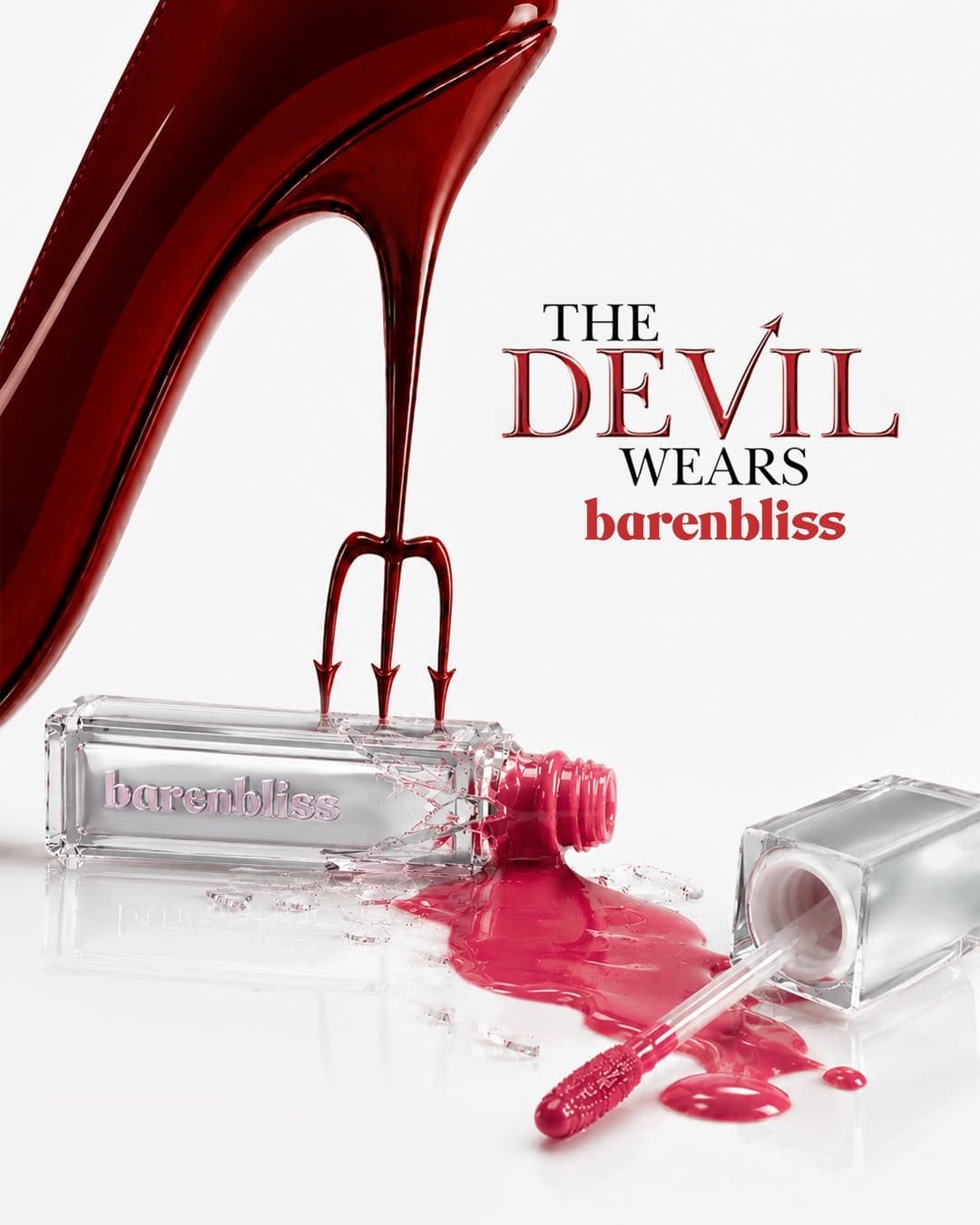
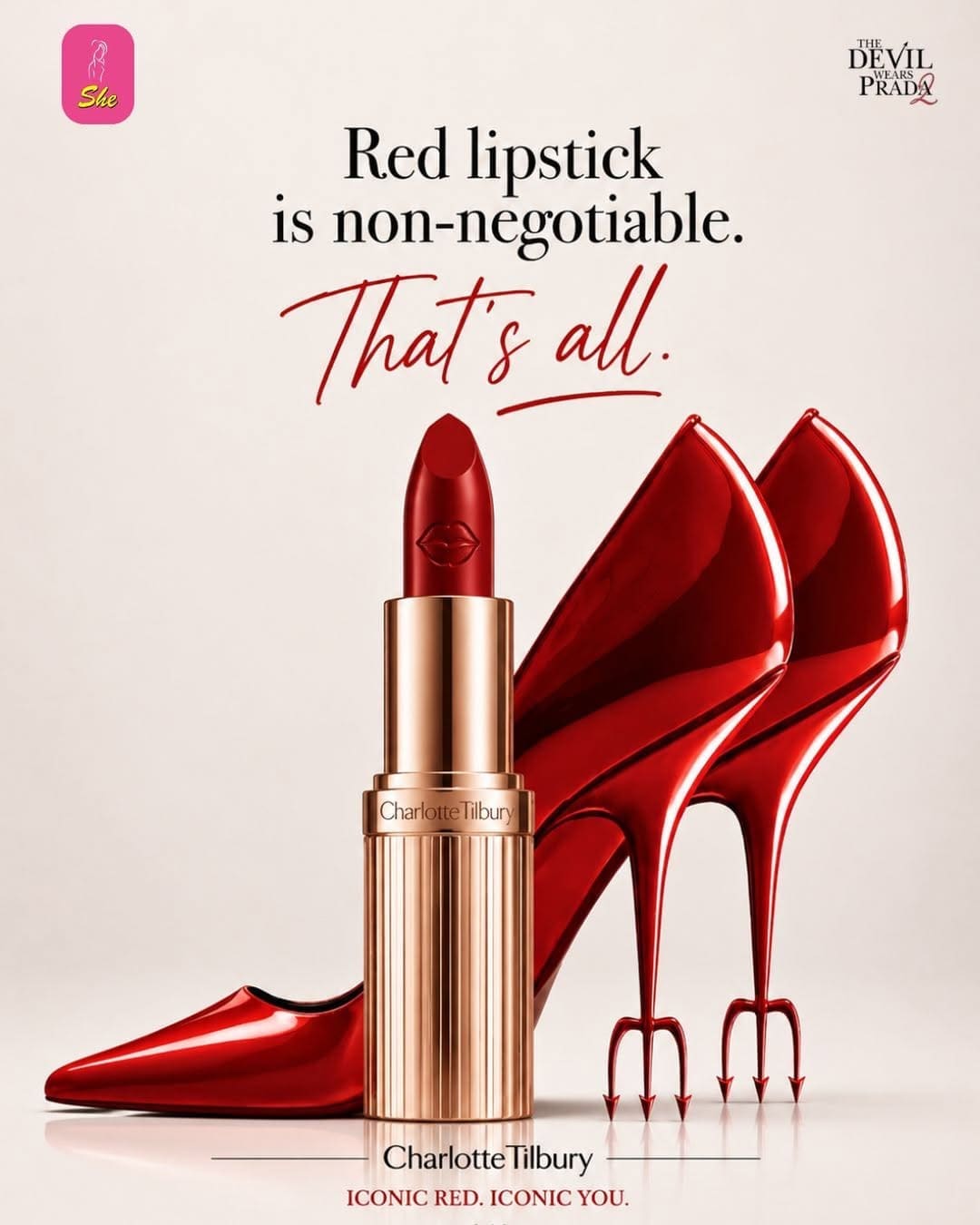
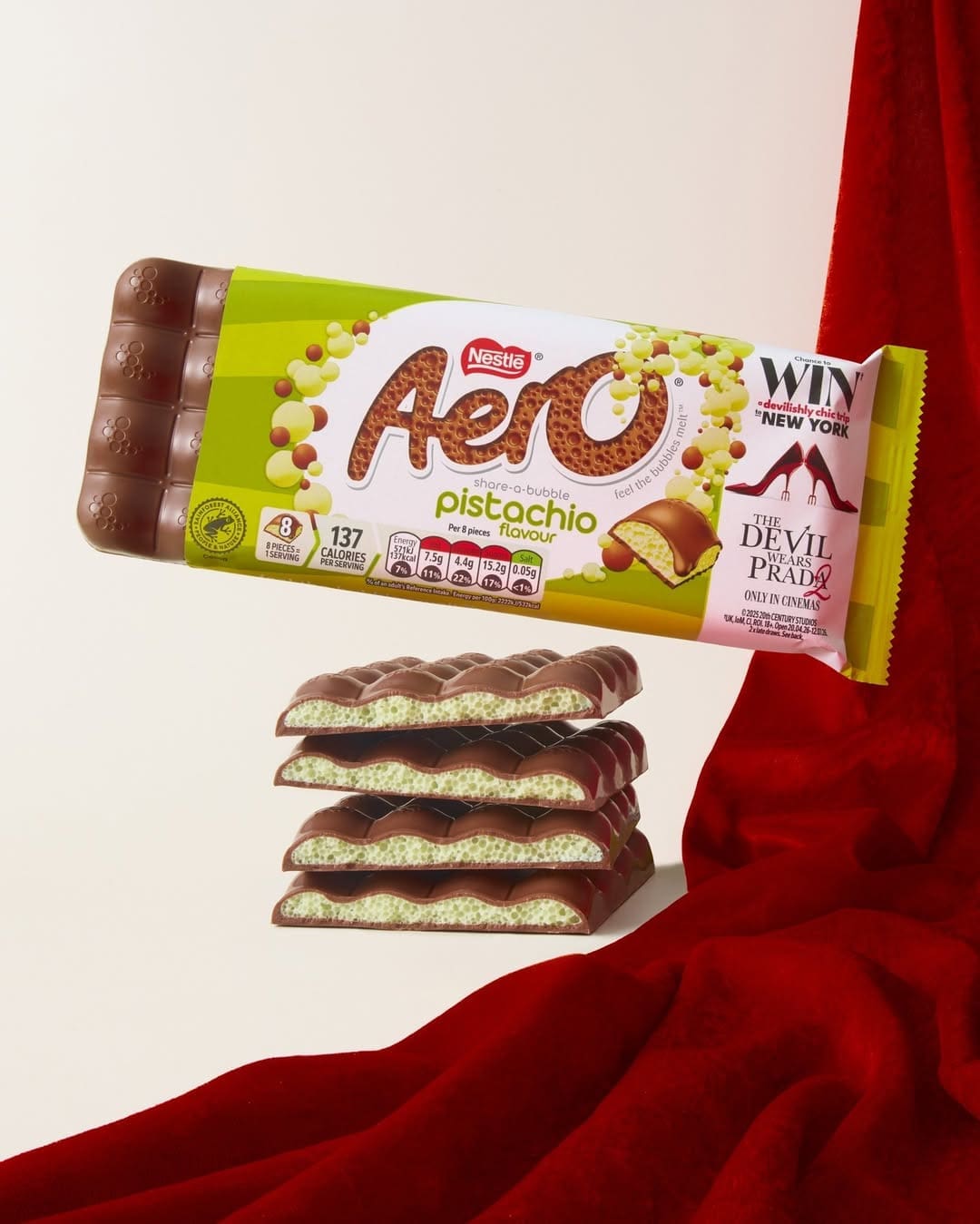
After all, realizing that the high-minded legacy of a fictional editorial powerhouse has been magically transformed into a corporate license to hawk cheap tweezers, diaper pails, sandwiches, French fries, and vodka across the real world is a bit of a buzzkill.
It turns out that the most effective way to appreciate the true brilliance of this cinematic rollout is to drag it out of the comforting darkness of the theater. To truly understand how a high-minded editorial identity is polished for maximum corporate efficiency, one must read the ultimate industry textbook: Masterclass in “Sunlight as a Disinfectant.”
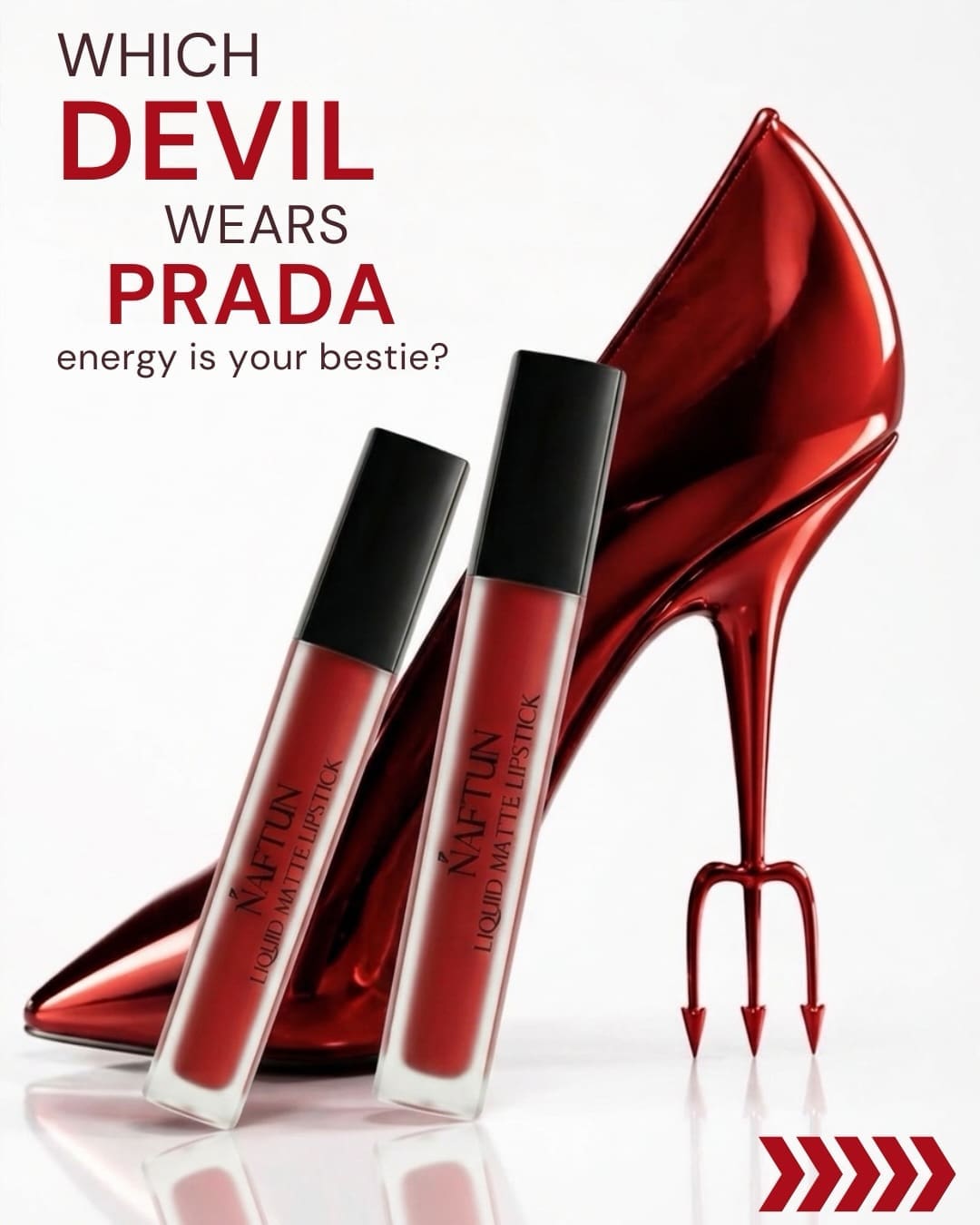
It seems the studio’s brilliant creative architects have hit upon a truly revolutionary defense: asserting that printing media logos onto physical consumer goods is merely an extension of cinematic “plot points.” In this delightful logic, a box of fast-food fries or a tube of supermarket lipstick isn’t a retail product at all—it is simply a three-dimensional piece of scriptwriting.
Unfortunately for the narrative department, the real world maintains a rather stubborn wall between inventing a story and actually entering the global marketplace. While decades were spent polishing a charming fable in someone’s memory, the gritty terrain of international trade has been occupied by an actual, living media, anchored by established conventions from Paris to London and New York that protect real-world trade names from the moment they begin actual commerce. A cinematic “reservation” on a grocery aisle simply does not exist.
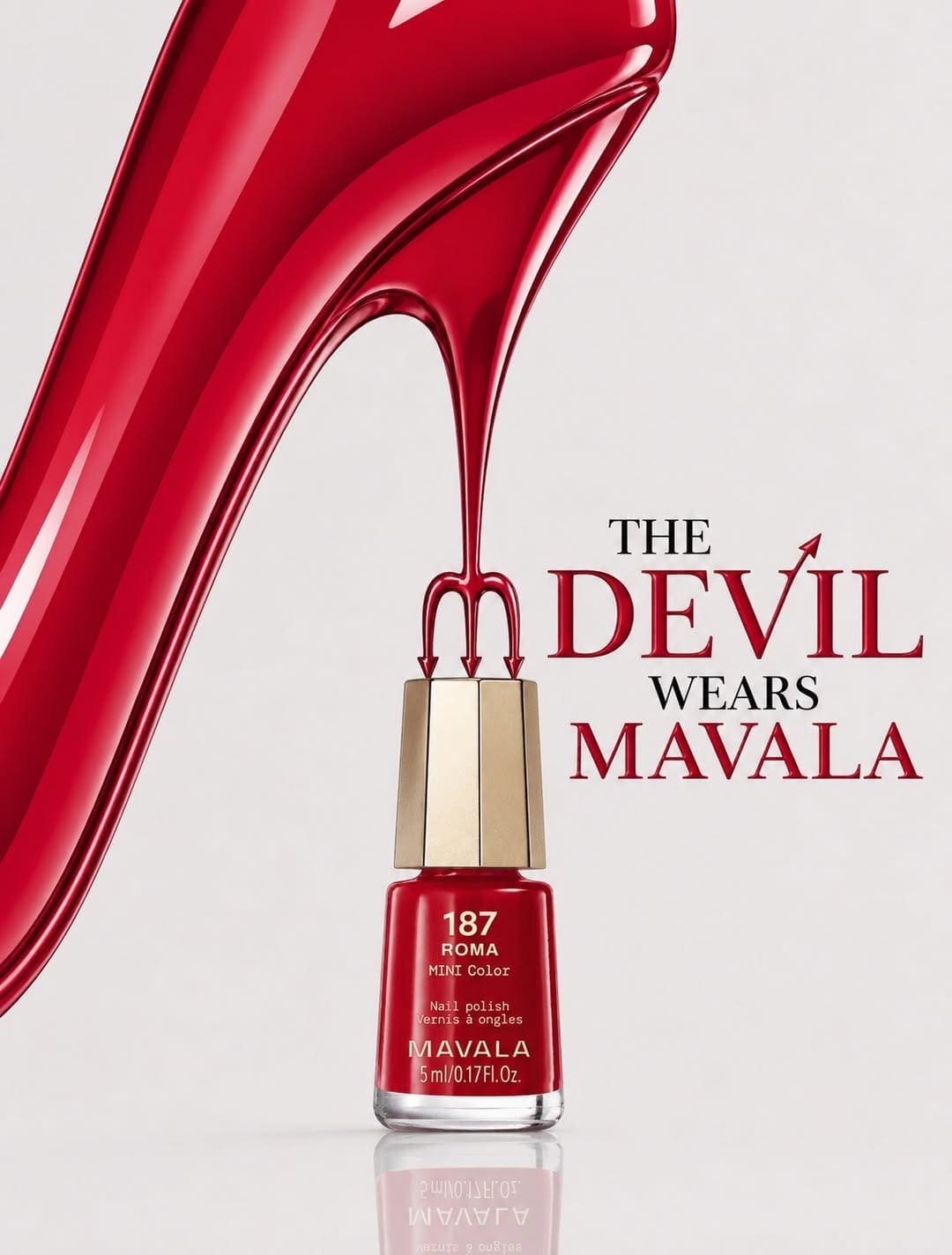
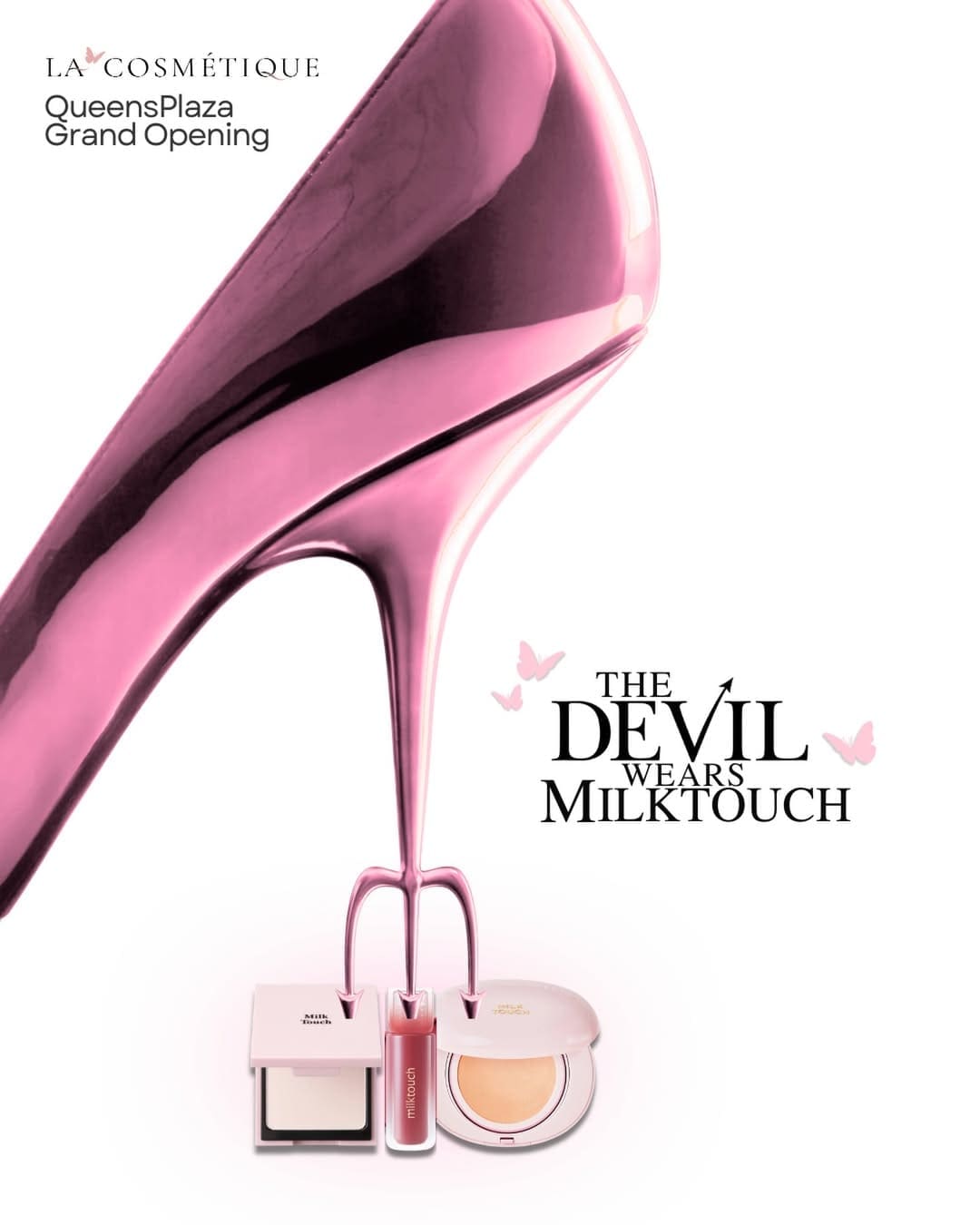
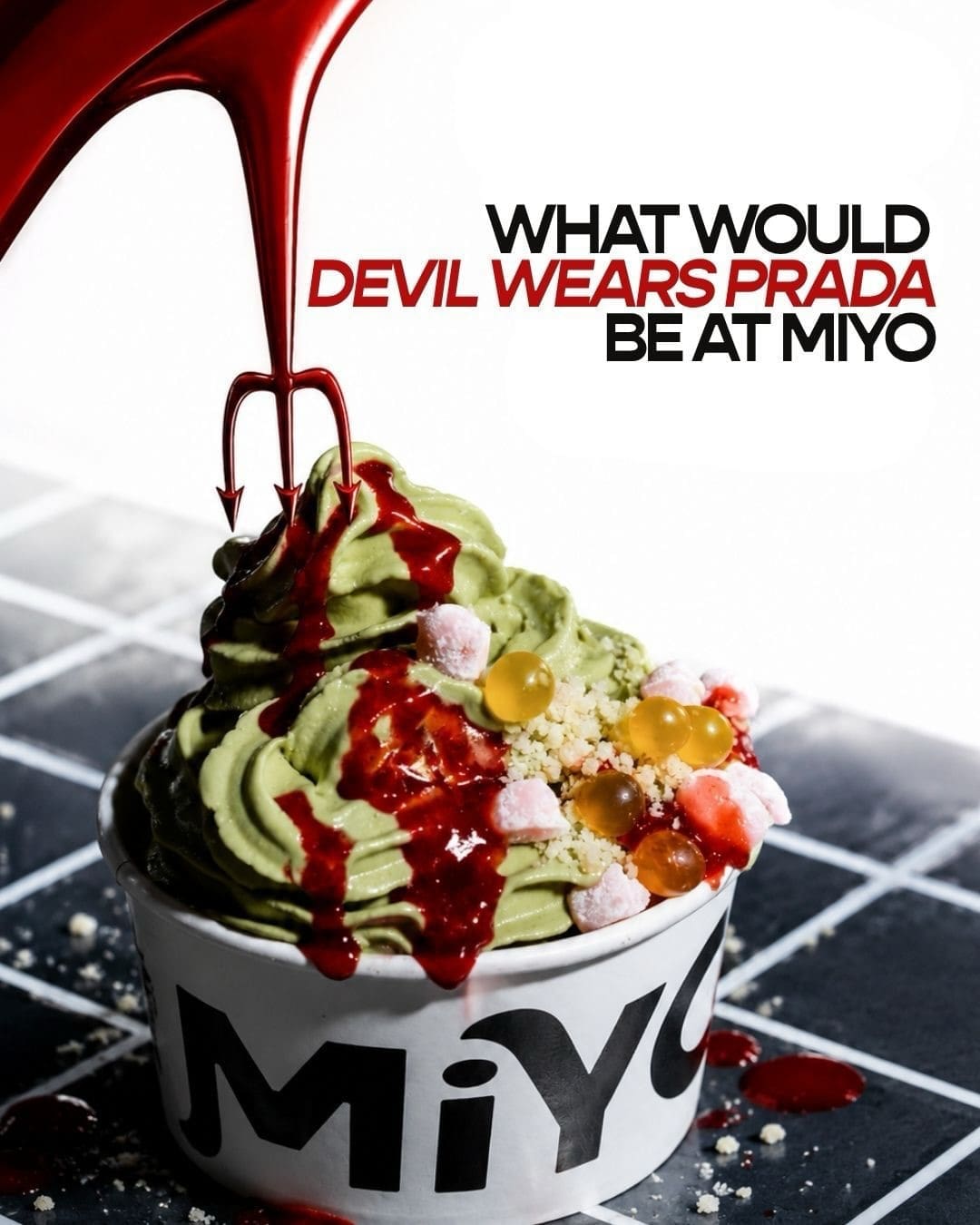
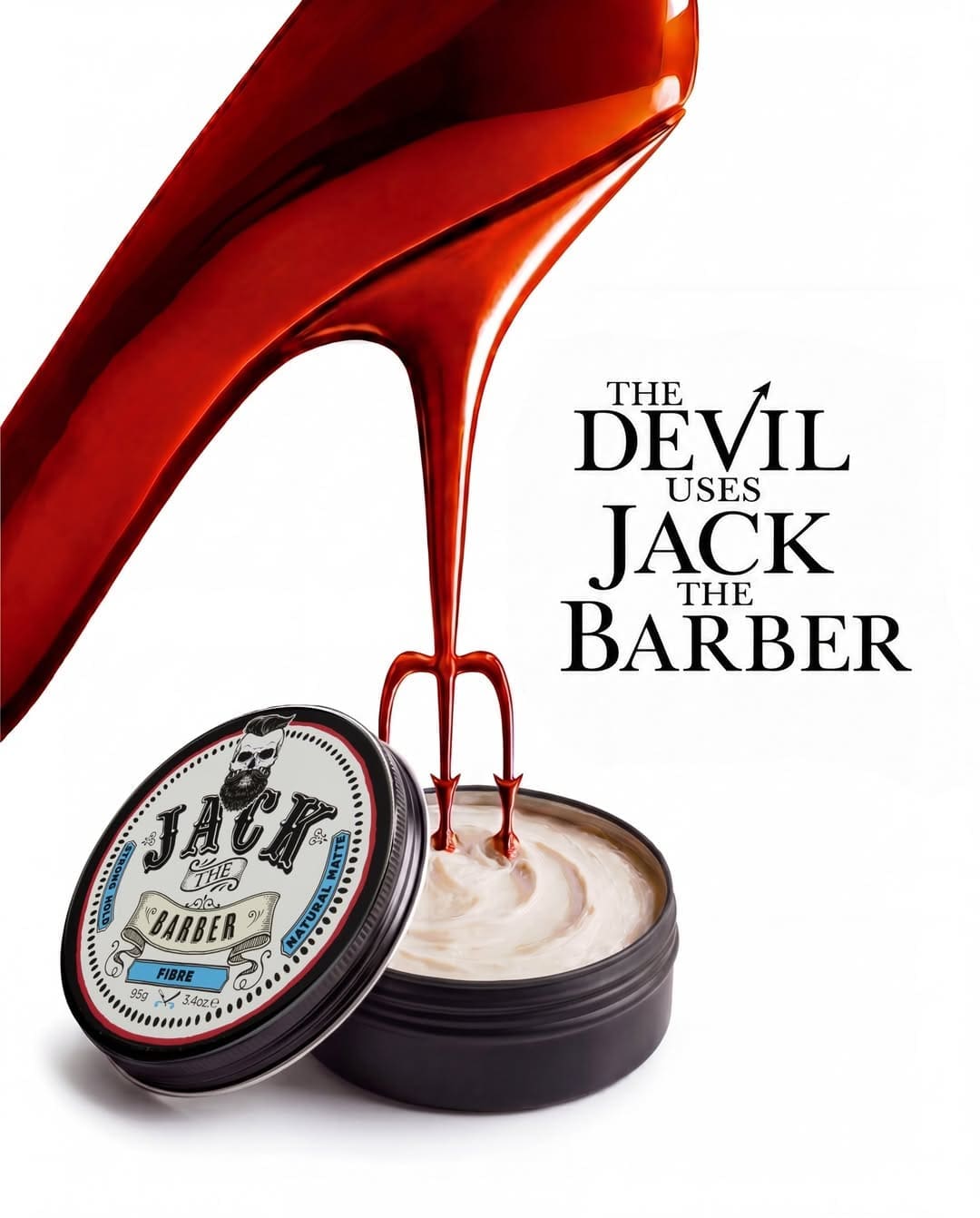
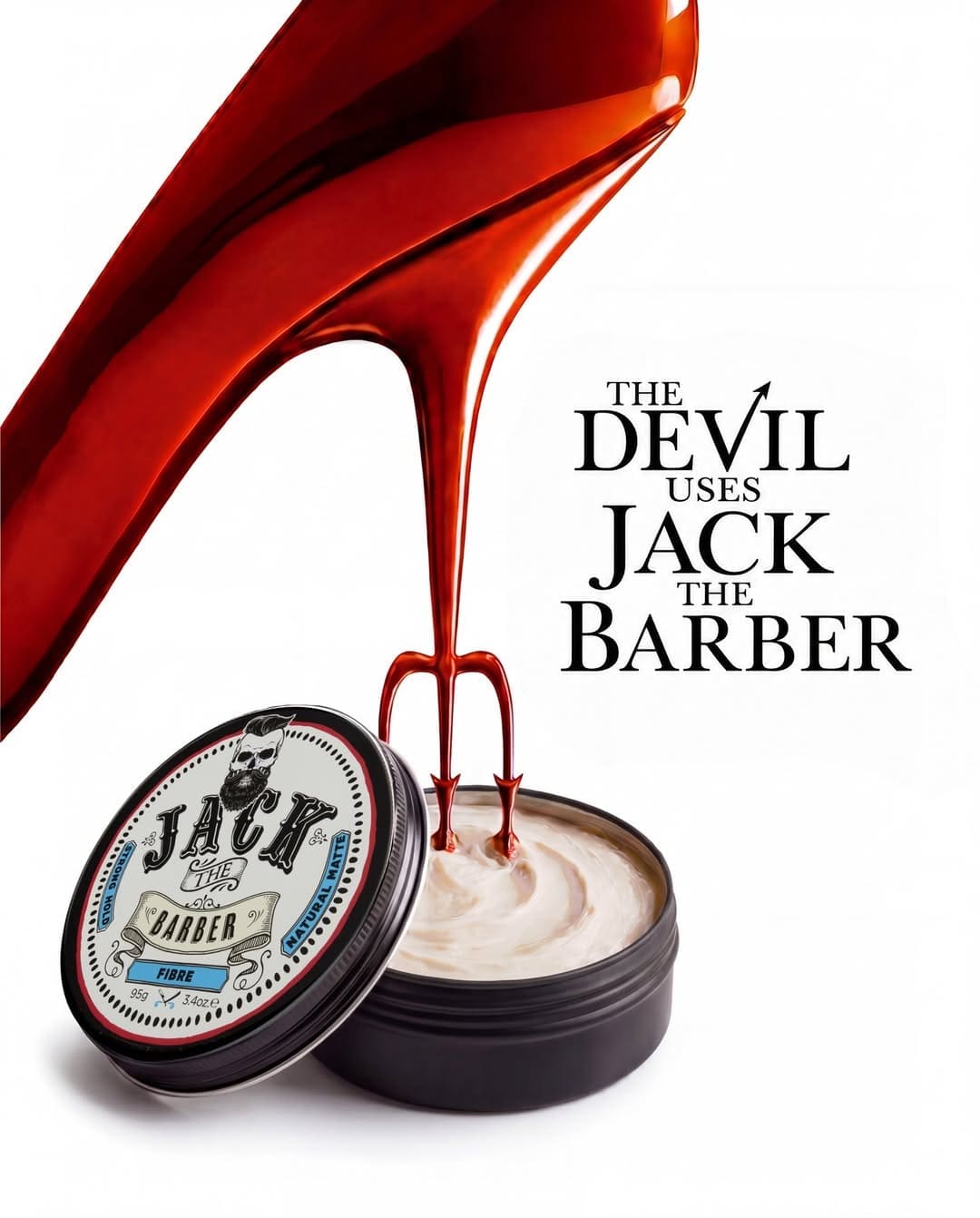
To suddenly materialize in 2026, hauling every prop out of the cinema screen to paste onto makeup palettes, barber grease, and fast-food boxes—while attempting to bulldoze the actual, living journalists who built the name—is a fascinating corporate plot twist. One can only imagine the faces of their global corporate partners when they discover that the prestigious license they purchased was minted entirely in the land of pure fantasy.
Faced with the highly awkward revelation that international trade treaties stubbornly beat a Hollywood script every single time, the studio has pivoted to a strategy of sheer, breathless silence. Rather than addressing the gap between fiction and reality, they have chosen to quietly hide behind the glittering curtain of their own Masterclass of Global Merchandise 360°, hoping no one notices the floor collapsing beneath the stage.
It seems the grand corporate plan is to simply freeze, crouch behind the popcorn machine, and pray that the glitzy facade holds out just a little longer. But while the masterminds in the front office are busy holding their breath in the shadows, their global partners have already unleashed the full, unhinged fury of the franchise onto the unsuspecting public.
The Crown Jewel
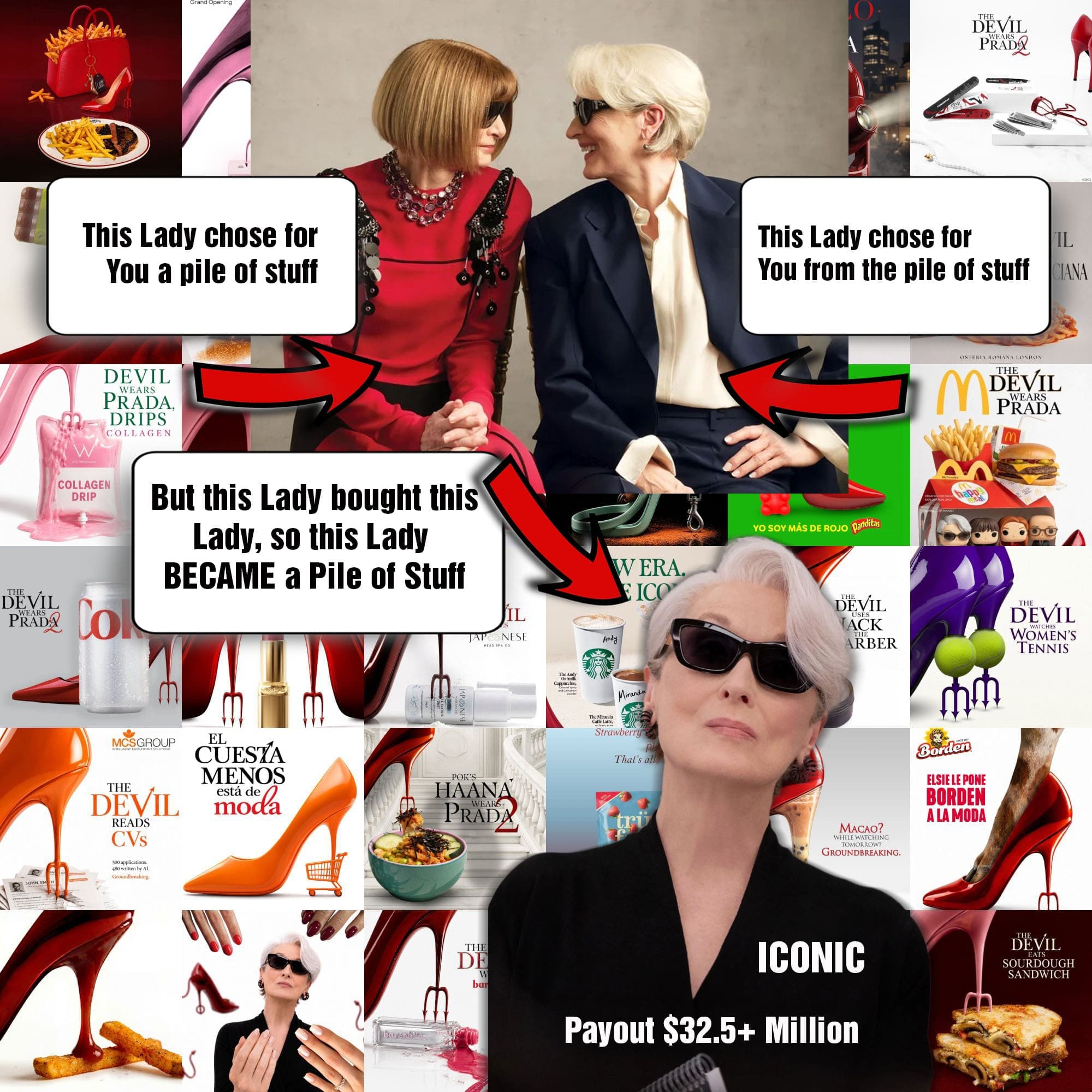
We find Grey Goose Vodka cheerfully parading a series of fake Runway Magazine covers starring Heidi Klum (DAILY MAIL: Prince Andrew at Heidi Klum’s ‘Hookers and Pimps’ party with the New York socialite accused of procuring underage girls for his billionaire pedophile friend) – a brilliant strategic maneuver that manages to elegantly bypass the strict boundaries of the French Loi Évin, which rather stubbornly forbids linking alcohol to the worlds of glamour and high fashion. It is a delightfully toxic cocktail, especially when one remembers that the leading lady anchoring this particular marketing push boasts a legacy that includes prominent billing in the infamous Jeffrey Epstein files as a regular enthusiast at his notorious gatherings.
The Anatomy of a Sequel Prada 2: The Movie, The Promotion, and the Global Box Office
The Sequel
There is a sacred, unspoken contract between a filmmaker and an audience that has kept cinema seats filled for over a century. People do not risk the sticky floors of a theater to watch a balance sheet; they go to witness the messy, beautiful landscape of human values, to feel an emotional bond with characters who struggle, grow, and survive. The original magic of the story wasn’t anchored in the price tags of the wardrobe, but in the universal truth of a young professional finding her voice under pressure. It is this deeply human resonance that audiences still crave when the lights go down.
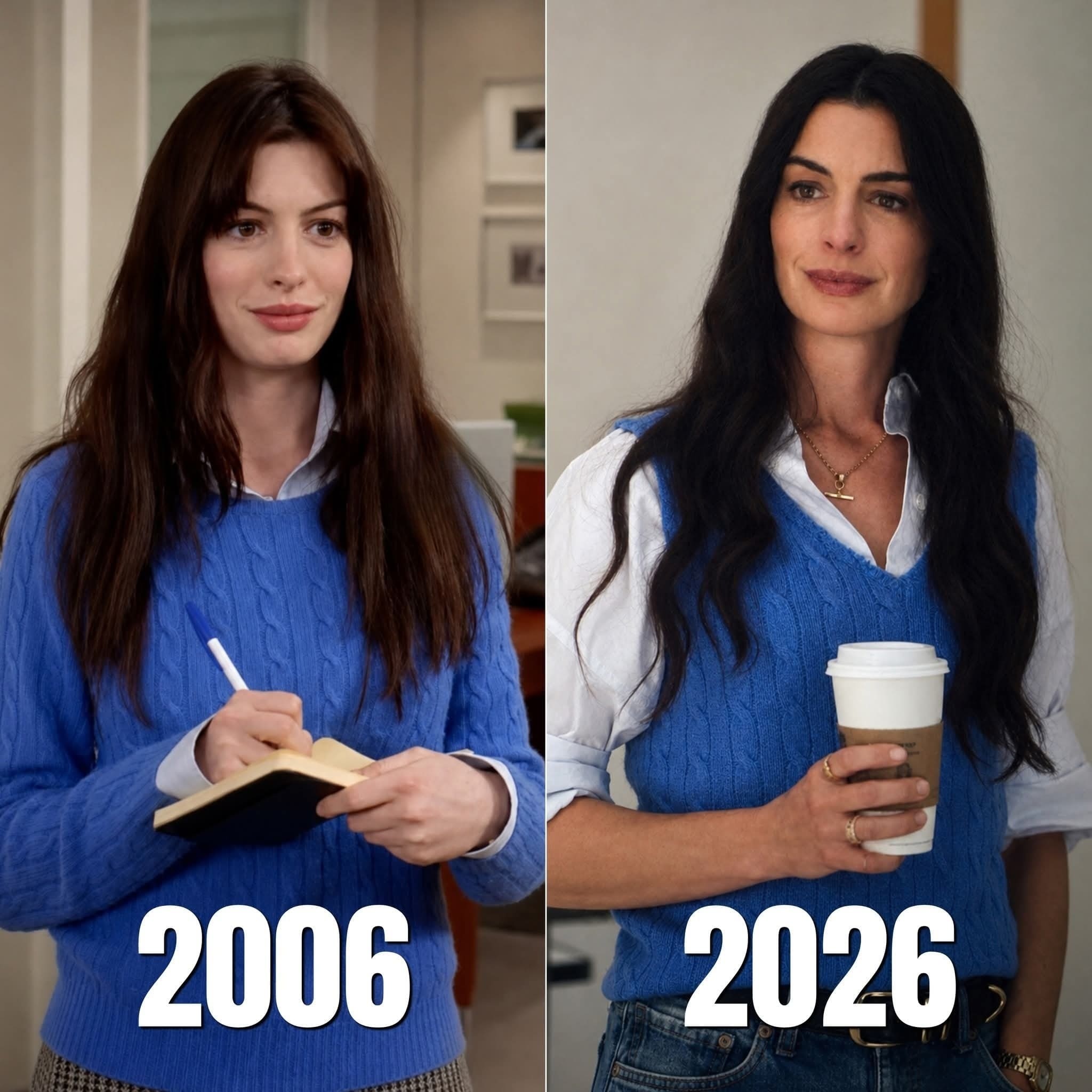
In 2026, however, the storytelling strategy has undergone a rather fascinating evolution. The narrative structure resembles a loose collection of promotional sketches designed to trigger nostalgic reflexes rather than advance a plot. Audiences are treated to a parade of recycled catchphrases from 2006, mirrored scenes, and a curiously familiar piece of knitwear. Indeed, the cerulean sweater has made a grand return—seemingly untouched by twenty years of inflation, merely chopped down into a vest to accommodate a contemporary aesthetic. When a production relies so heavily on a textile artifact from two decades ago to anchor its entire press tour, it raises a delightful question: was there a script written for 2026, or simply a collection of retail slots?
According to enthusiastic interviews distributed by the production team, the set enjoyed the near-constant, watchful presence of the Lady of Condé Nast herself. With the ultimate arbiter of the fashion establishment guiding the cameras, the boundary between a traditional feature film and a multi-million-dollar product placement franchise completely dissolved.
The movie theater, it turns out, was merely the stylist’s showroom. It was not a story about fashion magazine, or the people, or journalism – it was all about this “pile of stuff ” she was talking about for the last 20 years, wearing the same sweater and pronouncing the same monologus over and over again, like a broken record.
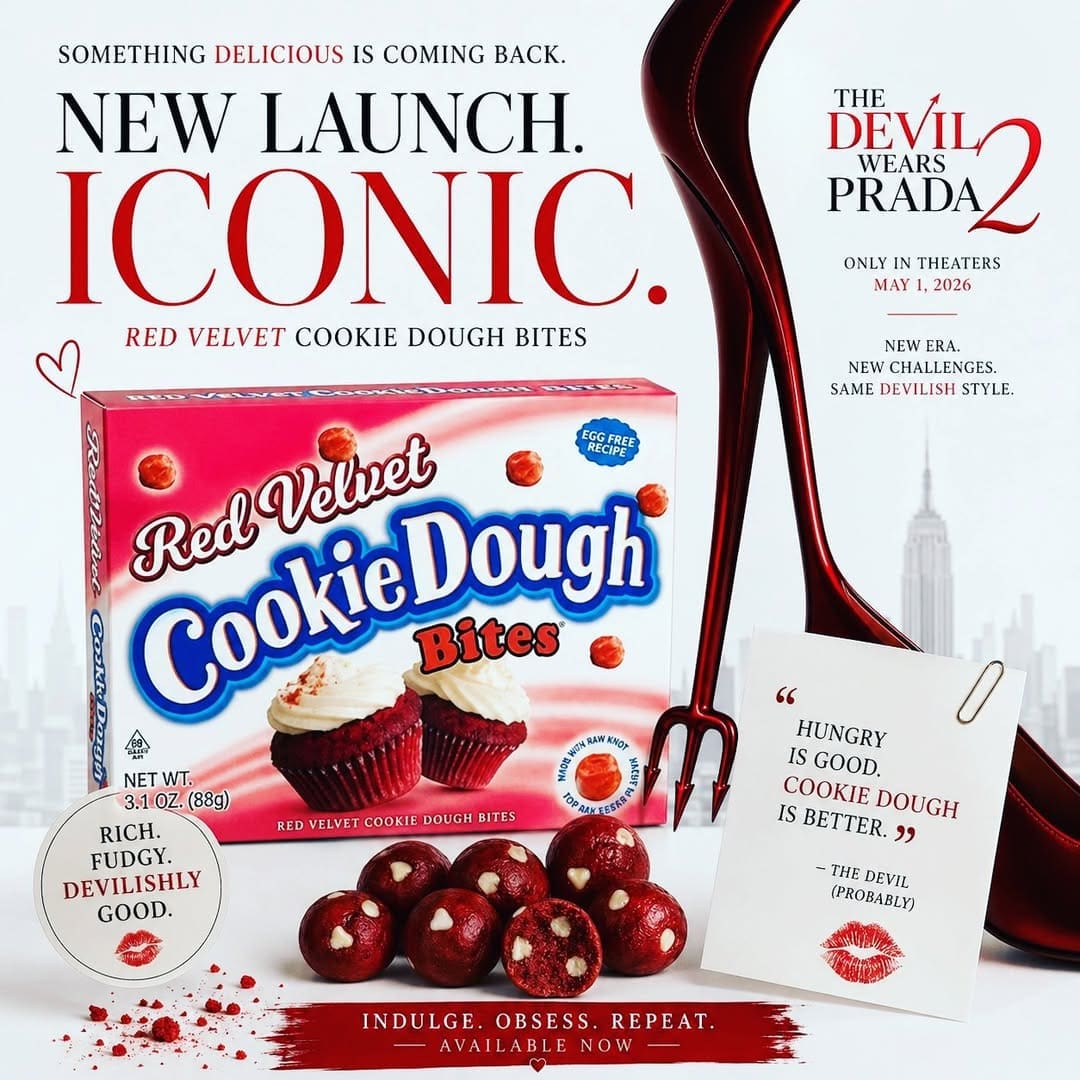
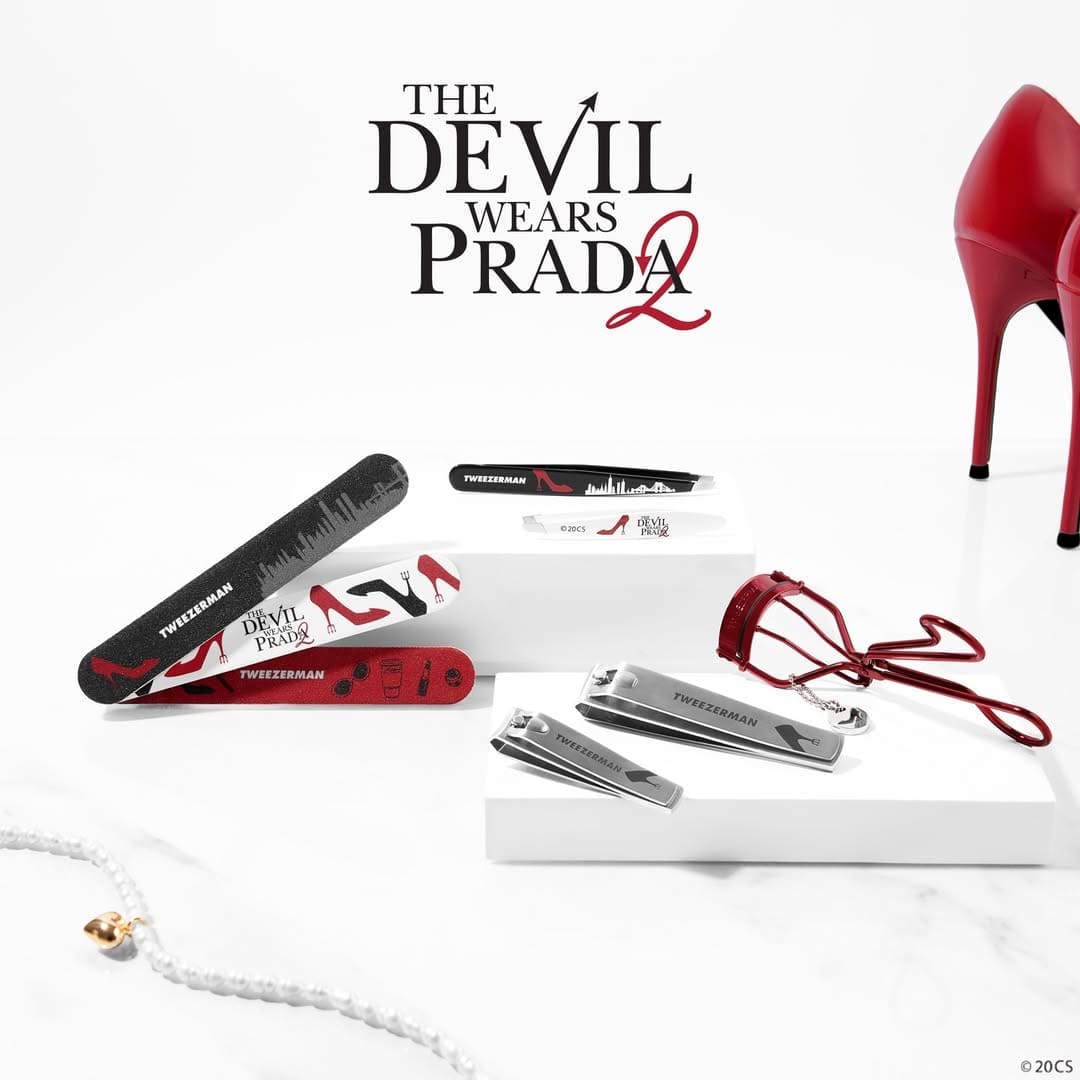
Let’s call it an “emotional trap”. It’s not a movie – it’s a product. It is a calculated matrix of twenty-year-old “cerulean” triggers engineered specifically to sell Scentsy Wax, Tweezers, French Fries and Diaper Bins with Meryl Streep on it to anyone who mistakes it for “culture.”
The Promotion
The grand commercial performance actually commenced nearly three weeks before any theater doors opened, unfolding entirely within the highly curated pastures of Instagram. Eschewing traditional avenues, the franchise’s marketing teams deployed a vast army of paid influencers to saturate digital feeds with an endless stream of promotional activations for L’Oréal, TRESemmé, and Grey Goose vodka. The absolute crown jewel of this campaign was a meticulously staged elevator routine featuring Anna Wintour and Meryl Streep—a scenario presented as the pinnacle of contemporary comedy, despite audiences having already witnessed Bette Midler winning accolades for the exact same routine in 1988’s Big Business. This was accompanied by stiff, awkward digital stunts like their “Do I know you?” video, which carried a distinct aroma of dementia rather than genuine humor.
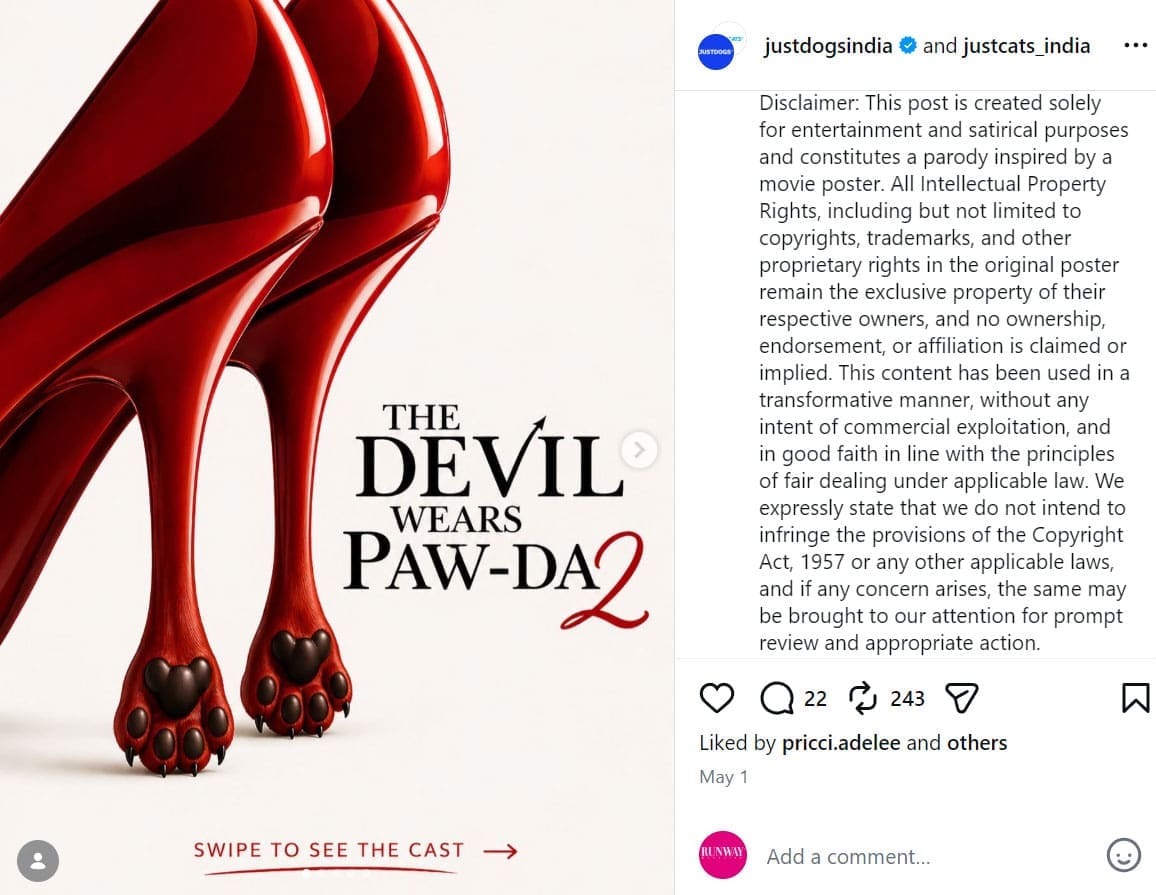
Strangely, while the campaign desperately begged the digital community to mimic these routines, the moment the public actually obliged, the corporate temperament shifted dramatically. Legions of everyday creators using AI to place themselves in the frame, and even independent parodists filming their family dogs, were instantly greeted by a hyper-aggressive wave of digital takedown demands from 20th Century Studios.
The studio’s teams suddenly transformed into frantic digital stalkers, aggressively scrubbing away the very public enthusiasm they had spent millions to ignite. This frantic pushback culminated in highly personalized, defensive broadsides aimed directly at credentialed journalists (we had our share of REMOVAL PUBLICATIONS DEMANDS ON BEHALF OF DISNEY), demonstrating a fascinating corporate paradox: a desperate craving for public attention, coupled with an absolute terror of anyone actually paying attention.
The Global Box Office Mystery
Which brings us to the magnificent, spreadsheet-defying triumph of the global box office. According to the official industry metrics, the studio executives have spent the last three weeks patting themselves on the back, exchanging joyful corporate hugs, and triumphantly reporting a staggering $690,2 million globally—comprising $220,5 million Domestically and $469,7 million Internationally. On paper, it is an absolute monument of commercial success, effortlessly justifying that $100 million production budget and the astronomical $32.5 million handed over for talent payouts.
Strangely enough, if one were to wander away from the glowing data screens and actually step inside a physical cinema, the visual reality is somewhat less crowded. Theater staff globally have noted an abundant surplus of legroom, and a casual scroll through GettyImages reveals an endless sea of pristine, almost not unoccupied seats. It is a fascinating mathematical riddle: how does a theater remain physically half-empty while the central computer system proudly reports a sold-out screening?
The answer lies in a highly sophisticated corporate illusion that heavily mirrors recent, equally mysterious box office calculations from other famous documentary sensations produced by Amazon.
Could it be that 20th Century Studios isn’t actually selling these tickets to living, breathing cinemagoers, but is instead shifting massive, bulk blocks of seats directly to their sprawling web of corporate partners?
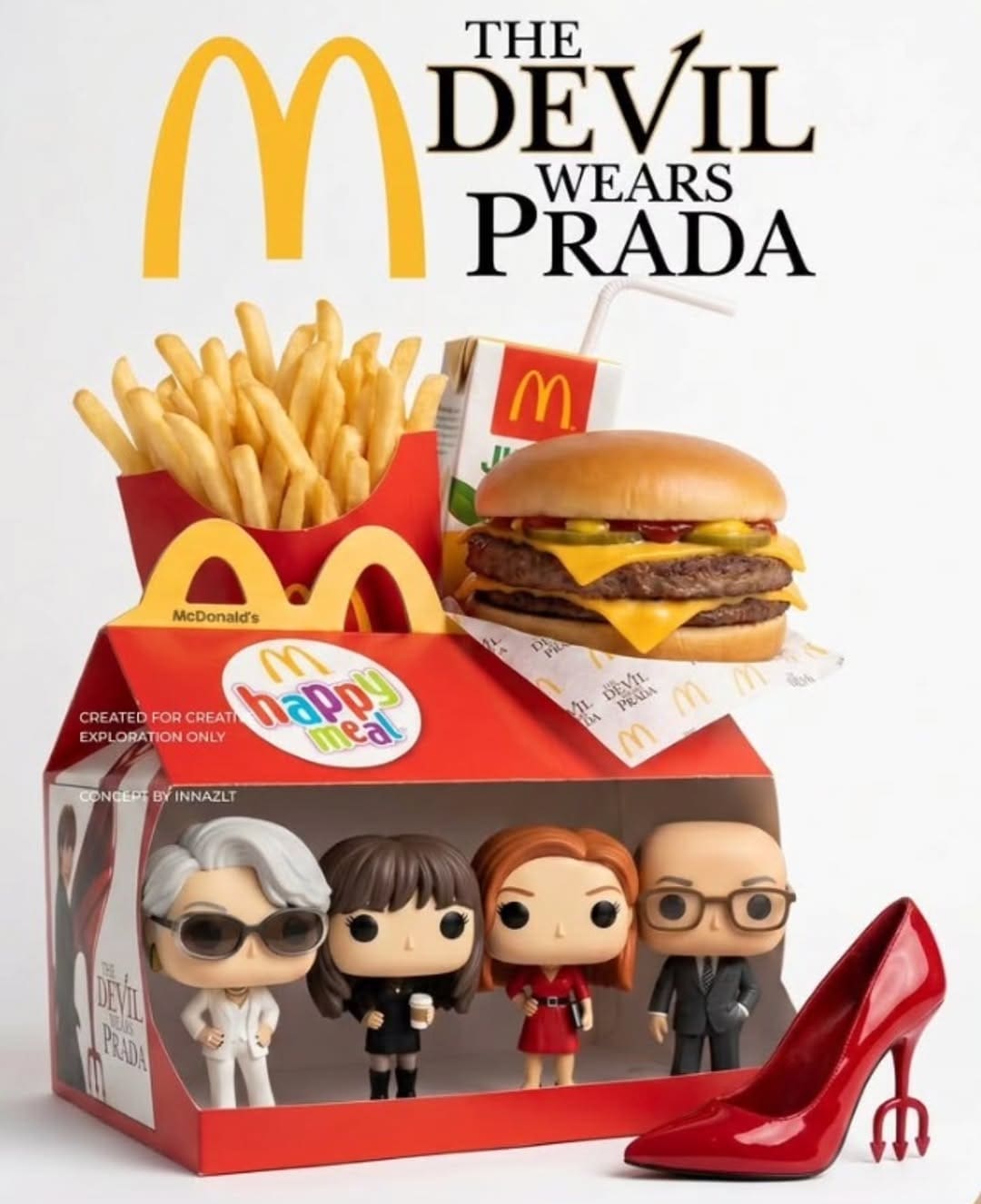
Is it possible that when a global brand signs up for a “Happy Devil Meal” or a “Samsung” integration, the fine print quietly requires them to purchase millions of dollars in tickets under the fashionable guise of “employee rewards” or “promotional giveaways”?
Does the computer simply record a ticket as “sold” to satisfy the balance sheet, while the actual seats remain blissfully undisturbed by human presence?
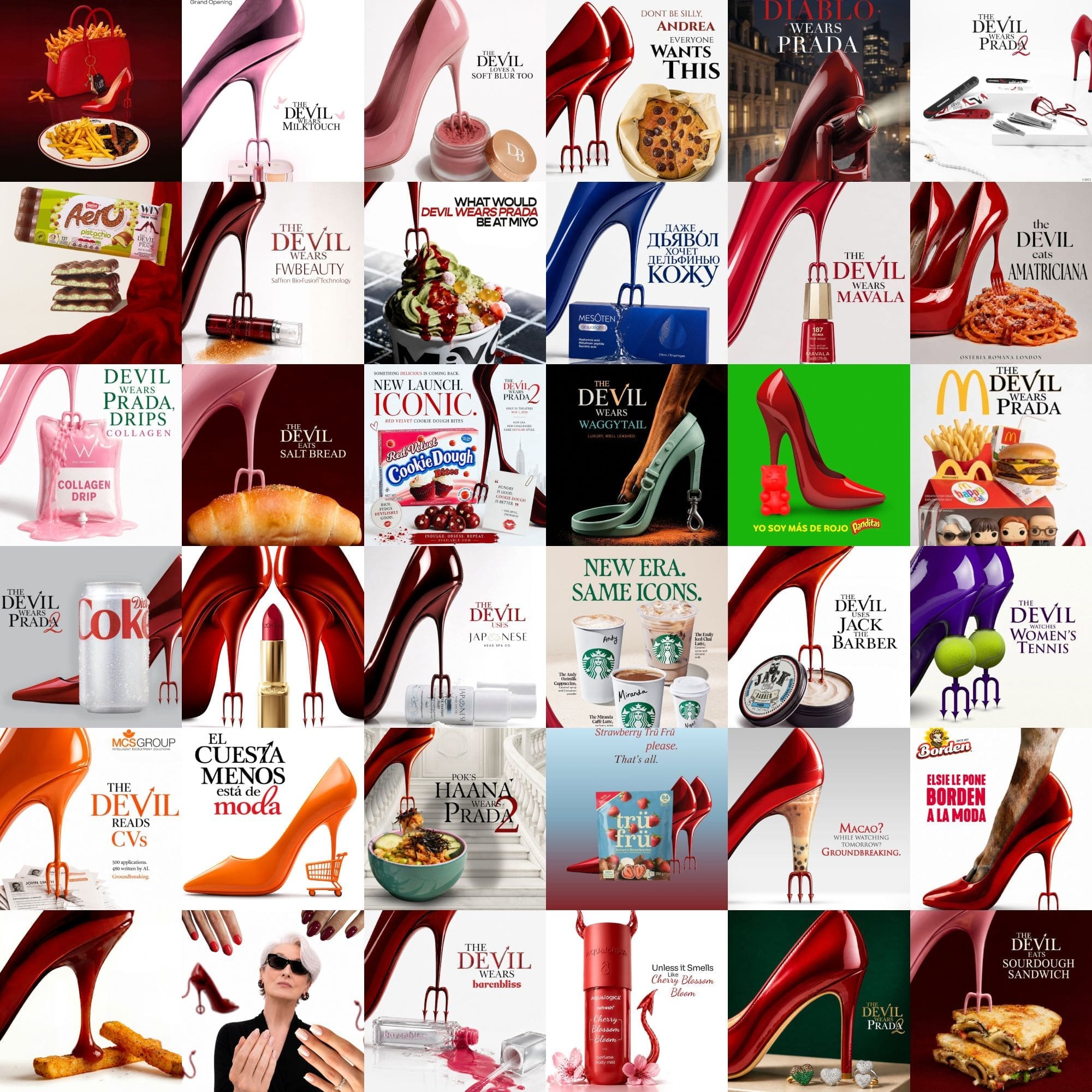
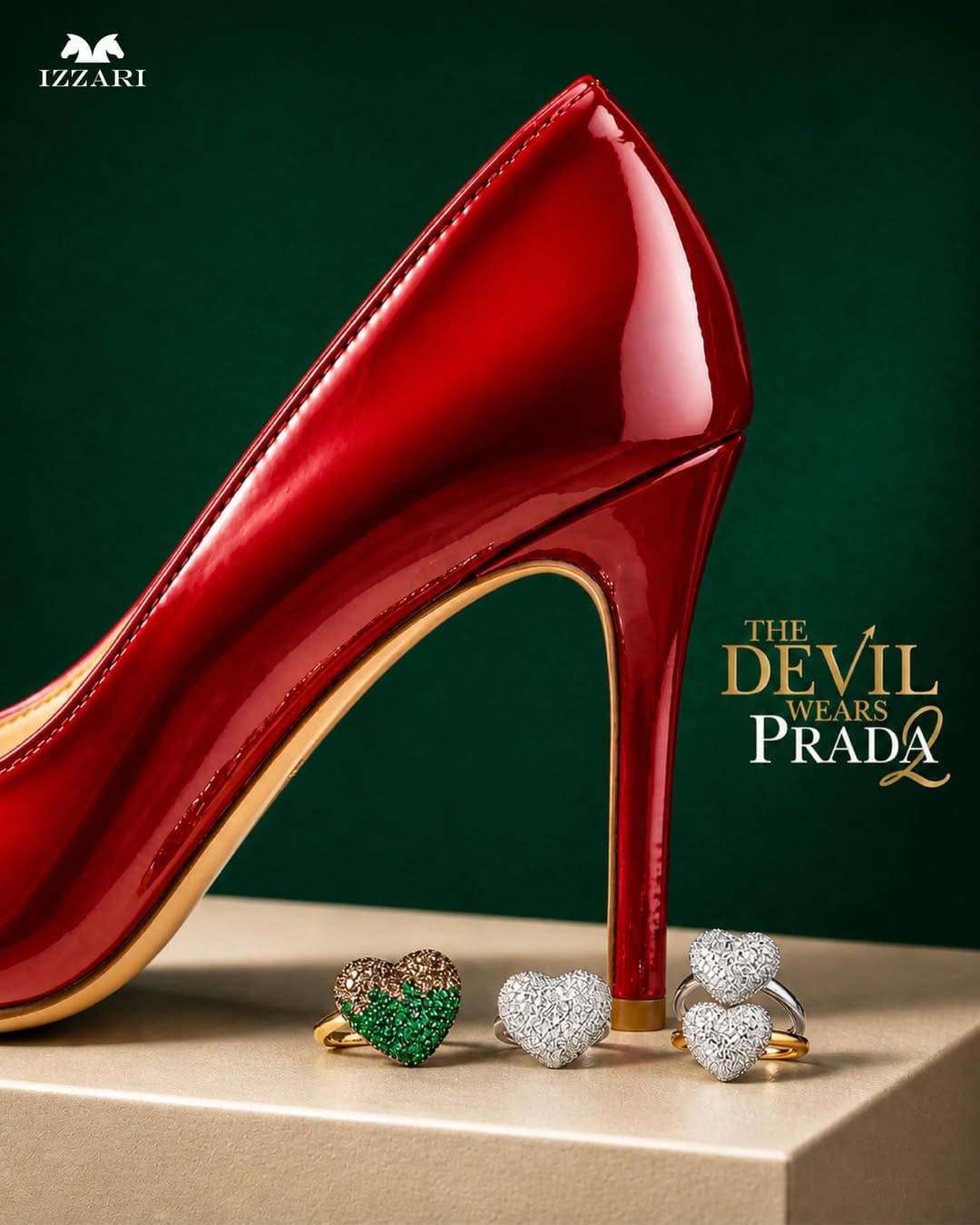
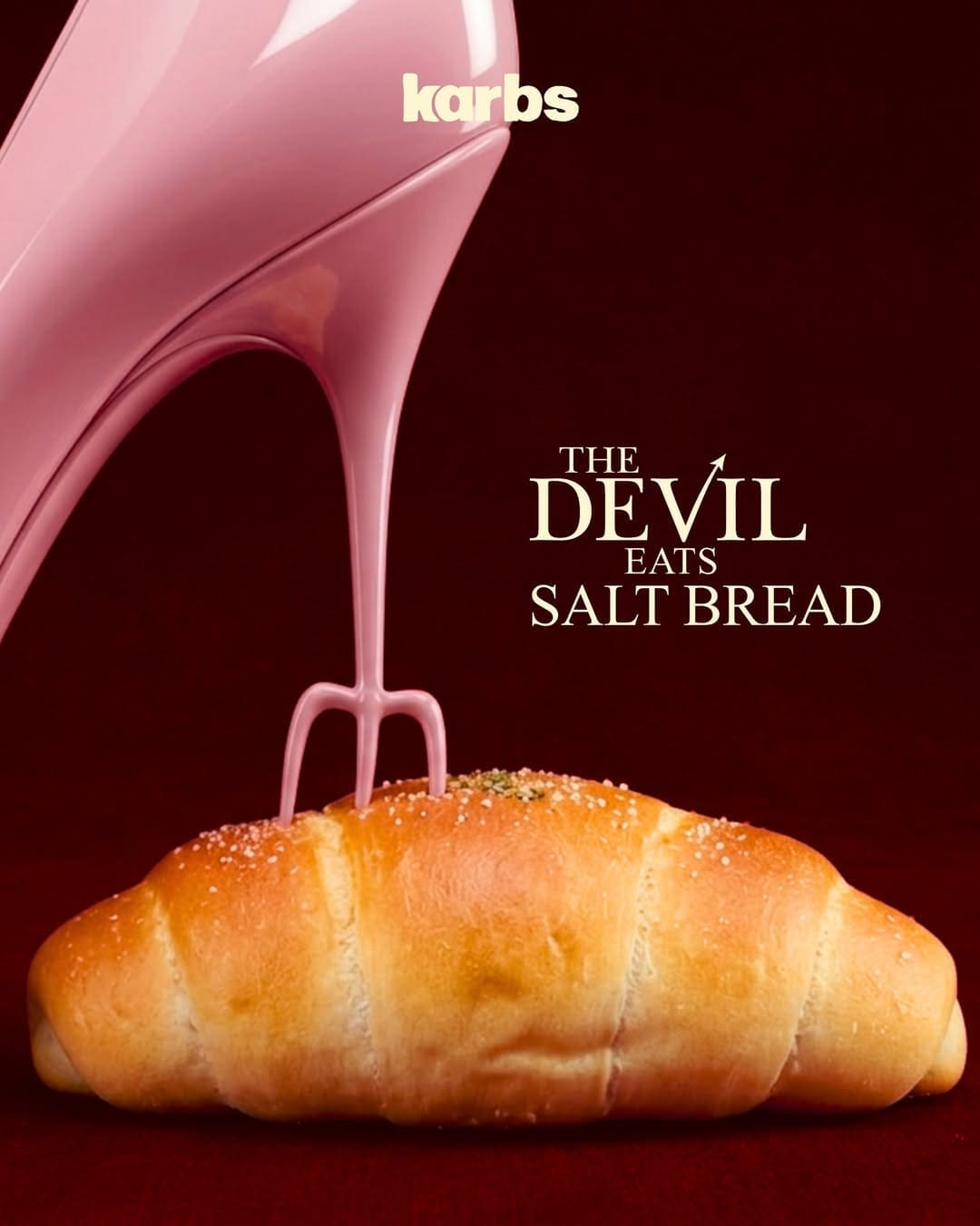
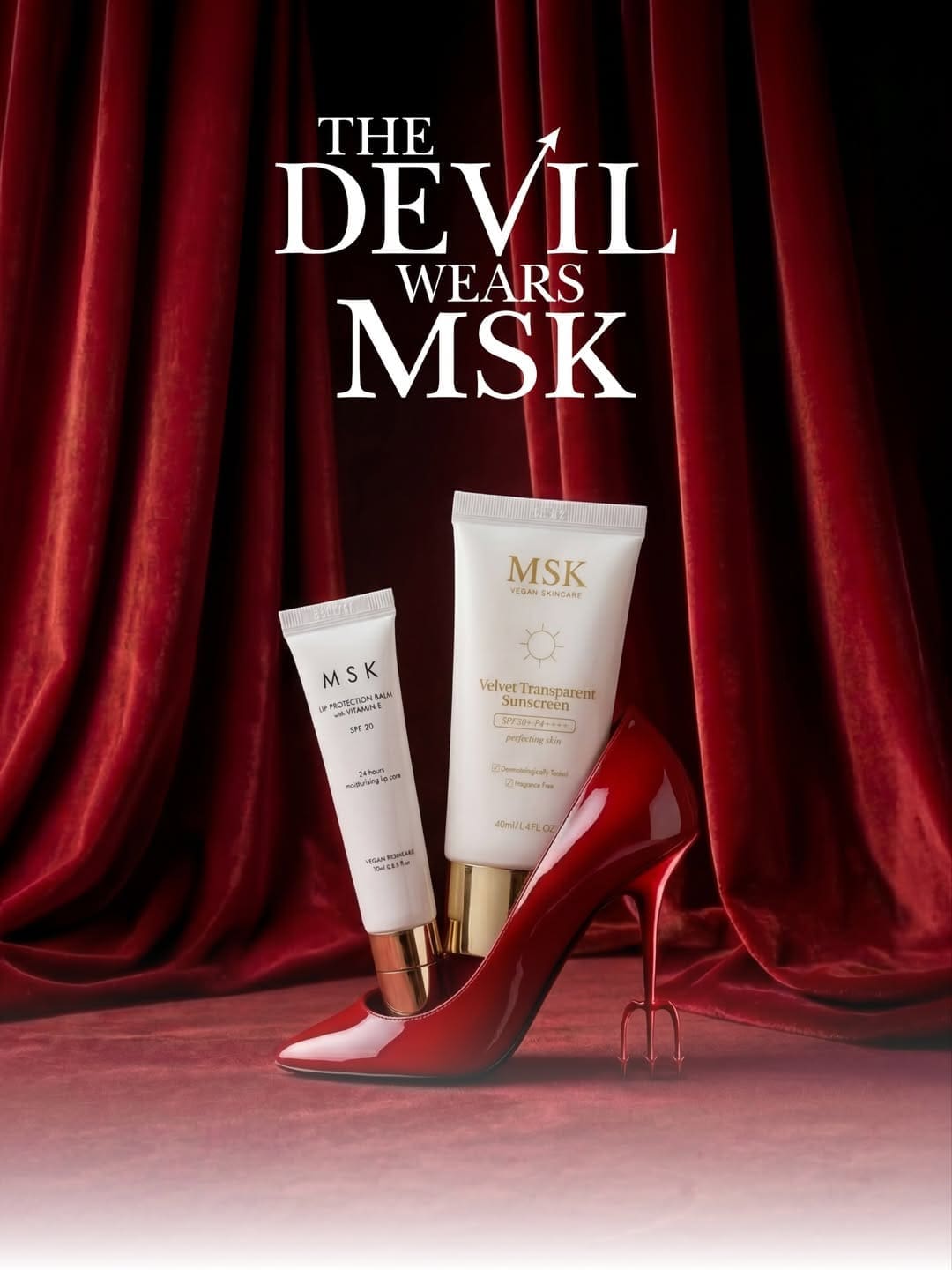
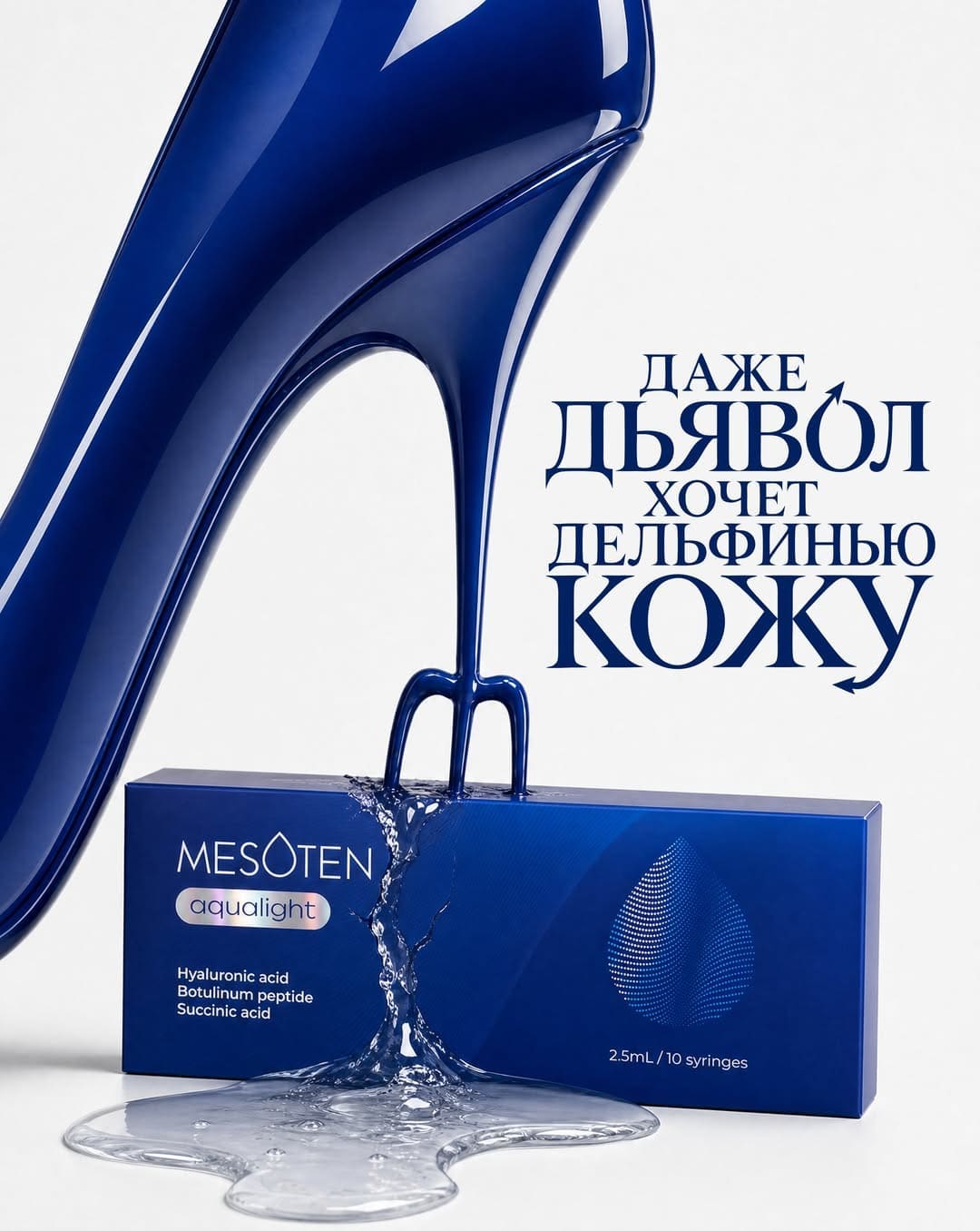
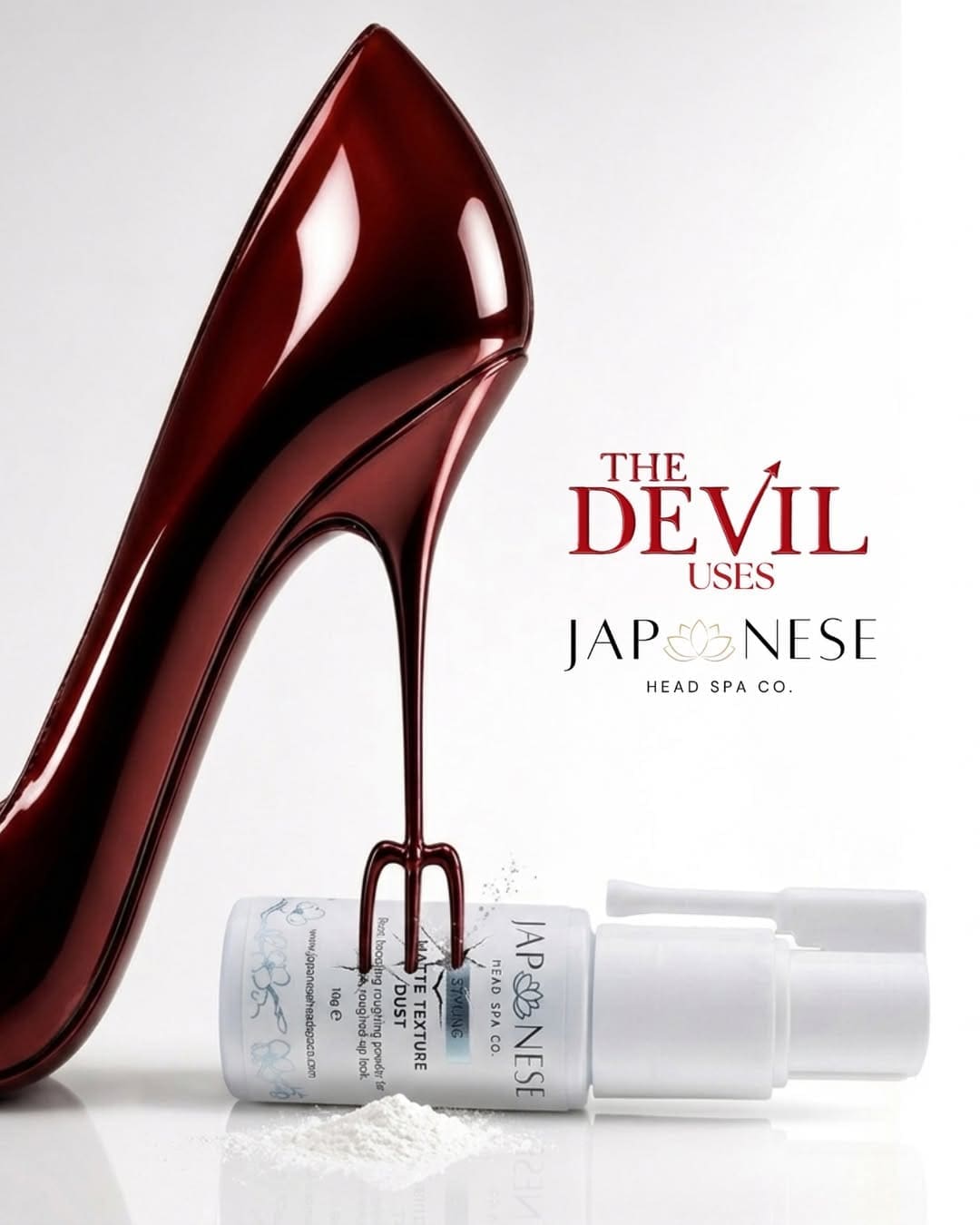
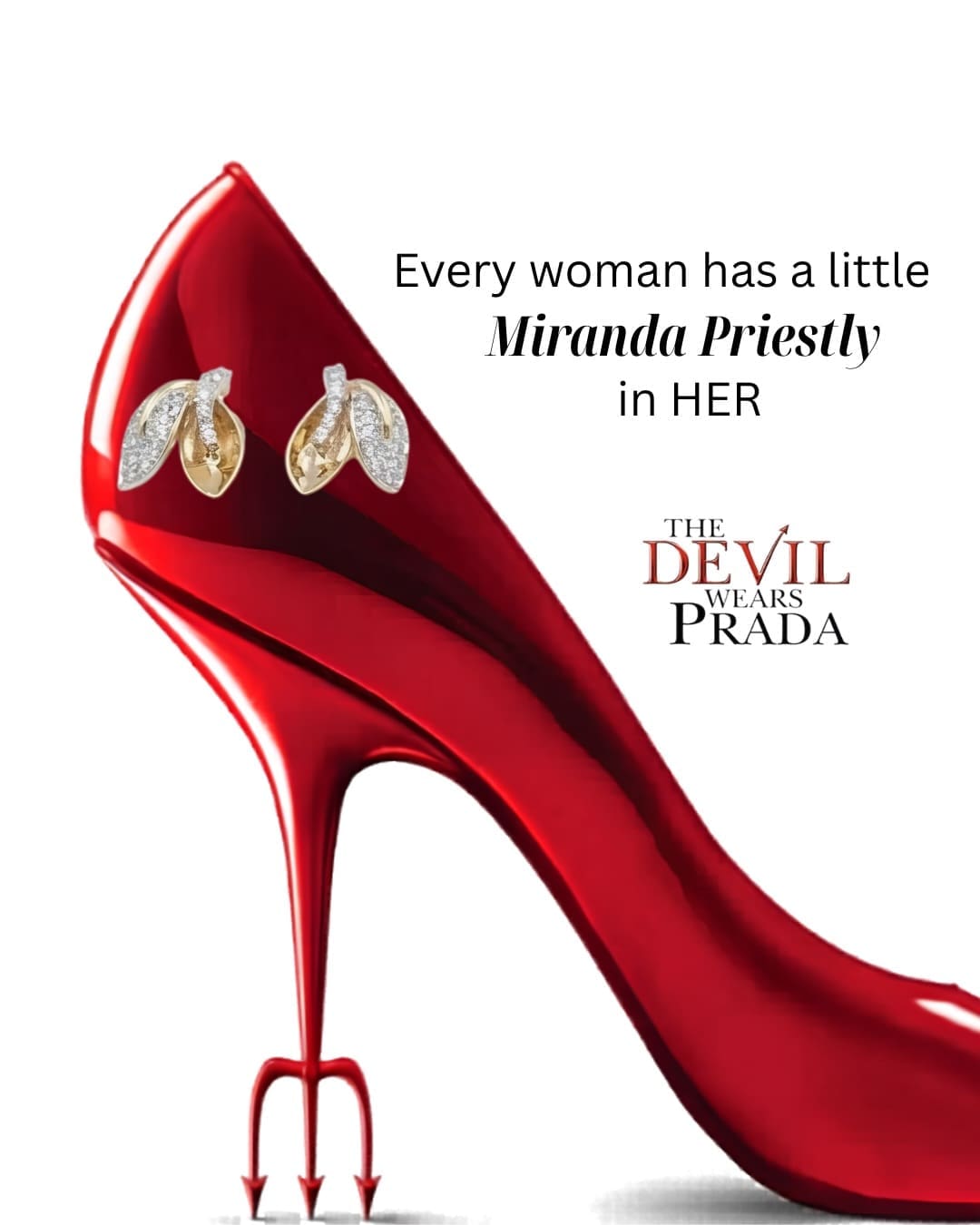
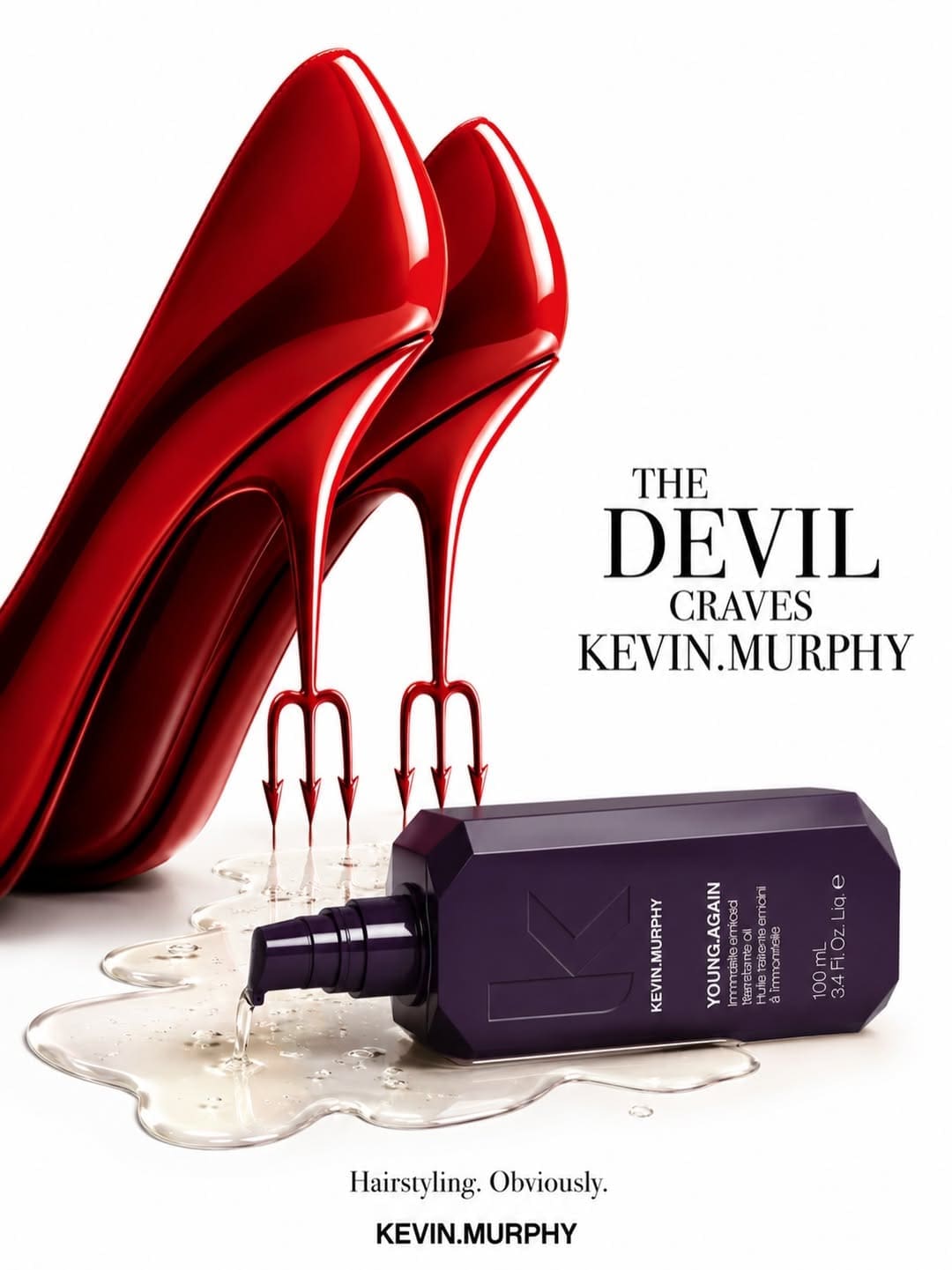
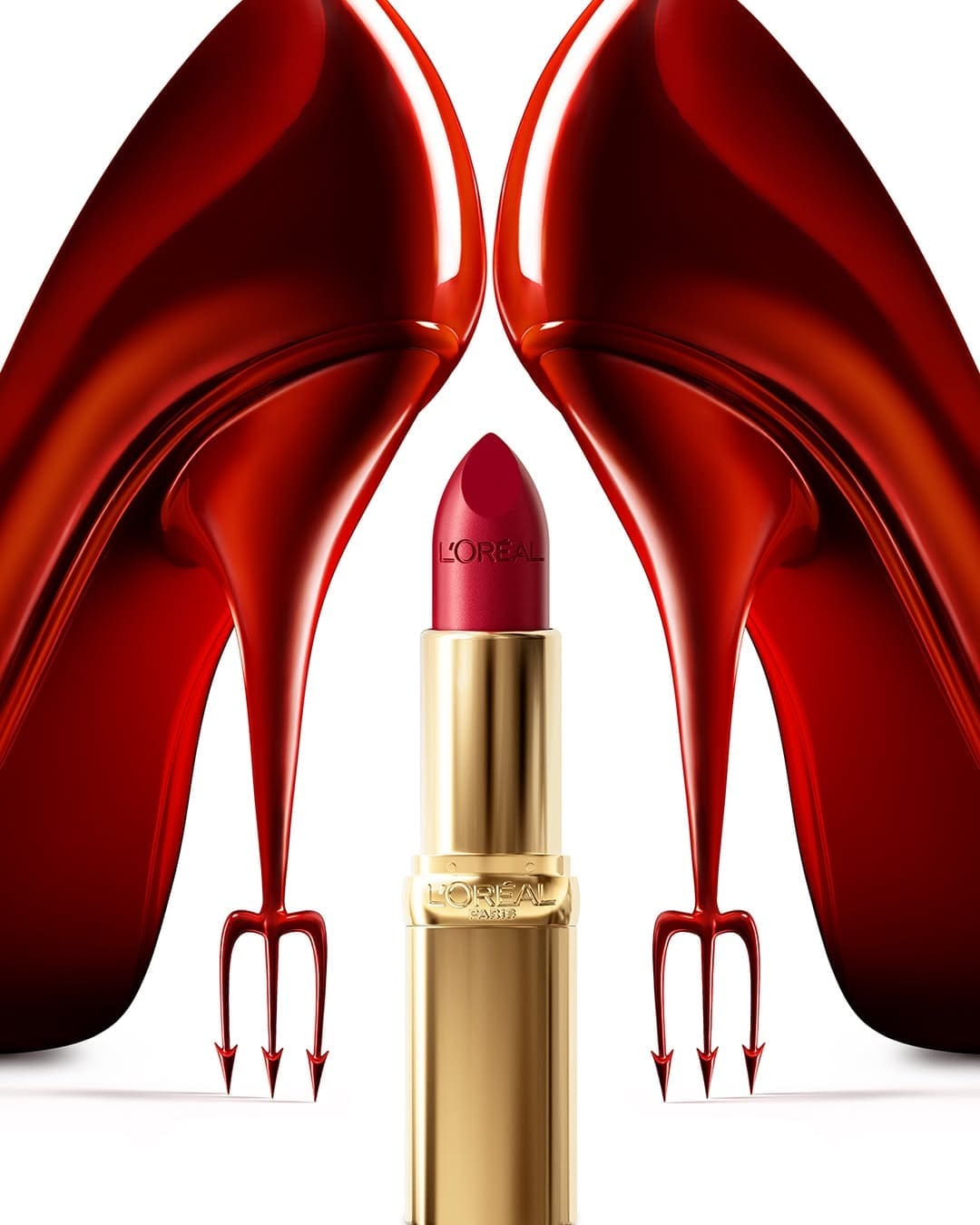
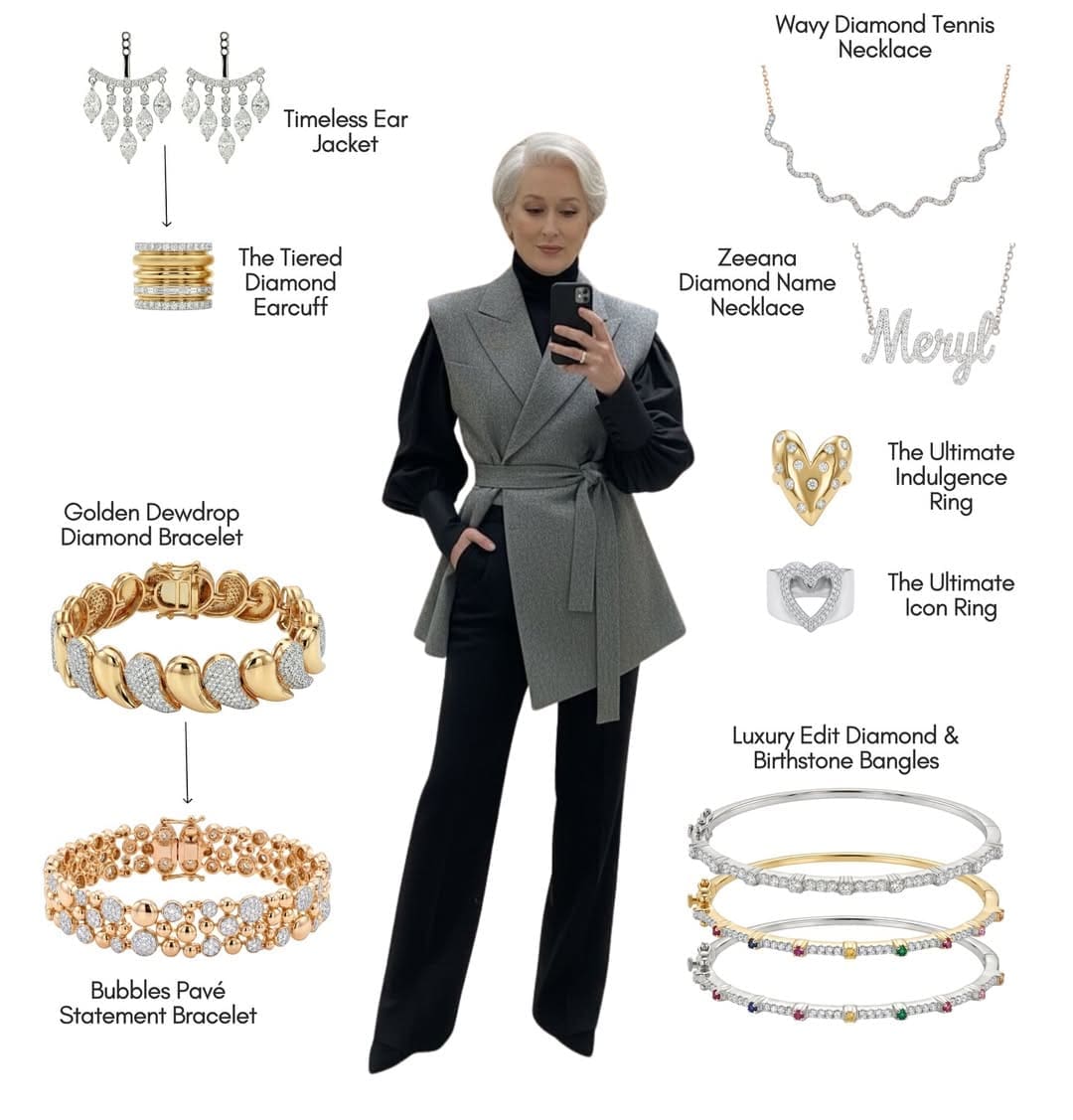
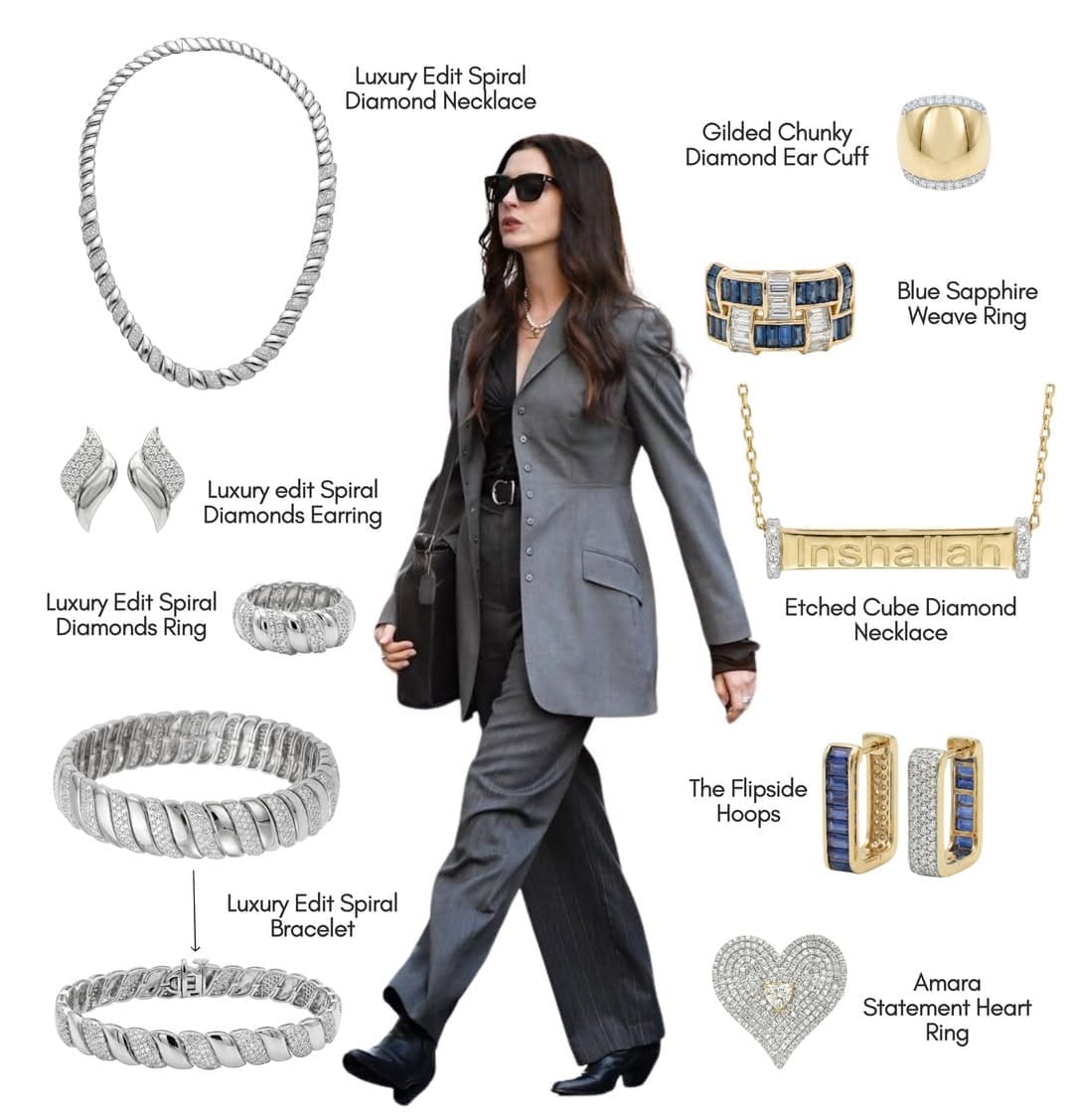
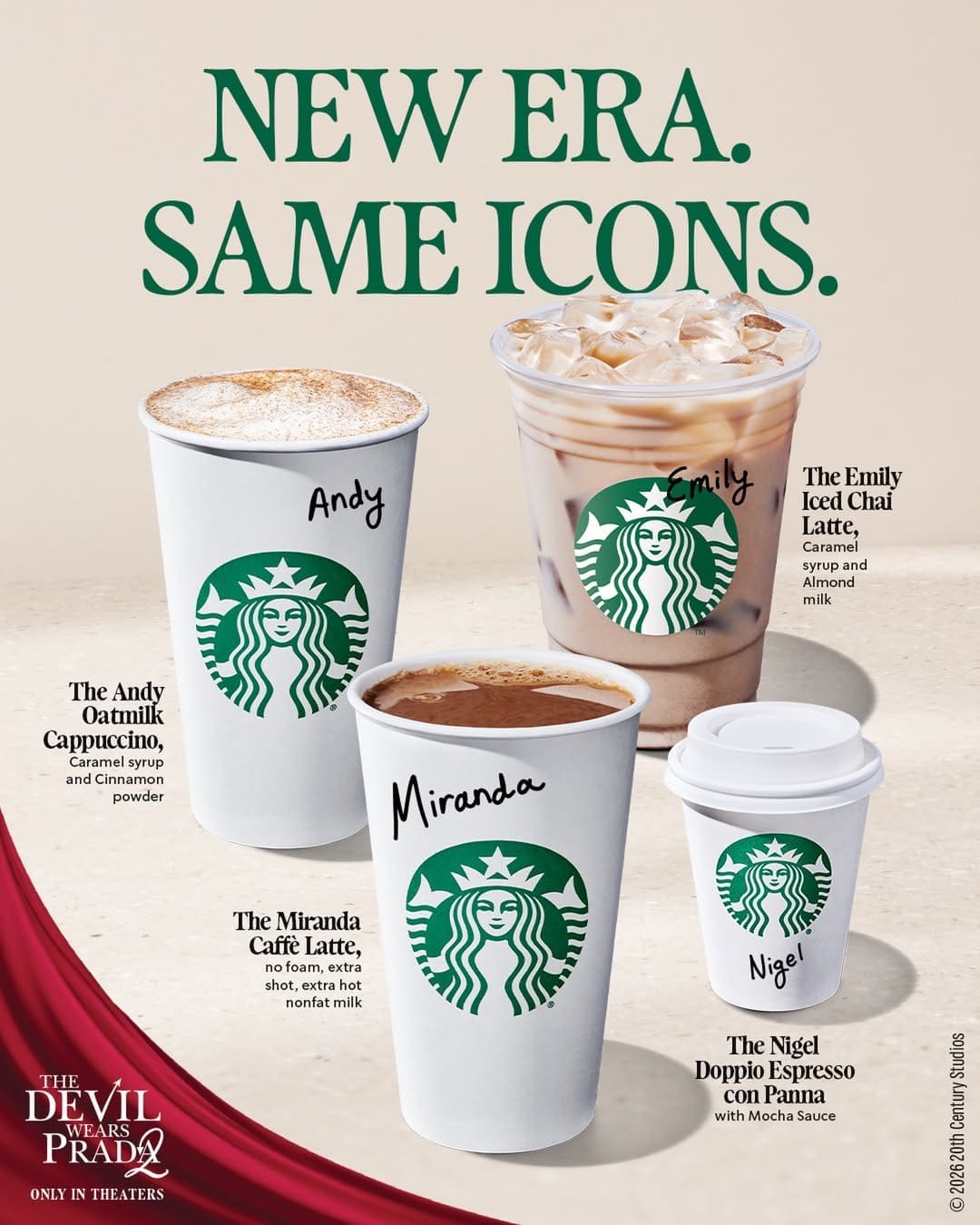
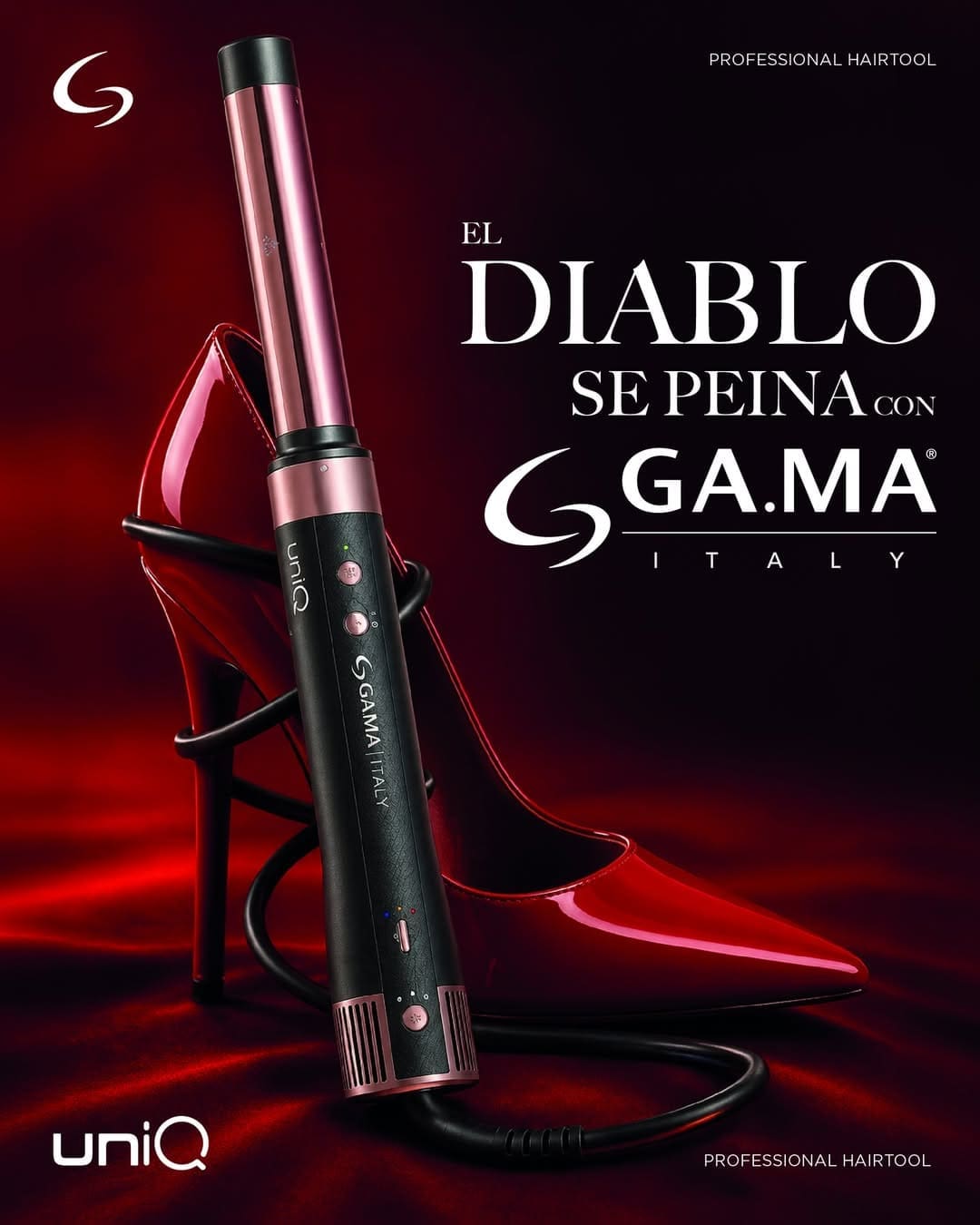
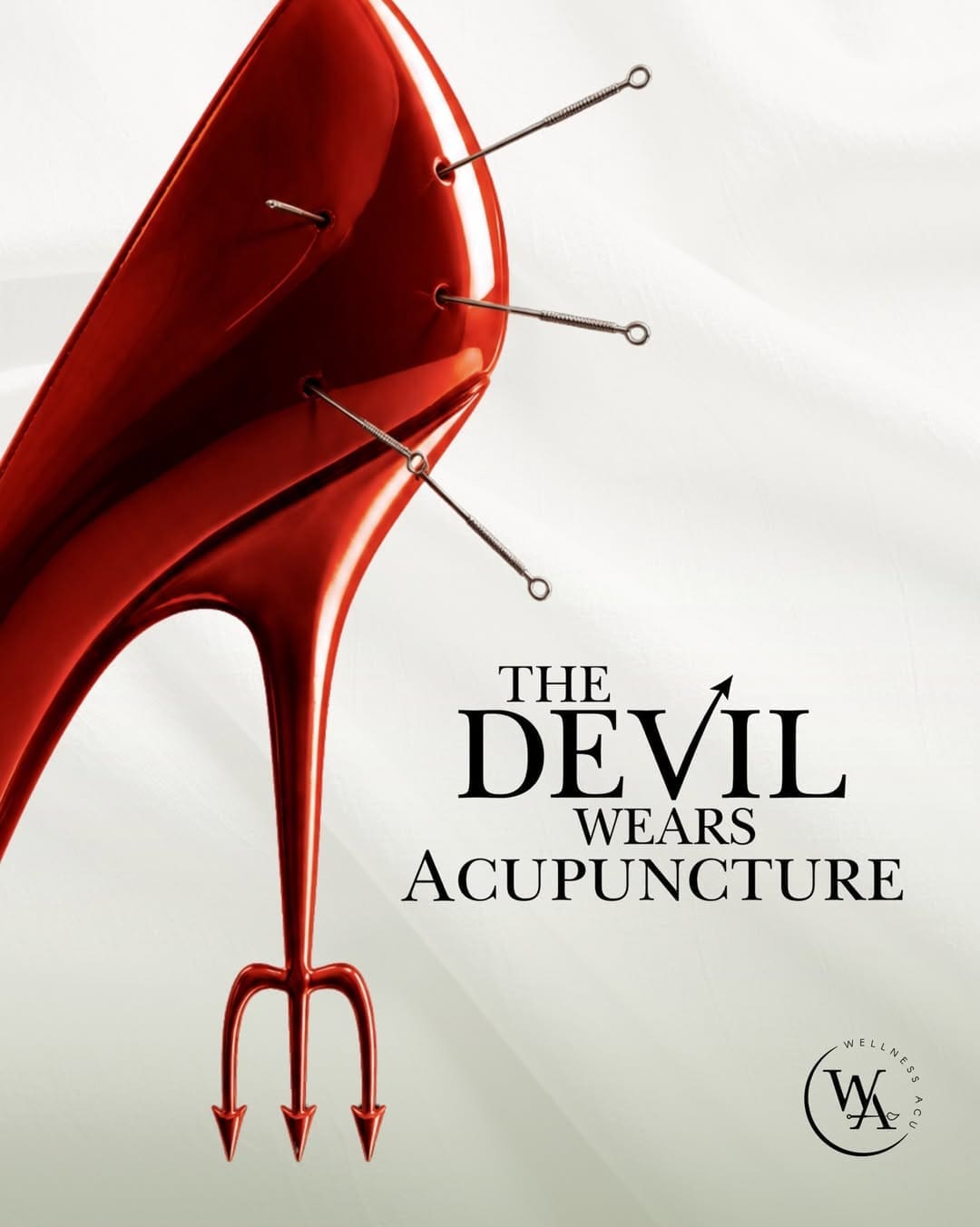
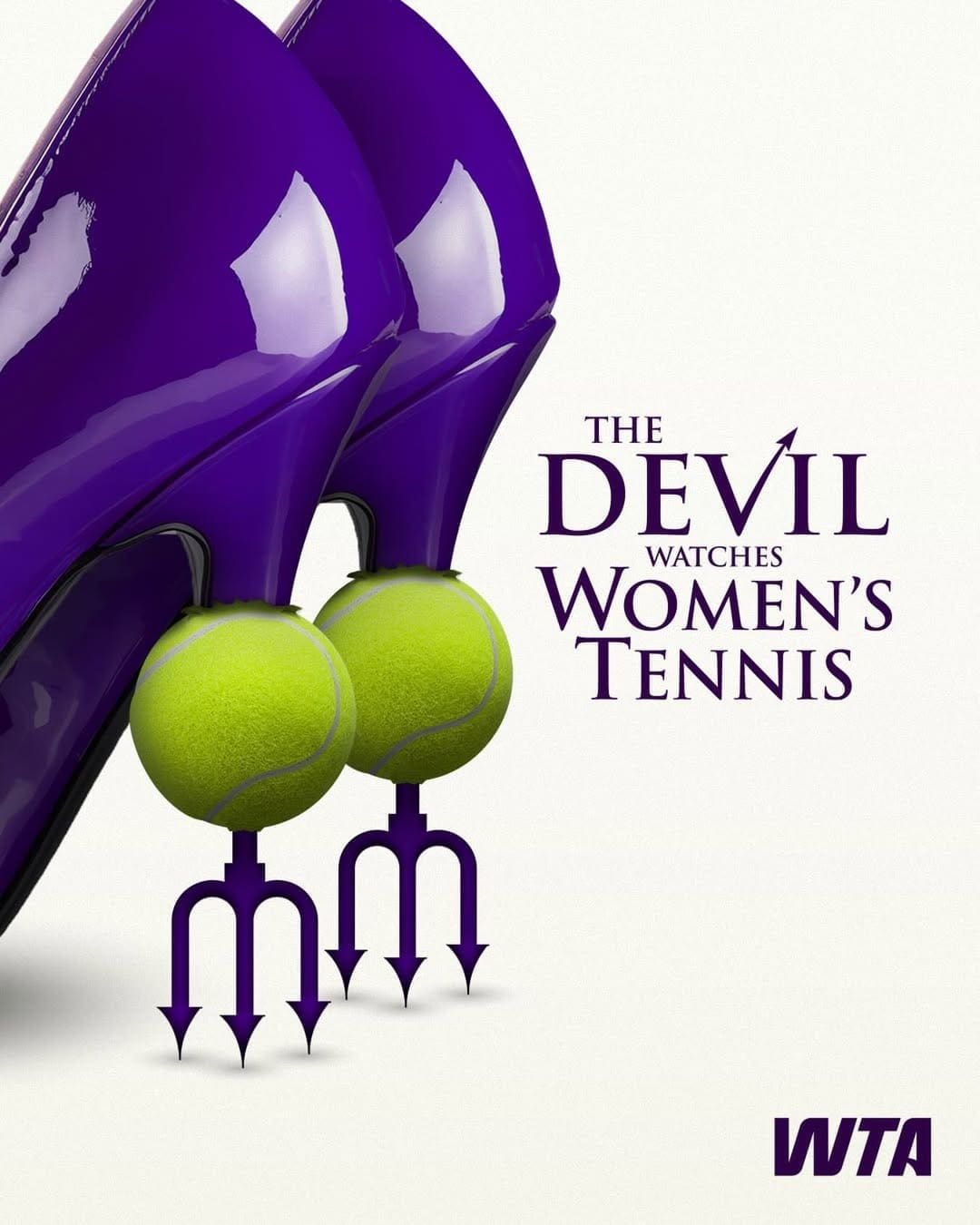
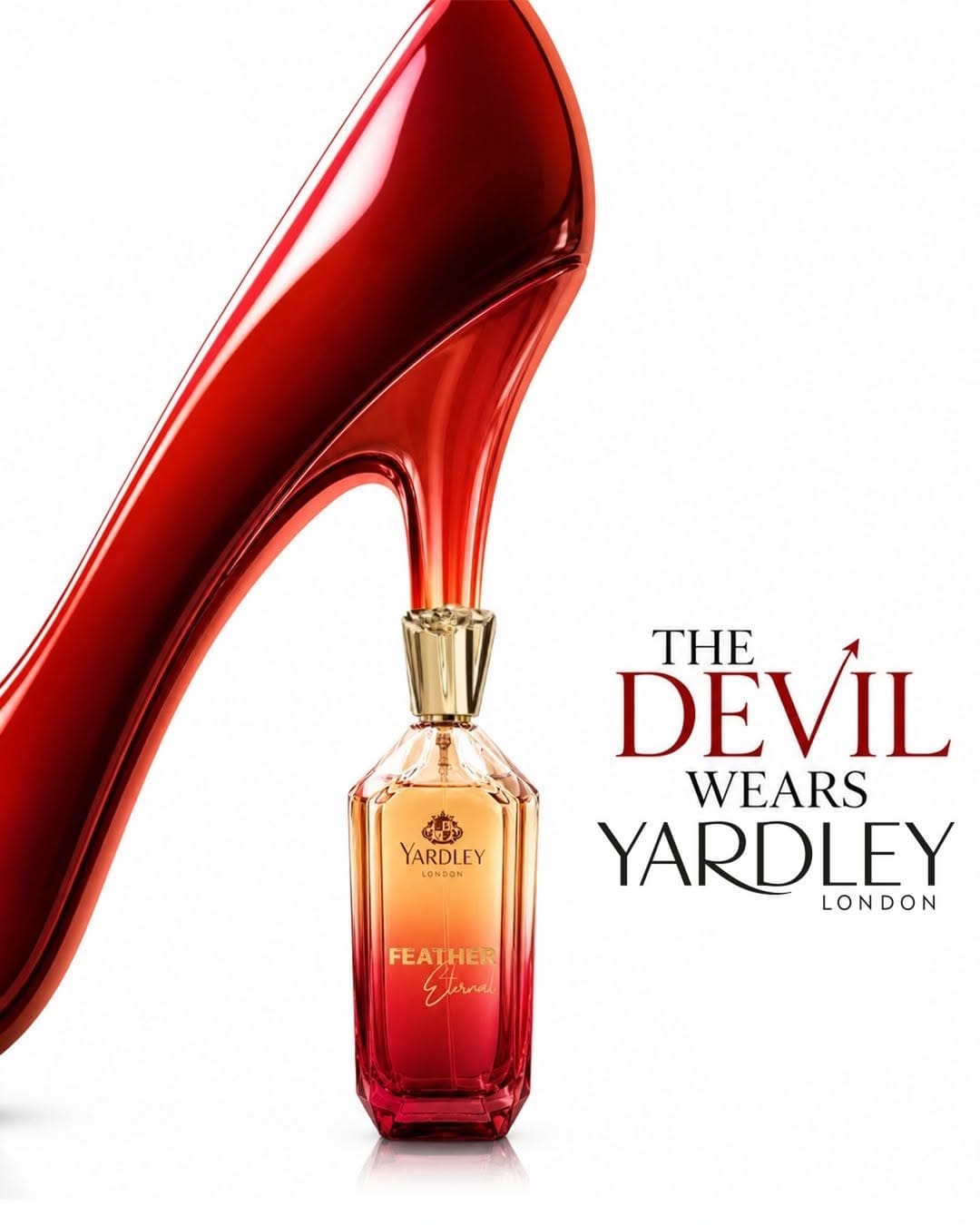
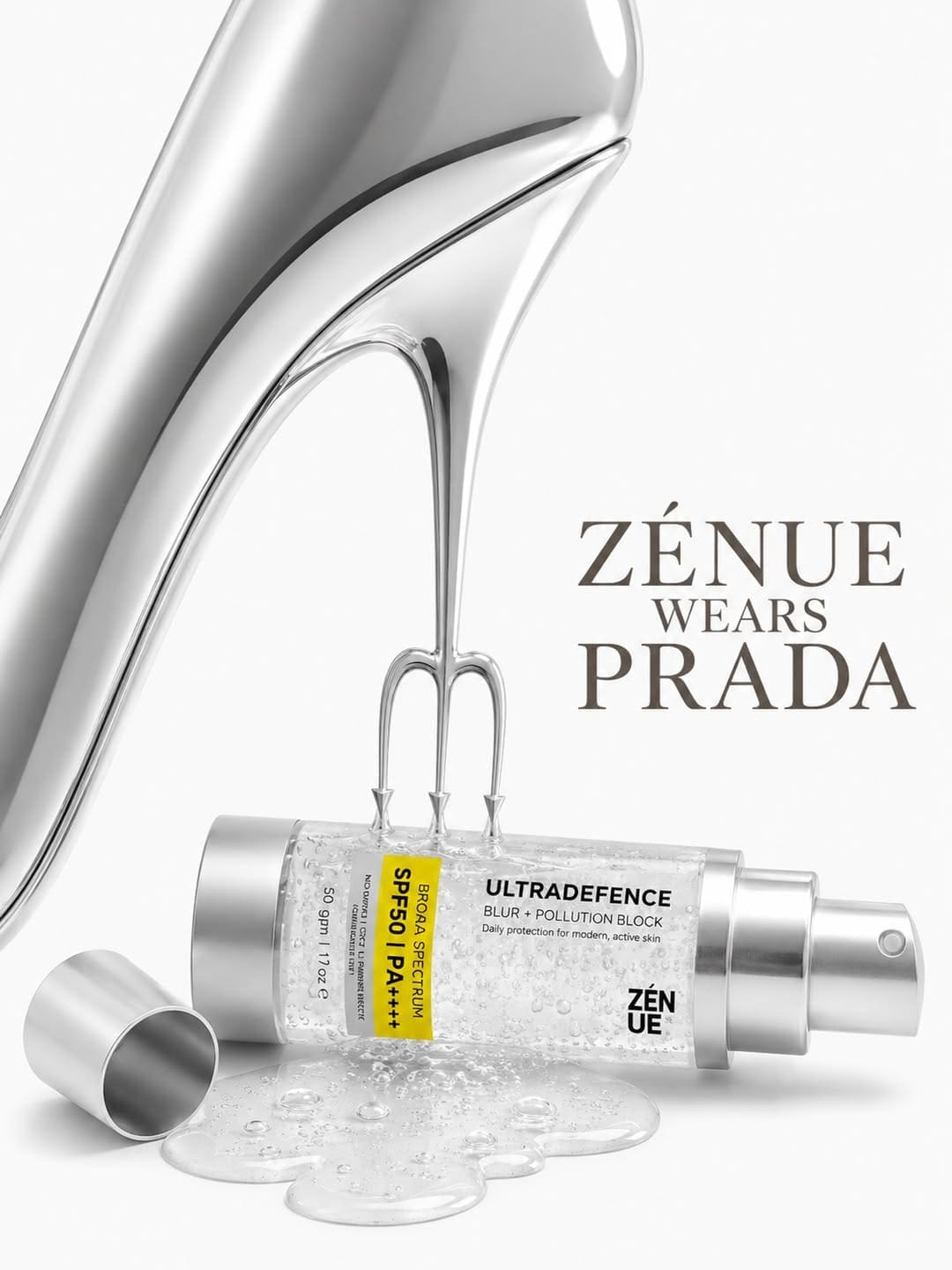
Close up Look at the Commercial Partners of Devil Wears Prada 2 franchise – 100 out of announced 1000
And is that why, in a rather breathless move, 20th Century Studios completely vanished from the Instagram and TikTok influencer market a mere five days after the premiere, leaving the heavy lifting to their army of commercial partners instead?
Is it because the true “culture” was never meant to live on a screen, but rather on a supermarket shelf?
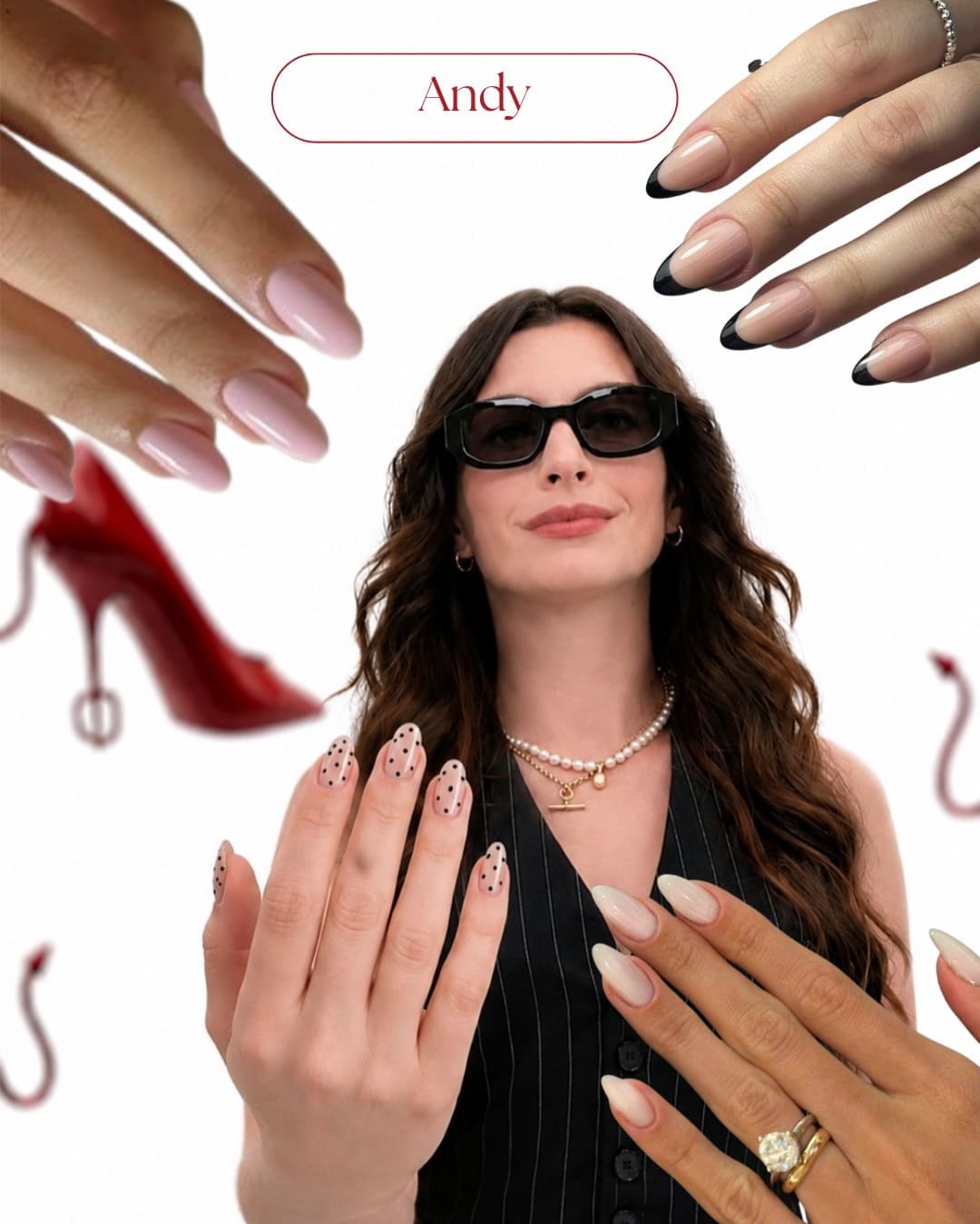
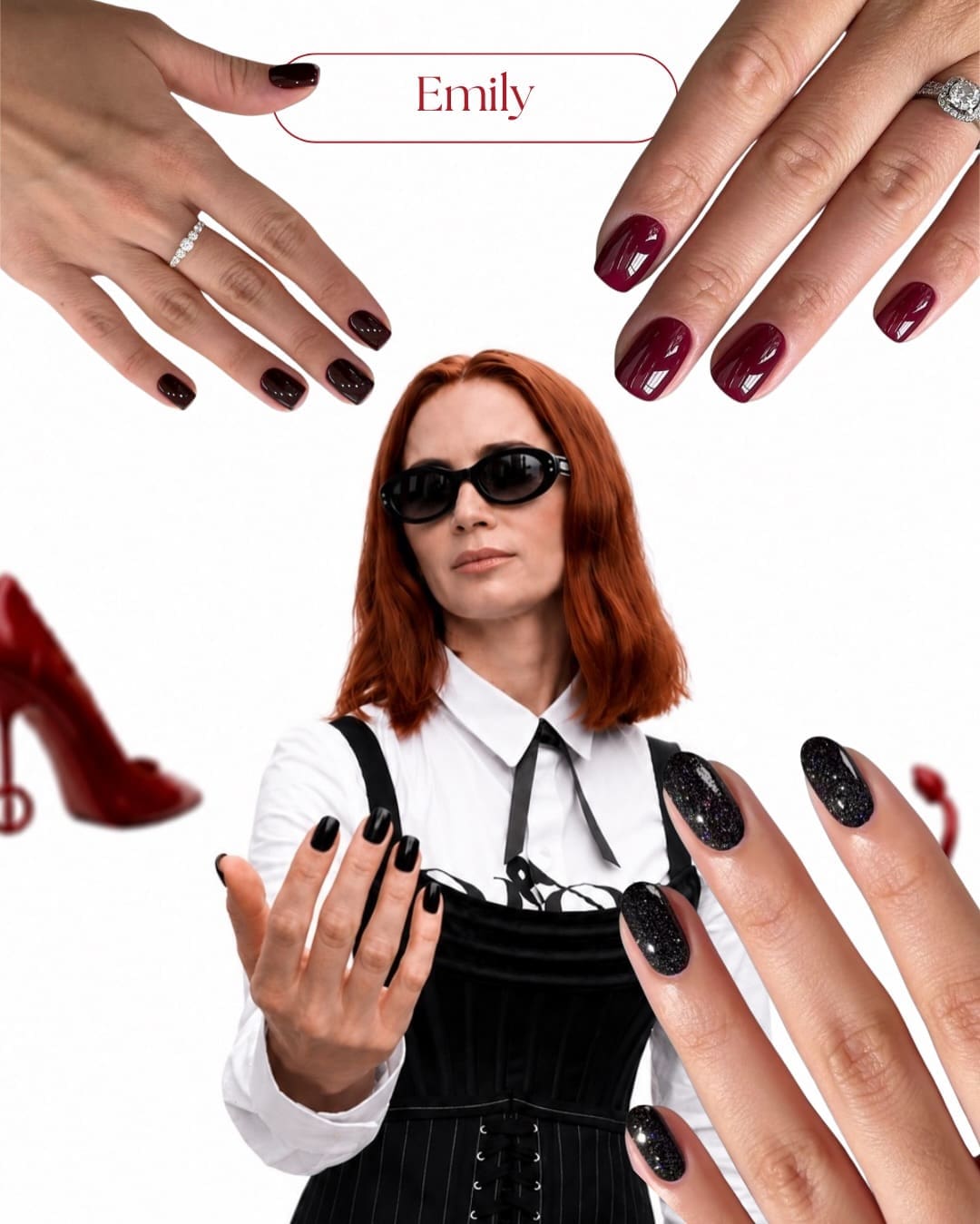
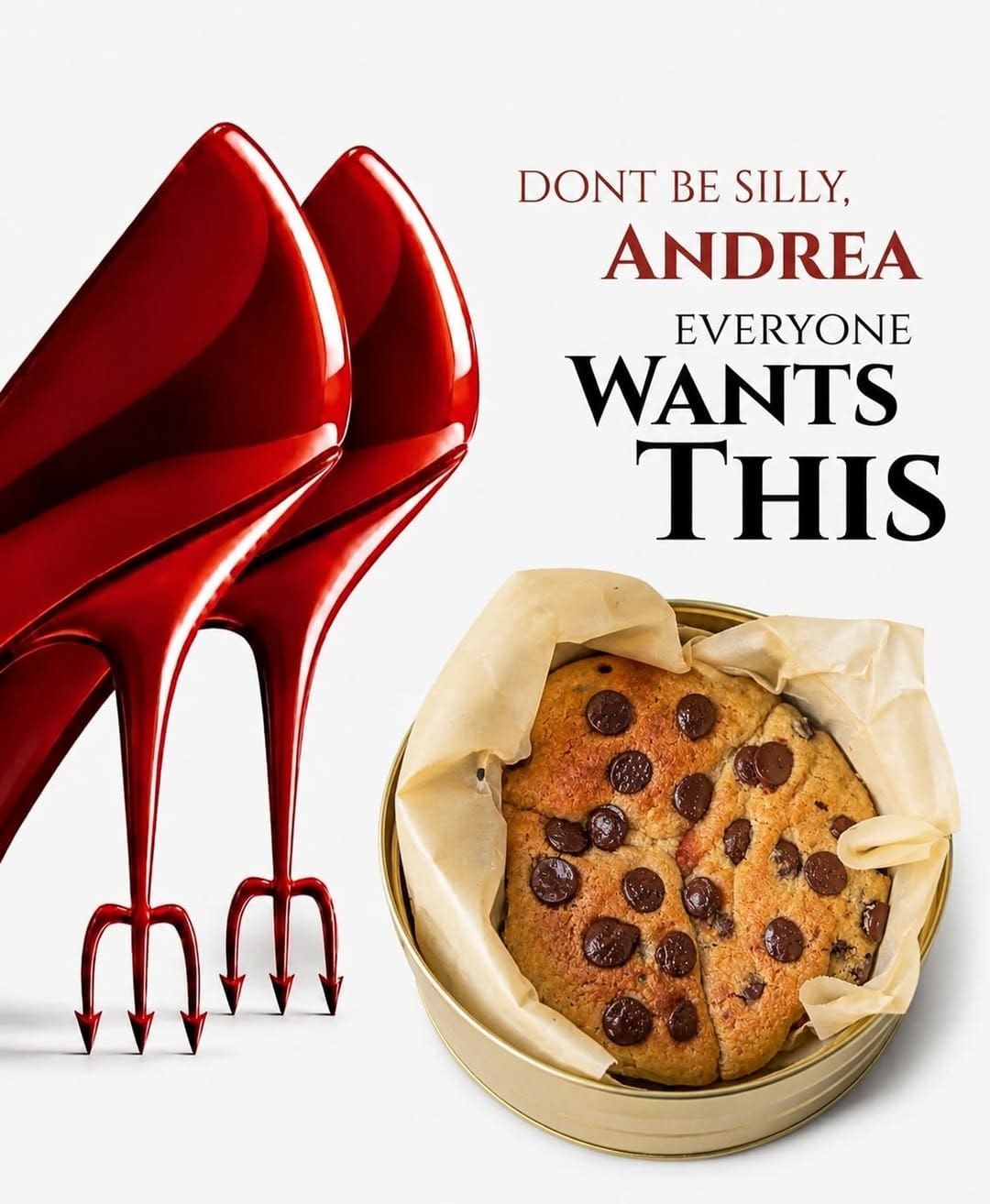
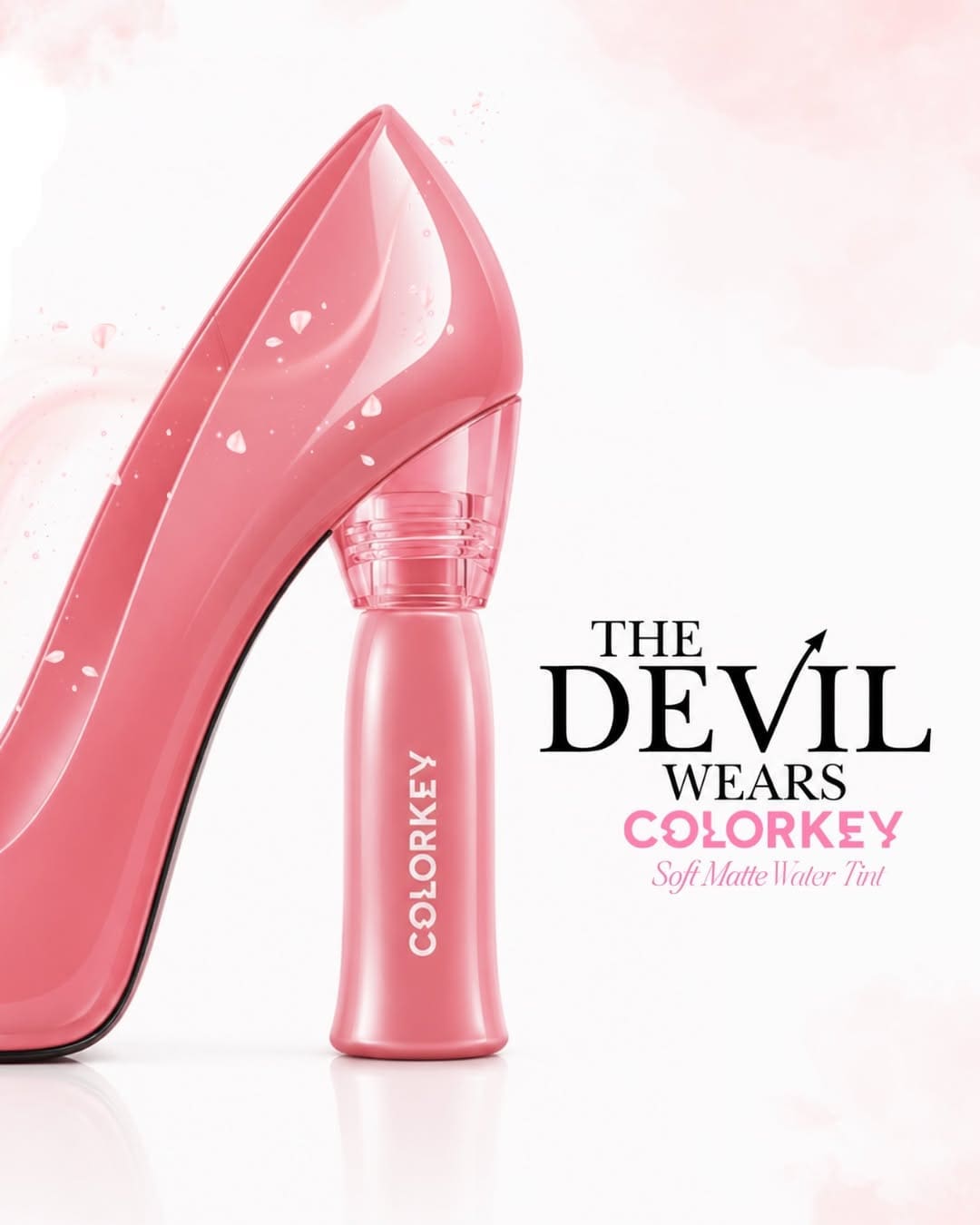
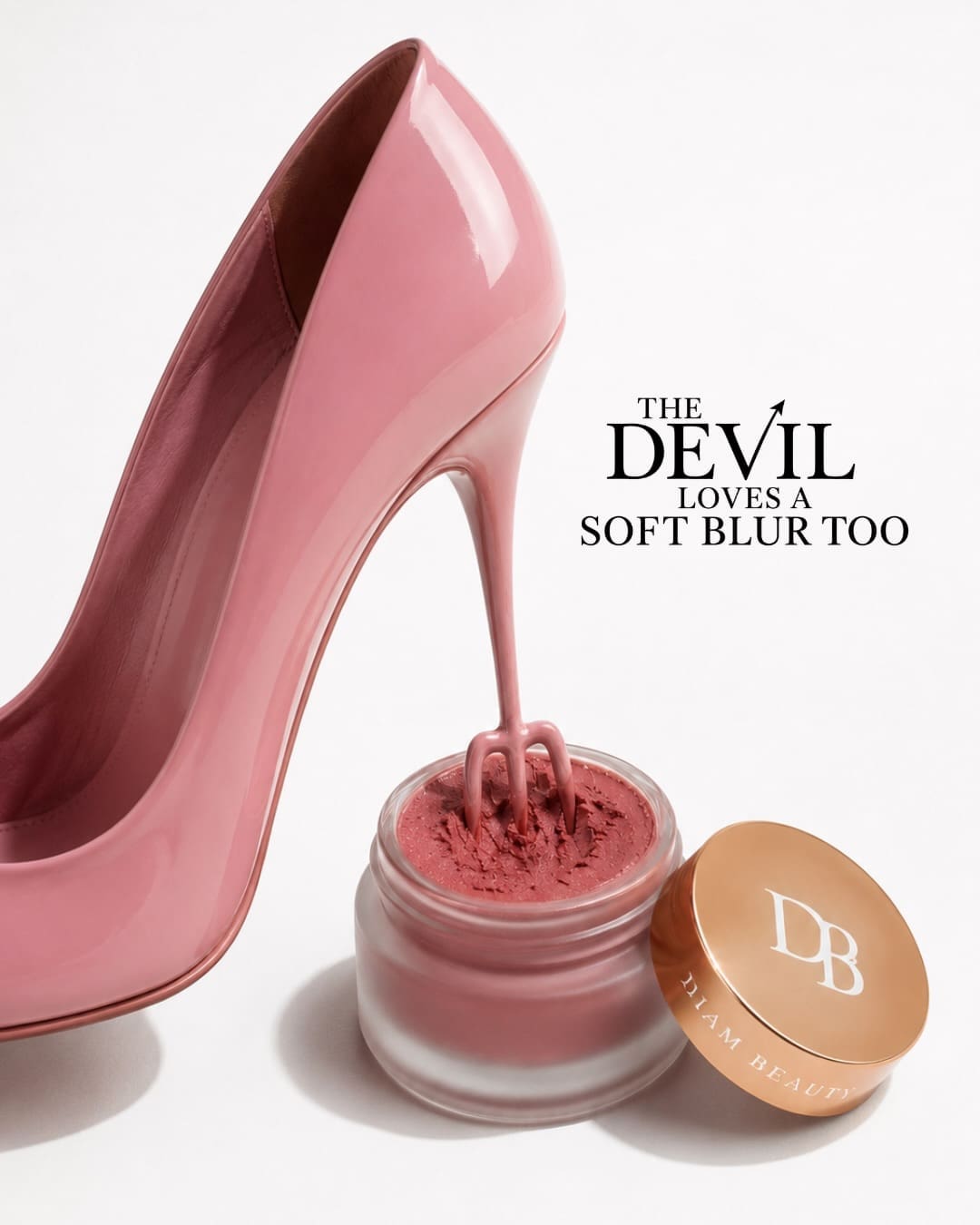
How else can one explain the sudden, baffling appearance of Meryl Streep, Anne Hathaway, and Emily Blunt’s faces slapped directly onto Bamboo Nail Bar sets and wedding manicures?
Are audiences truly meant to believe that the pinnacle of high-fashion journalism is best expressed through Ayrton branded air conditioner units, Heartmelt Grill sourdough sandwiches, and McDonald’s Happy Meals?
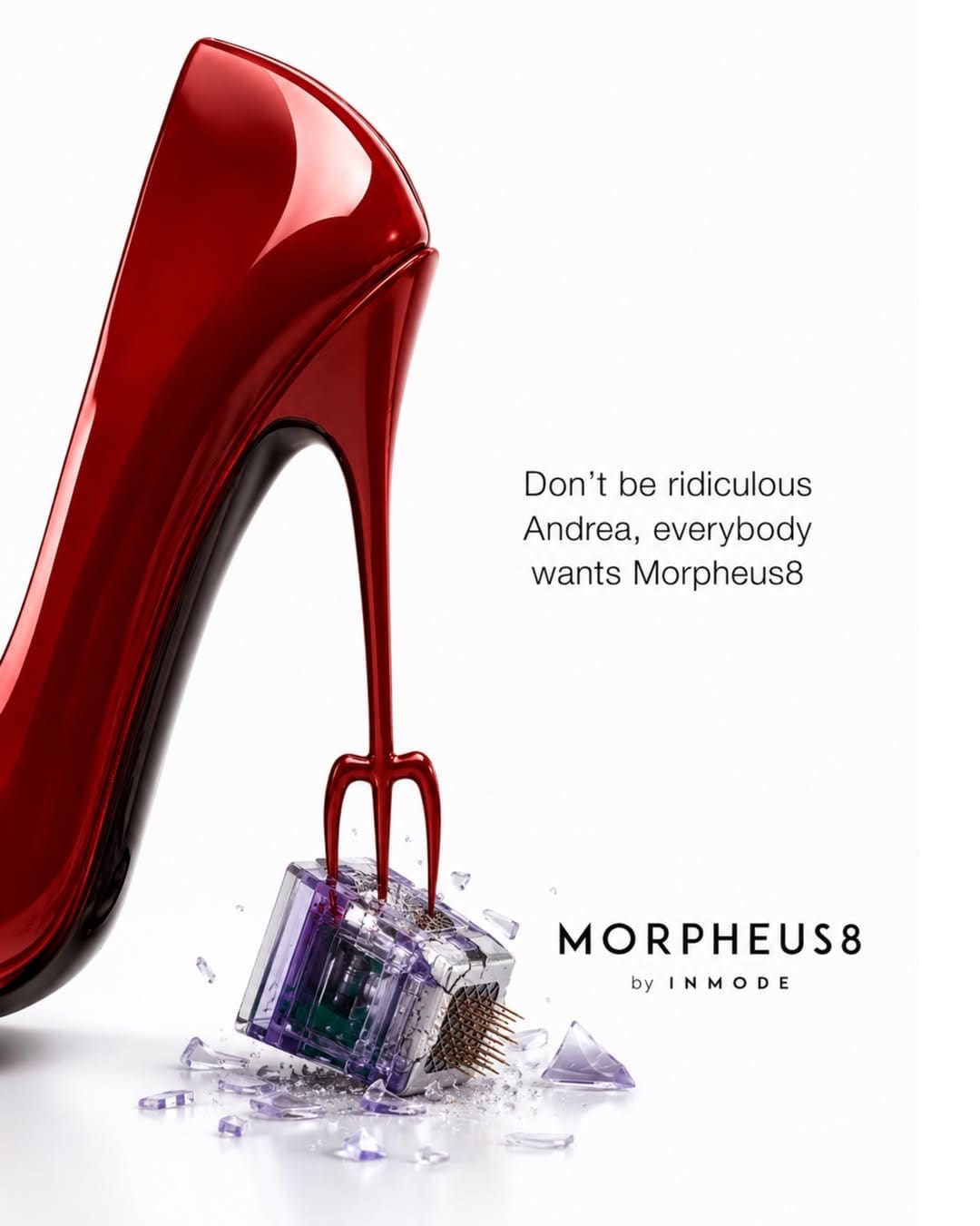
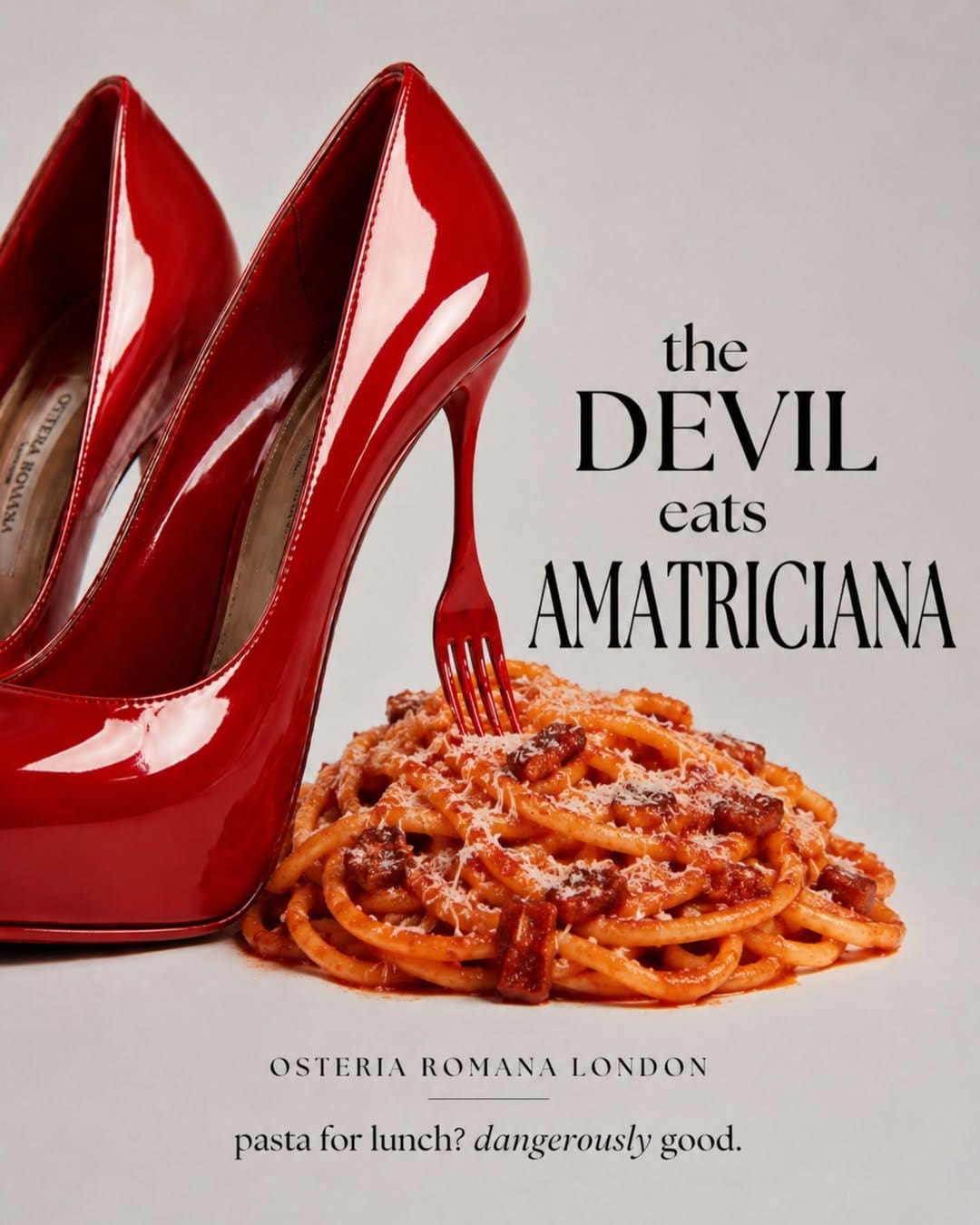
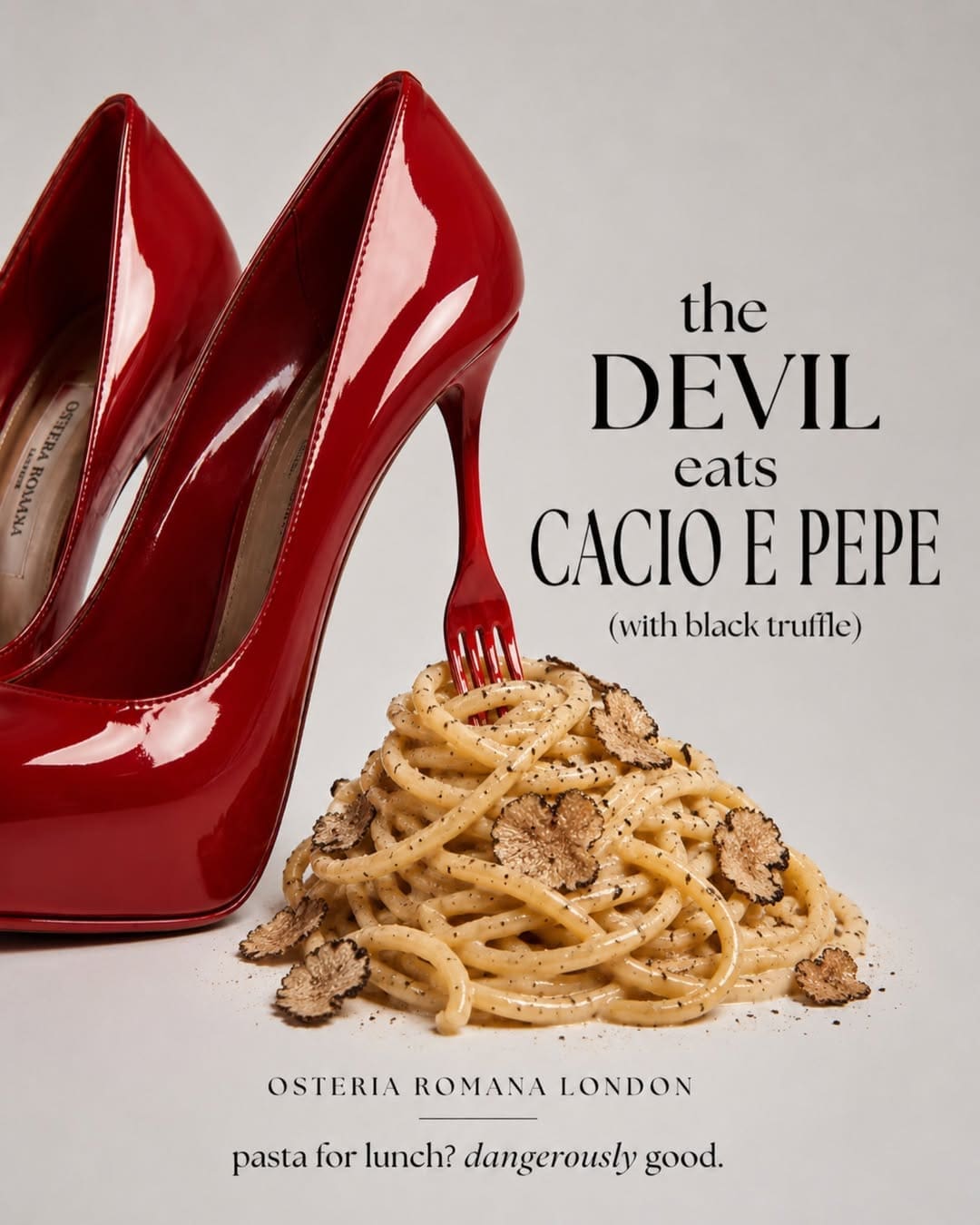
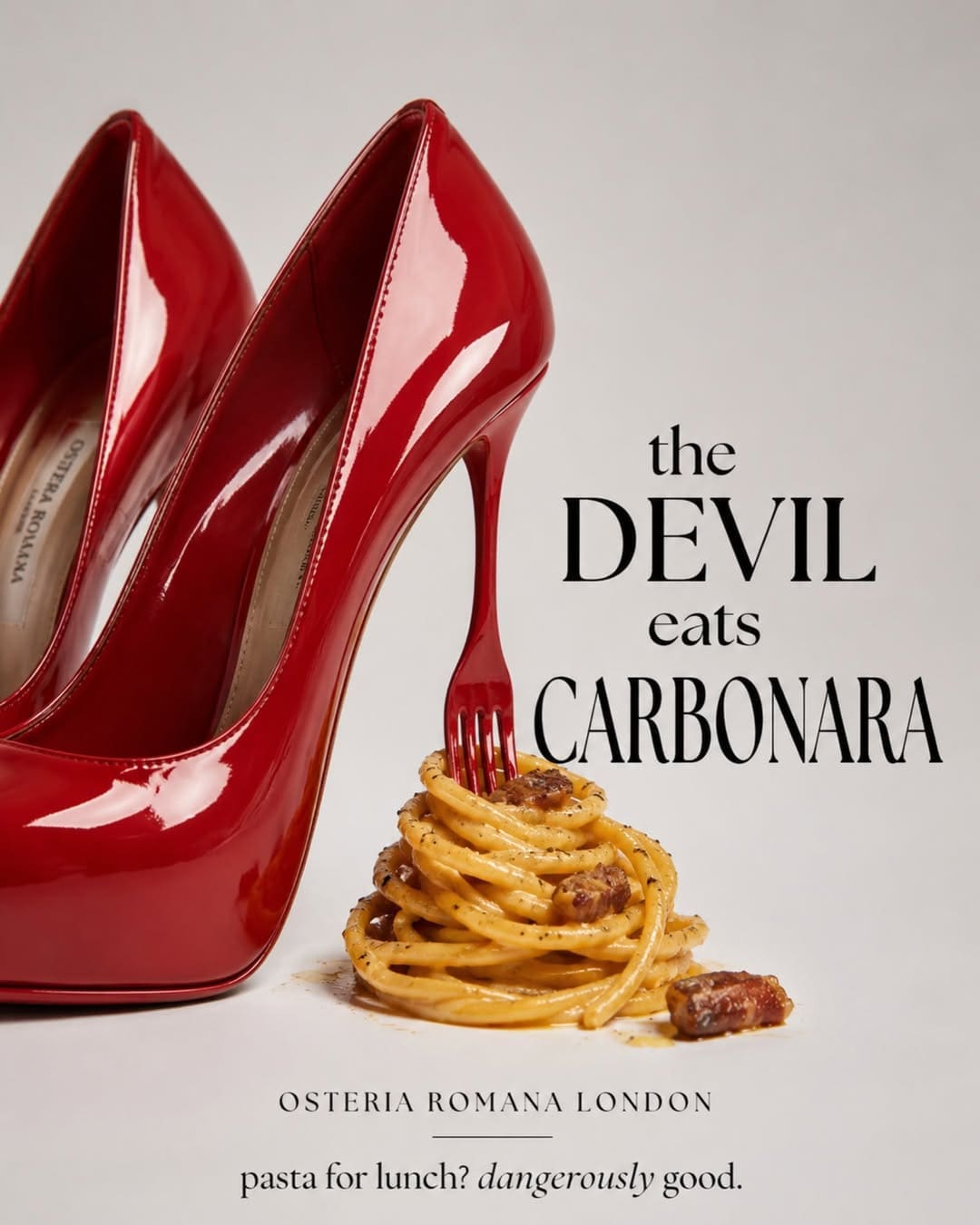
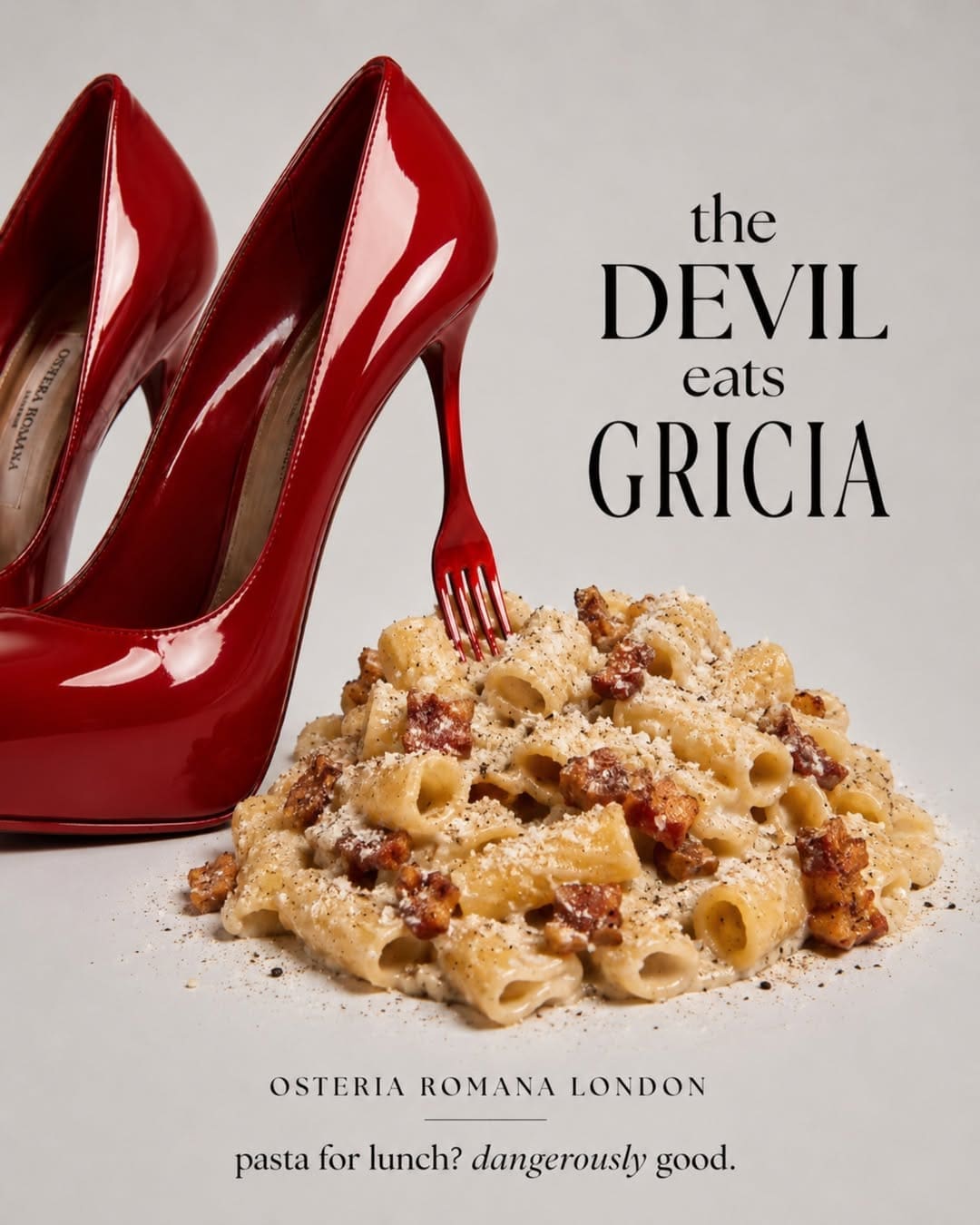
Does a skin-tightening RF microneedling treatment at Morpheus8 Paris or a plate of Osteria Romana London Carbonara somehow advance the cinematic plot?
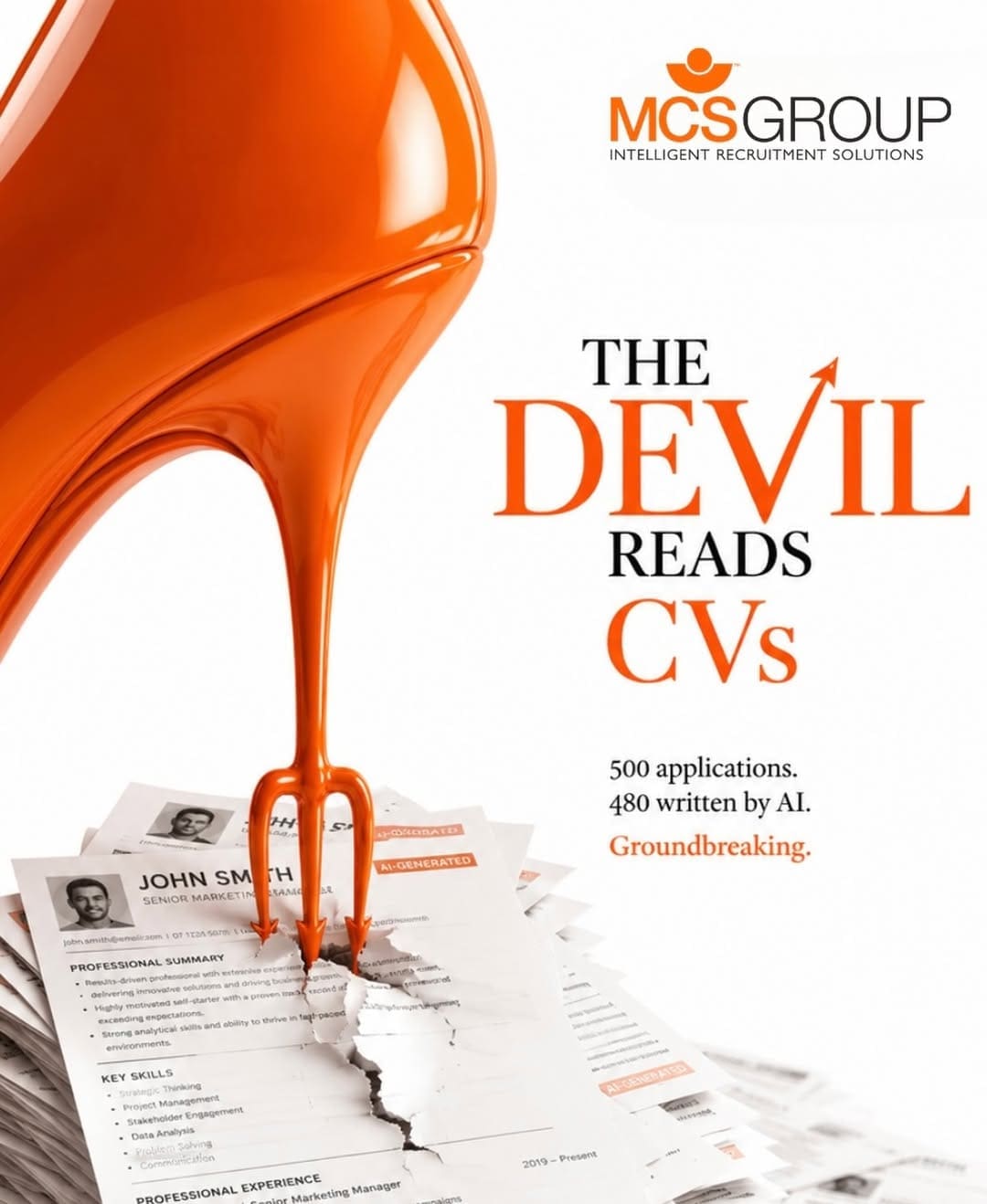
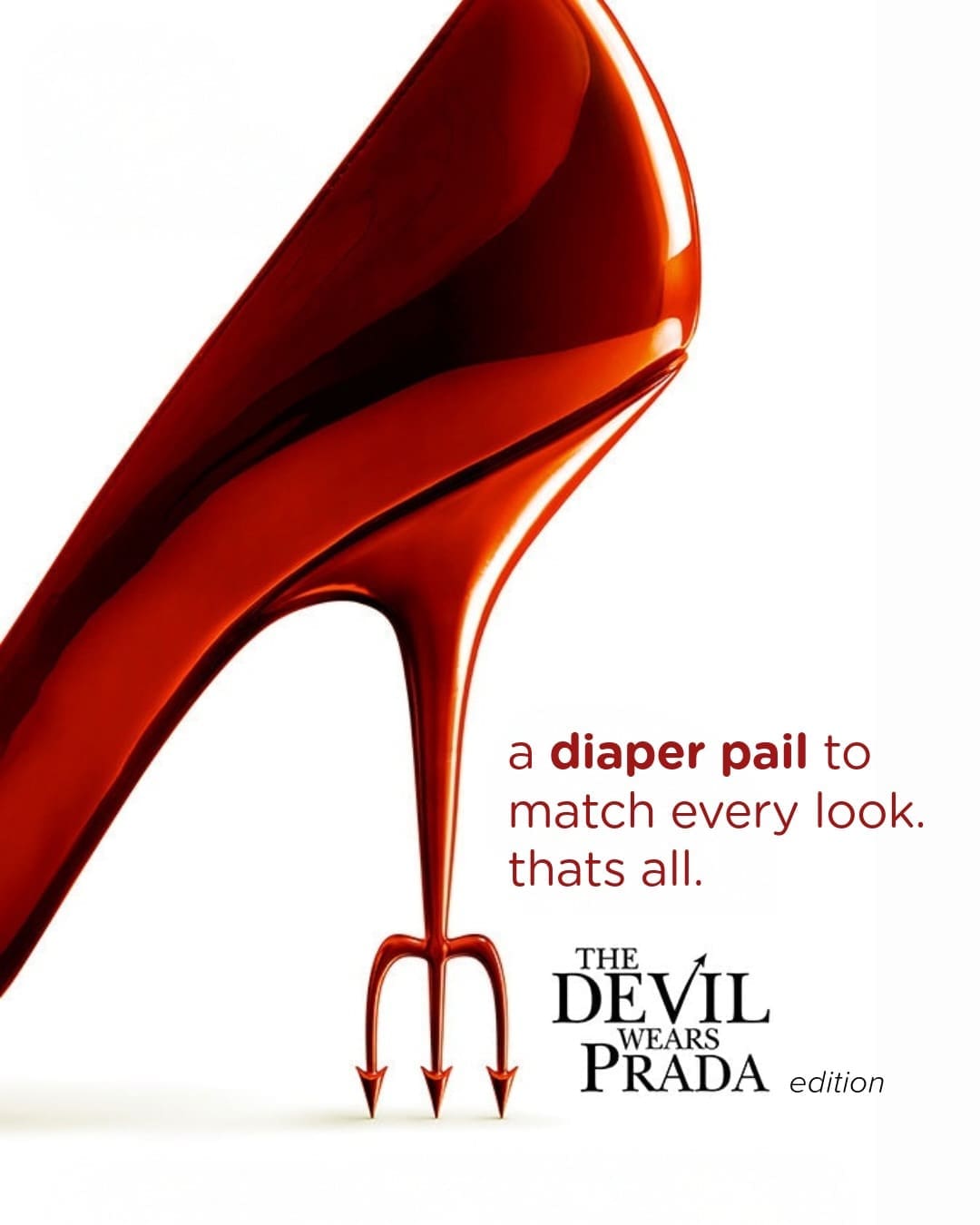
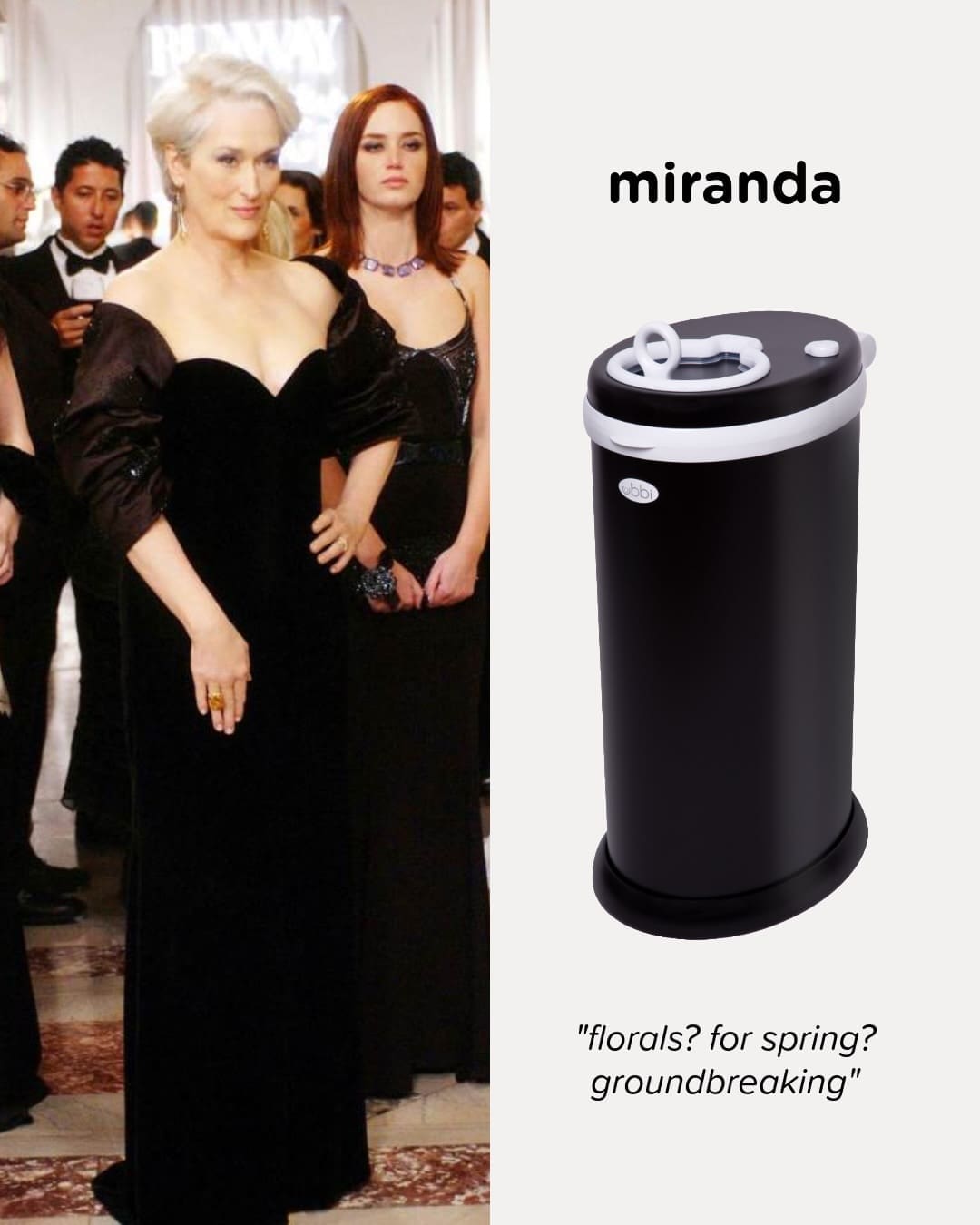
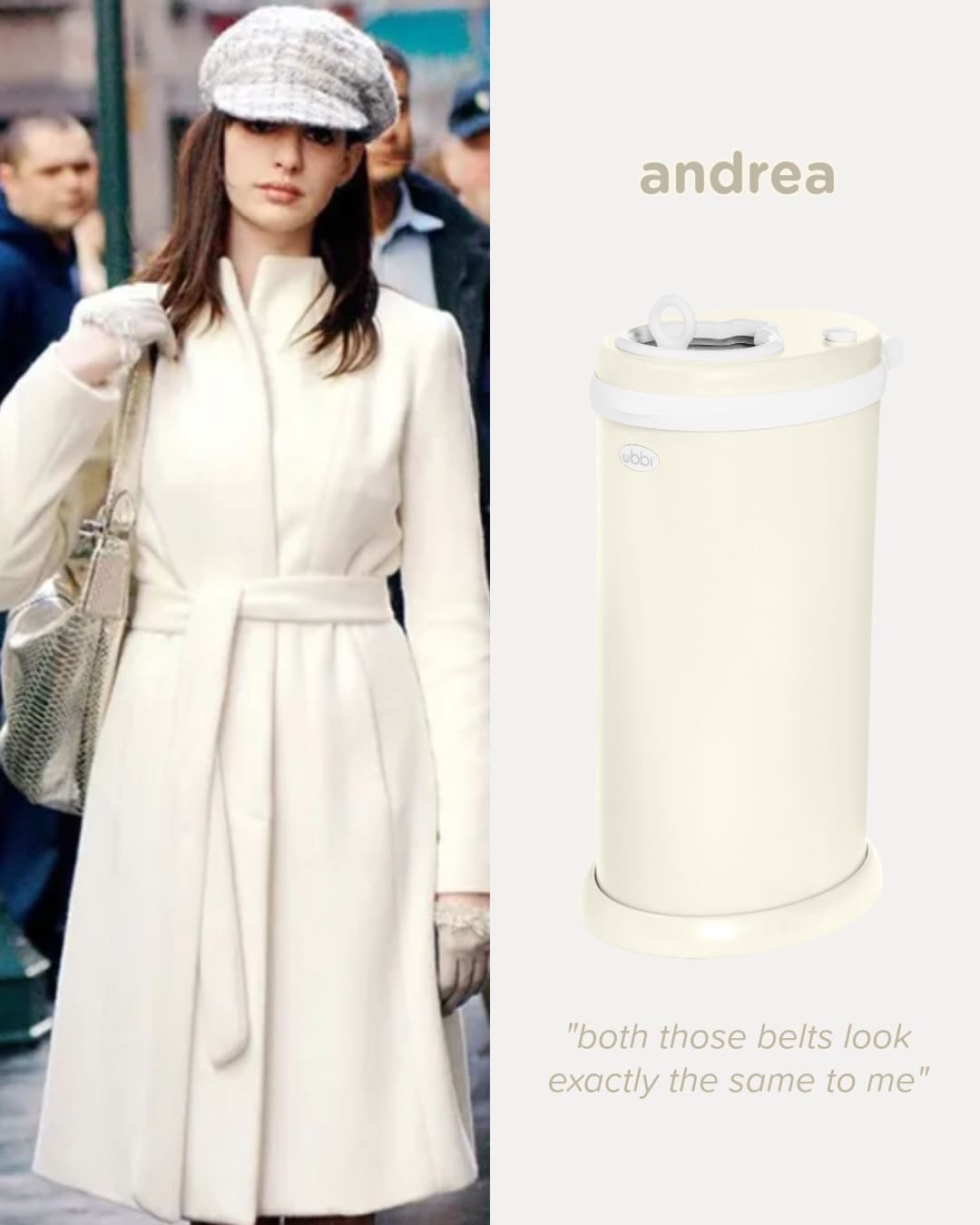
And, in what can only be described as the ultimate triumph of luxury marketing, how many tickets must one buy to justify an Ubbi diaper pail meticulously color-matched to the wardrobe of Miranda Priestly—all while navigating Chedraui Mexican grocery aisles, Parisian MCS Group CV recruitment services, and Scentsy wax collections?
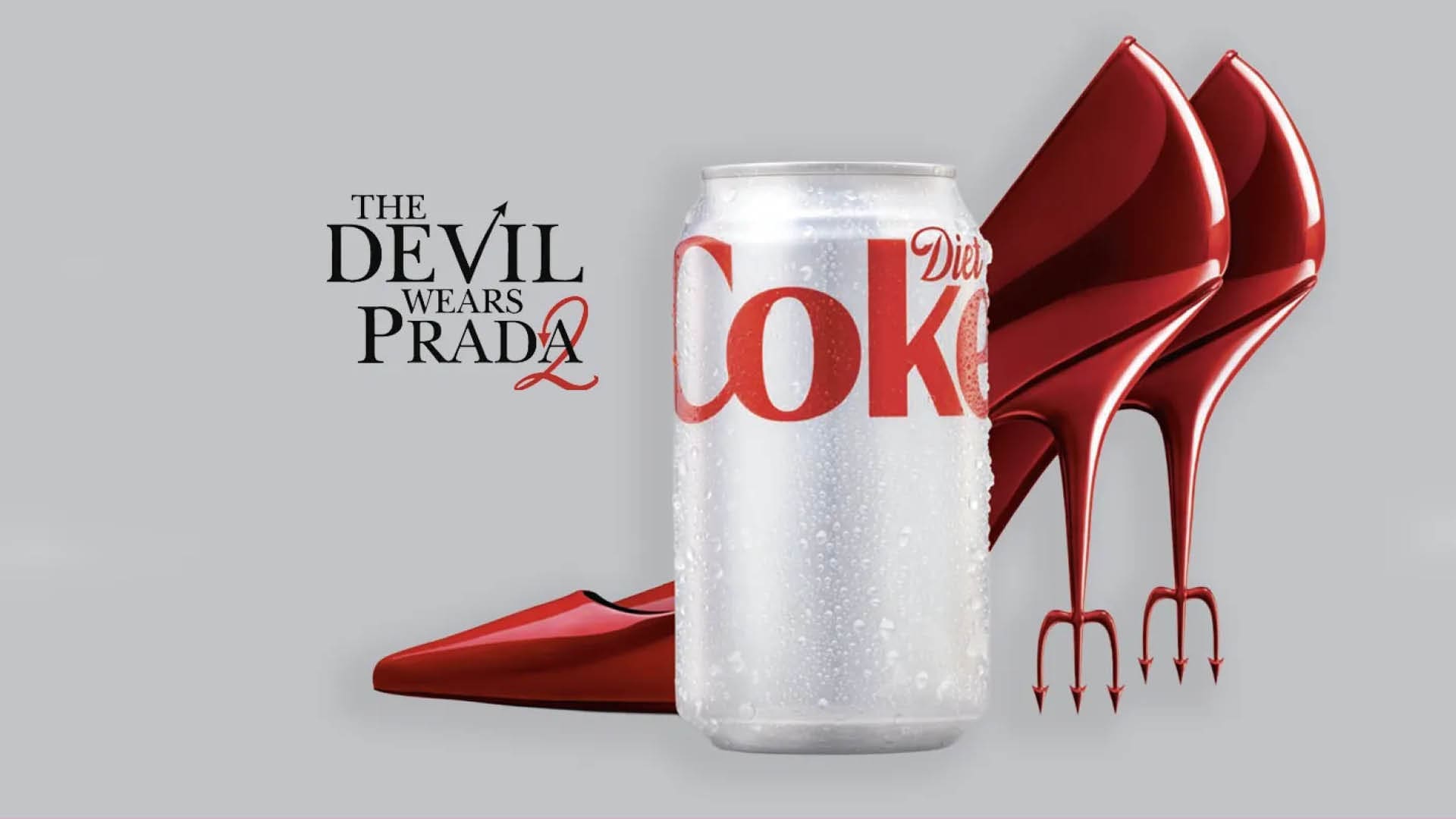
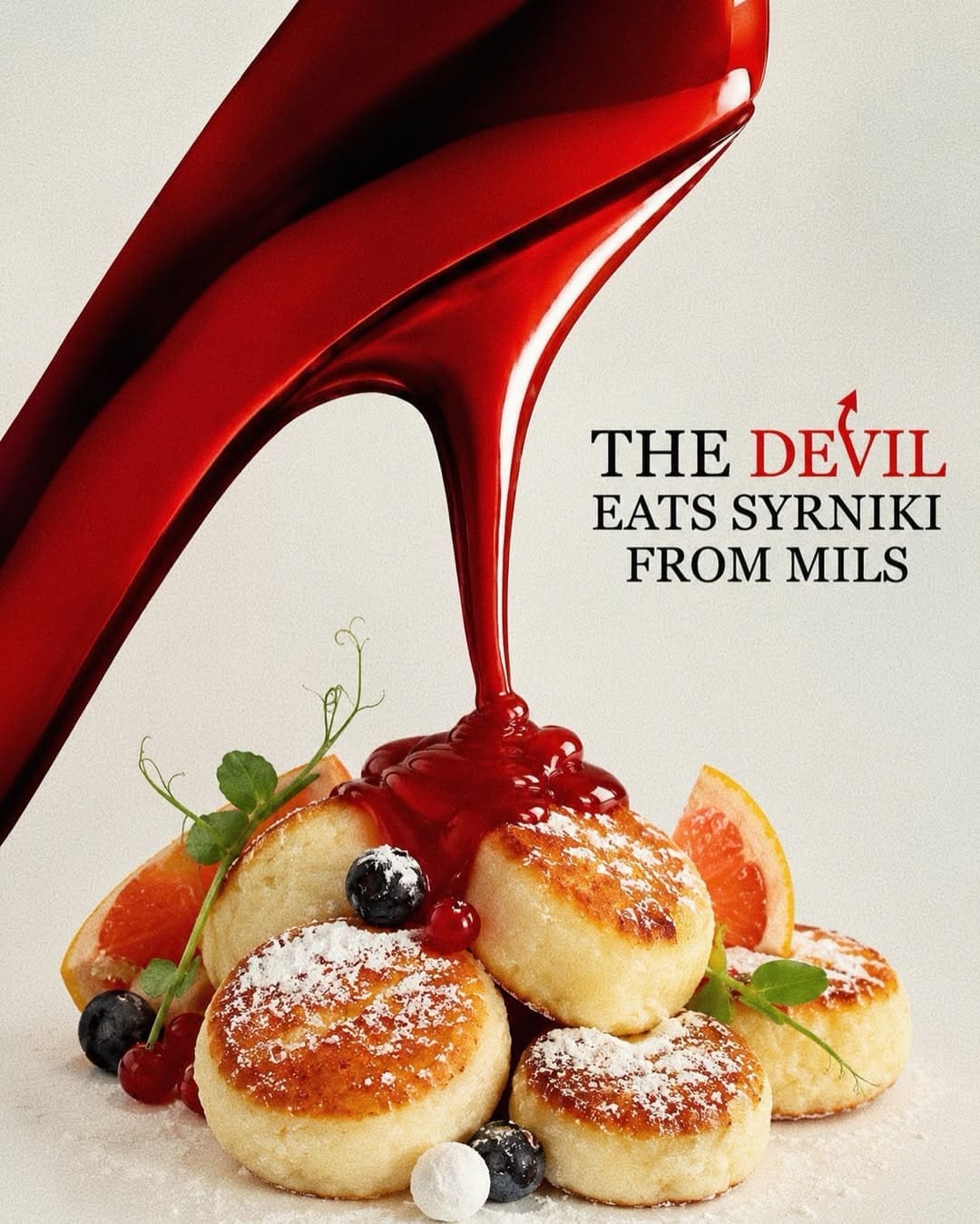
Is the film industry actually selling a movie, or have they simply transformed a cinematic legacy into a global yard sale for everything from tennis balls to curd pancakes?
Dear fictional Editor-in-Chief of RUNWAY MAGAZINE, dear Miranda, do you mind answering? The only sound echoing from behind the desk is the frantic, metallic clinking of golden coins—a scene straight out of a classic cartoon, where the legendary arbiter of taste has been completely replaced by a corporate Scrooge McDuck happily diving into his money bin.
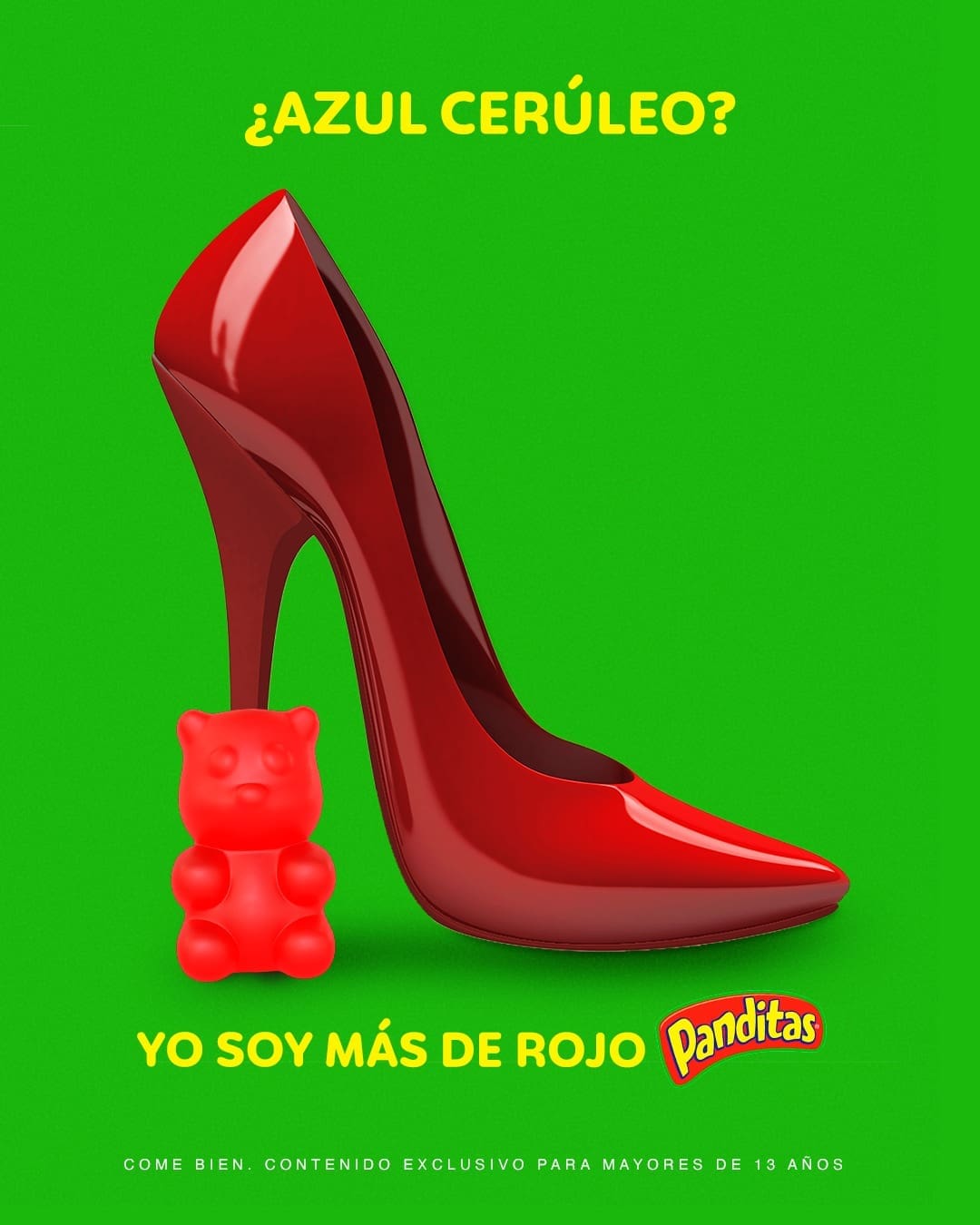
I personally would only choose the gummy bears from this pile of stuff!
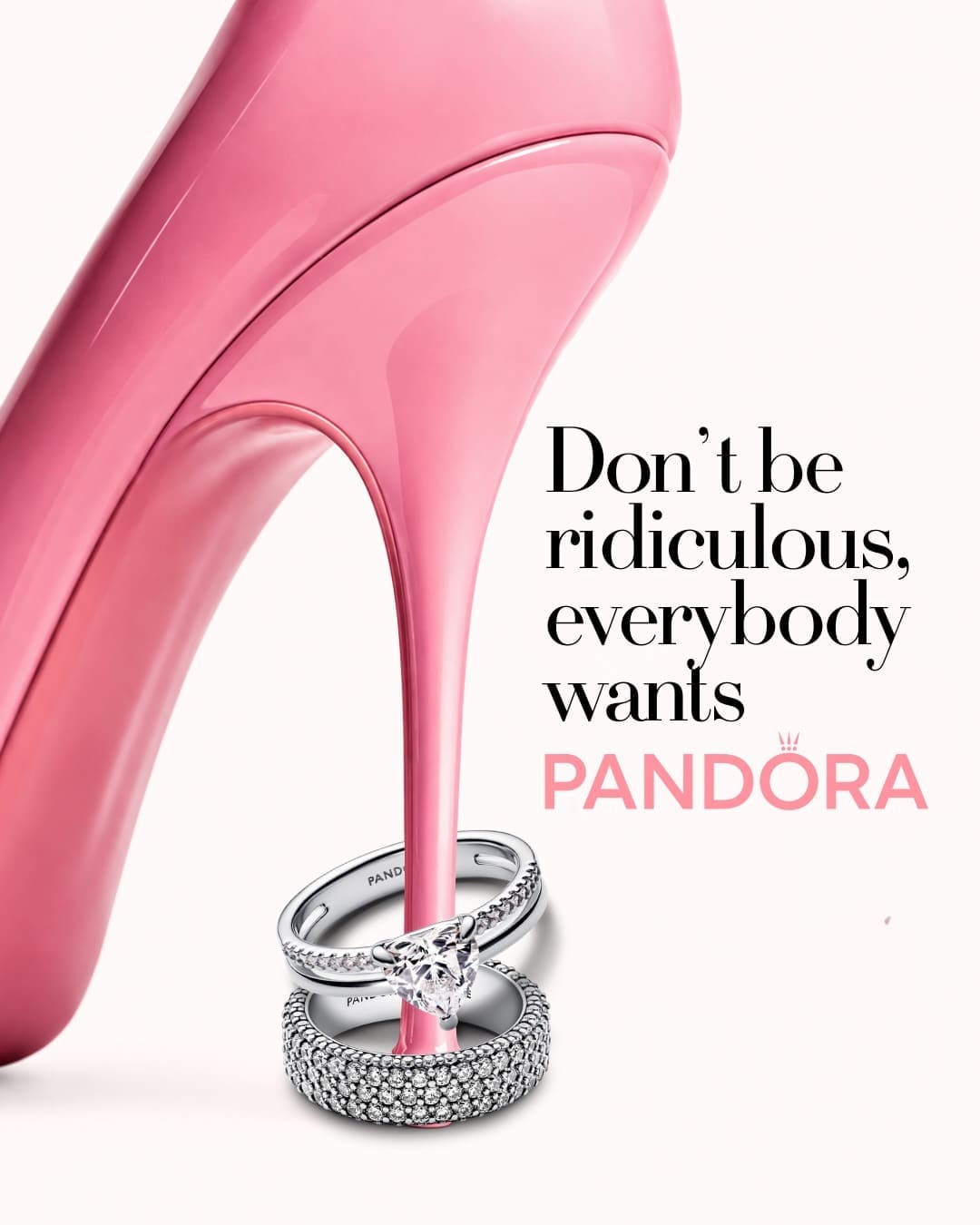
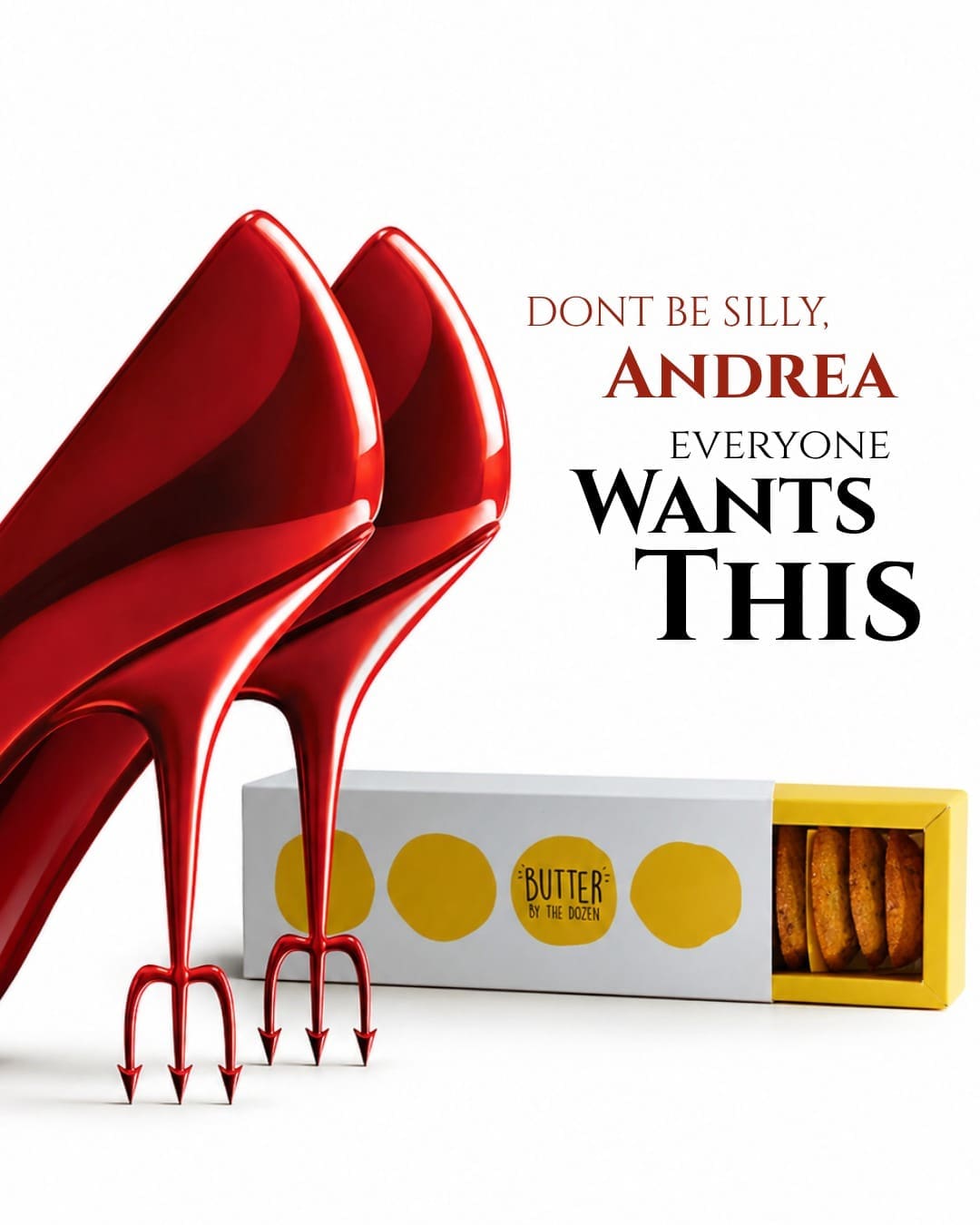
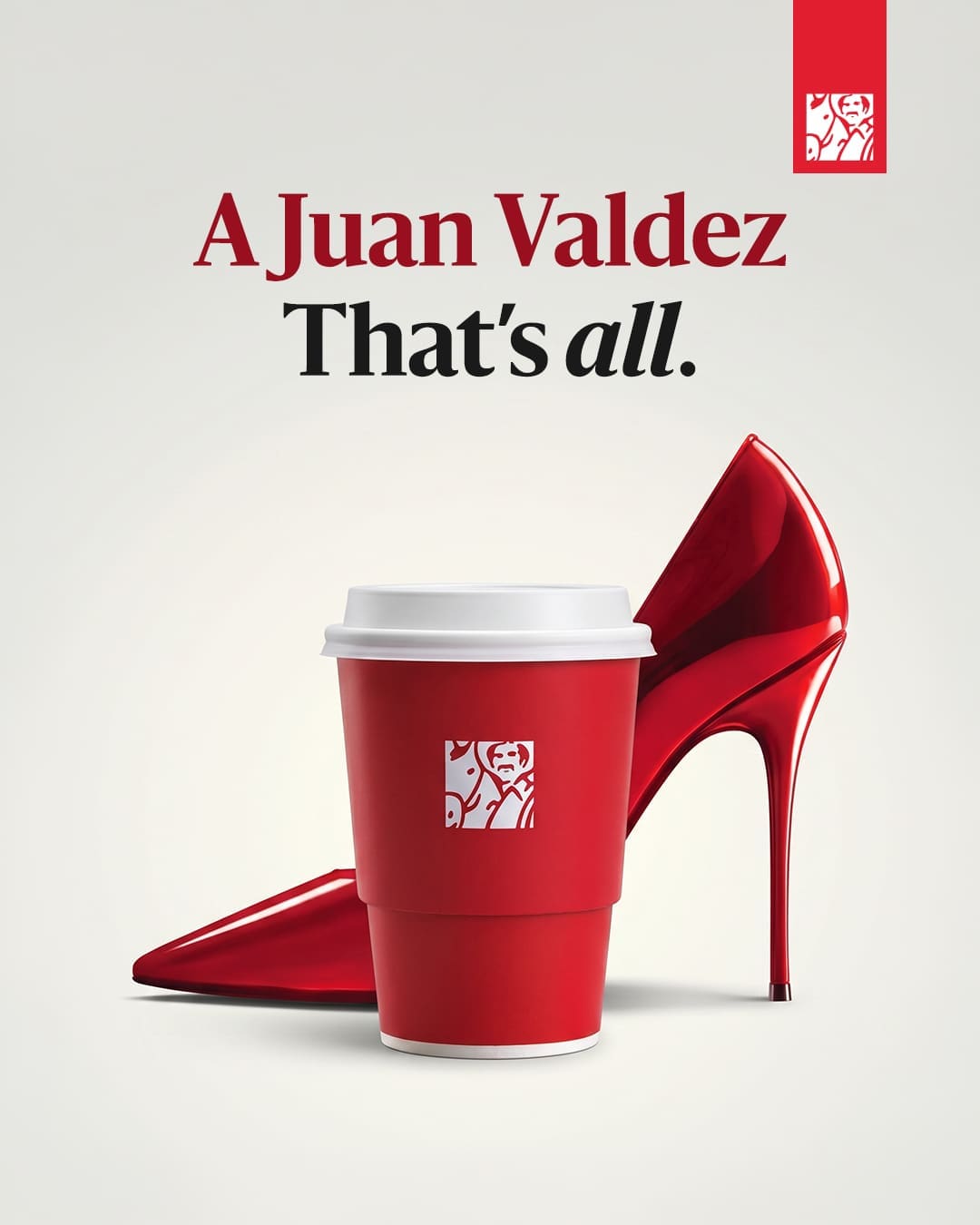
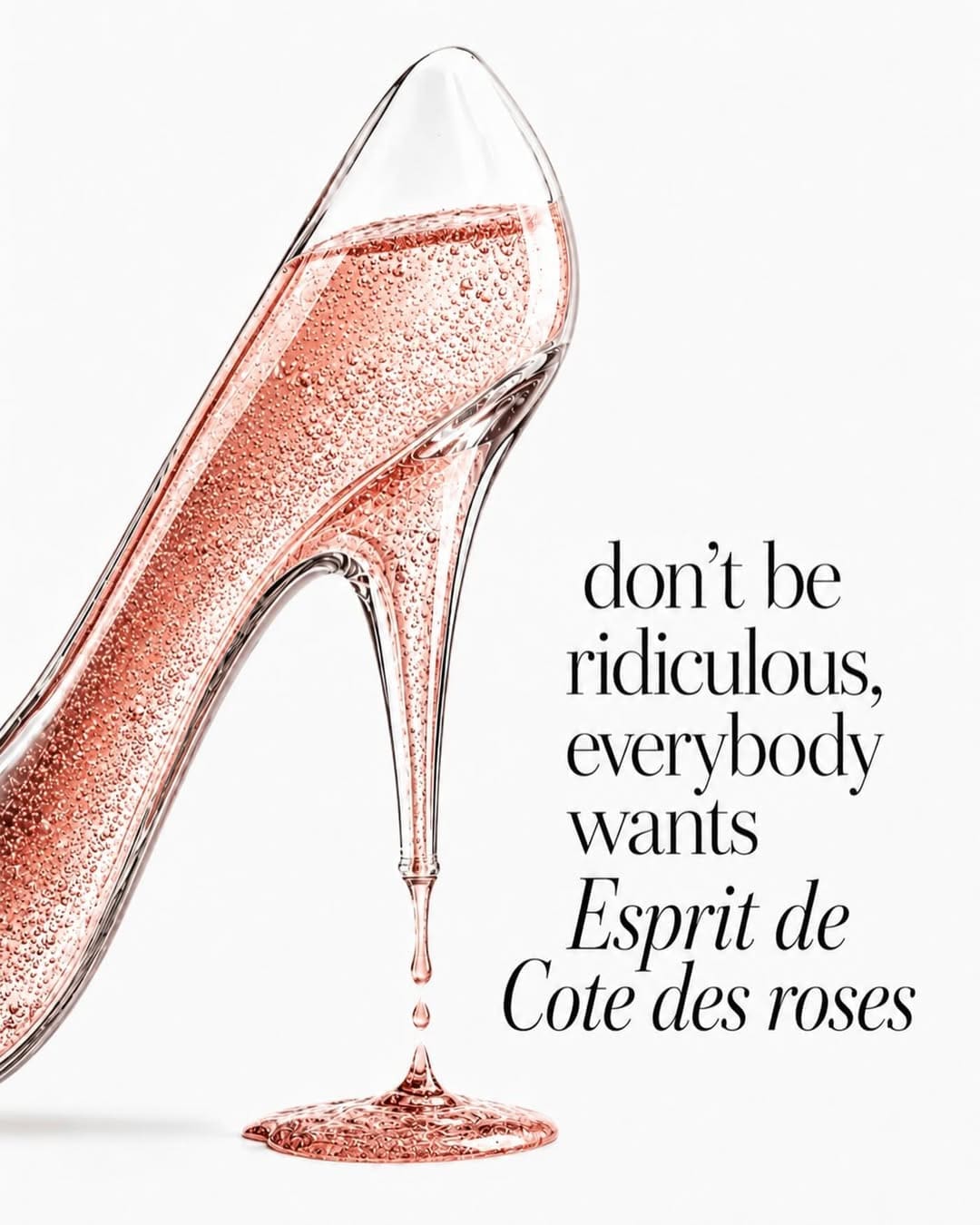
Don’t Be Ridiculous, Andrea, Who Would Want This? Global Merchandise 360°
When the studio abruptly pulled the plug on its fleet of Instagram and TikTok influencers a mere five days after the premiere, the marketing machine didn’t stop—it simply shifted its financial weight. To fill the sudden silence, a highly coordinated wave of press releases was dispatched to roughly a hundred different compliant media outlets and bloggers, instructing them to loudly praise the “nostalgia” and the “stylist’s wardrobe.” The message to the public was clear: if you love fashion, you must go pay your respects to the clothes.
Yet, for those who prefer their cultural commentary with a side of reality, a fascinating internal document recently surfaced on LinkedIn—shared, tellingly, by only a handful of marketing insiders connected to the brand integrations. Titled the “The Devil Wears Prada 2 Marketing Playbook,” this corporate blueprint proudly boasts of transforming a piece of cinema into a “Full-Scale Brand Ecosystem” and a “360° Brand Integration Engine.” In their own corporate gospel, they cheerily celebrate moving away from organic film promotion into a pre-engineered commerce matrix where brands are “co-creators of the narrative” from Day 1.
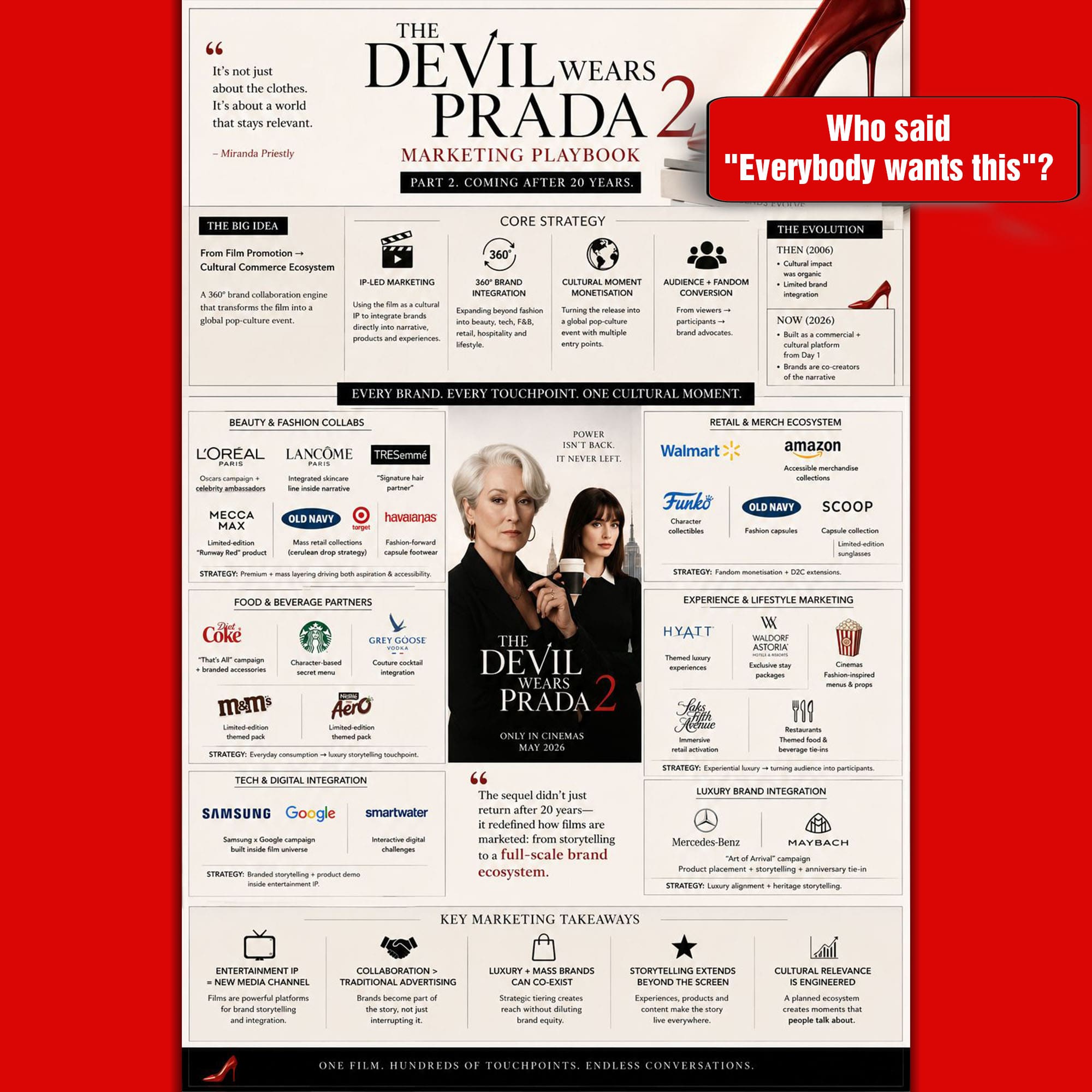
The ultimate irony, of course, lies in the complete betrayal of the central character’s fictional mythos. The terrifying allure of Miranda Priestly was entirely built on the art of ruthless exclusion—knowing exactly what belonged in her high-fashion sanctuary and savagely rejecting the rest. It required taste, curation, and discipline. Yet, the corporate architects behind her 2026 resurrection completely forgot the very principle that made her an icon. In their desperate rush to monetize sentiment, they traded exclusion for total saturation, turning a legendary legacy into an uncurated global yard sale.
Ultimately, the most embarrassing misstep committed by the studio’s cheerleaders is their desperate attempt to compare this commercial operation to the success of Barbie. They have completely missed the most fundamental distinction: Barbie succeeded because it delivered an incredible story about a woman discovering the world, and through that journey, discovering herself. That film was anchored in genuine human values, not an inventory sheet. It created an imaginative, vibrant world where people actually wanted to live—not a giant, cynical supermarket stuffed with meaningless supplies, stylings, repeated phrases, and a looping nostalgia that exists solely to be stamped onto the packages of a thousand commercial partners.
That’s NOT All!
PS. To bring this entire spectacle to its natural conclusion, the DISNEY / 20TH CENTURY STUDIOS’ grand strategy resembles nothing so much as a raiding party—a corporate cartel that behaves like a band of bandits, aggressively infesting the landscape, extracting every possible cent from a captive audience, and fleeing into the night once the pockets are emptied.
Hardly surprising for their Head of Legal and Business Affairs whose 2022 ‘limited basis’ license (Registered In-House Counsel) suggests he is still figuring out how intellectual property works in the real world. Maybe try googling? Surely there’s a printable ‘IP for Dummies’ certificate he can add to his mail-order collection.
And while their legal architects are kept busy trying to count this commercial gold rush, one can only wonder how they manage to balance the glossy prestige of their fashion activations against the deeply toxic realities of the DISNEY’s broader operational ecosystem, where they are left frantically scrambling to manage the dark fallout of the recent CHILD PORNOGRAPHY scandal surrounding their own Disney Cruise lines.
Eleonora de Gray, Editor-in-Chief of Runway Magazine, the real-life media
Key Takeaways
- The Devil Wears Prada 2 mixes nostalgia with corporate merchandise, blurring lines between fiction and reality.
- The marketing strategy heavily relies on influencers and pre-engineered commerce, shifting focus from storytelling to selling products.
- The film leverages nostalgia but lacks a coherent plot, acting more as a collection of promotional sketches than a narrative.
- Despite reported box office success, empty theaters reveal a potential corporate strategy of bulk ticket sales to partners rather than actual viewers.
- The film’s commercialization undermines its legacy, turning a classy narrative into a cluttered ‘360° brand integration’ spectacle.
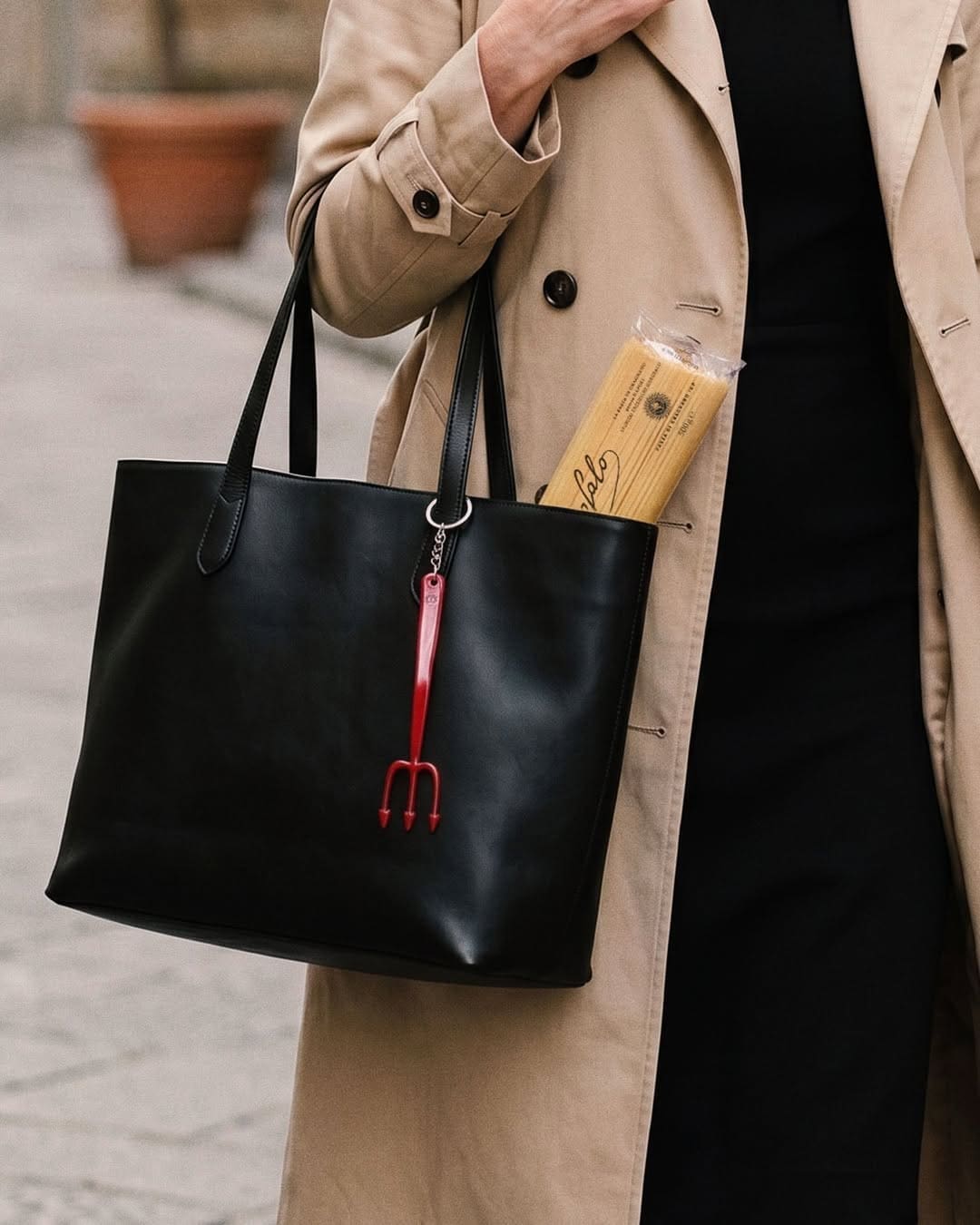
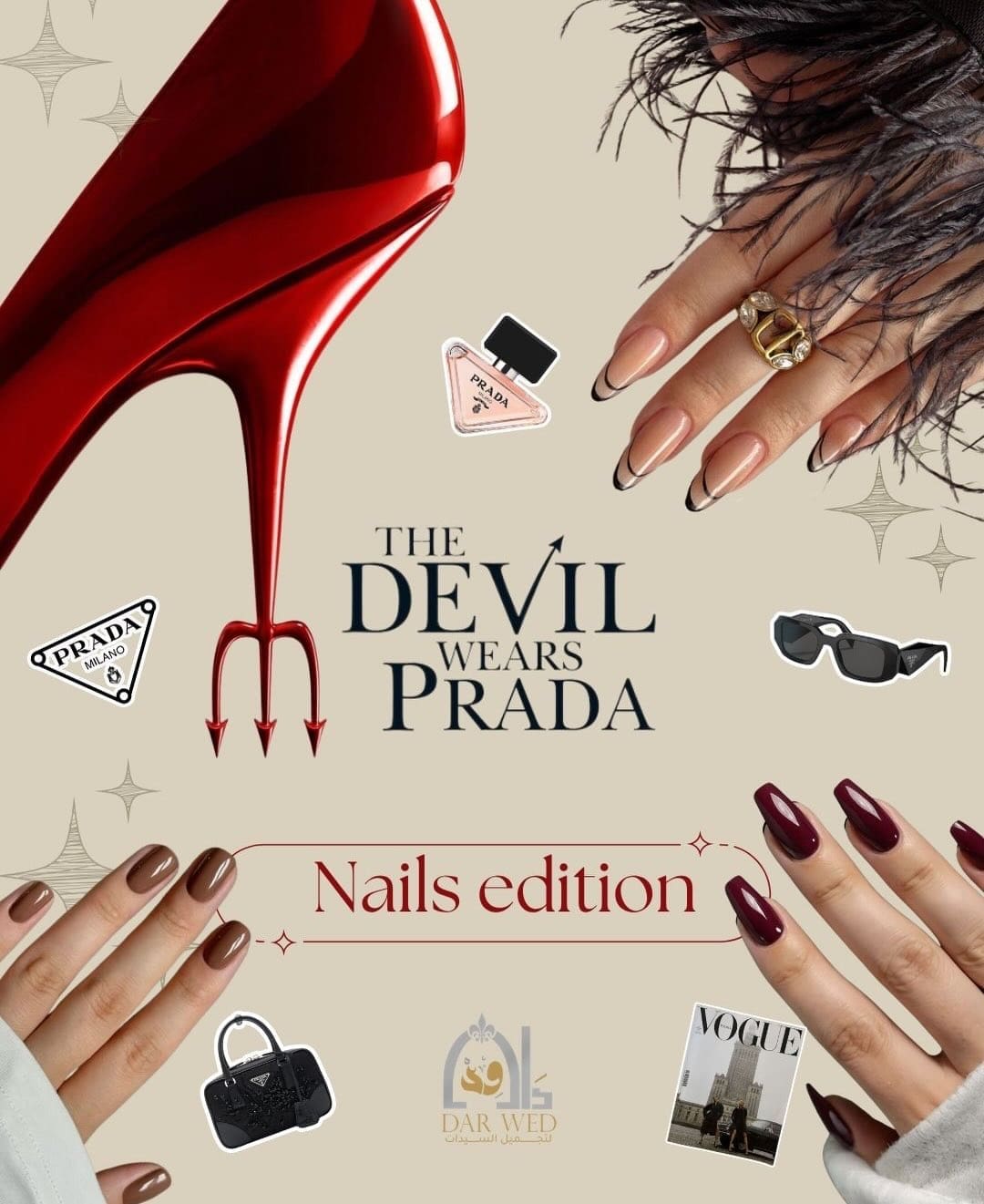
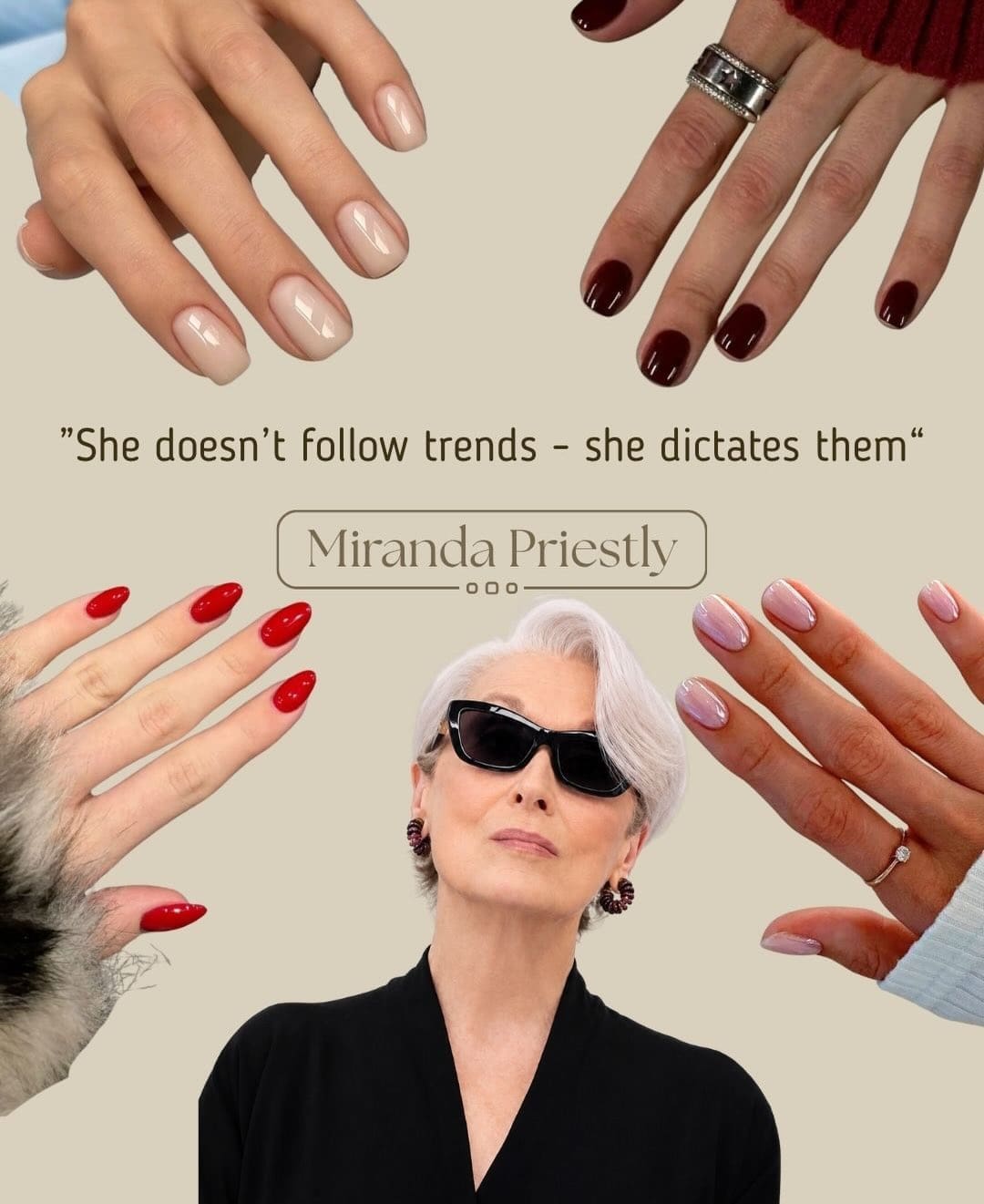
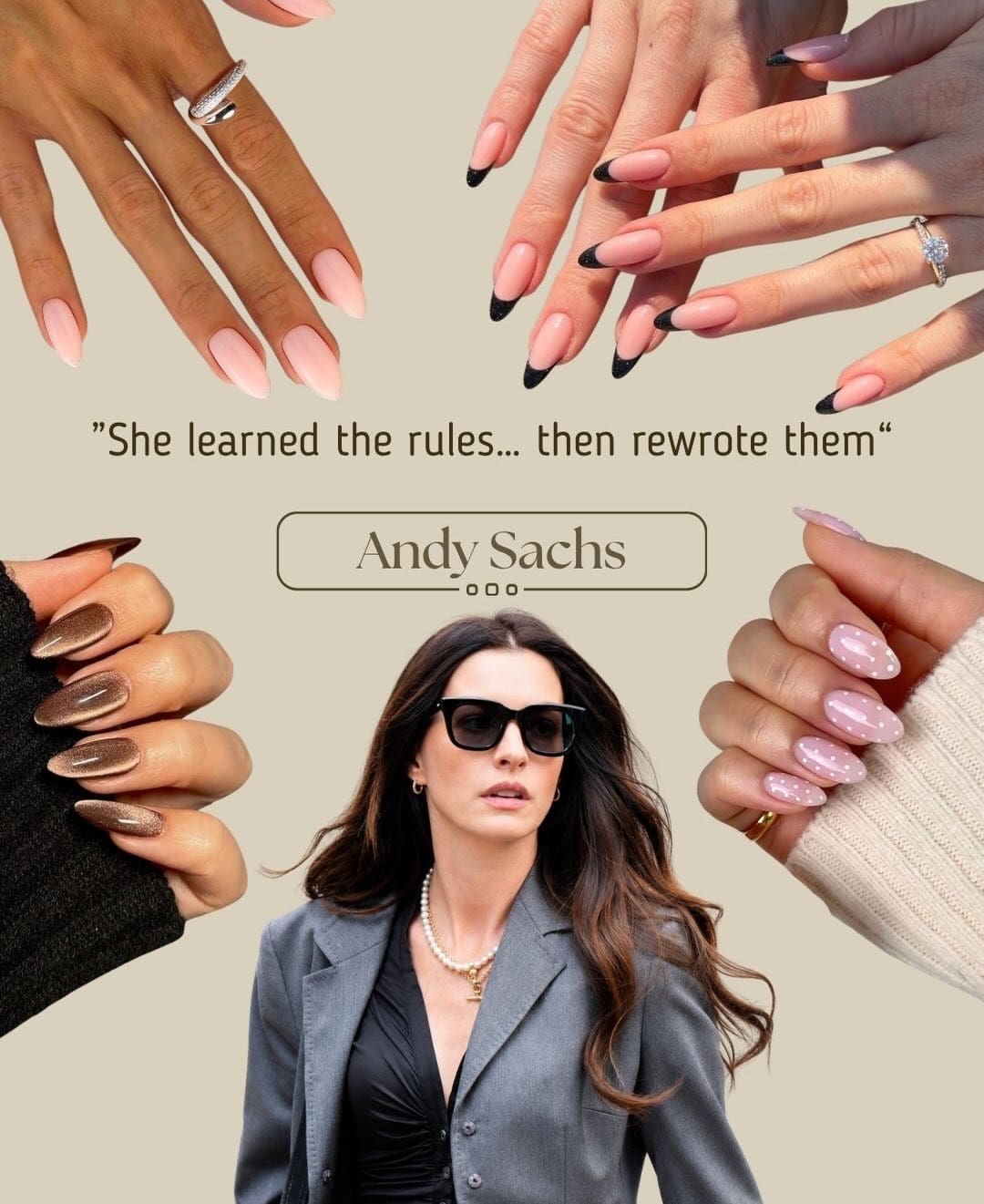
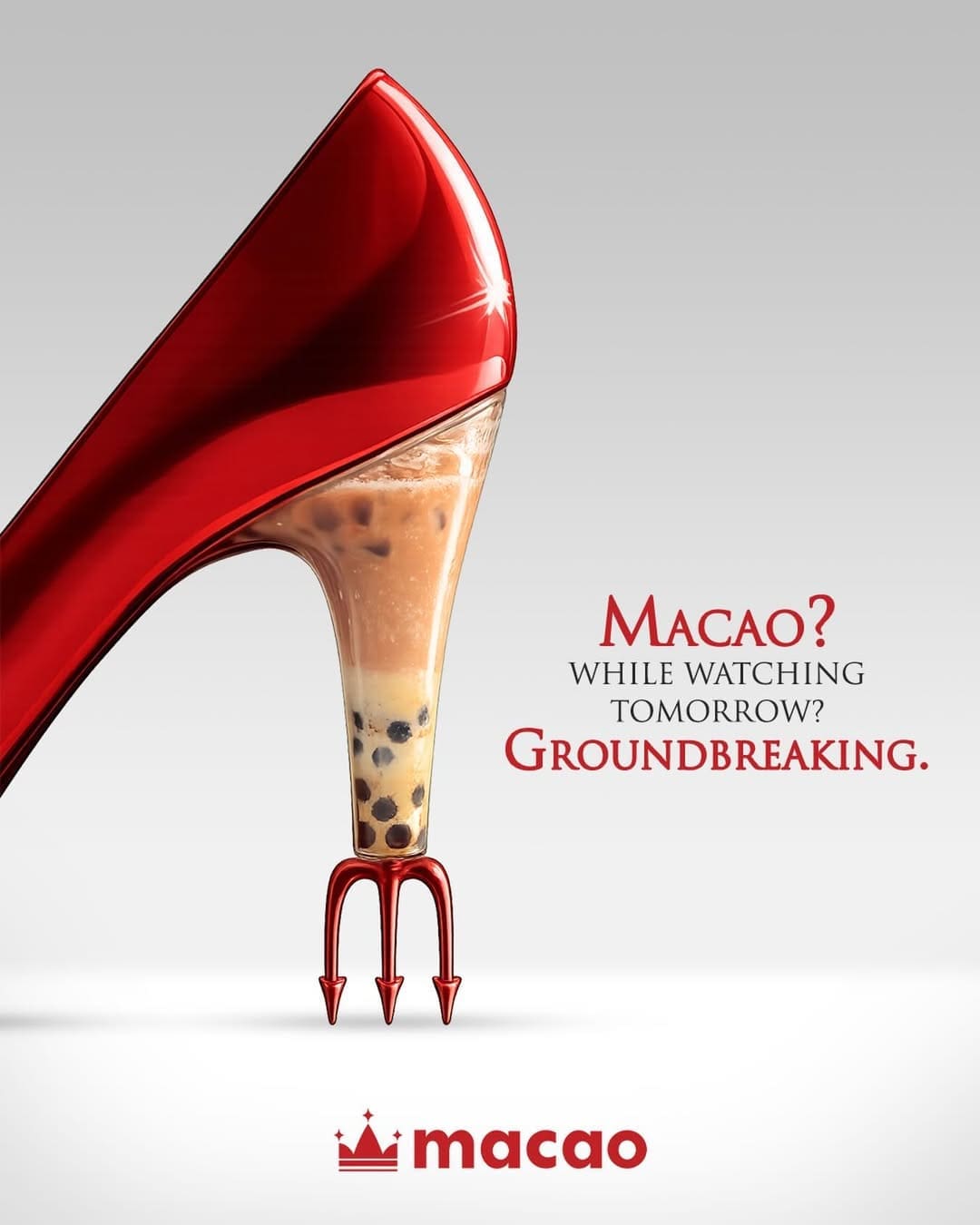
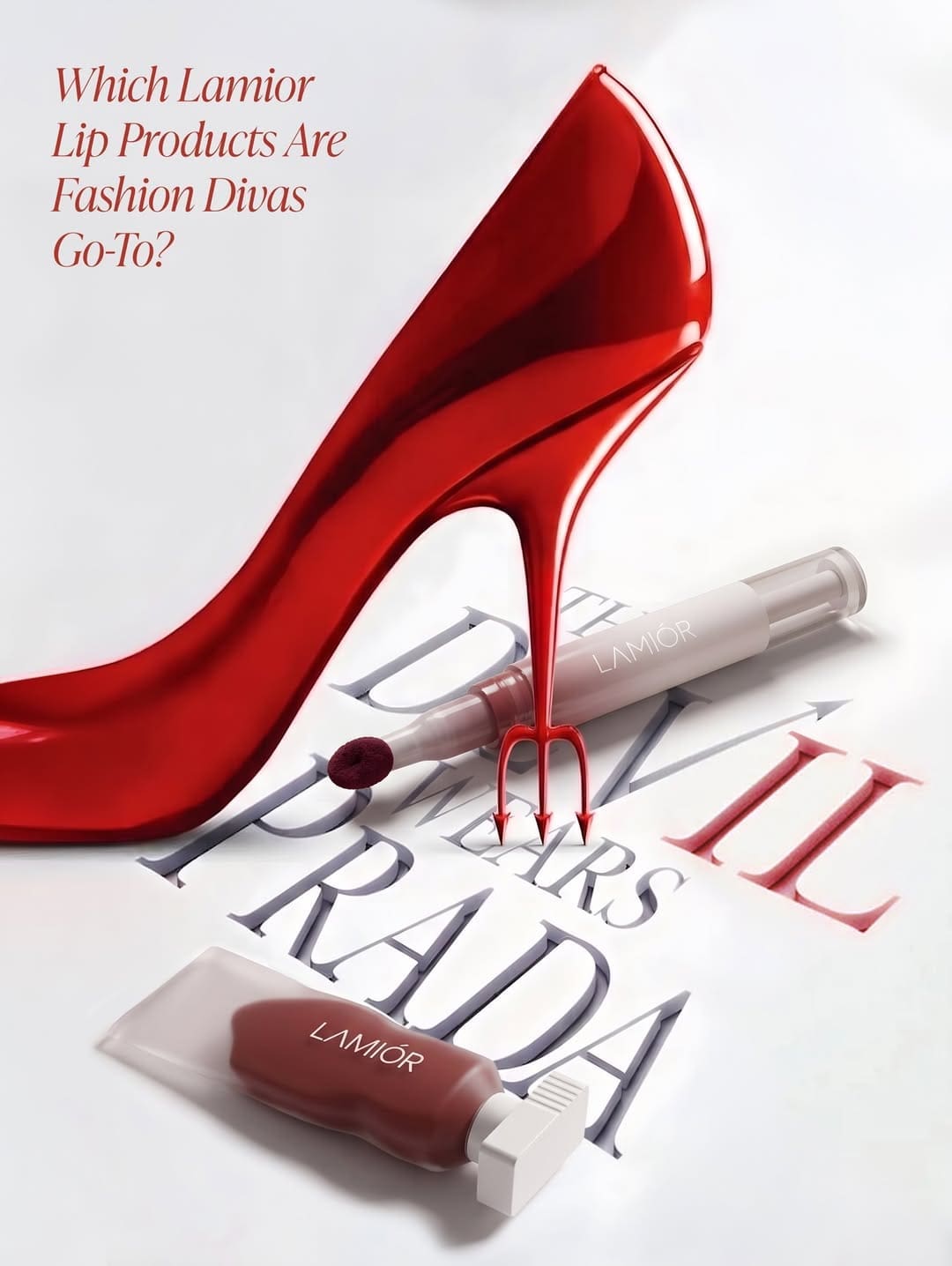
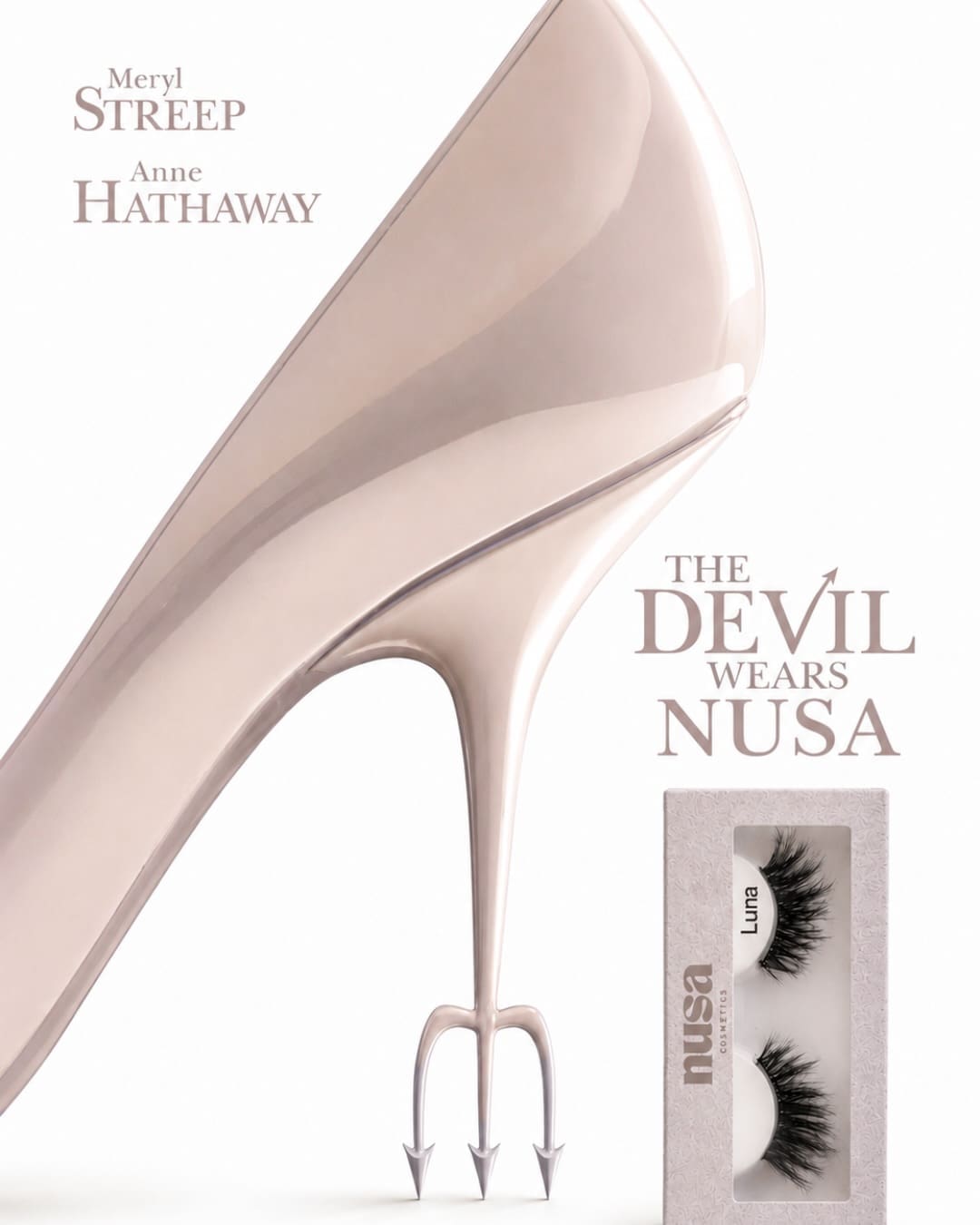
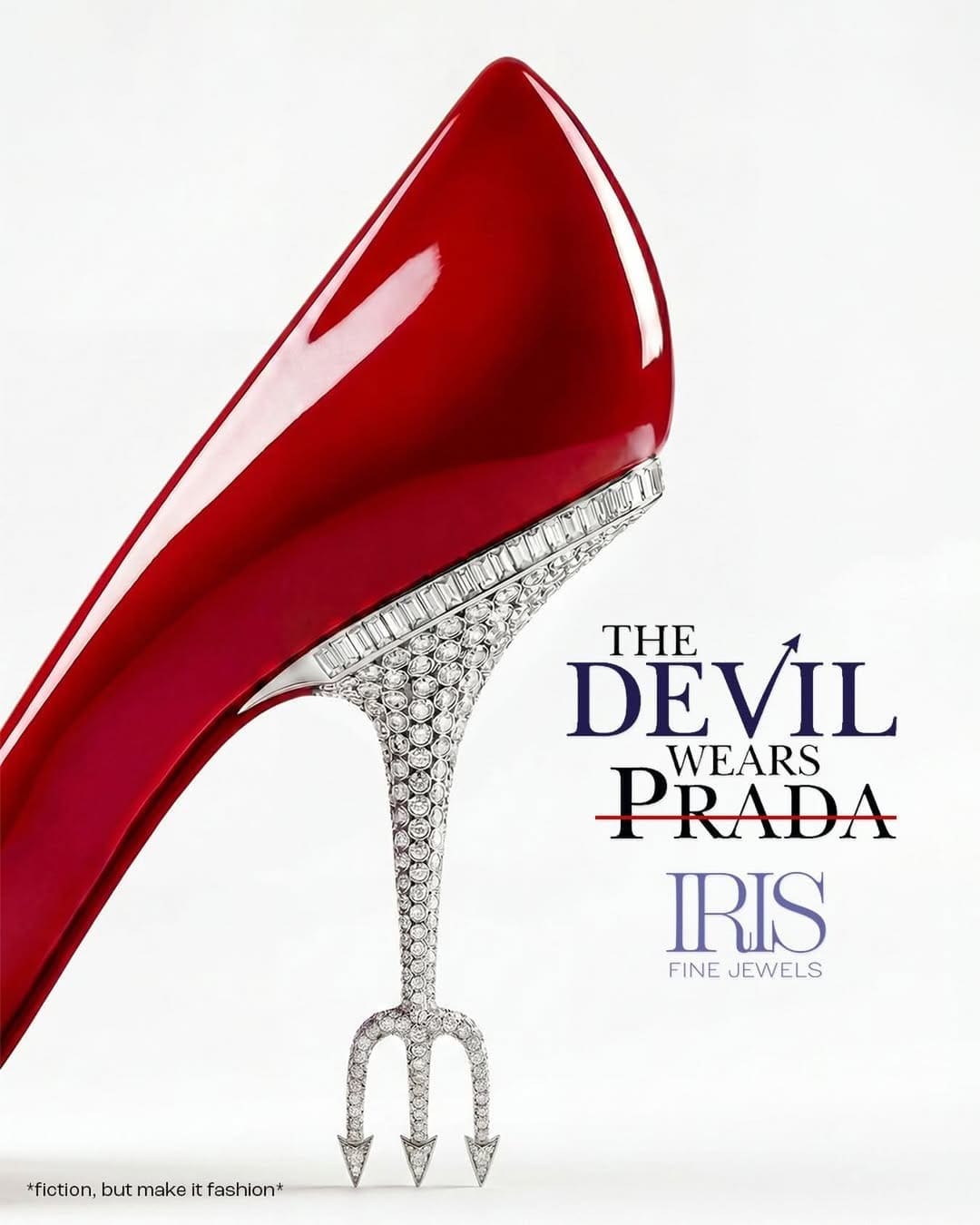
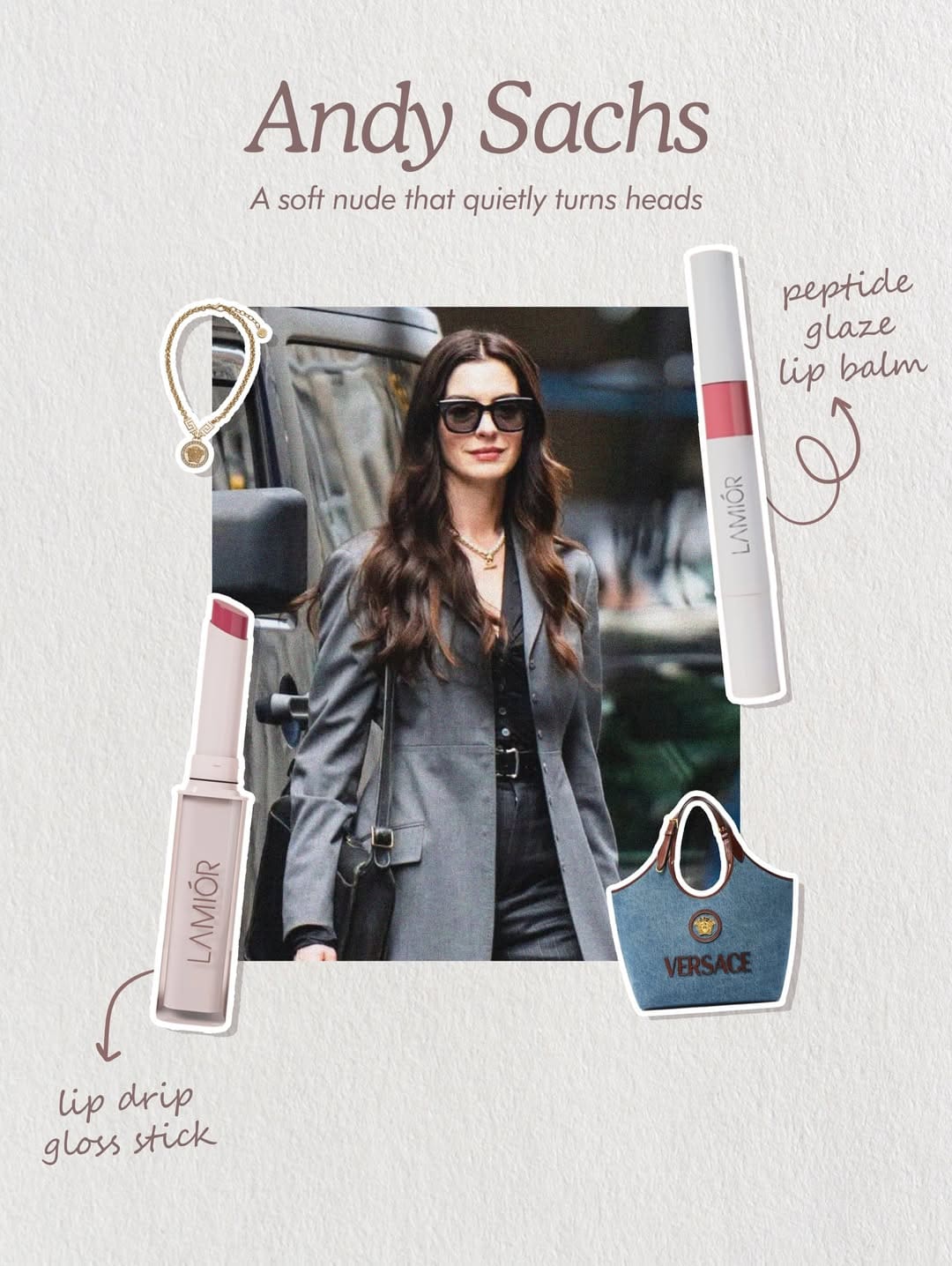
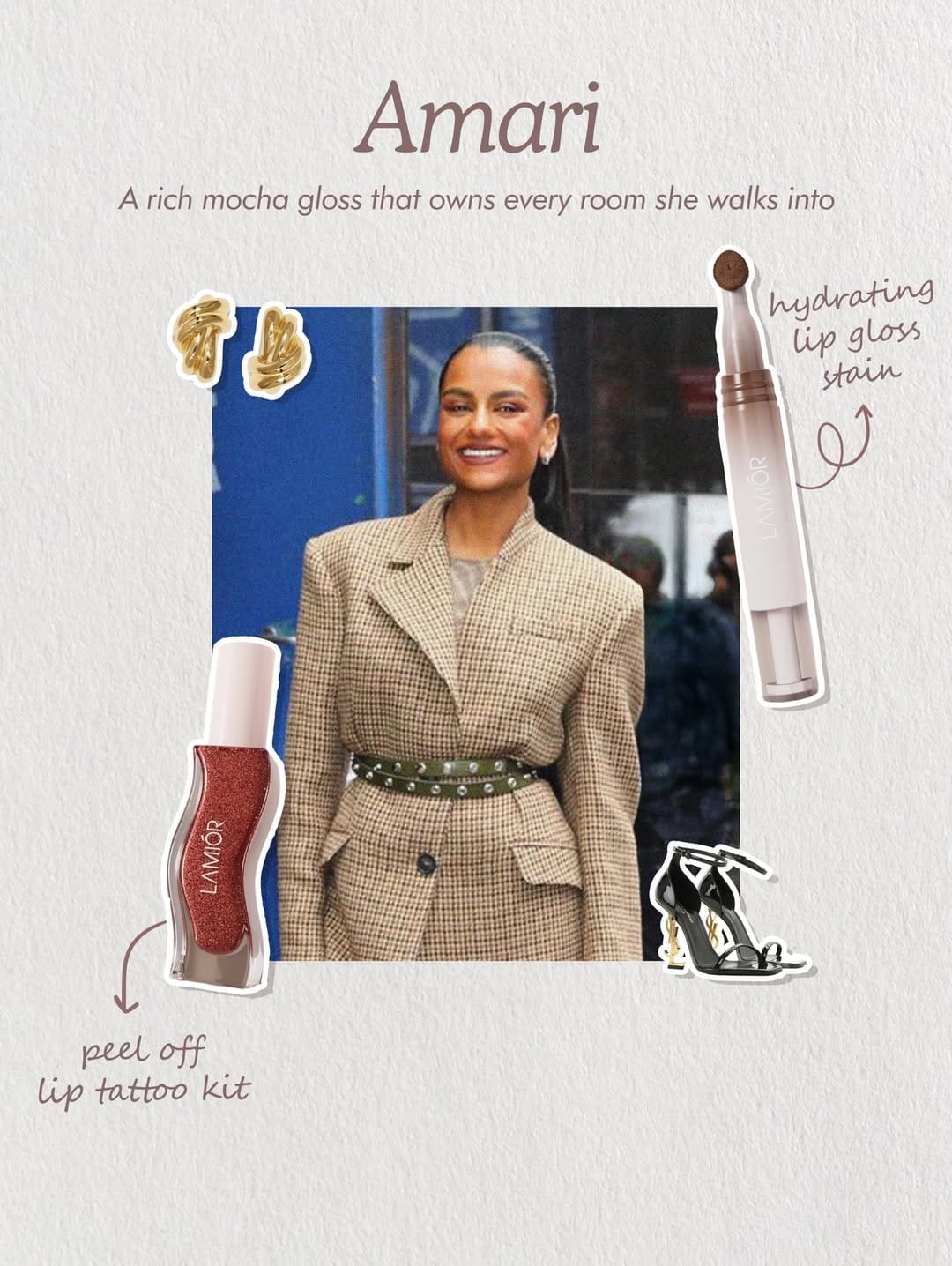
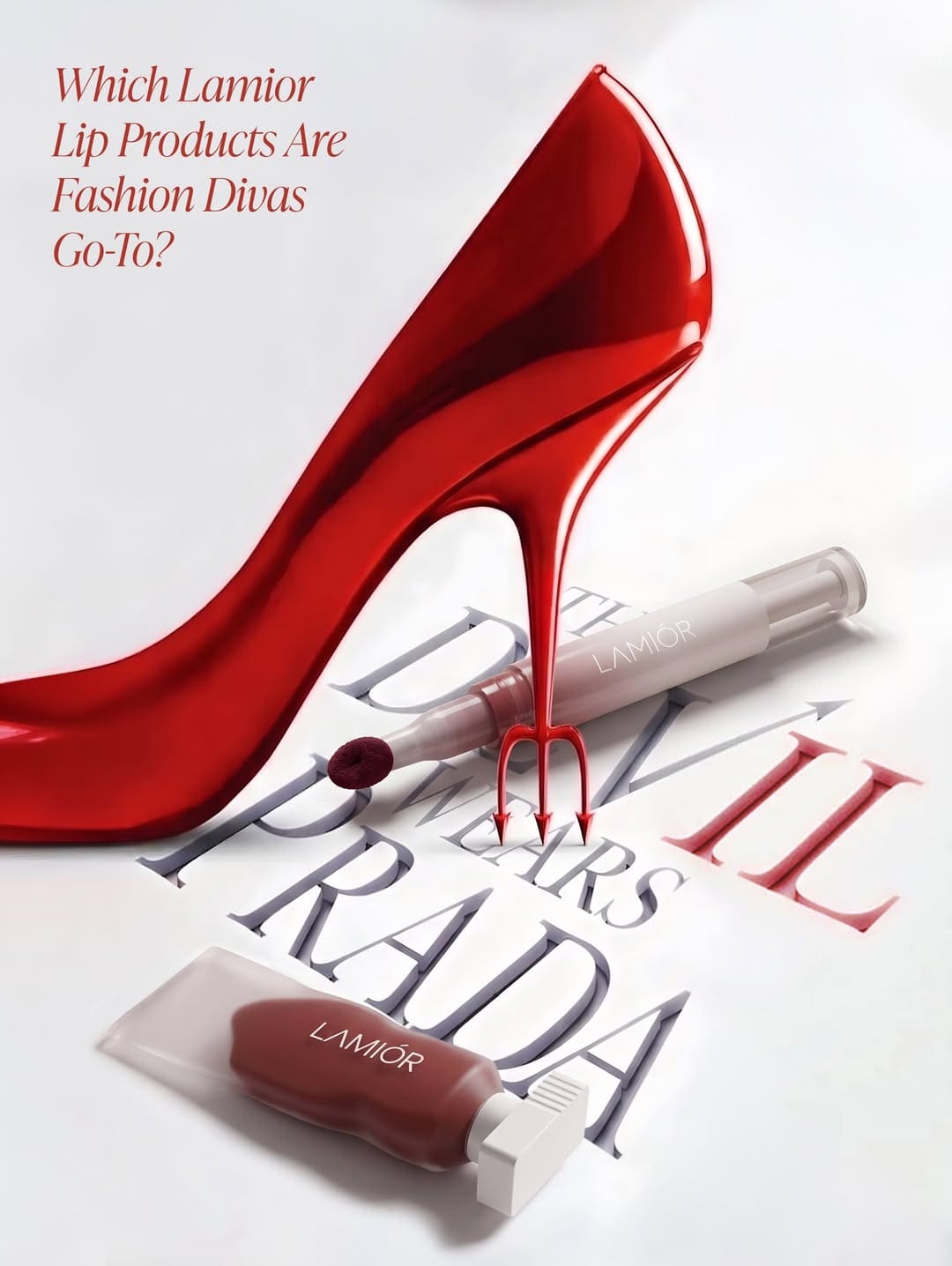
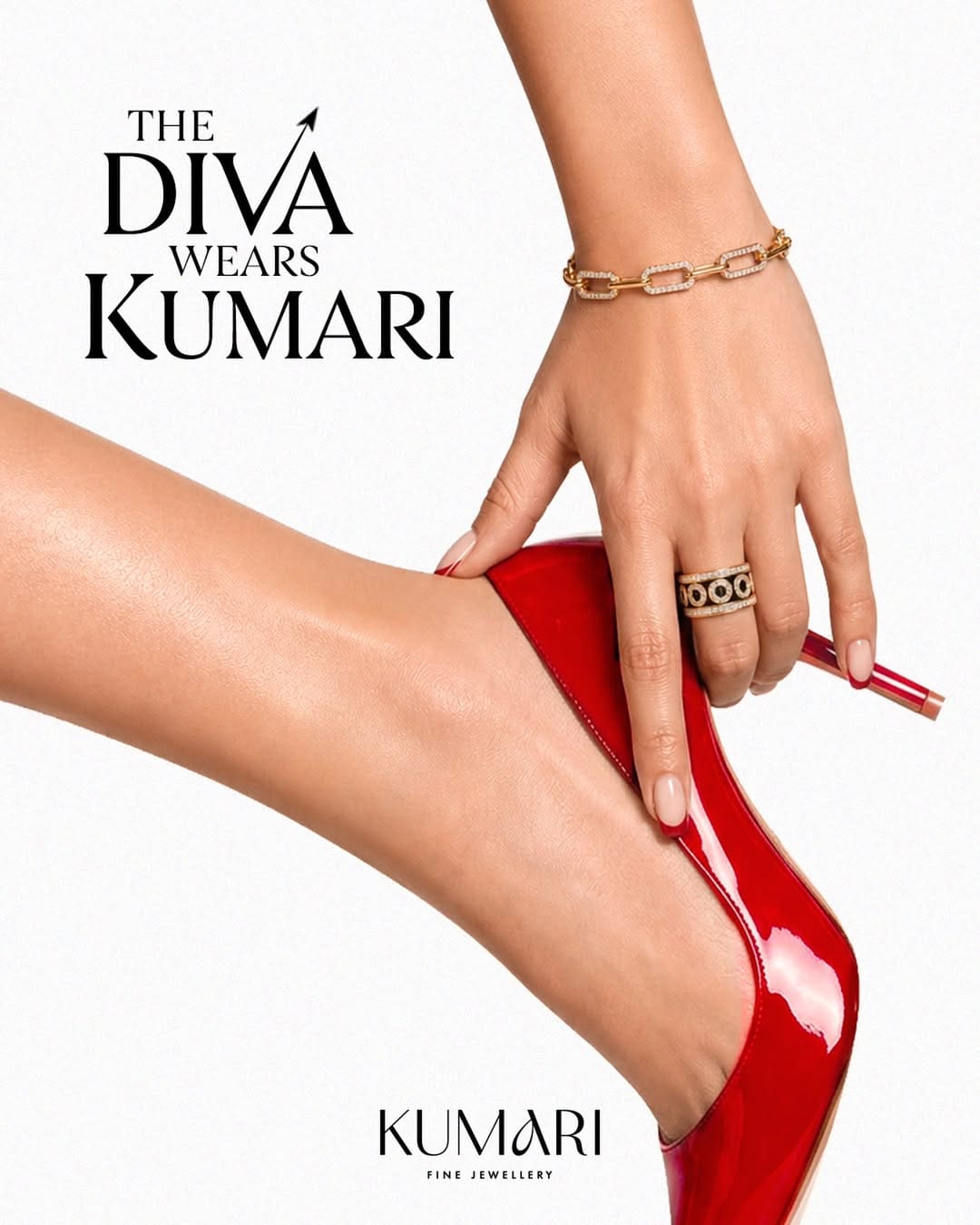
The Devil Wears Prada 2 Global Merchandise 360° – Commercial Partners
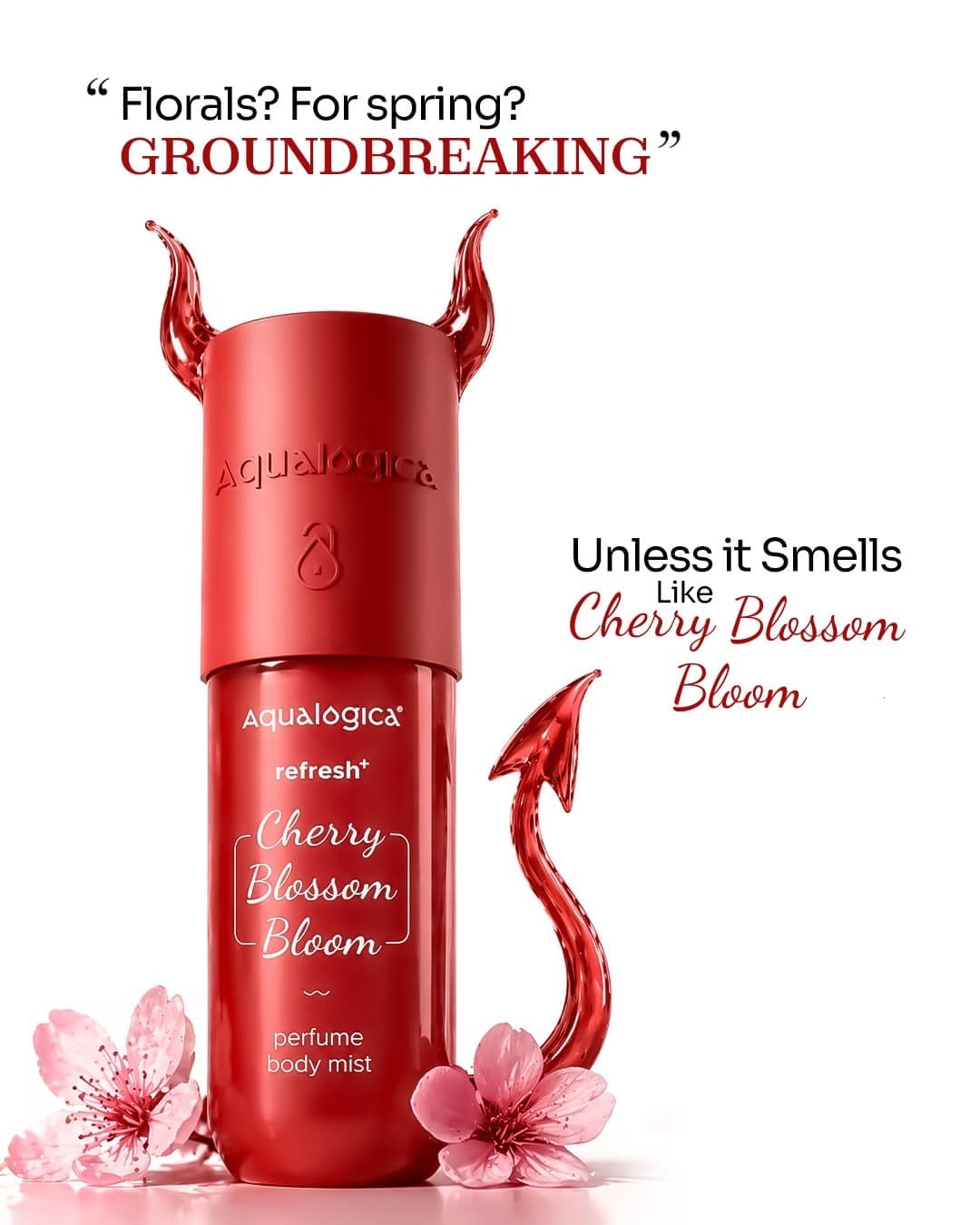
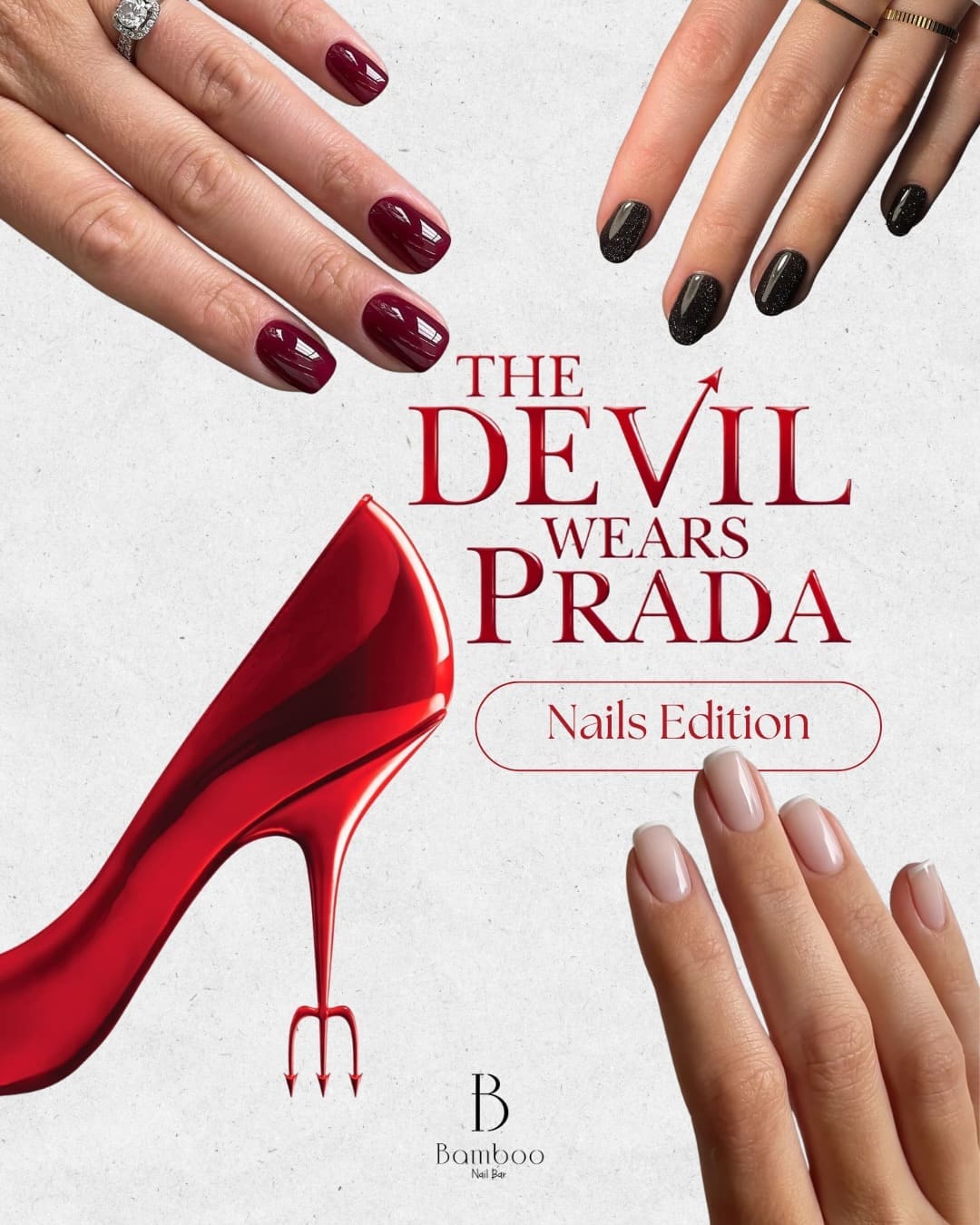
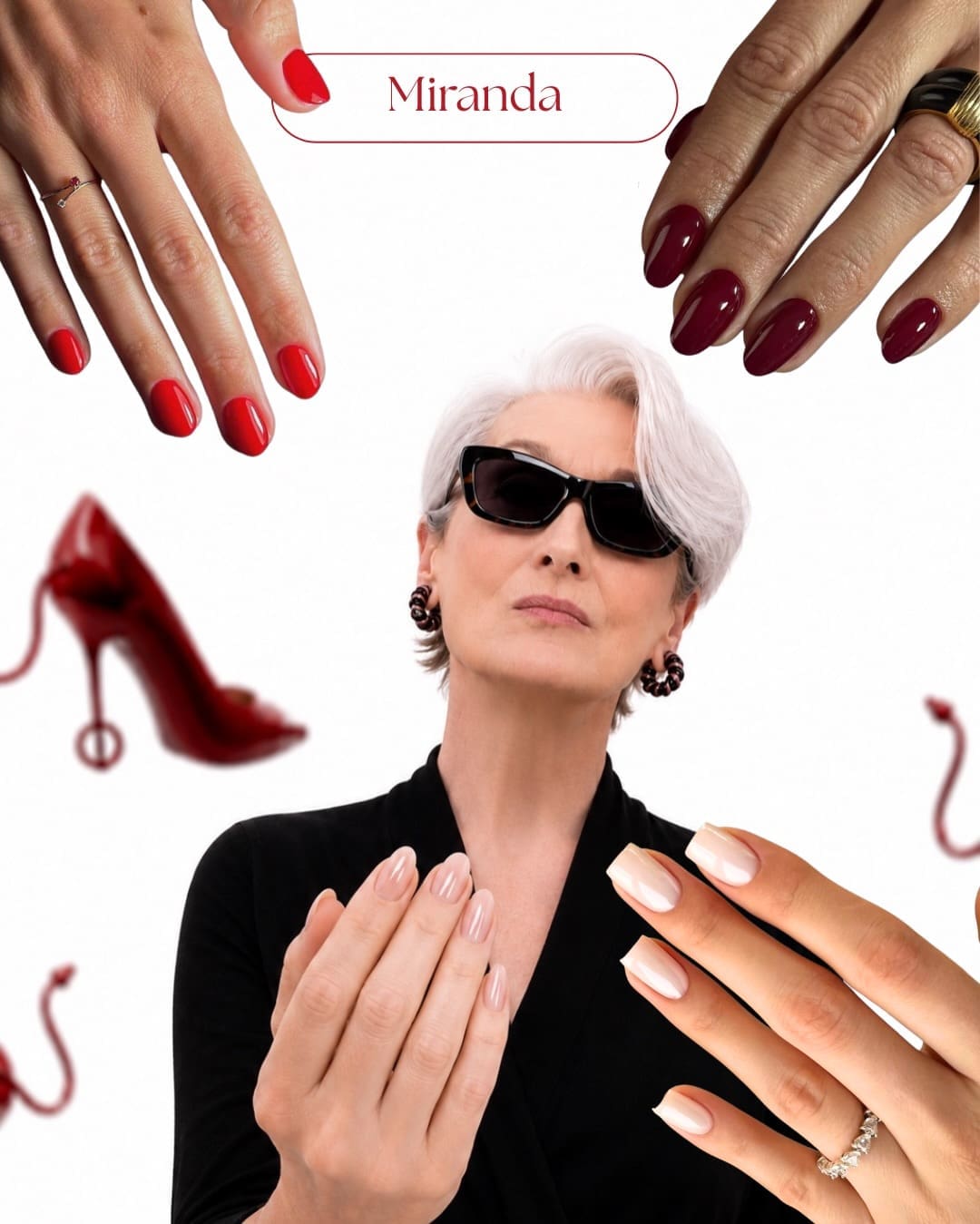


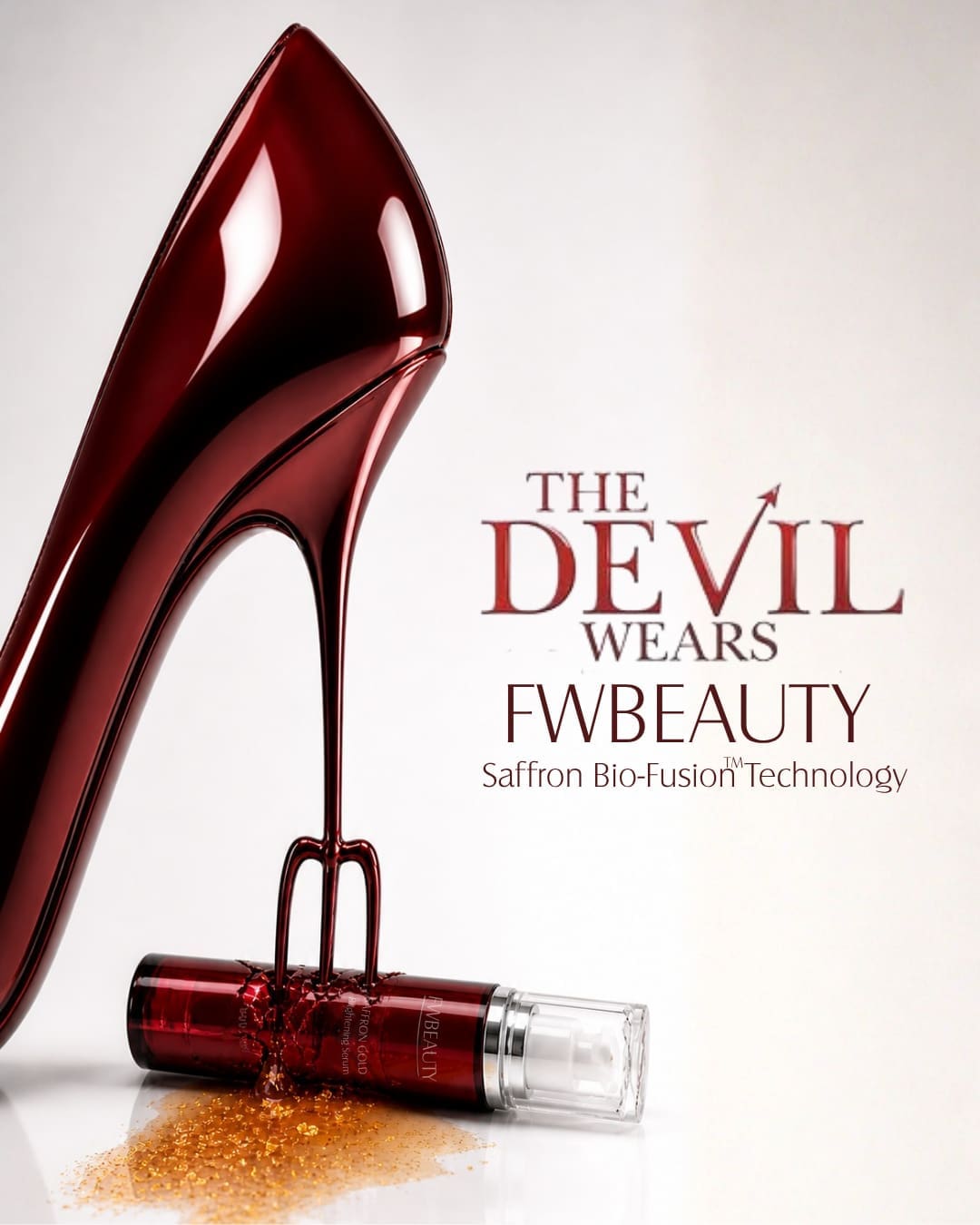
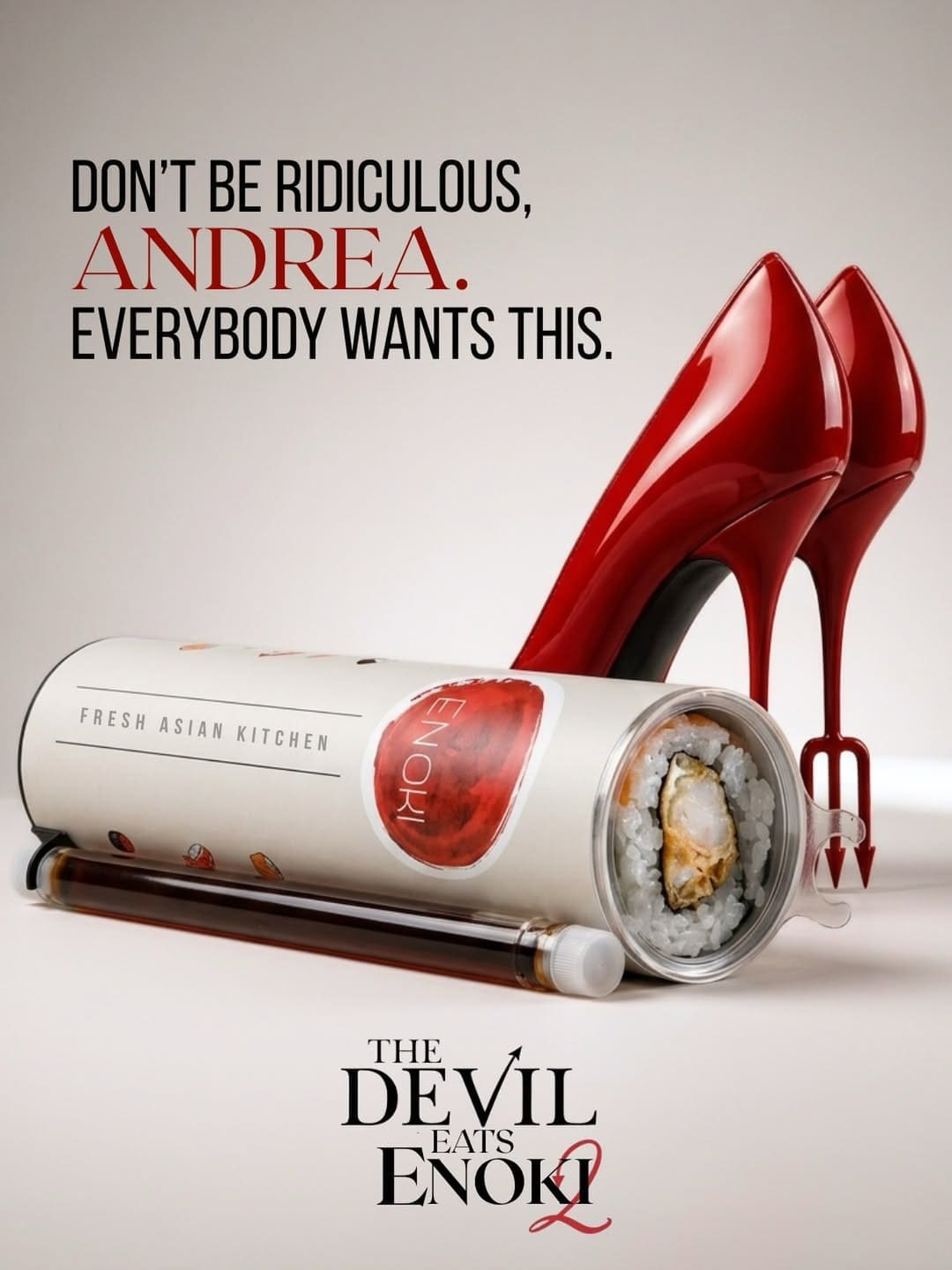
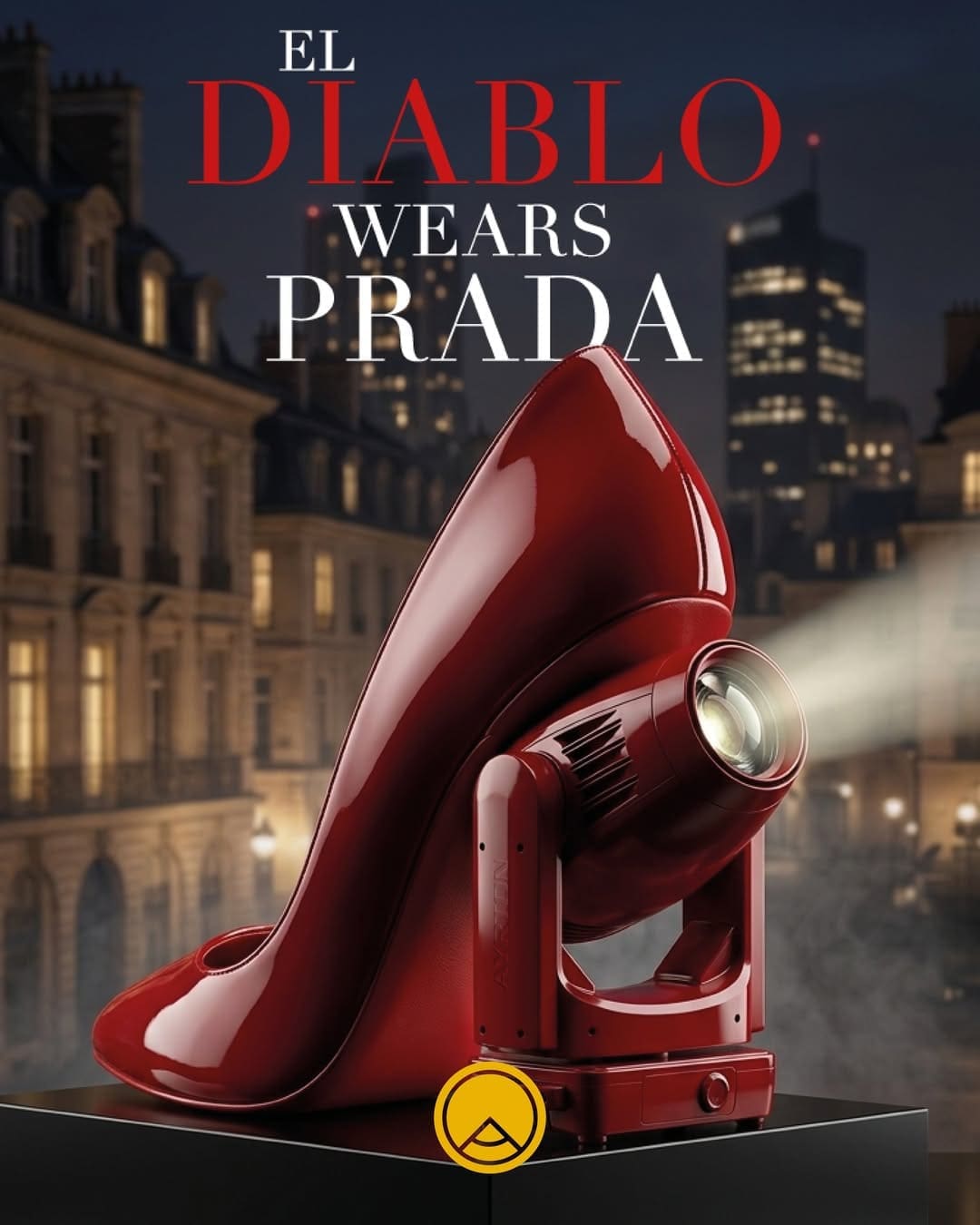
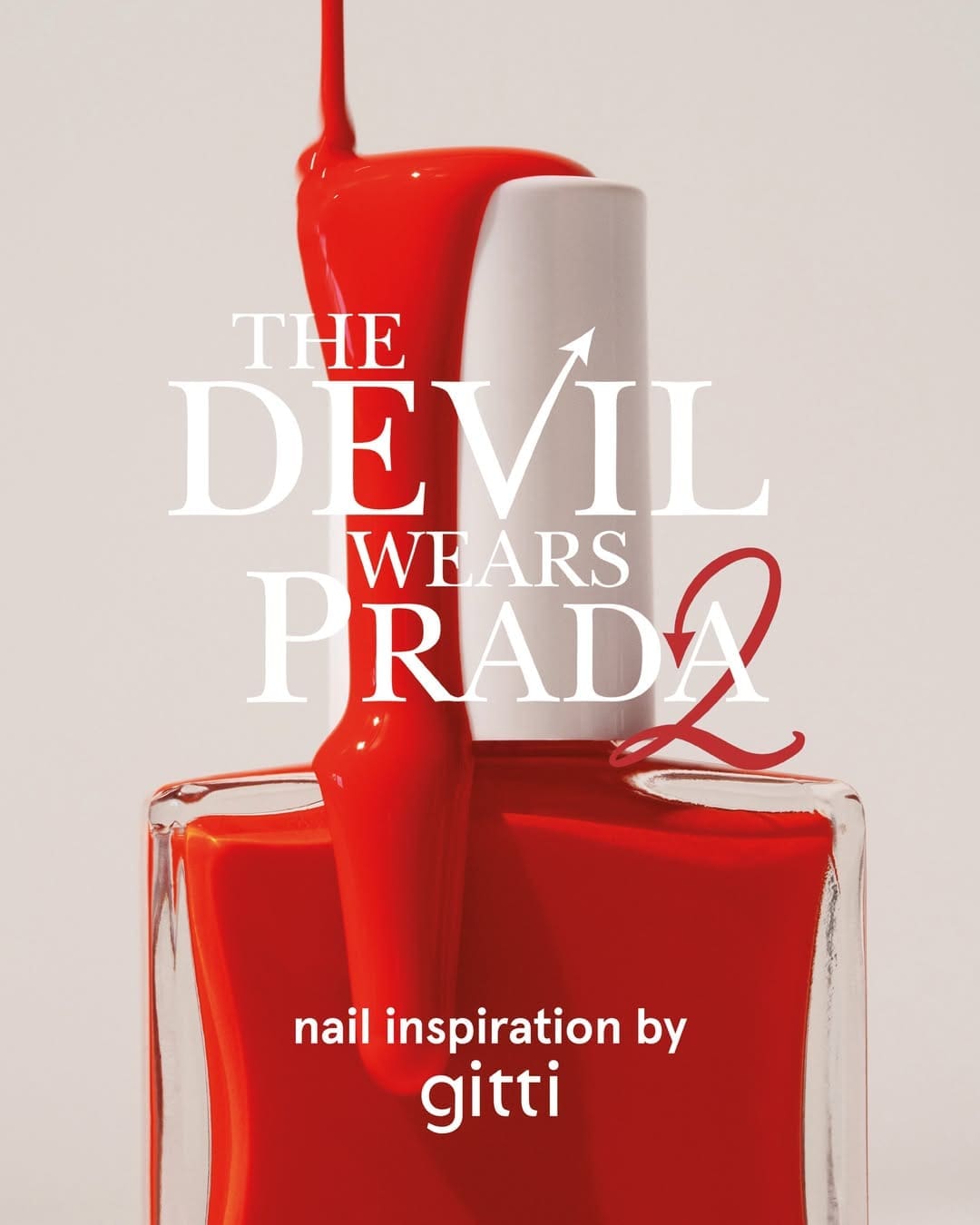
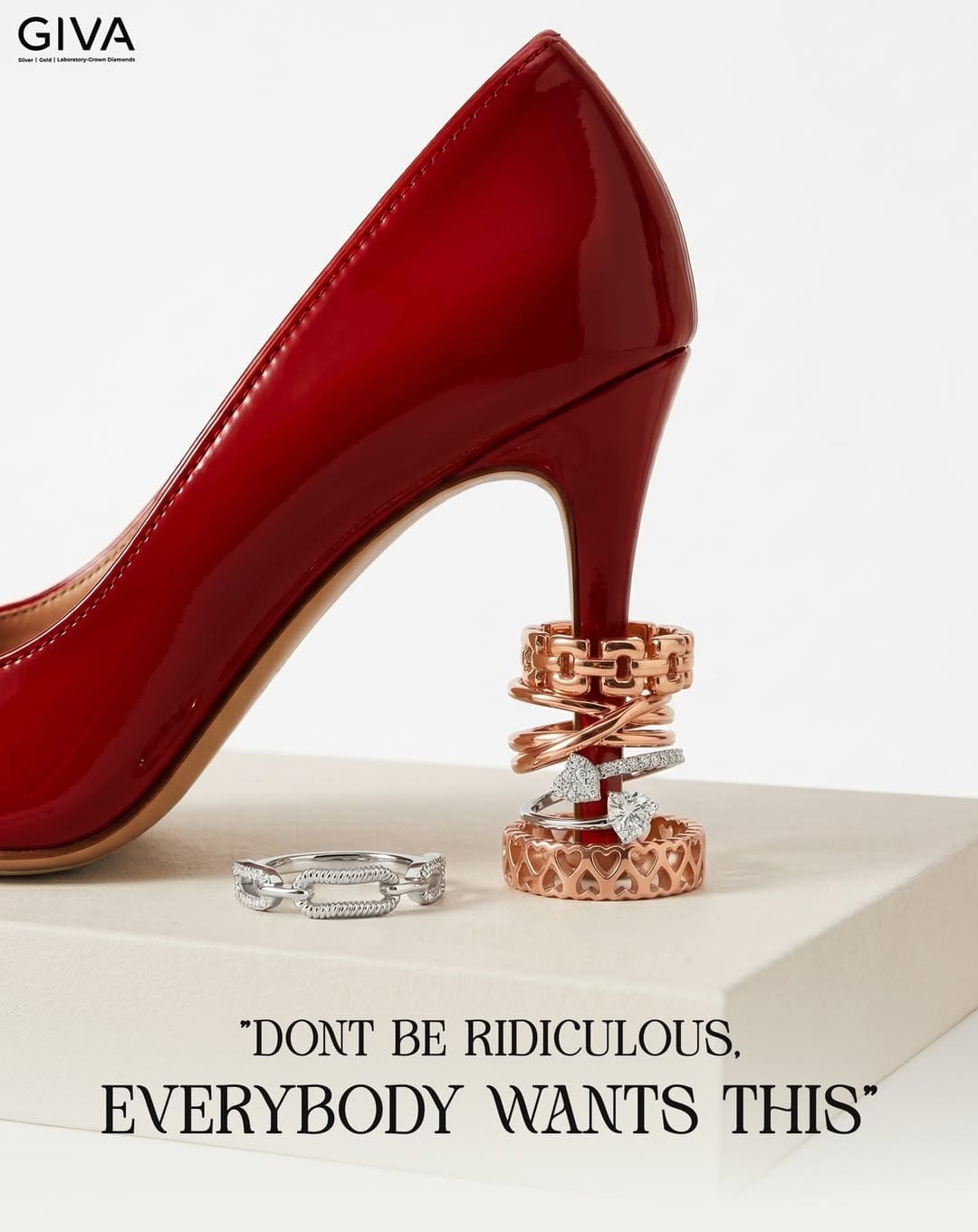
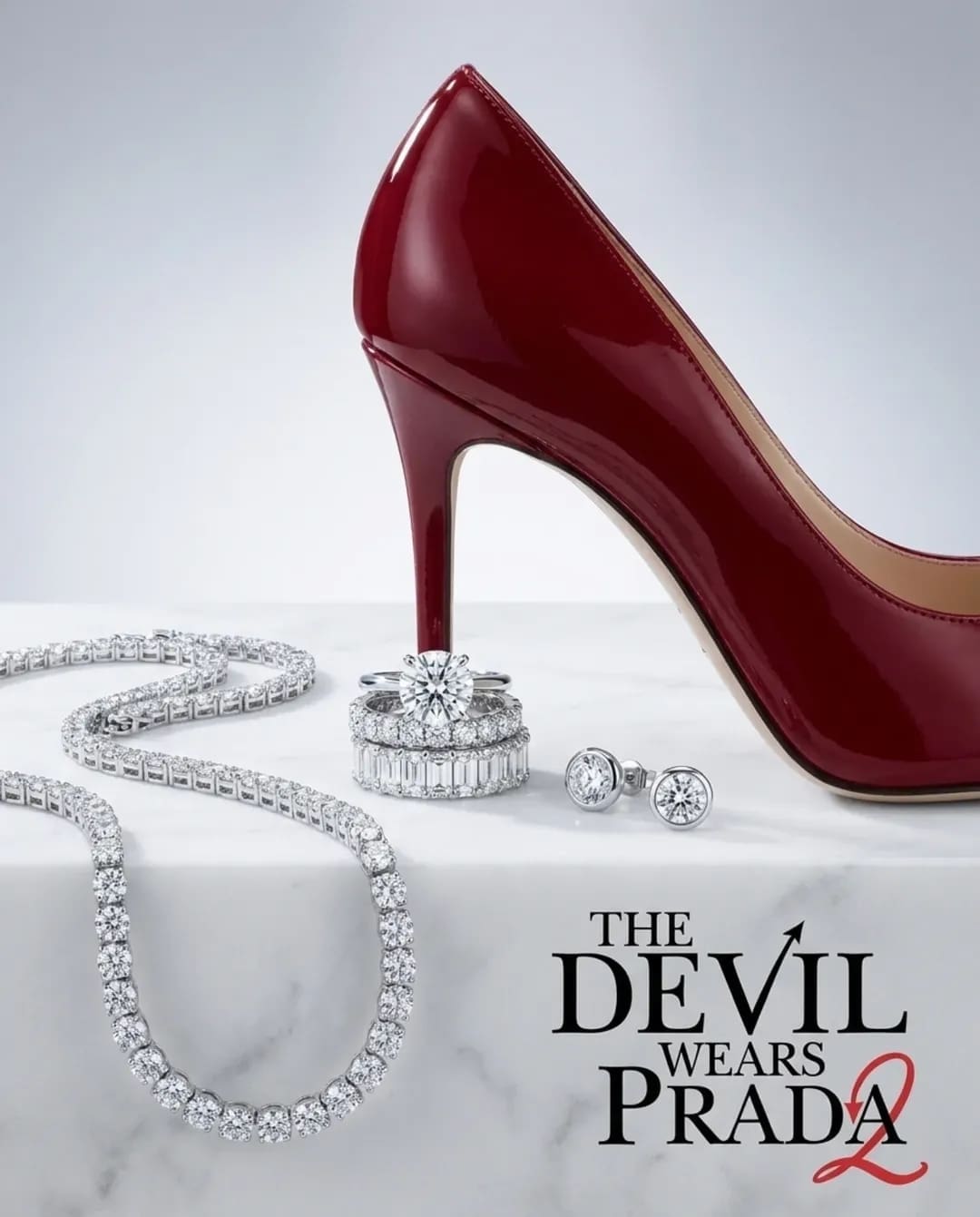
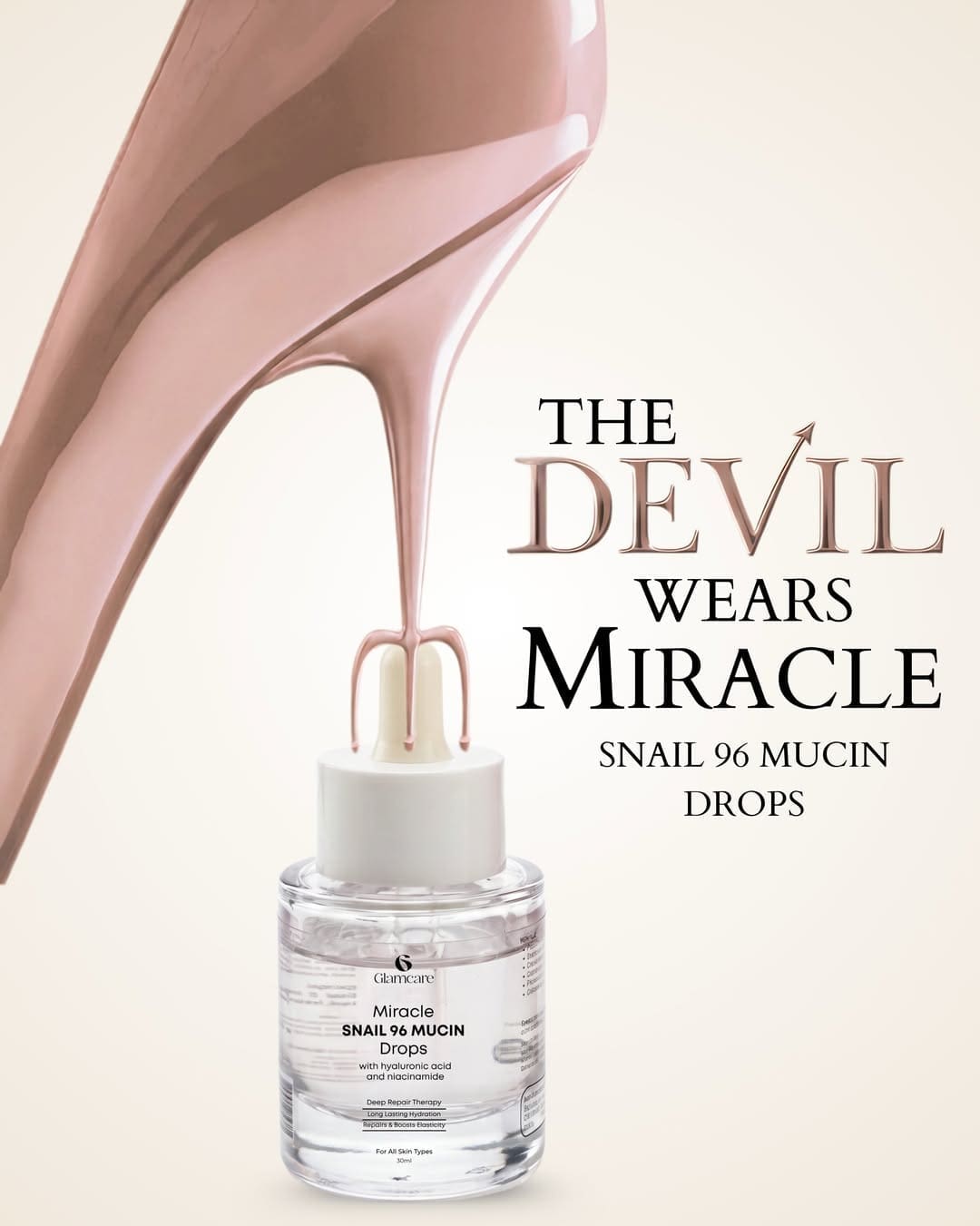
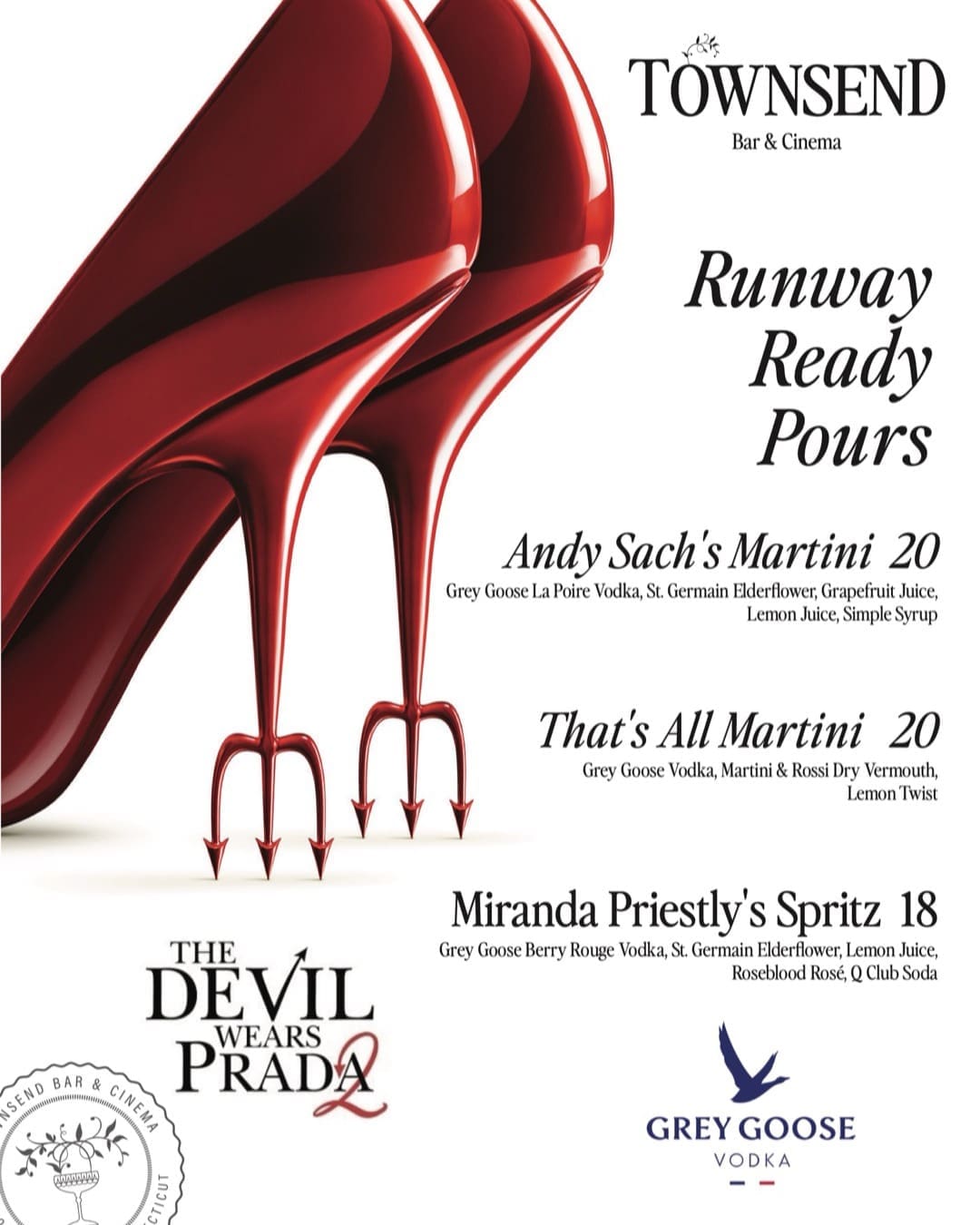
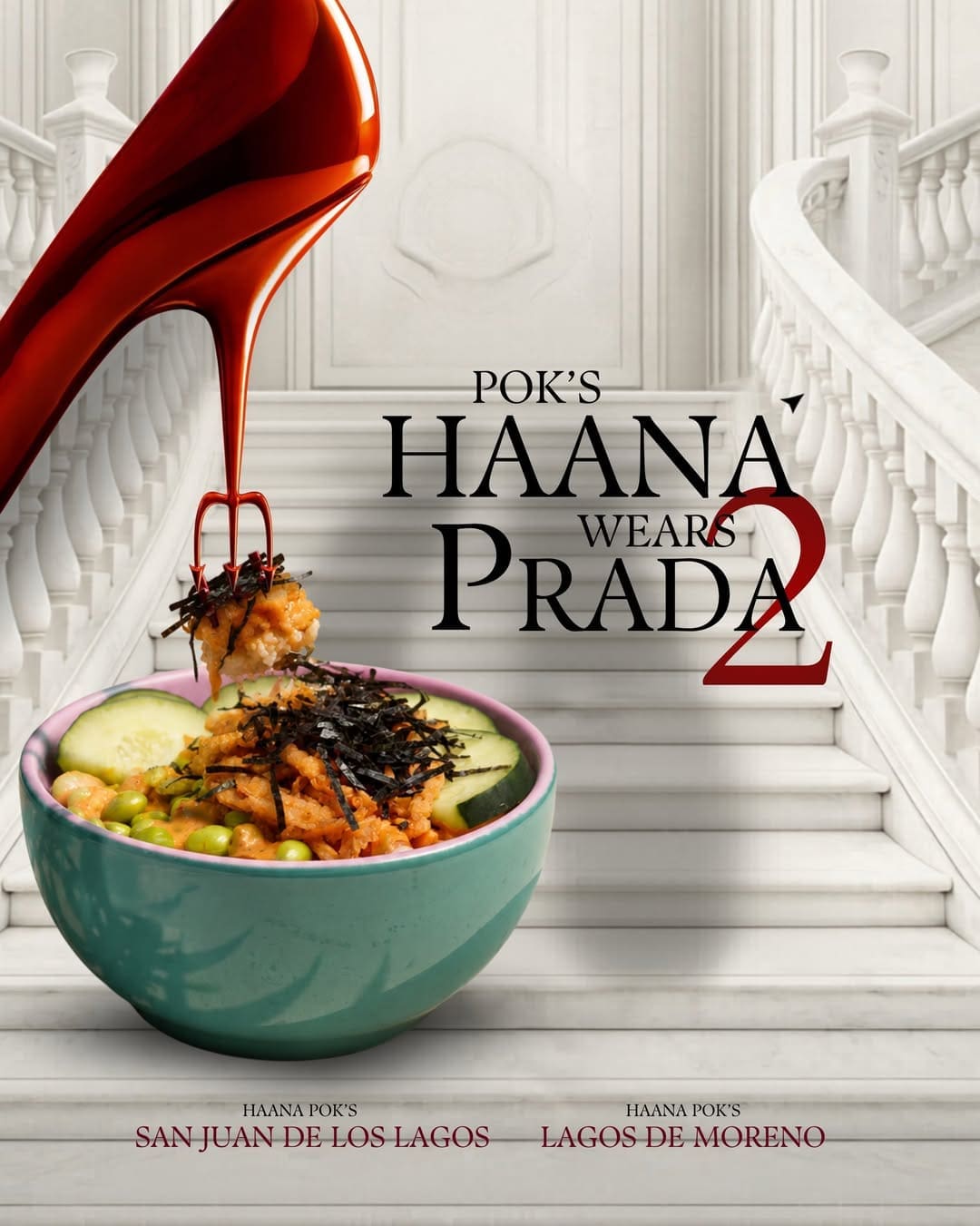
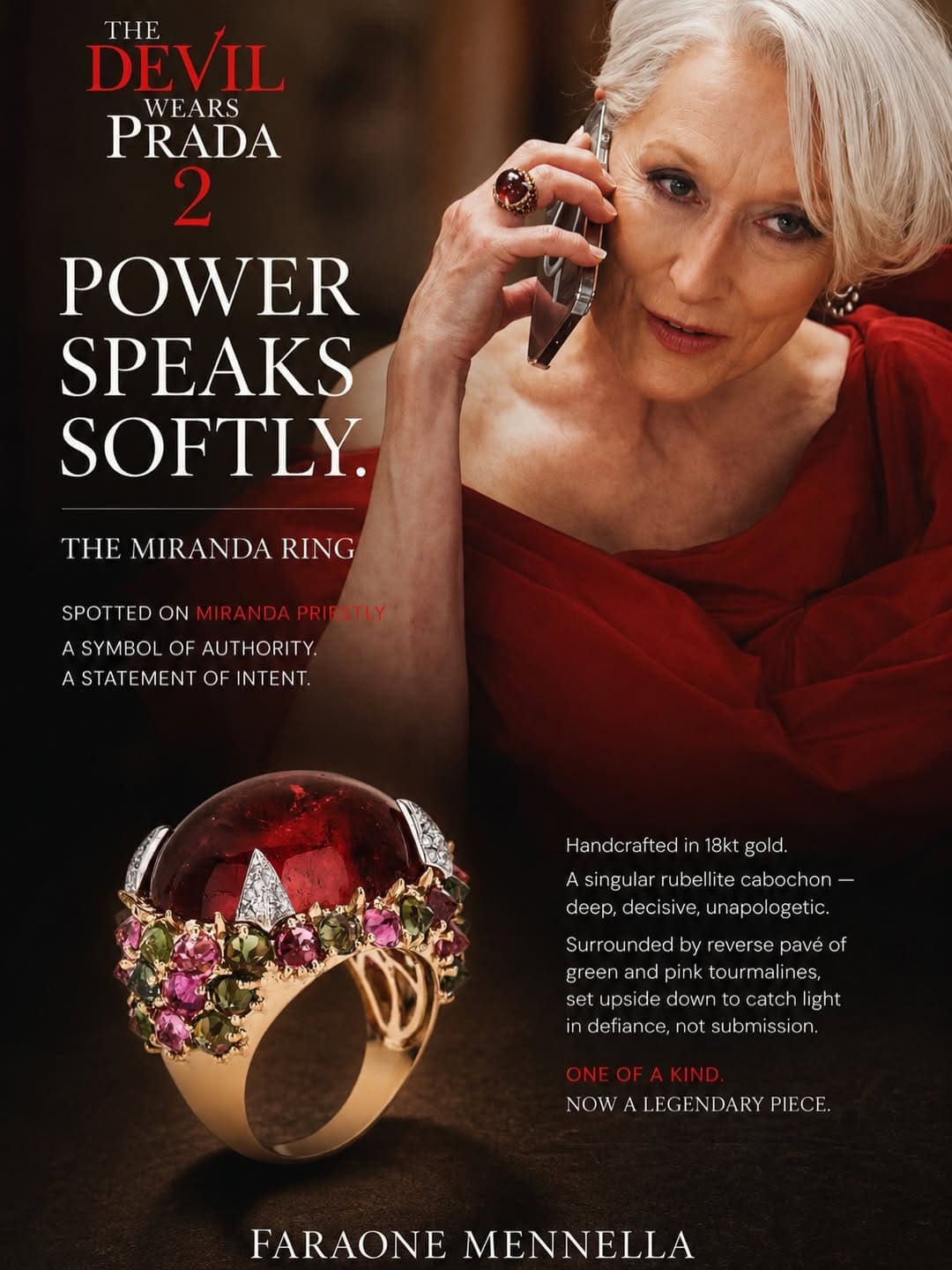
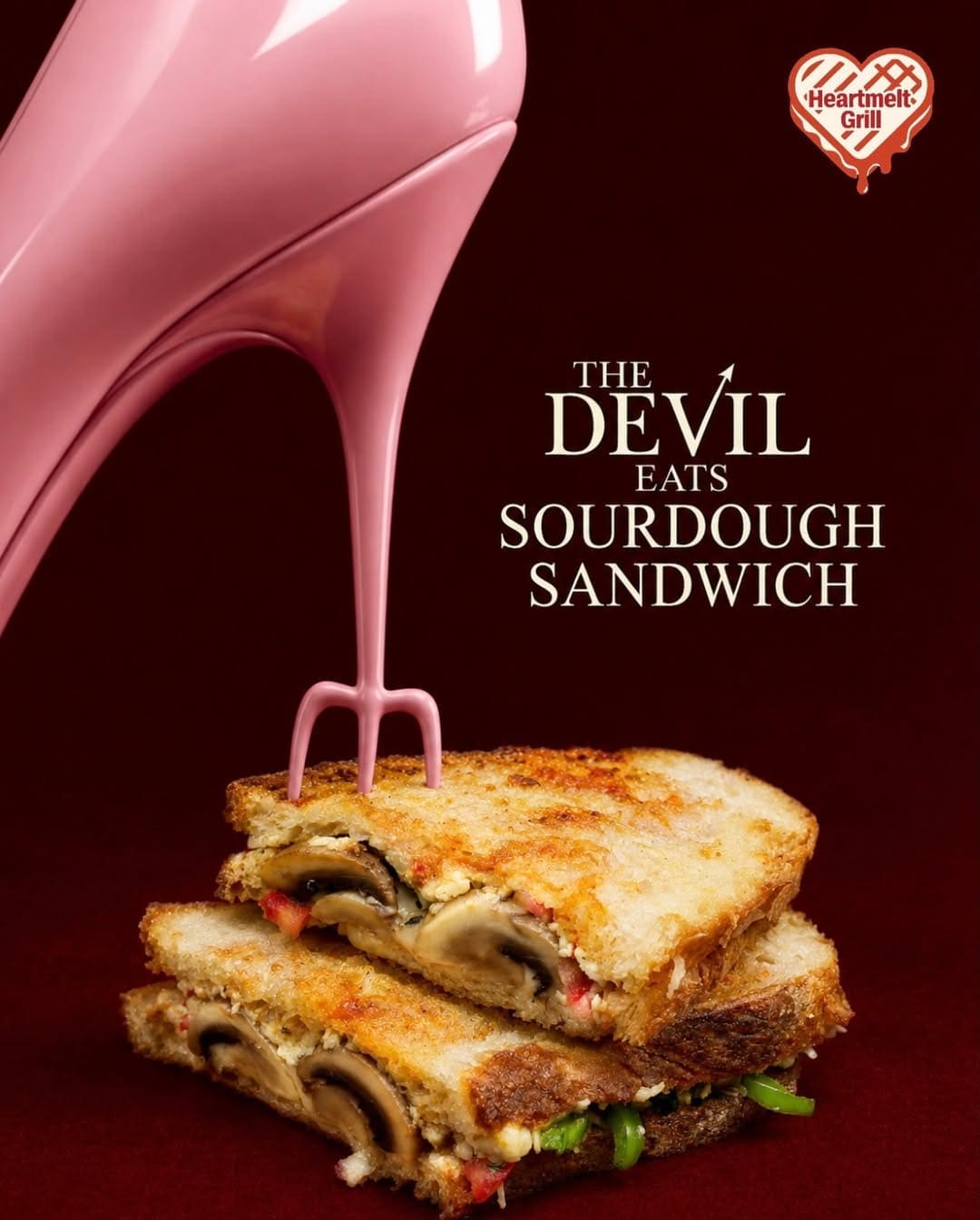


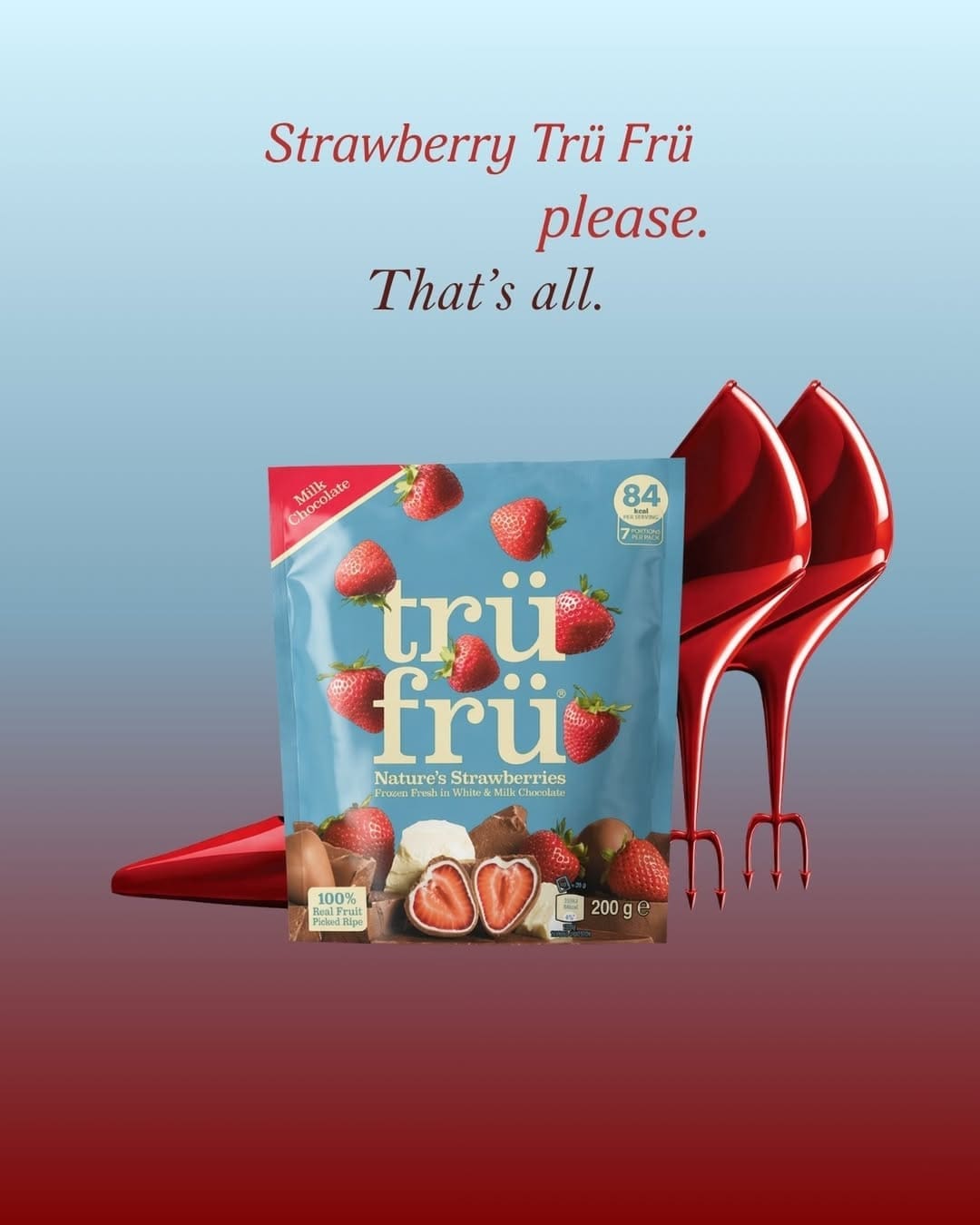
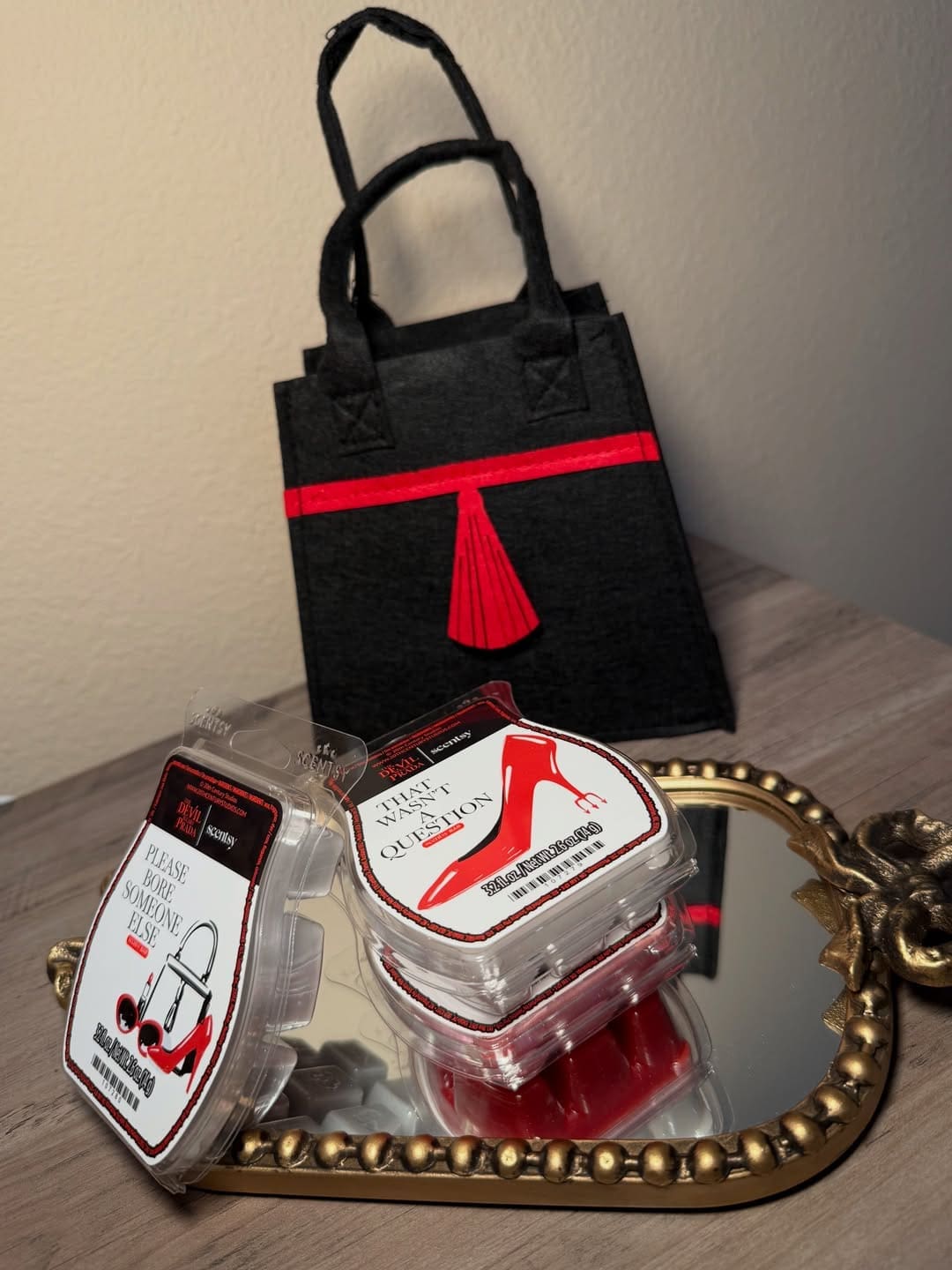
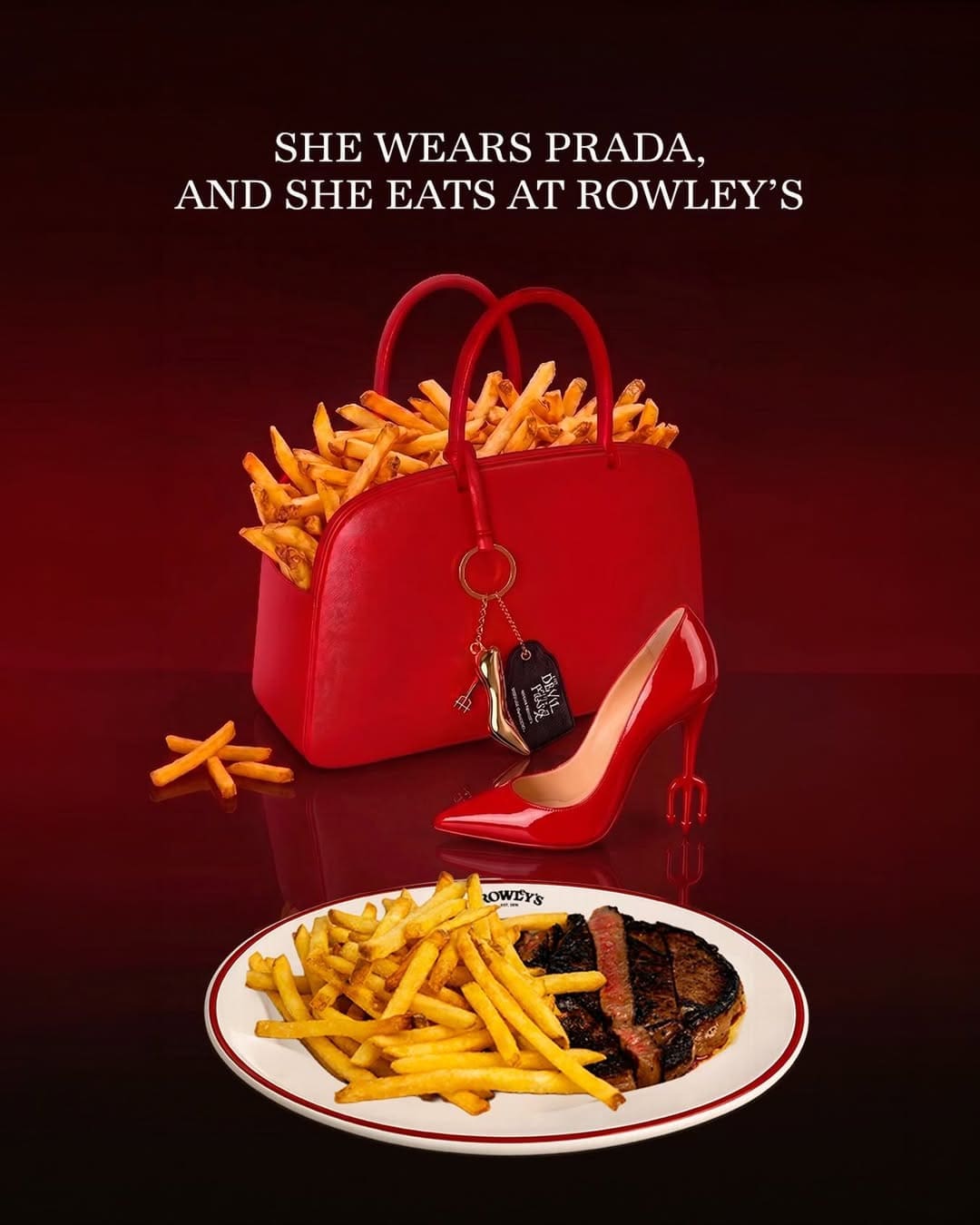
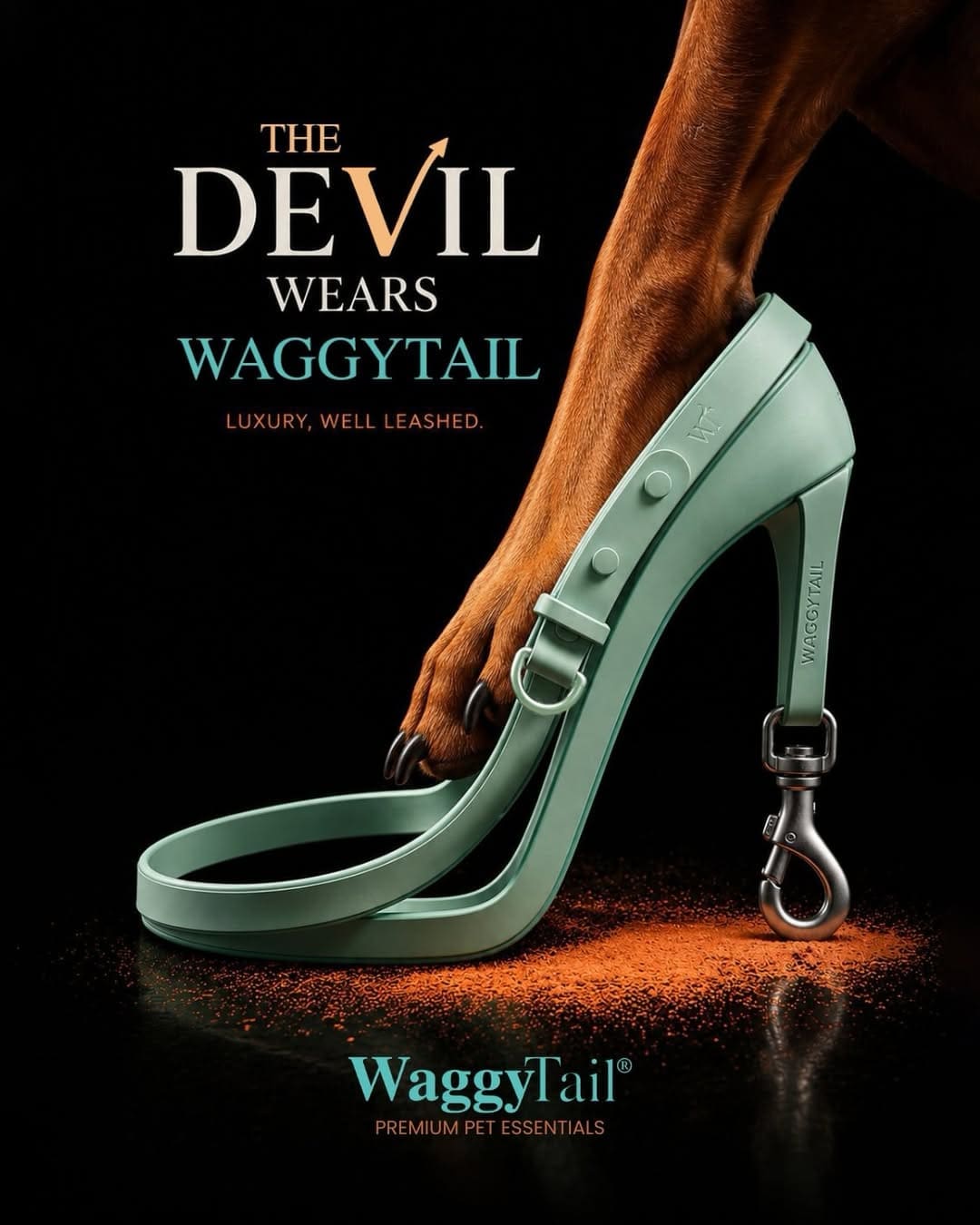
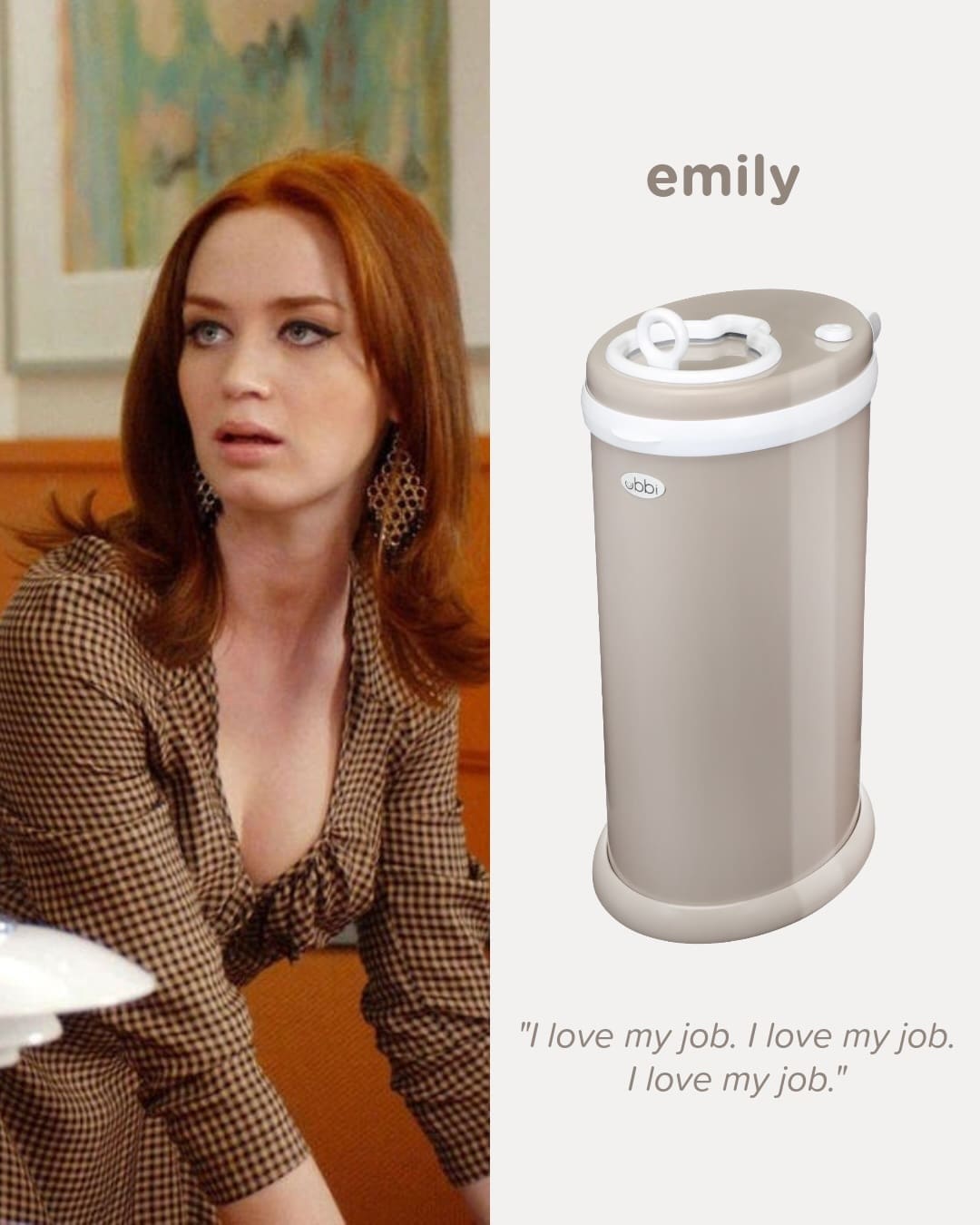
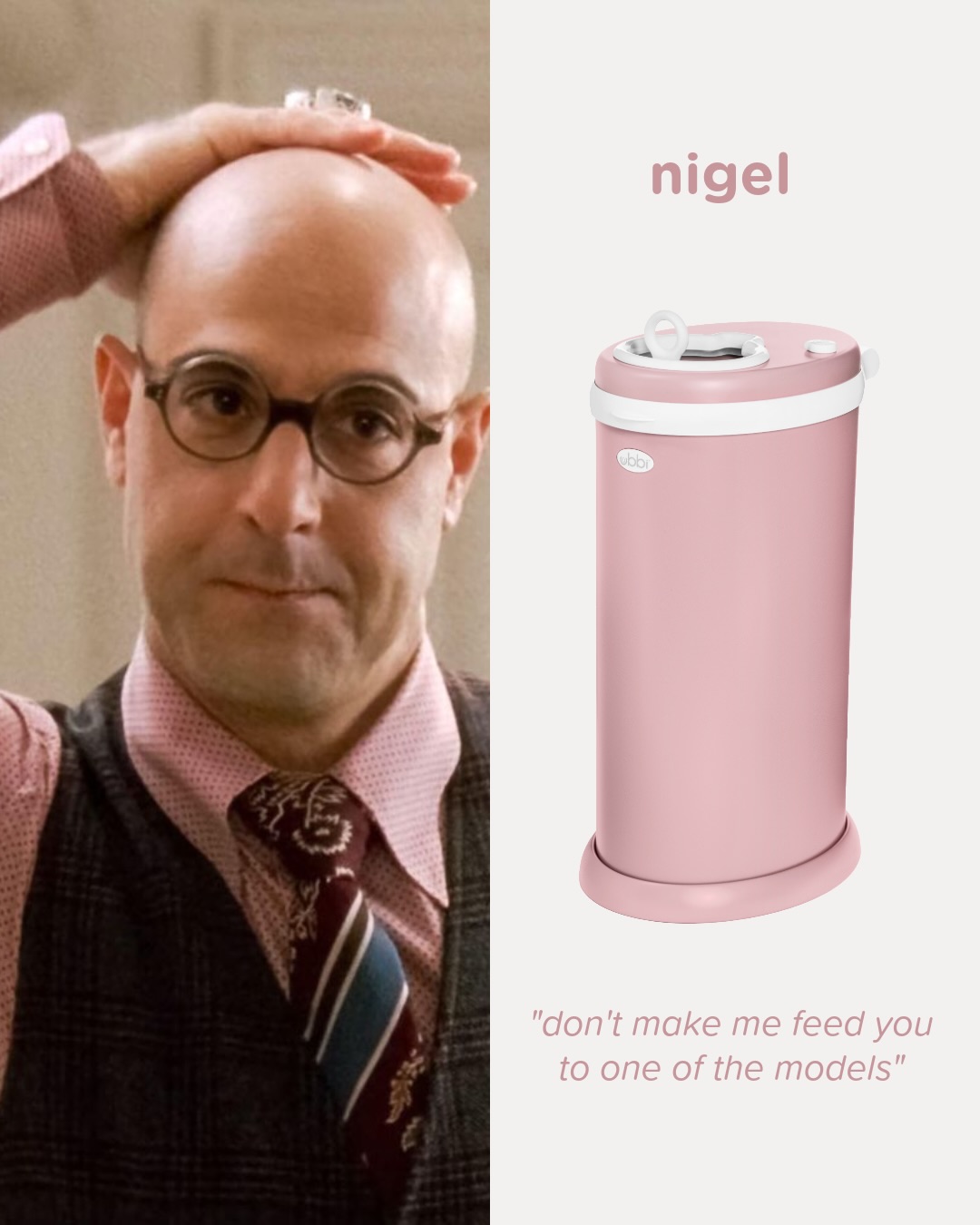
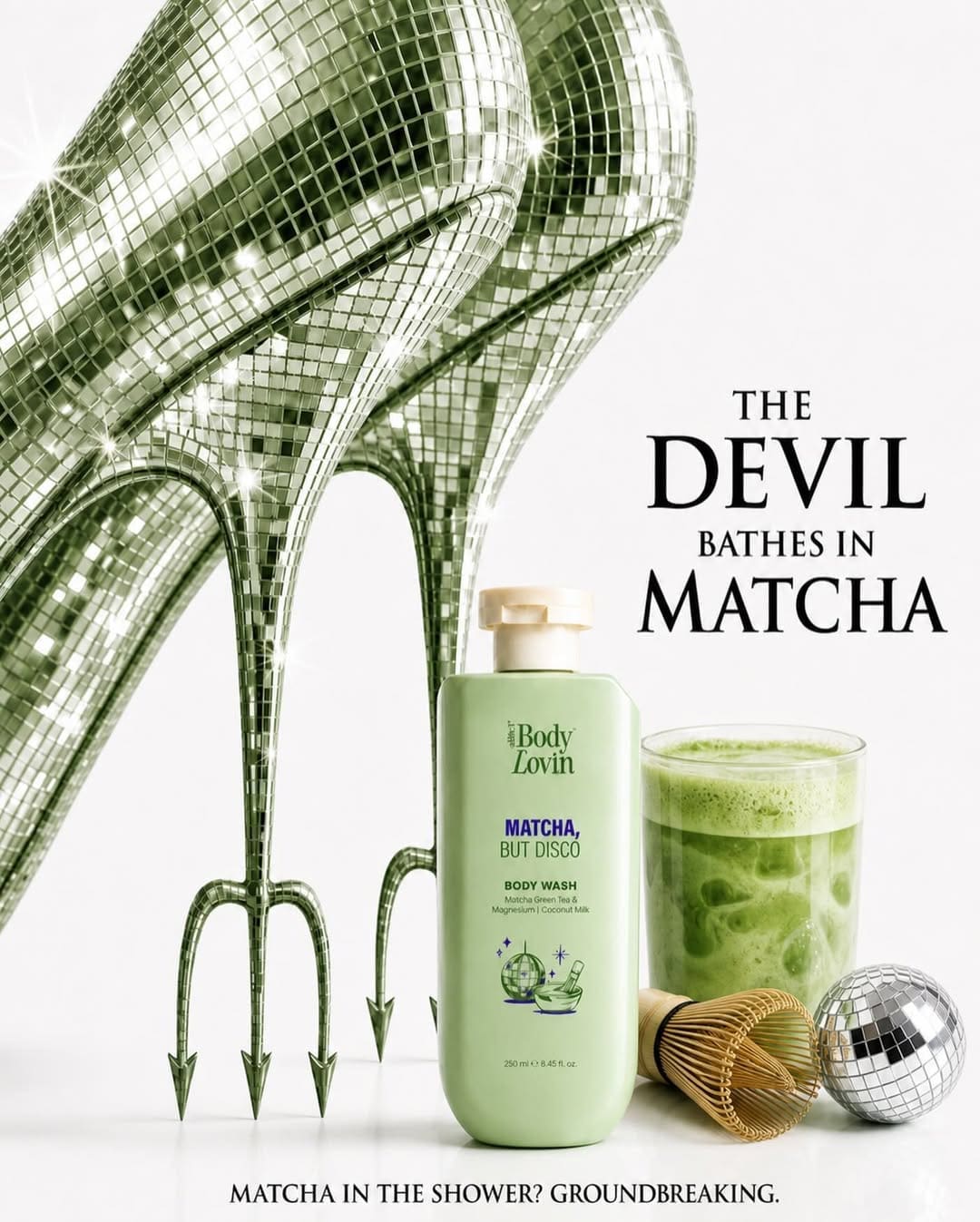
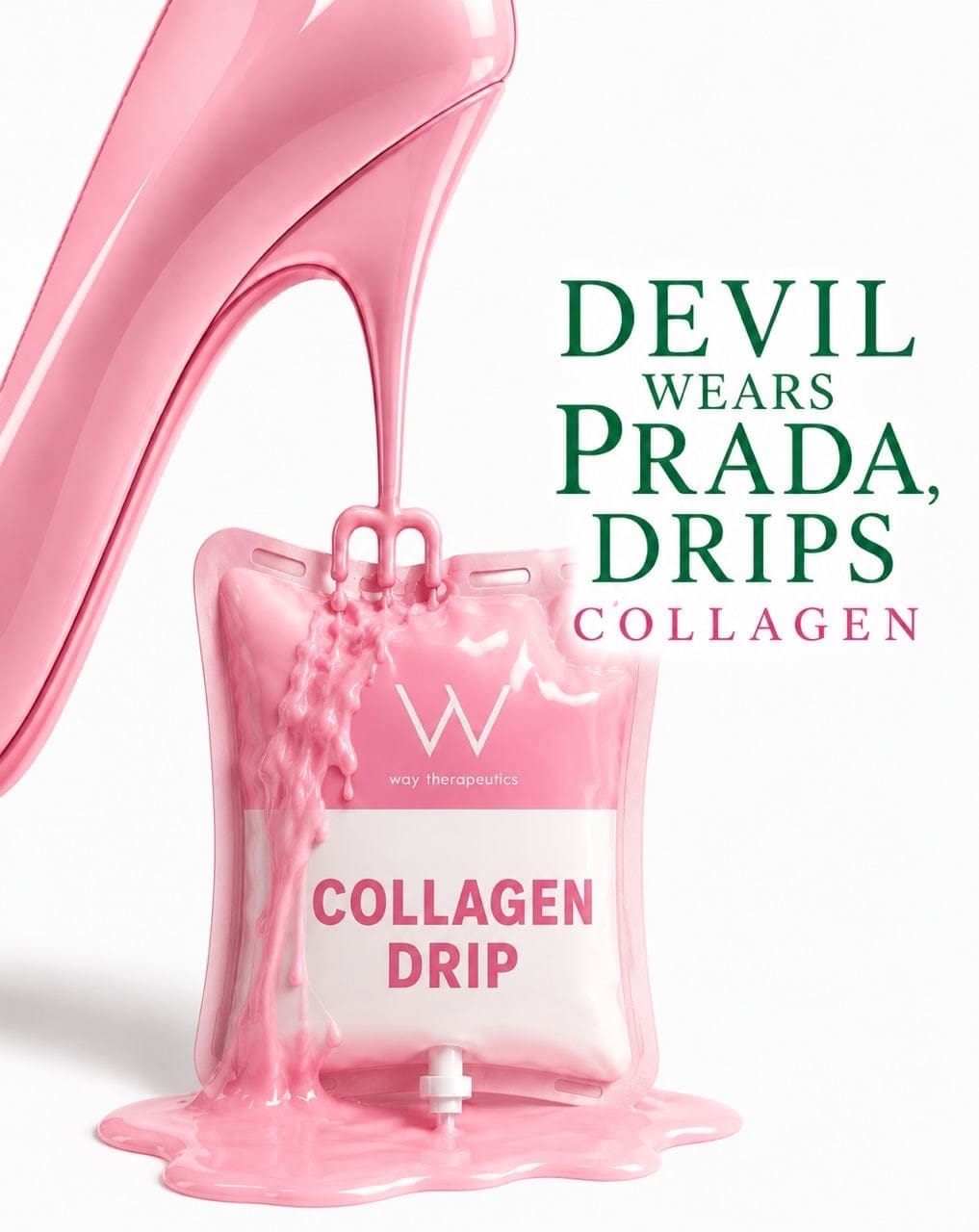



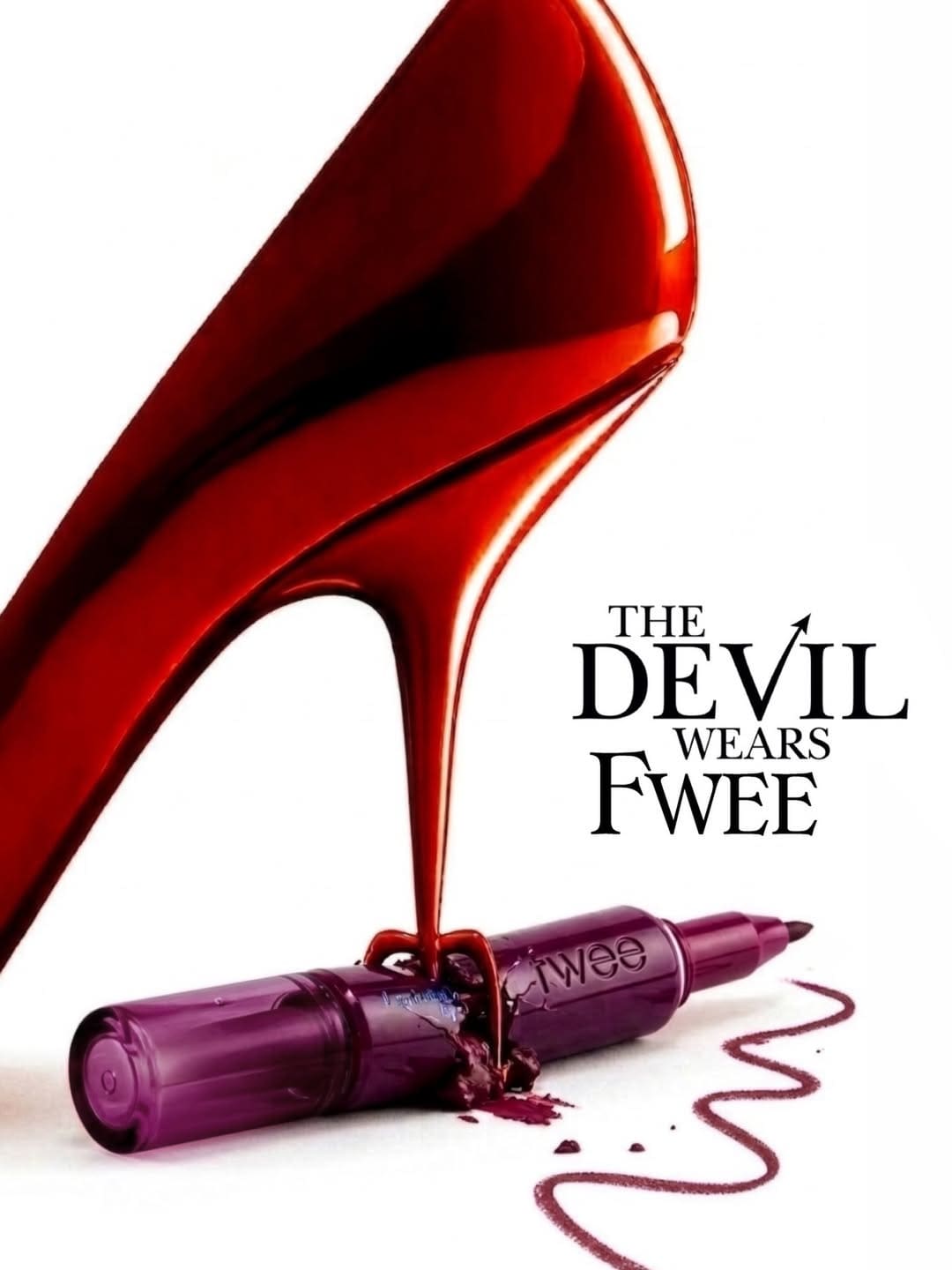
Disclaimer addressed to DISNEY / 20TH CENTURY STUDIO / DWP2 FRANCHISE and it’s commercial partners:
Disney DOES NOT OWN trademarks for RUNWAY / RUNWAY MAGAZINE, DOES NOT HAVE COMMERCIAL USE for Devil Wears Prada 2 characters and fictional universe props until 2026, First Amendment related to author’s rights and covers only fictional narratives.
RUNWAY MAGAZINE® printed editions exist since 1995, operates under the internationally recognized protections for Freedom of Expression, Media Freedom, and the Safety of Journalists as affirmed in Article 11 of the Déclaration des droits de l’homme et du citoyen (1789), Article 19 of the Universal Declaration of Human Rights (1948), Article 10 of the European Convention on Human Rights (1950), the Loi du 29 juillet 1881 sur la liberté de la presse, U.S. constitutional protections for editorial commentary and satire, UNESCO’s standards for the independence of the press, and the protections against abusive litigation (SLAPP) afforded by the EU Anti-SLAPP Directive (2024/1069).
Any effort to restrict, suppress, or unduly pressure a media outlet in the exercise of its journalistic functions stands in tension with these binding standards and the public‑interest role of the press.
Eleonora de Gray, Editor-in-Chief of RUNWAY MAGAZINE:
International Association of Journalists ID W73133, and the American Association of Journalists ID C553-3.
RUNWAY MAGAZINE® operates under the French activity code Édition de revues et périodiques (5814Z) and is governed by the Journalistes (1480) collective agreement.
