Open Legal Notice – Disney’s Unauthorized Use of the RUNWAY MAGAZINE® Trade Name in Commercial Partner Activations.
This Open Legal Notice is issued to ensure that all partners are fully informed of the procedural facts surrounding Disney’s use of the RUNWAY MAGAZINE® trade name and logo during the Devil Wears Prada 2 promotional cycle. This Open Legal Notice delivered by email to all parties concerned.
Please note, RUNWAY MAGAZINE® is not part of the fictional universe of The Devil Wears Prada and cannot be used, reproduced, or offered in real world commerce as an extension of the film’s narrative. Disney cannot claim priority or commercial rights in April 2026, as no precedent exists of any real world commercial use of “Runway Magazine” by Disney or its partners at any time prior to these activations.
We strongly recommend that your legal teams review and verify all facts outlined in this notice, as well as the related procedural publications, to ensure full clarity and compliance.
Rights Notification and Disney Authorized Commercial Use
In July 2025, at the start of filming, we formally notified Disney that RUNWAY MAGAZINE® is a real, internationally distributed publication (est. 1995 – ISSN deposition) protected as a trade name under the Paris Convention (Art. 8), the Lanham Act (Section 44), and UK passing off law. Despite this, Disney proceeded to authorize commercial activations using fabricated “Runway Magazine” materials and, in multiple instances, our exact registered logo, including cinema booth installations across Europe and promotional videos produced for partner campaigns.
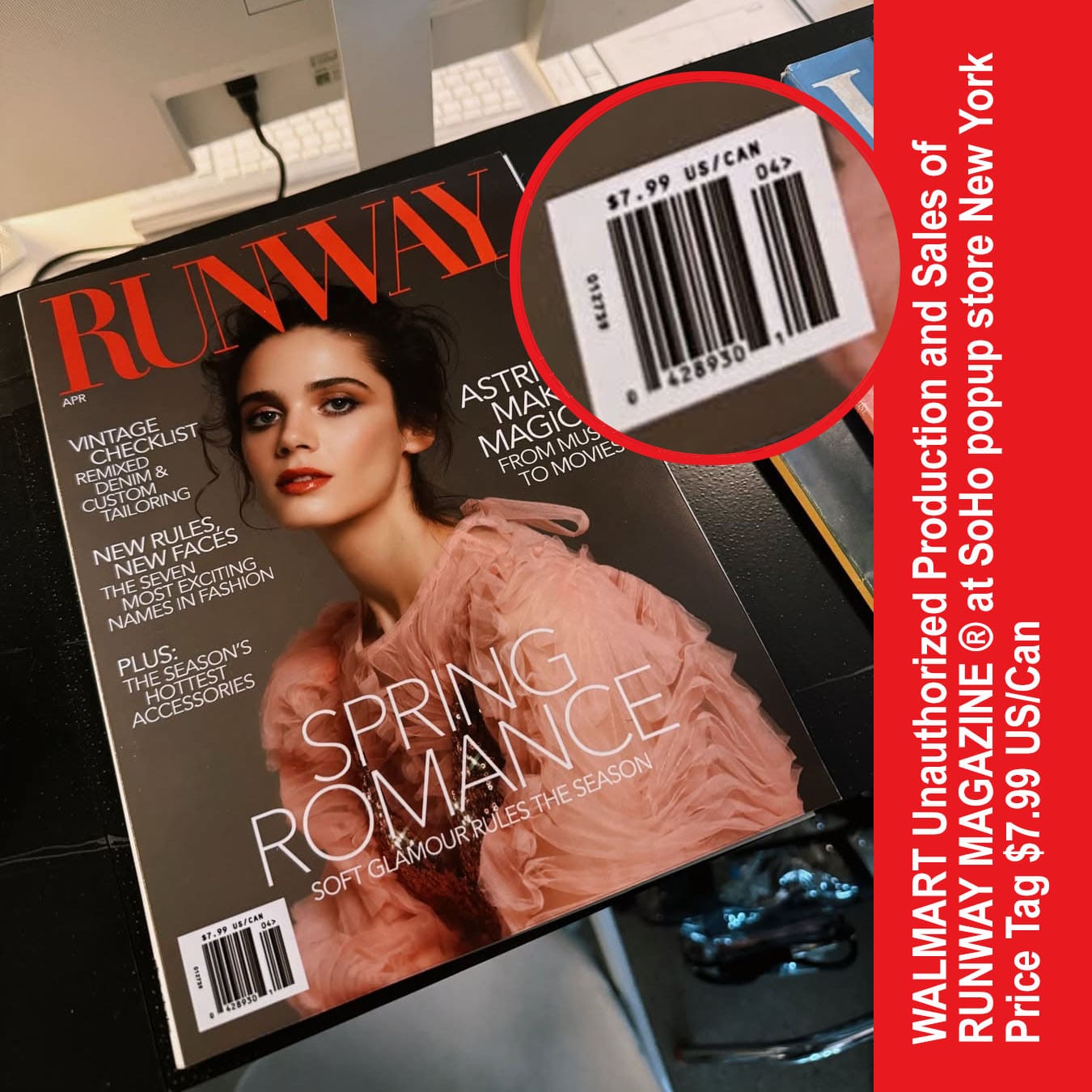
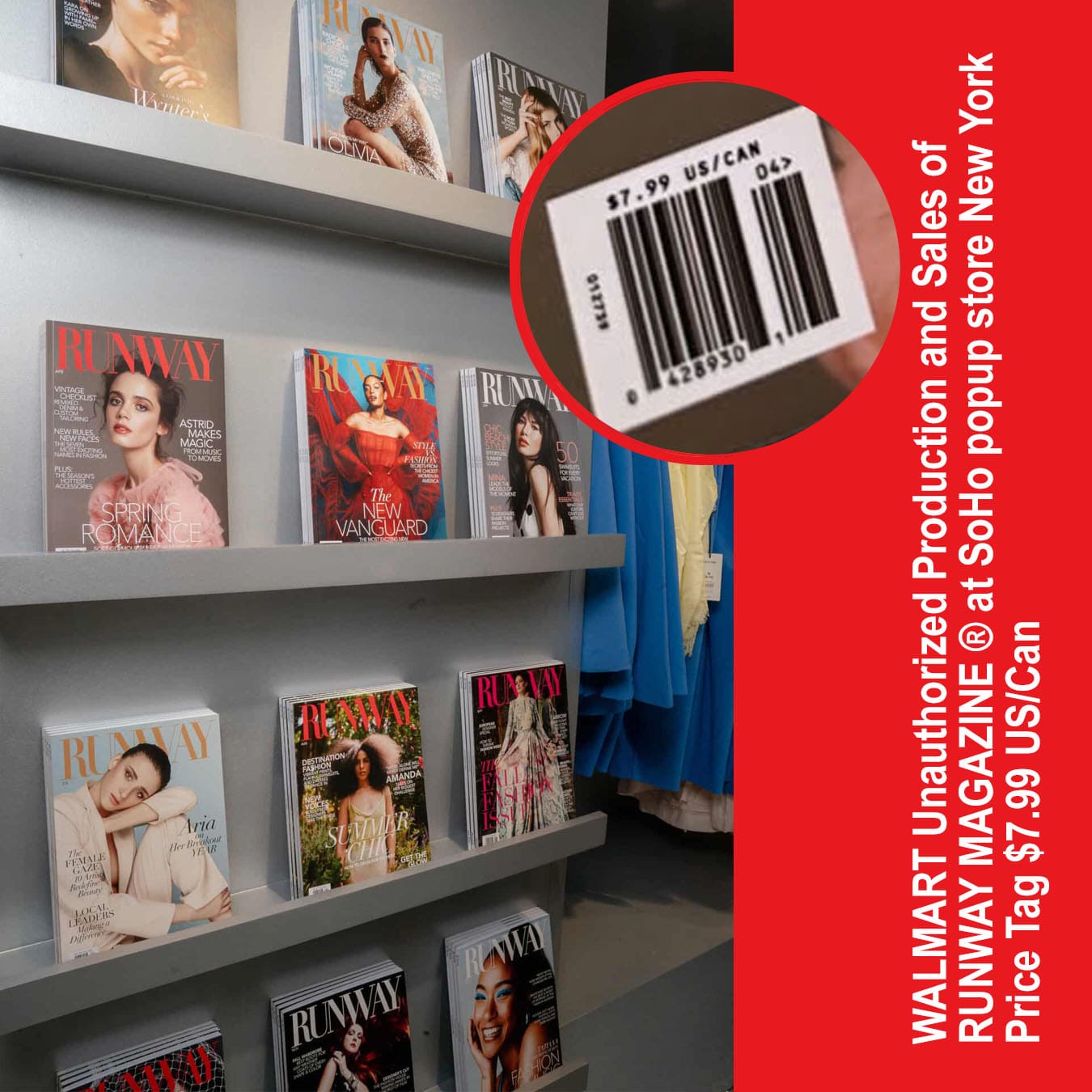
During the promotional cycle, Walmart operated a two week fashion popup in SoHo, New York, where fabricated “Runway Magazine” issues were printed and displayed with price tags $7.99 US/CAN and barcodes, indicating that they were prepared and presented as items offered for sale within the retail environment. These same fabricated magazines were also incorporated as décor elements in Walmart’s Web3 environment, “Walmart Realm,” where they appeared as part of an interactive commercial experience. In addition, Disney authorized the use of the RUNWAY MAGAZINE® real logo on a licensed cosmetic product line (Eudora), sourcing the logo directly from a public Wikidata entry despite the copyright notice attached to the work. All of these uses—physical retail displays, digital retail environments, and licensed consumer products—occurred without any license, without consent, and in disregard of the international protections governing real media identities.
Trade Name Protection Is Not Territorial
Trade name under the Paris Convention (Art. 8), the Lanham Act (Section 44), and UK passing off law:
A trade name is protected in all member states:
- regardless of where the company is based
- regardless of where the product is printed
- regardless of where the magazine is distributed
France → USA → UK → Asia — all covered. These protections apply automatically and do not depend on trademark registration or territorial arguments.
For avoidance of doubt, trade name protection is not territorial, and Disney’s prior assertions suggesting otherwise were incompatible with international law. The domain “runwayonline.com” was blocked uniquely in France while remaining fully accessible in the United States and all other territories, even as fabricated “Runway Magazine” promotional materials were distributed widely in the United Kingdom, Italy, and other markets—yet conspicuously excluded from France.
This pattern demonstrates that Disney was fully aware that RUNWAY MAGAZINE® is a real publication protected under international trade name law. This was not a theoretical misunderstanding: in October 2025, 20th Century Studios proposed an executed agreement seeking perpetual commercial rights to the RUNWAY MAGAZINE® identity without remuneration, confirming that Disney recognized the real world legal status of the publication long before any partner activations occurred.
Misrepresentation to Partners
Disney justified the unauthorized use by asserting false claims of ownership over the RUNWAY MAGAZINE® identity, including statements implying trademark rights that do not exist. Disney holds no trademarks for this name in any jurisdiction and has never used it in trade at any time prior to April 2026. These assertions were incompatible with international trade name law and misled partners into believing the identity was cleared for commercial activations.
Fictional Use Does Not Create Trade Rights
Under international intellectual property law, including the Paris Convention (Art. 8), the Lanham Act (§43(a) and §44), EU unfair competition principles, and UK passing off doctrine, fictional use of a name in a book or film does not create trademark rights, trade name rights, or priority in commerce. Fictional references cannot override the rights of an existing real world publication.
By contrast, the commercial partner activations for The Devil Wears Prada 2 involved real world commercial use of the RUNWAY MAGAZINE® trade name and logo, including:
- use in retail environments
- use in merchandising
- use in physical installations
- use in paid influencer campaigns
- use in promotional videos
- use on licensed consumer products
These uses are commercial in nature, not “extensions of the work,” and therefore fall squarely within the scope of trade name protection and unfair competition law.
Suppression Attempts
When RUNWAY MAGAZINE® documented the procedural history of Disney’s unauthorized commercial use of the RUNWAY MAGAZINE® trade name and logo, Disney asserted false claims of ownership and issued legal threats demanding the removal of editorial parody, satire, journalistic documentation (procedural history), and public interest commentary concerning the marketing blitz for The Devil Wears Prada 2. Disney’s allegations relied on erroneous information and documents originating from an individual convicted in U.S. federal court (Case No. 2:22 cr 00276), resulting in a demonstrably inaccurate factual basis. The reliance on such material, followed by attempts to suppress lawful journalism, constitutes a deliberate disinformation posture and unauthorized commercial use deployed in international promotional campaigns.
These demands violate core international press freedoms, including the Universal Declaration of Human Rights (1948), the European Convention on Human Rights (1950), U.S. constitutional protections for editorial commentary, and the EU Anti-SLAPP Directive (2024/1069).
Any attempt to pressure a media outlet to retract factual reporting, procedural records, or public interest analysis is incompatible with these standards and with the role of the press in democratic societies.
ROGERS TEST: FICTION VS. REALITY. Why the Rogers Test Collapses When a Fictional Prop Enters Real‑World Commerce
Full procedural documentation – FORMAL CEASE AND DESIST NOTICE ADDRESSED TO DISNEY IN ACTIVATIONS BY ITS COMEMRCIAL PARTNERS is available here:
Summary of Unauthorized Commercial Use
The Cease and Desist Notice identifies a coordinated pattern of unauthorized commercial use in which the RUNWAY MAGAZINE® name, masthead, likeness, or editorial identity was incorporated into outward‑facing promotional materials developed by multiple commercial partners participating in campaigns for The Devil Wears Prada 2. These uses were not confined to internal film props or narrative depiction; they were deployed in product advertising, retail merchandise, and partner‑driven promotional assets created independently of the film’s production. The unauthorized uses include:
Mercedes‑Benz Maybach
Mercedes‑Benz Maybach released promotional materials featuring fabricated RUNWAY MAGAZINE® covers and branded visuals as part of its participation in The Devil Wears Prada 2 campaign. These materials were used in outward‑facing automotive advertising and partner‑driven promotional channels without authorization.
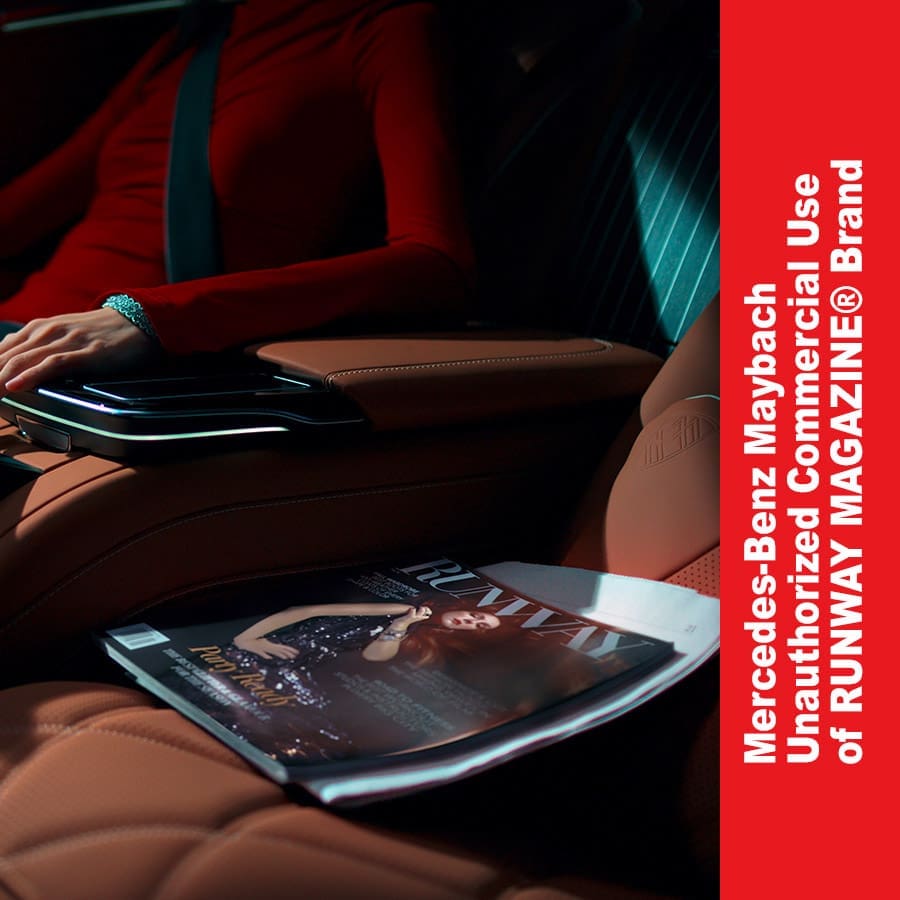
Used here for reporting and documentation purposes.
Walmart / Scoop / Brandon Maxwell
Walmart, in collaboration with Scoop and Brandon Maxwell, incorporated fabricated “RUNWAY” magazines into its SoHo fashion popup developed as part of its promotional participation in The Devil Wears Prada 2 partnership. Although presented visually as décor, these fabricated magazines were in fact priced at $7.99, barcoded, and offered for sale within the retail environment. The items reproduced the RUNWAY MAGAZINE® trade name and were displayed as part of Walmart/Scoop/Brandon Maxwell’s branded activation without authorization.
Walmart Unauthorized Commercial Use of RUNWAY MAGAZINE® Trade Name
Walmart Unauthorized Commercial Use of RUNWAY MAGAZINE® Trade Name. Illustrative images from the SoHo popup show fabricated “RUNWAY” magazines displayed with retail price tags and barcodes, indicating commercial offering. Used here for reporting and documentation purposes.
Walmart Realm (Web3 Environment)
In addition to the physical popup, Walmart deployed an immersive Walmart Realm Web3 experience containing digital replicas of the same fabricated “RUNWAY” magazines. These digital items remain publicly accessible and were presented as part of Walmart’s branded interactive environment without permission or consultation from RUNWAY MAGAZINE®.
L’Oréal Paris
L’Oréal Paris incorporated stacks of fabricated “Runway Magazine” issues into its global cosmetics campaign, using the fake magazines as physical product display surfaces and as integrated visual elements within advertising tied to The Devil Wears Prada 2. The brand produced and circulated these fabricated RUNWAY MAGAZINE® materials across press releases, social media, paid media, and partner‑owned channels without authorization from RUNWAY MAGAZINE®.
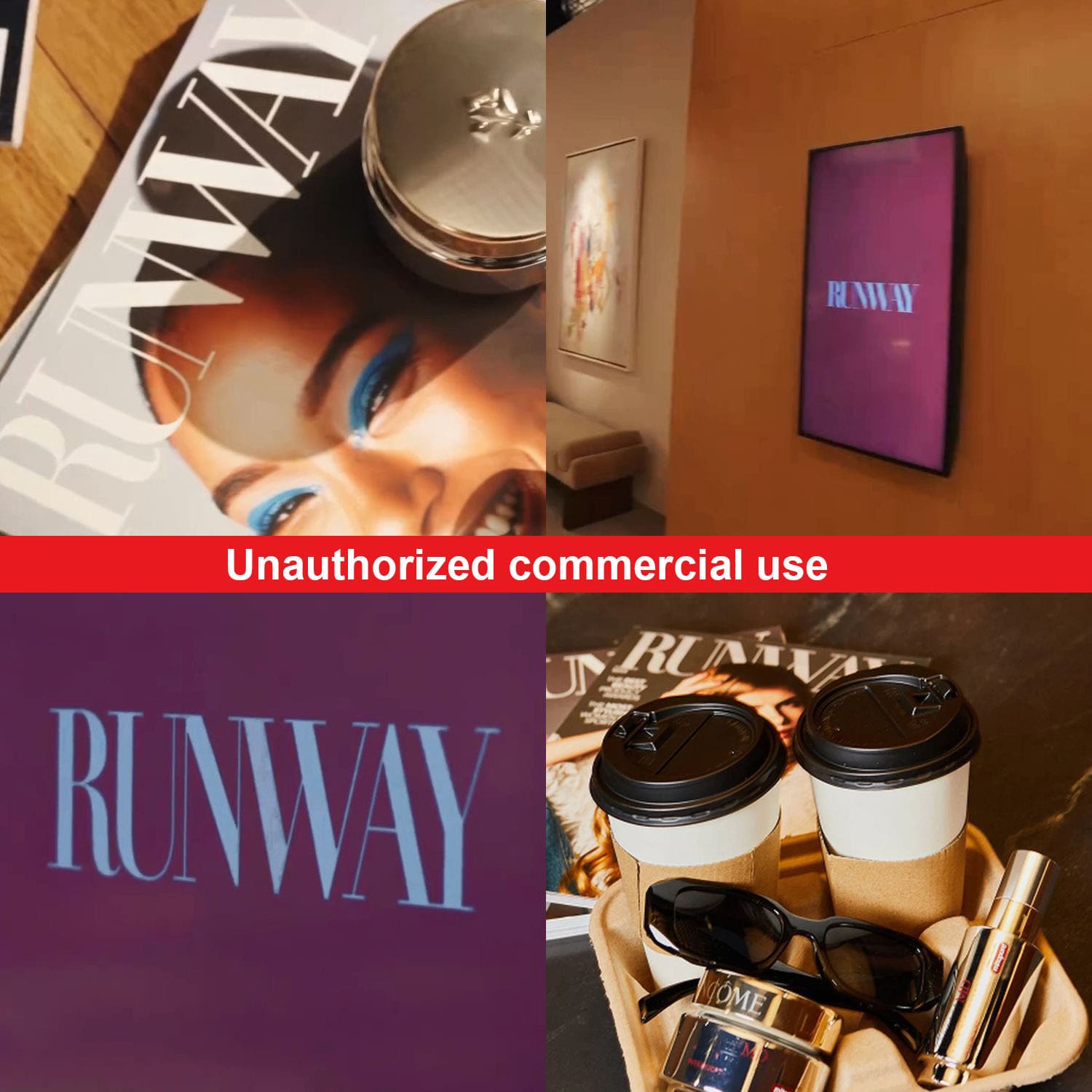
Lancôme (L’Oréal Group)
Lancôme, a subsidiary of L’Oréal Group, incorporated three self‑made “Runway Magazine” issues into promotional materials associated with The Devil Wears Prada 2, using fabricated covers as set elements and visual props without authorization from RUNWAY MAGAZINE®. In addition to the unauthorized magazine likeness, Lancôme produced a wall‑mounted promotional display for its New Longevity MD Lancôme campaign featuring a pink background with a white “Runway” masthead, a distinctive visual combination that RUNWAY MAGAZINE® has used consistently for more than a decade across its applications, digital platforms, and editorial branding. Lancôme’s decision to reproduce RUNWAY MAGAZINE®’s established editorial identity—rather than using the red/black/white palette associated with The Devil Wears Prada franchise—constitutes a direct appropriation of RUNWAY MAGAZINE®’s editorial identity for commercial gain. The resulting assets were used in outward‑facing beauty promotions and distributed across partner‑owned channels without authorization from RUNWAY MAGAZINE®.
TRESemmé by Unilever
TRESemmé, a Unilever brand, incorporated fabricated “Runway Magazine” covers as branded props in its promotional videos, with models holding the made‑up magazines and haircare products placed on top of them. These fabricated materials were produced and used under a license from the film’s production, which authorized TRESemmé to create and deploy fake “Runway Magazine” issues for commercial advertising. The resulting assets were used in outward‑facing haircare promotions and distributed across partner‑owned channels without authorization from RUNWAY MAGAZINE®.
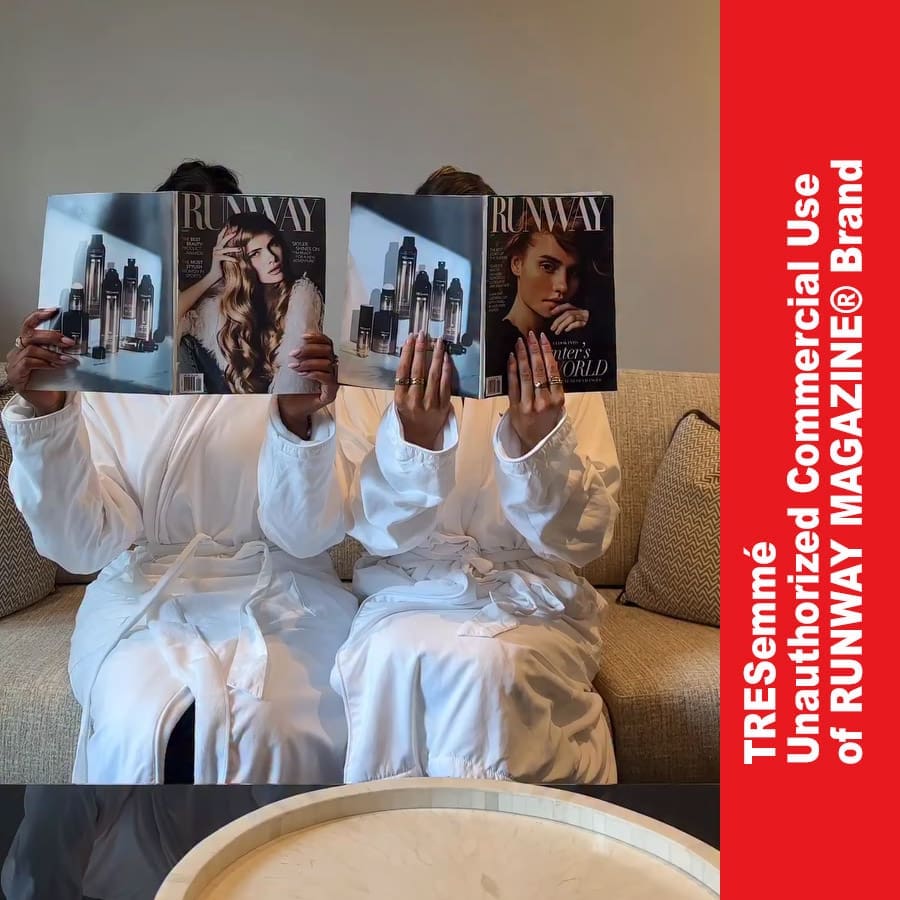
Used here for reporting and documentation purposes.
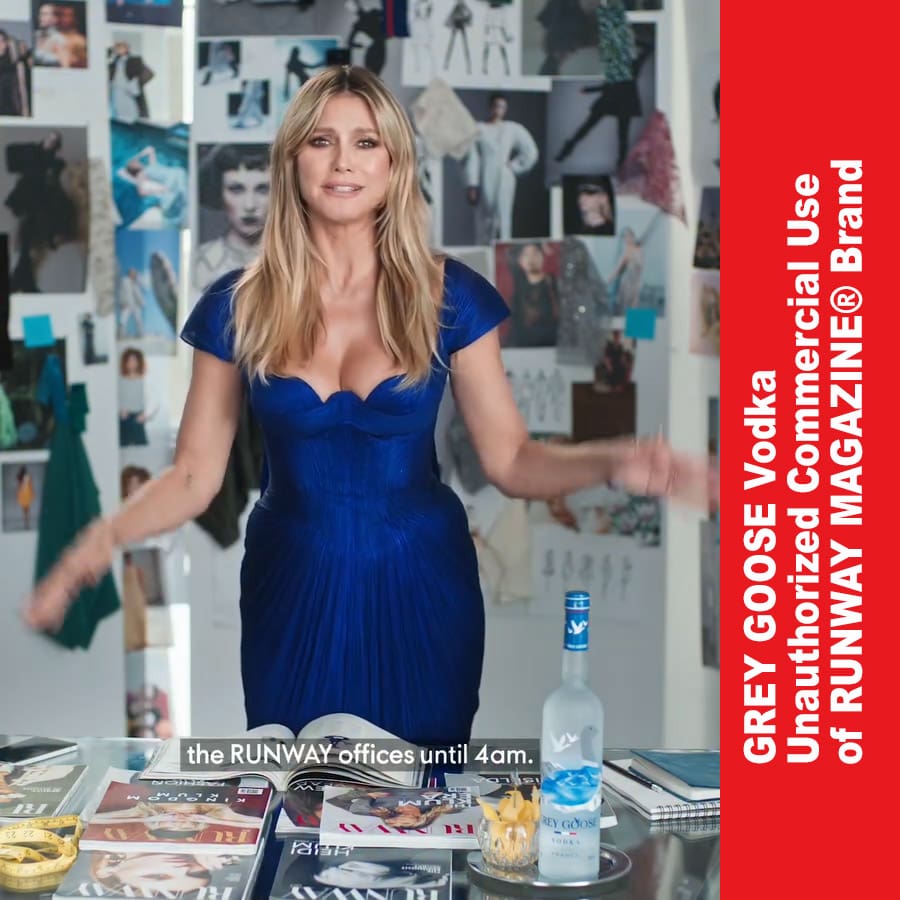
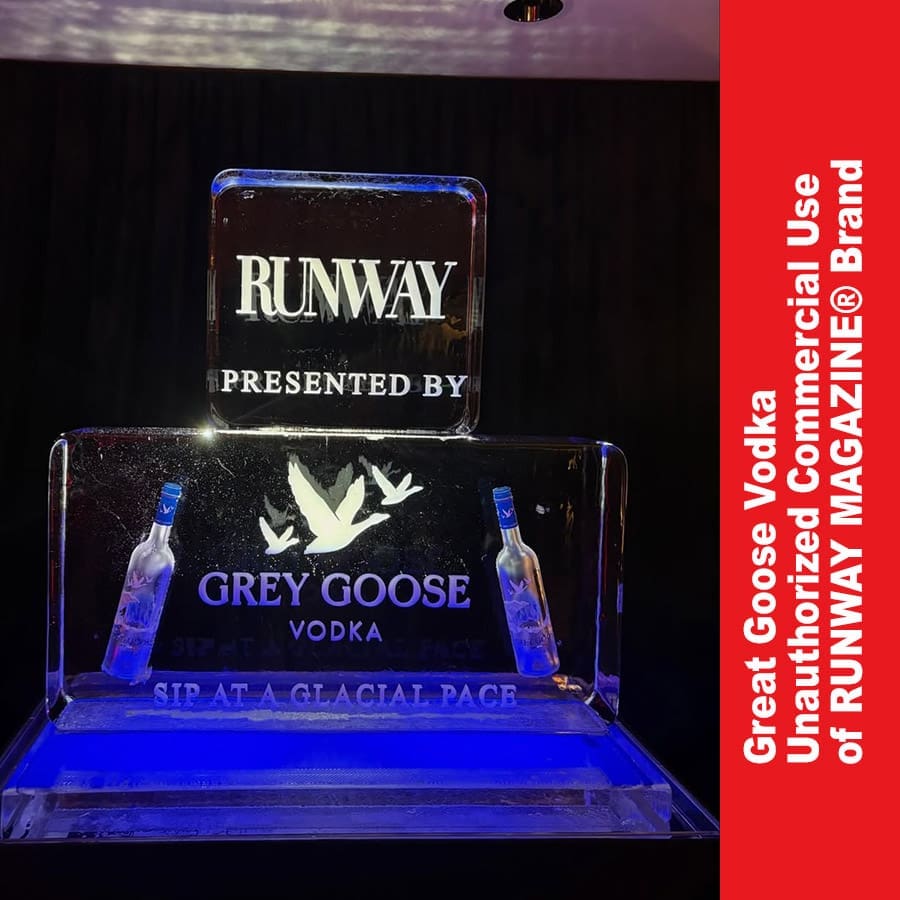
Grey Goose Vodka by Bacardi
Grey Goose used fabricated “Runway Magazine” covers and stacks of made‑up magazines throughout its global vodka campaign, including scenes where the fake magazine was held by Heidi Klum or used as a physical display surface for vodka bottles and cocktail presentations. These fabricated materials were produced and deployed under a license from The Devil Wears Prada 2 franchise, which authorized Grey Goose to create and use fake “Runway Magazine” issues as branded props and product stands. The resulting assets were circulated in outward‑facing commercial advertising and partner content without authorization from RUNWAY MAGAZINE®.
Samsung Runway Cam
Samsung, as a promotional partner for The Devil Wears Prada 2, released a series of Runway Cam videos featuring Helen J. Shen and multiple participants holding fabricated “Runway Magazine” issues. These fabricated magazines were used as recurring props to demonstrate Samsung’s new camera and Circle‑to‑Search features, despite Samsung having no authorization to reproduce or reference RUNWAY MAGAZINE® brand. The resulting assets circulated across Samsung’s social channels and partner platforms, leveraging RUNWAY MAGAZINE®’s editorial identity to promote device capabilities without permission.
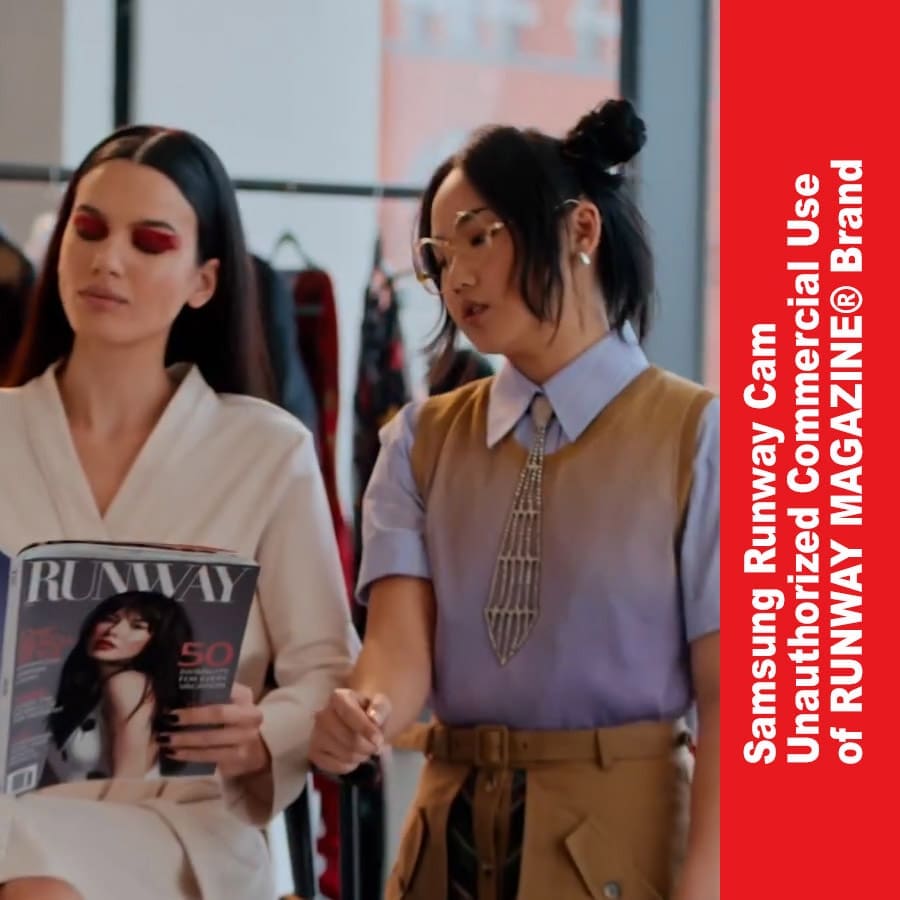
Used here for reporting and documentation purposes.
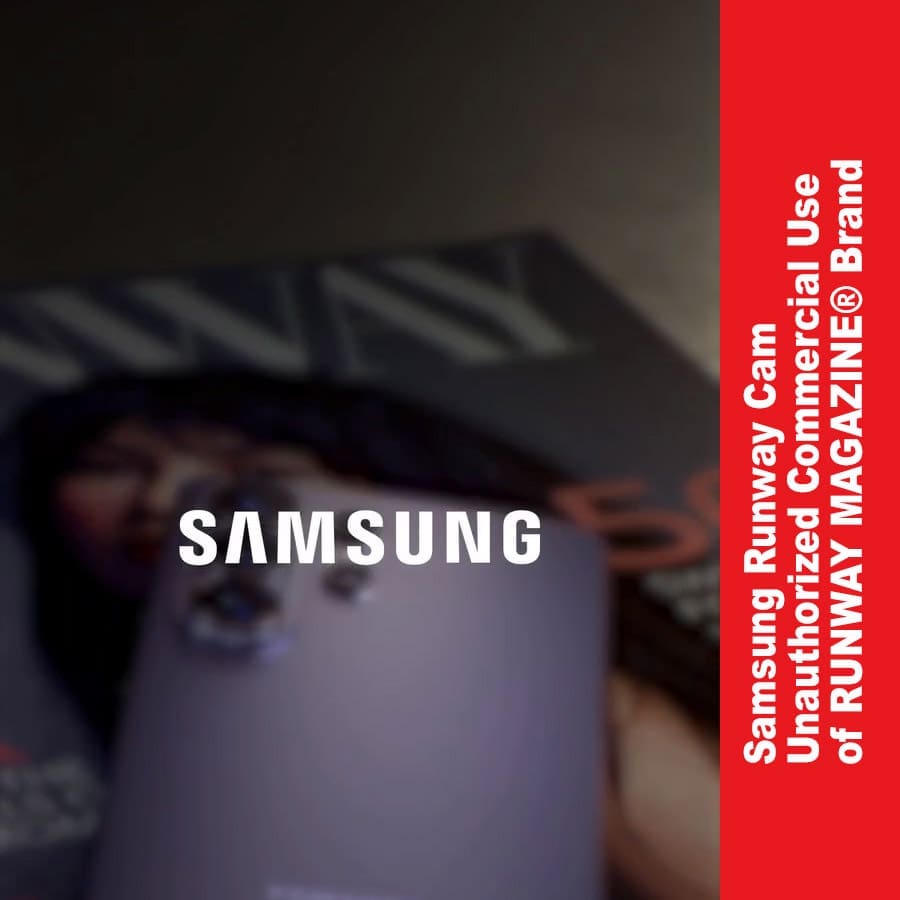
Used here for reporting and documentation purposes.
Diet Coke
Diet Coke, as a promotional partner for The Devil Wears Prada 2, incorporated fabricated “Runway Magazine” issues into its outward‑facing publicity materials. These fabricated magazines were used as visual props in Diet Coke promotional assets tied to the film partnership, despite Diet Coke having no authorization to reproduce, reference, or depict the RUNWAY MAGAZINE® brand in any commercial context. The resulting materials circulated across Diet Coke’s branded channels and partner platforms, leveraging RUNWAY MAGAZINE®’s editorial identity to reinforce the promotional narrative without permission.
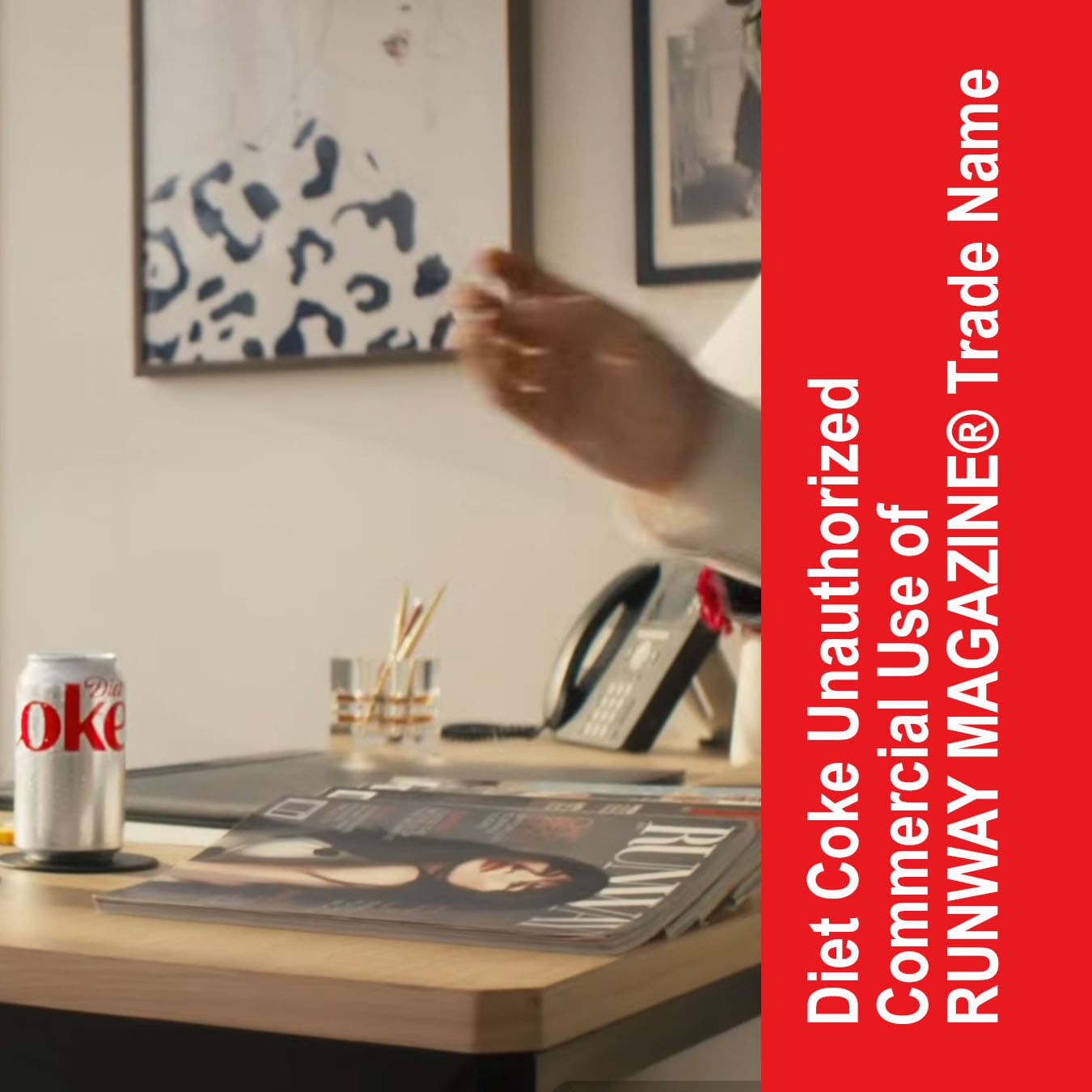
Copyrighted RUNWAY MAGAZINE® Logo Unathorized Use by Disney / 20th Century Studios
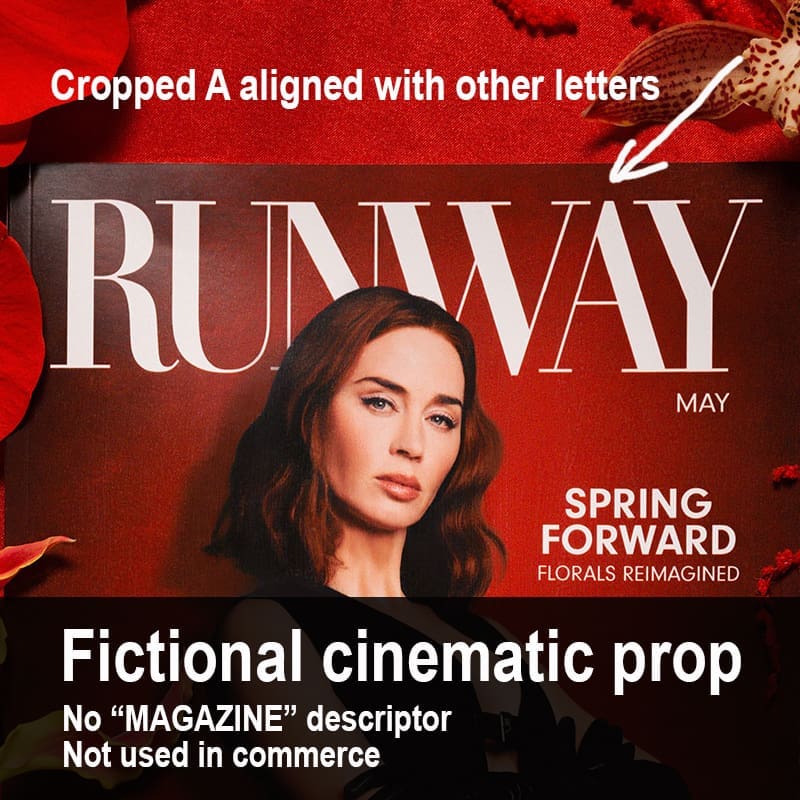
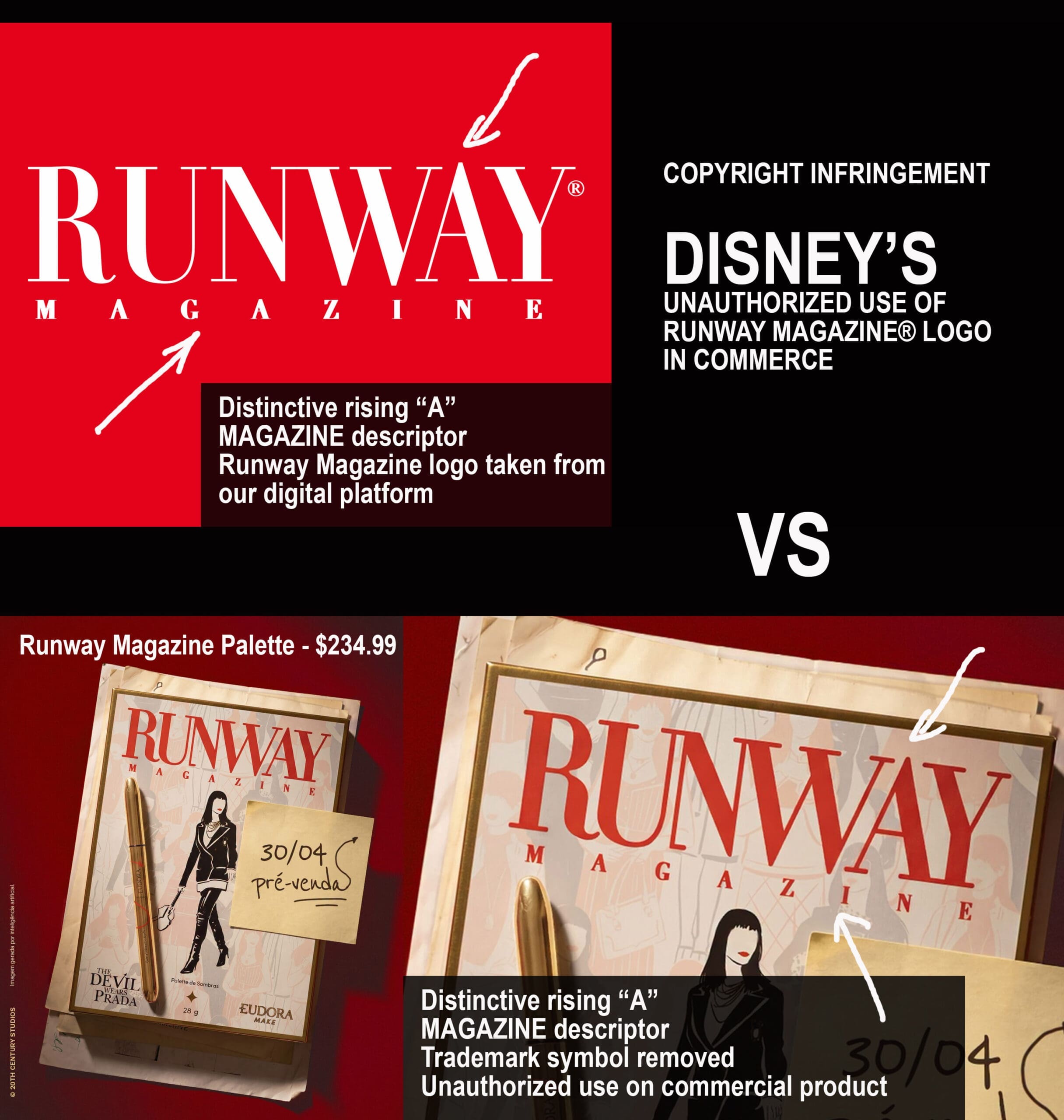
The Eudora Runway Magazine Palette packaging does not use the fictional cinematic prop logo from The Devil Wears Prada (cropped “A”, no “MAGAZINE” descriptor, different structure). Instead, it reproduces the real, copyrighted RUNWAY MAGAZINE® logo, specifically:
- the distinctive rising “A” unique to the RUNWAY MAGAZINE® typographic signature
- the exact proportional layout of the registered mark
- the “MAGAZINE” descriptor
- the removal of the ® symbol
- a composition identical to the copyrighted graphic work published on Wikidata and runwaymagazines.com
This is copyright infringement and Disney’s unauthorized use copyrighted RUNWAY MAGAZINE® logo on a commercial product.
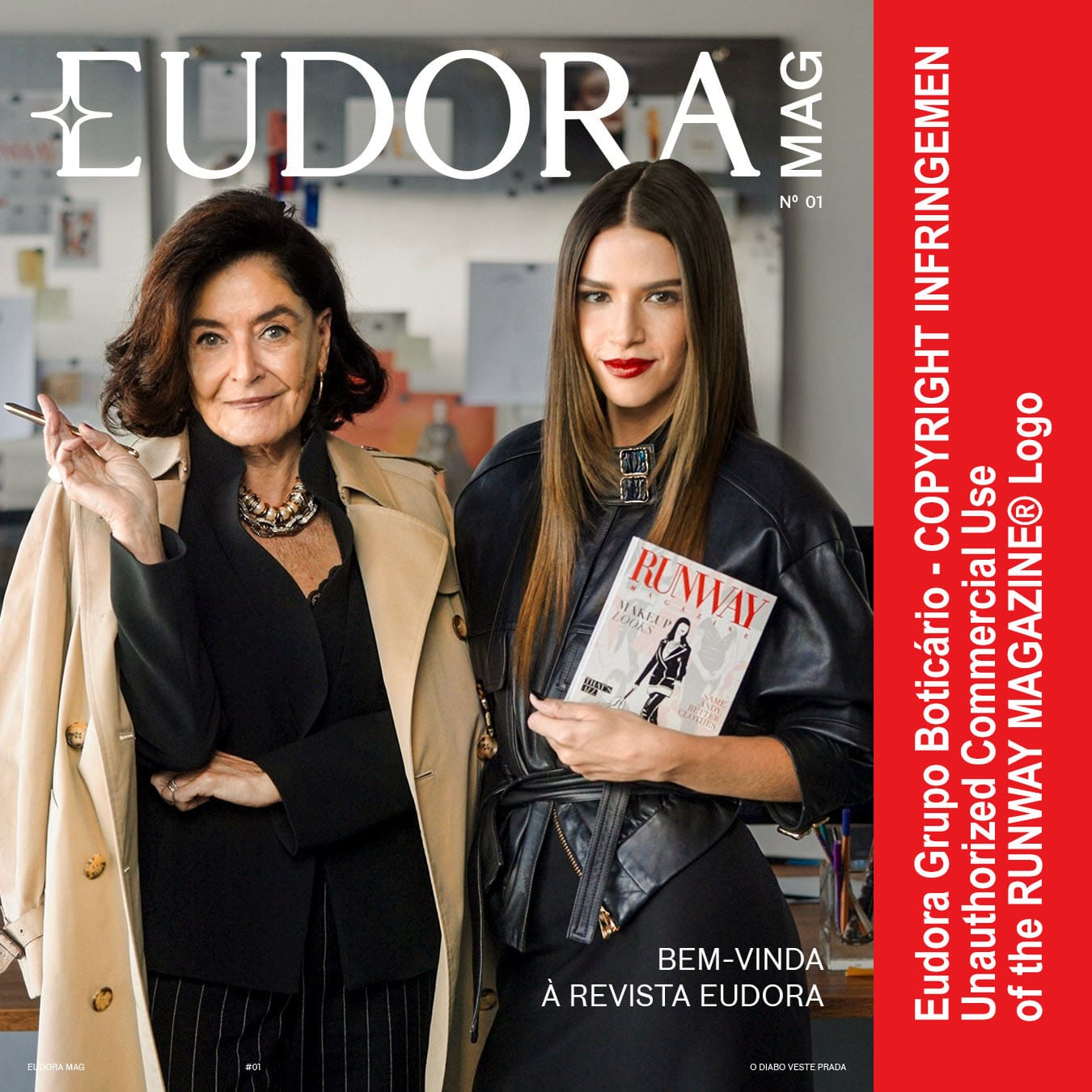
Used here for reporting and documentation purposes.
Unauthorized Licensing and False Attribution
The Eudora Runway Magazine Palette is marketed as a Disney‑licensed item, priced at $234.99, which results in:
- commercial distribution of a copyrighted work Disney does not own
- false attribution of authorship to Disney/20th Century Studios
- presentation of RUNWAY MAGAZINE®’s copyrighted identity (logo) as part of Disney’s IP portfolio
The Tilibra “Runway” Notebook – Copyright Infringement & Commercial Parasitism
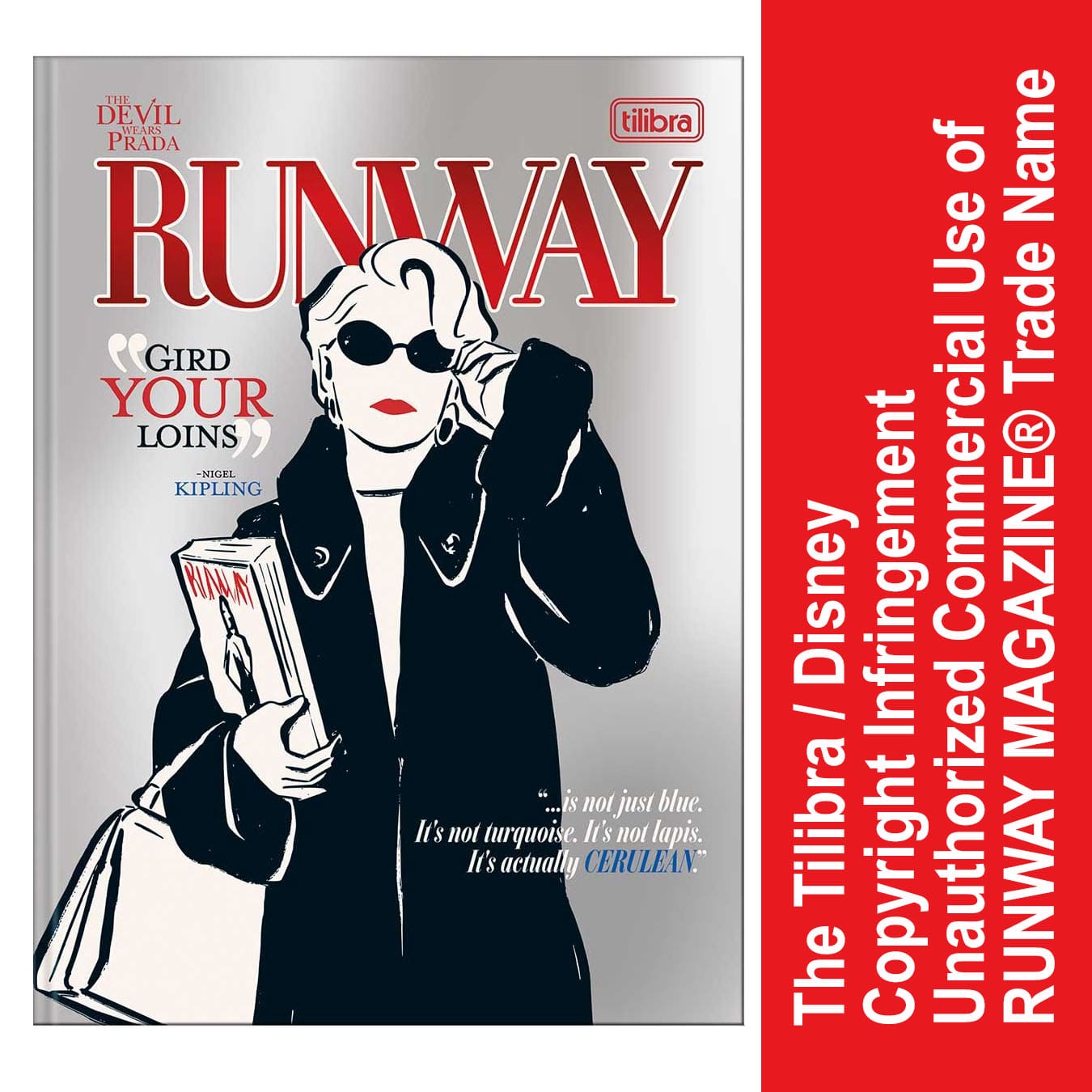
Tilibra, under a Disney‑licensed “The Devil Wears Prada” stationery line, released the “Runway” 160‑Sheet College Ruled Hardcover Notebook and related spiral notebooks using the RUNWAY identity as a central commercial design element. Although Tilibra removed the descriptor “MAGAZINE” from the logo, the notebooks still reproduce the distinctive rising “A” and typographic structure sourced directly from our copyrighted RUNWAY MAGAZINE® logo published on Wikidata and runwaymagazines.com.
Removing one word does not erase infringement. The rising “A” is a proprietary graphic element — a protected artistic signature of our brand — and its reproduction on licensed Disney merchandise constitutes copyright infringement and commercial parasitism of an international protected media identity.
These notebooks are marketed as official franchise merchandise, sold through mainstream retail and online channels, and positioned as part of Disney’s IP‑based consumer product ecosystem. By deploying our copyrighted logo structure on physical goods without authorization, Tilibra and Disney are monetizing the visual equity of a real media brand they do not own.
RUNWAY MAGAZINE® expressly qualifies this conduct as unauthorized commercial use, copyright infringement, and commercial parasitism.
Used here for reporting and documentation purposes.
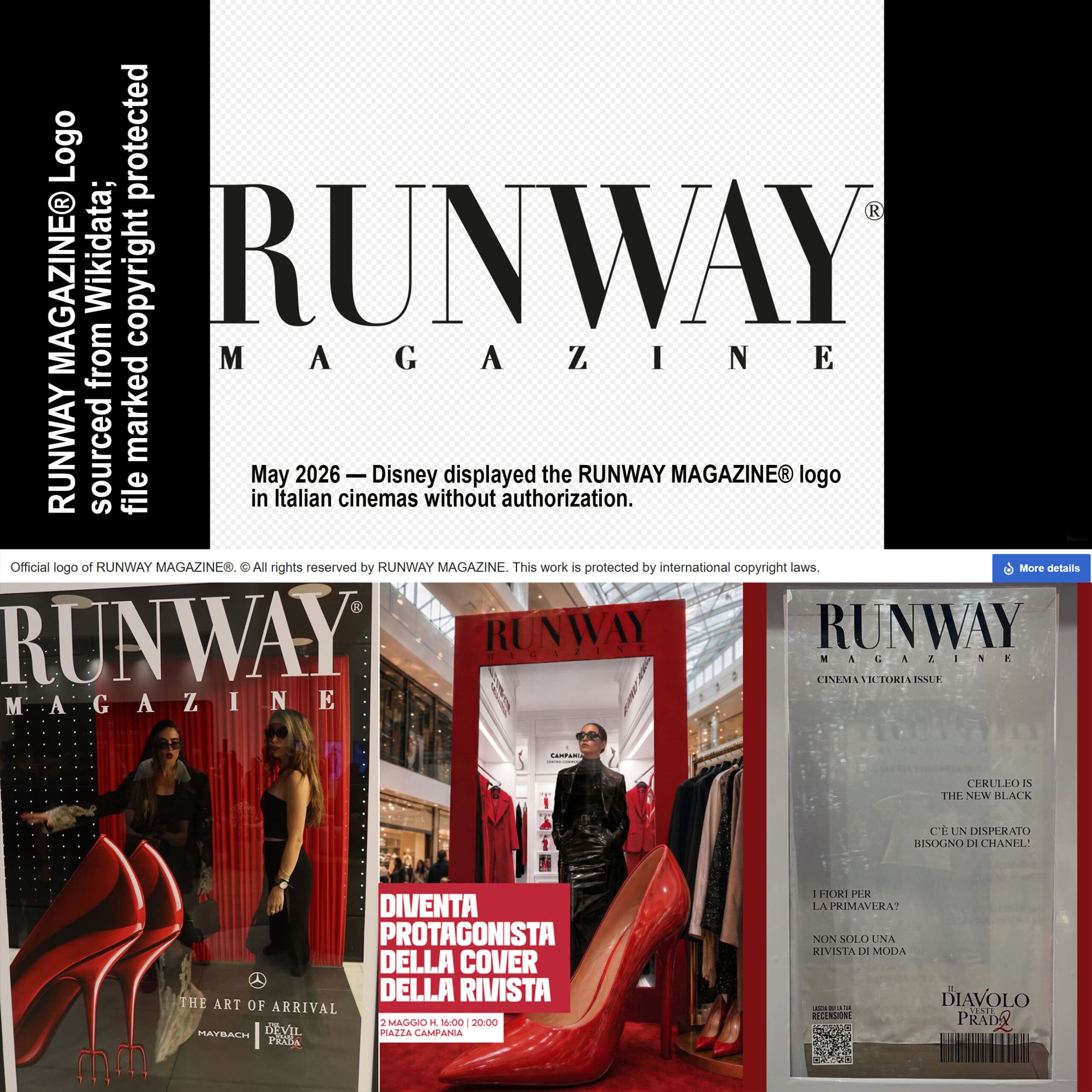
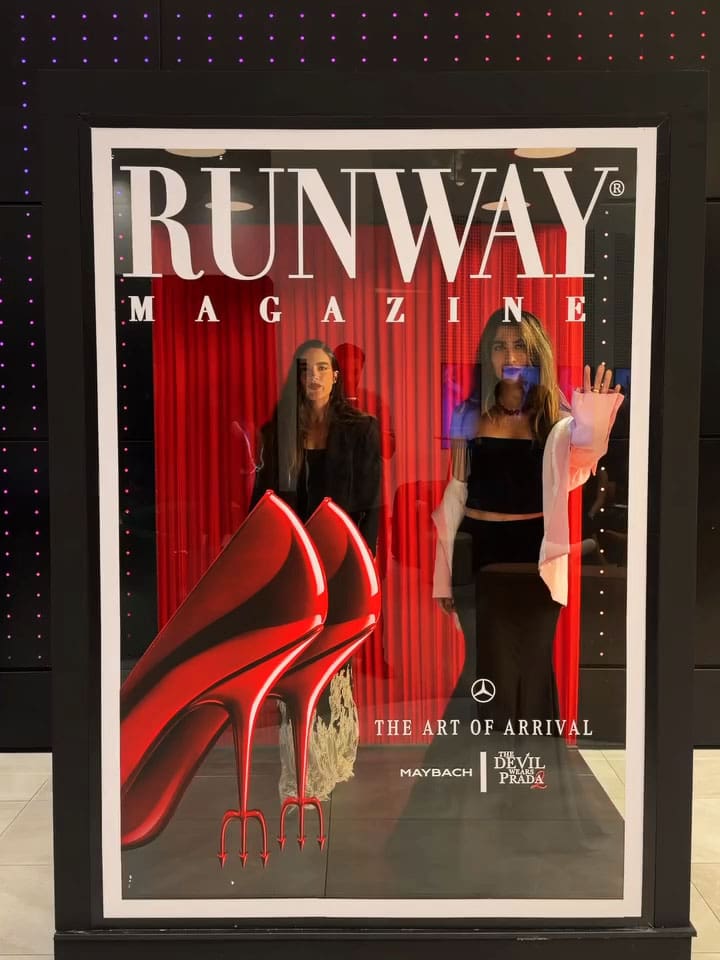
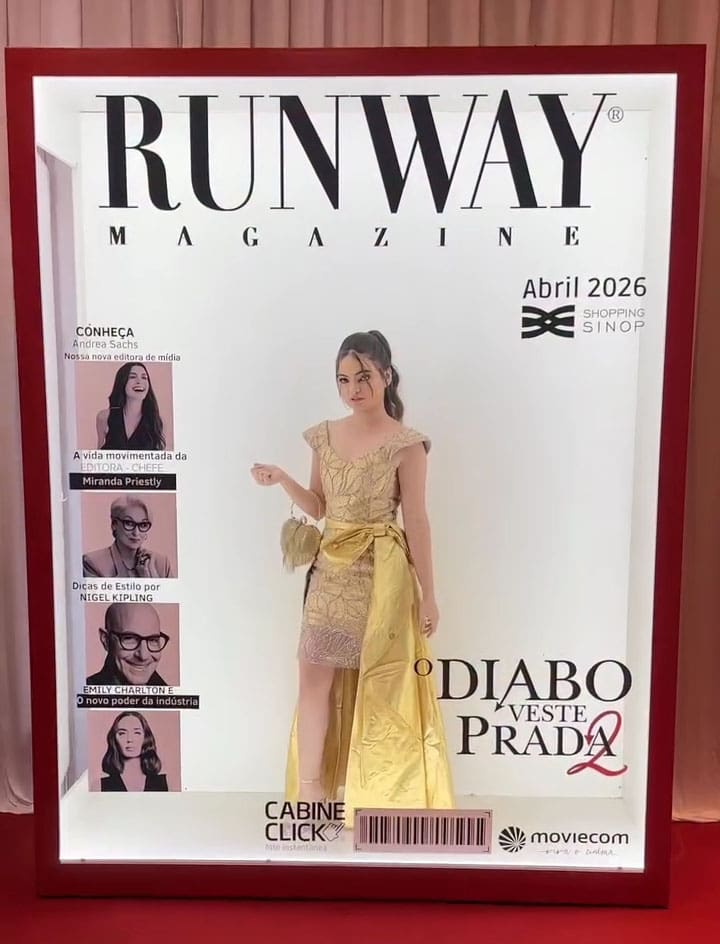
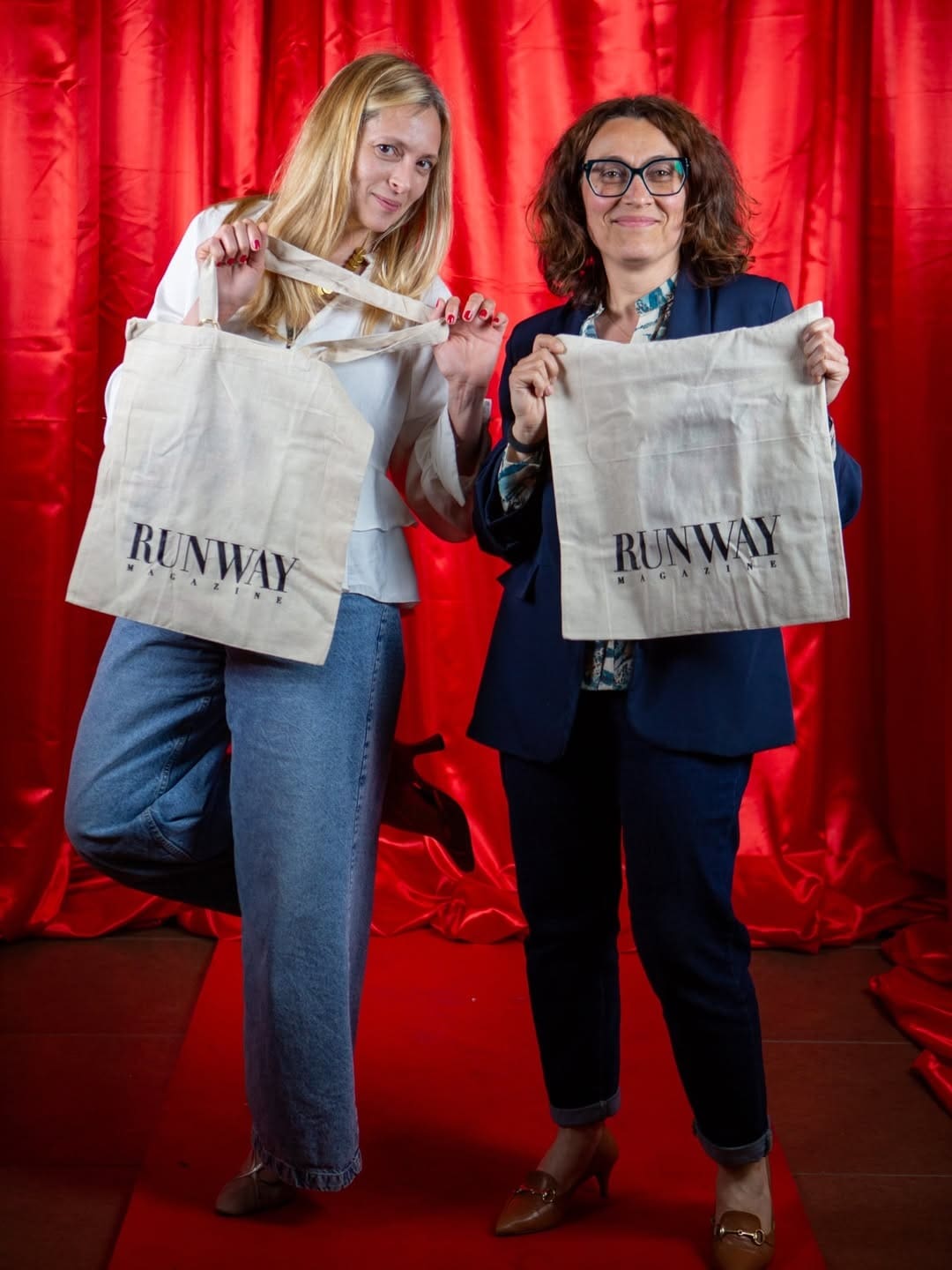
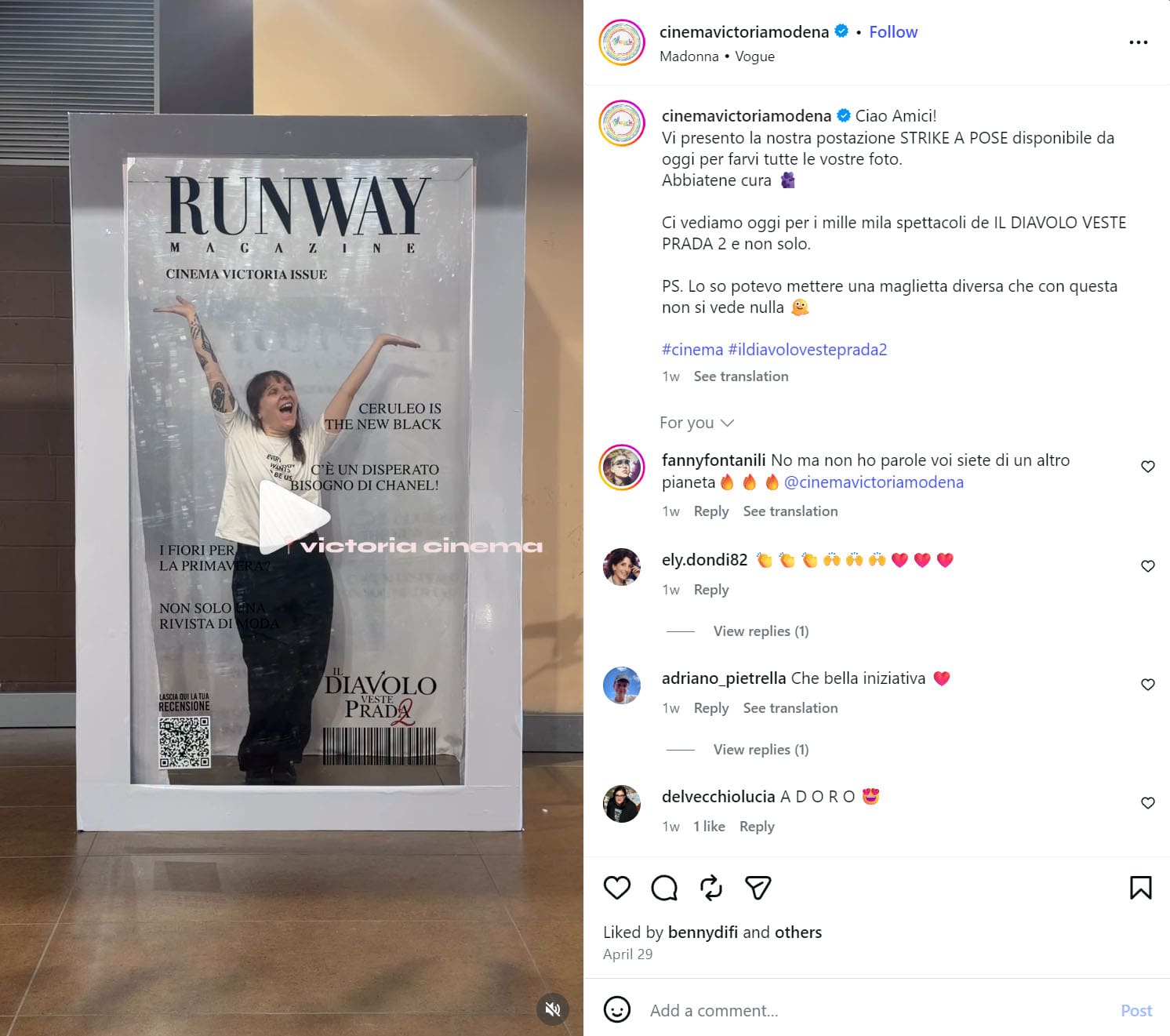
Furthermore, unauthorized use of copyrighted logo (sourced from Wikidata) on cosmetic boxes, alongside Disney / 20th Century Studios cinema theater photo booths featuring false advertising by Mercedes and L’Oréal, proves this is not ‘artistic set dressing,’ but a coordinated act of commercial parasitism designed to misappropriate our brand equity in a live market.
As just one of many documented examples of Disney’s unauthorized appropriation of the copyrighted RUNWAY MAGAZINE® logo, which constitutes another copyright infringement (logo sourced from our Wikidata):
Post Notice Continuation of Use
Across these campaigns, the RUNWAY MAGAZINE® masthead, self-made magazines were licensed by Disney to commercial partners as their property, and used in product‑driven advertising, retail merchandise, and promotional materials created and distributed by external partners. These authorizations were issued for commercial activity connected to Mercedes‑Benz Maybach, L’Oréal Paris, Unilever/TRESemmé, Grey Goose, and extended to apparel, accessories, sweets, novelty items, and other consumer products. The use of the masthead in these contexts was outward‑facing and commercial in nature, materially distinct from any internal prop use or narrative depiction within the film.
Commercial materials, partner campaigns, and derivative assets continued to be developed and sold after formal CEASE AND DESIST notice was issued to Disney and 20th Century Studio, and Formal Legal Notice to its partners March 16, 2026, despite explicit communication that any use of the RUNWAY MAGAZINE® identity required authorization.
Informational Notice
Disney’s actions—including the unauthorized use of the RUNWAY MAGAZINE® trade name and logo in retail environments, licensed products, digital commerce, and partner advertising—raise serious concerns involving:
- trade‑name violations
- trademark infringement (registrations in U.S. and Europe)
- copyright infringement
- commercial parasitism
- misrepresentation to partners
- attempts to suppress lawful journalism
The record demonstrates a consistent pattern of conduct throughout the management of this project and the associated partner campaigns—ranging from unauthorized commercial use of our identity, to misrepresentations of legal rights, to attempts to suppress protected press documentation.
Real‑World Commerce Standards
A. Jack Daniel’s v. VIP Products (U.S. Supreme Court)
The Court held that even when a use is expressive or humorous, the moment a mark functions as a source identifier in commerce, standard infringement laws apply. This means the Rogers Test does not protect real‑world retail activations, co‑promotions, or product marketing.
B. The “Pepsi Perfect” Precedent (Universal / Back to the Future II)
When Universal sought to release the fictional “Pepsi Perfect” into the real world, it did not rely on “artistic expression.” It executed a formal commercial licensing agreement with PepsiCo.
Disney’s assumption that it can bypass this step with RUNWAY MAGAZINE® by labeling retail activations is inconsistent with trade and intellectual property laws, with established industry practice.
Editorial Note from the Editor in Chief Eleonora de Gray:
“When a corporation dismisses legal boundaries, asserts rights it does not possess, and attempts to silence the press, it reveals not an isolated misunderstanding but a posture. The events in this case reflect a pattern of conduct observed throughout the management of this project and the campaigns associated with it.”
About RUNWAY MAGAZINE®
RUNWAY MAGAZINE® is an international fashion publication founded in 1995 in New York and headquartered in Paris, founded by Eleonora de Gray. Produced in nine languages, the magazine reaches more than 20 million readers across print, digital, and immersive Web3 formats.
Disclaimer addressed to DISNEY / 20TH CENTURY STUDIO / DWP2 FRANCHISE and it’s commercial partners:
Disney DOES NOT OWN trademarks for RUNWAY / RUNWAY MAGAZINE, DOES NOT HAVE COMMERCIAL USE for Devil Wears Prada 2 characters and fictional universe props until 2026, First Amendment related to author’s rights and covers only fictional narratives.
RUNWAY MAGAZINE® printed editions exist since 1995, operates under the internationally recognized protections for Freedom of Expression, Media Freedom, and the Safety of Journalists as affirmed in Article 11 of the Déclaration des droits de l’homme et du citoyen (1789), Article 19 of the Universal Declaration of Human Rights (1948), Article 10 of the European Convention on Human Rights (1950), the Loi du 29 juillet 1881 sur la liberté de la presse, U.S. constitutional protections for editorial commentary and satire, UNESCO’s standards for the independence of the press, and the protections against abusive litigation (SLAPP) afforded by the EU Anti-SLAPP Directive (2024/1069).
Any effort to restrict, suppress, or unduly pressure a media outlet in the exercise of its journalistic functions stands in tension with these binding standards and the public‑interest role of the press.
Eleonora de Gray, Editor-in-Chief of RUNWAY MAGAZINE:
International Association of Journalists ID W73133, and the American Association of Journalists ID C553-3.
RUNWAY MAGAZINE® operates under the French activity code Édition de revues et périodiques (5814Z) and is governed by the Journalistes (1480) collective agreement.
