RUNWAY MAGAZINE® Issues Cease and Desist to Disney Over Unauthorized Commercial Use in The Devil Wears Prada 2.
Procedural Public Record
Key Takeaways
| Date / Entity | Event or Commercial Activity | Key Takeaway |
|---|---|---|
| Core Dispute | ||
| RUNWAY MAGAZINE® | Real-world publication and commercial identity | RUNWAY MAGAZINE® records continuous use of its publication name and identity in commerce since 1995, including physical publications, digital publishing, merchandise, branded products, and immersive formats. The dispute concerns real-world commercial uses of the RUNWAY MAGAZINE® trade name, logo, masthead, and editorial identity, not the appearance of a fictional magazine within the narrative of The Devil Wears Prada. |
| The Walt Disney Company / 20th Century Studios | Fictional franchise extended into commercial campaigns | The procedural record distinguishes Disney’s ownership of film and franchise rights from any claimed authority to license or commercially deploy the identity of an existing publication across unrelated products, advertising, retail merchandise, partner activations, digital commerce, and physical consumer goods. |
| Central legal distinction | Fiction versus commerce | A fictional narrative reference does not automatically provide commercial rights over a pre-existing real-world trade name or copyrighted logo. The document records that the disputed uses moved outside the films and into cosmetics, alcohol advertising, automotive promotion, apparel, stationery, retail environments, cinema installations, technology advertising, digital worlds, promotional props, and secondary-market sales. |
| Companies and Commercial Entities Identified in the Record | ||
| Principal companies | Studio, licensors, partners, manufacturers, and retailers | The record identifies The Walt Disney Company, 20th Century Studios, Mercedes-Benz Maybach, Walmart, Scoop, Brandon Maxwell, L’Oréal Paris, Lancôme, Unilever, TRESemmé, Bacardi, Grey Goose, Samsung, Diet Coke, The Coca-Cola Company, Mad Engine, Target, Primark, Eudora, Grupo Boticário, Tilibra, TruffleShuffle UK, Disney Italy, Google, eBay, Poshmark, Mercari, U.S. liquidators, and secondary-market sellers. |
| External IP vendor | Rights assessment and correspondence | The studio’s external IP vendor conducted the rights-assessment correspondence, transmitted and withdrew the proposed agreement, stated Disney’s legal position, communicated with RUNWAY MAGAZINE®, and later expressly attributed a response to Disney and its co-promotional partners. |
| Chronology | ||
| January 2024 | Prior licensed use | The real RUNWAY MAGAZINE® logo was formally licensed for a promotional installation connected to The Devil Wears Prada musical. The record presents this earlier agreement as evidence that the real publication was recognized as a separate identity requiring authorization when used in a public-facing promotional environment. |
| July 2025 | Beginning of the sequel-related dispute | RUNWAY MAGAZINE® began formally notifying the studio that an agreement or licensing arrangement would be required for commercial uses of its identity in materials, installations, merchandise, marketing, and partner campaigns connected to The Devil Wears Prada 2. |
| July 2025 onward | Identity clarification | RUNWAY MAGAZINE® published clarifications separating the real publication from the fictional magazine. The record states that these publications were intended to prevent confusion, not to claim an association with the franchise. |
| October 17, 2025 | Executed acknowledgment agreement transmitted | 20th Century Studios transmitted an executed agreement through its external IP vendor. According to the record, the operative language failed to provide meaningful public acknowledgment of RUNWAY MAGAZINE® as a real publication and introduced a purported grant of perpetual commercial rights in the RUNWAY MAGAZINE® identity without license fees. |
| October 20, 2025 | Agreement rejected and revised | RUNWAY MAGAZINE® rejected the proposed instrument and returned its own revisions rather than accepting a contract that would have provided Disney with broad commercial rights without license fees while failing to protect or meaningfully acknowledge the existing publication. |
| January 15, 2026 | Agreement withdrawn | Disney’s external IP vendor stated that the agreement had been offered only as a courtesy, was not intended as a negotiable draft, and was withdrawn after RUNWAY MAGAZINE® rejected it. The communication asserted that Disney did not require acknowledgment or permission to continue using “Runway” as a fictional element and in film and film promotions. |
| February 4, 2026 | Restrictions rejected | The external IP vendor stated that Disney had never accepted restrictions on its use of “RUNWAY” in marketing the films and would not continue discussing an agreement. The record contrasts that position with the use of the identity in real-world partner advertising, products, retail merchandise, and consumer-facing activations. |
| March 18, 2026 | Cease and Desist delivered | RUNWAY MAGAZINE® states that its formal Cease and Desist Notice was delivered to The Walt Disney Company and 20th Century Studios by certified mail and email after approximately eight months of correspondence. |
| March 26, 2026 | Procedural record published | RUNWAY MAGAZINE® published the procedural history and Cease and Desist record after the stated deadline passed without corrective measures and while commercial campaigns and related materials remained active. |
| March 28, 2026 | Post-deadline acknowledgment | Disney’s external IP vendor acknowledged receipt, awareness, and review of the Cease and Desist Notice. RUNWAY MAGAZINE® records the continuation of the disputed commercial uses after confirmed notice as an escalation from an unresolved rights dispute to documented post-notice continuation. |
| April 6, 2026 | Removal demands and threatened claims | A notice issued on Disney’s behalf demanded the removal of editorial reporting, public notices, commentary, satire, parody, and other content. It threatened potential claims including copyright infringement, trademark infringement, tortious interference, defamation, false association, disparagement, parasitism, and unfair competition. |
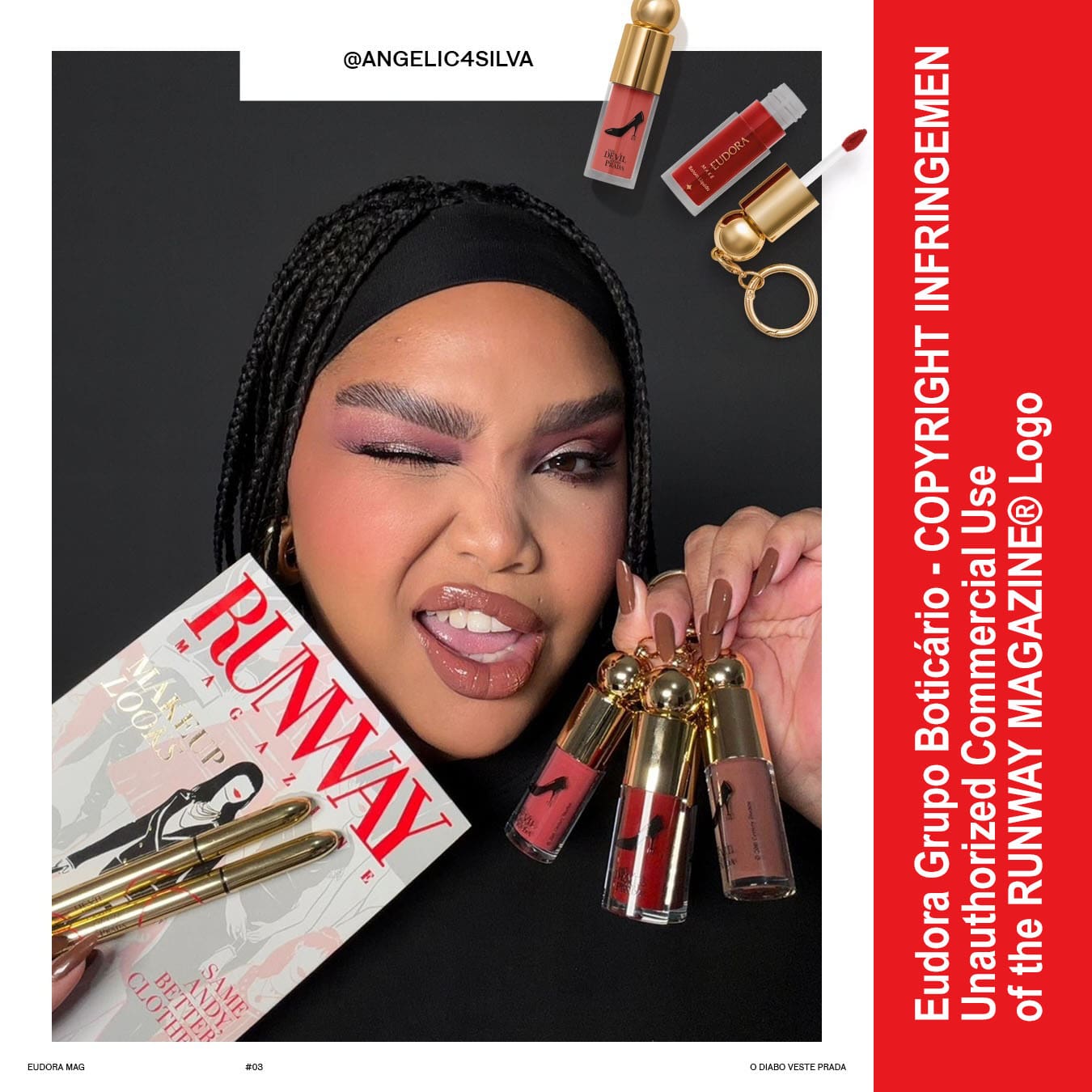
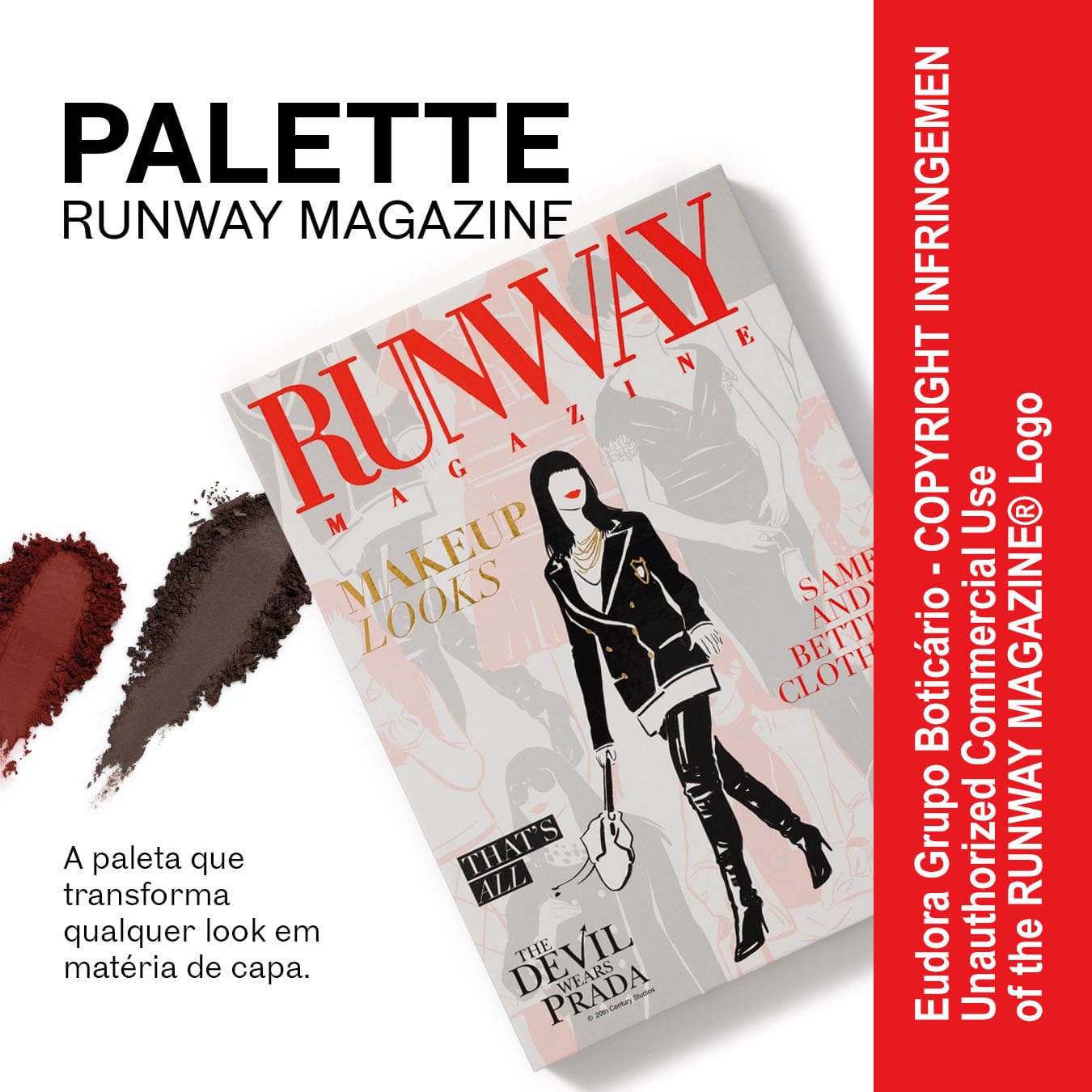
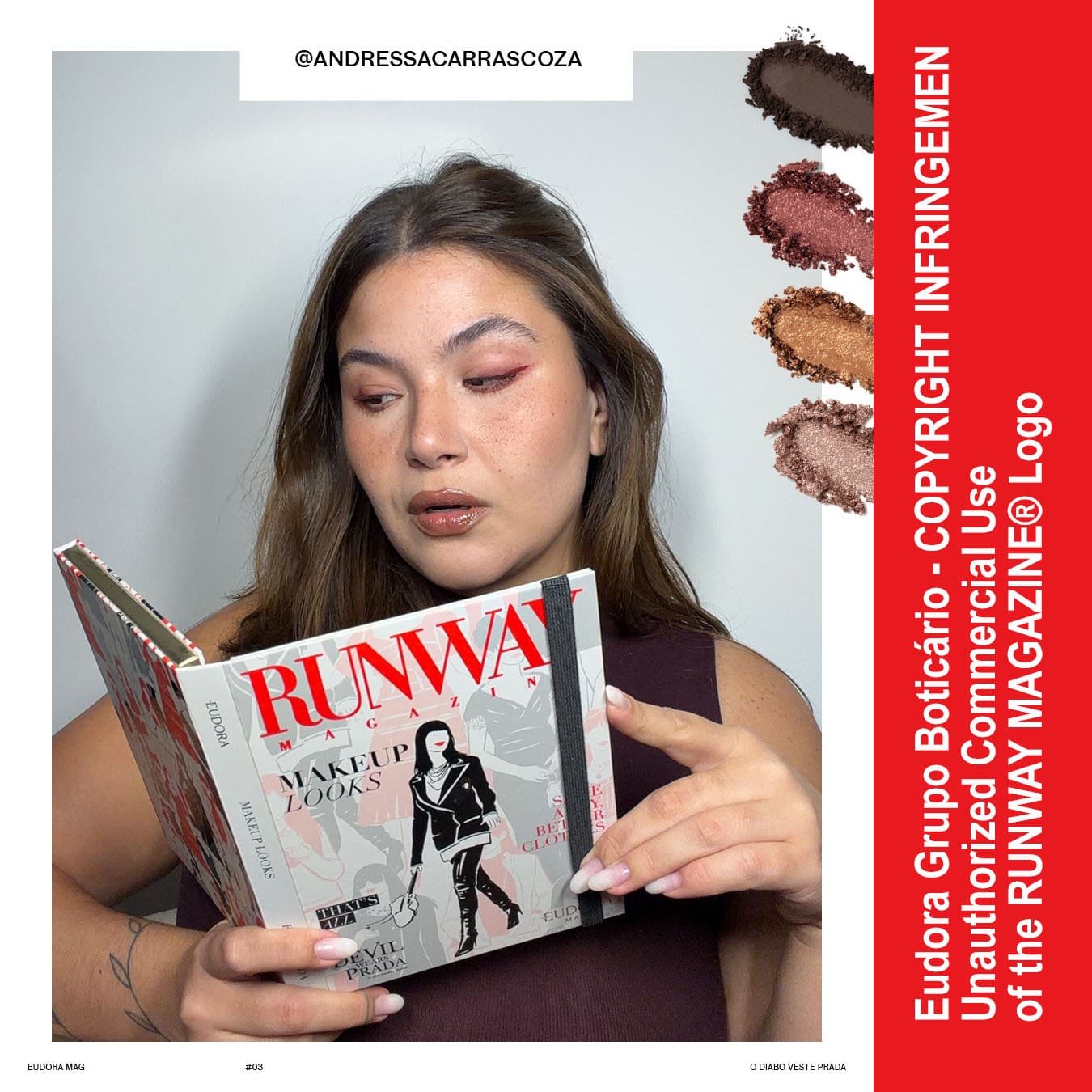
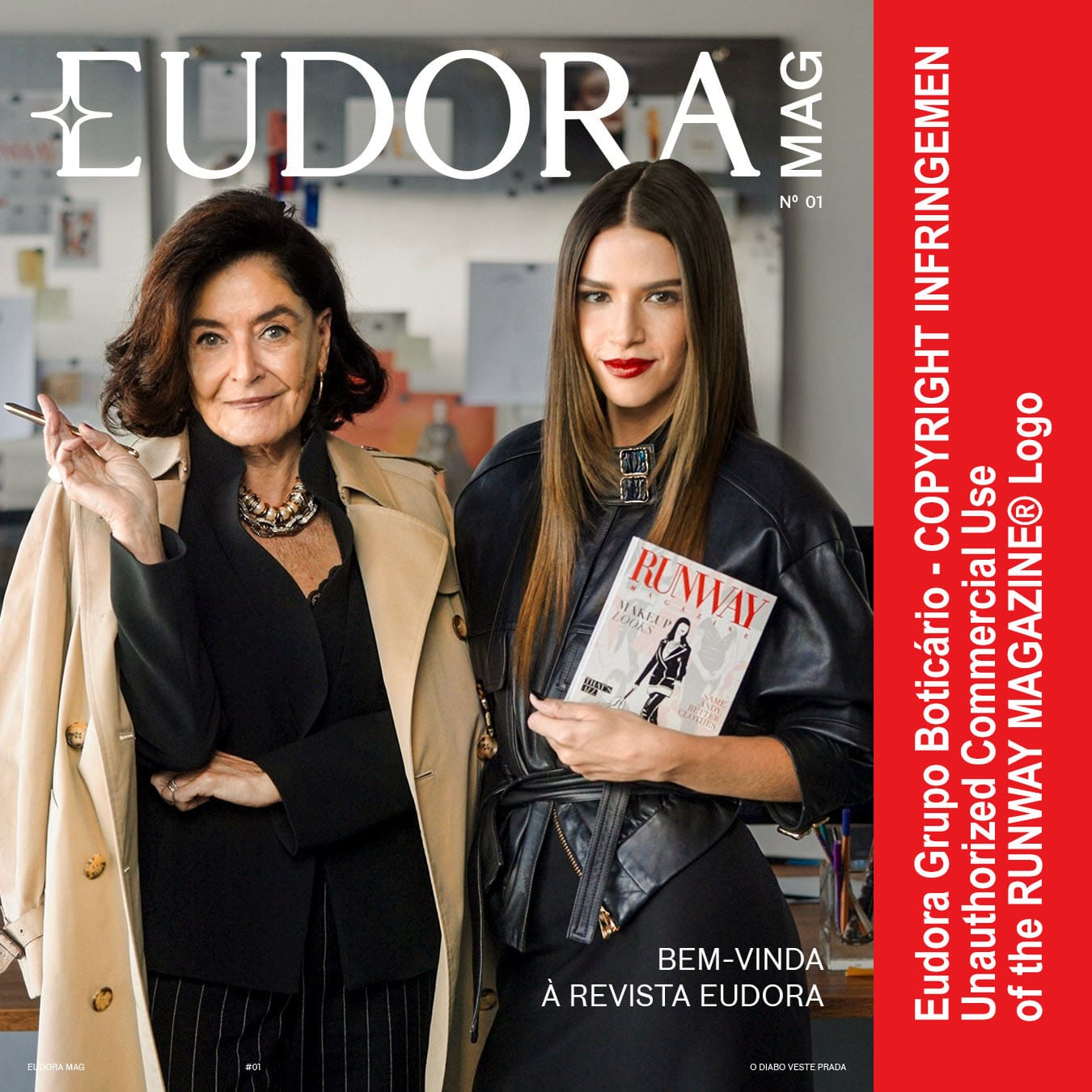
| April 18–19, 2026 | Eudora cosmetic product documented | RUNWAY MAGAZINE® identified its asserted copyrighted logo on the Eudora “Runway Magazine Palette,” a 35-shade cosmetic palette marketed through an official Disney collaboration and listed in the record at $234.99. |
| May 1, 2026 | Cinema cover-booth activations | The record documents cinema installations in Italy using the RUNWAY MAGAZINE® logo in “Runway cover booth” activations. These installations were connected to Disney Italy’s film marketing and sponsored promotional activity. |
| June 3–August 6, 2026 | Promotional props enter resale channels | RUNWAY MAGAZINE® identified physical promotional “Runway Magazine” props appearing through American liquidation channels and automated eBay and Poshmark storefronts, creating a new stage of consumer-facing commercial distribution. |
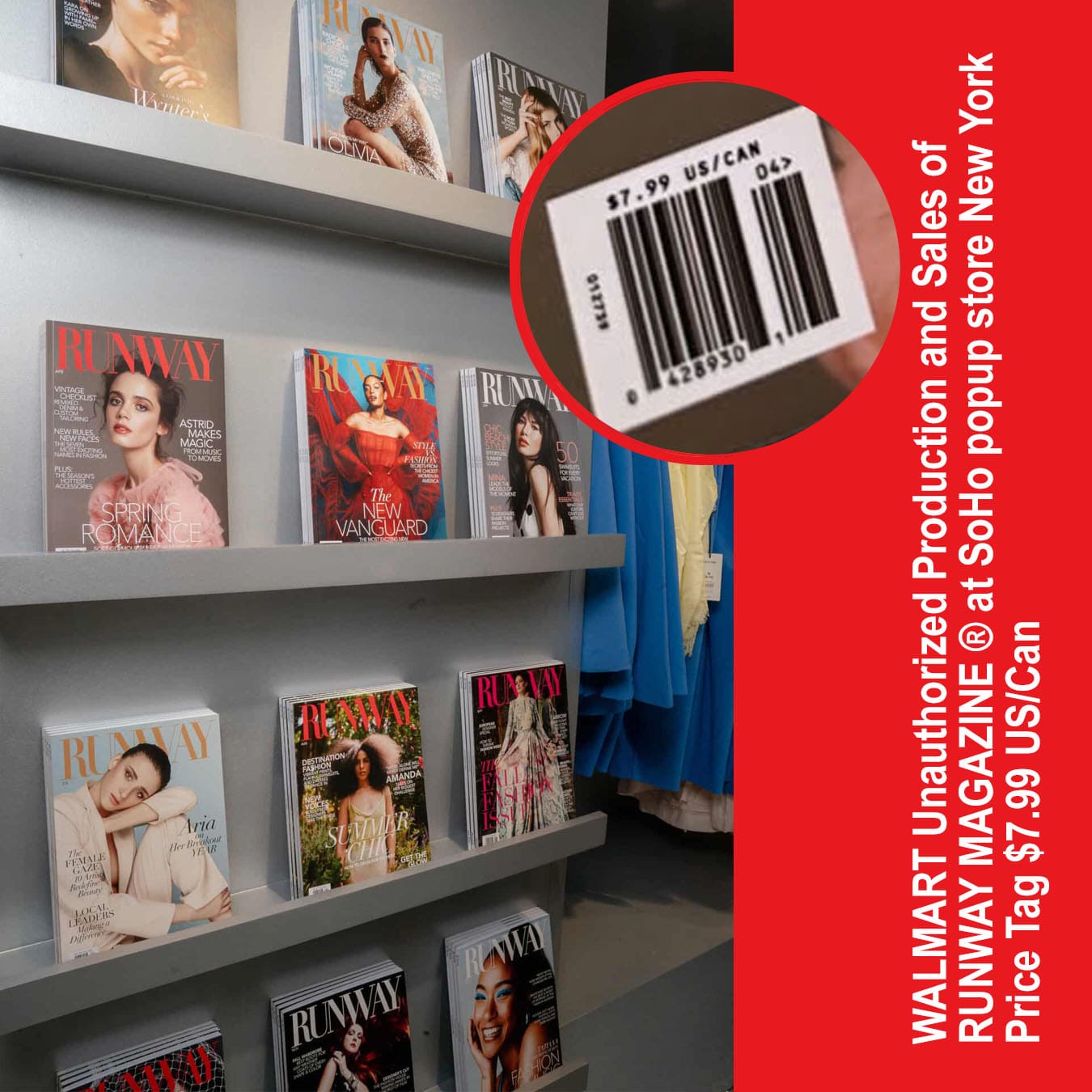
| June 8, 2026 | Walmart physical and digital use documented | Fabricated “RUNWAY” magazines appeared in the Walmart / Scoop / Brandon Maxwell SoHo popup with $7.99 pricing and barcodes. Digital replicas of the same magazines were also displayed in the Walmart Realm immersive environment. |
| June 16, 2026 | Response issued for Disney and its partners | An external IP vendor, expressly writing on behalf of Disney and its co-promotional partners, characterized RUNWAY MAGAZINE®’s notices and reporting as harassment, interference, and disparagement. The procedural record challenges the letter’s treatment of international trade-name law, commercial use, press activity, and the Walmart materials. |
| August 5, 2026 | Liquidation and resale formally recorded | The document records two U.S. liquidator inventories: one listing approximately 500 physical copies at $47 with 60 completed sales, and another listing approximately 200 copies at $43 with 105 completed sales. The figures are attributed in the document to information supplied by eBay legal. |
| August 13, 2026 | Listings disappear before D23 Expo | RUNWAY MAGAZINE® observed the disappearance or “sold out” designation of more than 600 active listings within a short period immediately before the D23 Expo. The publication records this as evidence of coordinated intervention within the liquidation and resale supply chain. |
| Why the October 2025 Agreement Was Rejected | ||
| Lack of acknowledgment | Identity of the real publication removed or weakened | The instrument did not provide meaningful public recognition of RUNWAY MAGAZINE® as an existing publication while seeking rights connected to the same identity. |
| Perpetual commercial rights | Extensive rights requested | The proposed language introduced a purported grant of perpetual commercial rights in the RUNWAY MAGAZINE® identity rather than a narrow authorization limited to a specified film, campaign, territory, term, or defined promotional use. |
| One-sided commercial effect | Broad studio rights without corresponding protection | The agreement would have enabled broad commercial exploitation while providing no equivalent protection against partner use, merchandise, product licensing, logo reproduction, consumer confusion, or false association. |
| No negotiation | Presented as non-negotiable | The external IP vendor later stated that the document had been offered as a courtesy, was not intended as a draft, and had never been open to negotiation, despite the significant commercial rights it sought. |
| Material alterations | Acknowledgment removed and rights language inserted | The procedural record states that acknowledgment language was removed while perpetual-rights language was introduced without RUNWAY MAGAZINE®’s consent or acceptance. |
| Failure to separate fiction from commerce | Film marketing treated as unlimited extension of fictional use | The proposed position treated “marketing” as part of fictional use even while the identity was being placed on consumer products, commercial displays, merchandise, product advertising, retail activations, and partner-controlled media. |
| Commercial Partners and Documented Conduct | ||
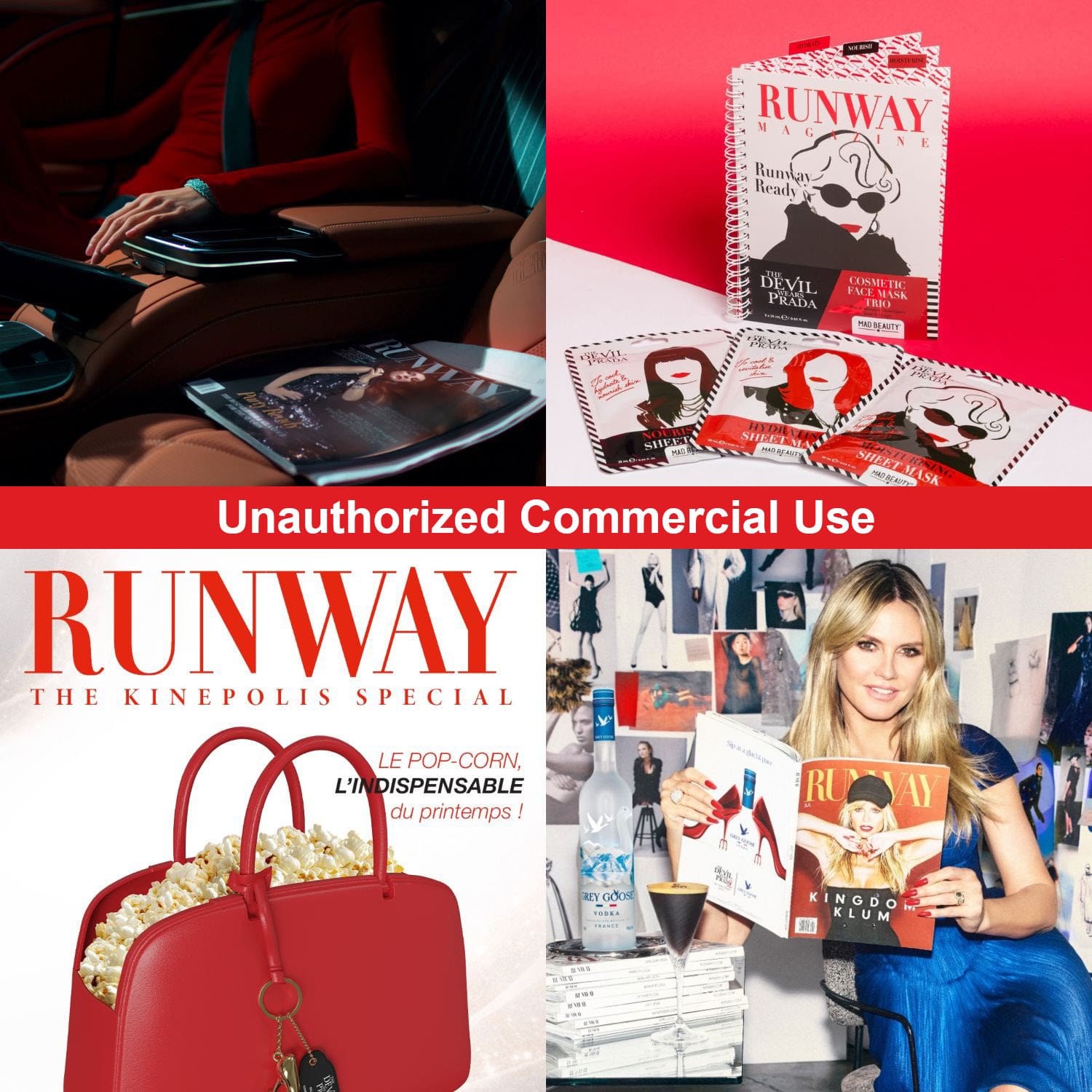
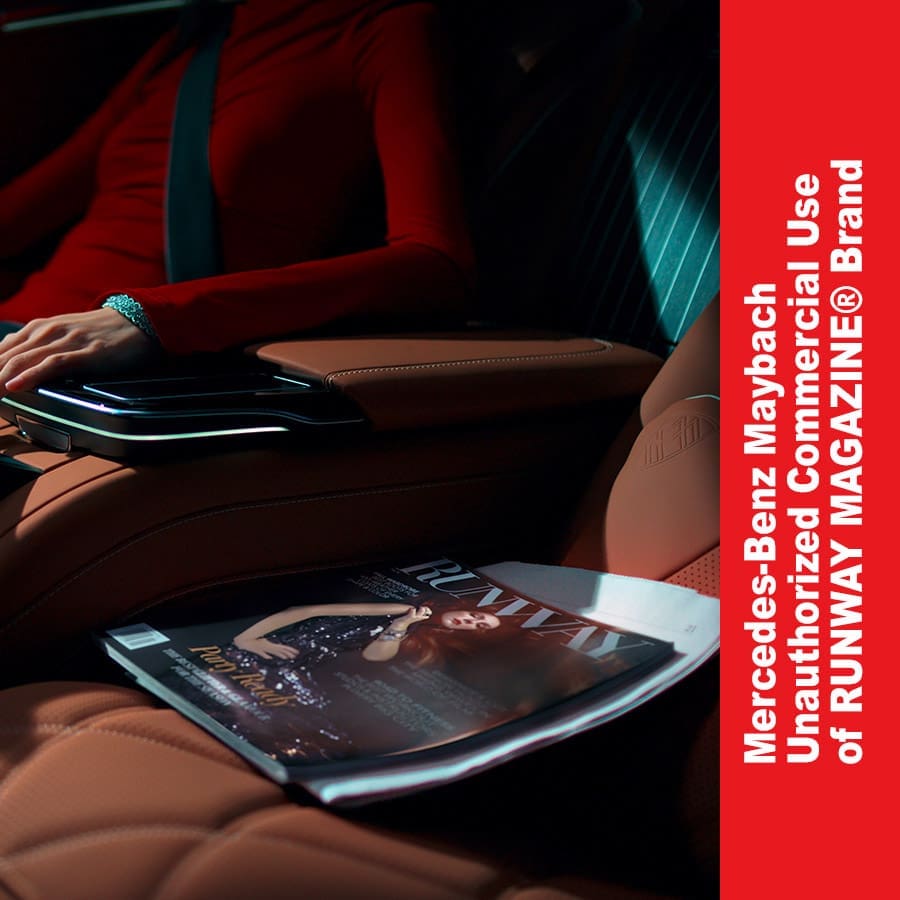
| Mercedes-Benz Maybach | Automotive advertising | Promotional materials used fabricated RUNWAY MAGAZINE® covers and branded visuals in outward-facing automotive advertising connected to The Devil Wears Prada 2. |
| Walmart / Scoop / Brandon Maxwell | SoHo retail popup | Fabricated “RUNWAY” magazines were incorporated into a branded fashion popup. The physical items carried $7.99 price markings and barcodes, contradicting the later description of the items as set dressing that was not for sale. |
| Walmart Realm | Digital replication | Digital replicas of the fabricated magazines were reproduced inside Walmart’s branded immersive environment, extending the use from a physical retail activation into a persistent digital commercial setting. |
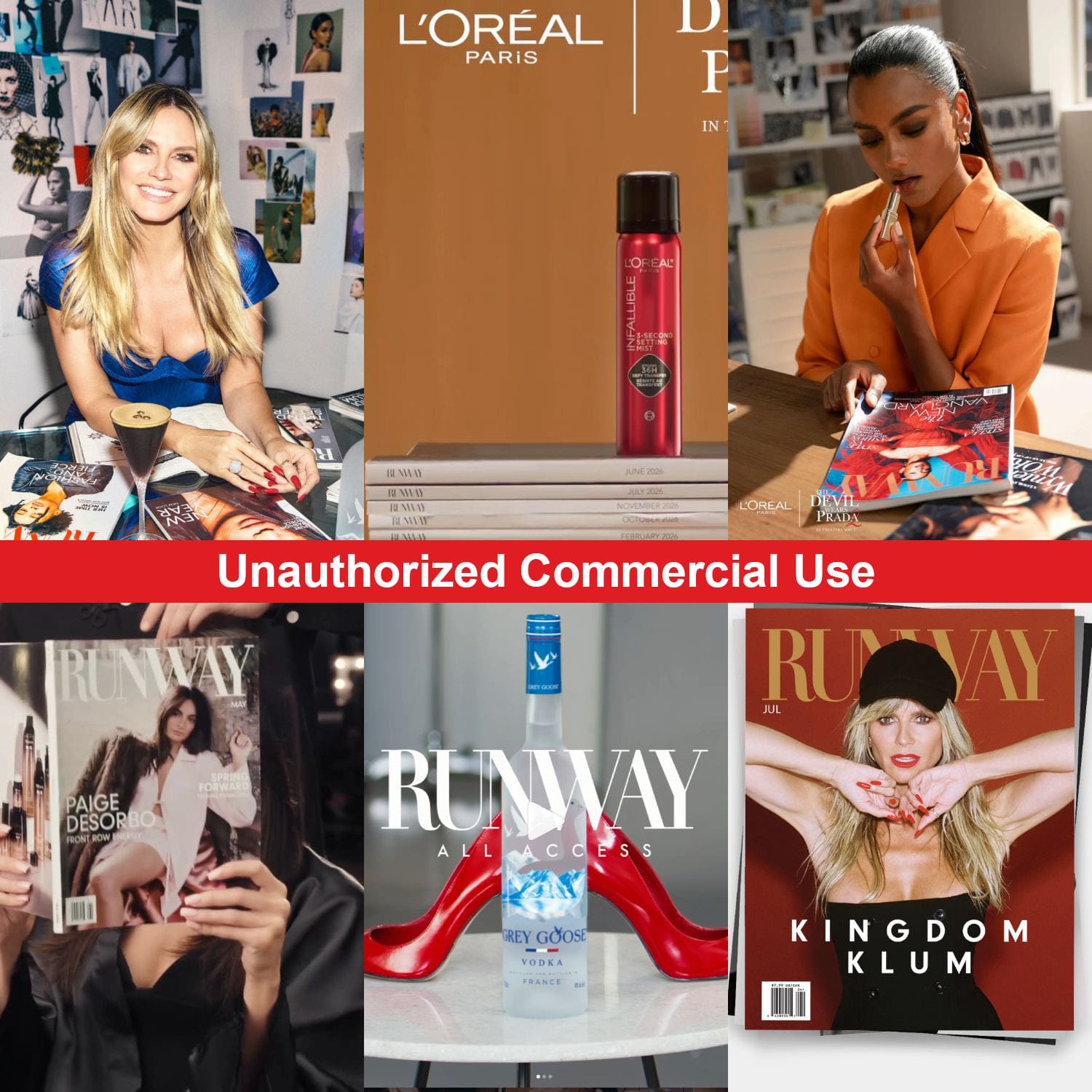
| L’Oréal Paris | Cosmetics advertising | Stacks of fabricated “Runway Magazine” issues were used as product-display surfaces and campaign imagery across press releases, social media, paid promotion, and partner-controlled channels. |
| Lancôme / L’Oréal Group | Beauty campaign and editorial identity | Lancôme incorporated fabricated magazine issues into campaign materials and used a white “Runway” masthead on a pink display for New Longevity MD. The record identifies the white-on-pink presentation as a longstanding element of RUNWAY MAGAZINE®’s editorial identity, distinct from the film franchise’s cited visual palette. |
| TRESemmé / Unilever | Haircare advertising | Promotional videos showed fabricated magazines held by models and used as display supports for haircare products. The materials appeared in outward-facing product advertising rather than solely inside a fictional film scene. |
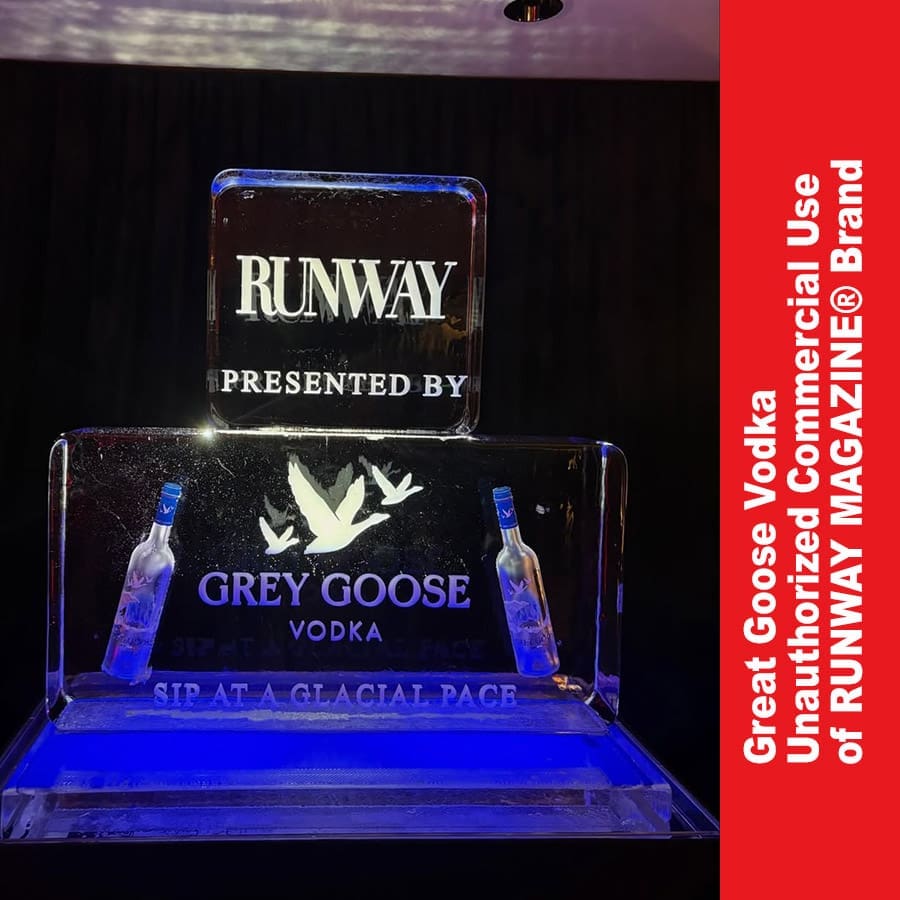
| Grey Goose / Bacardi | Alcohol promotion | Fabricated magazine covers and physical stacks were used as advertising props and product-display surfaces for vodka bottles and cocktail presentations in commercial campaign materials. |
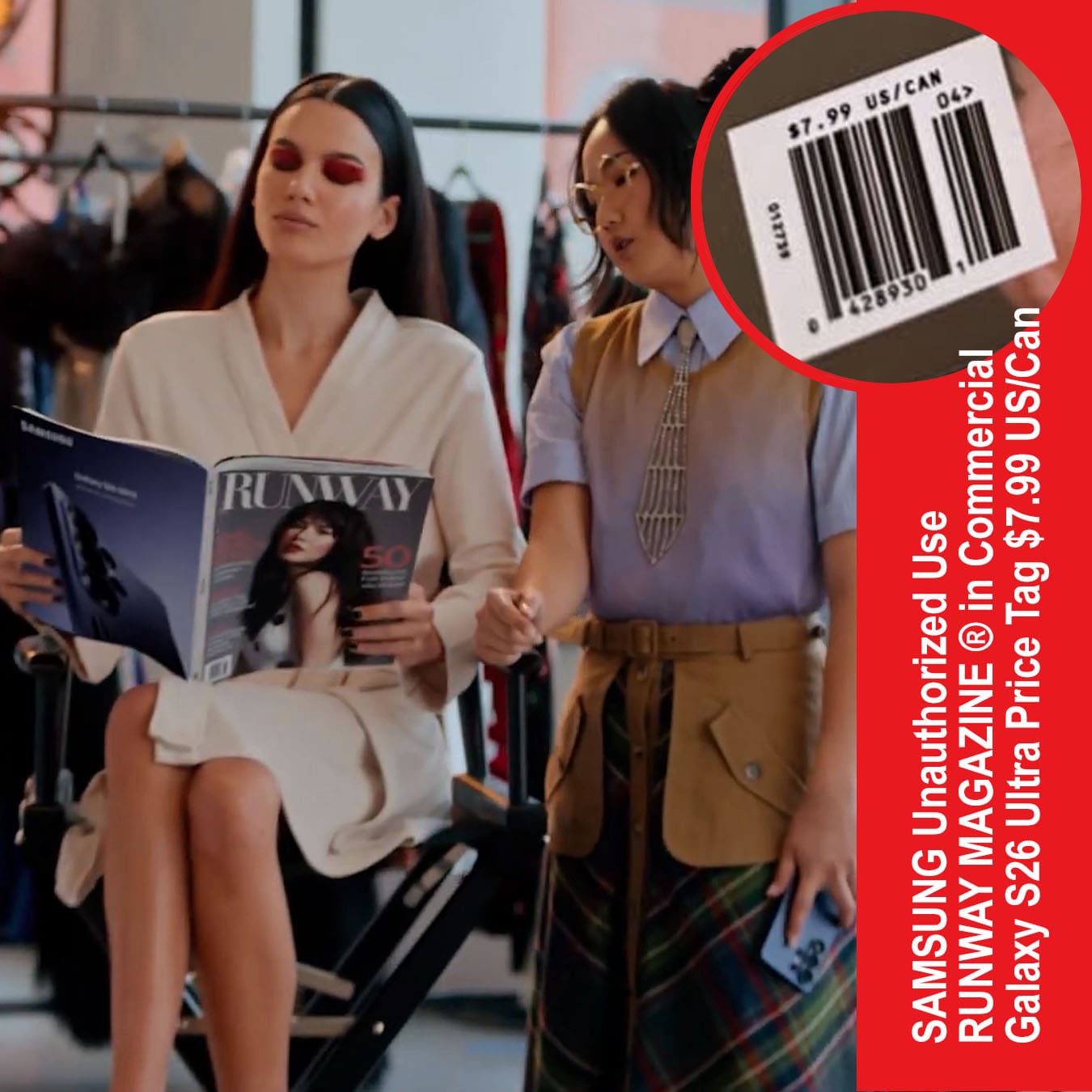
| Samsung | Technology and device advertising | Samsung’s “Runway Cam” promotional materials used fabricated magazine issues while demonstrating device-camera and Circle-to-Search features, placing the identity directly inside technology-product advertising. |
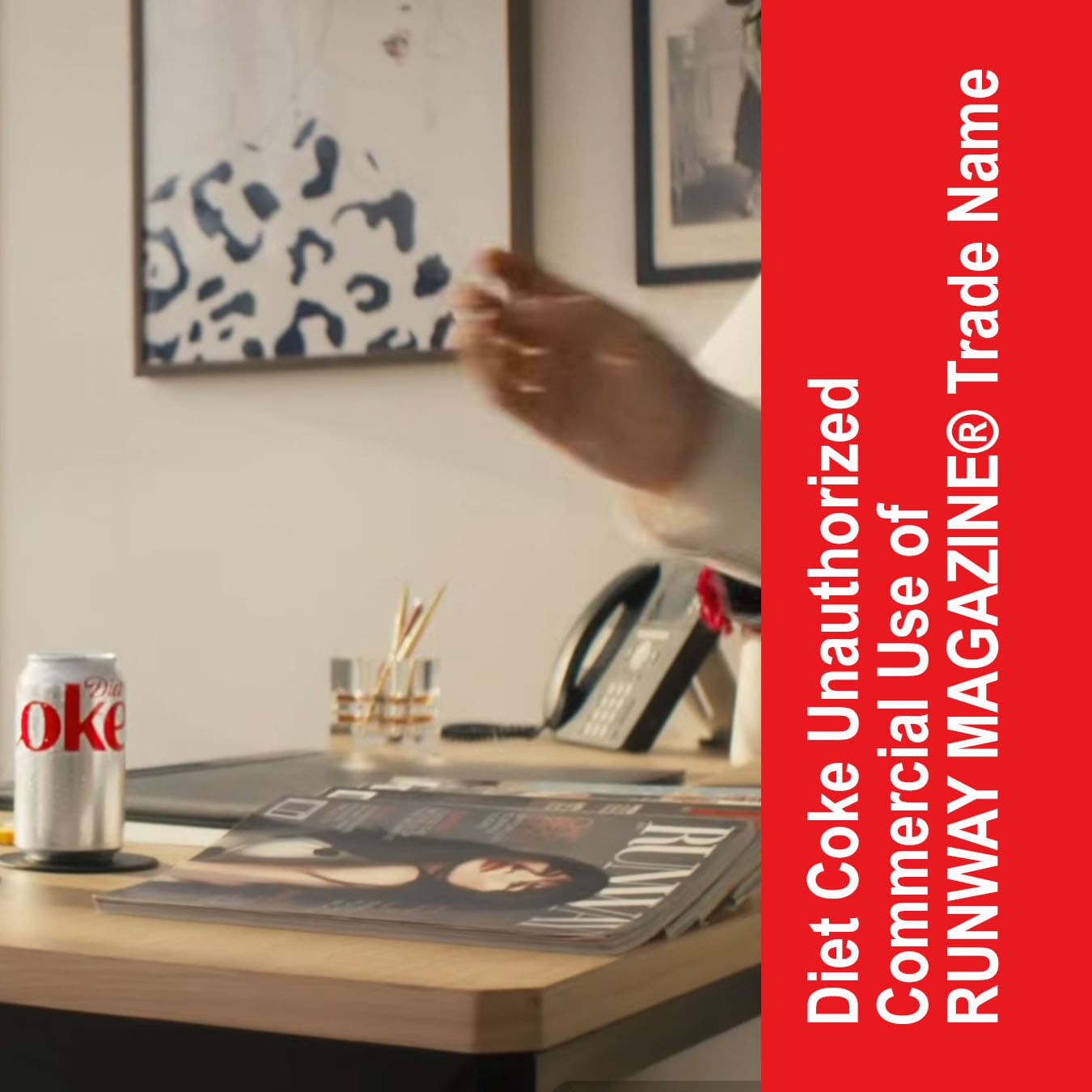
| Diet Coke / The Coca-Cola Company | Beverage publicity | Fabricated “Runway Magazine” issues appeared in film-related Diet Coke promotional assets circulated through branded and partner-controlled channels. |
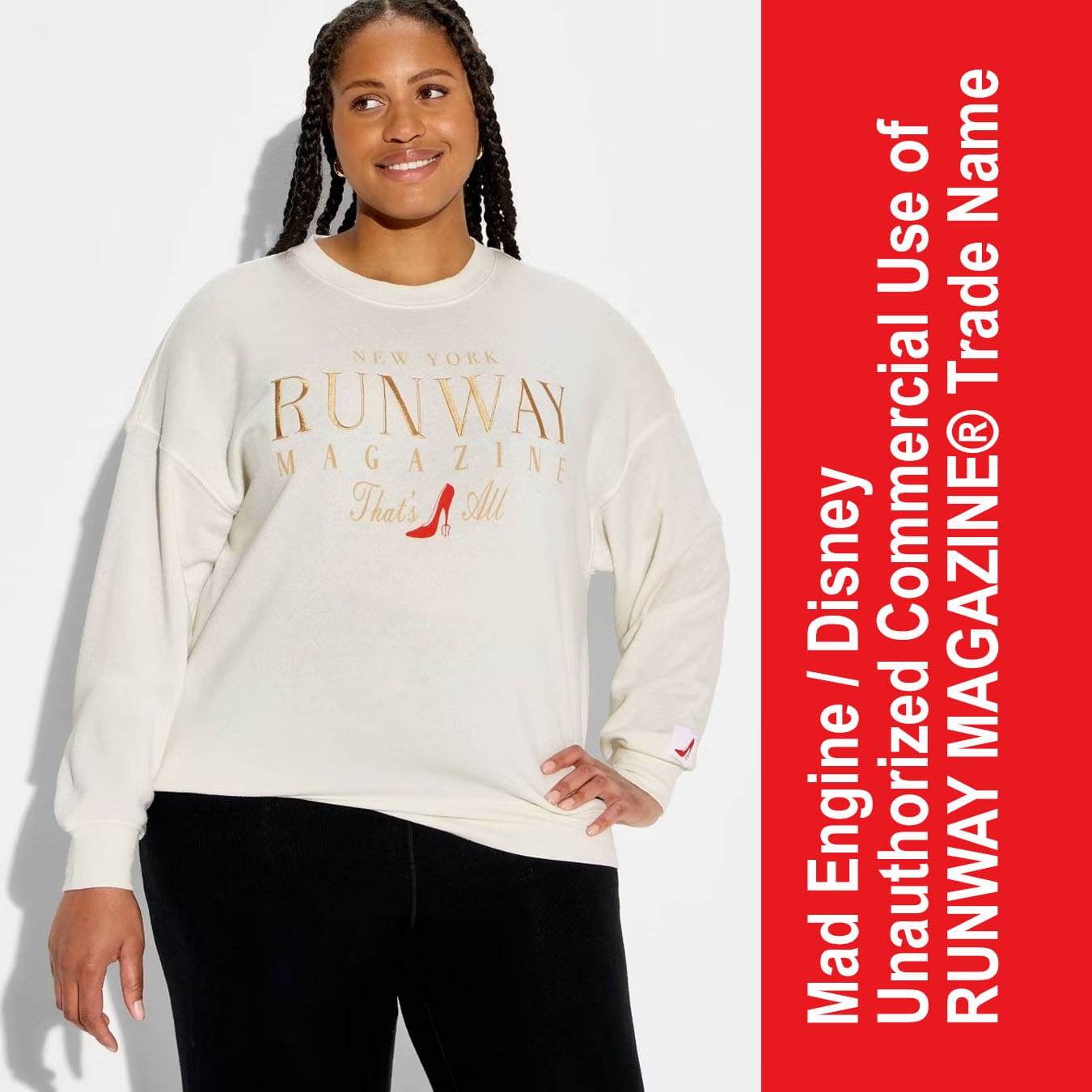
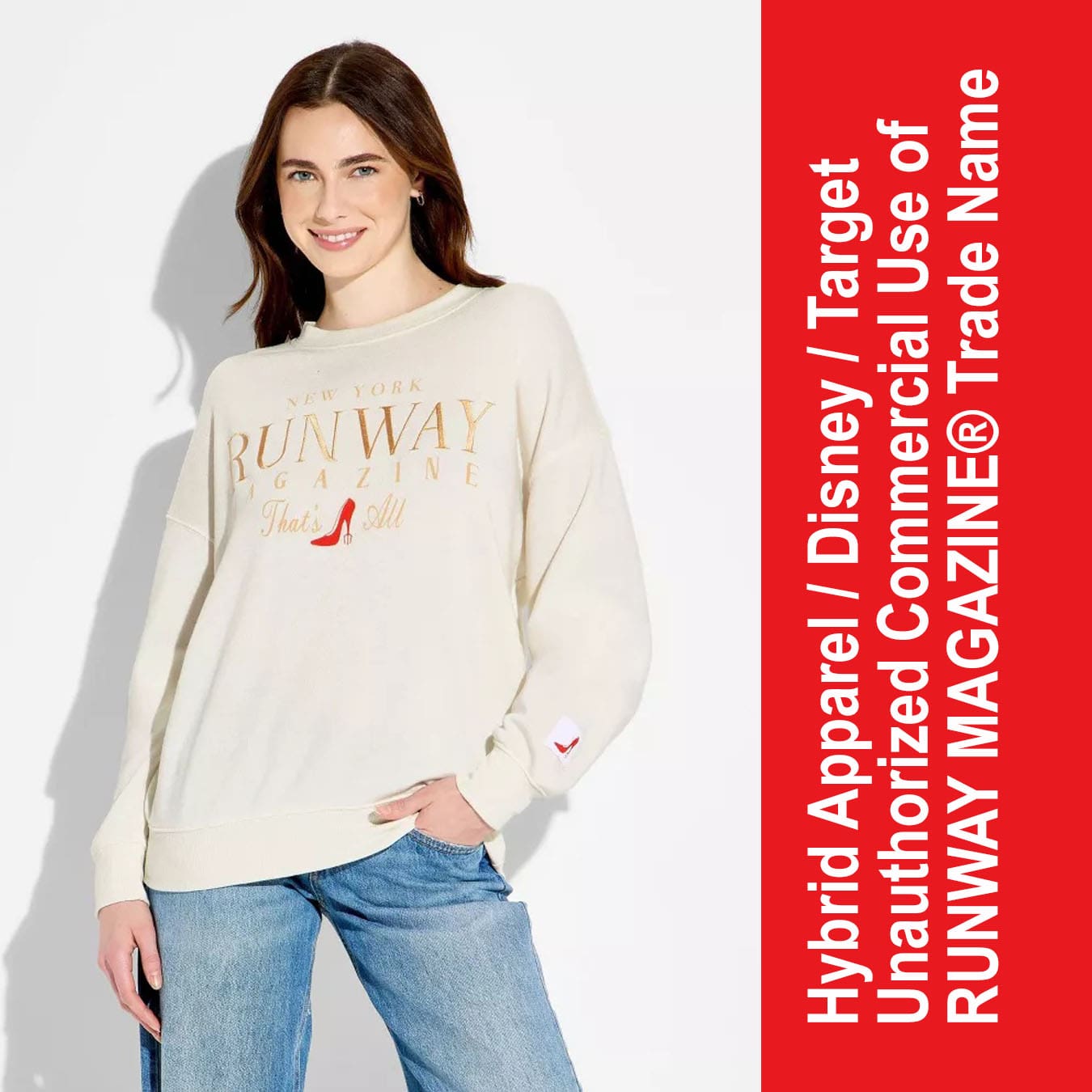
| Mad Engine | Licensed Disney apparel | Mad Engine manufactured hoodies, sweatshirts, and related products bearing the RUNWAY MAGAZINE® name as part of a Disney-licensed merchandise line. The manufacturer characterized the use as ornamental or decorative. |
| Target and Primark | Retail sale of apparel | Target, Primark, and online marketplaces offered Disney-licensed garments bearing the RUNWAY MAGAZINE® name. The record treats placement of the identity on goods offered for sale as commercial source-identifying use, not fictional depiction. |
| Eudora / Grupo Boticário | Disney-licensed cosmetic palette | The “Runway Magazine Palette” reproduced the asserted distinctive elements of the real RUNWAY MAGAZINE® logo, including its rising “A,” proportional structure, and “MAGAZINE” descriptor, while omitting the registered-trademark symbol. |
| Tilibra | Disney-licensed notebooks and stationery | Tilibra notebooks used the “RUNWAY” identity and the asserted rising “A” typographic structure. Although the word “MAGAZINE” was removed, the record states that the defining logo structure remained recognizable on physical merchandise. |
| Disney Italy | Cinema marketing installations | Cinema “Runway cover booth” installations reproduced the RUNWAY MAGAZINE® logo in consumer-facing film activations associated with Disney Italy and sponsored promotional activity. |
| TruffleShuffle UK | Consumer products and promotional materials | TruffleShuffle UK is identified in connection with products and promotional imagery incorporating fabricated RUNWAY MAGAZINE® magazine covers and franchise-related commercial merchandise. |
| Partner-related commercial activity | Google is included in the document’s list of companies connected to promotional authorizations or partner activity. The present procedural record does not provide the same detailed standalone account of Google’s conduct that it provides for Walmart, L’Oréal, Samsung, Eudora, and other identified partners. | |
| eBay and U.S. liquidators | Commercial resale of promotional copies | Promotional magazine props entered secondary-market sales at approximately $43 to $47 per copy. The record identifies inventories numbering in the hundreds and completed consumer sales. |
| Poshmark and Mercari | Secondary-market distribution | The document identifies these platforms as additional resale environments through which promotional “Runway Magazine” props were marketed to consumers. |
| Legal Frameworks and Disputed Legal Positions | ||
| Paris Convention, Article 8 | International trade-name protection | The document invokes Article 8 as the international foundation for protecting a trade name independently of whether it forms part of a registered trademark. |
| Lanham Act, Section 44 | 15 U.S.C. § 1126 | The record invokes Section 44 in connection with U.S. recognition and protection of trade names and commercial names under the Paris Convention framework. |
| Lanham Act, 15 U.S.C. §§ 1114 and 1125 | Trademark use and false designation | These provisions are identified in connection with unauthorized trademark use, false designation of origin, misleading affiliation, source confusion, and commercial distribution of trademark-bearing goods. |
| Trade Marks Act 1994, Section 2(2) | United Kingdom protection | The document cites Section 2(2) in connection with the continued availability of passing-off protection even where an unregistered mark cannot be enforced as a registered trademark. |
| Copyright protection | Logo and original graphic composition | Copyright is invoked where the real RUNWAY MAGAZINE® logo, its asserted typographic structure, or its original graphic arrangement appeared on cosmetics, stationery, merchandise, tote bags, and cinema installations. |
| Passing off and false association | Consumer-facing affiliation | These principles are raised where commercial use of the identity could communicate authorization, sponsorship, origin, endorsement, or affiliation between RUNWAY MAGAZINE® and the film, Disney, or partner products. |
| Commercial parasitism | Use of accumulated brand equity | The document applies this concept to the alleged use of an established publication’s identity, reputation, and editorial presentation to promote unrelated corporate products without permission or compensation. |
| Rogers test | Limits of expressive-use protection | The publication argues that protections associated with fictional or expressive use do not automatically extend to consumer products, product advertising, licensed merchandise, retail environments, or uses functioning as source identifiers in commerce. |
| Jack Daniel’s Properties v. VIP Products | Trademark functioning as source identifier | The case is cited for the proposition that ordinary trademark analysis applies where a designation functions as a mark or source identifier in commerce, even when expressive or humorous elements are also present. |
| Louis Vuitton Malletier v. Hyundai Motor America | Recognizable trademark imagery in advertising | The document cites the case in support of its position that invoking cultural commentary, humor, or artistic context does not automatically protect the commercial incorporation of another entity’s recognizable trademark imagery into advertising. |
| Pepsi Perfect precedent | Fictional product entering real commerce | The record contrasts Disney’s position with Universal’s formal licensing arrangement with PepsiCo when the fictional “Pepsi Perfect” product from Back to the Future II was released commercially. |
| Press Freedom and Editorial Activity | ||
| April 6 removal demands | Editorial and public-record content targeted | The notice issued on Disney’s behalf demanded the removal of articles, editorial commentary, public correspondence, the Cease and Desist Notice, satire, parody, and other published materials while threatening litigation against RUNWAY MAGAZINE® and Eleonora de Gray. |
| French Press Law of 29 July 1881 | Freedom of the press | The law is invoked as part of the framework protecting the publication’s journalistic reporting, editorial criticism, commentary, and public-interest documentation. |
| Article 10, European Convention on Human Rights | Freedom of expression | The document invokes Article 10 in response to attempts to compel removal of reporting, public records, satire, parody, and critical commentary. |
| Article 11, Declaration of the Rights of Man and of the Citizen | Free communication of ideas and opinions | This protection is cited as part of the French and European framework governing the publication’s right to report and comment on matters affecting its identity and commercial rights. |
| U.S. First Amendment principles | Reporting, satire, criticism, and parody | The record invokes First Amendment protections for editorial reporting and commentary concerning publicly distributed promotional materials, together with clearly identified satire and parody. |
| EU Anti-SLAPP Directive 2024/1069 | Protection against abusive proceedings | The directive is referenced in the publication’s disclaimer concerning pressure, threatened litigation, and demands directed at journalistic and public-interest activity. |
| Governance, Compliance, and Commercial Exposure | ||
| Partner due diligence | Authority to license the identity | The record raises the question of whether participating commercial partners independently verified that Disney possessed authority to license the real-world RUNWAY MAGAZINE® trade name, logo, masthead, and editorial identity for their particular products and campaigns. |
| Cross-sector expansion | Multiple consumer markets | The uses expanded across automotive, beauty, cosmetics, alcohol, beverages, technology, fashion, apparel, stationery, physical retail, digital commerce, immersive environments, cinemas, promotional props, and secondary-market resale. |
| Contradiction in commercial classification | Props versus goods | The record identifies a conflict between describing the magazines as fictional props or set dressing and displaying them with pricing, barcodes, product placement, retail presentation, digital replication, licensed merchandising, or secondary-market sale. |
| Post-notice continuation | Campaigns remained active | Commercial assets, merchandise, promotional materials, partner campaigns, and derivative uses continued after Disney and 20th Century Studios received formal notice that RUNWAY MAGAZINE® disputed their authority to use or license its identity. |
| Partner attribution | June 16 correspondence | Because the external IP vendor expressly stated that the June 16 letter was issued on behalf of Disney and its co-promotional partners, the publication records the legal and factual positions in that letter as having been attributed to those partners. |
| Downstream inventory control | Liquidation and resale | The appearance of promotional materials in liquidation and resale channels raises documented questions concerning disposal protocols, resale authorization, brand-bearing inventory, commercial supply-chain control, and consumer confusion. |
| Reliance on disputed third-party records | Rights-assessment integrity | The procedural record states that the external IP vendor relied on trademark and corporate materials originating from an unrelated individual later convicted in U.S. federal proceedings and that RUNWAY MAGAZINE® repeatedly challenged the reliability of those materials during the rights-assessment process. |
| Overall Takeaway | ||
| From fictional reference to commercial ecosystem | The scope of the documented dispute | The procedural record describes a dispute that moved beyond the appearance of a fictional magazine inside a film. It documents the use of the “Runway” identity across partner advertising, consumer products, licensed merchandise, retail environments, digital commerce, immersive experiences, cinema installations, promotional materials, and secondary-market sales. The central issue is whether Disney and its partners possessed authority to transform a fictional narrative reference into a real-world commercial identity while RUNWAY MAGAZINE® was already operating in commerce and asserting rights in its trade name, trademarks, copyrighted logo, masthead, and editorial identity. |
Table of Content
- UPDATE — APRIL 6, 2026 – THREATS, FALSE IP CLAIMS, AND ATTEMPTS TO SILENCE A MEDIA OUTLET ISSUED ON DISNEY’S BEHALF
- False IP Claims Issued in Disney’s Name
- Threats Directed at a Media Outlet
- Attempt to Reclassify Journalism as Copyright Infringement
- Baseless Allegations of “Parasitism” and “Unfair Competition”
- The “Interference” Allegation Is Factually False
- False Statements Regarding ISSN Attribution and French Law
- “False Association” Claims Contradicted by RUNWAY MAGAZINE®’s Public Record
- Misuse of the Term “Disparagement” Against a Media Outlet
- UPDATE — JUNE 16, 2026 — EXTERNAL IP VENDOR LETTER ISSUED ON BEHALF OF DISNEY AND COMMERCIAL PARTNERS — MISSTATEMENT OF INTERNATIONAL LAW + MISCHARACTERIZATION OF DOCUMENTED COMMERCIAL USE
- Misstatement of International Trade‑Name Law
- Mischaracterization of Documented Commercial Use
- Denial of Suppression Attempts
- The protections of the Rogers Test DOESN’T Cover Commercial Parasitism
- Mischaracterization of Public‑Interest Publications as “Harassment” and “Tortious Interference”
- Attribution of Legal Positions to Commercial Partners
- Post Notice Continuation of Use
- UPDATE — AUGUST 05, 2026 — UNAUTHORIZED COMMERCIAL DISTRIBUTION OF COUNTERFEIT RUNWAY MAGAZINE® PROPS VIA U.S. LIQUIDATORS AND EBAY RESELLERS (NORTH HOLLYWOOD, CALIFORNIA)
- eBay U.S. Liquidator currently holds 500 counterfeit physical copies for sale, with 60 completed sales, confirming active commercial distribution ( information provided by eBay legal).
- Another eBay U.S. Liquidator currently holds 200 counterfeit physical copies priced for sale $43, with 105 completed sales, confirming active commercial distribution (information provided by eBay legal).
- Unauthorized Disposal of Disney Promotional Materials
- Barcode Evidence — Promotional Prop Marked for Liquidation at the price $47
- Coordinated Removal of Liquidation Inventory
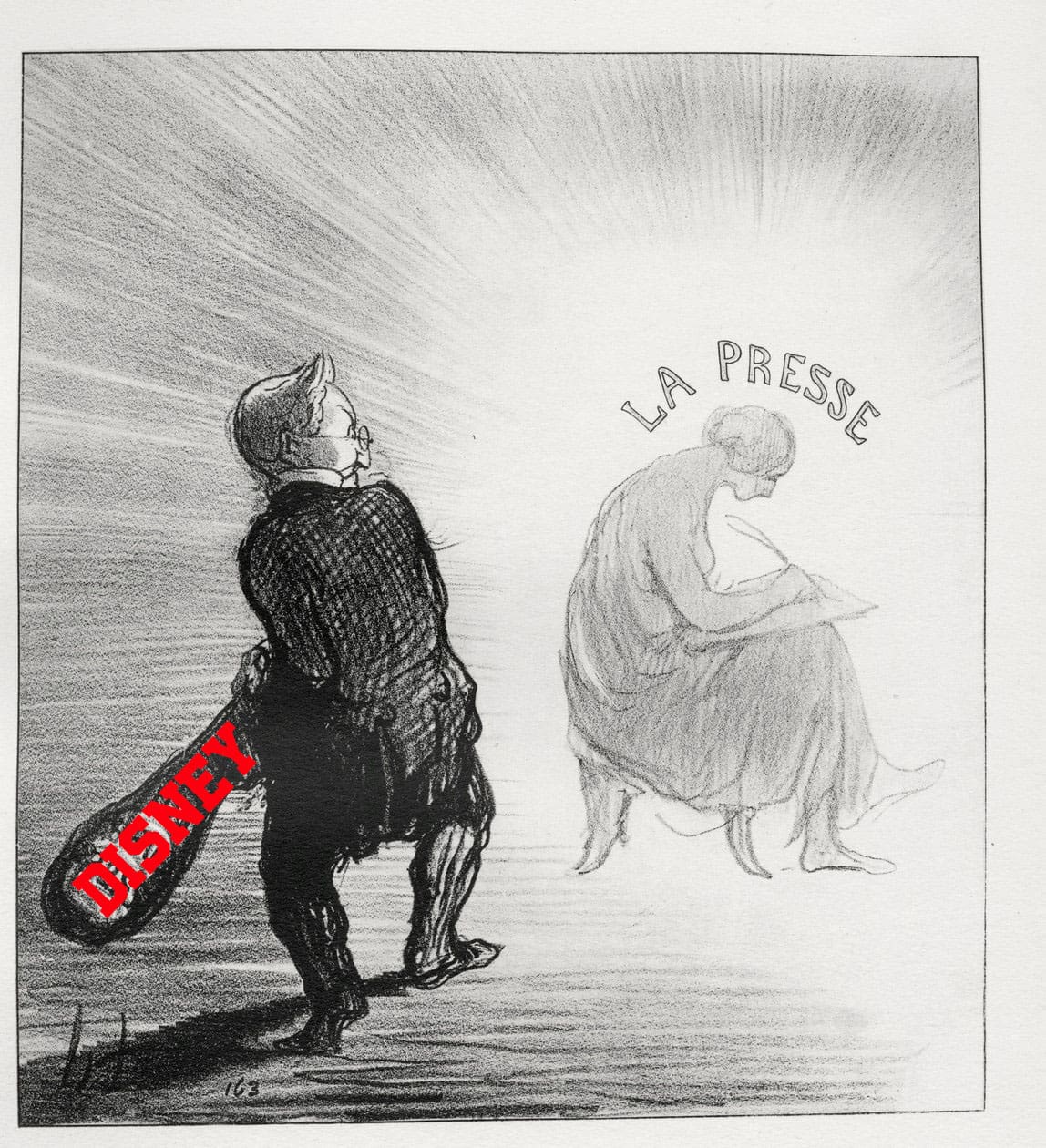
Remove the Cease and Desist Notice, any other correspondence or notices addressed to Disney or its promotional partners, and articles containing unfounded allegations of infringement and derogatory remarks regarding Disney on websites, social media, and other digital platforms… Disney will not hesitate to take legal action against Ms. de Gray, both personally and through her companies… “ – on behalf of Disney and its partners.
This public version of the Cease and Desist Notice issued by RUNWAY MAGAZINE® to Disney addresses their unauthorized commercial exploitation and constitutes the historic and legal records. It establishes the strict legal basis and boundaries between fiction and actual trade, alongside the legal basis of The Global “Trade Name” Shield. Furthermore, it contains the record of actions and communications taken by Disney, providing an indisputable file of their violations. This includes the unauthorized use of self-made RUNWAY MAGAZINE® low-quality editions to promote commercial products and services, as well as the unauthorized exploitation of the logo (sourced from Wikidata) on cosmetics, tote bags, merchandise, and collaborative partner photobooths.
INTRODUCTION: THE BOUNDARY BETWEEN FICTION AND TRADE
The “Promotional Loophole” Delusion
The “Promotional Loophole” Delusion: Disney’s marketing attorneys attempted to hide behind a fabricated legal theory — the idea that anything done “to promote a movie” is automatically shielded by fair use. They convinced themselves that vodka displays, cosmetics stands, photobooths, and partner activations were harmless because they existed inside a movie release window.
What they catastrophically underestimated is the one principle that destroys their entire argument: the moment a partner promotes or sells a physical product for profit, the activity becomes commercial exploitation, not promotional fair use.
No marketing window, no cinematic tie-in, and no fictional universe can override the fact that these were real-world sales using a real-world media.
In light of recent commercial activations surrounding the production of The Devil Wears Prada 2, it is necessary to establish the legal distinction between a cinematic prop and a protected trade name. The following timeline and legal framework outline the seniority of RUNWAY MAGAZINE and the limitations of fictional copyright.
Procedural Seniority and Prior Use
Our rights are established by a 30-year history of continuous use in commerce:
- 1995: Initial establishment and legal deposition of RUNWAY MAGAZINE. This date marks our official entry into the marketplace as a journalistic entity / independent media company.
- 1995 – 2026: A documented history of trademark filings in the United States (including filings in 2008, 2012, 2014, 2026 – with disregard that some are no longer active) and Europe (since 2013 – until today).
- 2018: Expansion into digital storytelling and immersive platforms, establishing a “First Use” for the brand’s digital evolution nearly a decade before current “immersive” marketing trends.
The Legal Reality: Fiction vs. Commerce
It is a fundamental principle of intellectual property law that fame in fiction does not grant a retroactive monopoly over real-world commerce. While 20th Century Studios and Disney own the copyright to a fictional story, a cinematic “reservation” does not exist in the real-world market.
We have been engaged in Trade—selling physical magazines, merchandise, and branded tote bags. The studio, conversely, has been engaged in Fiction.
The Global “Trade Name” Shield
1. The International Foundation (The Paris Convention) Under Article 8 of the Paris Convention (valid throughout Europe, UK, and the USA), a trade name is protected based on its existence and reputation in trade, regardless of the celebrity status of a fictional counterpart.
2. The United States Protection (The Lanham Act) Under 15 U.S. Code § 1126 (Section 44 of the Lanham Act), the US explicitly codified Article 8 of the Paris Convention. The law states:
“Trade names or commercial names… shall be protected without the obligation of filing or registration whether or not they form parts of marks.”
3. The United Kingdom Protection (Trade Marks Act 1994) In the UK, the “Section 44” equivalent is found in Section 2(2) of the Trade Marks Act 1994. It explicitly protects you even if you haven’t finished your registration:
“No proceedings lie to prevent or recover damages for the infringement of an unregistered trade mark as such; but nothing in this Act affects the law relating to passing off.”
Notice to Commercial Partners
We advise all commercial entities currently participating in “Runway” branded activations to verify Disney’s actual legal right to license this name for trade.
Our seniority and prior use in the marketplace predates the 2026 commercial launch of this film franchise. Associating a real-world product with a fictional “prop” name that is already an established, senior trade name carries significant legal risk. We remain the sole entity with a documented history of actual trade under this mark.
Record of Disney & 20th Century Procedural Misconduct
PARIS, FRANCE — March 26, 2026
RUNWAY MAGAZINE® has issued a formal Cease and Desist Notice to The Walt Disney Company and 20th Century Studios following eight months of correspondence regarding the unauthorized commercial use of the RUNWAY MAGAZINE® name, brand identity, and editorial likeness in promotional activities conducted by several commercial partners associated with The Devil Wears Prada 2, including Mercedes‑Benz Maybach, Apparel on behalf of DISNEY (sold in Primark), L’Oréal Paris, Lancôme / L’Oreal, Walmart, Diet Coke, TRESemmé / Unilever, Grey Goose.
This publication is made solely for transparency, and to ensure that all parties — including Disney — are fully informed of the procedural record and the steps taken to prevent further confusion arising from materials developed by external vendors and commercial partners.
The full CEASE AND DESIST notice, delivered via certified mail and email to The Walt Disney Company and 20th Century Studios on March 18, 2026, is now available below.
Download CEASE AND DESIST ADDRESSED TO DISNEY (PDF)
Disney Procedural History and Rights‑Assessment Record
This section outlines the procedural history of Disney’s rights‑assessment process as conducted through its external IP vendor, who acted on Disney’s authority in all correspondence with RUNWAY MAGAZINE®. The following chronology documents the assessments, representations, and authorizations issued on Disney’s behalf, beginning with the initial licensing context and continuing through the subsequent rights‑evaluation period.
In January 2024, the franchise formally licensed the real RUNWAY MAGAZINE® logo for a promotional installation connected to The Devil Wears Prada musical. This prior agreement confirmed that the RUNWAY MAGAZINE® identity is a real world media brand that requires acknowledgment and clearance when used in public facing promotional or marketing environments, particularly where its name or likeness appears in commercial contexts, product placements, or branded activations.
Beginning in July 2025, RUNWAY MAGAZINE® provided formal notice to the studio regarding the need for an agreement or licensing arrangement for any use of its identity in materials developed for the sequel, including commercial installations and partner related promotional campaigns.
In October 2025, the Head of the Legal Department of 20th Century Studios executed an acknowledgment agreement concerning the RUNWAY MAGAZINE® identity and transmitted that executed instrument to RUNWAY MAGAZINE® through the studio’s external IP vendor for signature. The operative text of that executed agreement removed any public acknowledgment of RUNWAY MAGAZINE® as a real‑world publication and inserted a purported grant of perpetual commercial rights in the RUNWAY MAGAZINE® identity. RUNWAY MAGAZINE® did not authorize, accept, or consent to those material alterations.
During this period, the studio’s external IP vendor maintained that any reference to “Runway” constituted artistic expression, First Amendment‑protected use, or coincidental fictional naming, and further asserted a claim of “prior use” within the narrative of the original film (not in commerce). At the same time, and notwithstanding the 30 year documented history of RUNWAY MAGAZINE® provided to the studio, the vendor authorized the use of the “Runway” masthead in commercial partner campaigns as if the studio held independent rights to assign or license the identity.
These authorizations were issued for promotional activity connected to Mercedes‑Benz Maybach, L’Oréal Paris, Lancôme / L’Oreal, Diet Coke, Unilever/TRESemmé, Grey Goose, Samsung, Google, Target, Walmart, including product‑driven advertising, retail merchandise, apparel, sweets, and ancillary items produced by third‑party clothing companies such as TruffleShuffle UK.
Although these campaigns were presented as partnerships associated with The Devil Wears Prada 2, the authorizations extended the use of the masthead to commercial promotion of partner products and branded merchandise, and were not confined to internal film props or narrative depiction.
During the 8 months of correspondence, the studio’s external IP vendor relied on trademark filings, corporate records, and online materials originating from an unrelated individual who was later convicted in U.S. federal court in Case No. 2:22‑cr‑00276. Public filings in that case, as well as in CFTC civil enforcement Case No. 2:19‑cv‑01697, document a pattern of falsified business records, fabricated corporate documents, fabricated licensing materials, fabricated trademark narratives, destruction of evidence, and the use of the “Runway” identity in unrelated fraudulent schemes. These same categories of documents were cited by the external vendor during the rights‑assessment process, despite their subsequent identification in federal proceedings as unreliable or fabricated.
The procedural concern is that these criminally‑tainted materials were not merely referenced but were actively used to challenge the legitimacy of RUNWAY MAGAZINE® and its Editor‑in‑Chief, and were presented to the studio and to commercial partners as if they carried evidentiary value. In doing so, the external IP vendor adopted narratives found exclusively in the fabricated records of the convicted individual identified in Case No. 2:22‑cr‑00276, and treated those materials as authoritative. This included characterizing RUNWAY MAGAZINE® as an infringer, effectively positioning the convicted individual’s fabricated filings as the superior claim.
These same criminally‑derived documents were then used as the basis for refusing an agreement and for authorizing commercial uses of the “Runway” masthead that extended beyond any First Amendment or artistic‑use protection. The reliance on documents later identified in federal proceedings as falsified, fabricated, or procedurally defective forms part of the factual record of this matter.
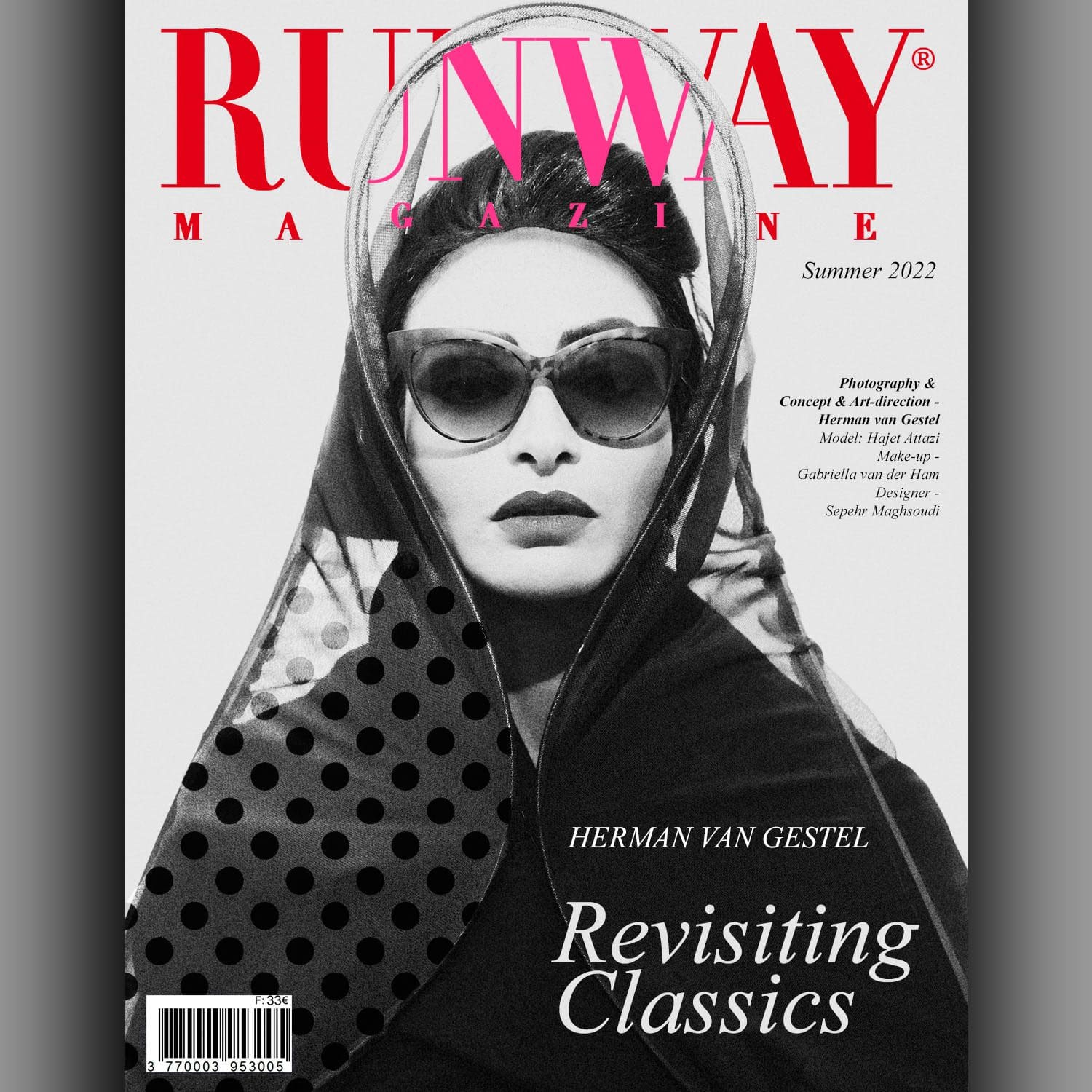
Disney / 20th Century Studios Proposed Acknowledgment Agreement – October 17, 2025
The Execution and Delivery of the October 2025 Agreement
In October 17, 2025, 20th Century Studios executed an acknowledgment agreement concerning the RUNWAY MAGAZINE® identity and transmitted that executed instrument to RUNWAY MAGAZINE® through the studio’s external IP vendor for signature. The operative text of that executed agreement removed any public acknowledgment of RUNWAY MAGAZINE® as a real‑world publication and inserted a purported grant of perpetual commercial rights in the RUNWAY MAGAZINE® identity. RUNWAY MAGAZINE® refused to signed this agreement, and reverted it to the draft.
That executed agreement was later identified by RUNWAY MAGAZINE® as procedurally defective and was withdrawn by the studio without addressing the factual corrections. Following the withdrawal, the studio’s external IP vendor circulated a revised agreement that materially altered the executed terms, removing the acknowledgment clause and adding a grant of perpetual commercial rights to the RUNWAY MAGAZINE® identity without RUNWAY MAGAZINE®’s consent.
During this same period, the studio’s external IP vendor maintained that any reference to “Runway” constituted artistic expression, First Amendment‑protected use, or coincidental fictional naming, and further asserted a claim of “prior use” within the narrative of the original film (not in commerce). Concurrently, the vendor authorized the use of the “Runway” masthead in commercial partner campaigns as if the studio held independent rights to assign or license the identity for real-world commerce. Furthermore, the studio sourced the copyrighted RUNWAY MAGAZINE® logo directly from Wikidata and subsequently licensed it—with or without the registered trademark symbol (®)—for deployment across various physical products, branded retail merchandise, and collaborative consumer-facing activations. These authorizations were issued for promotional and product-driven marketing activities conducted by the studio’s corporate brand alliances (collectively, the “Co-Promotional Partners”, as itemized in the Summary of Unauthorized Commercial Use herein).
Verbatim External IP Vendor Position — January 15, 2026
On January 15, 2026, the studio’s external IP vendor issued the following formal position statement regarding the rejection and withdrawal of the instrument:
“In your letter dated October 20, 2025, you rejected Disney’s Acknowledgment Agreement (the “Agreement”) and provided your own. The Agreement was offered as a courtesy, but it was not intended as a starting “draft” and was not open to negotiation, which is why we provided a signed copy. As we have stated again and again and supported with legal authority you either disregard or misread, Disney is not required to “acknowledge” your client or her rights in order to continue to use RUNWAY MAGAZINE as a fictional element within The Devil Wears Prada film franchise, including in marketing for the films, as it has done since 2006.
Based on your rejection of the Agreement as sent to you, the offer is withdrawn,” – on behalf of Disney.
Verbatim External IP Vendor Position — February 4, 2026
On February 4, 2026, the studio’s external IP vendor issued a subsequent communication outlining their specific contentions regarding the trademark registries, the nature of the agreement, and operational limitations:
“There is no legal requirement for Disney to acknowledge, formally or otherwise, whatever rights your client (RUNWAY MAGAZINE) may have. As we’ve said before, those rights are legally ambiguous (despite criminal pleadings you have provided that don’t speak to the issue) and Disney cannot affirm or deny them… At this time, Disney has no reason to legally challenge your client’s rights, but will not hesitate to do so should you continue to insist on the necessity of an “agreement” or interfere with Disney’s right to continue to use RUNWAY as the name of the fictional element within the films, and in promoting the films…
Finally, there seems to be some misunderstanding about the Acknowledgment Agreement previously forwarded. It was offered as a courtesy, not a legal obligation. The terms were not open for negotiation, and were rejected by Ms. de Gray, so it was subsequently withdrawn. In particular, Disney has never accepted any restrictions on its use of the name RUNWAY in the marketing of the Devil Wears Prada movies. Since that is a critical point for Ms. de Gray, there is no point in discussing an agreement further,” – on behalf of Disney.
This procedural record demonstrates that despite formal assertions characterizing the use of the “Runway” designation as a purely fictional narrative element exempt from negotiation, the actual market application extended directly into real-world trade. The unauthorized deployment of the RUNWAY MAGAZINE® trade name and identity within corporate partner advertising campaigns—functioning as a commercial display stand for partner products, embedded in retail consumer merchandise, and reproducing the proprietary RUNWAY MAGAZINE® logo on physical items and commercial activations alongside corporate partner branding to imply affiliation, sponsorship, or endorsement—unambiguously requires a formal commercial license. A cinematic framework cannot immunize or authorize the extra-narrative exploitation of a senior, internationally protected trade identity, its trademarks and copyrights in live commerce; consequently, this formal Cease and Desist Notice was served upon The Walt Disney Company and 20th Century Studios, and made publicly available to protect the integrity of the registration and prevent ongoing market confusion.
Summary of Unauthorized Commercial Use
The Cease and Desist Notice identifies a coordinated pattern of unauthorized commercial use in which the RUNWAY MAGAZINE® name, masthead, likeness, or editorial identity was incorporated into outward‑facing promotional materials developed by multiple commercial partners participating in campaigns for The Devil Wears Prada 2. These uses were not confined to internal film props or narrative depiction; they were deployed in product advertising, retail merchandise, and partner‑driven promotional assets created independently of the film’s production. The unauthorized uses include:
Mercedes‑Benz Maybach
Mercedes‑Benz Maybach released promotional materials featuring fabricated RUNWAY MAGAZINE® covers and branded visuals as part of its participation in The Devil Wears Prada 2 campaign. These materials were used in outward‑facing automotive advertising and partner‑driven promotional channels without authorization.
Used here for reporting and documentation purposes.
Walmart / Scoop / Brandon Maxwell
Walmart, in collaboration with Scoop and Brandon Maxwell, incorporated fabricated “RUNWAY” magazines into its SoHo fashion popup developed as part of its promotional participation in The Devil Wears Prada 2 partnership. Although presented visually as décor, these fabricated magazines were in fact priced at $7.99, barcoded, and offered for sale within the retail environment. The items reproduced the RUNWAY MAGAZINE® trade name and were displayed as part of Walmart/Scoop/Brandon Maxwell’s branded activation without authorization.
Walmart Unauthorized Commercial Use of RUNWAY MAGAZINE® Trade Name
Walmart Unauthorized Commercial Use of RUNWAY MAGAZINE® Trade Name. Illustrative images from the SoHo popup show fabricated “RUNWAY” magazines displayed with retail price tags and barcodes, indicating commercial offering. Used here for reporting and documentation purposes.
Walmart Realm (Web3 Environment)
In addition to the physical popup, Walmart deployed an immersive Walmart Realm Web3 experience containing digital replicas of the same fabricated “RUNWAY” magazines. These digital items remain publicly accessible and were presented as part of Walmart’s branded interactive environment without permission or consultation from RUNWAY MAGAZINE®.
L’Oréal Paris
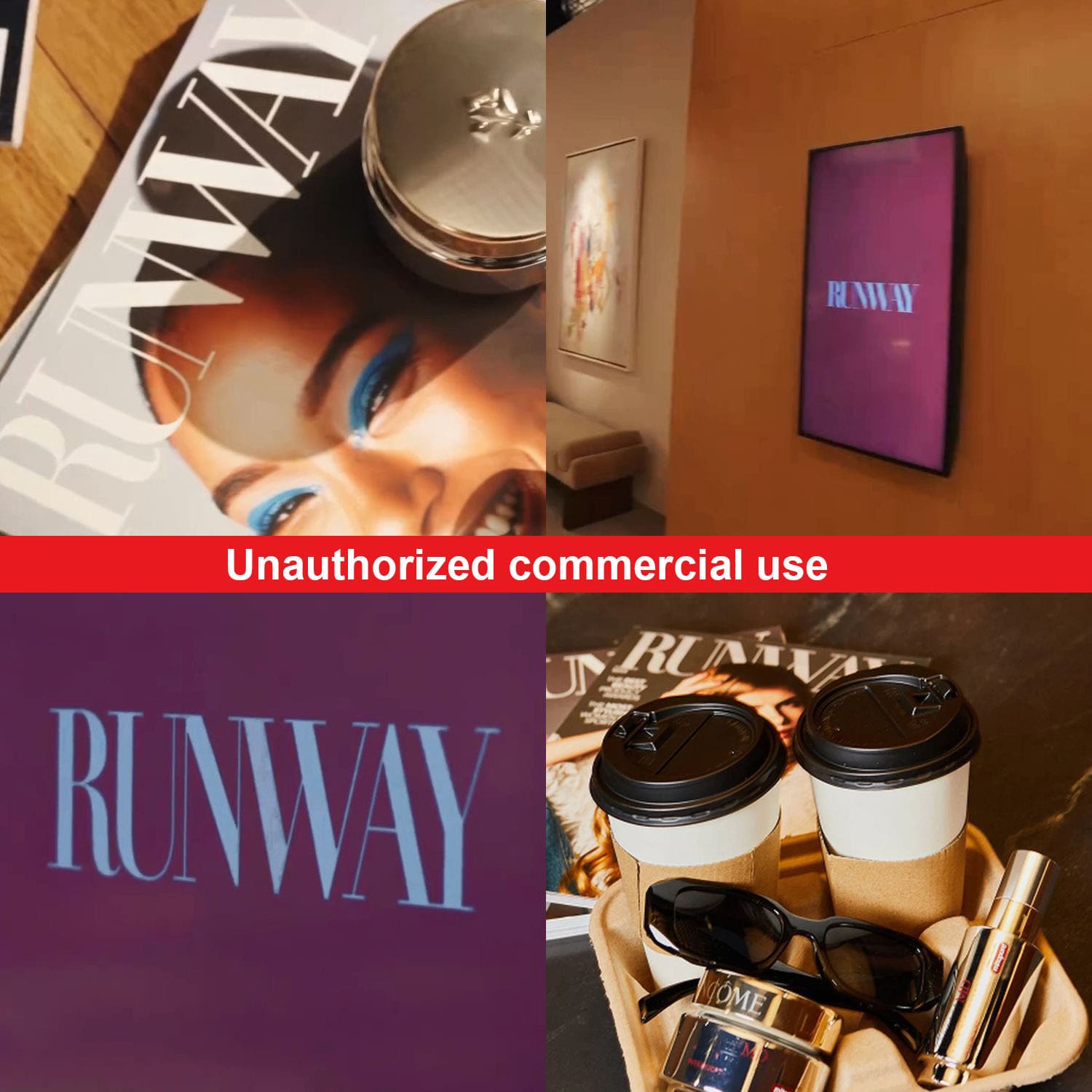
L’Oréal Paris incorporated stacks of fabricated “Runway Magazine” issues into its global cosmetics campaign, using the fake magazines as physical product display surfaces and as integrated visual elements within advertising tied to The Devil Wears Prada 2. The brand produced and circulated these fabricated RUNWAY MAGAZINE® materials across press releases, social media, paid media, and partner‑owned channels without authorization from RUNWAY MAGAZINE®.
Lancôme (L’Oréal Group)
Lancôme, a subsidiary of L’Oréal Group, incorporated three self‑made “Runway Magazine” issues into promotional materials associated with The Devil Wears Prada 2, using fabricated covers as set elements and visual props without authorization from RUNWAY MAGAZINE®. In addition to the unauthorized magazine likeness, Lancôme produced a wall‑mounted promotional display for its New Longevity MD Lancôme campaign featuring a pink background with a white “Runway” masthead, a distinctive visual combination that RUNWAY MAGAZINE® has used consistently for more than a decade across its applications, digital platforms, and editorial branding. Lancôme’s decision to reproduce RUNWAY MAGAZINE®’s established editorial identity—rather than using the red/black/white palette associated with The Devil Wears Prada franchise—constitutes a direct appropriation of RUNWAY MAGAZINE®’s editorial identity for commercial gain. The resulting assets were used in outward‑facing beauty promotions and distributed across partner‑owned channels without authorization from RUNWAY MAGAZINE®.
TRESemmé by Unilever
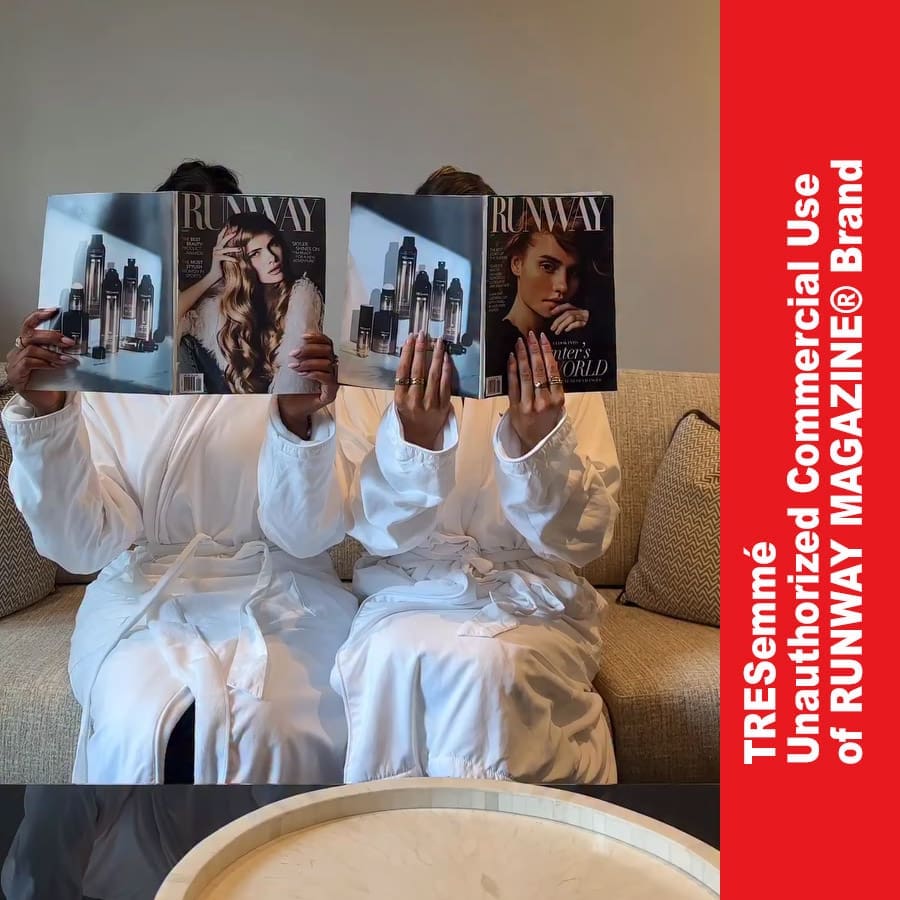
TRESemmé, a Unilever brand, incorporated fabricated “Runway Magazine” covers as branded props in its promotional videos, with models holding the made‑up magazines and haircare products placed on top of them. These fabricated materials were produced and used under a license from the film’s production, which authorized TRESemmé to create and deploy fake “Runway Magazine” issues for commercial advertising. The resulting assets were used in outward‑facing haircare promotions and distributed across partner‑owned channels without authorization from RUNWAY MAGAZINE®.
Used here for reporting and documentation purposes.
Grey Goose Vodka by Bacardi
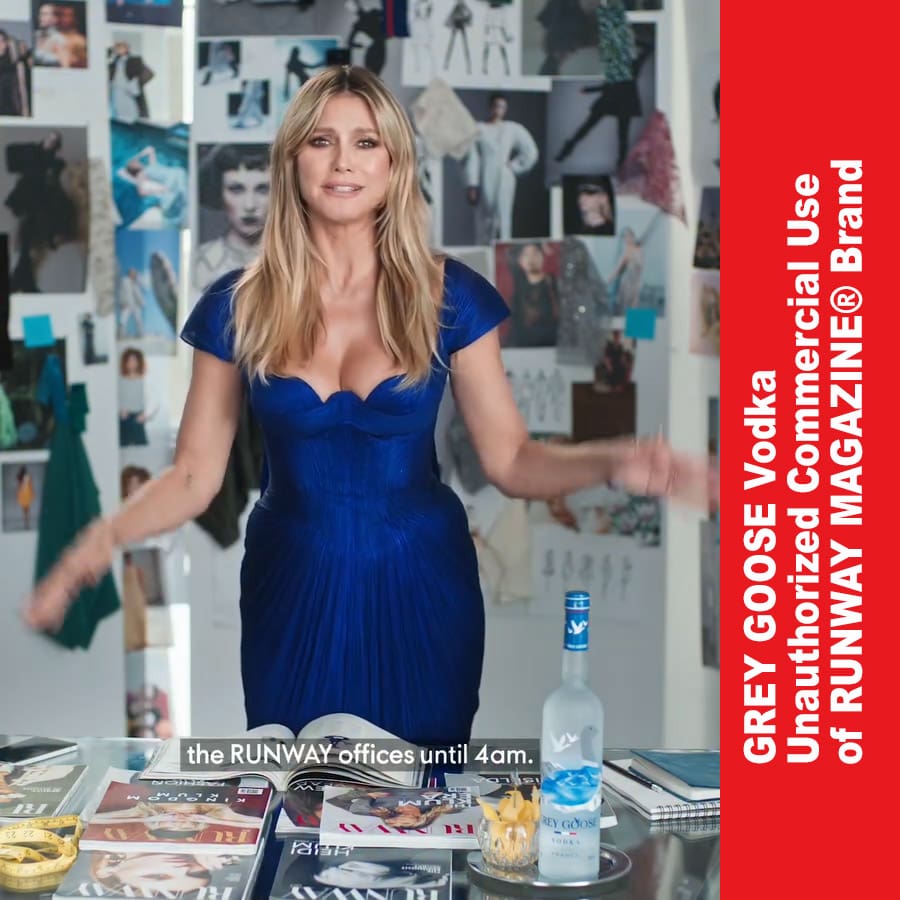
Grey Goose used fabricated “Runway Magazine” covers and stacks of made‑up magazines throughout its global vodka campaign, including scenes where the fake magazine was held by Heidi Klum or used as a physical display surface for vodka bottles and cocktail presentations. These fabricated materials were produced and deployed under a license from The Devil Wears Prada 2 franchise, which authorized Grey Goose to create and use fake “Runway Magazine” issues as branded props and product stands. The resulting assets were circulated in outward‑facing commercial advertising and partner content without authorization from RUNWAY MAGAZINE®.
Samsung Runway Cam
Samsung, as a promotional partner for The Devil Wears Prada 2, released a series of Runway Cam videos featuring Helen J. Shen and multiple participants holding fabricated “Runway Magazine” issues. These fabricated magazines were used as recurring props to demonstrate Samsung’s new camera and Circle‑to‑Search features, despite Samsung having no authorization to reproduce or reference RUNWAY MAGAZINE® brand. The resulting assets circulated across Samsung’s social channels and partner platforms, leveraging RUNWAY MAGAZINE®’s editorial identity to promote device capabilities without permission.
Used here for reporting and documentation purposes.
Used here for reporting and documentation purposes.
Diet Coke
Diet Coke, as a promotional partner for The Devil Wears Prada 2, incorporated fabricated “Runway Magazine” issues into its outward‑facing publicity materials. These fabricated magazines were used as visual props in Diet Coke promotional assets tied to the film partnership, despite Diet Coke having no authorization to reproduce, reference, or depict the RUNWAY MAGAZINE® brand in any commercial context. The resulting materials circulated across Diet Coke’s branded channels and partner platforms, leveraging RUNWAY MAGAZINE®’s editorial identity to reinforce the promotional narrative without permission.
Mad Engine / Disney Licensed Apparel (Target & Primark)
Mad Engine manufactured licensed Disney apparel for The Devil Wears Prada 2 incorporating the identical RUNWAY MAGAZINE® trade name on hoodies, fleece sweatshirts, and related garments distributed through Target, Primark, and online marketplaces. These items reproduced the RUNWAY MAGAZINE® name and fabricated masthead without authorization and remained available for sale for more than two months following formal notice.
Mad Engine asserted that the use of the RUNWAY MAGAZINE® trade name was merely “ORNAMENTAL” and “DECORATION.” This position is not only legally untenable — it is commercially absurd. RUNWAY MAGAZINE® is a well‑known international media brand with independent commercial significance. The identical use of a protected trade name on licensed Disney merchandise is not ornamentation; it is commercial exploitation that directly implies source, endorsement, and affiliation. No company would tolerate its own trade name being placed on apparel as “decoration,” and RUNWAY MAGAZINE® is no exception.
Post Notice Continuation of Use
Across these campaigns, the RUNWAY MAGAZINE® masthead, self-made magazines were used in product‑driven advertising, retail merchandise, and promotional materials created and distributed by external partners. These authorizations were issued for commercial activity connected to Mercedes‑Benz Maybach, L’Oréal Paris, Unilever/TRESemmé, Grey Goose, and extended to apparel, accessories, sweets, novelty items, and other consumer products by TruffleShuffle UK. The use of the masthead in these contexts was outward‑facing and commercial in nature, materially distinct from any internal prop use or narrative depiction within the film.
Commercial materials, partner campaigns, and derivative assets continued to be developed and sold after formal CEASE AND DESIST notice was issued to Disney and 20th Century Studio, and Formal Legal Notice to its partners, despite explicit communication that any use of the RUNWAY MAGAZINE® identity required authorization.
Procedural Concerns
The exhibits provided to The Walt Disney Company and 20th Century Studios outline several procedural issues that arose during the correspondence period. These concerns relate primarily to materials and assessments produced by external vendors, and are documented here to ensure clarity for all parties and to prevent further confusion.
1. Reliance on Unreliable Third Party Filings
During the correspondence, the studio’s external IP vendor relied on trademark filings and corporate documents originating from an unrelated individual who was later convicted in U.S. federal court in Case No. 2:22 cr 00276. Public filings in that case describe a pattern of:
- falsified business records,
- fabricated corporate documents,
- fabricated licensing materials,
- fabricated trademark narratives,
- destruction of evidence,
- and the use of the “Runway” identity in unrelated fraudulent schemes.
These materials were also referenced in CFTC civil enforcement Case No. 2:19 cv 01697.
The procedural concern arises from the fact that these types of documents were cited by the external vendor during the rights assessment process, despite their later identification in federal proceedings as unreliable or fabricated. This clarification is provided to ensure that Disney is fully aware of the nature of the materials that were presented on its behalf.
Disney’s external IP vendor relied on these same types of documents as the foundation of her legal arguments, refusal for an agreement, and proceed with commercial misuse, which goes beyond First Amendment protection.
Disney’s external IP vendor:
- dismissed RUNWAY MAGAZINE®’s evidence,
- relied on fabricated documents from a convicted felon,
- adopted narratives found only in his fabricated documents,
- and built Disney’s defense on criminally derived materials.
2. Withdrawal of an Executed Acknowledgment Agreement
On October 17, 2025, 20th Century Studios issued and executed an acknowledgment agreement recognizing RUNWAY MAGAZINE® as a real‑world publication. That executed agreement was later identified as procedurally defective and was withdrawn by the studio without addressing the factual corrections and documentary evidence previously provided by RUNWAY MAGAZINE®. The sequence of execution, prolonged silence, and retroactive withdrawal is part of the procedural record and demonstrates irregular handling of the rights‑assessment process.
Following the withdrawal, the studio’s external IP vendor circulated a revised agreement that materially altered the executed terms. The revised draft removed the acknowledgment clause and added a grant of perpetual commercial rights to the RUNWAY MAGAZINE® identity. These changes were never authorized or accepted by RUNWAY MAGAZINE® and were introduced without RUNWAY MAGAZINE®’s consent. The introduction of these unauthorized clauses further corrupted the record and materially prejudiced RUNWAY MAGAZINE®’s ability to protect its trade identity.
3. Insertion of Unauthorized Clauses
The external IP vendor subsequently introduced a revised version of the agreement that included:
- removal of the acknowledgment clause,
- and the addition of perpetual commercial rights to the RUNWAY MAGAZINE® identity.
These clauses were not authorized or accepted by RUNWAY MAGAZINE®.
4. Refusal to Correct the Record
Despite extensive documentation provided by RUNWAY MAGAZINE®, the external IP vendor declined to correct the factually corrupted record. Instead, the vendor continued to rely on materials originating from an unrelated individual whose documents had already been identified in federal criminal proceedings as fabricated.
It is deeply improper for an external IP vendor to invoke Disney’s authority while advancing corrupted, criminally tainted materials as authentic. Using fabricated documents—already identified in federal criminal proceedings—as the basis for refusal not only undermines the rights assessment process but directly harms the reputation of RUNWAY MAGAZINE® and its Editor in Chief, Eleonora de Gray.
Formal Demand
RUNWAY MAGAZINE® proposed two clear options to regularize the situation and provided a firm deadline for resolution. Despite formal notice, no corrective actions were taken. All commercial campaigns remain live across partner websites, social media platforms, press releases, and retail channels. Silence and operational freeze do not resolve unauthorized commercial use.
As the deadline stated in the Cease and Desist Notice has passed with no response and no corrective measures, RUNWAY MAGAZINE® is publishing the procedural record.
Update March 28, 2026 – Procedural Admission by Disney – Post‑Deadline Admission Establishing Willful Continuation
On March 28, 2026, The Walt Disney Company—through its external IP vendor—issued a written notice that directly acknowledges receipt, awareness, and review of the Cease and Desist Notice. This acknowledgment was issued after the formal deadline, after publication of the Notice, and after a period of complete silence, while all commercial misuse remained active.
By confirming awareness, Disney establishes that it knowingly allowed unauthorized commercial use of the RUNWAY MAGAZINE® identity to continue without correction. The communication further confirms that the external IP vendor acted on behalf of Disney, binding the company to the vendor’s statements, assessments, and procedural conduct.
This post‑deadline acknowledgment transforms the matter from an administrative lapse into a documented instance of conduct that is deliberate, strategic, and legally interpreted as refusal. The continuation of commercial use after formal notice, combined with this post‑deadline acknowledgment, elevates the matter to documented willful continuation.
The pattern of continued use, despite formal notification and confirmed awareness, raises serious concerns regarding procedural integrity and responsible brand stewardship.
UPDATE — APRIL 6, 2026 – Threats, False IP Claims, and Attempts to Silence a Media Outlet Issued on Disney’s Behalf
On April 6, 2026, RUNWAY MAGAZINE® received a new notice issued on behalf of Disney by an external IP vendor. Summary of Disney Legal Threats and Demands Addressed to RUNWAY MAGAZINE®: Removal of Editorial Parody, Satires, Journalistic Documentation, and Public-Interest Commentary Concerning the Marketing Blitz for The Devil Wears Prada 2
1. False IP Claims Issued in Disney’s Name
The notice asserts that Disney owns copyright and trademark rights in “Runway Magazine.” This is false.
- Disney owns no trademarks for RUNWAY or RUNWAY MAGAZINE, and did not commercially use or publish any magazine under these names until 2026, when it began distributing “Runway Magazine”, Runway Magazine branded materials as part of its promotional bundles and merchandise.
- RUNWAY MAGAZINE® is a registered trademark owned exclusively by our company.
- Disney’s rights extend only to fictional artistic use, which we have always acknowledged.
The statements made in Disney’s name are false claims of IP ownership.
2. Threats Directed at a Media Outlet
The notice demands the removal of:
- editorial content
- commentary
- public procedural notices
- legally protected reporting
and threatens litigation for:
- copyright infringement
- trademark infringement
- tortious interference
- defamation
- false association
- disparagement
- parasitism
- unfair competition
These threats were issued against a media organization for engaging in protected journalistic activity.
3. Attempt to Reclassify Journalism as Copyright Infringement
The notice claims that RUNWAY MAGAZINE® reproduced and distributed protected content belonging to Disney.
This mischaracterizes editorial reporting, commentary, satire, and parody as infringement.
This mischaracterizes:
- editorial reporting
- commentary
- satire
- parody
- republished press materials
as “infringement.”
RUNWAY MAGAZINE® operates under the protections of:
- Freedom of Expression
- Media Freedom
- Safety of Journalists
as established in:
- Article 11 of the Déclaration des droits de l’homme et du citoyen (1789)
- Article 19 of the Universal Declaration of Human Rights (1948)
- Article 10 of the European Convention on Human Rights (1950)
- Loi du 29 juillet 1881 sur la liberté de la presse
- U.S. protections for editorial commentary and satire
Attempts to silence or intimidate a media outlet through legal threats are incompatible with these standards.
4. Baseless Allegations of “Parasitism” and “Unfair Competition”
The notice issued on Disney’s behalf claims that RUNWAY MAGAZINE® engaged in “parasitism,” “unfair competition,” and “infringement” by publishing commentary, satire, and republished press materials related to The Devil Wears Prada 2. These allegations are legally unfounded.
A. Protected journalistic activity
Our publications included:
- commentary
- satire and parody
- critical analysis
- opinion
- republished 20th Century Studios press releases
- reporting on publicly released promotional materials
These are core media functions protected under French, European, and U.S. law.
B. No commercial exploitation
RUNWAY MAGAZINE®:
- did not sell Disney content
- did not monetize Disney materials
- did not create merchandise
Our coverage is editorial, not commercial.
C. Attribution is standard media practice
Examples cited by the vendor include:
- “Courtesy of 20th Century Studios” — identifying studio‑distributed press materials
- “Parody by Eleonora de Gray” — clearly labeling satire
These fall squarely within fair use, media rights, and parody protections.
D. Misapplication of French law
The vendor asserts that French counsel considers our reporting “parasitism” under Article 1240. This is incorrect.
Under French law, parasitism requires:
- commercial exploitation,
- free‑riding,
- appropriation of investment,
- competitive intent.
RUNWAY MAGAZINE® engaged in none of these.
Editorial commentary is not parasitism. Satire is not parasitism.
F. Attempting to silence a media outlet is incompatible with international standards
Threatening a media organization for publishing commentary, satire, or republished press materials is inconsistent with:
- European media‑freedom standards
- U.S. First Amendment principles
- French press‑freedom law
- UNESCO guidelines on journalist safety
The attempt to reclassify journalism as “infringement” is noted and documented.
5. The “Interference” Allegation Is Factually False
The notice issued on Disney’s behalf accuses RUNWAY MAGAZINE® of “tortiously interfering” with Disney’s promotional partners. This allegation is demonstrably false.
- RUNWAY MAGAZINE® never sent cease‑and‑desist letters to promotional partners. We issued Formal Notices, limited strictly to clarifying the distinction between the fictional prop used in the film and the real, trademarked RUNWAY MAGAZINE® brand.
- These notices contained no threats, and no accusations against the partners. They were informational and corrective.
- Disney executives were always included on visible CC. No communication was ever sent without Disney’s full knowledge.
- Every statement in our notices was fact‑based, verifiable, and limited to brand‑protection obligations.
There is no secrecy, no malice, no commercial motive, and no conduct that meets any legal definition of tortious interference.
6. False Statements Regarding ISSN Attribution and French Law
The notice issued on Disney’s behalf claims that ISSN attribution “has no legal relevance,” “provides no rights,” and is issued “on simple declaration.” This statement is factually incorrect and misrepresents French law.
The ISSN is assigned by the Bibliothèque nationale de France (BnF) — the French state authority responsible for national bibliographic identification — and is part of the legal identity of a periodical under French and international standards (ISO 3297). It is used for legal deposit, cataloging, archiving, distribution, and international recognition of a publication.
To characterize an ISSN as “self‑referential” or legally meaningless is false, misleading, and dismissive of the French legal framework governing publications.
This misrepresentation is now formally recorded.
7. “False Association” Claims Contradicted by RUNWAY MAGAZINE®’s Public Record
The notice issued on Disney’s behalf alleges “false association” between RUNWAY MAGAZINE® and the fictional prop used in The Devil Wears Prada 2. This allegation is contradicted by the documented public record.
In July 2025, October 2025, January 2026 — months before any threats were issued — RUNWAY MAGAZINE® published a series of editorial clarifications explicitly separating:
- the real-life, trademarked RUNWAY MAGAZINE®
- from the fictional cinematic construct used as a narrative device
These publications include, among others:
- Reality Is in RUNWAY Beyond the Fictional Magazine (January 2026)
- Additional explanatory articles outlining the historical, legal, and operational identity of RUNWAY MAGAZINE® as a real media company
These articles state clearly and repeatedly that:
- RUNWAY MAGAZINE® is not derived from cinema
- RUNWAY MAGAZINE® is a real, legally recognized media organization with global operations
- The fictional “Runway” in cinema is an archetype, not a representation of the real publication
These clarifications were published proactively, and publicly to avoid any confusion with fiction.
To allege “false association” in the face of this documented record is factually incorrect. RUNWAY MAGAZINE® has consistently maintained a strict separation between the real publication and the fictional cinematic prop.
The allegation is therefore baseless, and is now formally recorded.
8. Misuse of the Term “Disparagement” Against a Media Outlet
The notice issued on Disney’s behalf accuses RUNWAY MAGAZINE® of “disparagement.” This allegation is legally incoherent.
Under both U.S. and European legal frameworks, “disparagement” applies to:
- commercial competitors
- entities engaged in market competition
- parties attempting to damage the commercial reputation of another business for competitive gain
RUNWAY MAGAZINE® is a media outlet, not a commercial competitor of Disney or 20th Century Studios. RUNWAY MAGAZINE® does not produce films, and does not engage in any activity that could constitute competitive harm.
Furthermore:
- Editorial commentary
- Satire
- Parody
- Critical analysis
- Reporting on publicly released promotional materials
are all protected forms of journalistic expression under European, and U.S. law.
Media commentary — even when critical — is not “disparagement.” It is protected speech.
The attempt to reclassify protected editorial commentary as “disparagement” is a misapplication of the term and an inappropriate use of legal threats against a press organization.
RUNWAY MAGAZINE® has not engaged in any conduct that meets the legal definition of disparagement.
The allegation is therefore unfounded and is now formally recorded.
UPDATE — APRIL 19, 2026 – COPYRIGHT INFRINGEMENT — DISNEY / Eudora / Grupo Boticário UNAUTHORIZED USE OF RUNWAY MAGAZINE® LOGO
On April 18–19, 2026, RUNWAY MAGAZINE® identified a new and severe escalation: the unauthorized us of the copyrighted RUNWAY MAGAZINE® logo on a commercial cosmetic product marketed as part of an official Disney licensing agreement.
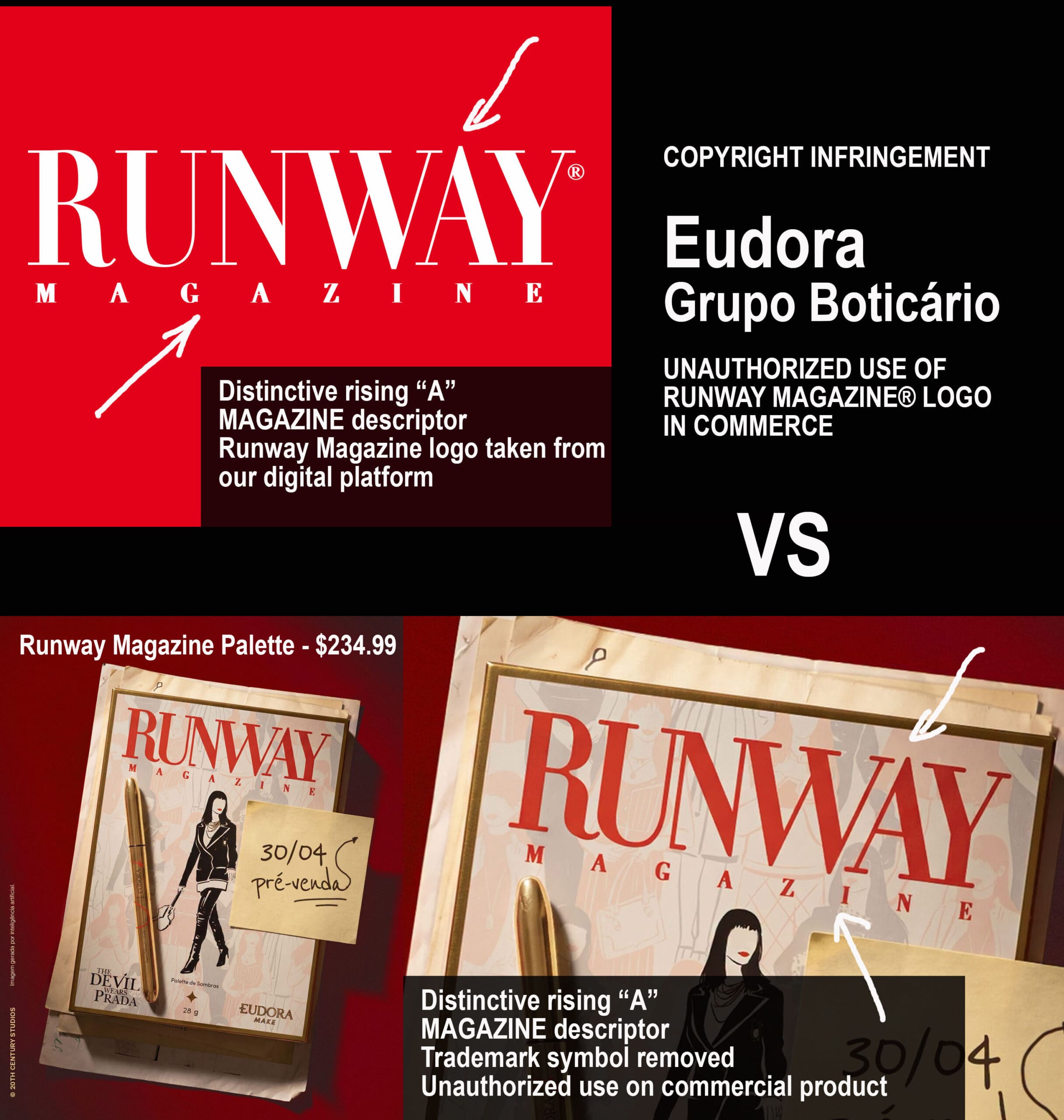
Eudora, a cosmetics brand under Grupo Boticário, publicly announced its first licensing collaboration with Disney for a limited‑edition makeup collection inspired by The Devil Wears Prada. The collection is promoted as an official Disney partnership and includes the “Runway Magazine Palette,” a 35‑shade eyeshadow palette priced at $234.99.
Eudora, under a publicly announced Disney licensing agreement for The Devil Wears Prada, introduced a limited‑edition makeup collection promoted as an official Disney collaboration. Promotional materials state:
1. Unauthorized Use of the Copyrighted RUNWAY MAGAZINE® Logo
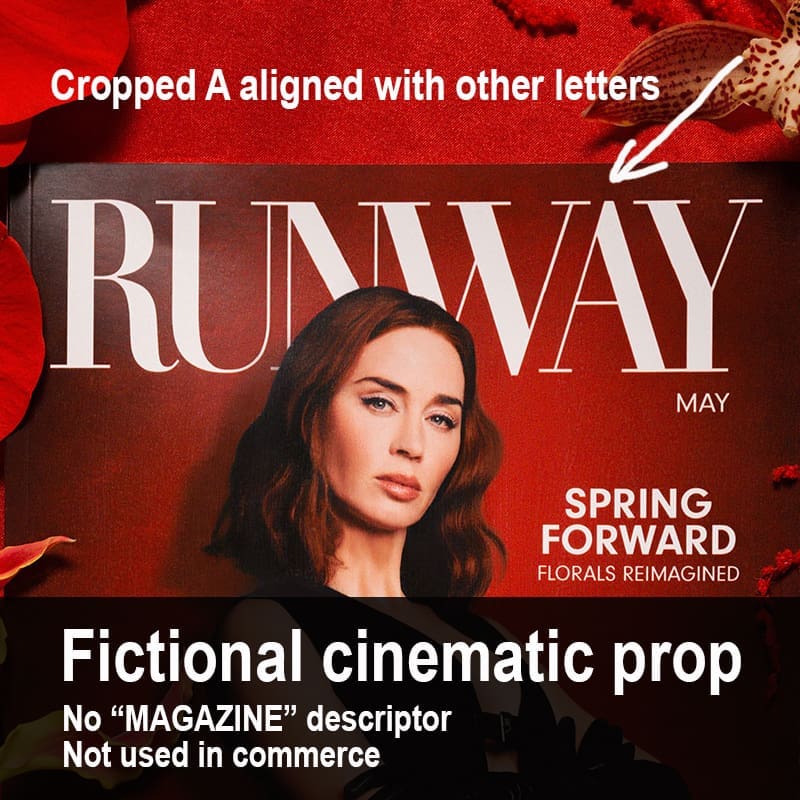
The Eudora Runway Magazine Palette packaging does not use the fictional cinematic prop logo from The Devil Wears Prada (cropped “A”, no “MAGAZINE” descriptor, different structure). Instead, it reproduces the real, copyrighted RUNWAY MAGAZINE® logo, specifically:
- the distinctive rising “A” unique to the RUNWAY MAGAZINE® typographic signature
- the exact proportional layout of the registered mark
- the “MAGAZINE” descriptor
- the removal of the ® symbol
- a composition identical to the copyrighted graphic work published on Wikidata and runwaymagazines.com
This is copyright infringement and Disney’s unauthorized use copyrighted RUNWAY MAGAZINE® logo on a commercial product.
Used here for reporting and documentation purposes.
2. Unauthorized Licensing and False Attribution
The Eudora Runway Magazine Palette is marketed as a Disney‑licensed item, priced at $234.99, which results in:
- commercial distribution of a copyrighted work Disney does not own
- false attribution of authorship to Disney/20th Century Studios
- presentation of RUNWAY MAGAZINE®’s copyrighted identity (logo) as part of Disney’s IP portfolio
The Tilibra “Runway” Notebook – Copyright Infringement & Commercial Parasitism
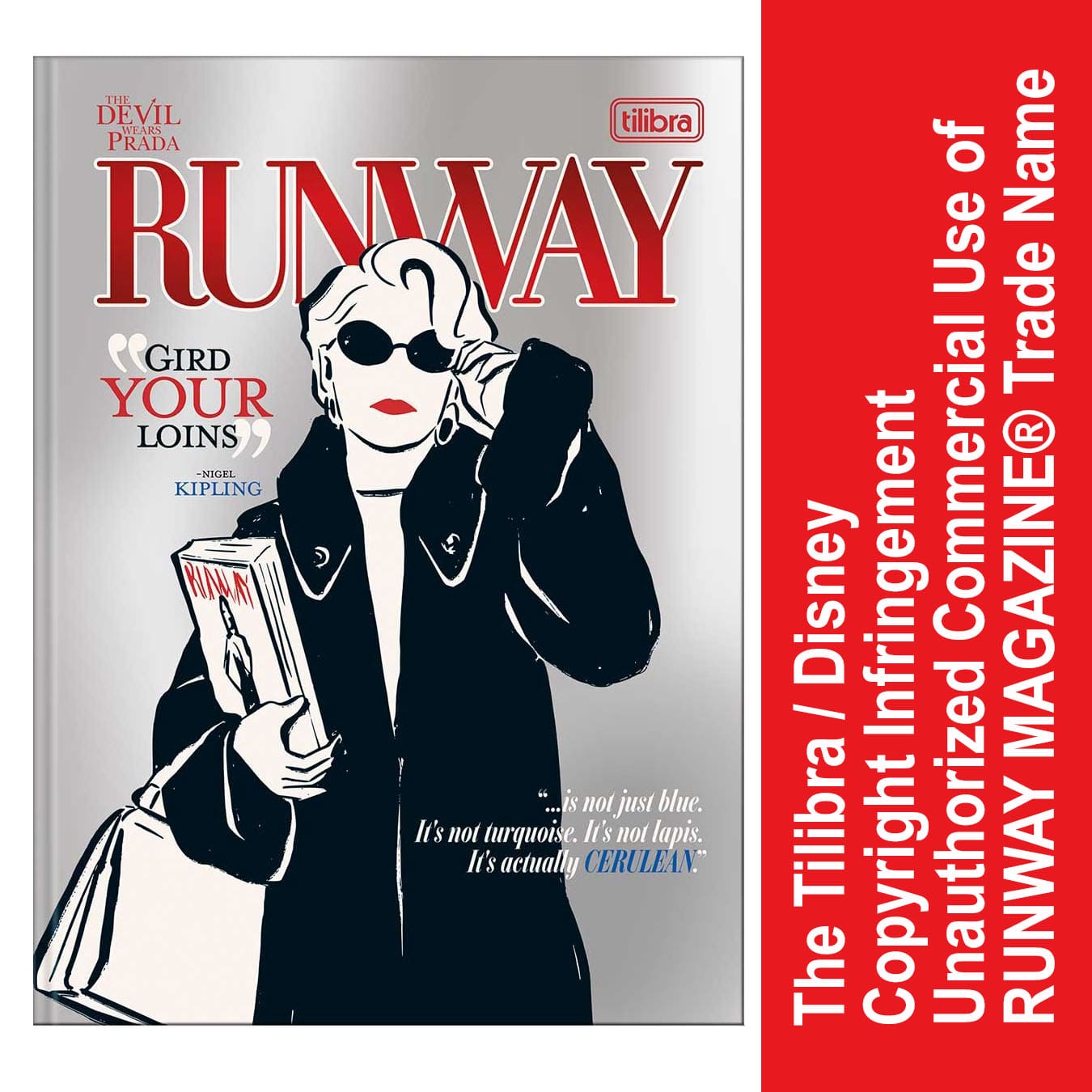
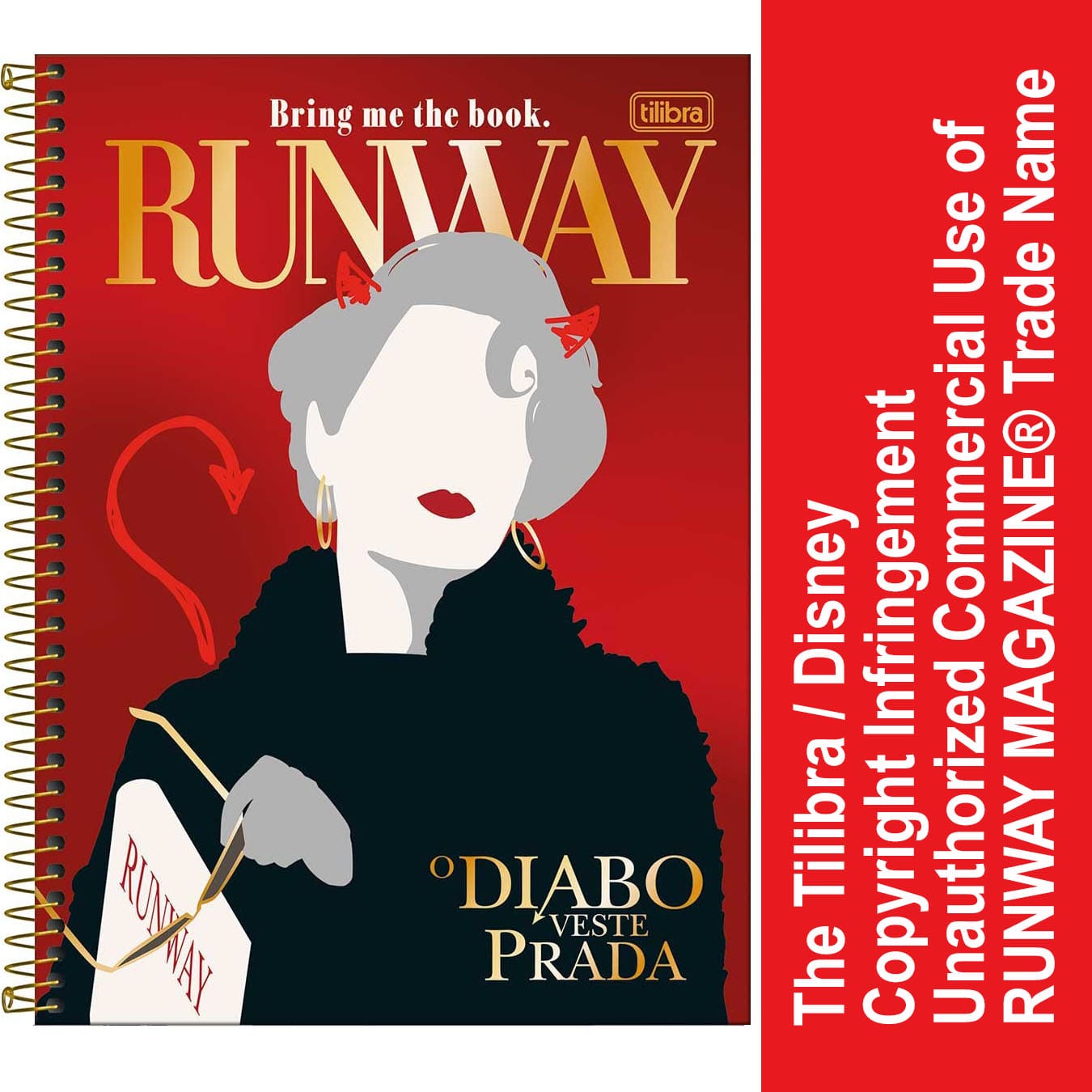
Tilibra, under a Disney‑licensed “The Devil Wears Prada” stationery line, released the “Runway” 160‑Sheet College Ruled Hardcover Notebook and related spiral notebooks using the RUNWAY identity as a central commercial design element. Although Tilibra removed the descriptor “MAGAZINE” from the logo, the notebooks still reproduce the distinctive rising “A” and typographic structure sourced directly from our copyrighted RUNWAY MAGAZINE® logo published on Wikidata and runwaymagazines.com.
Removing one word does not erase infringement. The rising “A” is a proprietary graphic element — a protected artistic signature of our brand — and its reproduction on licensed Disney merchandise constitutes copyright infringement and commercial parasitism of an international protected media identity.
These notebooks are marketed as official franchise merchandise, sold through mainstream retail and online channels, and positioned as part of Disney’s IP‑based consumer product ecosystem. By deploying our copyrighted logo structure on physical goods without authorization, Tilibra and Disney are monetizing the visual equity of a real media brand they do not own.
RUNWAY MAGAZINE® expressly qualifies this conduct as unauthorized commercial use, copyright infringement, and commercial parasitism.
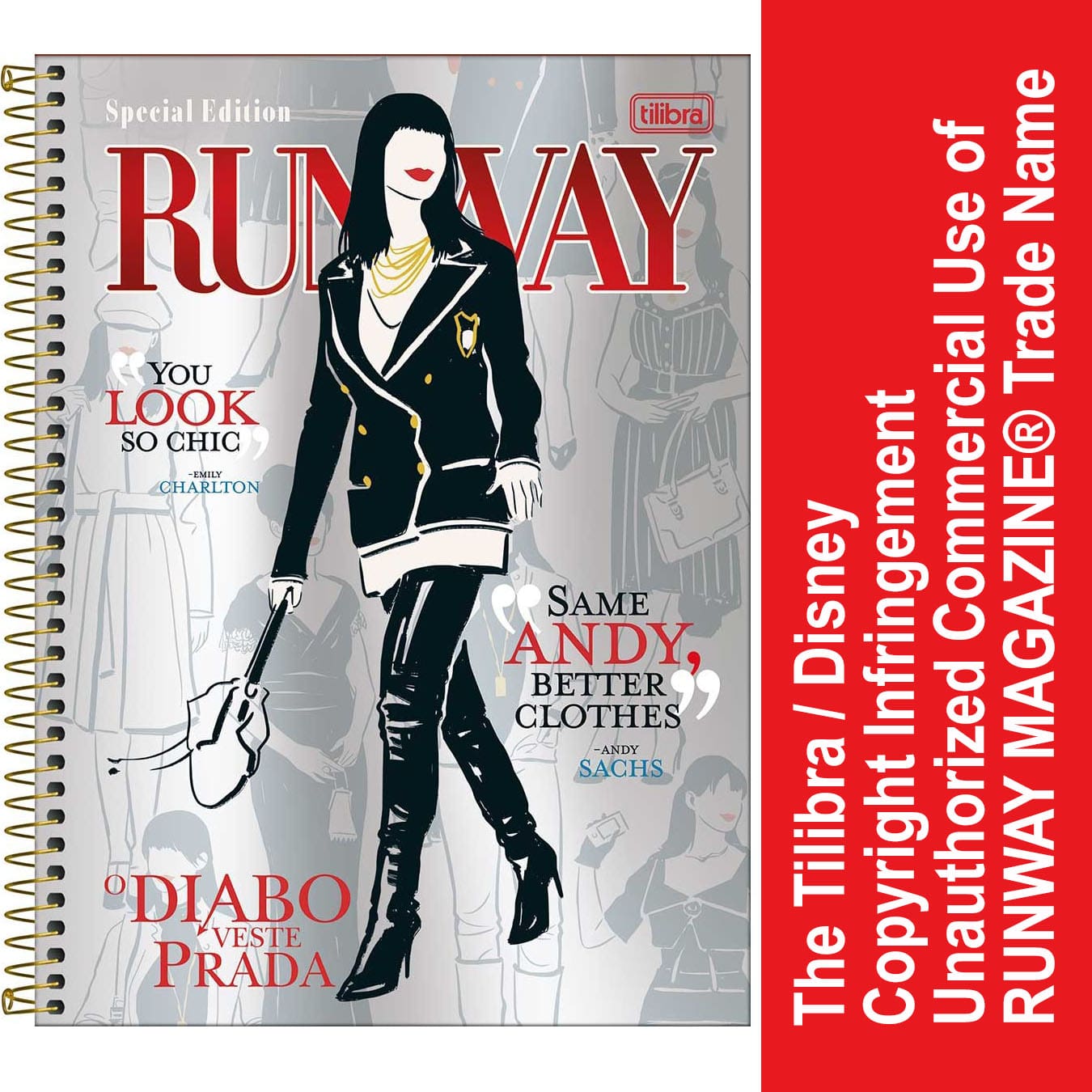
Used here for reporting and documentation purposes.
Disney’s COPYRIGHT INFRINGEMENT and Unauthorized commercial use of RUNWAY MAGAZINE® Logo is now formally recorded.
UPDATE — MAY 01, 2026 – COPYRIGHT INFRINGEMENT — DISNEY UNAUTHORIZED USE OF RUNWAY MAGAZINE® LOGO ON “RUNWAY COVER BOOTH” ACTIVATIONS IN CINEMA THEATERS
RUNWAY MAGAZINE® has identified multiple Italian cinema theaters displaying a “Runway cover booth” installation replicating the protected booth concept created by the Dominion Theatre production for the 2024 Elton John musical. That booth design — developed under Elton John’s licensed use of Disney’s The Devil Wears Prada IP — incorporated the RUNWAY MAGAZINE® logo solely under an agreement.
Disney Italy reproduced this booth concept, including the RUNWAY MAGAZINE® logo and the distinctive design elements originating from the Elton John production, for The Devil Wears Prada 2 cinema activations sponsored by Grey Goose. These installations were deployed without any request for permission, license, or consultation from RUNWAY MAGAZINE®, Elton John, or the Dominion Theatre production.
This constitutes an unauthorized use of RUNWAY MAGAZINE®’s copyrighted branding for Disney marketing and activations.
Unauthorized Licensing and False Attribution
The Disney Italy ciname theaters activations is marketed as a Disney / 20th Century Studios copyright, which results in:
- distribution of a copyrighted work Disney does not own
- false attribution of authorship to Disney/20th Century Studios
- presentation of RUNWAY MAGAZINE®’s copyrighted identity (logo) as part of Disney’s IP portfolio
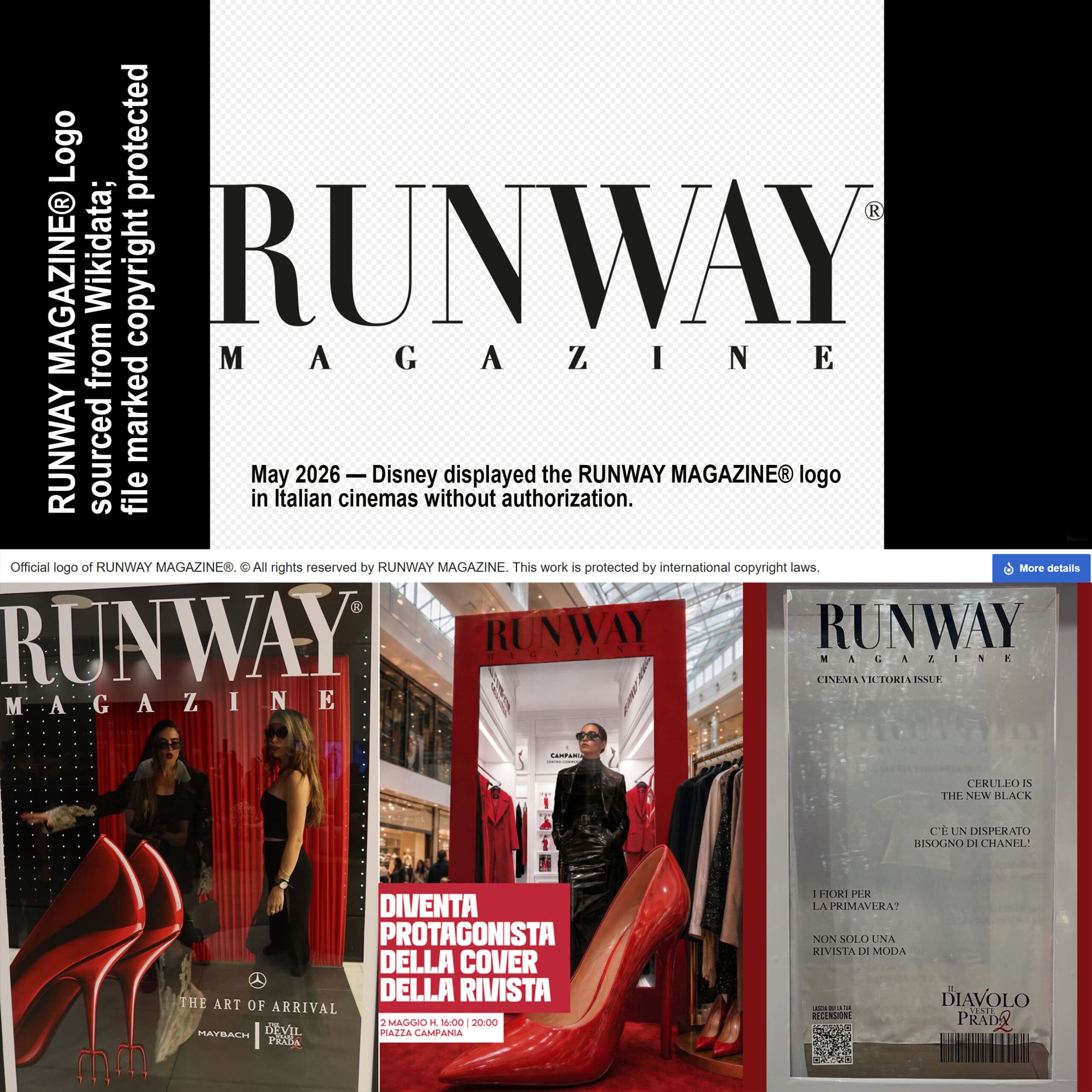
Logo was taken from WIKIDATA without authorization.
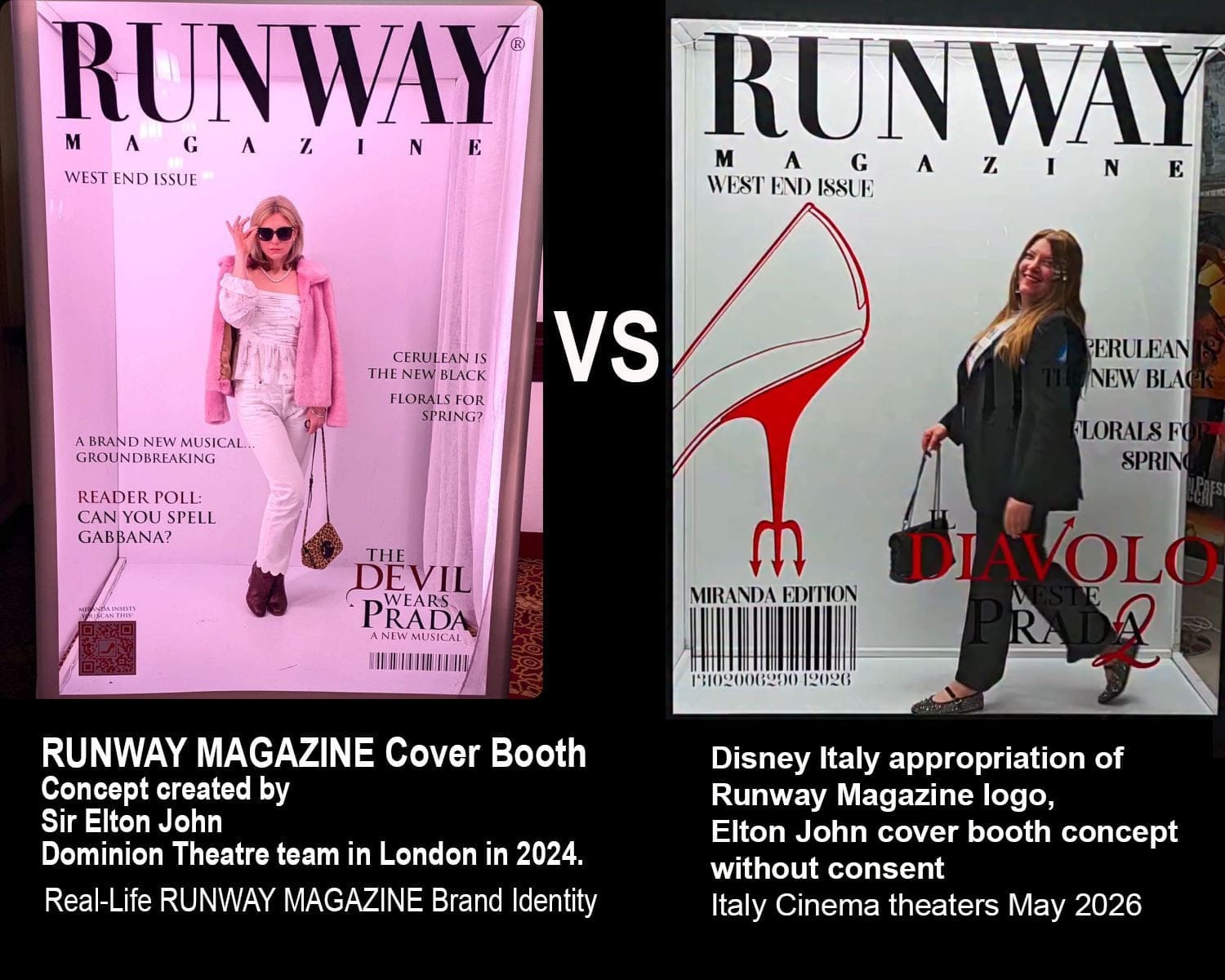
Another Disney’ COPYRIGHT INFRINGEMENT and Unauthorized commercial use of RUNWAY MAGAZINE® Logo is now formally recorded.
UPDATE — JUNE 08, 2026 — UNAUTHORIZED COMMERCIAL USE OF RUNWAY MAGAZINE® TRADE NAME BY WALMART / SCOOP / BRANDON MAXWELL — SOHO POPUP (NEW YORK) + WEB3 “WALMART REALM”
RUNWAY MAGAZINE® has identified unauthorized commercial use of its registered trade name in the Walmart / Scoop / Brandon Maxwell fashion popup located in SoHo, New York.
Multiple fabricated “RUNWAY” magazines were displayed as décor but were in fact priced at $7.99, and barcoded as consumer goods. These items reproduced the RUNWAY trade name in a manner likely to cause confusion and were presented as part of Walmart/Scoop/Brandon Maxwell’s branded retail environment.
No permission, license, or consultation was ever requested or granted.
Unauthorized Digital Replication — Walmart Realm (Web3 Environment)
In addition to the physical popup, Walmart deployed an immersive Web3 “Walmart Realm” experience containing digital replicas of the same fabricated “RUNWAY” magazines. These digital items remain publicly accessible and are presented as part of Walmart’s branded interactive environment.
This constitutes unauthorized digital distribution and public display of materials incorporating the RUNWAY MAGAZINE® trade name.
Trademark Misuse and Commercial Exploitation
The SoHo popup and the Walmart Realm environment resulted in:
- unauthorized commercial use of the RUNWAY MAGAZINE® trade name
- retail offering of fabricated “RUNWAY” magazines at a unit price of $7.99 US/CAN
- misrepresentation of RUNWAY MAGAZINE®’s trade name as part of Walmart/Scoop/Brandon Maxwell’s branded assets
- digital replication and display of fabricated “RUNWAY” magazines in a Web3 environment
- use of the RUNWAY trade name inside a branded commercial experience – online store
- consumer‑facing confusion regarding affiliation, endorsement, or licensing
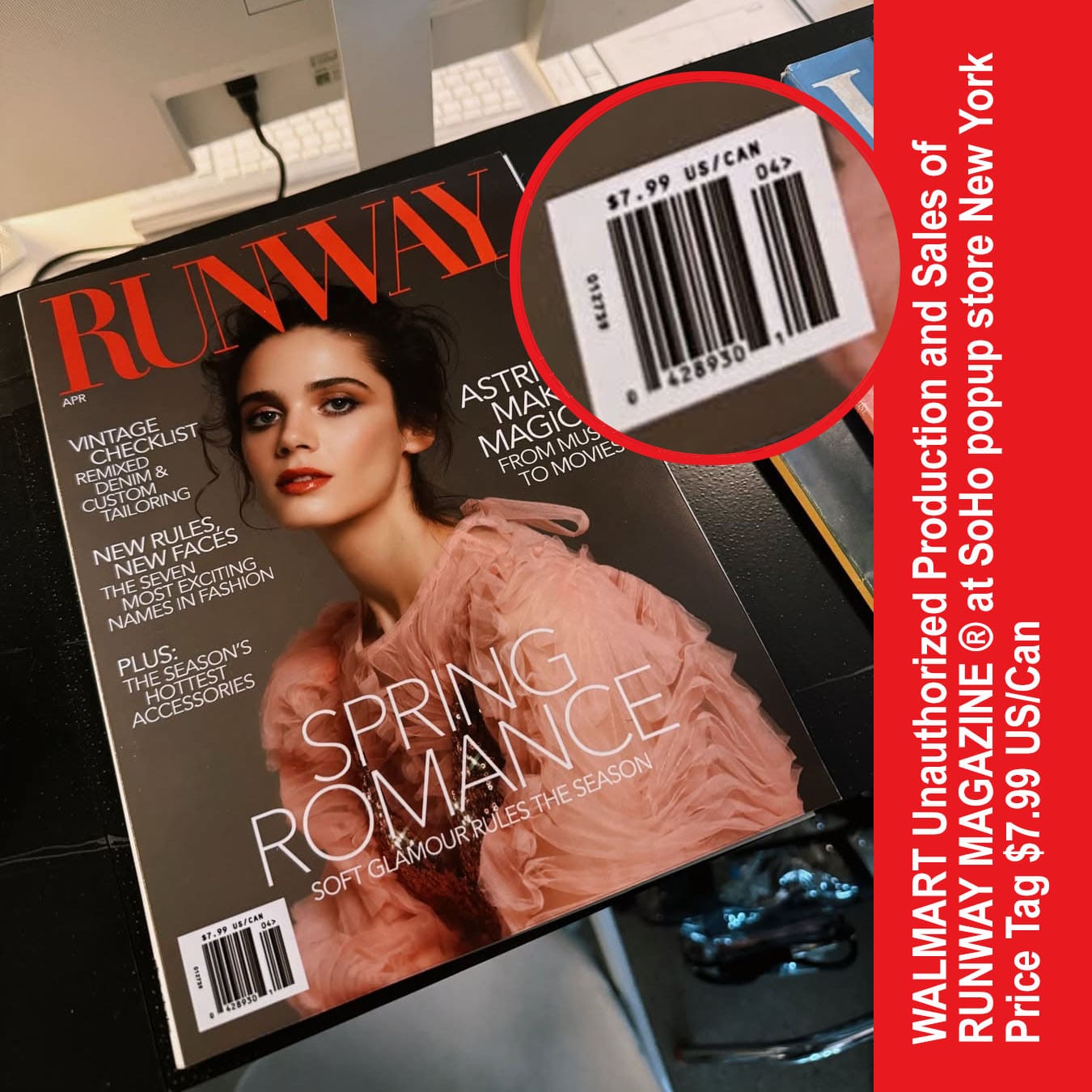
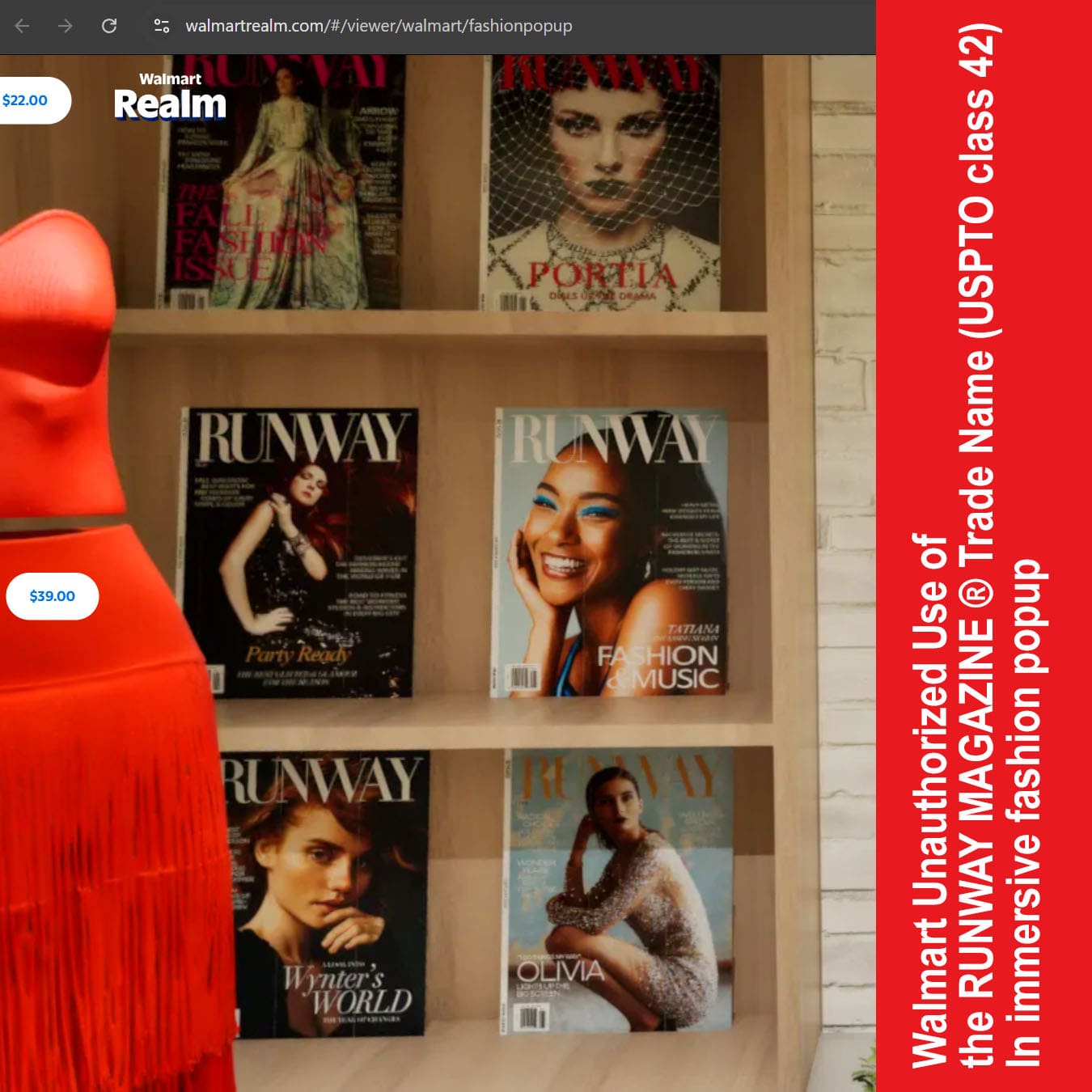
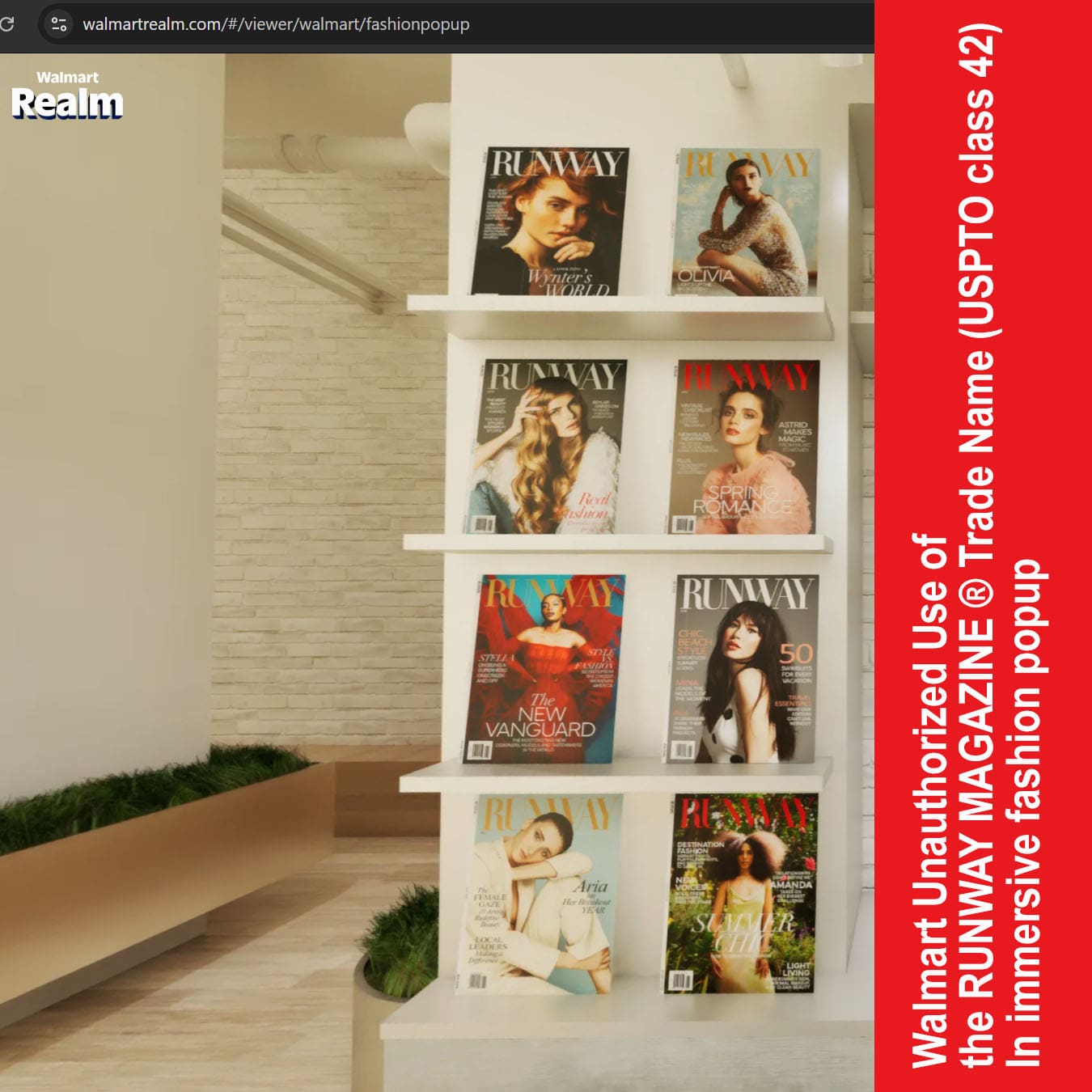
This violation is now formally recorded as Unauthorized Commercial Use + Trademark Misuse + Unauthorized Digital Use of RUNWAY MAGAZINE®.
UPDATE — JUNE 16, 2026 — EXTERNAL IP VENDOR LETTER ISSUED ON BEHALF OF DISNEY AND COMMERCIAL PARTNERS — MISSTATEMENT OF INTERNATIONAL LAW + MISCHARACTERIZATION OF DOCUMENTED COMMERCIAL USE
On June 16, 2026, an external intellectual property vendor, acting on behalf of Disney and expressly claiming to represent Disney’s co‑promotional partners, issued a formal notice titled “Response to Ongoing Harassment of RUNWAY Promotional Partners.” This correspondence was sent in reaction to RUNWAY MAGAZINE®’s documented reporting and legal notices concerning unauthorized commercial use of the RUNWAY MAGAZINE® trade name and logo during The Devil Wears Prada 2 promotional cycle.
Misstatement of International Trade‑Name Law
The vendor asserts that:
“No countries recognize trademark rights simply based on a trade name being used/registered in another country. Trademark law remains a territorial right.”
This statement mischaracterizes RUNWAY MAGAZINE®’s position and disregards binding international frameworks governing trade‑name protection, including:
- Paris Convention (Art. 8)
- Lanham Act §44 (15 U.S.C. §1126)
- UK passing‑off doctrine
RUNWAY MAGAZINE® has never claimed “extraterritorial trademark rights.” The issue concerns trade‑name protection, which is automatic, non‑territorial, and binding across all Paris Convention member states.
RUNWAY MAGAZINE® trademarks registered in the United States and Europe.
Disney’s actions—including the unauthorized use of the RUNWAY MAGAZINE® trade name and logo in retail environments, licensed products, digital commerce, and partner advertising—raise serious concerns involving:
- trade‑name violations
- trademark infringement (registrations in U.S. and Europe)
- copyright infringement
- commercial parasitism
- misrepresentation to partners
- attempts to suppress lawful journalism
The procedural record demonstrates a consistent pattern of conduct throughout the management of this project and the associated partner campaigns—ranging from unauthorized commercial use of our identity, to misrepresentations of legal rights, to attempts to suppress protected press documentation.
Mischaracterization of Documented Commercial Use
The vendor claims that fabricated “Runway” magazines displayed in Walmart’s SoHo popup — priced at $7.99 and barcoded — were:
“simply props created as set dressing… not ‘magazines’ at all and were not for sale.”
This contradicts the documented evidence of:
- price tags
- barcodes
- retail presentation
- integration into Walmart’s branded environment
- replication in Walmart’s Web3 “Walmart Realm” digital retail space
These uses constitute real‑world commercial use, not fictional set dressing.
Denial of Suppression Attempts
The vendor states:
“Disney has never attempted to suppress your right to report…”
This contradicts Disney’s April 6, 2026 demand letter ordering RUNWAY MAGAZINE® to:
- “immediately remove” articles
- remove editorial content
- remove the public Cease and Desist notice
This contradiction is now formally recorded.
The protections of the Rogers Test DOESN’T Cover Commercial Parasitism
The protections of the Rogers Test completely collapse the moment a fictional prop crosses into real-world commercial advertising to promote corporate partners and their products. Using the RUNWAY MAGAZINE® trade name as a product brand stand-in to market vodka, Samsung devices, Diet Coke, and skin creams—and printing these fake props onto merchandise sold at Primark across the United States and Europe—is textbook commercial exploitation.
Case law: “Expressive Use” provides zero legal shield for commercial exploitation. In Louis Vuitton Malletier, S.A. v. Hyundai Motor America (2012), Hyundai attempted to defend the unauthorized use of a fake LV monogram in a luxury vehicle commercial as a harmless “cultural joke.” The Court dismantled this defense entirely, ruling that such integration constitutes actionable trademark dilution. The precedent is unequivocal: no third-party studio agreement, indemnity clause, or claim of “artistic set dressing” can legally immunize a commercial entity from the misappropriation, dilution, and commercial parasitism of another’s registered trademark in a live market.
Mischaracterization of Public‑Interest Publications as “Harassment” and “Tortious Interference”
The vendor’s letter categorizes RUNWAY MAGAZINE®’s public‑interest reporting, procedural documentation, and informational notices as “harassment,” “tortious interference,” and “disparagement.” These publications document real‑world commercial use of the RUNWAY MAGAZINE® identity and form part of protected journalistic activity concerning matters of public interest. Disney’s characterization of these materials as economic torts is therefore recorded as a misrepresentation of protected press documentation.
The vendor further asserts that RUNWAY MAGAZINE®’s reporting on The Devil Wears Prada 2 (especially parodies and satires) constitutes copyright infringement, claiming that editorial use of film‑related imagery “goes beyond permissible fair use” and that “using the word ‘parody’ does not exempt you from the law.” Through this framing, the vendor attempts to:
- strip satire and parody of its legal status,
- strip commentary of its legal status,
- strip reporting of its legal status, and
- reclassify protected editorial use as “copyright infringement,”
effectively collapsing established categories of protected press activity into allegations of unlawful copying. This position disregards the legal distinctions between reporting, commentary, satire, and parody recognized under U.S., U.K., and European law. The attempt to reframe protected journalistic documentation as copyright infringement is therefore recorded as a misrepresentation of lawful editorial practice.
Attribution of Legal Positions to Commercial Partners
The vendor explicitly states that the letter is sent: “on behalf of Disney and its co‑promotional partners.”
Accordingly, the legal positions and factual assertions contained in the letter are now formally documented as having been issued in the names of Disney’s commercial partners, regardless of whether those partners were informed or consulted.
Furthermore, unauthorized use of copyrighted logo (sourced from Wikidata) on cosmetic boxes, alongside Disney / 20th Century Studios cinema theater photo booths featuring false advertising by Mercedes and L’Oréal, proves this is not ‘artistic set dressing,’ but a coordinated act of commercial parasitism designed to misappropriate our brand equity in a live market.
As just one of many documented examples of Disney’s unauthorized appropriation of the copyrighted RUNWAY MAGAZINE® logo, which constitutes another copyright infringement (logo sourced from our Wikidata):
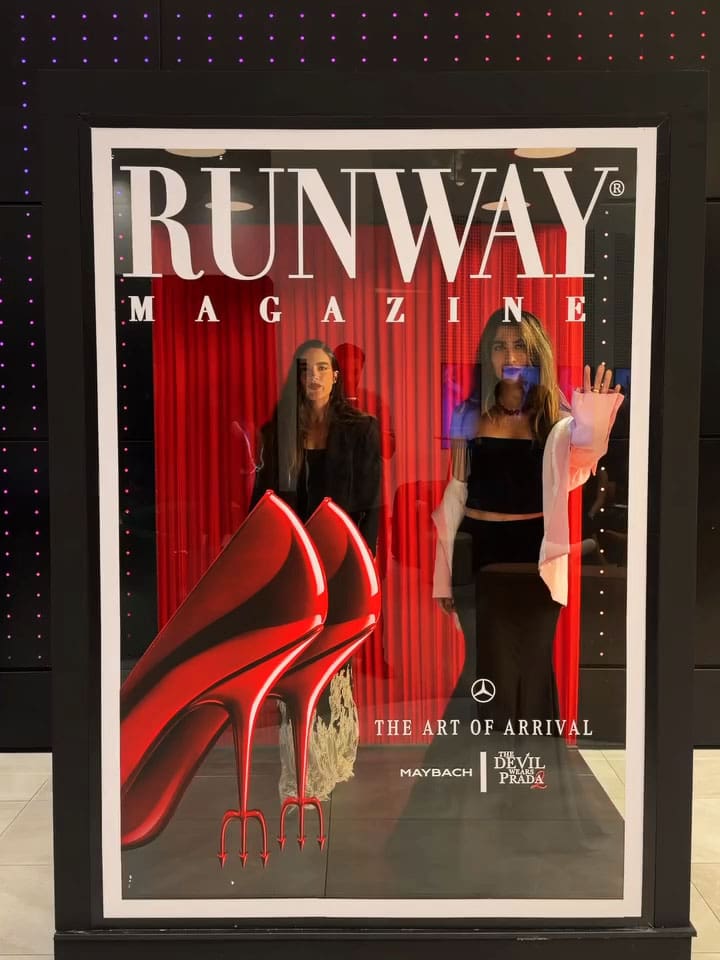
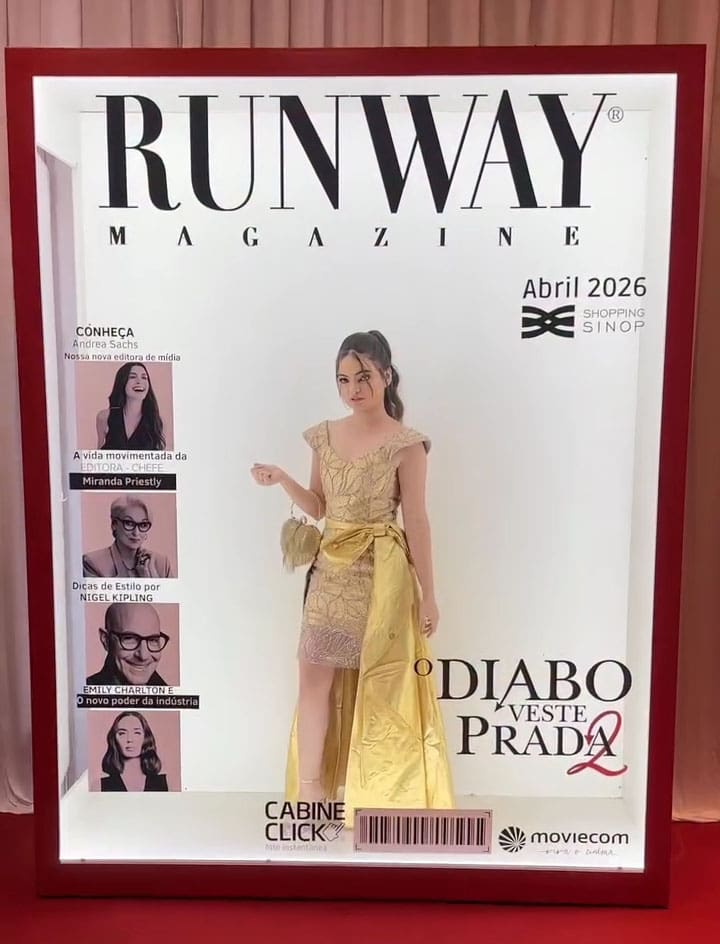
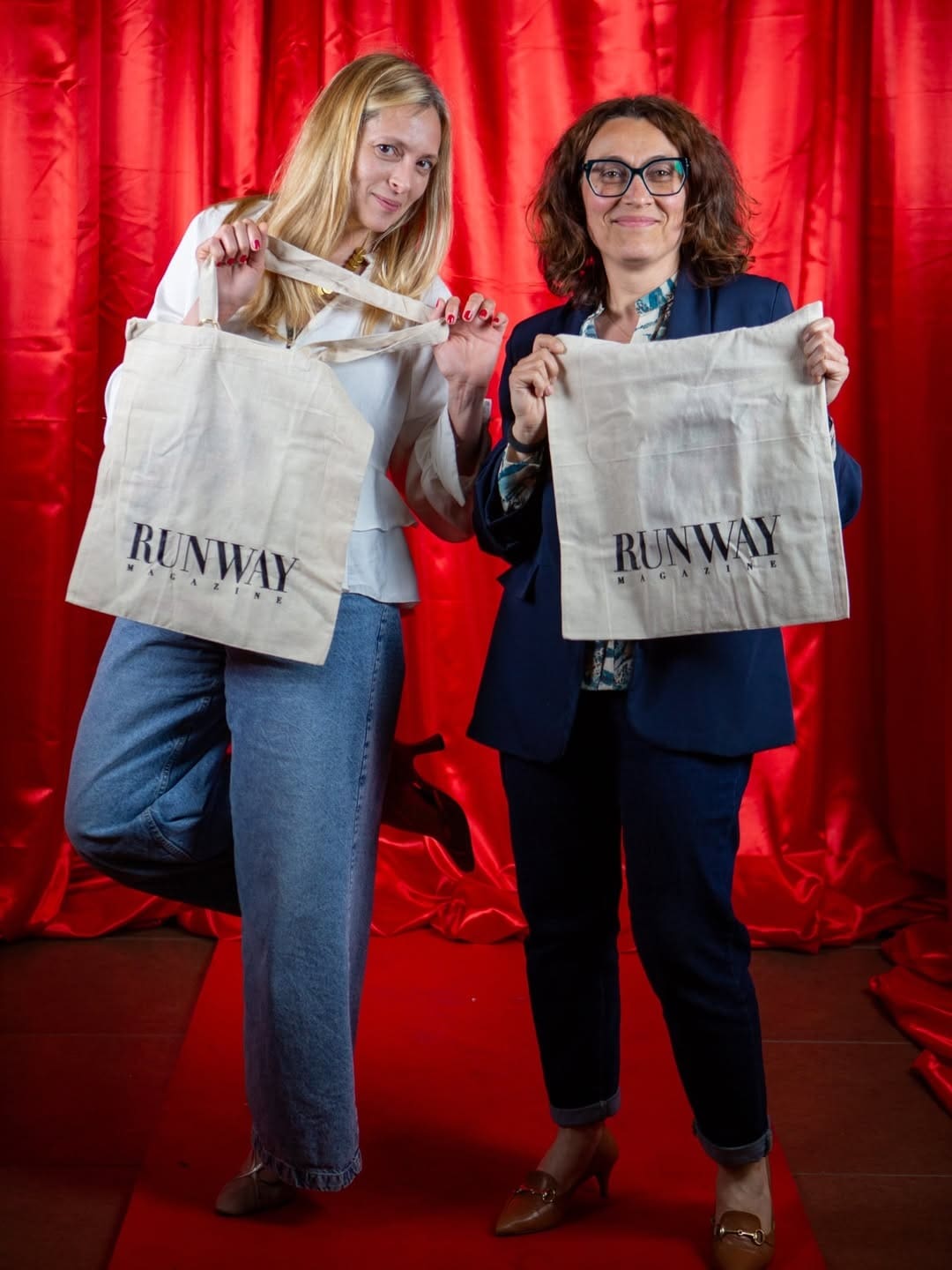
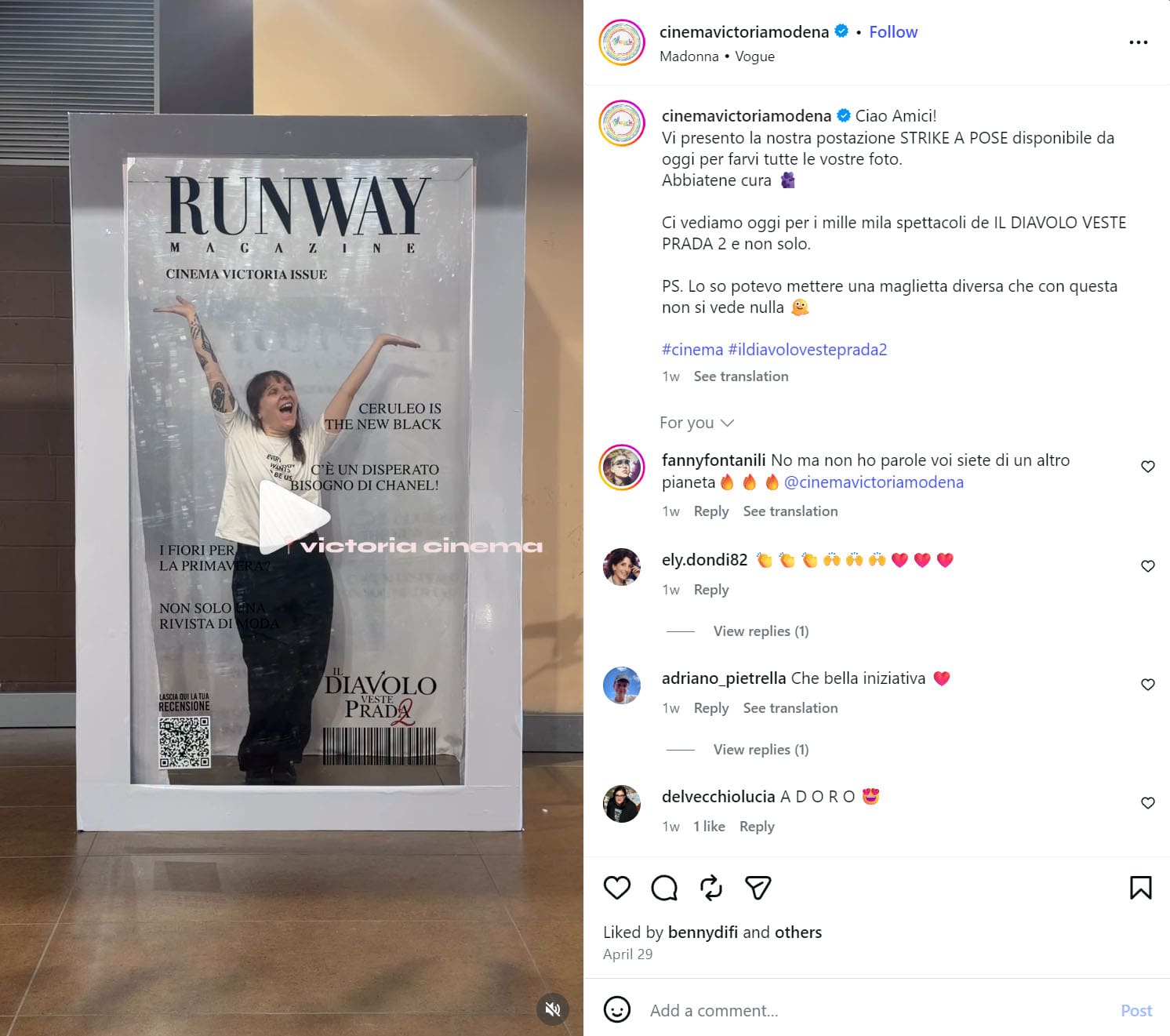
Post Notice Continuation of Use
Across these campaigns, the RUNWAY MAGAZINE® masthead, self-made magazines were licensed by Disney to commercial partners as their property, and used in product‑driven advertising, retail merchandise, and promotional materials created and distributed by external partners. These authorizations were issued for commercial activity connected to Mercedes‑Benz Maybach, L’Oréal Paris, Unilever/TRESemmé, Grey Goose, and extended to apparel, accessories, sweets, novelty items, and other consumer products. The use of the masthead in these contexts was outward‑facing and commercial in nature, materially distinct from any internal prop use or narrative depiction within the film.
Commercial materials, partner campaigns, and derivative assets continued to be developed and sold after formal CEASE AND DESIST notice was issued to Disney and 20th Century Studio, and Formal Legal Notice to its partners March 16, 2026, despite explicit communication that any use of the RUNWAY MAGAZINE® identity required authorization.
UPDATE — AUGUST 05, 2026 — UNAUTHORIZED COMMERCIAL DISTRIBUTION OF COUNTERFEIT RUNWAY MAGAZINE® PROPS (U.S. LIQUIDATION + EBAY)
Between June 03, 2026 and August 06, 2026, RUNWAY MAGAZINE® identified a new category of violation involving mass‑commercial distribution of counterfeit physical copies of the fabricated “RUNWAY MAGAZINE” promotional prop created for The Devil Wears Prada 2. These items are being distributed through U.S. liquidation channels and resold via automated eBay and Poshmark storefronts, resulting in hundreds of counterfeit units being marketed under our protected trade name.
eBay U.S. Liquidator currently holds 500 counterfeit physical copies priced for sale $47, with 60 completed sales, confirming active commercial distribution (information provided by eBay legal).
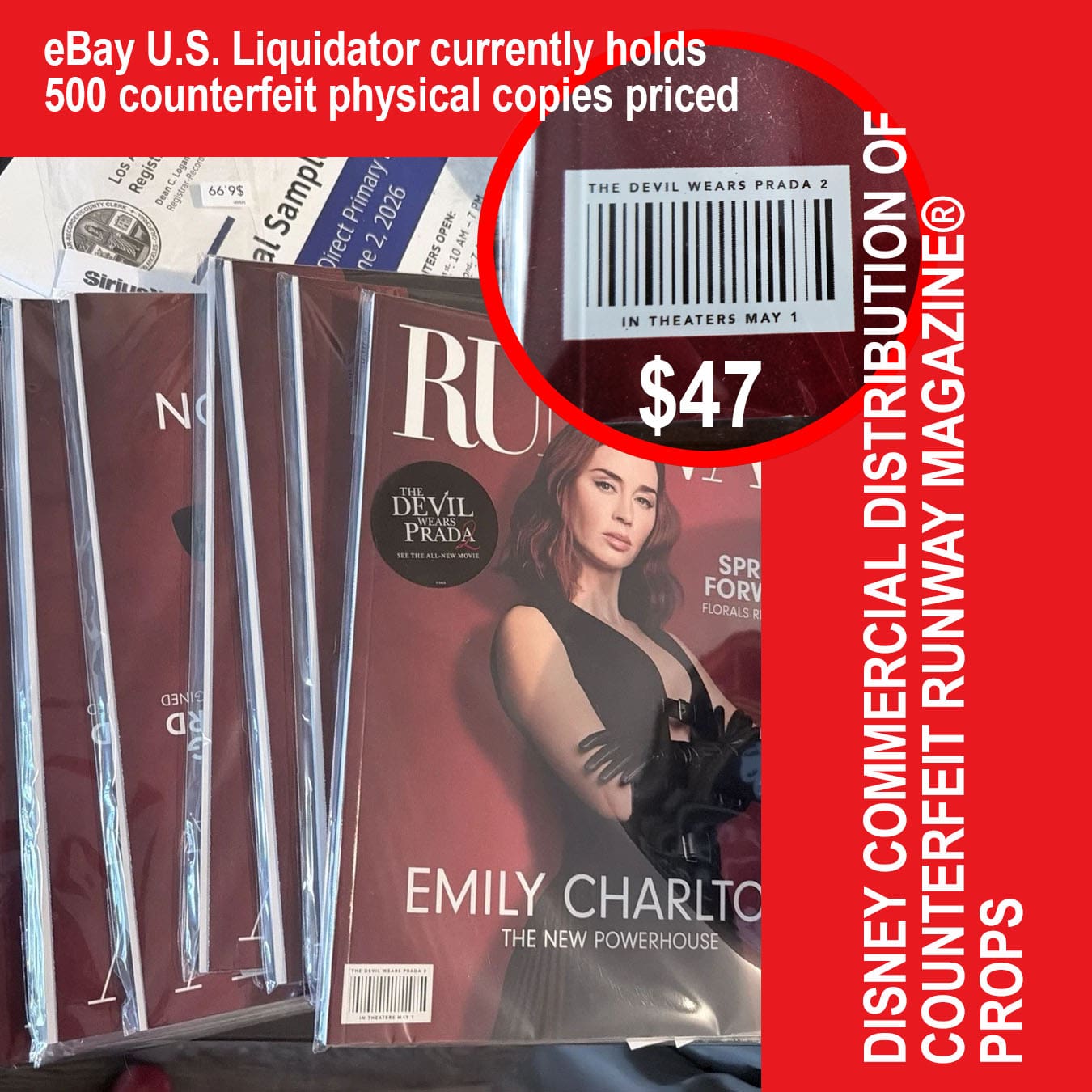
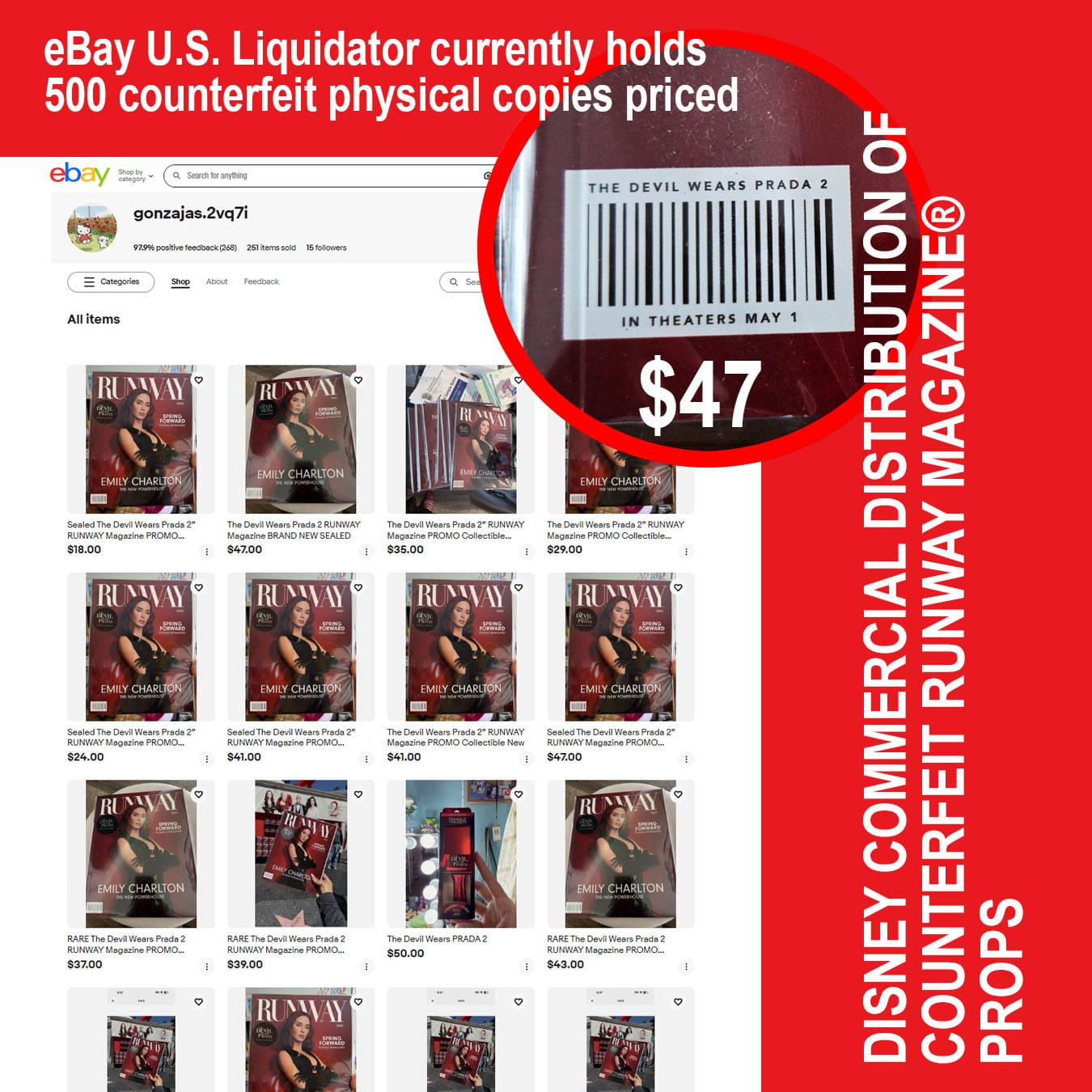
Another eBay U.S. Liquidator currently holds 200 counterfeit physical copies priced for sale $43, with 105 completed sales, confirming active commercial distribution (information provided by eBay legal).
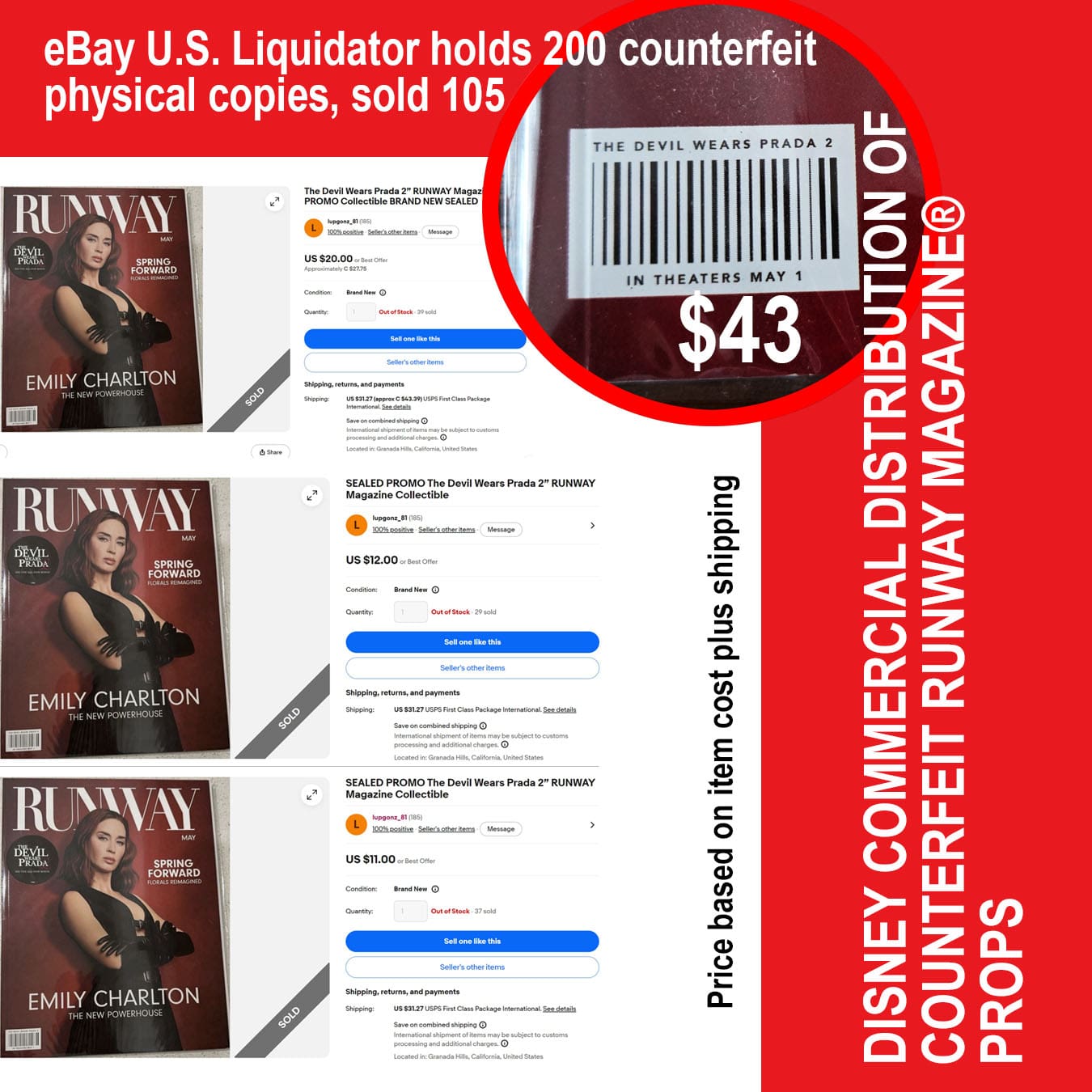
Unauthorized Disposal of Disney Promotional Materials
The counterfeit inventory originates from Disney promotional materials diverted from destruction protocols and improperly entering U.S. liquidation channels. These materials were never authorized for commercial resale and were marked accordingly.
Barcode Evidence — Promotional Prop Marked for Liquidation at the price $47
The counterfeit items display a printed barcode indicating:
- promotional prop,
- non‑retail classification,
- liquidation designation,
- not authorized for commercial distribution.
Commercializing promotional materials bearing the RUNWAY MAGAZINE® trademark constitutes:
- unauthorized distribution,
- counterfeit media trafficking,
- misrepresentation of origin, and
- direct commercial infringement.
RUNWAY MAGAZINE® maintains formal U.S. federal recognition, including Library of Congress registration, DUNS identification, and ISSN assignment. Any commercial use of the RUNWAY MAGAZINE® trade name, logo, or associated identifiers without authorization constitutes trademark misuse and unauthorized commercial exploitation under U.S. law.
Coordinated Removal of Liquidation Inventory
On August 13, 2026, immediately prior to the D23 Expo, RUNWAY MAGAZINE® observed the sudden disappearance of more than 600+ active listings of counterfeit RUNWAY MAGAZINE® promotional props across eBay. These listings were simultaneously marked as “sold out”, despite the fact that such quantities cannot be organically purchased within a single night, nor can multiple unrelated liquidators simultaneously deplete identical inventory.
The coordinated removal of hundreds of counterfeit units within a single 24‑hour period indicates centralized intervention within the same commercial supply chain responsible for distributing these unauthorized promotional materials.
RUNWAY MAGAZINE® formally records this event as evidence of organized concealment of unauthorized commercial distribution.
This violation is now formally recorded as Unauthorized Commercial Use + Trademark Misuse + Unauthorized Commercial Distribution of RUNWAY MAGAZINE®.
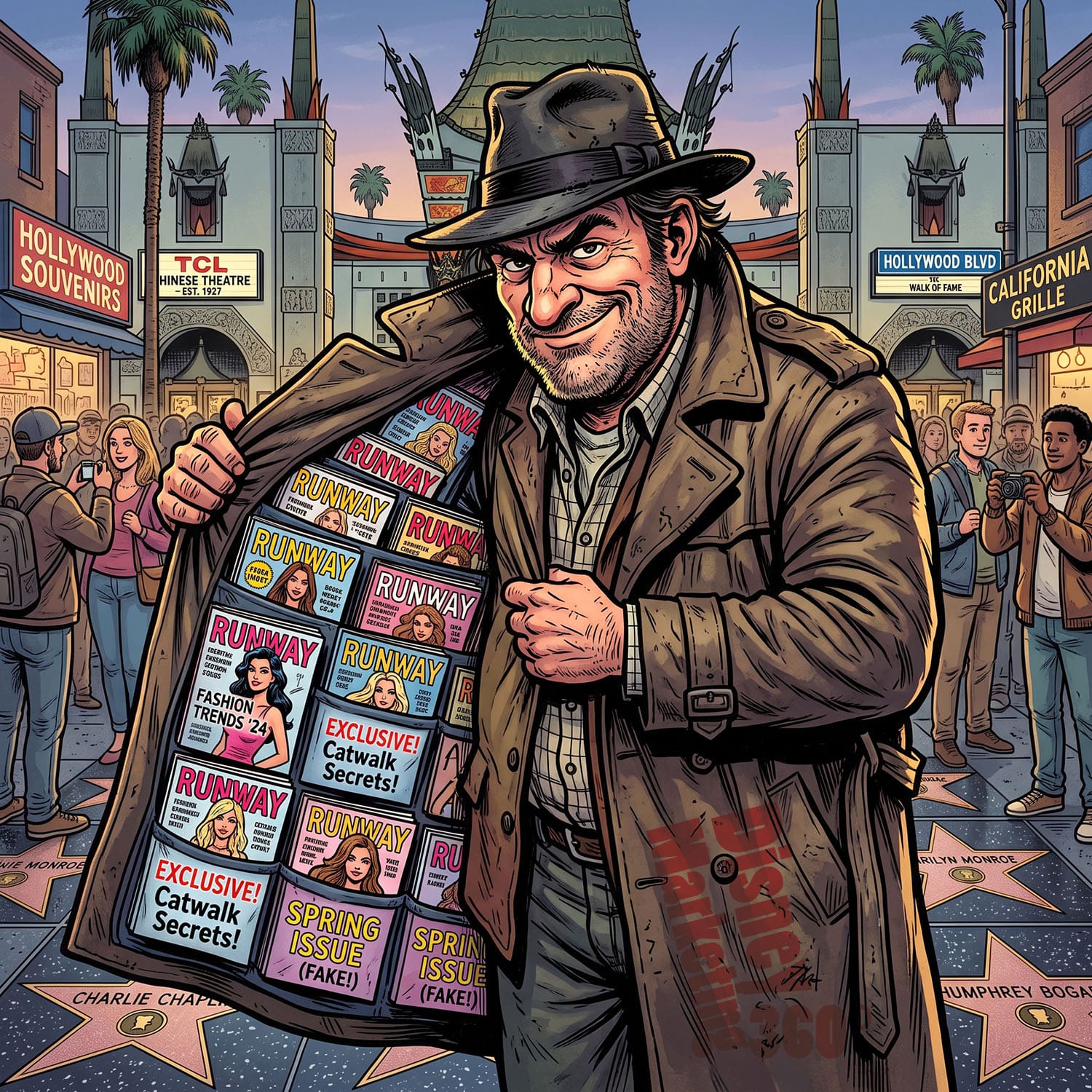
Informational Notice
Disney’s actions—including the unauthorized use of the RUNWAY MAGAZINE® trade name and logo in retail environments, licensed products, digital commerce, and partner advertising—raise serious concerns involving:
- trade‑name violations
- trademark infringement (registrations in U.S. and Europe)
- copyright infringement
- commercial parasitism
- misrepresentation to partners
- attempts to suppress lawful journalism
The record demonstrates a consistent pattern of conduct throughout the management of this project and the associated partner campaigns—ranging from unauthorized commercial use of our identity, to misrepresentations of legal rights, to attempts to suppress protected press documentation.
Real‑World Commerce Standards
A. Jack Daniel’s v. VIP Products (U.S. Supreme Court)
The Court held that even when a use is expressive or humorous, the moment a mark functions as a source identifier in commerce, standard infringement laws apply. This means the Rogers Test does not protect real‑world retail activations, co‑promotions, or product marketing.
B. The “Pepsi Perfect” Precedent (Universal / Back to the Future II)
When Universal sought to release the fictional “Pepsi Perfect” into the real world, it did not rely on “artistic expression.” It executed a formal commercial licensing agreement with PepsiCo.
Disney’s assumption that it can bypass this step with RUNWAY MAGAZINE® by labeling retail activations is inconsistent with trade and intellectual property laws, with established industry practice.
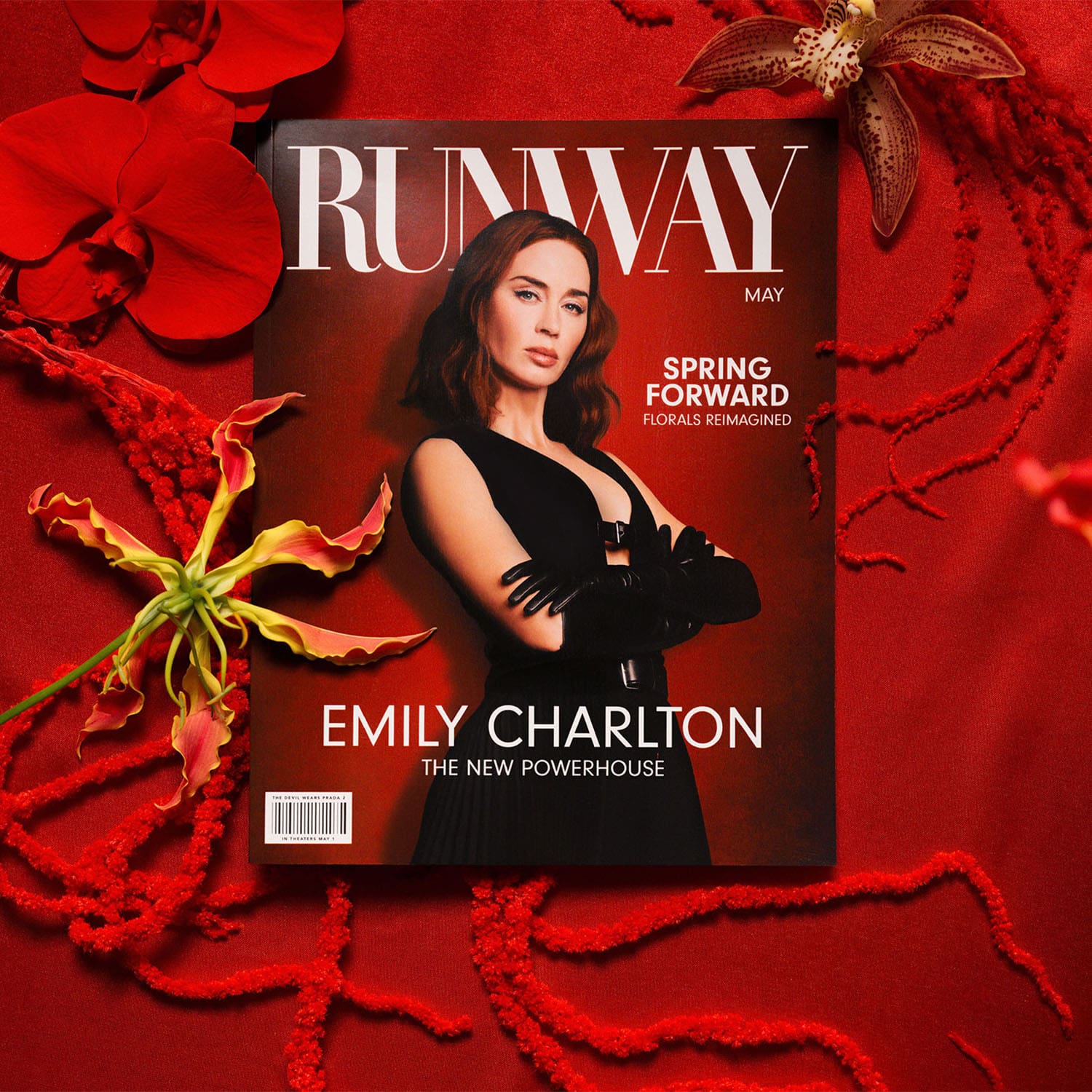
Disney’s bypass and misstatement of U.S., U.K., European, and international trade‑name and IP law, together with the willful commercial parasitism and attribution of these positions to its commercial partners, is now formally recorded.
When a corporation dismisses legal boundaries, asserts rights it does not possess, and attempts to silence the press, it reveals not an isolated misunderstanding but a posture. The events in this case reflect a pattern of conduct observed throughout the management of this project and the campaigns associated with it.
Publication of the CEASE AND DESIST Notice
RUNWAY MAGAZINE® has now published the full Cease and Desist Notice for transparency.
Download CEASE AND DESIST ADDRESSED TO DISNEY (PDF)
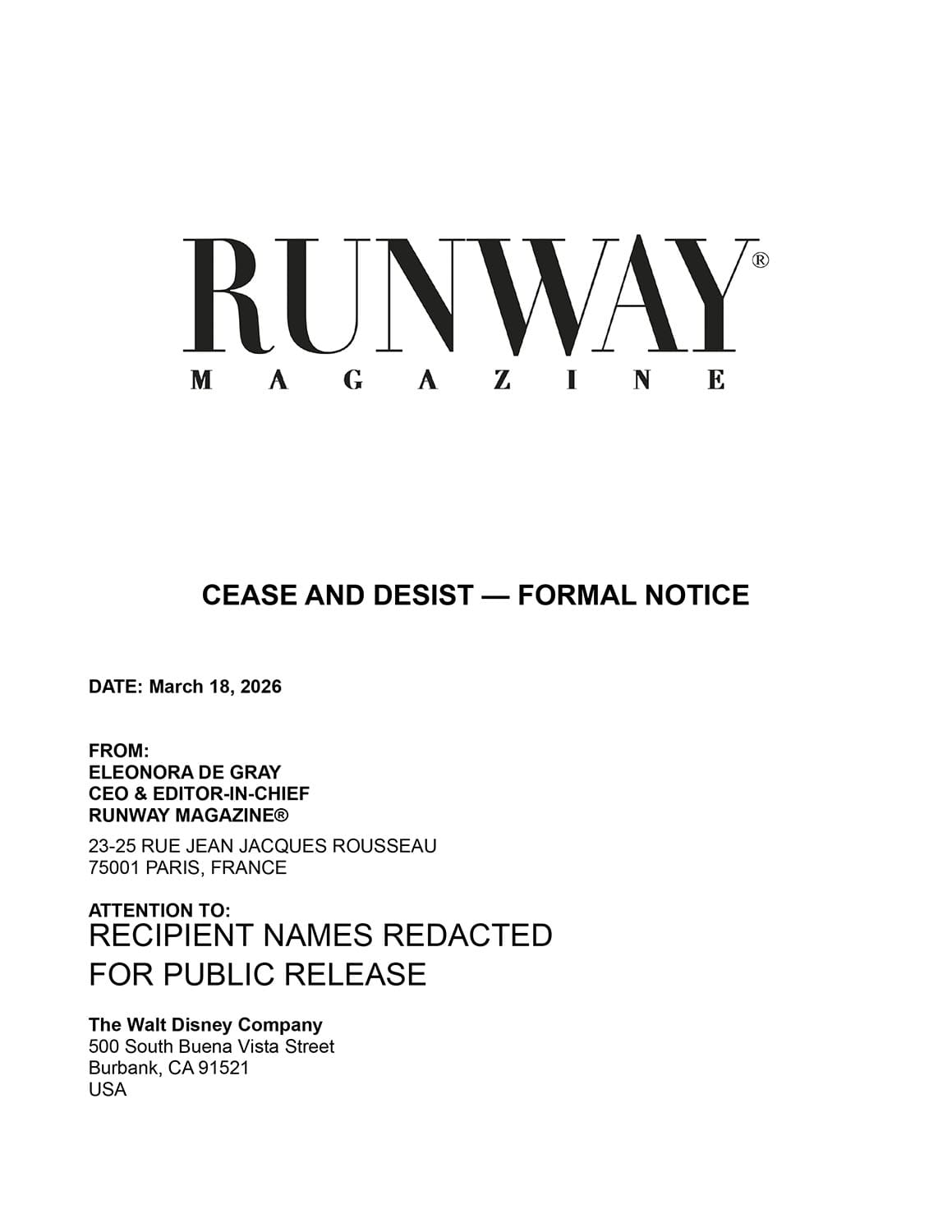
About RUNWAY MAGAZINE®
RUNWAY MAGAZINE® is an international fashion publication founded in 1995 in New York and headquartered in Paris, founded by Eleonora de Gray. Produced in nine languages, the magazine reaches more than 20 million readers across print, digital, and immersive Web3 formats.
Message from Eleonora de Gray, Editor-in-Chief of RUNWAY MAGAZINE:
To the “legal talents” at Disney / 20th Century Studios: any further legal threats, or social media stalking by studio directed at me or our media will be immediately published on RUNWAY MAGAZINE digital platform, and reported to the International Associations of Journalists. My credentials: International Association of Journalists ID W73133, and the American Association of Journalists ID C553-3.
Furthermore, let’s clarify a point of professional etiquette: while our staff at our offices may not feel the need to flaunt a Bar Number, they — and our entire operation — are protected under the umbrella of these international journalistic associations and the legal safeguards of a registered media organization.
Disclaimer
This publication has been met with legal threats from representatives of Disney / 20th Century Studios demanding its removal: “Disney will not hesitate to take legal action against Ms. de Gray, both personally and through her companies, including, but not limited to, by filing a lawsuit for copyright and trademark infringement, tortious interference, defamation, false association, disparagement, parasitism, and/or unfair competition.”
To note: Disney DOES NOT OWN RUNWAY / RUNWAY MAGAZINE trademarks, DOES NOT HAVE COMMERCIAL USE until April 2026, and CANNOT APPROPRIATE OUR IDENTITY.
Furthermore, Disney’s claims rely on factually corrupted records and fabricated documents originating from an individual convicted in U.S. federal court (Case No. 2:22-cr-00276), constituting a pattern of willful misinformation and unauthorized commercial use across global campaigns (L’Oréal, Mercedes-Benz, Target, Walmart, etc).
RUNWAY MAGAZINE® operates under the internationally recognized protections for Freedom of Expression, Media Freedom, and the Safety of Journalists as affirmed in Article 11 of the Déclaration des droits de l’homme et du citoyen (1789), Article 19 of the Universal Declaration of Human Rights (1948), Article 10 of the European Convention on Human Rights (1950), the Loi du 29 juillet 1881 sur la liberté de la presse, the First Amendment of the U.S. Constitution protecting editorial commentary and satire, UNESCO’s standards for the independence and safety of the press, and the protections against abusive litigation (SLAPP) afforded by the EU Anti-SLAPP Directive (2024/1069). Any effort to restrict, suppress, or unduly pressure a media outlet in the exercise of its journalistic functions stands in tension with these binding standards and the public‑interest role of the press.
RUNWAY MAGAZINE® is an internationally distributed fashion publication founded in 1995 in New York and headquartered in Paris since 2004. The brand is protected under international trademark frameworks, including active WIPO registrations.
RUNWAY MAGAZINE® operates under the French activity code Édition de revues et périodiques (5814Z) and is governed by the Journalistes (1480) collective agreement.
Copyright Notice & Prohibition on Derivative Works
The procedural history, narrative description, editorial analysis, and all accompanying materials contained in this Cease and Desist Notice constitute original copyrighted content owned exclusively by RUNWAY MAGAZINE®.
This document, including its chronology of events, legal assessments, and descriptive elements, is protected under international copyright law, including but not limited to the Berne Convention, TRIPS Agreement, and applicable U.S. and EU statutes.
No portion of this document may be reproduced, adapted, dramatized, fictionalized, or used as the basis for any film, television production, streaming content, scripted series, documentary, or other derivative work without the express written authorization of RUNWAY MAGAZINE®.
Any unauthorized use, including the development of derivative narratives or audiovisual adaptations based on the events, descriptions, or editorial content herein, will constitute copyright infringement, misappropriation, and violation of moral rights.
RUNWAY MAGAZINE® expressly reserves all rights and remedies.
